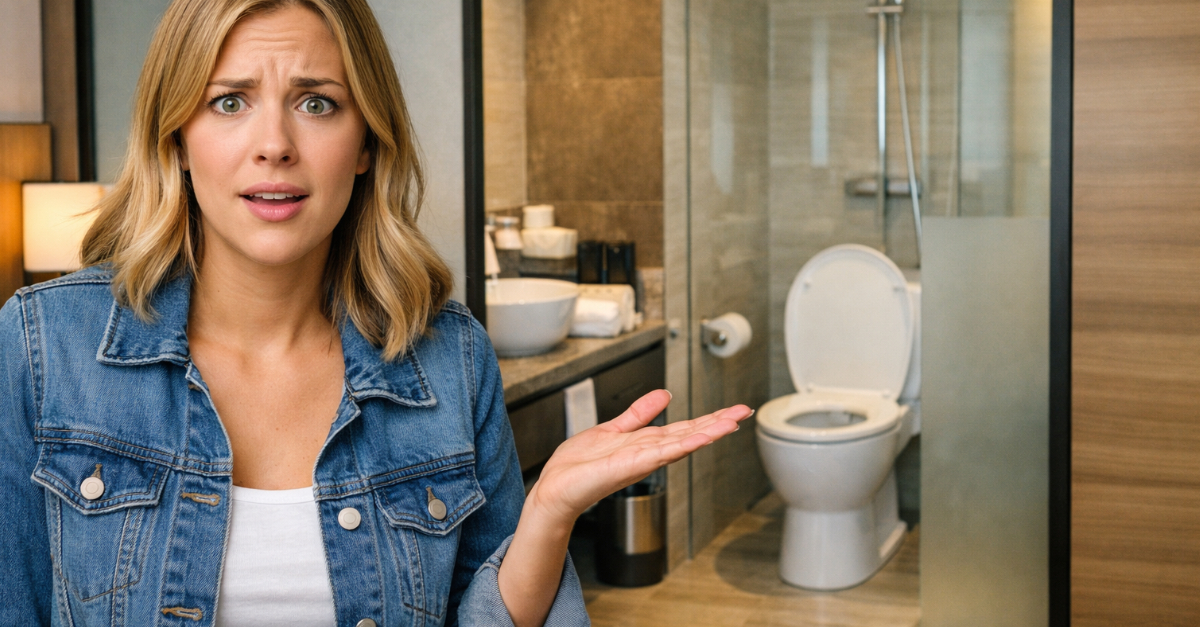
The Curious Case Of The Missing Bathroom Door
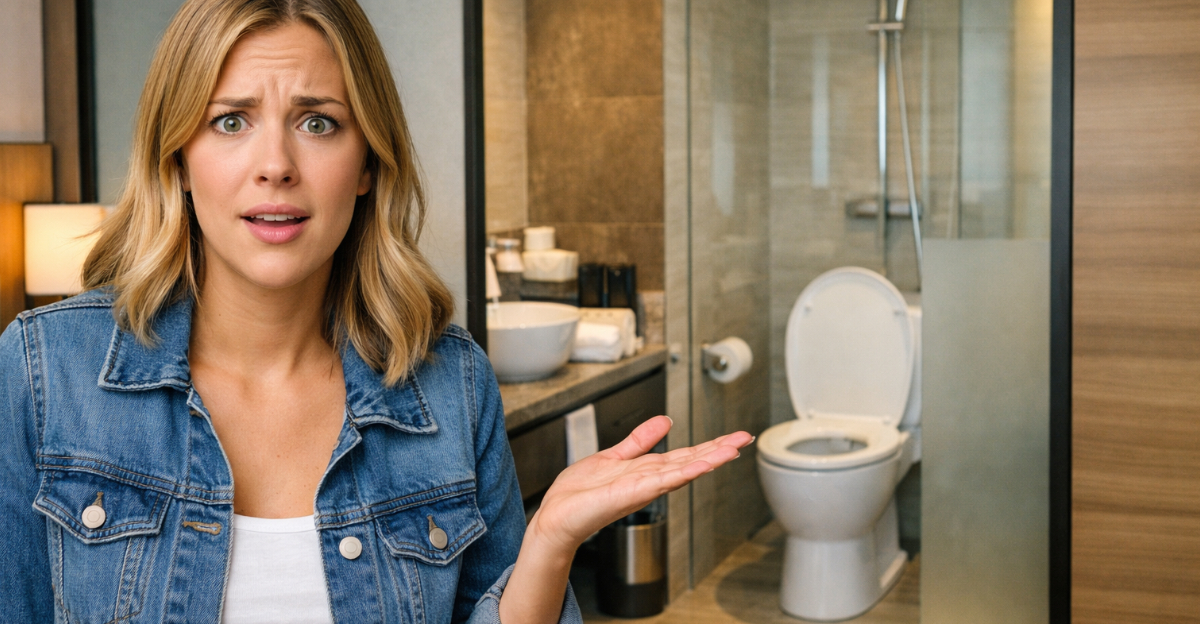
If you’ve walked into a modern hotel or restaurant bathroom recently, you may have noticed something odd: from open restroom entrances to hotel rooms suddenly putting the toilet almost completely out in the open—doors are disappearing. What’s going on?
The Doorless Entrance Is Actually Intentional
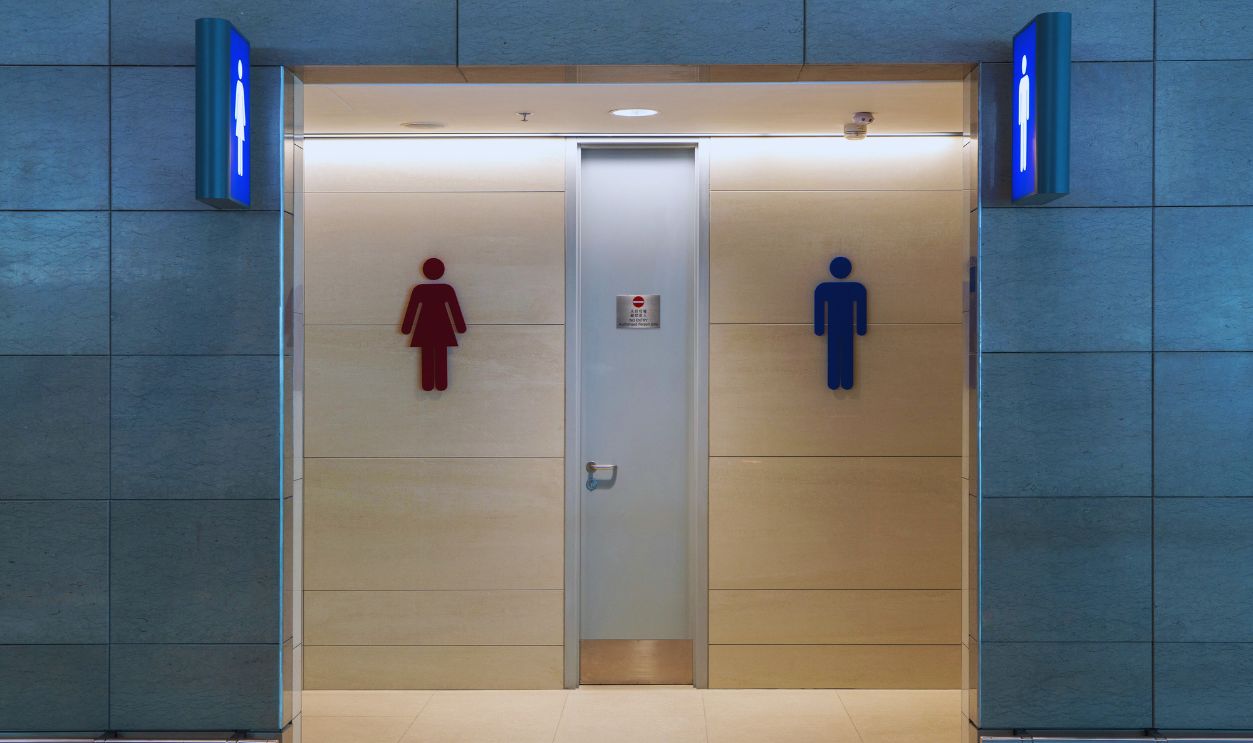
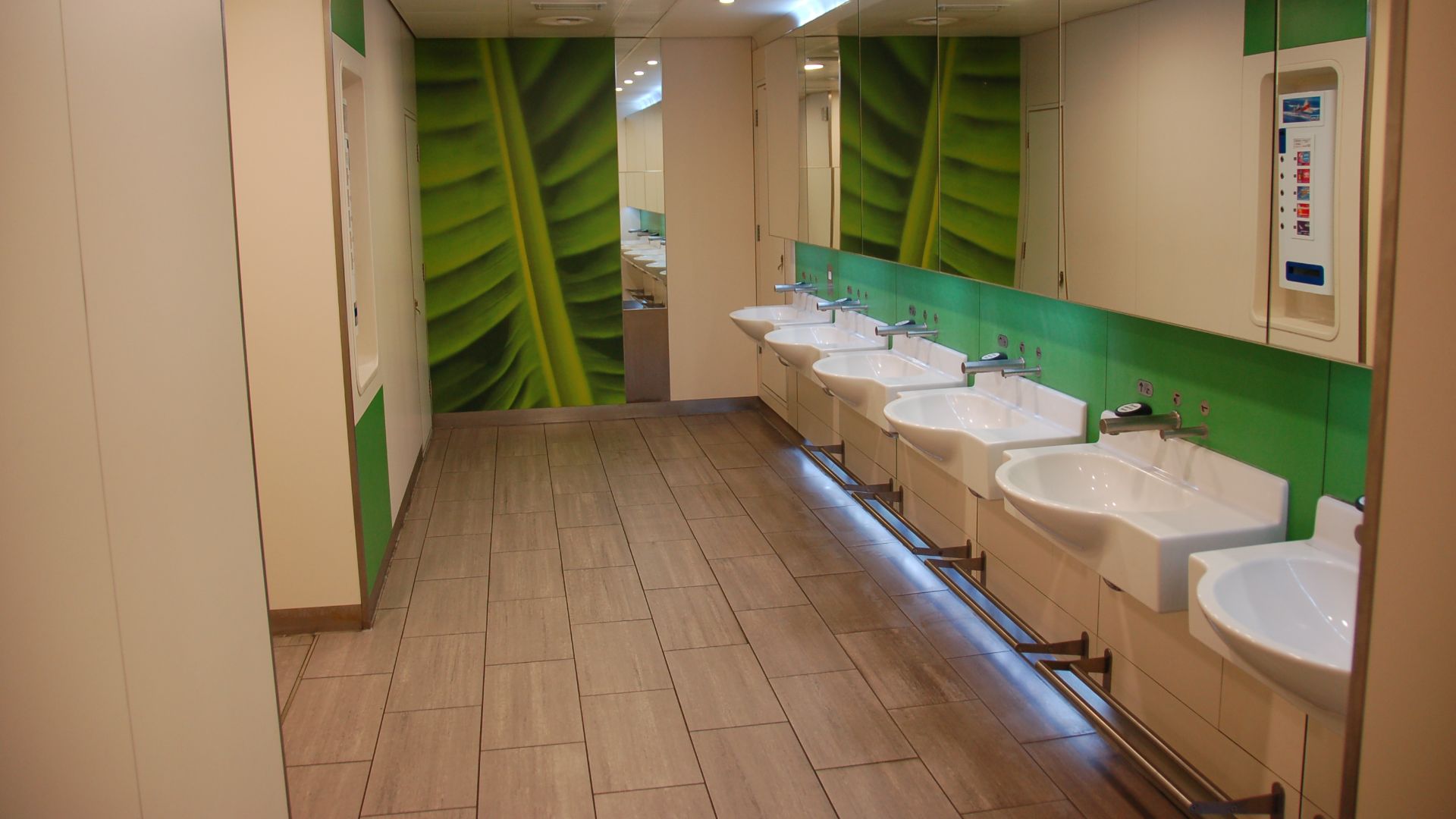
First, let’s talk about the most common change: the missing main restroom door. Many newer restaurants, airports, and public buildings now use a maze-style entrance instead of a swinging door. You walk around a short wall or corner before reaching the sinks and stalls. The goal is simple: you don’t have to touch a door handle on your way out—right after washing your hands.
 ShutterStockStudio, Shutterstock
Some Hotels Are Taking This Even Further
The disappearing-door trend isn’t just happening in public restrooms. In some modern hotel rooms, the bathroom itself has been opened up so much that the toilet is barely separated from the bedroom at all. Let’s just say it requires a certain level of trust—and comfort—with whoever you’re sharing the room with.
Germs Are A Big Reason For The Change
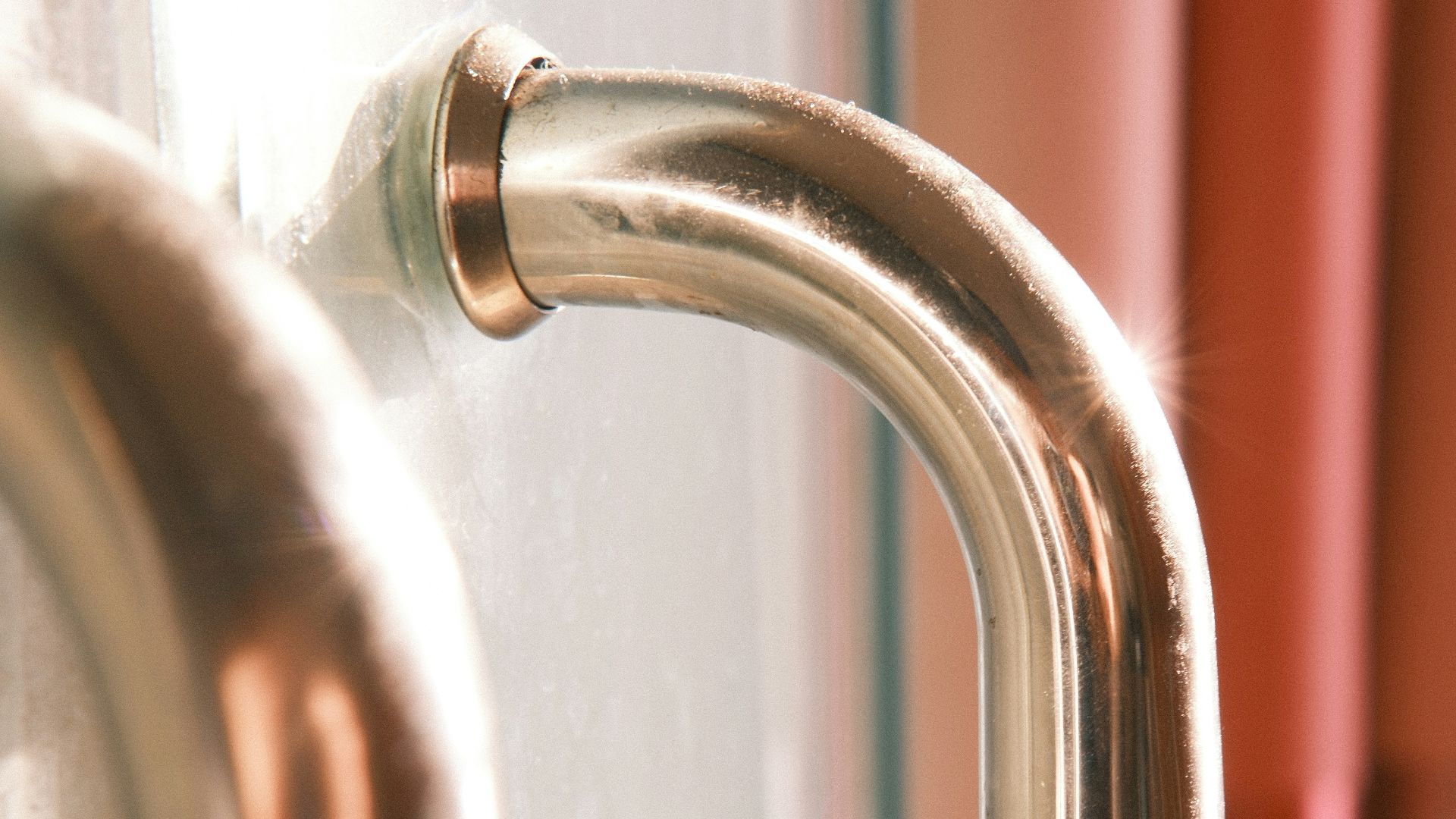
But back to the doorless entrance trend for a moment. Public health experts have long pointed out that restroom door handles are one of the most contaminated surfaces in a building. Think about it: people wash their hands… and then grab the same handle as someone who didn’t. Doorless entrances remove that problem entirely. You wash, you walk out, and you never have to play the classic “paper towel vs. door handle” strategy game again.
It Also Keeps Air Moving
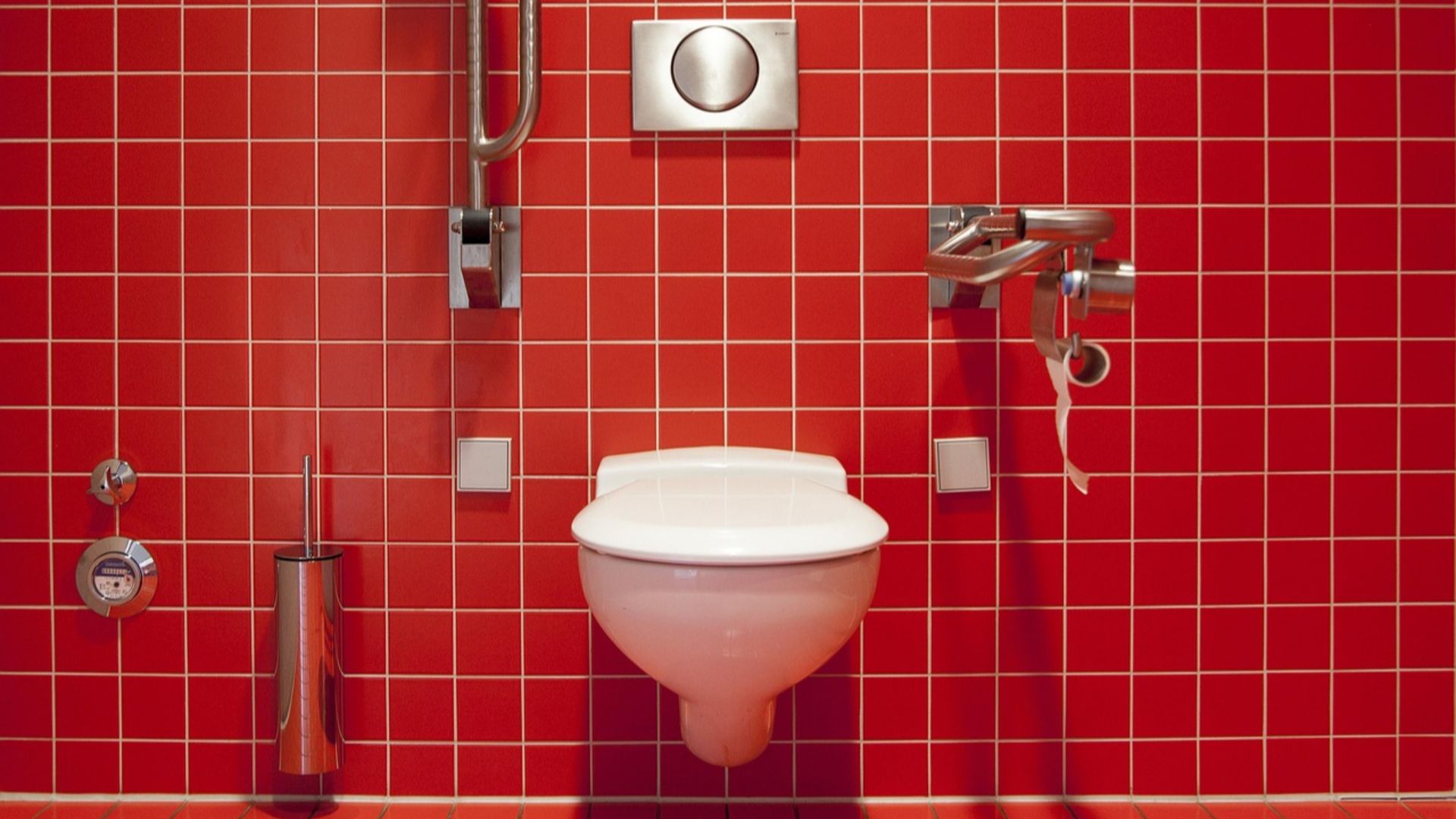
Ventilation is another reason architects like doorless entrances. Bathrooms tend to trap humidity and odors, especially in busy places like restaurants or stadiums. Open entrances allow air to circulate more freely through the space, helping ventilation systems work more efficiently. In other words, fewer smells linger around, which is something everyone appreciates.
Cleaning Crews Like It Too
There’s also a practical side that has nothing to do with design philosophy. Janitorial staff can clean restrooms faster when they don’t have to deal with heavy entrance doors swinging around while they mop floors or push carts. In high-traffic buildings, shaving even a few minutes off cleaning time adds up quickly.

The Famous “Bathroom Stall Gap”
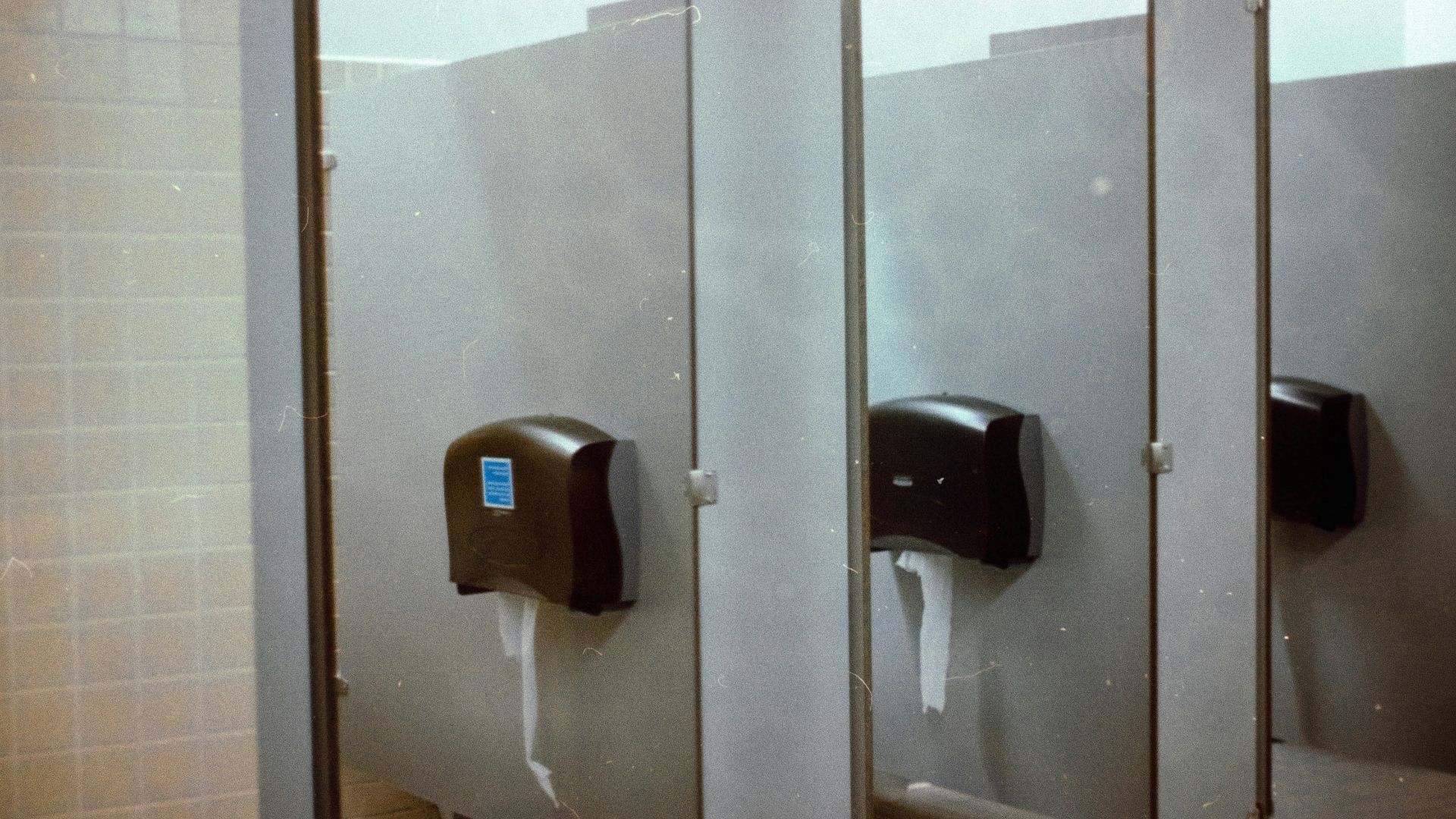
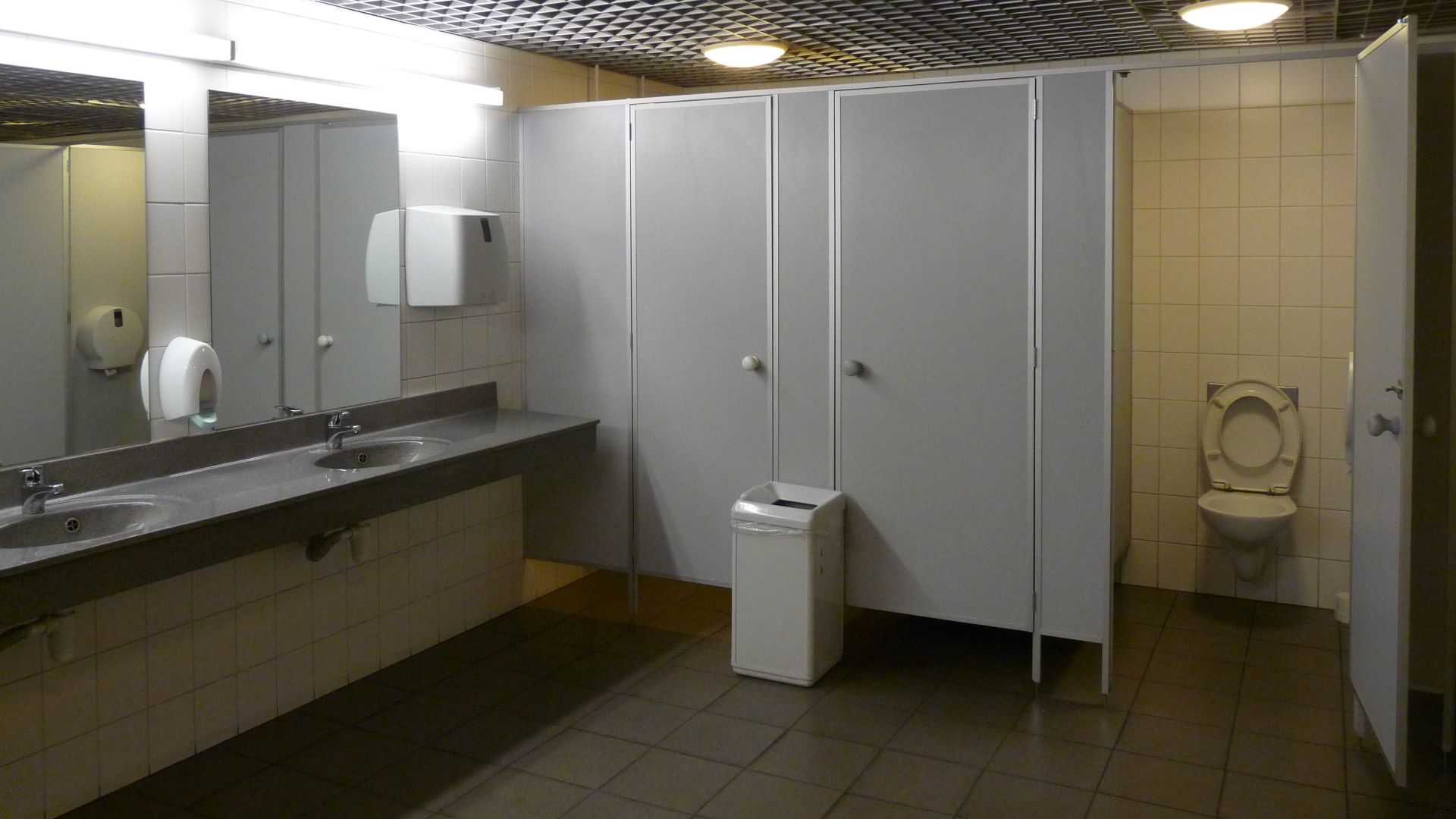
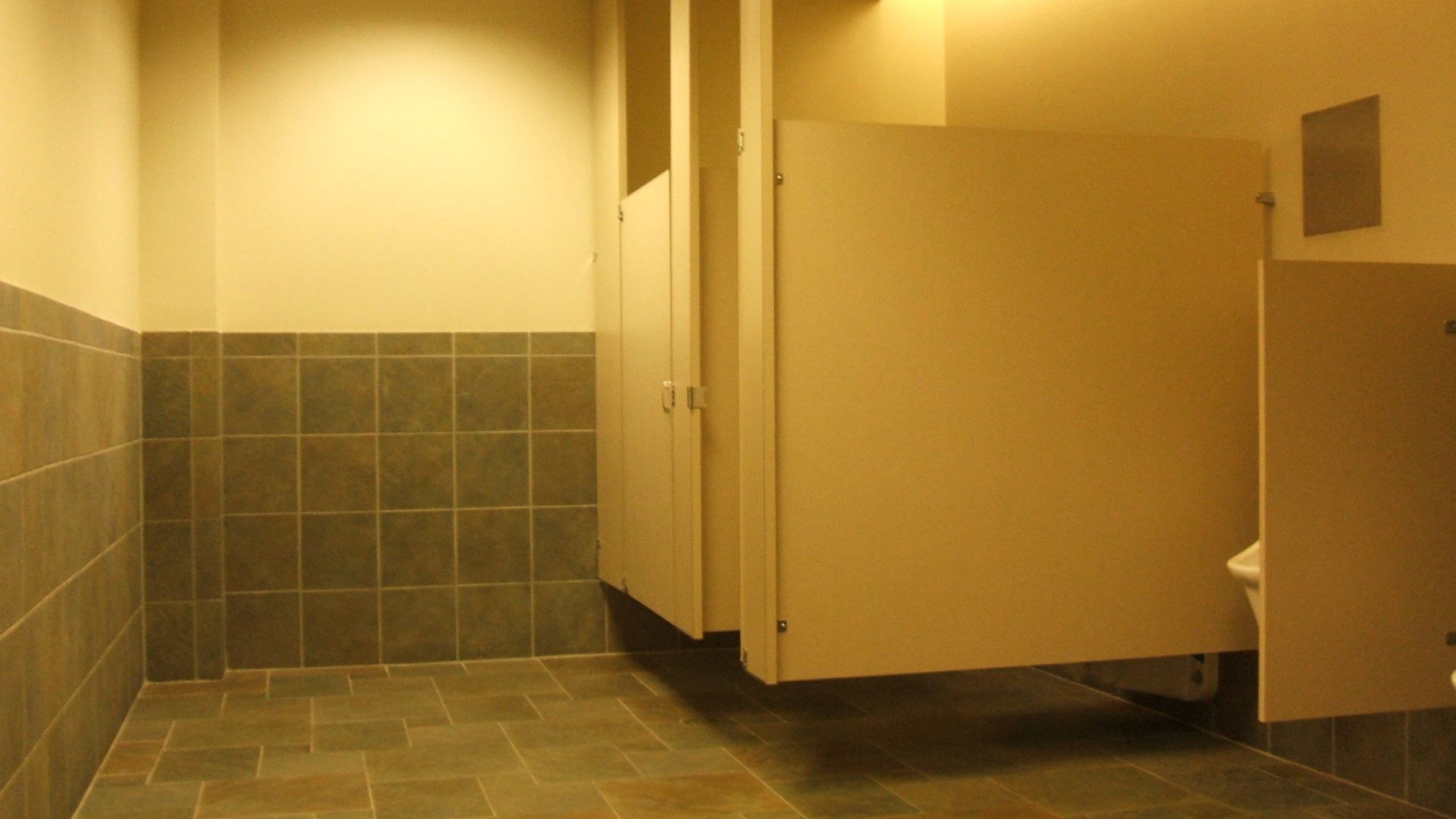
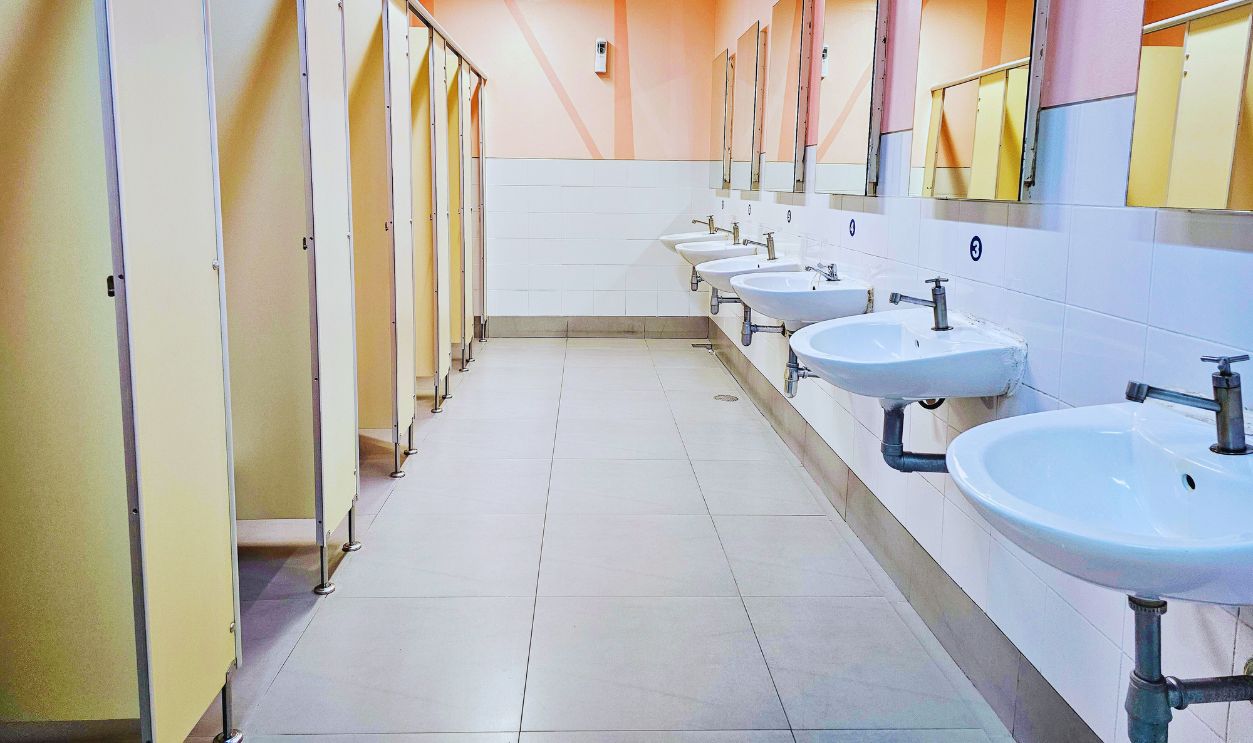
Of course, the missing entrance door is only half the story. Americans have long noticed another strange feature of public bathrooms: the giant gaps around stall doors. You know the ones—the gaps where you can see shoes, knees, and occasionally make uncomfortable eye contact with someone who’s just trying to check if the stall is occupied.
The Design Dates Back More Than A Century
The open stall design became common in the United States in the early 1900s, when public restrooms began appearing in large office buildings and train stations. Manufacturers developed modular metal partitions that were inexpensive, easy to install, and simple to maintain. The partial-height doors became the standard, and once something becomes standard in construction, it tends to stick around for decades.
Safety Was One Of The Original Reasons
Architects also argued that open gaps were safer. If someone fainted, had a medical emergency, or became trapped inside a stall, staff could quickly see that something was wrong and assist them. It wasn’t glamorous reasoning—but it did provide a practical justification for the design.

It Also Discouraged Certain Activities
Another reason rarely mentioned in polite conversation: visibility discourages misuse. When stalls are fully enclosed, they can become places for vandalism, drug use, or other activities that building managers would rather avoid. Open gaps make it harder to hide for long, so the design quietly stuck.
The Cost Difference Matters Too
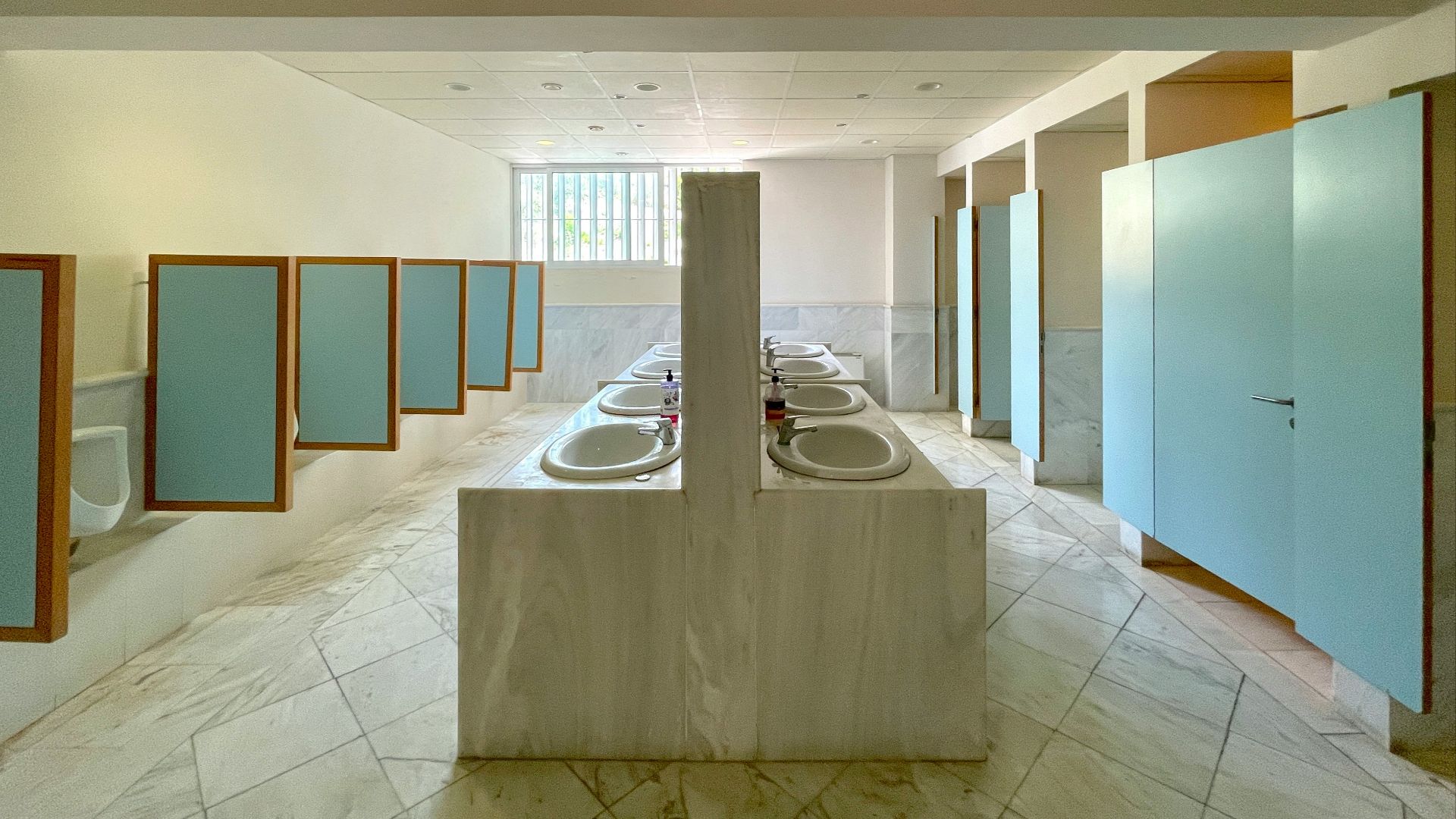
Full-height enclosed stalls require more material, more hardware, and more installation time. The typical American stall design uses fewer panels and simpler hinges, which keeps costs lower for businesses building large public restrooms. Multiply that across hundreds of stalls in airports or stadiums and the savings become significant.
Some Countries Do It Very Differently
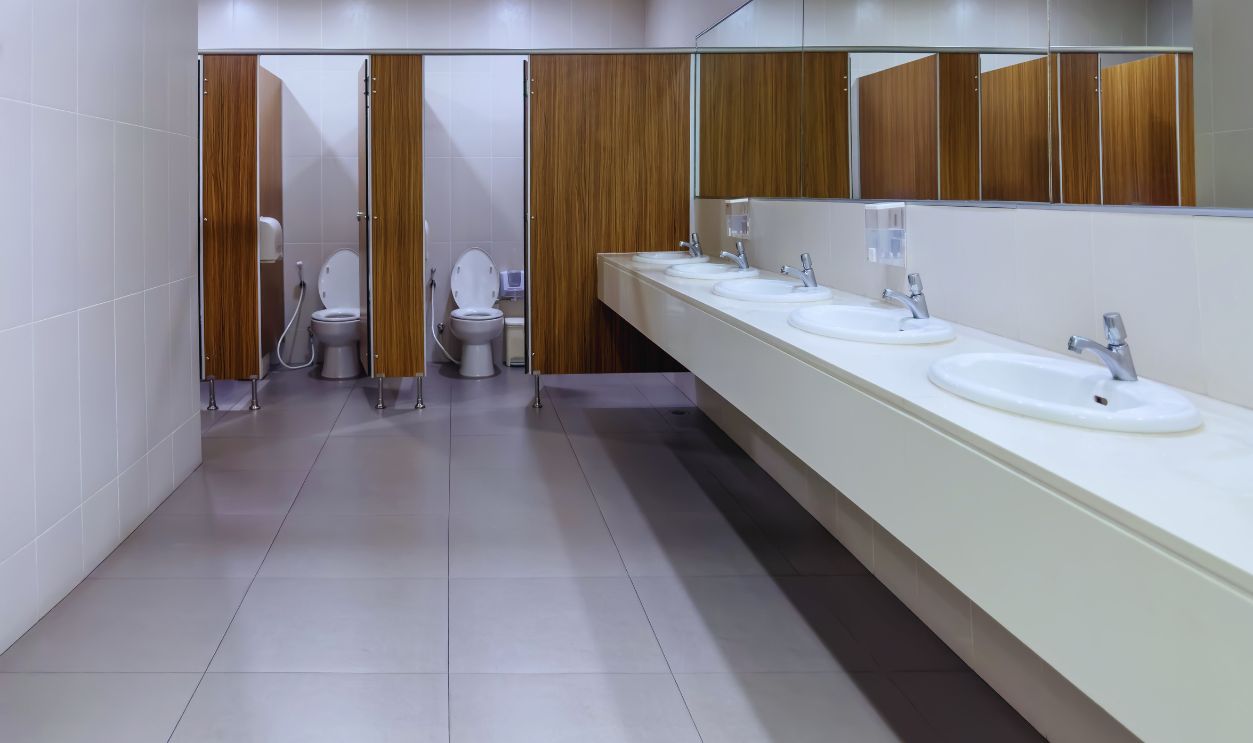
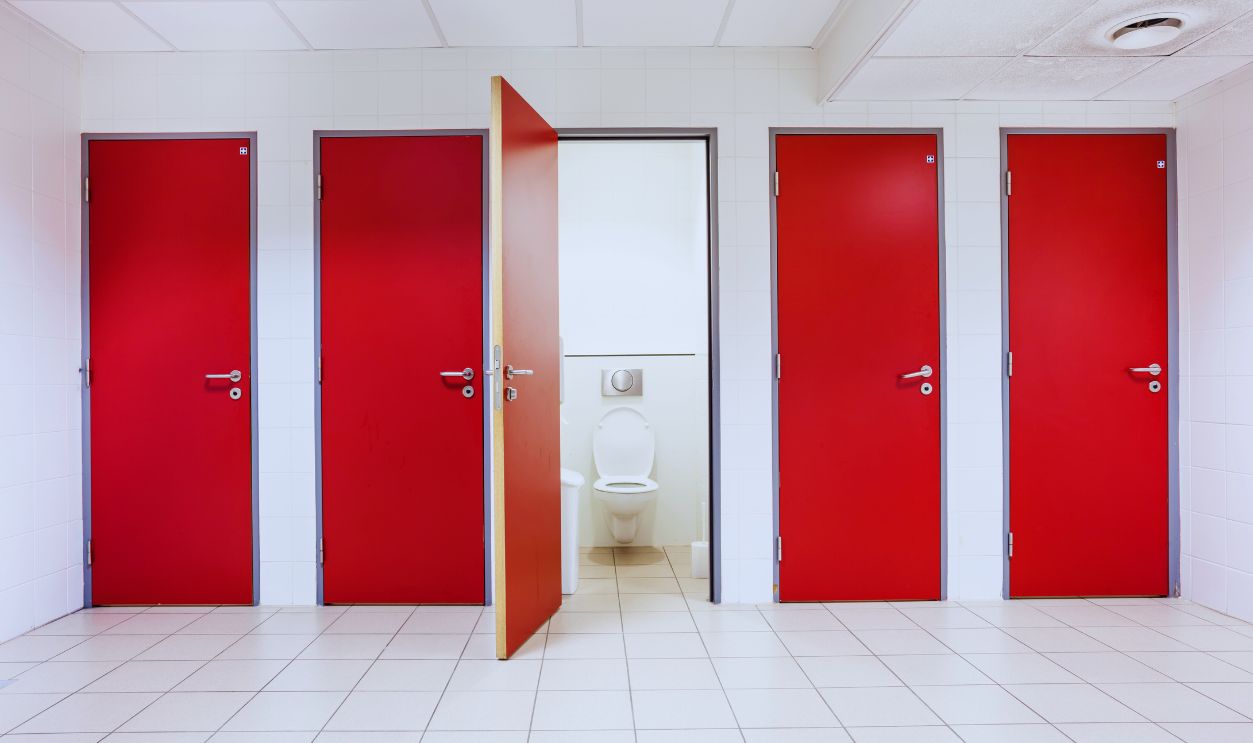
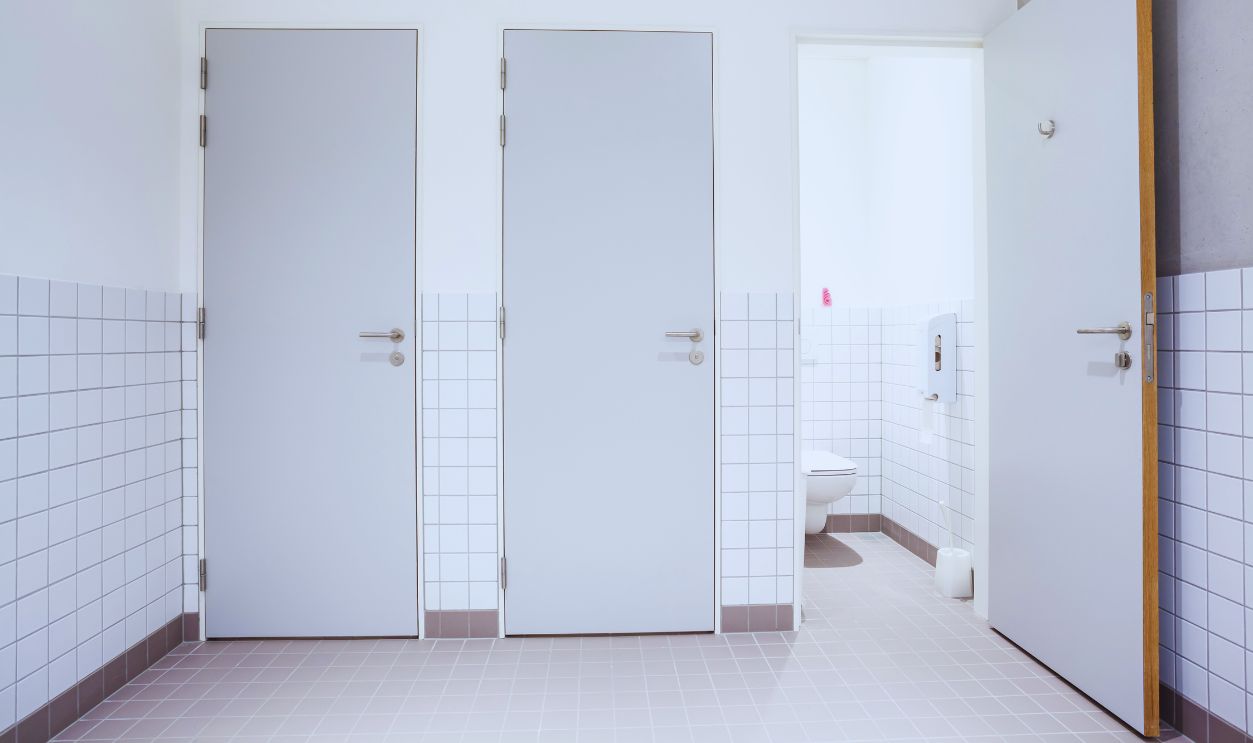
If you travel internationally, you might notice something interesting. Many European and Asian public bathrooms use floor-to-ceiling stalls with minimal gaps. They look more like small private rooms than partitions. The difference mostly comes down to building traditions and manufacturing standards that developed differently in each region.
Americans Are Slowly Pushing Back
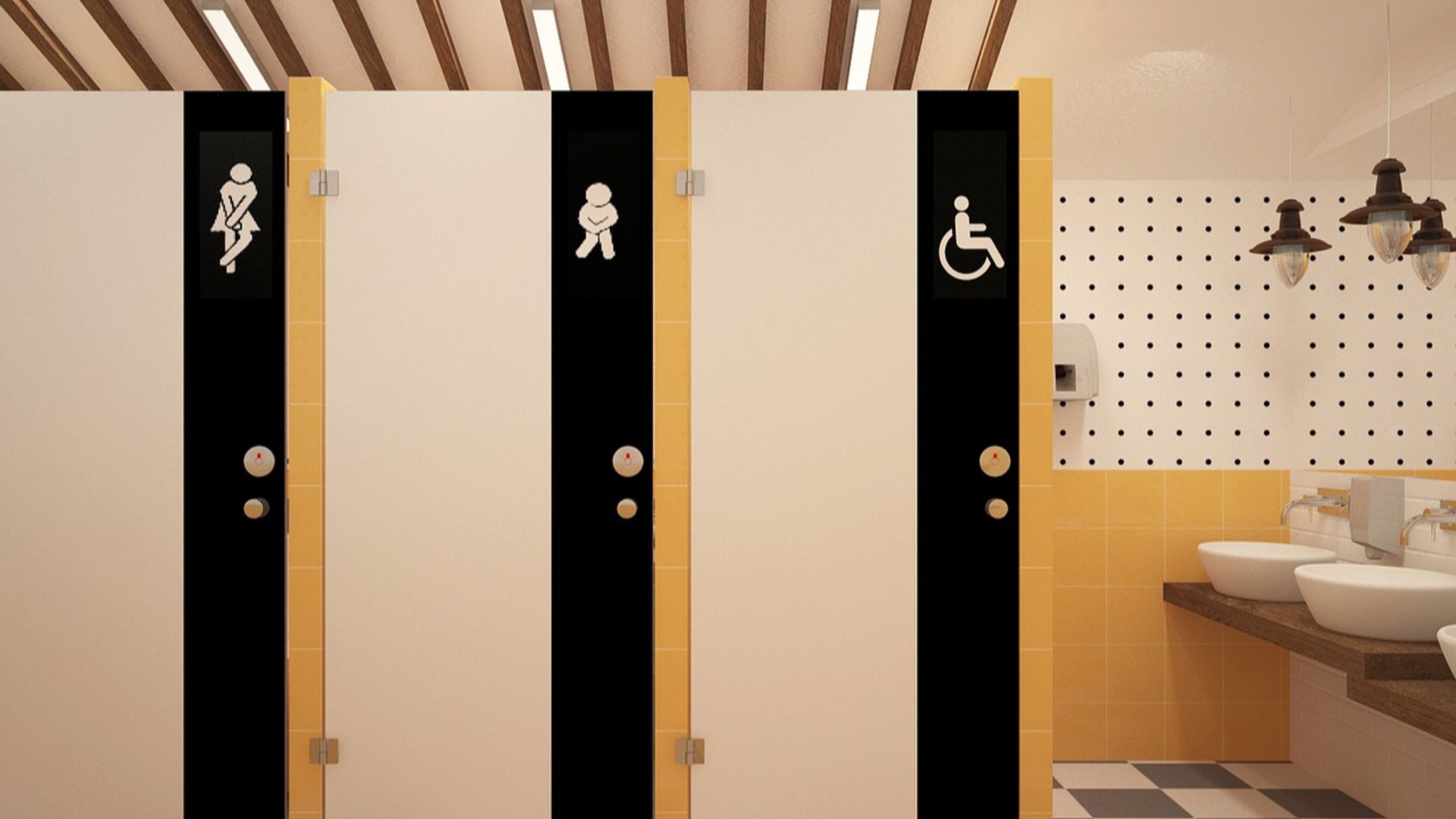
In recent years, people have started complaining more loudly about stall privacy. Some architects and building owners are experimenting with “European-style” enclosed stalls that offer more privacy while still allowing ventilation. You’ll occasionally see these in newer office buildings or upscale venues, though they’re still not the norm.

The “American Bathroom Stall Gap” Became A Meme
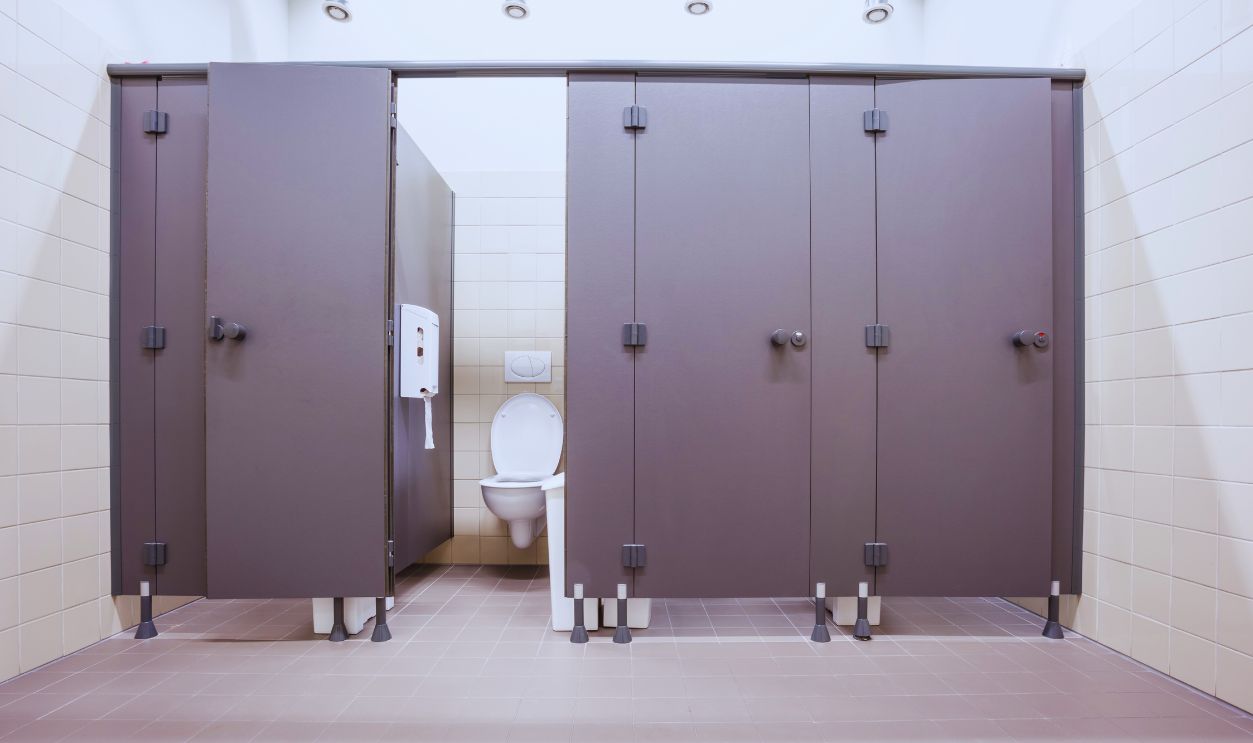
The large gaps around American restroom stall doors have become such a well-known quirk that they’re now a running joke online. Travelers from Europe and Asia frequently post comparisons showing fully enclosed stalls abroad versus the famously revealing gaps common in many U.S. public bathrooms.
 Marcel Derweduwen, Shutterstock
In Much Of The World, Stalls Actually Close
For many international travelers, one of the strangest things about American public restrooms is how exposed the stalls feel. In much of Europe and Asia, stalls typically run nearly floor to ceiling with very small gaps around the door. For visitors encountering American stalls for the first time, the difference can be… surprising.
 Marcel Derweduwen, Shutterstock
Now Let’s Talk About Hotels
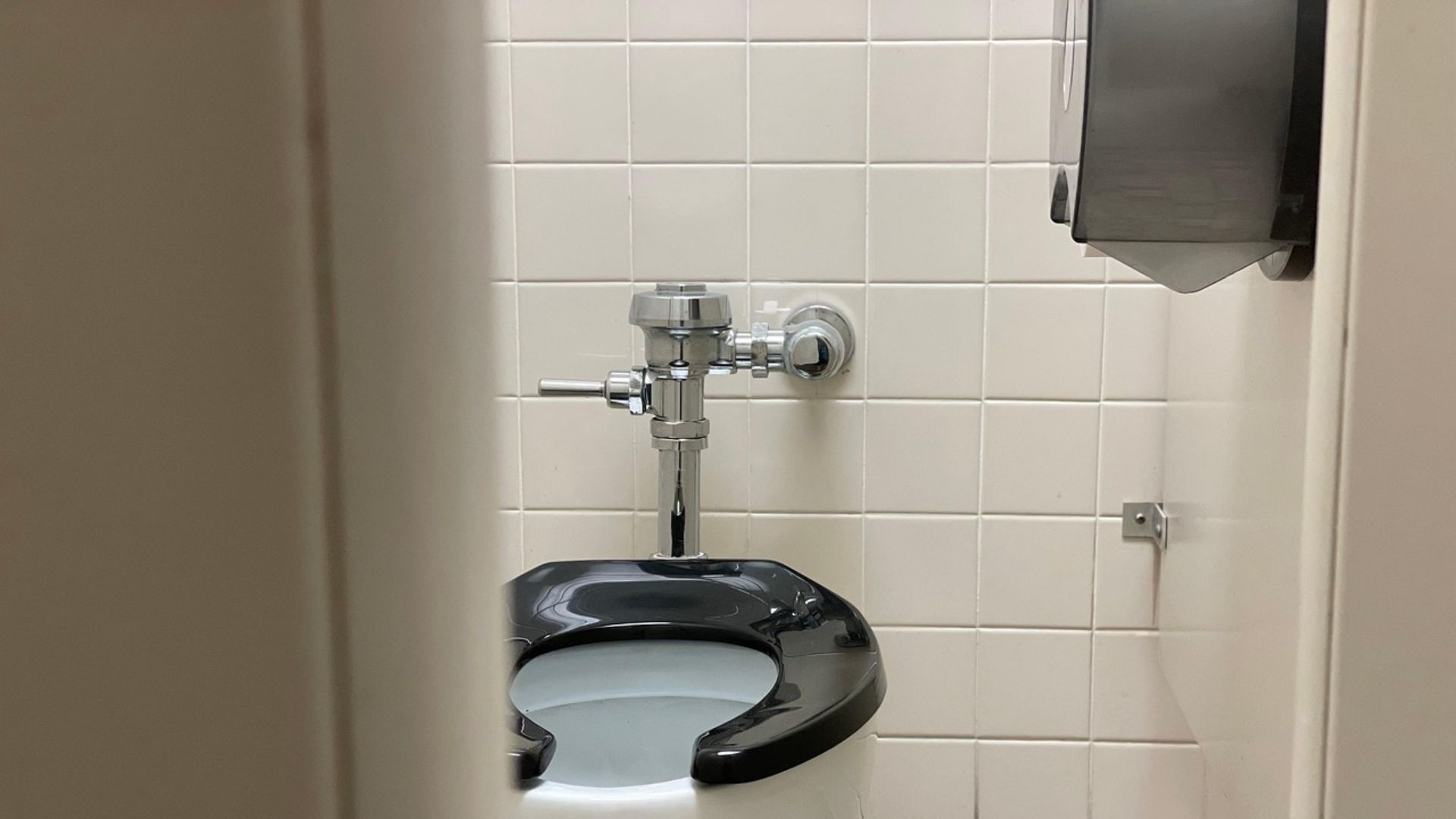
Hotels have introduced an entirely different twist to the disappearing-door trend. Instead of removing restroom entrances, some hotels have started removing bathroom doors inside guest rooms. Sometimes the toilet still has a door—but the sink or shower area might not.
Welcome To The Open Bathroom Concept
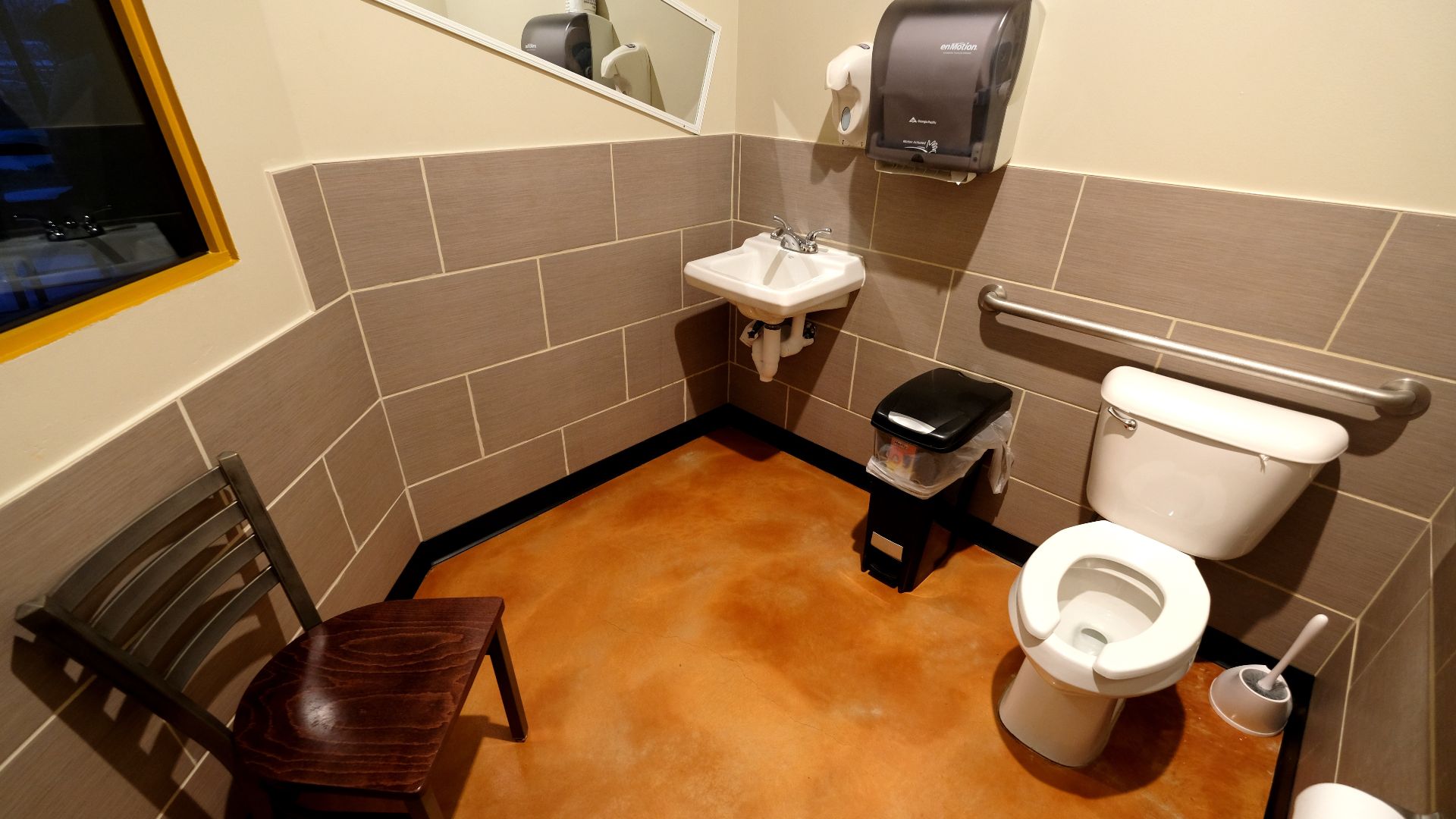
Designers often call this the open bathroom concept. Instead of a separate enclosed room, the sink, mirror, and sometimes even the shower are partially visible from the bedroom. The idea is to create a sleek, modern, spa-like aesthetic that feels less cramped than traditional hotel bathrooms.
It Also Makes Rooms Look Bigger
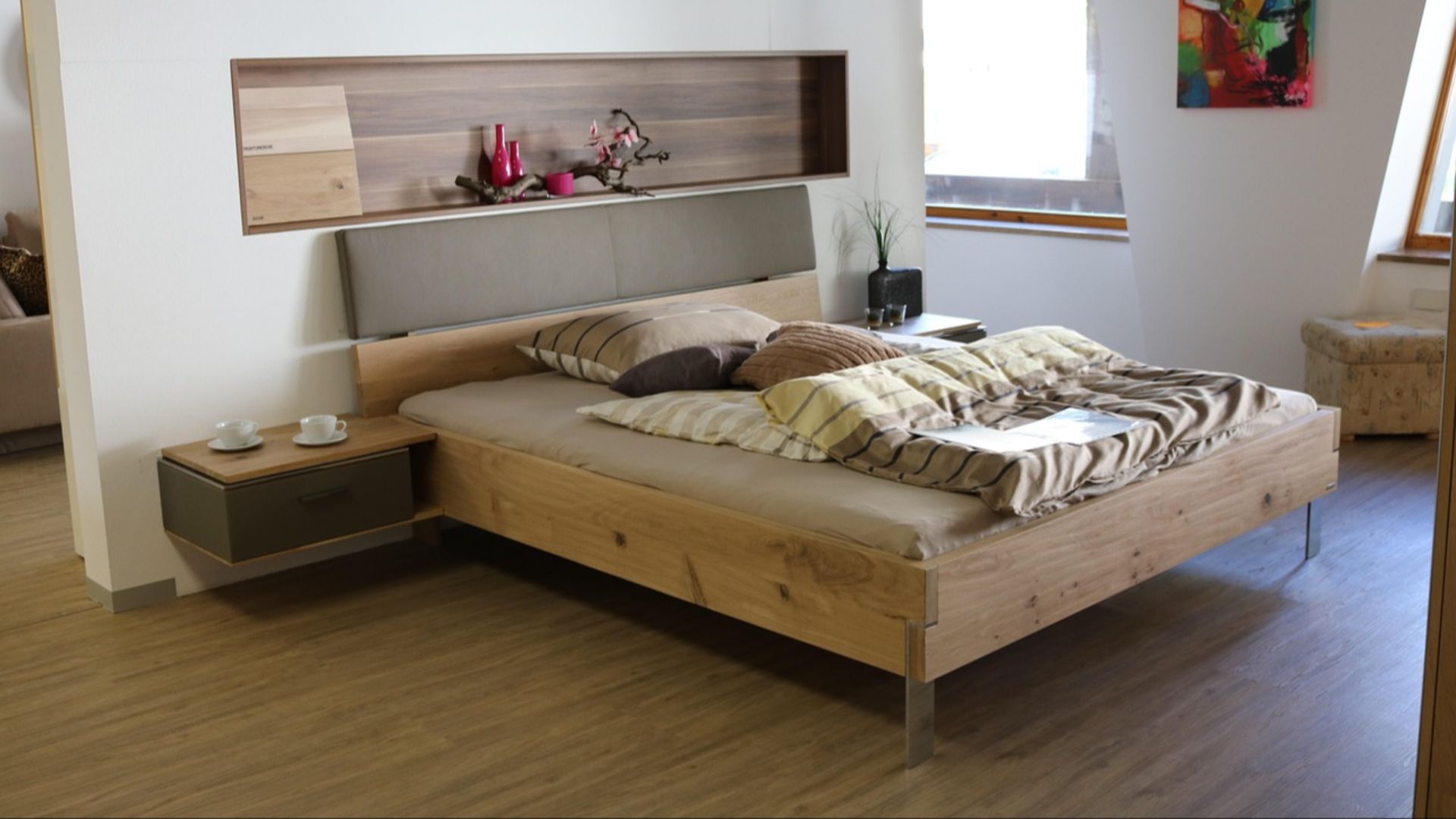
Hotel rooms are often smaller than guests expect. By removing walls and doors around the bathroom area, designers can make the space feel larger and more open—even if the square footage hasn’t changed at all. It’s essentially a visual trick used in many modern hotels.
The Hotels That Put Bathrooms Behind Glass
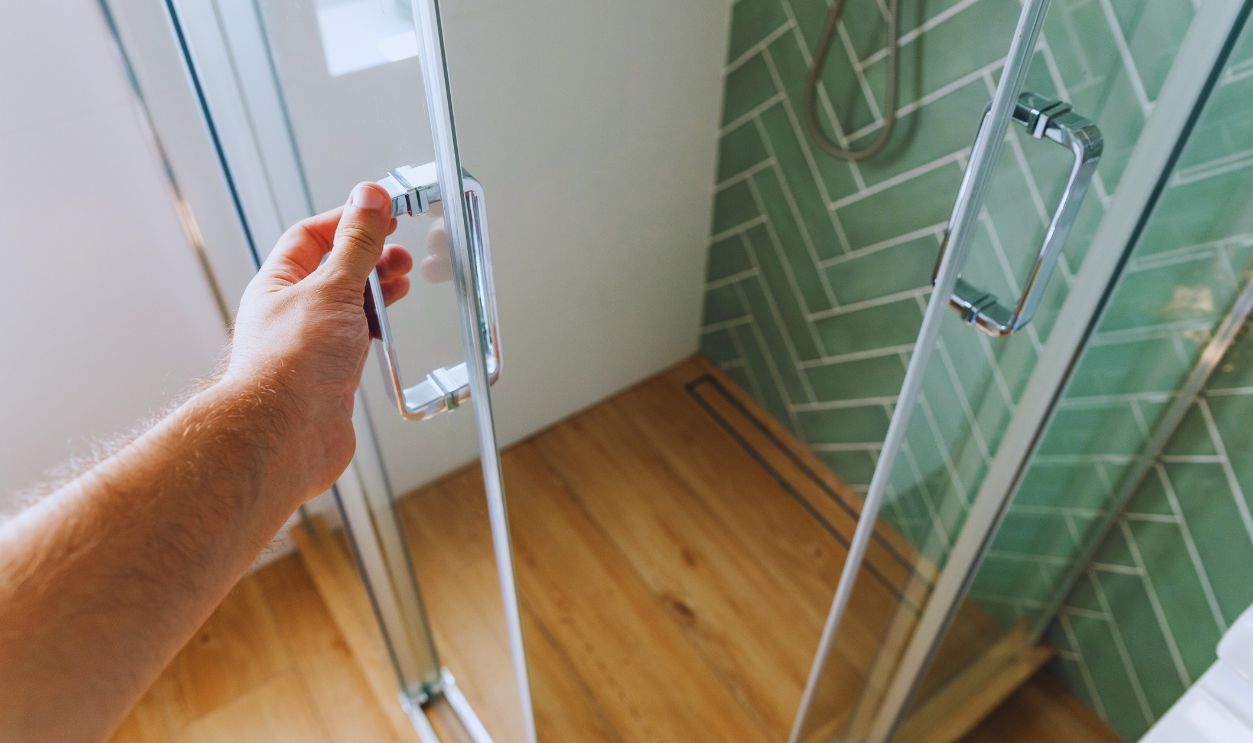
Some boutique hotels pushed the open-bathroom idea even further by installing glass bathroom pods inside guest rooms. Chains like CitizenM became known for using frosted glass walls around the shower and sink area. The toilet is usually enclosed—but travelers often joke the setup requires a certain level of trust with whoever you’re sharing the room with.
The Hotel Design That Sparked Guest Complaints
The Standard Hotel chain made headlines when some of its rooms featured nearly transparent bathroom walls. Curtains were eventually added after enough guests pointed out the obvious issue: not everyone wants their travel companion watching them brush their teeth—or worse. It became one of the most talked-about hotel design experiments of the 2010s.

Privacy Complaints Started Piling Up
Guests began leaving reviews asking the obvious question: why is the bathroom basically part of the bedroom? For couples it might be tolerable, but for coworkers sharing a room on a business trip it’s considerably less appealing. Some hotels quietly walked back the design after enough complaints.

Sliding Doors Became The Compromise
To split the difference, many hotels switched to sliding barn-style bathroom doors. They take up less space than traditional swinging doors and still give guests a little privacy. They’re also easier to install in compact rooms, making them a popular compromise between design and practicality.

Minimalism Is Driving A Lot Of This
Modern architecture loves minimalism—fewer walls, fewer doors, cleaner lines. Bathrooms haven’t escaped that philosophy. From open-plan hotel bathrooms to doorless restroom entrances, designers have been trying to remove visual clutter wherever possible.

There’s Also A Maintenance Angle
Doors break. Hinges wear out. Locks jam. Removing doors—or replacing them with simpler designs—reduces maintenance costs for hotels, restaurants, and airports. When a company operates thousands of rooms or facilities, fewer moving parts can save real money over time.
 Ralf Roletschek (talk) - Fahrradtechnik auf fahrradmonteur.de, Wikimedia Commons
The Trend Isn’t Universal
Despite the changes, most restrooms still have traditional layouts. And many newer building designs are actually bringing more privacy back after years of complaints about stall gaps and glass bathroom walls. Architecture trends tend to swing back and forth.
So Are Bathroom Doors Actually Disappearing?
Not exactly. What’s really happening is that different design priorities—hygiene, cost, ventilation, and aesthetics—have all nudged bathrooms toward fewer doors in certain places. Doorless entrances, open hotel bathrooms, and minimalist partitions all come from different motivations.
One Thing Is Certain
The next time you walk into a restroom and notice there’s no door—or that the stall gap could double as a mail slot—you’re not imagining things. Those choices were made deliberately by architects and designers. Whether they actually improved the bathroom experience is still very much up for debate.
 Marcel Derweduwen, Shutterstock
You Might Also Like: