WestJet Faces Backlash—Then Makes a Rare U-Turn
In late 2025, WestJet’s decision to squeeze more seats into its planes sparked swift backlash. After viral outrage, union pressure, and expert criticism, the airline is now reversing a move few expected it to walk back.
A Bold Redesign Announced More Seats
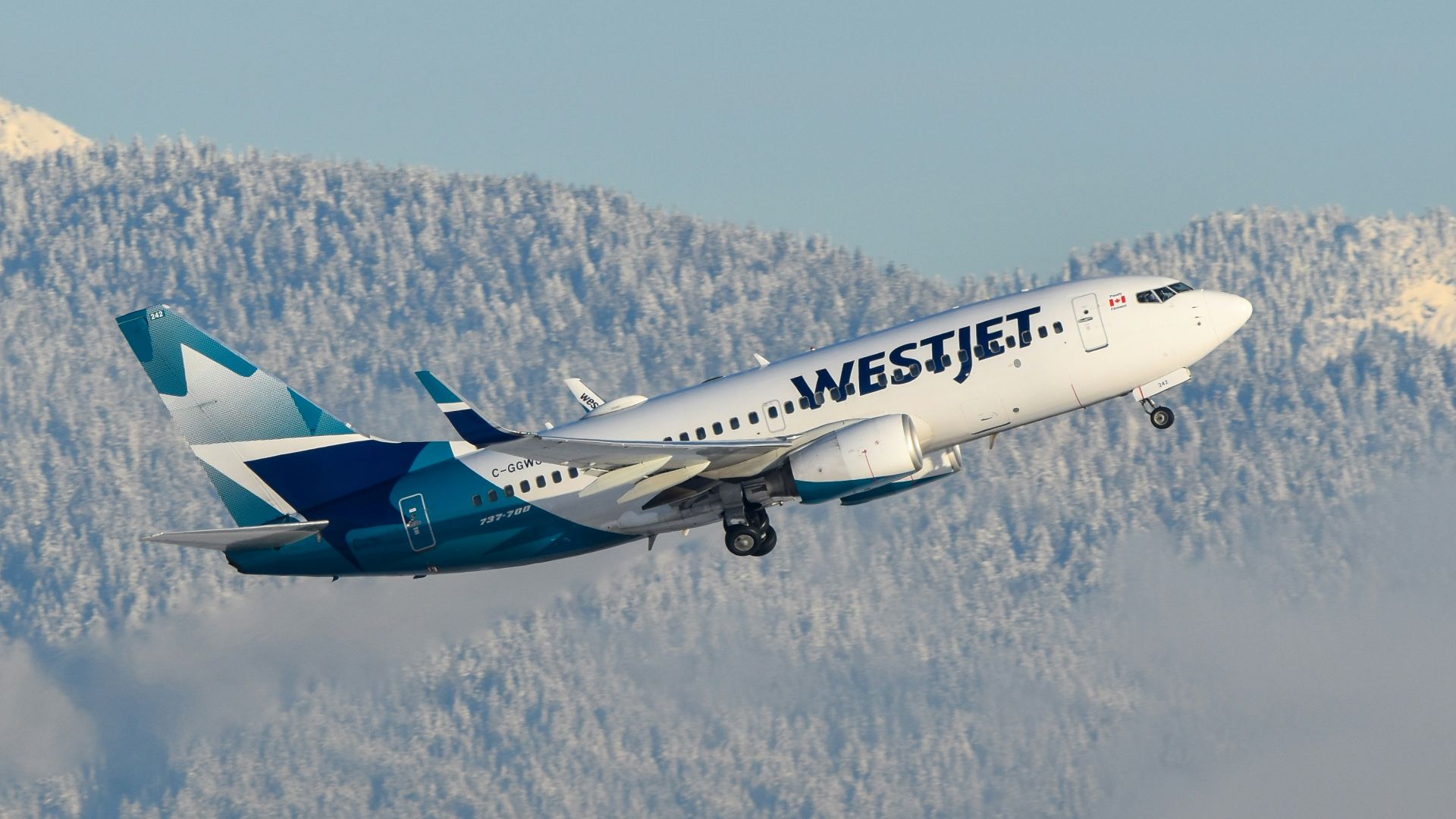
In September 2025, WestJet revealed plans to reconfigure 43 Boeing 737-8 and 737-800 aircraft by adding an extra economy row. The airline said the goal was to create more fare options and keep prices competitive.
At the time, executives framed the move as a modernization effort rather than a downgrade.
Less Legroom for Lower Fares
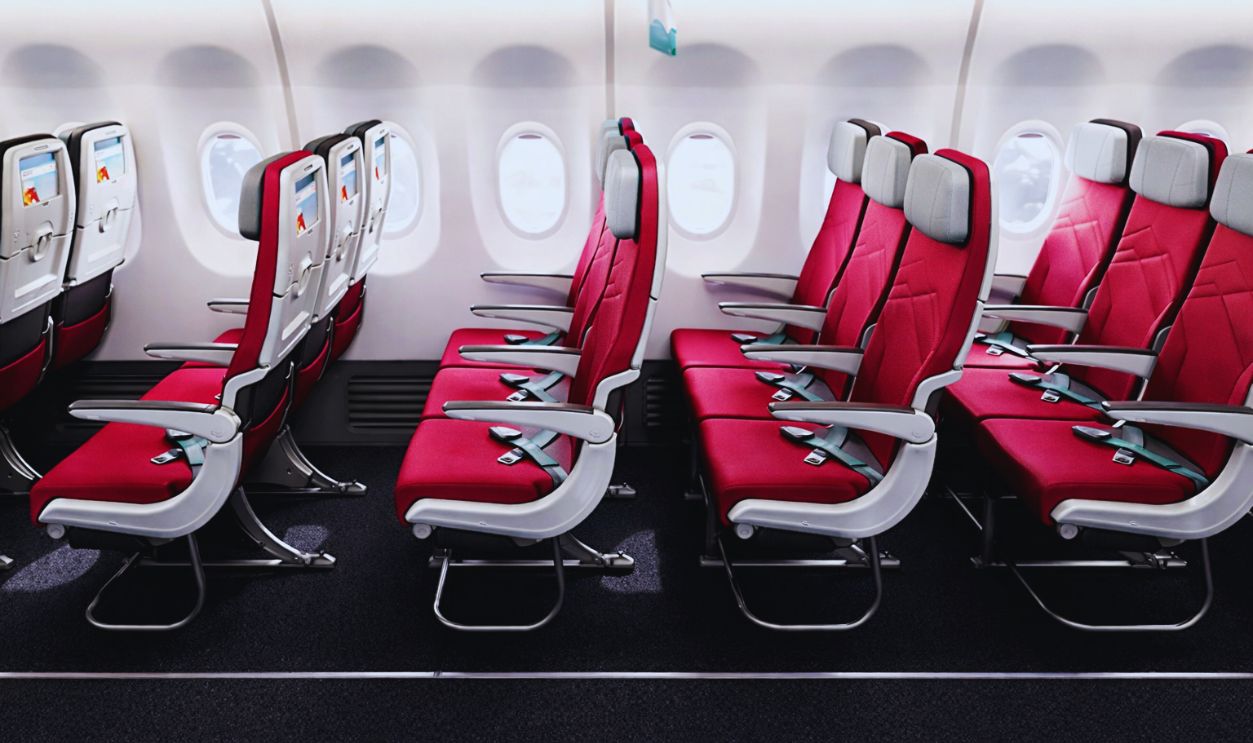
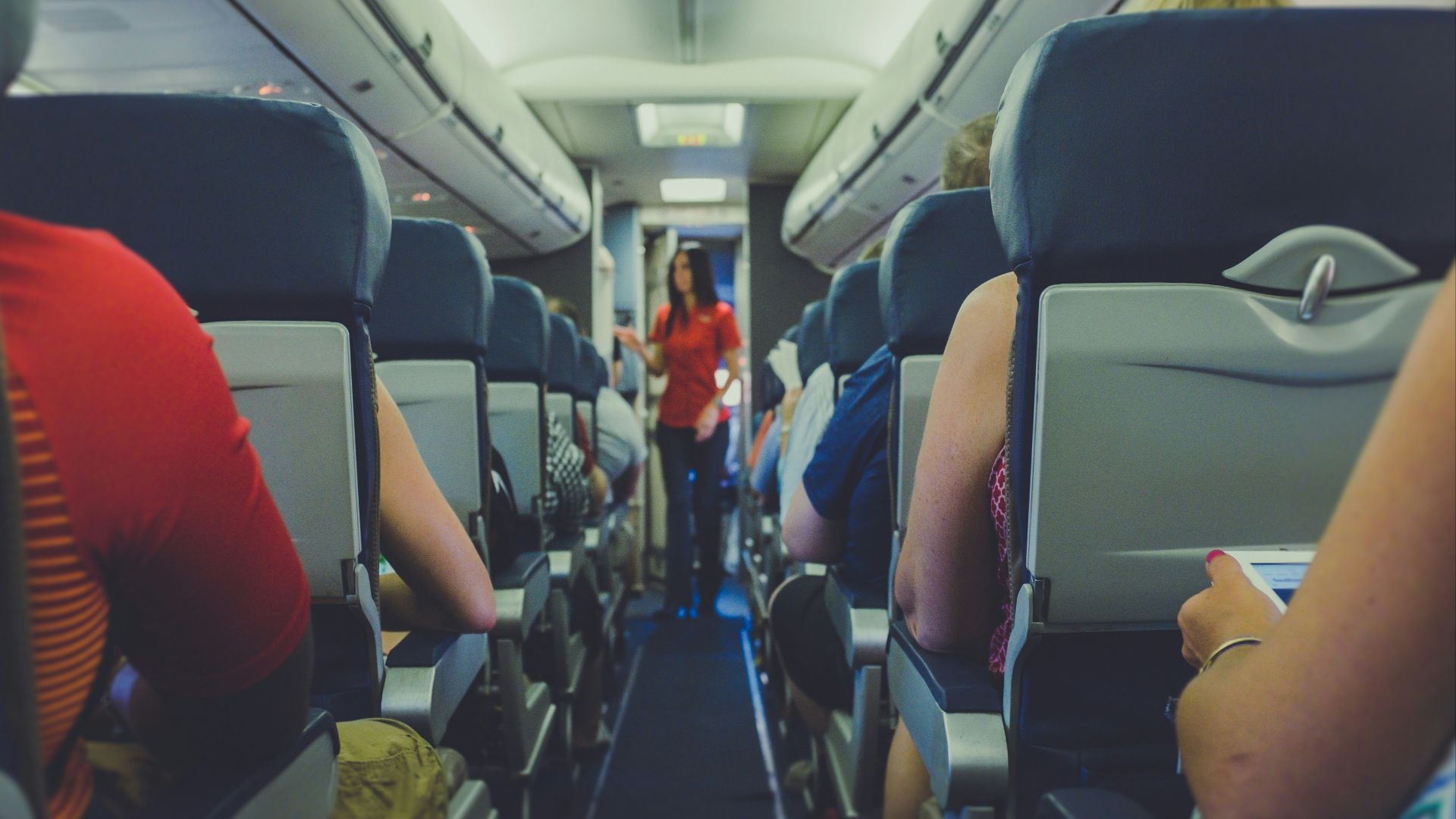
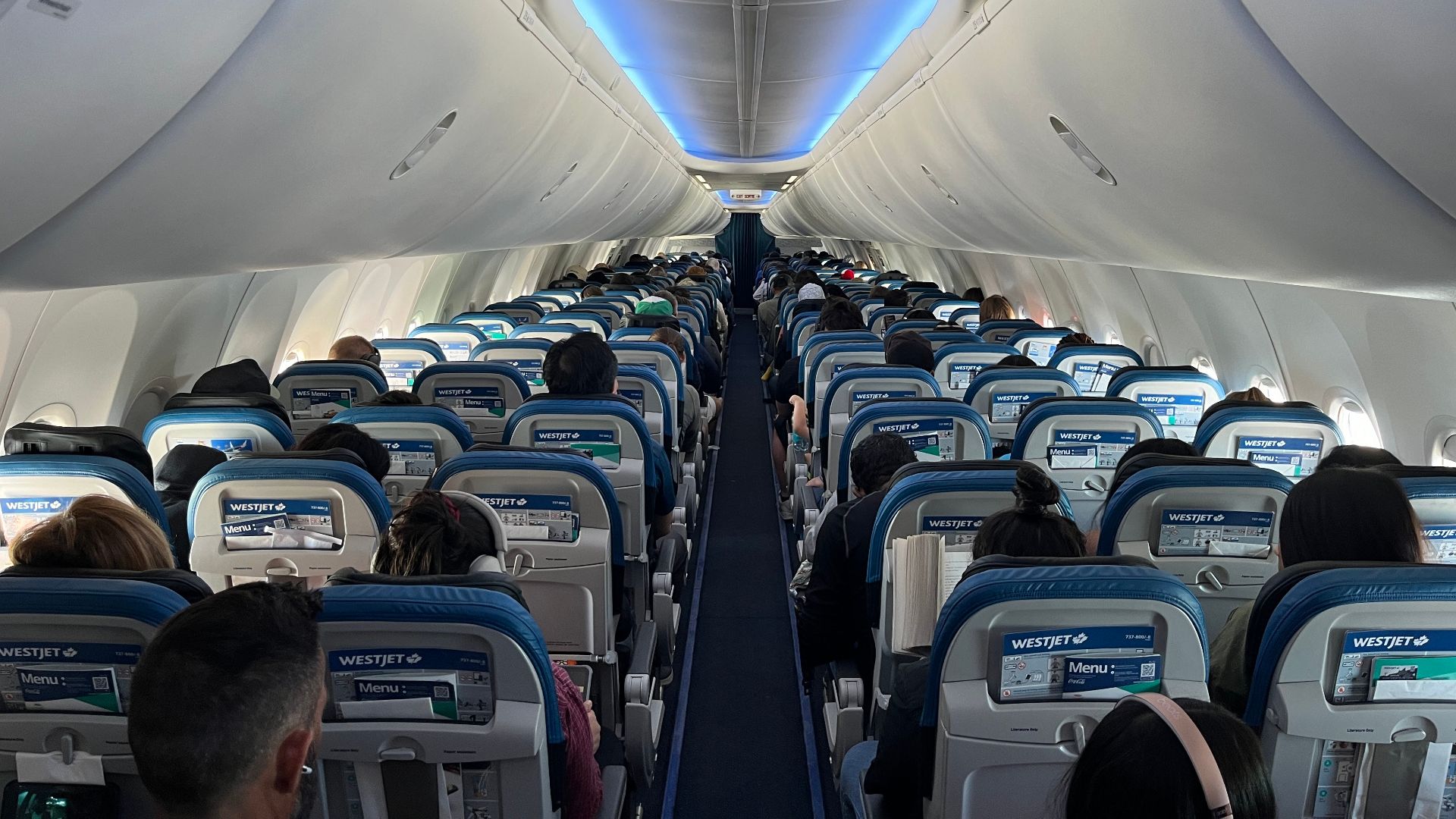
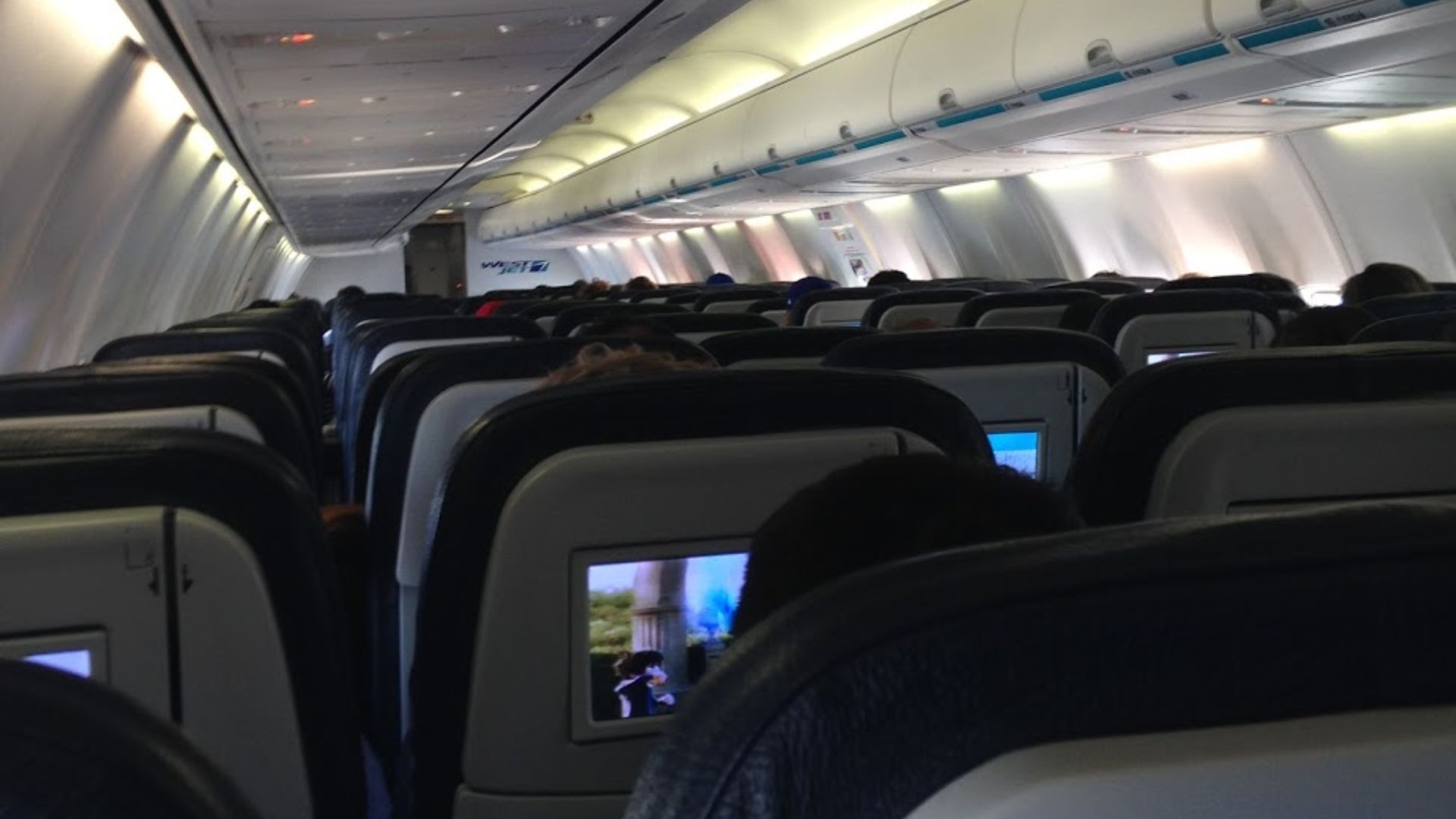
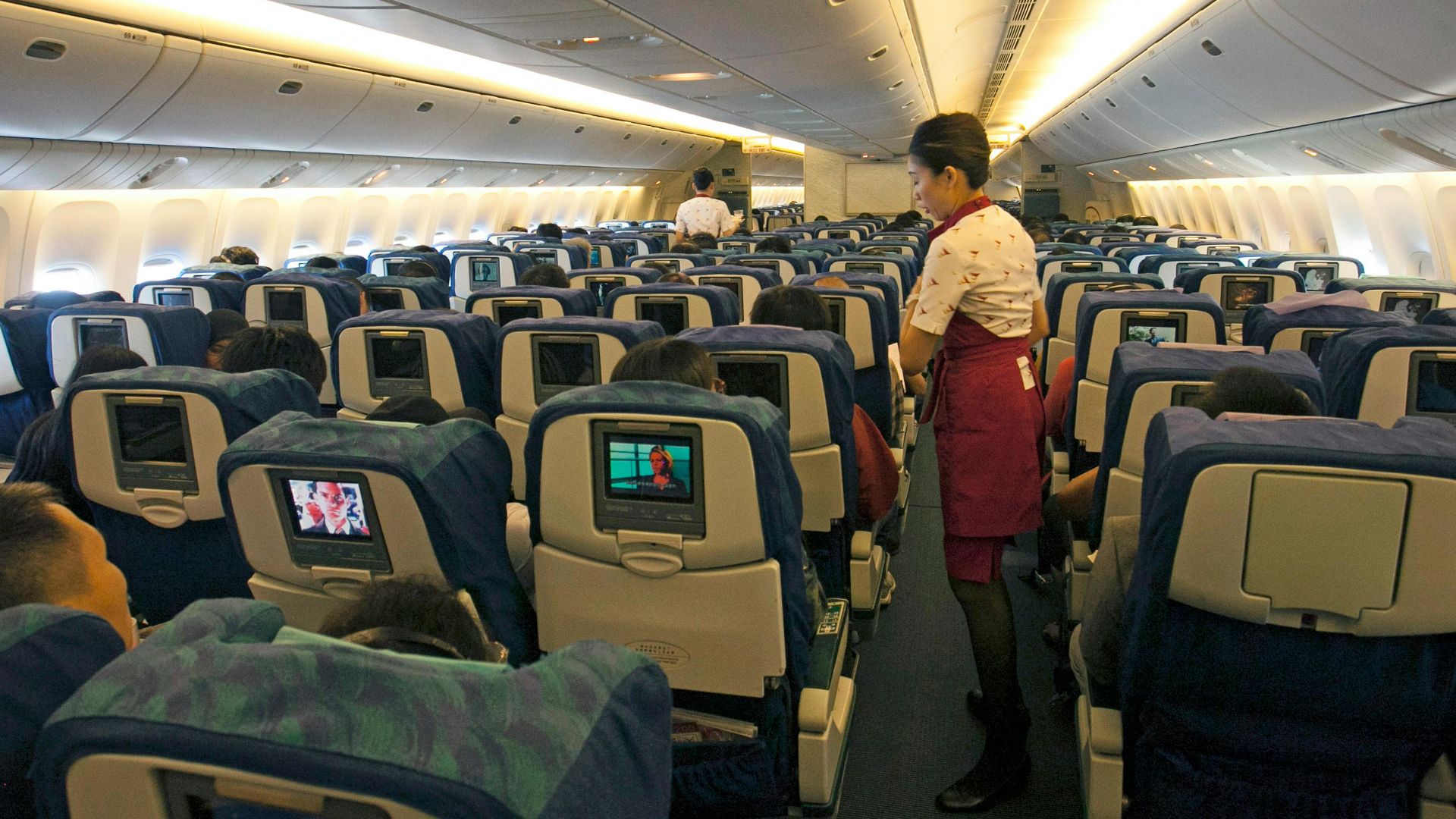
The redesign reduced standard economy seat pitch to as little as 28 inches, tighter than what most Canadian travelers are used to. Several rows also featured fixed, non-reclining seats unless passengers paid extra.
Many flyers immediately questioned whether affordability was coming at the expense of basic comfort.
Fixed Recline Raises Immediate Concerns
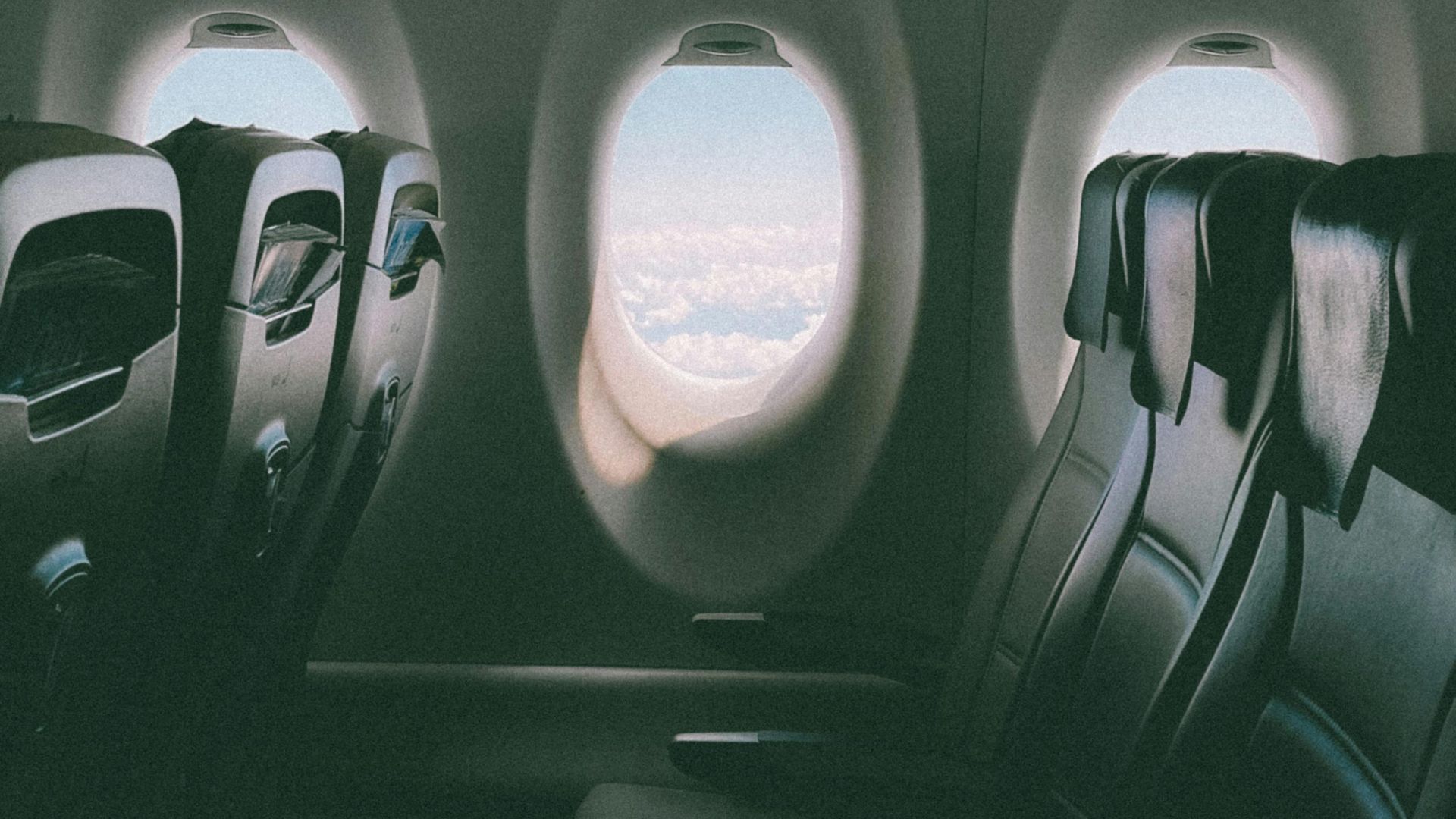
Passengers discovered that many seats could not recline at all, a major departure from traditional economy expectations. Reclining seats were reserved for higher-priced fare categories.
Critics argued this effectively forced customers to pay more for comfort that was once standard.
A TikTok Video Sparks National Attention
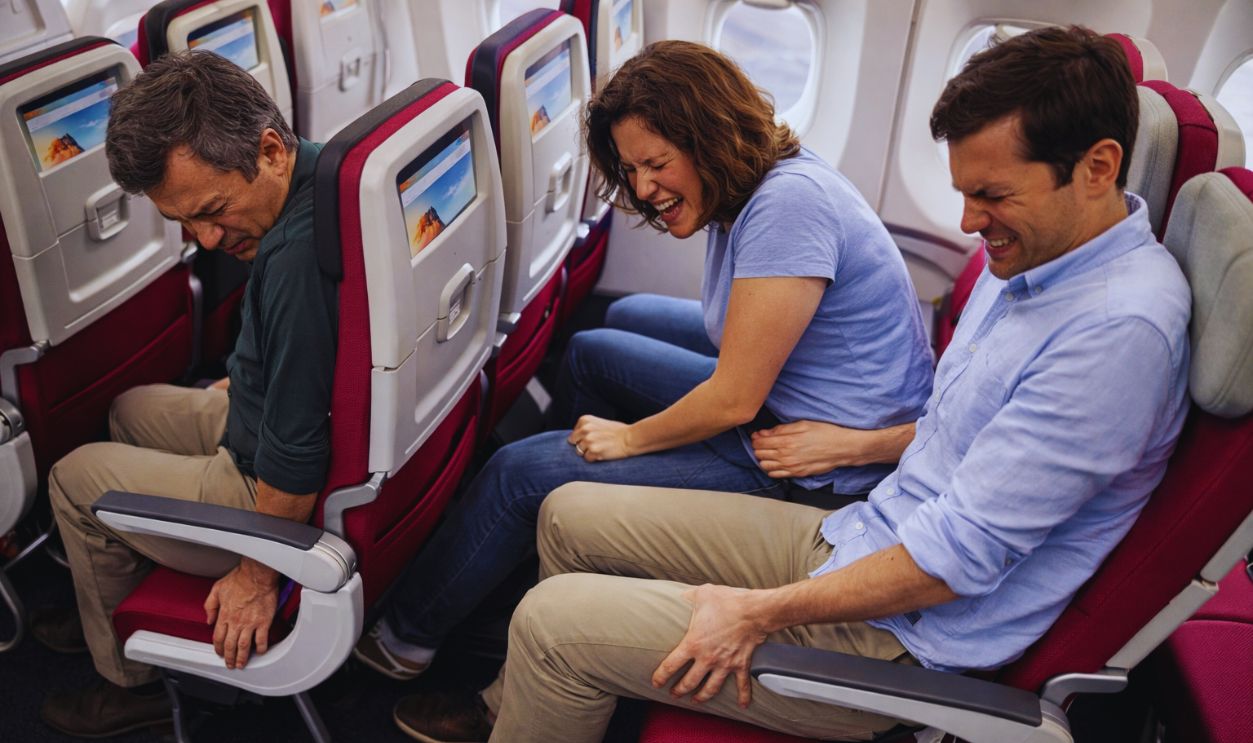
The controversy exploded after a TikTok video posted December 27, 2025, showed a family struggling with extreme legroom limitations. The video quickly surpassed one million views.
Within days, the footage spread across Canadian media and reignited debate about airline seating standards.
Passengers Share Similar Experiences
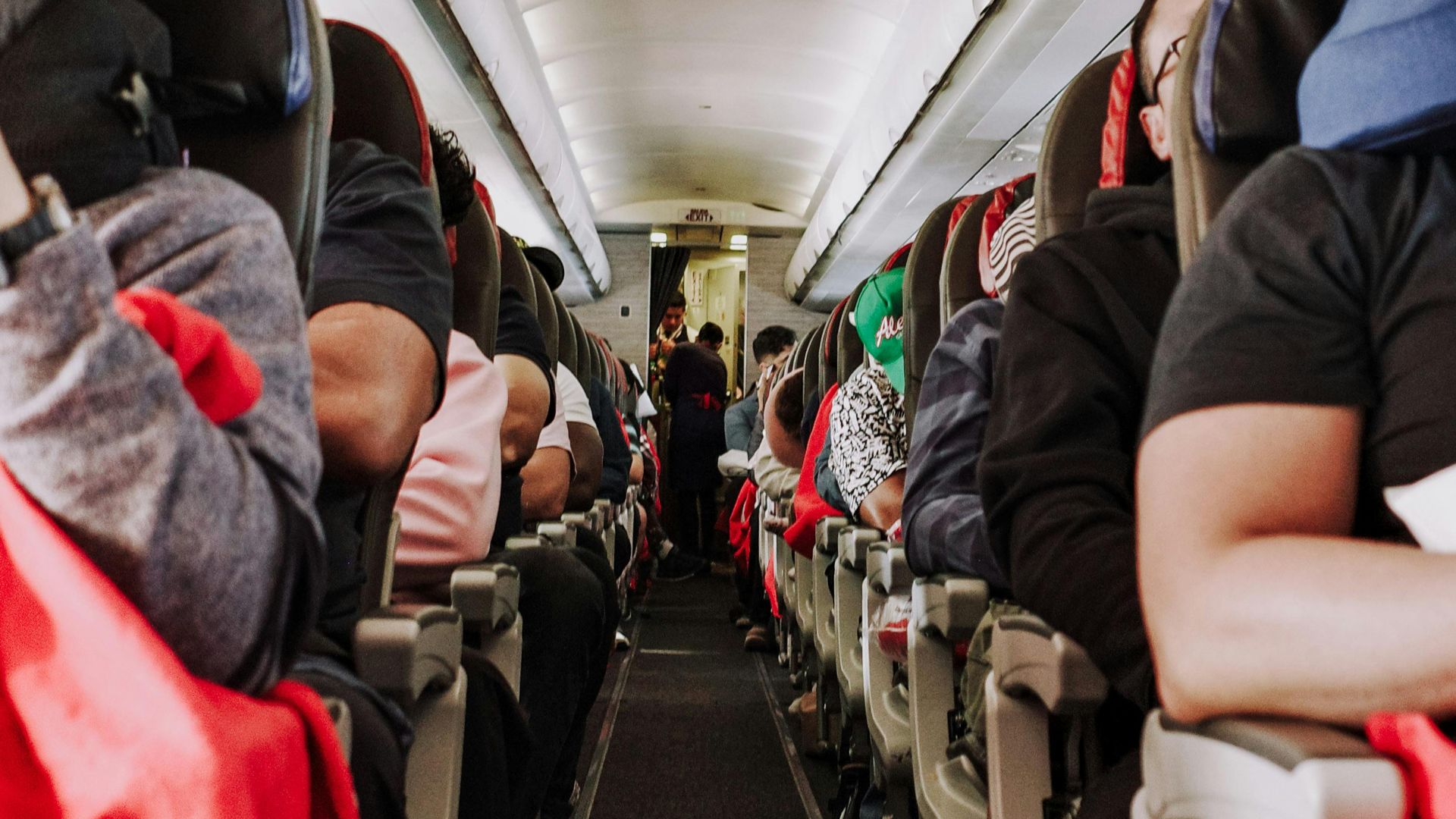
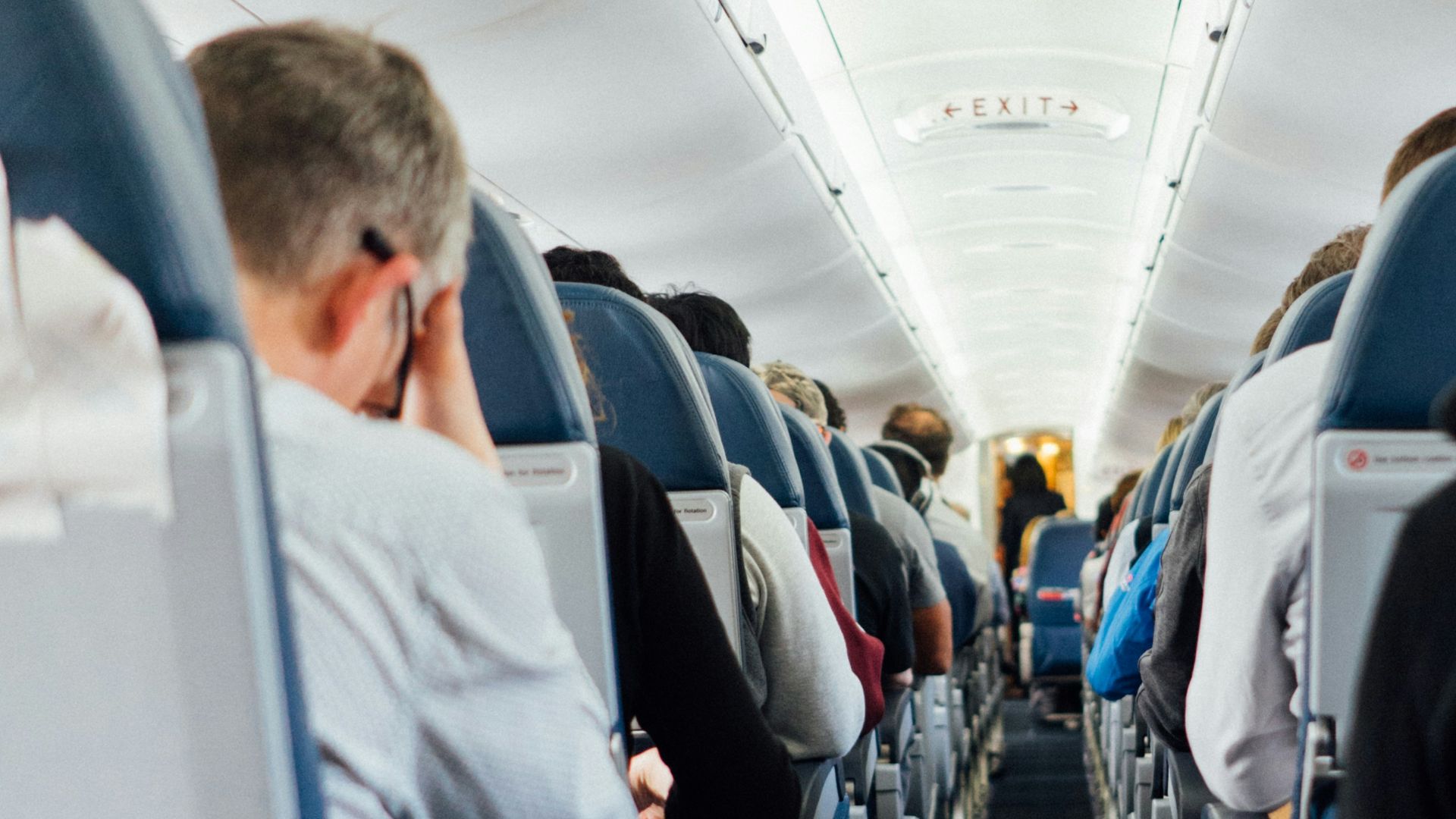
As the video circulated, travelers across Canada shared similar stories of cramped knees and limited movement. Some described flights as uncomfortable even on short routes.
Social media commentary quickly turned from frustration into calls for accountability.
WestJet Defends the Experiment
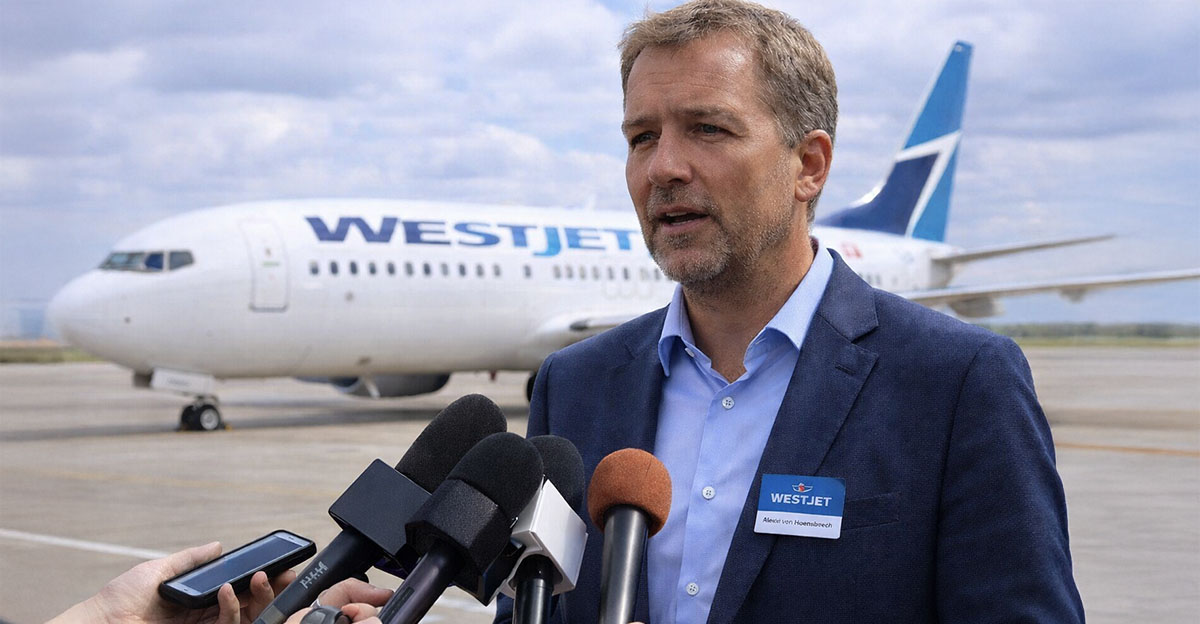
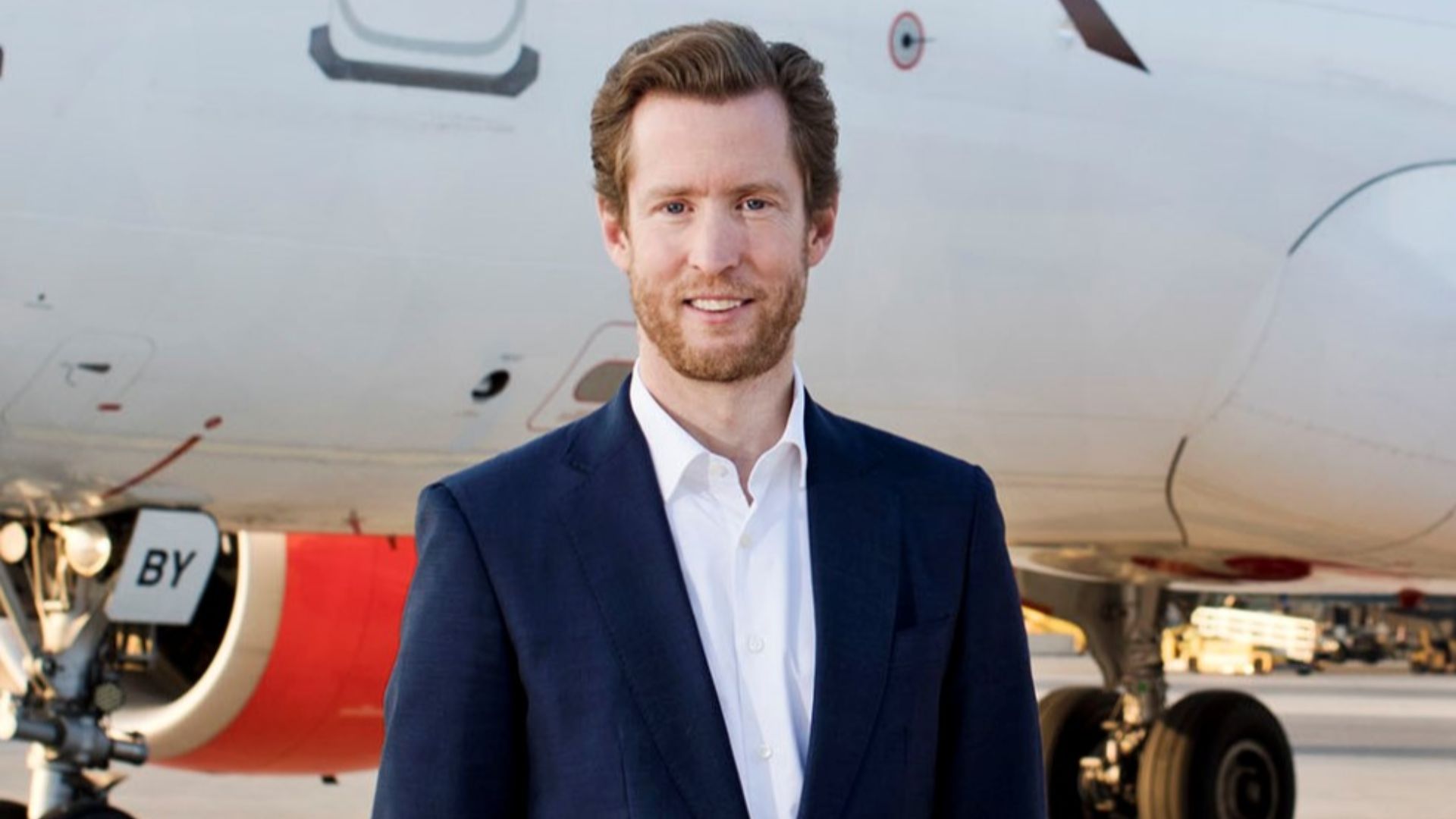
CEO Alexis von Hoensbroech responded by saying the airline was testing layouts used by other global carriers. He emphasized that safety standards were met and affordability remained a priority.
However, he acknowledged that customer reaction was stronger than expected.
 Photographer: Michele PautyCurrent copyright holder: Peter N. Thier, Wikimedia Commons
Safety Rules Exist — Comfort Rules Do Not
Transport Canada approved the new layout, confirming it met all safety requirements. However, Canada does not regulate minimum seat pitch or passenger comfort standards.
That regulatory gap became a central point of criticism from advocates and experts.
Aircraft Quietly Enter Service
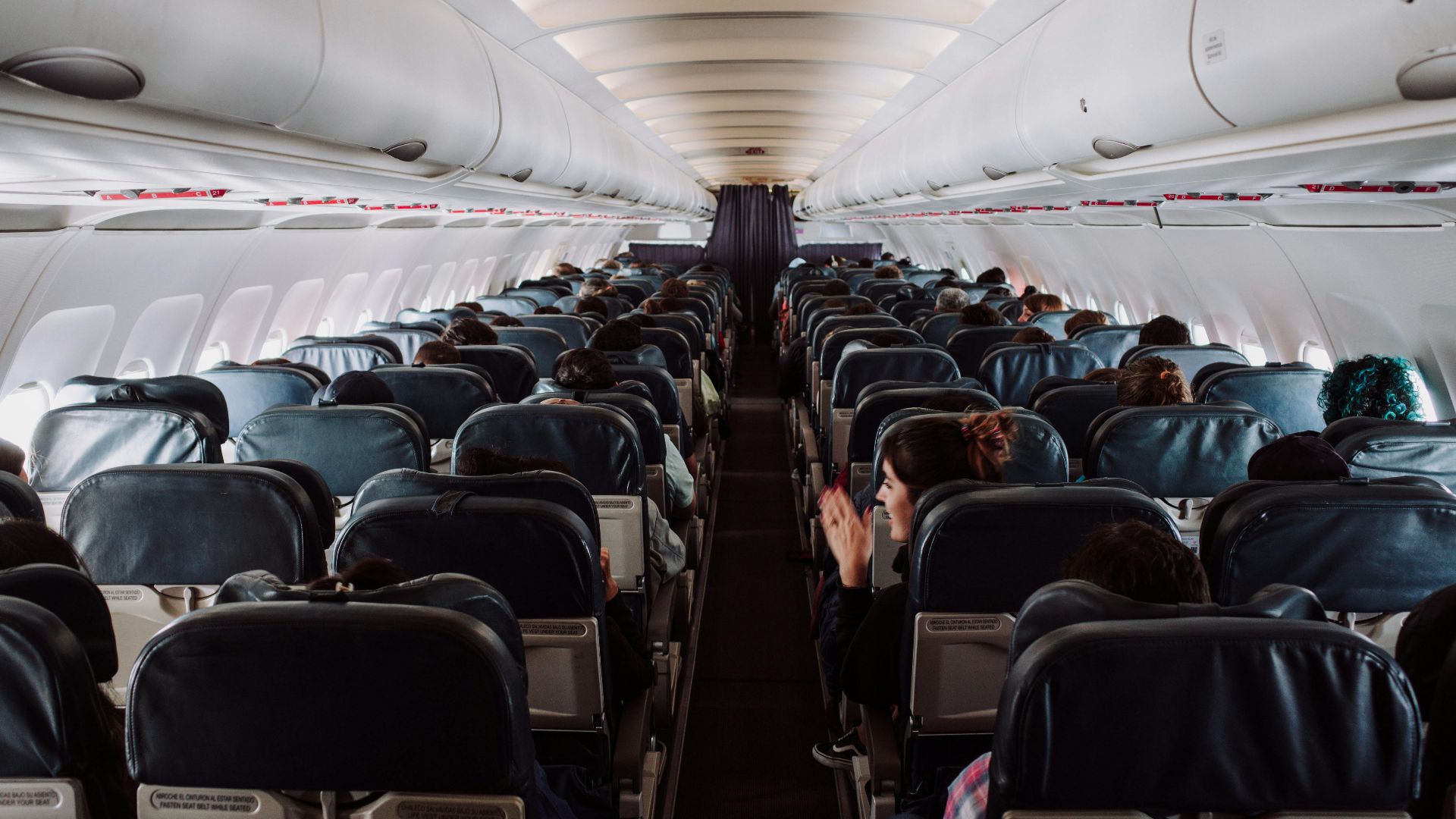
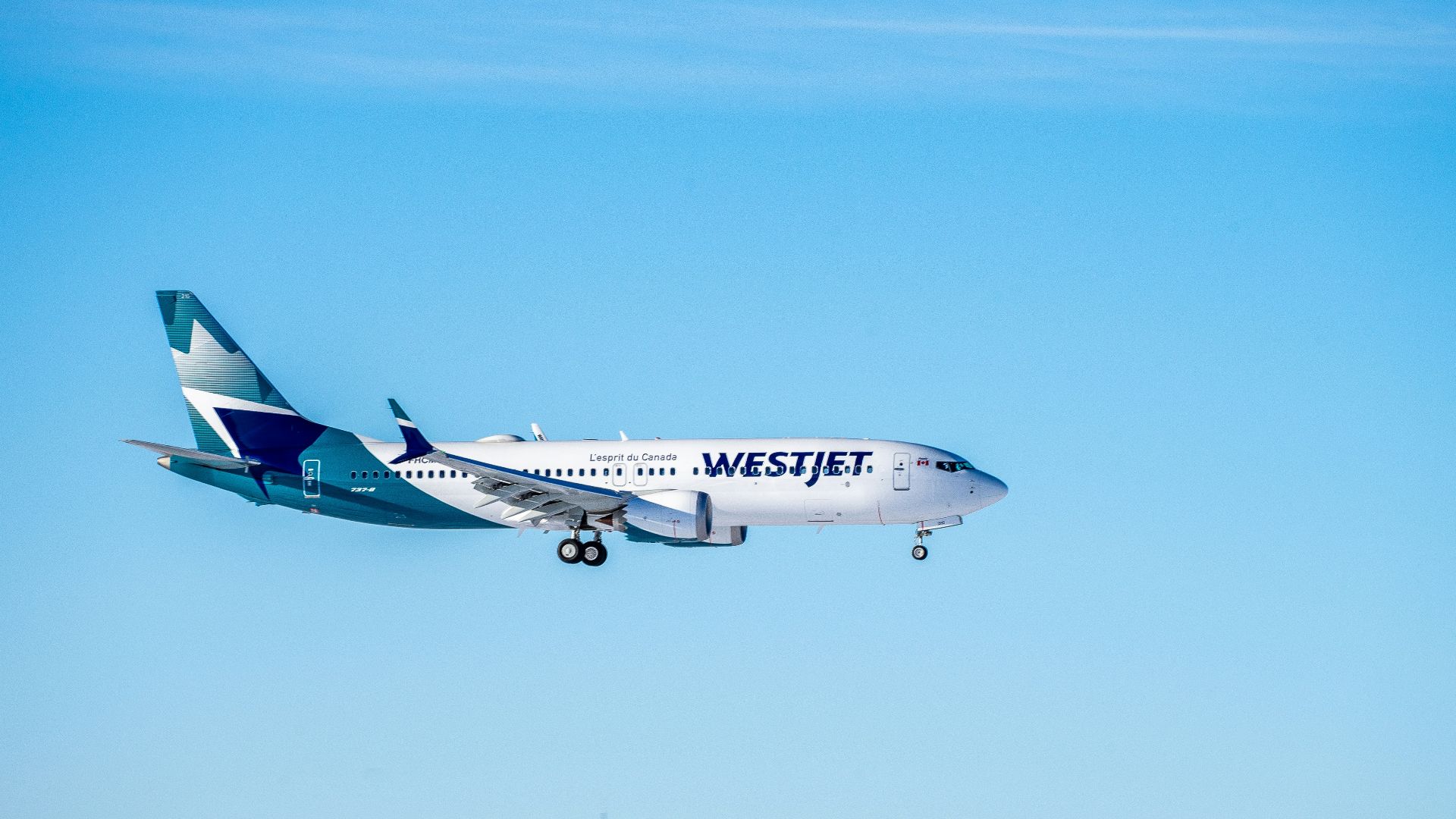
By mid-December 2025, 21 aircraft were already flying with the tighter configuration. WestJet had planned to modify more planes before pausing the rollout.
This meant thousands of passengers experienced the layout before the backlash peaked.
Cabin Crew Raise Red Flags
The Canadian Union of Public Employees, representing over 4,700 WestJet flight attendants, publicly opposed the change. The union said cramped seating increased onboard tension.
Flight attendants reported more complaints and strained interactions with passengers.
Union Leadership Speaks Out
CUPE President Alia Hussain called the configuration universally unpopular among crew and passengers alike. She said the layout made customer service more difficult.
The union welcomed the airline’s decision to reconsider.
 Quintin Soloviev, Wikimedia Commons
Aviation Experts Weigh In
McGill University aviation expert John Gradek said WestJet underestimated public reaction. He noted that once footage went viral, reversing course became unavoidable.
According to Gradek, reputation damage posed a larger risk than lost seat revenue.
Pilots Join the Opposition
The Air Line Pilots Association also criticized the densified layout. Pilots raised concerns about evacuation efficiency and passenger stress levels.
Their involvement added further pressure on WestJet’s leadership.
Rollout Paused Behind the Scenes
In December 2025, WestJet quietly halted further installations while reviewing passenger feedback. At the time, no public announcement was made.
The pause signaled internal concern before the official reversal.
 Quintin Soloviev, Wikimedia Commons
A Public Reversal Is Announced
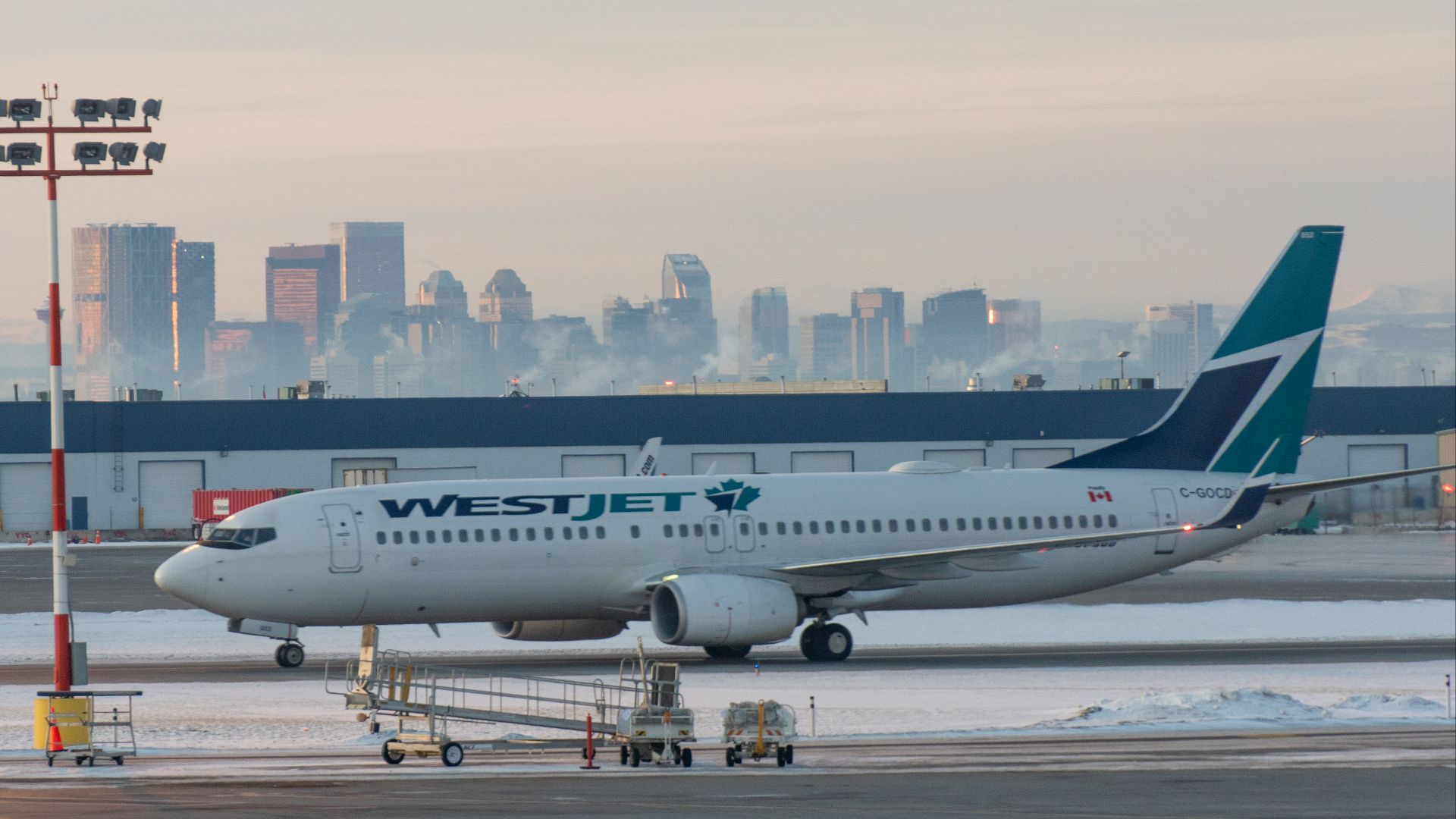
On January 16, 2026, WestJet formally announced it would undo the seating changes. The airline confirmed it would restore the previous cabin layout.
The decision marked a rare reversal for a major Canadian carrier.
 Troutfarm27, Wikimedia Commons
The Extra Row Will Be Removed
WestJet said it will remove the added seat row and return aircraft to the original 174-seat configuration. This restores additional legroom across economy cabins.
The airline confirmed all modified aircraft will be changed back.
 Thatwweguy 619, Wikimedia Commons
Regulatory Approval Still Required
Before work begins, WestJet must receive engineering and regulatory approvals. The airline has not provided a precise timeline for completion.
Passengers may still encounter the tighter layout during the transition period.
 hobvias sudoneighm, Wikimedia Commons
CEO Acknowledges the Misstep
Von Hoensbroech admitted the changes didn’t meet the needs of guests. He said WestJet must act quickly when customer feedback is clear.
The statement marked a shift in tone from earlier defenses.
Pricing Questions Remain
Removing seats could slightly increase per-seat operating costs. WestJet has not said whether fares will change as a result.
The airline emphasized affordability remains a long-term goal.
A Broader Passenger Rights Debate
Advocates say the controversy highlights gaps in Canadian airline regulations. Many are now calling for clearer seat disclosure rules.
Some are urging Transport Canada to revisit comfort standards.

Social Media’s Growing Influence
The incident shows how quickly viral content can force corporate change. A single video reshaped a national airline policy.
Industry analysts say this trend is unlikely to slow down.

Crew and Passengers Find Common Ground
Flight attendants and travelers rarely align so publicly. In this case, both groups pushed for the same outcome. That unity amplified the pressure on WestJet to act.
What WestJet Says Comes Next
WestJet says it will continue improving onboard experiences while balancing cost concerns. Future cabin changes will involve more customer feedback.
The airline insists lessons have been learned.
A Message to the Airline Industry
The episode serves as a warning to other carriers considering denser seating. Passenger tolerance for reduced comfort appears limited.
Public perception now plays a bigger role than ever.
Trust, Comfort, and the Road Ahead
As planes are reconfigured, WestJet faces the task of rebuilding trust. Travelers will be watching closely. The controversy may permanently shape how airlines approach seating decisions.
You May Also Like:
The New Airline Rules Coming in 2026 That Will Affect How Everyone Travels From Now On
Airline Sparks Outrage After Announcing Fee for Reclining Seats—And Extra Fees To Sit With Your Child Might Be Next