The Maritimes Aren’t All Of Atlantic Canada
The Maritimes are only New Brunswick, Nova Scotia, and Prince Edward Island. Newfoundland and Labrador belongs to Atlantic Canada, but not the Maritimes. That distinction matters locally, even if visitors casually lump Canada’s entire eastern coast together.
Crossing From Maine Means Changing The Clock
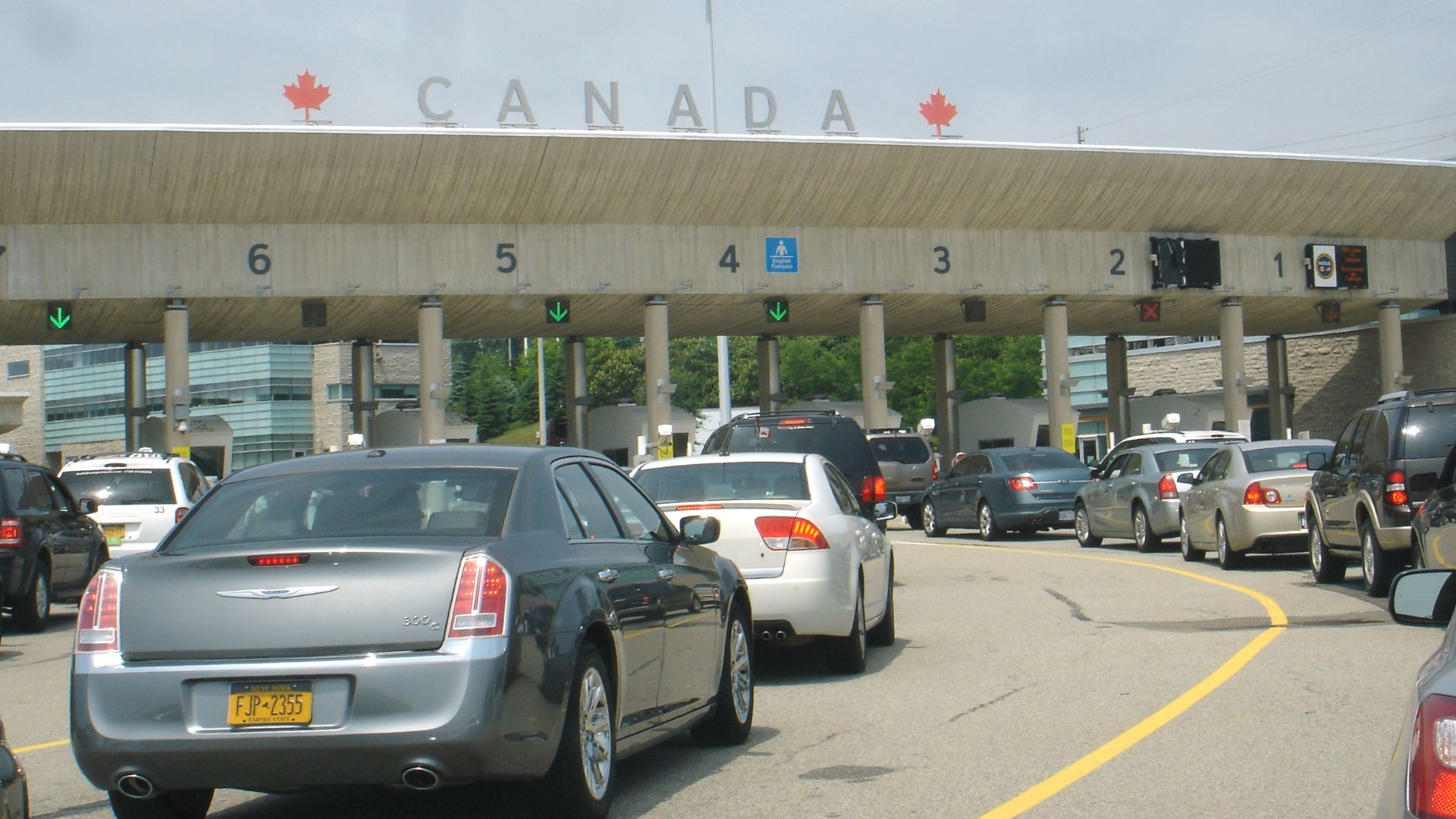
Drive from Maine into New Brunswick and you move one hour ahead. New Brunswick, Nova Scotia, and PEI use Atlantic Time, while Maine uses Eastern Time. That can scramble restaurant reservations or ferry plans faster than expected.
New Brunswick Is Officially Bilingual
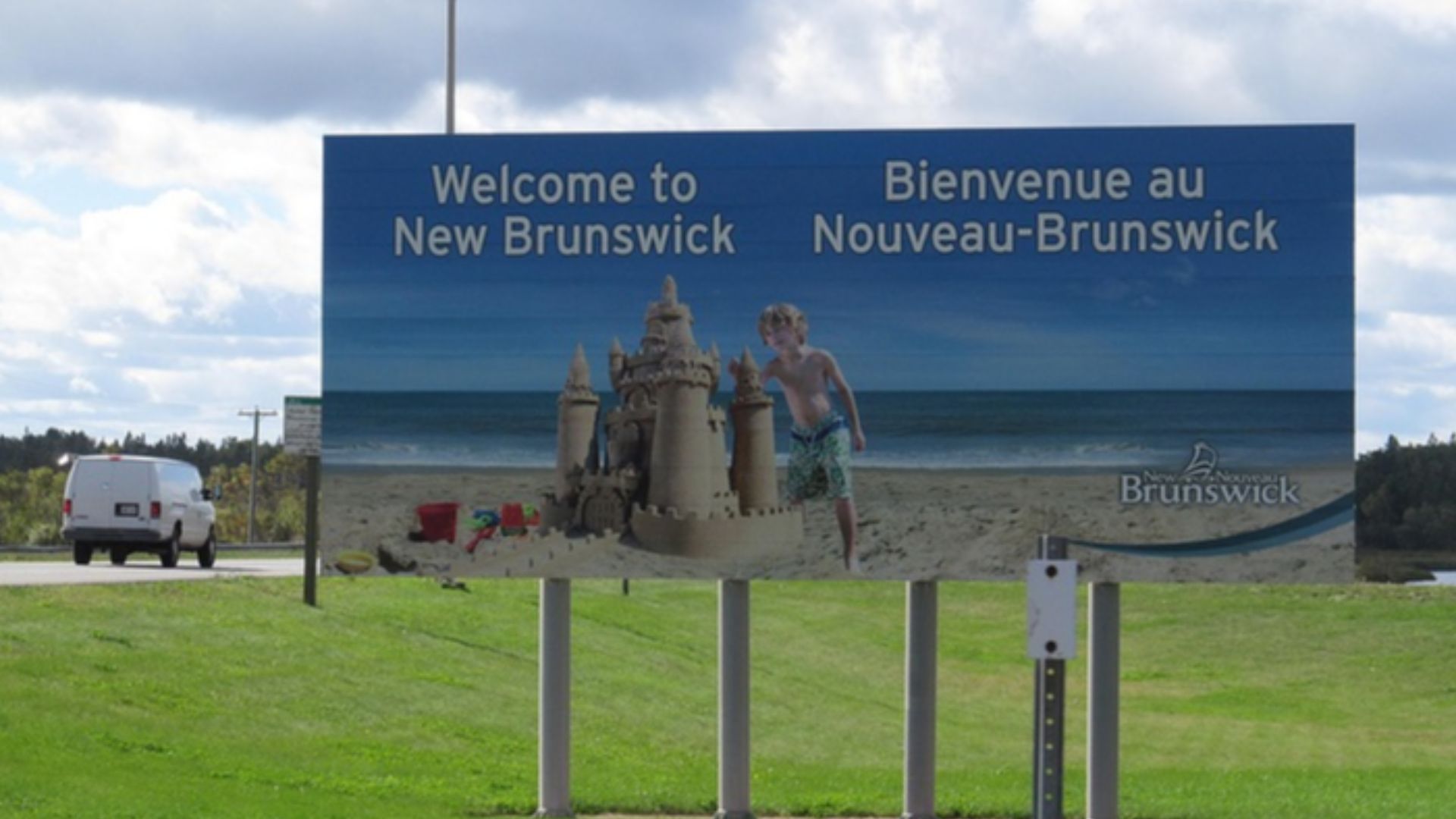
Canada is federally bilingual, but New Brunswick is the country’s only officially bilingual province. English and French both have official status, and about one-third of residents are French-speaking. Hearing French outside Quebec is completely ordinary here.
Acadian French Is Its Own Thing
A little Quebec French will not prepare visitors for every Maritime conversation. Acadian French has distinct accents and vocabulary. In southeastern New Brunswick, Chiac mixes elements of Acadian French and English in ways that can surprise other francophones too.
 Andrew Scheer, Wikimedia Commons
Saint John Is Not St. John’s
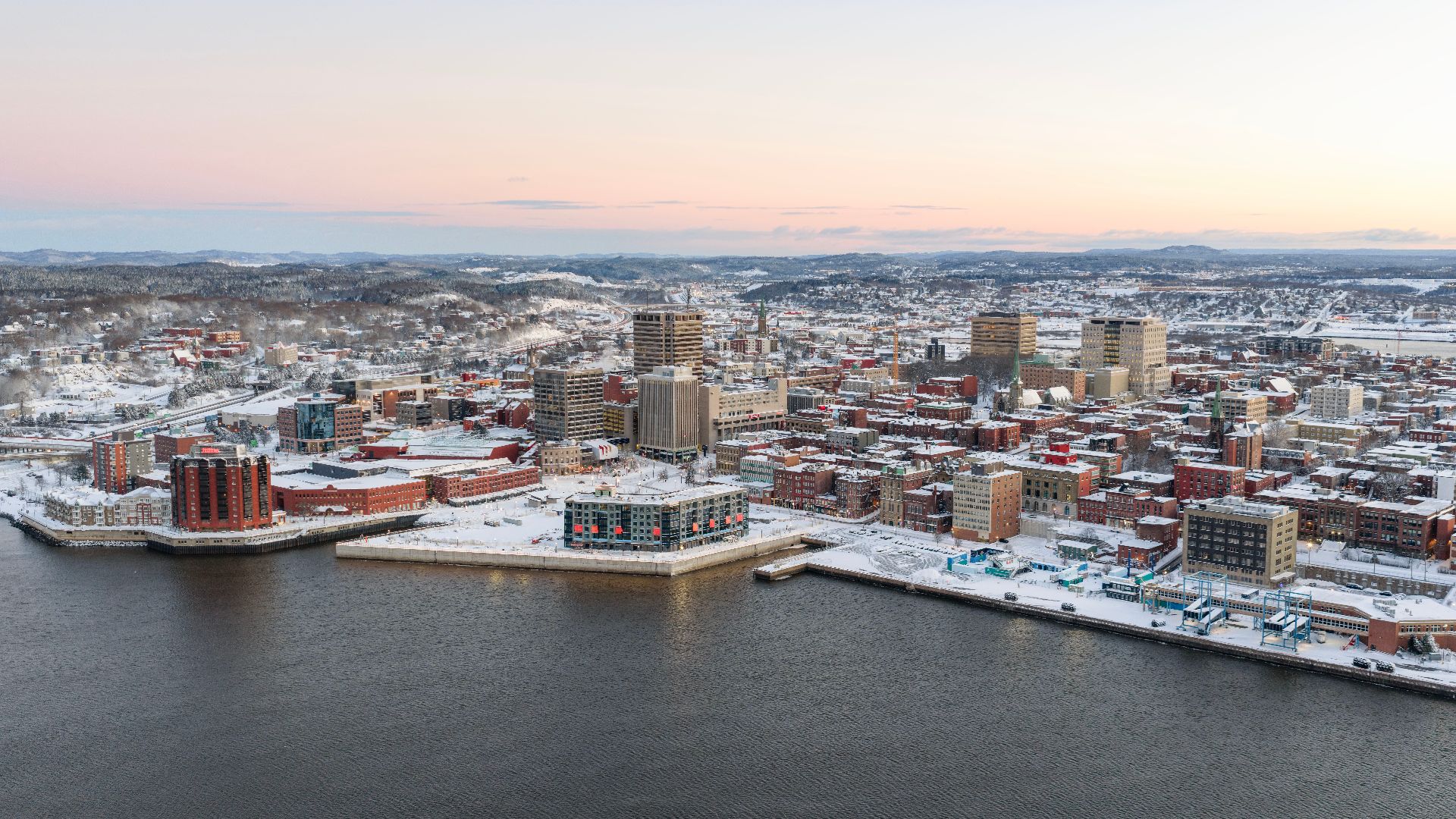
One apostrophe changes the destination. Saint John is the New Brunswick city on the Bay of Fundy. St. John’s is in Newfoundland and Labrador, outside the Maritimes. Booking the wrong one would create a very ambitious detour.
 Quintin Soloviev, Wikimedia Commons
“Uptown” Saint John Means Downtown
Saint John calls its historic central business district “Uptown.” For Americans accustomed to uptown meaning somewhere beyond downtown, that sounds backward. Here, Uptown contains the City Market, restaurants, shops, and historic streets near the harbor.

The Bay Of Fundy Runs On Its Own Schedule
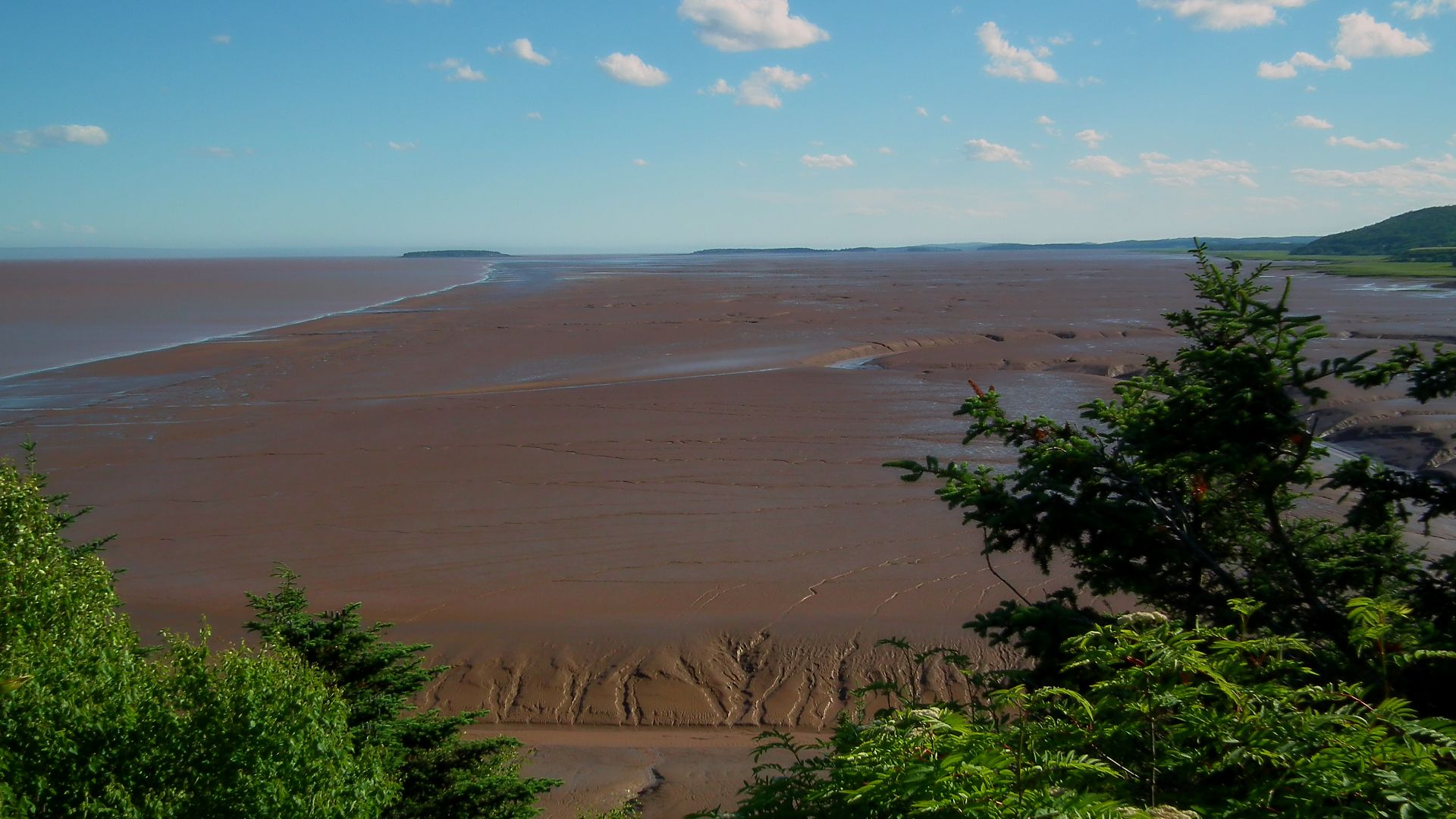
The Bay of Fundy has the world’s highest tides, and water levels can change dramatically within hours. Tide tables are therefore practical travel tools, not nautical trivia, because a shoreline that looks walkable now may look entirely different later.
A River Can Appear To Run Backward
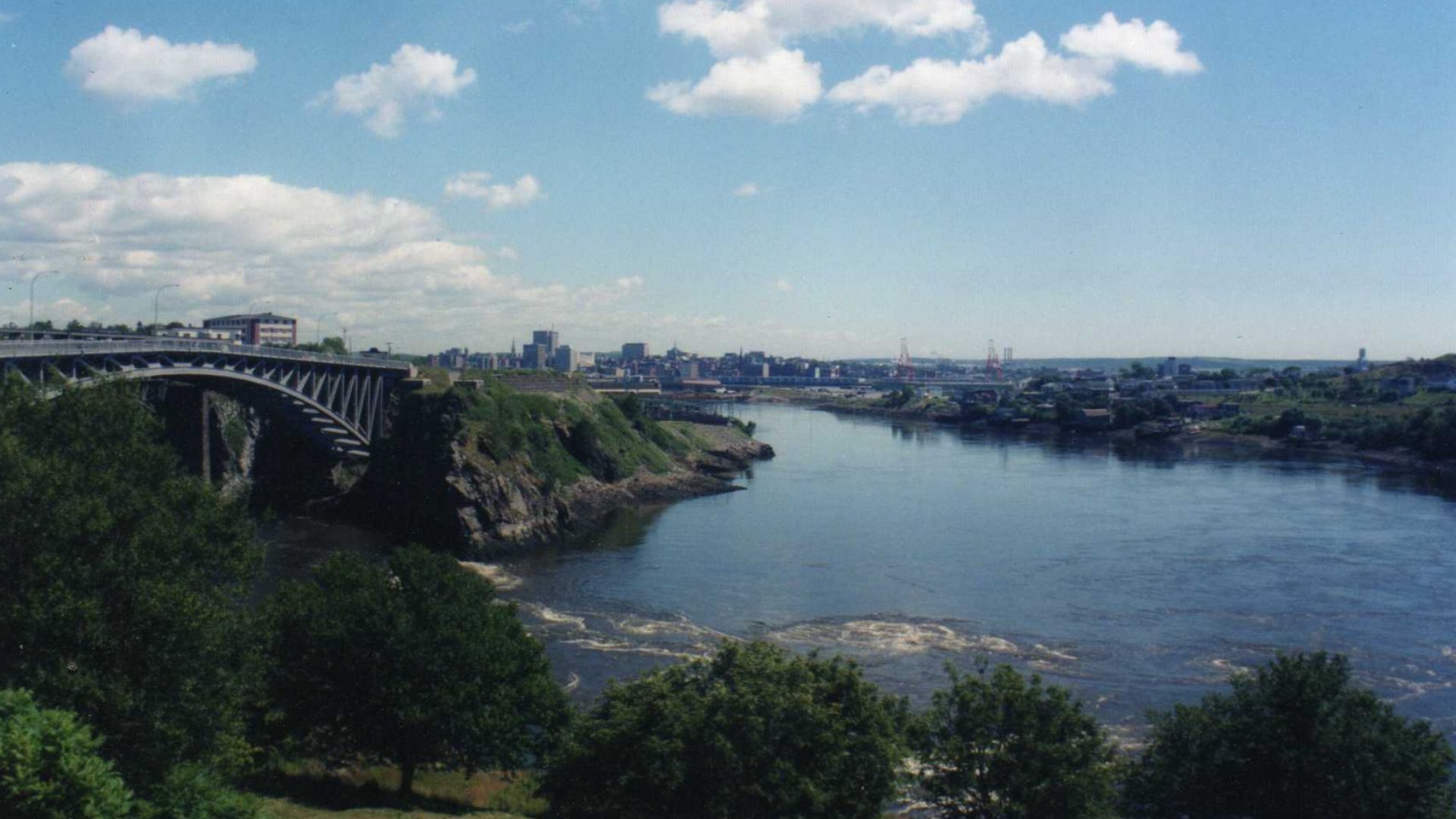
At Saint John’s Reversing Falls Rapids, the Bay of Fundy’s incoming tide pushes against the Saint John River strongly enough to reverse its flow. Around slack tide, the water briefly calms before changing direction again.
 Leonora (Ellie) Enking from East Preston, United Kingdom, Wikimedia Commons
Walking On The Ocean Floor Is Normal Tourism
At Hopewell Rocks, low tide lets visitors walk on the ocean floor beneath giant sandstone formations. At high tide, that same space fills with water. Timing is everything when your sightseeing path periodically becomes part of the sea.

Prince Edward Island Is An Island You Can Drive To
PEI is connected to New Brunswick by the 12.9-kilometer Confederation Bridge. No ferry is required, so a road trip can roll directly onto Canada’s smallest province even though the destination still feels unmistakably island-like.
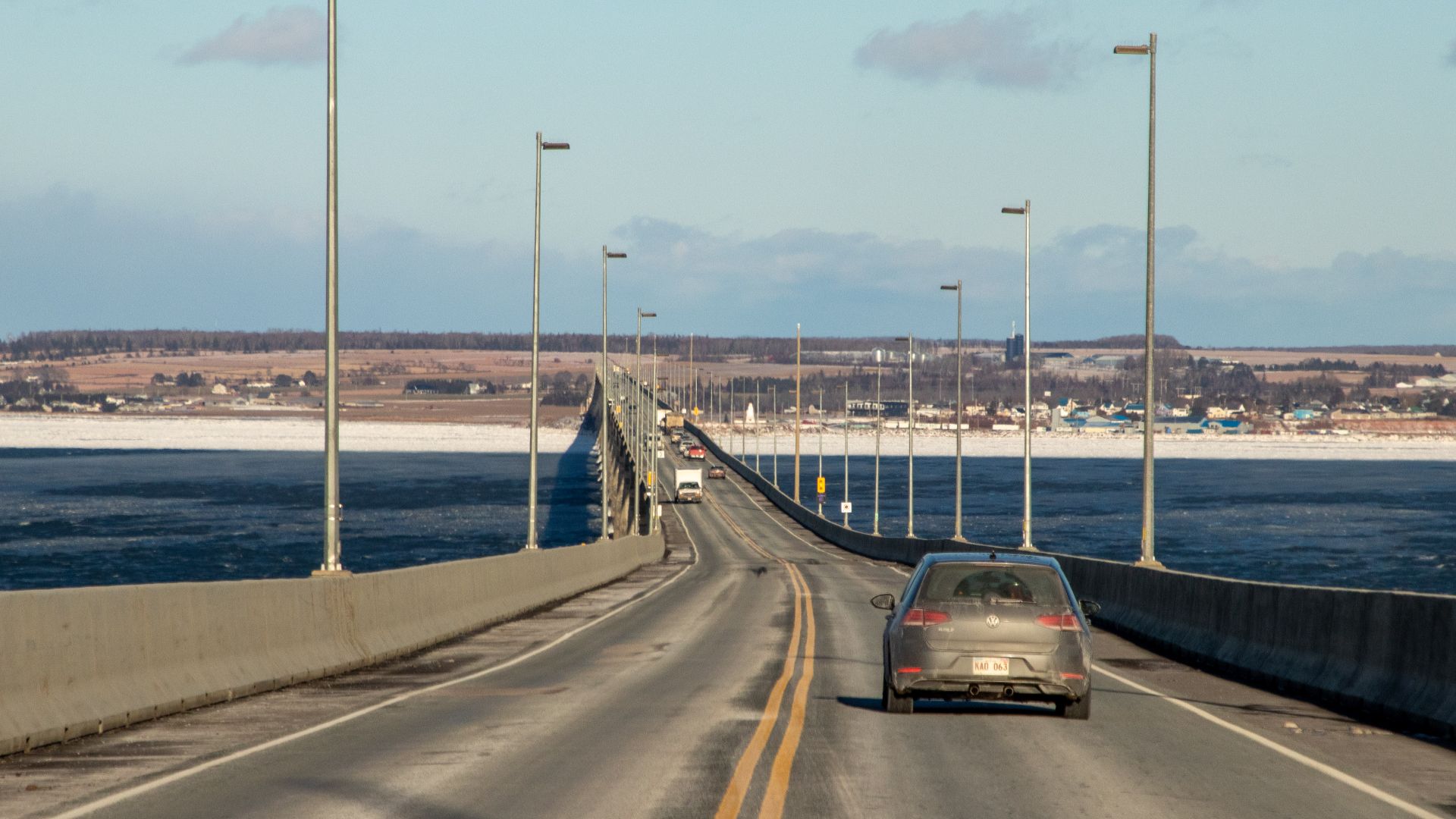 Hayden Soloviev, Wikimedia Commons
You Pay The Bridge Toll When You Leave
The Confederation Bridge toll is collected when vehicles leave Prince Edward Island, not when they enter. The charge is calculated as a round trip regardless of the original entry point, making arrival feel oddly free until departure day.
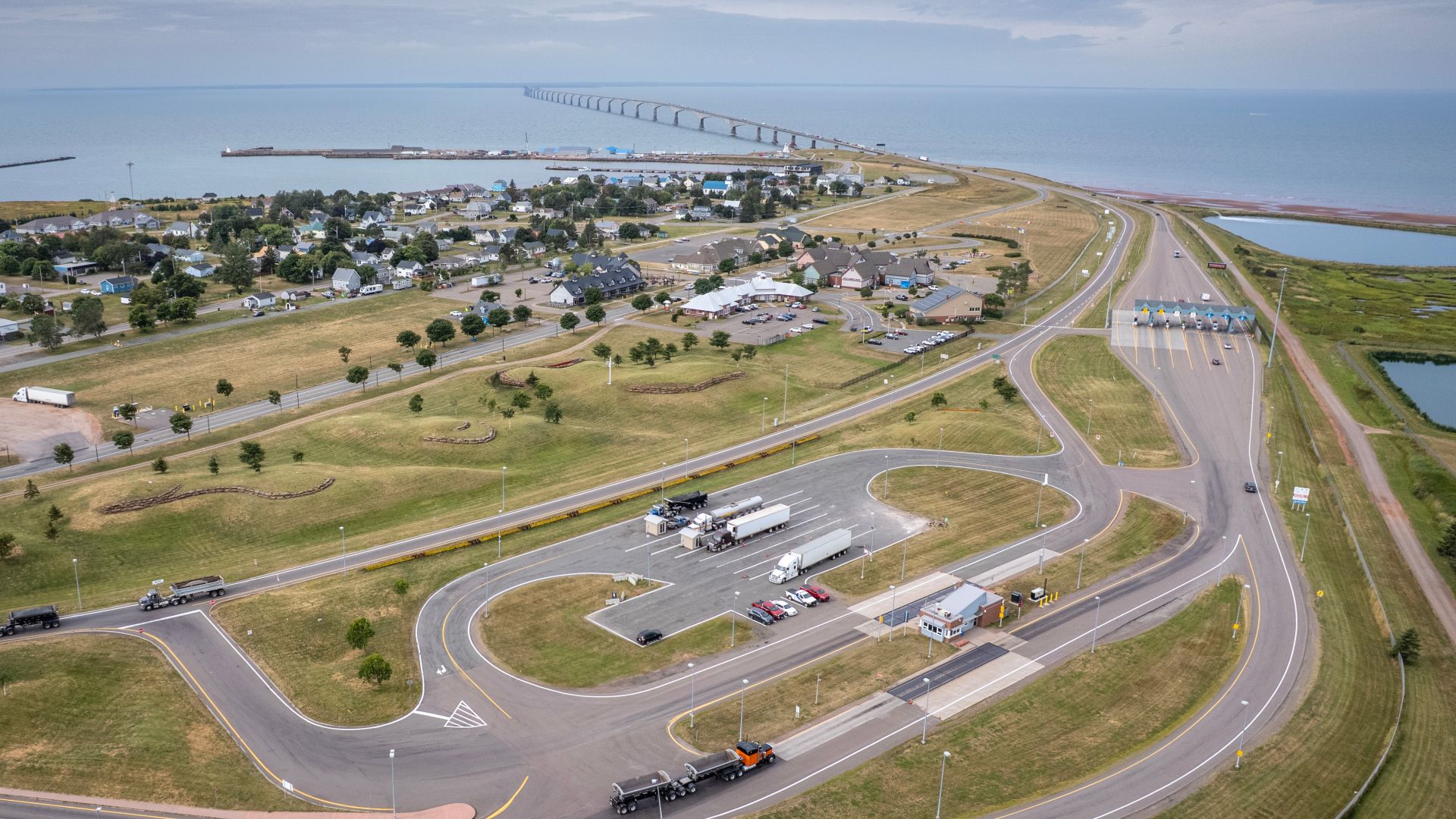 Gabriel Picard, Wikimedia Commons
The Ferry Still Matters
Seasonal ferry service still links Wood Islands, PEI, with Caribou, Nova Scotia, on a roughly 75-minute crossing. Tolls are collected when leaving PEI. Road-trippers can therefore enter by bridge and leave by ferry, or do the reverse.
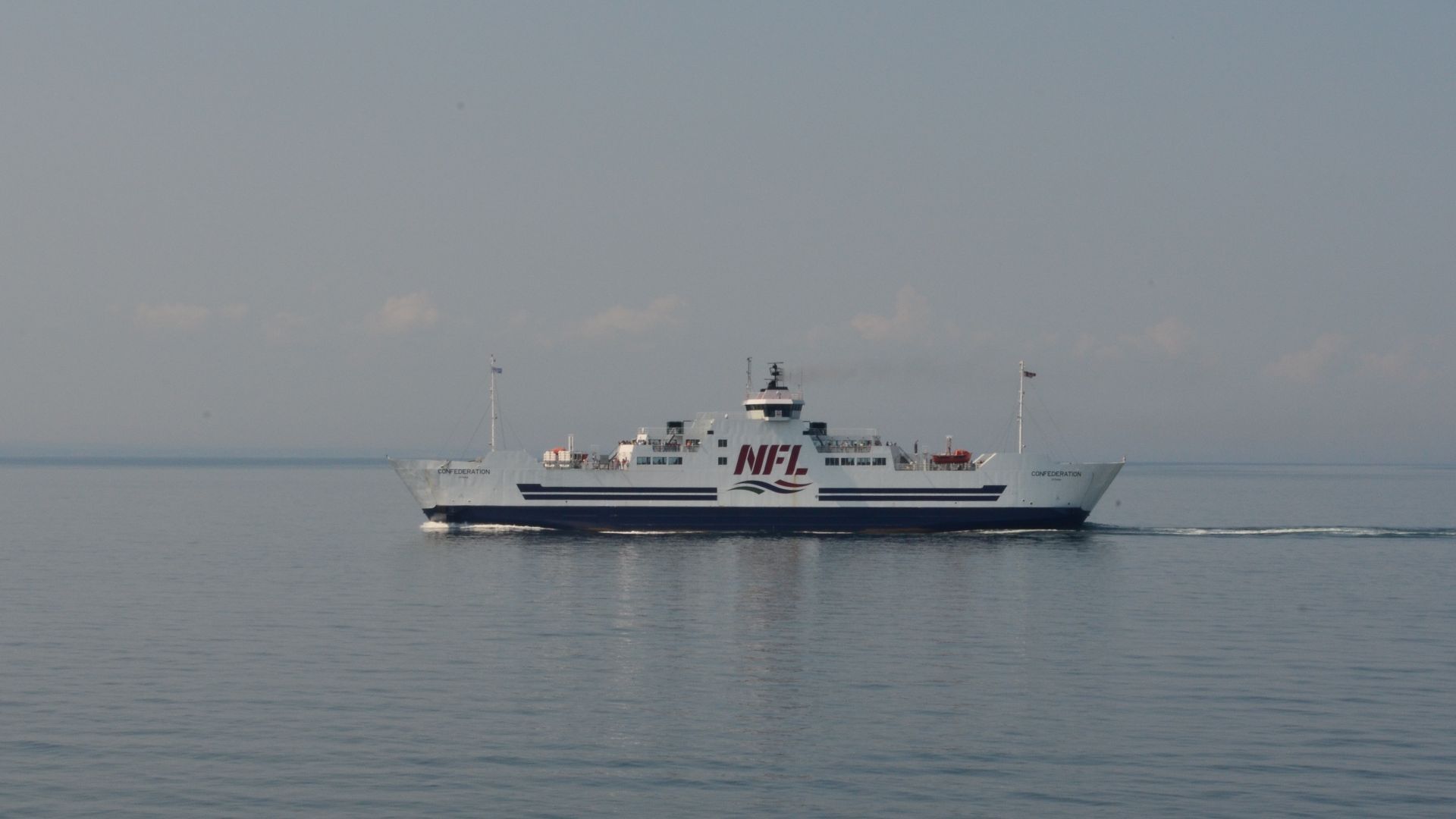 Samsmachado, Wikimedia Commons
PEI’s Dirt Really Is That Red
Prince Edward Island’s famous red soil is not exaggerated for postcards. The provincial government says its color comes from high iron-oxide content. Farm fields, roadside cuts, beaches, and cliffs can all carry that unmistakable rusty hue.
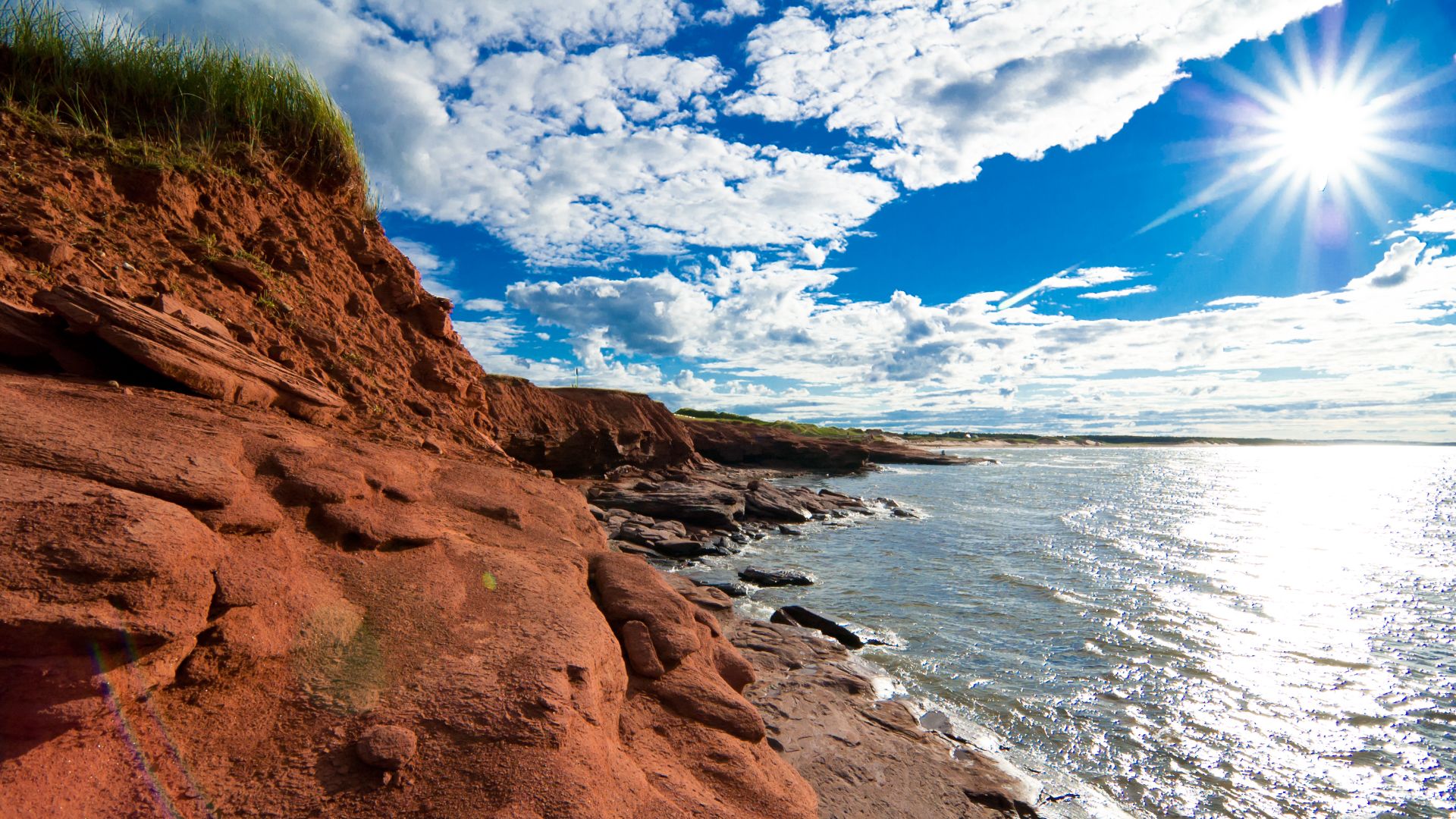 Ryan Tir from Vaughan, ON, Canada, Wikimedia Commons
Some Atlantic Water Is Surprisingly Warm
PEI challenges the assumption that Atlantic swimming must be painfully cold. Tourism PEI says water is generally warmer along the Northumberland Strait side than the Gulf side, while many south-shore beaches combine warmer water with red sand.

Anne Of Green Gables Is Everywhere For A Reason
Anne Shirley is fictional, but PEI’s literary tourism is rooted in LM Montgomery’s real Island life. Green Gables Heritage Place, museums, trails, performances, and themed itineraries make Anne a visible part of the province’s cultural landscape.
 Smudge 9000 from North Kent Coast, England, Wikimedia Commons
A Halifax Donair Is Not Just A Gyro
The Halifax donair resembles a gyro but uses seasoned beef and a sweet garlic sauce. Halifax Regional Council made it the city’s official food in 2015, so ordering one and expecting tzatziki misses the defining local twist.
 Nicole Bratt from Seattle, WA, USA, Wikimedia Commons
Rappie Pie Is Not Dessert
Rappie pie is a traditional Acadian dish made from grated potatoes and meat, often chicken. Tourism Nova Scotia notes that it is not a conventional pie and has no pastry crust. The name is far more misleading than the menu description.
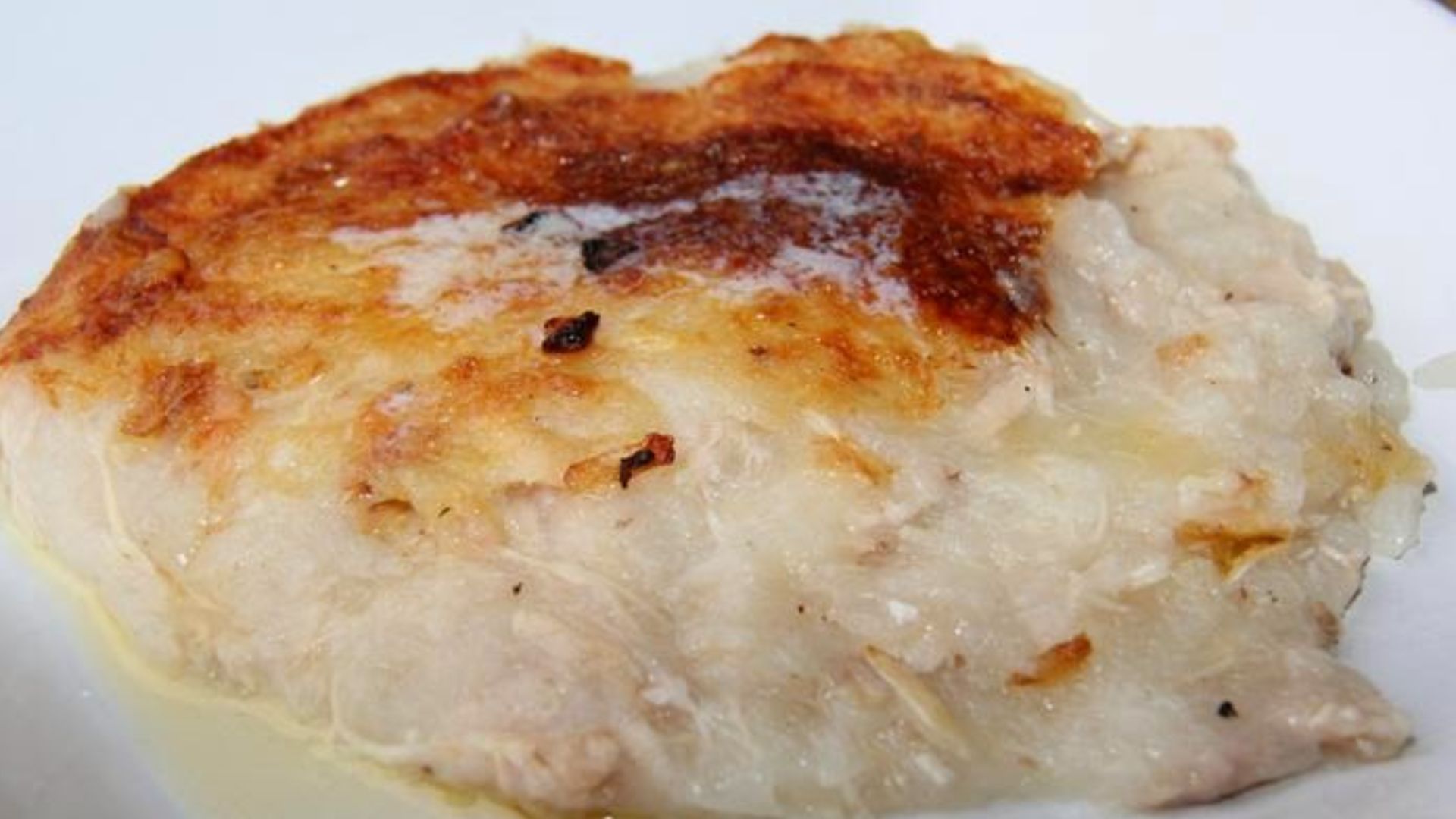 L'Acadie Proud, Wikimedia Commons
“Storm Chips” Are A Real Regional Phrase
Before rough weather, Nova Scotians are known for stocking up on “storm chips.” Canadian Press coverage has treated the phrase as familiar local behavior. It is basically storm preparation with a highly specific, crunchy sense of humor.

Gaelic Is Not Just Decorative Heritage
Nova Scotia still has a living Gaelic cultural presence, especially in eastern areas and Cape Breton. Provincial Gaelic Affairs says English-Gaelic boundary signs remain in use, while language classes, immersion programs, music, and cultural events continue.
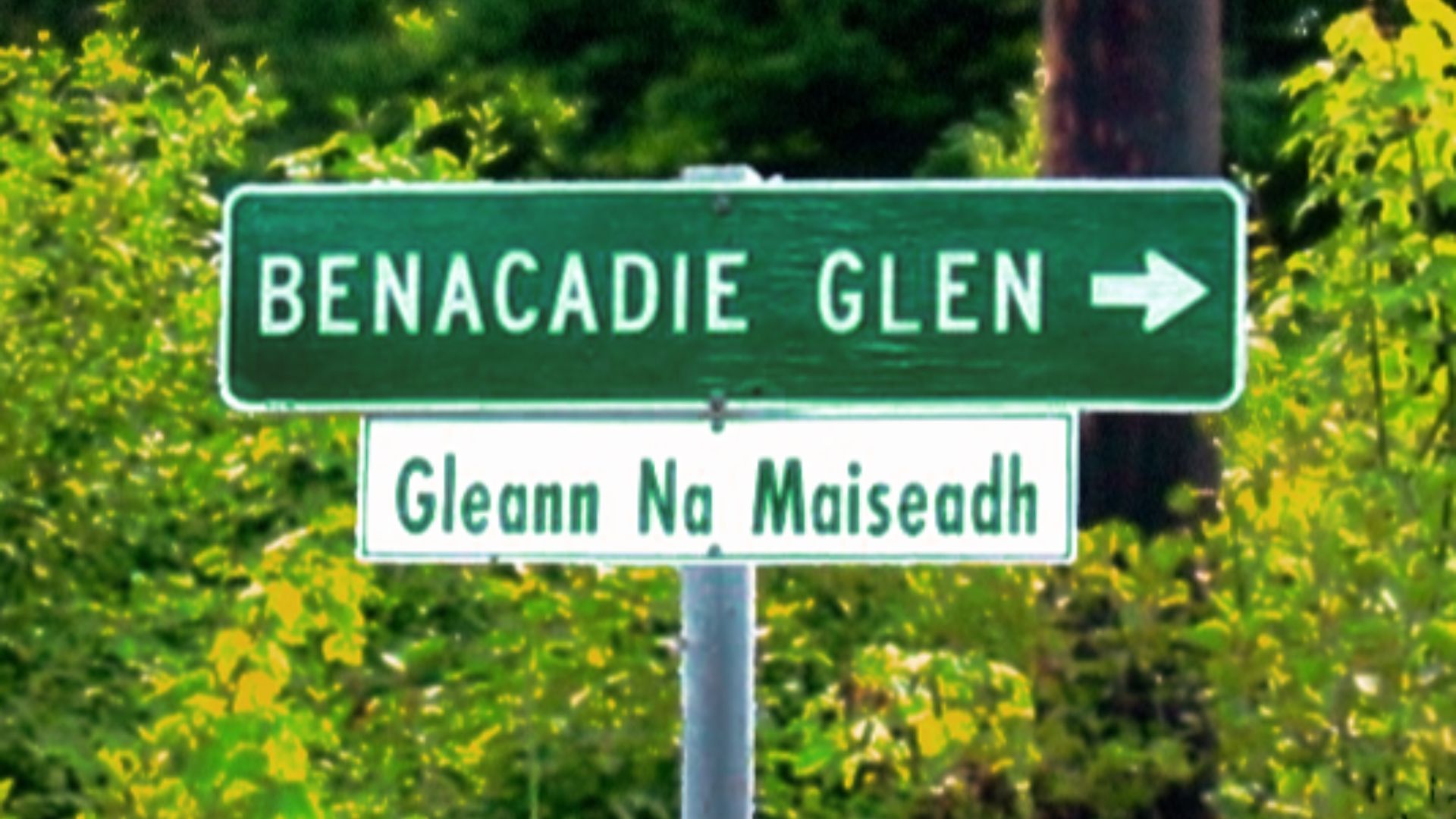 chelseagirl derivative work: Muckapedia (talk), Wikimedia Commons
Cape Breton Is An Island Inside Nova Scotia
Cape Breton Island has a strong identity, the Cabot Trail, and distinctive Gaelic and Acadian traditions, but it is part of Nova Scotia. Talking about “Nova Scotia and Cape Breton” as separate provinces is geographically wrong.
 WabbitWanderer from London, Canada, Wikimedia Commons
Halifax Can Mean More Than The Old City
Halifax Regional Municipality was created in 1996 by combining Halifax, Dartmouth, Bedford, and Halifax County. Those older community names remain common, so someone can be within Halifax’s municipality while still describing their location as Dartmouth or Bedford.
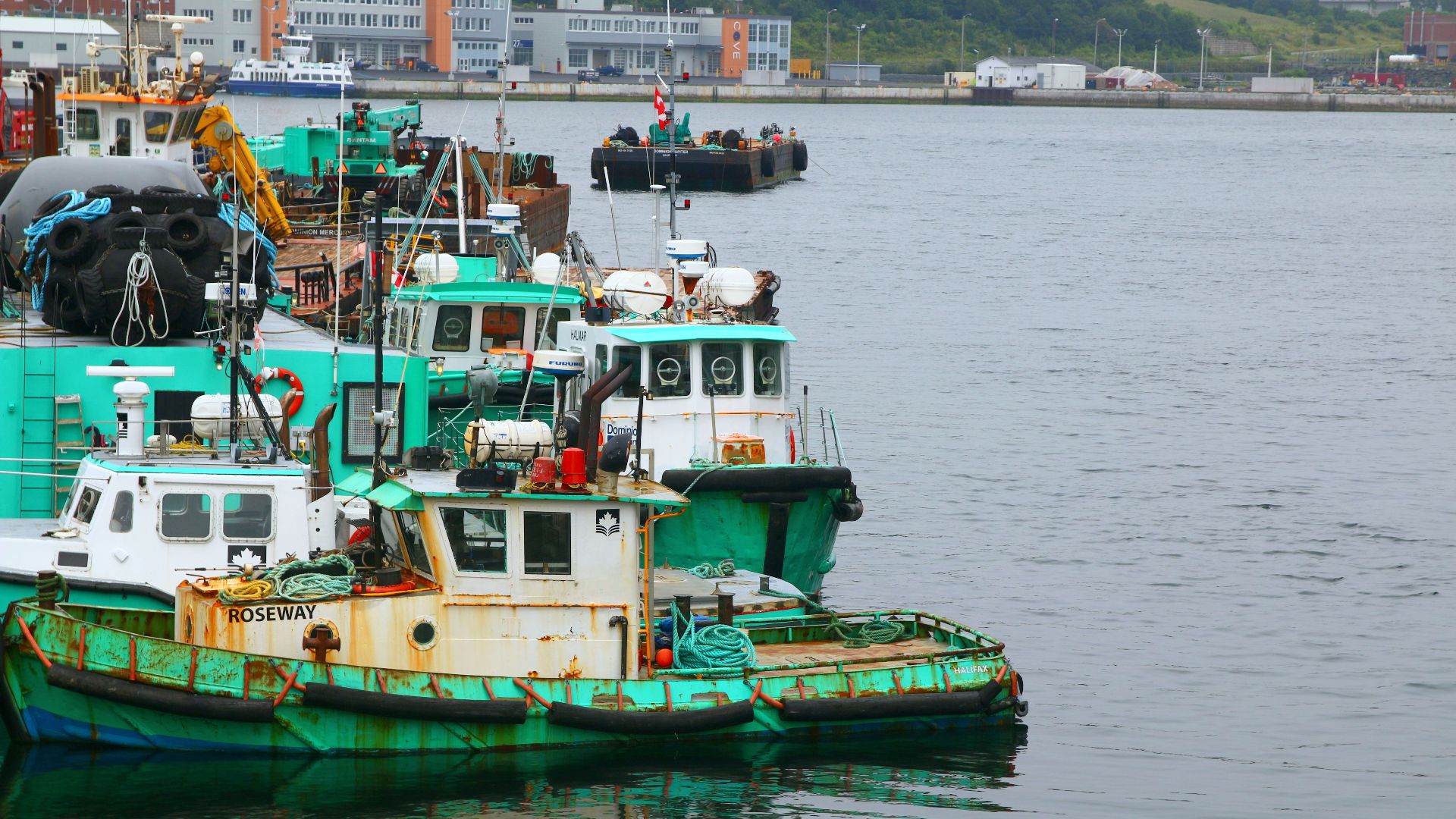
The Harbor Ferry Is Public Transit
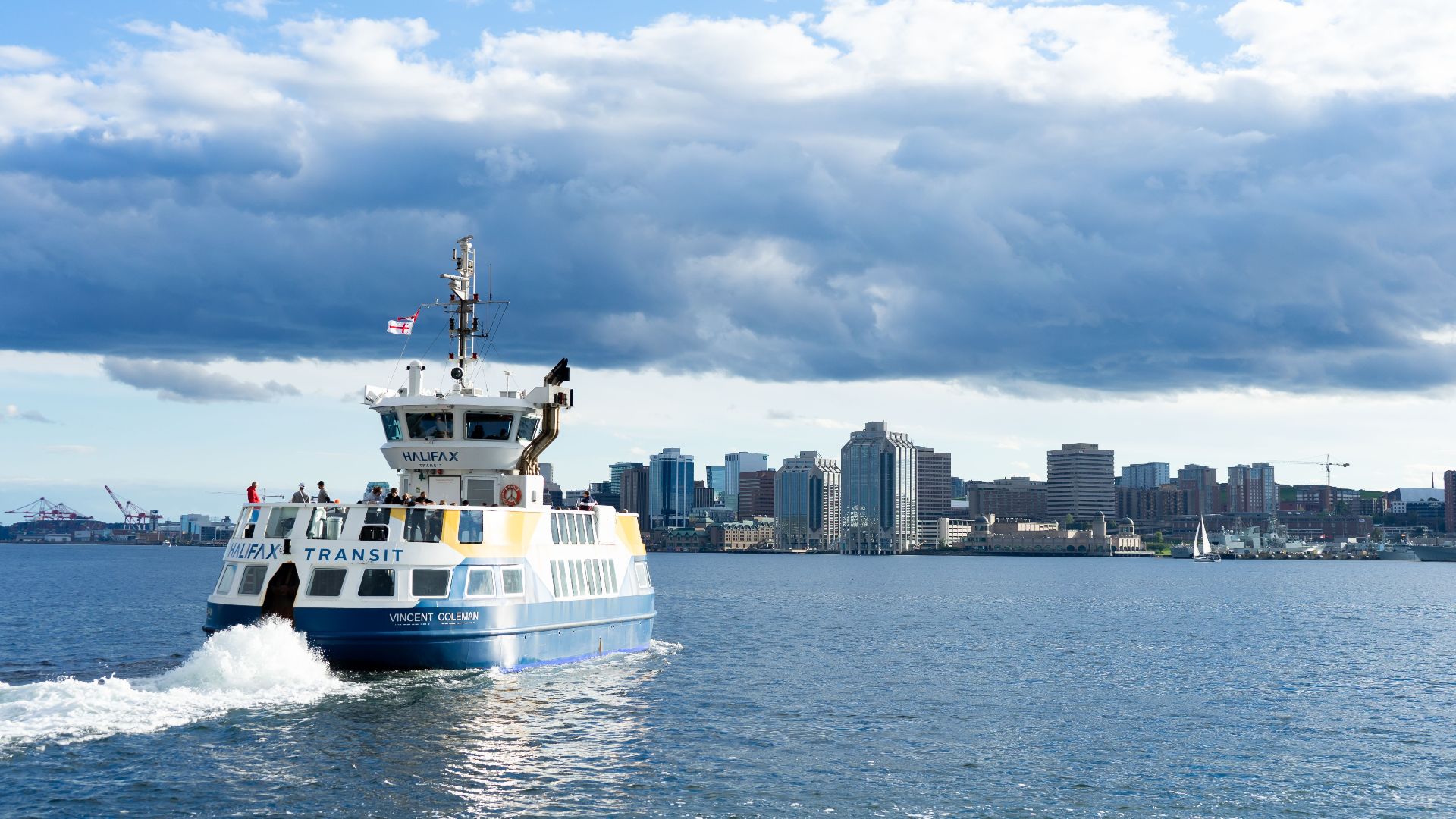
The ferry across Halifax Harbour is not merely a sightseeing ride. Halifax Transit operates ferry service between Halifax and Dartmouth-area terminals as part of the public transportation network. For locals, commuting can literally mean taking a boat.
That French-Looking Flag With A Star Is Acadian
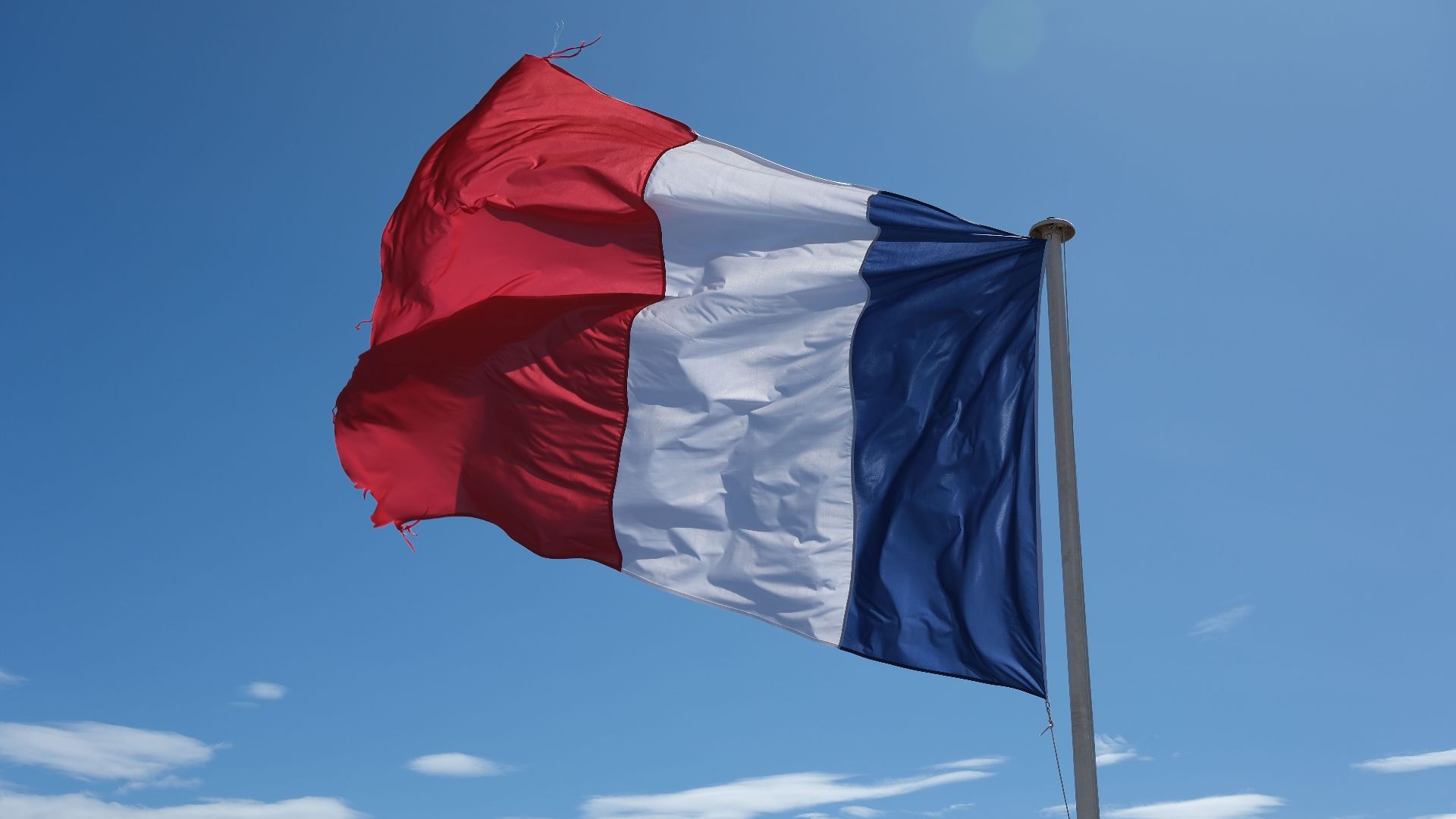
In Acadian areas of Nova Scotia, visitors may see a blue, white, and red tricolor with a yellow star. It is the Acadian flag, reflecting a culture whose language, food, music, and history remain visible across the region.
You May Also Like:
Things Canadians Notice Immediately When They Visit American Grocery Stores