
The Hidden Property Rules That Could Cost You Thousands
Buying a home feels straightforward—find a place, get a mortgage, move in. But behind the scenes, there are rules quietly shaping your finances that most buyers never hear about. Some are buried in contracts. Others are just “industry norms” that no one explains. Either way, they can cost you serious money over time if you don’t understand how they work.

You Don’t Really Own It (At First)
Here’s a reality check most people don’t hear: until your mortgage is fully paid off, the bank has a legal claim on your home. This is called a lien, and it gives them the right to foreclose if you miss payments. You may live there, decorate it, and call it yours—but financially, it’s a shared arrangement.
Property Taxes Never Go Away
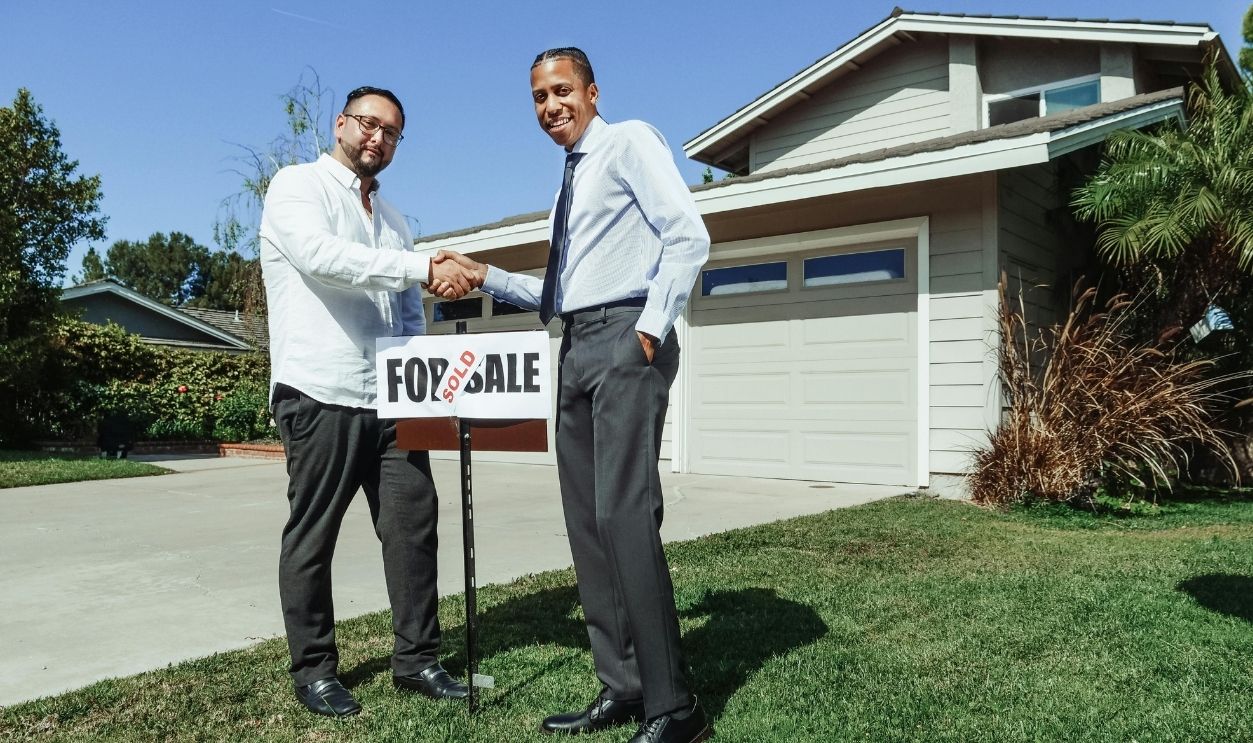
Even after your mortgage is gone, your housing expenses don’t disappear. Property taxes are permanent, and they often increase over time as your home value rises. If you fail to pay them, local governments can place a lien—or even seize your property. So “owning your home outright” doesn’t mean you’re free from ongoing costs.

The “Escrow Surprise” Rule
Many homeowners assume their mortgage payment is fixed—but that’s not always true. Taxes and insurance are often bundled into your monthly payment through an escrow account. If either increases, your total payment goes up. This can catch homeowners off guard, especially in areas with rising property values or insurance premiums.

The 1% Maintenance Rule
A common guideline suggests homeowners should budget about 1% of their home’s value each year for maintenance. That covers repairs, replacements, and general upkeep. It’s not a strict rule, but it’s a realistic expectation. Skip maintenance, and problems compound—both physically and financially.

The 28/36 Debt Rule
Lenders use this rule to decide how much house you can afford. Ideally, no more than 28% of your income should go toward housing, and no more than 36% toward total debt. But here’s the issue—it doesn’t reflect your real life expenses. You might qualify on paper but struggle in reality.

Closing Costs Are Bigger Than You Think
Buyers often focus on saving for a down payment, but closing costs can be a shock. These fees include appraisals, inspections, loan origination, and more—typically totaling 2% to 5% of the home’s price. That’s thousands of dollars due upfront, and many buyers underestimate how much they’ll need.

The PMI Trap
Private Mortgage Insurance (PMI) is required if you put down less than 20%. It protects the lender in case you default—but offers you no benefit. It increases your monthly payment and can stick around for years unless you refinance or build enough equity to remove it.

Your Home Isn’t Always a Great Investment
While real estate can appreciate over time, it’s not guaranteed. Market conditions, interest rates, and local demand all play a role. When you factor in taxes, maintenance, and interest payments, your actual profit may be lower than expected. That’s not the most surprising one, either.

The “Zoning Surprise” Rule
Every property falls under zoning laws that control how it can be used. These rules can limit renovations, additions, or even how you use your space. Want to build a rental unit or expand your home? You may need permits—or be denied altogether.

HOA Rules Can Control Your Life
Homeowners Associations (HOAs) can enforce strict rules on properties within their communities. These can include restrictions on exterior design, landscaping, parking, and more. Violations can lead to fines, and in extreme cases, legal action. You’re not just buying a home—you’re agreeing to a system of governance.

The Appraisal Gap Problem
Even if you agree on a purchase price, the bank requires an appraisal to confirm the value. If the appraisal comes in lower, you’ll need to cover the difference or renegotiate. This creates unexpected financial pressure, especially in competitive housing markets.

The “Days on Market” Trick
A home sitting on the market for a long time might look like a deal—but it could signal hidden problems. These could include pricing issues, structural concerns, or undesirable location factors. It’s a detail buyers should investigate more closely.
You Pay More Interest Than You Think
A 30-year mortgage spreads payments out over decades—but that convenience comes at a cost. Over time, you may pay nearly double the home’s price due to interest. Early payments go mostly toward interest, not principal, which slows down your equity growth.

The Refinancing Cycle
Refinancing can lower your monthly payment or interest rate, but it often extends your loan term. That means you could end up paying more interest overall. It can be helpful—but it’s not always the financial win it appears to be.

The “Location Premium” Rule
Location plays a massive role in home value. Factors like schools, safety, and amenities can dramatically increase prices—even if the homes themselves are similar. You’re often paying more for the area than the structure itself.

The Rent vs Own Illusion
Owning a home is often seen as the “better” option—but it’s not always cheaper. When you include taxes, maintenance, insurance, and interest, renting can sometimes be more affordable and flexible. The right choice depends on your situation.

The Hidden Cost of Selling
Selling a home isn’t free. Agent commissions alone can take 5% to 6% of the sale price, plus additional closing costs. That means you walk away with less than expected, especially if you haven’t built significant equity.

The “Equity Isn’t Cash” Rule
Home equity is valuable—but it’s not liquid. To access it, you need to sell, refinance, or take out a loan. Until then, it’s not money you can easily spend. Many homeowners overestimate how accessible their equity really is.

The Most Surprising Rule of All…
Here’s the reality: most of these rules aren’t clearly explained during the buying process. They’re just part of the system—and buyers are expected to figure them out over time. But that knowledge gap can cost thousands if you’re not careful.

So… Are You Really Ready to Own Property?
Now that you understand what’s really going on behind the scenes, ask yourself: are you prepared for these hidden costs and rules? And if you already own a home… how many of these caught you off guard? Let us know in the comments.
 Dmytro Zinkevych, Shutterstock
You May Also Like:
I earned $500 freelancing last year and didn’t report it, and now I’m panicking. Am I in trouble?