
Car Optional
There’s something oddly liberating about realizing you don’t actually need a car to enjoy a city. No circling for parking, no traffic-induced existential crises—just sidewalks, good shoes, and a sense of direction that’s “close enough.” While plenty of places claim to be pedestrian-friendly, the data paints a much clearer picture of which cities truly deliver.
 Cultura Creative, www.shutterstock.com
New York City Sets The Pace
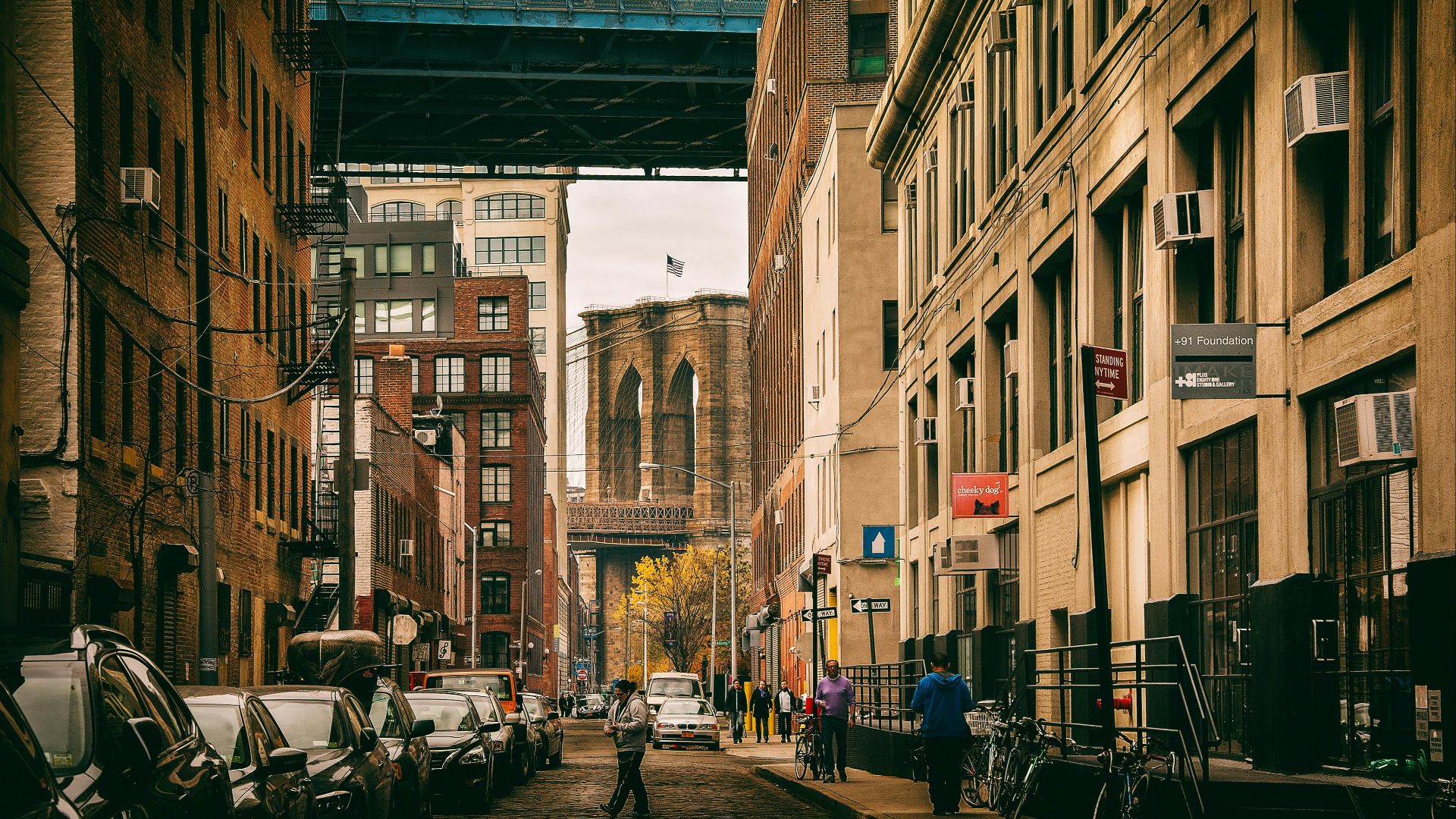
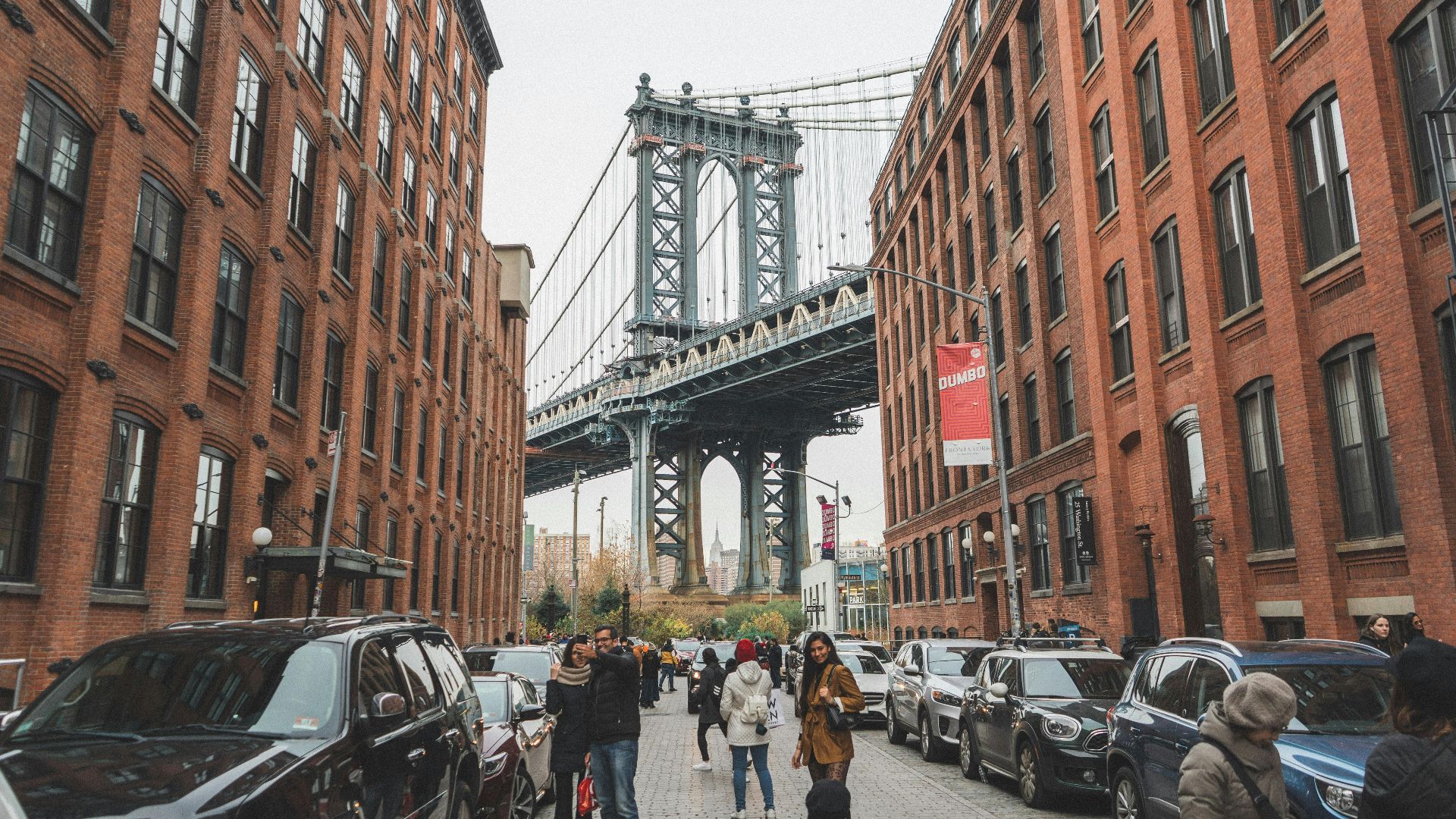
New York City doesn’t just make the list—it practically defines it. From Manhattan’s buzzing avenues to Brooklyn’s endlessly evolving neighborhoods, everything feels stacked on top of itself in the best possible way. You’re never far from a coffee shop, a subway entrance, or something unexpected happening on the sidewalk.
Why New York City Is So Walkable
The secret is density and design. Blocks are short, streets are grid-like, and public transit fills in any gaps you’d rather not walk. Add in mixed-use neighborhoods where groceries, restaurants, and offices coexist, and suddenly walking isn’t just convenient—it’s the default.
San Francisco Brings The Hills (And The Views)
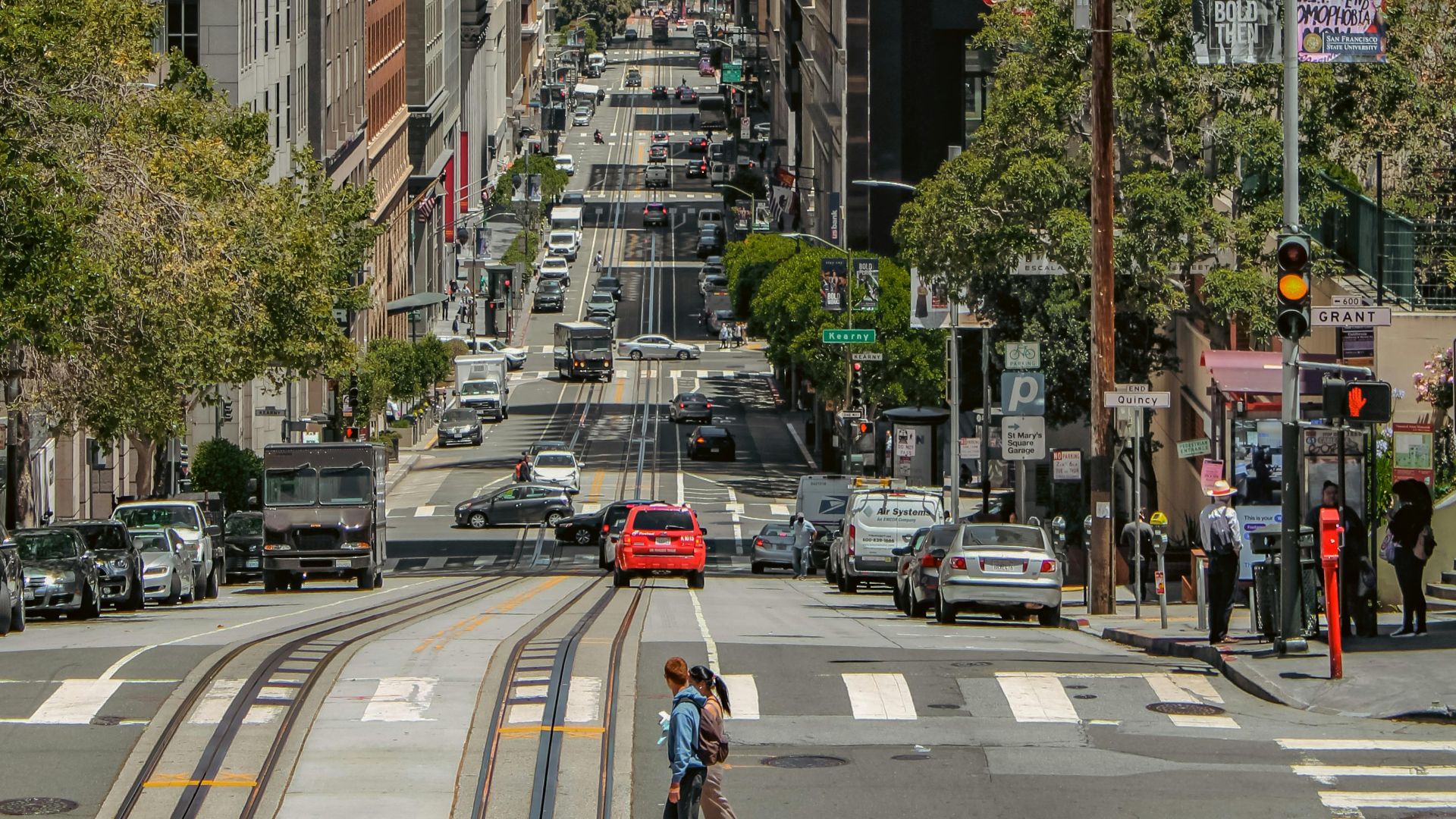
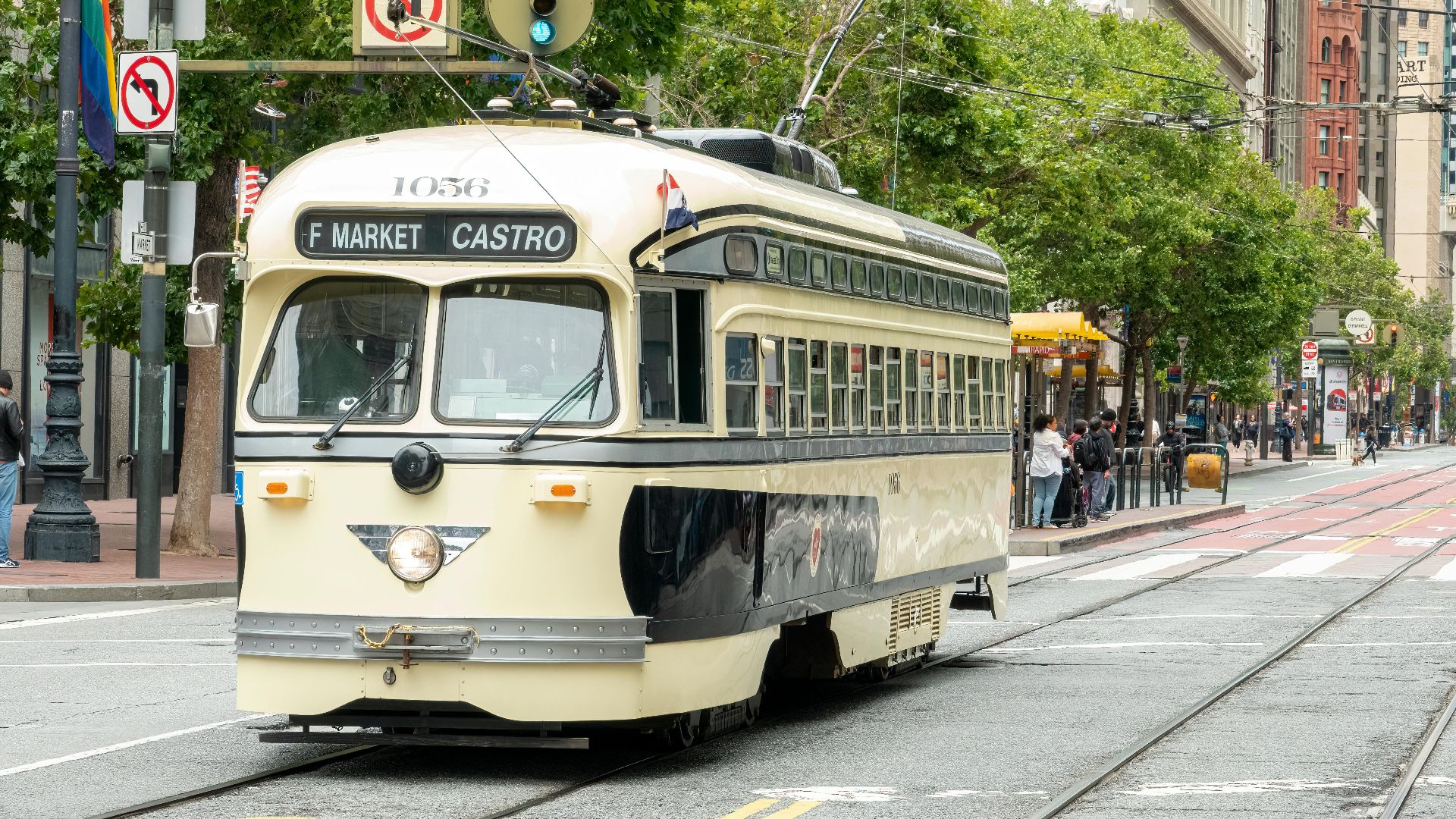
San Francisco might test your calf muscles, but it rewards you every step of the way. The city’s compact layout, iconic neighborhoods, and waterfront access make wandering around feel like a sightseeing tour without a ticket.
Why San Francisco Is So Walkable
Despite its famous hills, San Francisco’s tight urban footprint keeps destinations close together. Transit options like buses and streetcars help balance out the steeper climbs, while highly walkable neighborhoods like the Mission and North Beach make car ownership feel optional.
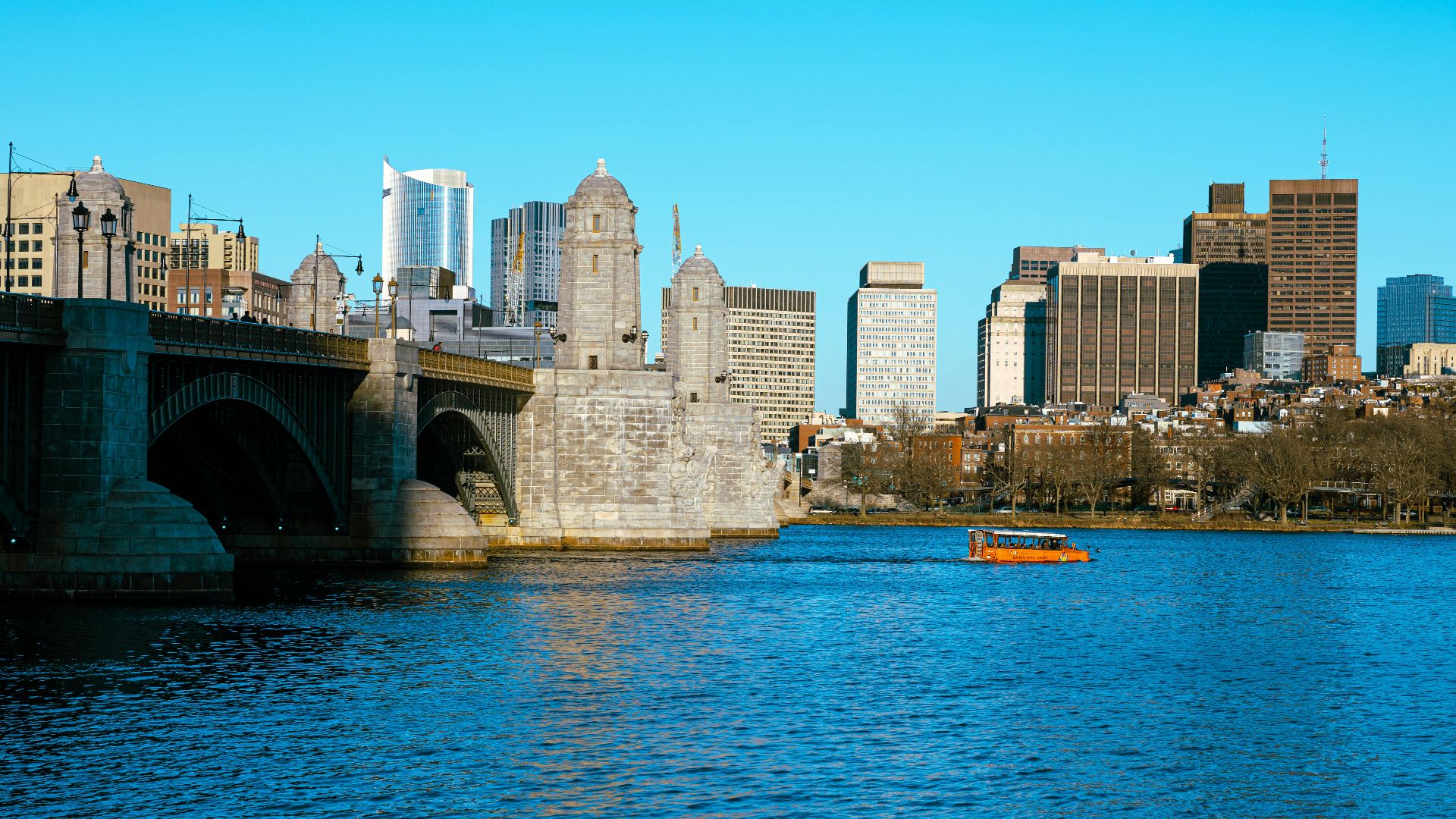
Boston Feels Like A Living History Book
Boston’s charm lies in its age. The city wasn’t built for cars—it was built long before them—so its winding streets and compact layout naturally favor pedestrians. Walking here feels less like commuting and more like stepping through history.
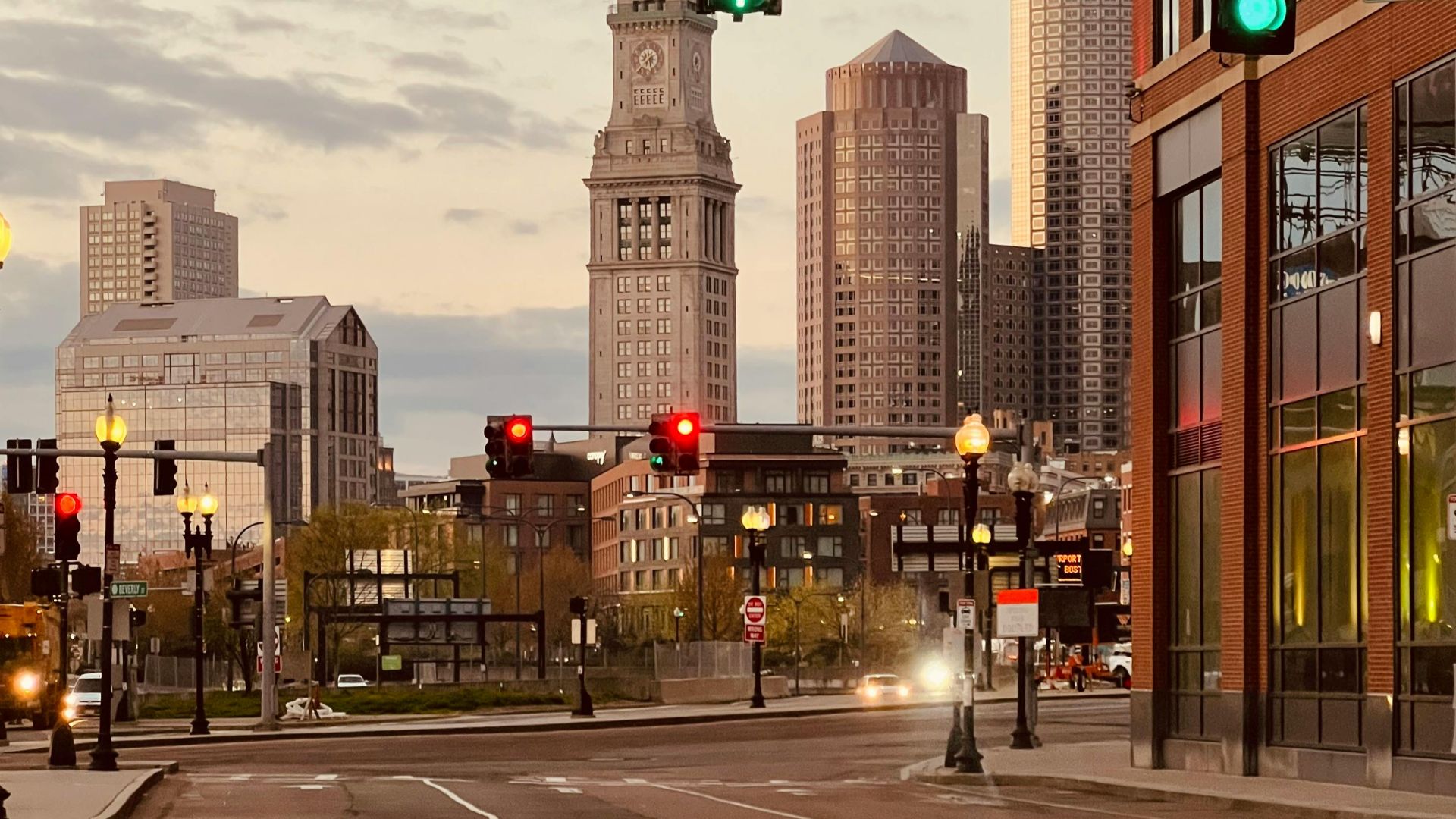
Why Boston Is So Walkable
Everything is close. Seriously close. From downtown to Cambridge, major attractions, offices, and universities are packed into a relatively small area. The Freedom Trail alone is basically a built-in walking itinerary, and public transit fills in the rest seamlessly.
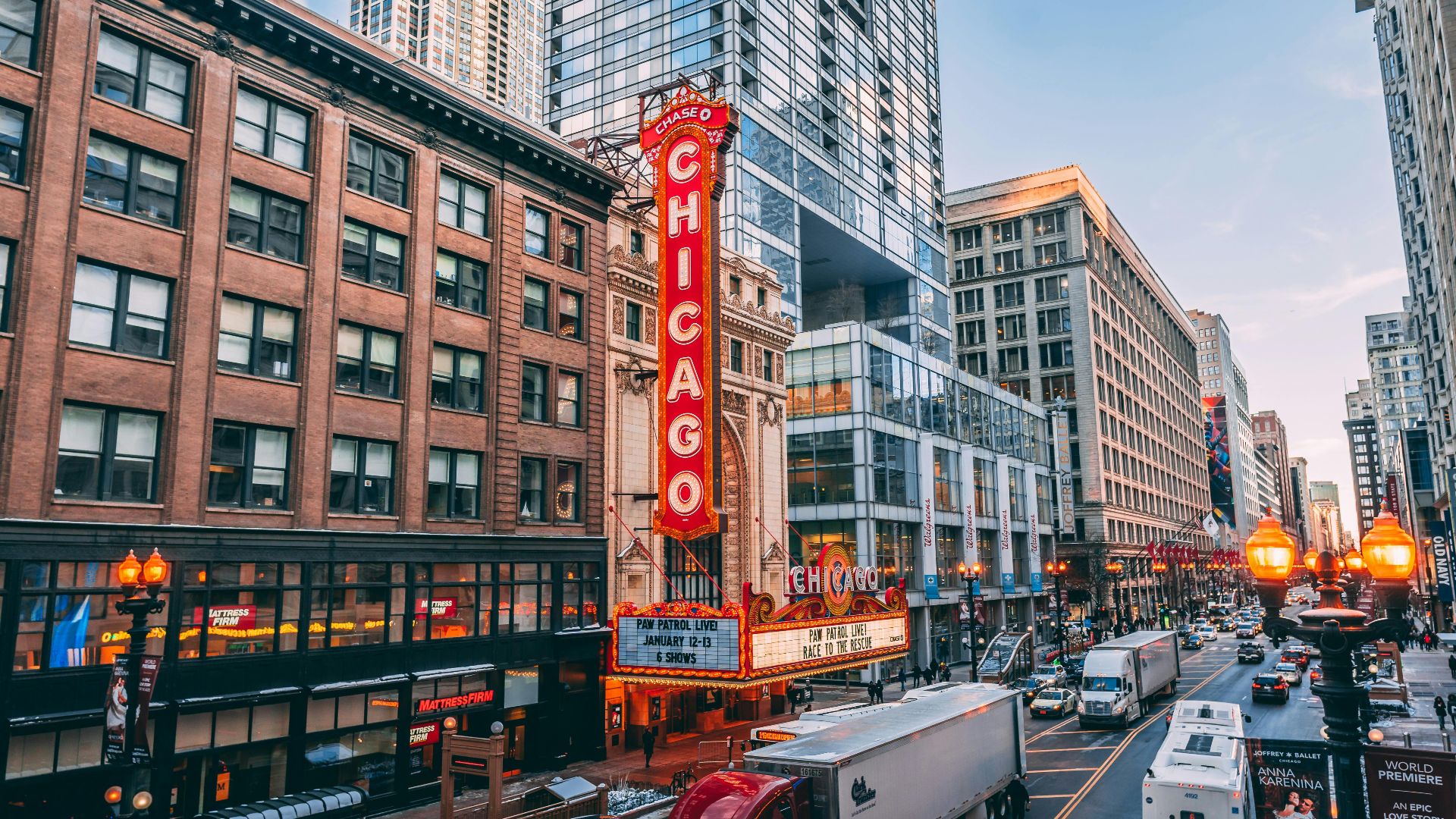
Chicago Balances Big City Energy With Accessibility
Chicago has the scale of a major metropolis but manages to keep things surprisingly navigable. With its lakefront views, bustling downtown, and neighborhood diversity, it offers plenty to explore without needing four wheels.
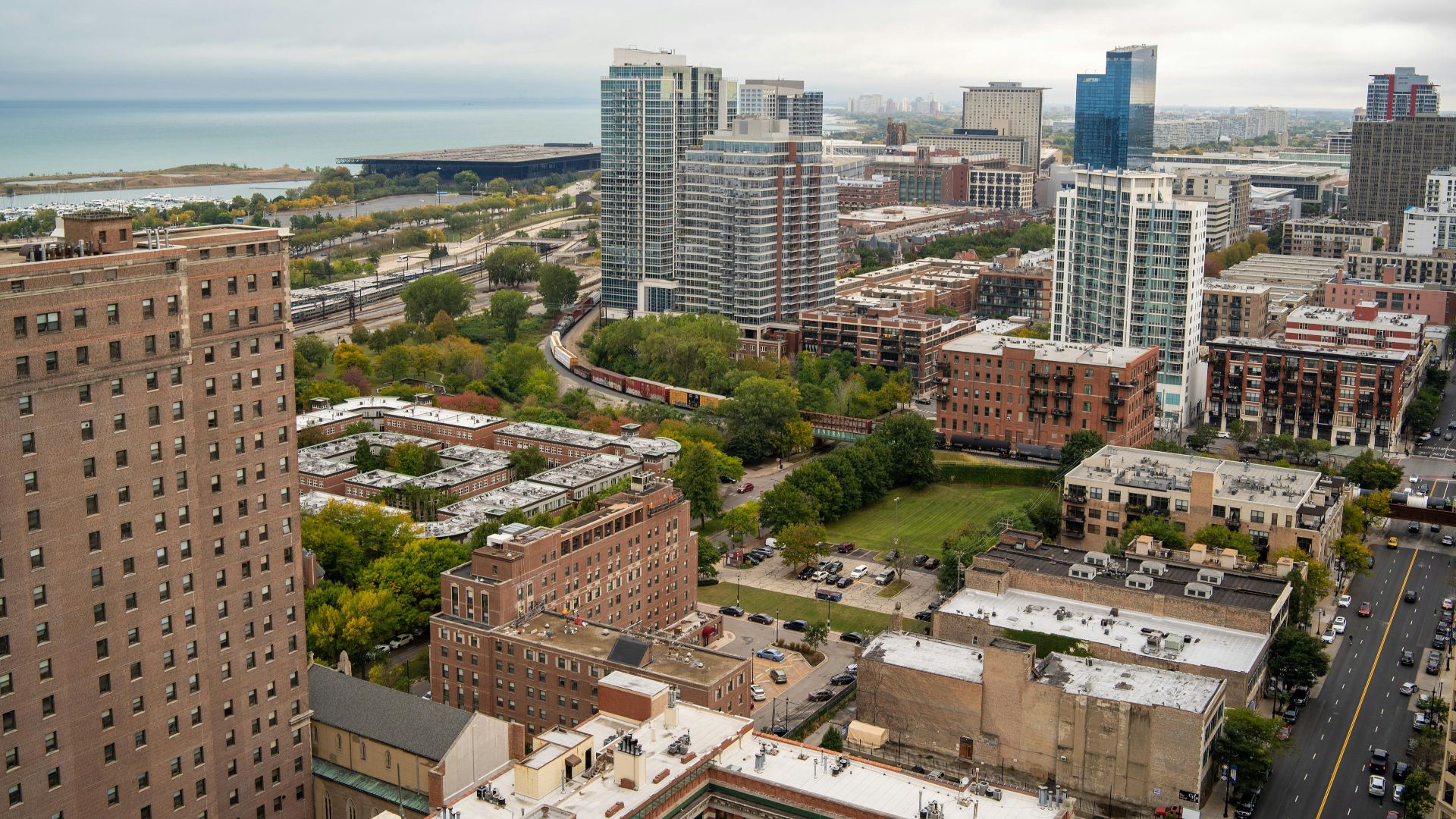
Why Chicago Is So Walkable
The grid system is doing most of the heavy lifting here. Streets are logically organized, sidewalks are wide, and public transit connects distant neighborhoods efficiently. Add in dense commercial areas, and most daily needs are just a short walk away.
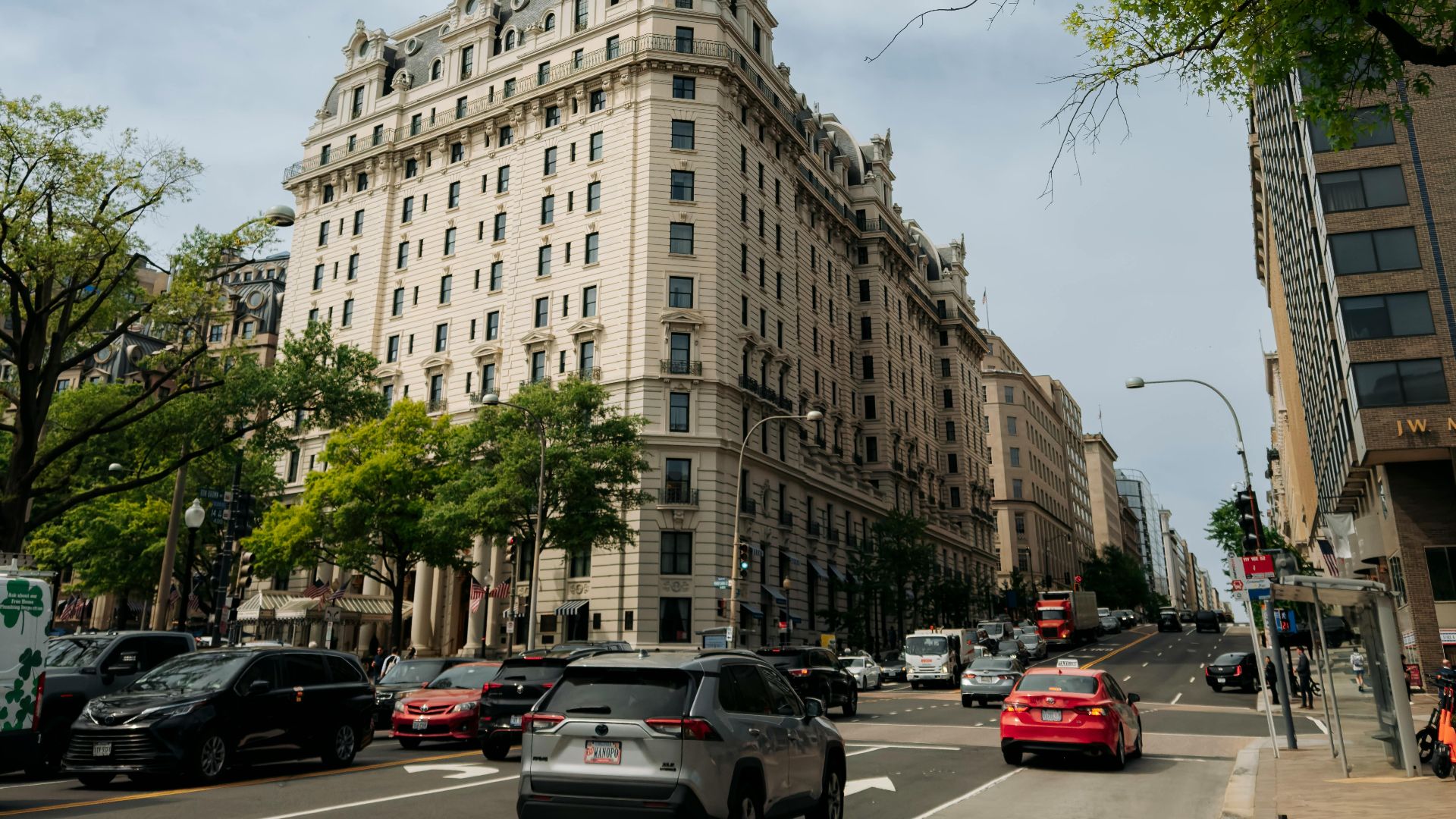
Washington, D.C. Makes Getting Around Effortless
The nation’s capital is more than monuments and museums—it’s a city designed with intention. Wide avenues, green spaces, and thoughtfully planned neighborhoods make it easy to explore at your own pace.

Why Washington, D.C. Is So Walkable
Urban planning is the star here. The layout encourages walking, with major attractions clustered together and transit options readily available. Many neighborhoods are self-contained, meaning you can handle errands, dining, and entertainment without straying far.
Seattle Keeps It Compact And Connected
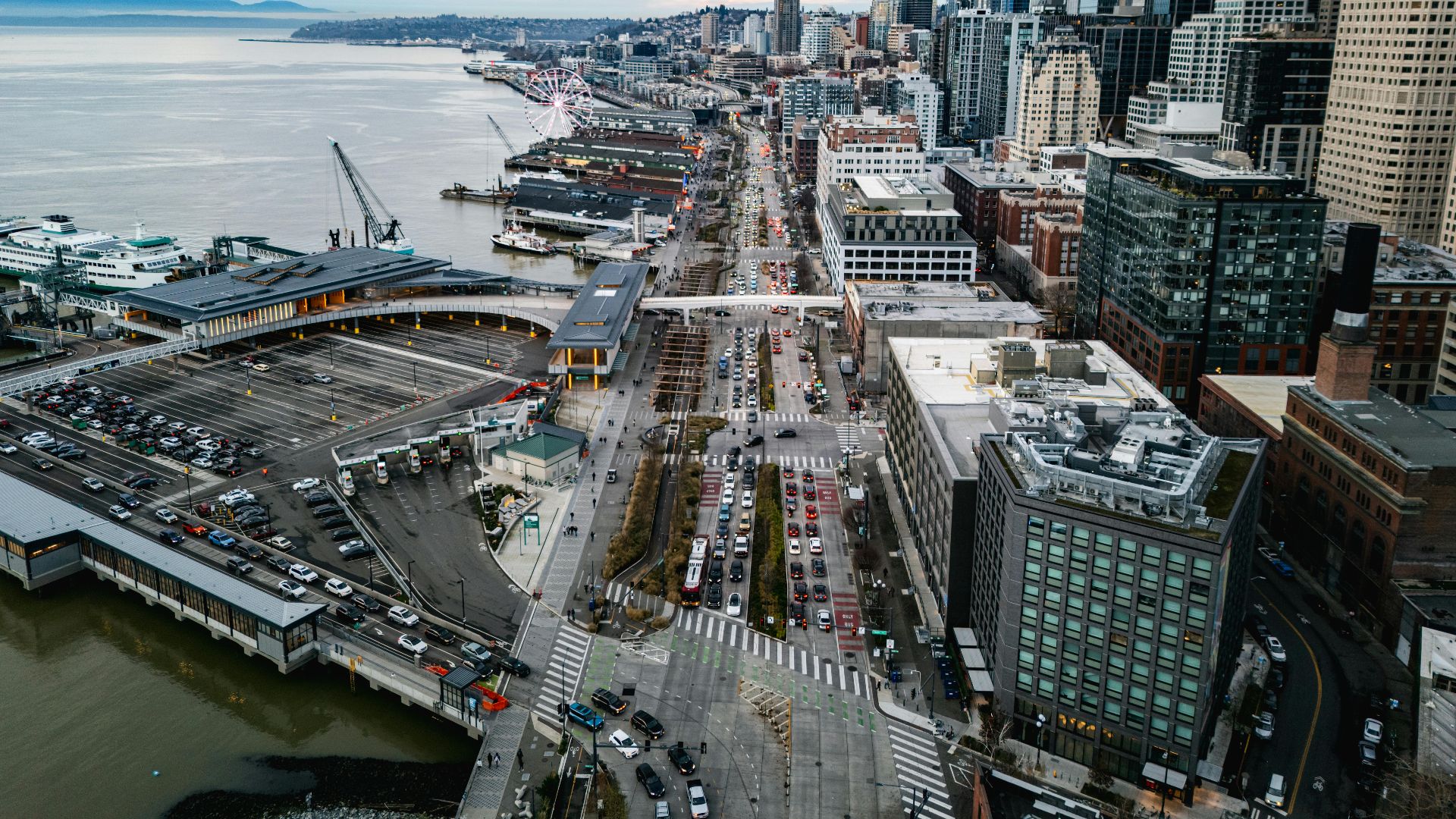
Seattle blends natural beauty with urban convenience. Between the waterfront, markets, and distinct neighborhoods, there’s always something within walking distance—assuming you don’t mind a little drizzle.
Why Seattle Is So Walkable
The city’s compact downtown core and strong transit network make walking practical. Areas like Capitol Hill and Pike Place are especially pedestrian-friendly, with plenty of amenities packed into small, accessible zones.

Philadelphia Keeps Things Close
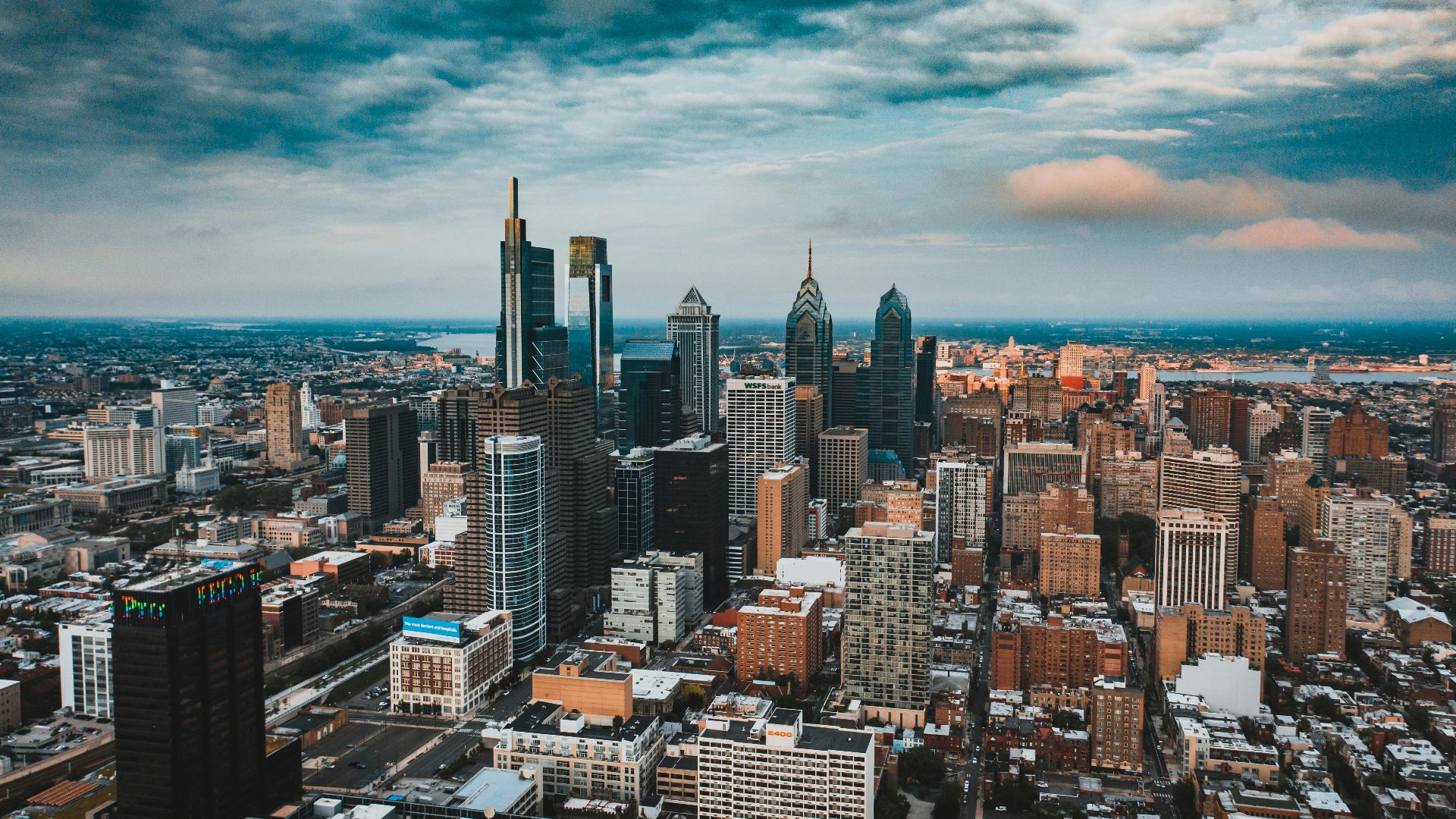
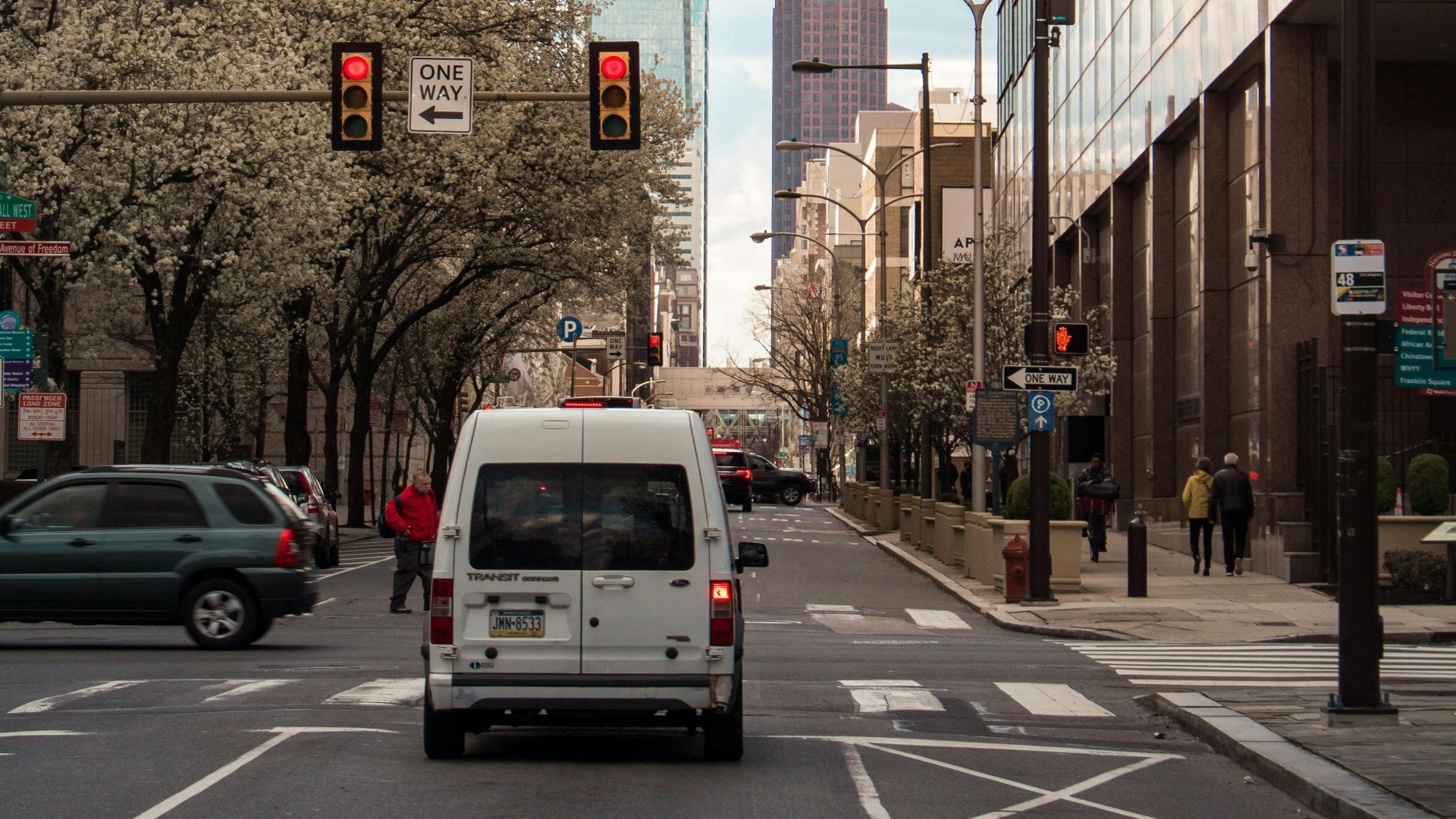
Philadelphia is one of those cities where everything feels just a few blocks away. Its historic roots and tight layout make it incredibly easy to explore without relying on a car.
Why Philadelphia Is So Walkable
The grid system and dense urban design make navigation simple. Many neighborhoods are packed with restaurants, shops, and cultural spots, meaning you rarely need to travel far for anything essential.
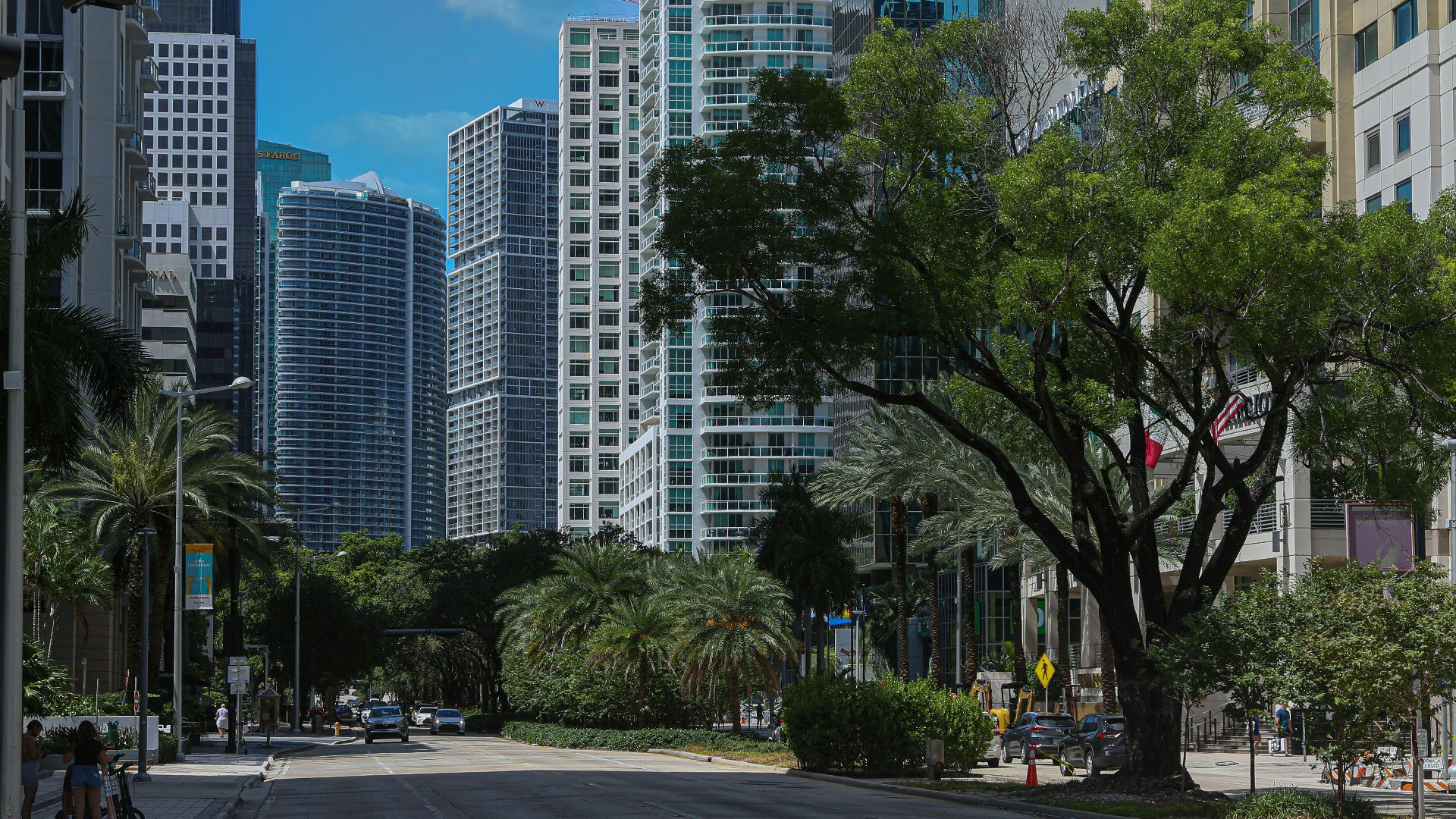
Miami Offers Walkability With A Side Of Sunshine
Miami might be known for beaches and nightlife, but certain parts of the city are surprisingly pedestrian-friendly. In the right neighborhoods, walking feels less like a chore and more like part of the lifestyle.
Why Miami Is So Walkable
Areas like South Beach and Downtown concentrate amenities into compact spaces. Wide sidewalks, mixed-use developments, and a growing transit network make it easier than you’d expect to ditch the car—at least in key areas.
Minneapolis Makes Walking Work Year-Round
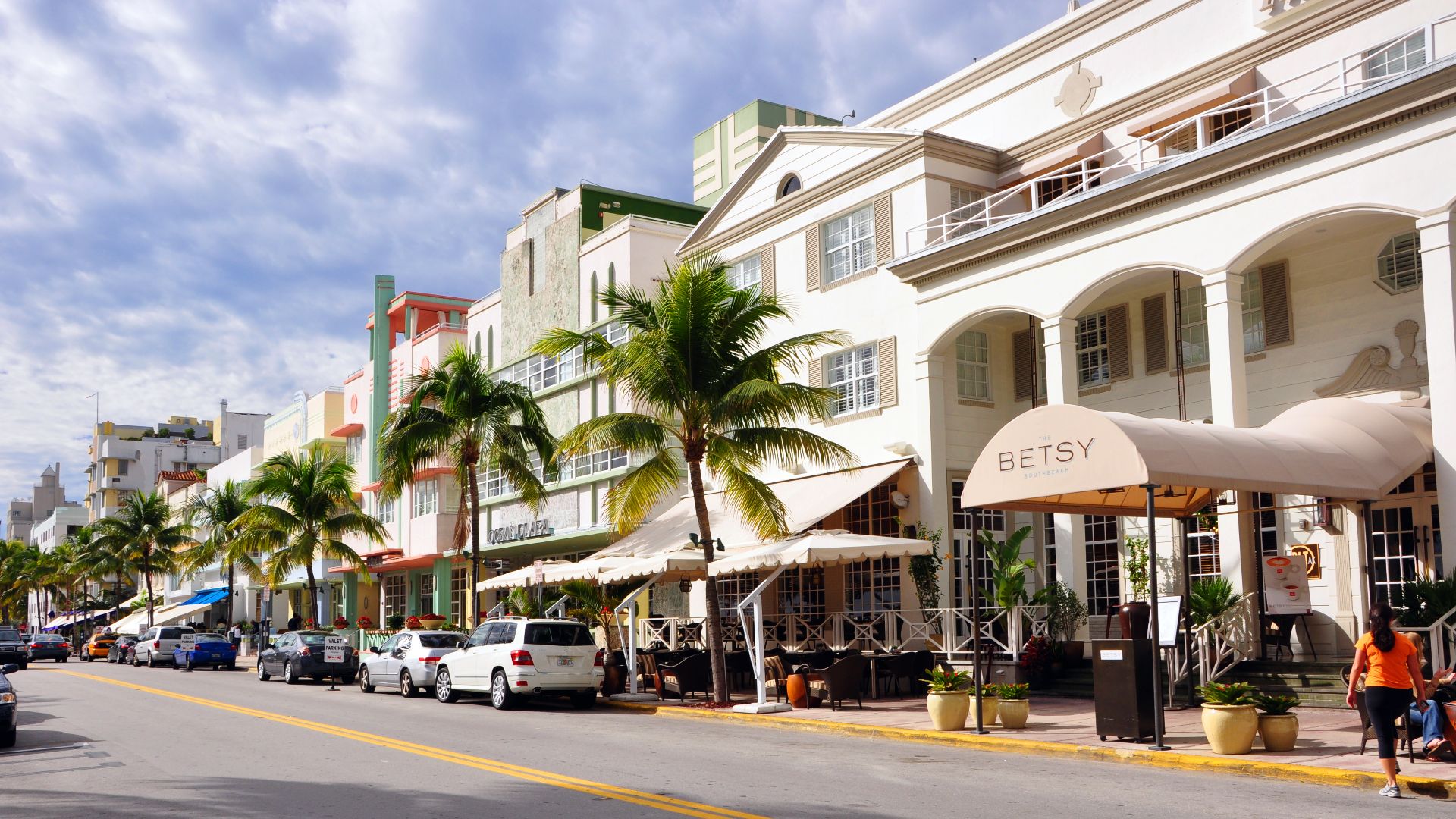
Minneapolis might not scream “walkable” at first glance, especially in winter, but it quietly delivers. The city combines thoughtful design with plenty of pedestrian infrastructure.

Why Minneapolis Is So Walkable
The skyway system is a game changer, allowing people to move between buildings without stepping outside. Add in well-planned neighborhoods and accessible public transit, and walking becomes a viable option in any season.

Portland Keeps It Effortlessly Accessible
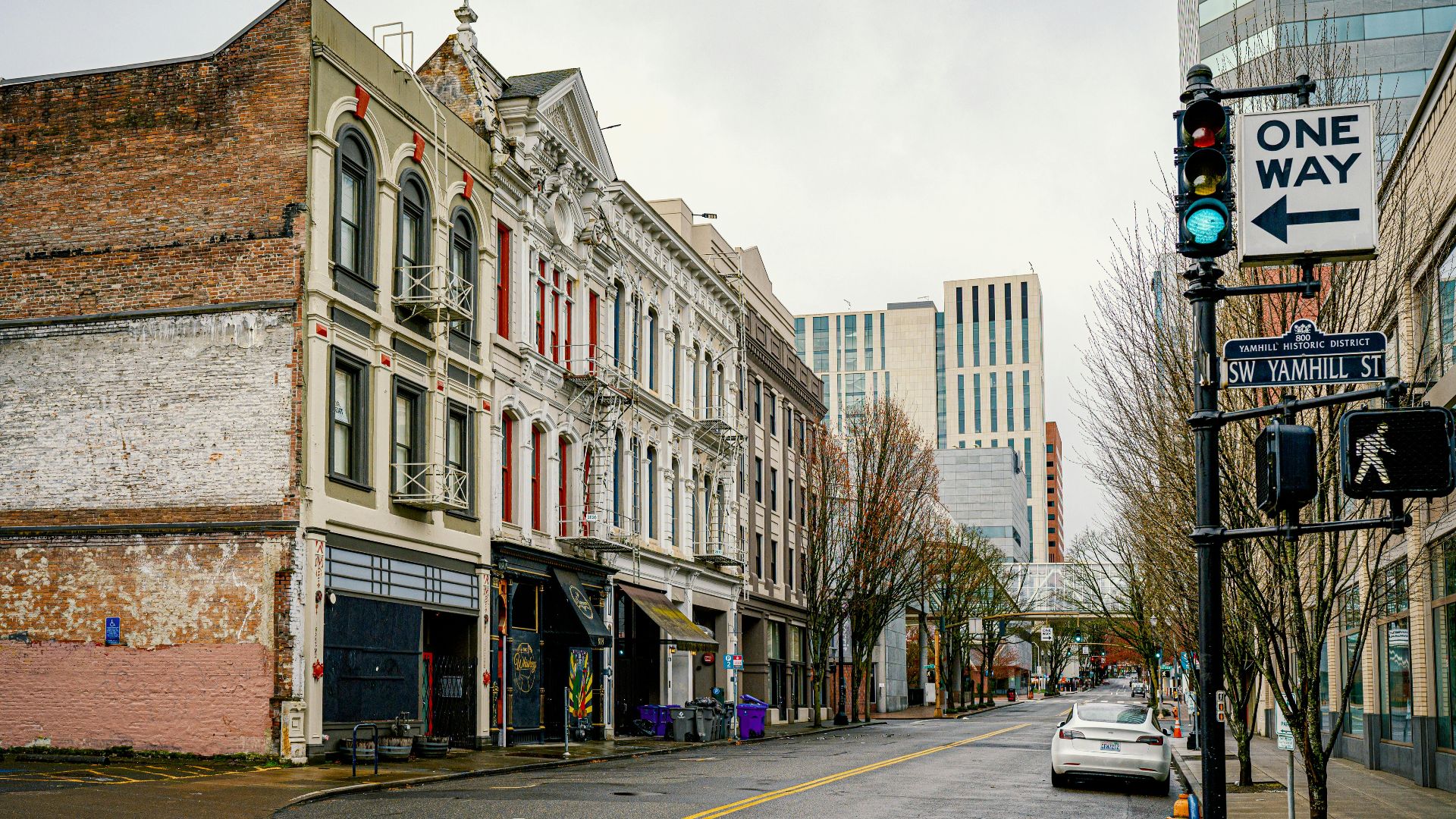
Portland has long had a reputation for being easy to get around, and it lives up to it. The city’s laid-back vibe pairs perfectly with its pedestrian-friendly layout.
Why Portland Is So Walkable
Compact neighborhoods, strong public transit, and an emphasis on urban planning all play a role. Many areas are designed with pedestrians in mind, making it simple to live, work, and socialize without needing a car.

Denver Rounds Out The List With A Growing Footprint
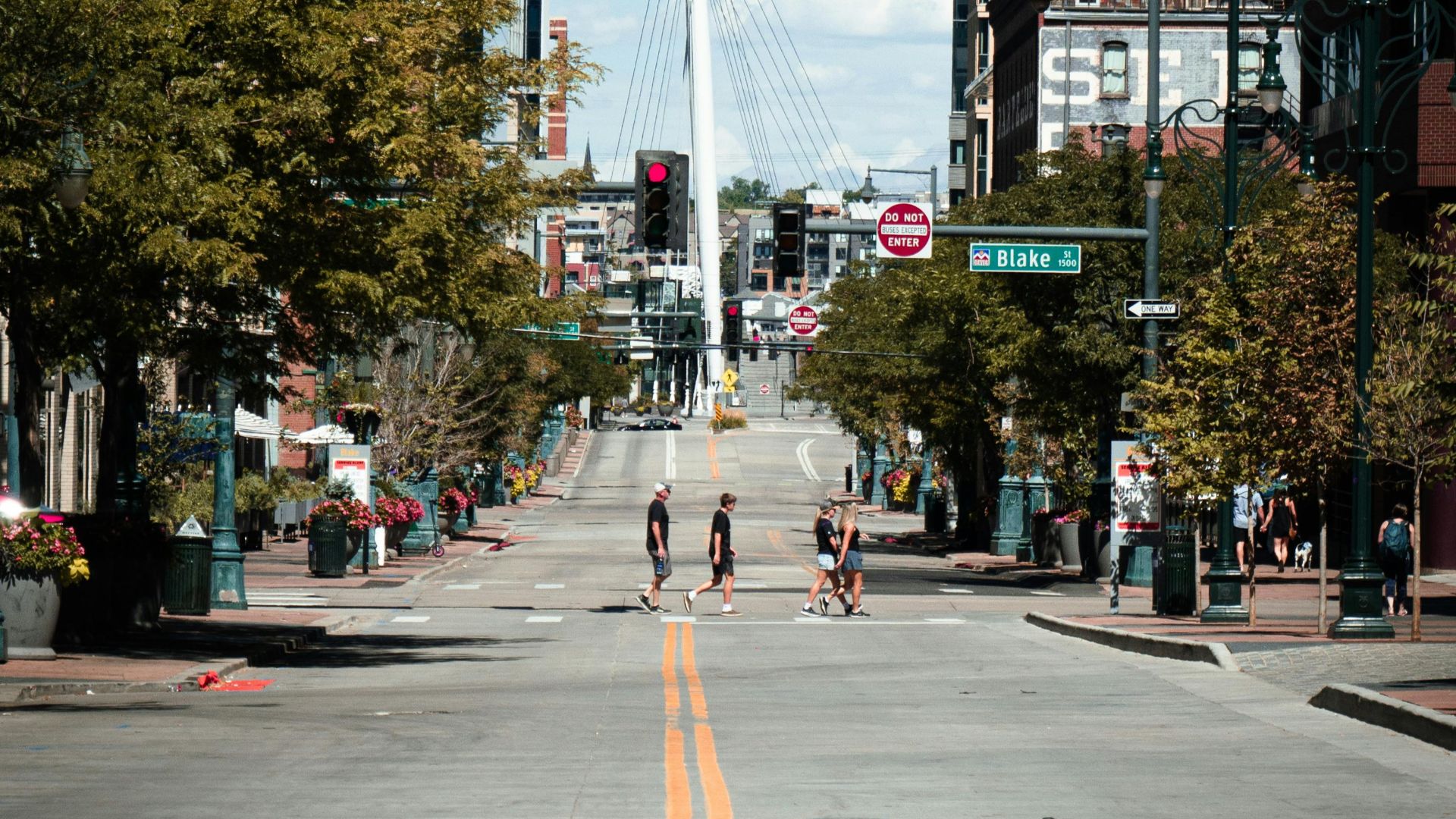
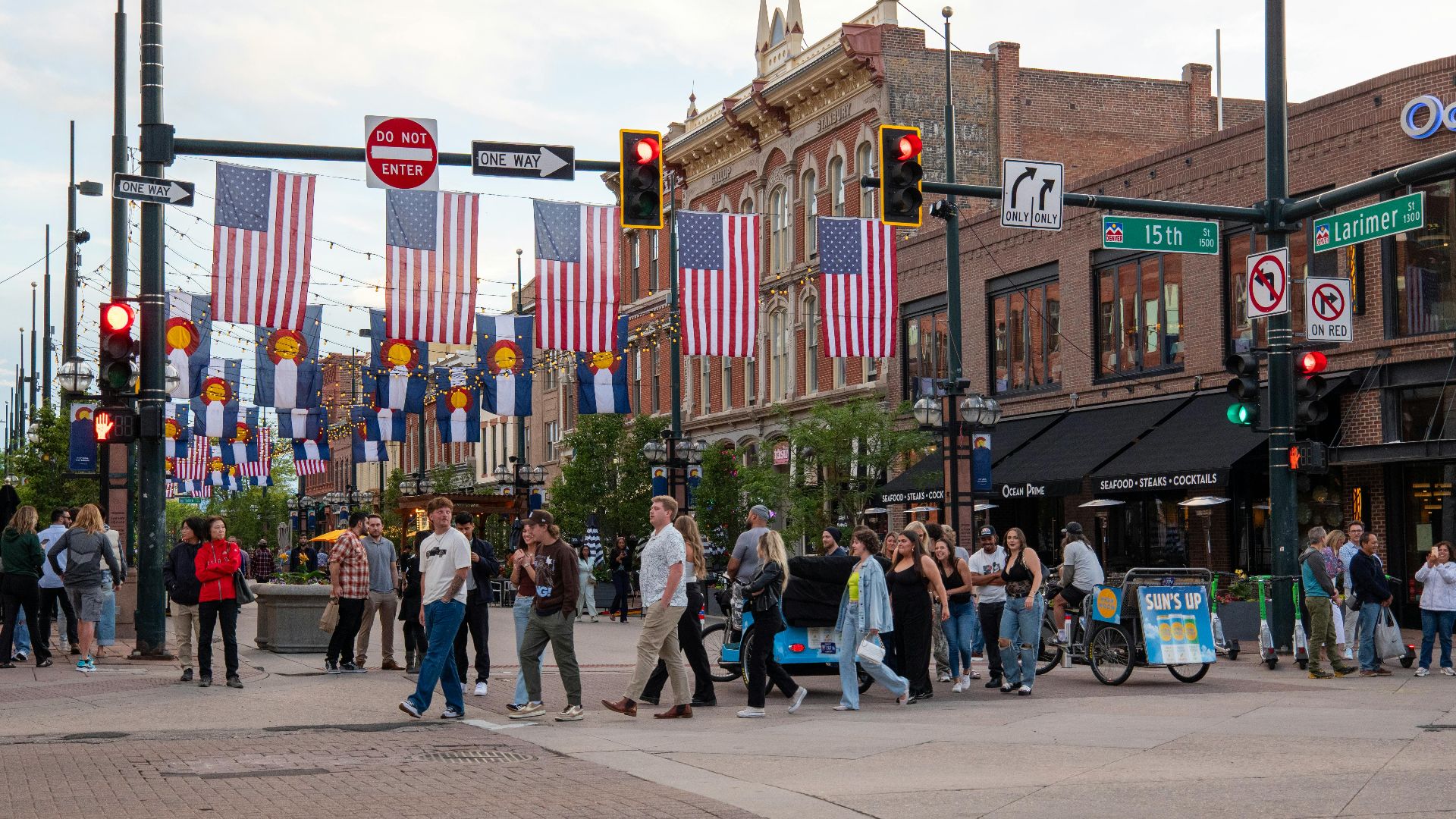
Denver has been evolving quickly, and its walkability is improving right along with it. With a vibrant downtown and expanding neighborhoods, it’s becoming easier to explore on foot.
Why Denver Is So Walkable
Redevelopment and smart planning have made central areas more pedestrian-friendly. Walkable districts with restaurants, shops, and entertainment options are clustered together, making it possible to enjoy the city without constantly driving.
You May Also Like:
20 Thrilling Destinations For Adventure Lovers
Source: 1