
When Numbers Don’t Lie, But They Do Make You Nervous
Every year, stacks of federal and state reports quietly tally up incidents that most people would rather not think about. Burglaries, assaults, theft, and other unpleasant run-ins all get counted, standardized, and turned into rates per 100,000 residents. When those numbers are lined up side by side, a clear—and sometimes uncomfortable—pattern emerges.
This ranking looks at the 20 states with the highest overall incident rates, combining both violent and property-related offenses into one big, unflattering number.

New Mexico
New Mexico consistently lands at the top of national rankings, and this year is no exception. Its incident rate towers over most of the country, driven by elevated levels of theft, assault, and vehicle-related losses. Even outside major cities, the numbers remain stubbornly high, suggesting deeper statewide challenges rather than isolated hotspots.
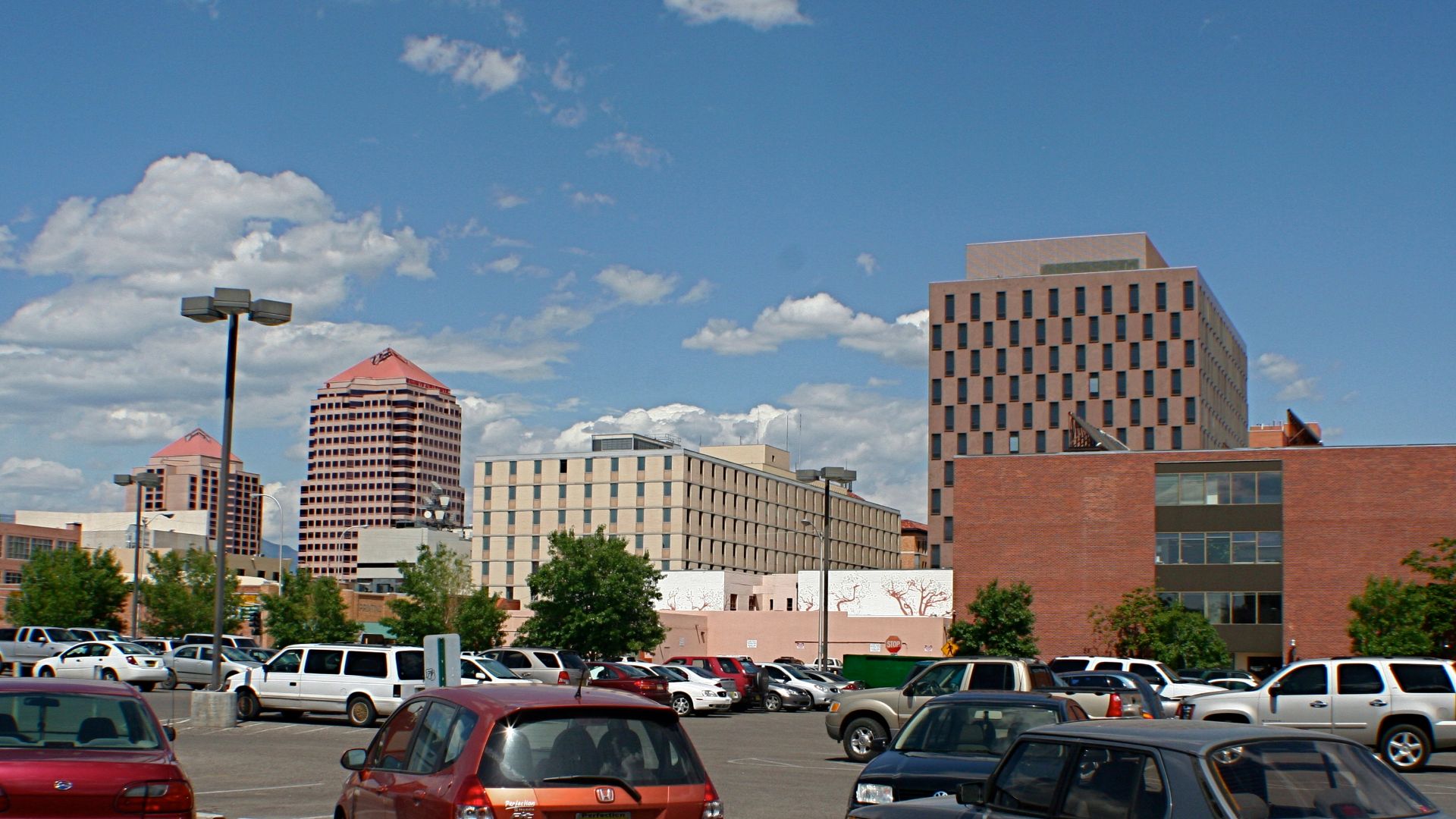 Asaavedra32, Wikimedia Commons
Colorado
Colorado’s reputation for mountain views and outdoor bliss doesn’t quite match what the data reveals. Over the past few years, the state has seen a steady rise in reported incidents, especially property-related ones. Urban corridors along the Front Range contribute heavily, but smaller communities aren’t immune either.

Washington
Washington continues to rank near the top due to a mix of urban density and persistent reporting issues. Cities like Seattle pull much of the statistical weight, but suburban and rural areas have also seen noticeable increases. Theft and vandalism play a major role in pushing the state upward on this list.
 Daniel Schwen, Wikimedia Commons
Louisiana
Louisiana’s long-standing struggles show up clearly in the data. High rates of violent incidents combine with widespread property losses to keep the state near the top. Economic inequality and infrastructure challenges are often cited as contributing factors, especially in and around major metro areas.
Even when some categories improve slightly, others spike enough to cancel out progress.

Tennessee
Tennessee’s numbers are heavily influenced by its largest cities, but the trend extends well beyond urban centers. The state shows elevated levels across multiple categories, from personal offenses to large-scale property losses. Over time, those layers stack up into a consistently high overall rate.
It’s a reminder that population growth without proportional resources can create lasting issues.

Nevada
Nevada’s ranking is shaped largely by its tourism economy. Areas with heavy foot traffic naturally experience more reported incidents, especially theft-related ones. Las Vegas alone significantly impacts statewide totals, but other regions contribute more than many people realize.
The result is a state that feels glamorous on the surface but messy in the spreadsheets.
 Color~commonswiki, Wikimedia Commons
Oregon
Oregon has climbed higher in recent years, propelled by rising reports in urban centers. Property-related incidents account for much of the increase, though violent encounters haven’t disappeared from the equation. The data reflects growing strain rather than sudden chaos.
Policy changes may eventually alter the trend, but for now, Oregon stays high on the list.
 The original uploader was Fcb981 at English Wikipedia. Eric Baetscher, Wikimedia Commons
Arkansas
Arkansas quietly posts some of the most concerning numbers in the South. While it rarely dominates headlines, its per-capita incident rate tells a different story. Both violent and non-violent categories contribute meaningfully, suggesting systemic issues rather than isolated spikes.
It’s a state that often flies under the radar—until the math speaks up.
 Cliff from I now live in Arlington, VA (Outside Washington DC), USA, Wikimedia Commons
California
California’s sheer population means its raw totals are enormous, but even when adjusted per 100,000 residents, the state still ranks high. Property losses in particular weigh heavily on the data, especially in major metropolitan areas. The scale of the state makes solutions complex and uneven.
In short, size doesn’t shield California from unfavorable rankings.
 BDS2006 (talk), Wikimedia Commons
South Carolina
South Carolina’s placement reflects a mix of urban concentration and persistent rural challenges. While some regions have improved, others have moved in the opposite direction, keeping the statewide rate elevated. Property-related incidents play a major role here.
The numbers suggest progress hasn’t been evenly distributed.
 HaloMasterMind, Wikimedia Commons
Texas
Texas sits high despite its vast geography and varied communities. Large metro areas contribute heavily, but smaller cities and towns also add to the total. When everything is averaged out, the Lone Star State still ends up well above the national midpoint.
Bigger doesn’t always mean safer—at least statistically.
 Drumguy8800 at English Wikipedia, Wikimedia Commons
Oklahoma
Oklahoma’s ranking has remained fairly stable, which isn’t necessarily good news. Its incident rate stays consistently elevated across reporting periods, driven by both personal offenses and property-related issues. The data suggests long-term patterns rather than temporary fluctuations.
Stability, in this case, means stubbornly high numbers.

Missouri
Missouri’s situation is heavily influenced by its major cities, but statewide totals remain high even beyond them. Violent encounters play a noticeable role, keeping Missouri in the upper half of this ranking year after year. Improvements in one area are often offset elsewhere.
It’s a state caught in statistical limbo.
 Original uploader was Leprecub at en.wikipedia, Wikimedia Commons
Maryland
Maryland’s proximity to major urban centers shapes much of its data. While some suburbs show lower rates, others pull the average upward. The result is a statewide figure that lands comfortably within the top 20.
The contrast between neighboring communities is especially stark here.

North Carolina
North Carolina hovers in the middle of the pack among high-incident states. Rapid population growth has strained infrastructure and enforcement resources in certain regions. While not the worst offender, the state’s numbers remain well above what many residents might expect.
Growth comes with growing pains—clearly reflected here.
 Abhiram Juvvadi, Wikimedia Commons
Arizona
Arizona’s numbers are influenced by a mix of urban sprawl and border-region challenges. Property losses account for a large share of reported incidents, though violent encounters remain part of the picture. The overall rate keeps Arizona firmly on this list.
Heat and highways don’t tell the full story—data does.

New York
New York’s ranking often surprises people given its reputation for improvement over past decades. While major cities have seen declines in some areas, others have risen enough to keep the statewide rate elevated. Population density continues to be a major factor.
Progress doesn’t always mean a low ranking.

Georgia
Georgia’s incident rate reflects a blend of fast-growing metro areas and rural disparities. Certain categories have improved, while others have surged, resulting in a net total that remains high. Atlanta’s influence is significant but not exclusive.
The data shows complexity rather than a single cause.
 AtlChampion, Wikimedia Commons
Illinois
Illinois rounds out the list with a rate that stays above the national average. Urban centers contribute heavily, but the statewide figure reflects broader challenges as well. Violent encounters in particular play a noticeable role in keeping Illinois on this ranking.
It’s a familiar story with stubborn numbers.

What These Rankings Really Mean
These rankings don’t predict individual experiences, and they don’t tell the whole story of any single state. What they do show is how often reported incidents occur when population is taken into account. Patterns like economic inequality, urban density, and resource allocation show up clearly when the numbers are laid bare.
Data may not be comforting—but it is revealing.

You May Also Like:
The 10 Best Extreme Sports Destinations In The U.S.
Latest Surveys Reveal What Europeans Really Think Of The United States. And It Isn't Good.
The States Americans Are Actively Avoiding In 2026
Source: 1