That Surprise Charge After Checkout
The short answer is that a host cannot just make up a new fee and force you to pay it outside Airbnb’s rules. Now, Airbnb does have a process for hosts to ask for money for damage or certain extra costs, but it's supposed to happen through the platform’s Resolution Center. Whether the charge is valid depends on what happened, what was disclosed in the listing, and what proof the host can show.
 Ketut Subiyanto, Pexels, Modified
What Hosts Are Usually Allowed To Charge For
Airbnb lets hosts ask for reimbursement for damage caused by guests, missing items, or some unusual cleaning costs if the situation meets the platform’s rules. Hosts may also collect certain disclosed fees, like pet fees or cleaning fees, if those were clearly shown before booking. What they are not supposed to do is add brand-new mandatory charges after the stay without proper disclosure or support. A general claim of “wear and tear” is especially weak because normal use is usually part of hosting.

Normal Wear And Tear Is Not The Same As Damage
In simple terms, wear and tear means the normal aging that happens when people use a home over time. Think faded towels, a couch cushion getting softer, or minor scuffs that build up little by little. Damage is different because it usually comes from a specific event, like a broken lamp, a stained rug, or a cracked table. If a host is calling normal aging guest-caused damage, that is where problems often start.

Airbnb’s Resolution Center Is The Main Process
When a host thinks a guest caused damage or owes money, Airbnb tells them to use the Resolution Center. Hosts usually need to submit a request through Airbnb instead of just sending a random payment demand by text or email. The guest then gets a chance to review the claim, accept it, decline it, or discuss it. If the two sides do not agree, Airbnb may step in and review the proof.

Timing Matters More Than You Might Think
Airbnb says hosts usually must report damage and ask for reimbursement within 14 days of checkout or before the next guest checks in, whichever comes first. That deadline matters because it helps cut down on fights over when the damage happened. If the host waits too long, it can make the claim weaker or not allowed under Airbnb’s process. So if you get a demand well after your trip, timing may be a big issue.
Evidence Is Supposed To Back Up The Claim
A host should not be able to win a reimbursement request based on a vague accusation alone. Airbnb usually expects proof like photos, receipts, repair estimates, or other records showing what was damaged and how much it costs to fix or replace. Clear before-and-after evidence can matter a lot. If the host has only a broad complaint and no documents, that is a warning sign.
Unexpected Fees Have Their Own Rules
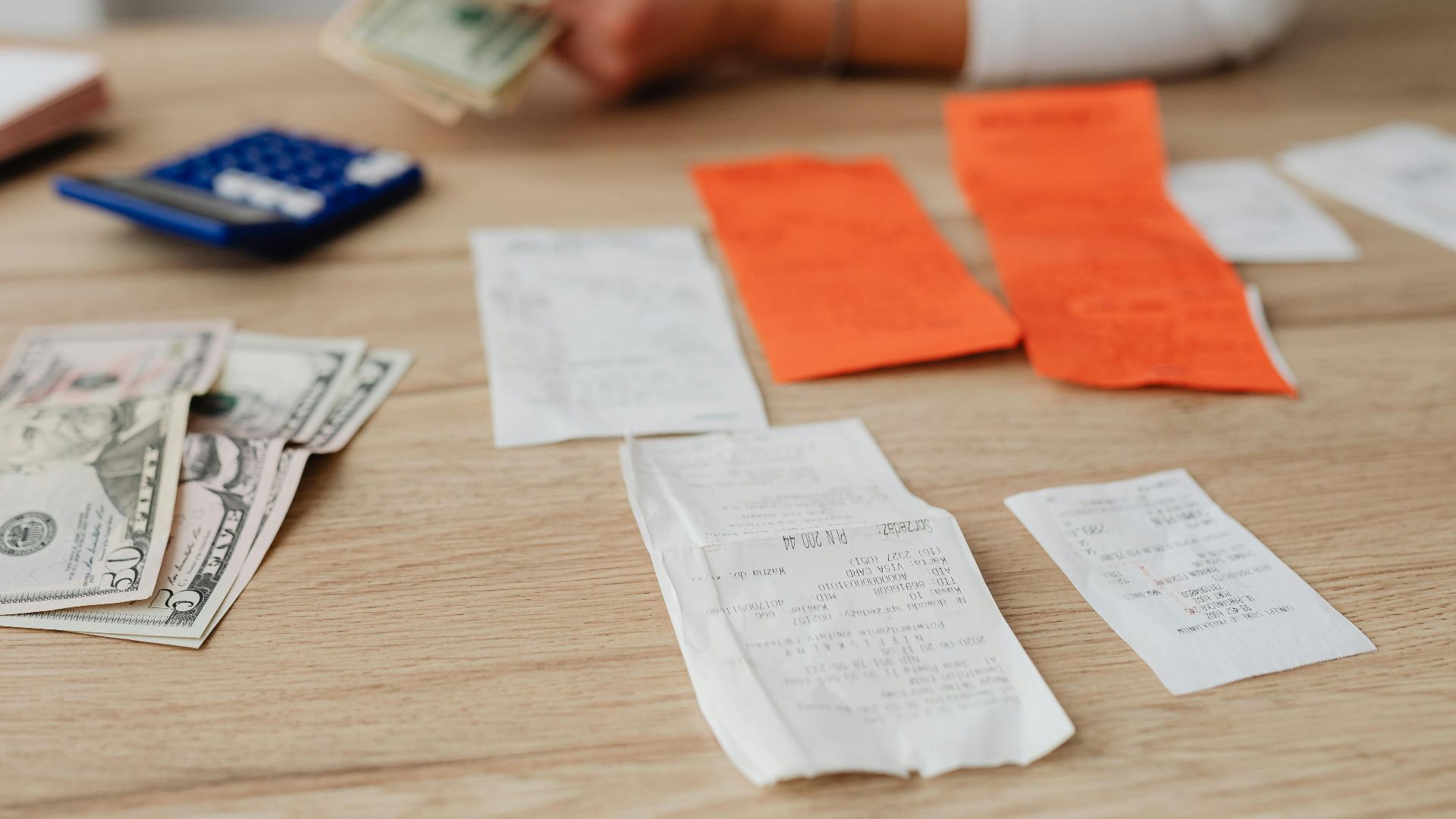
Airbnb has rules about fees charged by hosts, and many mandatory charges are supposed to be disclosed in the listing price flow before booking. That means hosts usually cannot add surprise post-stay fees that were never mentioned upfront, except through approved reimbursement channels for real damage or other allowed claims. If a host is trying to collect a vague “maintenance” or “wear and tear” fee that was never disclosed, it may go against Airbnb’s pricing rules. Guests should be careful about paying anything that does not appear in the reservation details or a formal claim.

What A Host Cannot Usually Do
A host usually cannot require you to send money off-platform for a disputed issue that should be handled through Airbnb. They also should not pressure you to pay right away with threats that go around Airbnb’s review process. If a host asks for Venmo, PayPal, cash, or direct bank transfer for alleged damage, that is usually a sign to slow down and keep everything on the platform. Airbnb’s system creates a record and gives both sides a chance to show proof.

When A Charge Might Actually Be Legitimate
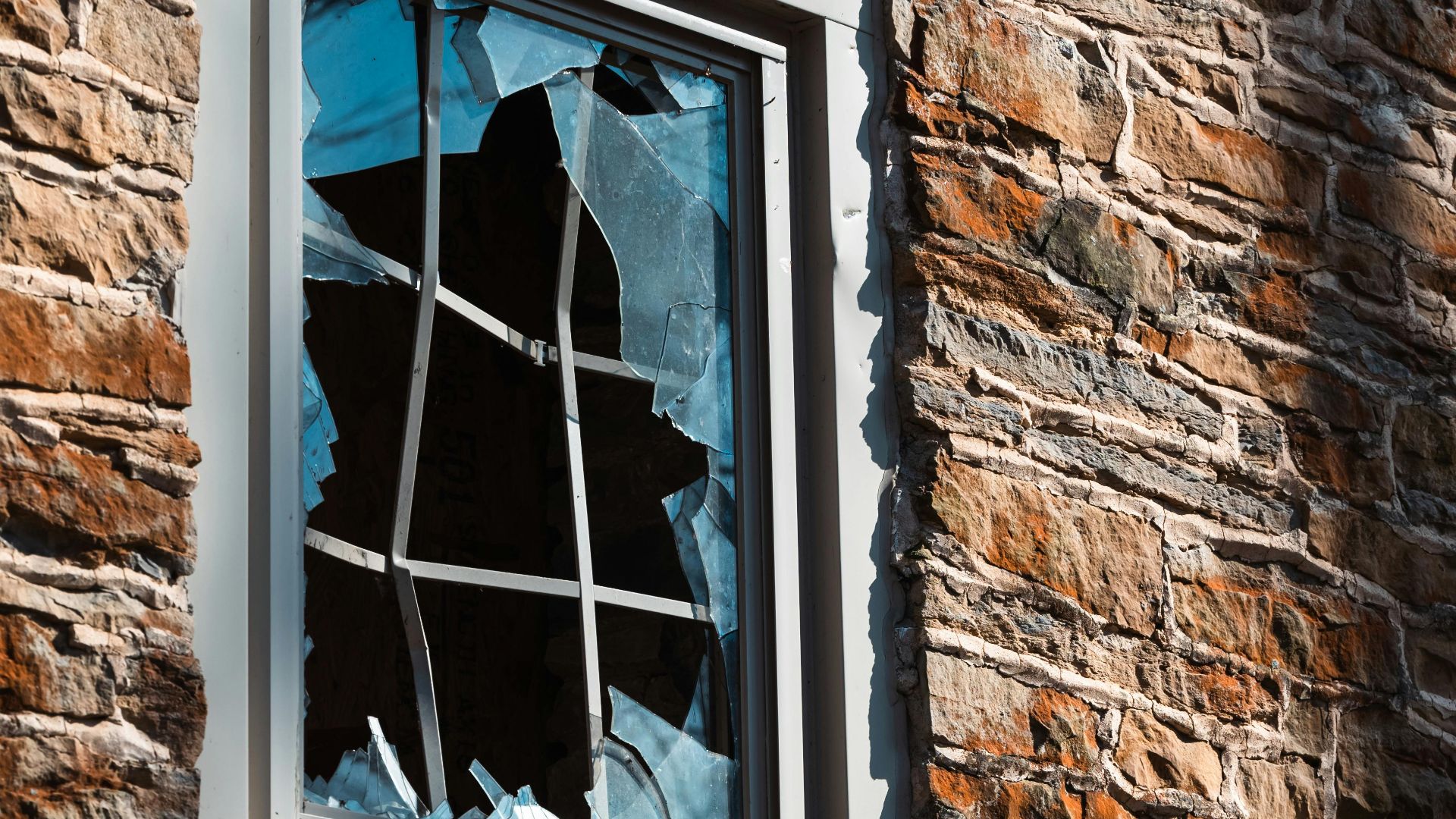
Sometimes a host’s claim is valid, even if the message arrives after checkout. If there is clear proof that a guest broke something, caused heavy staining, smoked in a non-smoking home, or created major cleaning needs, reimbursement may make sense. The key is that the request should be tied to a specific loss and backed up with proof. A detailed, documented claim is very different from a broad statement that your stay caused “wear and tear.”
Extra Cleaning Claims Are Common
One of the most common post-checkout disputes involves cleaning. Airbnb generally treats standard cleaning as part of the cleaning fee and separates it from excessive mess or damage that goes beyond normal turnover. For example, a host may have a stronger case if there are burns, bodily fluid stains, or trash and residue that need special cleaning. But everyday laundry, dishwashing, and resetting the space are usually part of normal hosting.

Security Deposits Are Not What They Used To Be
Many travelers still think Airbnb holds a traditional cash security deposit the way hotels or car rental companies often do. In reality, Airbnb’s system has changed over time, and many claims now go through its host protection tools and the Resolution Center instead of a simple automatic deposit deduction. That means a host often still needs to make a claim and show proof. So even if the listing mentioned a deposit, that does not always mean the host can take money without review.

AirCover For Hosts Does Not Mean Automatic Payment
AirCover for Hosts is Airbnb’s host damage protection program, but it does not mean every host claim gets approved. Airbnb says hosts must take reasonable steps to document and report damage, and claims are reviewed under limits and exclusions. For guests, the important point is that AirCover is not a free pass for hosts to bill travelers for normal property aging. A host still needs to show that the problem was caused by the guest and fits Airbnb’s rules.

What To Do If You Get The Message
Start by staying calm and keeping all communication polite and on Airbnb’s messaging platform. Ask the host to explain exactly what was damaged, when they found it, and what proof they have. Request photos, receipts, invoices, or repair estimates if they have not already shared them. A clear paper trail makes it easier to push back on an unfair claim and easier for Airbnb to review the facts.
Do Not Rush To Admit Fault
It is smart to be careful with your wording when you respond. If you are not sure what happened, avoid apologizing for damage you did not actually cause, because that can be read as taking responsibility. You can acknowledge the message without agreeing with the claim, such as by saying you would like to review the evidence through Airbnb. That keeps the conversation calm while protecting your side.

Your Own Photos Can Help A Lot
If you took checkout photos or video, now is the time to find them. Images of the home’s condition when you left can be very useful if the host later claims there was visible damage or an unusual mess. Even a quick phone video showing rooms, surfaces, and appliances can help show what the place looked like. This is one of the easiest habits travelers can use to protect themselves.

Reviews And Retaliation Are Separate Issues
Some guests worry that declining a host’s request will automatically lead to a bad review. While that can happen, Airbnb does have review rules that limit some forms of extortion or retaliation. For example, a host is not supposed to use the threat of a review to force payment. If messages suggest that kind of pressure, save them and report the issue to Airbnb.

If You Decline, Airbnb May Review The Case
If you do not agree with the reimbursement request, you can decline it in the Resolution Center. After that, the host may ask Airbnb to step in and decide based on the proof from both sides. Airbnb may review photos, invoices, message history, listing details, and your response. This is one reason it is better to stay factual, organized, and responsive instead of emotional.
Credit Card Chargeback Is Usually Not Step One
Some travelers immediately think about disputing any charge with their credit card company. That may become an option in some cases, but it is usually better to first use Airbnb’s own dispute process and document everything carefully. Card disputes can get messy if Airbnb says the charge was allowed under its terms and policies. As a practical matter, using the platform process first often gives you a stronger record if things get bigger.

Local Law Can Matter Too
Airbnb’s rules matter, but they do not fully replace consumer protection laws, contract rules, or payment laws in your state or country. If a host is trying to add a fee that was never disclosed, local law on unfair or misleading practices could matter too. That said, most small disputes are handled inside Airbnb’s process rather than in court. For bigger claims, legal advice from a licensed attorney in the right place may be worth considering.

How To Spot A Weak Claim
There are a few common signs that a host’s demand may not hold up. These include a vague explanation, no photos, no receipt or estimate, a request for off-platform payment, or a charge that sounds like ordinary upkeep. Another sign is when the host says something was wrong but cannot explain why it was not noticed before the next guest arrived. None of these signs automatically proves the claim is false, but together they should make you ask tougher questions.

How To Protect Yourself On Future Stays
You can lower the odds of post-checkout drama with a few simple habits. Read the listing carefully, especially house rules and fee disclosures, communicate through Airbnb only, and report any existing damage as soon as you arrive. Before leaving, take a quick set of photos or a walkthrough video and make sure the home is left in reasonable condition. Those few minutes can save a lot of hassle later.

The Bottom Line On “Wear And Tear”
A host can ask for money after checkout, but they cannot automatically make you pay just because they say there was “unexpected wear and tear.” Under Airbnb’s system, normal wear from ordinary use is generally different from guest-caused damage, and hosts are expected to support claims with proof and use the proper reimbursement process. If the charge was never disclosed, is poorly documented, or sounds like routine upkeep, you have a good reason to question it. The best move is to keep everything on-platform, ask for proof, and let Airbnb review the facts if needed.