Nature Does Not Wait For Permission
Humans build cities, theme parks, resorts, factories, and entire towns as if they will last forever. Nature politely disagrees. Once people leave, vines crawl through windows, sand pours into rooms, trees split concrete, and birds move into places that once had rent. These abandoned places prove the Earth is very good at taking hints.
 Thomas Chu, CC BY-SA 4.0, via Wikimedia Commons
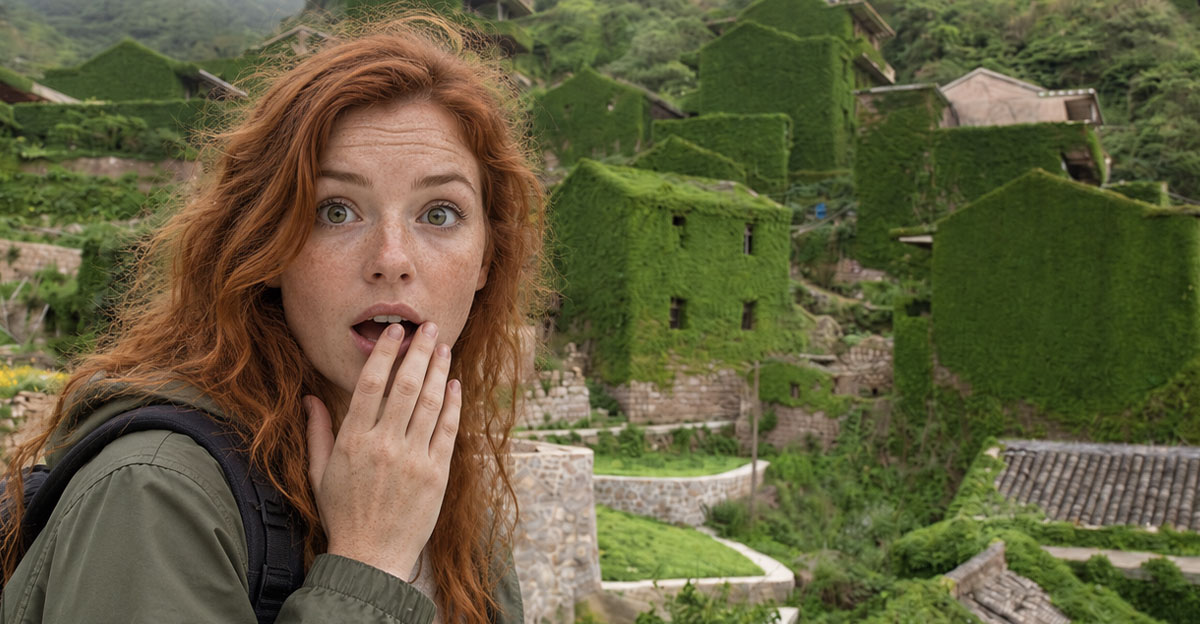
#20. Bodie, California
Bodie was once a booming Gold Rush town in eastern California, but today it survives as a preserved ghost town. The dry landscape slows decay, but grass, dust, wind, and weather still creep through its streets and wooden buildings. It looks less like a town and more like humanity stepped out for lunch in 1880 and never came back.
 Tara Disser, Wikimedia Commons
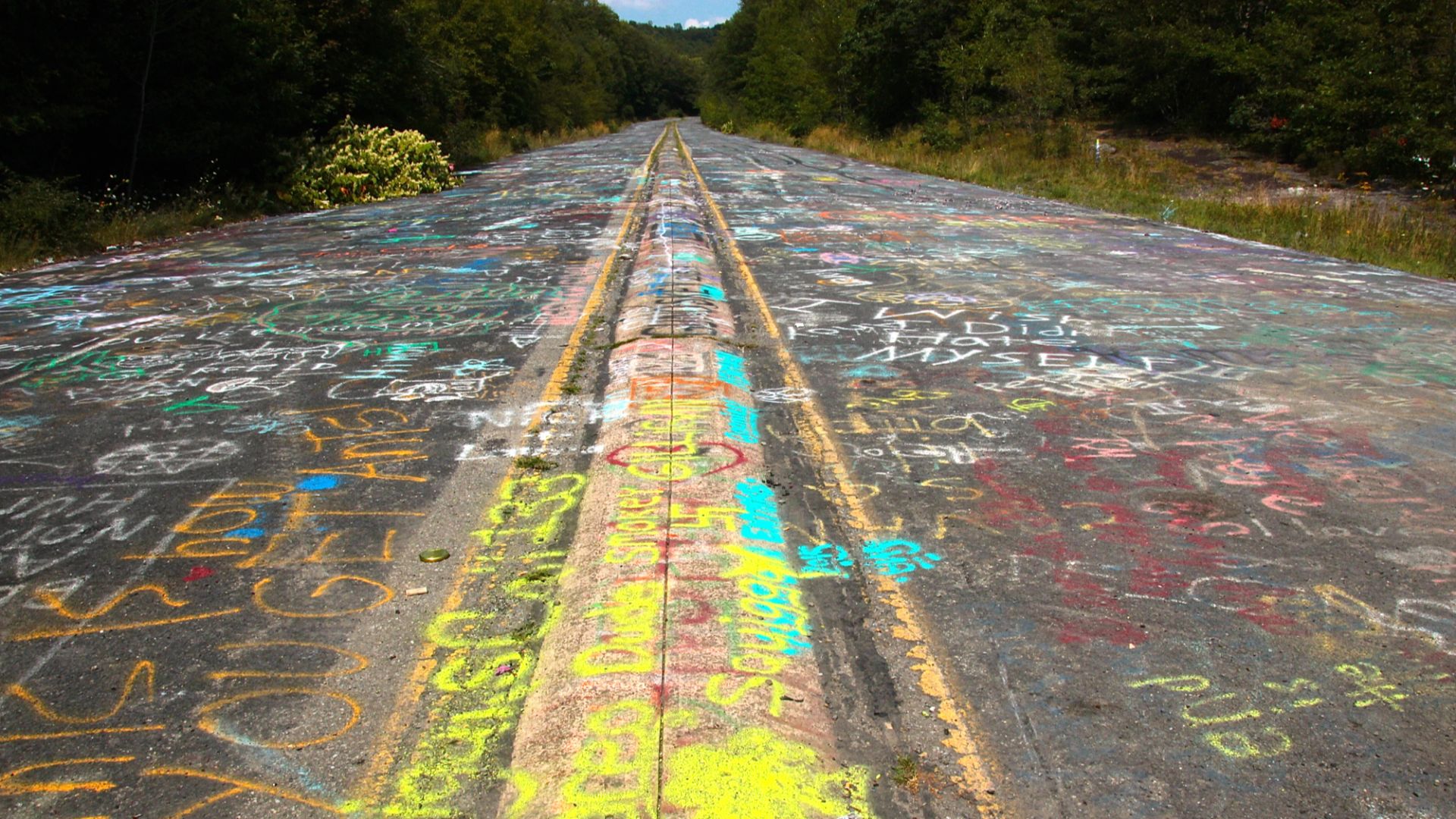
#19. Centralia, Pennsylvania
Centralia is a near-ghost town in Pennsylvania made infamous by an underground mine fire that began in the 1960s. Roads cracked, homes disappeared, and trees slowly filled spaces where neighborhoods once stood. The unsettling part is that the town did not simply collapse—it emptied while the ground beneath it kept burning. The intense heat and shifting ground caused severe cracking, buckling, and steam vents to rise through Pennsylvania Route 61. Since then, curious visitors, artists, and history tourists began bringing cans of spray paint to tag the pavement of the now-abandoned road.
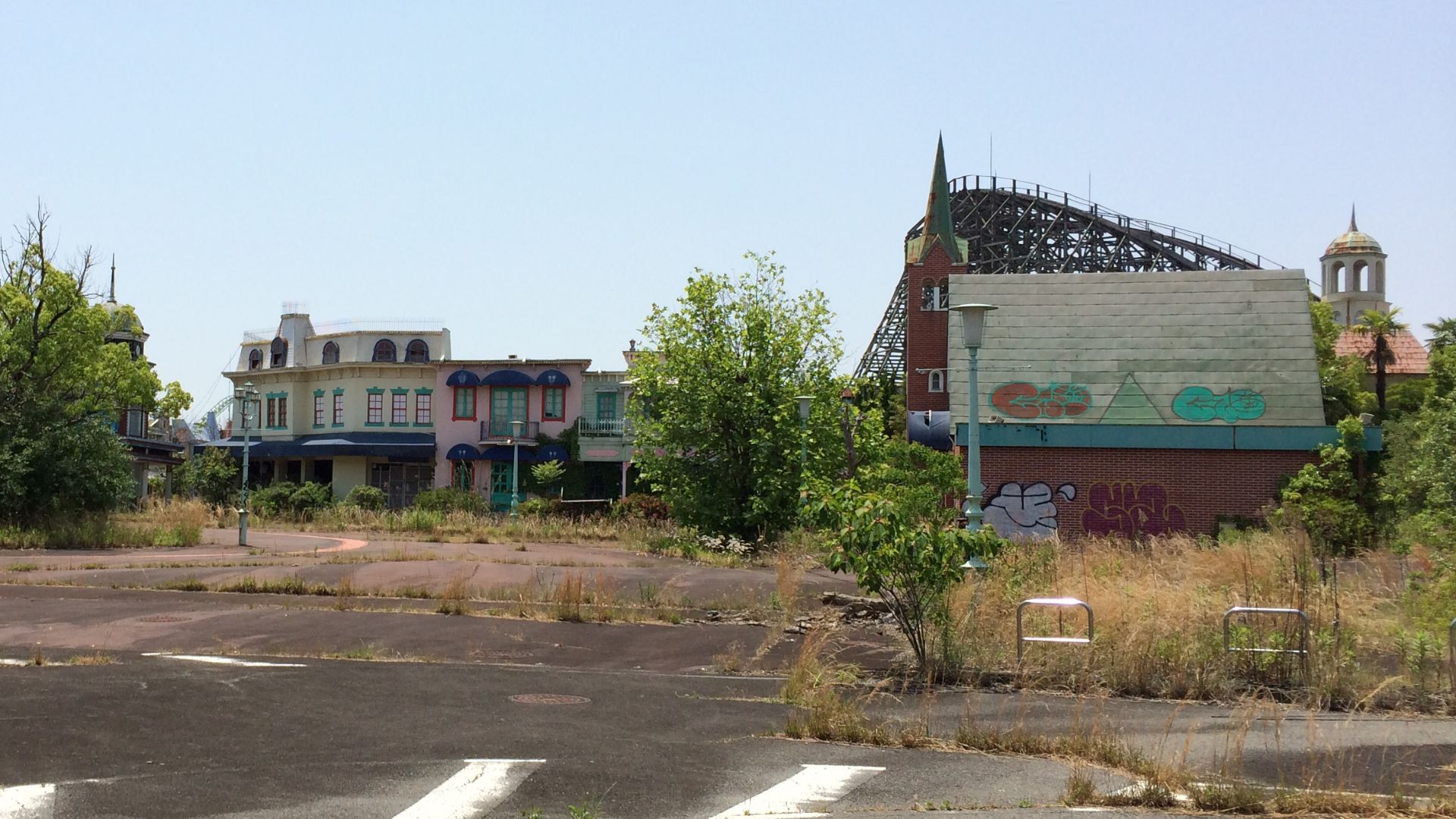
#18. Nara Dreamland, Japan
Nara Dreamland opened as a theme park in 1961 and closed in 2006. Before demolition began years later, photographs showed empty streets, faded rides, and vegetation creeping into a place built for noise and crowds. Nothing feels quite as eerie as a silent amusement park.
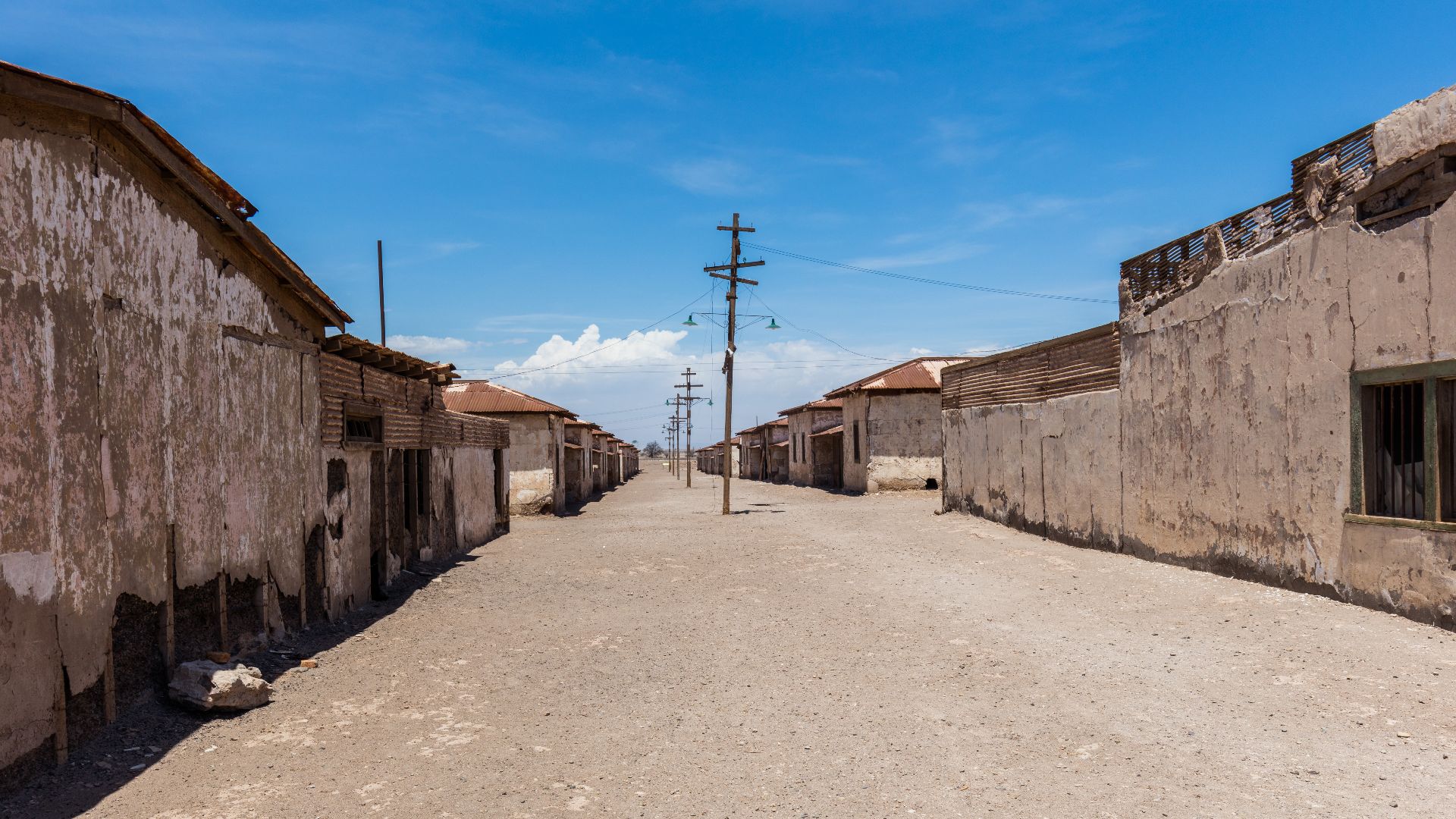
 JP Haikyo, Wikimedia Commons#17. Humberstone, Chile
Humberstone was a nitrate mining town in northern Chile, now part of the Humberstone and Santa Laura Saltpeter Works World Heritage Site. Its theaters, factories, and workers’ buildings sit in the desert, weathered by time and silence. It is less leafy than some abandoned places, but the desert reclaims things in its own dry, patient way.
 Diego Delso, Wikimedia Commons
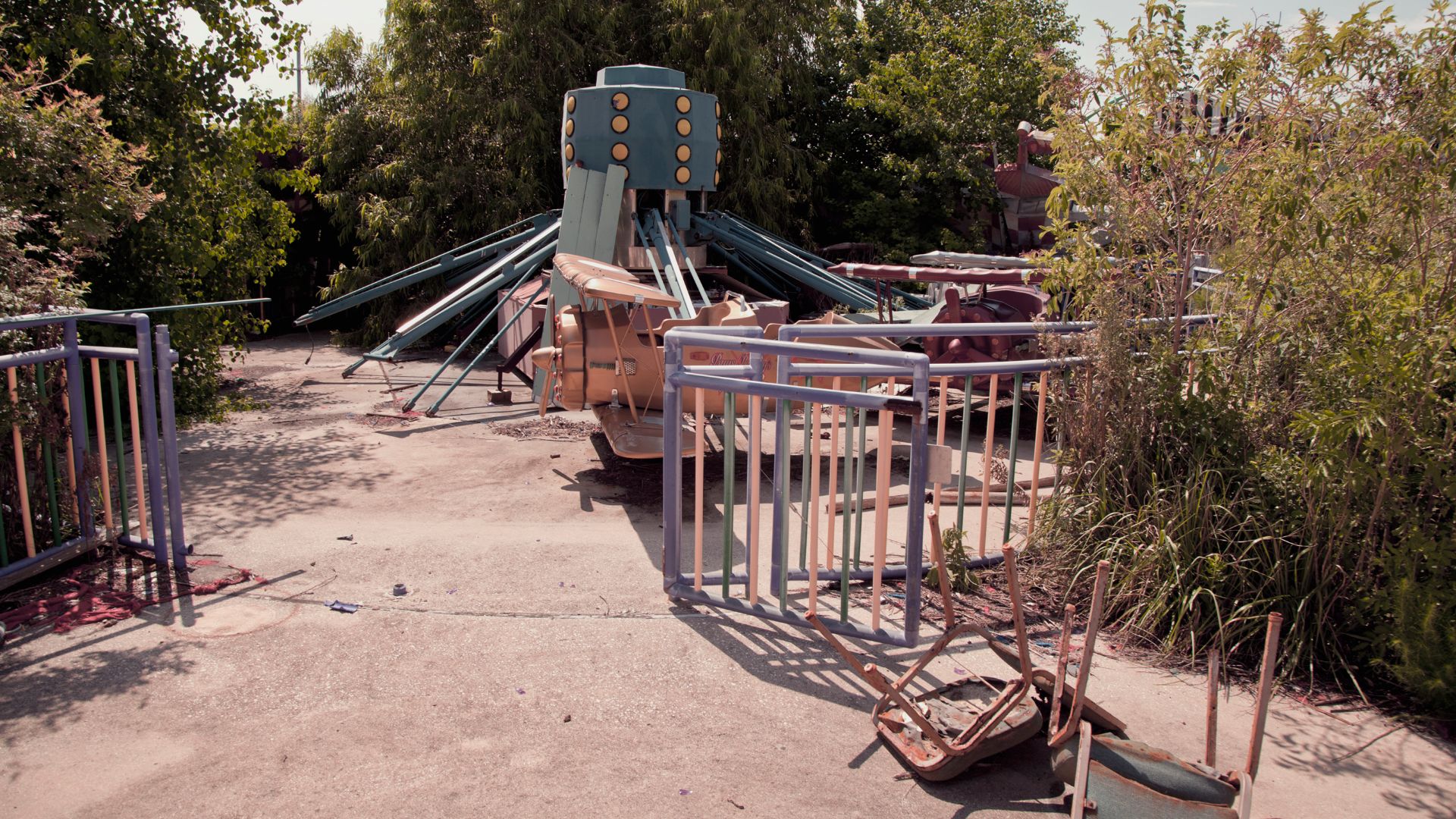
#16. Six Flags New Orleans, Louisiana
Six Flags New Orleans closed after Hurricane Katrina in 2005 and became one of America’s most photographed abandoned amusement parks. Images show roller coasters, themed facades, and walkways slowly overrun by weeds and water damage. It is cheerful architecture having the worst possible midlife crisis.
 gonzo_vision, Wikimedia Commons
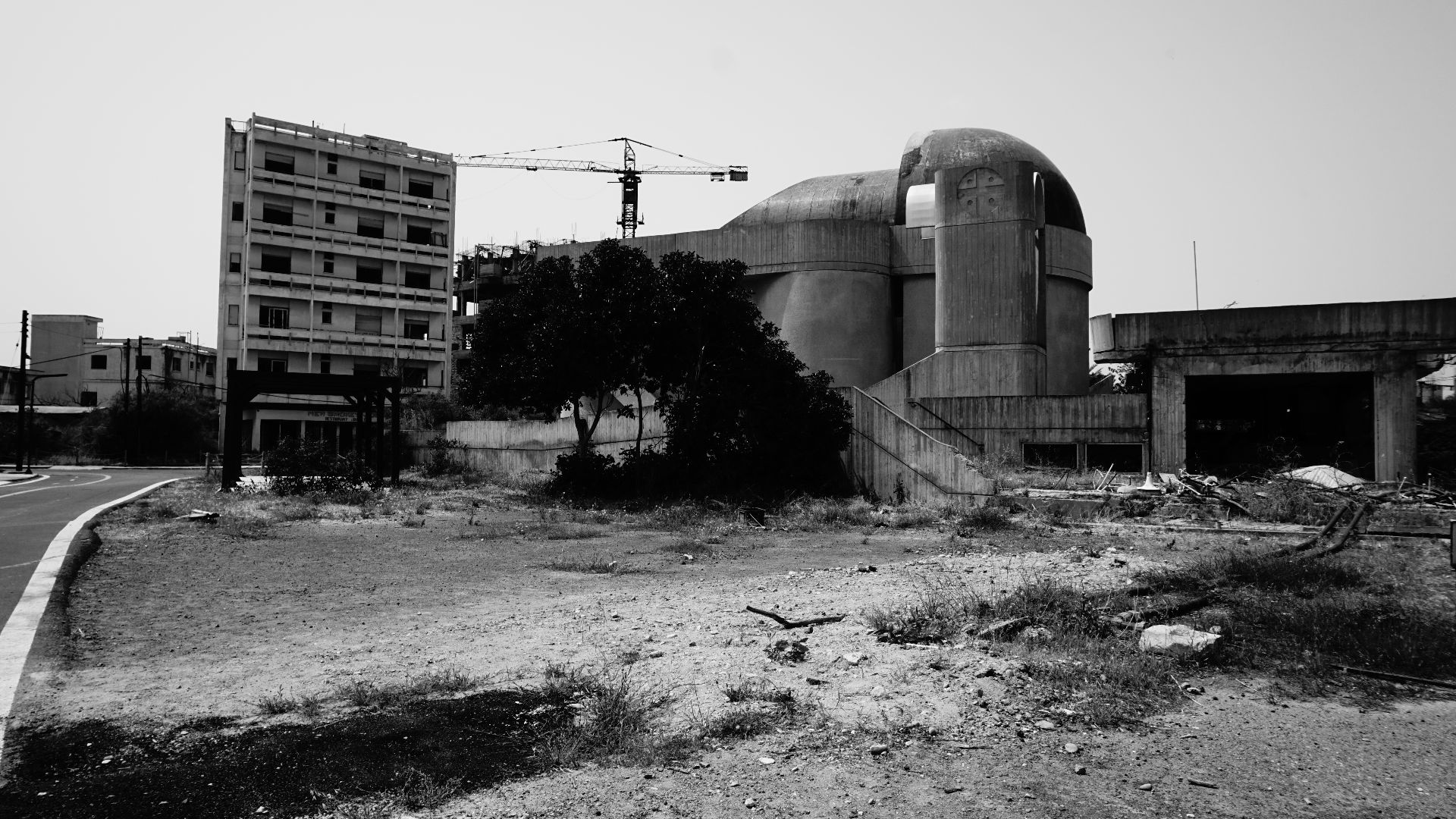
#15. Varosha, Cyprus
Varosha was once a glamorous resort district in Famagusta, Cyprus, before it was abandoned after the events of 1974. Photographs show empty high-rises, closed-off streets, and vegetation growing around buildings that once promised beach vacations. It is unsettling because the hotels still look like they are waiting for guests who will never check in.
 Andrew Milligan sumo, Wikimedia Commons
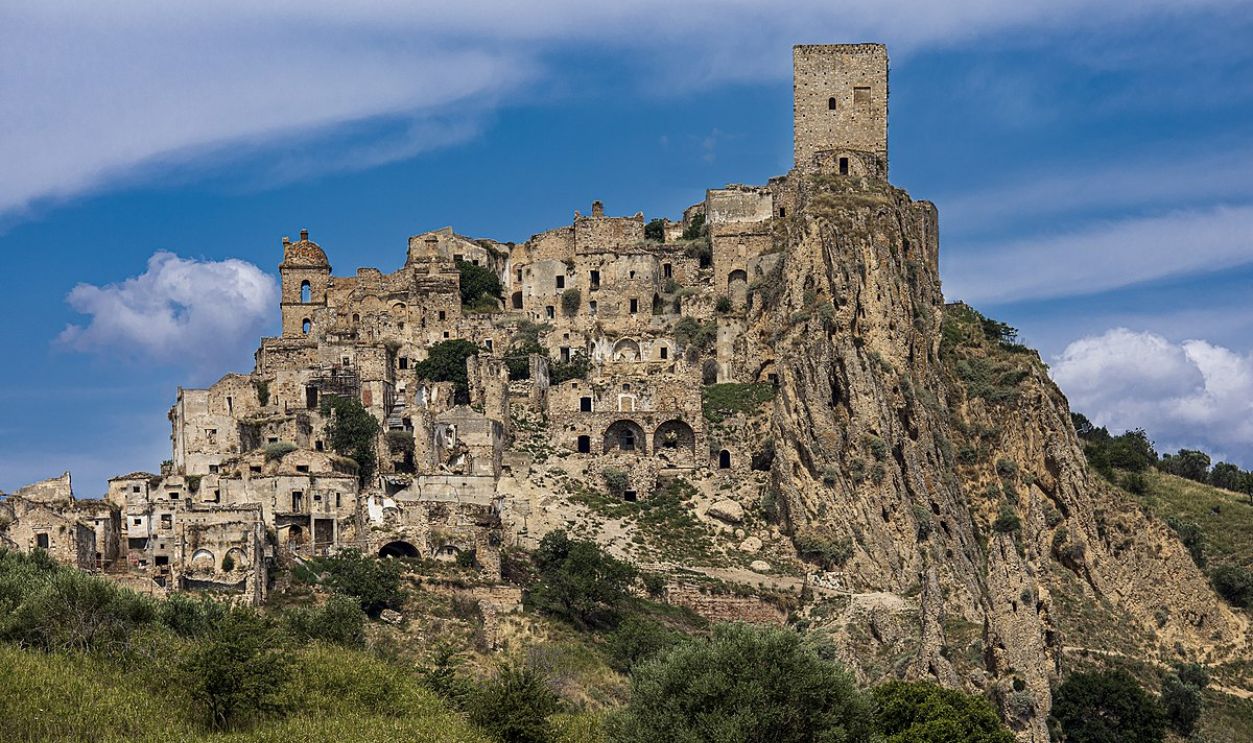
#14. Craco, Italy
Craco, in Basilicata, Italy, was abandoned after landslides and other instability made life there increasingly unsafe. Its stone houses and narrow lanes now sit cracked, empty, and exposed to the landscape. The effect is dramatic: a hilltop village slowly turning back into the hill.
 Maurizio Moro5153, CC BY-SA 4.0, Wikimedia Commons
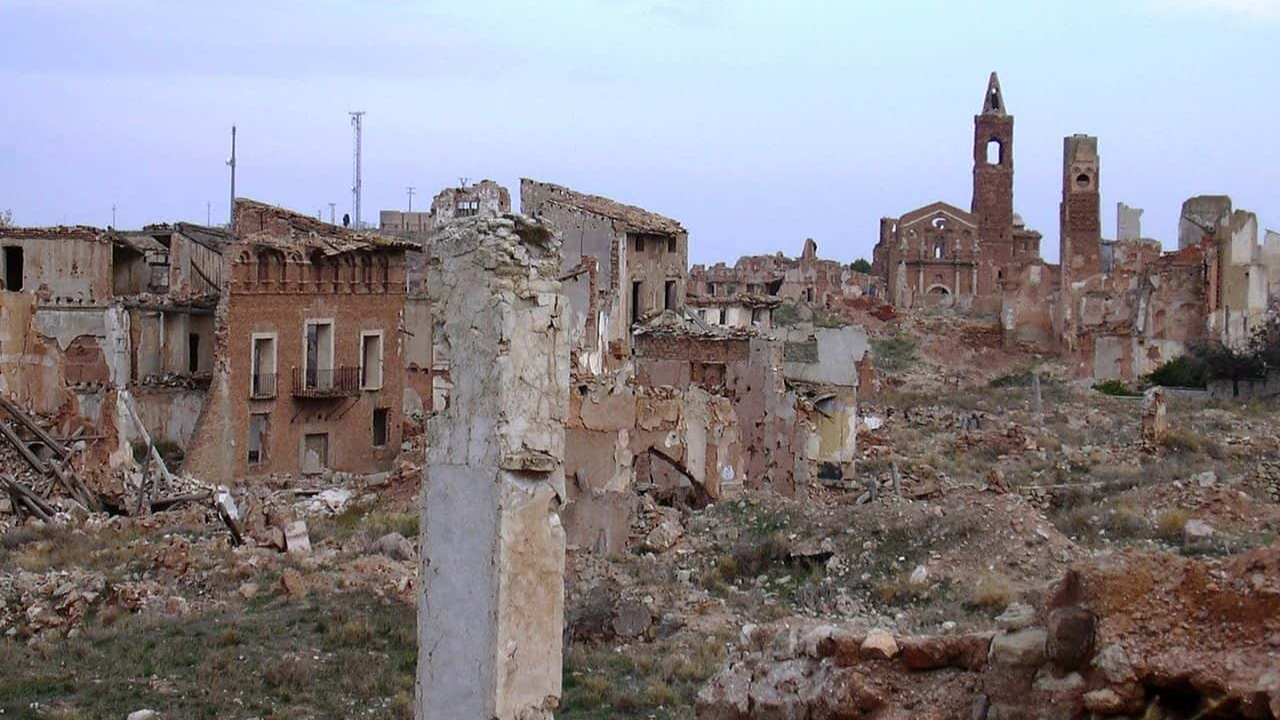
#13. Belchite, Spain
Old Belchite was devastated during the Spanish Civil War in 1937 and left largely in ruins afterward. Today, the broken church walls, empty streets, and exposed buildings stand under open sky while plants grow through the damage. It feels like history froze, then nature quietly started sweeping up.
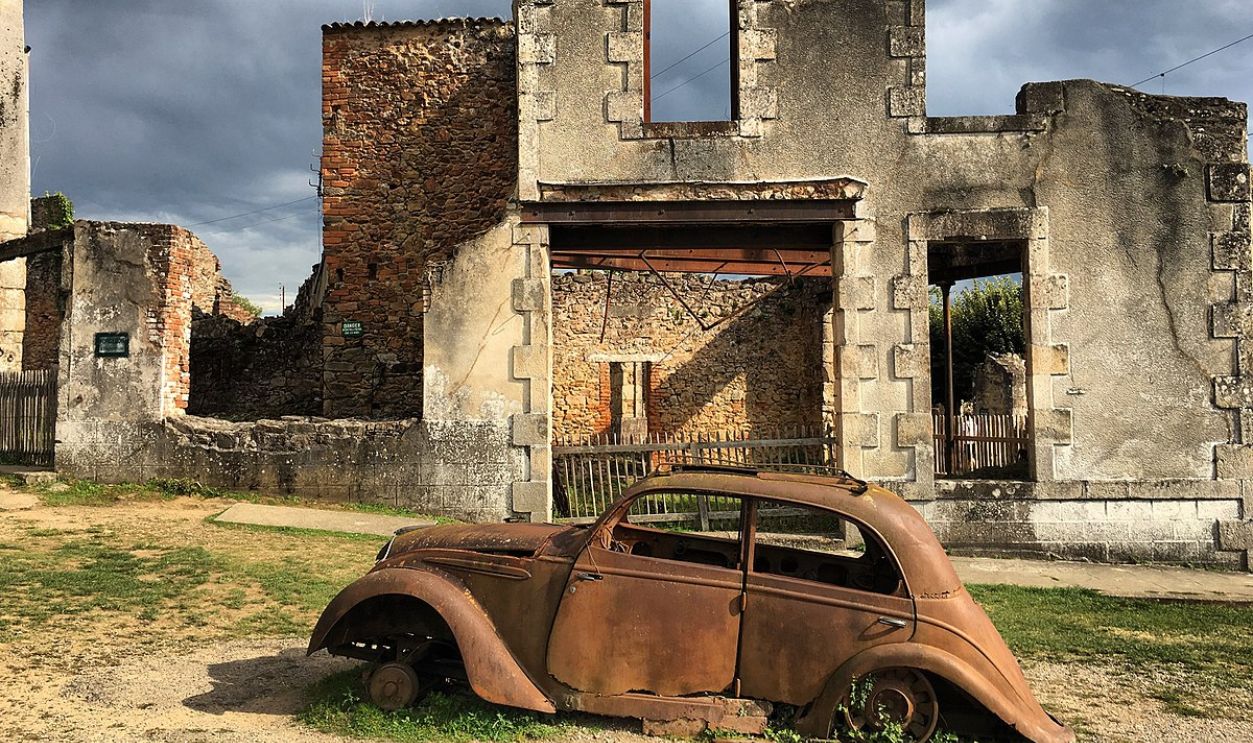
#12. Oradour-sur-Glane, France
Oradour-sur-Glane was destroyed in 1944, when 642 civilians were killed by a Waffen-SS unit. The ruined village was preserved as a memorial, but photographs show empty streets, roofless buildings, and vegetation appearing where daily life once happened. It is one of the most haunting places on this list because the silence is deliberate.
 Davdavlhu, CC BY-SA 4.0, Wikimedia Commons
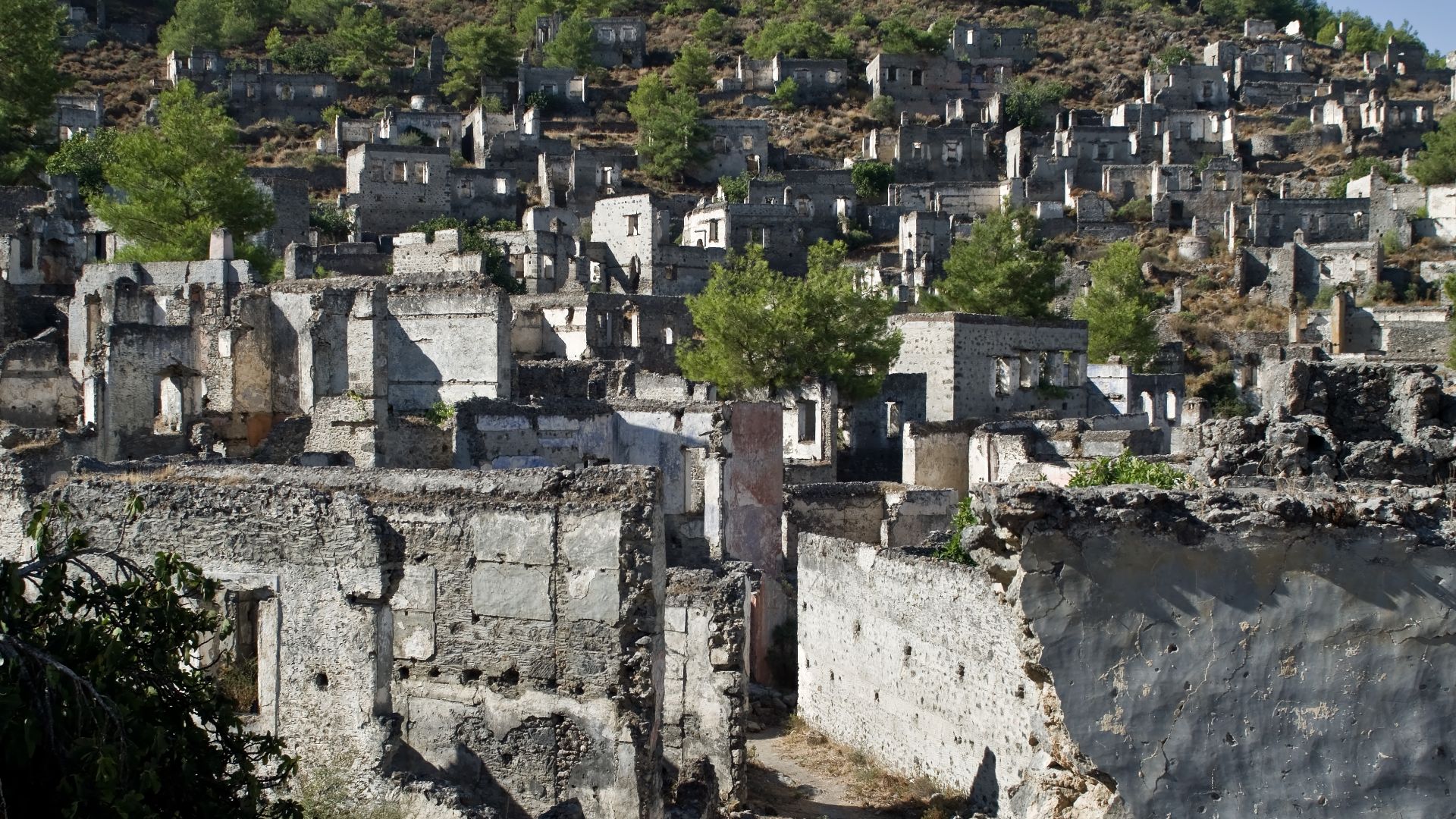
#11. Kayaköy, Turkey
Kayaköy, near Fethiye in Turkey, is an abandoned former Greek village filled with empty stone houses climbing the hillside. After population exchanges in the early 20th century, the settlement never returned to its former life. Now the shells of homes sit open to sun, scrub, and wind.
 Nikodem Nijaki, Wikimedia Commons
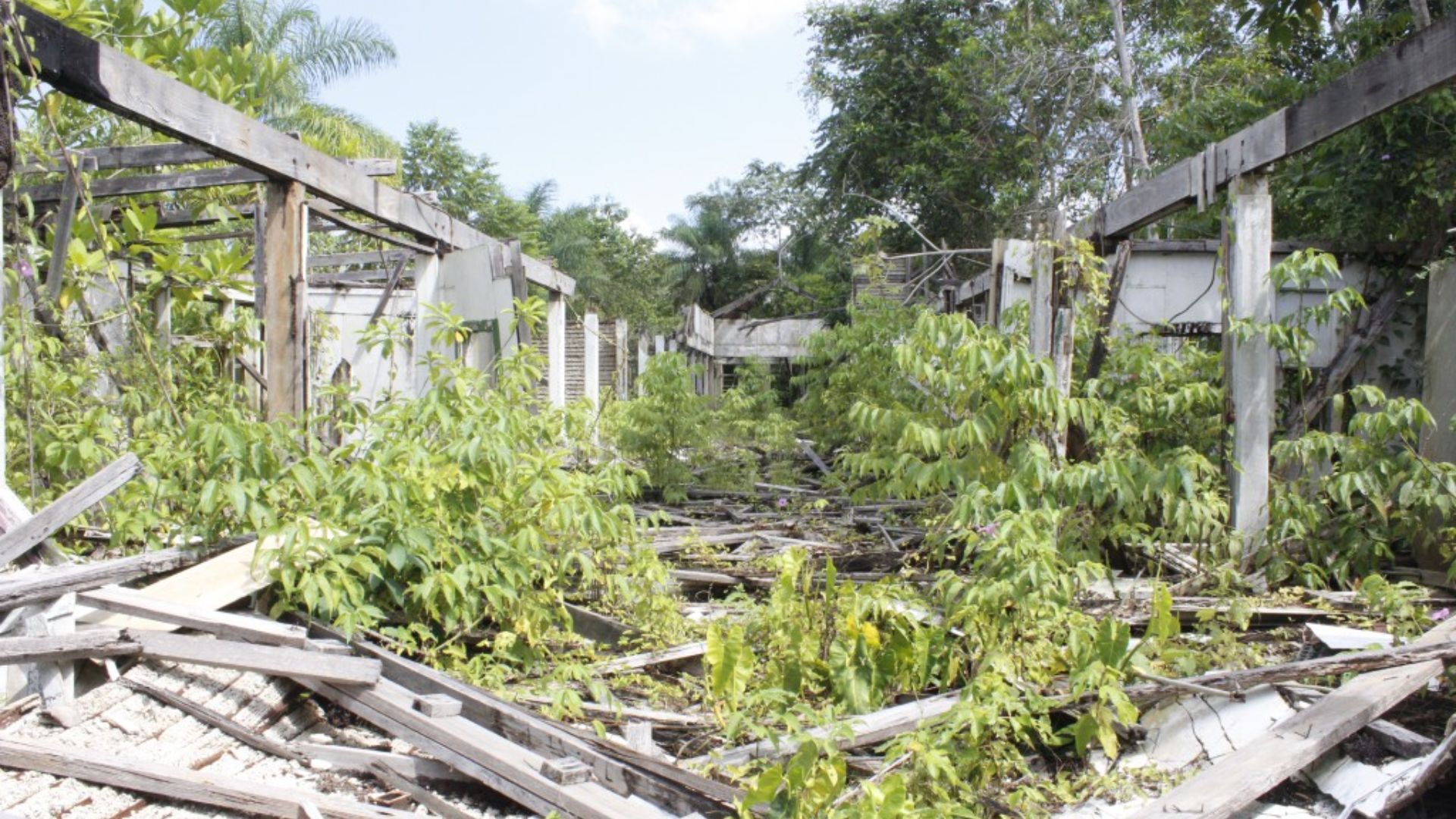
#10. Fordlândia, Brazil
Fordlândia was Henry Ford’s ambitious 1928 rubber plantation town in the Brazilian Amazon. The project struggled, and much of the settlement was eventually abandoned. In photographs, industrial buildings and planned-town structures look strangely out of place against the jungle. It is what happens when corporate optimism meets tropical reality and loses badly.
 RodrigoCruzatti, Wikimedia Commons
#9. Villa Epecuén, Argentina
Villa Epecuén was a lakeside resort town in Argentina until flooding submerged it in 1985. When the water later receded, it revealed streets, ruins, and dead trees coated in pale mineral residue. The photographs look almost post-apocalyptic, as if a spa town went through a saltwater ghost filter.
 Pablo González, Wikimedia Commons
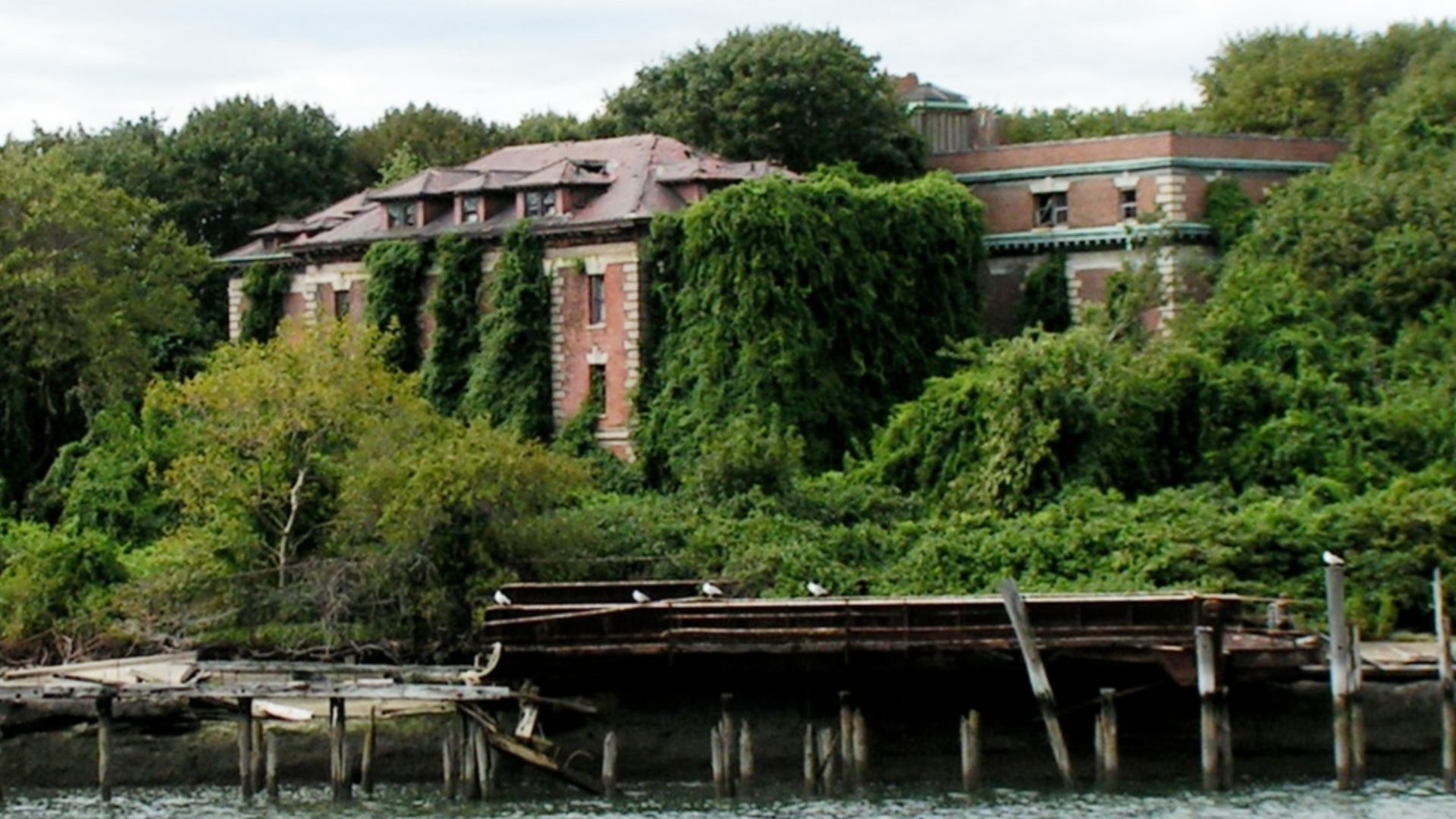
#8. North Brother Island, New York
North Brother Island sits in New York City’s East River, but it feels like a secret swallowed by trees. Once used for hospitals and quarantine facilities, its abandoned buildings are now surrounded by dense vegetation and bird habitat. The unsettling part is the contrast: Manhattan is nearby, but nature took the island anyway.
 reivax from Washington, DC, USA, Wikimedia Commons
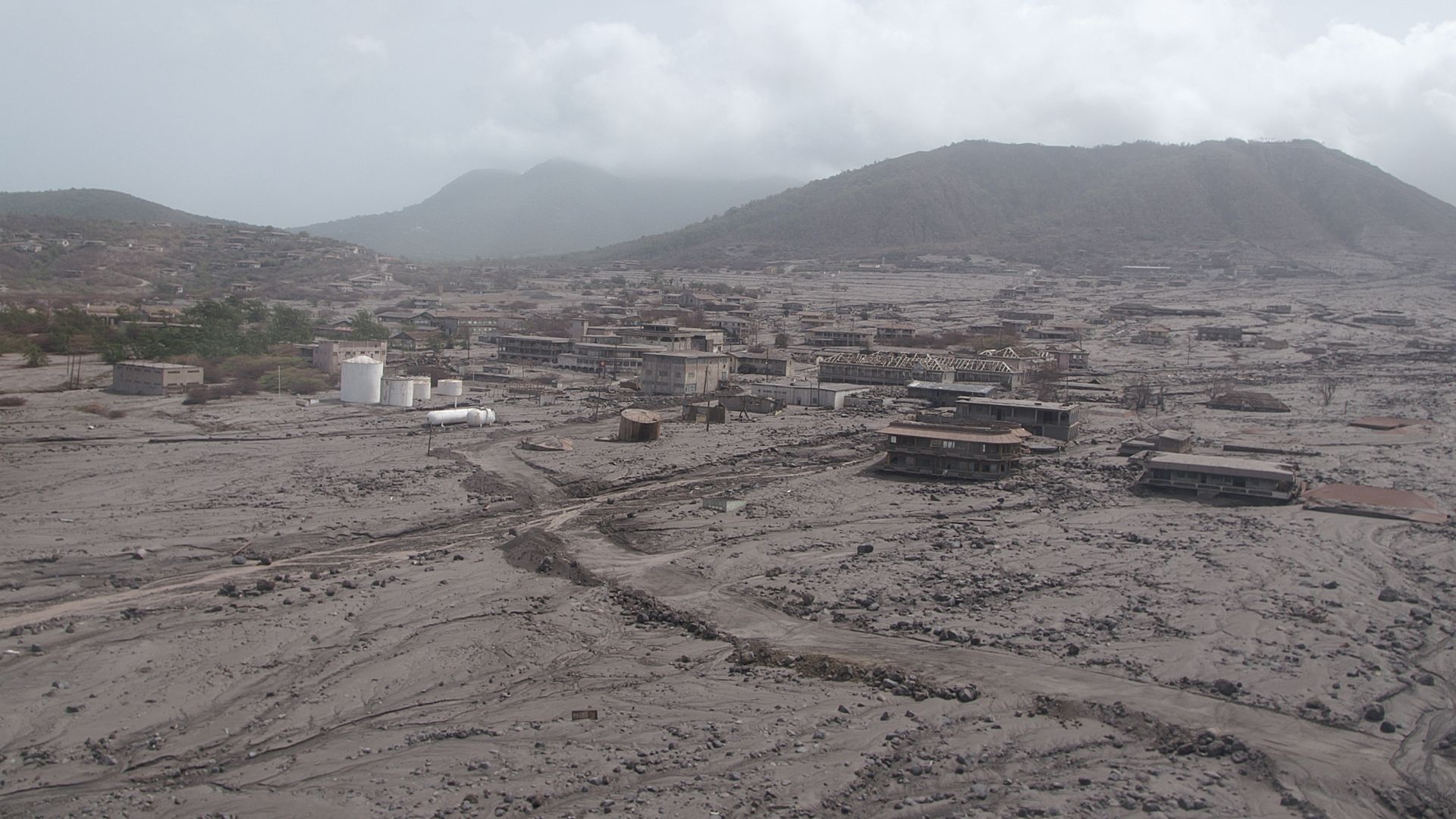
#7. Plymouth, Montserrat
Plymouth was Montserrat’s capital until volcanic eruptions and pyroclastic flows in the 1990s buried much of the city in ash. The abandoned streets, damaged buildings, and ash-covered landscape make it look like a city paused mid-sentence. Here, nature did not creep back slowly—it arrived with terrifying speed.
 Xb-70 at English Wikipedia, Wikimedia Commons
#6. Hashima Island, Japan
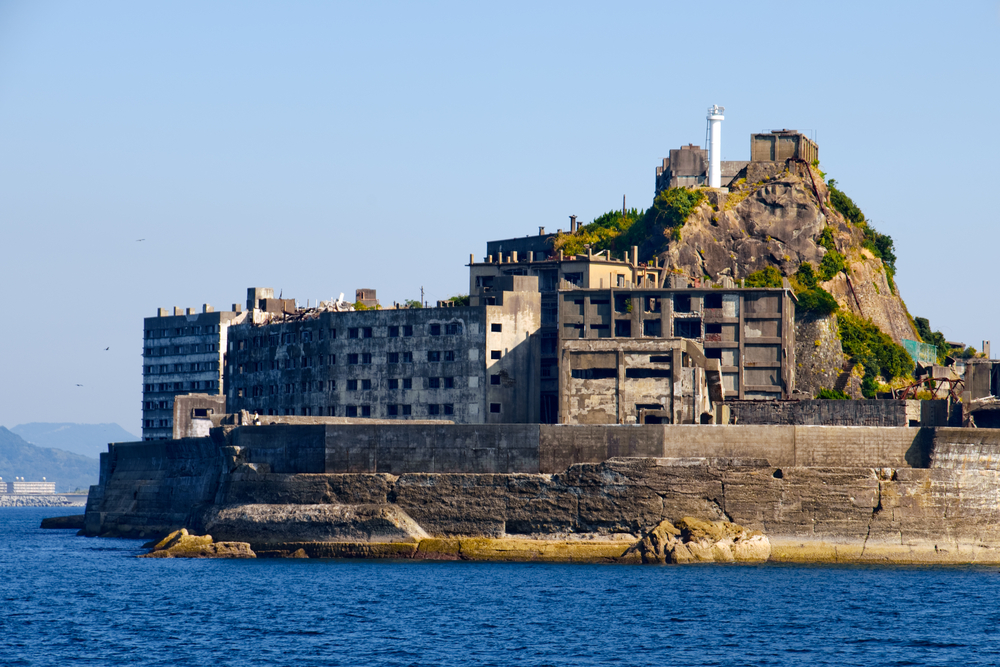
Hashima Island, also called Gunkanjima or Battleship Island, was a dense coal-mining community near Nagasaki. After the mine closed in 1974, residents left, and the concrete apartments began to decay under salt air, storms, and plants. It looks like a tiny city stranded at sea and slowly being eaten by weather.
#5. Houtouwan, China
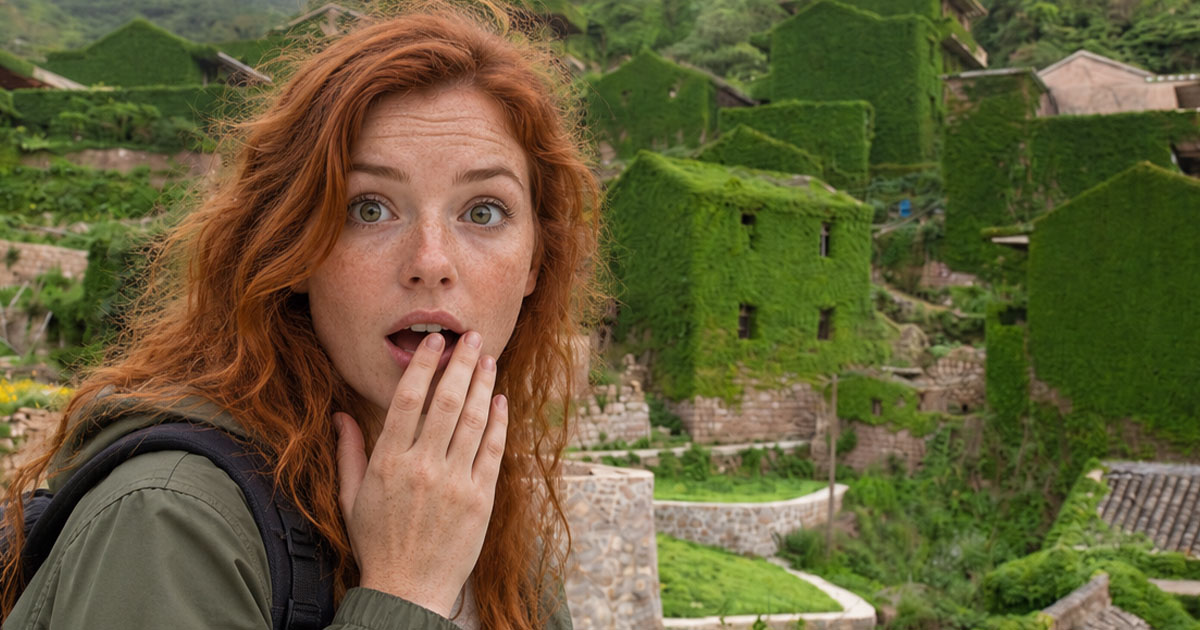
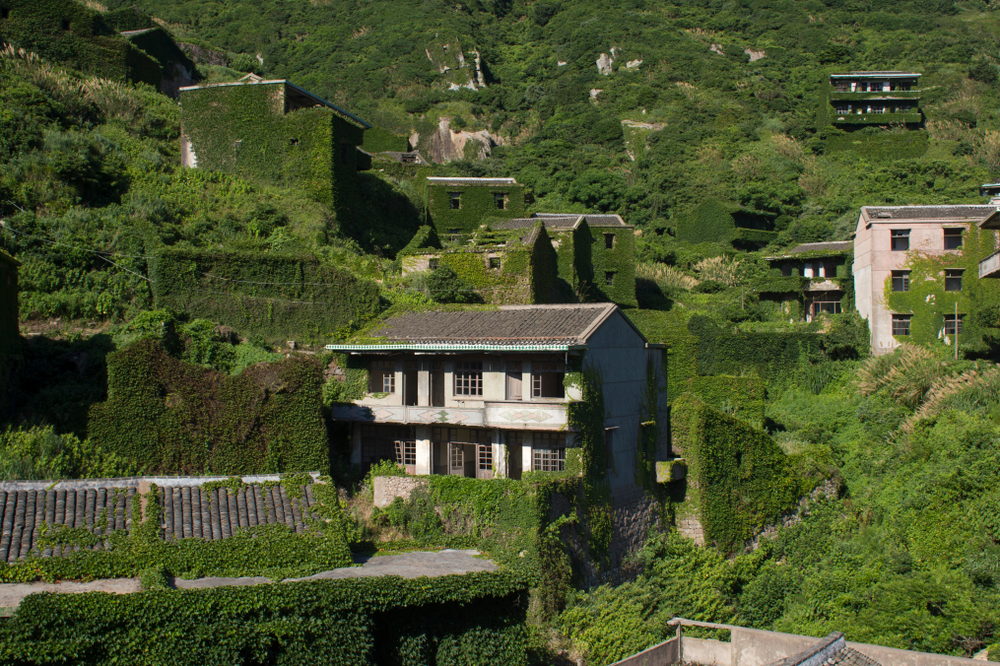
Houtouwan, on Shengshan Island near Shanghai, may be the prettiest abandoned place on this list, which somehow makes it more unsettling. Once a fishing village, it emptied as residents left for better opportunities. Today, vines blanket houses so completely that the village looks knitted in green.
#4. Kolmanskop, Namibia
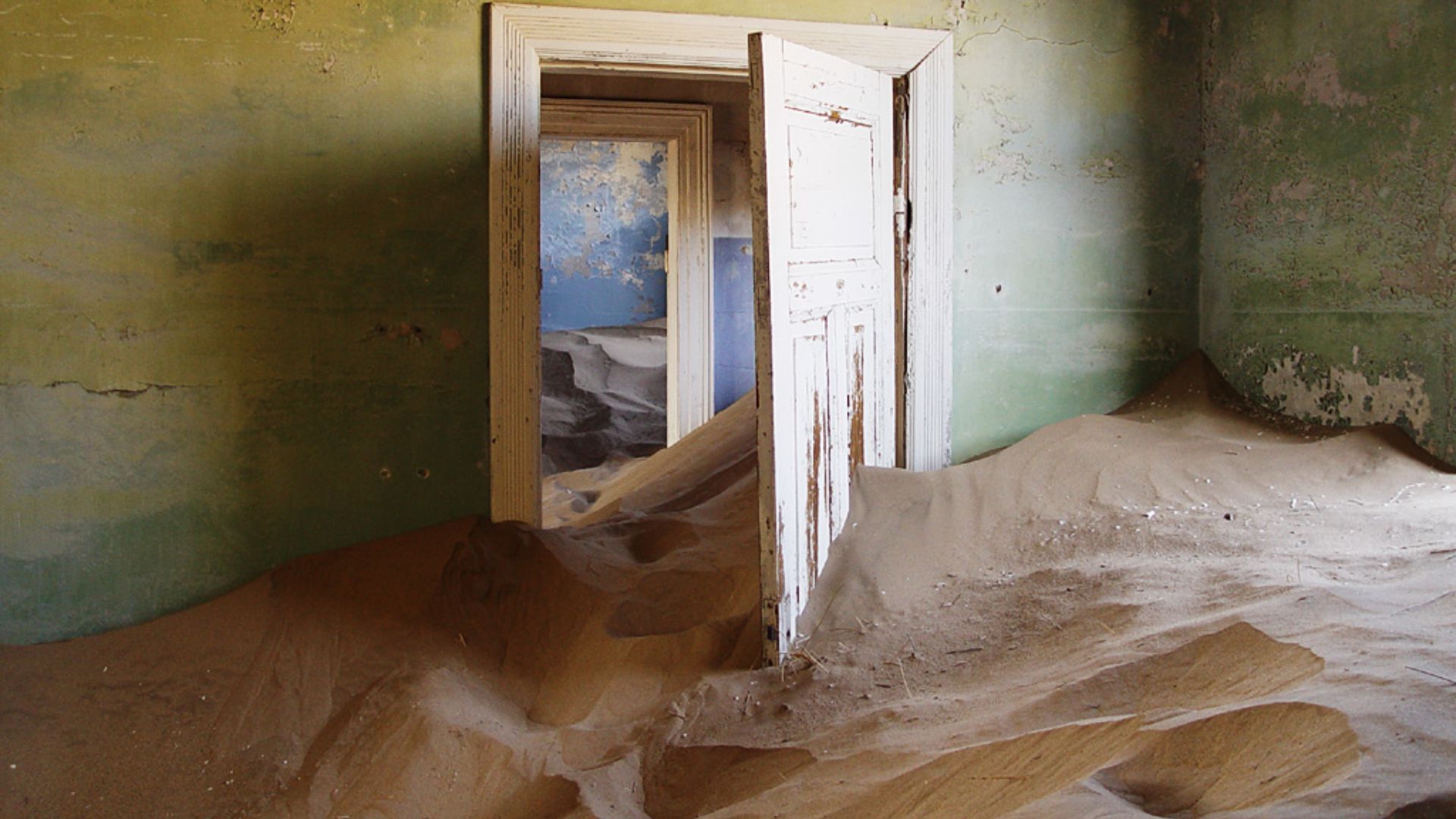
Kolmanskop was a diamond-mining town in the Namib Desert after diamonds were discovered nearby in 1908. It was abandoned in 1956, and sand has been pouring through its rooms ever since. Photographs show doorways half-buried and floors turned into dunes. It is less “abandoned house” and more “desert has moved in.”
 Damien du Toit from Cape Town, South Africa, Wikimedia Commons
#3. Ta Prohm, Cambodia
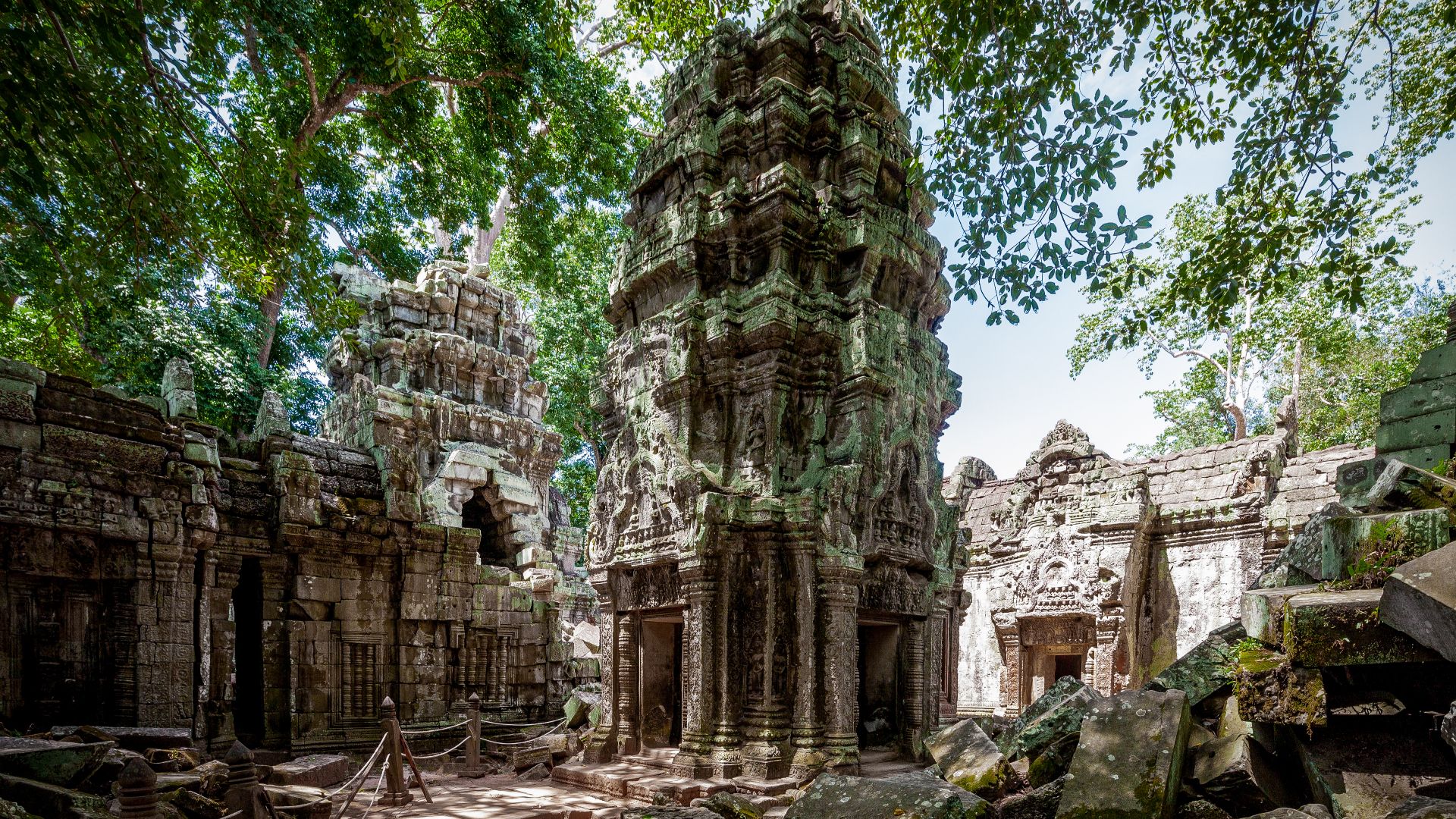
Ta Prohm is not a modern ghost town, but it is one of the most famous images of architecture overtaken by nature. The Angkor temple was left with giant tree roots wrapped around stone walls and doorways, creating that breathtaking “the jungle won” effect. It is beautiful, but also a little rude of the trees.
 Unknown Author, Wikimedia Commons
#2. Pripyat, Ukraine
Pripyat was evacuated after the 1986 Chernobyl nuclear disaster. Its apartments, schools, amusement park, and public spaces became some of the most famous abandoned sites in the world. Trees and wildlife returned while human life stayed mostly away. The photographs are chilling because the city looks interrupted, not ancient.
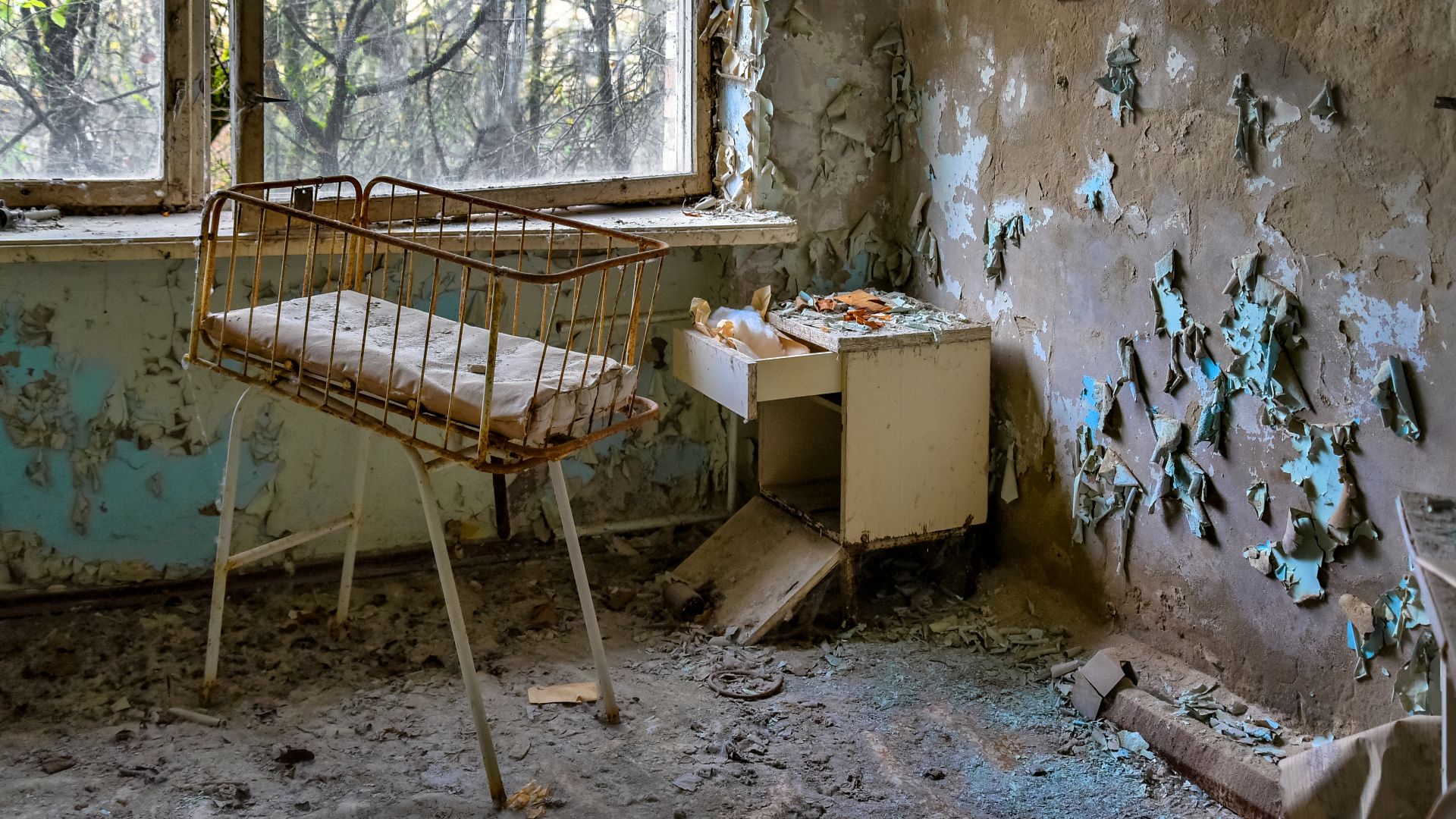 Jorge Franganillo from Barcelona, Spain, Wikimedia Commons
#1. Anping Tree House, Taiwan
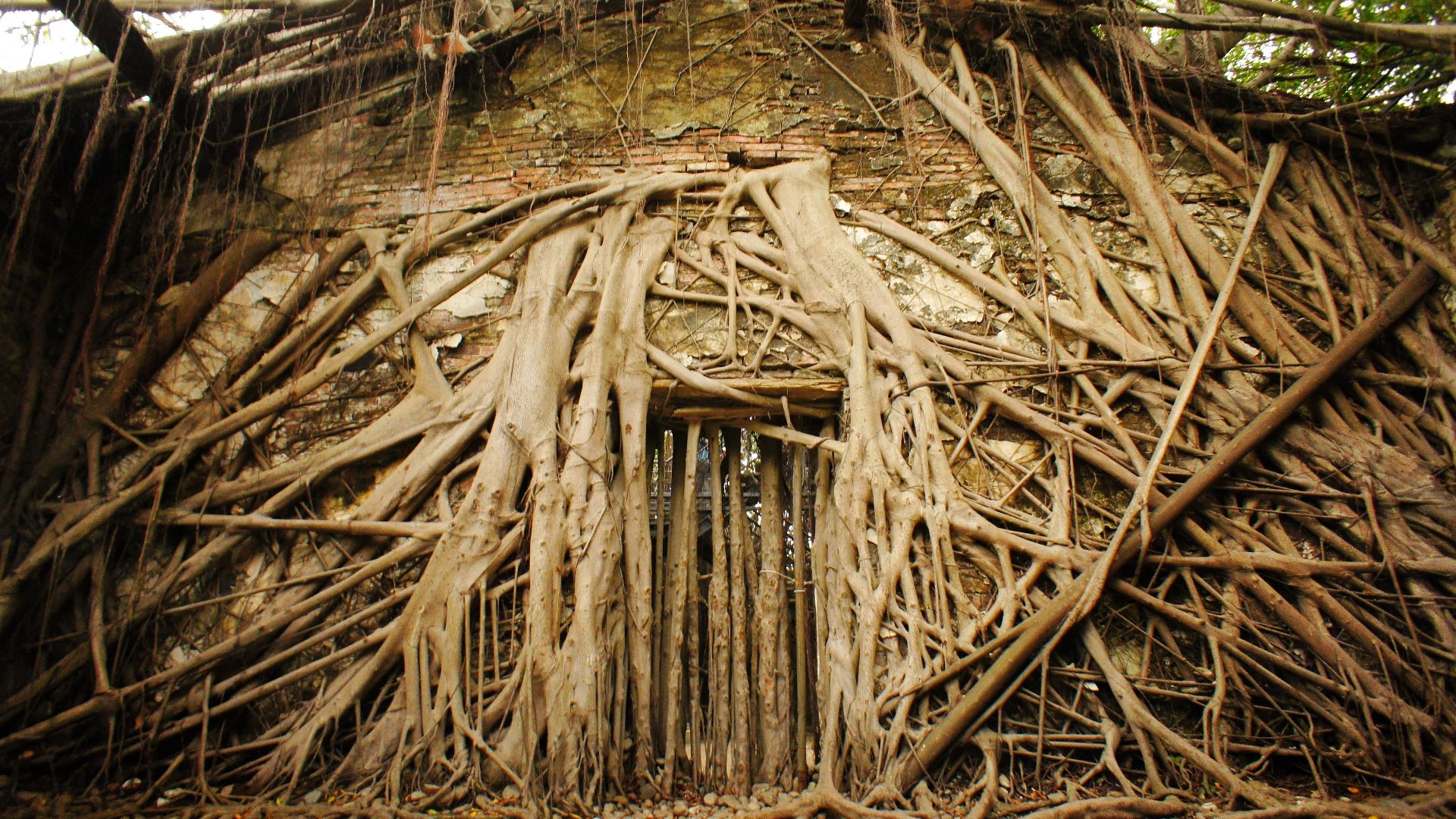
Anping Tree House in Tainan was once part of a 19th-century merchant warehouse complex associated with the former Tait & Co. trading house. After the building was abandoned, banyan trees slowly wrapped around the walls, windows, and roof until the roots became part of the structure. It looks less like nature reclaimed the building and more like the trees filed ownership paperwork.
You May Also Like:
America’s Most Isolated Town
The Worst Man-Made Disasters in U.S. History