How Local Legends Are Made
Take a world tour of local legends that have earned their spot in cultural history, not just spooky internet lore. From ancient indigenous folklore to modern miracles and UFO flaps, just as every country has its own quirks, they've all got at least one incredibly unique local legend that you can't miss.
 Csassen13, Wikimedia Commons, Modified
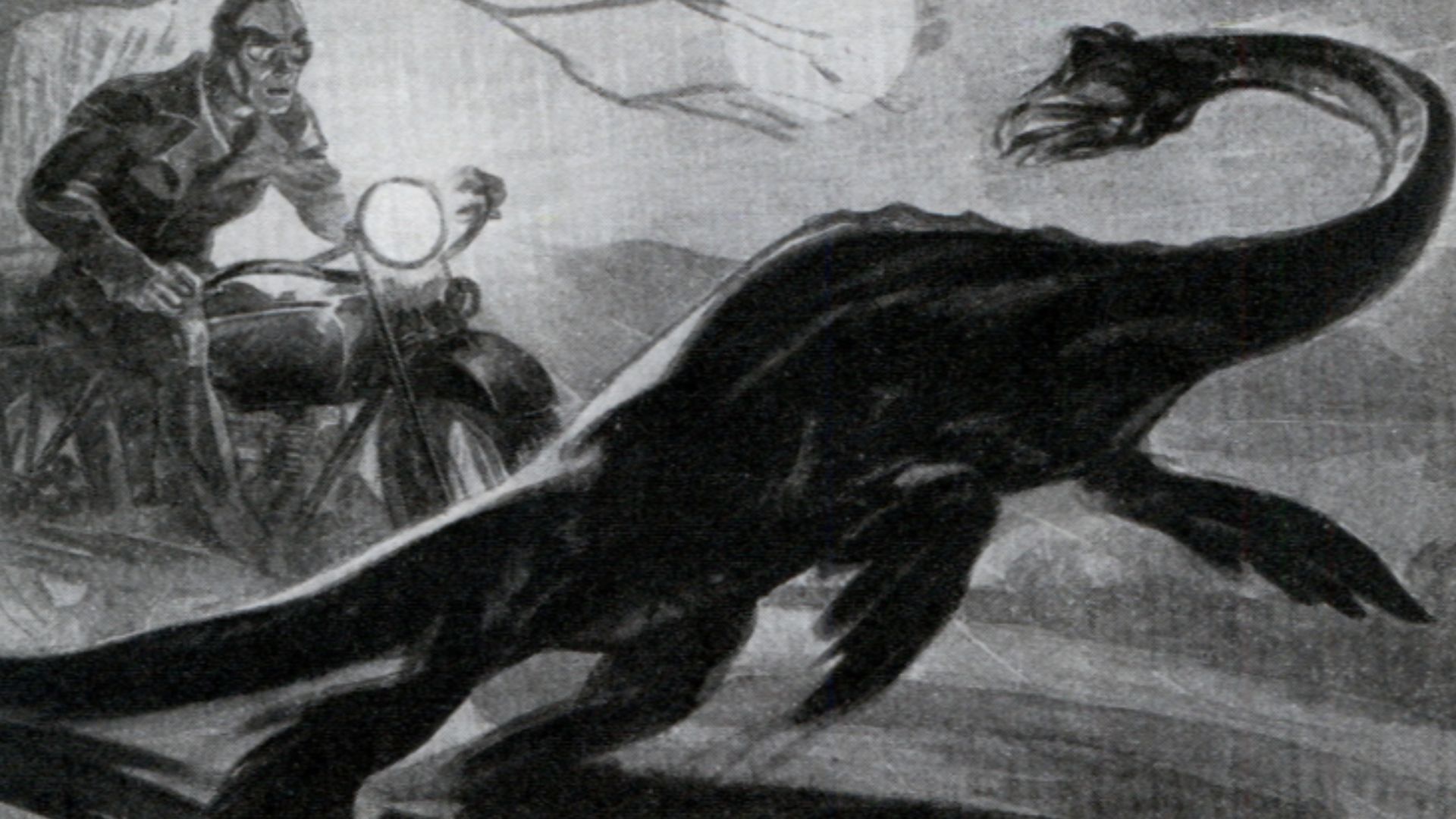
Scotland: The Loch Ness Monster Gets A Modern Birthday
The Loch Ness Monster became a modern headline in May 1933, when the Inverness Courier reported a couple had seen a “whale-like” creature in the loch. Just a few months later, another reported seeing a 25-foot-long animal crossing the road near the loch later that year.
Legends of a large creature in the Loch date back as far as the 6th century, but 1933 is when “Nessie” turned into a global obsession.
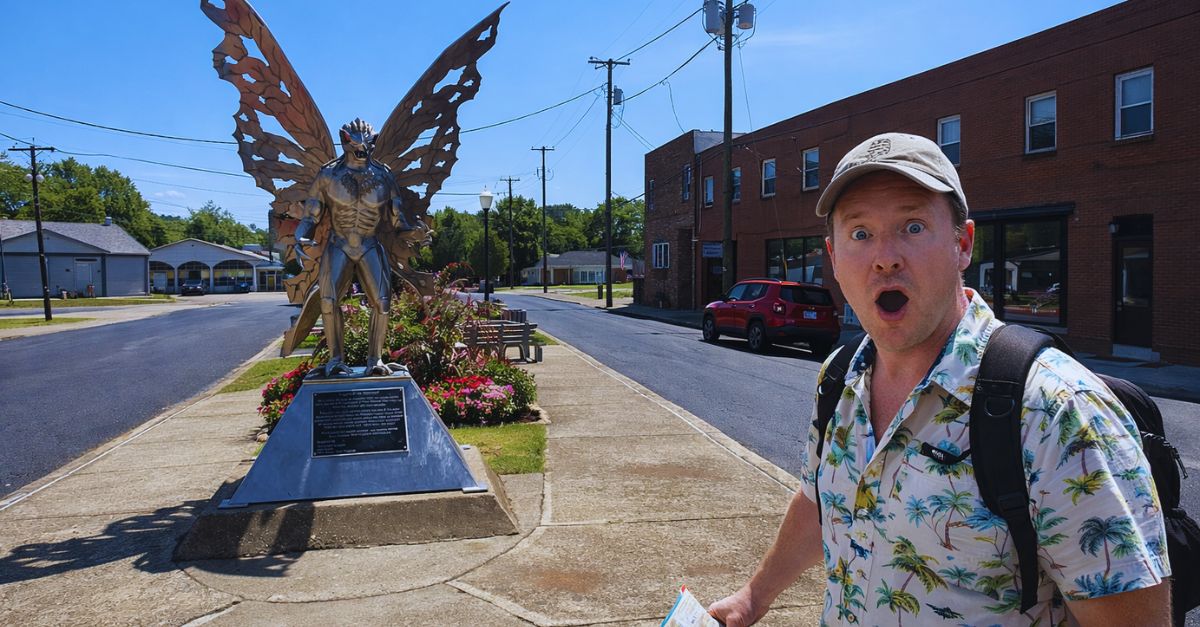
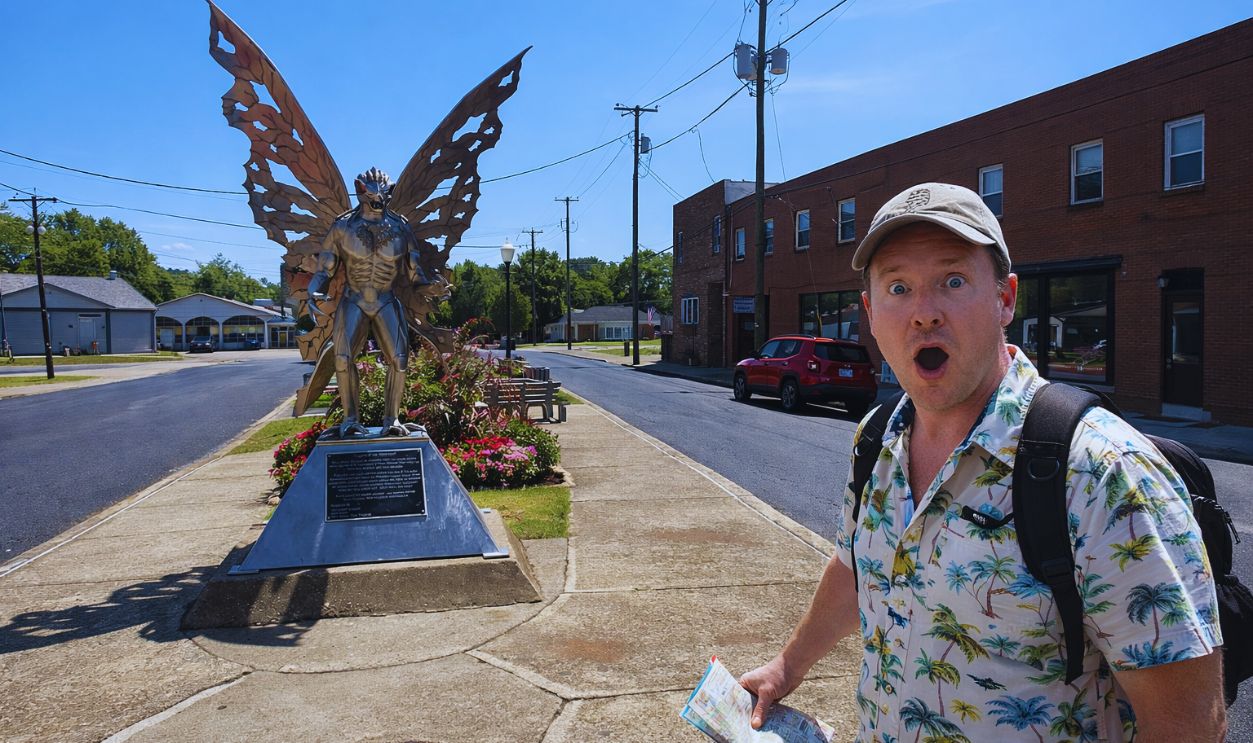
United States: The Mothman Flaps Into The News
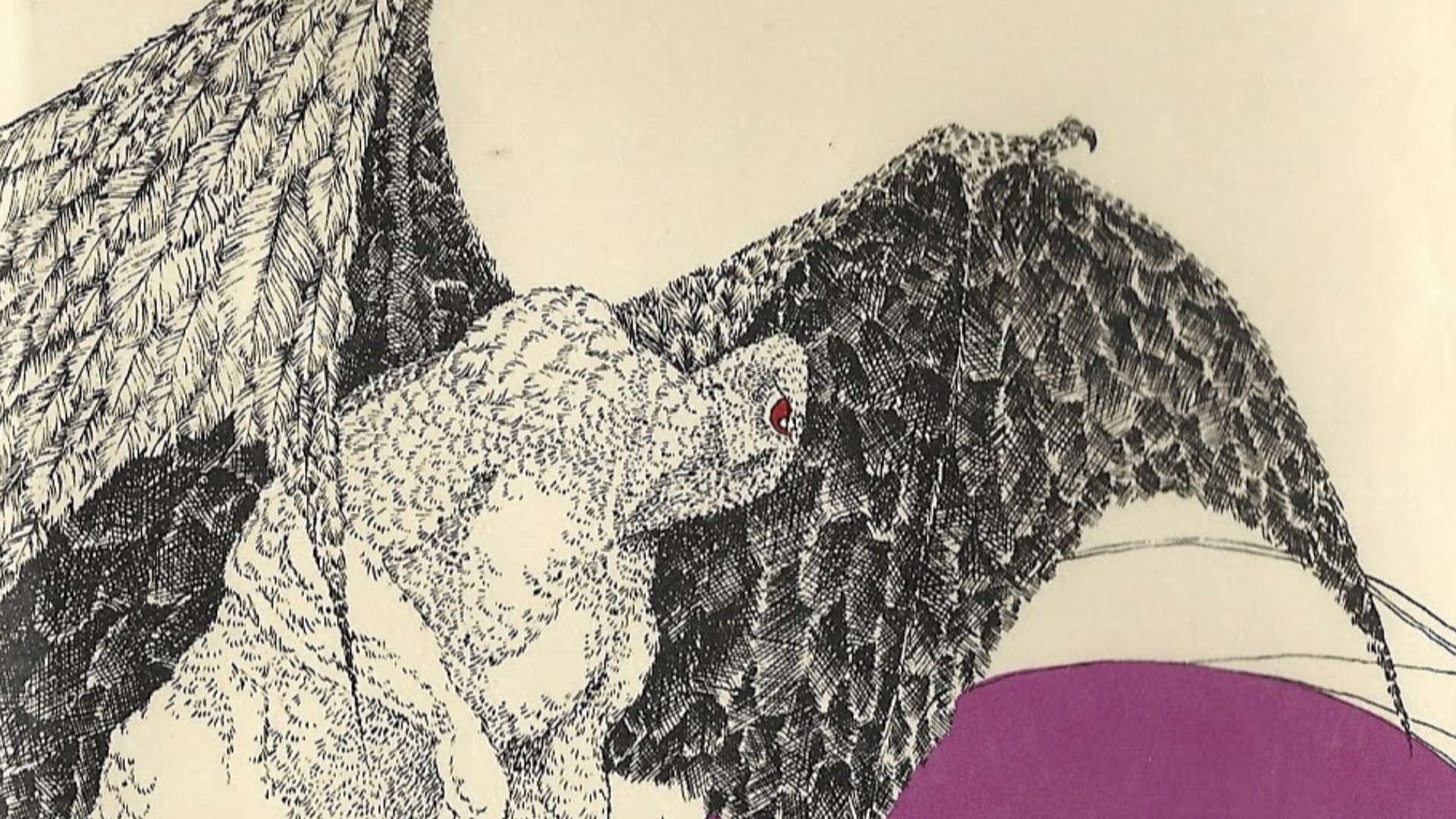
In Point Pleasant, West Virginia, a wave of sightings began in November 1966 and continued into 1967. On November 15, 1966, two young couples reported seeing a large, winged figure with glowing red eyes near an area known as the TNT site, and local newspapers quickly amplified the story. The legend became permanently tied to the Silver Bridge disaster of December 15, 1967, even though the collapse was due to faulty engineering.
 Jacket design by Peter Parnell, Wikimedia Commons
Mexico: La Llorona Moves From Folklore To Print
La Llorona, the “Weeping Woman,” is a famous warning tale heard across Mexico and beyond. Versions were recorded as far back as 1550, and scholars often connect the story to older Aztec traditions reshaped after the Spanish conquest.
In most versions, the vengeful La Llorona is found near bodies of water, mourning her children, whom she drowned in a rage after discovering her husband's infidelity.
Canada: The Ogopogo Becomes A Named Monster
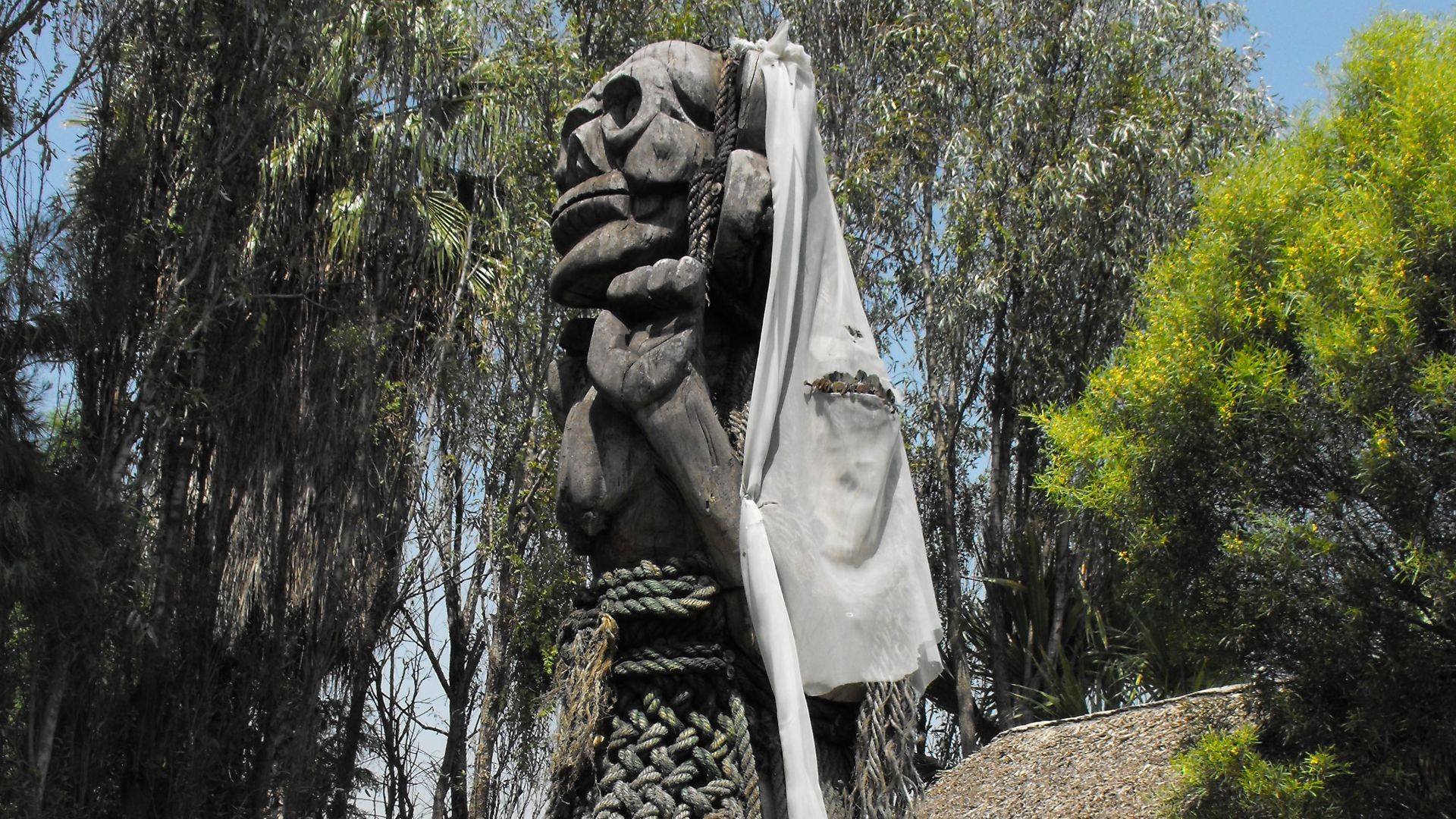
Reports of a lake creature in British Columbia’s Okanagan Lake go back into the 1800s in settler accounts, alongside much older Syilx (Okanagan) oral traditions. The name “Ogopogo” caught on in the 1920s, borrowing from a popular English music-hall song and giving the creature a brand-like identity. From there, the legend took off through postcards, local tourism, and repeated witness claims.
 Extemporalist, Wikimedia Commons
Brazil: Night Visitors And The “Chupa-Chupa” Panic
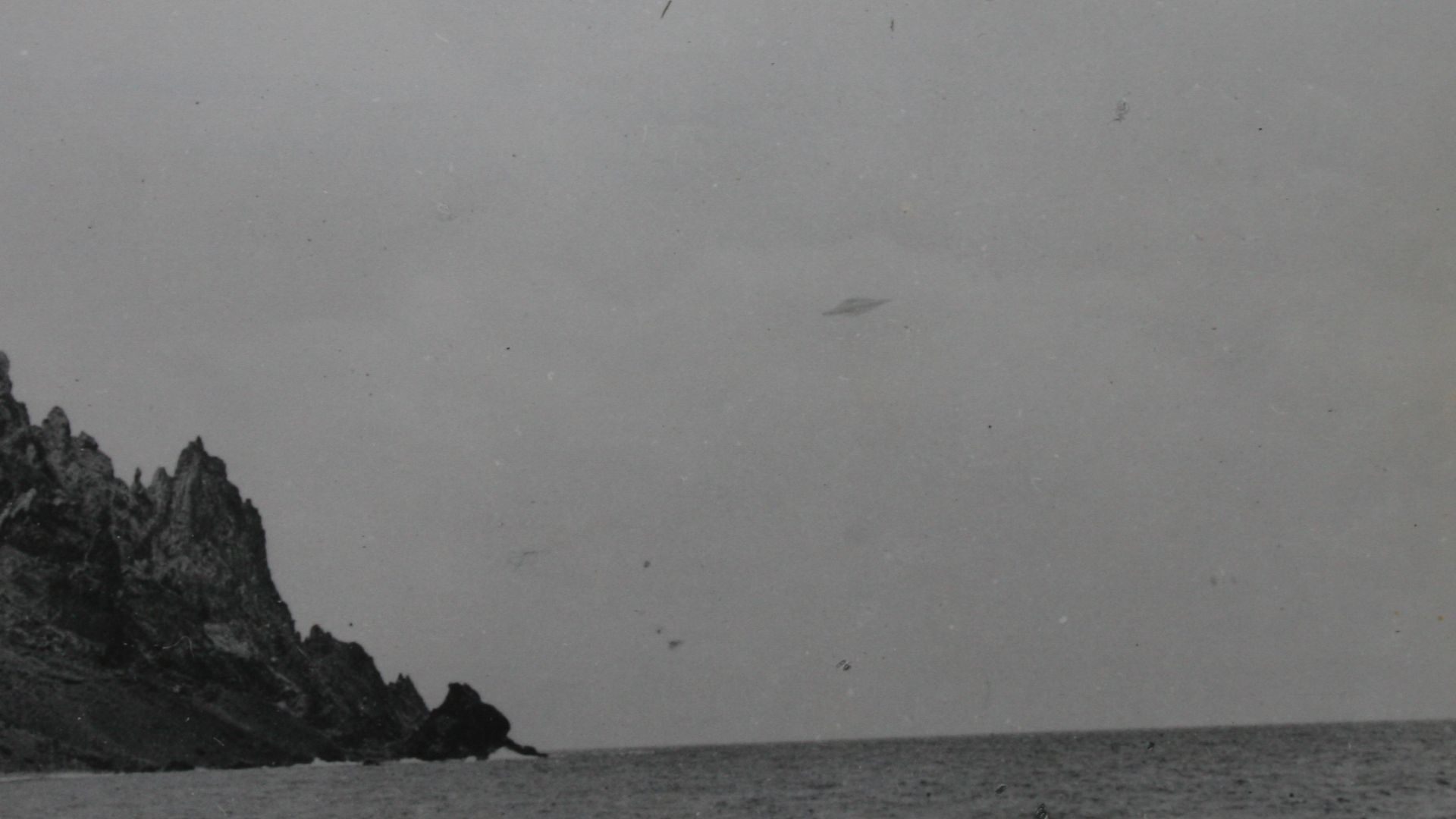
In 1977, residents in Pará state reported attacks by strange lights in the sky, a UFO flap that became known as “Chupa-Chupa.” The Brazilian Air Force investigated in an operation later referred to as Operação Prato (Operation Saucer), gathering reports and photographs. The episode remains controversial, but the timing and the official attention are real parts of Brazilian UFO history.
 Almiro baraúna, Wikimedia Commons
France: The Beast Of Gévaudan Has A Paper Trail
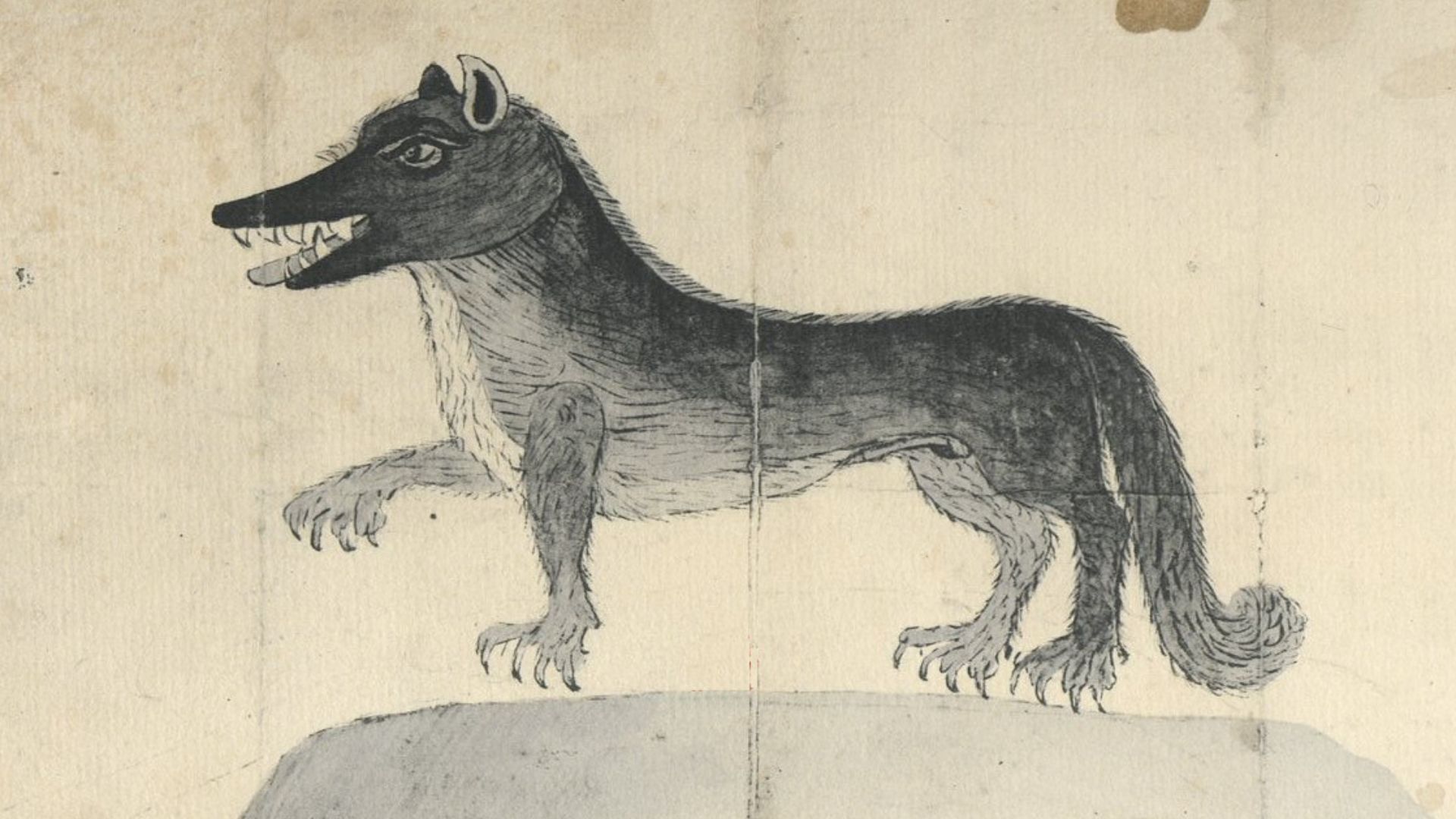
Between 1764 and 1767, a series of deadly attacks in the Gévaudan region created panic and a national scandal. Contemporary reports describe a large animal, and the story was documented in period correspondence and earned official attention from the French crown.
Modern researchers still debate what the “beast” was, but the timeline and the deaths are part of the historical record.
 François Fabre, Wikimedia Commons
Germany: The Pied Piper Gets A Specific Date
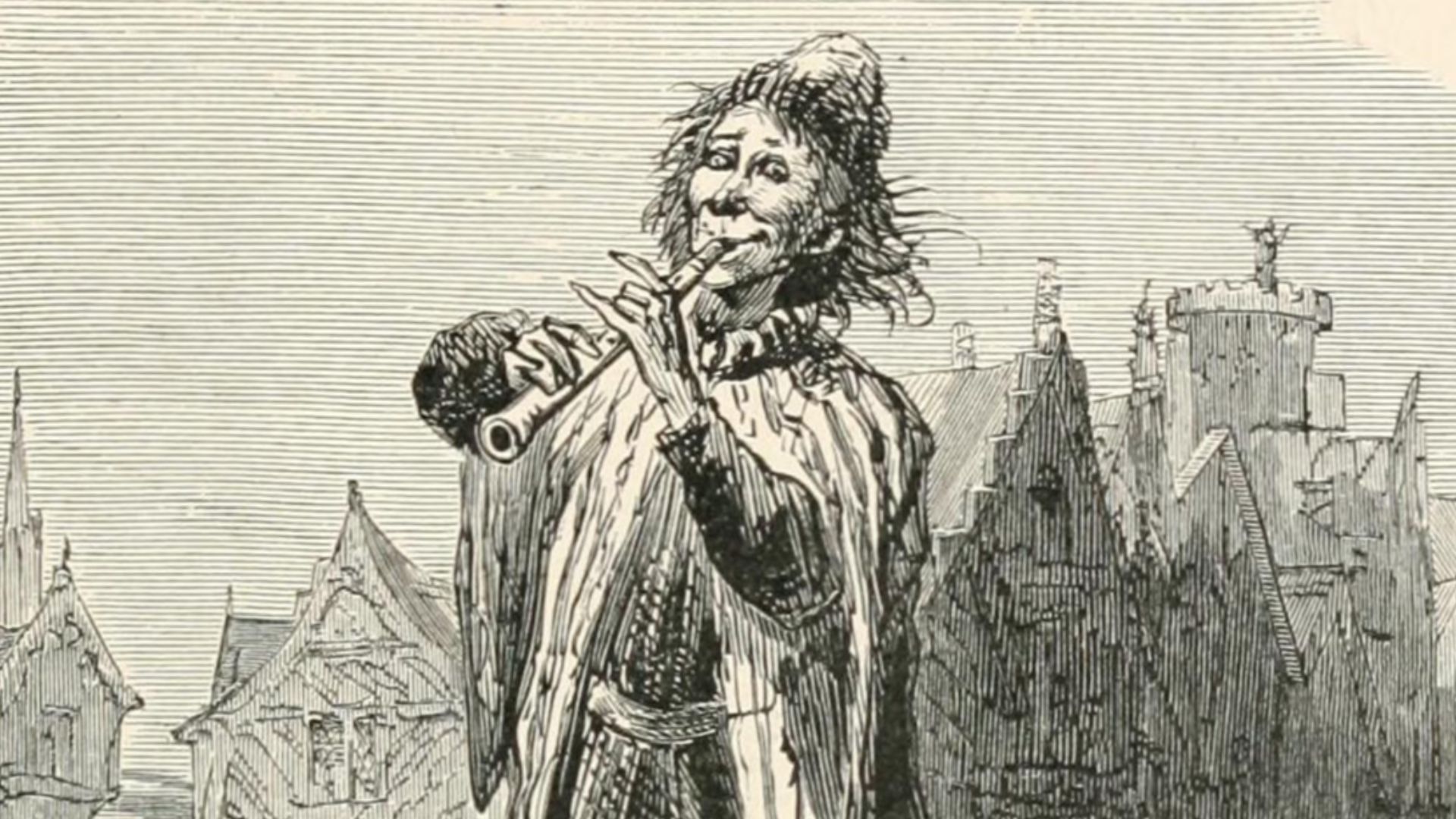
Hamelin’s famous rat-catcher legend is unusual because it clings to a date. Town tradition specifically points to June 26, 1284, as the day the Piper led the children were led away, and Hamelin has long treated the event as a civic memory. Though the earliest written mentions appear centuries later, but the date has remained stubbornly consistent in local retellings.
 Unknown authorUnknown author, Wikimedia Commons
Ireland: The Banshee Is Older Than The Record
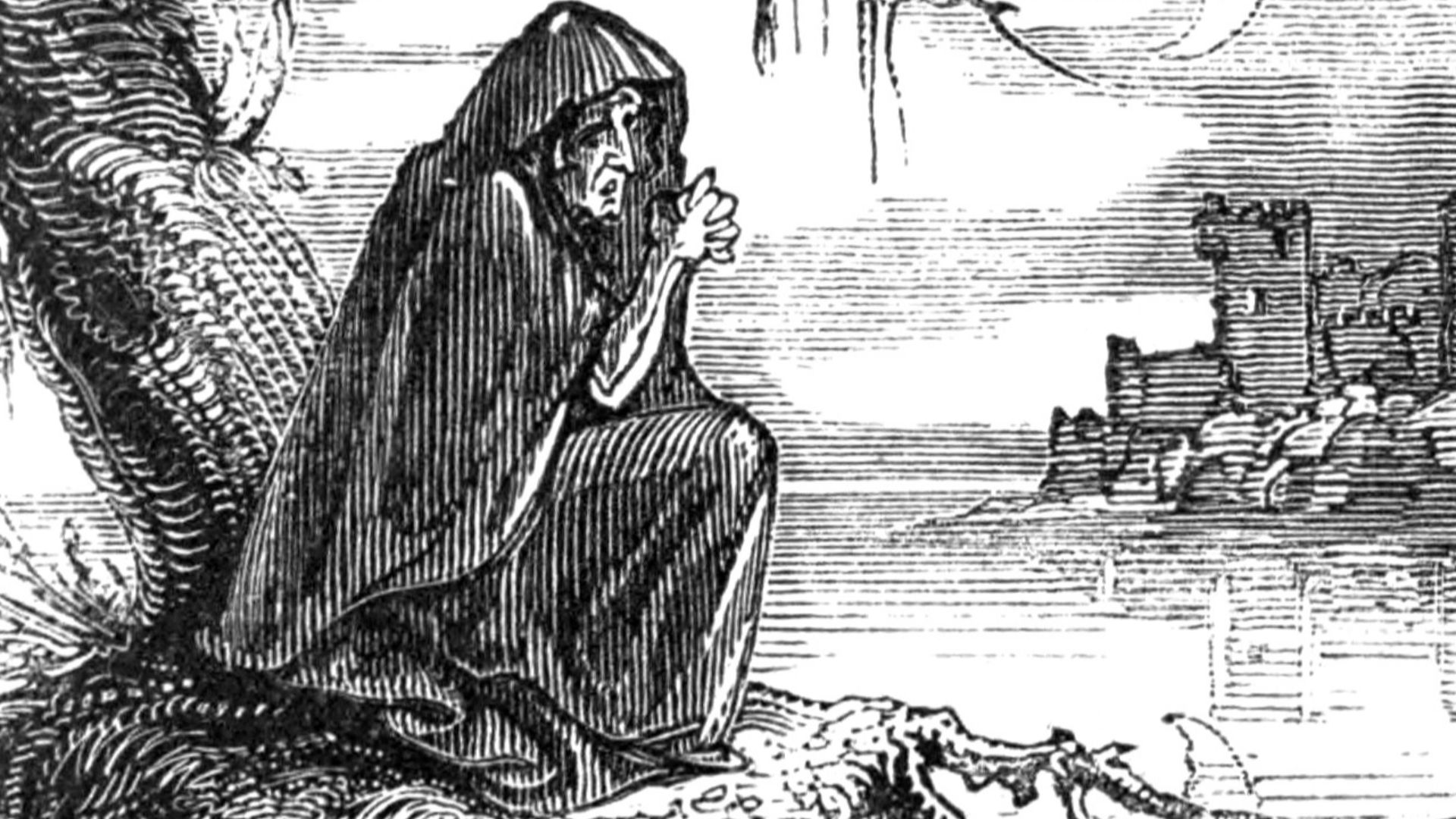
The banshee is a well-known figure in Irish folklore, said to wail as a warning of death in a family. It is not linked to a single “discovery,” but it is strongly documented in Irish oral tradition and later collections by folklorists. What makes it strange is how specific the role is: not a random or dangerous ghost, but a grim messenger with specific rules.
 W.H. Brooke, Wikimedia Commons
Spain: The “Faces Of Bélmez” Become A Modern Mystery
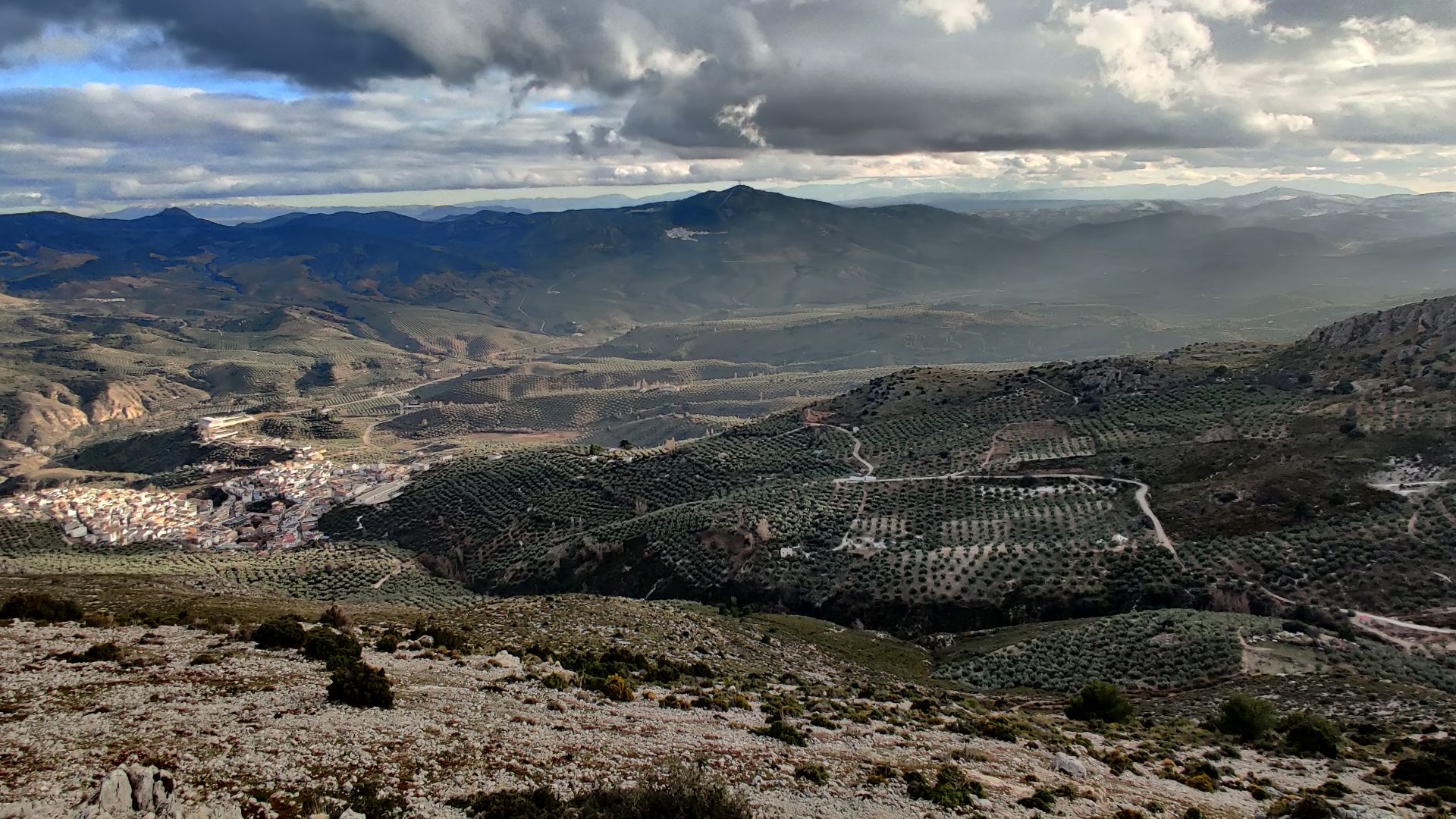
In August 1971, a woman named María Gómez Cámara reported that strange face-like images appeared on the floor of her home in Bélmez de la Moraleda, Spain. The so-called Bélmez Faces drew journalists, investigators, and parapsychology researchers for decades. Skeptics and believers still argue, but the location, the family, and the early-1970s start date are well documented.
 Veinticuatro de Jahén, Wikimedia Commons
Portugal: The Fatima Apparitions Enter The Historical Record
In spring of 1917, three children, Lúcia dos Santos and her cousins Jacinta and Francisco Marto, reported a vision of the Virgin Mary near Fátima. Mary told them she would appear on October 13, 1917. When the day came, a massive crowd of at least 50,000 pilgrims gathered, and reports claim the sun cast multicolored lights and danced in the sky, though many observers said they didn't see anything.
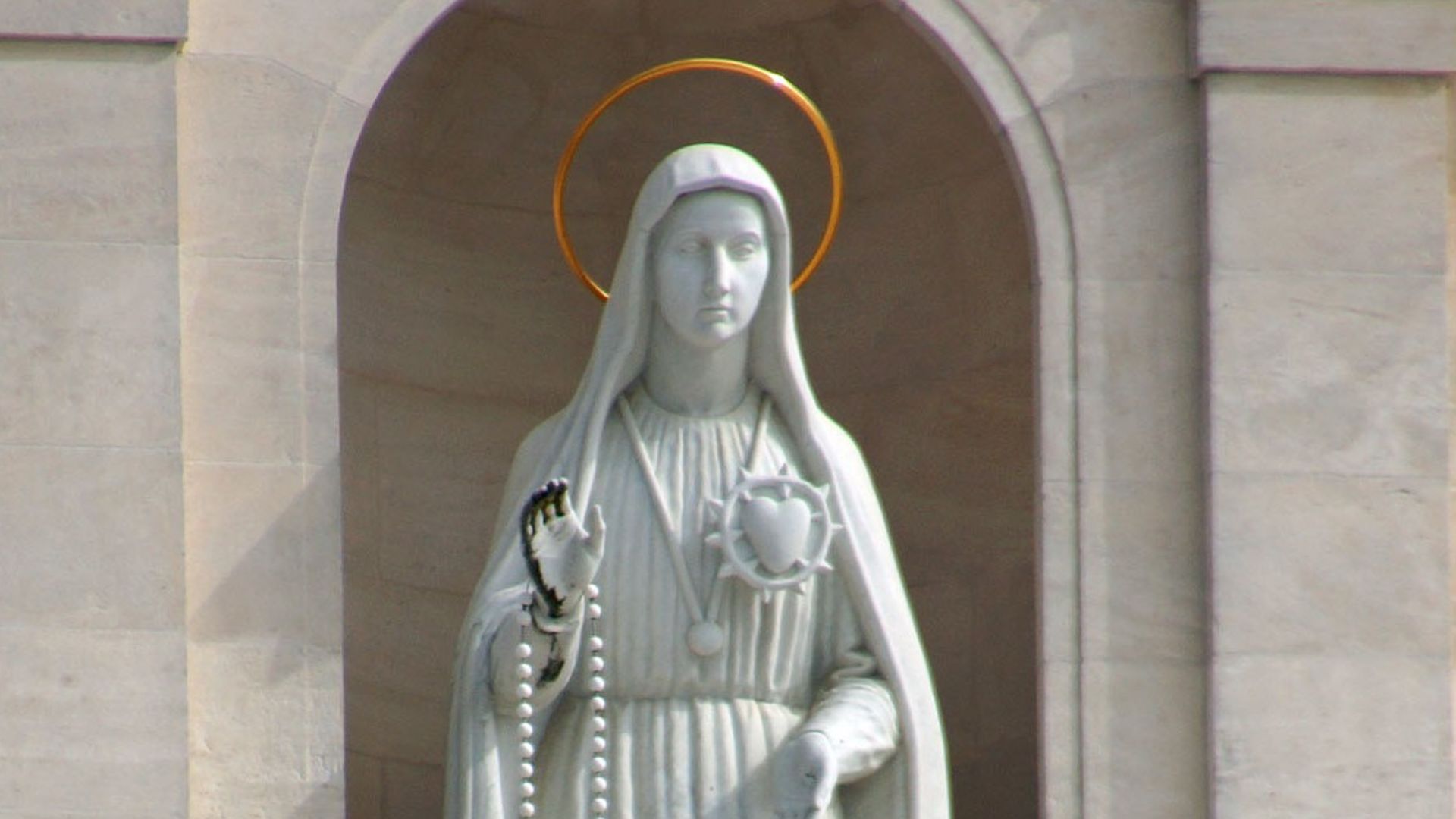 Heribert Bechen ...on Namibia Tour! from Bergisch Gladbach, Germany, Wikimedia Commons
Italy: The Tarantism Craze Blurs Medicine And Legend
In southern Italy, especially Apulia, a long-running belief held that a tarantula (local name for a wolf spider) bite caused a hysterical illness that could be treated with music and frenzied dancing. The legend dates all the way back to the 11th century.
Today, it's widely known that the spider bites only cause swelling and mild but, but the legend shaped real behavior, and created the dance known as the Tarantella.
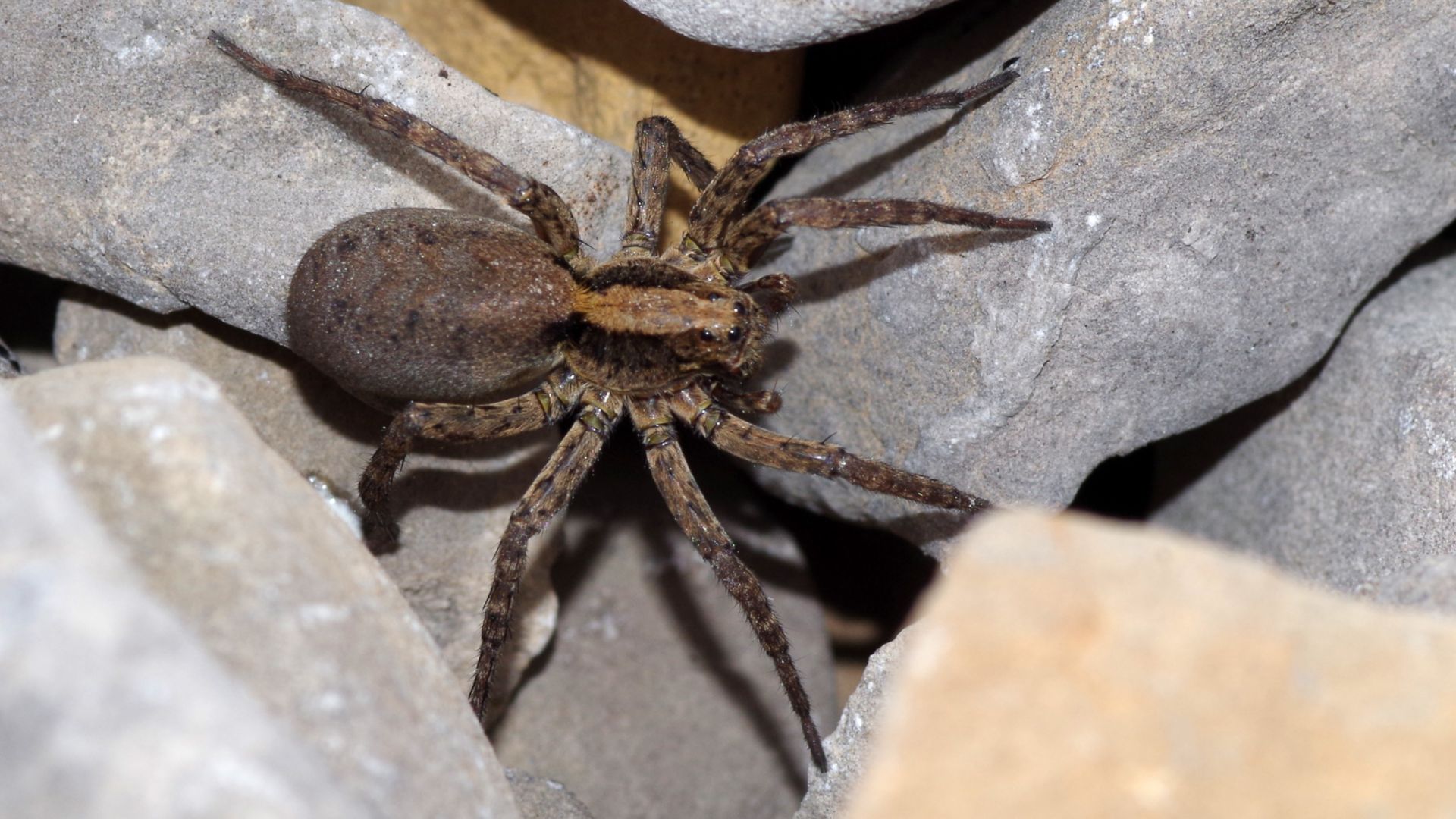 David Perez, Wikimedia Commons
Greece: The “Vrykolakas” Was Taken Seriously
Greek folklore includes the vrykolakas. Though long related to the Slavic vampire, descriptions of this restless dead figure are closer to zombie. Early modern travelers and writers recorded accounts of island communities treating suspected cases as real threats. The details vary by place, but the striking part is how often it was discussed as a practical problem, not just a bedtime story.
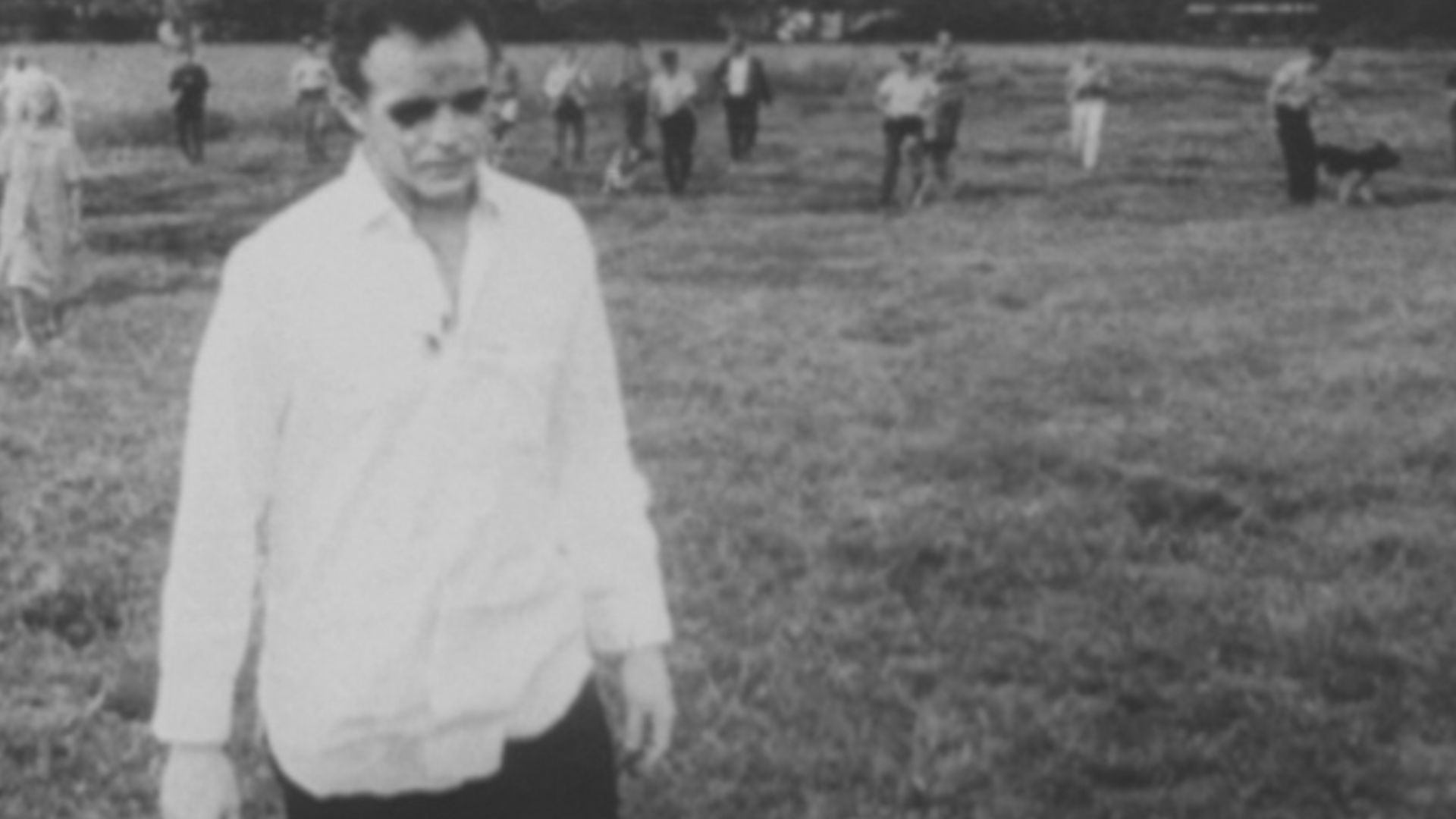 George A. Romero, Wikimedia Commons
Romania: Dracula’s Shadow Meets A Real Prince
Romania’s most famous legend blends literary fiction with a real historical figure. Bram Stoker’s Dracula was published in 1897, and scholars have long debated how much Stoker drew from Vlad III “Țepeș,” a 15th-century Wallachian ruler also known as Vlad the Impaler. The strange local twist is how a novel helped reshape global ideas about Romanian folklore, even though it is not a direct “folk origin” tale.
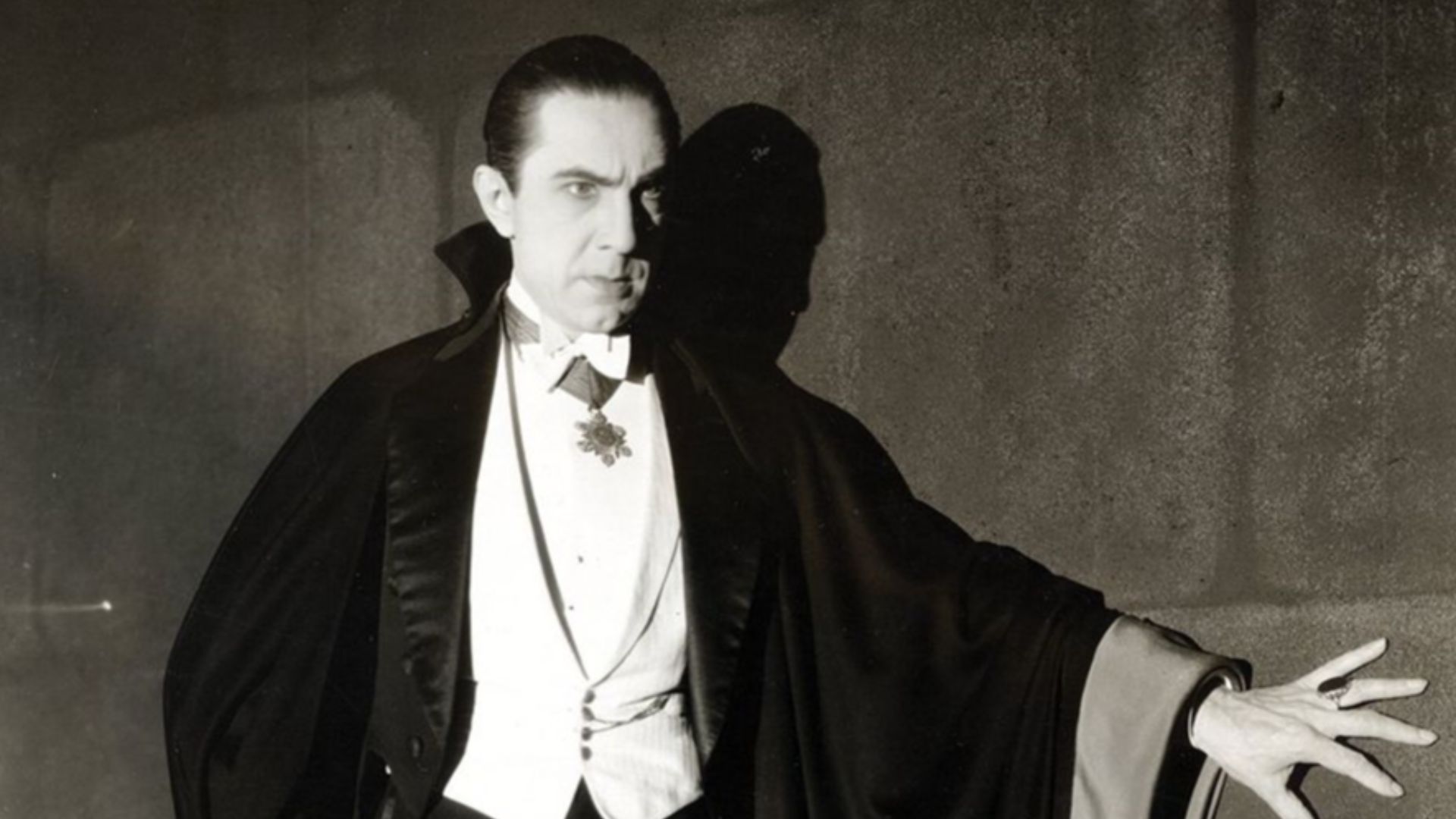 Unknown authorUnknown author, Wikimedia Commons
Norway: The Kraken Rises From Sailors’ Accounts
The kraken entered European natural history through reports from seafarers, then found its way into learned writing. In 1752, Bishop Erik Pontoppidan described the kraken in his natural history of Norway, treating it as a plausible creature based on testimony. Giant squid are real, but the kraken’s scale in legend is the part that turns fact into sea monster.
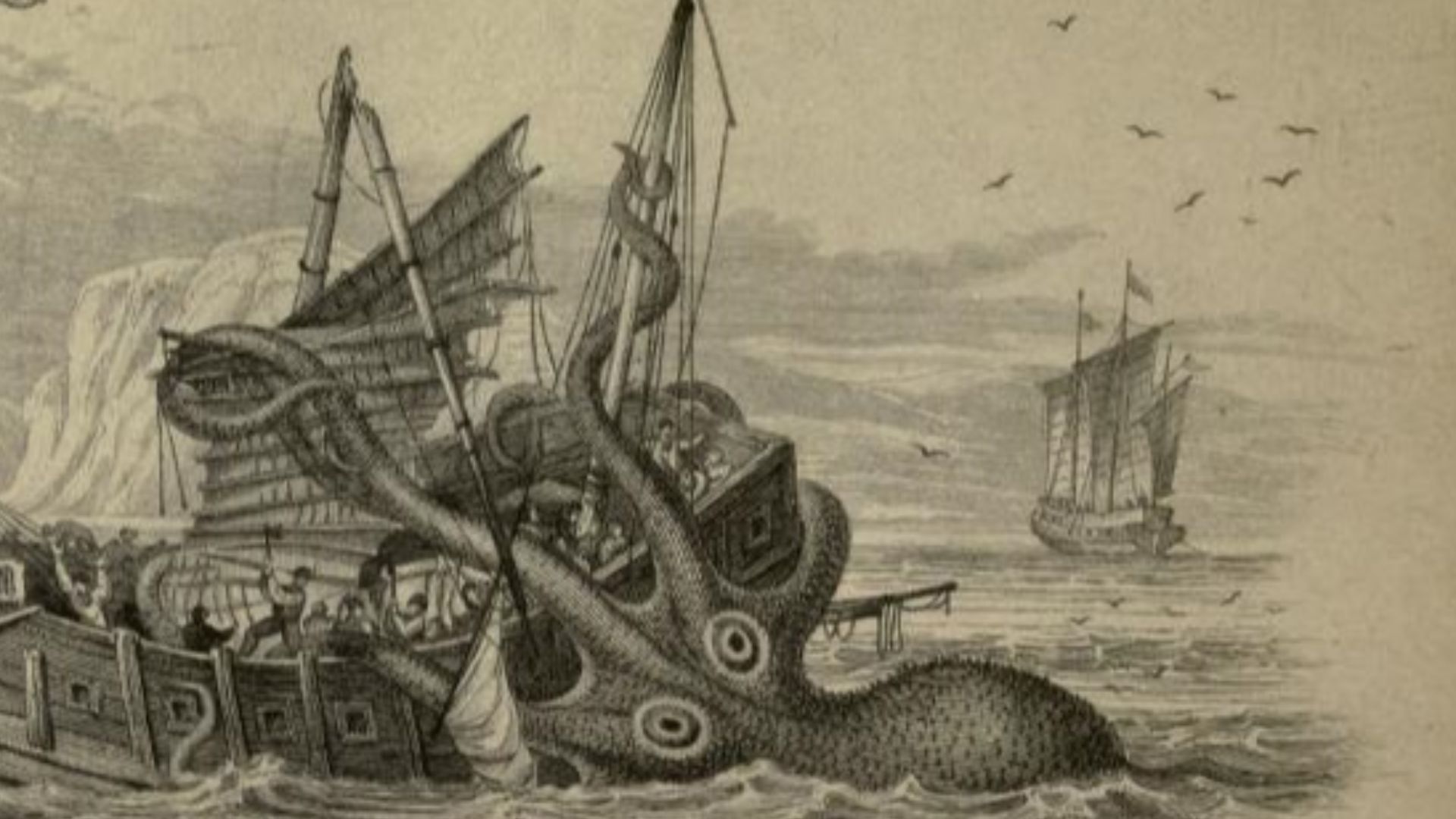 Lizars, W. H. 1788-1859 , engraver, Wikimedia Commons
Sweden: Näcken Lures You With Music
Swedish folklore features Näcken, a water spirit often said to play beautiful music near rivers and lakes. It is a story with a simple hook that never gets old: follow the melody, and you might not come back. The legend is widely documented through Scandinavian folklore collections rather than a single moment in time.
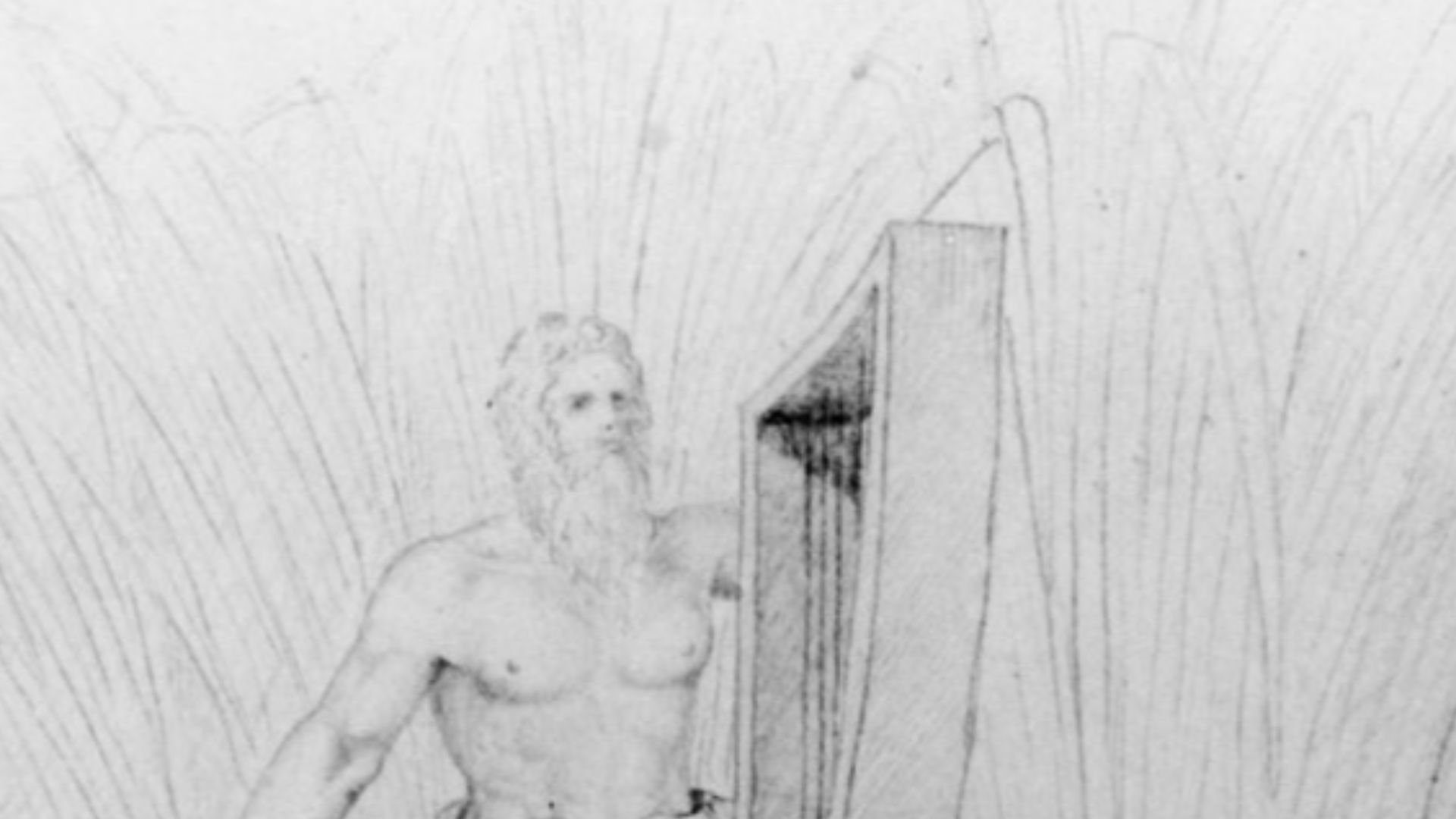 Carl Wahlbom, Wikimedia Commons
Finland: The Spirits of Lake Saimaa
Finland’s Lake Saimaa has long inspired tales about water beings who rescued trapped seal pups and could be recognized by their sweet song. The Saimaa ringed seal is indeed a real and rare freshwater seal, formally recognized by science and conservation work in the modern era.
But the benevolent lake spirits, whether half-fish creatures or merely the singing spirit of the lake itself, have yet to be confirmed.
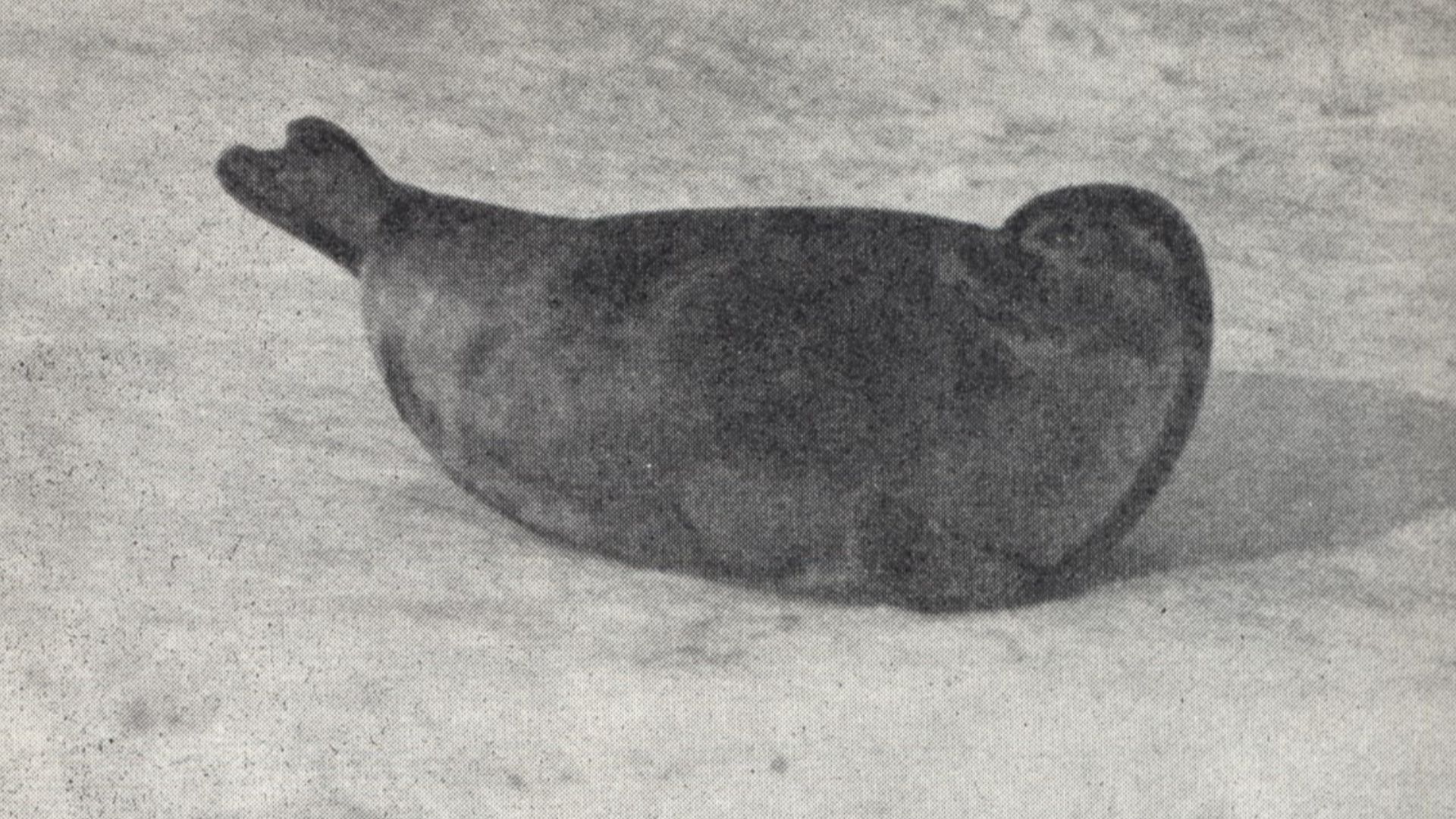 A. Pedersen, Wikimedia Commons
Russia: The “Baba Yaga” House That Walks
Baba Yaga is a famous Slavic folktale character, often depicted living in a hut on chicken legs. The stories were collected and published in the 19th century by folklorist Alexander Afanasyev, which helped fix Baba Yaga in print. The odd image of a moving house is one reason the character still feels fresh.
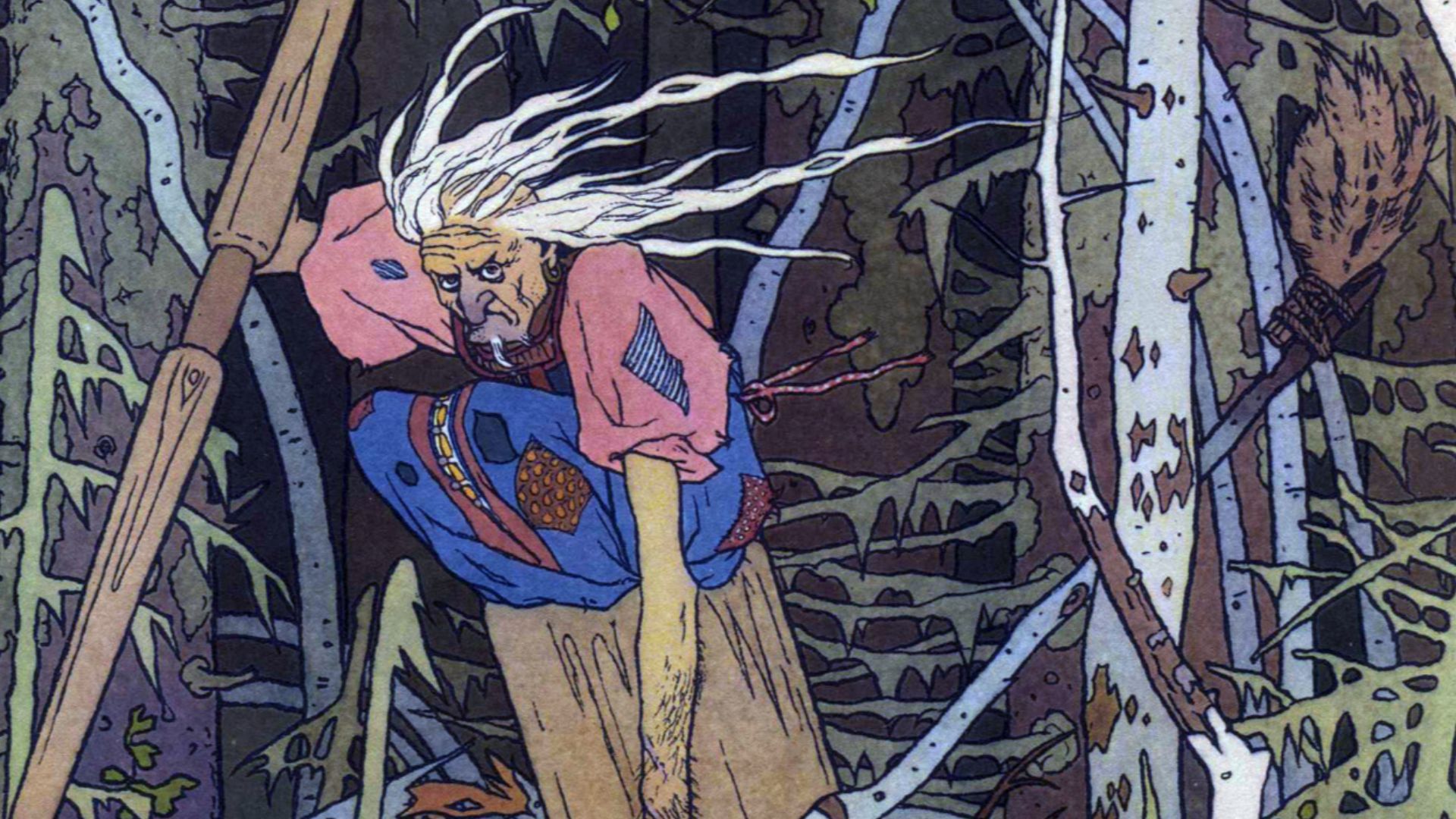 Ivan Bilibin, Wikimedia Commons
Turkey: The Lake Where The Cats Love Water
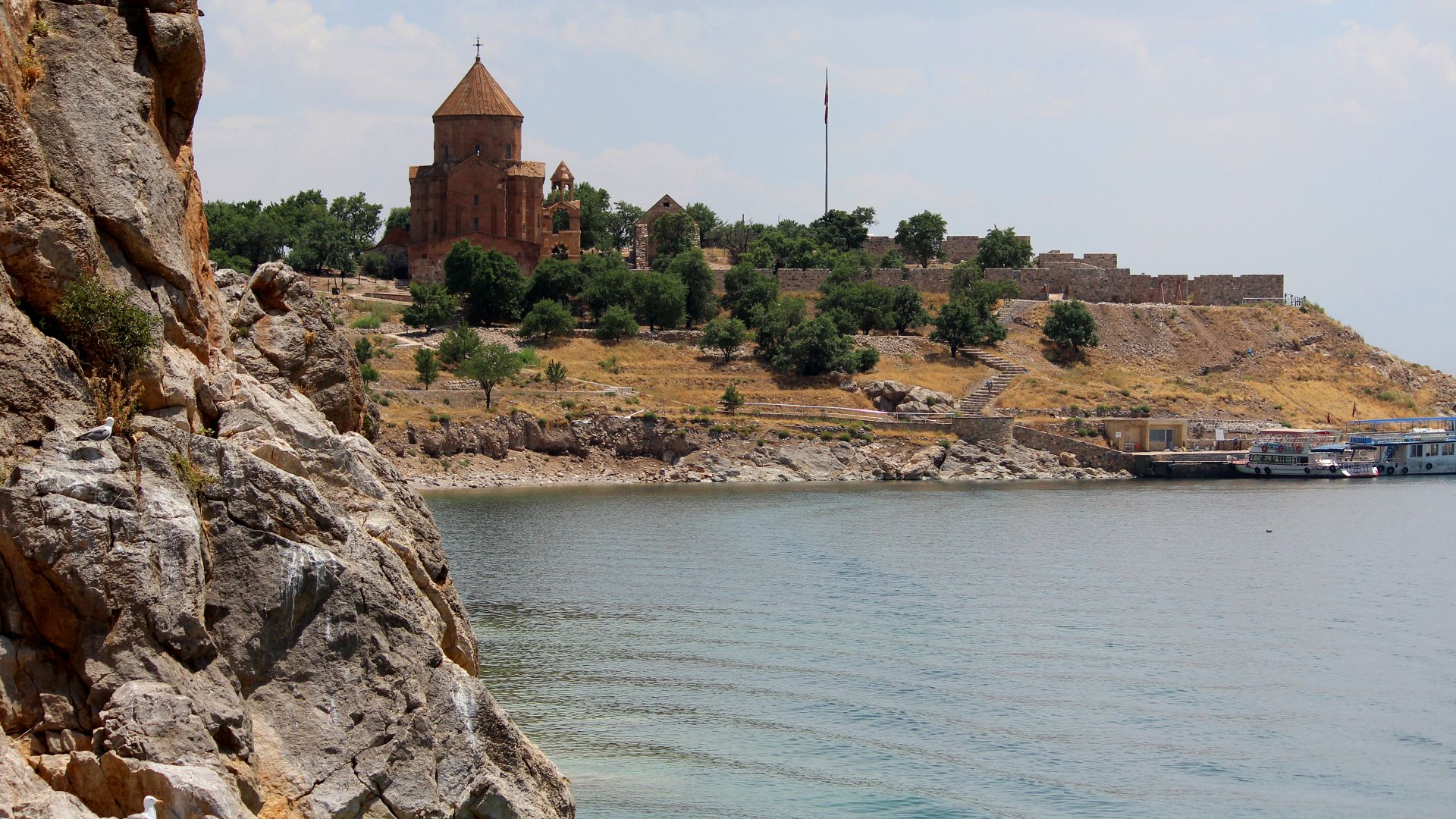
Lake Van is tied to regional lore, and the famous Turkish Van cat became part of local identity for its reported love of water and swimming. The breed’s reputation grew through 20th-century attention and later conservation and breeding programs. Though most modern Turkish Vans have only a tenuous connection the Lake Van, they still bear the nickname "Swimming Cats," and owners often claim they have an unusual affinity for water.
 Armenak Margarian, Wikimedia Commons
India: The “Naale Baa” Doorway Warning
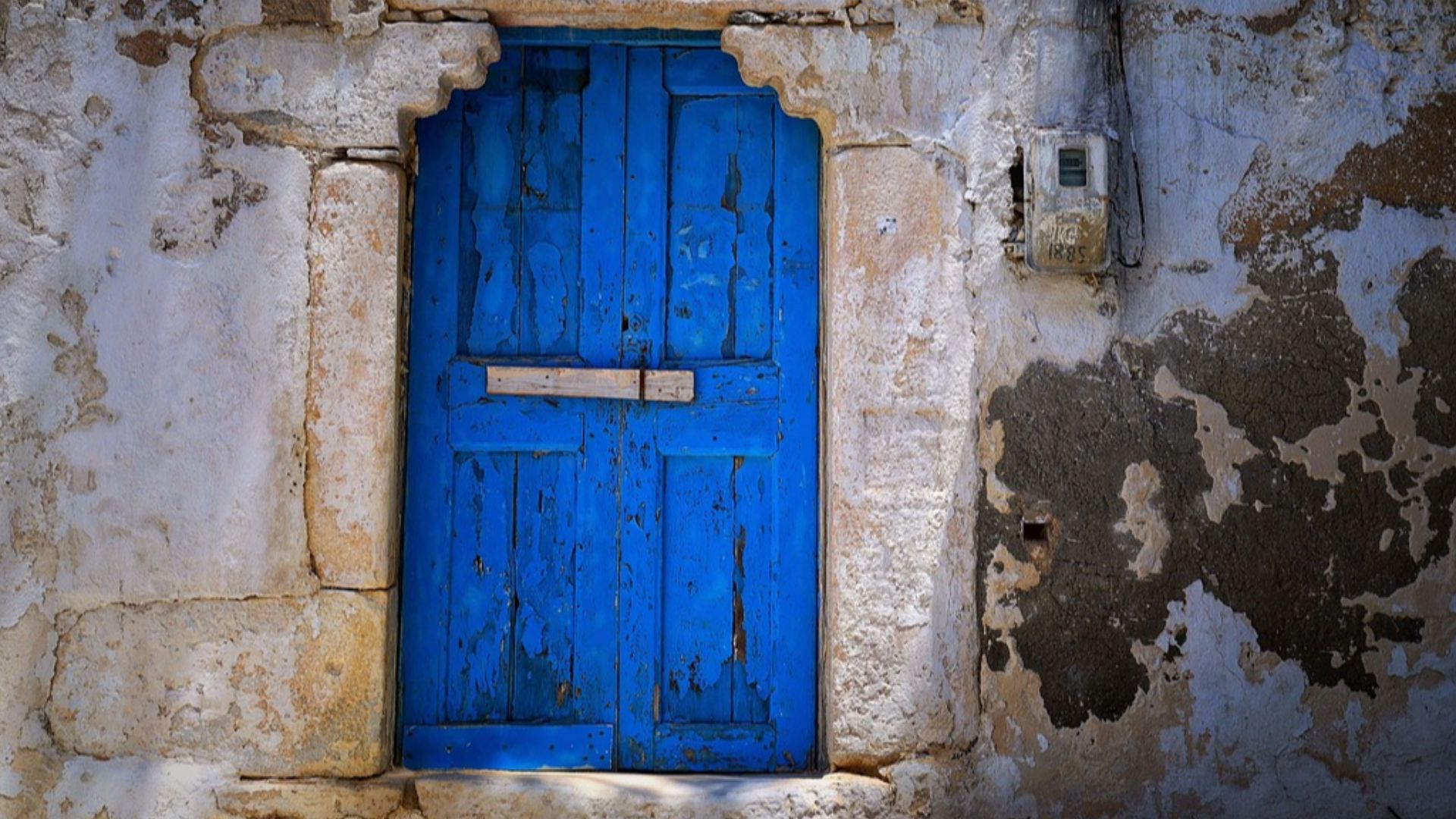
In parts of Karnataka, a legend warns of an evil spirit said to knock on doors at night and lure people outside. Residents began writing "Naale Baa," on their doors as a protective trick, meaning “come tomorrow.” The story has been discussed as folklore and as a modern urban legend that reflects real community fears.
The surprise here is how recent it is: Naale Baa has its roots in the 1990s.
China: The Jiangshi Hops Between Folklore And Pop Culture
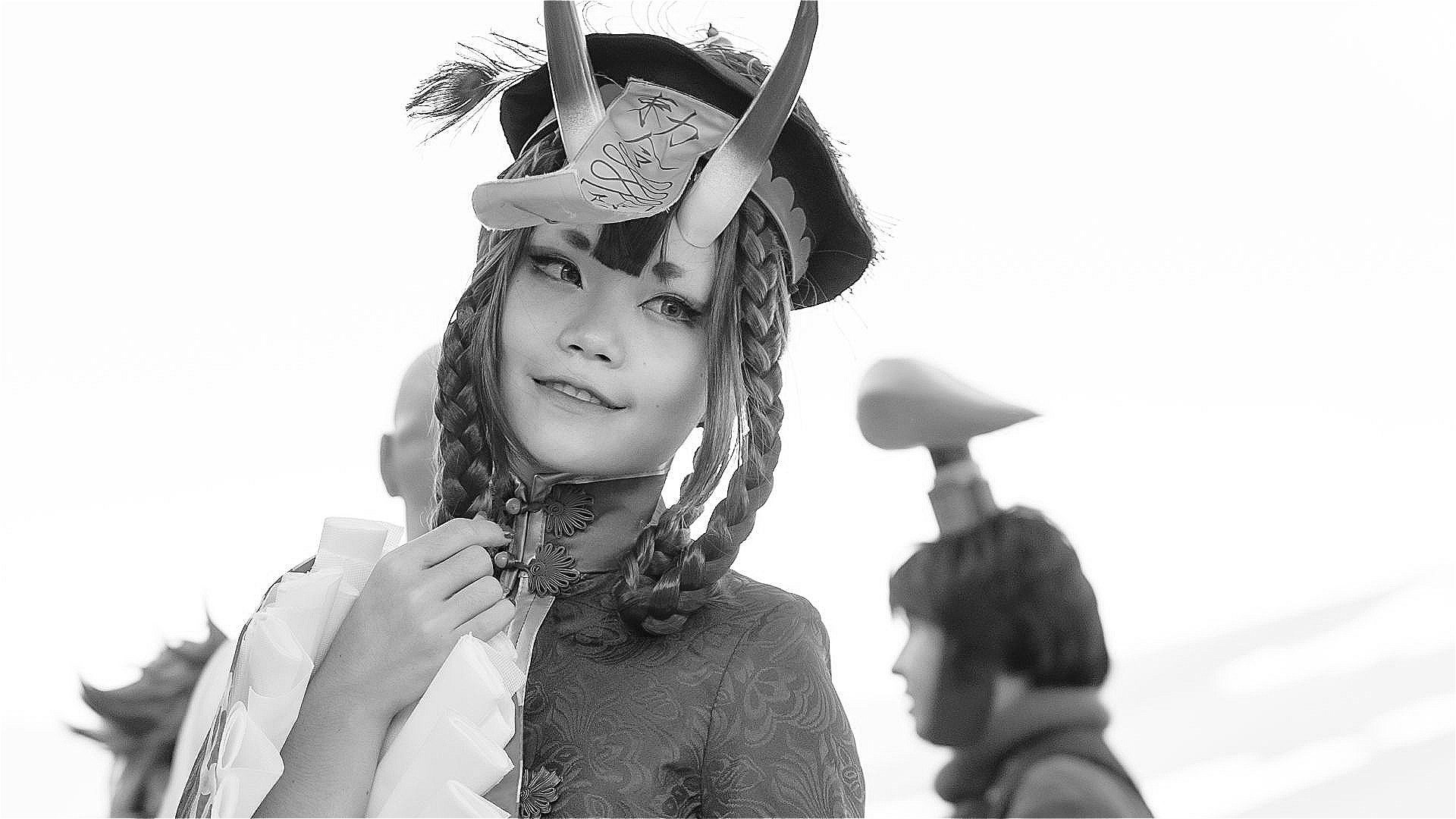
In China, a jiangshi is a folkloric monster originally depicted as a violent reanimated corpse that wears official robes and devours children. The concept is rooted in folklore, but later exploded in Hong Kong cinema in the 1980s, becoming an entire genre unto itself.
Jiangshi today area staple of Chinese popular culture, and they're frequently referred to as the Chinese hopping vampire.
Japan: The Kappa Has Rules, Weaknesses, And A Favorite Food
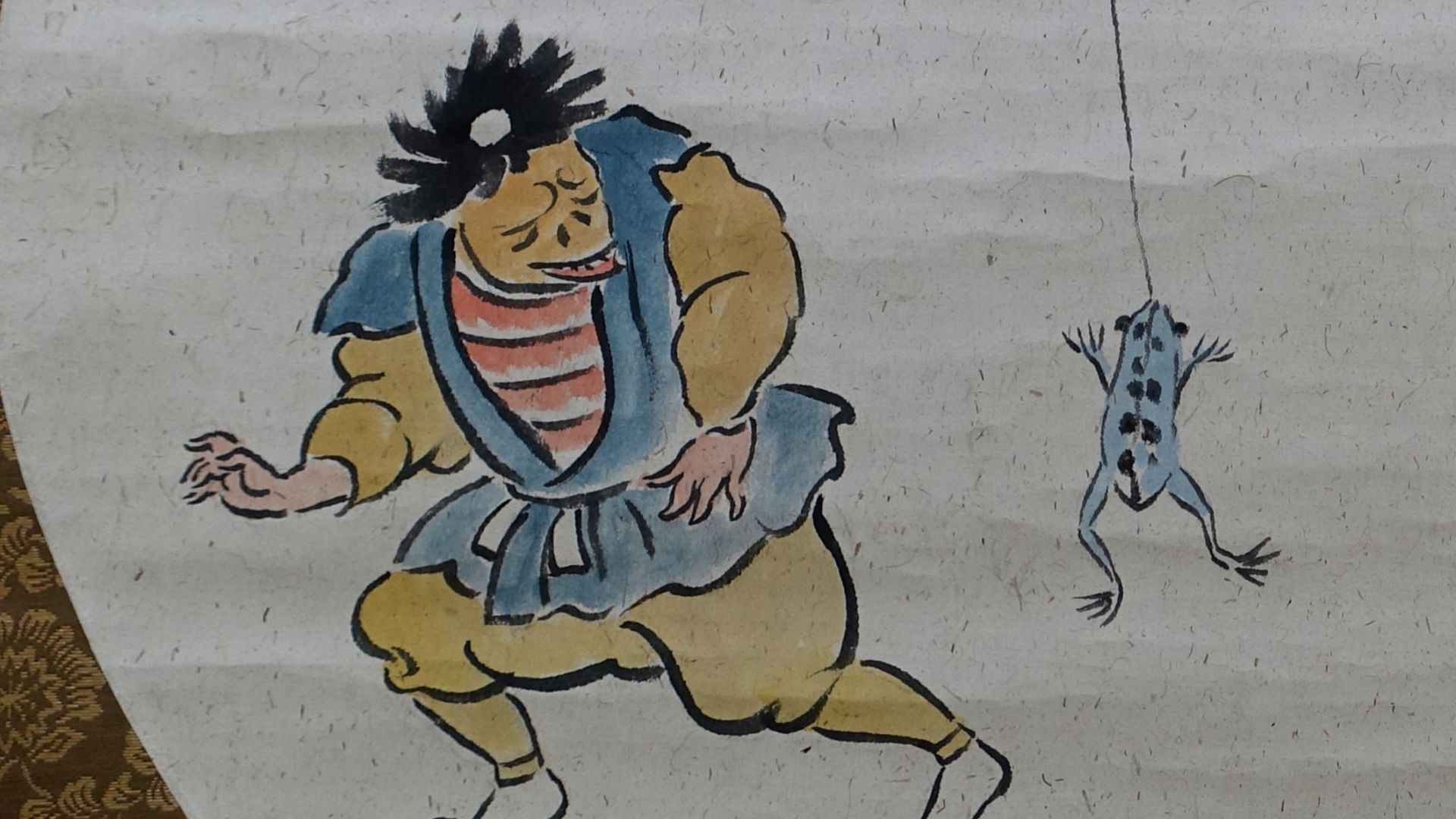
Kappa are river creatures in Japanese folklore, known for mischief and for a dish-like hollow on their head that holds water. Folklore gives them specific rules, including ways to defeat them, which makes the legend feel like a field guide. Many museums and local sites in Japan preserve kappa-related objects and stories as cultural history.
South Korea: The Dokkaebi Is Not A Devil
Dokkaebi are Korean folkloric beings often mistranslated as demons, but they are closer to goblins with a taste for tricks and tests. They appear across classic tales, sometimes rewarding courage and sometimes punishing greed. The legend’s staying power comes from how human the moral lessons are, even when the creature is not.
Their appearance in KPop Demon Hunters didn't hurt either.

Thailand: The Krasue Floats At Night
The krasue is a Southeast Asian legend of a woman's disembodied head who flies with her organs exposed and dangling, hunting at night for blood and raw flesh. In Thailand, the story appears in folk belief and has been repeatedly adapted into films and TV. Its persistence across borders in Southeast Asia makes it one of the region’s most recognizable and unsettling supernatural ideas.
 Xavier Romero-Frias, Wikimedia Commons
Indonesia: Nyai Roro Kidul And The South Sea
On Java, Nyai Roro Kidul is the legendary Queen of the Southern Sea, tied closely to coastal power and palace tradition. The story is deeply embedded in Javanese culture, with a long history of retellings and royal associations.
Wearing green remains very taboo in Indonesia today, because it is supposed to be the Queen's favorite color, and wearing it is disrespectful to her.
 Jakub Hałun, Wikimedia Commons
Australia: The Bunyip Surfaces In Early Newspapers
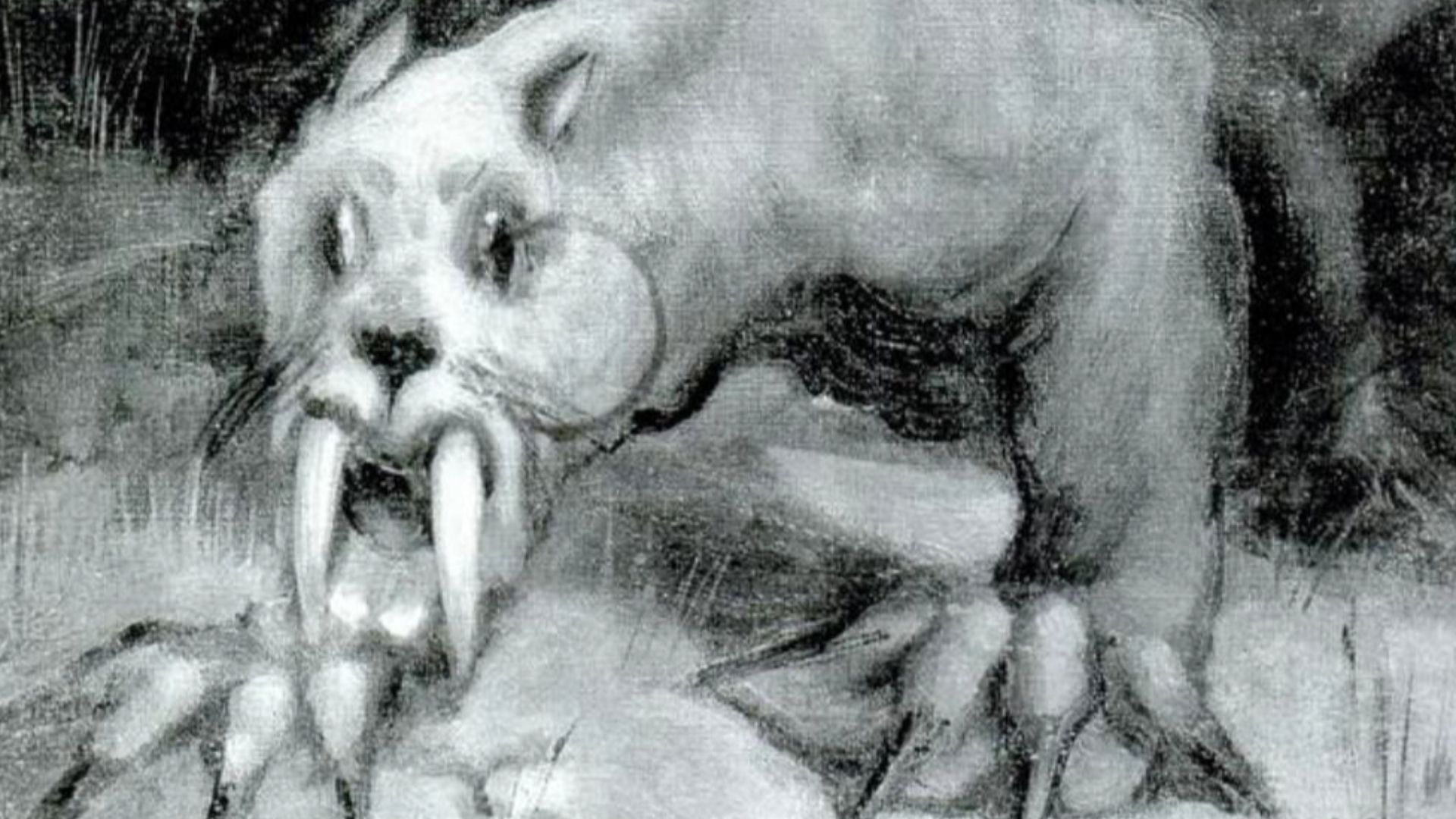
The bunyip is a creature from Aboriginal Australian folklore, associated with swamps and waterways. The legend entered colonial print culture in the 1840s, when newspapers reported claims and debates about what it might be. The story is a reminder that “local legend” can be both Indigenous tradition and a media phenomenon.
 Charles Douglas Richardson (1853-1932), Wikimedia Commons
New Zealand: The Taniwha Guards Rivers And Passes
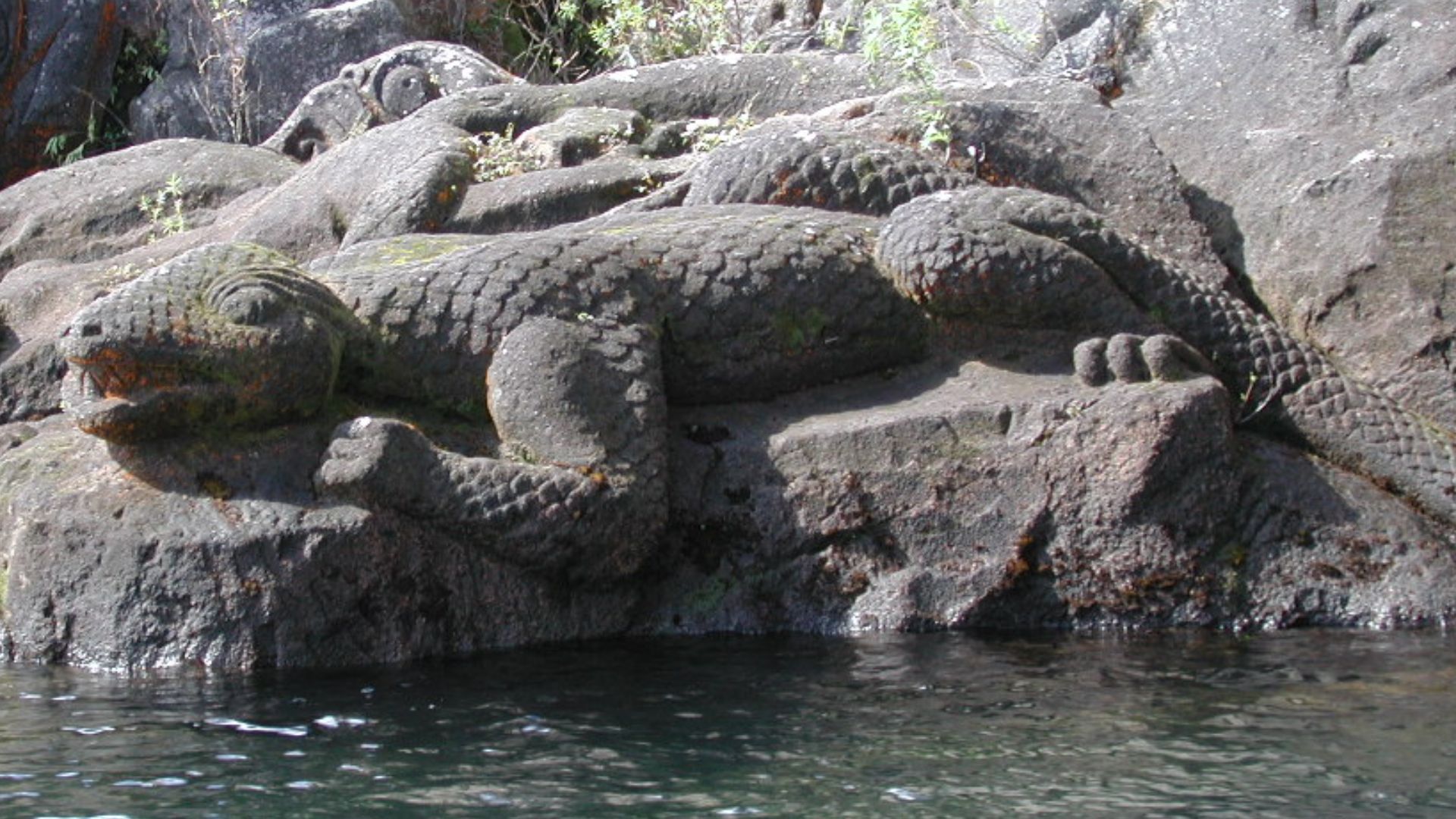
In Māori tradition, taniwha are powerful beings that can live in rivers, caves, or the sea, and they can be protective or dangerous. The stories are region-specific, often linked to particular places and family histories. That tight connection to geography is what makes taniwha legends feel less like fantasy and more like a living map.
 Pseudopanax at en.wikipedia, Wikimedia Commons
South Africa: The Tokoloshe Keeps People Awake
The tokoloshe is a figure in Southern African folklore, often described as a mischievous or malevolent being blamed for trouble at night. The legend is widely discussed in cultural reporting and folklore studies, including how it intersects with fear, sleep, and household life. It remains a potent story in many communities today.
 Dietmar Rabich, Wikimedia Commons
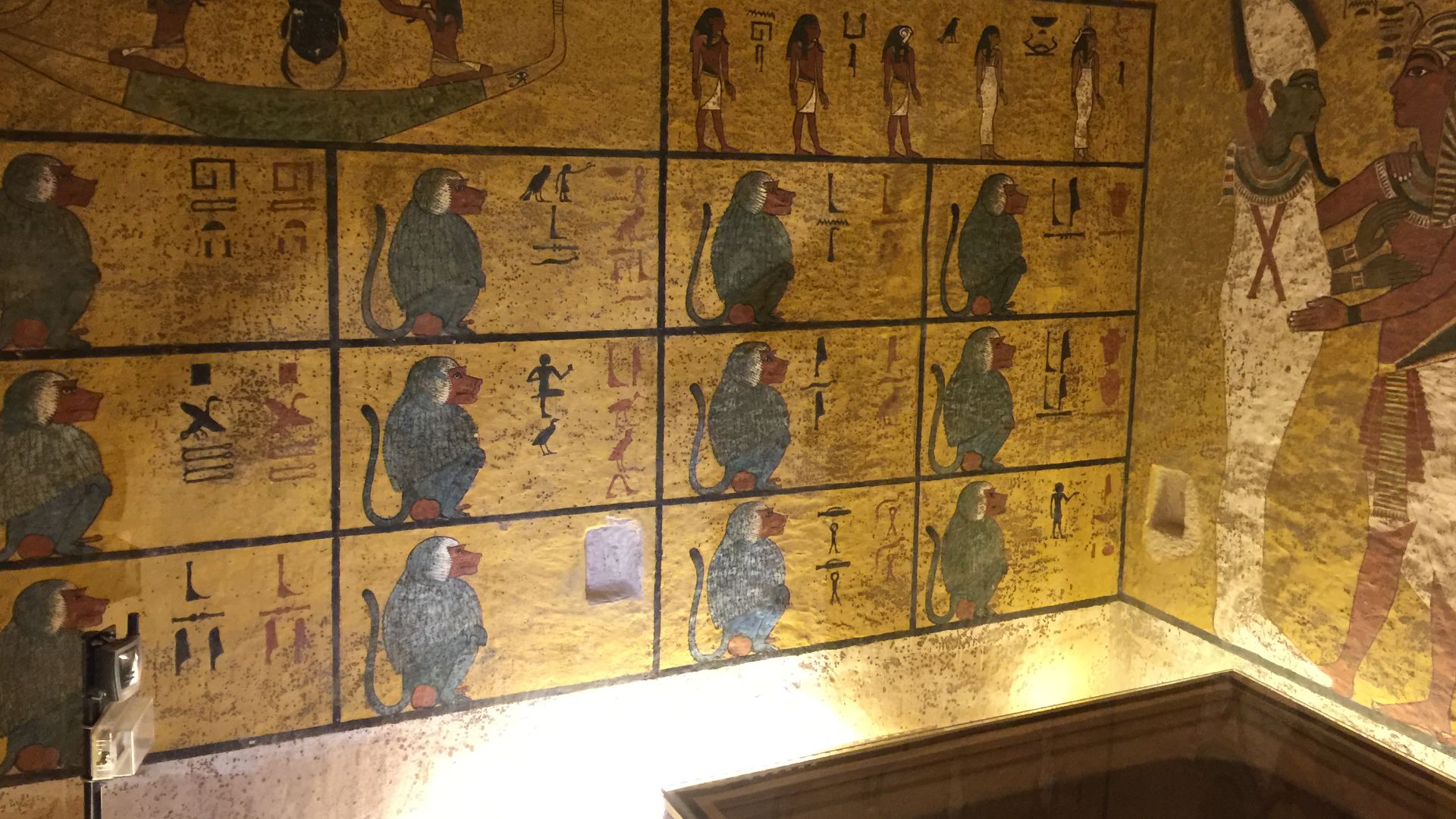
Egypt: Ancient Curses And The Real Discovery Of Tutankhamun
The “mummy’s curse” idea existed before the 1920s, but it caught fire after Howard Carter found Tutankhamun’s tomb in November 1922. Lord Carnarvon, Carter’s patron, died in April 1923, and newspapers helped stitch his death into a curse narrative. The curse is legend, but the excavation timeline, the people involved, and the media frenzy are solid history.
 EditorfromMars, Wikimedia Commons