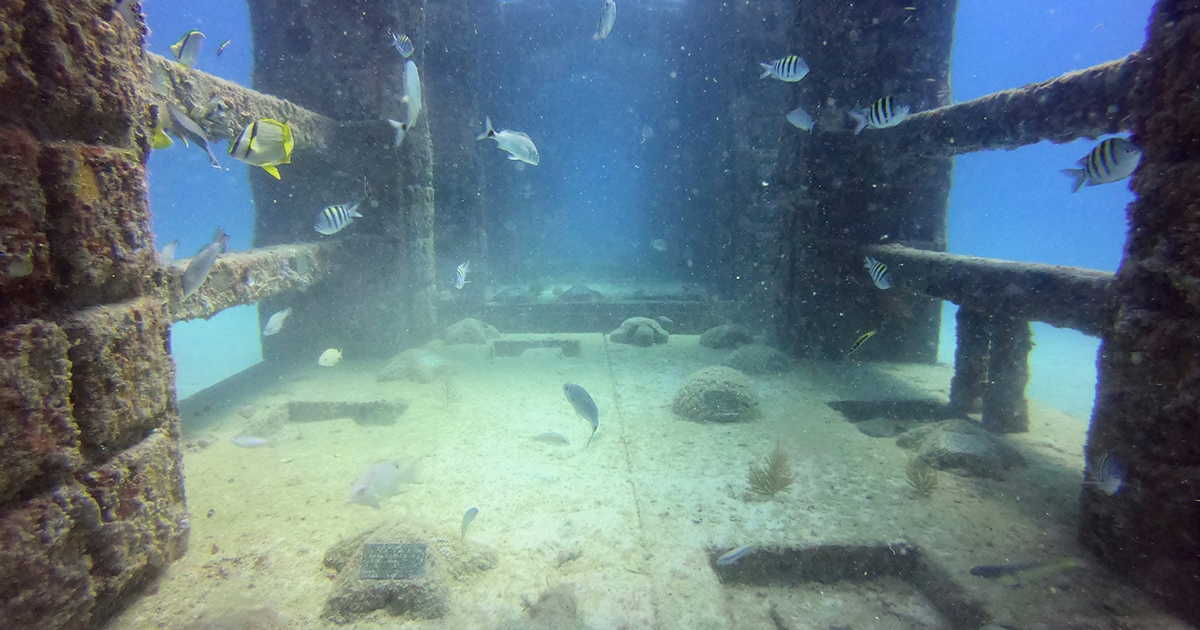
The Neptune Memorial Reef
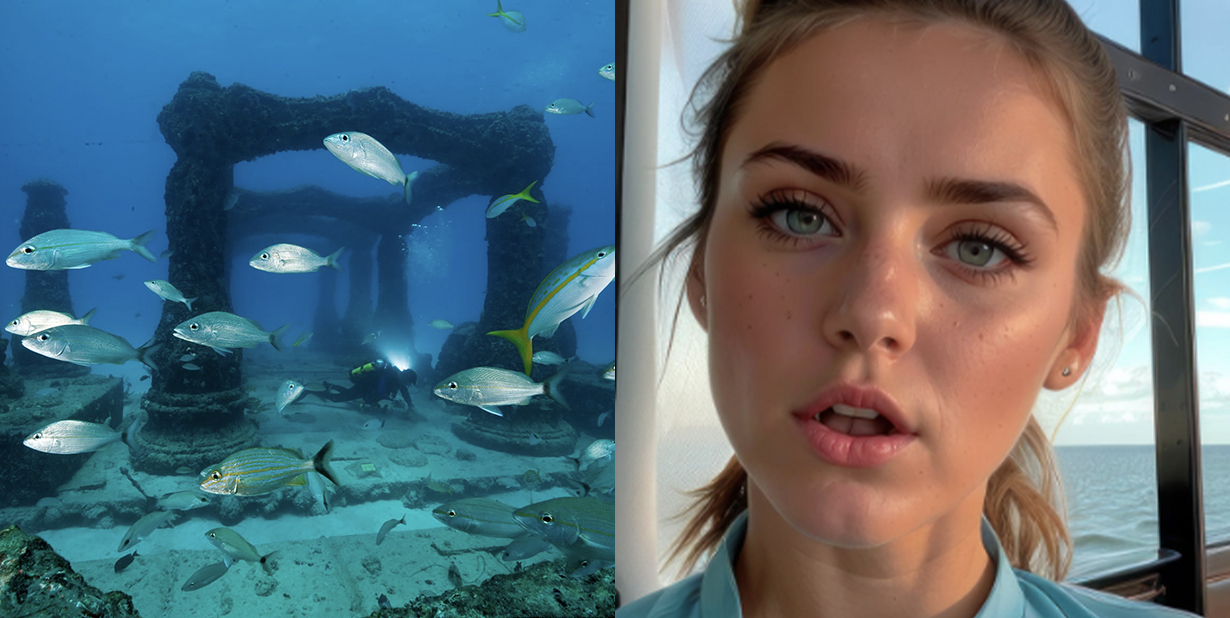
In the azure depths off the coast of Miami, Florida, there lies a city unlike any other: the Neptune Memorial Reef. This intriguing and unique underwater tomb blends art, marine biology, and the afterlife, creating an eco-friendly resting place for those who have passed on.
A fusion of creativity and commemoration, the Neptune Memorial Reef offers an eternal connection between the beauty of life and the vastness of the ocean.
Origins of the Memorial
Inspired by the lost city of Atlantis, the Neptune Memorial Reef was conceived by Gary Levine and designed by artist Kim Brandell.
It began as a vision to create a tranquil, eco-friendly space that would serve as a living tribute to the departed. Launched in 2007, the reef is the world's largest man-made reef, sprawling across 16 acres of ocean floor, about 3.25 miles off the coast of Key Biscayne.
Design and Structure
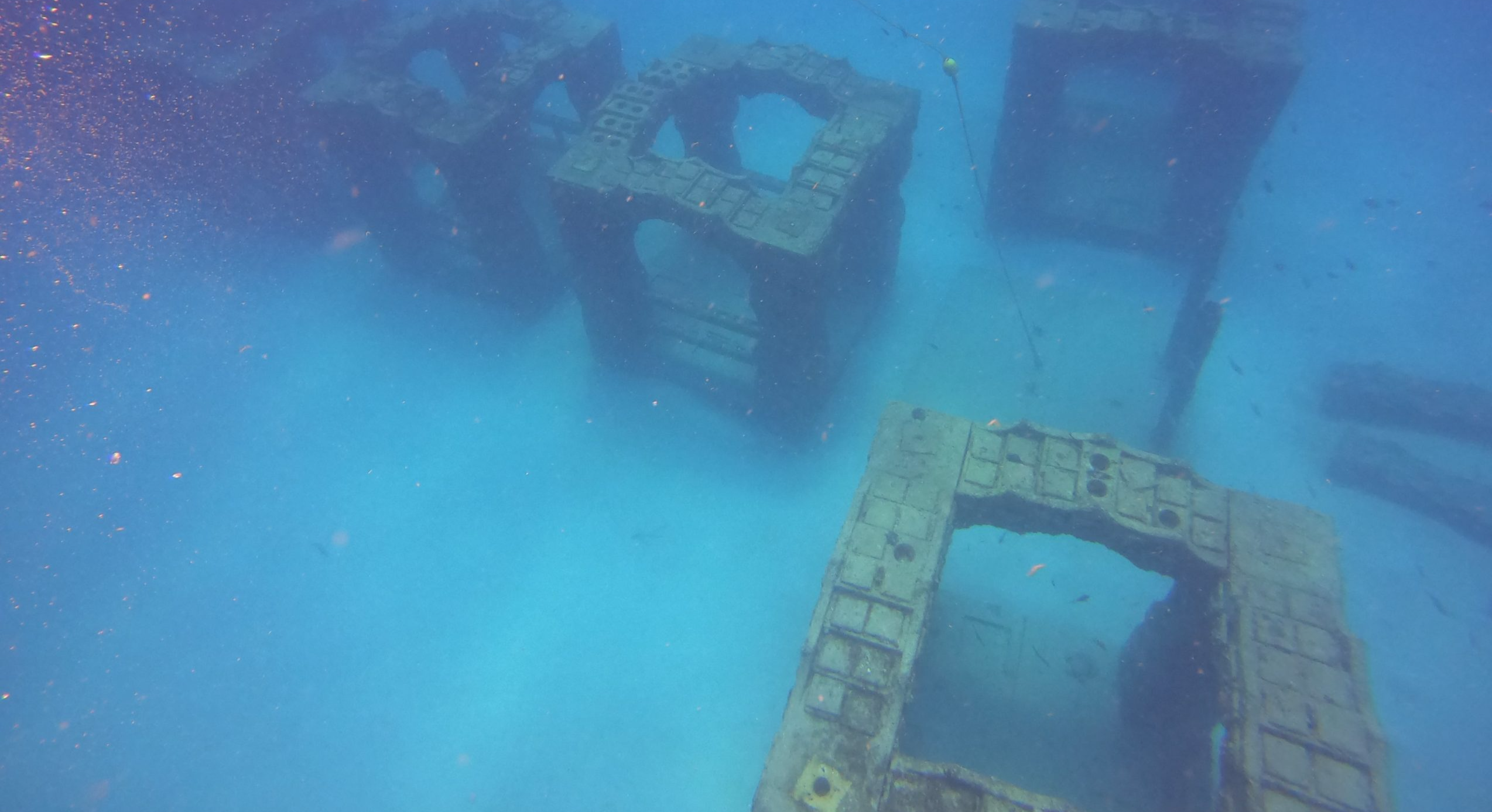
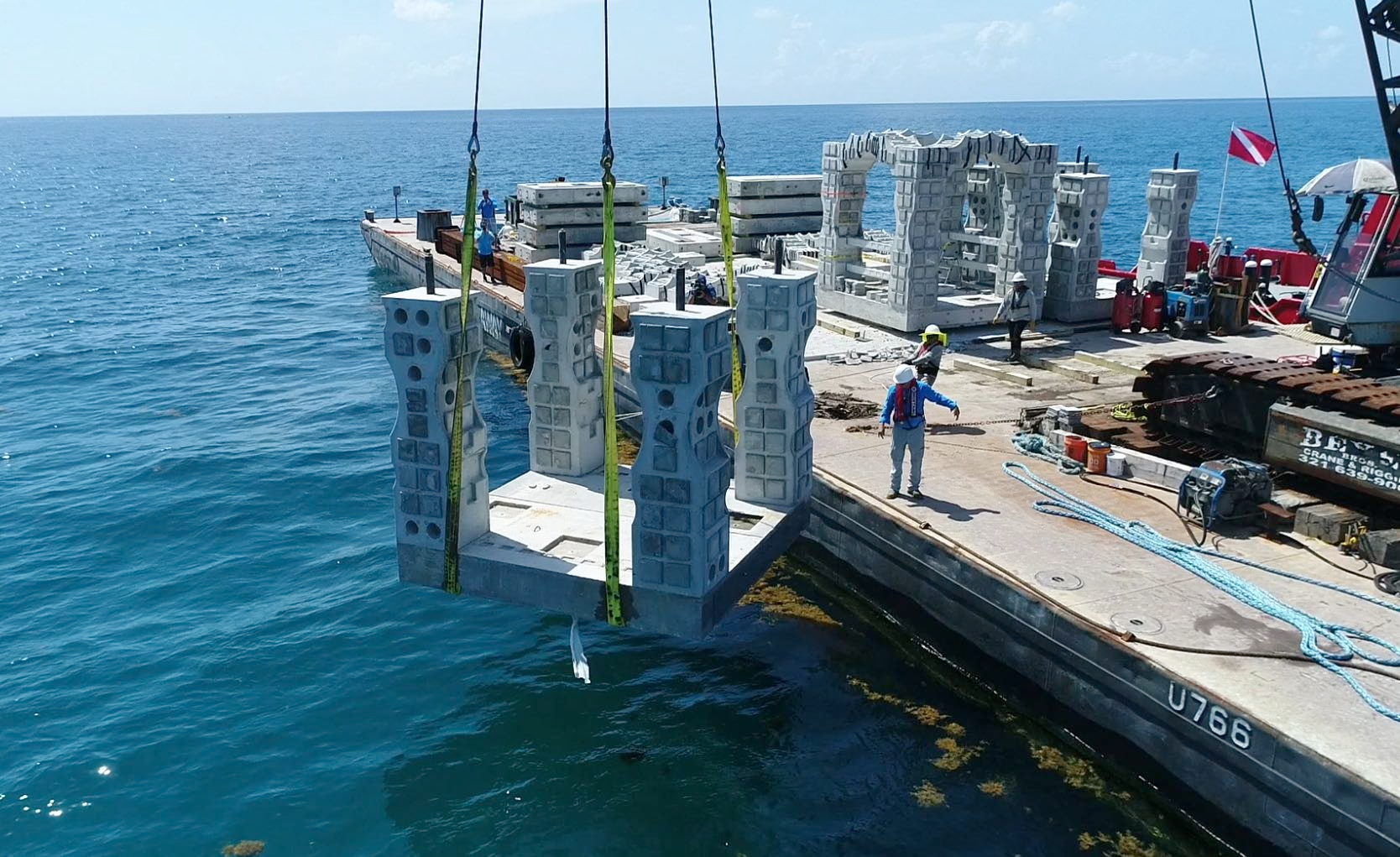
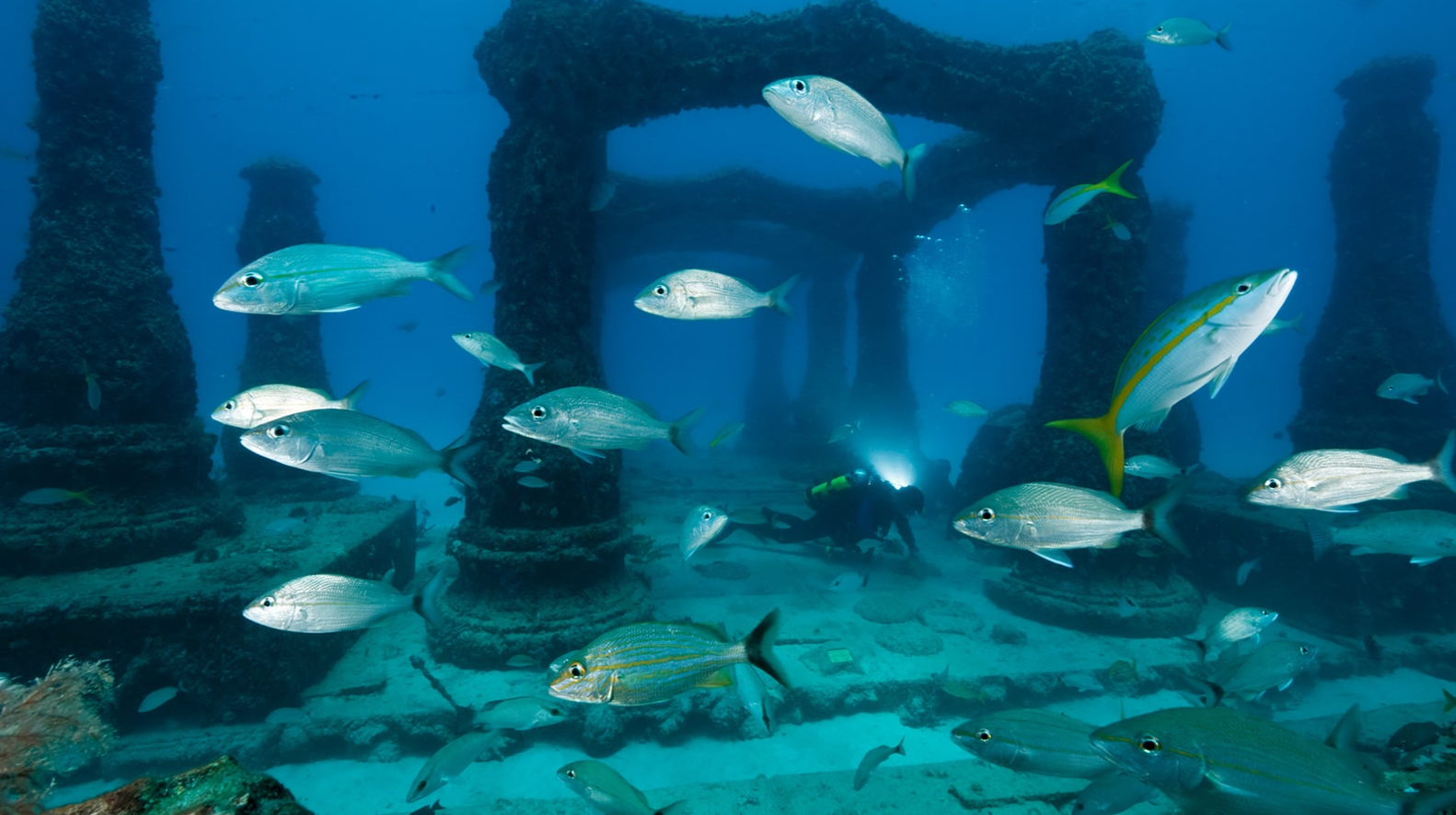
With its grand gates, stone roads, and statues, the reef resembles the ruins of an ancient, submerged city.
It's not just an artistic masterpiece; it's also an environmental endeavor. The structures are made of pH-neutral concrete, which helps promote marine life growth.
Over time, the reef has transformed into a thriving marine habitat, attracting corals, sponges, and a variety of fish species.
The Underwater Mausoleum
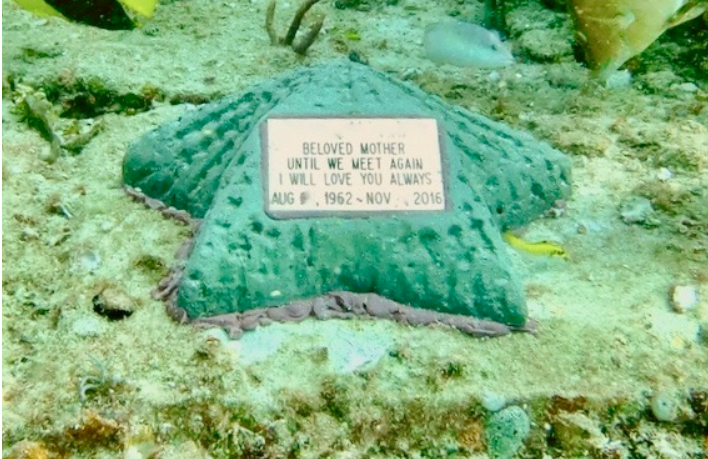
As a memorial site, the Neptune Memorial Reef offers a unique opportunity for cremated remains to be incorporated into the reef itself.
These remains are mixed with marine-grade cement to form individual memorial stones, which are then placed within the reef's structures.
To date, more than 1,000 individuals have chosen this serene underwater realm as their final resting place. The reef has the capacity to hold the remains of over 125,000 individuals once fully developed.
Ecological Impact
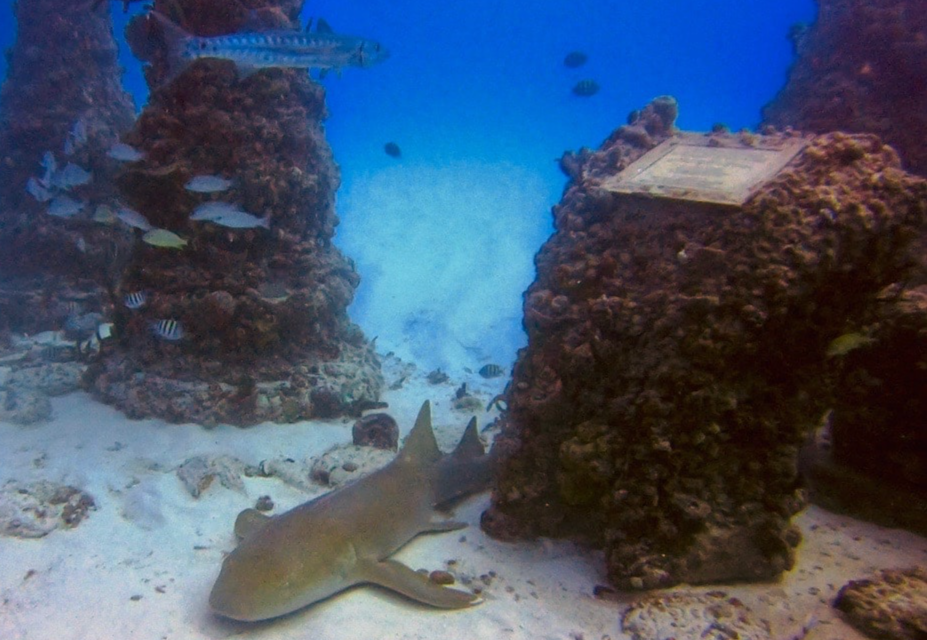
Beyond its function as a memorial, the reef has made significant strides in marine conservation. As an artificial reef, it offers a habitat to a myriad of marine life, enhancing the biologic productivity of the area.
Over the years, it's not only become a place of remembrance but also a vital marine sanctuary. Researchers and marine biologists frequently visit the site to study its evolving ecosystem.
Visiting the Reef
The Neptune Memorial Reef is not only for the departed; it's also a fascinating spot for the living.
Divers from around the world come to explore its labyrinthine structures and witness its burgeoning marine life.
With its depth ranging from 40 to 85 feet, it's accessible to both beginner and experienced divers. For those who wish to pay respects or simply indulge their curiosity, numerous dive tours operate in the area.
The Future of the Reef
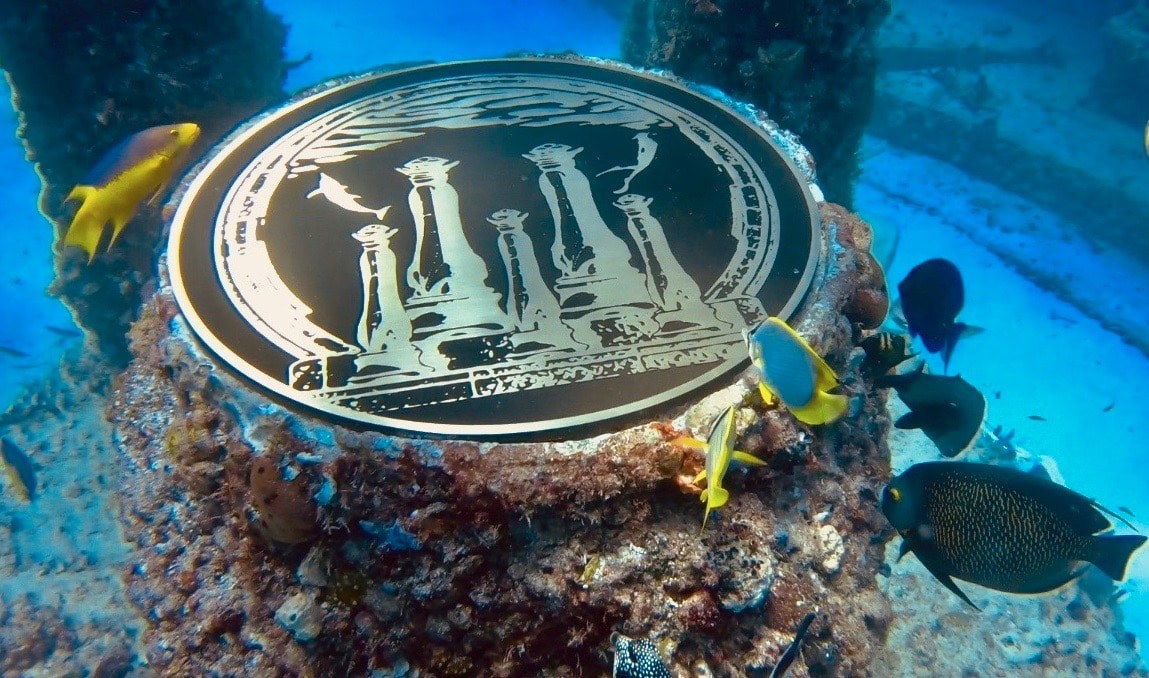
The project is continually evolving, with plans to expand and add more intricate statues, columns, and archways.
The ultimate aim is to transform the entirety of the 16-acre site into a stunning underwater city, where art, memory, and marine life coalesce in harmony.
Tours & Visitation
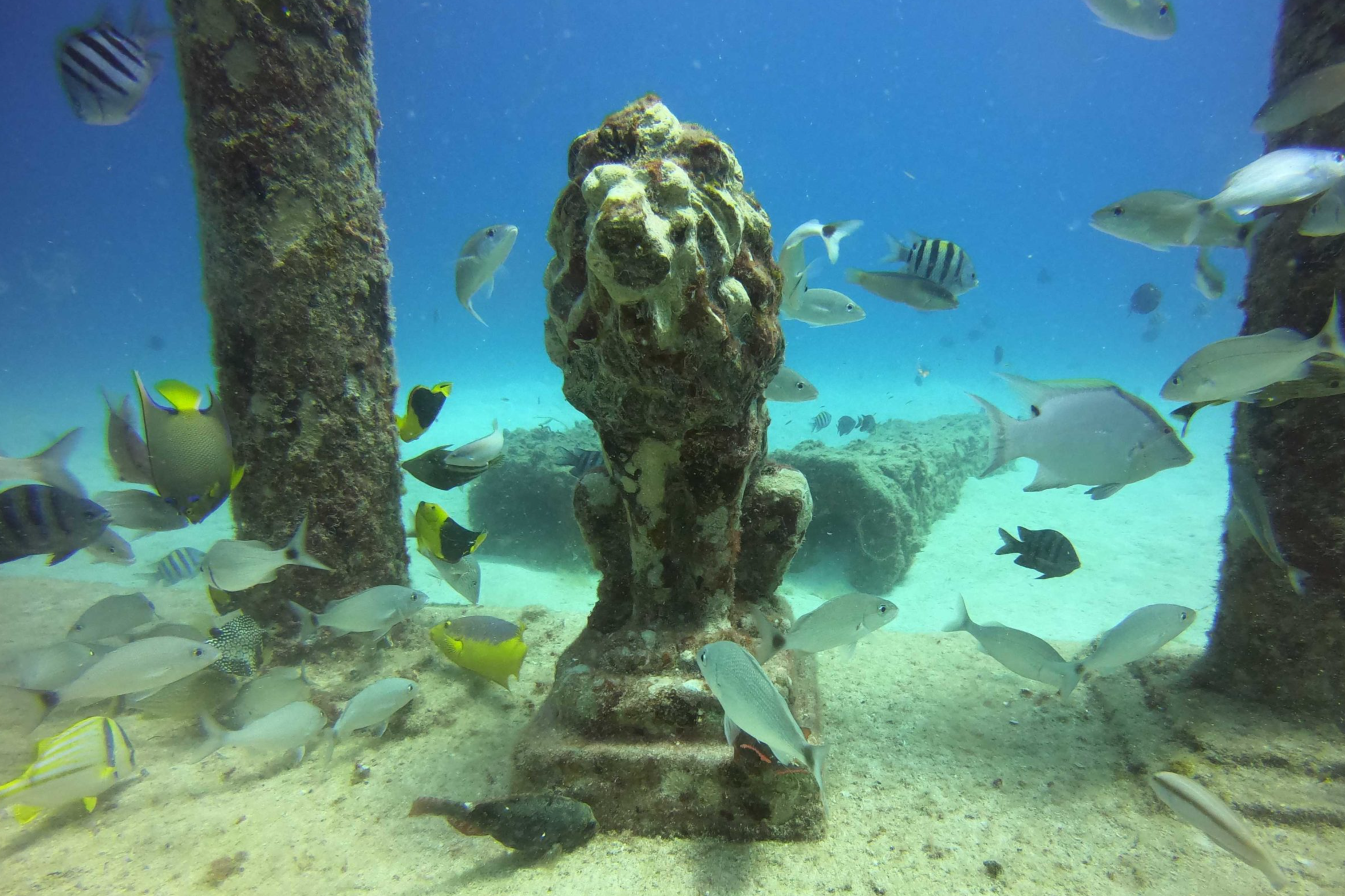
Visiting or interning a loved one at the Neptune Memorial Reef is a unique experience. To assist with understanding the costs and options, here's a general overview of the packages available. It's always a good idea to contact the reef directly for the most up-to-date and accurate pricing.
Diving Visits:
Basic Dive Tour: Approximately $80-$120. This typically includes a guided dive of the Neptune Memorial Reef. Equipment rental might be extra.
Photographic Dive: Around $150-$200. Along with the guided dive, this package often includes a professional underwater photographer to capture your experience.
Memorial Services
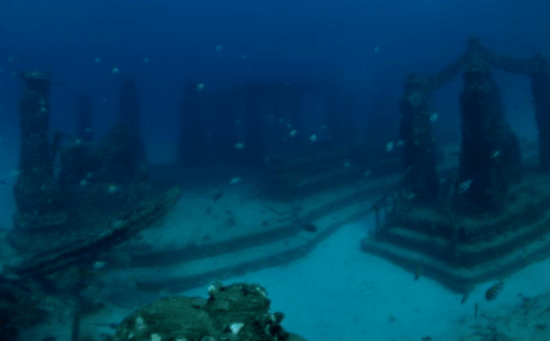 Neptune Memorial ReefNeptune Memorial Reef
Mixed Memorial Stone: Starts at $1,500. This option allows for the cremated remains to be mixed with marine-grade cement, forming individual plaques which are then placed within the reef structures.
Featured Placement: Starting from $3,500. The ashes are integrated into a more prominent location within the reef, such as near a statue or central structure.
Premium Memorial: Starting at $8,000. This is a top-tier package that offers a dedicated memorial statue or a larger, more intricate plaque.
Additional Memorial Services
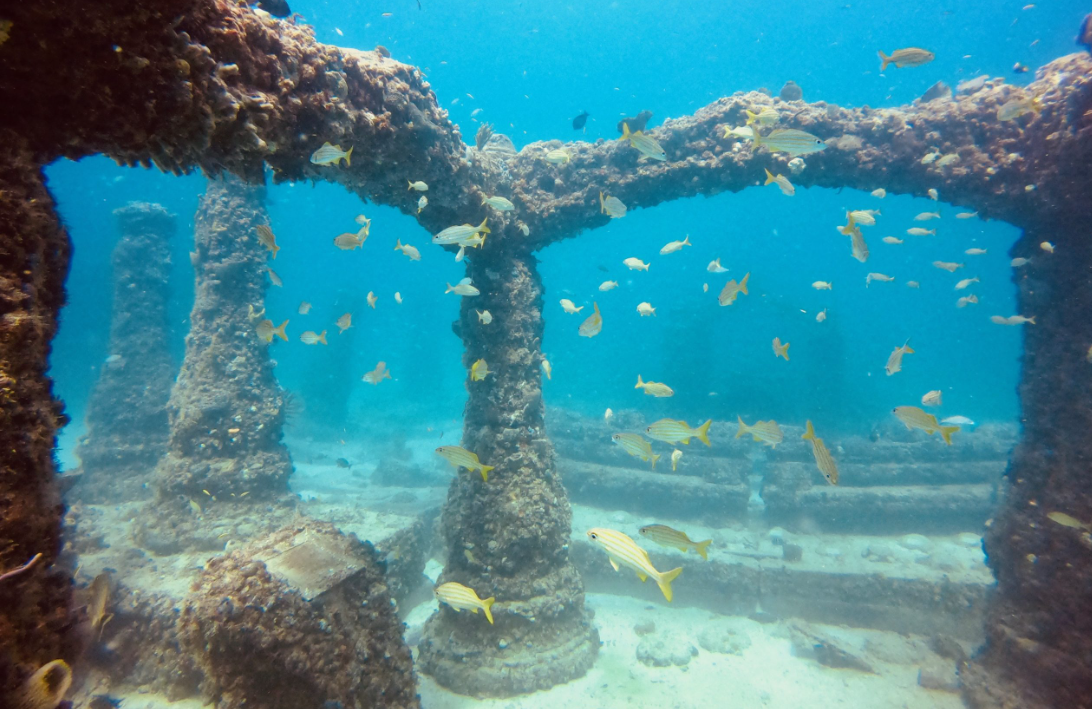
Underwater Memorial Service: Approximately $500-$1,000. This is for families wishing to hold a service underwater with a group of divers in attendance.
Virtual Memorial Service: Around $200. For those unable to dive or attend in person, a virtual service can be arranged, where the internment is filmed and shared.
Annual Maintenance Fee: About $150. This covers the upkeep of the memorial stone or plaque.
All the above prices are approximate and can vary based on specific requirements, add-ons, and changes in pricing policies.
For the most accurate and comprehensive pricing details, potential visitors or families interested in interment services should get in touch directly with the Neptune Memorial Reef or with associated dive operators in the Miami area.
Conclusion
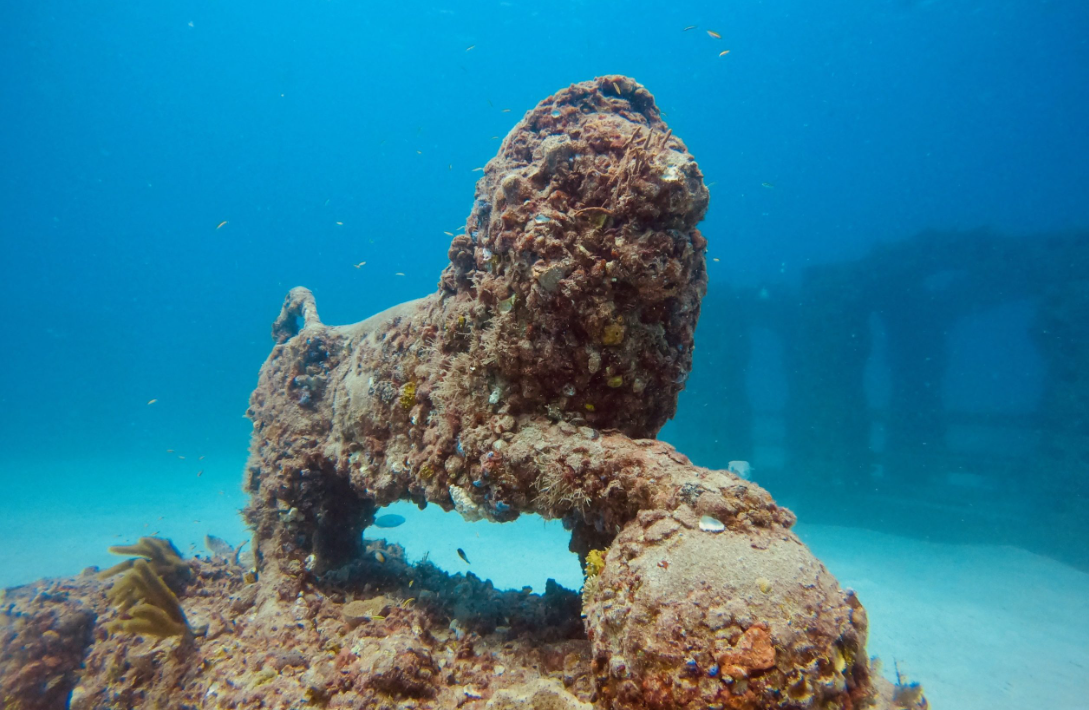
The Neptune Memorial Reef is a testament to human ingenuity and a deep reverence for the circle of life. It reminds us that even in death, there's an opportunity to give back, to nourish the planet, and to be a part of something bigger than oneself.
As it continues to grow, both as a memorial and as an ecological haven, the reef stands as a poignant symbol of life's enduring beauty and mystery.