Laws Are Different Up There
Canadians and Americans share a border, but not the same rulebook. Many everyday Canadian habits—from snacks to parenting choices—would shock Americans because they’re banned, restricted, or weirdly over-regulated in the U.S. Here are the most surprising cross-border contrasts.
Buying Classic Kinder Surprise Eggs
Classic Kinder Surprise—the chocolate egg with a toy hidden inside—is completely legal in Canada. In the U.S., that exact version is banned because federal food laws forbid embedding non‑edible objects in candy. Americans only get Kinder Joy, and Canadians can’t believe the real one is contraband.

Buying Haggis Made With Sheep Lung
Traditional Scottish haggis made with sheep lung is legal in Canada. The U.S., however, bans the import of sheep lungs entirely, meaning authentic haggis can’t be commercially sold there. Canadians are surprised a cultural food is treated like a restricted substance.
 Chris Brown , Wikimedia Commons
Eating or Purchasing Horse Meat
Though not common, horse meat is legal to buy and sell in Canada. In the U.S., federal inspection rules effectively block commercial horse slaughter, making it unavailable. Canadians are shocked something available at specialty butchers is off‑limits across the border.

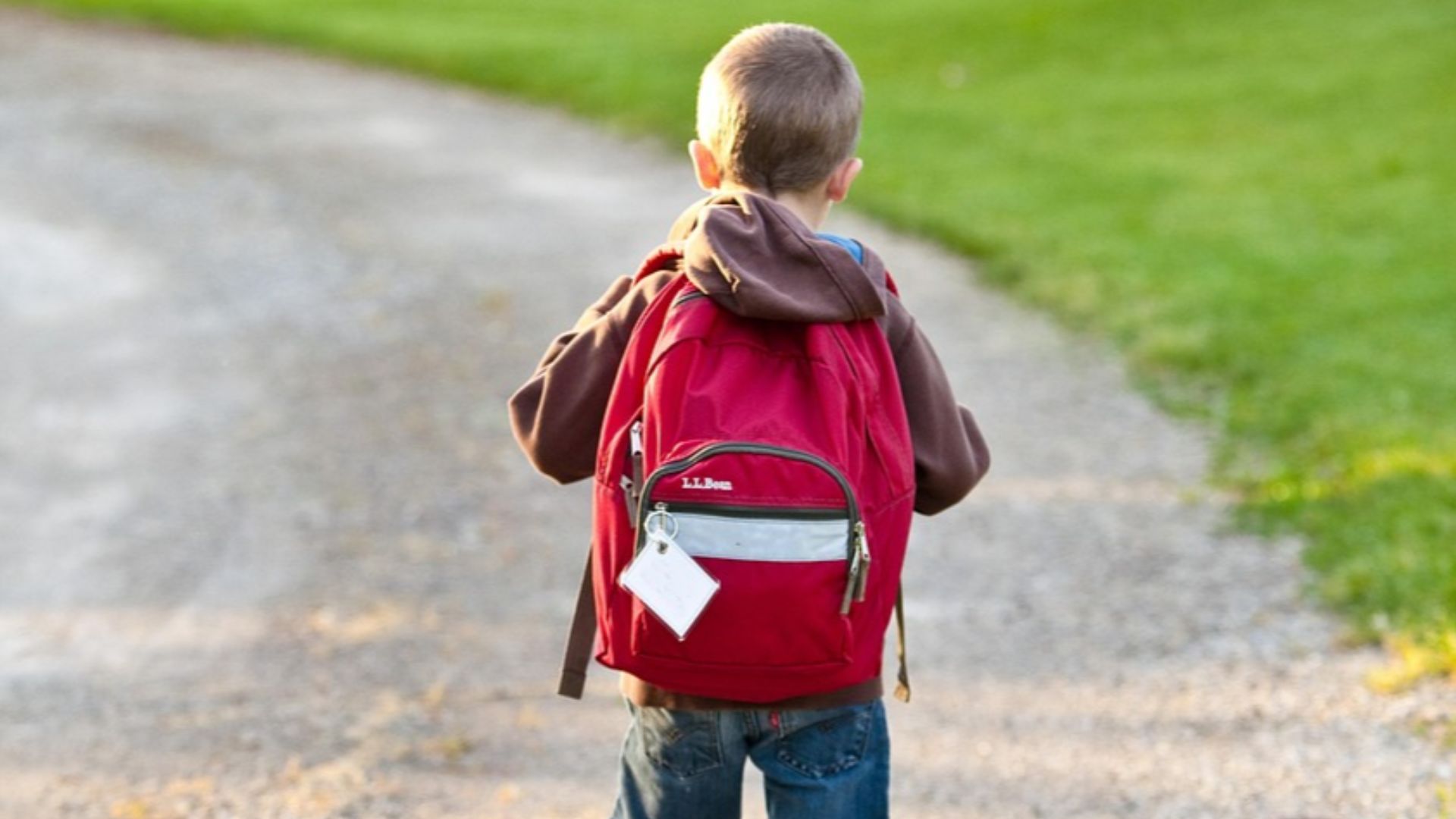
Letting Kids Walk to School Alone
Canada generally doesn’t treat independent kid activities—walking to school or playing outside—as neglect unless clear danger exists. In parts of the U.S., parents have faced police investigations for similar decisions. Canadians are surprised how ordinary parenting choices escalate legally.
Collecting Rainwater
Rainwater collection is fully legal across Canada. In several U.S. states, it has been restricted or requires permits due to water‑rights laws. Canadians are amazed something falling from the sky can be regulated so tightly.

Swearing in Public
Canada doesn’t criminalize casual profanity. In the U.S., some states still maintain old public‑decency laws that can technically allow tickets for swearing. Canadians laugh that dropping an f‑bomb might be considered a minor offense.

Fortune-Telling for Money
Fortune‑telling is legal in Canada as entertainment. In several U.S. towns and counties, selling fortune‑telling services is banned or treated as fraud. Canadians are surprised something so harmless can still be restricted locally.

Buying Axolotls as Pets
Axolotls are legal in most of Canada. In the U.S., several states ban or restrict them as invasive species. Canadians who buy them freely are surprised Americans can face penalties for owning the same pet.

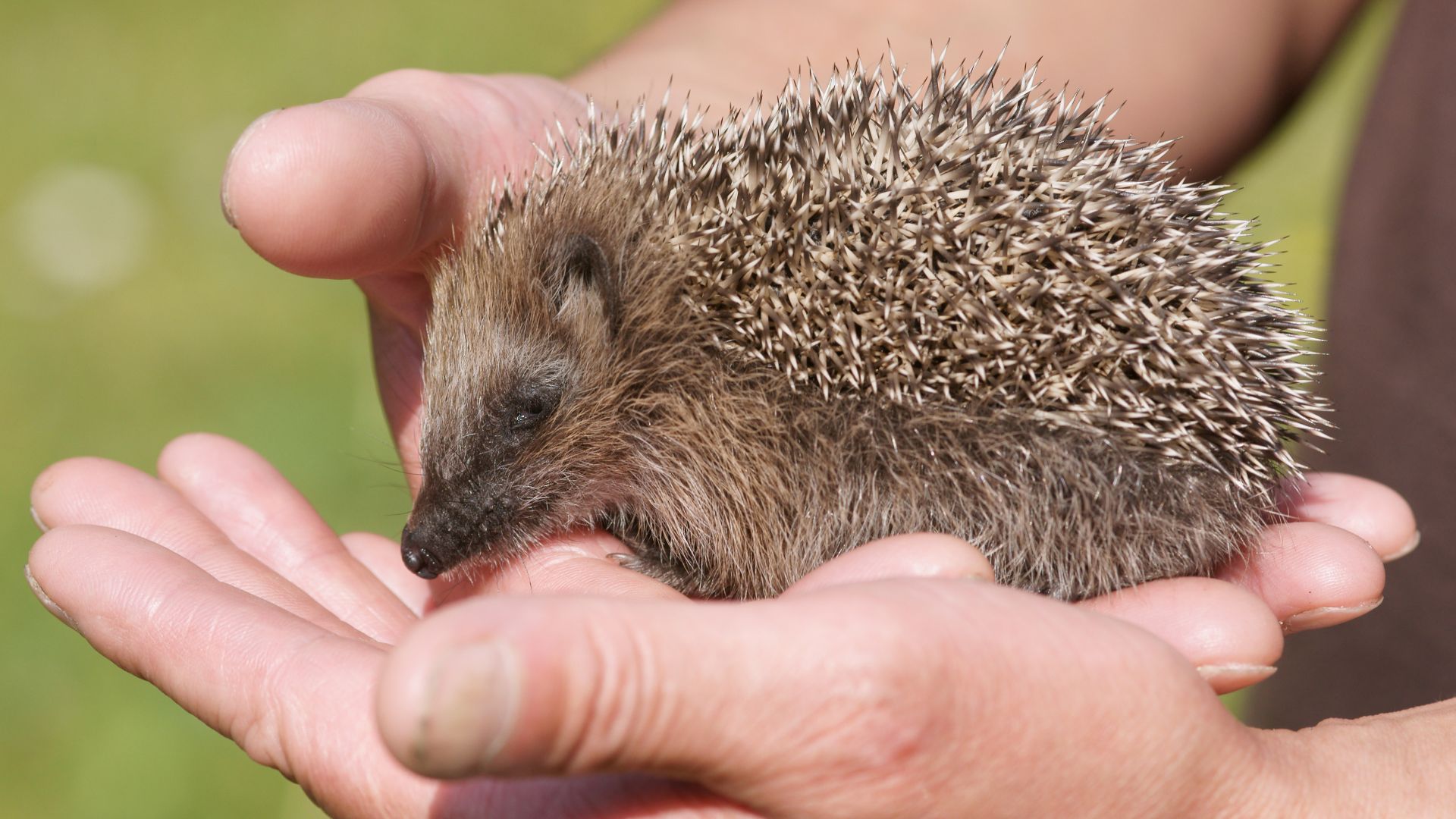
Owning Hedgehogs
Hedgehogs are common exotic pets in Canada. But in parts of the U.S.—including California, Georgia, Hawaii, and New York City—they’re illegal. Canadians can’t believe an animal sold in Canadian pet stores is banned outright elsewhere.
Buying Fireworks Restricted in Many U.S. States
Canada allows consumer fireworks that several U.S. states prohibit due to fire risks. Canadians stocking up for Victoria Day are surprised many Americans can’t buy the same items—or need special permits to use them.

Using Dual-Flush Toilets
Dual‑flush toilets are normal in Canada. Some U.S. regions restricted certain models during water‑efficiency crackdowns, leading to mandated replacements. Canadians find it odd that even toilet technology faces legal complications across the border.
 Eugenio Hansen, OFS, Wikimedia Commons
Biking or Scootering on Sidewalks
Many Canadian cities allow biking and scootering on sidewalks in certain areas. Numerous U.S. cities strictly ban it and issue fines. Canadians casually rolling along are surprised it’s treated like a traffic violation.

Releasing Helium Balloons
Balloon releases aren’t illegal at federal or provincial levels in Canada. In the U.S., many states and municipalities ban them due to environmental laws. Canadians at celebrations often don’t realize releasing balloons can result in fines.

Crossing State Lines With Raw Milk
Canada sells raw‑milk products in controlled ways. The U.S. prohibits transporting raw milk across state lines for human consumption. While enforcement focuses on commercial transport, the federal rule itself surprises Canadians familiar with local farm sales.

Foods With Ingredients the U.S. Blocks
Because of FDA rules, some dyes and additives allowed in Canada aren’t permitted in the U.S. Canadian snacks may not legally cross the border. Canadians never expect everyday foods to be restricted by American ingredient laws.
 Arins Good Girl Dog Treats, Unsplash
Buying Large Knives or Decorative Swords
Canada regulates weapon use more than purchase. Many U.S. states and cities restrict blade lengths or ban certain knife types. Canadians who buy decorative swords freely are surprised by the patchwork of American prohibitions.

Keeping a Couch on the Porch
It’s not illegal in Canada to leave an old sofa on your porch—just unsightly. Several U.S. cities ban upholstered furniture outdoors due to fire risks. Canadians are amused porch décor can legally get someone in trouble.

Feeding Pigeons
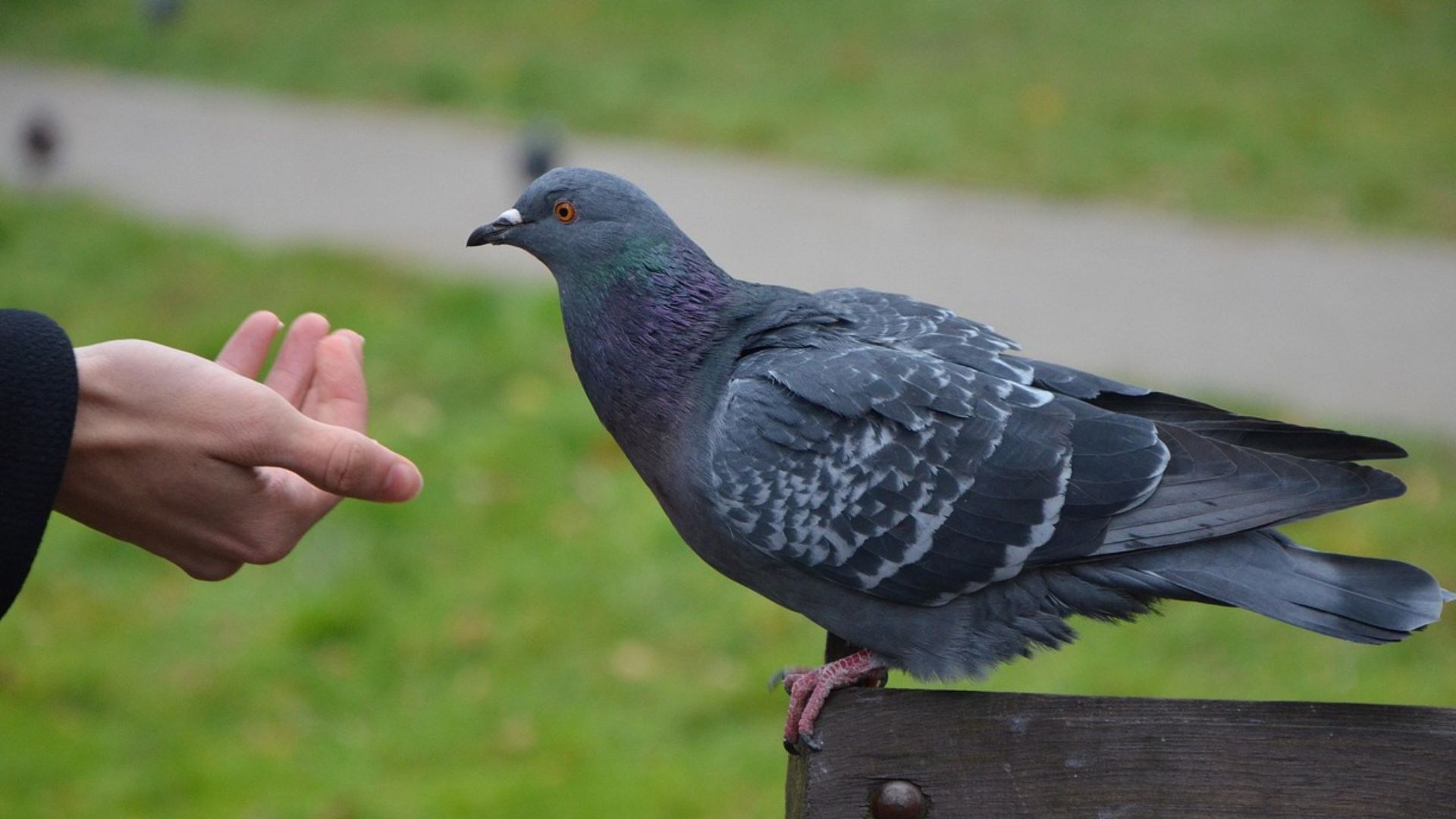
Feeding pigeons isn’t prohibited across Canada. In major U.S. cities, it can lead to fines due to pest‑control rules. Canadians casually tossing crumbs are stunned such a tiny act is regulated.
Buying Imported Snacks the U.S. Blocks
Canadian stores carry many international snacks that violate American label or additive rules. They’re routine in Canada but can be seized at U.S. customs. Canadians don’t expect their favorite treats to be technically illegal in the U.S.

Dueling Laws Still on the Books
Canada eliminated old dueling laws long ago. Several U.S. states still maintain quirky statutes banning duels or agreements to fight. Canadians are amused such 1800s‑era rules remain.

Wearing Military Medals You Didn’t Earn
The U.S. Stolen Valor Act makes it a crime to fraudulently wear military decorations for benefit. Canada discourages impersonation but doesn’t criminalize it the same way. Canadians are surprised by the specificity of America’s law.
 Evan Delshaw, Wikimedia Commons
You Might Also Like:
The Best States In America—According To Canadians
Why Do Americans Traveling In Europe Put Canadian Flags On Their Backpacks?
Ranking The States Where People Complain The Most—According To Data