Borders Are Quietly Shutting Down
Passports don’t always open doors anymore. Political rifts and sudden policy shifts are the deciding factor for where Americans can go. These factors turned ordinary travel dreams to specific nations into an uneasy recalculation.
 Thom Holmes, Unsplash, Modified
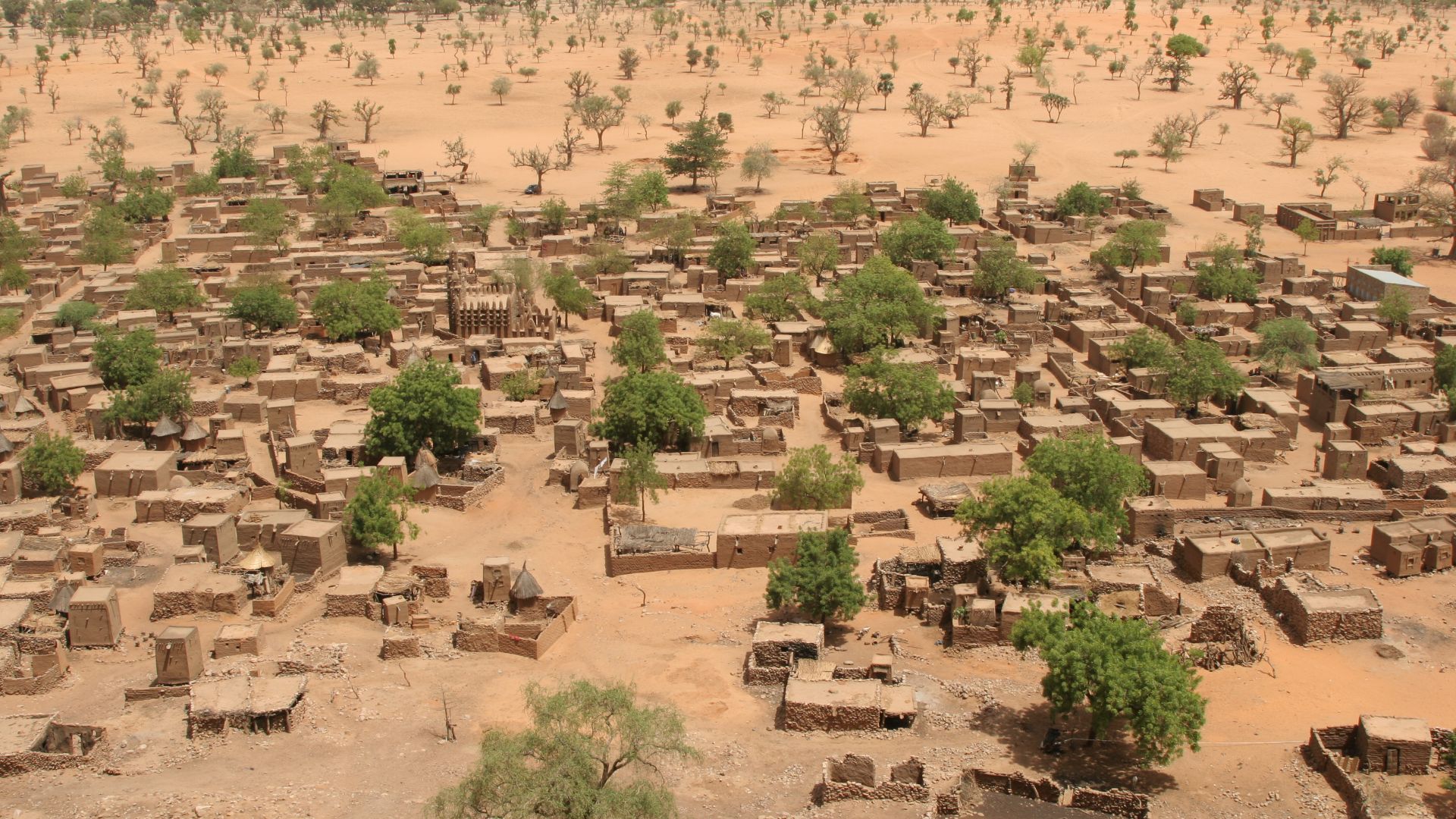
Mali
In late December 2025, Mali imposed an immediate ban on US travelers in response to being placed on the US full travel ban list. Only diplomats and international athletes are exempt. Tourists and business travelers face strict enforcement, which deepened the anti-Western tensions.
 Ferdinand Reus from Arnhem, Holland, Wikimedia Commons
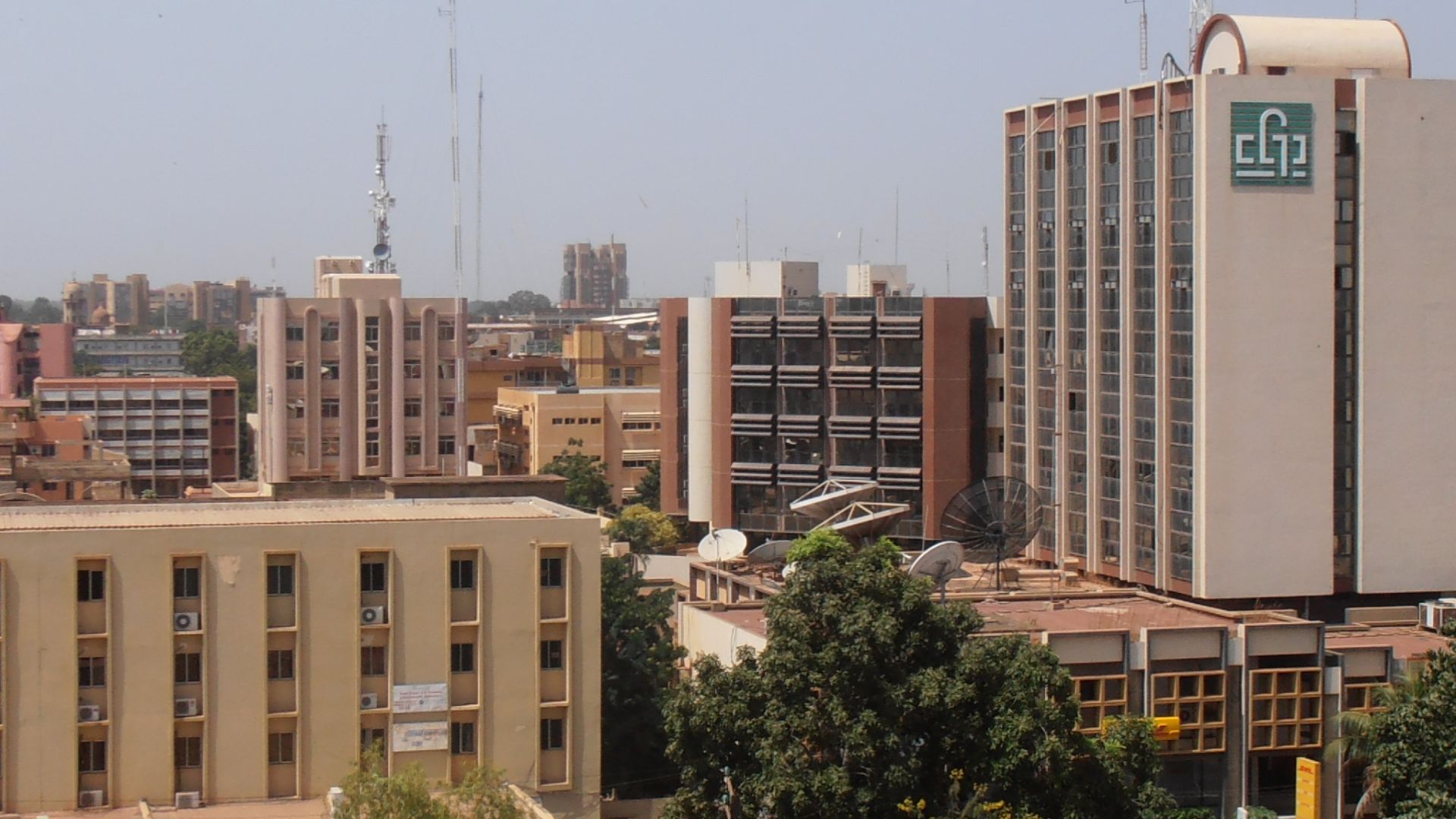
Burkina Faso
Burkina Faso followed suit by suspending visas and entry for US citizens in response to US restrictions. Now, suppose you are seeking any exceptions; those are rare and negotiated individually. The decision was driven by the country’s post-coup shift away from the Western alliance.
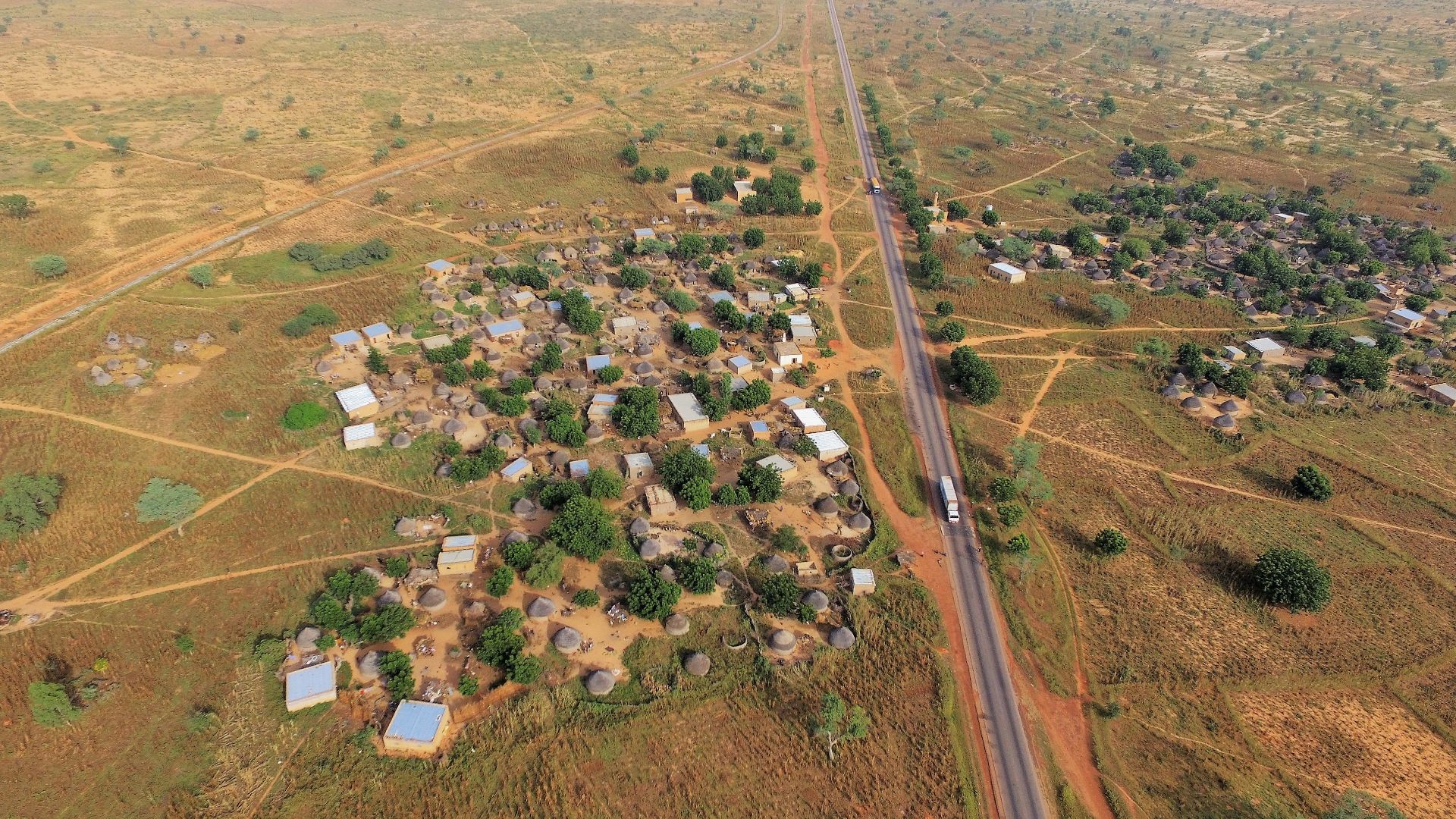
Niger
An indefinite entry ban now blocks US travelers as a reciprocal response to inclusion in the US full ban under Proclamation 10998. Tourists and humanitarian workers have no exemptions, while limited diplomatic access remains.
North Korea
Americans are completely barred, with no exceptions for tourism or casual travel. Attempts to enter typically result in immediate refusal or detention. The ban stems from deep-rooted hostility and ideological opposition to US influence, shaped by unresolved tensions dating back to the Korean War.
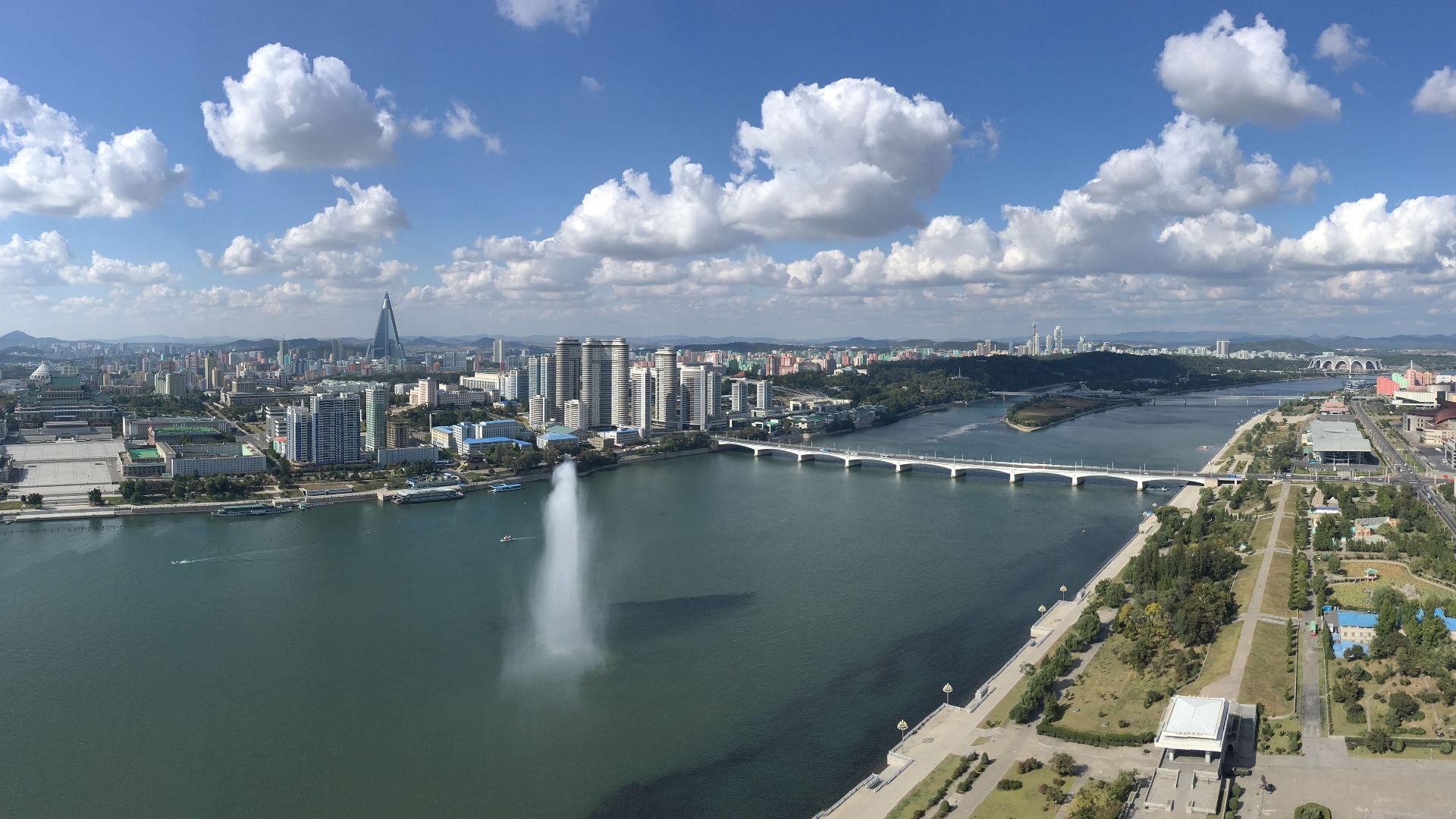 Christophe95, Wikimedia Commons
Iran
Independent travel to Iran isn’t an option for Americans anymore. US citizens must join government-approved guided tours and secure special visas, a restriction rooted in post-1979 diplomatic fallout and ongoing sanctions. This is Iran’s retaliation against US policies, which include nuclear deal withdrawals.
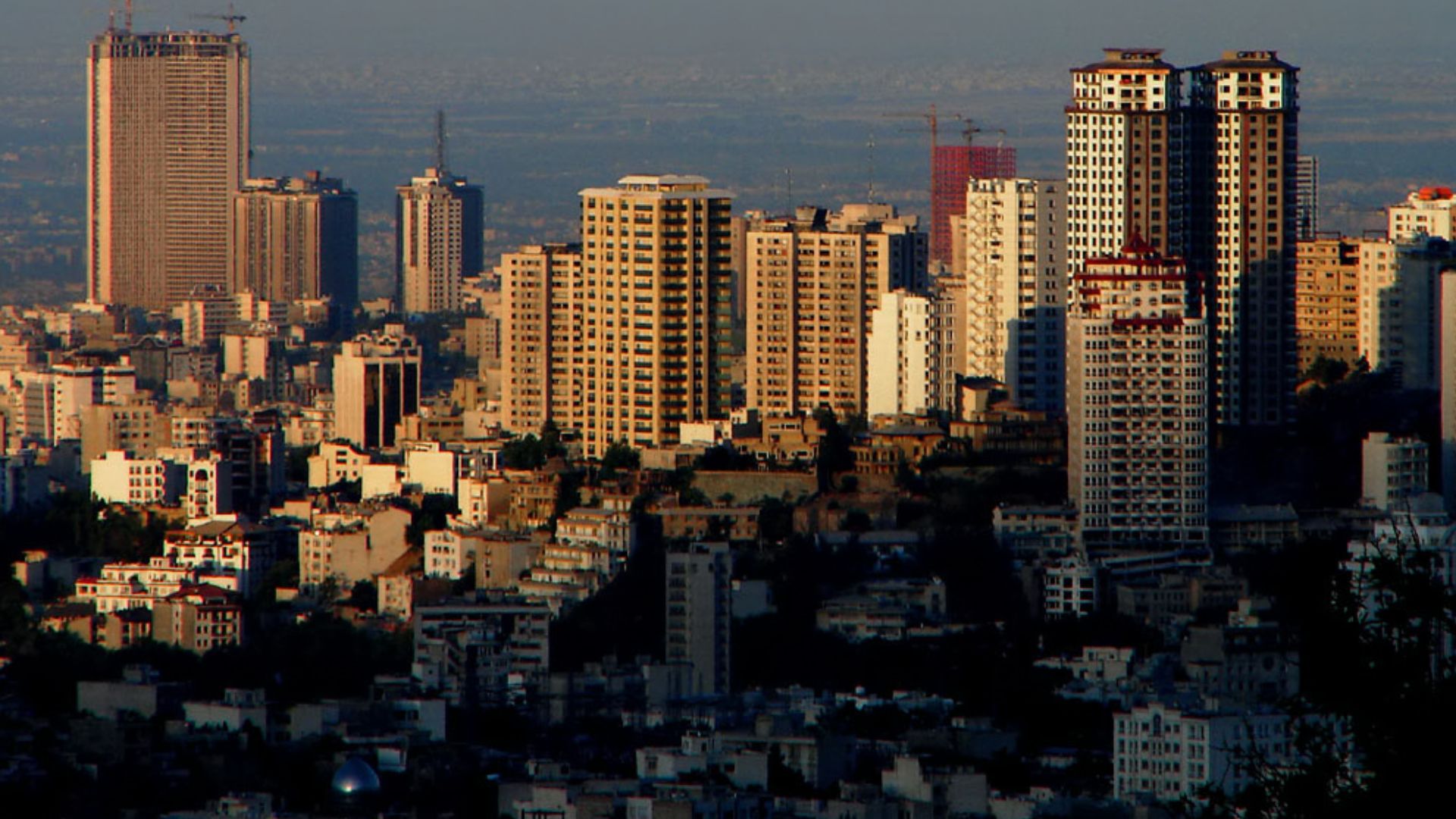 Hamed Saber, Wikimedia Commons
Syria
US passport holders have effectively been shut out since the Civil War began in 2011. With no diplomatic relations and strict sanctions in place, visas are denied outright. Border enforcement allows no flexibility, driven by ongoing conflict and Syria’s opposition to US involvement in the region.
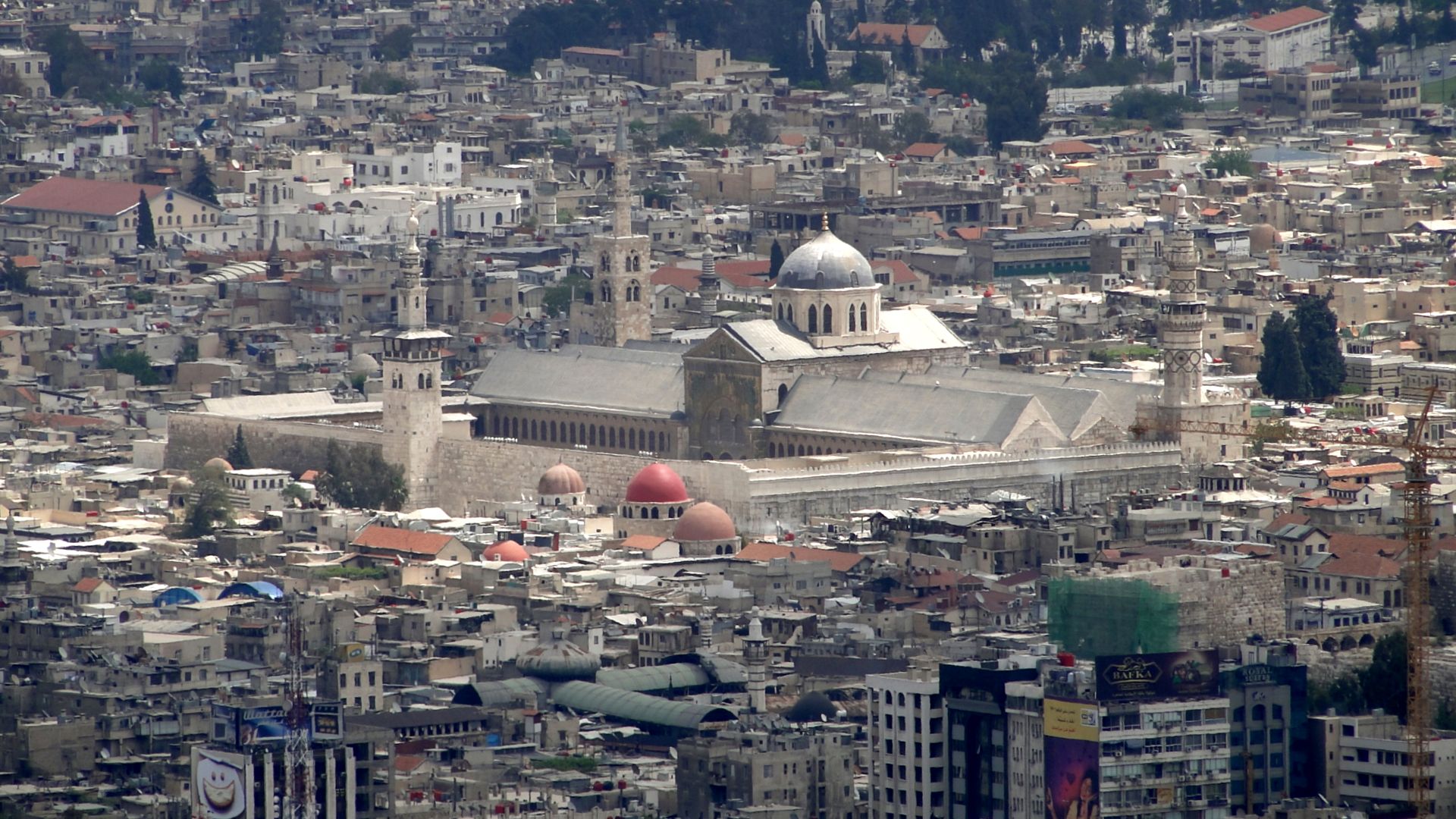 Bernard Gagnon, Wikimedia Commons
Libya
US travelers face strict restrictions, with entry permitted only with special permission since Libya’s post-Gaddafi collapse in 2011. Ongoing civil unrest, with terrorism risks in ungoverned regions, and the absence of reliable US consular services make approvals rare and unpredictable at the border.
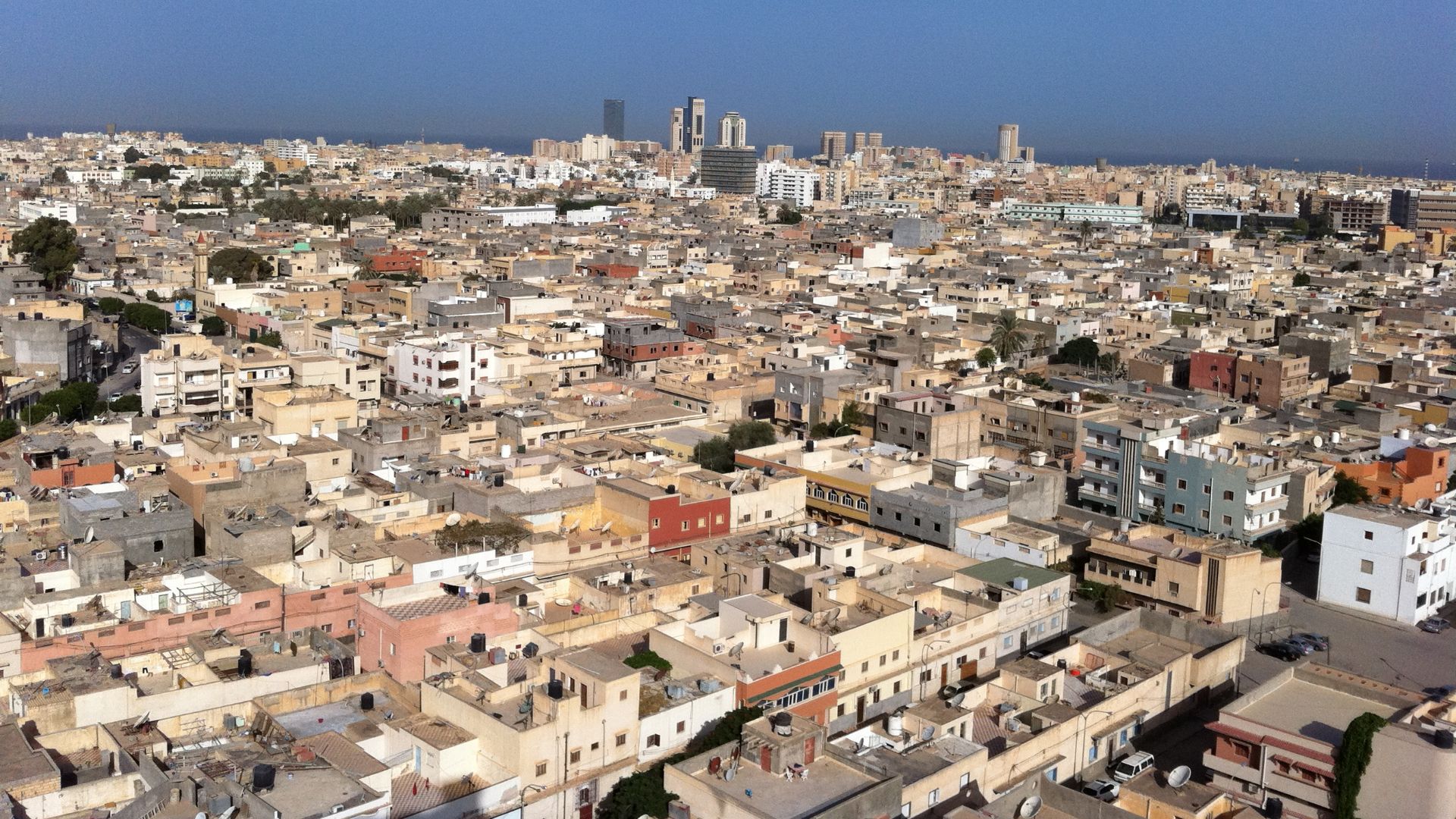 hakeem.gadi, Wikimedia Commons
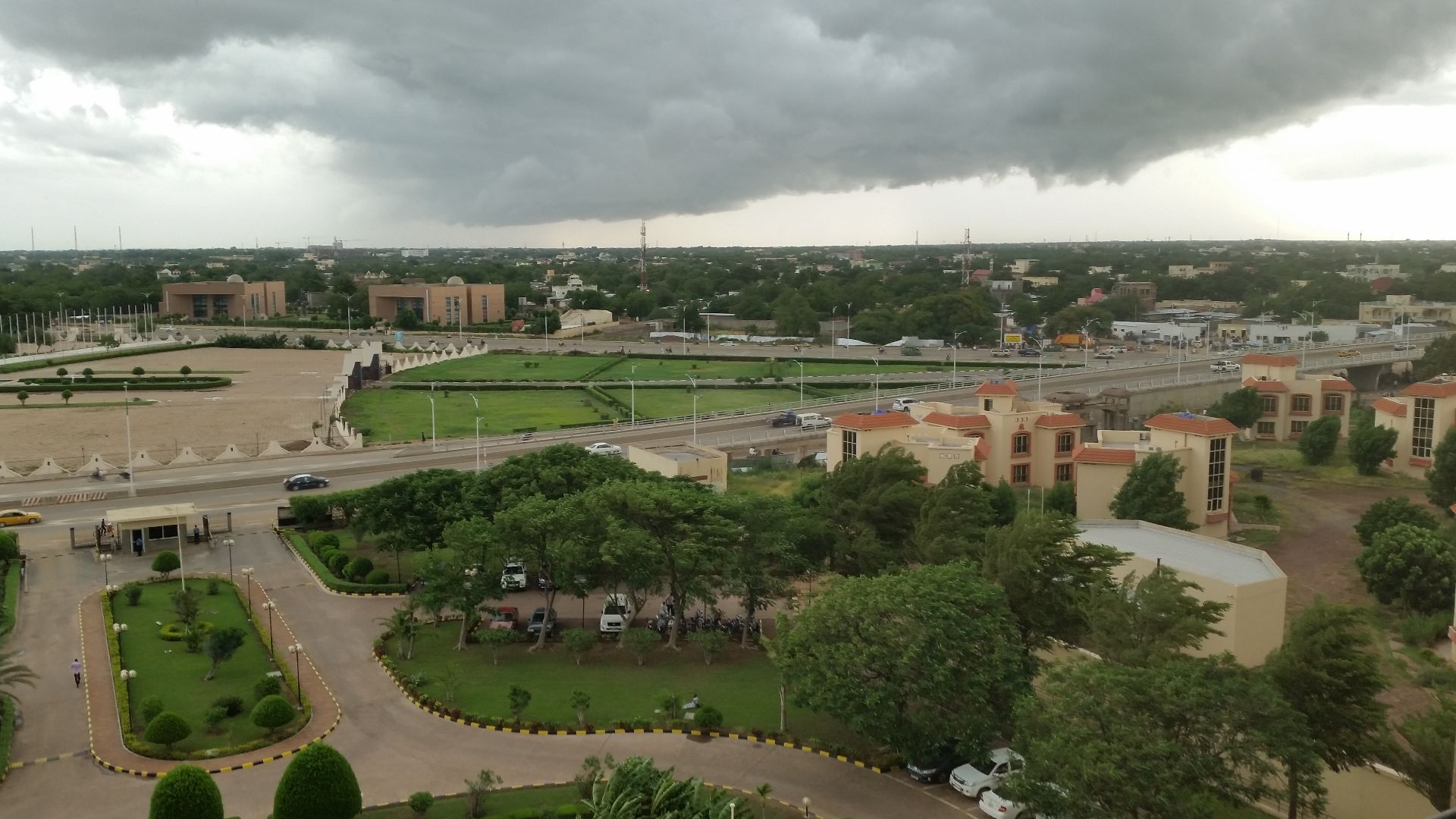
Chad
While some pre-approved visas may still be honored, new applications are suspended indefinitely. Enforcement varies by border post, but denial risks are real. The move reflects strained ties over past counterterrorism cooperation, sanctions, oil interests, and the worsening ecological crisis in Lake Chad.
 Ken Doerr from Chester, UK, Wikimedia Commons
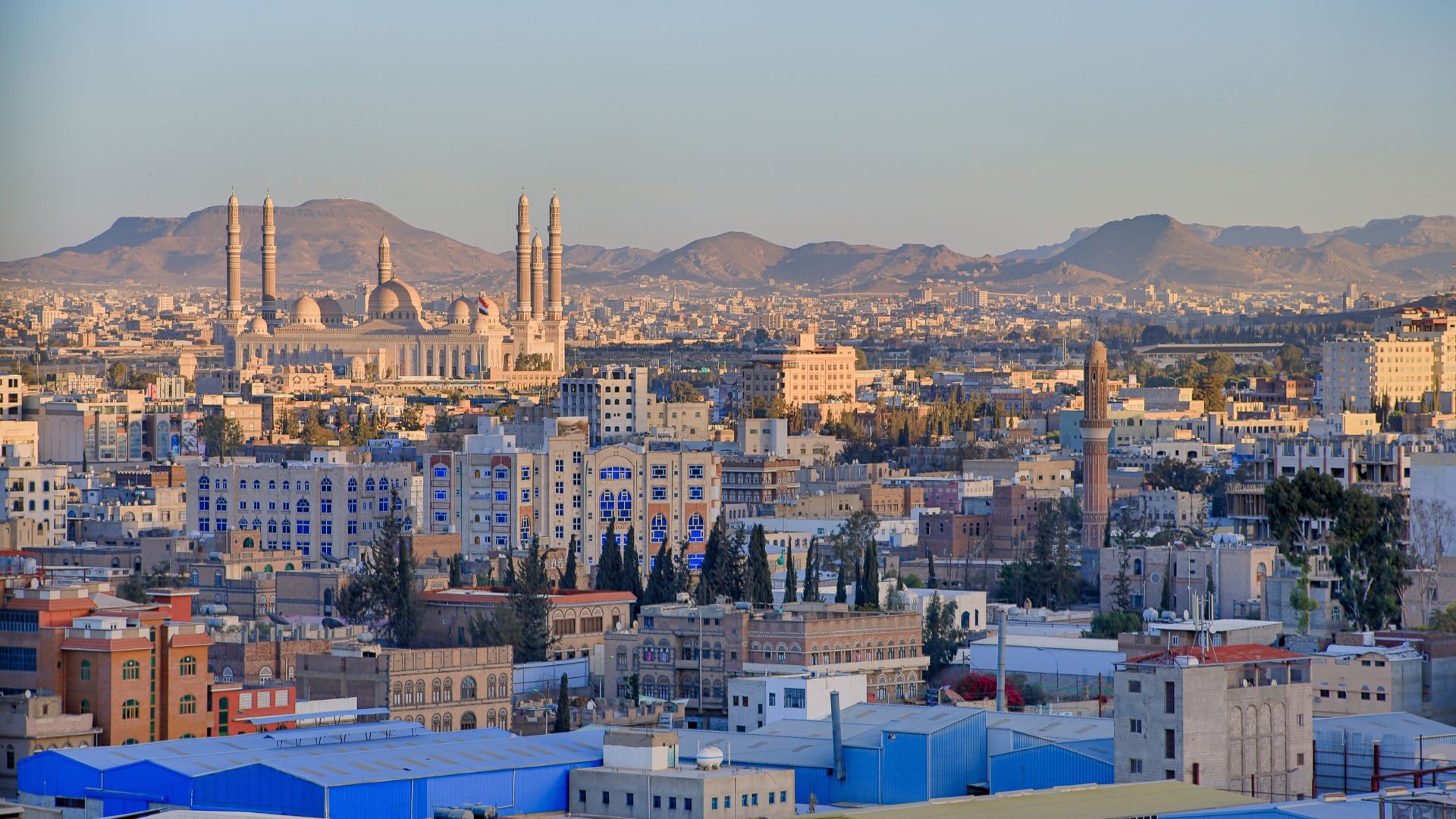
Yemen
Visas for Americans are routinely denied amid Yemen’s prolonged conflict. Enforcement is strict, with deportation risks at entry points. The ban reflects severe security concerns with the humanitarian crisis. It is compounded by Yemen’s opposition to US involvement in the Saudi-led military coalition.
 Photographer Anas Al-Haj, Wikimedia Commons
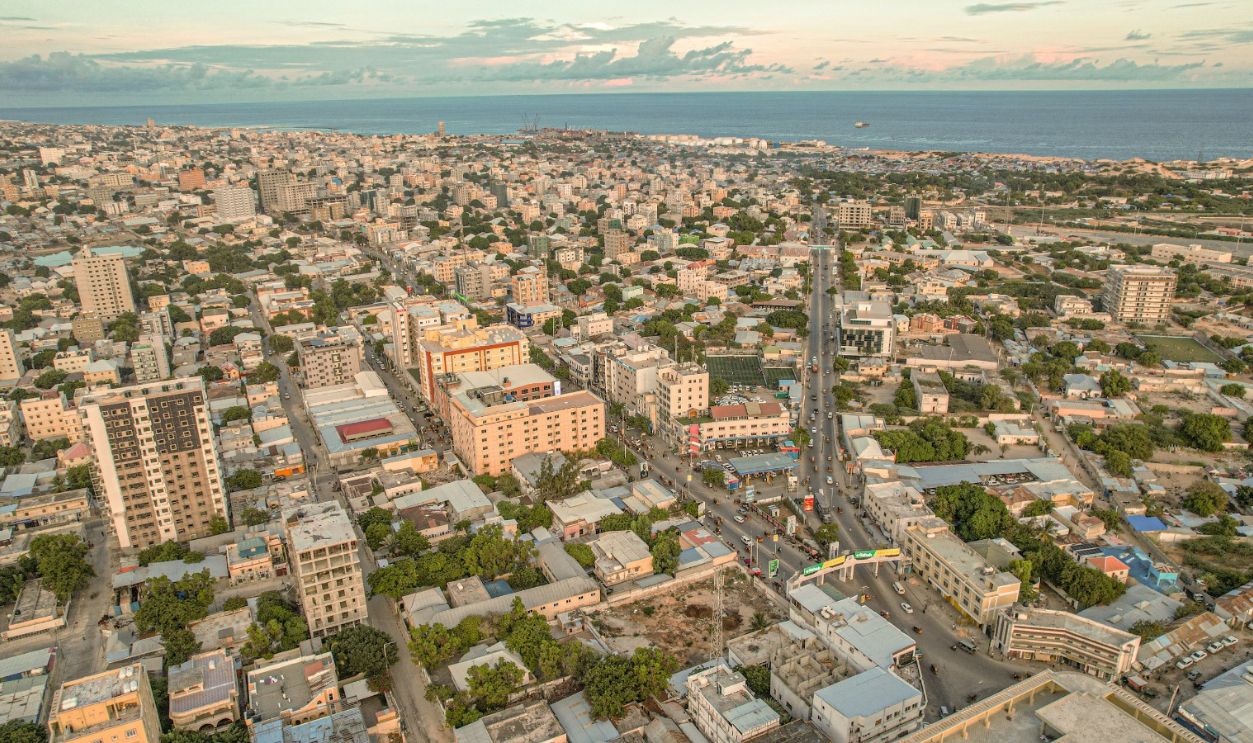
Somalia
Safe travel for US citizens has effectively been off the table since Somalia’s collapse back in 1991. Due to threats from militant groups, visas are not issued. Border refusals aim to prevent exposure to violence amid ongoing US counterterrorism operations that keep happening.
 Abdulkadir Hirabe, Shutterstock
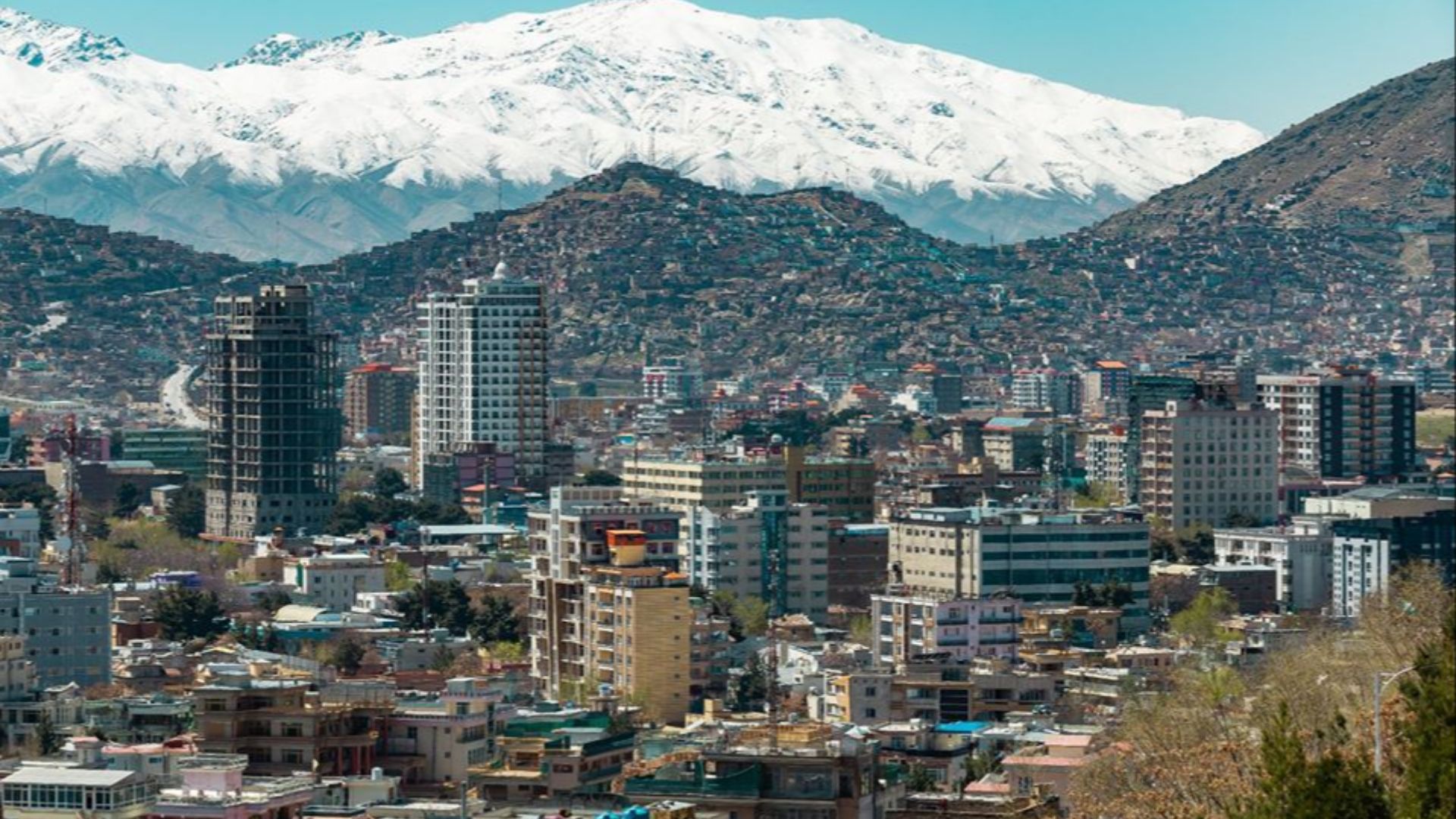
Afghanistan
The instability caused by the Taliban resistance since they took over in 2021 has locked out Americans. Entry has become extremely limited to the point that visas are rarely granted. If an American finds themselves in the country, no interventions are expected due to the closure of the US embassy.
Sudan
Travel has become extremely difficult due to the ongoing conflict in the nation. US citizens often see visa requests denied due to active fighting with security breakdowns. Authorities frame the restrictions as a way to limit foreign exposure to such zones, thereby exacerbating humanitarian emergencies.
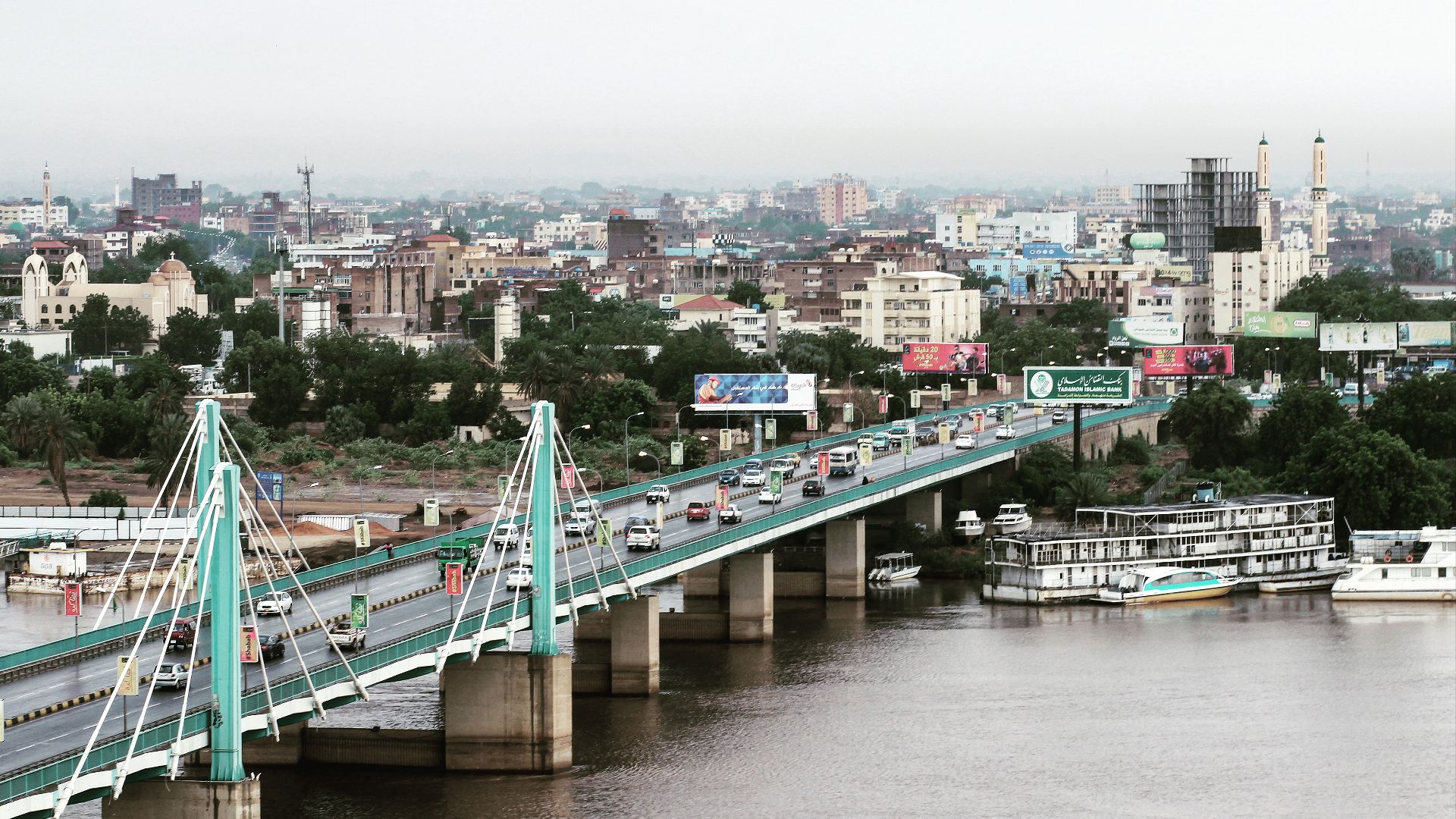
Venezuela
Barriers for Americans here are largely political. Entry restrictions reflect retaliation over US recognition of opposition leadership, while severed diplomatic ties complicate approvals. Since there are no direct commercial flights and deep economic disputes, reaching Venezuela has become logistically difficult, too.
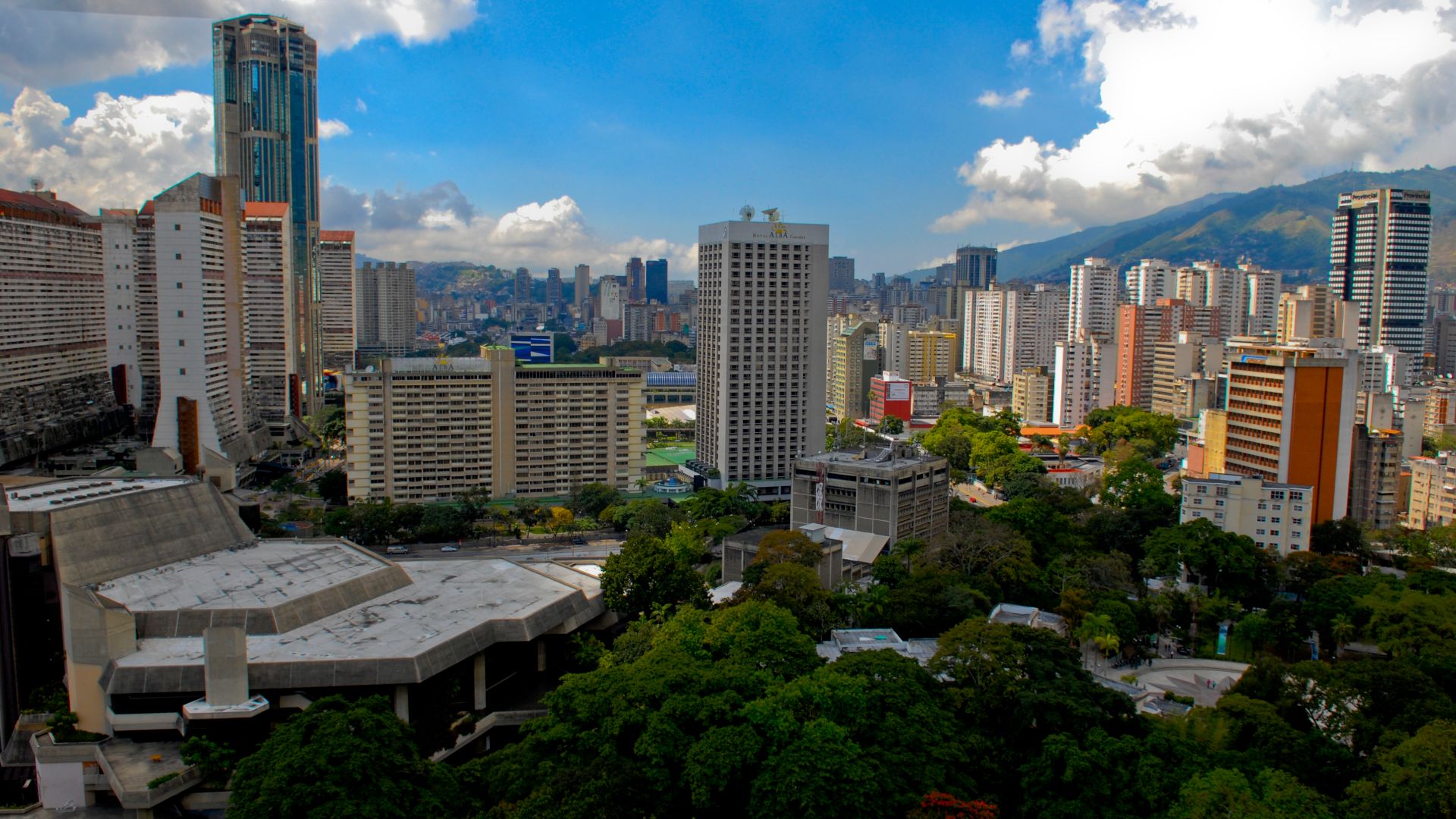 Paulino Moran, Wikimedia Commons
Russia
Since Russia’s full-scale invasion of Ukraine in February 2022, diplomatic relations with the United States have sharply deteriorated. Russia has increasingly restricted US consular activity and limited routine visa-processing. It heightened scrutiny of American applicants and complicated entry decisions.
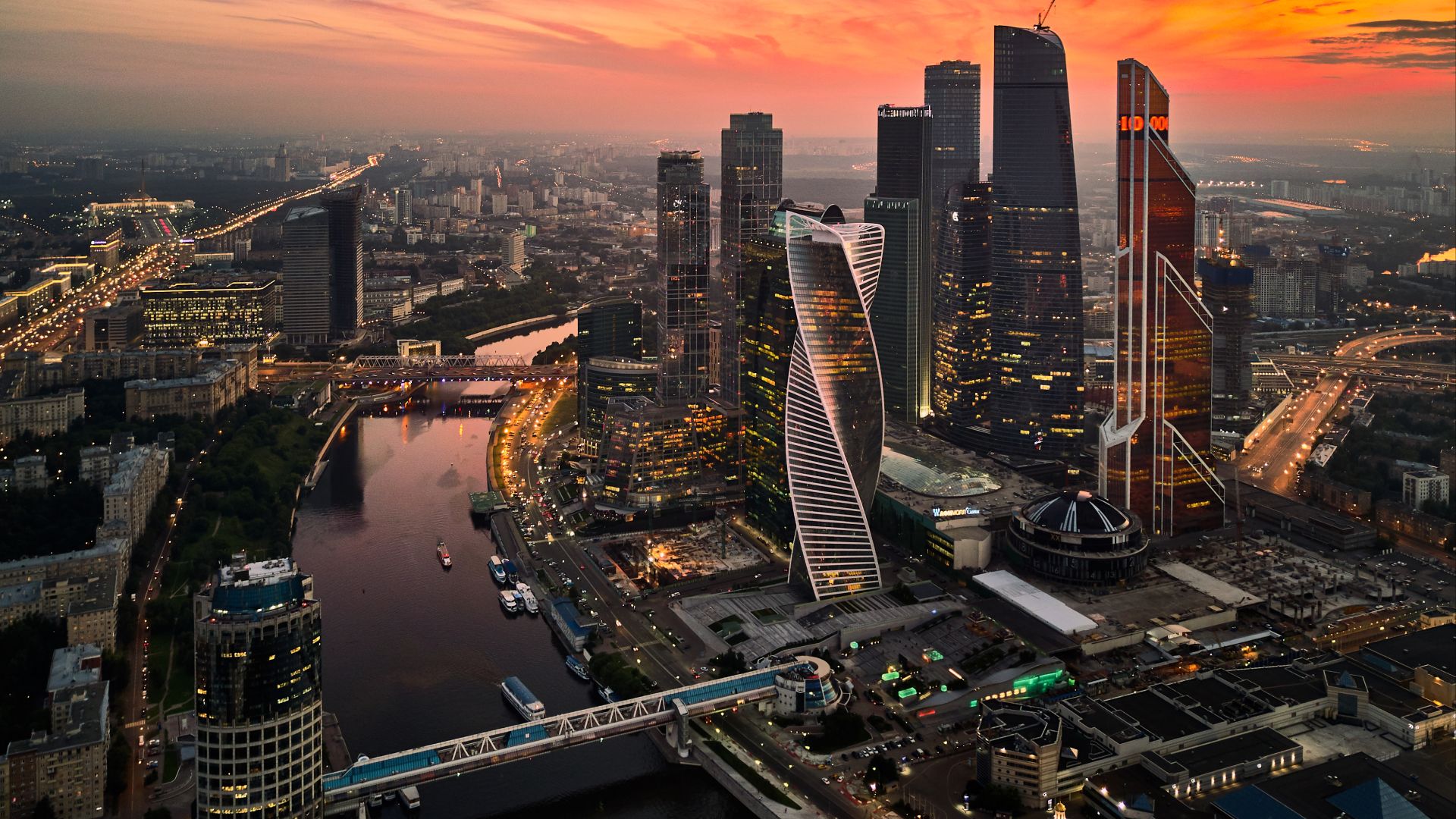
Russia (Cont)
After 2021–2022 diplomatic staff cuts in Moscow, the US Embassy and consulates have restricted services to reduce support for US citizens. As tensions grew post-Ukraine invasion, the US upgraded its “Do Not Travel” warning, and Russia tightened control over foreign entry.
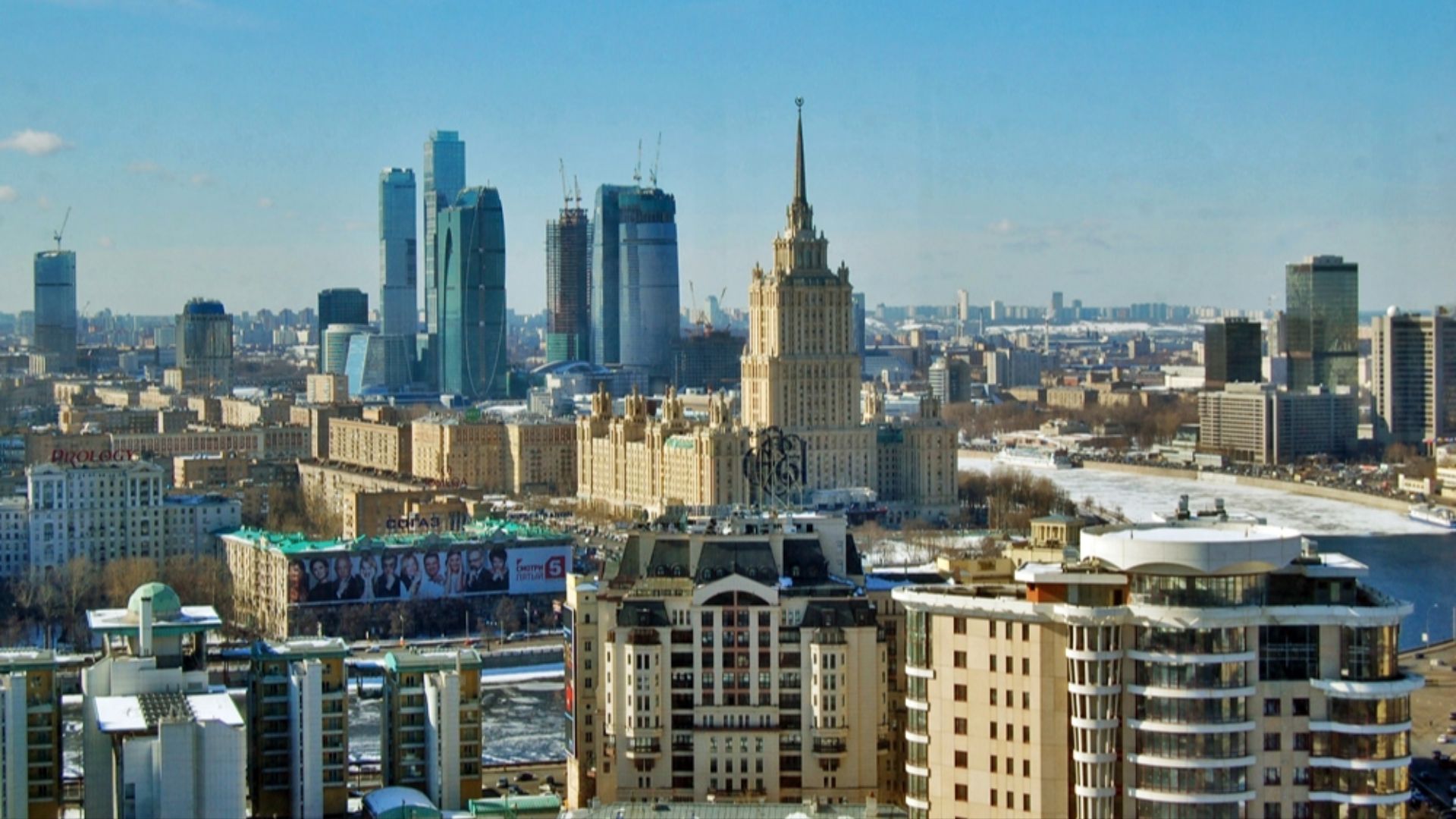 MyName (Bradmoscu (talk)), Wikimedia Commons
Belarus
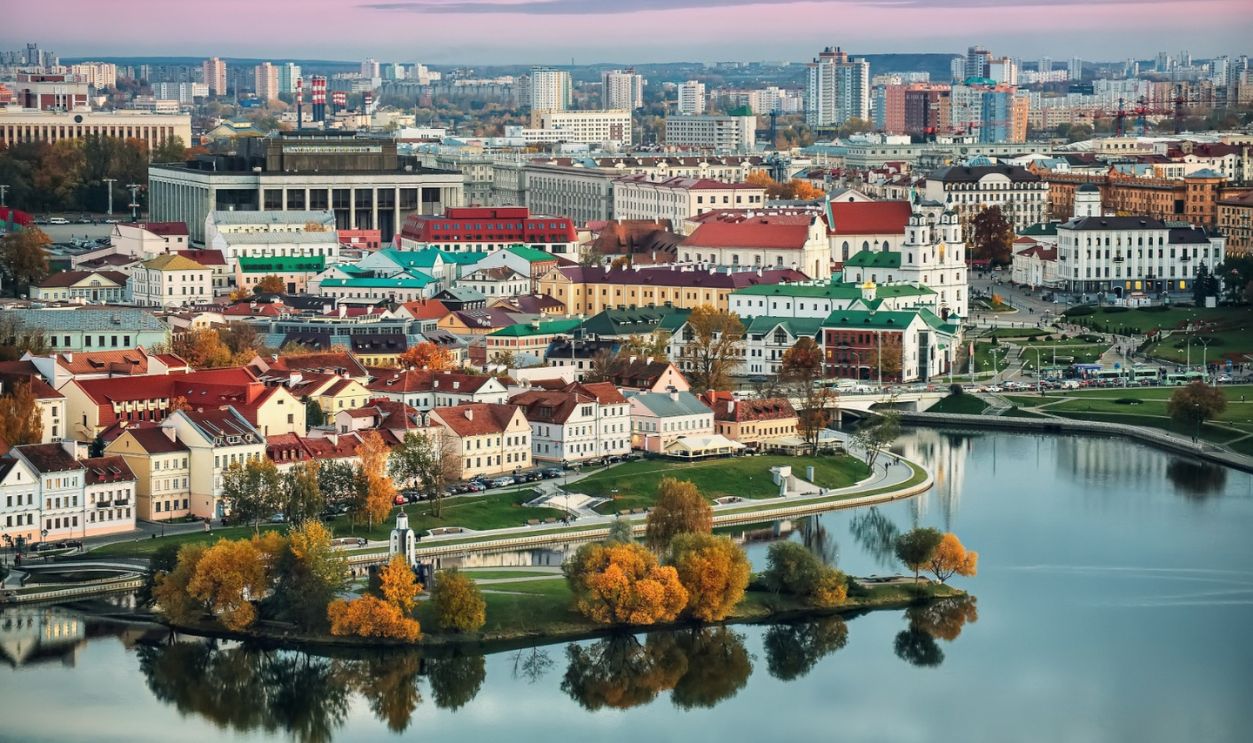
Entry conditions have quietly hardened as regional tensions escalate. Closer cooperation with Russia has brought stricter checks on US passport holders, with visa denials becoming more common. Although travel isn’t officially banned, decisions increasingly reflect diplomatic friction and mutual distrust.
Turkmenistan
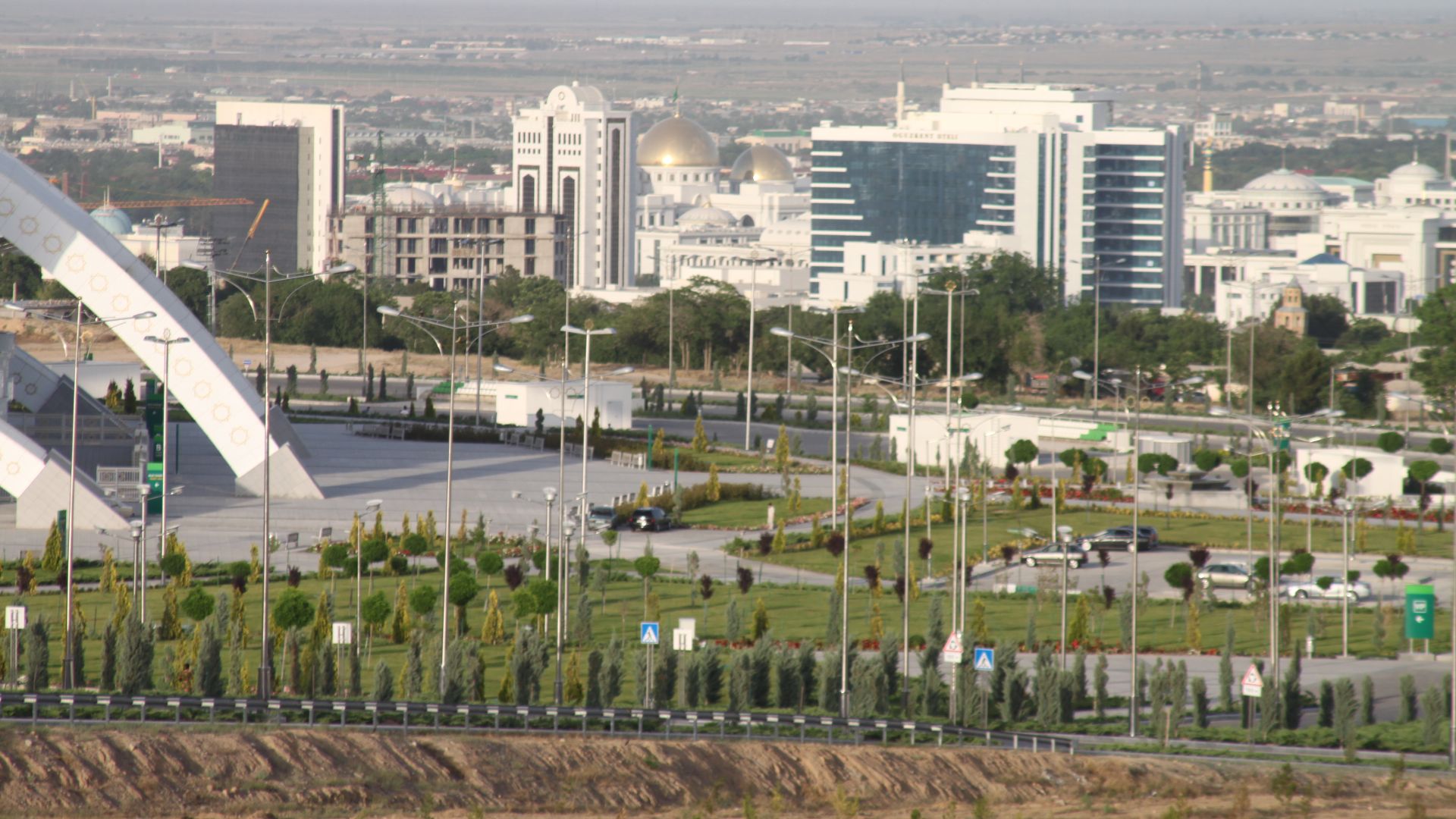
Tourist entry for Americans is extremely rare. Visas typically require official invitations and prior approvals, reflecting Turkmenistan’s highly controlled, isolationist system. The government tightly manages foreign presence. It limits outside influence to keep travel barriers firmly in place for most US citizens.
 Juris Paiders, Wikimedia Commons
Eritrea
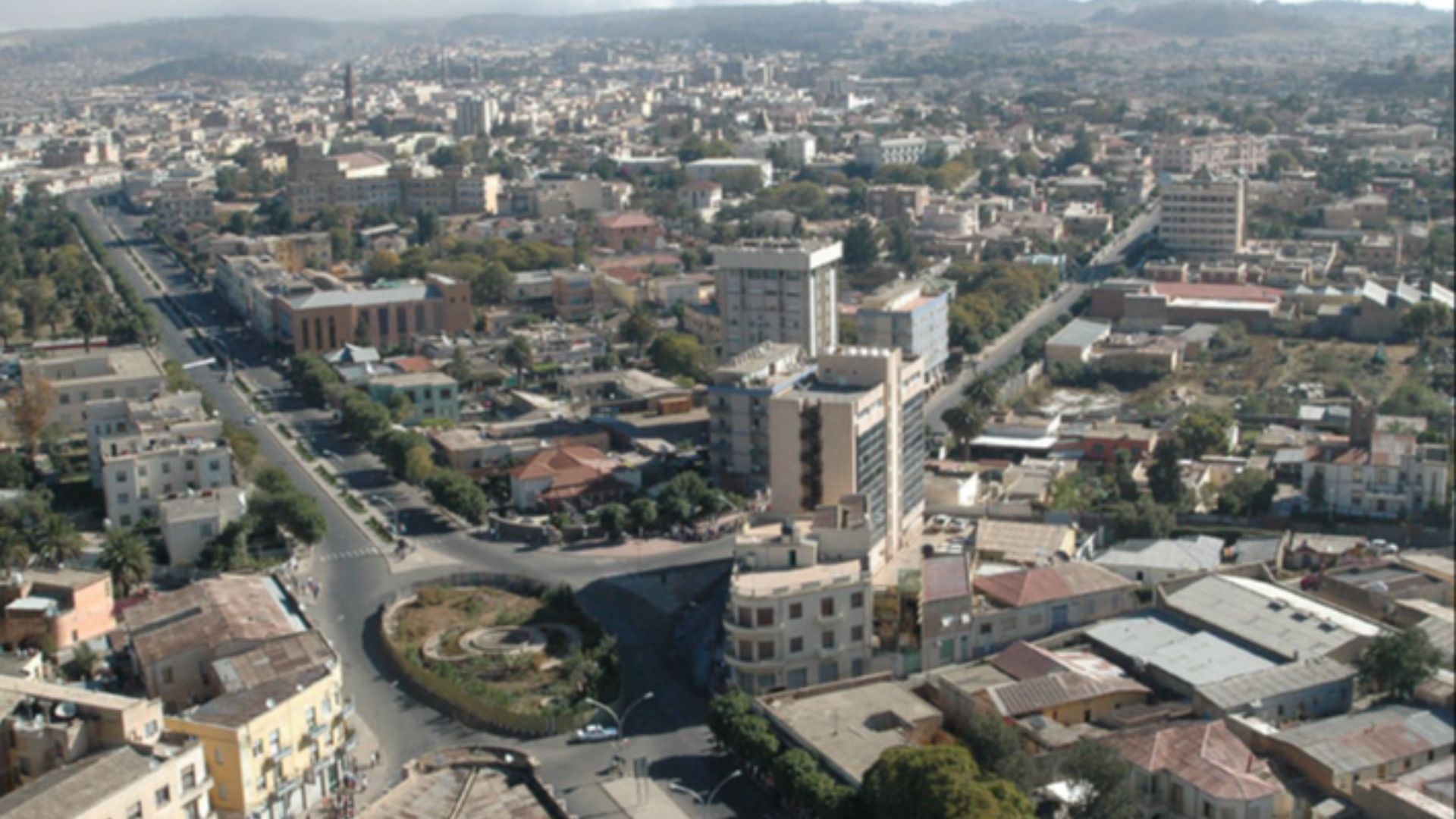
Travel remains heavily restricted due to long-standing isolationism and human rights concerns. Entry permissions are limited and tightly monitored to reduce foreign involvement. The policy aligns with Eritrea’s broader effort to maintain strict internal control and minimize external political pressure.
Central African Republic
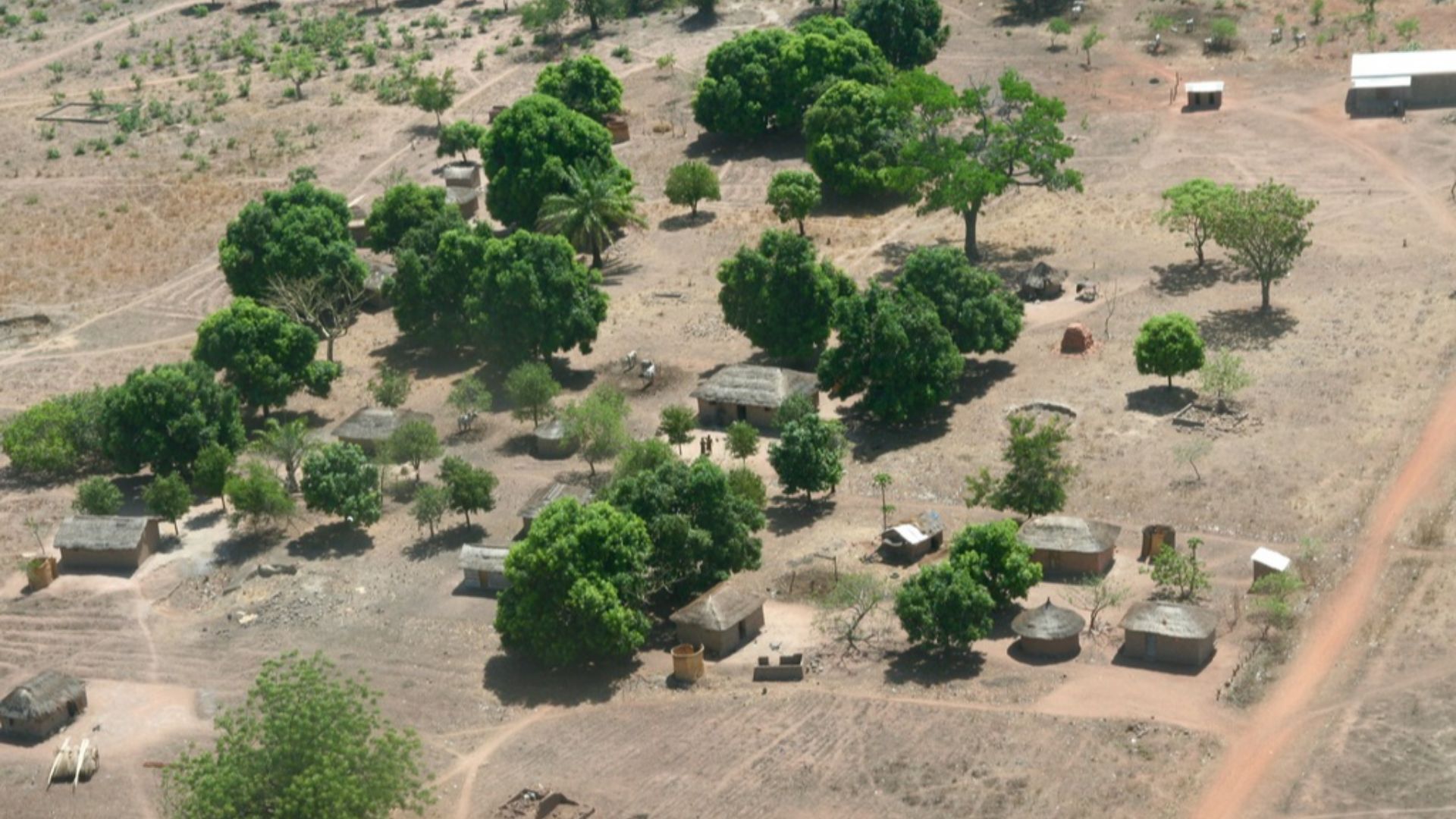
Americans attempting to enter often face quiet resistance at the visa stage, where applications stall or disappear. Officials adopt a cautious posture to limit approvals and signal that travel is discouraged in an environment marked by volatility, unpredictability, and ongoing instability.
 hdptcar from Bangui, Central African Republic, Wikimedia Commons
Iraq
After the 2003 US-led invasion of Iraq, prolonged insurgency and sectarian violence reshaped border security policies. Authorities introduced tighter visa vetting for foreigners, especially Americans. It aims to monitor potential security risks and control access to sensitive provinces across the country.
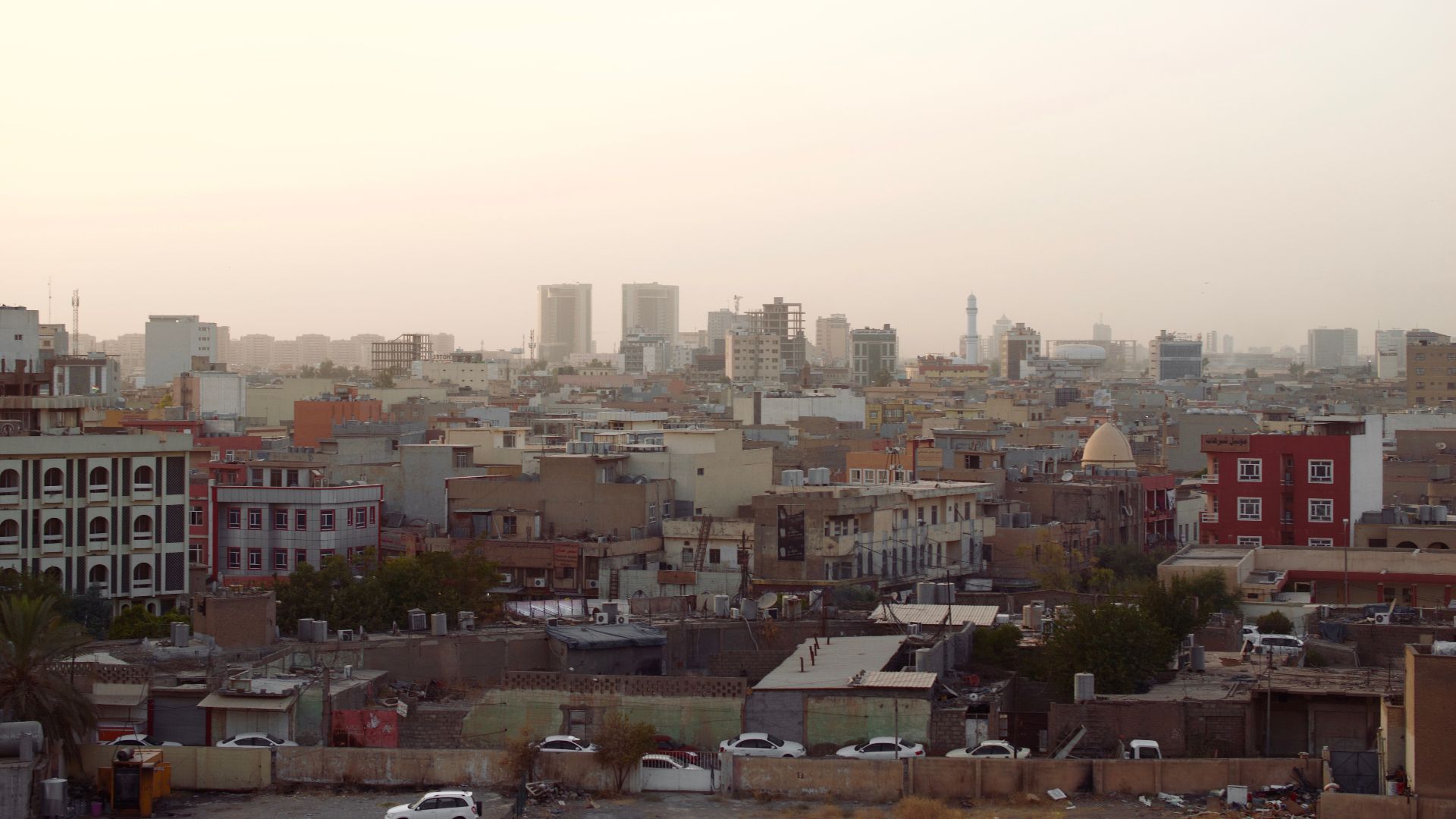 Levi Clancy, Wikimedia Commons
Iraq (Cont)
In the years following the rise of extremist groups like the Islamic State of Iraq and Syria between 2014 and 2017, several Iraqi regions were declared restricted zones. Although some stability has returned, travel limitations and checkpoints still affect where visitors can move within the country.
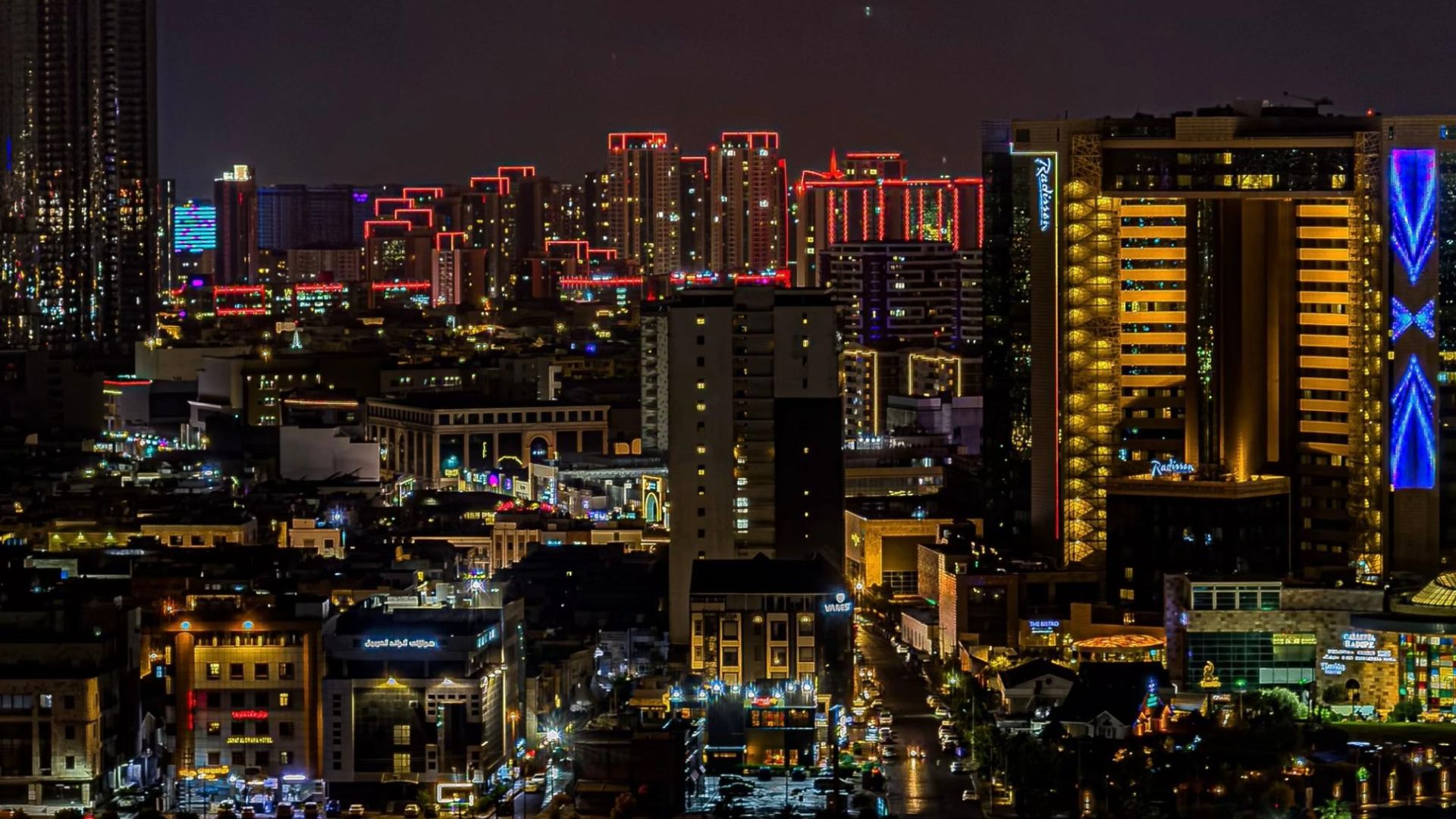
Lebanon
Some US travelers are turned away not for their nationality, but for what’s in their passports. Entry is denied to anyone showing Israeli stamps, a policy tied to decades-old regional tensions. Enforcement is firm at borders, which affects dual travelers and routine itineraries alike.
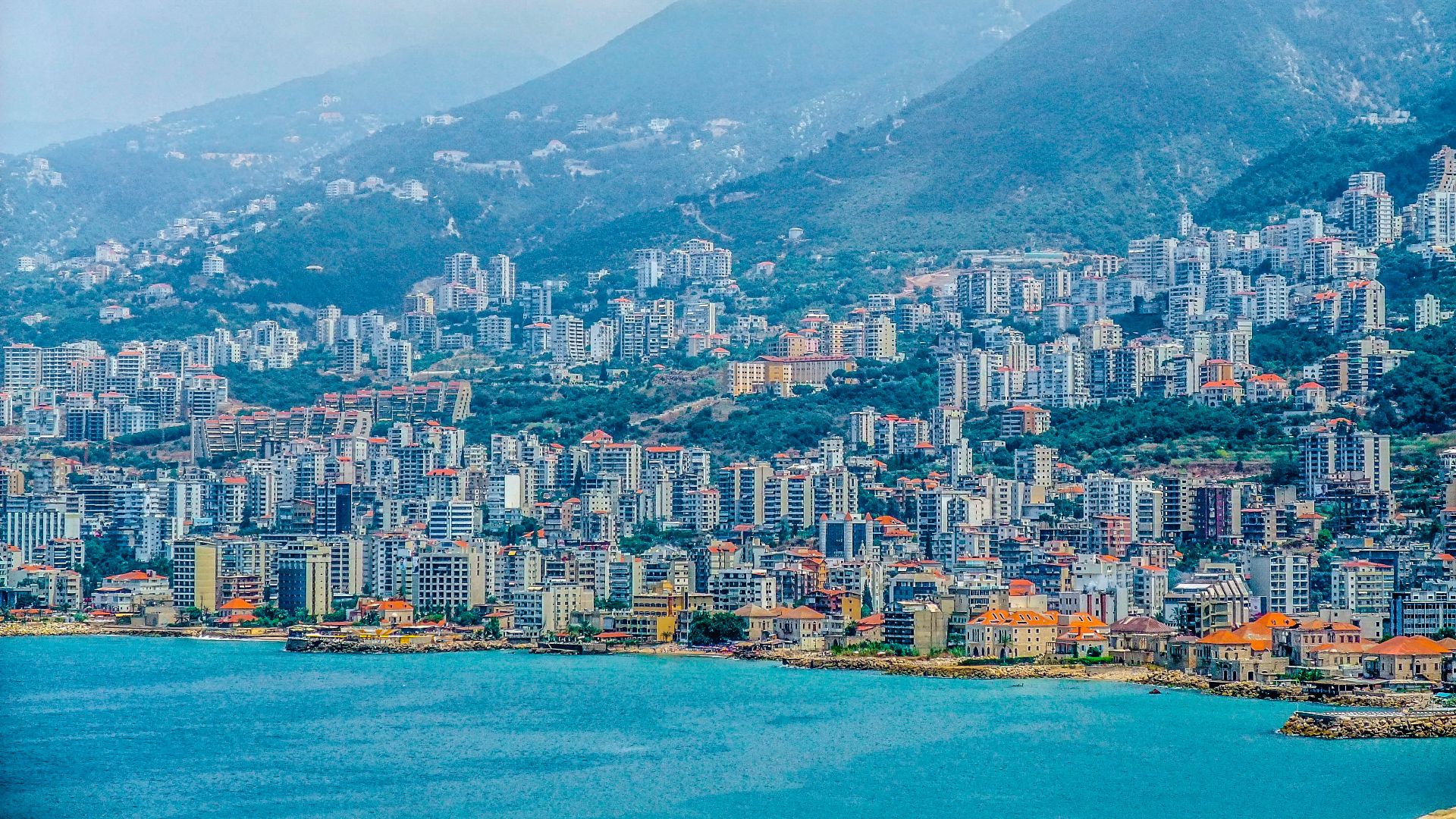
Myanmar (Burma)
The door has largely closed to American visitors. Military governance and civil unrest create a high-risk environment, making visas difficult to obtain. Even the safety can’t be assured. What remains is limited, carefully managed access for non-tourism purposes only.
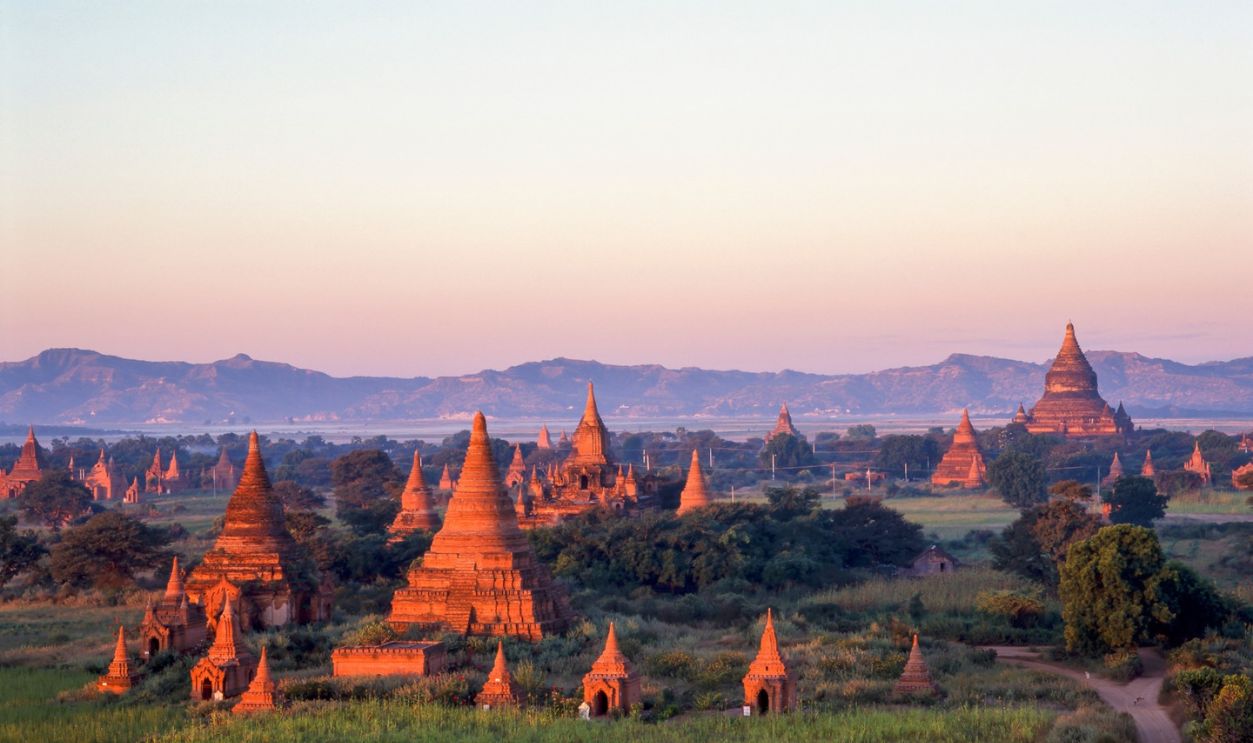
Equatorial Guinea
Visas for US citizens are rarely approved, with access tightly controlled. The country maintains a closed approach to foreign travel, and this limits outside scrutiny. Entry restrictions align with broader isolationist policies. This makes approvals uncommon even with proper documentation and advance planning.
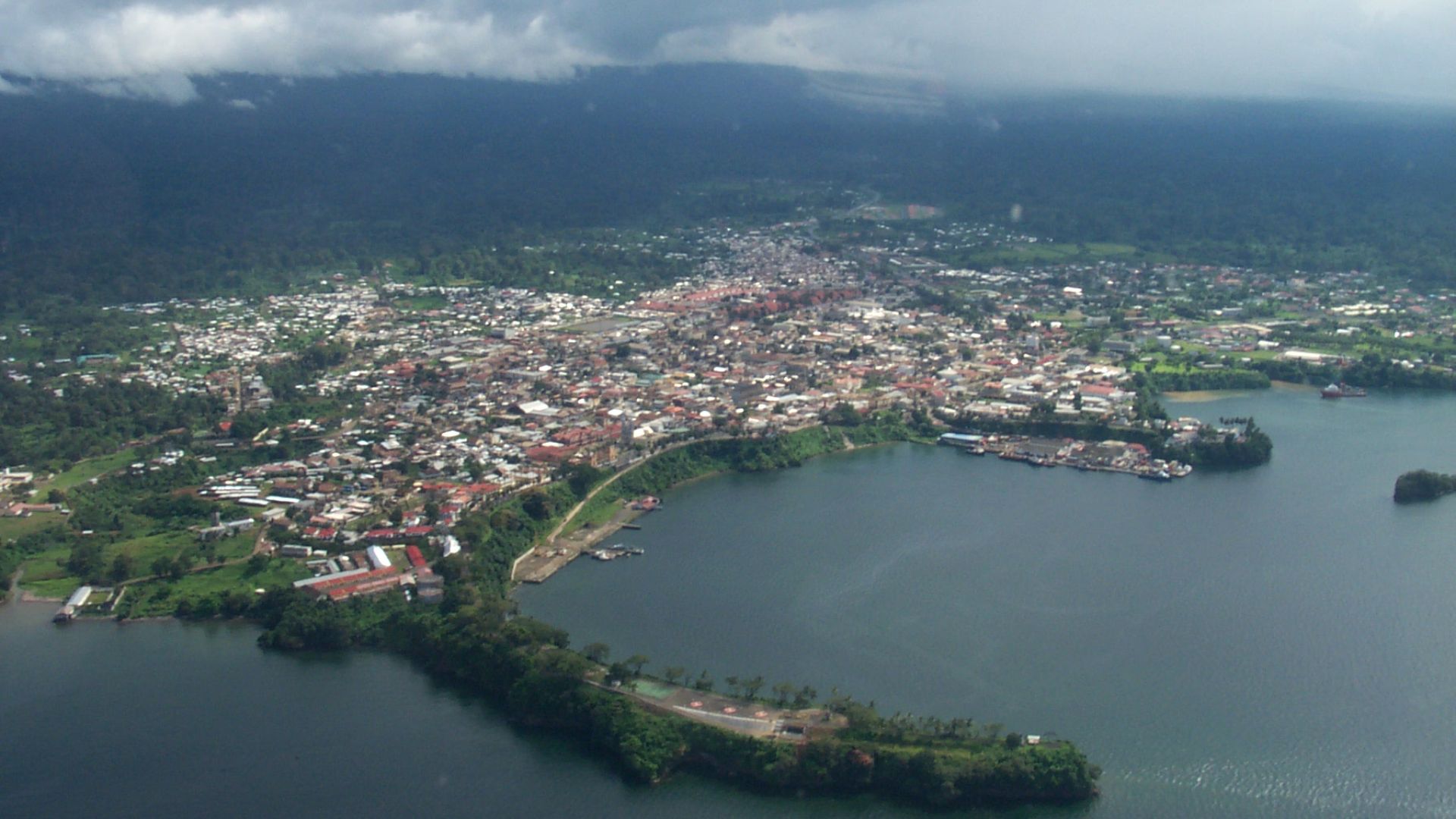 Ipisking at English Wikipedia, Wikimedia Commons
Gaza Strip
For Americans, travel is effectively off the table. Ongoing conflict, severe security risks, and a long-standing blockade mean there are no safe entry routes. Even with documentation, access requires rare diplomatic or humanitarian coordination, which makes independent travel impossible today.
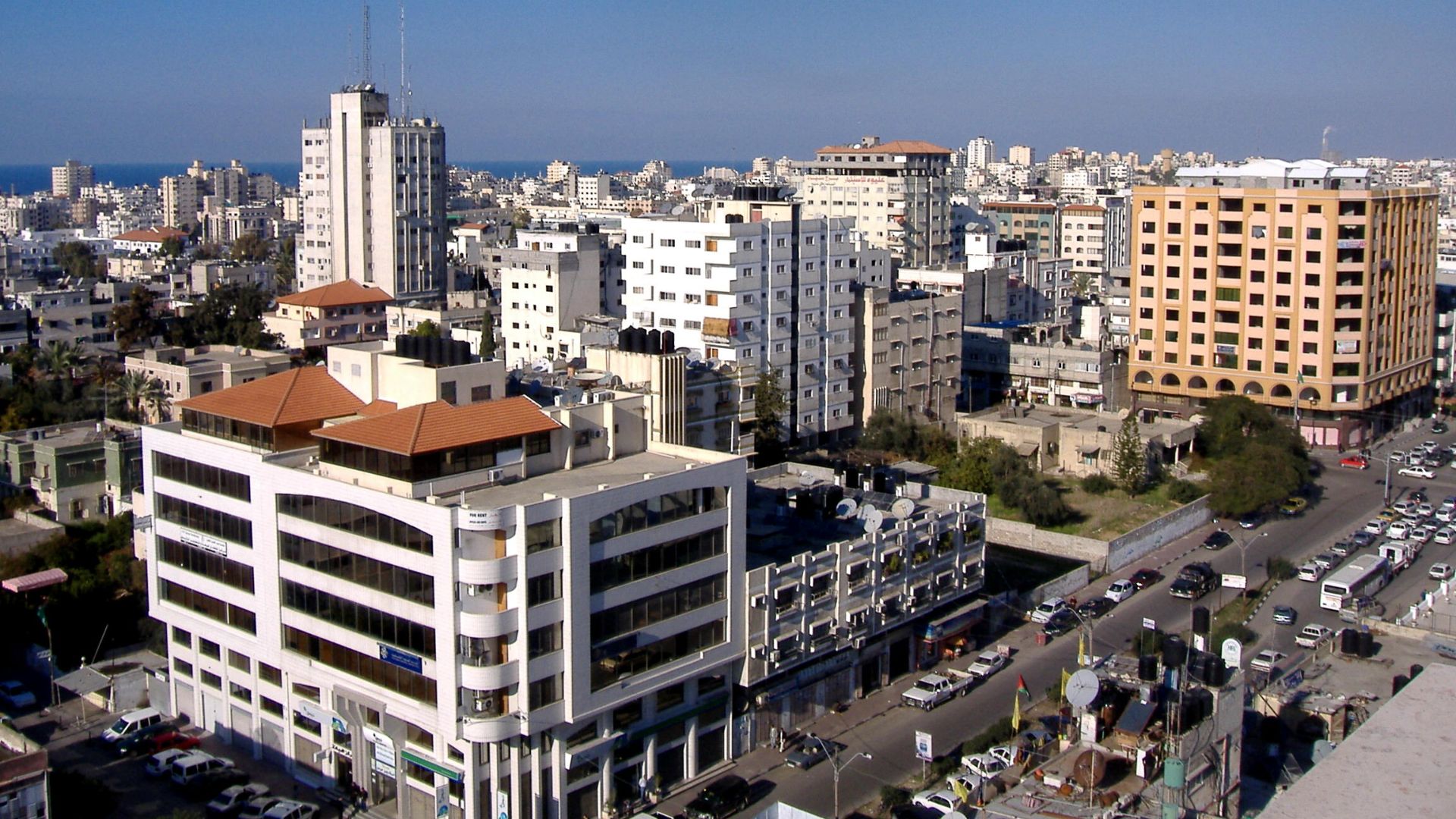 OneArmedMan, Wikimedia Commons