

Cultural Revolution
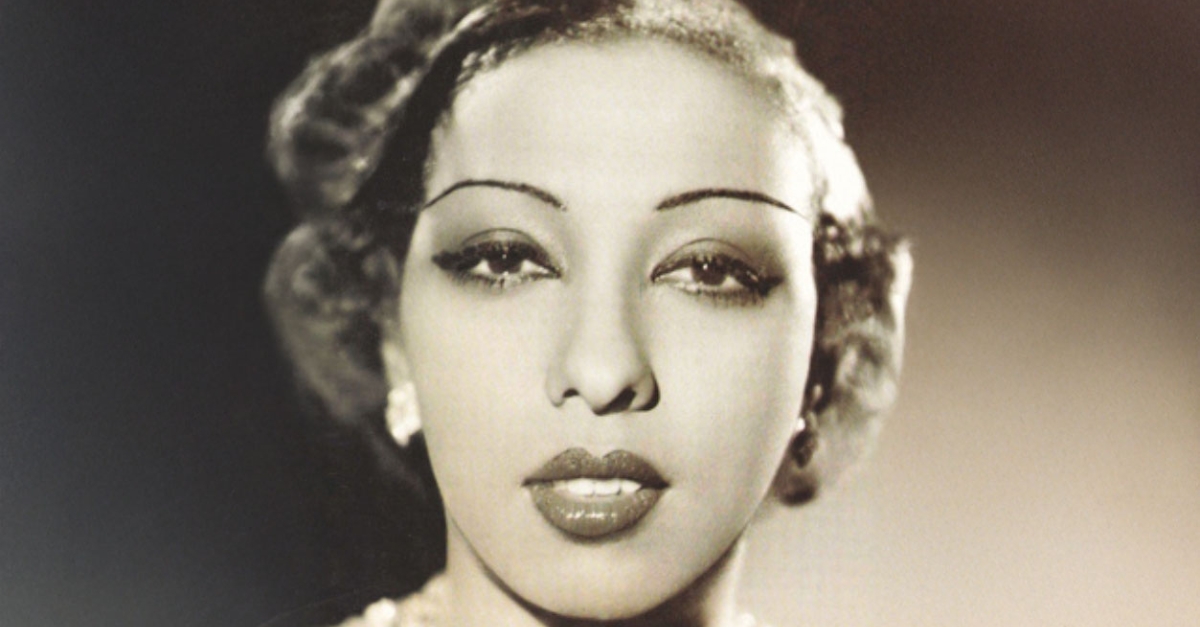
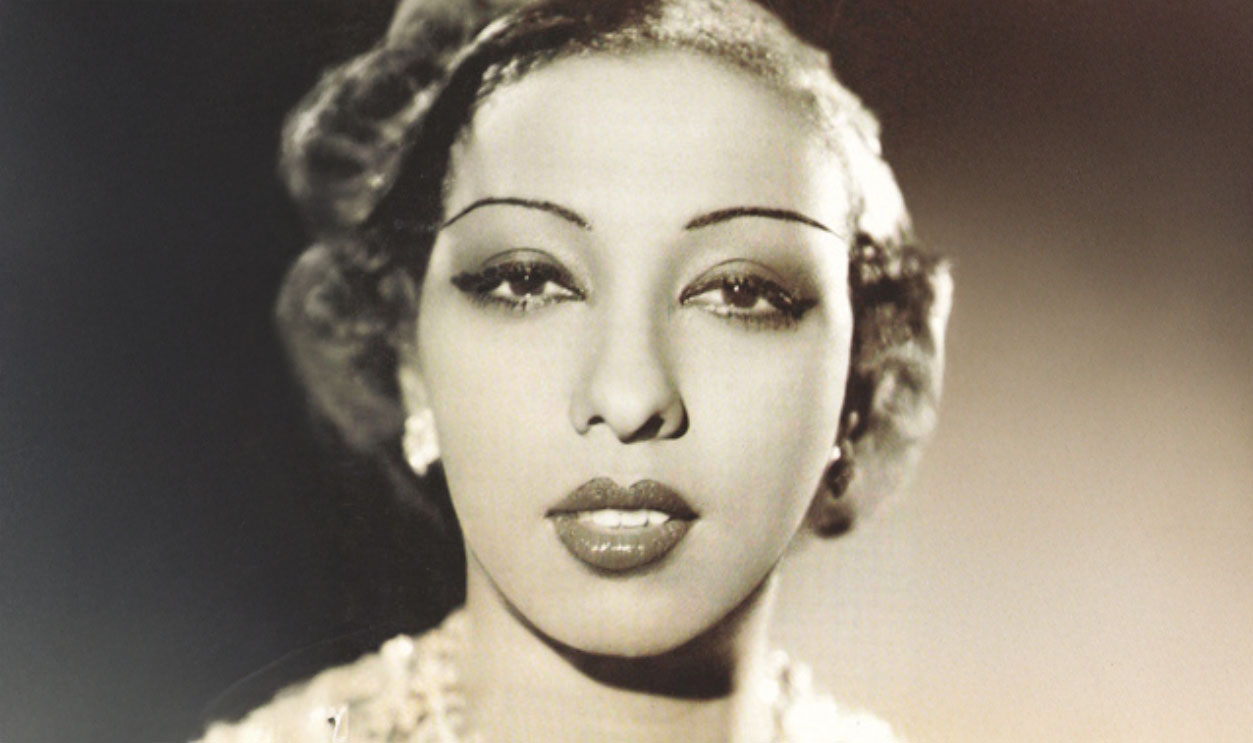
Ever wonder when America first learned to really let loose? The 1920s are said to have been this nation’s greatest cultural awakening. These snapshots of people and moments bring alive the energy of a legendary era.
Charleston Dance Contest
Have a look at flappers enjoying themselves while musicians play brilliant pieces during a Charleston dance contest at New York's Parody Club in 1926.
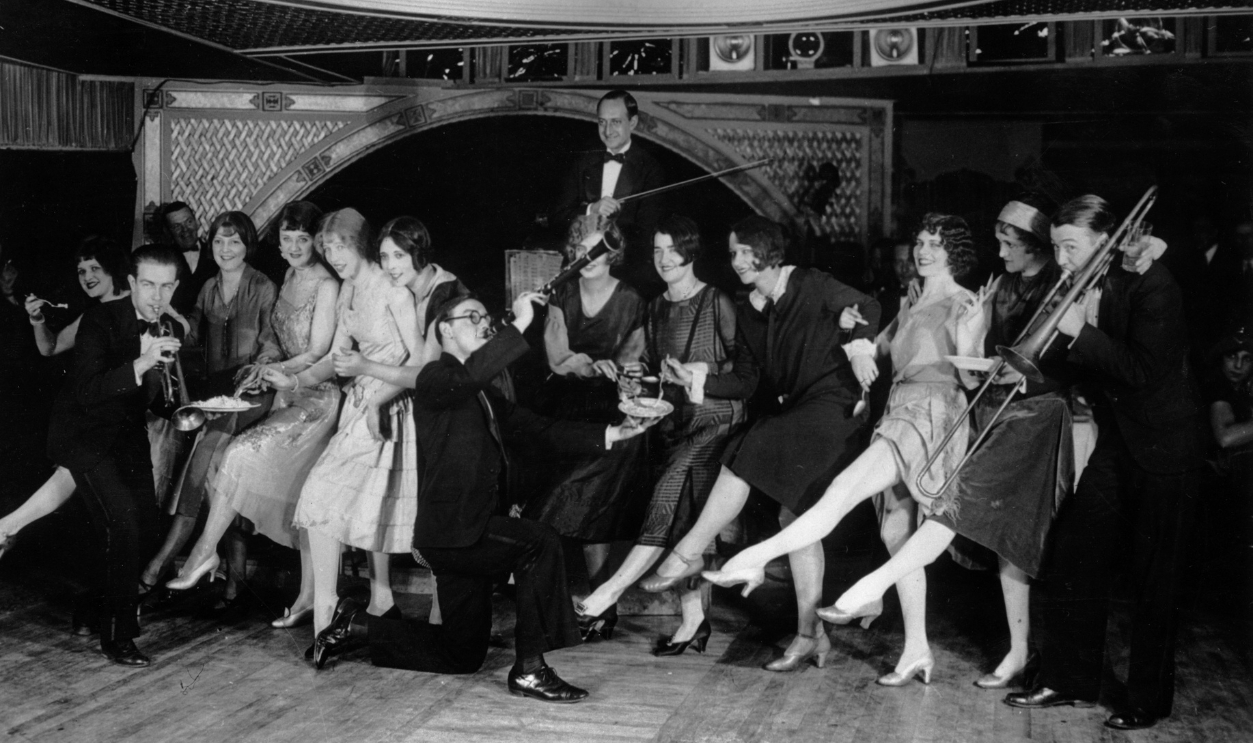
Ziegfeld Girls Jazz Band
This was an all-female jazz band associated with the famous Ziegfeld Girls. They were the chorus girls and performers in the Broadway revue productions known as the “Ziegfeld Follies”.
 ullstein bild Dtl. , Getty Images
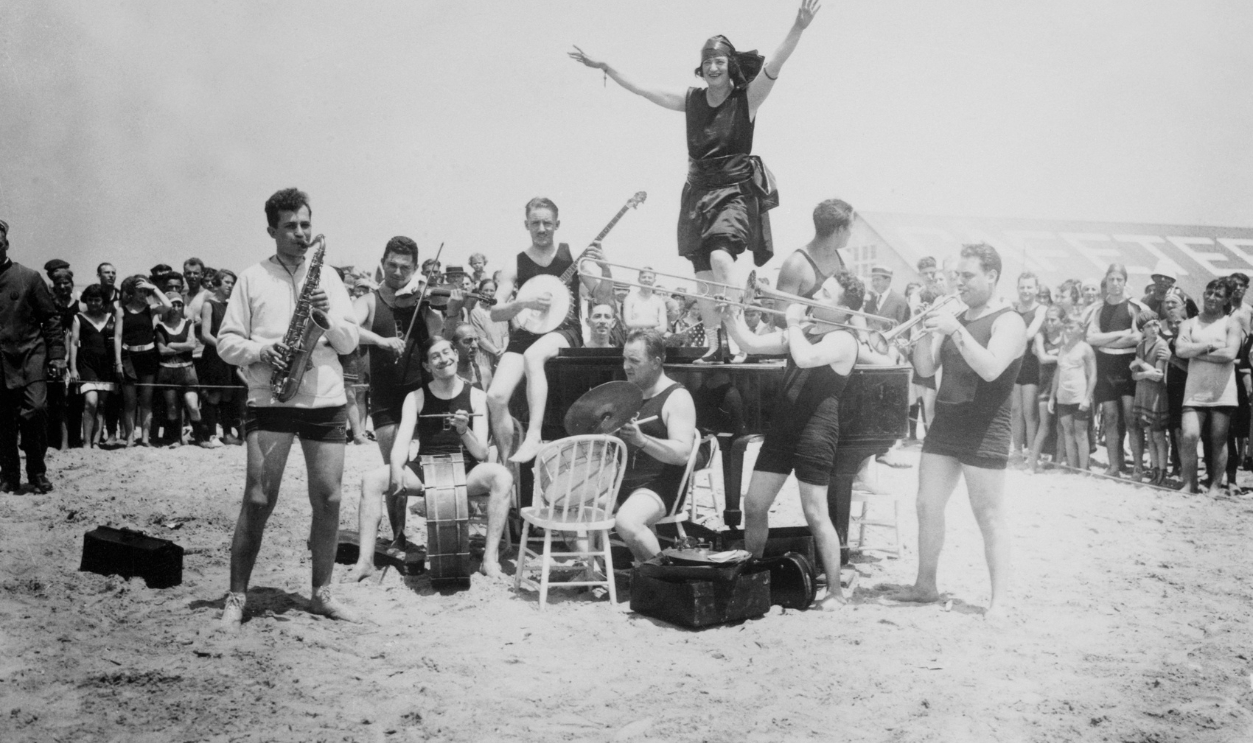
Flapper Dancing At Brighton Beach
The focal point is a young woman, dressed in full flapper fashion, dancing energetically atop a jazz band’s upright piano set up on the sandy beach. Surrounding her is Benny Krueger’s jazz band.
Charleston Champion After Seven-Hour Dance
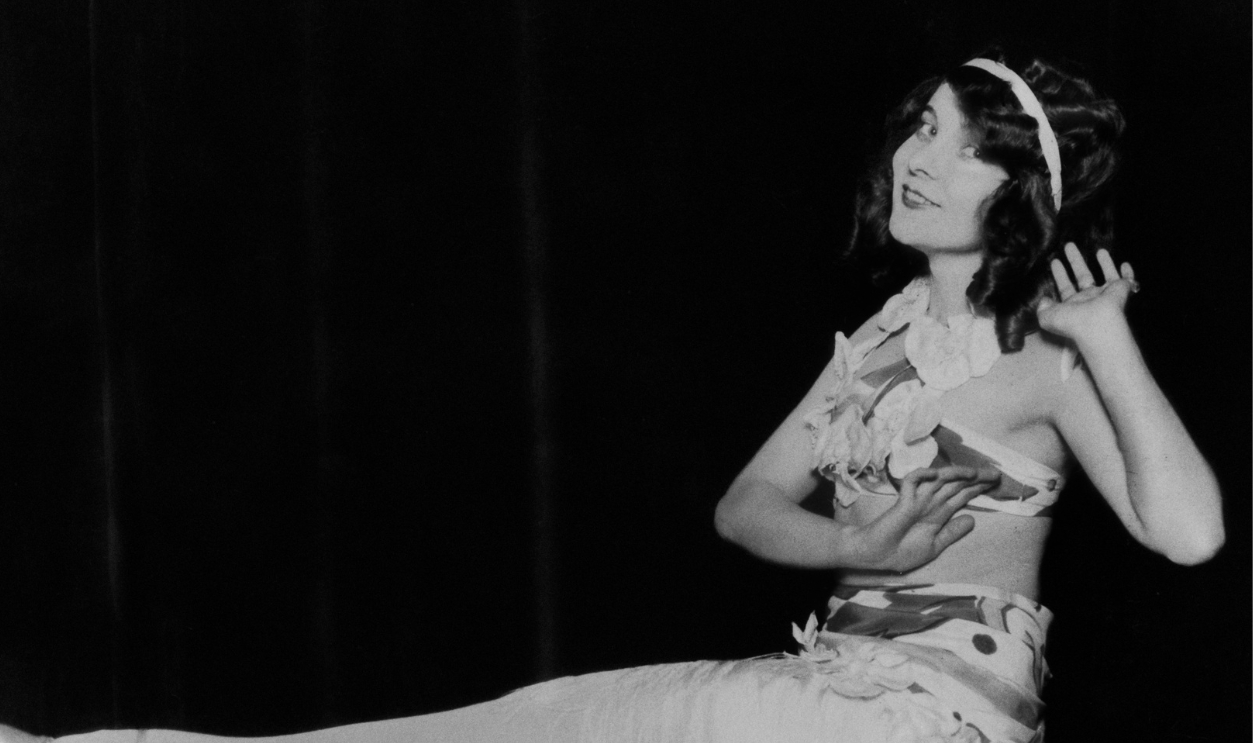
Miss Hardie was notably recognized as the ladies' solo Charleston champion around 1925 after dancing the Charleston for a record seven hours. In addition to this fame, Hardie was also active in sports, specifically tennis.
 American Stock Archive, Getty Images
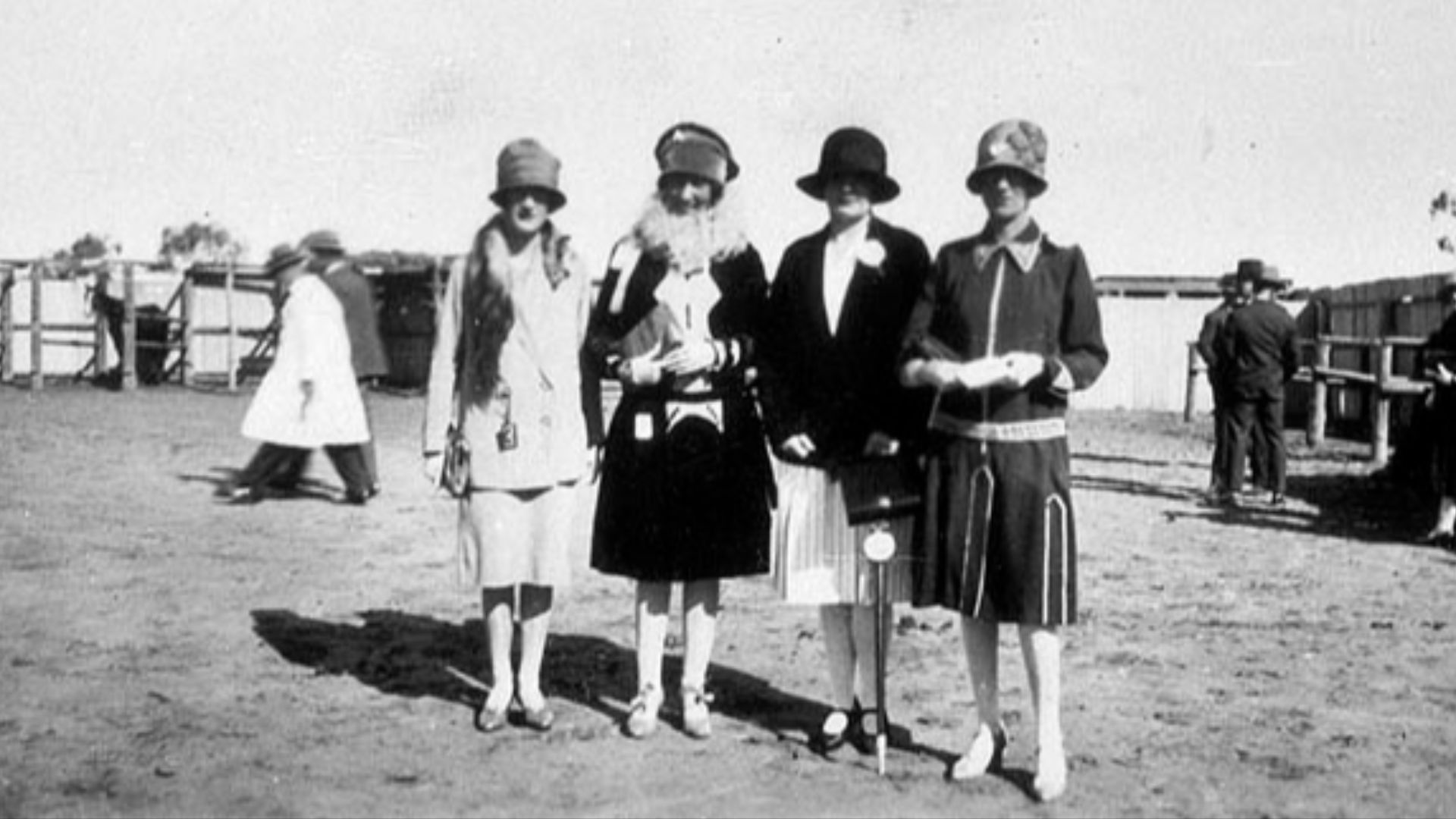
Fashions At Nyngan Picnic Races
By the late 1920s, hemlines reached their shortest point of the decade, often just below or at the knee, especially for day and sporty events. This was a daring change compared to earlier decades.
 Unknown, compiled by Alan Davies, Wikimedia Commons
Exterior Of Harlem's Cotton Club
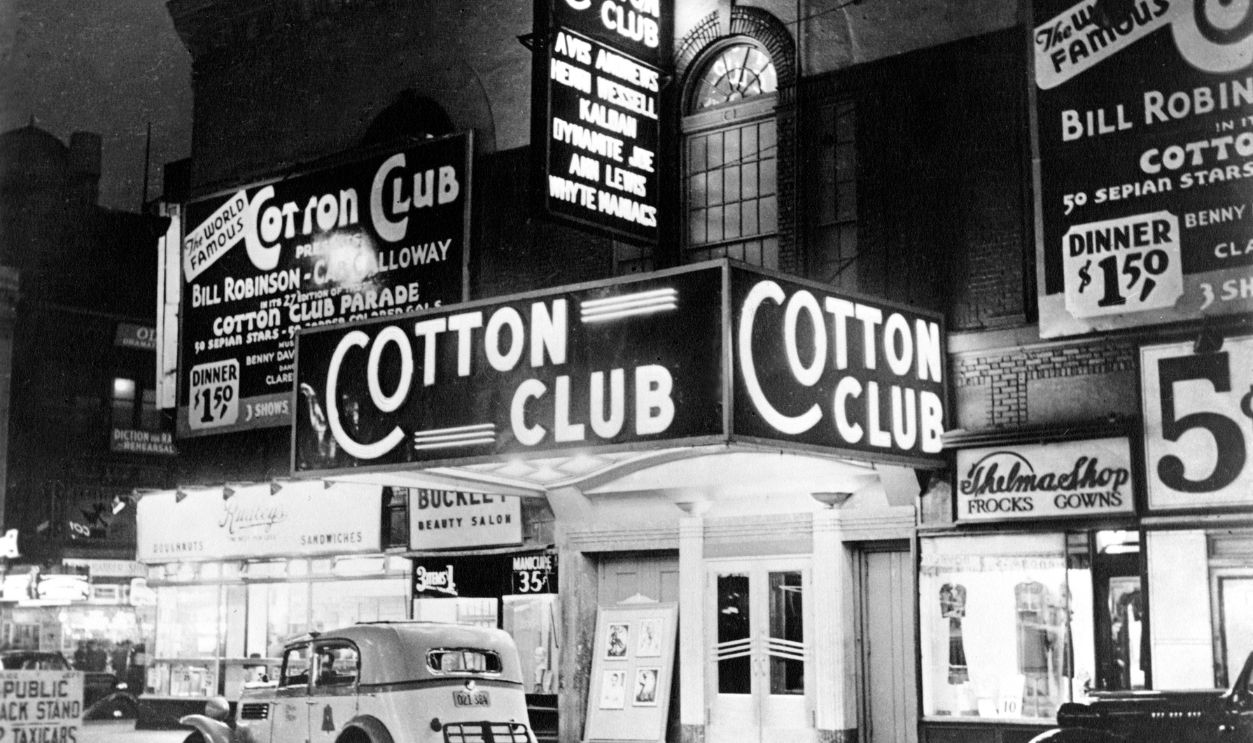
Look at the exterior nighttime view of the marquee of the Cotton Club nightclub in New York City from the early 1930s. The signage prominently advertises performances by Bill Robinson and Cab Calloway.
 Michael Ochs Archives, Getty Images
Krazy Kat Speakeasy Entrance
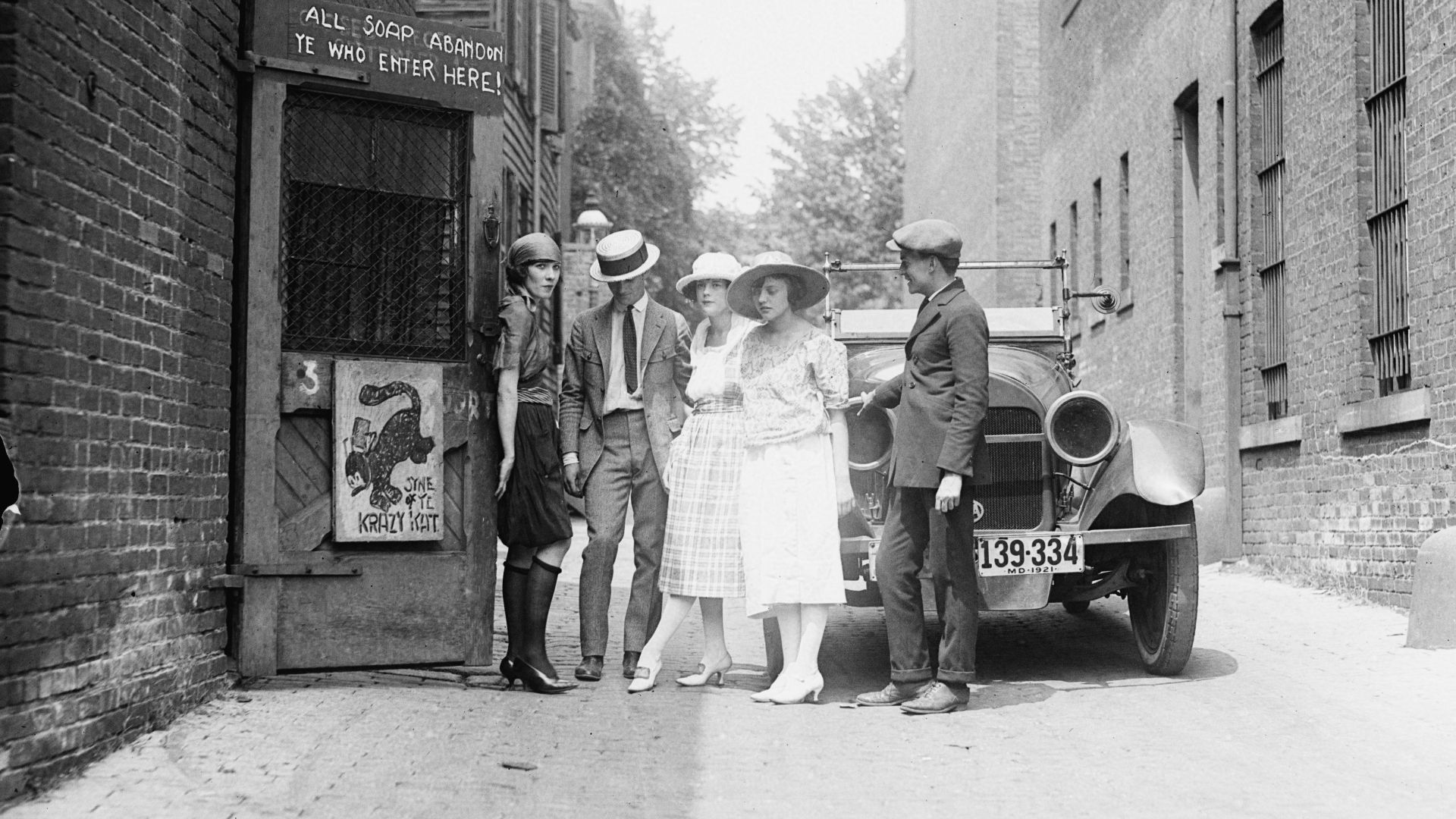
The Krazy Kat Klub was a real speakeasy in Washington DC, during Prohibition. It was named in homage to George Herriman’s influential comic strip Krazy Kat, which ran in newspapers from 1913 to 1944.
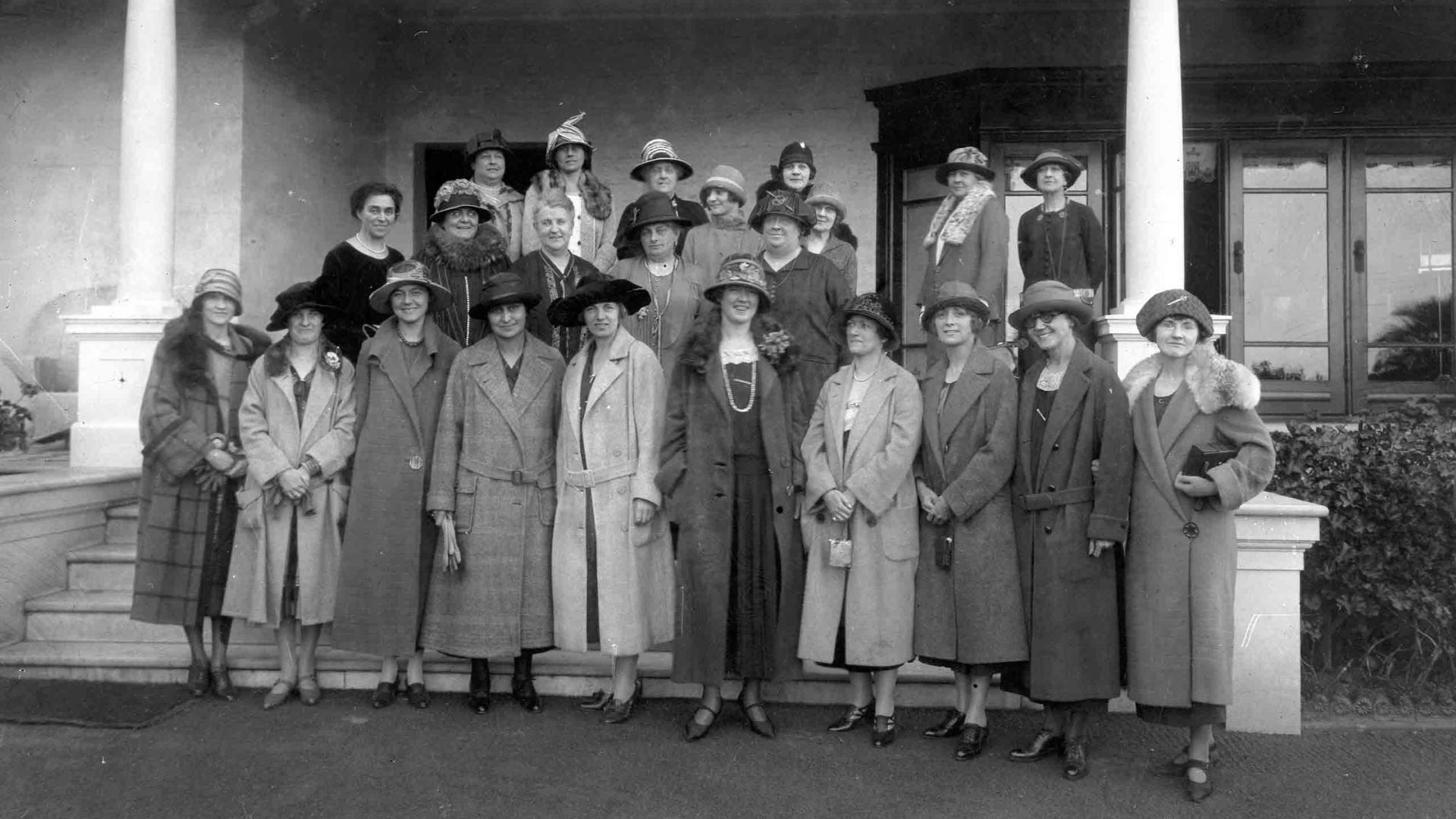
Group Portrait Of Women Posing
These women are dressed in contemporary 1920s attire, offering a clear and candid view of everyday women’s fashion from the period. They are posing near the entrance of a house.
 Australian National Maritime Museum on The Commons, Wikimedia Commons
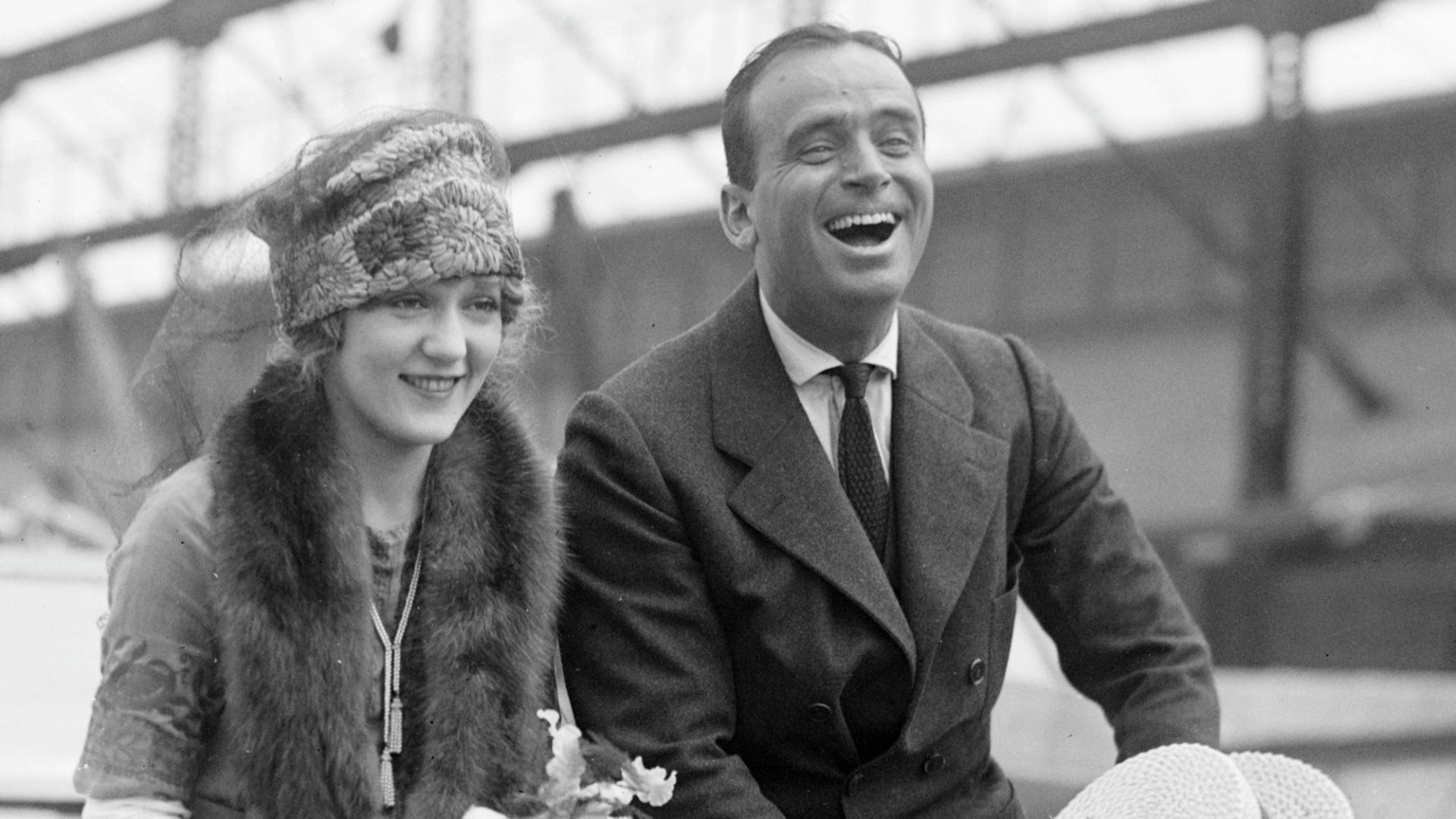
Fairbanks And Pickford
Here is a black-and-white portrait of the iconic American actors Douglas Fairbanks (1883–1939) and Mary Pickford (1892–1979). Their marriage on March 28, 1920, was widely publicized, and they were hailed as “Hollywood Royalty”.
 Unknown (Bain News Service, publisher), Wikimedia Commons
Harlem Entertainers Dancing At Small's Paradise Club
Small's Paradise Club was famed for its racially mixed crowd, Charleston-dancing waiters, and exciting floor shows. It competed with other Harlem venues such as the Apollo Theatre and the Cotton Club.

Jazz cornetist Bix Beiderbecke And The Wolverine Orchestra
The Wolverines formed in 1923, taking their name from the Jelly Roll Morton tune "Wolverine Blues”. Bix Beiderbecke joined the troupe later that year.
 Donaldson Collection, Getty Images
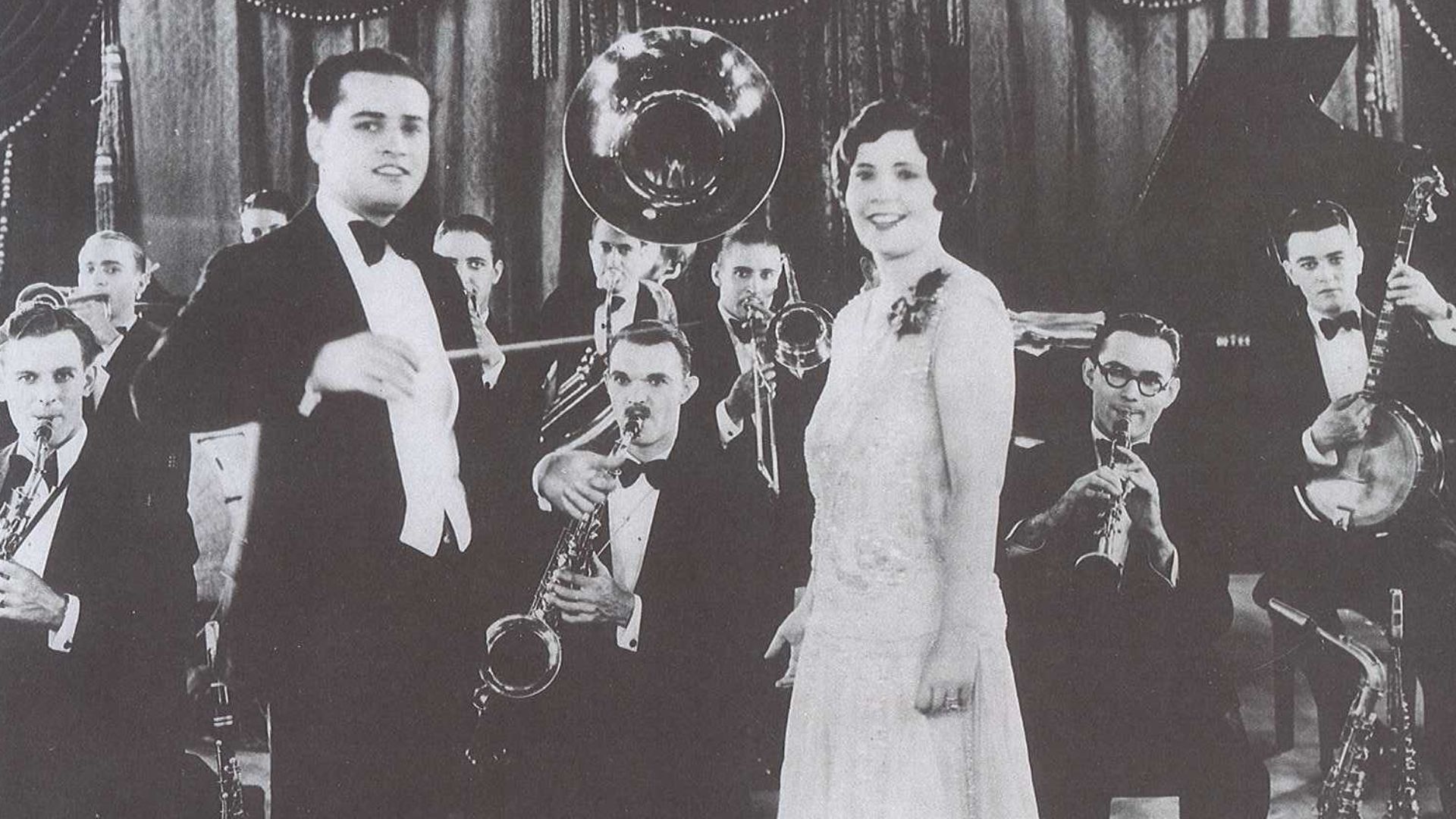
Henry Halstead Orchestra
This orchestra was led by Henry Halstead (1897–1984), a well-known American bandleader recognized for his influential jazz and dance band throughout the 1920s and 1930s.
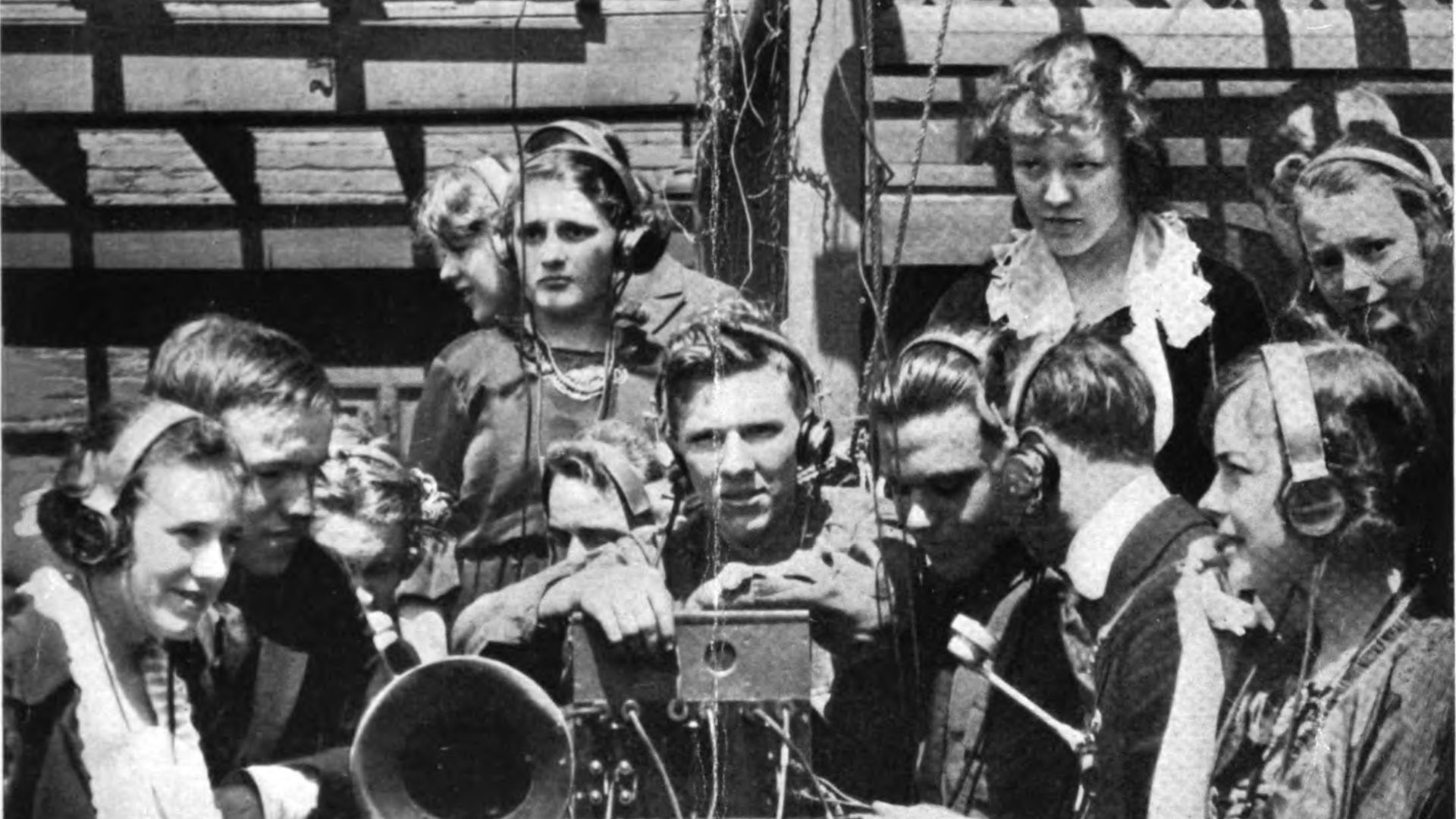
Club Holds Radio Dance Wearing Earphones
In an early example of music technology meeting social life, participants danced while wearing earphones to music broadcast from a band playing two miles away.
 Unknown authorUnknown author, Wikimedia Commons
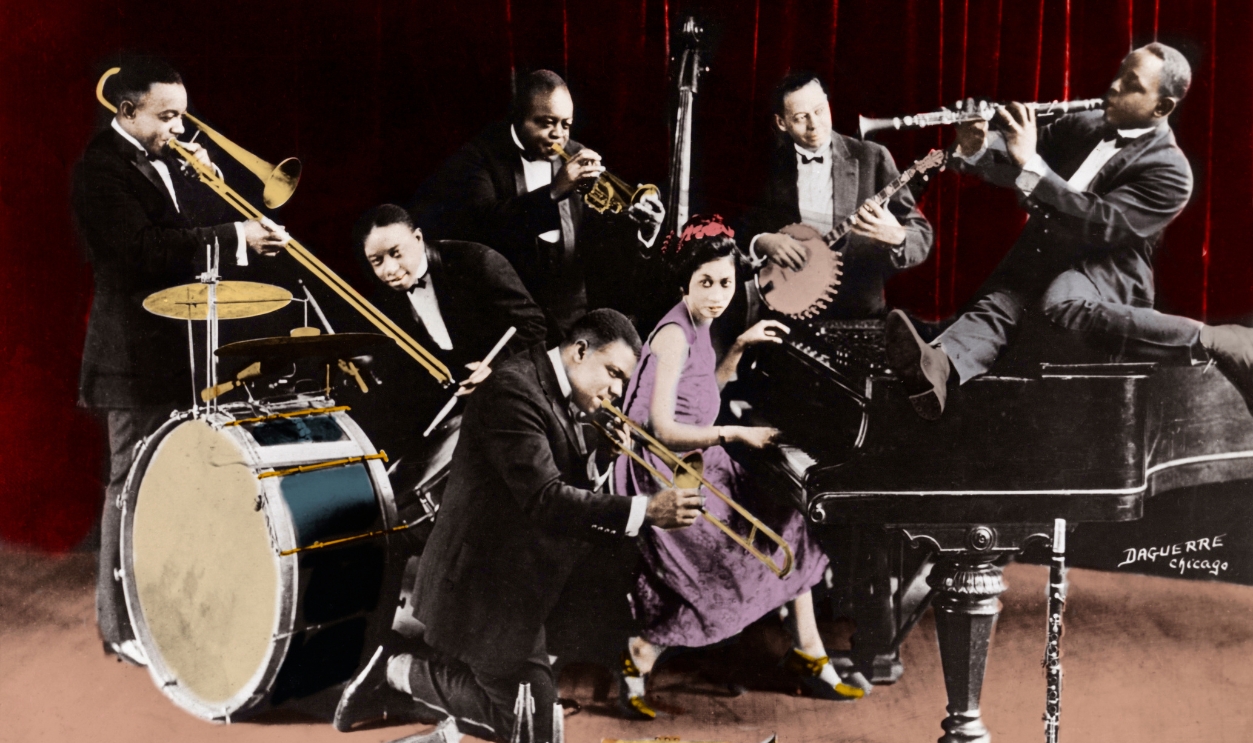
Louis Armstrong With King Oliver's Creole Band
One of the most well-known early jazz bands was Oliver's Creole Jazz Band, which came from New Orleans and had a huge impact on Chicago. Their recordings were made primarily at the Gennett studio in Richmond.
 Stefano Bianchetti, Getty Images
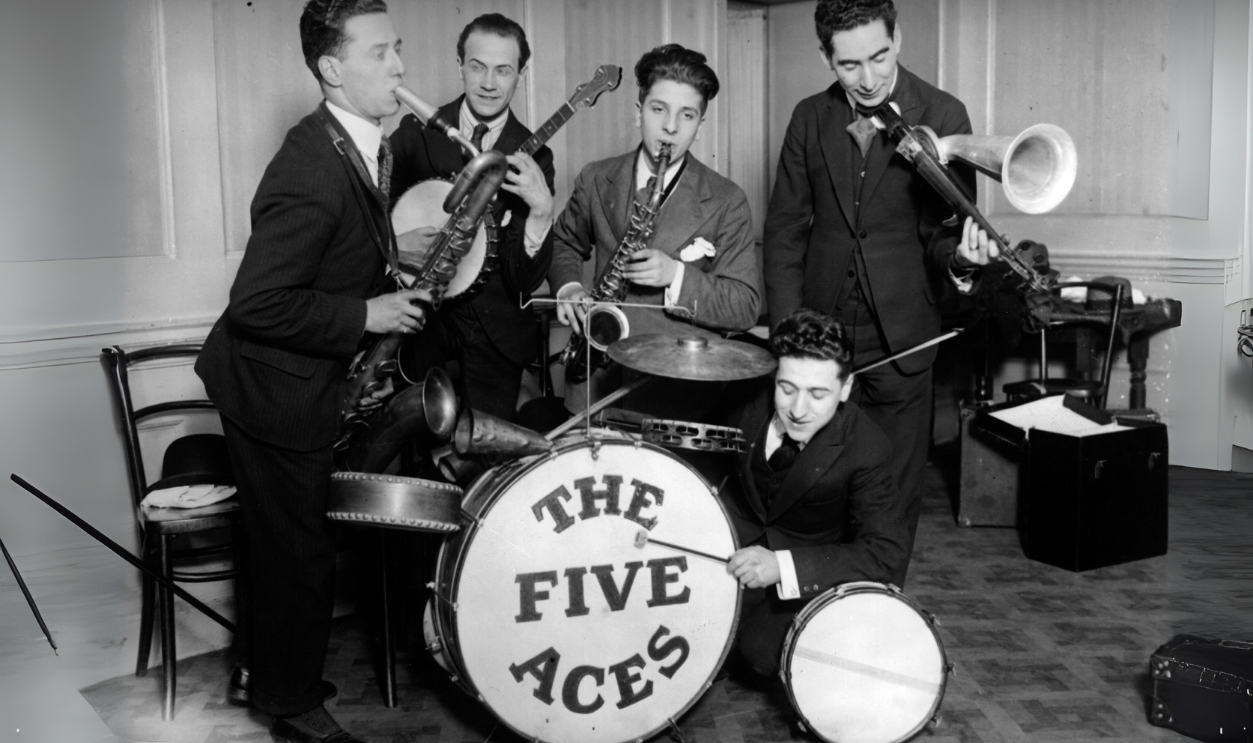
The Five Aces Jazz Band
The Five Aces represent a type of popular small jazz band active during the Roaring Twenties, performing dance-oriented jazz at venues that defined the era’s musical and cultural scenario.
 Topical Press Agency, Getty Images
Frank Farnum Instructs Pauline Starke
Franklyn Farnum, the beloved silent-era Western actor often credited as "Frank Farnum," had a career dominated by Westerns and other film work. Here, he is seen beside Starke doing the Charleston.
 National Photo Company Collection, Wikimedia Commons
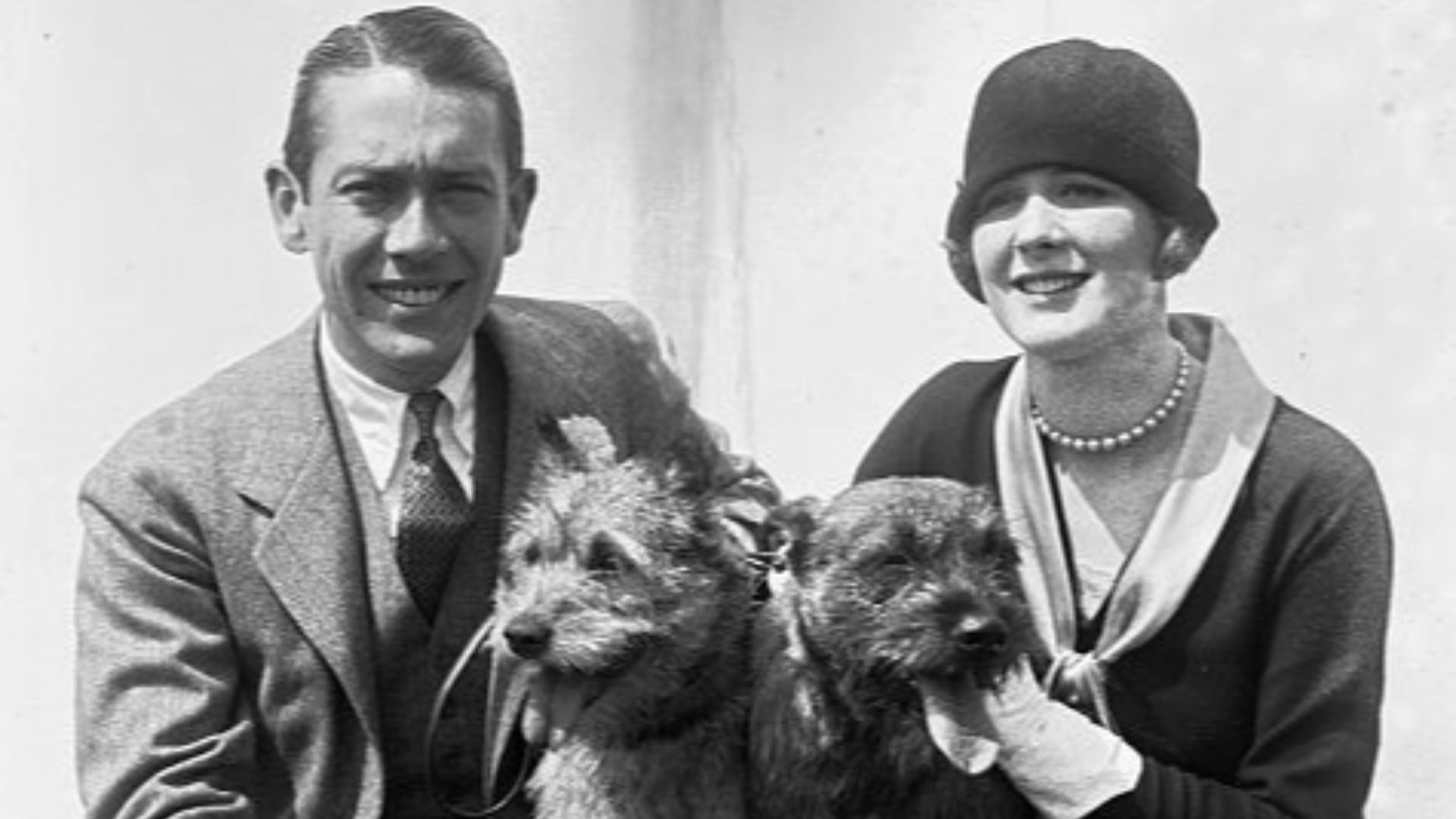
Jack Pickford And Marilyn Miller
Jack Pickford was a notable silent film actor and the younger brother of Mary Pickford. Scandals and personal struggles often overshadowed his career. The two got married on July 31, 1922, at Pickfair.
 George Grantham Bain Collection (Library of Congress), Wikimedia Commons
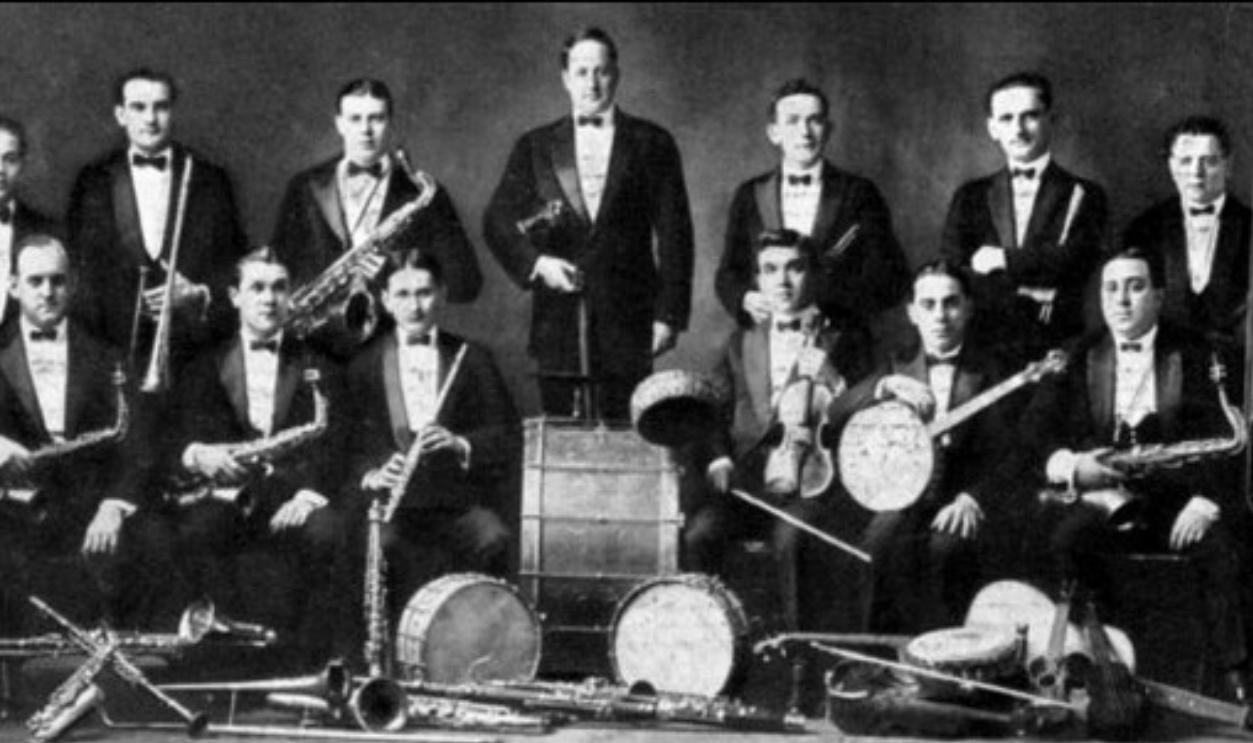
Edwin J McEnelly's Orchestra
The image shows the 13-piece orchestra led by Edwin J McEnelly, active around 1922. His orchestra became famous for its lively jazz, waltz, and dance music styles.
 Unknown author, Wikimedia Commons
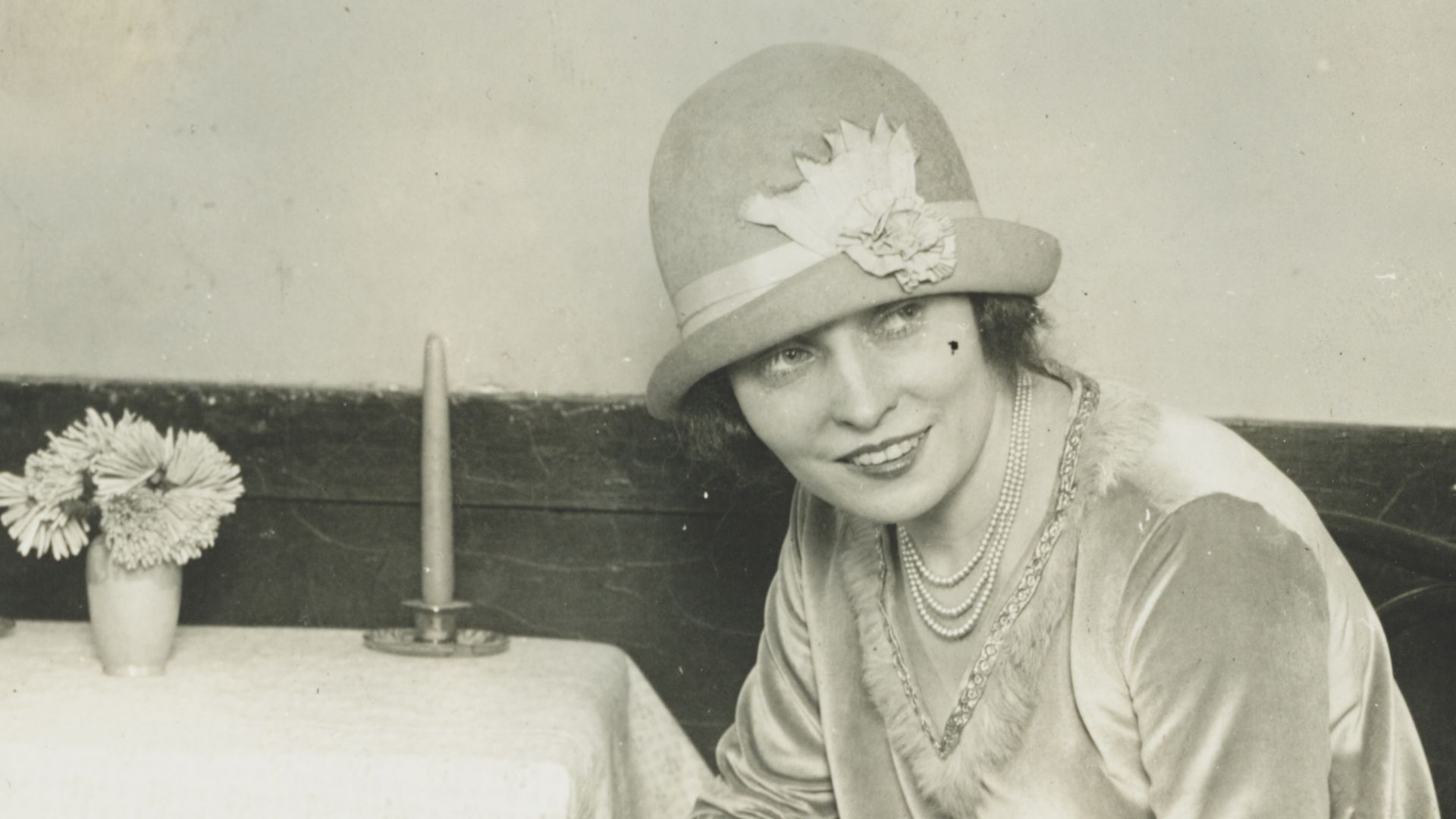
Flapper With Garter Flask In Washington
Here, we see Mlle Rhea, a dancer from 1926. She is modeling a garter flask. This reflects a Prohibition-era trend where women discreetly carried flasks of alcohol.
 National Photo Company Collection, Wikimedia Commons
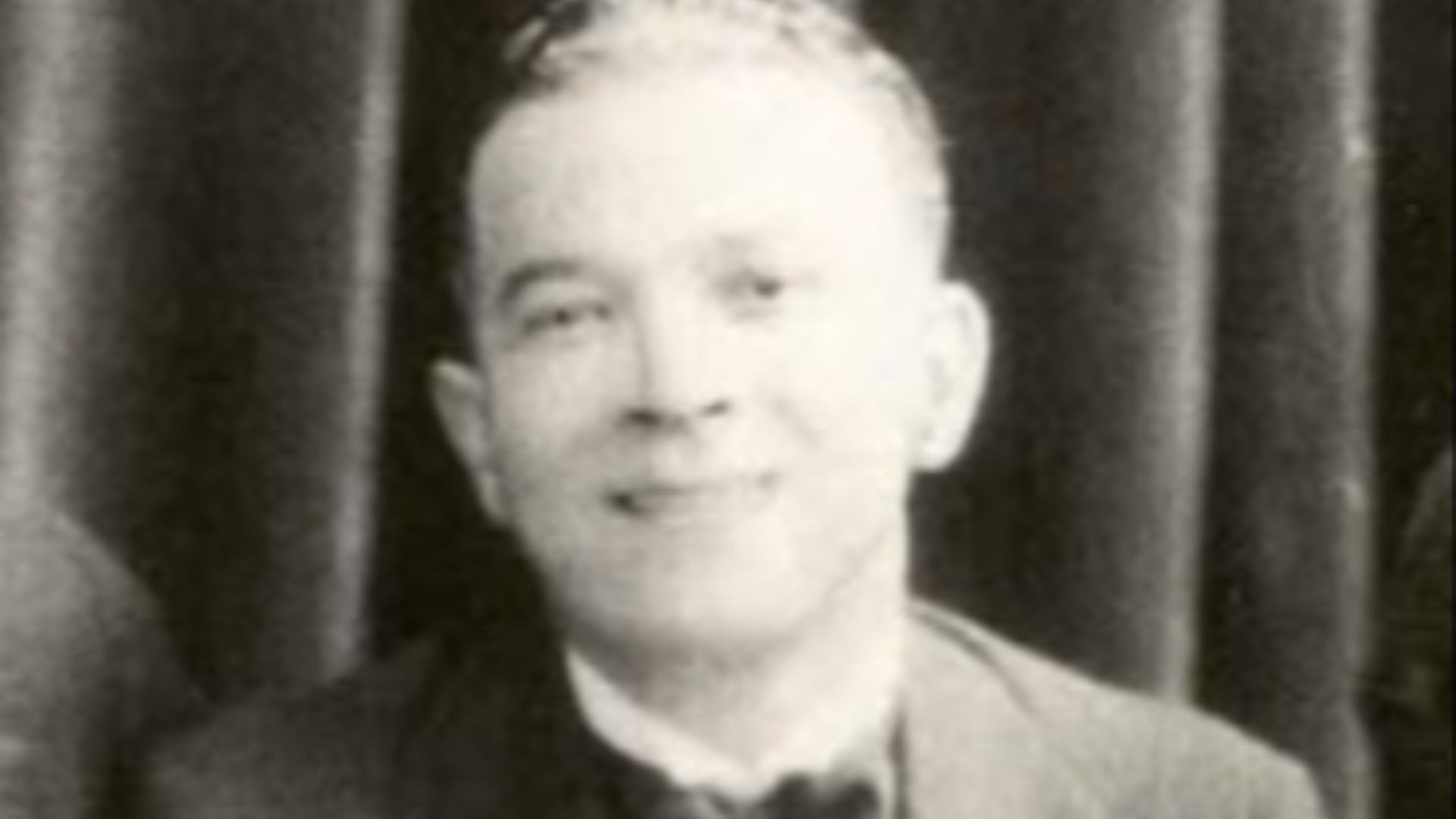
Kid Ory
Kid Ory was a pioneering American jazz trombonist, bandleader, and composer. He is regarded as one of the earliest and most influential figures in New Orleans jazz.
 Okeh Records, Wikimedia Commons
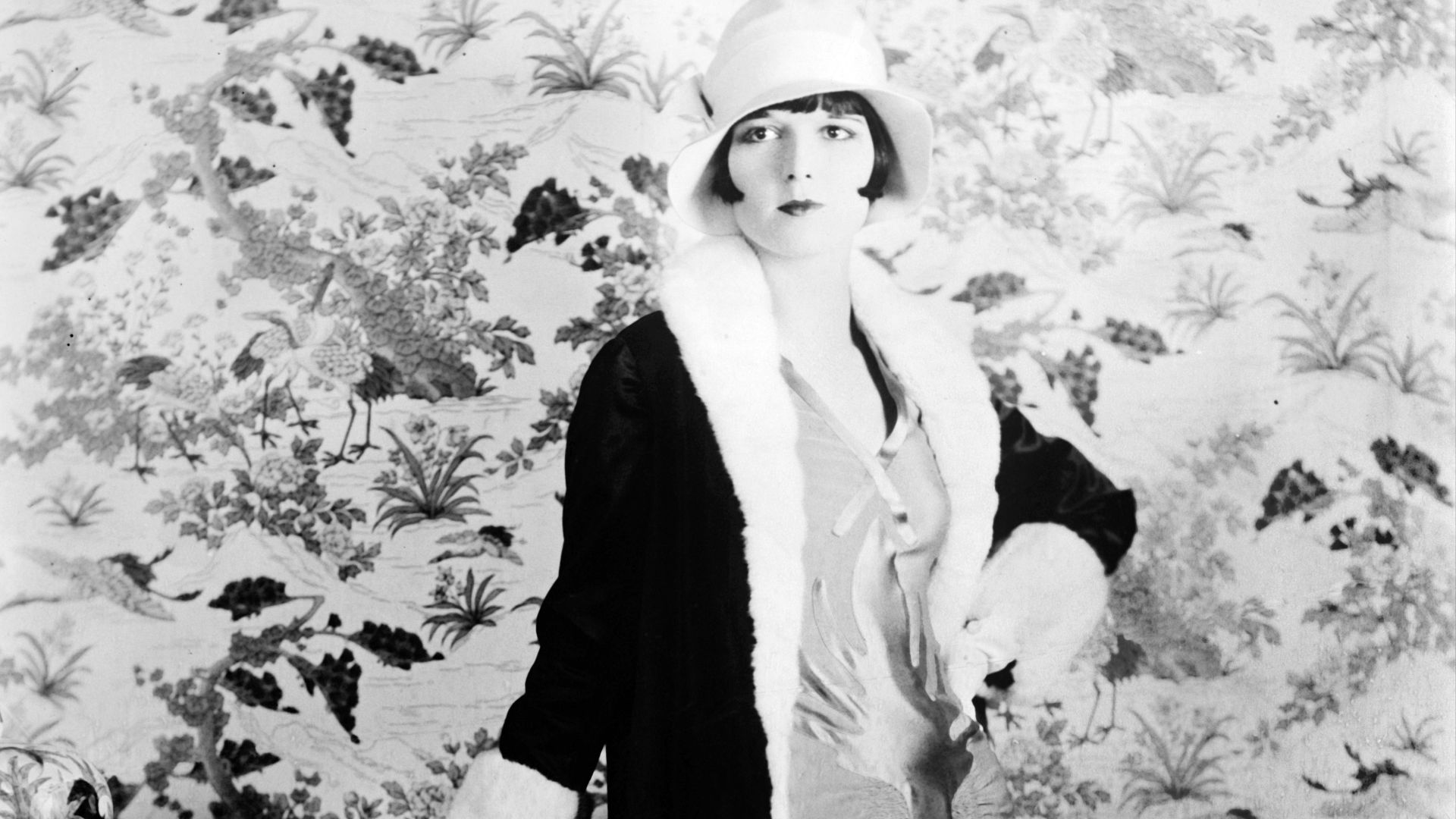
Portrait Of Louise Brooks
In this photo, we see the actress Brooks's distinctive dark, bobbed haircut with straight bangs. She popularized this style and soon became emblematic of the flapper period.
 Bain News Service, publisher., Wikimedia Commons
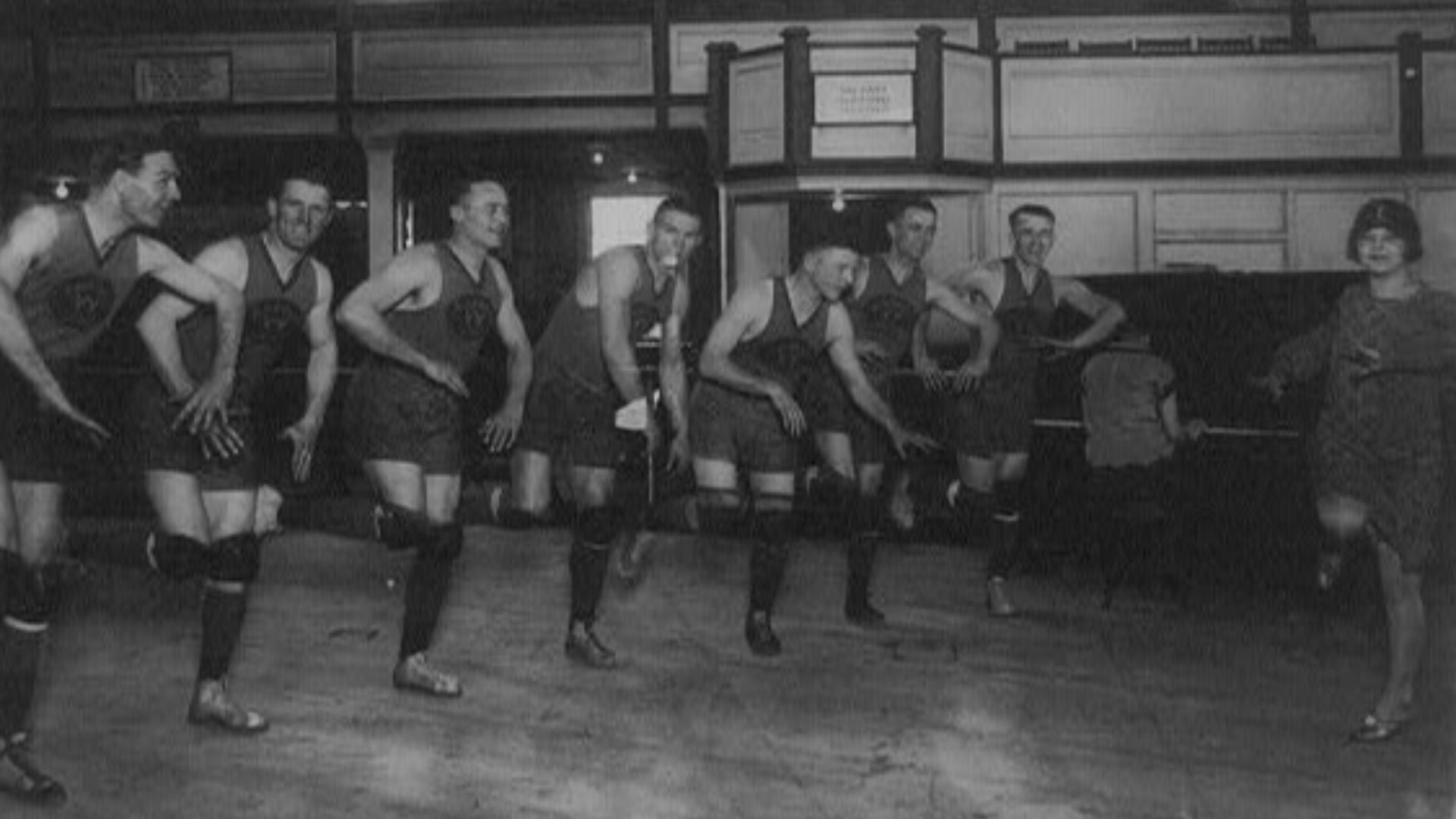
Dance Lesson For Basketball Players
Miss Vivian Marinelli is seen conducting a lesson in the Charleston dance to basketball players at Washington, DC's Palace Club. The men are identified as Jones, Conway, Grody, Saunders, Kearns, Glascoe, and their manager, Kennedy.
 National Photo Company Collection, Wikimedia Commons
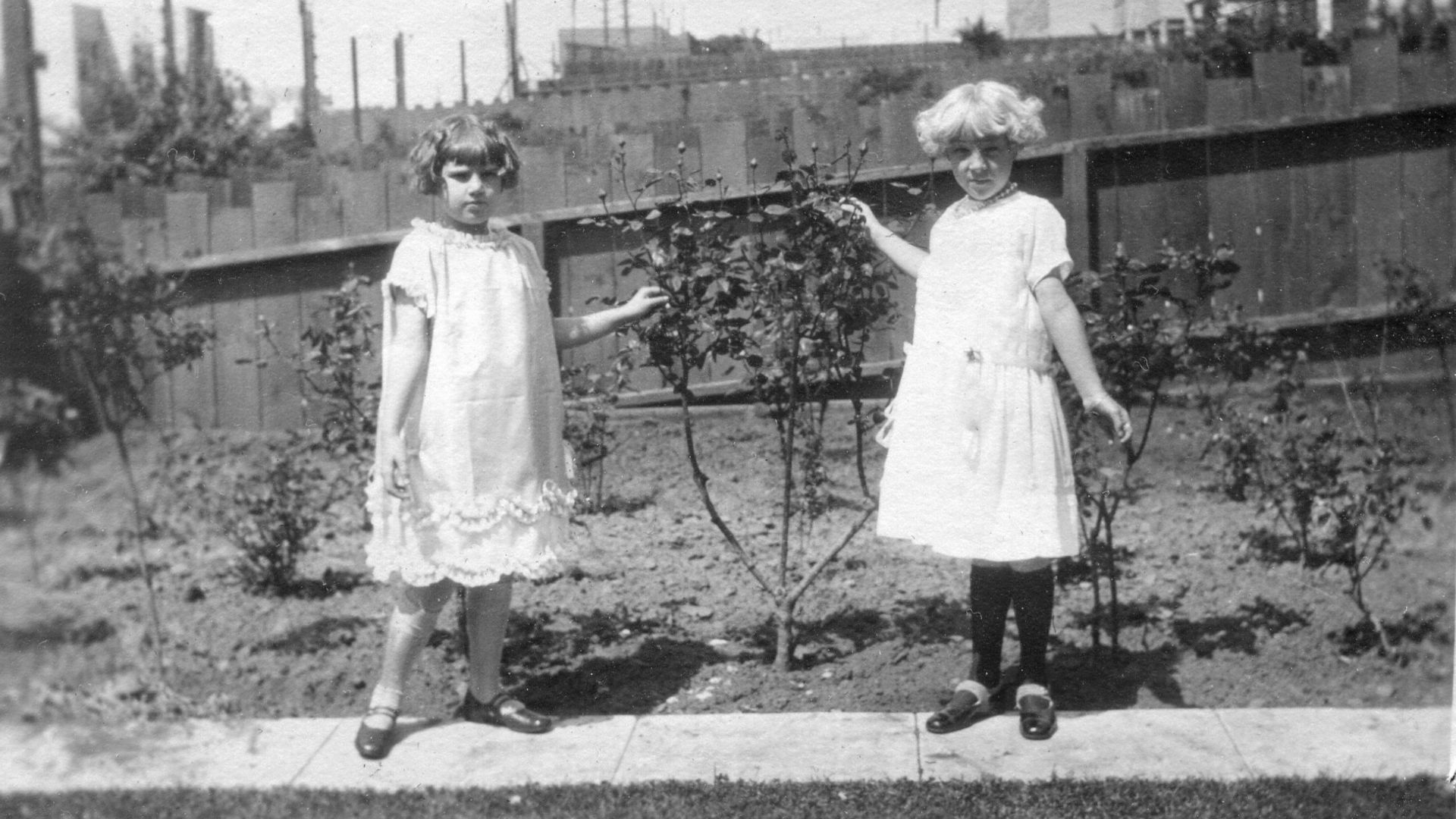
1920s Fashion For Young Flappers
This picture shows two young women posing with a small tree, taken in San Francisco around 1923. Loose, straight-cut dresses generally made up the flapper look.
 John Atherton, Wikimedia Commons
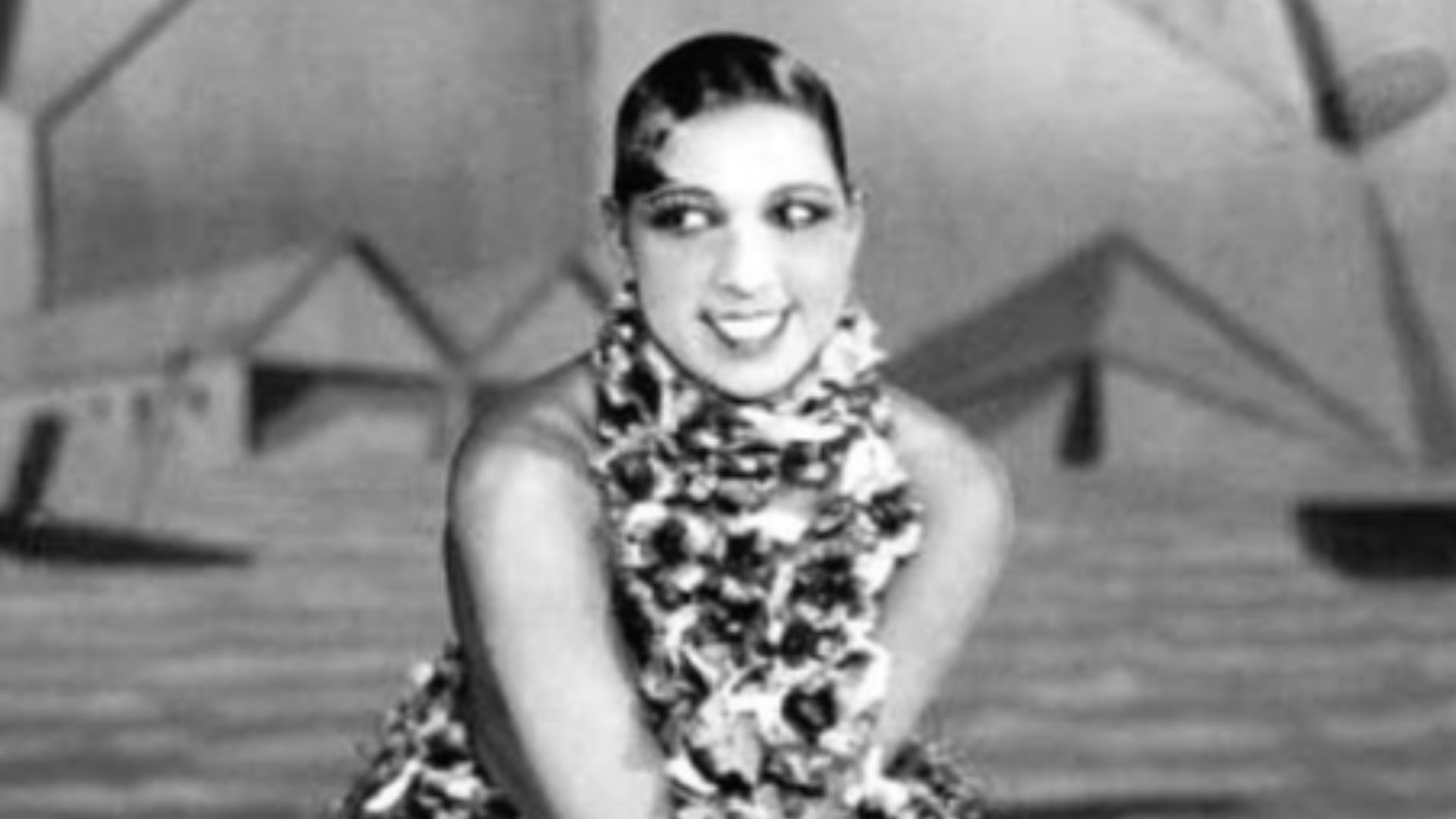
Josephine Baker Dancing The Charleston
Josephine Baker, an iconic African American-born French dancer and entertainer of the Jazz Age, is captured mid-movement, displaying the energetic and exuberant style of the Charleston dance.
 Walery, Polish-British, 1863-1929, Wikimedia Commons
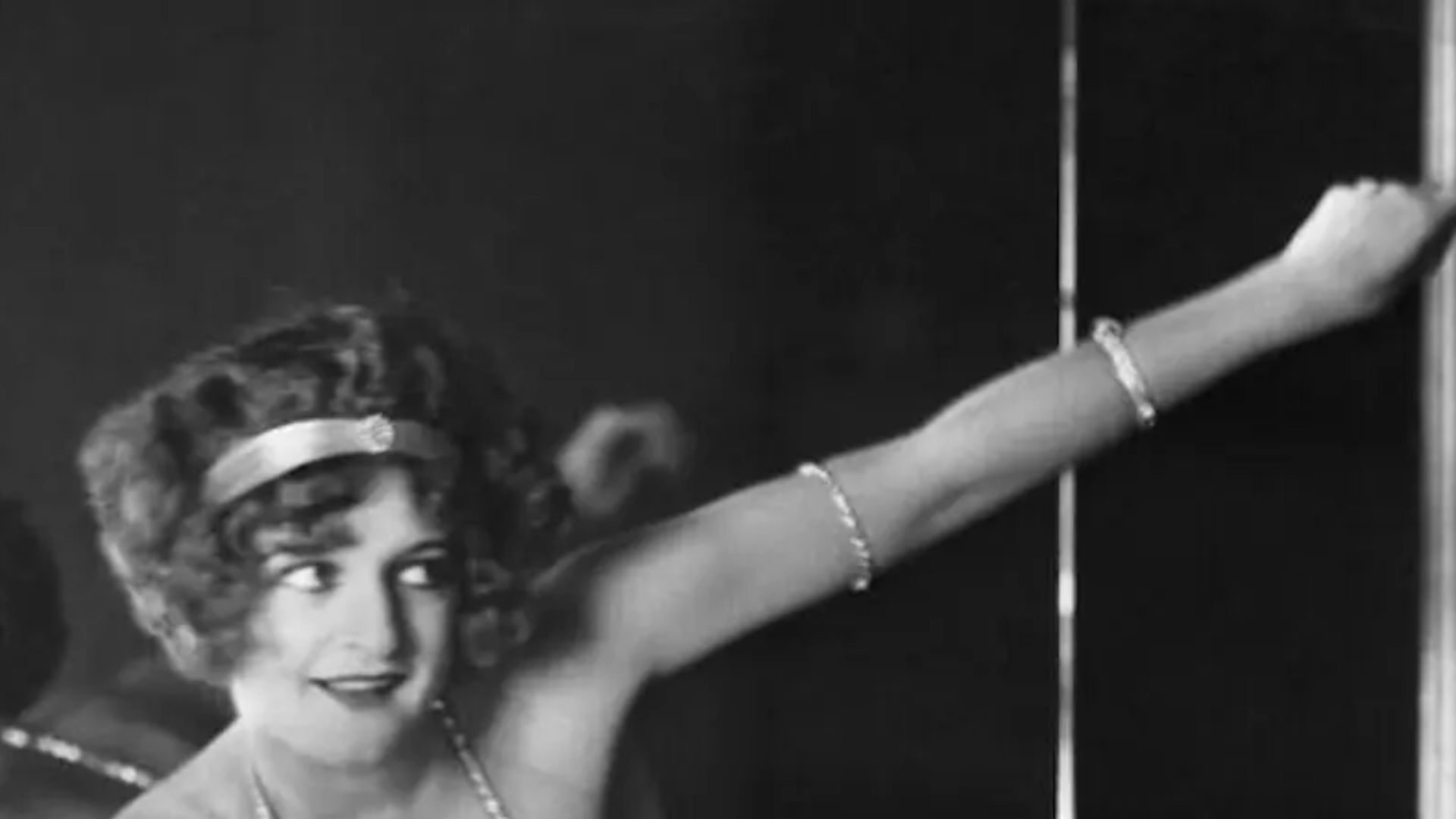
Bee Jackson, The World Charleston Champion
Bee Jackson played a very important role in popularizing the Charleston dance. Born in Brooklyn, she learned the dance after seeing the 1923 Broadway revue Running Wild.
 Unknown author, Wikimedia Commons

._May_9,_1925_LCCN2005689160.jpg)
