

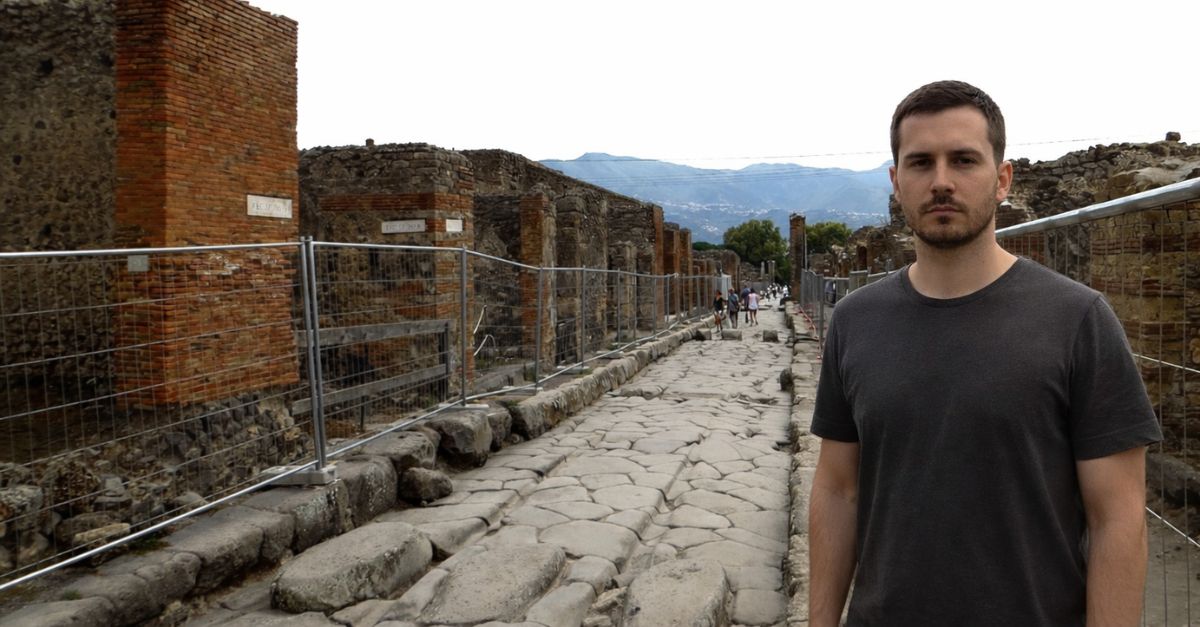
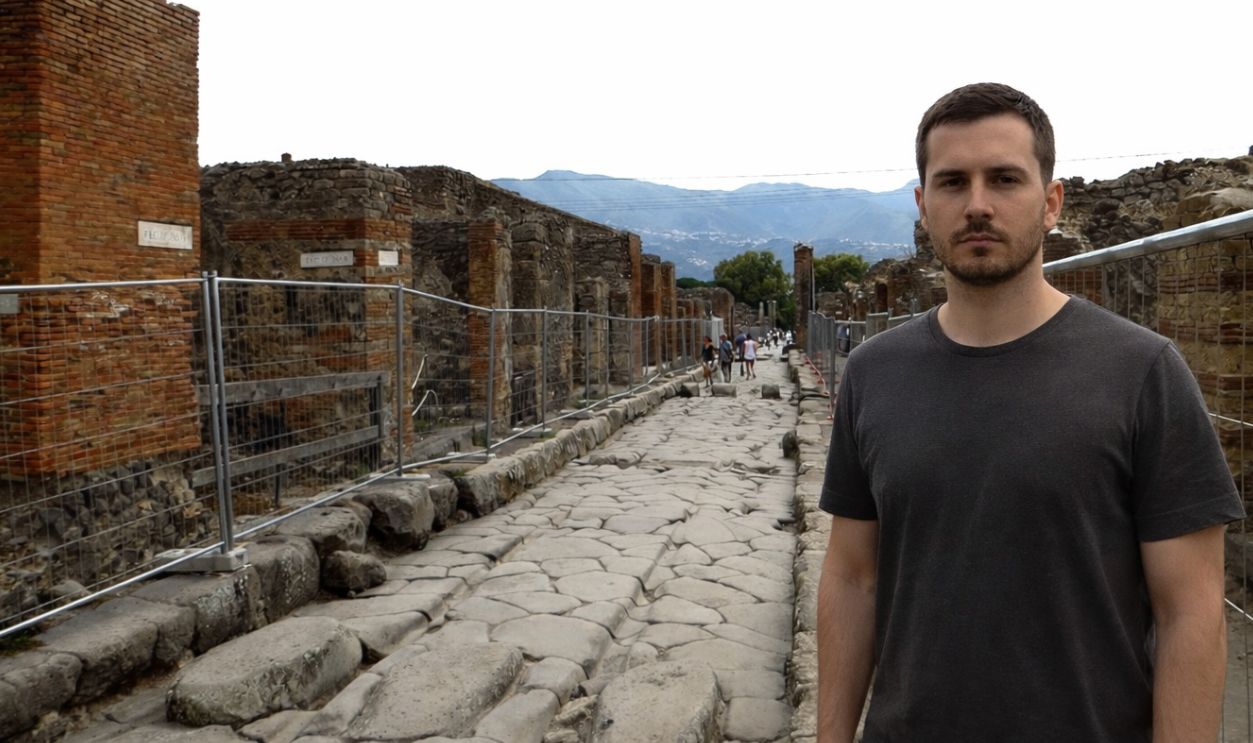
Pompeii has long fascinated archaeologists and travelers alike, its ruins offering a vivid snapshot of Roman life paused by disaster. But even now, new discoveries keep shifting the story. In a recently excavated section of the city known as Regio IX, researchers unearthed something hidden beneath layers of ash and time. What they found wasn’t just another ruined home or cobbled street. It hinted at something far more intimate, opulent, and surprising. This space invites new questions about how ancient Romans lived and socialized. While bathhouses were common in Roman life, this one reveals a more personal layer—where daily rituals and private ambition quietly overlapped.
A Private Spa Hidden Beneath The Ash
While clearing debris in Regio IX, archaeologists uncovered a remarkably intact bathing complex inside a private residence. This suite did not resemble the public baths used by the general population. Instead, it formed part of a grand home that likely belonged to a family of considerable wealth. The rooms were constructed with impressive technical skill. Heated flooring systems and carefully designed water channels suggested a high level of engineering. In several rooms, the original mosaic flooring survived, while faint remnants of painted frescoes still clung to the walls. The site immediately attracted the attention of researchers for both its quality and scale.
Beyond the preserved surfaces, the layout revealed something more intentional. The bathing rooms connected directly to other parts of the home, including what appeared to be a formal dining area. This spatial arrangement hinted that bathing in this household was not a private, isolated act. Instead, it formed part of a larger experience involving food, conversation, and hospitality. Guests likely moved from warm water to elegant meals in a single visit. This integration of functions reflected not only wealth but a specific cultural approach. The home seemed designed to combine comfort with social interaction on an elevated level.
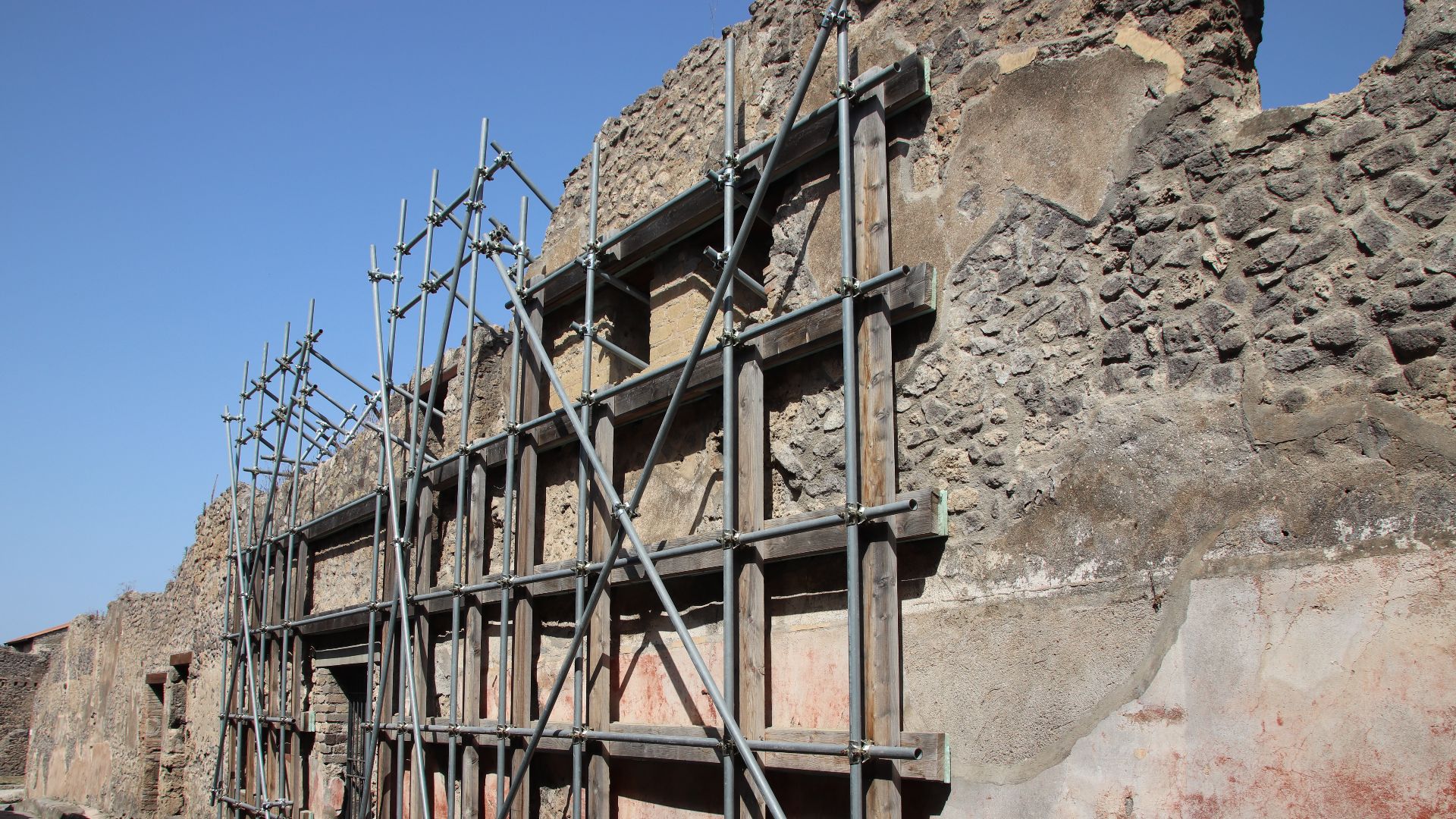 Gary Todd from Xinzheng, China, Wikimedia Commons
Power, Prestige, And The Roman Ritual Of Bathing
Bathing in ancient Rome served as a shared tradition that carried both social and symbolic weight. The bathing suite found in Regio IX likely functioned as a space for both retreat and influence. Offering access to such a personal feature could signal prestige. Entertaining guests there communicated a message of refinement and status. While references to similar settings appear in Roman literature, physical examples as well-preserved as this are uncommon. The connection between the bath suite and the surrounding reception areas supported the idea that the space hosted more than just family members. Its design encouraged intentional interaction with invited guests.
Romans often approached bathing as a group ritual that blended leisure with relationship-building. Public bathhouses allowed for spontaneous encounters, but private ones gave the host full control of the experience. That control extended to the atmosphere, the flow of conversation, and the selection of company. Inside elite homes, the act of bathing became a soft display of power. Hosting someone in such a setting could help form a new alliance or strengthen an existing one. The suite’s location near a major city intersection also raised questions about who had access and what kinds of meetings may have taken place there.
What This Discovery Says About Life In Pompeii
The bath suite uncovered in Regio IX is pushing researchers to reconsider how Pompeii’s elite expressed their identity. Rather than relying only on large homes or expensive items to show status, some residents invested in experiences. In this case, the experience centered around relaxation and conversation. While the broader public accessed communal baths, this homeowner offered something more personal. The presence of decorative art and carefully planned transitions between rooms suggested that the purpose of the suite went beyond practical use. It likely existed to host and impress others in a setting that combined both privacy and performance.
The suite gives insight into what mattered to those who lived in Pompeii before the eruption. Although the volcanic eruption preserved these remains, the lives behind them were filled with intention. With this newfound evidence, the world now has a hint of who the natives welcomed, how they entertained, and what they valued. The home was not simply a space for family routines. It operated as a flexible stage for social and possibly political engagement. As excavation continues, spaces like this reveal new layers of Roman life that once took place far from the crowds of the forum or marketplace.
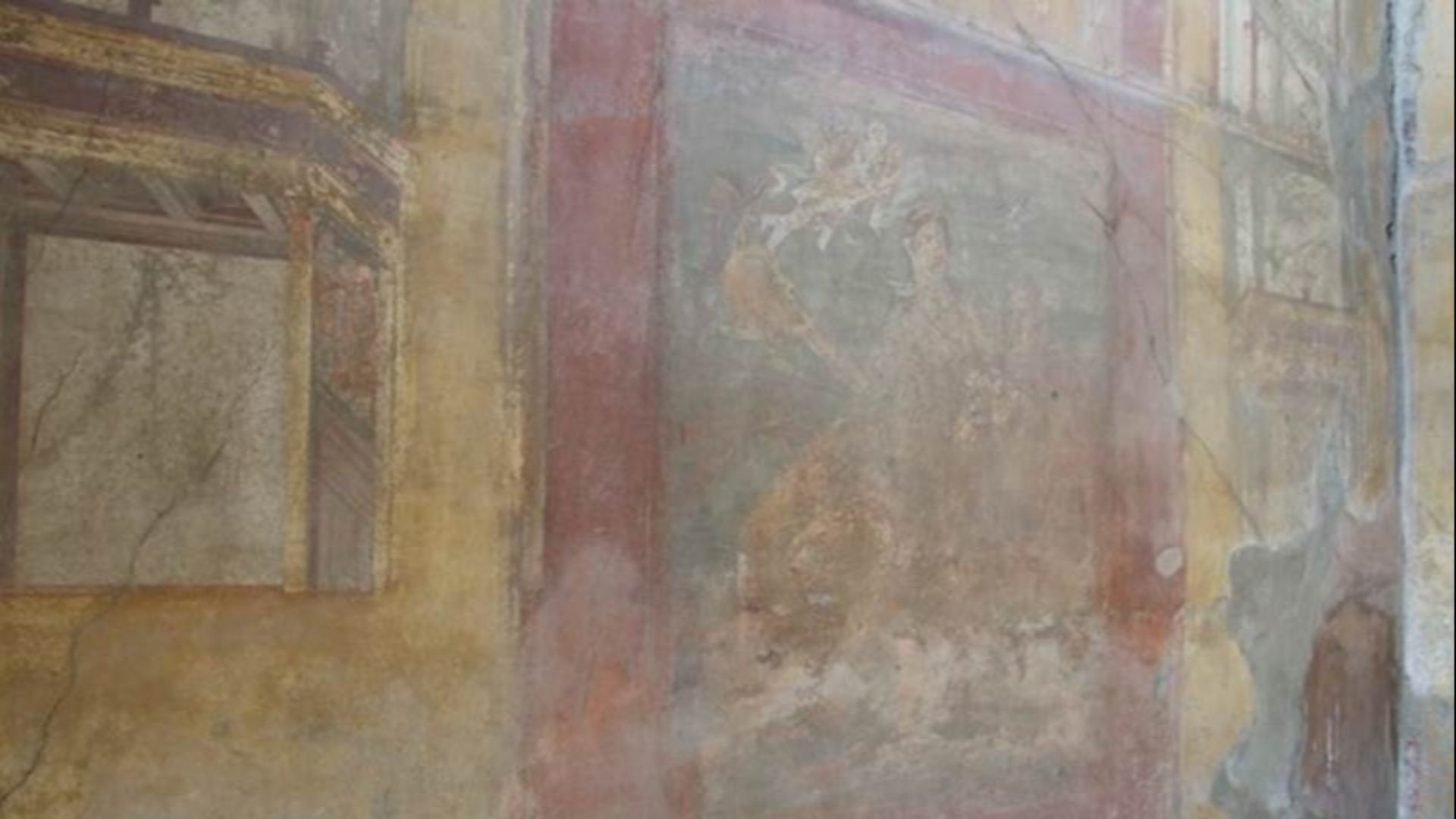 Ancient Roman frescos of Pompeii, Wikimedia Commons






.jpg)