Prehistoric Admin Tool
Forget massive pyramids and towering temples. A stone seal barely an inch wide is causing experts to rethink human history. The discovery suggests prehistoric people had sophisticated systems thousands of years earlier than believed.
 HALUK COMERTEL, Wikimedia Commons, Modified
Remarkable Discovery
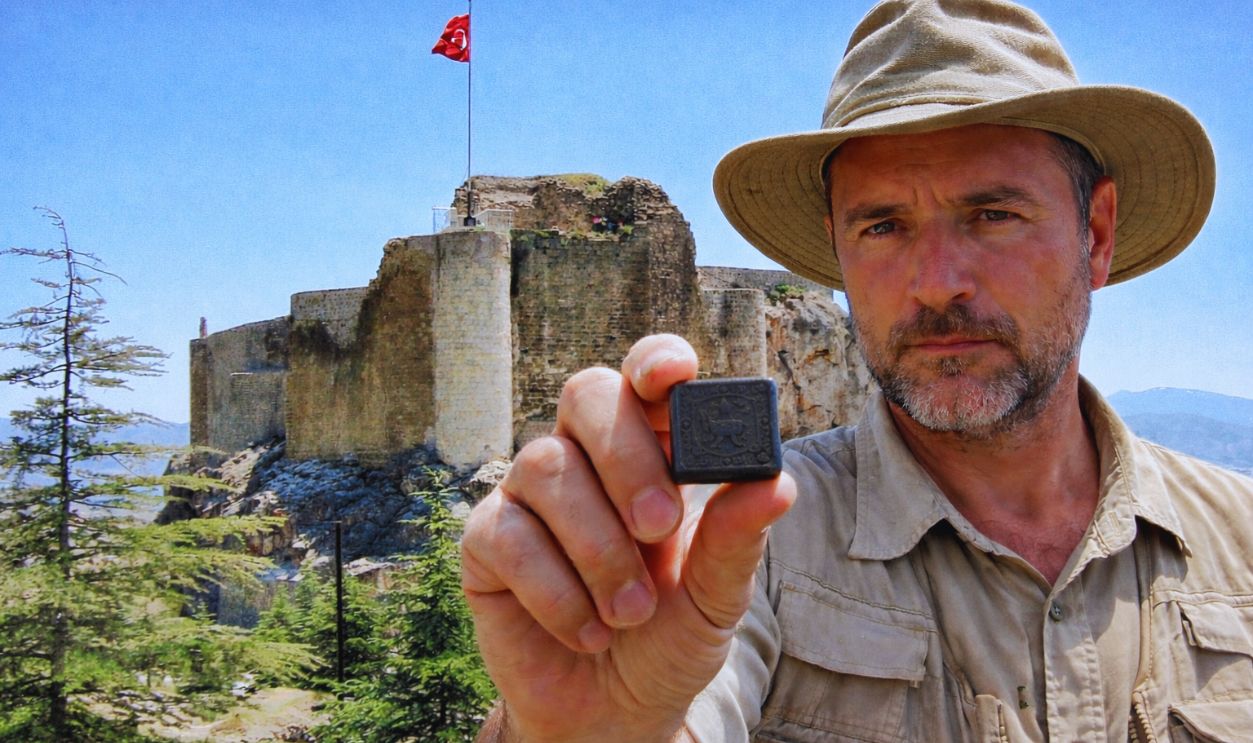
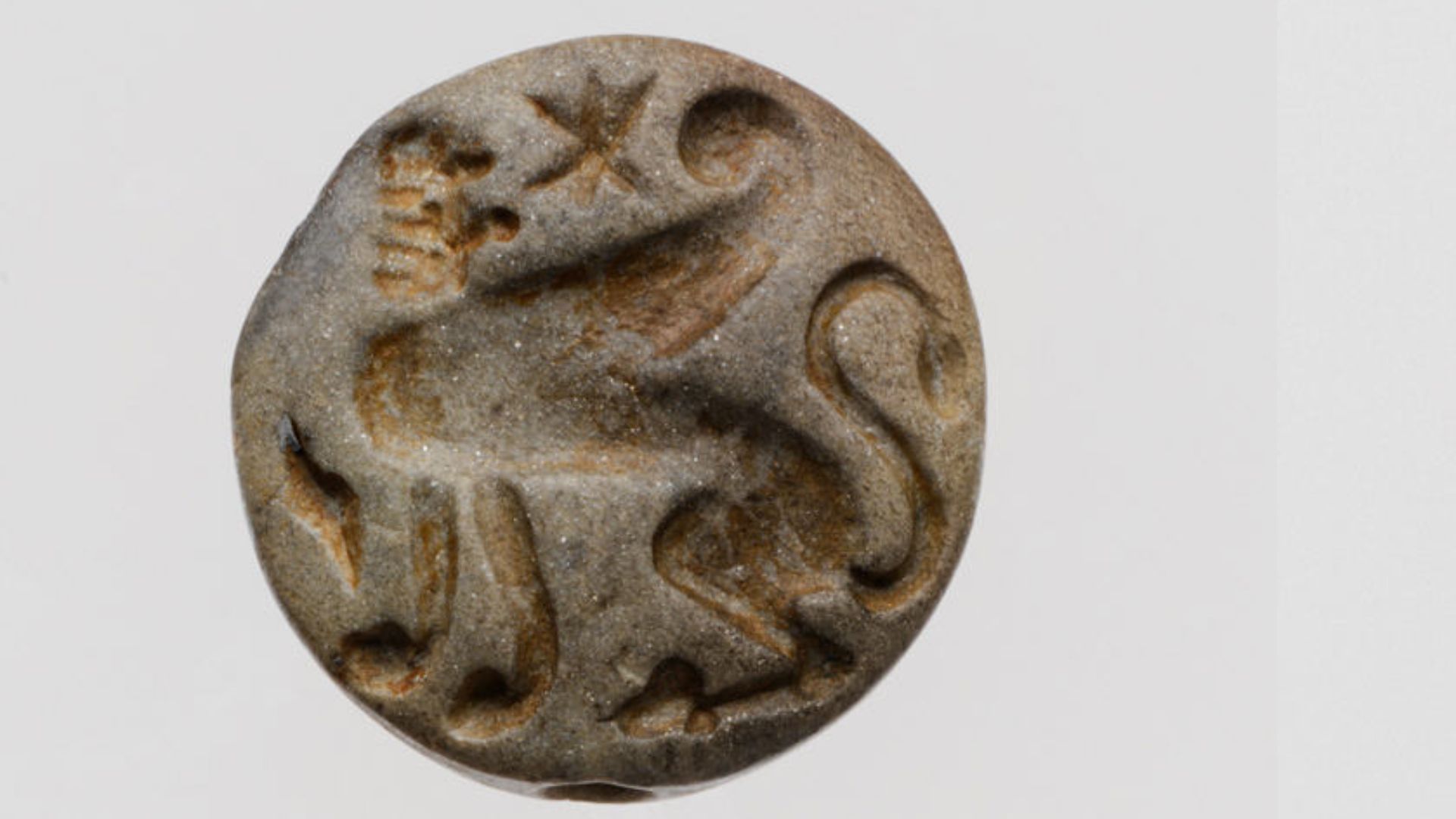
Archaeologists working at Tadim Fortress in eastern Turkey's Elazig province unearthed a 7,500-year-old stone seal in late 2025, stunning the archaeological community. This tiny artifact predates writing systems and major ancient civilizations by thousands of years. The seal represents the first of its kind discovered in Elazig.
 Zeynep Kılınç, Wikimedia Commons
Tadim Excavation
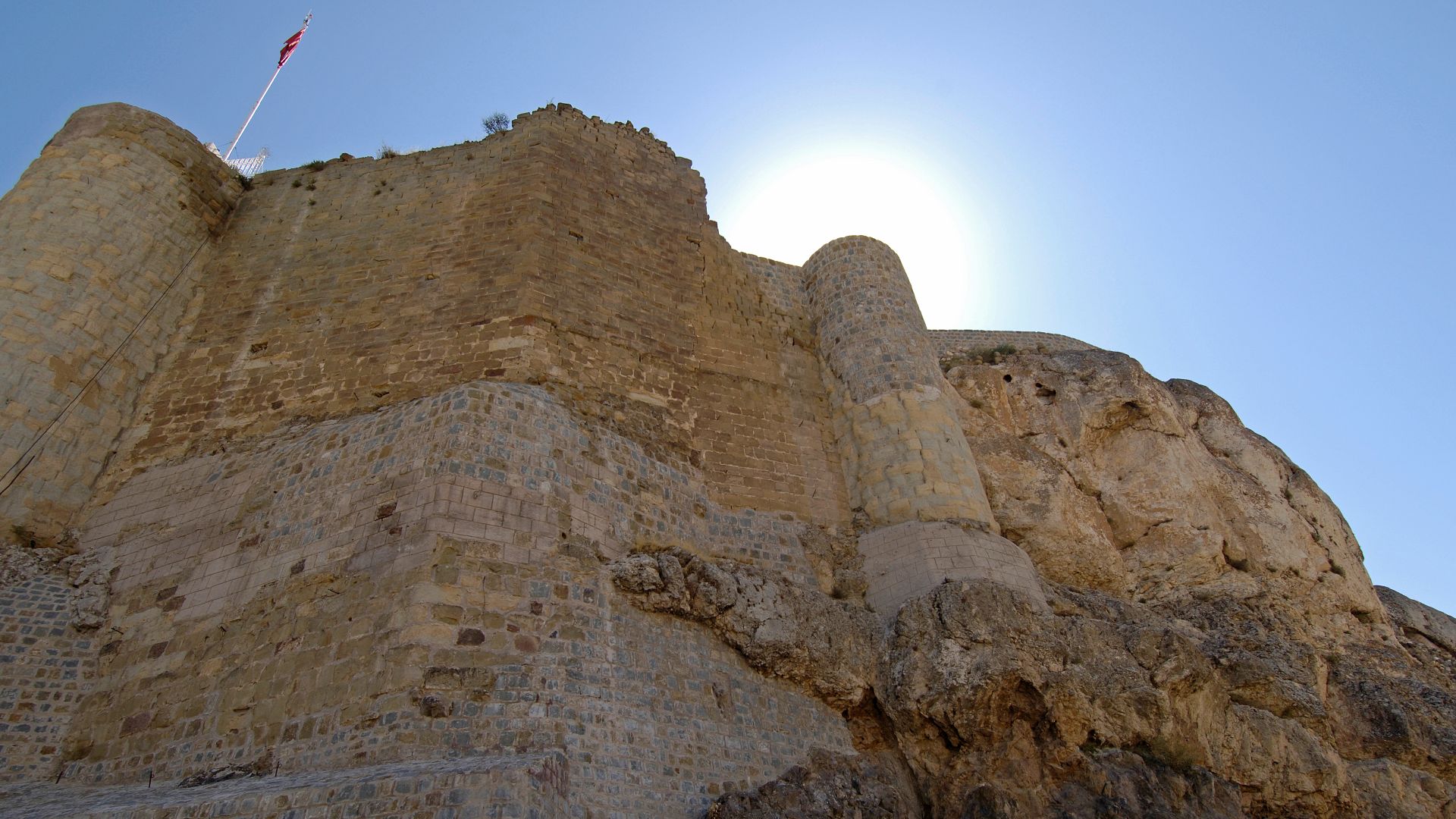
The Elazig Museum Directorate and Provincial Directorate of Culture and Tourism coordinated excavations at Tadim Castle and Hoyuk under Turkey's Heritage for the Future Project. Multiple historical layers emerged as archaeologists dug deeper through Ottoman, Seljuk, Roman, and Byzantine remains dating back to 3,500 BCE.
 Crossrail/MOLA, Wikimedia Commons
Eastern Turkey
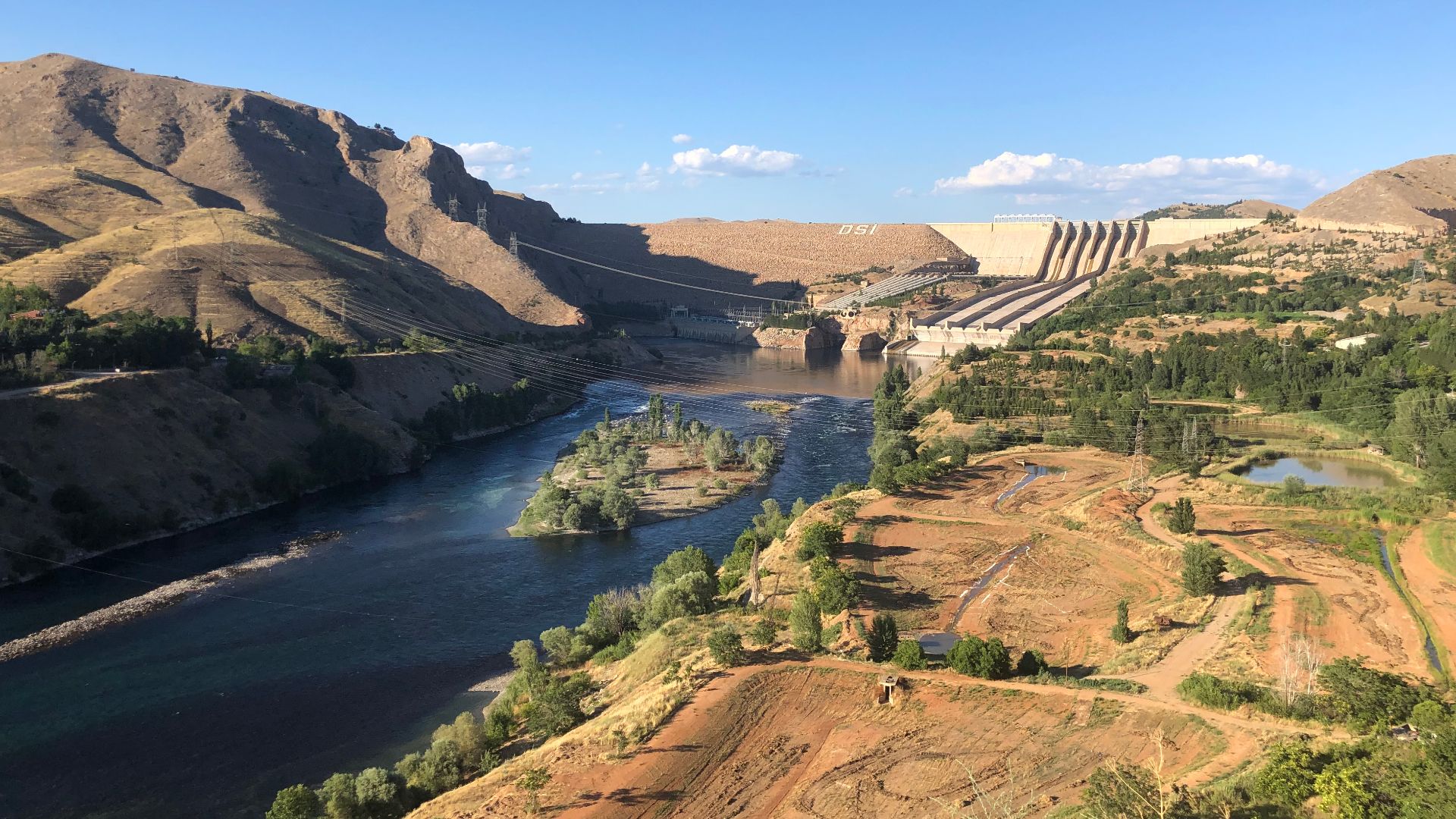
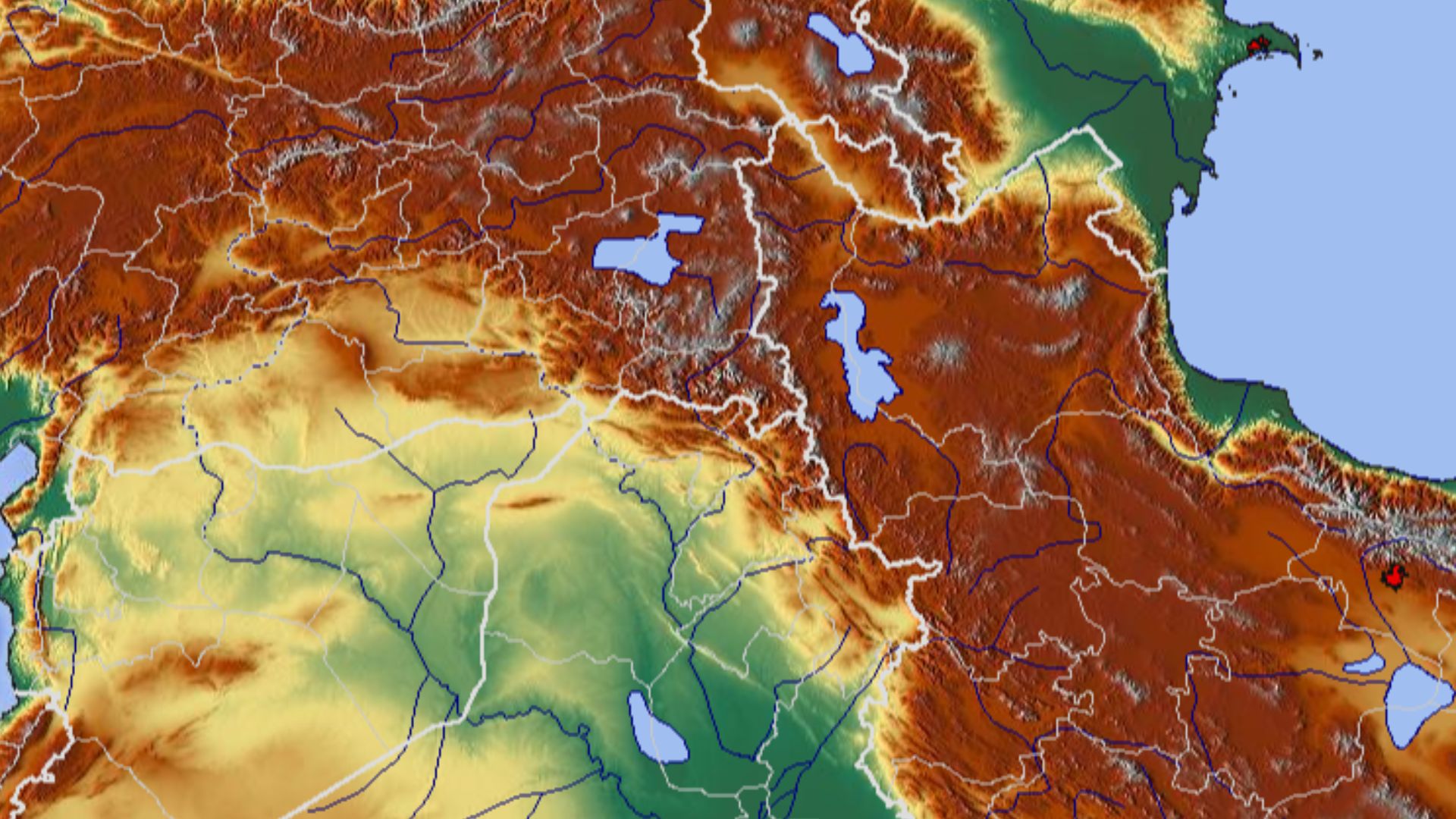
Tadim Hoyuk sits in the Upper Euphrates Basin, a region historically connecting Mesopotamia, the Caucasus, and Central Anatolia through ancient trade and migration routes. The strategic location made this area a crossroads for different cultures throughout the millennia. Lake Van lies nearby, anchoring what would later become the Urartu territory.
 Blofeld Dr., Wikimedia Commons
7,500 Years
Dating analysis places the seal's creation around 7500 BCE, during the Neolithic period, when humans transitioned from nomadic hunter-gatherer societies to settled agricultural communities. This timeframe precedes the Egyptian pyramids by approximately 5,000 years and Stonehenge by roughly 5,000 years.
 Mary Harrsch, Wikimedia Commons
Stone Artifact
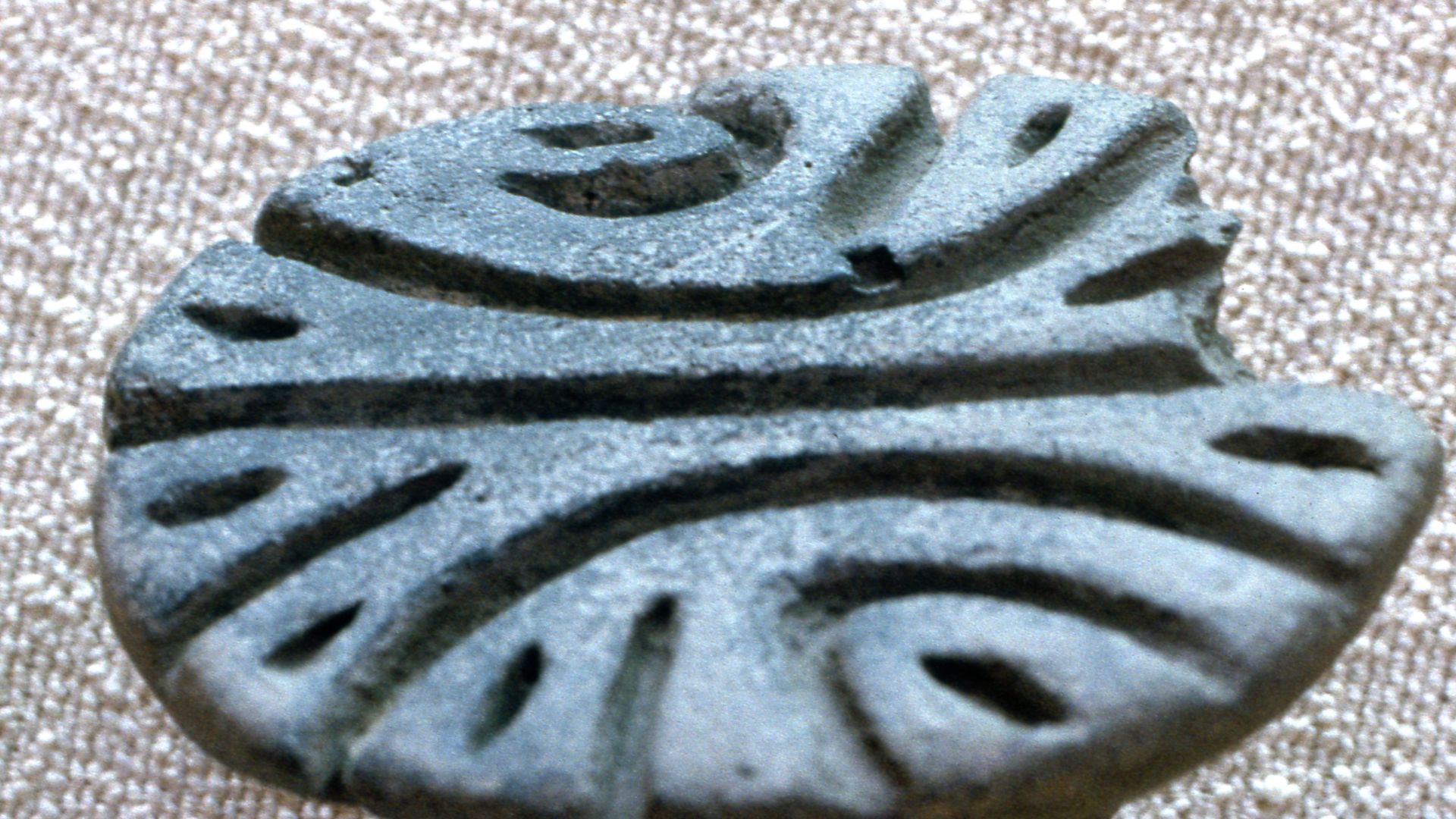
Apparently, the seal was crafted from stone with carved patterns on its stamping surface, designed to leave impressions when pressed into soft clay. These small, portable objects were essential administrative tools in Neolithic communities, used to manage resources and property.

Ownership Marker
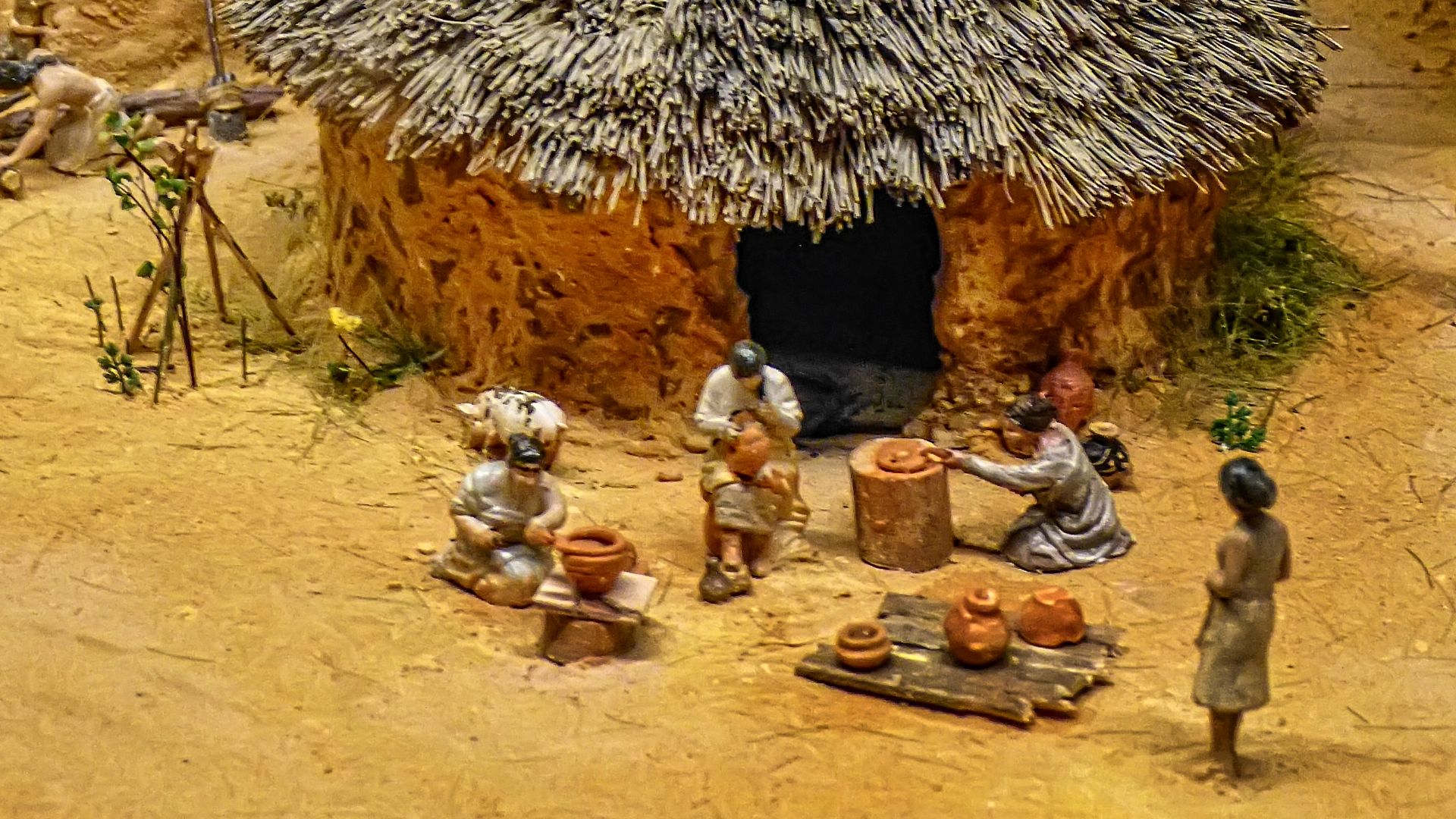
Experts believe the seal functioned primarily as a property identifier, pressed into clay to mark possessions, seal storage containers, or close silos protecting grain supplies. This indicates Neolithic people developed concepts of private ownership and needed methods to distinguish "mine" from "yours" in community settings.
Neolithic Period
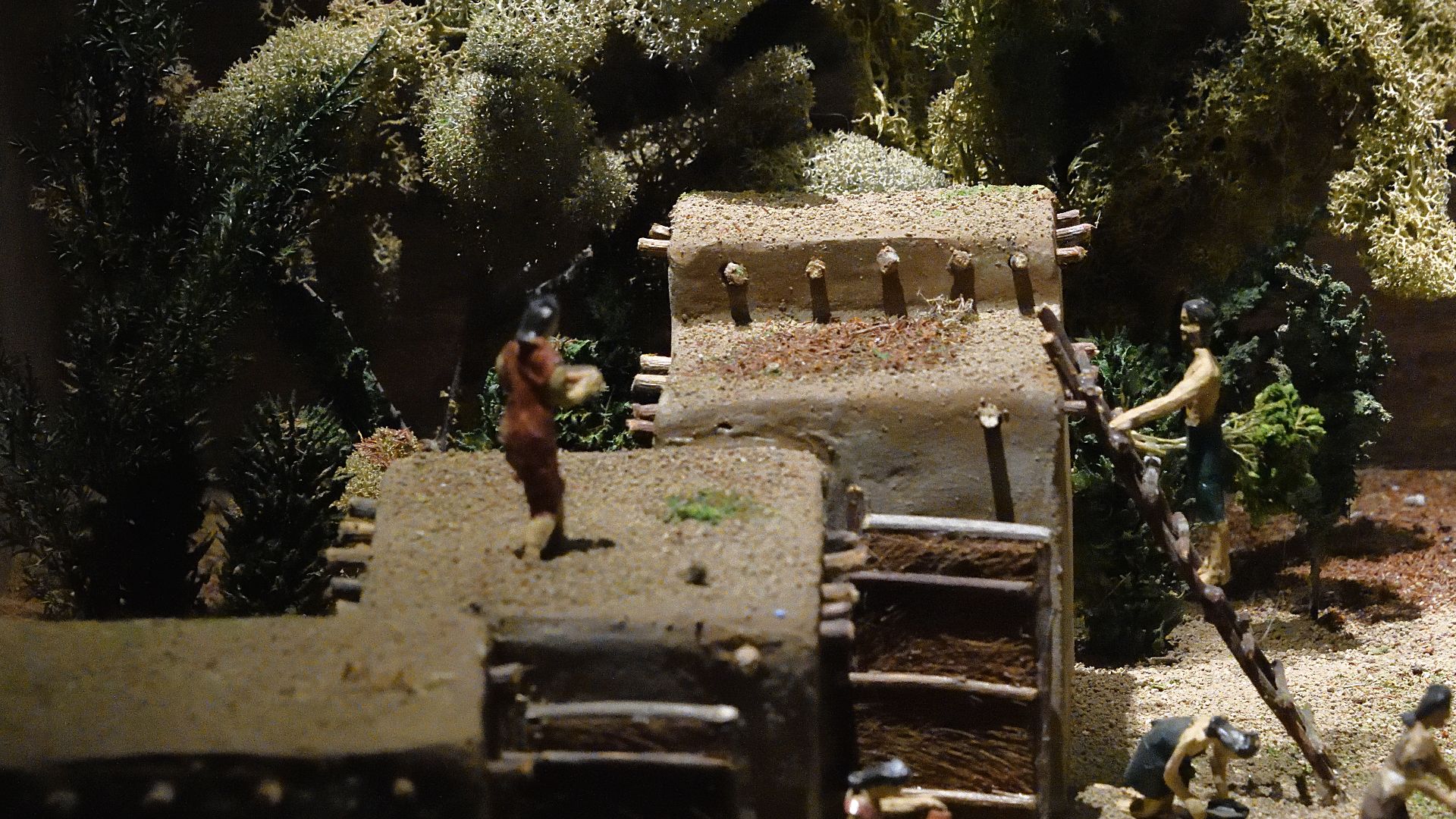
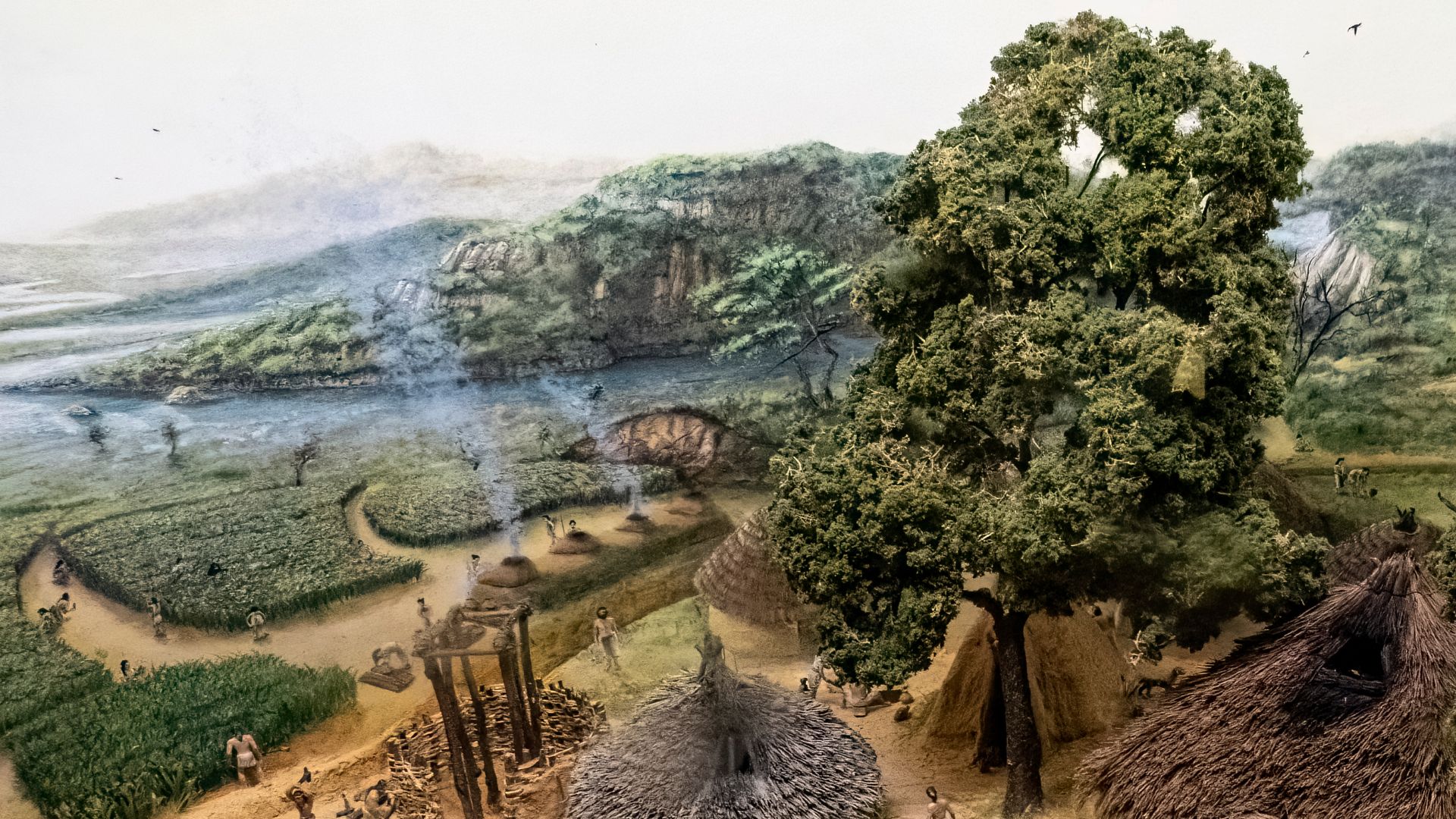
The Neolithic era witnessed humanity's most profound transformation: abandoning mobile lifestyles for permanent settlements, domesticating plants and animals, and developing pottery and woven textiles. At Tadim, people weren't merely surviving but actively creating organizational systems for their growing communities. Archaeological evidence shows they built substantial structures.

Upper Euphrates
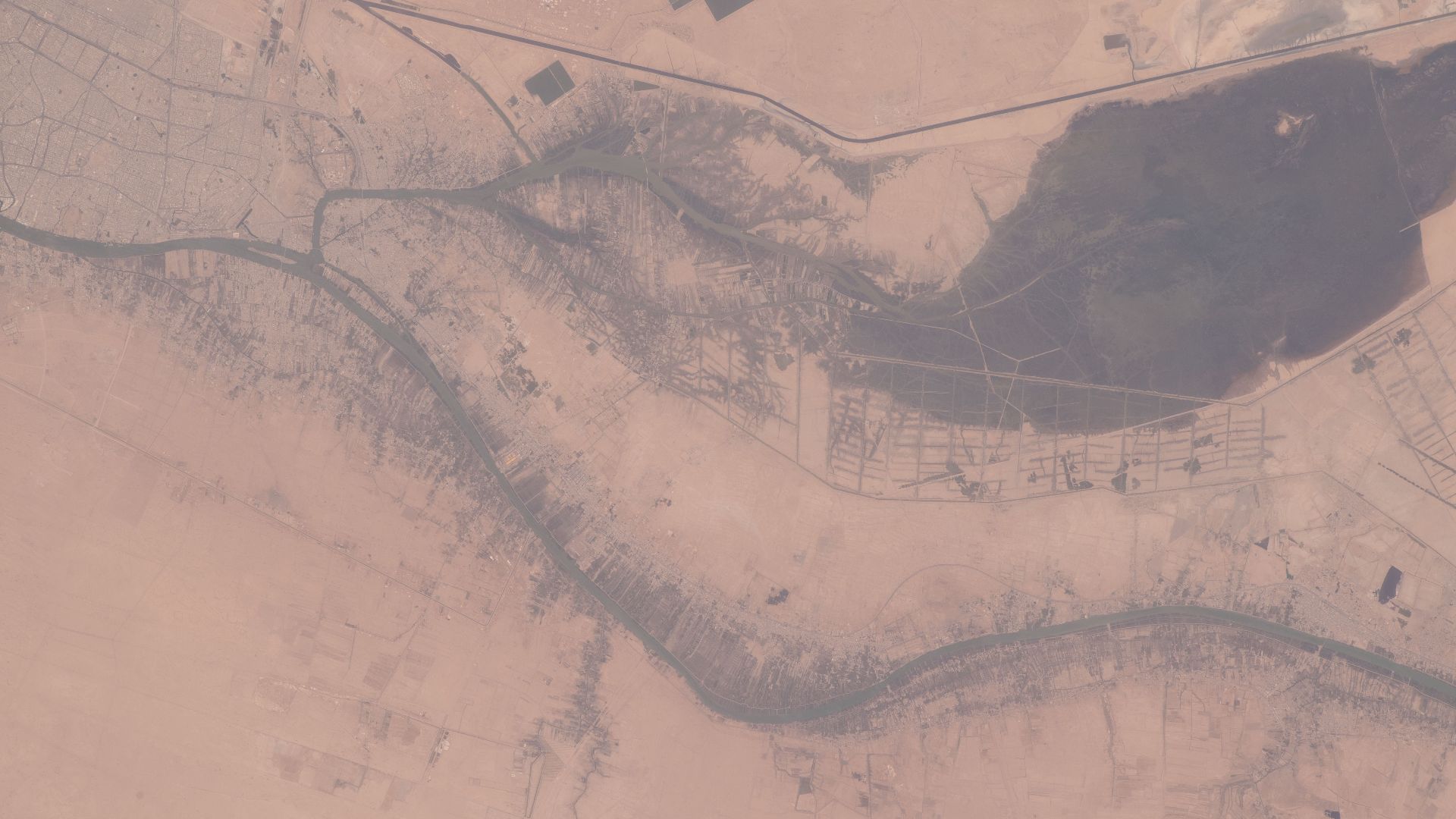
This fertile basin provided abundant water, arable land, and natural resources that attracted continuous human habitation. The Euphrates River system enabled agriculture, transportation, and communication between settlements across vast distances. Communities here accessed obsidian from Anatolia, metals from the Caucasus, and grain varieties from Mesopotamia through established exchange networks.
 Carole Raddato from FRANKFURT, Germany, Wikimedia Commons
Multi-Layered Site
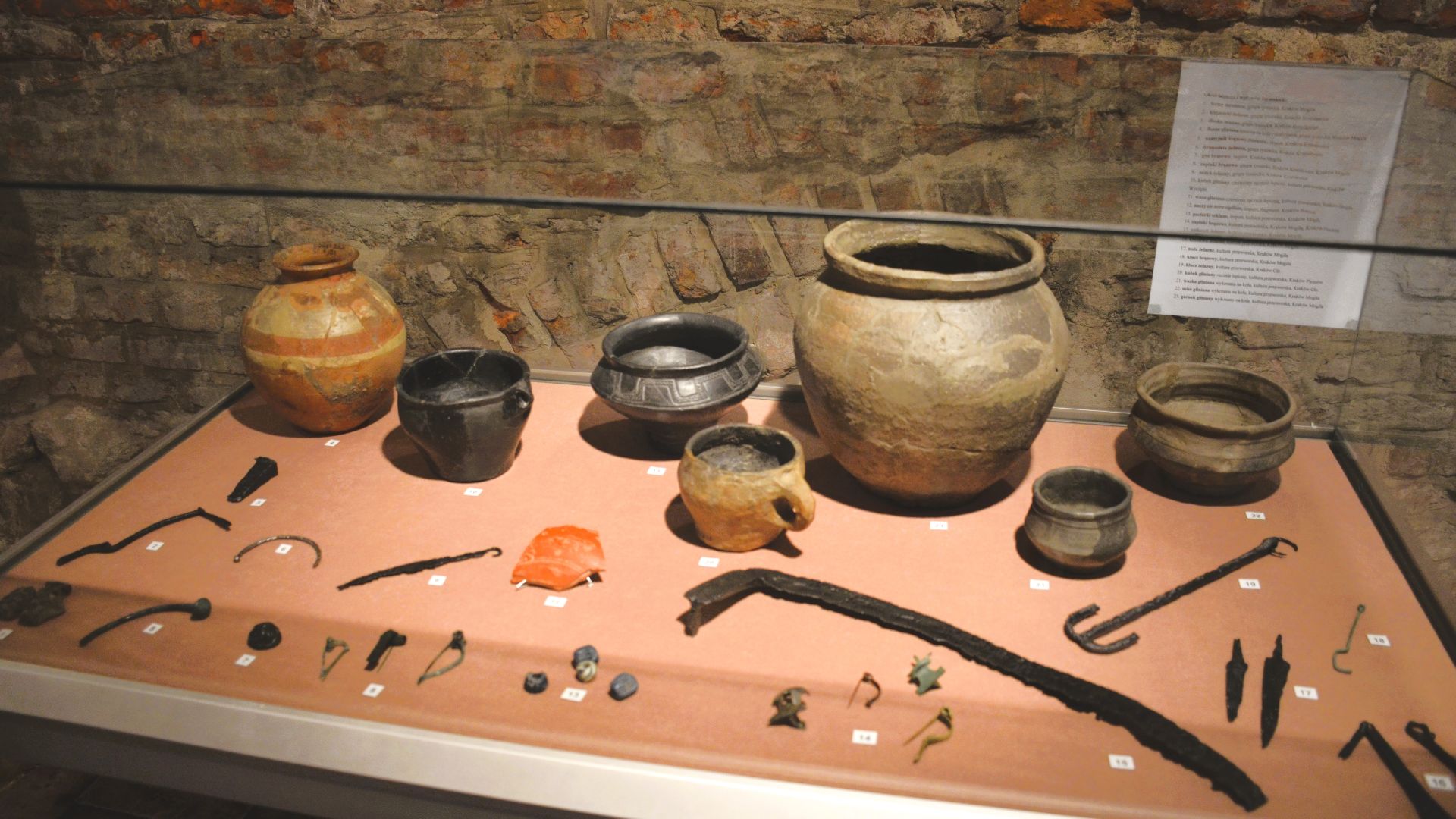
Excavations highlighted six distinct cultural layers representing different historical periods stacked atop one another like geological strata. The deepest Neolithic layer yielded the seal, while successive levels contained Late Chalcolithic, Early Bronze Age, Middle Bronze Age, Iron Age, Byzantine, Seljuk, and Ottoman materials.
Heritage Project
Turkey's Ministry of Culture and Tourism launched the Heritage for the Future Project to preserve, study, and promote the nation's archaeological treasures. The Elazig Governorship provided critical support, ensuring excavations received adequate funding and expertise. This initiative extends beyond Tadim to include Harput Castle.
Governor's Statement
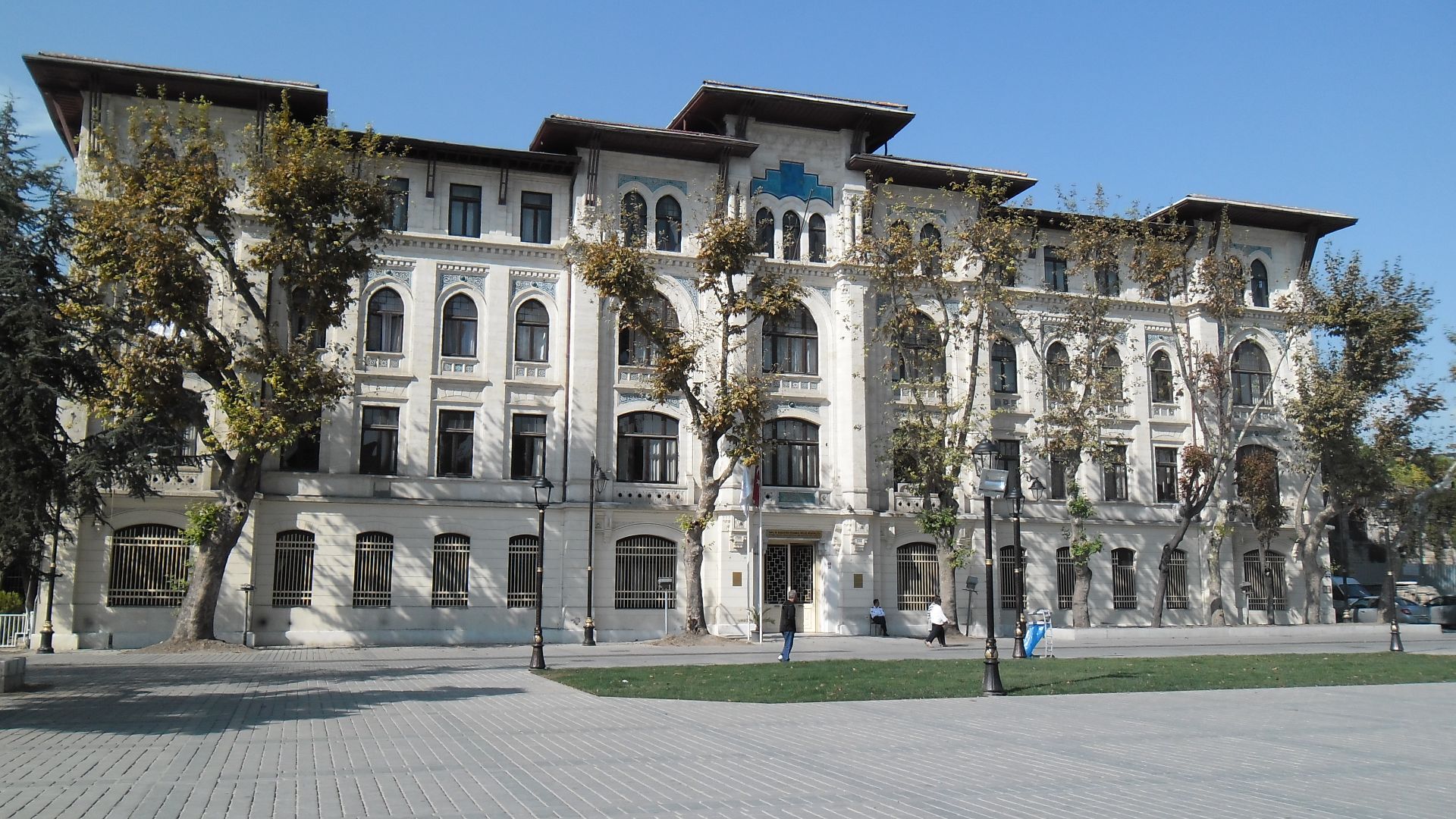
Governor Numan Hatipoglu declared the stone seal "unlike anything previously seen in our city," emphasizing its unprecedented nature for the region. His official statement highlighted ongoing research into the seal's role in daily life, administration, and social relations during the Neolithic period.
 Филип Романски, Wikimedia Commons
Administrative Evidence
Stone seals from this period serve as indicators of emerging economic organization, particularly regarding grain storage, exchange systems, and household ownership marks. The Tadim seal offers rare proof of early social structure and proto-bureaucratic practices in prehistoric Anatolia. Before written records existed, communities needed visual systems to track resources.
Property Concepts
The existence of ownership markers 7,500 years ago reveals that concepts of private property and personal identity were already developed millennia before complex urban centers emerged. Researchers believe the seal may have identified specific individuals, families, or clans within the community.
Trade Systems
Another seal discovered at Tadim, locally known as 'cec damga muhru,' was specifically used in grain trading, reinforcing evidence of structured economic activity. Agricultural surplus enabled communities to engage in commerce, exchanging grain for exotic goods, metals, and livestock from distant regions.
 Gorbunova М.С., Wikimedia Commons
Bull Altar
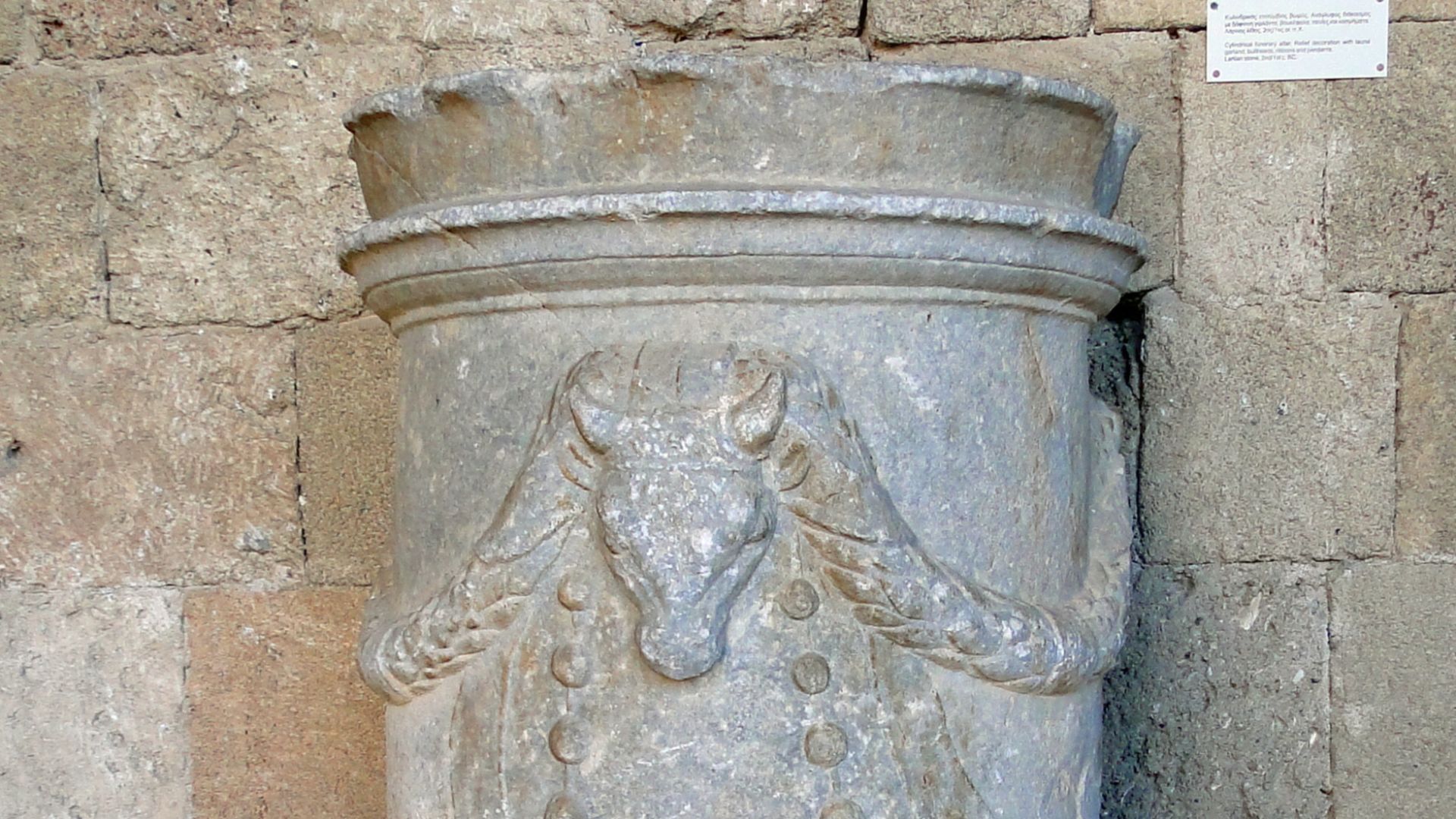
Excavations unearthed a massive bull-headed altar measuring 160 by 130 centimeters, dating to the Late Chalcolithic and Early Bronze Age periods. The bull motif represented power, fertility, and divine authority in ancient Near Eastern cultures, appearing repeatedly in ritual contexts. This altar featured carved bovine imagery on both ends.
 Bernard Gagnon, Wikimedia Commons
Sacred Hearths
Three sacred hearths were discovered at Tadim, with some featuring bull motifs and dating from approximately 4000–3000 BCE, reflecting the ceremonial importance of fire in prehistoric belief systems. These weren't ordinary cooking fires but ritual installations used in religious ceremonies central to community life.
 Kenneth Allen , Wikimedia Commons
Karaz Ceramics
Twelve pieces of Karaz-type pottery were recovered from Nakhchivan and are associated with early Transcaucasian cultures spanning 4000–3000 BCE. These distinctive ceramics feature geometric patterns, mountain goat motifs, and advanced firing techniques, demonstrating sophisticated craftsmanship. One painted amphora decorated with ibex imagery dates to approximately 3200 BCE.
Grain Seal
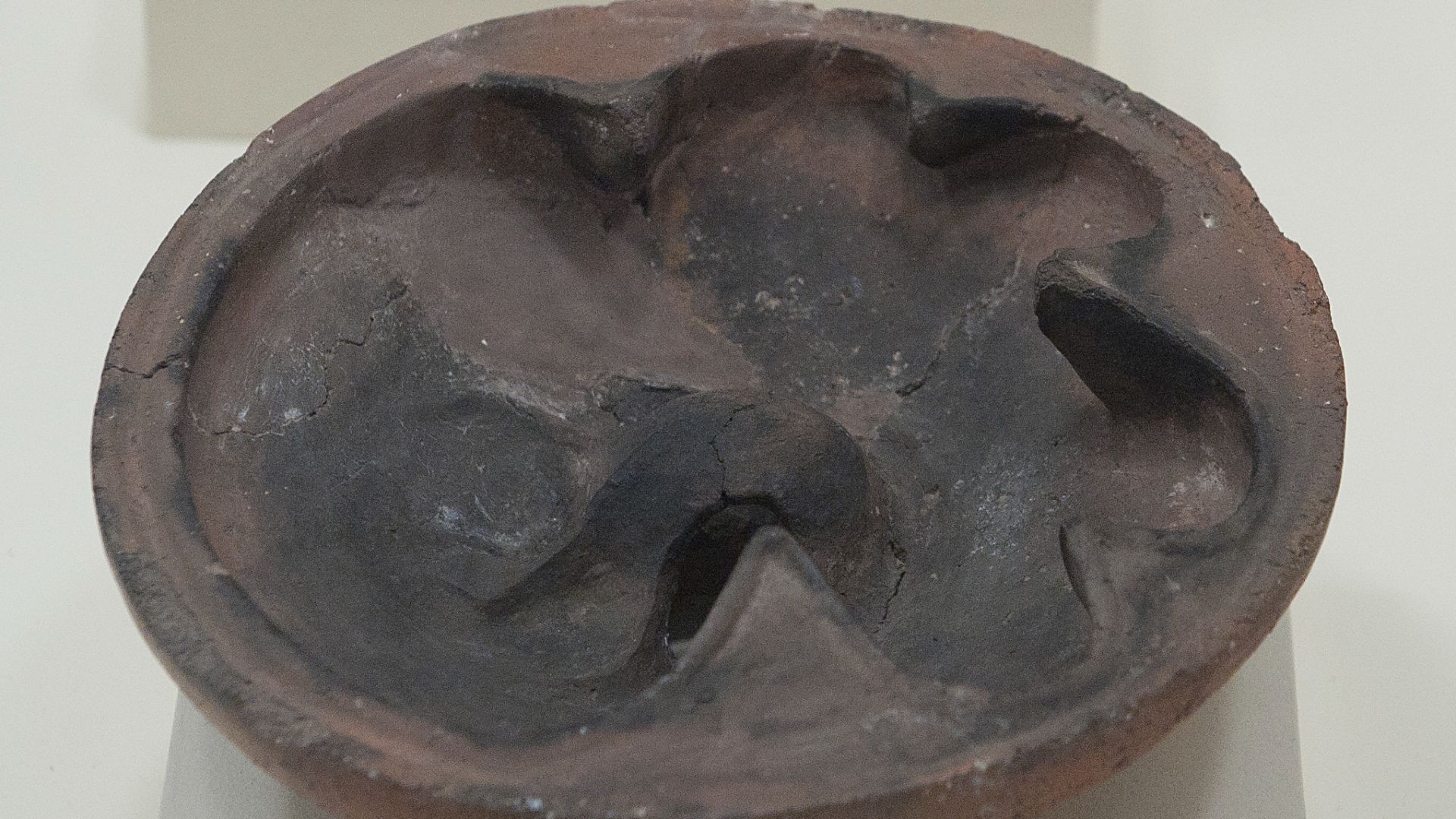
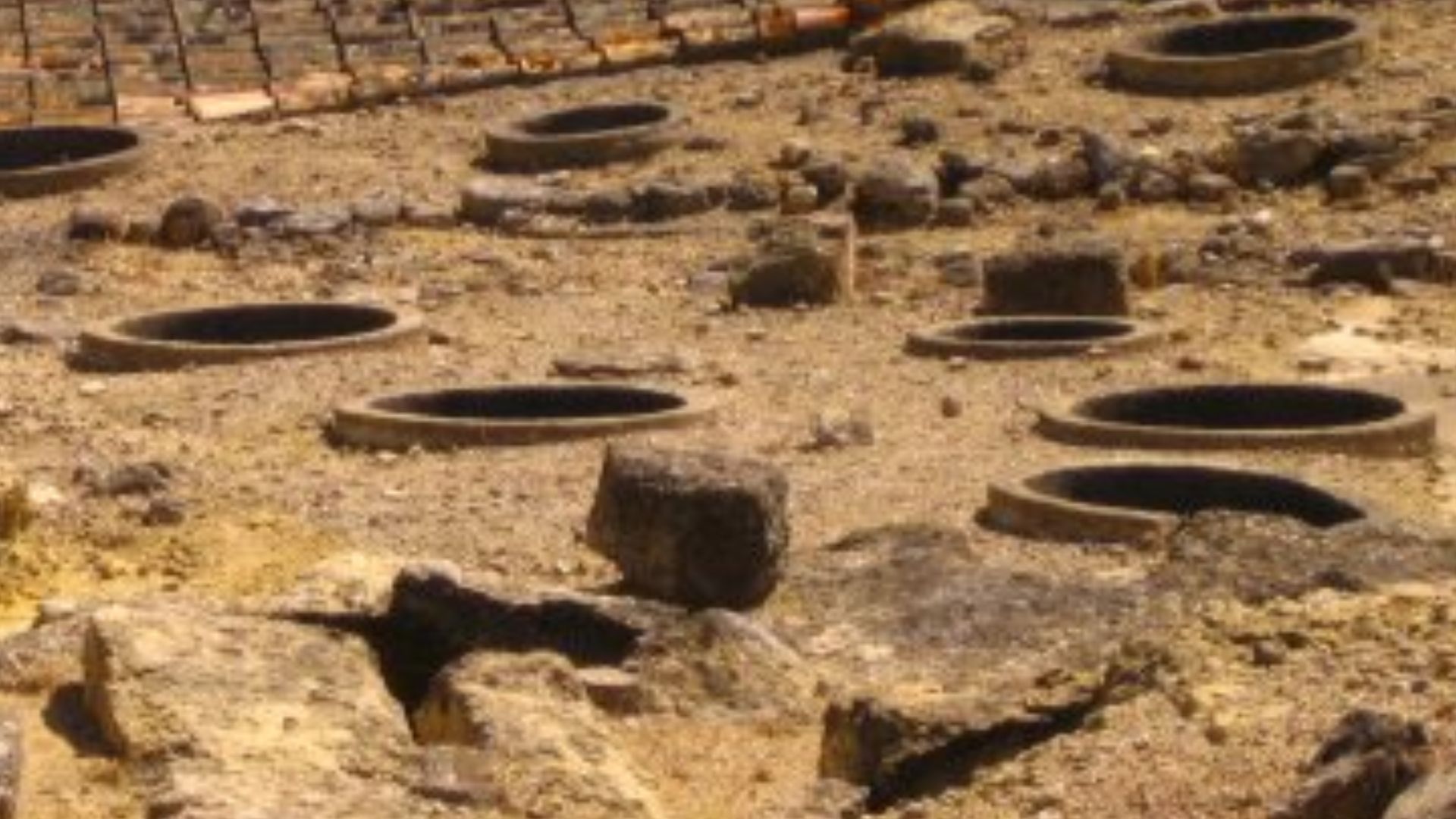
Large storage silos discovered at similar Neolithic sites could hold enough wheat to feed entire villages for extended periods. Managing these resources demanded administrative oversight. The grain-specific seal demonstrates that agricultural products required documentation and control systems as communities accumulated substantial food surpluses.
 classe unique St-Sulpice-des-Rivoires Isère - FRANCE, Wikimedia Commons
Pre-Urartu Era
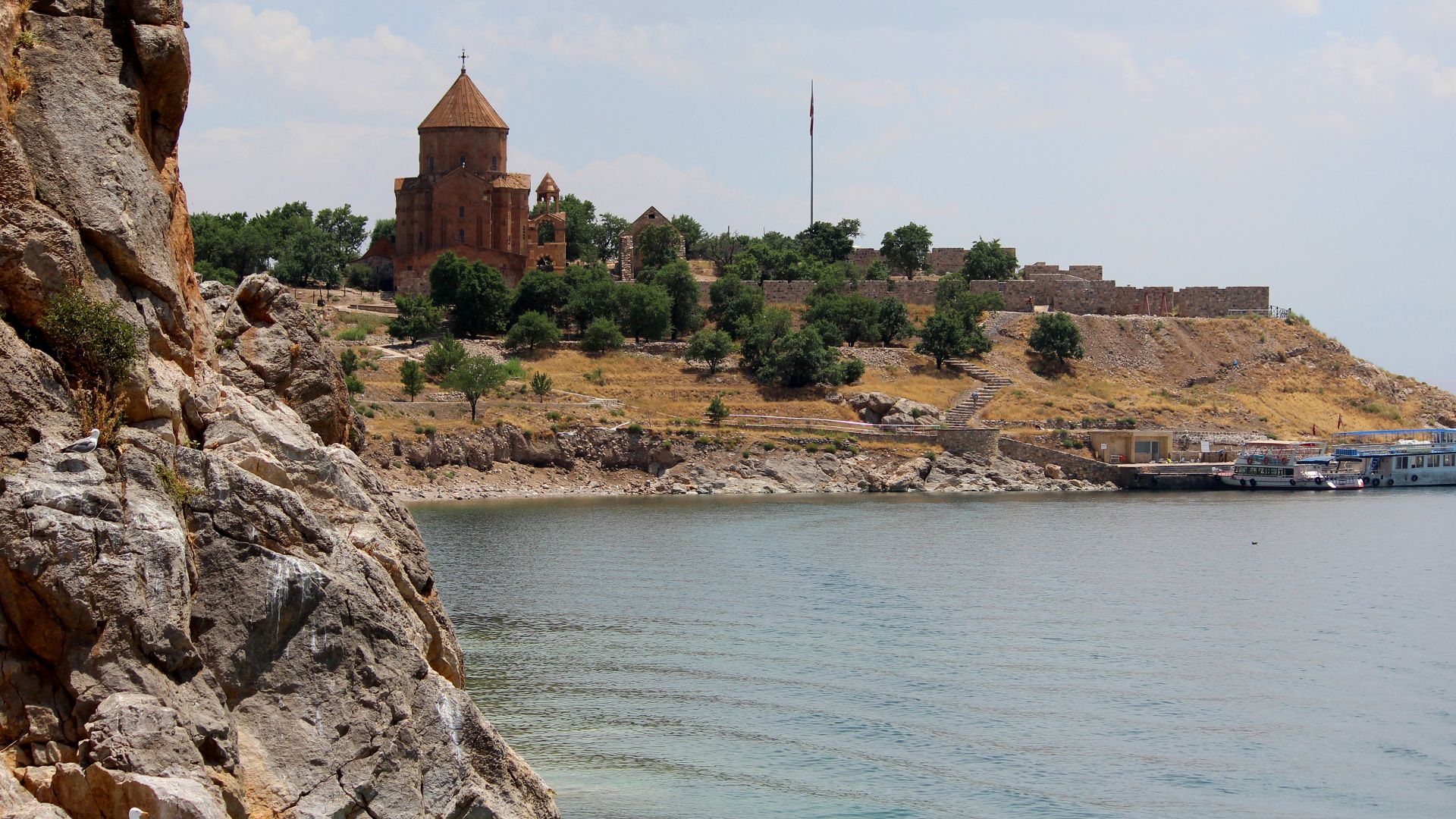
The 7,500-year-old seal predates the well-known Urartu kingdom by approximately 6,500 years, yet shows that complex social structures were already forming in the same territory. This discovery pushes evidence of organized civilization in eastern Anatolia millennia earlier than the Iron Age kingdom known for sophisticated metalwork.
Urartu Kingdom
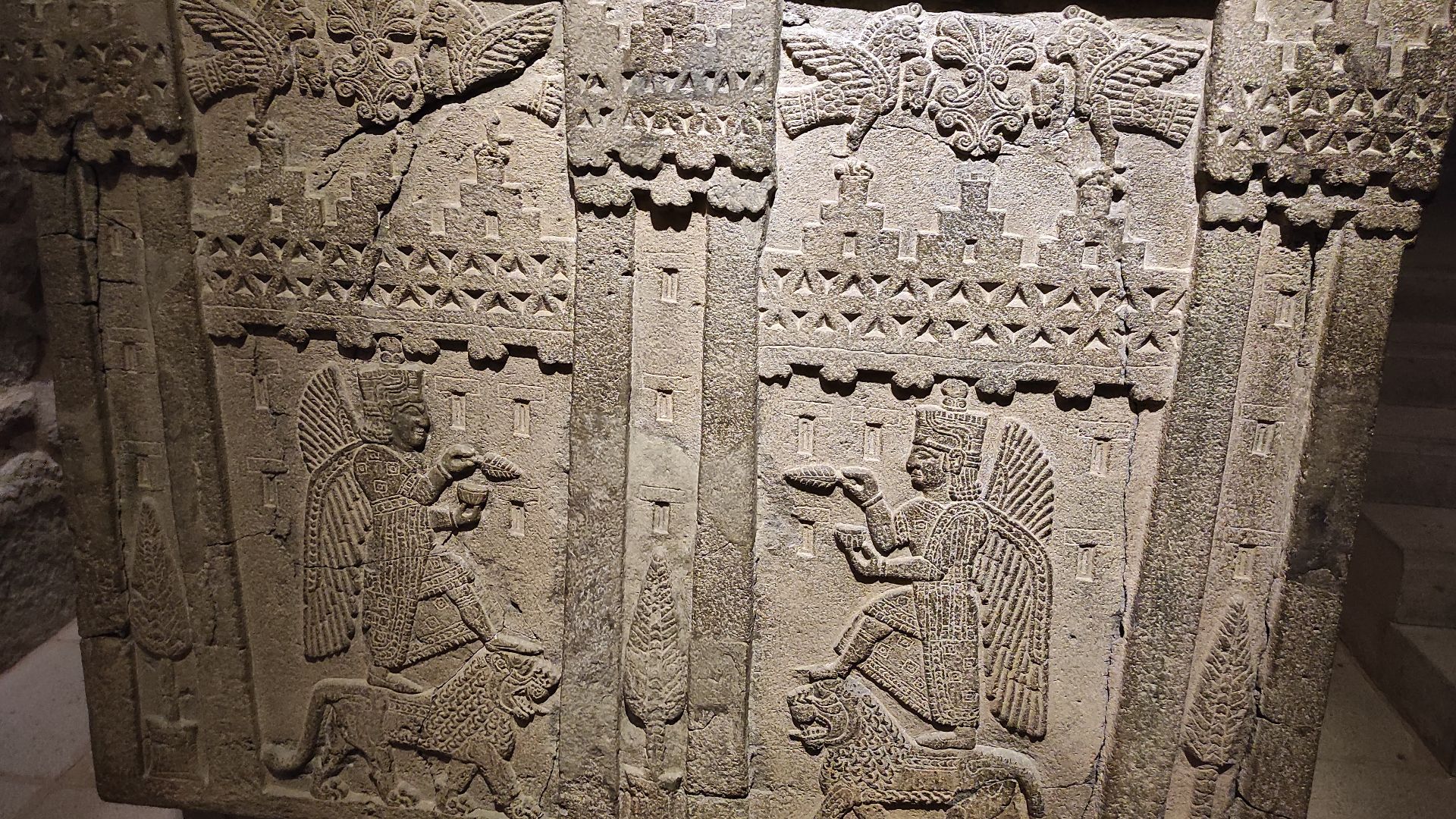
Urartu emerged in the 9th century BCE, centered around Lake Van with its capital Tushpa on the eastern shore. This Iron Age kingdom dominated eastern Anatolia and the Armenian Highlands from 860–590 BCE, controlling territories across modern Turkey, Armenia, Iran, Iraq, and Azerbaijan.
 Armenak Margarian, Wikimedia Commons
Social Complexity
Ritual practices, trade networks, and daily life were closely interconnected at Tadim, revealing a society far more sophisticated than simple farming villages. The combination of sacred hearths, ownership seals, grain documentation systems, and long-distance trade goods indicates specialized roles within the community.
 Mary Harrsch, Wikimedia Commons
Museum Analysis
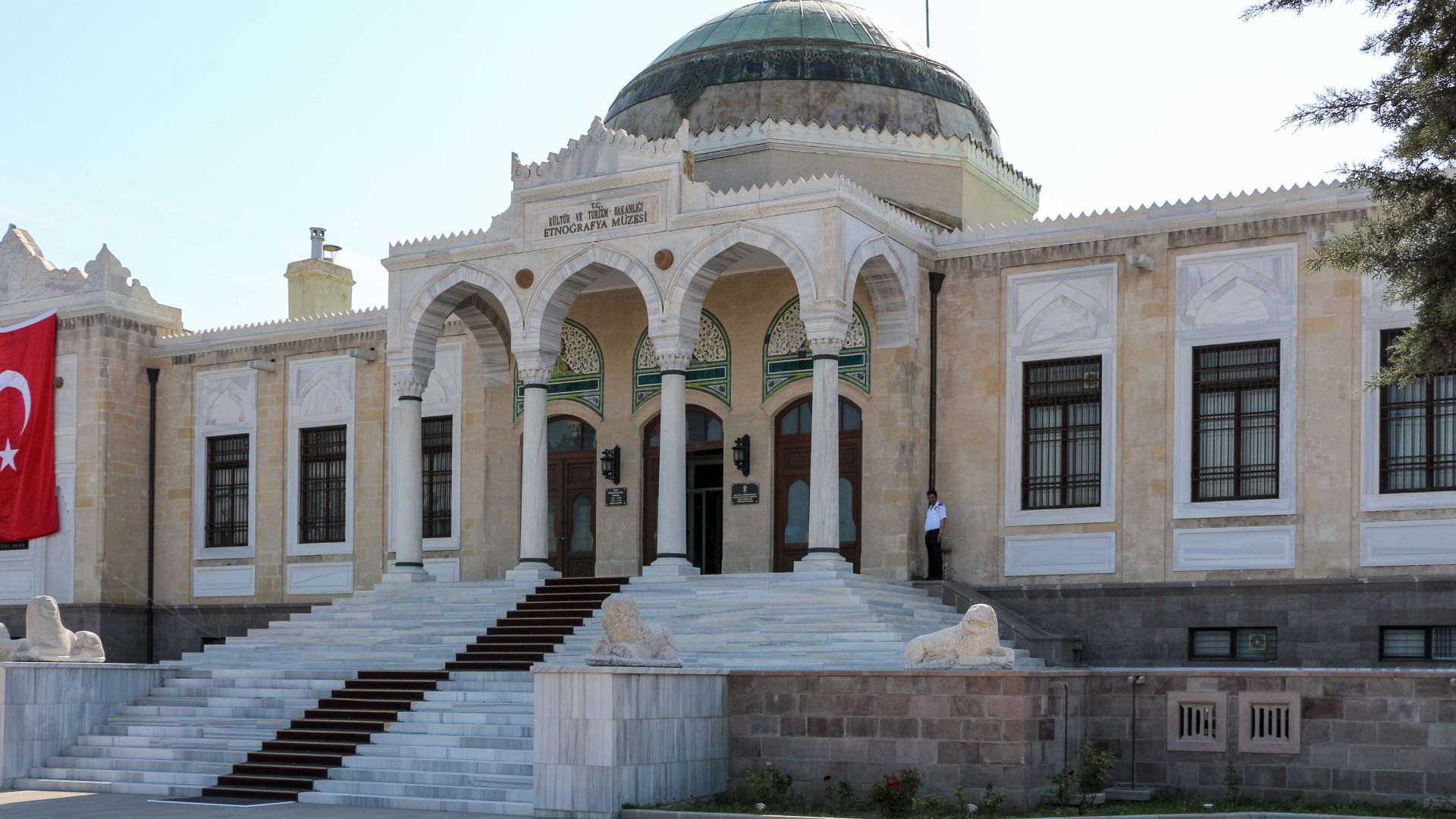
The Elazig Archaeology and Ethnography Museum currently houses the stone seal and accompanying artifacts, where specialists conduct detailed scientific analysis. Researchers employ various techniques to determine the seal's precise function, symbolic meaning, and administrative role within prehistoric society.
 Bernard Gagnon, Wikimedia Commons
Regional Significance
Tadim's discoveries confirm the Upper Euphrates Basin as one of Anatolia's earliest organized settlement centers, bridging gaps between Near Eastern civilizations and prehistoric Anatolian cultures. The site helps archaeologists understand how communities in rugged mountainous terrain developed complex societies without the advantages of river valley civilizations.
 Earth Science and Remote Sensing Unit, Lyndon B. Johnson Space Center, Wikimedia Commons
Ongoing Research
Investigations continue into what the seal reveals about Neolithic administration, economic systems, and social activities throughout the region. Archaeologists examine whether the seal marked individual property, family holdings, or communal resources, and whether it served purely administrative functions or held religious significance.