From Dust To Gold
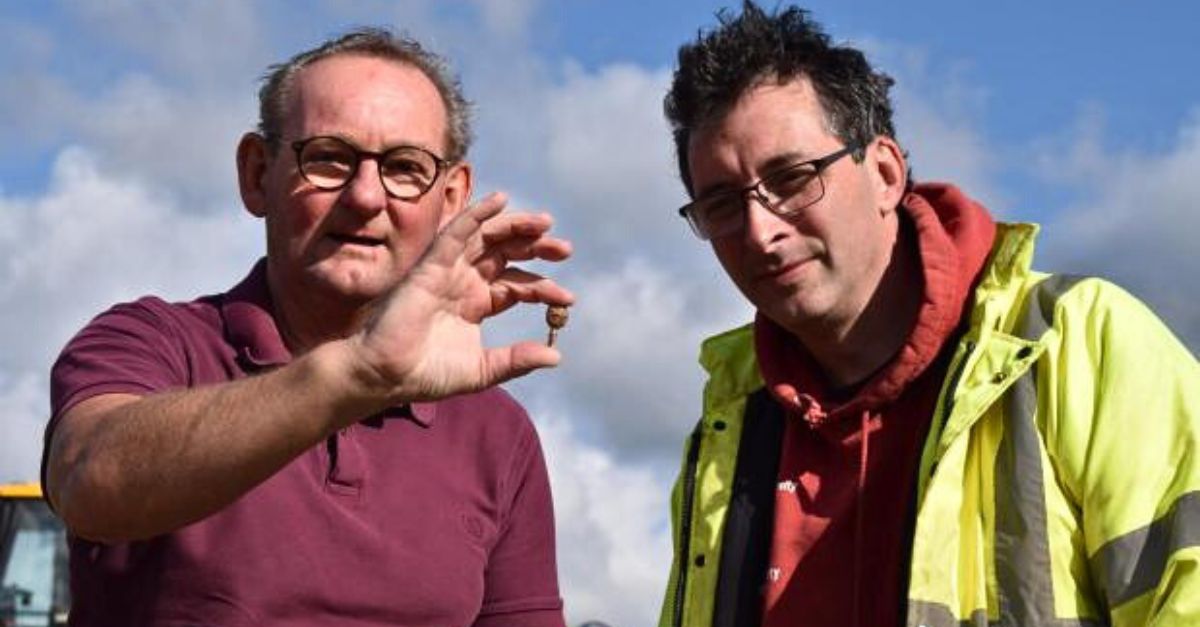
Unlike her peers, Yara Souza earned a unique distinction in her very first class. During field training in northern England, she uncovered a rare medieval artifact, a discovery that is certain to secure her place in the record books.
Florida Native Yara Souza Begins Her Archaeology Studies
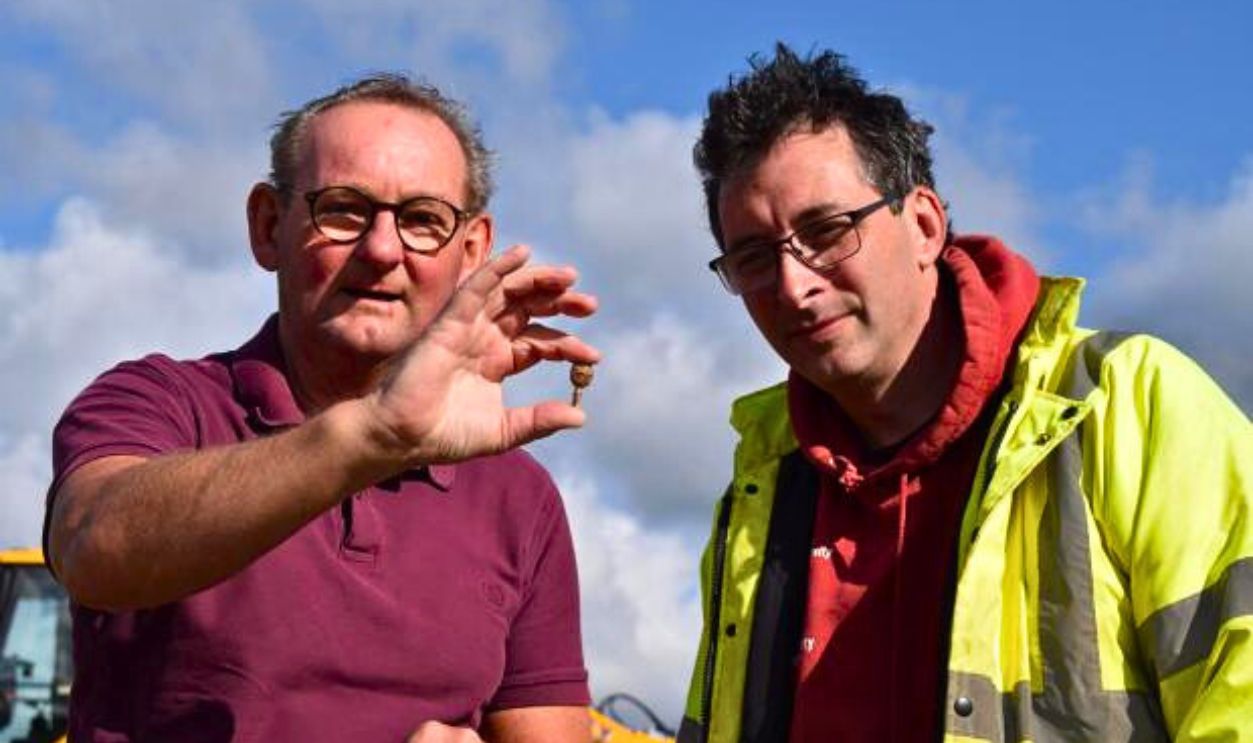
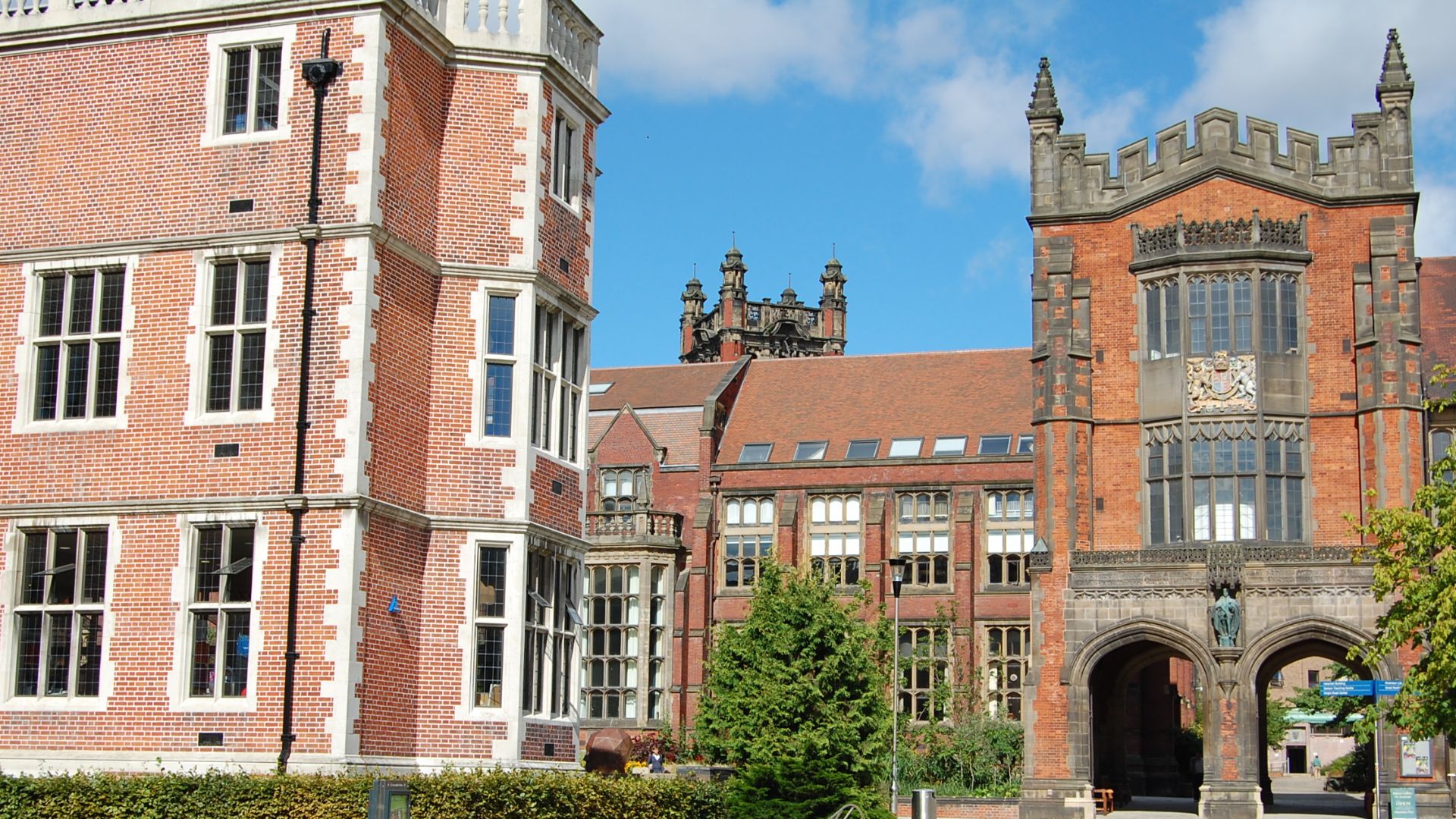
Born and raised in Florida, Yara Souza traded sunny beaches for damp British fields when she enrolled at Newcastle University. At just 20, she threw herself into the demands of archaeological study in a university with impressive fieldwork opportunities, Roman Britain research, and access to regional excavation sites.
 Sarah Cossom, Wikimedia Commons
This Wasn’t Actually Meant To Be Her First Class
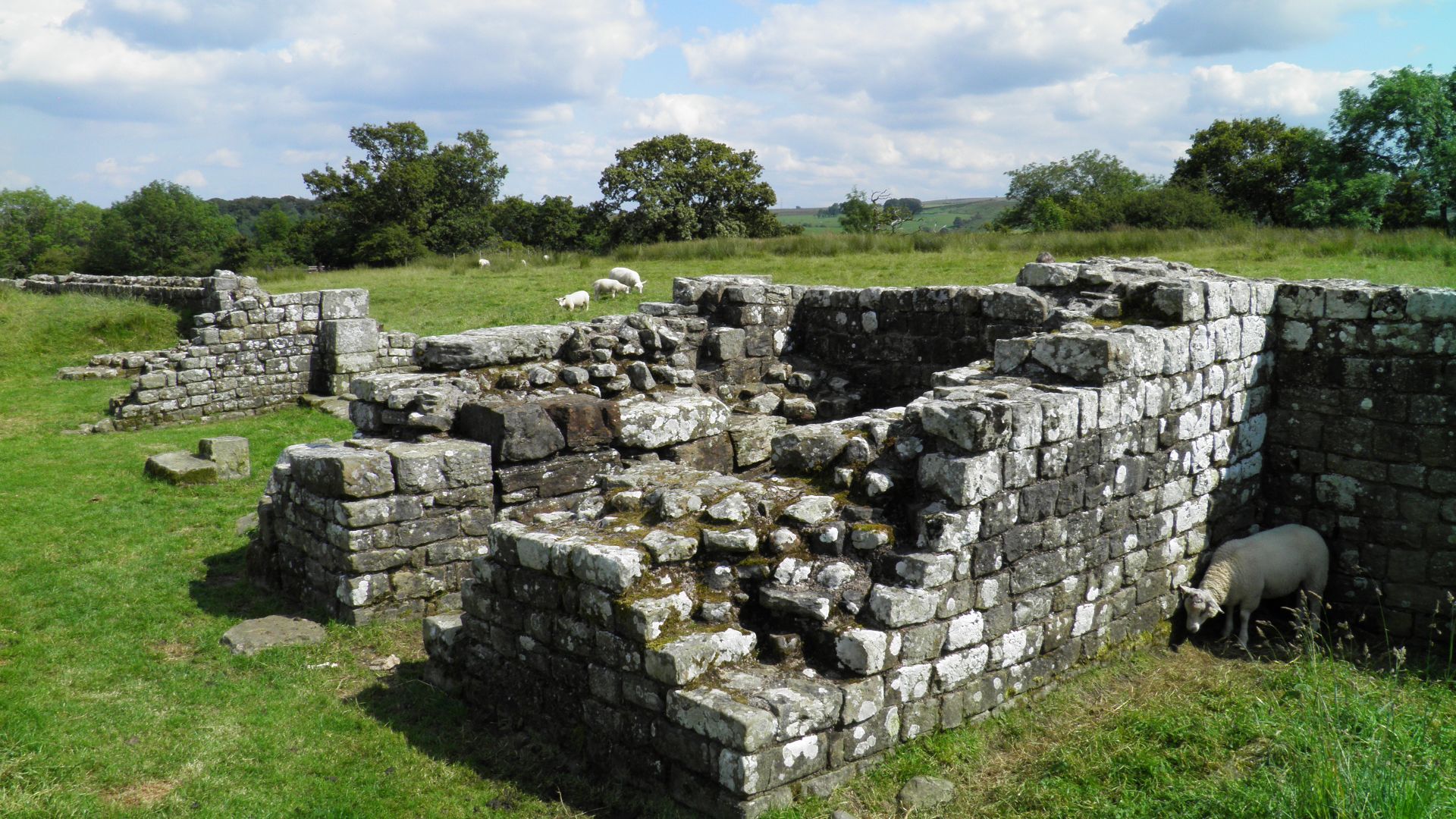
This class was actually meant to be Miss Souza’s second class. After illness sidelined her from a scheduled excavation at Birdoswald Roman Fort, Yara Souza’s July 2025 dig in Northumberland marked her long-awaited debut in the field.
 Carole Raddato from FRANKFURT, Germany, Wikimedia Commons
They Spent A Forthnight Before The Digging Began
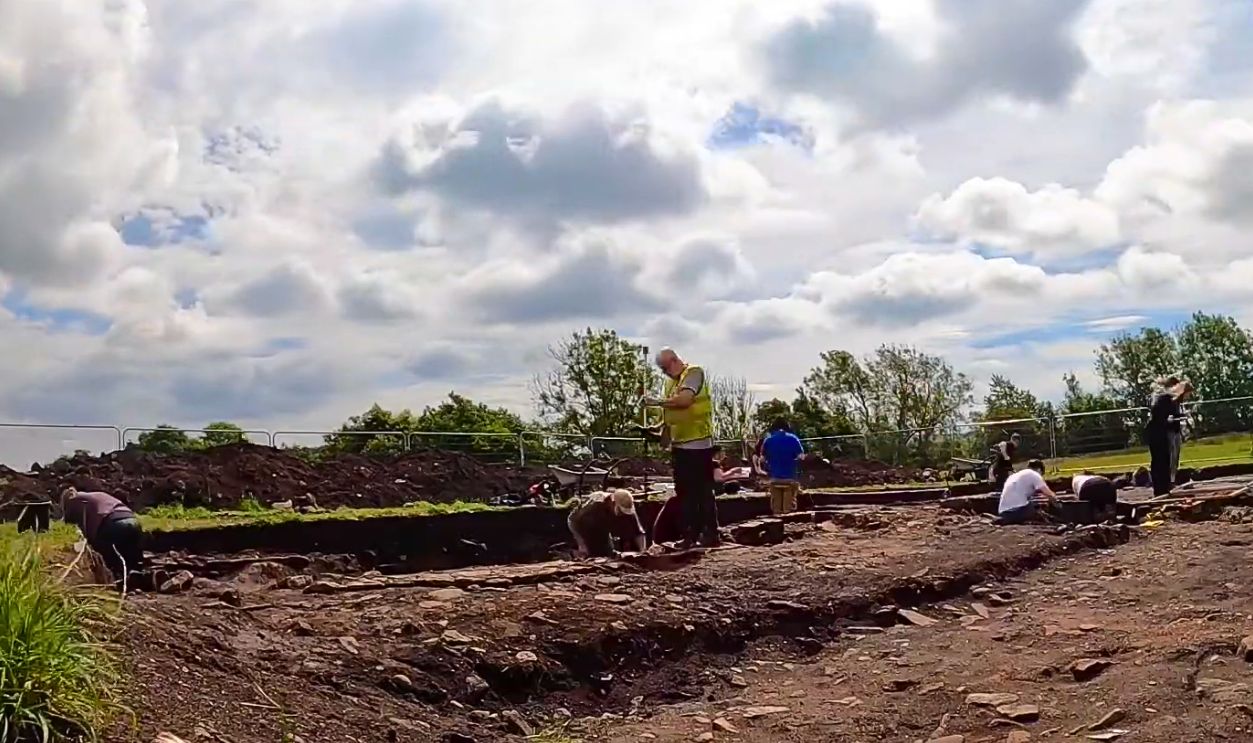
The Newcastle University team spent two weeks on-site for their summer field school, which included both preparation and excavation activities. Their routines were likely to include early starts with briefing sessions and long days bending over trenches.
 Studying Archaeology at Newcastle University by Newcastle University
Why This Site?
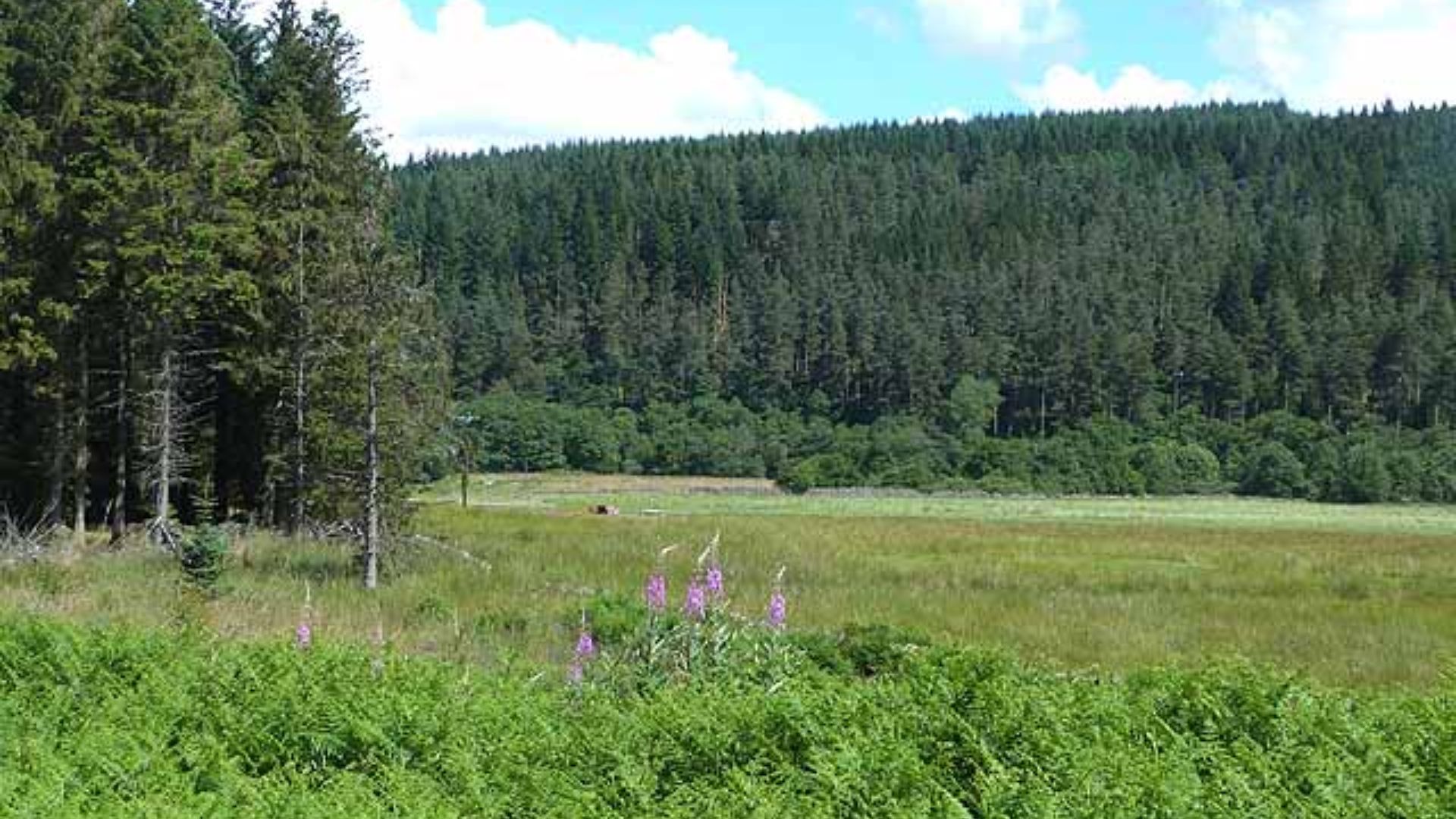
The excavation in Redesdale, Northumberland, was prompted by a 2021 discovery: a metal detectorist unearthed a small gold object nearby. Newcastle University archaeologists saw potential for a deeper context and chose the site for their 2025 summer field school.
 Oliver Dixon , Wikimedia Commons
Dig Site Positioned Beside The Ancient Roman Road Known As Dere Street
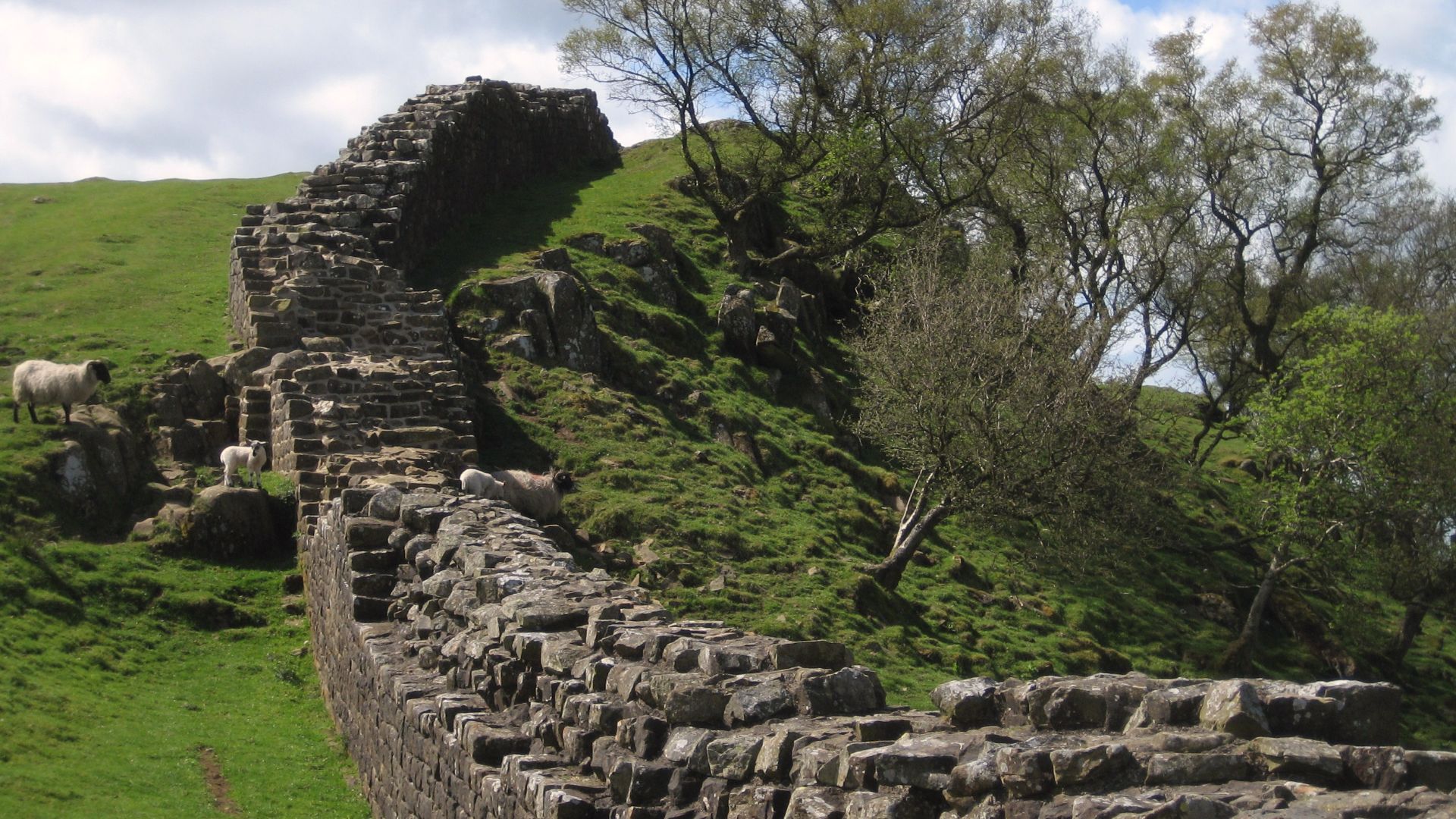
Their site lay along Dere Street, a major Roman road built under Agricola between AD 79 and 81. Stretching from York across Hadrian’s Wall into southern Scotland, it carried legions, supplies, and messages. Here’s how that route moved from a Roman road to a religious path.
 Johnnie Shannon, Wikimedia Commons
1st Century AD: Roman Construction And Expansion
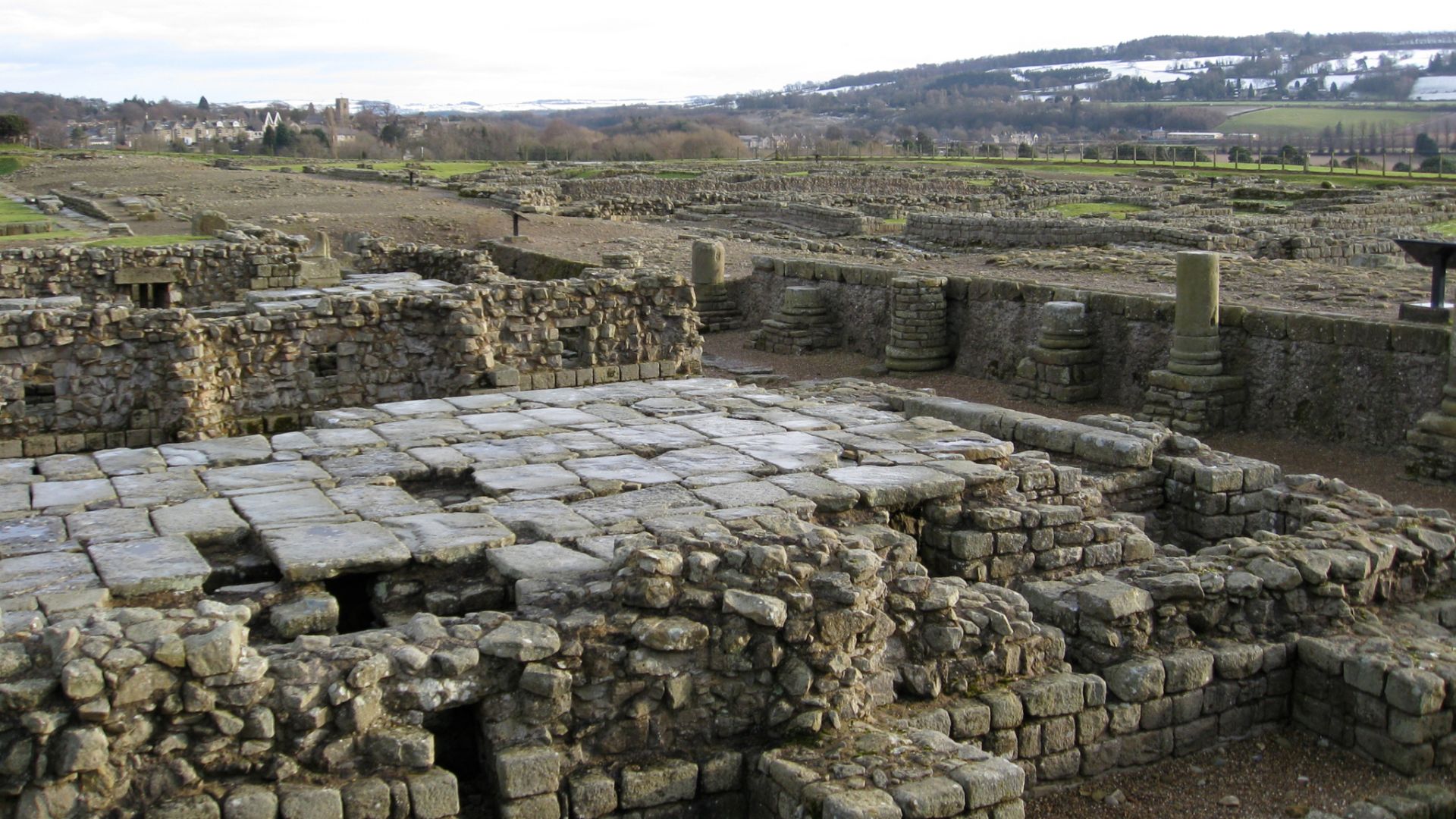
Designed to connect Eboracum (York) to the northern frontier, it crossed Hadrian’s Wall at Corbridge and extended into Scotland to reach as far as the Antonine Wall. Built with metalled surfaces and mile markers, it enabled rapid military deployment and supply to forts like Trimontium and Bremenium.
 Glen Bowman from Newcastle, England, Wikimedia Commons
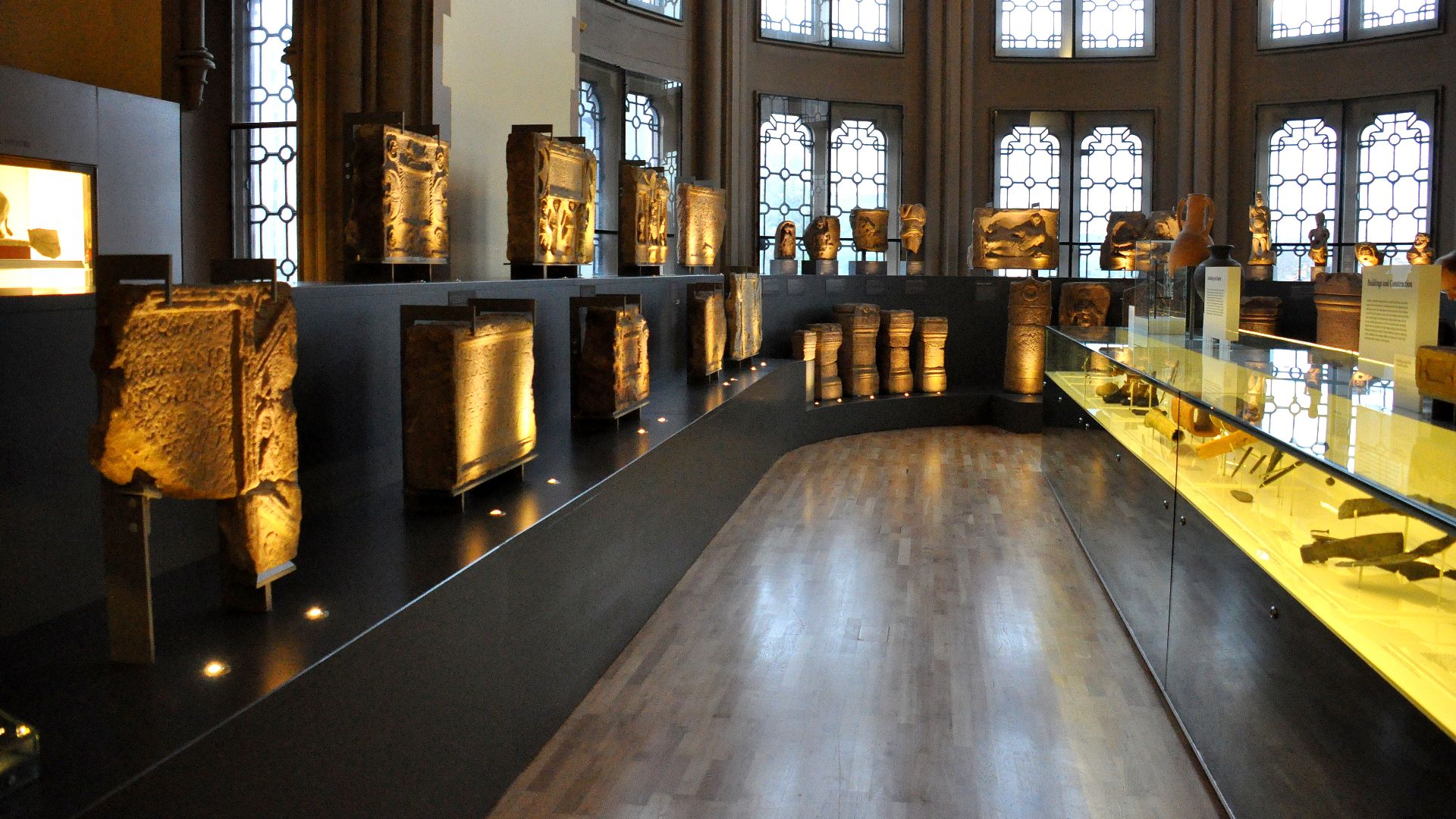
2nd–4th Century AD: Imperial Artery And Cultural Exchange
As Roman control solidified, civilians and merchants used it to travel between garrison towns and market centers. The road supported Romanization efforts—spreading Latin, coinage, and architecture into northern Britain. Even after the Antonine frontier was abandoned, Dere Street remained vital for movement between forts and settlements. The Romans withdrew after.
 Osama Shukir Muhammed Amin FRCP(Glasg), Wikimedia Commons
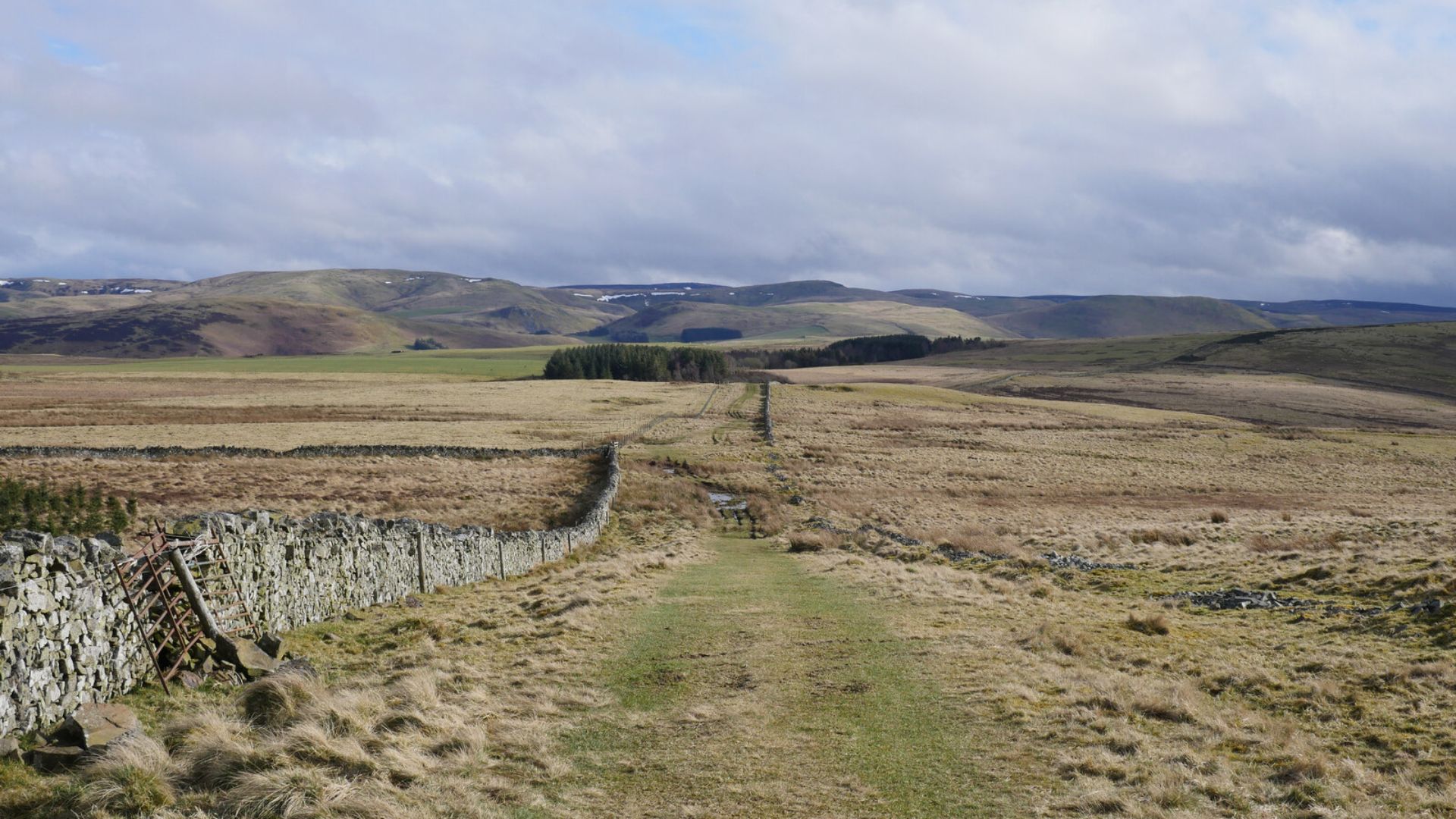
5th–8th Century: Post-Roman Persistence And Anglo-Saxon Adaptation
Following Rome’s withdrawal, Dere Street’s formal maintenance ceased, but its route endured. Anglo-Saxon kingdoms, such as Deira, repurposed sections for local travel and trade. The name “Dere Street” likely derives from this period, referencing the kingdom and the Old English term for a paved road.
 James T M Towill , Wikimedia Commons
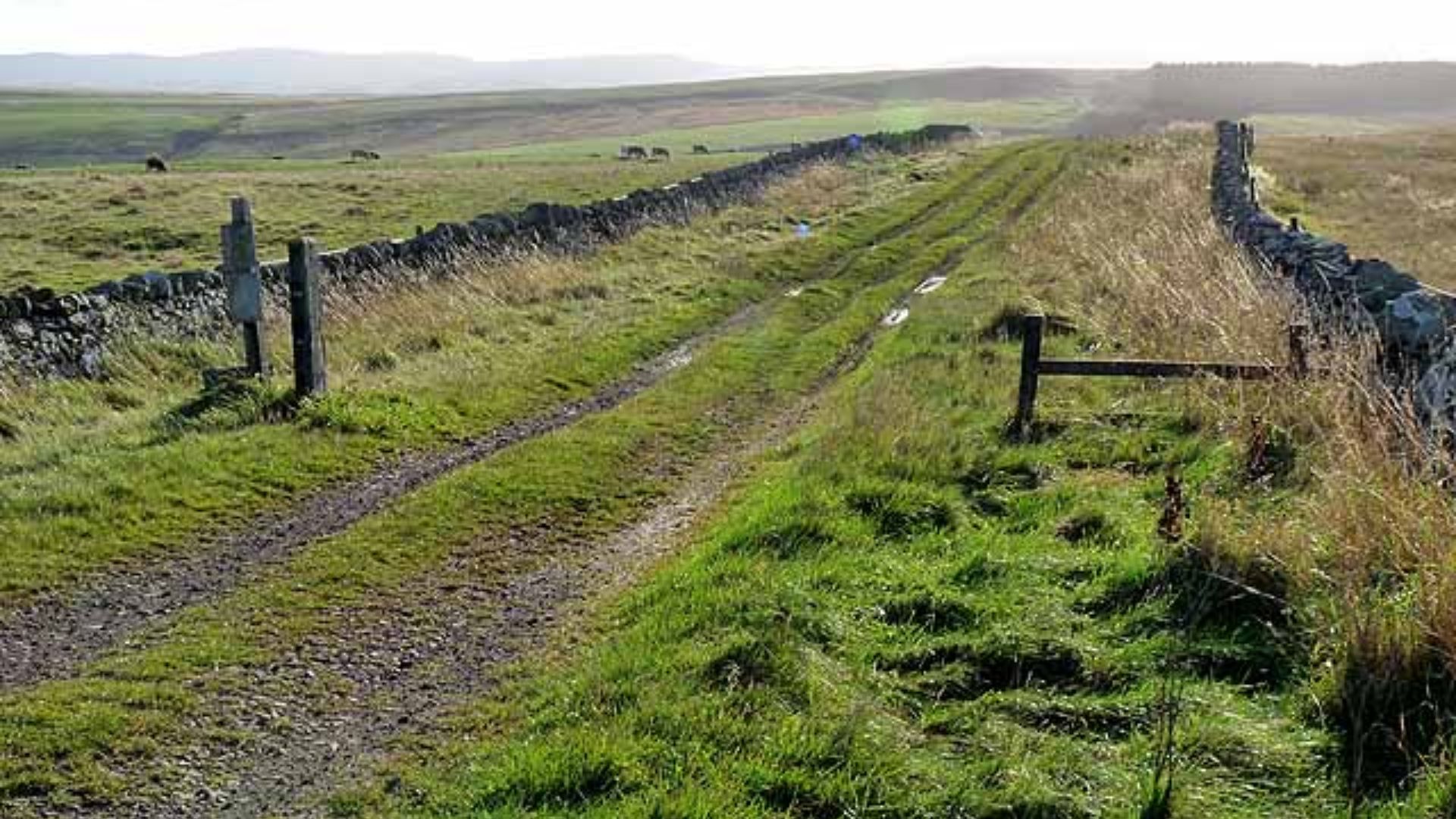
9th Century: Strategic Corridor In A Turbulent Era
During Viking raids and Anglo-Saxon resistance, Dere Street served as a strategic corridor through contested terrain. Armies and messengers likely used it to reach northern allies or fortify border zones. Monasteries near the route relied on it for supplies and communication. Though degraded, its Roman bones still shaped movement and defense.
 Oliver Dixon , Wikimedia Commons
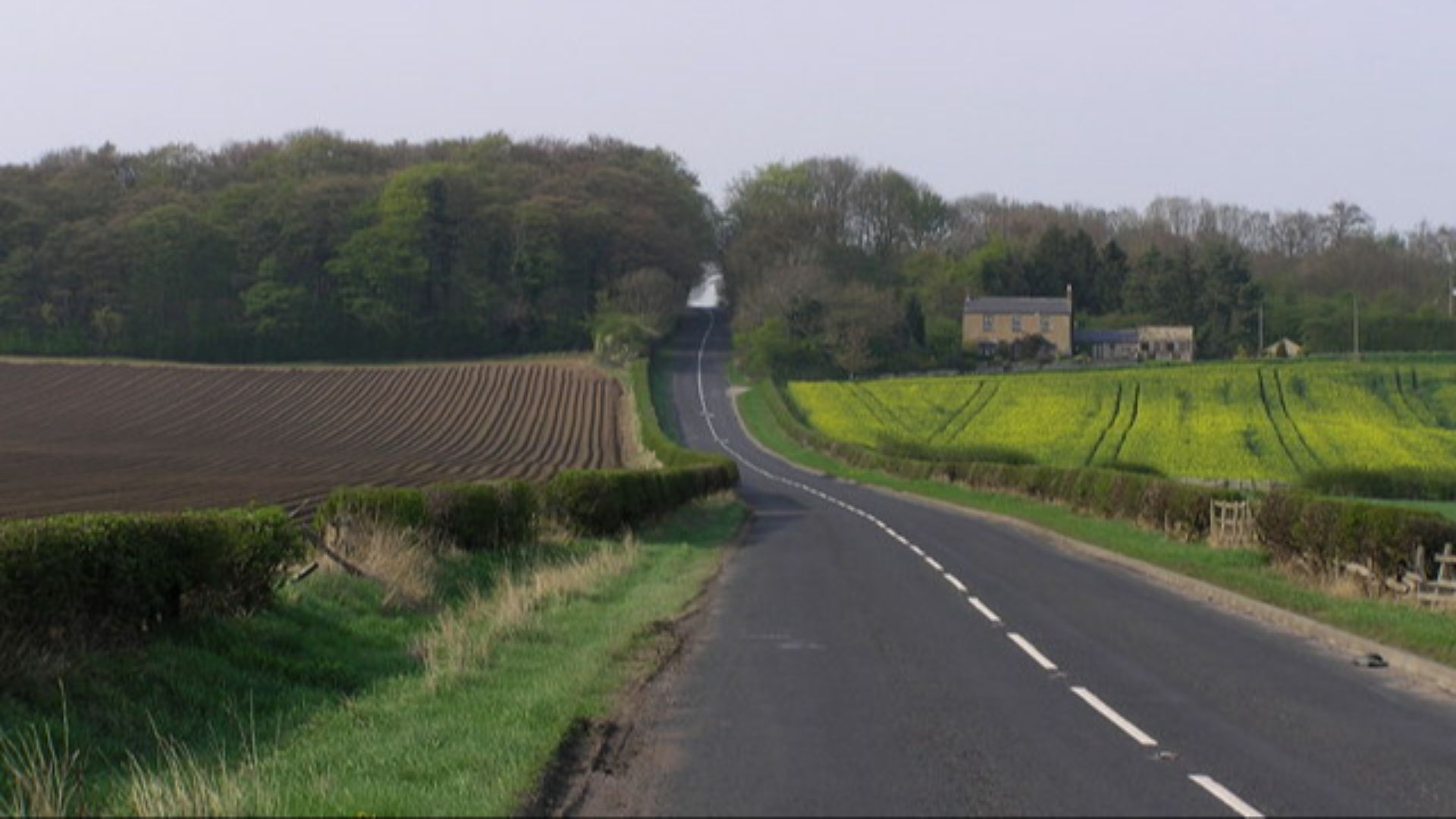
13th Century: Royal Road And Military Route
Dere Street saw renewed prominence during the Scottish Wars of Independence. King Edward I marched his troops along it in 1298 en route to the Battle of Falkirk. Its durability and directness made it ideal for large-scale mobilization. In medieval Latin, it was called Via Regia—the Royal Way—underscoring its continued strategic value.
 Hugh Mortimer, Wikimedia Commons
Dere Street Had Evidently Preserved Its Importance After Rome
Dere Street served as a vital artery long after Roman legions departed. By the 9th century, it connected powerful ecclesiastical centers: Hubs of religious authority and worship—typically anchored by a cathedral, monastery, or major church. In medieval contexts, especially in Britain, these centers were powerhouses.
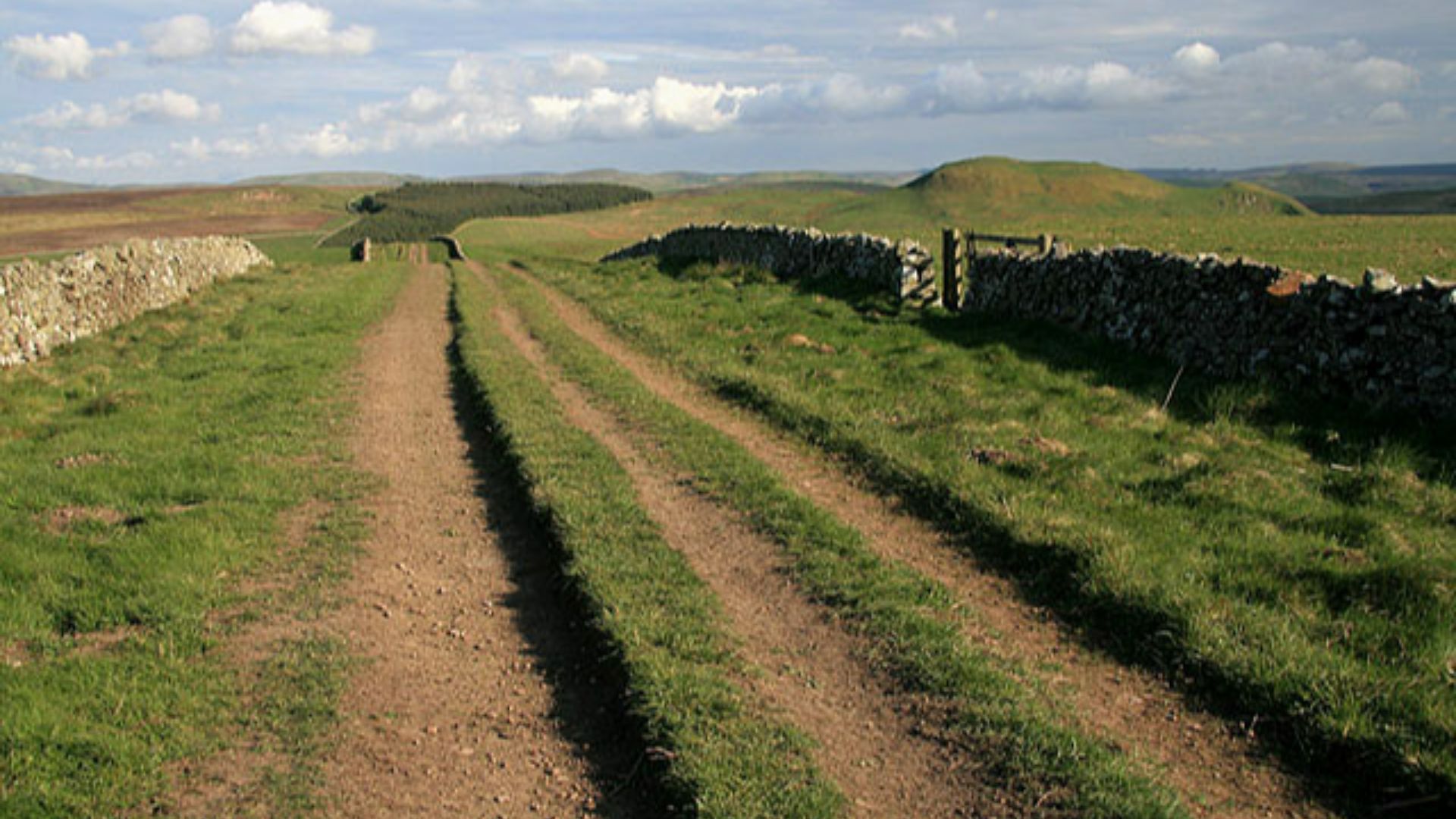 Walter Baxter, Wikimedia Commons
So, It Essentially Became A Spiritual Path
By the 11th century, it pulsed with spiritual traffic: pilgrims journeyed north toward sacred sites like Jedburgh Abbey and Melrose, clutching staffs and relic bags to seek healing or redemption. Monasteries and priories served as both sanctuaries and waystations to offer food, shelter, and spiritual counsel.
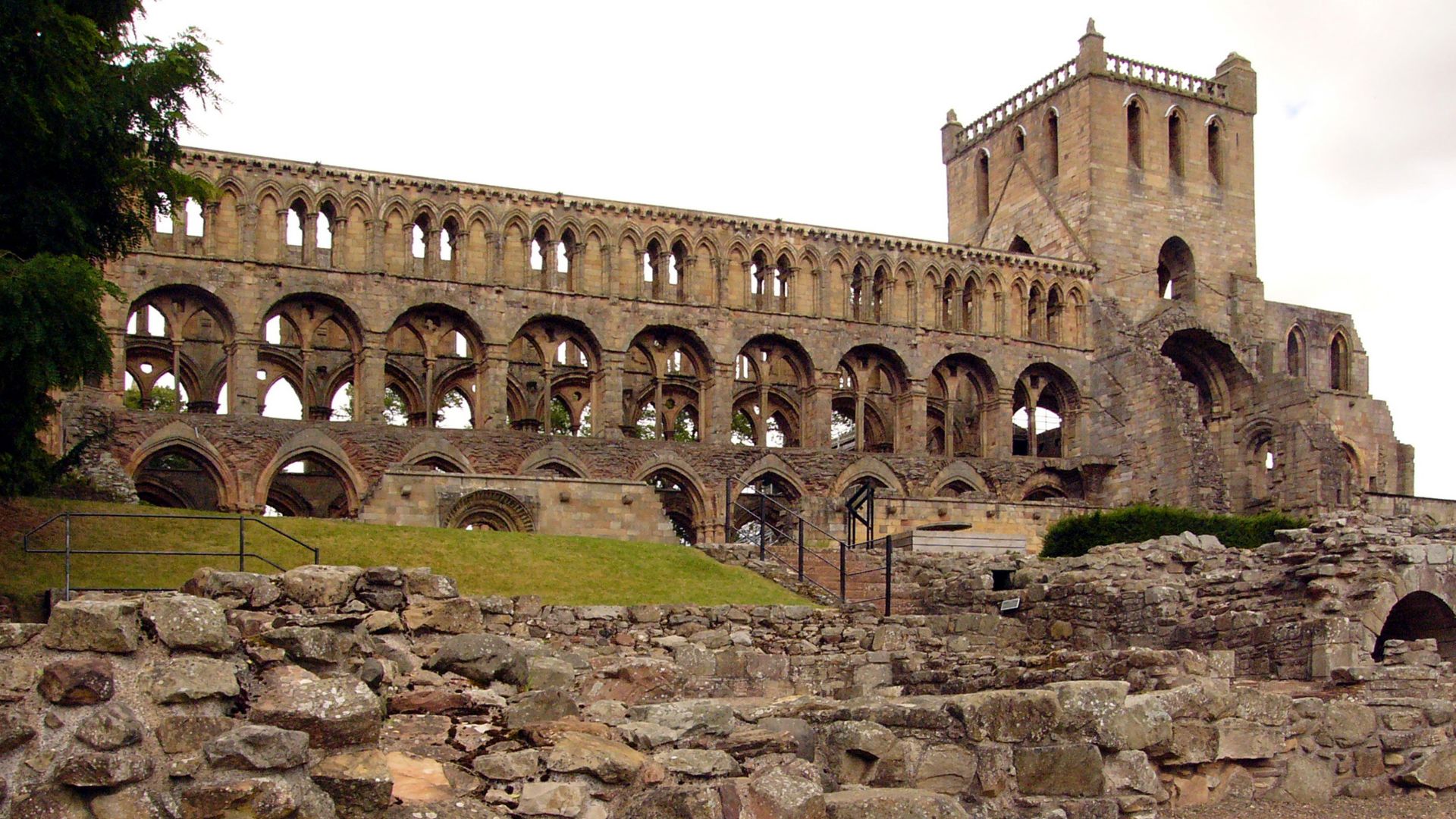
It Also Paved The Way To More Economic Hubs
These religious outposts also became economic hubs that attracted merchants who sold candles and provisions tailored to the pilgrim trade. The road’s dual identity—as sacred path and commercial lifeline—mirrored the medieval worldview, where faith and livelihood were deeply entwined.

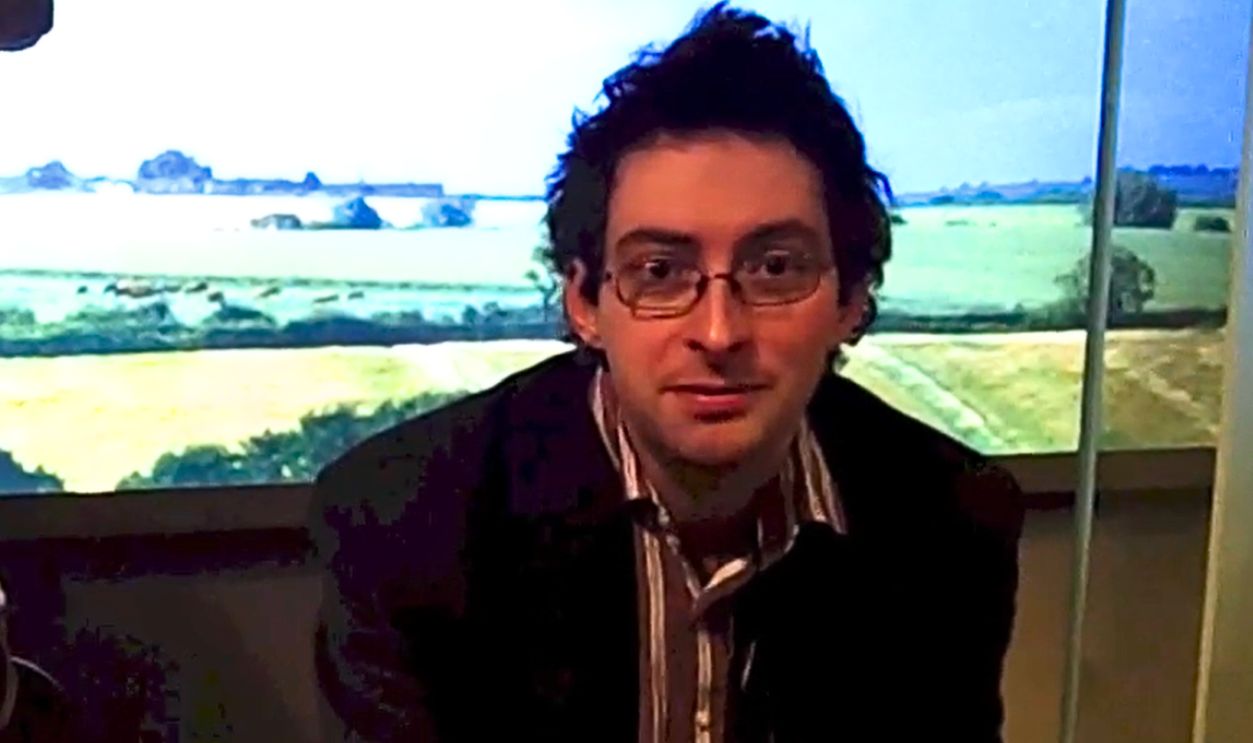
Archaeologist James Gerrard Directed The 2025 Project
Guiding the excavation was James Gerrard, Professor of Roman Archaeology at Newcastle University. His projects include the Grange Farm excavation, which uncovered evidence of industrialized activity, and the Knaresborough Hoard study, offering new insight into late-Roman life. Few could have guided such excavations better, and Gerrard did.
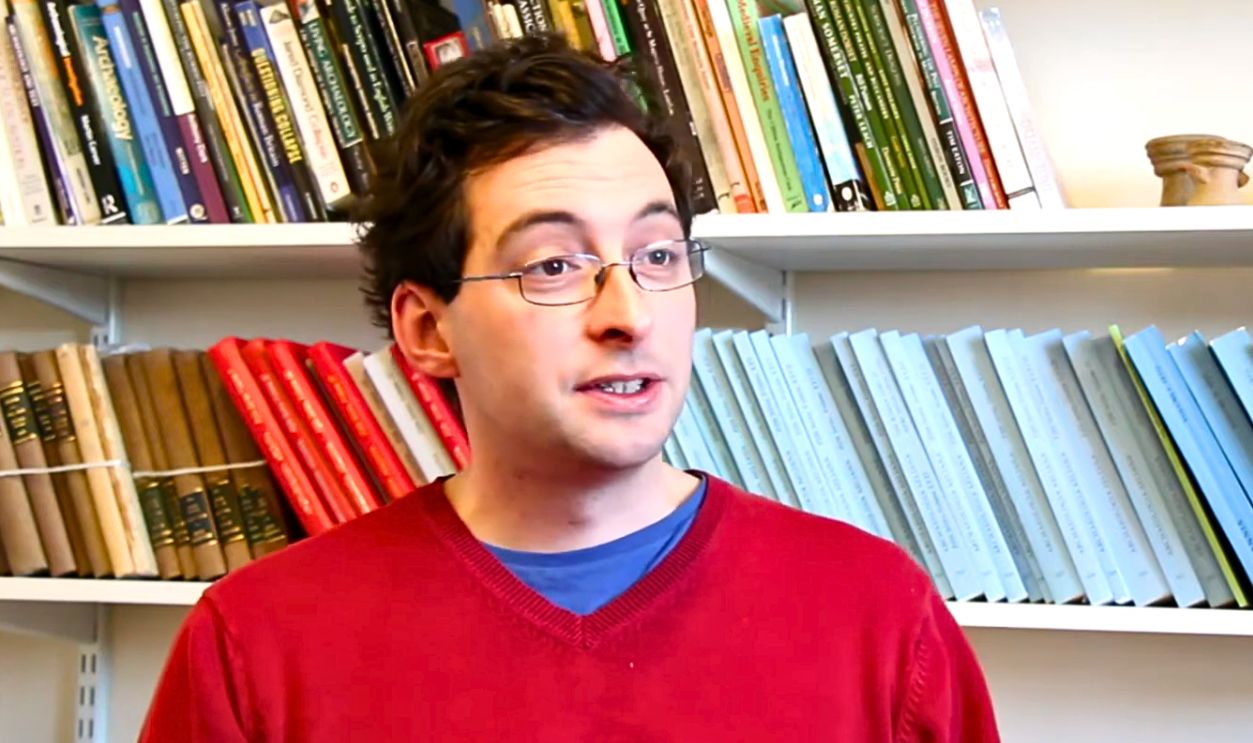 Meet The Archaeologist: James Gerrard by Archaeosoup
Student Archaeologists Arrive In July 2025 To Begin Their Summer Excavation
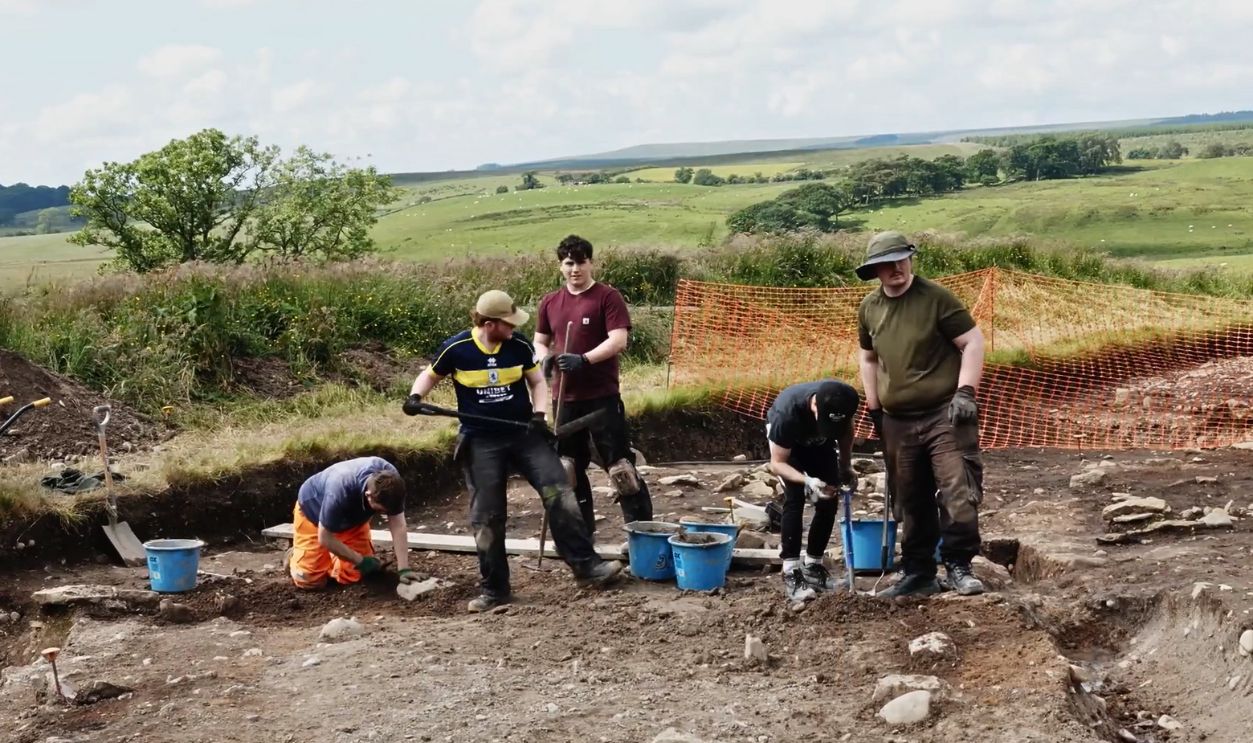
July in Northumberland offered long daylight hours for digging—stretching from 4:32 am to 9:51 pm at the month’s start, and still lingering at 5:17 am to 9:06 pm by the end. The team had up to 17 hours and 19 minutes of light each day.
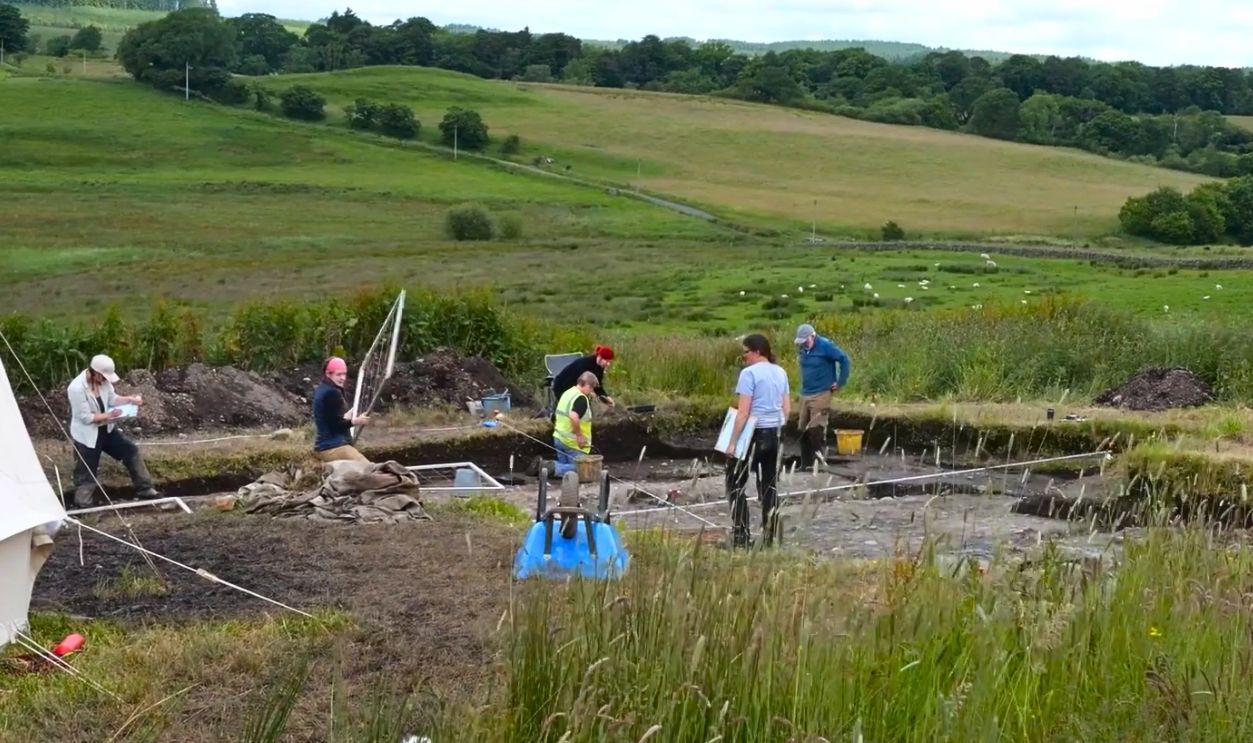 Studying Archaeology at Newcastle University by Newcastle University
The Conditions Were A Bit Favorable
Even though those hours weren’t easy, students had the advantage of the weather being favorable. The heat here ranges from 63°F to 68°F during the day and from 54°F to 55°F at night. Rainfall is moderate, averaging 73–94 mm across the region, so teams often plan around intermittent showers.
 Studying Archaeology at Newcastle University by Newcastle University
Within 90 Minutes, Yara Souza Uncovers Something
On the day of the discovery, barely into her first trench, Souza’s trowel scraped something glinting. Ninety minutes into her career, she pulled gold from the earth. What are the odds? A moment that many archaeologists wait decades for became her unforgettable initiation into the discipline. Talk about destiny.
Protocols That Had To Be Observed
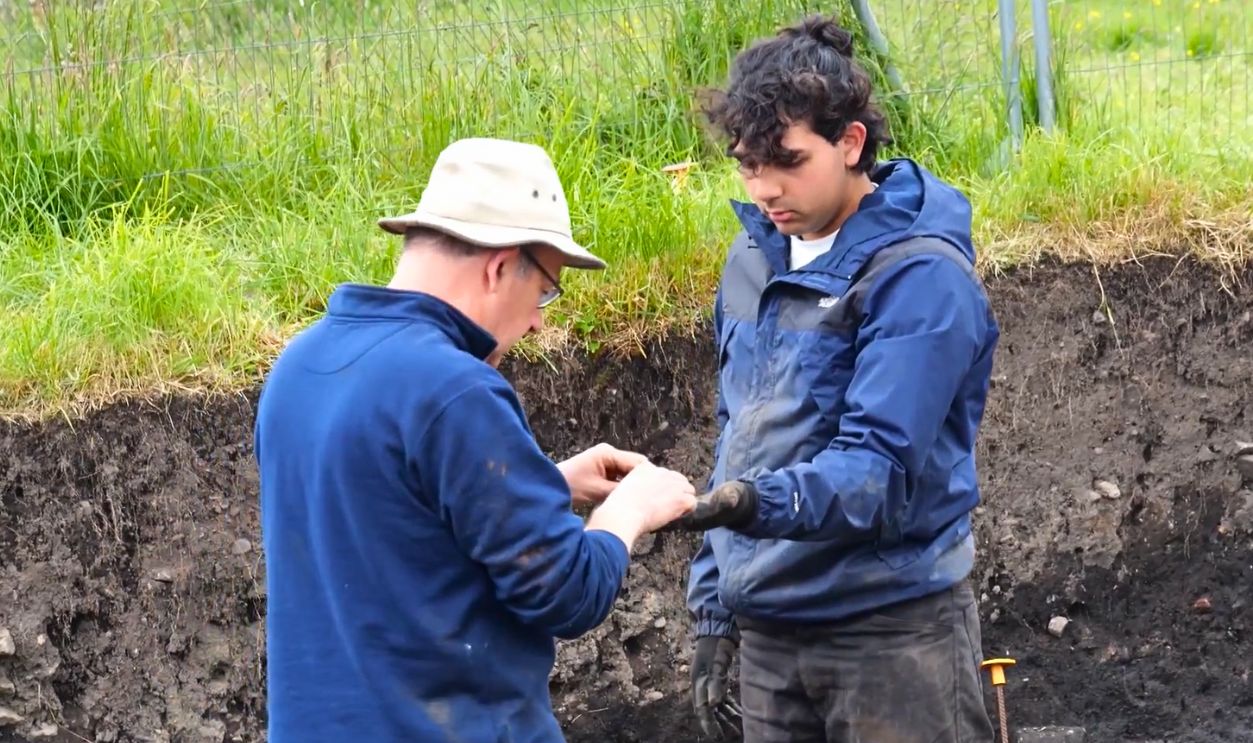
Archaeological studies have a protocol to be followed. When a student uncovers an artifact during excavation, the first step is to stop digging immediately to preserve the object’s context. The student then alerts the site supervisor, who assesses the find and determines whether it should be documented or excavated further.
 Studying Archaeology at Newcastle University by Newcastle University
Next Steps Include Data Collection
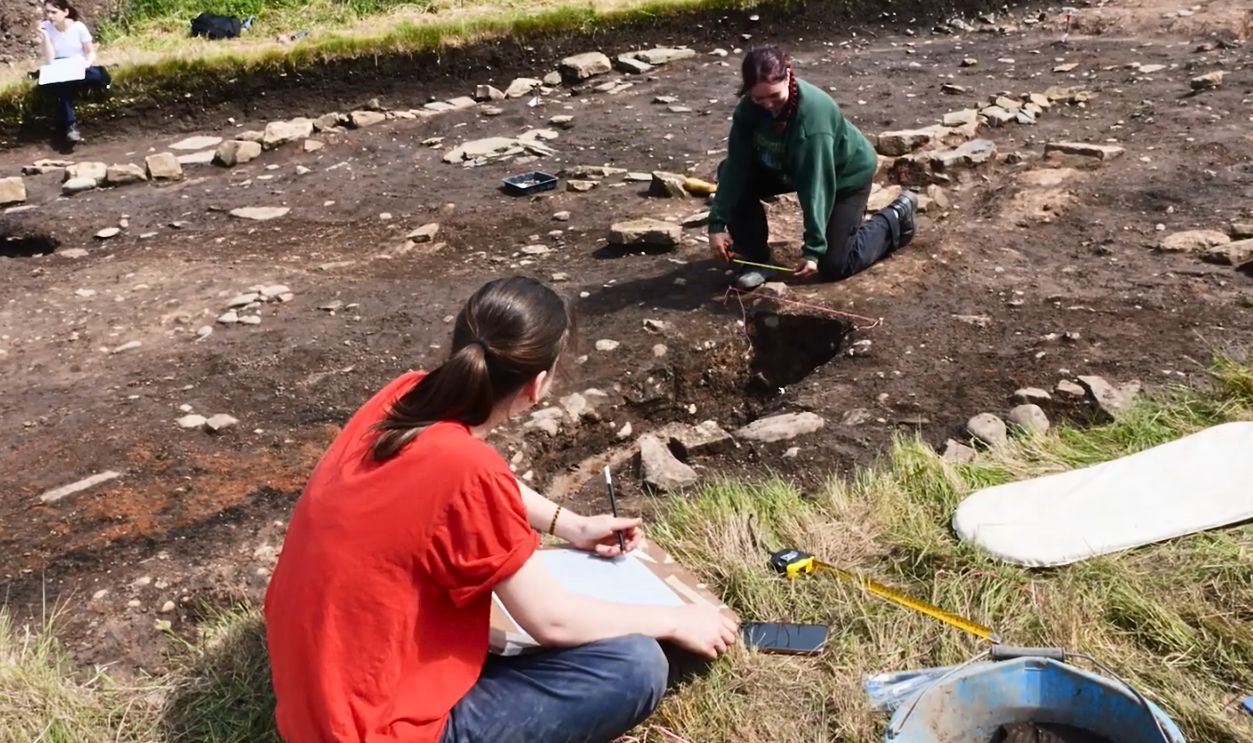
Next, the team photographs the artifact in situ, records its exact location, depth, and soil conditions, and logs the details using standardized forms. If removal is approved, the item is carefully tagged, bagged, and transferred to the finds officer or project archivist. Students also update their personal field journals.
 What It's Like to Study for a PhD in Archaeology at Newcastle University by Newcastle University
Why This Protocol Is A Must
This protocol safeguards the integrity of archaeological evidence. Every artifact’s value lies not just in what it is, but where and how it was found. Precise documentation preserves its context, which helps experts reconstruct historical activity with accuracy. It also ensures legal and ethical compliance. Now back to the find.
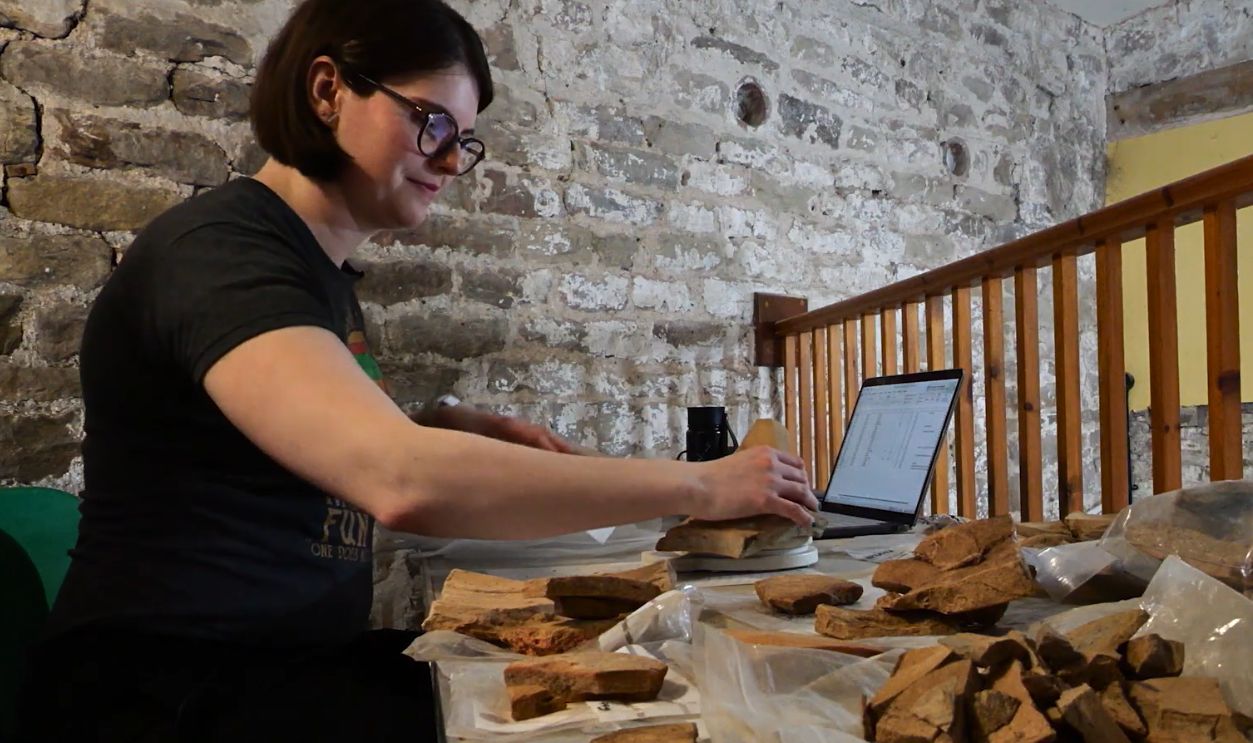 What It's Like to Study for a PhD in Archaeology at Newcastle University by Newcastle University
The Find Reveals Itself As A Small 1.5-Inch Long Artifact
At first glance, the object looked like nothing more than a shiny knob. Careful cleaning revealed intricate detail on its 1.5-inch (approximately 4-centimeter) body. Even though it was tiny, it instantly stood out as unusual, given how rarely gold items survive the ravages of time.
Early Examination Suggests The Piece Is A Finial
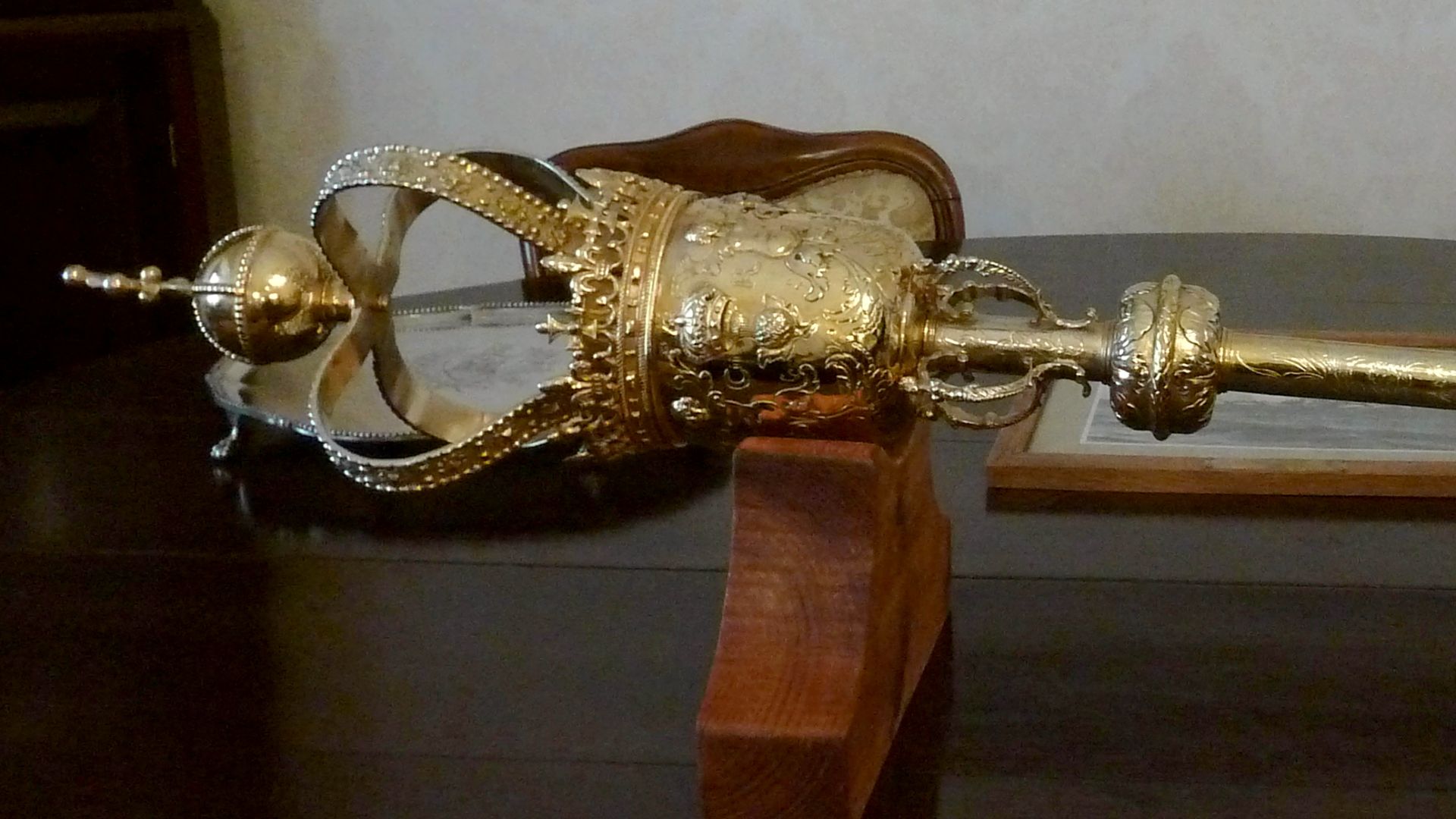
A finial is essentially a decorative flourish placed at the top, end, or corner of an object, often used to mark a finishing point with style or symbolism. Culturally, they sometimes marked authority or status, depending on who held it. This one was classified as fitted to pins or staffs.
 Storye book, Wikimedia Commons
Here’s How This Finial Looked Like
The golden artifact was a small, cylindrical object with a bulbous head and a decorative finial. Its surface gleamed with intricate swirl patterns, and one end resembled a handle. Compact yet ornate, it was crafted with precision and symbolic elegance typical of elite craftsmanship.
 AnonymousUnknown author, Wikimedia Commons
Here’s More On Finials
In medieval society, finials topped everything from processional staffs to reliquaries. And they all looked different. Medieval bishops carried staffs crowned with ornate finials, often featuring curled foliage or saintly figures. Finials on reliquaries usually resembled miniature spires or crosses. Caskets, chests, and architectural elements like Gothic spires also had them.

Experts Date The Gold Object To The 9th Century
Stylistic comparison pointed directly to the 9th century, a turbulent yet vibrant era. Think raids and battles marking the landscape. Finding such a treasure from that century offered a tangible bridge to one of Britain’s most dramatic periods. Here’s some context of what was unfolding then.
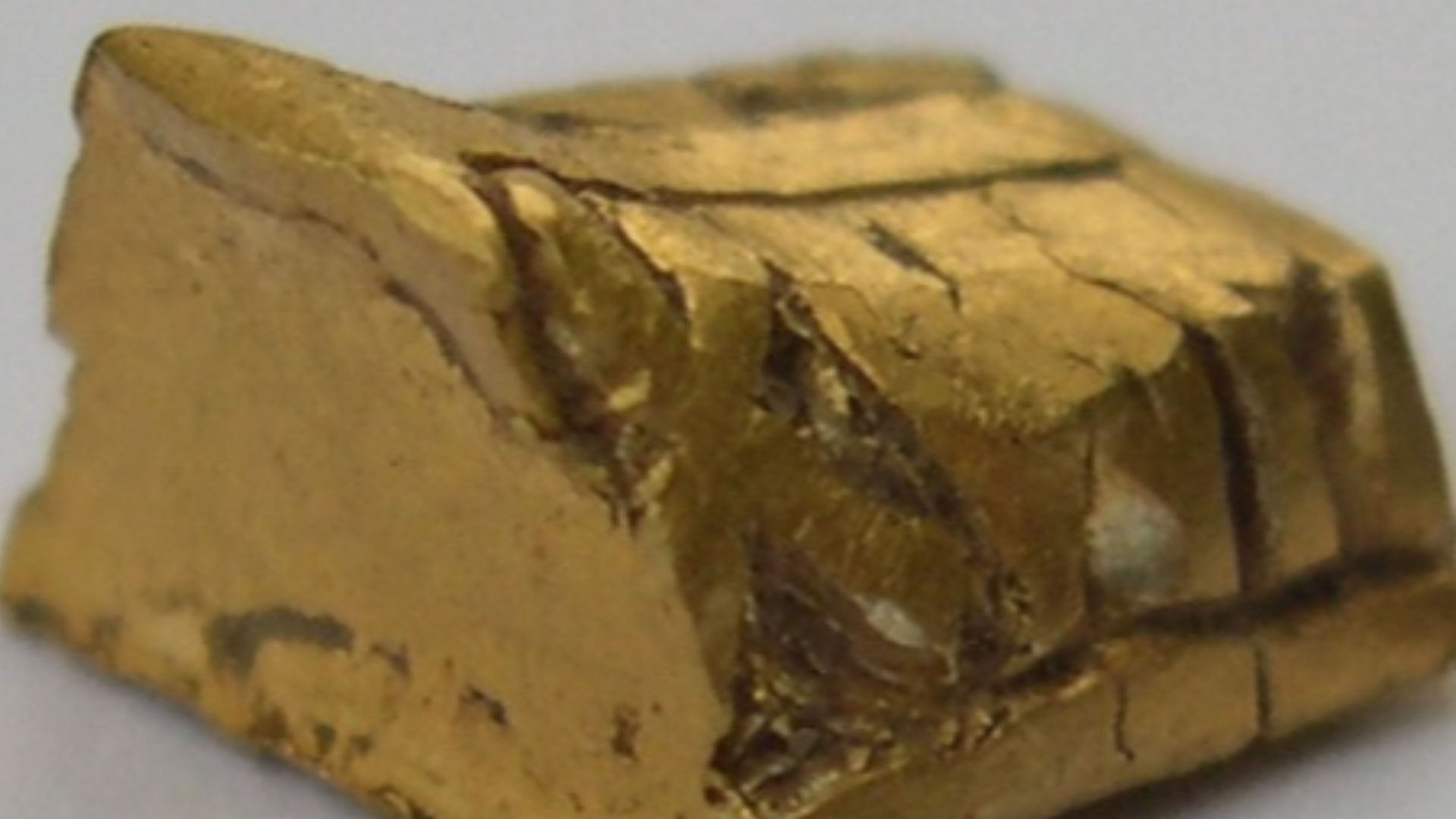 Finder, Caroline McDonald, 2006-04-19 10:09:20, Wikimedia Commons
Viking Raids And Anglo-Saxon Resistance
In the 9th century, when Deere Street was an active strategic corridor through contested terrain, the surrounding areas were witnessing Viking longships slicing through Britain’s rivers, sacking monasteries like Lindisfarne and burning towns. Yet resistance grew—King Alfred the Great fortified settlements, reformed armies, and negotiated treaties.
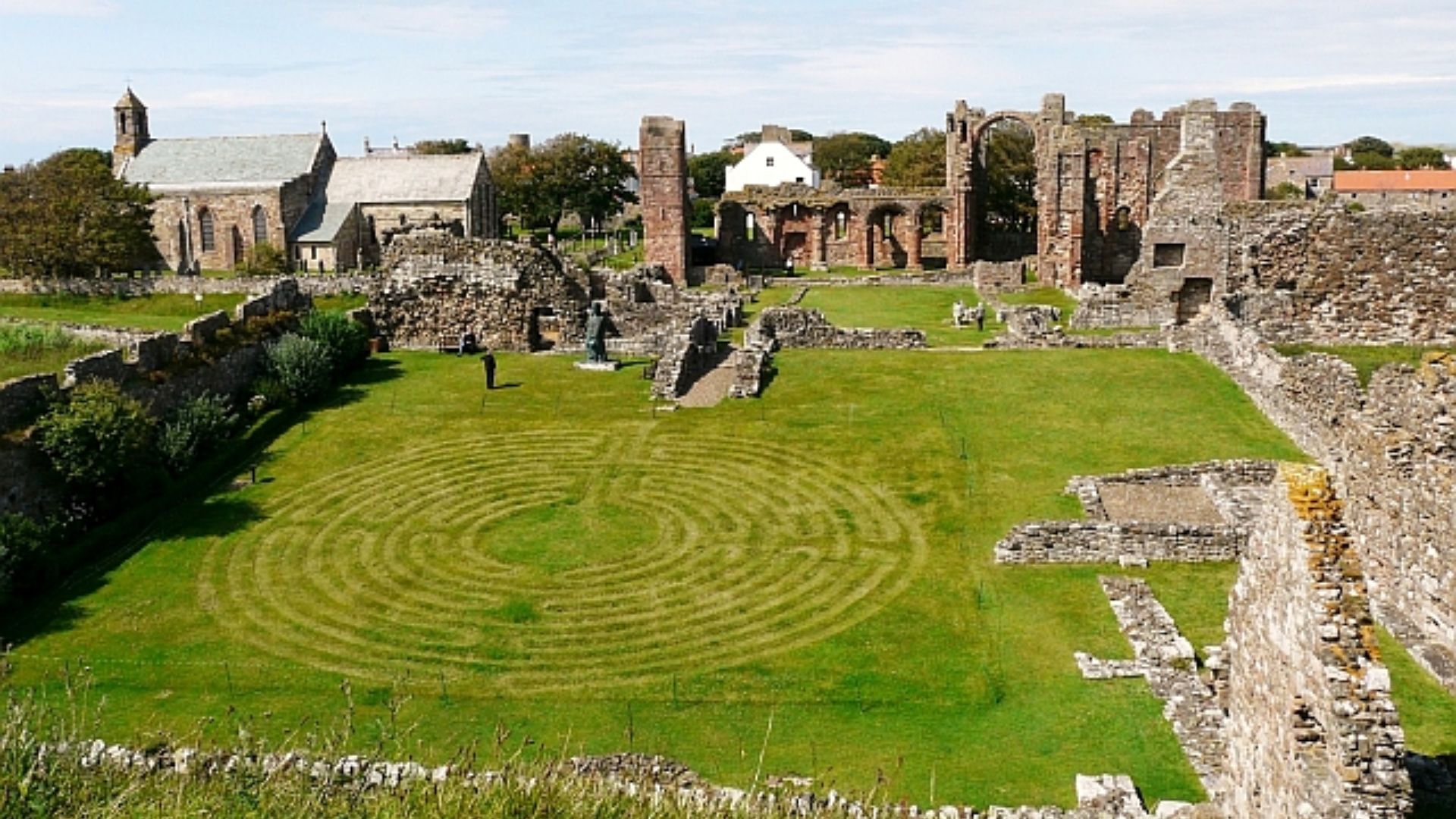 Rose and Trev Clough , Wikimedia Commons
There Was Also Monastic Resilience And Cultural Revival
Despite brutal raids, monastic communities like Lyminge in Kent endured. Archaeological finds reveal rebuilt chapels and coin circulation well into the century. Such sites, including Deere Street, became hubs of literacy, diplomacy, and spiritual renewal.
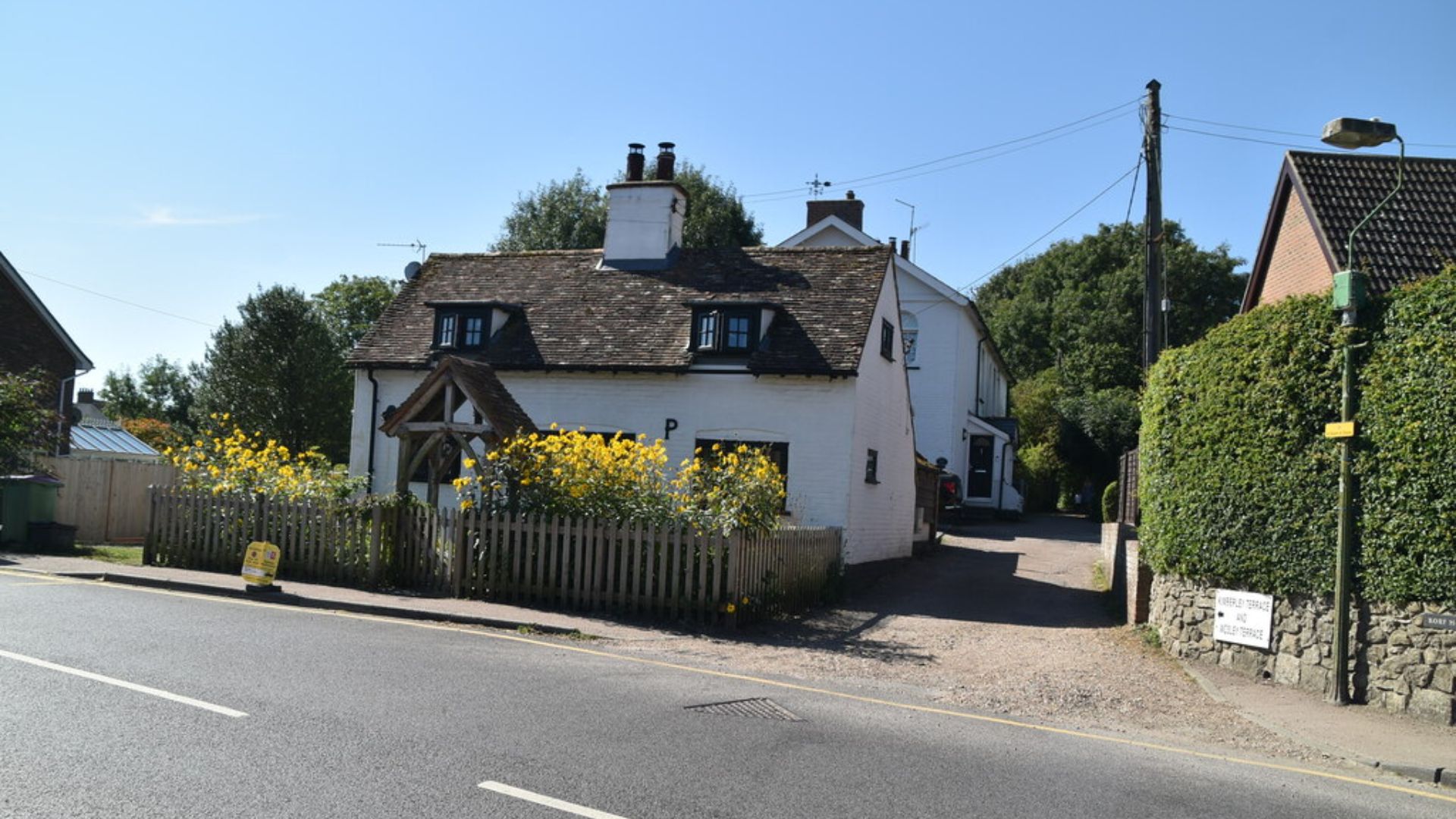 N Chadwick , Wikimedia Commons
Scientific Analysis Confirms The Artifact’s Composition As Nearly Pure Gold
Laboratory tests revealed a composition of nearly pure gold, rare for the early medieval period. Such purity suggested wealth and mastery of metallurgy. Craftsmen of the 9th century knew how to transform raw material into symbols of enduring prestige.

Back Then, Gold Was Reserved For Elites
The thing about gold ownership is that it wasn’t for common folk. Only the elite—nobility, clerics, and warriors of renown—wielded such wealth. Why though? First, gold is a rare metal. So having it makes you “special”. Second, gold represents power and wealth.
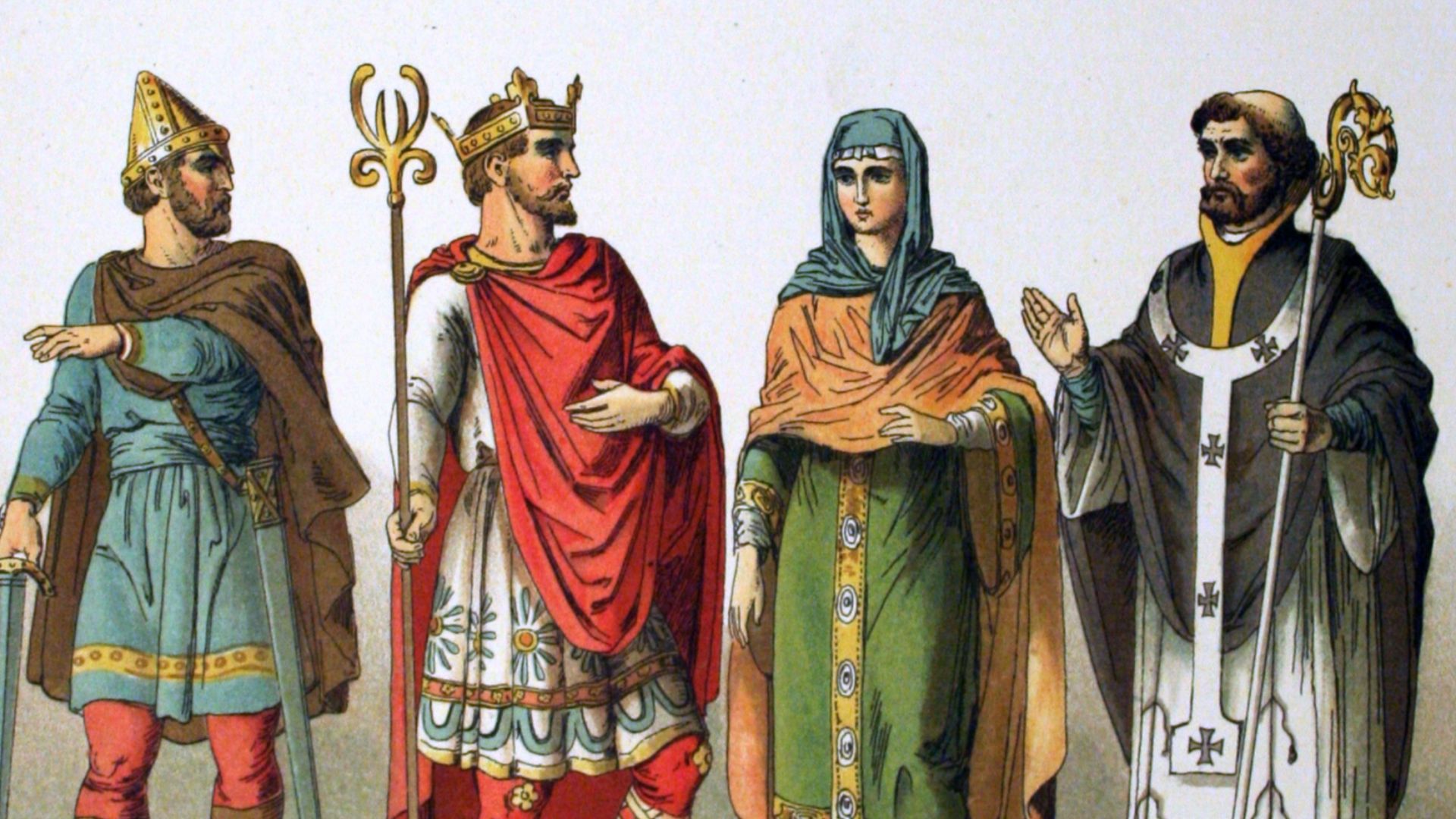
Archaeological Parallels
Gold’s rarity made it a material of distinction, but its symbolism ran deeper. Elite burials like Sutton Hoo, the Staffordshire Hoard, the Trumpington Cross bed burial, and the recently unearthed Harpole Treasure used gold to signal divine favor and elevated social rank.
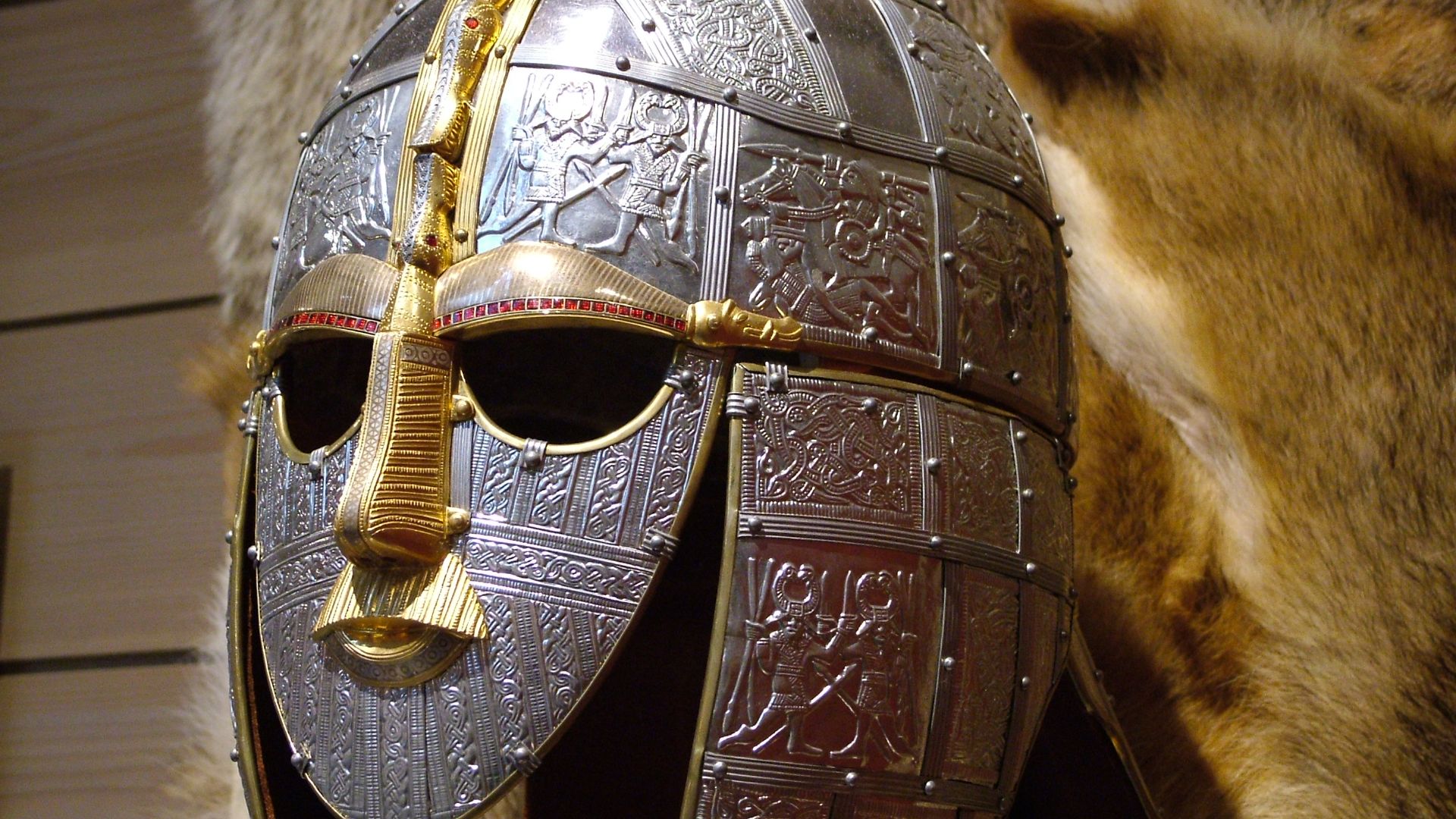
Artifact’s Ball-Headed Design Matches A Similar Piece Found In 2021
The excitement doubled when experts realized the artifact’s ball-shaped design mirrored one discovered in 2021 at the same location. Lightning striking twice suggested intentional deposition. This site was definitely not a random farmland—it concealed a deliberate story, one slowly resurfacing through matched finds.
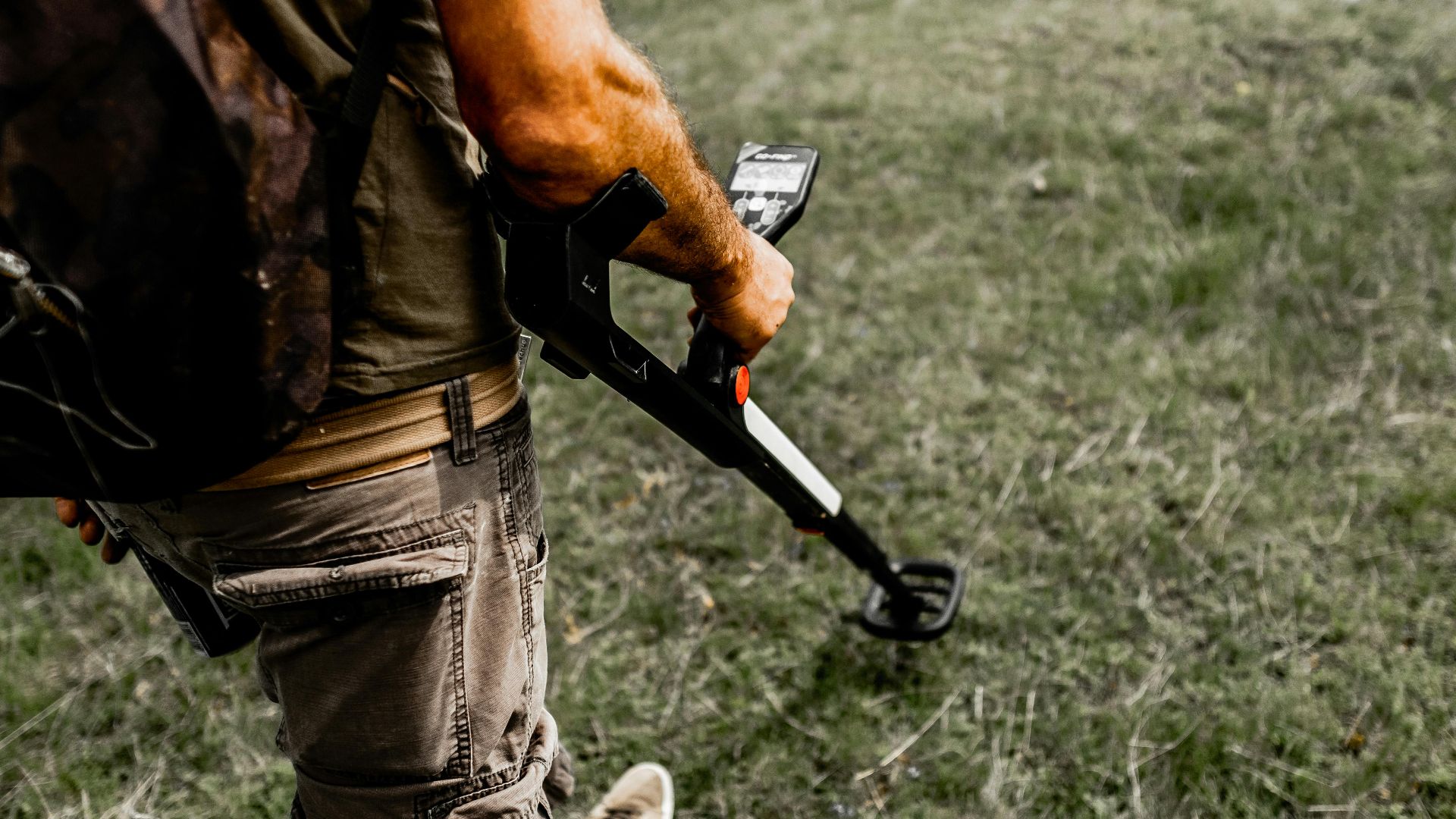
A Local Metal Detectorist Nearby Made That Earlier Discovery
In 2021, Alan Gray, a local metal detectorist, uncovered a small gold object in the windswept fields of the same remote field. His find, modest in size but rich in historical intrigue, prompted a full-scale archaeological investigation led by Newcastle University, which is why Souza landed there.
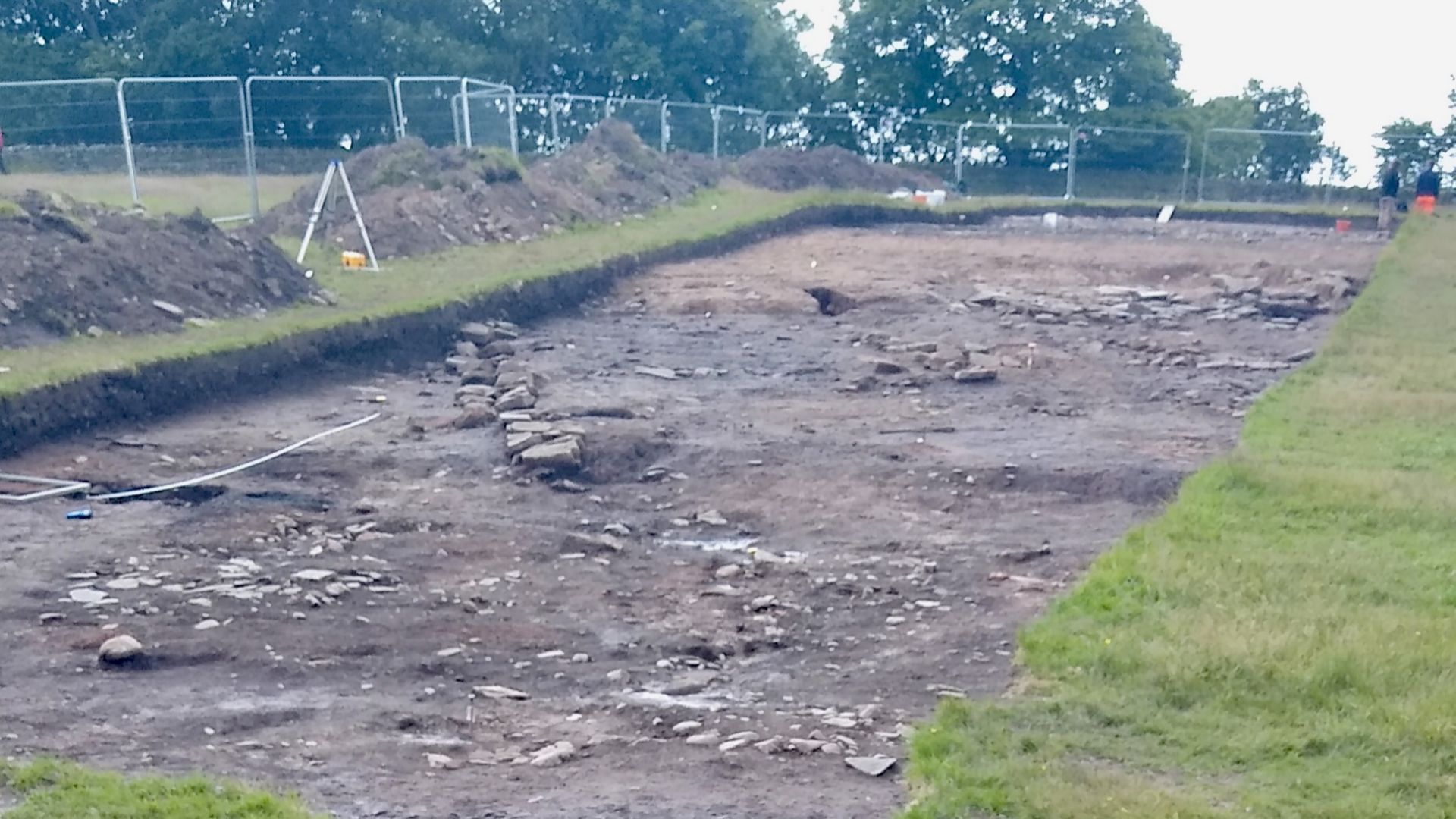
Both Items Suggest A Pattern Of Deliberate Placement At The Site
Two golden pieces, same design, same place: coincidence feels unlikely. Scholars suspect purposeful placement, perhaps as ritual deposits. Such practices are well-documented in medieval Britain, where valuables were buried as offerings linked to specific events. Alternatively, it could have just been an accident or someone hiding a hoard for themselves.
 Studying Archaeology at Newcastle University by Newcastle University
Object May Have Held Ceremonial Or Religious Significance Beyond Decoration
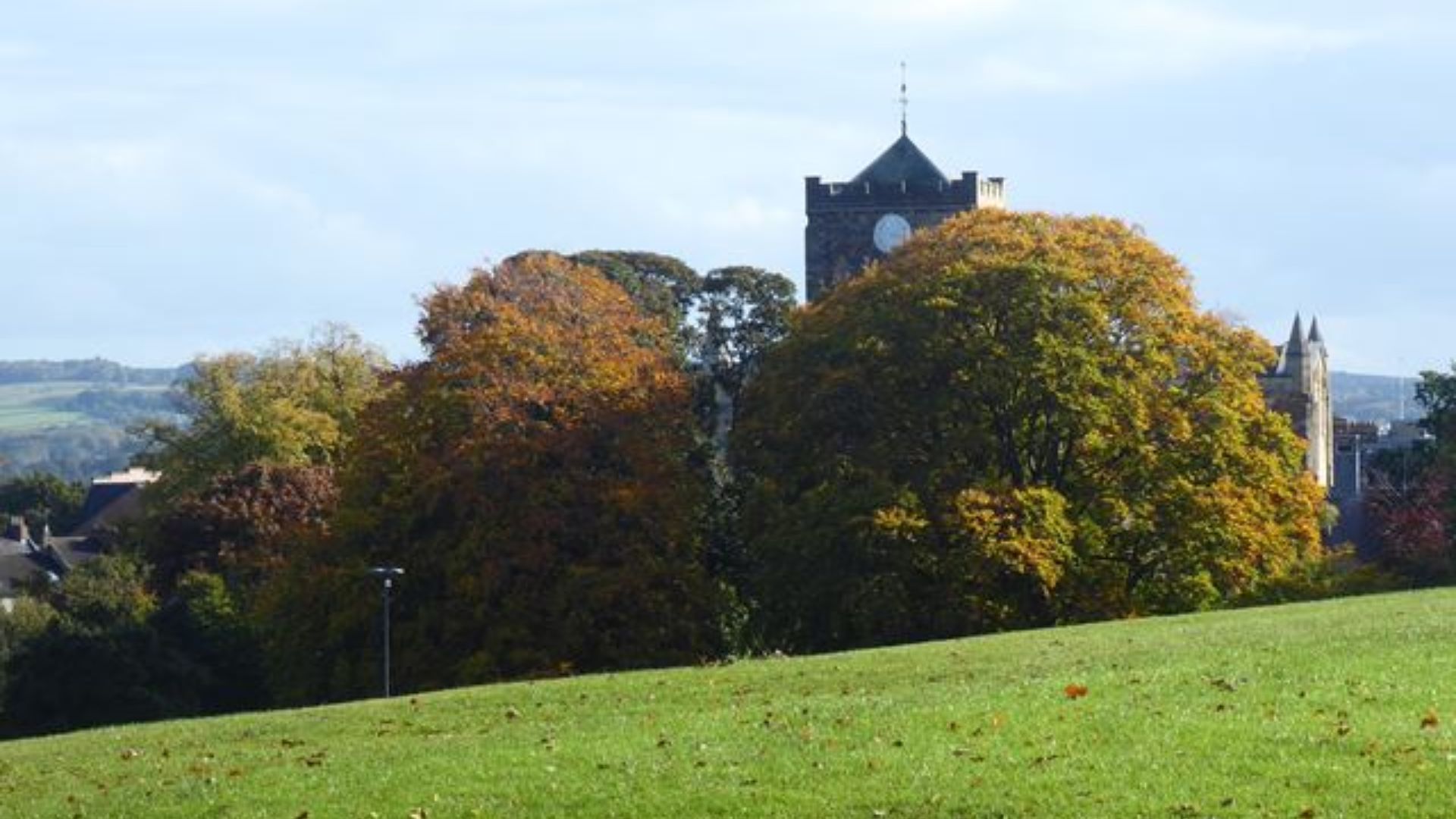
To escape the hoard or accidental claim, the artifact’s design leaned towards faith. Why? Because items like this often adorned processional staffs or religious insignia. Souza’s find aligns with objects linked to ceremonial or religious use, especially along Dere Street’s route between Jedburgh and Hexham, both ecclesiastical centers.
 Oliver Dixon , Wikimedia Commons
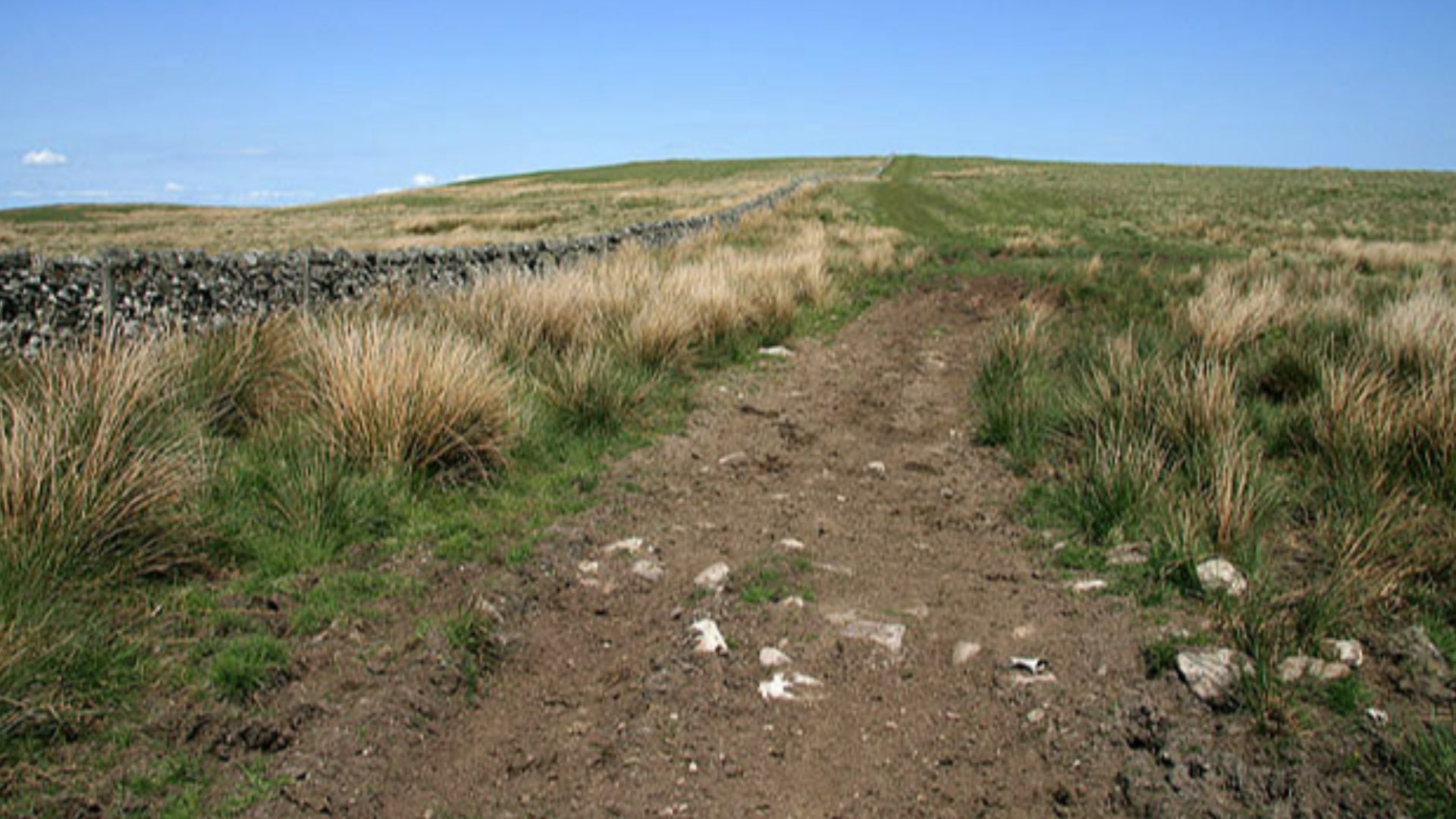
Pilgrims That Once Traveled On This Route Give The Argument More Reason
Pilgrims journeyed along this road seeking blessings and indulgences. Dere Street connected major religious centers, making it a well-traveled route for medieval worshippers. Historical records show that processions along this corridor helped establish it as a spiritual artery for centuries. So that relic appearing makes sense.
 Walter Baxter, Wikimedia Commons
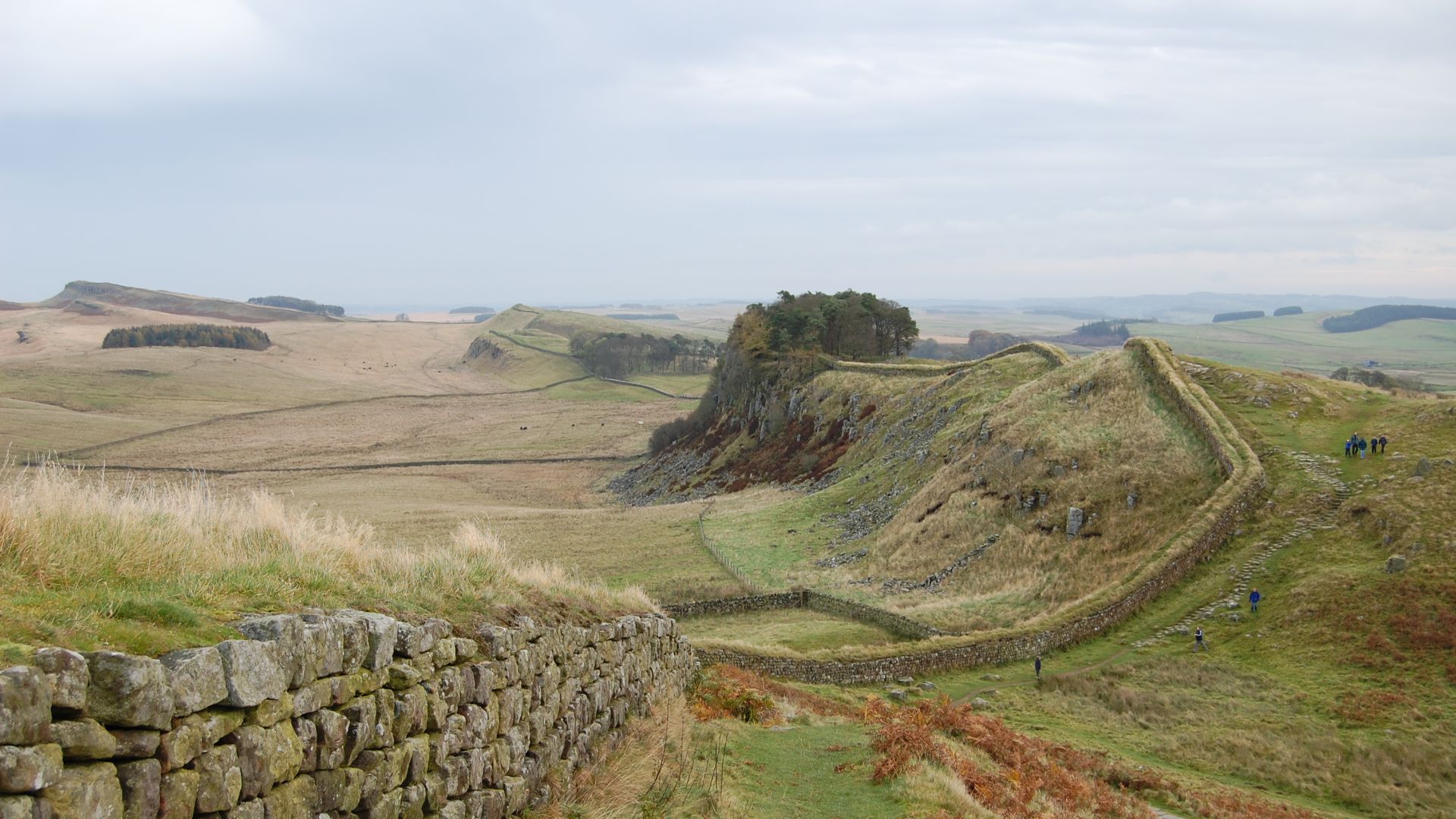
The Discovery Highlights The Area’s Role As A Center Of Medieval Devotion
Northumberland may look like rolling farmland today, but this discovery underscores its historic role as a heartland of devotion. From the two finds, it’s clear that monastic influence shaped communities here by leaving behind such artifacts as evidence.
 Steven Fruitsmaak, Wikimedia Commons
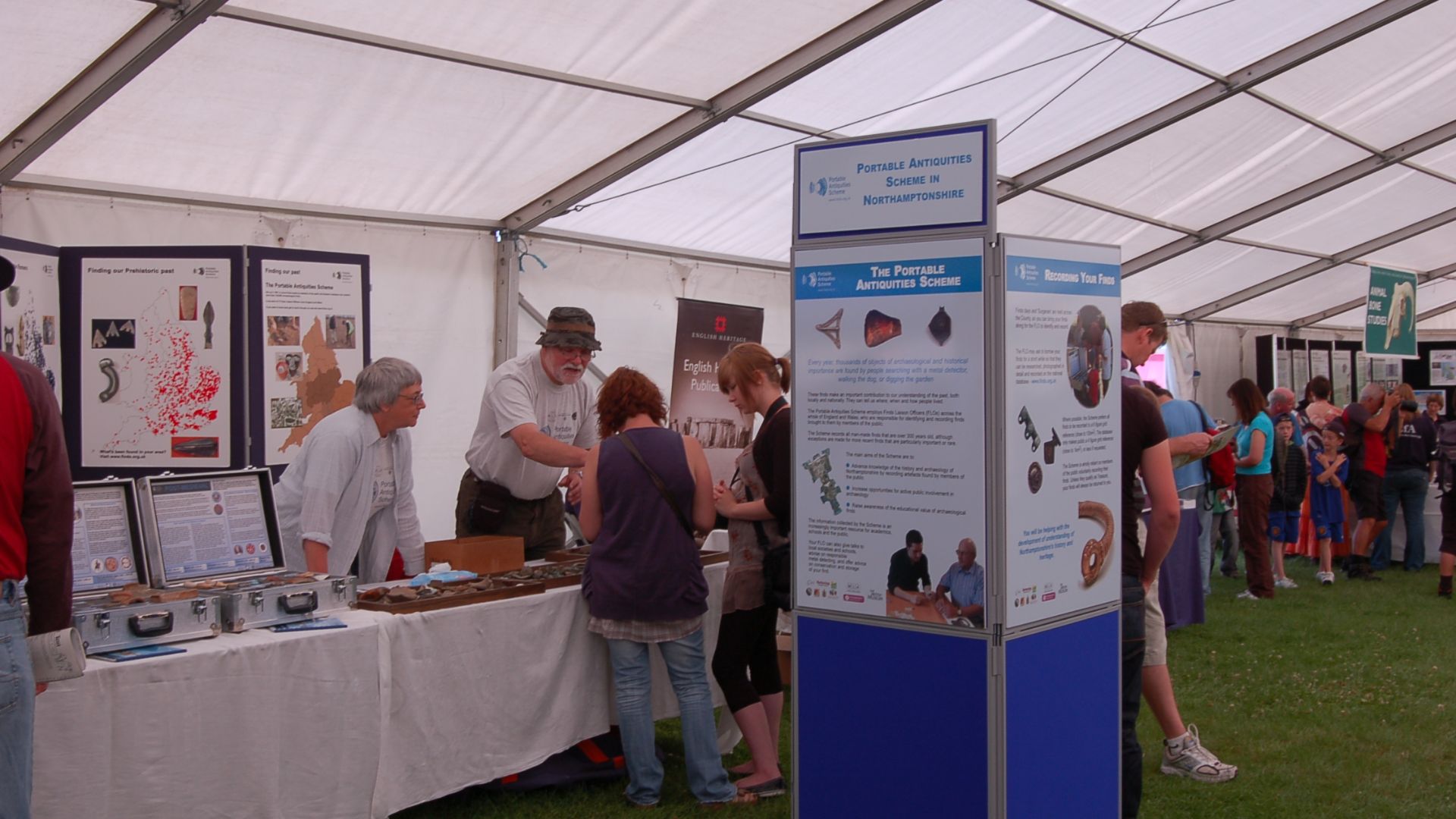
Specialists Document The Object Through The Portable Antiquities Scheme
To safeguard accuracy, experts logged the finial into the Portable Antiquities Scheme. This national program records discoveries across England and Wales, to ensure treasures like Souza’s enter official archives. Documentation preserves details and makes them accessible for future generations.
 Portable Antiquities Scheme from London, England, Wikimedia Commons
What’s The Portable Antiquities Scheme?
The Portable Antiquities Scheme, run by the British Museum and Museum Wales, records archaeological finds discovered by the public in England and Wales. It encourages responsible reporting—especially by metal detectorists—so that non-Treasure objects can still contribute to research and public understanding of the past.

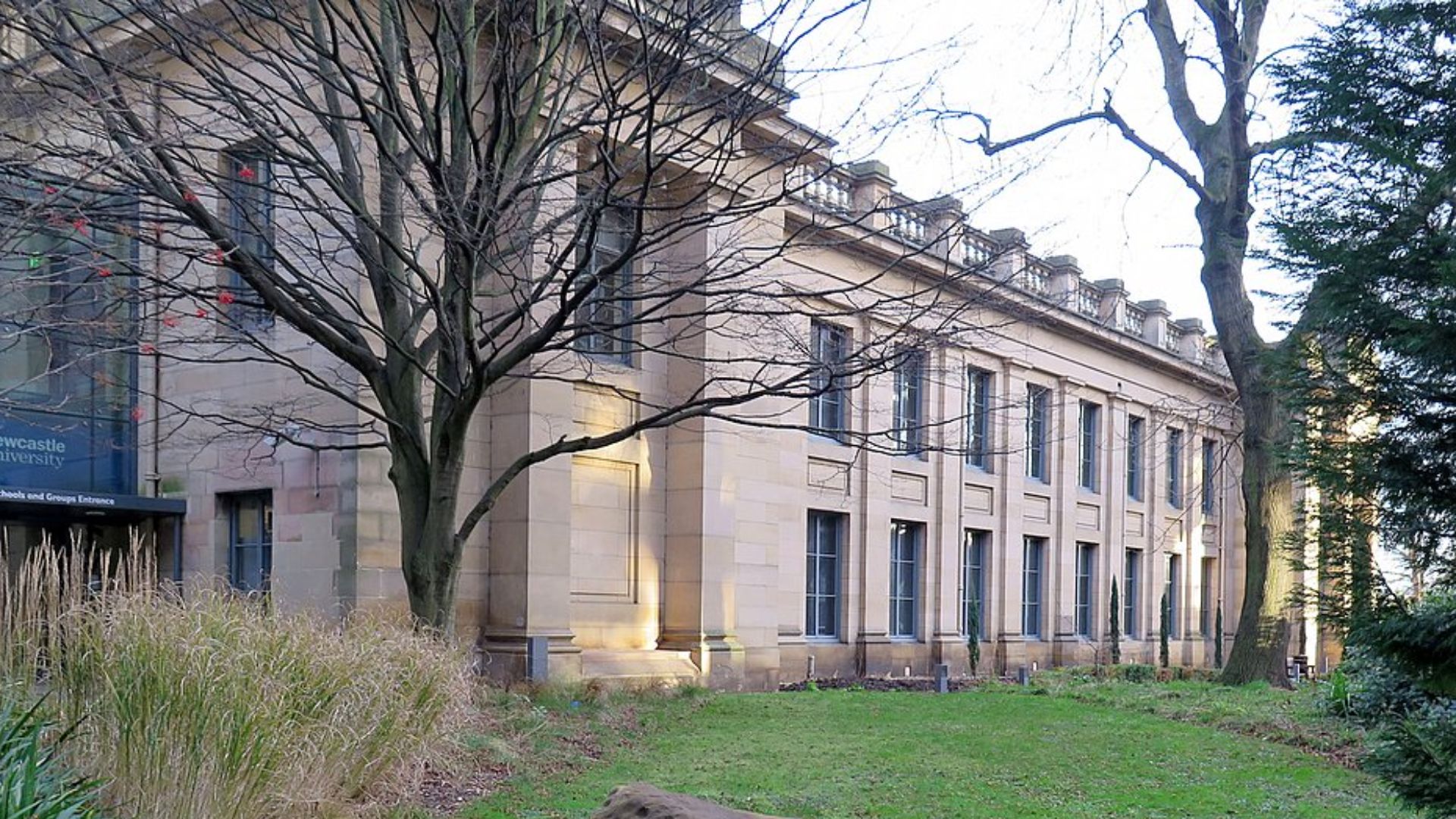
Plans Announced To Display The Treasure At Great North Museum: Hancock
The Great North Museum in Newcastle announced plans to showcase the gold find. Visitors will soon stand inches away from the artifact, peering into the craftsmanship of medieval Britain. Exhibitions like this transform academic discoveries into public experiences of wonder.
 Andrew Curtis , Wikimedia Commons
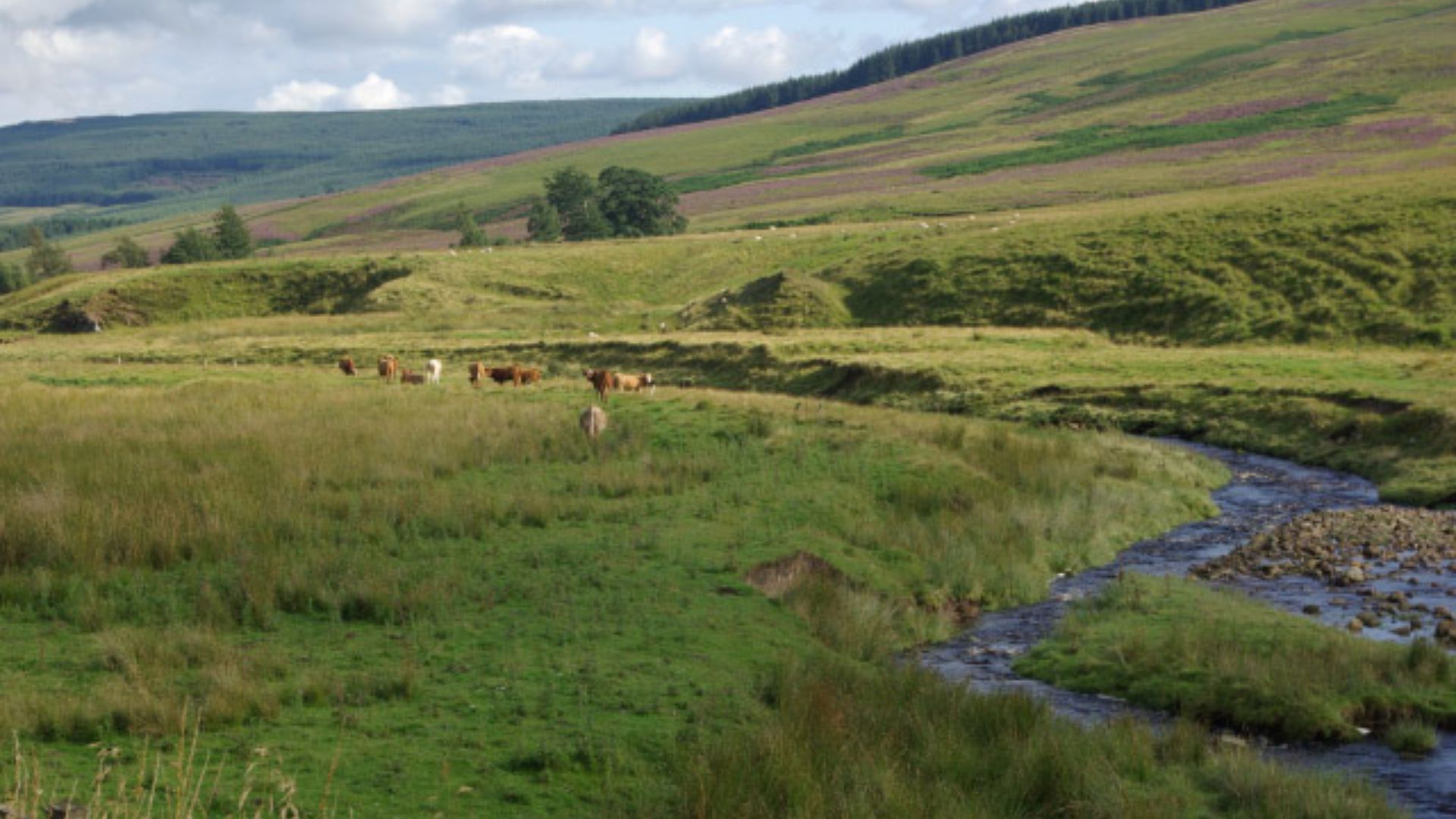
The Find Sparks Renewed Interest In Northumberland’s Hidden Medieval Past
Gray’s find was the can opener. Souza’s discovery was the first worm that ignited renewed curiosity among scholars and locals alike. The other worms might soon be uncovered (if they exist). Media outlets spotlighted Redesdale as historic, and historians revisited archives. Medieval British history is about to get new intel.
 Stephen McKay, Wikimedia Commons
Students Learn Firsthand How Chance Discoveries Can Reshape Historical Study
Every archaeology student hopes for a moment like this, but few expect it so soon. Souza’s findings illustrated how one stroke of luck can redirect research agendas, rewrite interpretations, and energize entire fields of study. Undoubtedly, luck remains history’s most unpredictable teacher.
 Studying Archaeology at Newcastle University by Newcastle University
Yara Souza Reflects On Experiencing The Thrill Of Discovery So Early In Training
Souza described the moment as “surreal,” admitting she was “geeking out” over the artifact. For her, it was connecting directly to the people of the past. Her excitement represented the spark that archaeology ignites in young scholars. Just 90 minutes in, the years of study seem to start paying off.
 Studying Archaeology at Newcastle University by Newcastle University
What Yara Souza Could Gain From Her Golden Discovery
Souza may receive a financial reward if the artifact is declared treasure under UK law, but her bigger gains are recognition and prestige. Being credited in museum displays, media, and research boosts her career. Her find also strengthens collaborations that could benefit her team and the University.

Responsibilities And Legacy Ahead For Souza
This find upholds heritage laws and demonstrates ethical excavation. For Souza, the cultural legacy of the gold ensures a lasting name in Britain’s medieval story. For her team and Professor James Gerrard, the discovery brings new research opportunities and international attention to their university.
 James Gerrard - My favourite piece by NCL Digital Education Projects