Where Memory Took Root
Deep in the Saudi region sits an ancient ritual site shaped by generations. People gathered here long before history books existed, and left behind clues of belief and unexpected connections that slowly came together beneath the desert ground.
Unearthing Arabia’s Oldest Stories
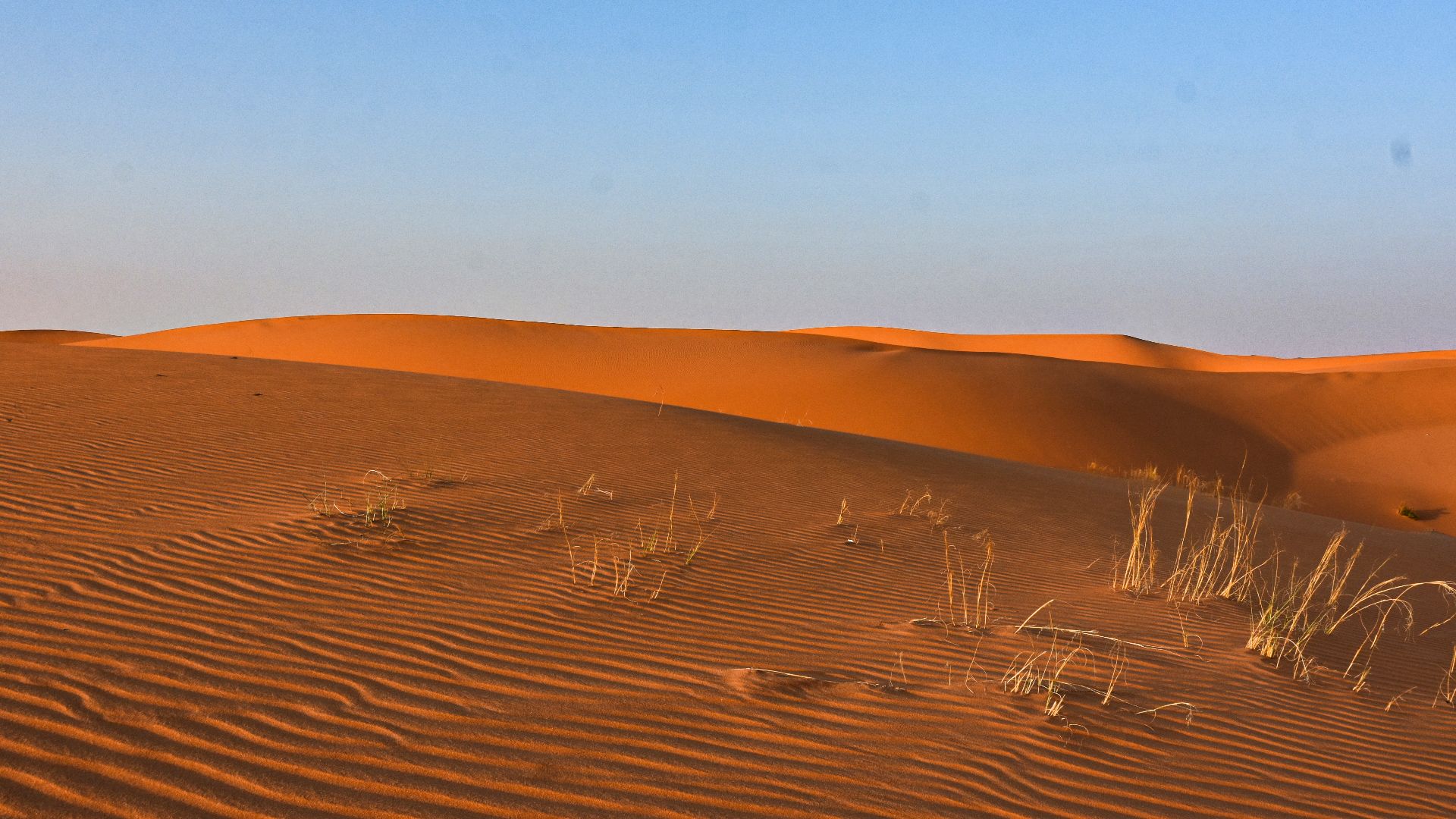
Saudi Arabia is usually linked to deserts and modern oil wealth, but beneath its sands lies a much older story. Archaeologists are uncovering ritual sites built thousands of years ago, which reveal that this land held deep spiritual and social meaning long before written history.
 Richard Mortel from Riyadh, Saudi Arabia, Wikimedia Commons
Saudi Arabia Before Recorded History
Long before kingdoms or written records, people lived across the Arabian Peninsula. Older archaeological evidence has made it clear that humans occupied this region during the Neolithic period. The stone structures and ritual spaces predate many of the earliest known civilizations in the region.
Arabia As A Crossroads
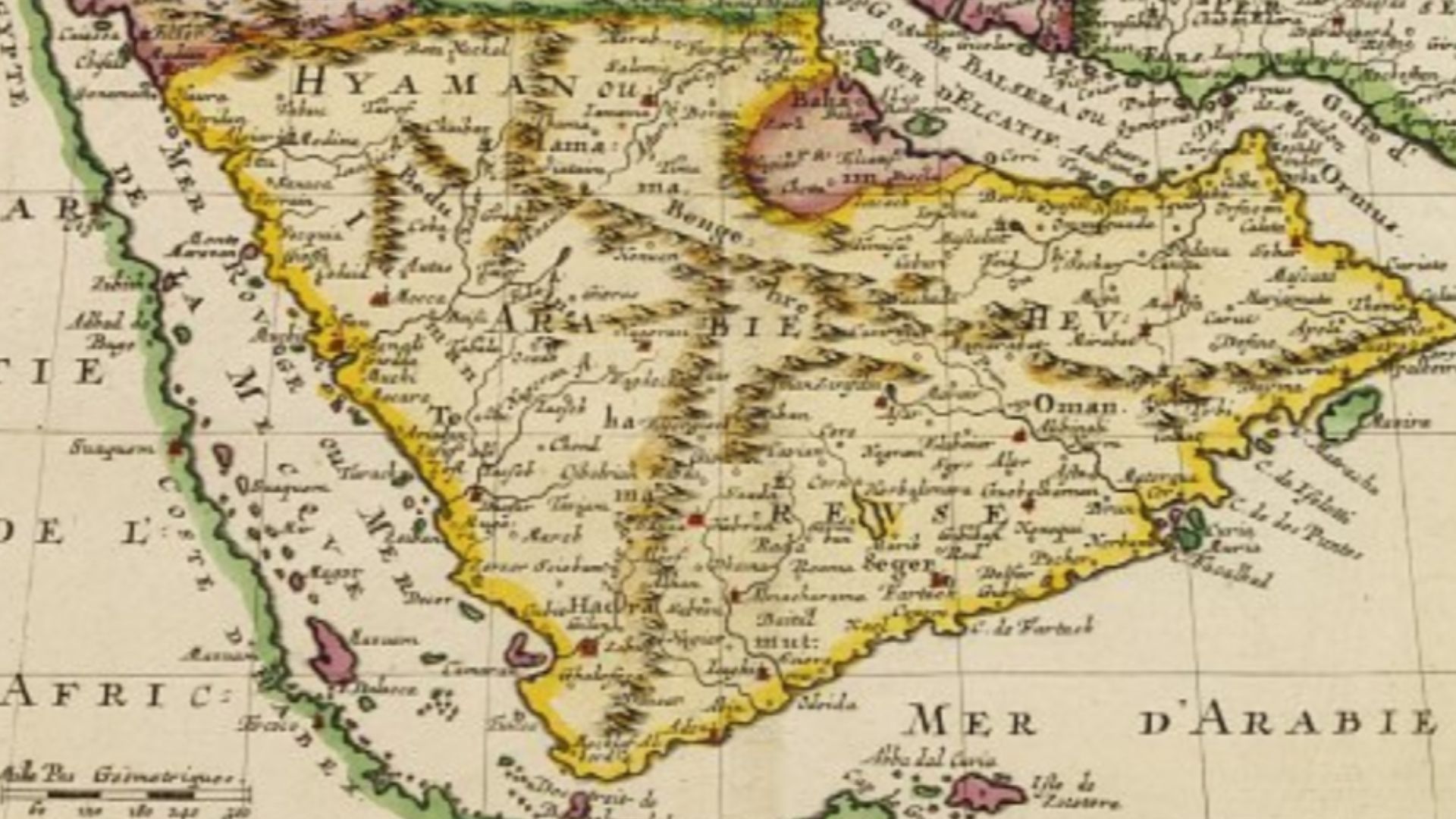
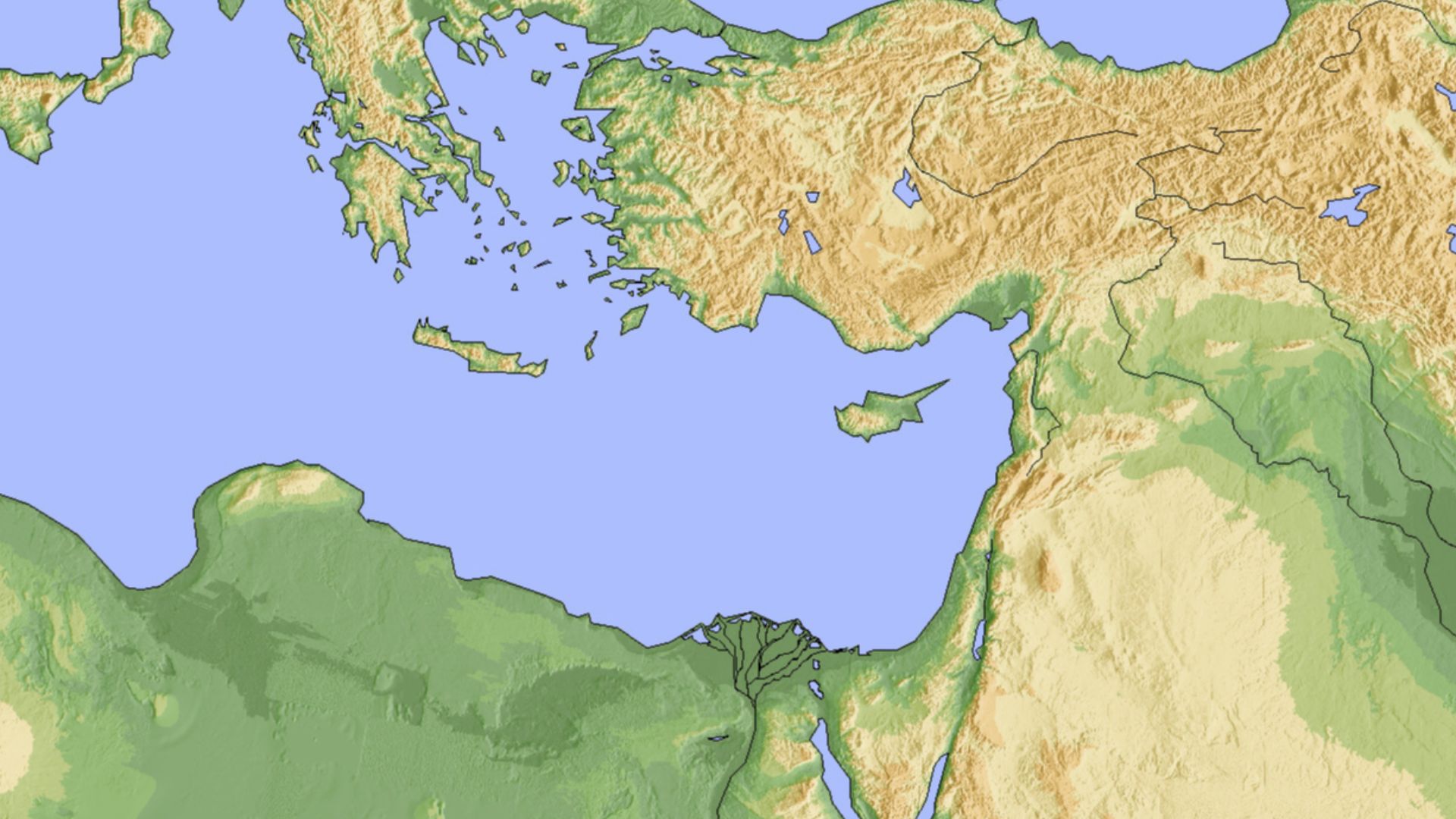
Arabia’s location placed it between Africa, the Levant, and Asia. This made the region a natural corridor for human movement over thousands of years, which allowed export material and cultural practices to pass through rather than stopping at continental borders.
 Captain Blood, Wikimedia Commons
A Very Different Arabia 8,000 Years Ago
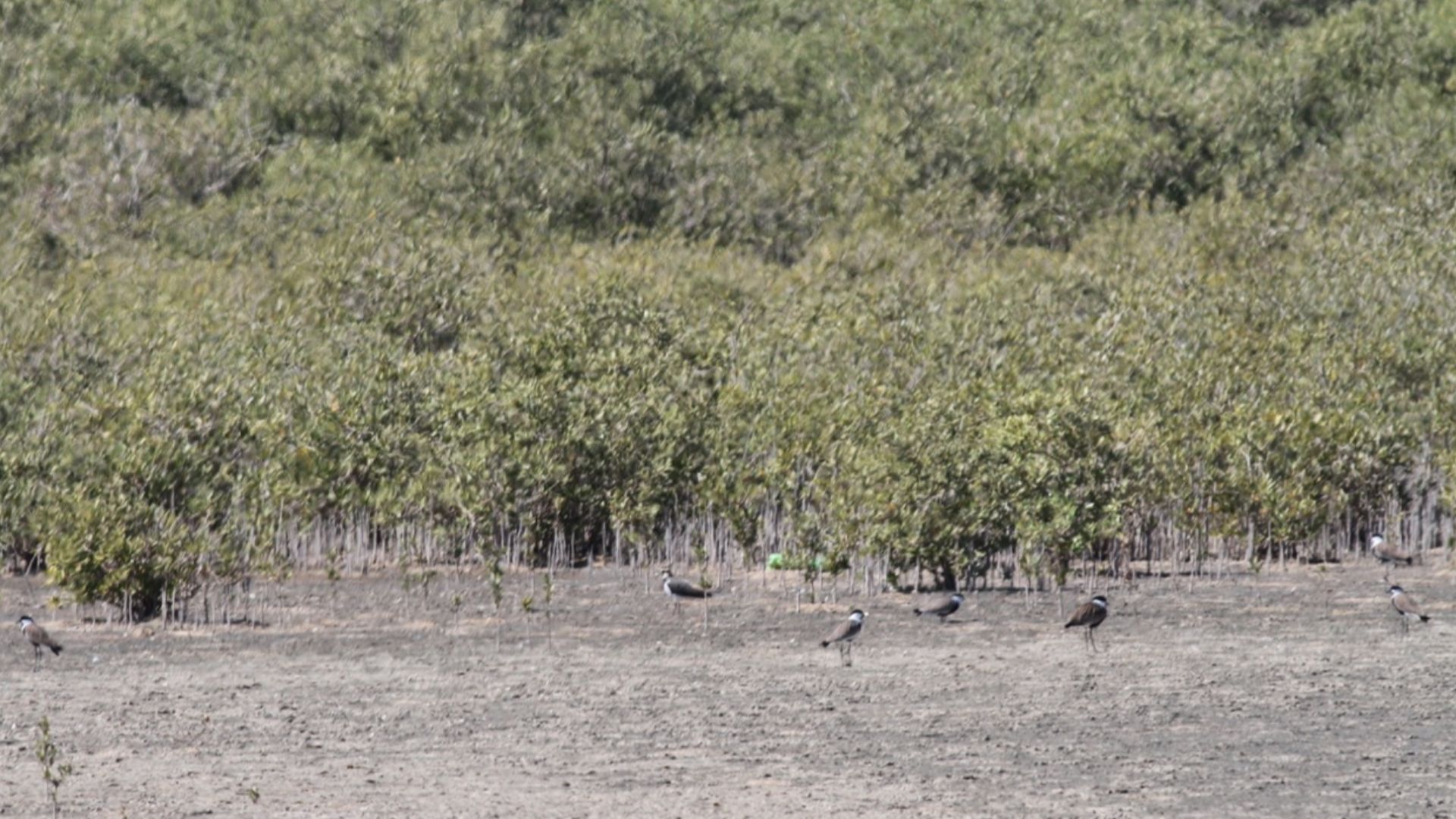
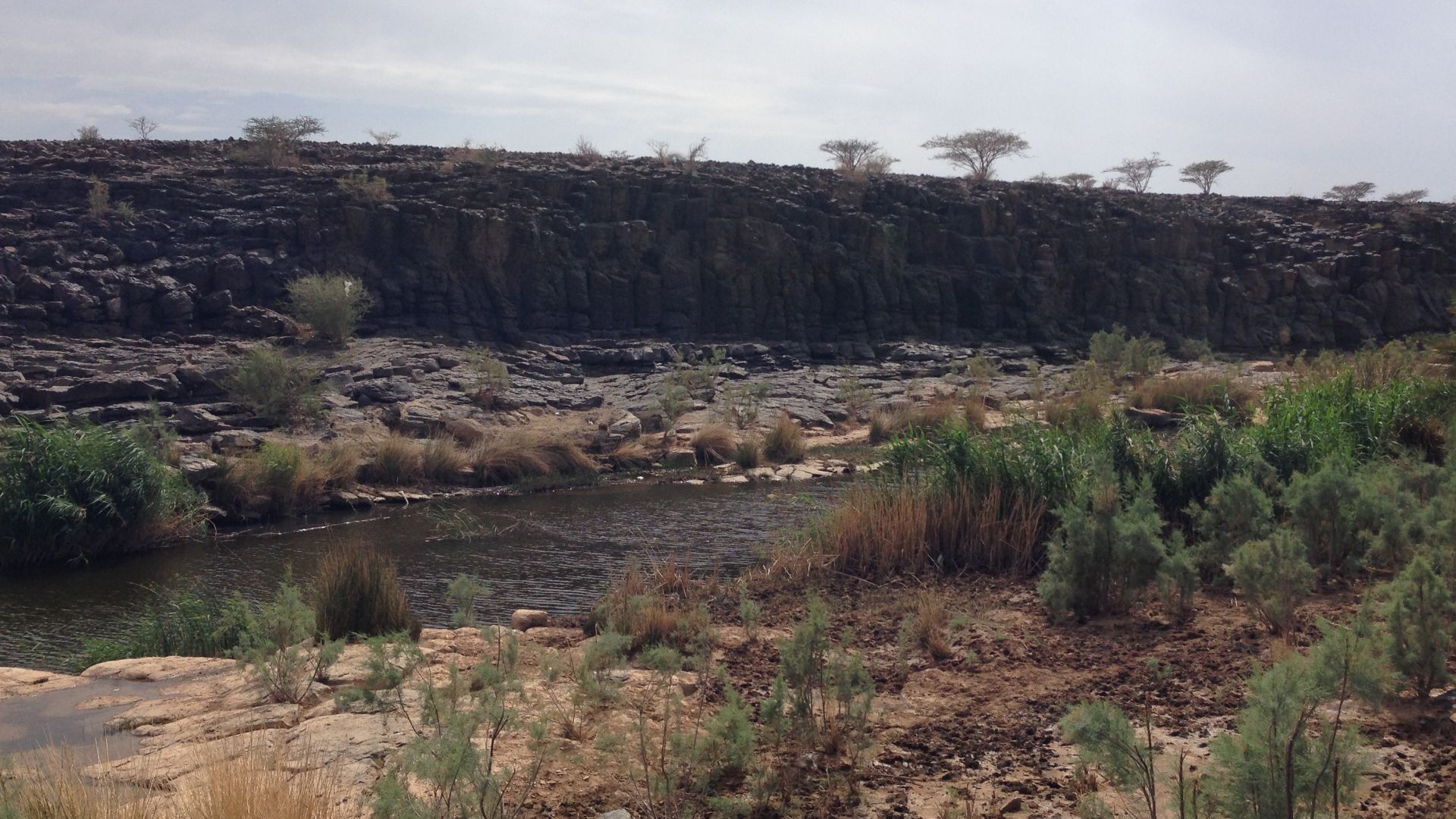
Around 8,000 years ago, northern Arabia was greener than it is today. Seasonal rainfall supported grasslands with wildlife and grazing animals. These conditions allowed mobile pastoral communities to travel widely and return repeatedly to important places in the Saudi area.
 (c) Nils, some rights reserved (CC BY), Wikimedia Commons
Rituals Of Ancient Arabia
Across northern Saudi Arabia, archaeologists have documented large stone-built monuments from the Neolithic period. These structures were nowhere close to a settlement. Their scale and contents suggest they were built for communal rituals, which marked shared beliefs rather than everyday survival.
 Mojackjutaily, Wikimedia Commons
Introducing Dumat Al-Jandal
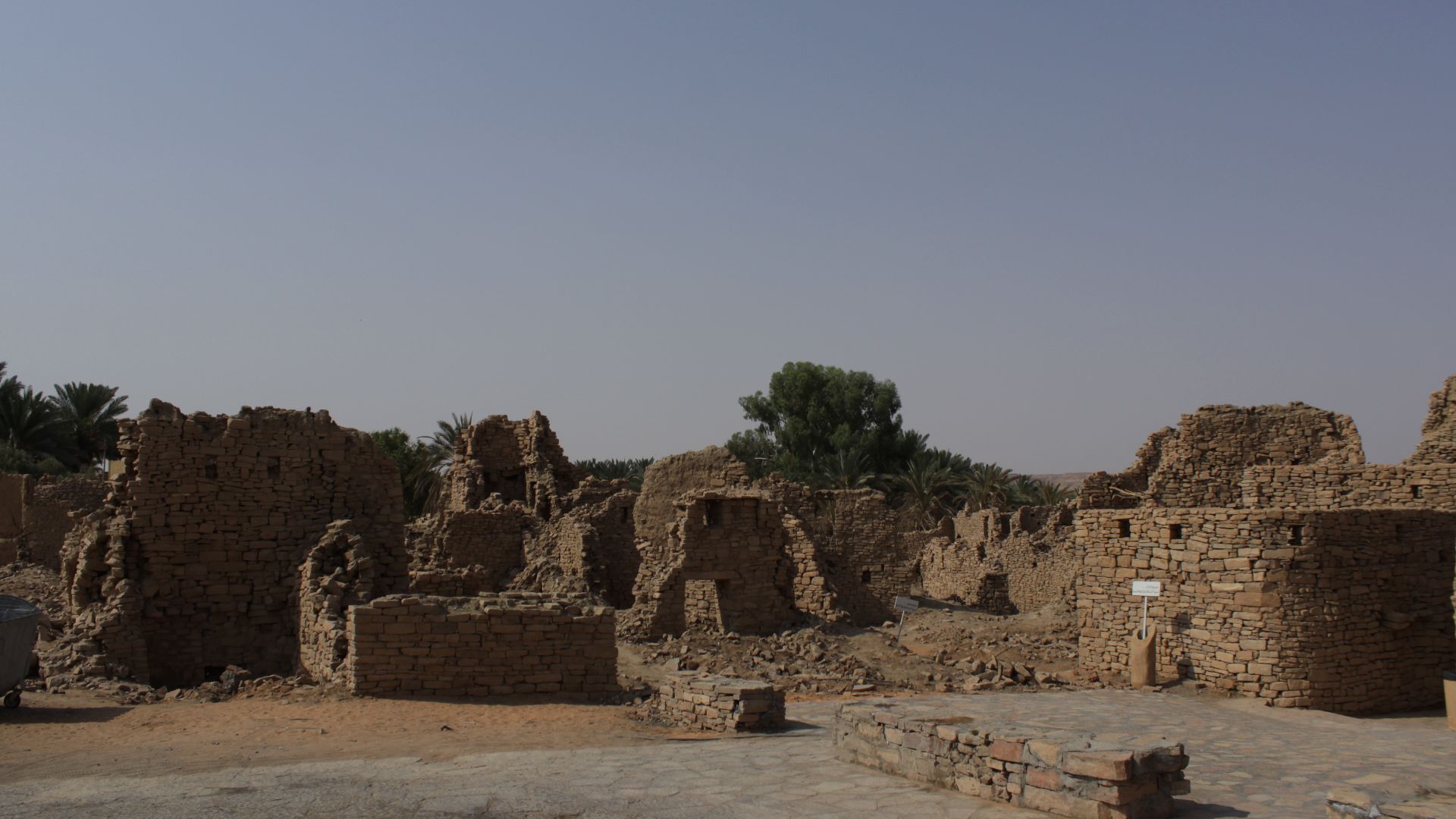
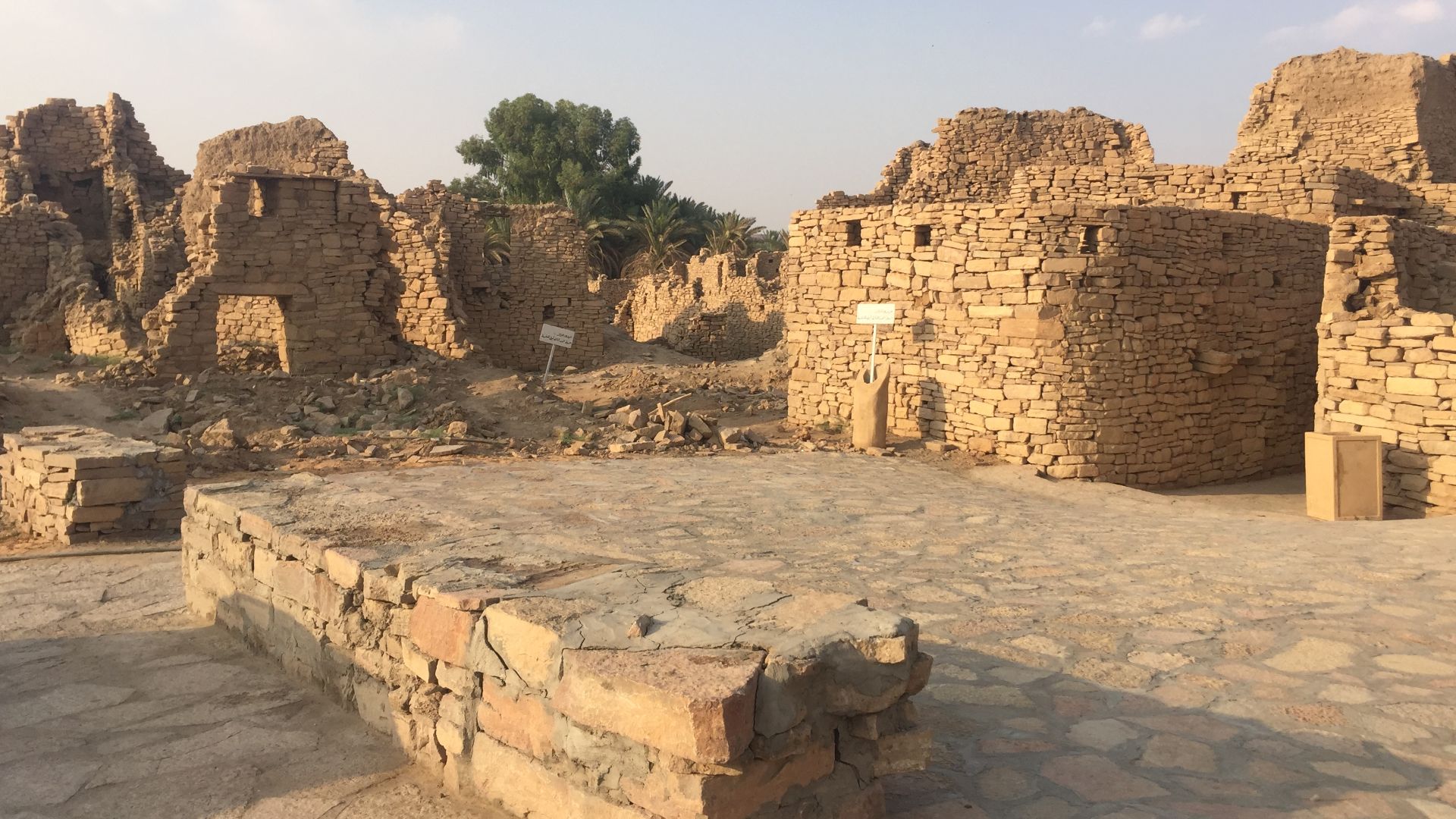
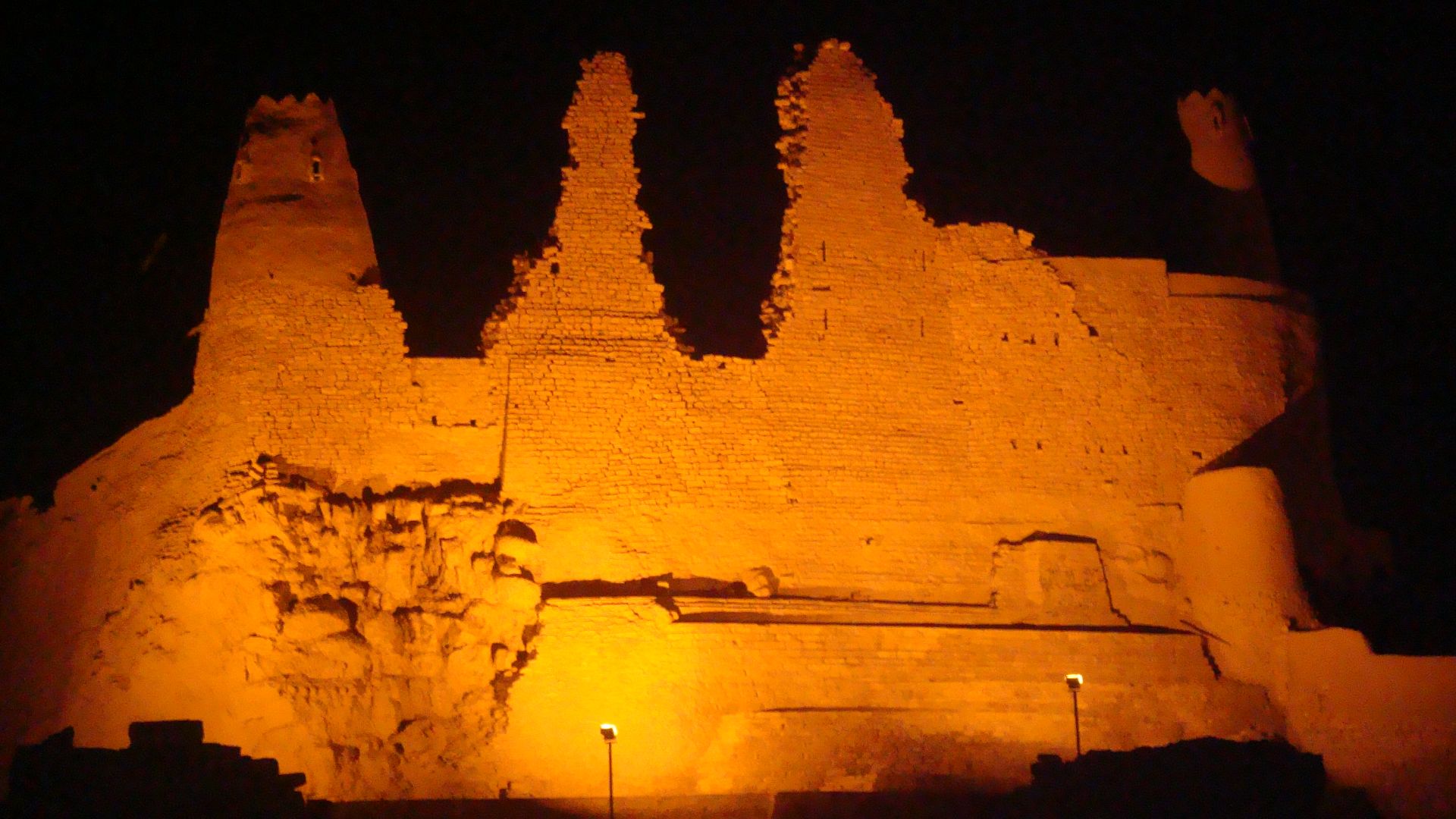
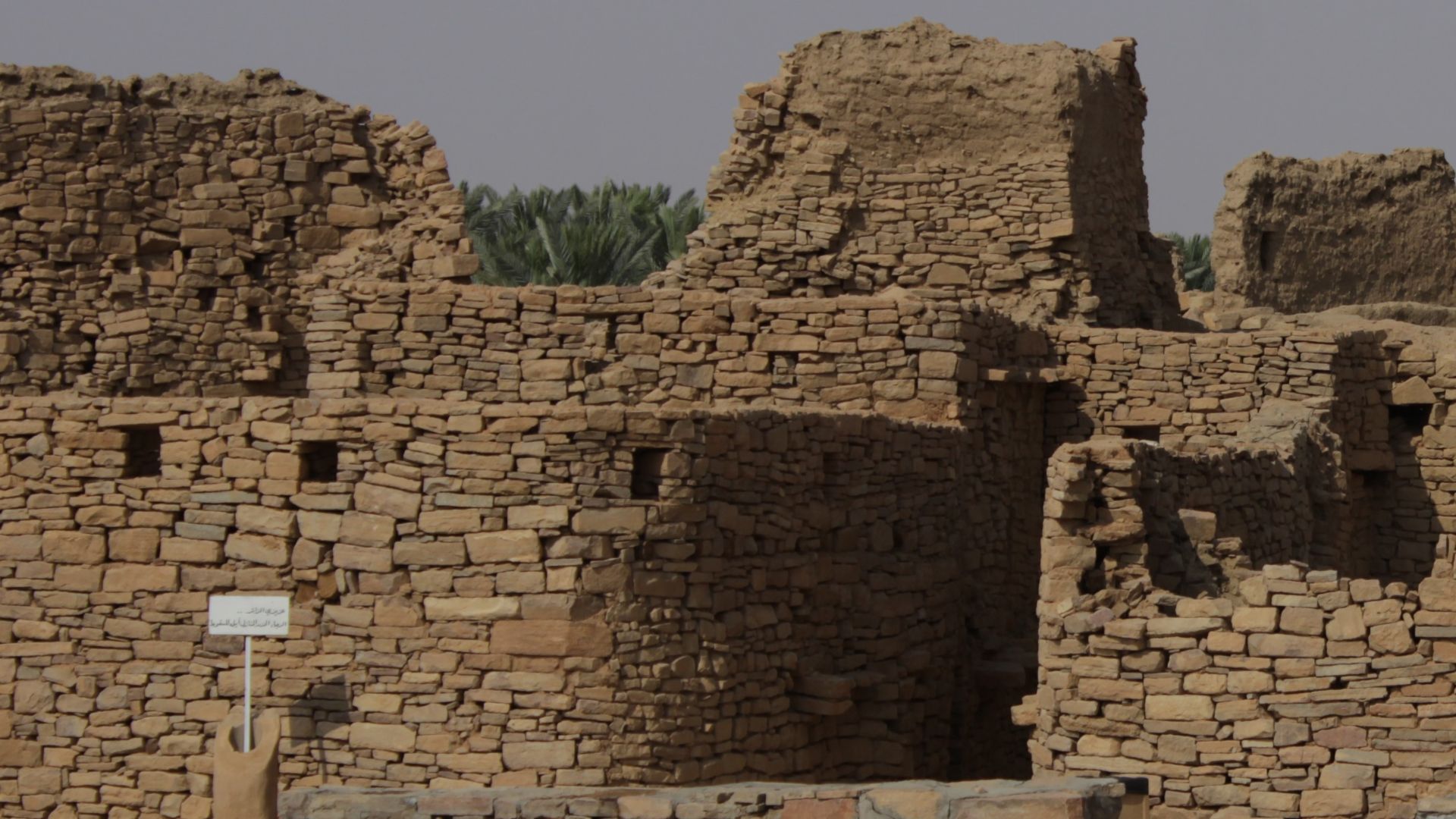
Dumat al-Jandal lies in northern Saudi Arabia within today’s Al-Jawf region. Archaeological records identify it as a long-lived oasis settlement. Its dependable water source supported repeated human presence across millennia, which made it one of the region’s most continuously occupied locations.
 Imam Khairul Annas, Wikimedia Commons
Why Oases Became Sacred Places
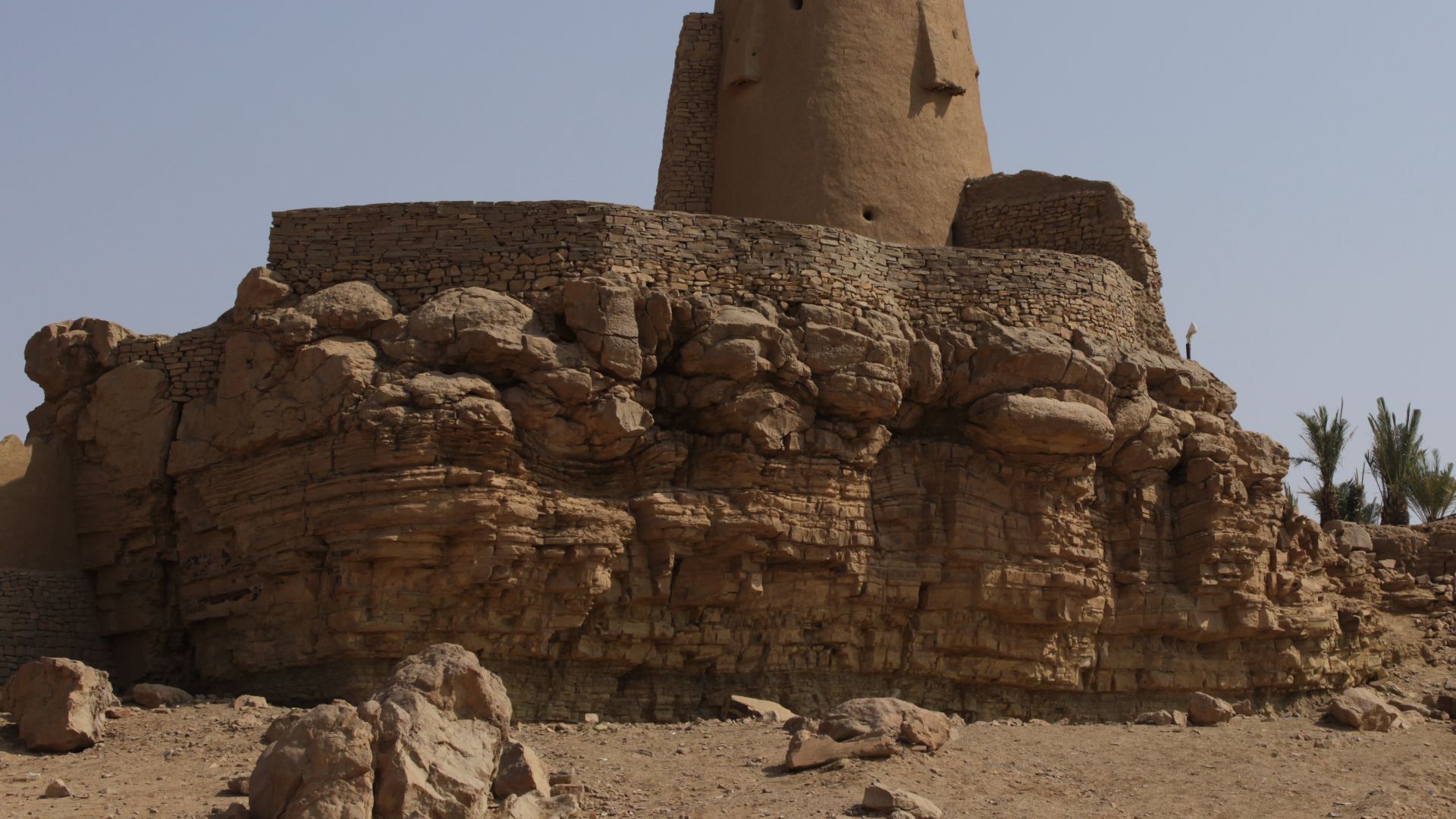
In ancient Arabia, water shaped belief as much as survival. Oases offered permanence in a mobile world and drew people back generation after generation. Over time, these locations carried meaning and shared history to become places where rituals naturally took root.
The Discovery At The Oasis
Archaeological excavations at Dumat al-Jandal revealed a large stone-built structure buried beneath the surface. Its placement within the oasis aligns with areas used for communal activity. It was a deliberate construction tied to social practices, not domestic settlement.
 haitham alfalah, Wikimedia Commons
The Triangular Ritual Platform
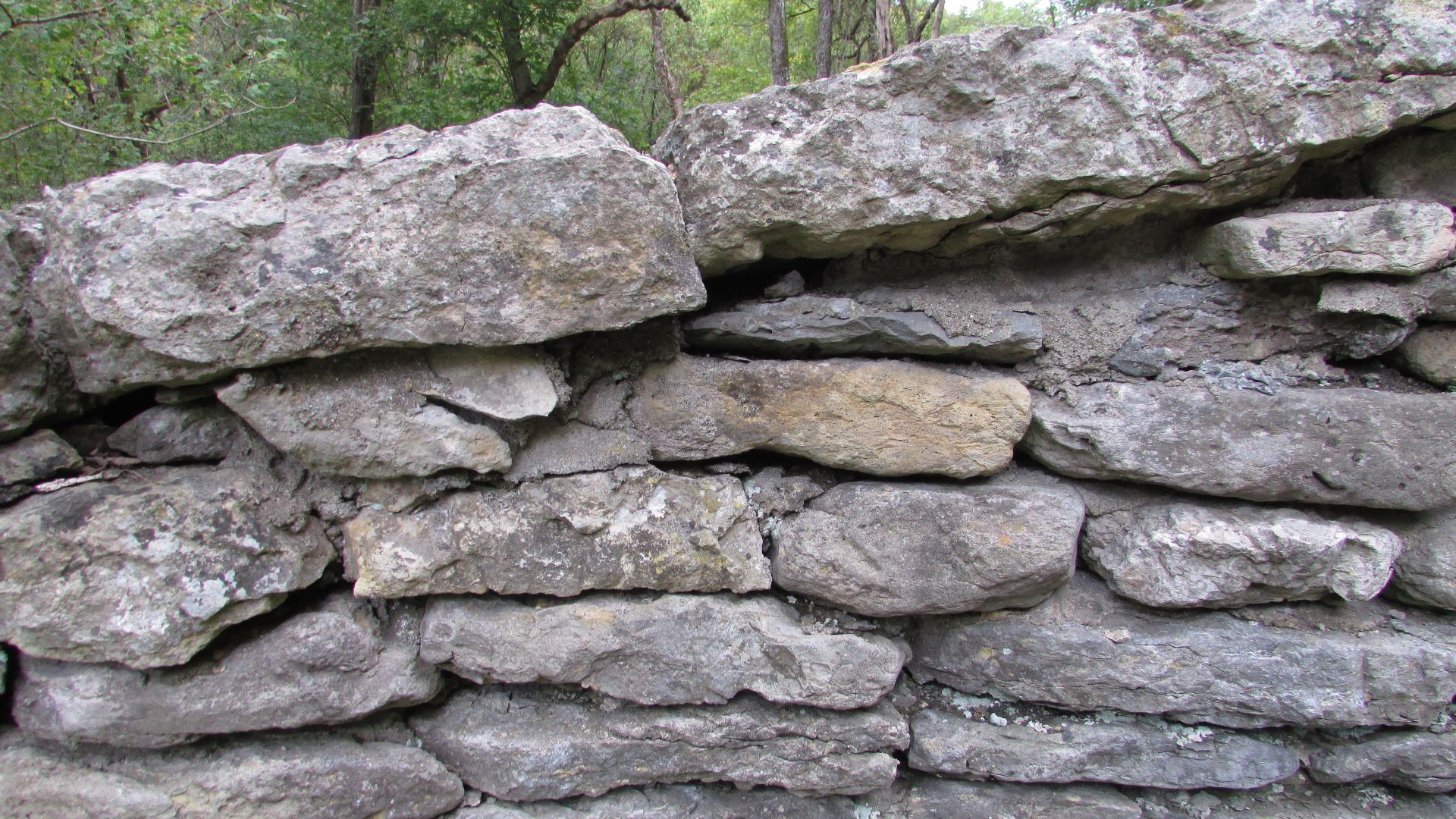
The uncovered structure forms a triangular stone platform measuring approximately 38 yards in length. Built with dry-laid stones, its size required coordinated labor. The platform’s form and scale reflect a space intended for collective gatherings associated with past ritual activity.
 Chris Light, Wikimedia Commons
Tracing Time Through Construction
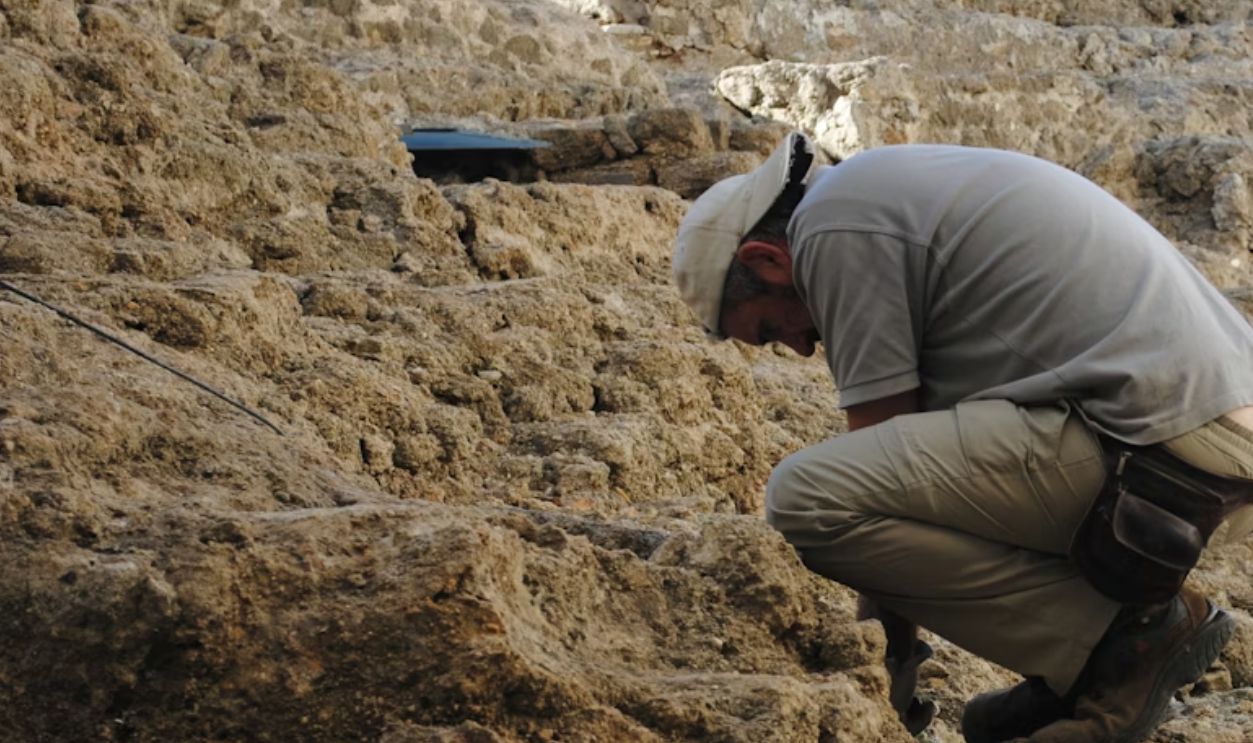
Archaeologists identified multiple building phases within the stone platform. Differences in construction techniques and layout reveal that the structure was modified over long periods, allowing researchers to track how the site evolved as communities continued to engage with it.
Burials As Part Of The Terrain
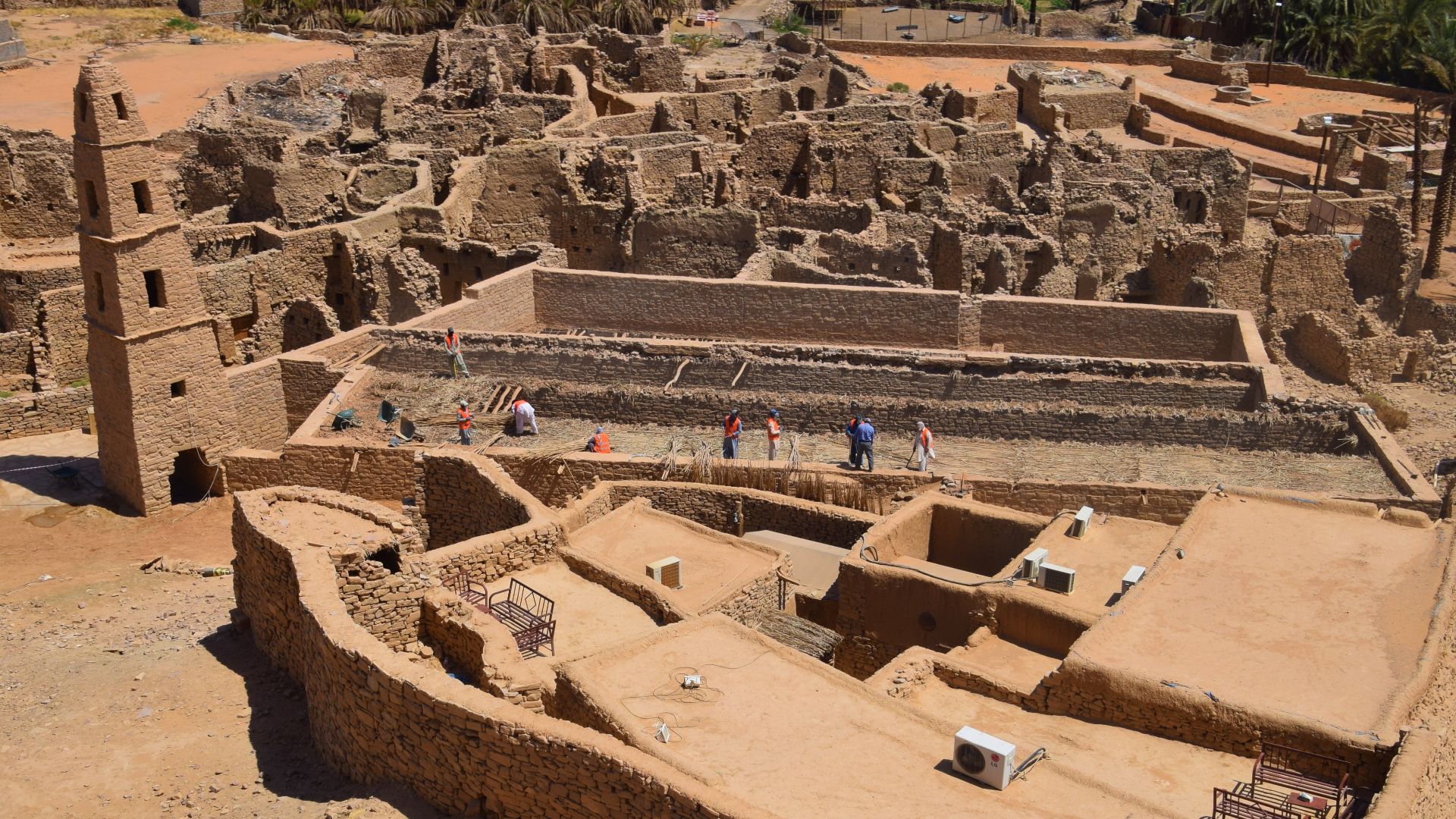
Human burials were placed beneath sections of the platform. This positioning integrated the dead directly into the site’s physical structure. It ties human life cycles to the location itself. Here, burial areas remained distinct from gathering spaces, yet were deliberately incorporated into the site’s overall ritual setting.
 Heritage Commission , Wikimedia Commons
Designing Space For Ceremony
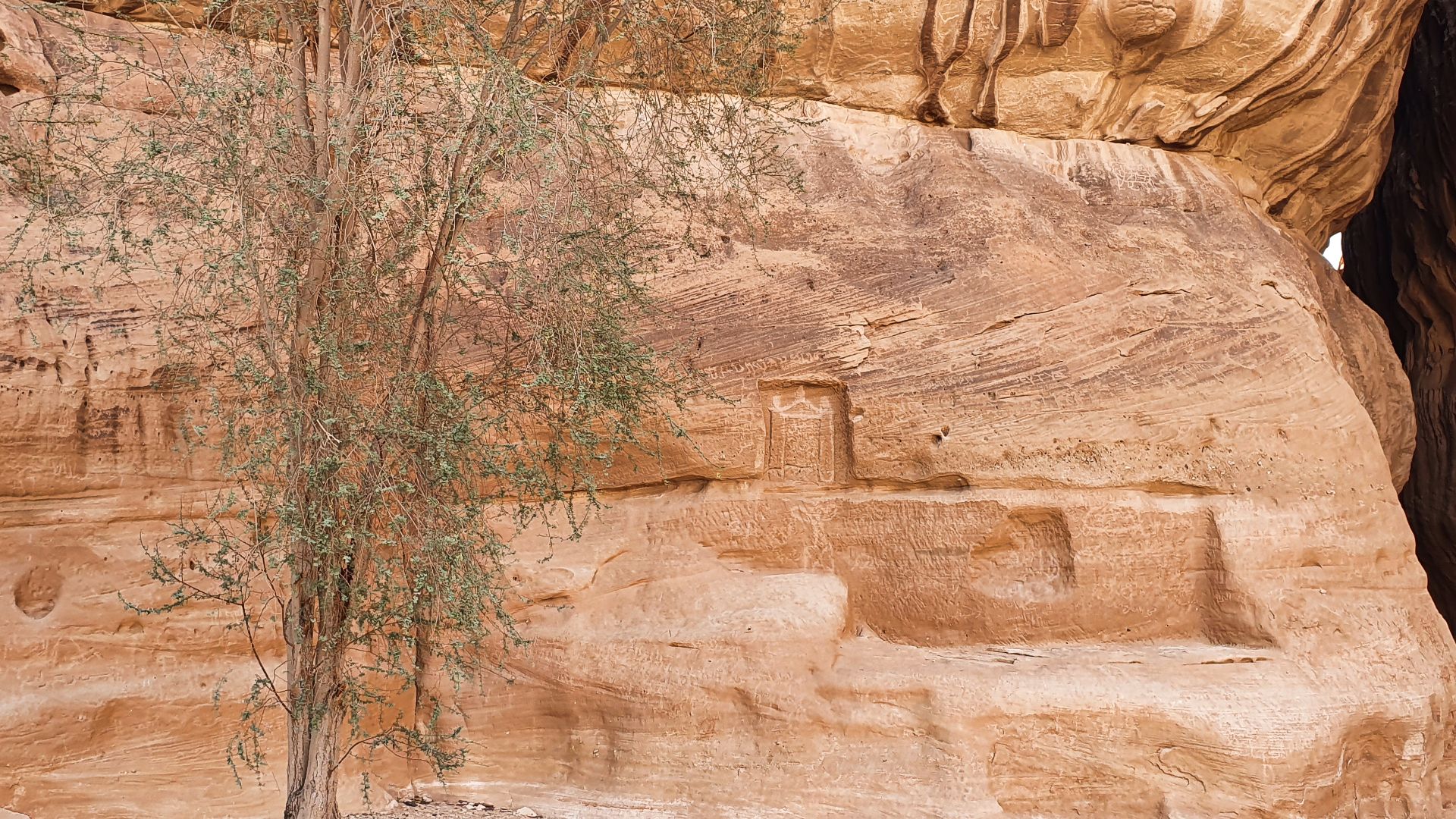
The platform’s triangular form and open layout created a defined ceremonial space within the oasis. Its design organized movement and gathering, which shaped how people physically interacted with the site during shared activities connected to belief and tradition in the older traditions.
 Prof. Mortel, Wikimedia Commons
A Fixed Point For Mobile Communities
Pastoral groups moved seasonally across wide territories. Sites like this platform offered a stable reference point. It helped mobile communities return to a familiar place that reinforced shared identity across time without requiring permanent settlement.
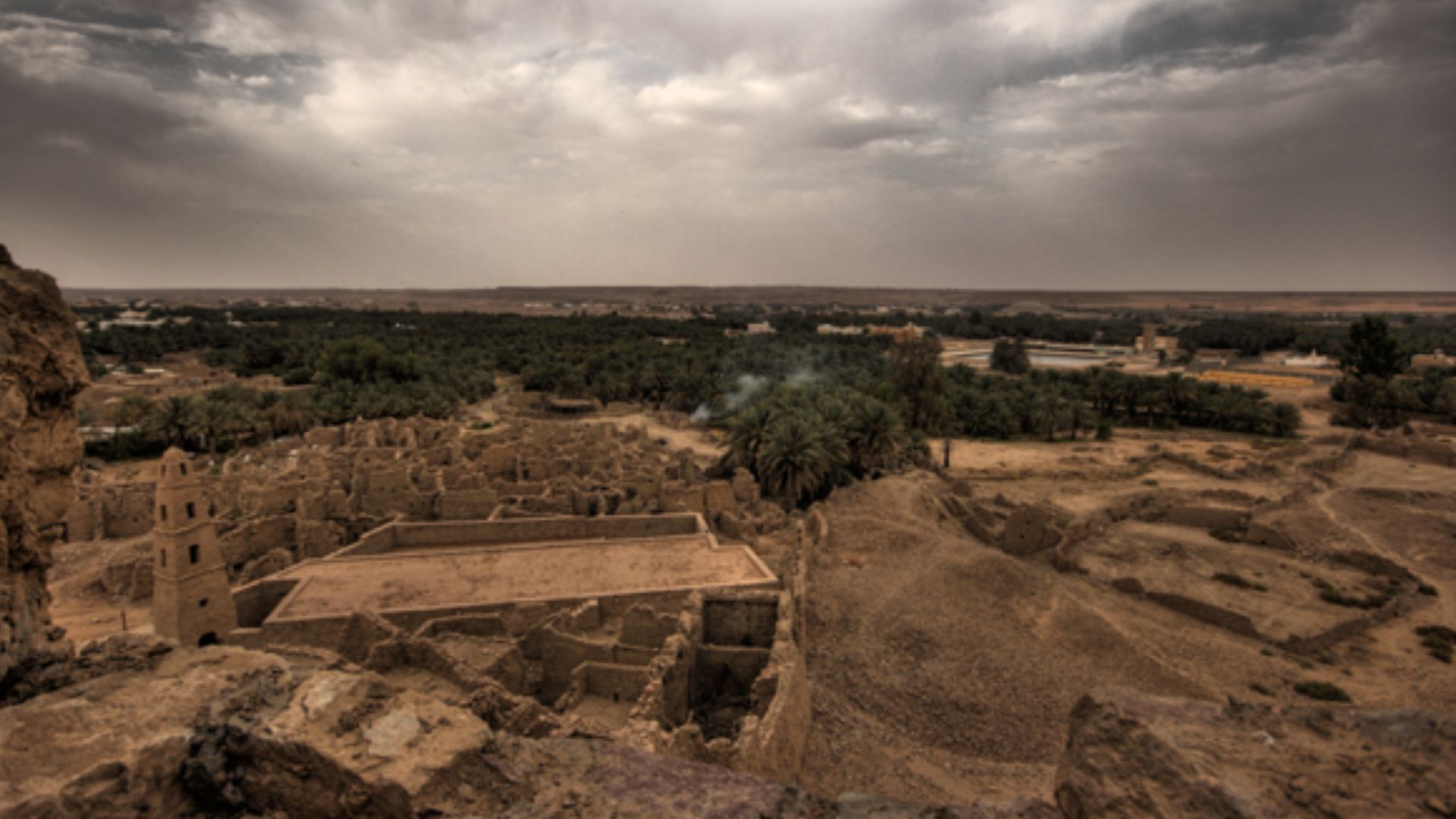 Nora Ali at English Wikipedia, Wikimedia Commons
Material Culture At The Site
Artifacts recovered from the platform area include beads made from stone and carnelian, along with marine shells. These objects reflect personal expression and symbolic behavior, which provides direct evidence of how people engaged with the site beyond architecture alone.
 Sankar 1995, Wikimedia Commons
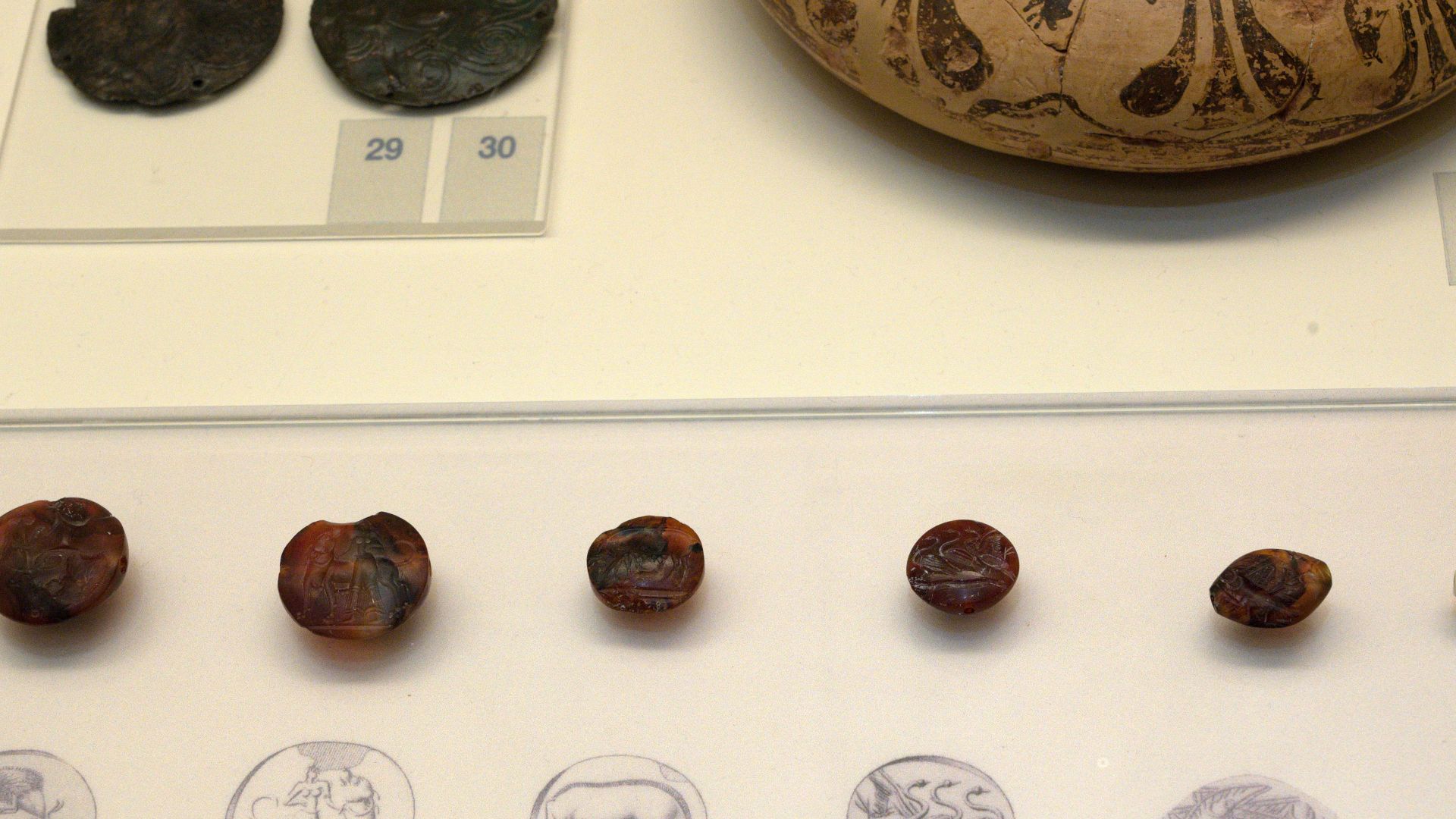
Beads Found At The Site
Archaeologists recovered thirteen beads from the ritual platform area. These include stone beads and carnelian beads, materials valued in antiquity. Such objects often carried symbolic meaning and were worn or deposited during activities tied to belief.
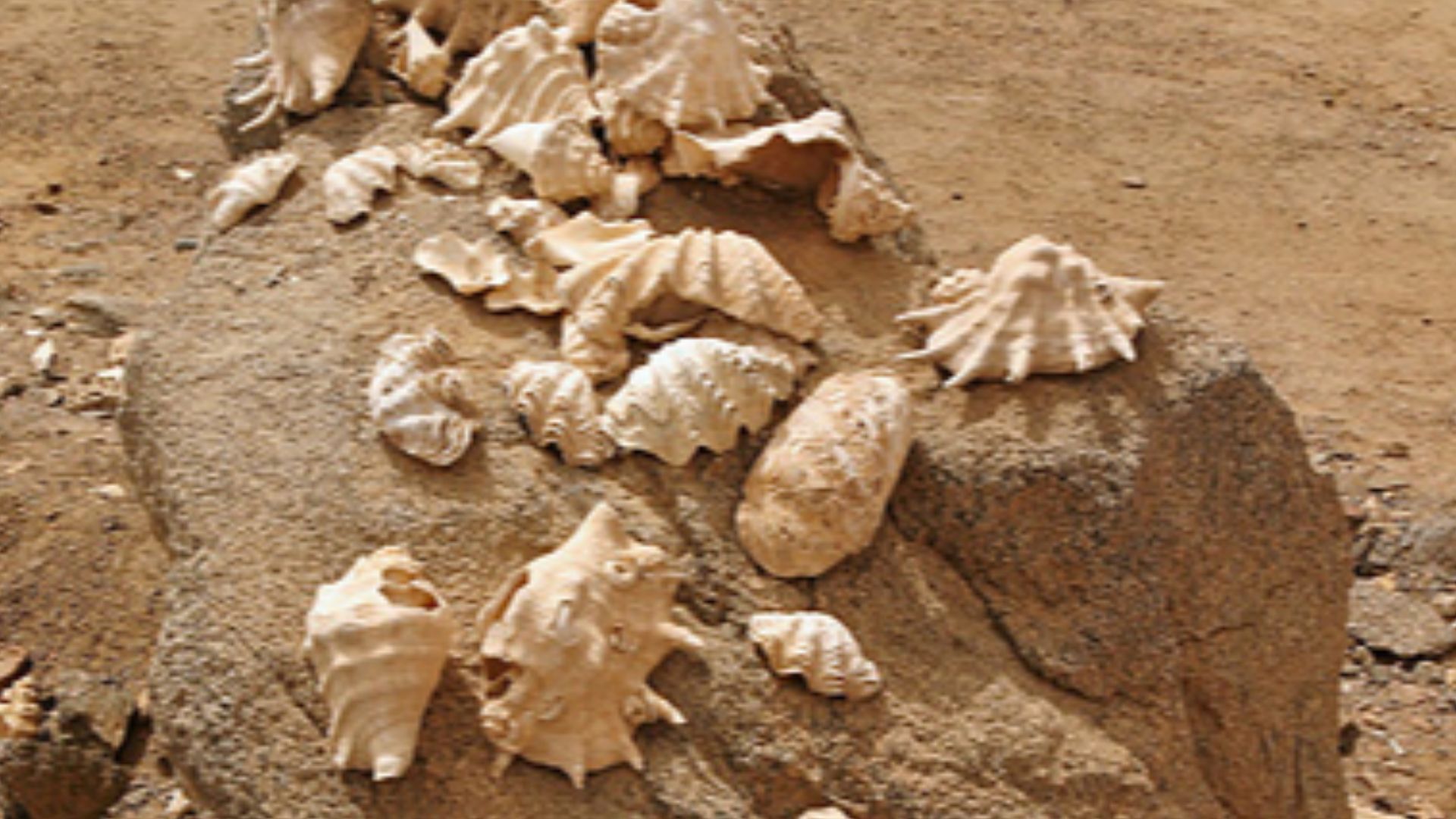
Shells From Distant Waters
Marine shells were also discovered at the site, originating from the Red Sea region. Their presence at an inland oasis was evidence that long-distance movement of materials connected this ritual location to wider regional exchange networks active throughout the site's periods of use.
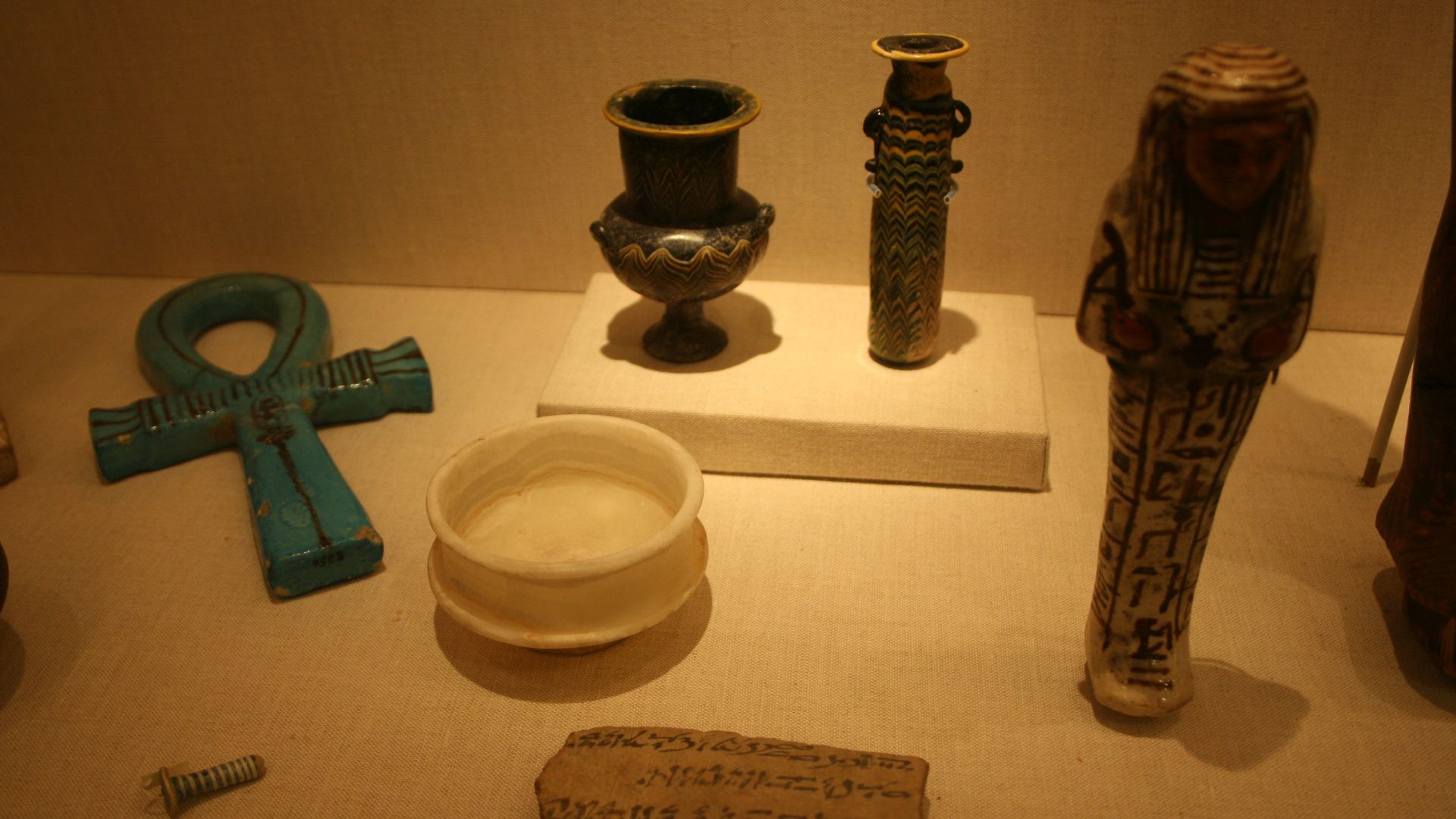
Then The Egyptian Objects Appear
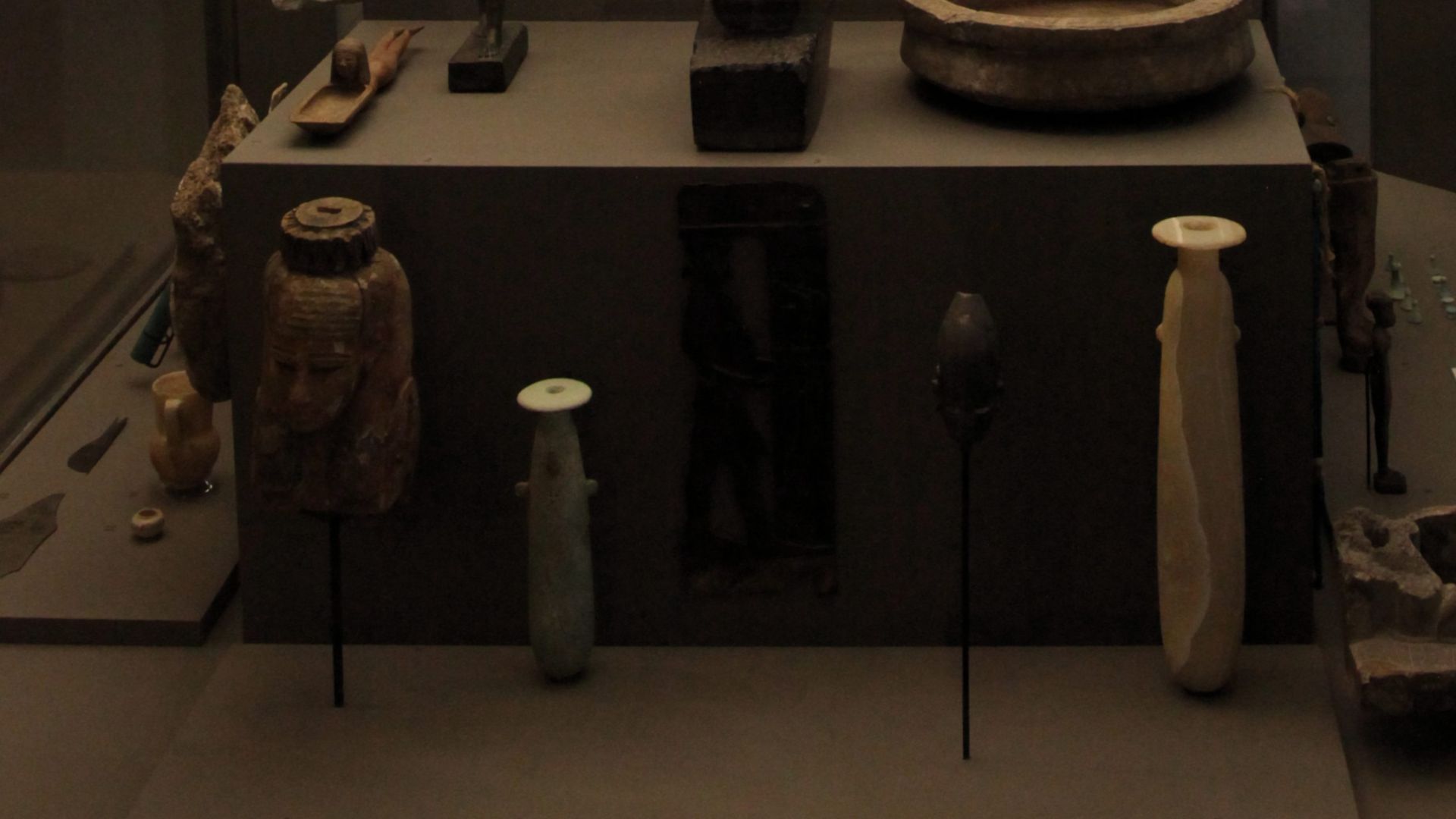
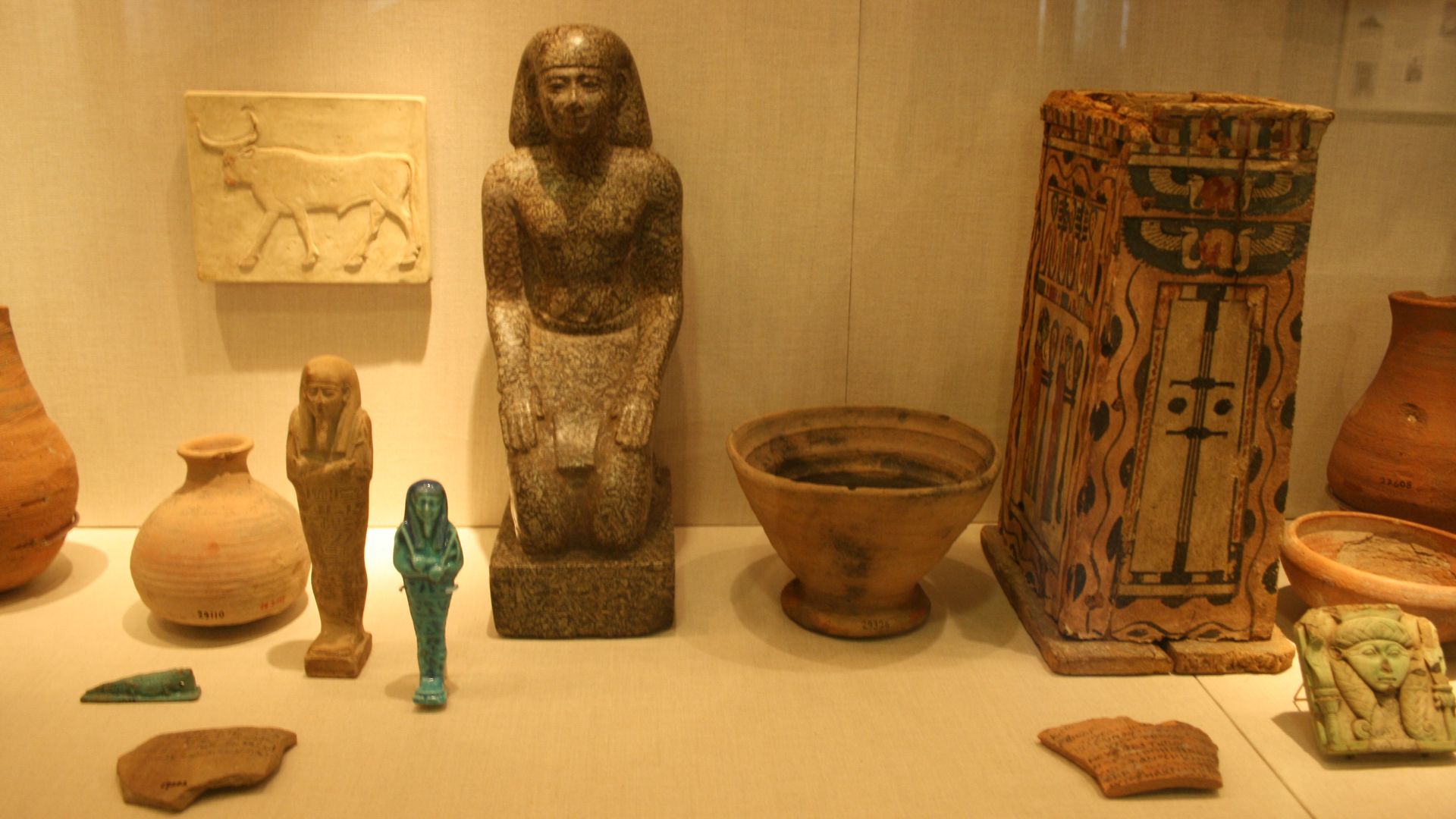
Inside a looted tomb near the platform, archaeologists identified artifacts originating from ancient Egypt. These finds stood apart from local materials. This was a later chapter in the site’s history when foreign objects entered this long-established ritual scenery.
 Gary Todd from Xinzheng, China, Wikimedia Commons
Understanding The Scarab Amulet
One object was an Egyptian scarab amulet made with blue glaze. Scarabs held religious and symbolic importance in Egypt, often associated with protection and authority. Such items circulated widely and commonly traveled far beyond Egypt through exchange networks back in the day.
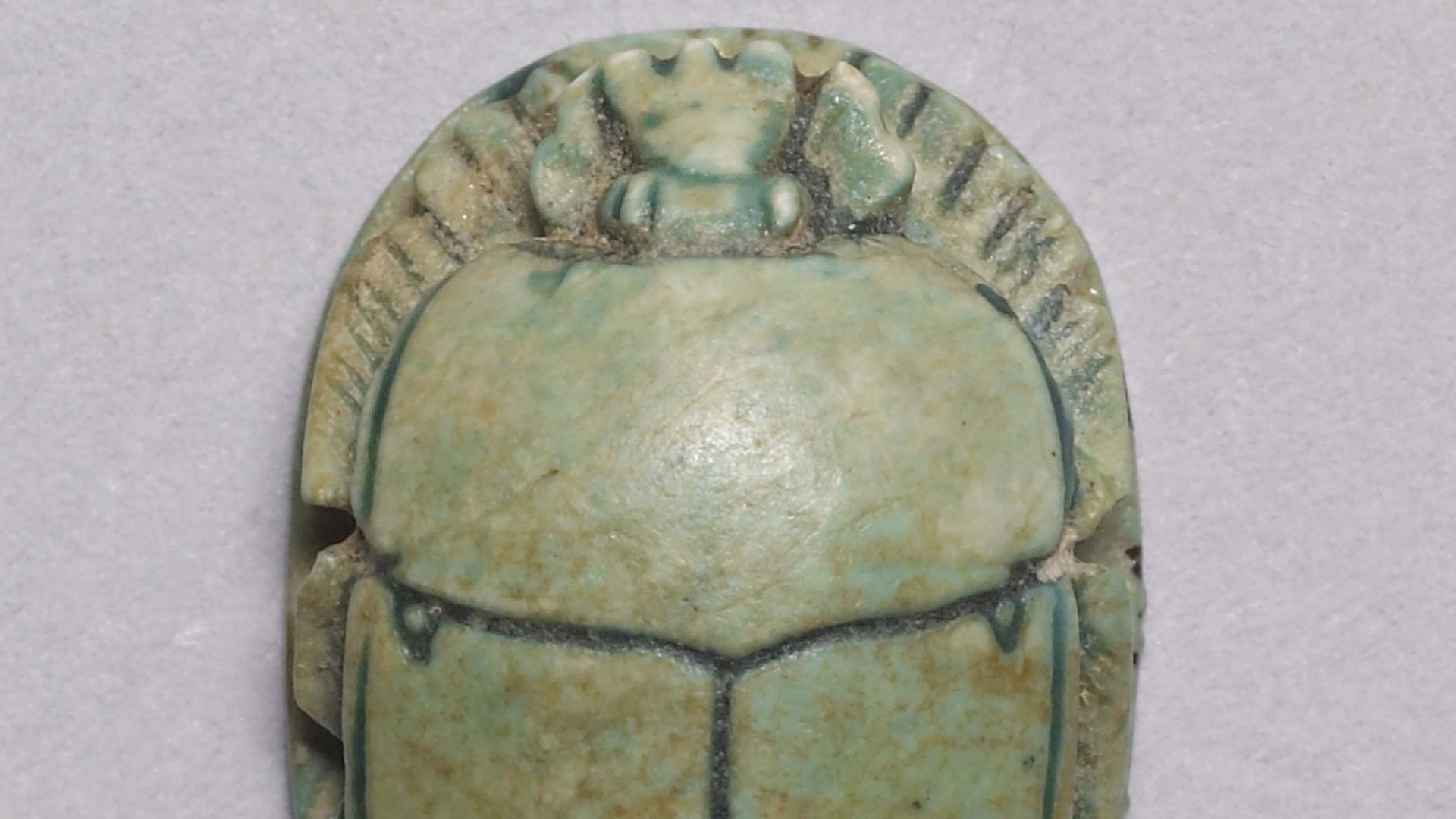 Anonymous (Egypt)Unknown author, Wikimedia Commons
Placing The Egyptian Artifacts In Time
The Egyptian artifacts date to the New Kingdom period or later, thousands of years after the platform’s original construction. Their presence reflects continued engagement with the site during historical periods. It points to how sacred locations remained meaningful long after their earliest use.
How Egyptian Objects Traveled
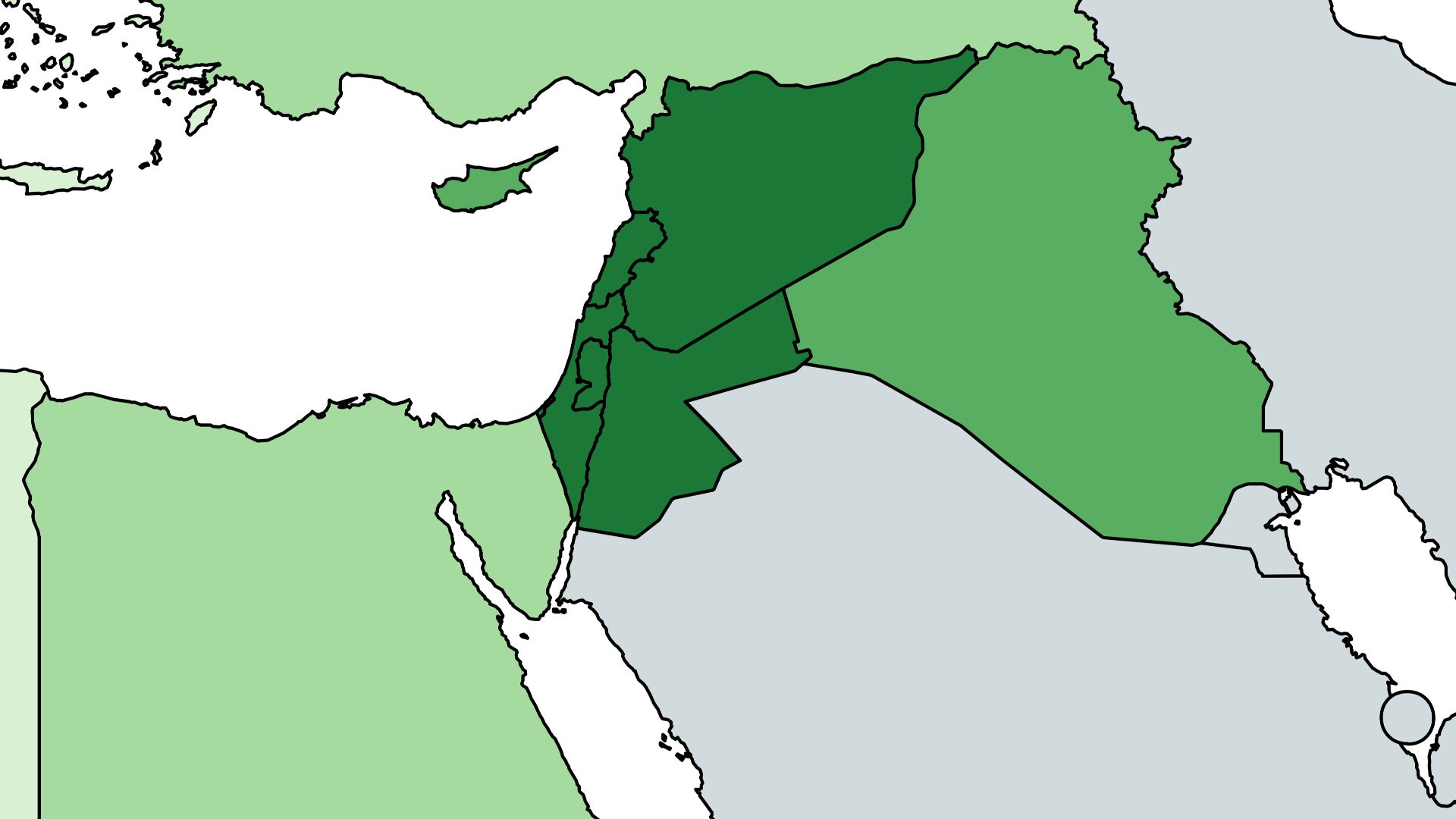
During the Bronze Age and later periods, trade networks linked Egypt with the Levant, Sinai, and northern Arabia. Objects often passed through multiple hands before reaching distant locations. It helped Egyptian goods to appear far from their original place of production.
 Gary Todd from Xinzheng, China, Wikimedia Commons
Dumat Al-Jandal’s Strategic Location
Dumat al-Jandal sat along routes connecting Arabia with the Levant. Its position near caravan paths increased contact with travelers and traders, which made the oasis a natural stopping point where foreign objects and ideas entered local contexts over time.
Sacred Places Outlasting Civilizations
Across the ancient world, ritual sites often remained active long after their creators were gone. At Dumat al-Jandal, later communities continued to engage with an already sacred scenery, which added new layers of meaning without erasing earlier traditions.
 Mojackjutaily, Wikimedia Commons
What This Site Reveals About Arabia
The ritual platform reflects a society capable of long-term planning, shared beliefs, and repeated communal action. These qualities reveal a socially complex Arabian past that existed independently of later empires and written historical records.
 Mojackjutaily, Wikimedia Commons
A Broader View Of Ancient Connectivity
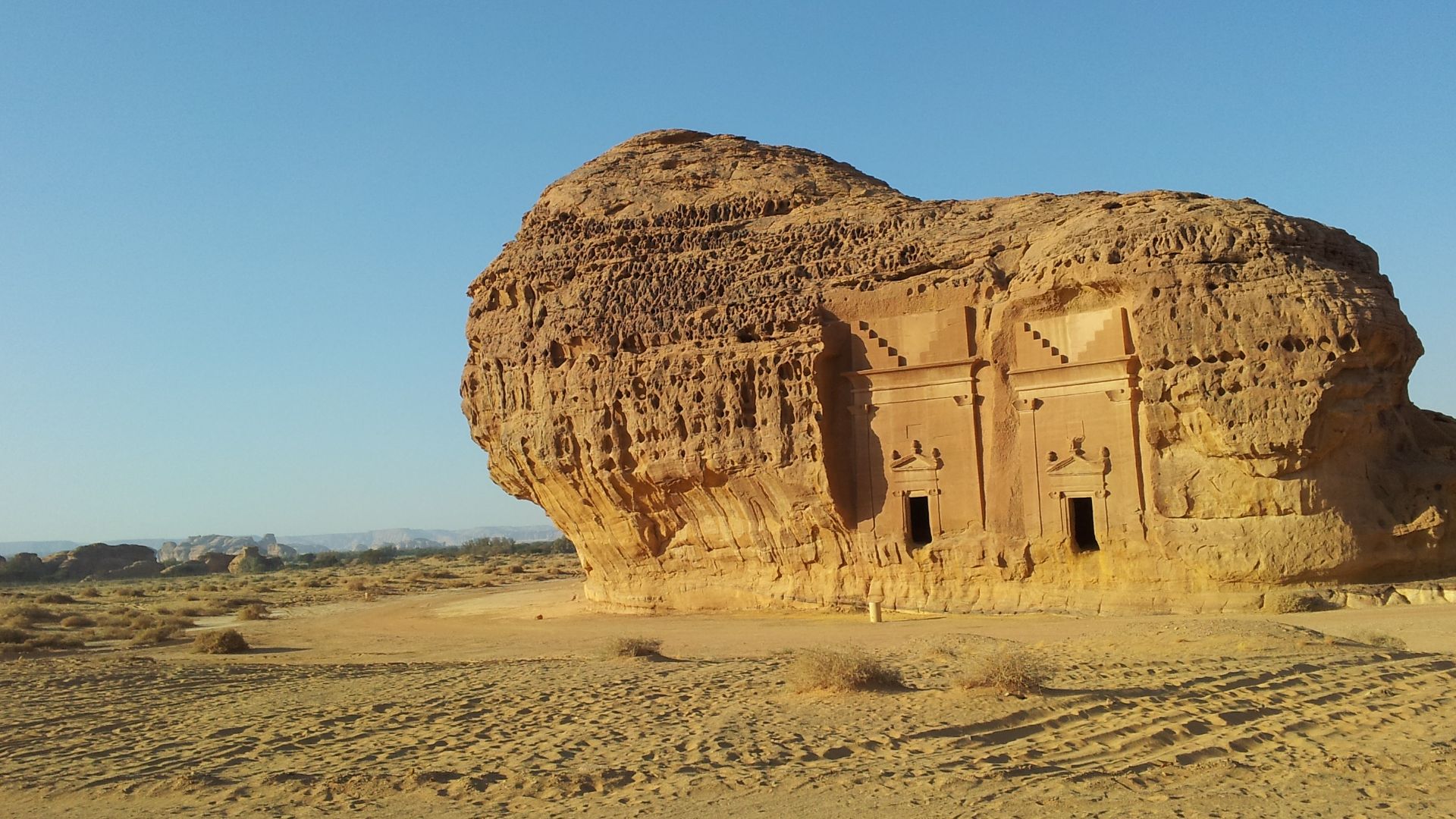
This discovery places northern Arabia within wider ancient exchange systems. It highlights how materials and beliefs moved across regions to connect communities. It was with the help of these significant shared areas long before formal political borders defined the ancient world.
 Aqeel Khalid, Wikimedia Commons