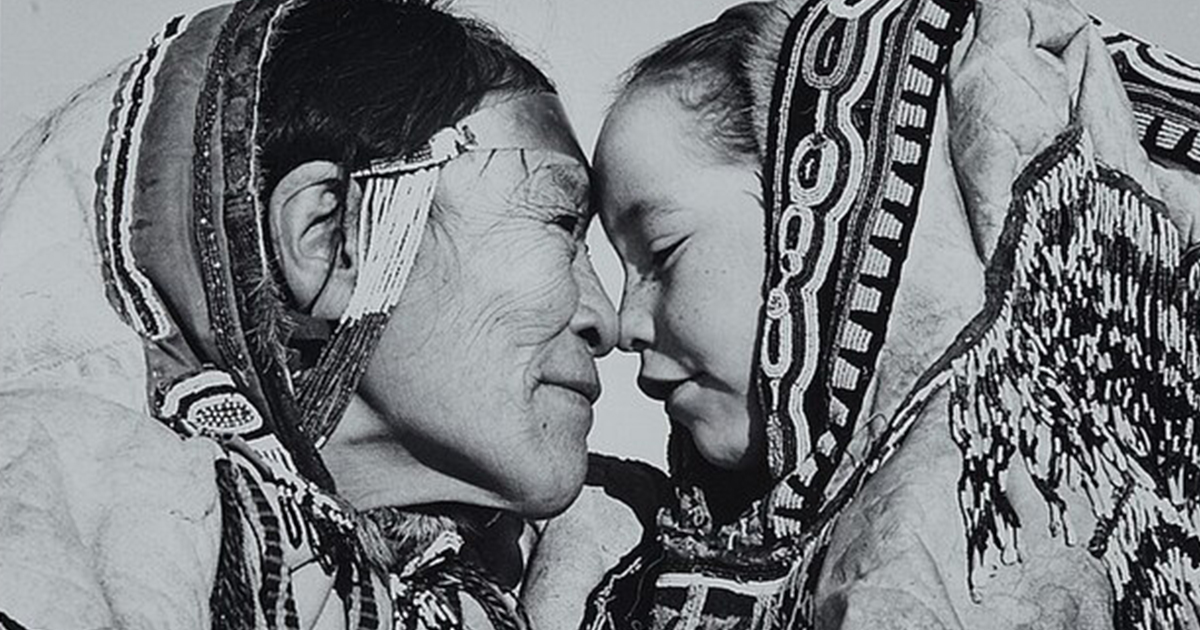
The People of Ice and Sky
High in the Arctic, where the sun disappears and the ice never sleeps, the Inuit have carved out a life for thousands of years. Their story reveals how a people learned not just to endure the cold, but to thrive in it.
Born in the Far North
The Inuit live across the Arctic regions of Canada, Alaska, Greenland, and parts of Russia. Their ancestors came from the Thule culture, beginning around 1000 AD in Alaska. From there, they spread eastward, adapting to the ice-covered world around them.
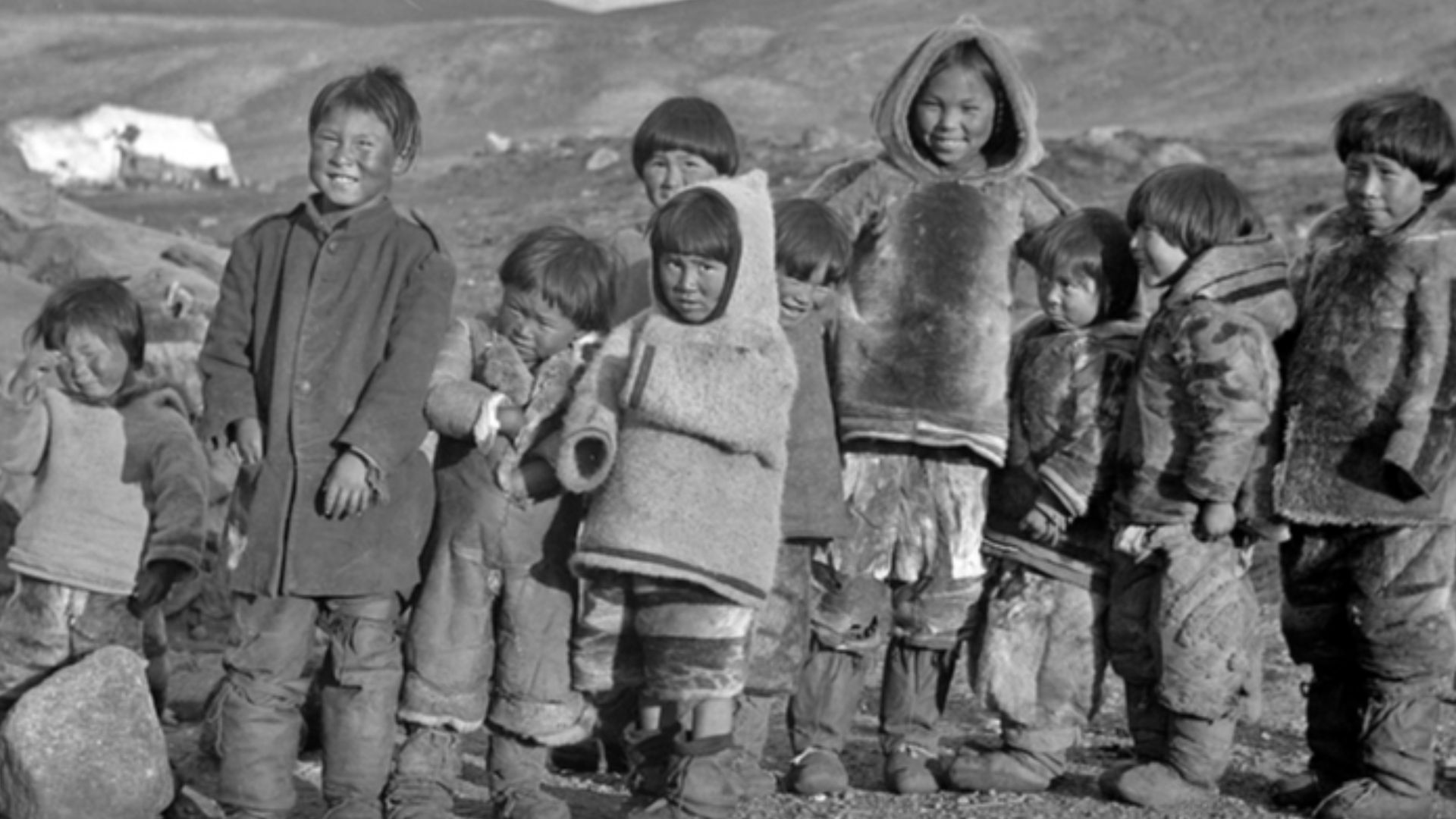 Joseph Dewey Soper, Wikimedia Commons
Land That Teaches Strength
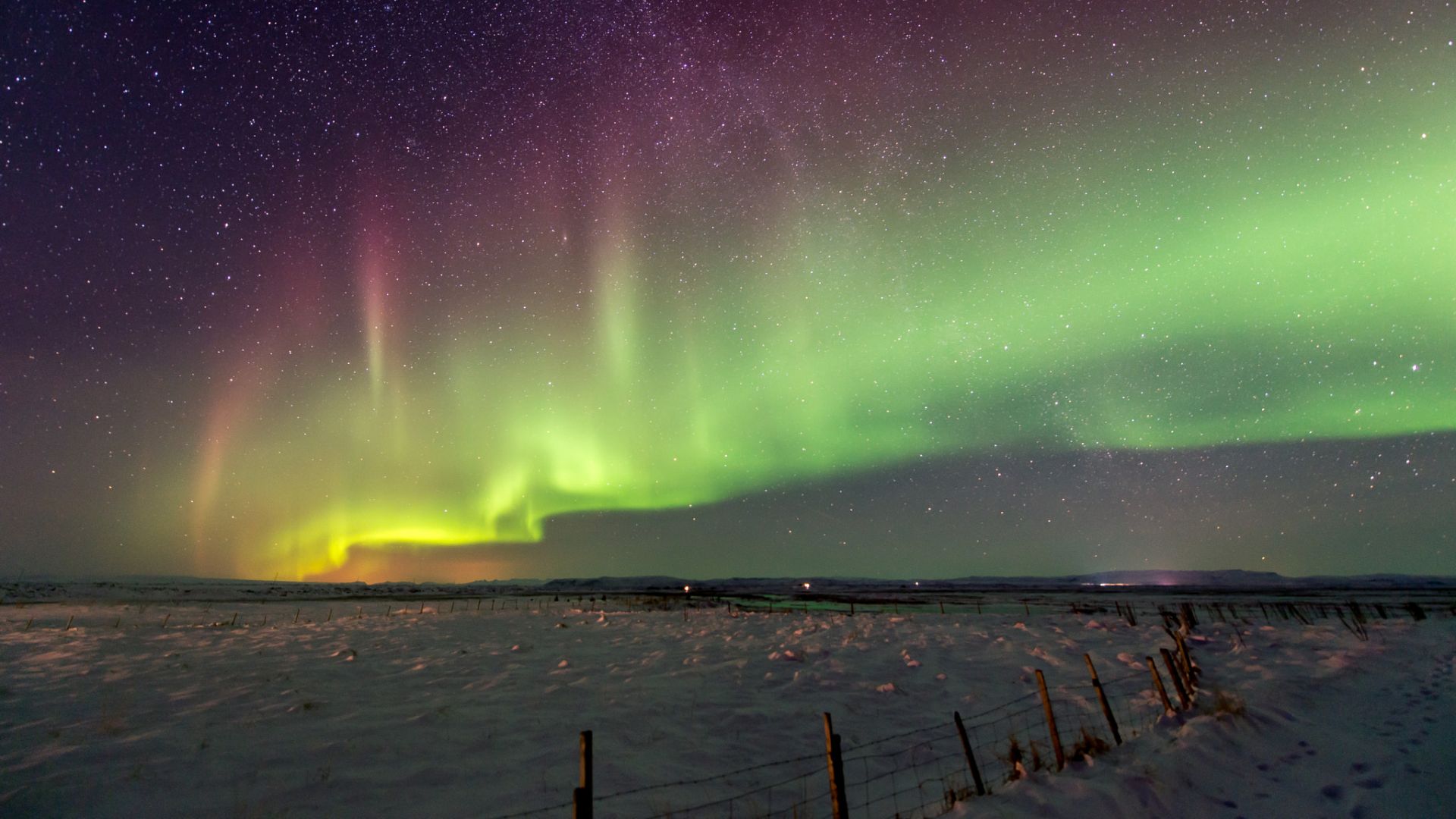
The Arctic isn’t just cold; it can feel endless. Tundra, frozen seas, drifting snow, and skies filled with northern lights—this is where the Inuit live. The land teaches patience, respect, and toughness. Every hill and stretch of ice has its own story.
 Cameron Pickett, Wikimedia Commons
Homes Built From What Nature Gives
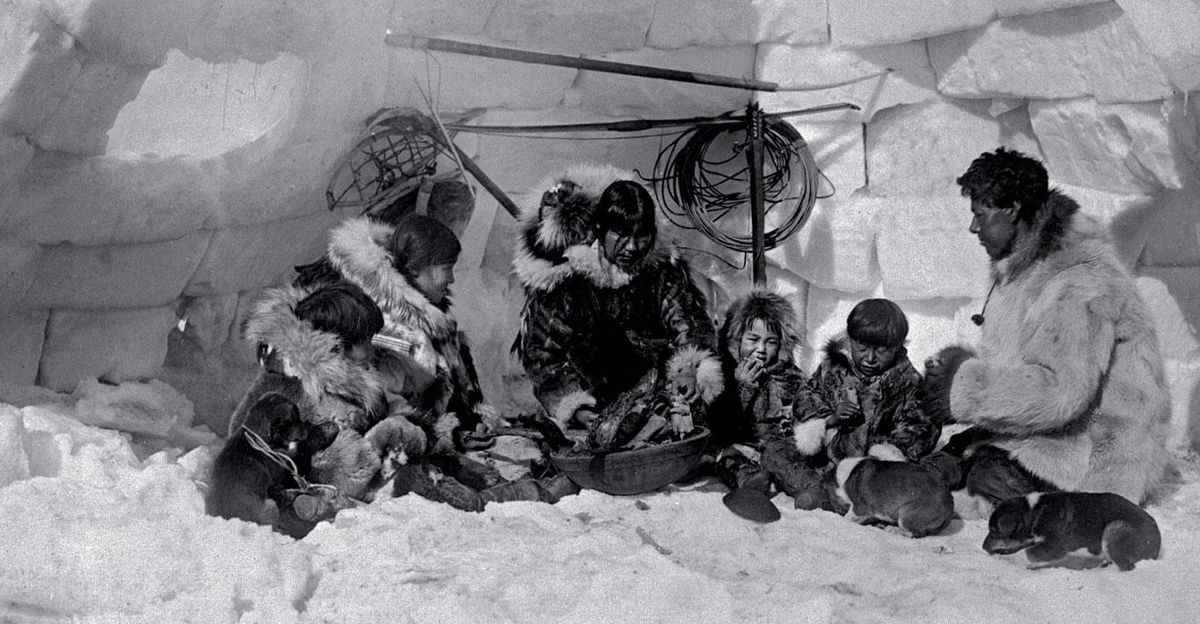
Traditional Inuit homes changed with the seasons. In winter, they built igloos using blocks of snow to create warm, sturdy shelters. In summer, families lived in skin tents stretched over driftwood or whale bones. They always used what the land offered.
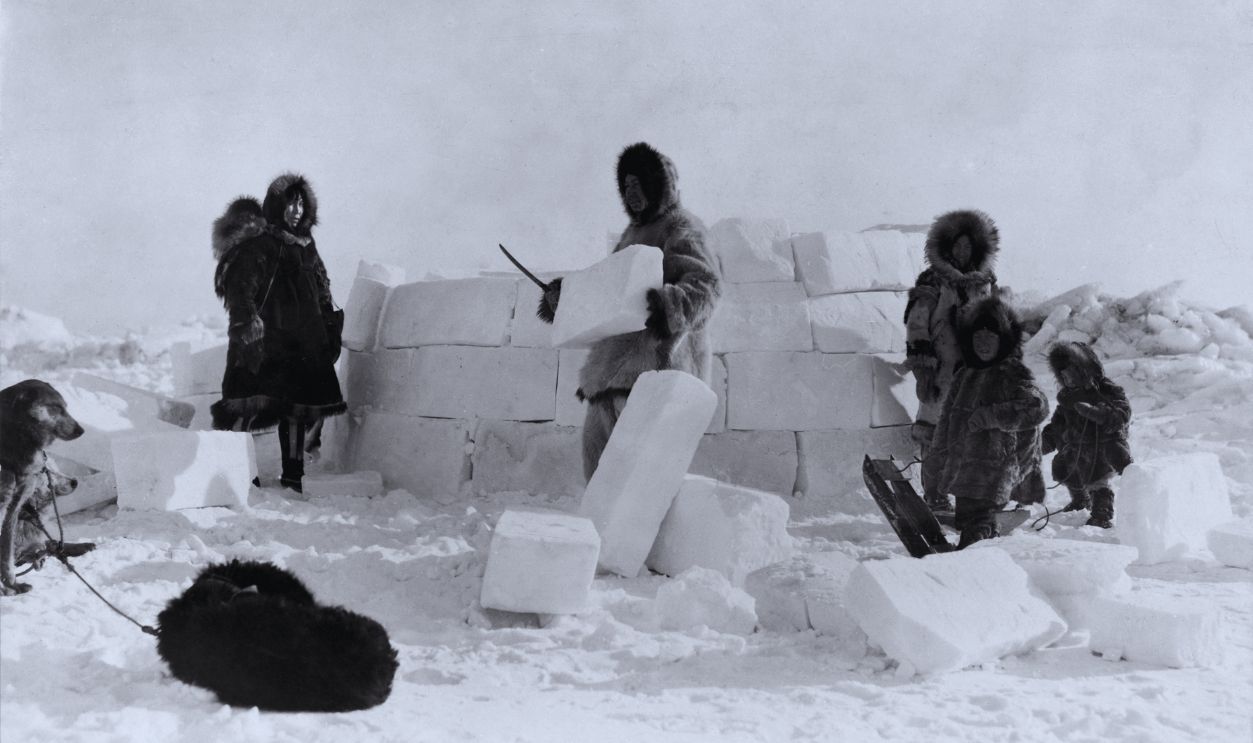 Frank E. Kleinschmidt, Wikimedia Commons
Always on the Move
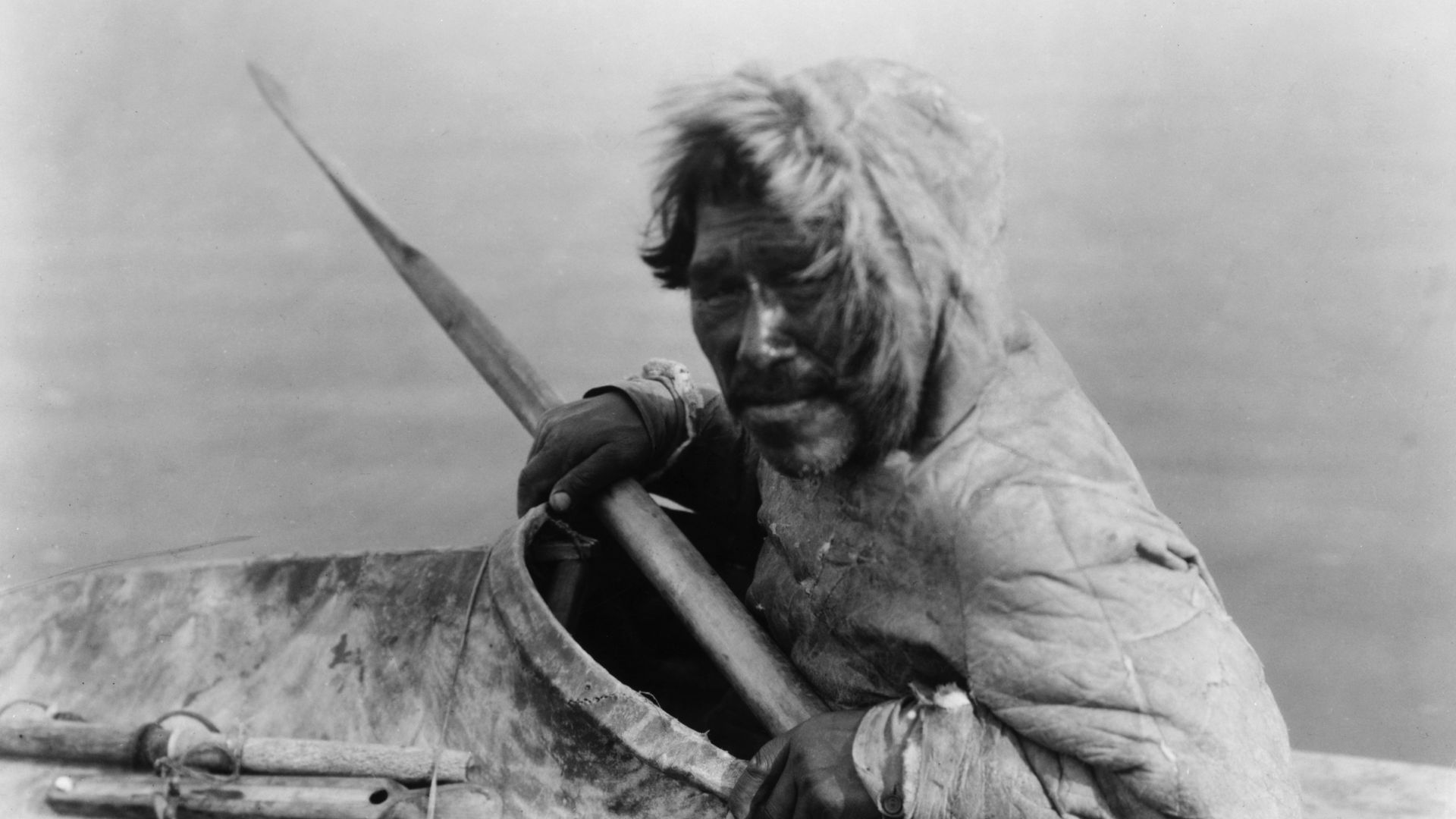
The Inuit traveled with the animals they relied on. In winter, families moved by dogsled; in summer, by kayak or umiak. Their neighborhood could stretch for hundreds of miles. Home was wherever the hunt led them across the Arctic landscape.
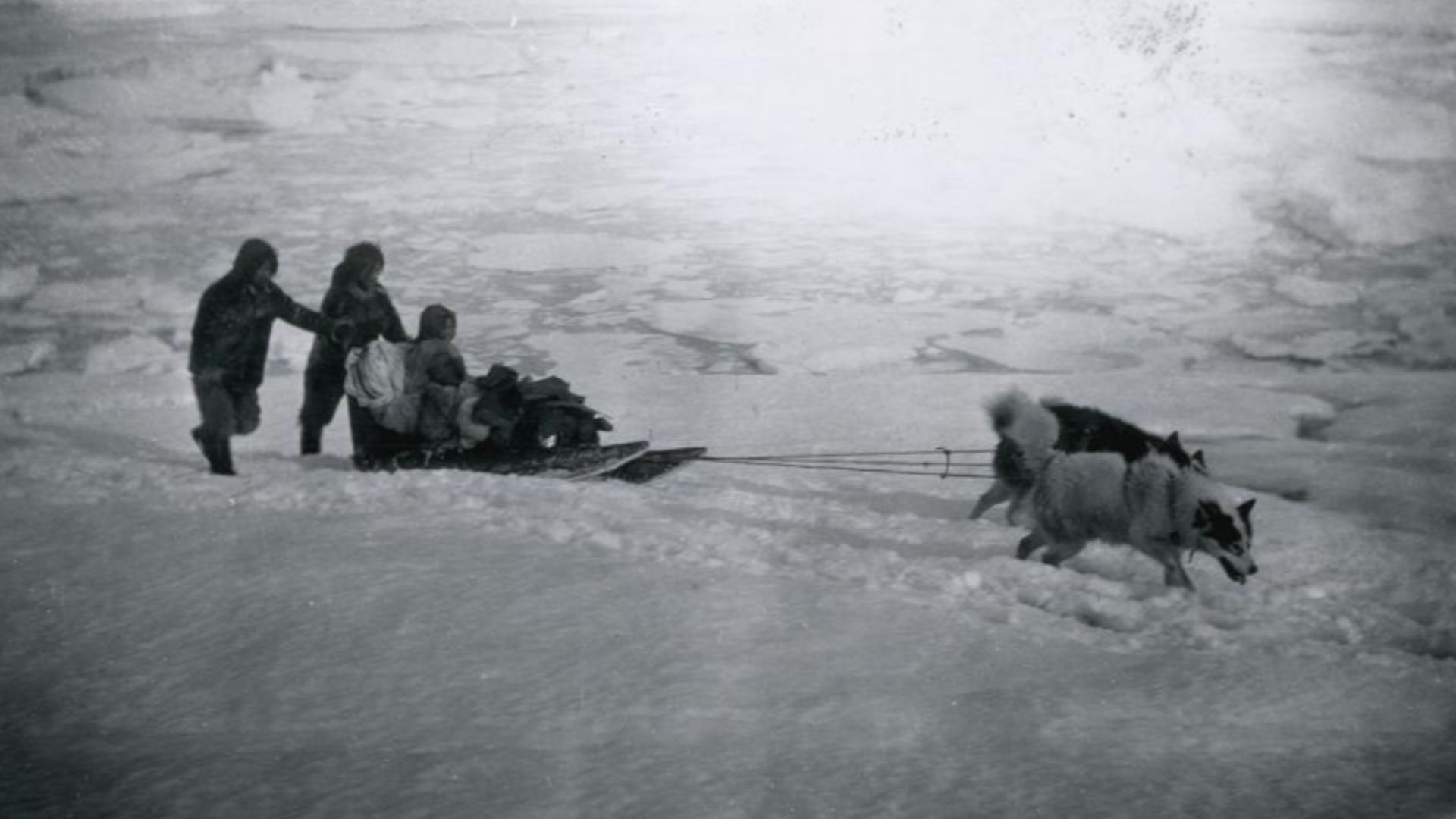 Robert Peary (May 6, 1856 – February 20, 1920), Wikimedia Commons
Hunting as a Way of Life
Inuit hunters use incredible patience and skill when harpooning seals. They wait by a seal’s breathing hole—sometimes for hours—listening for the soft puff of air beneath the ice. When the seal rises, the hunter strikes quickly with a hand-crafted harpoon, anchoring the animal before it slips back into the water. It’s a quiet, precise hunt that requires deep knowledge of ice, wind, and animal behavior, passed down through generations.
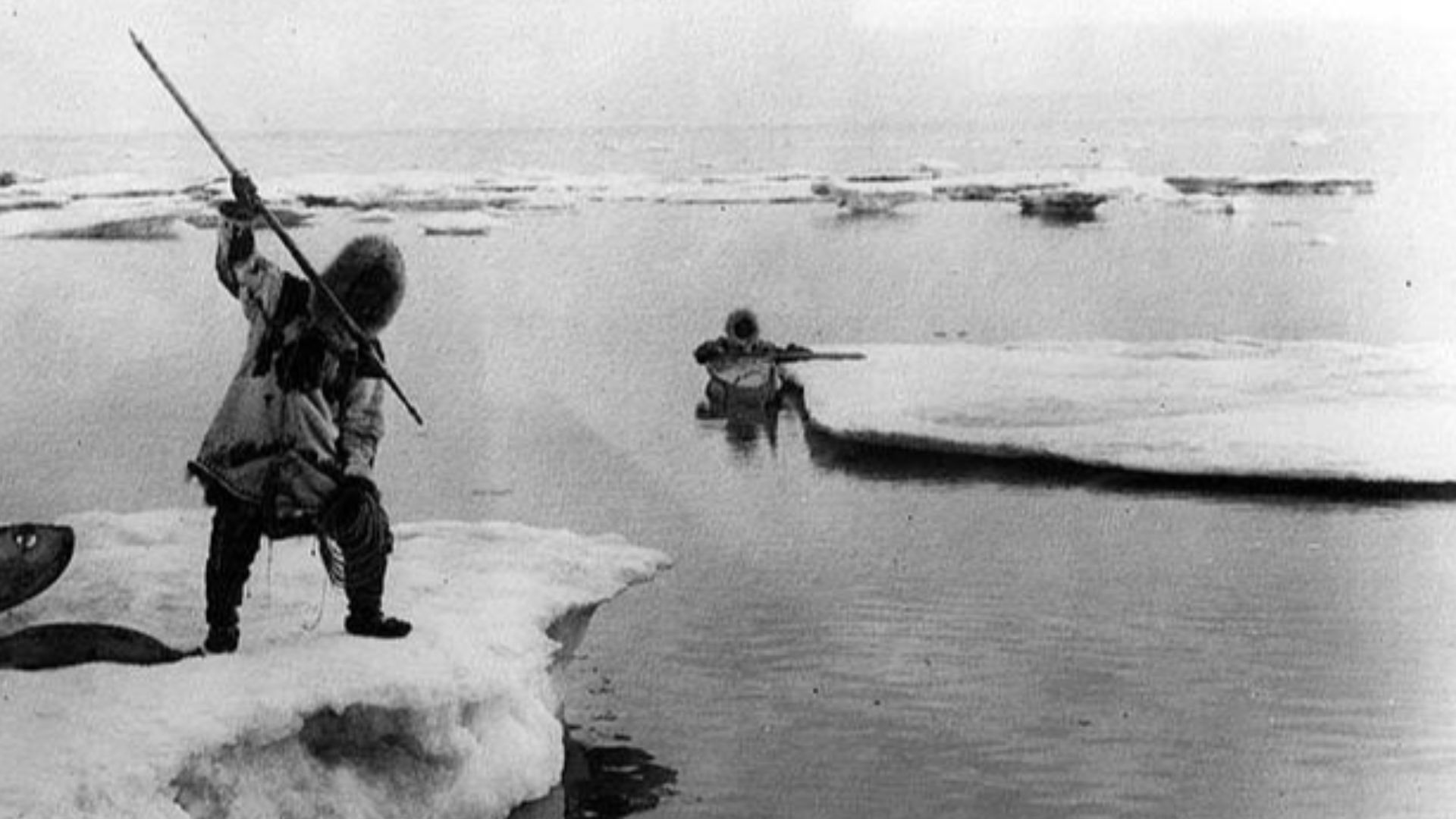 Loman Brothers, Wikimedia Commons
Tools Shaped by Need
Inuit tools were brilliant in their simplicity. Women used the ulu, a curved knife perfect for cutting meat and sewing hides. Hunters carried harpoons carved from bone and wood. Even sleds were crafted from driftwood and tied together with strips of hide.
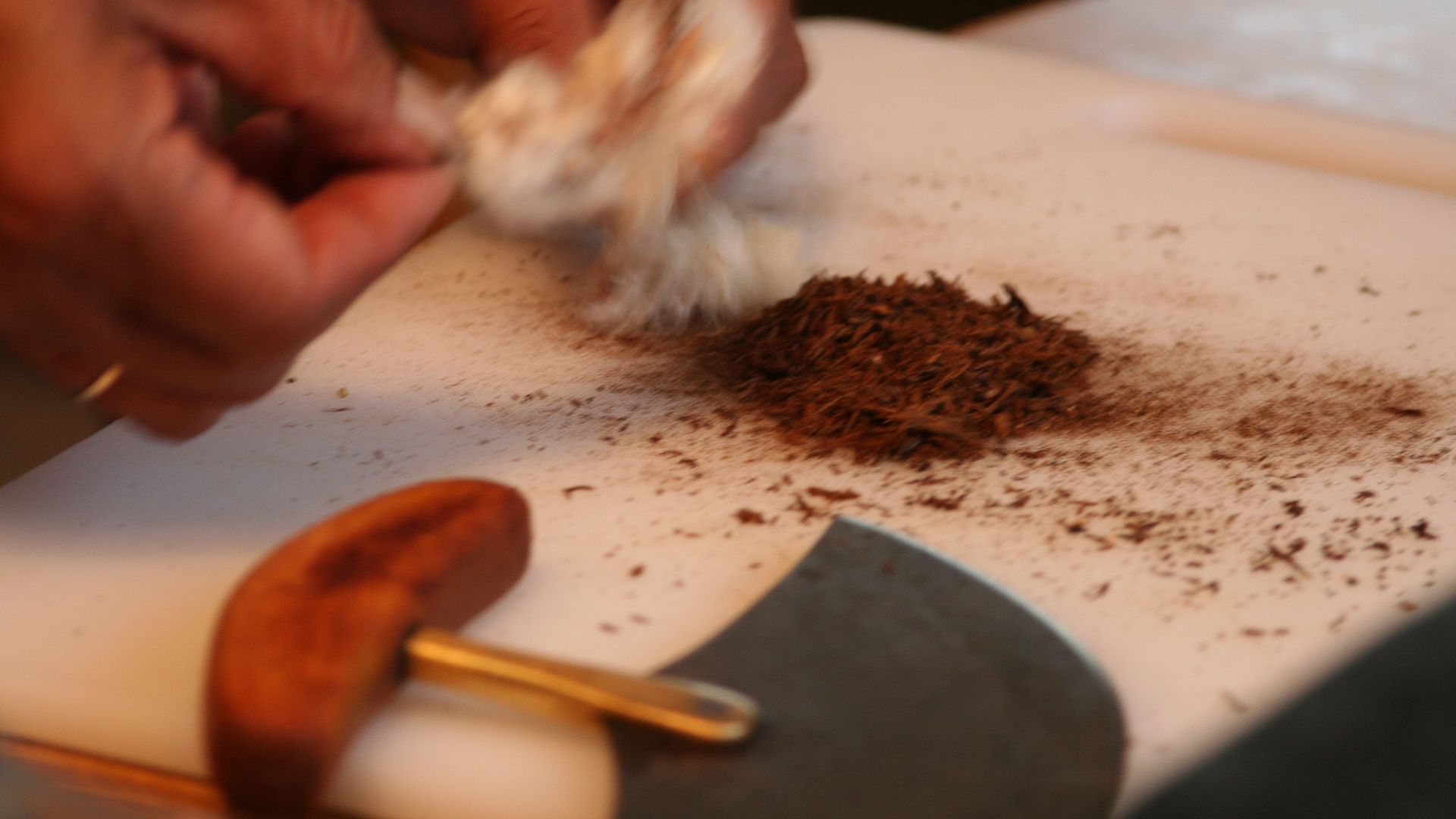 Lindsay Nicole Terry, Wikimedia Commons
Food That Warms the Body
Traditional Inuit food is rich in fat and protein—exactly what the body needs in freezing temperatures. They eat raw fish, seal, caribou, and whale. One well-loved dish, muktuk, is whale skin and blubber. Nothing goes to waste in Inuit cooking.
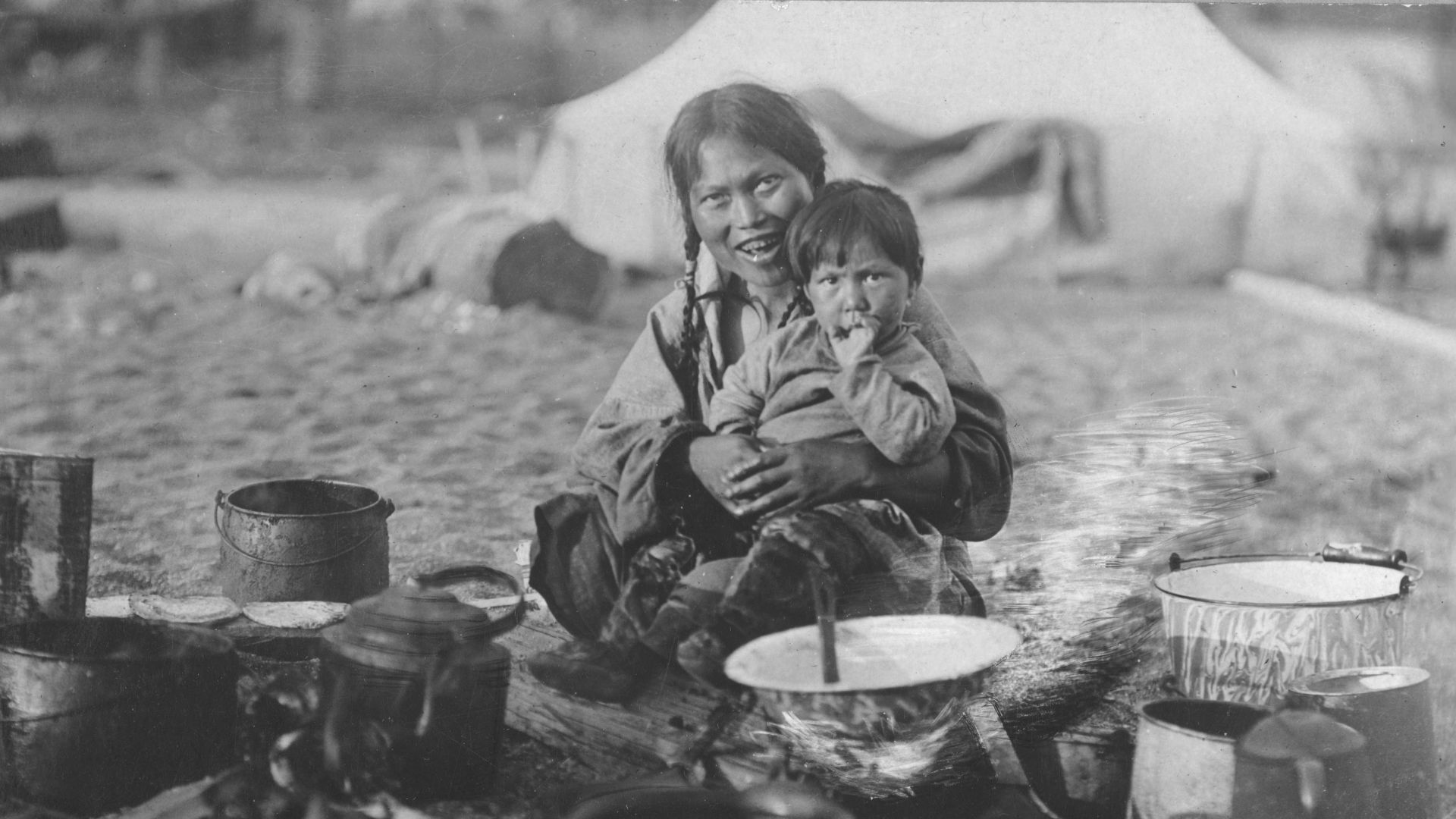 Lomen Bros., photographer., Wikimedia Commons
Clothing Made for Survival
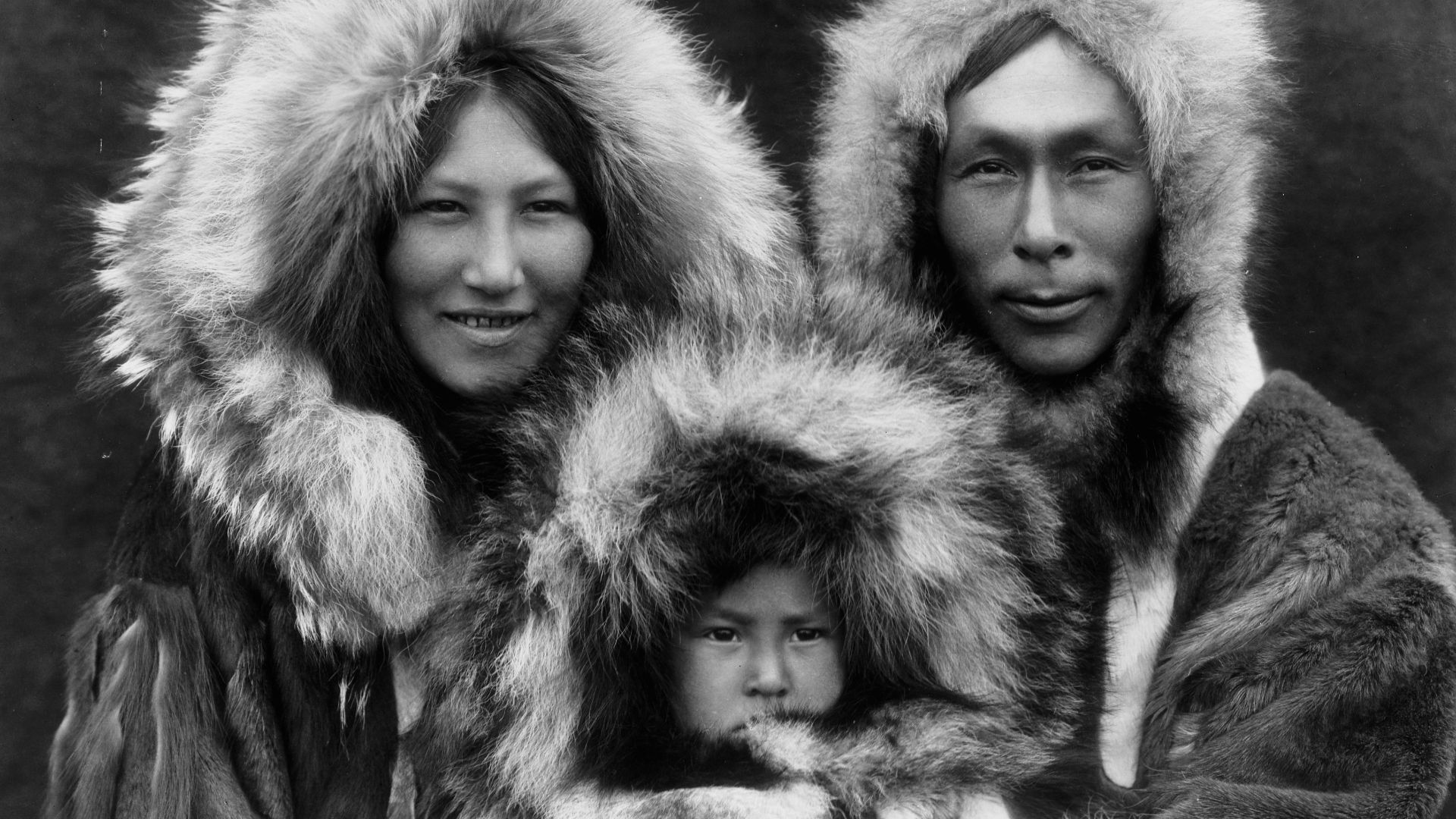
Inuit clothing is among the best cold-weather gear ever created. Parkas made of caribou hide, fur-lined boots, and mittens sewn with sinew kept people warm in brutal storms. The clothing was beautiful, but every stitch served a purpose.
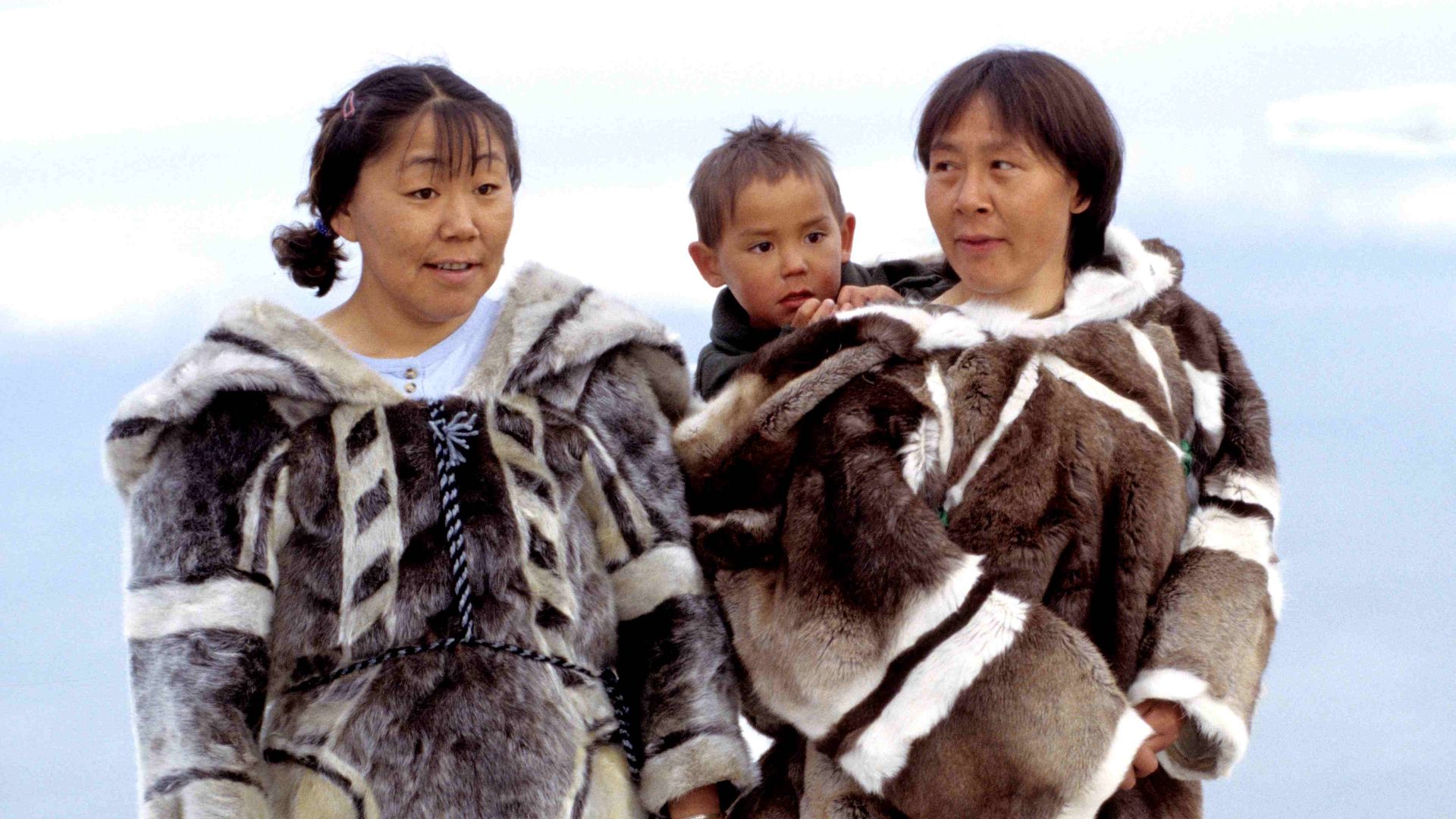 Ansgar Walk, Wikimedia Commons
Family Comes First
Inuit families are tightly connected. Children learn by watching adults hunt, sew, fish, and travel. Elders share stories and advice, teaching respect for the land, animals, and each other. Community and cooperation guide everyday life.
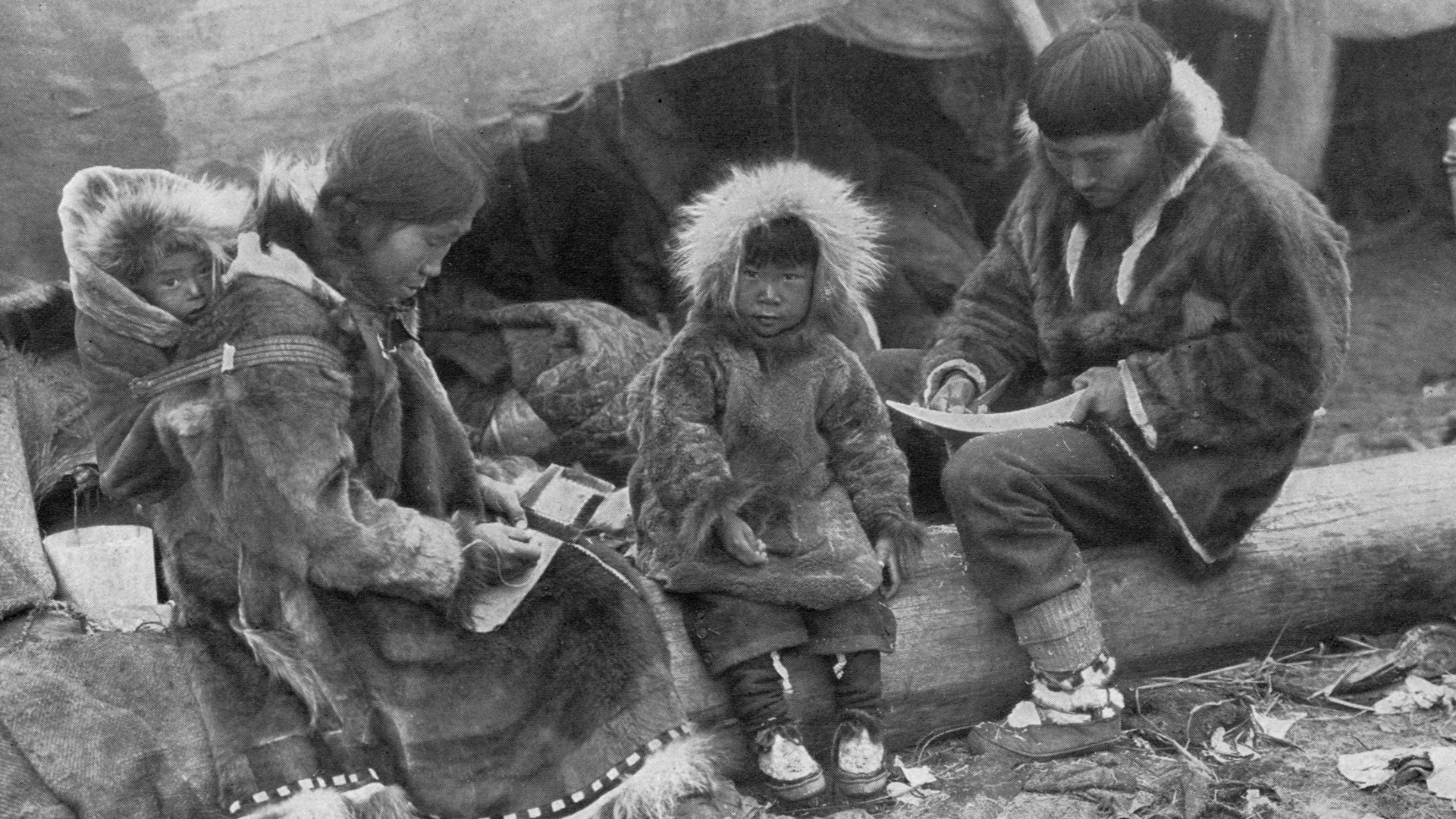 George R. King., Wikimedia Commons
A Culture Told Through Stories
Before writing, the Inuit passed down knowledge through myths and stories. Legends of Sedna, the sea goddess, and the northern lights teach lessons about courage, respect, and survival. Storytelling keeps the past alive for each new generation.
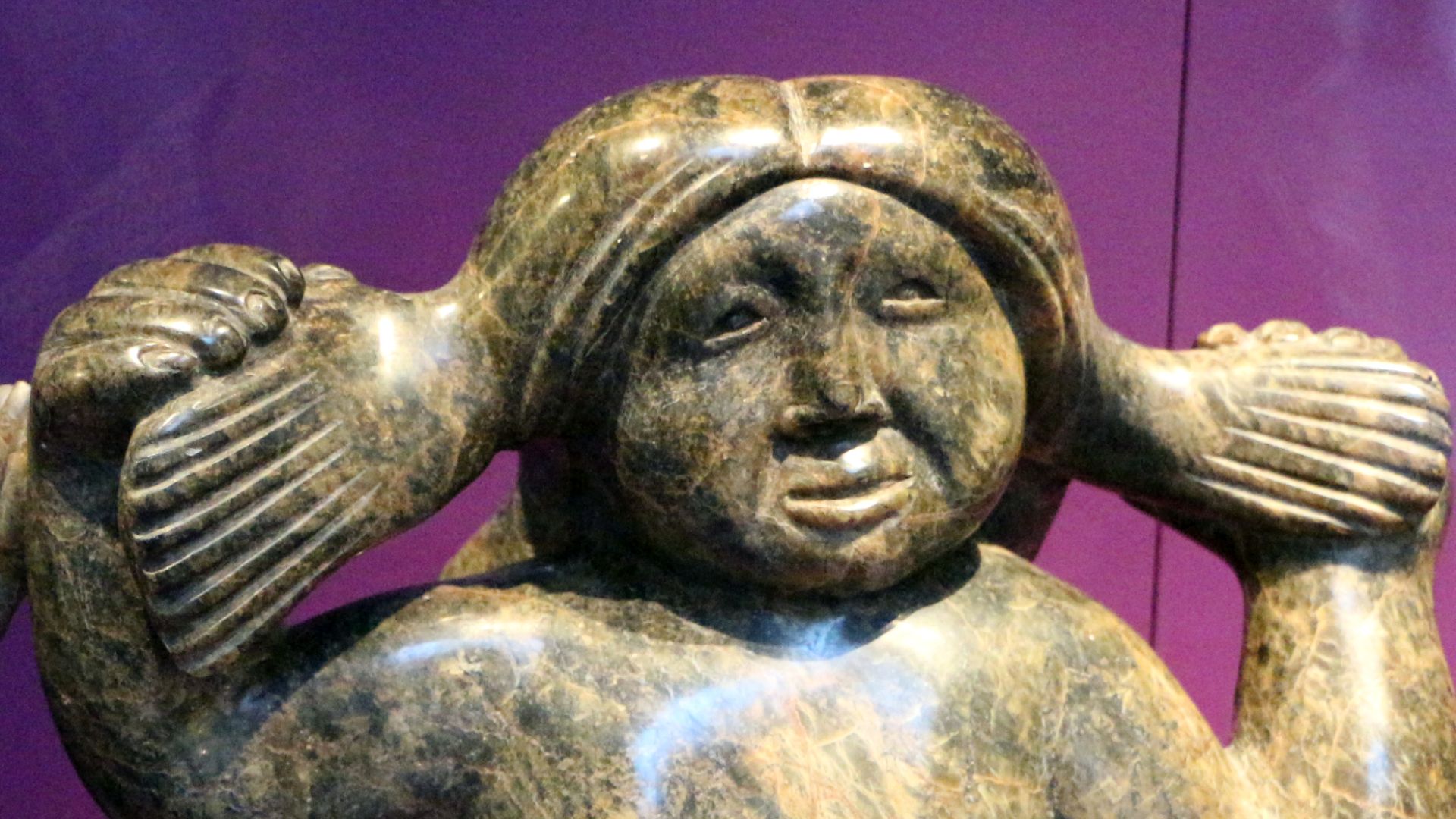
Masters of Arctic Survival
The Inuit learned how to survive in a land most people couldn’t. They built snow shelters quickly, traveled safely on thin ice, and predicted storms by reading the sky. Their knowledge still shapes how scientists understand the Arctic today.
 Edward S. Curtis, Wikimedia Commons
A Community Built on Sharing
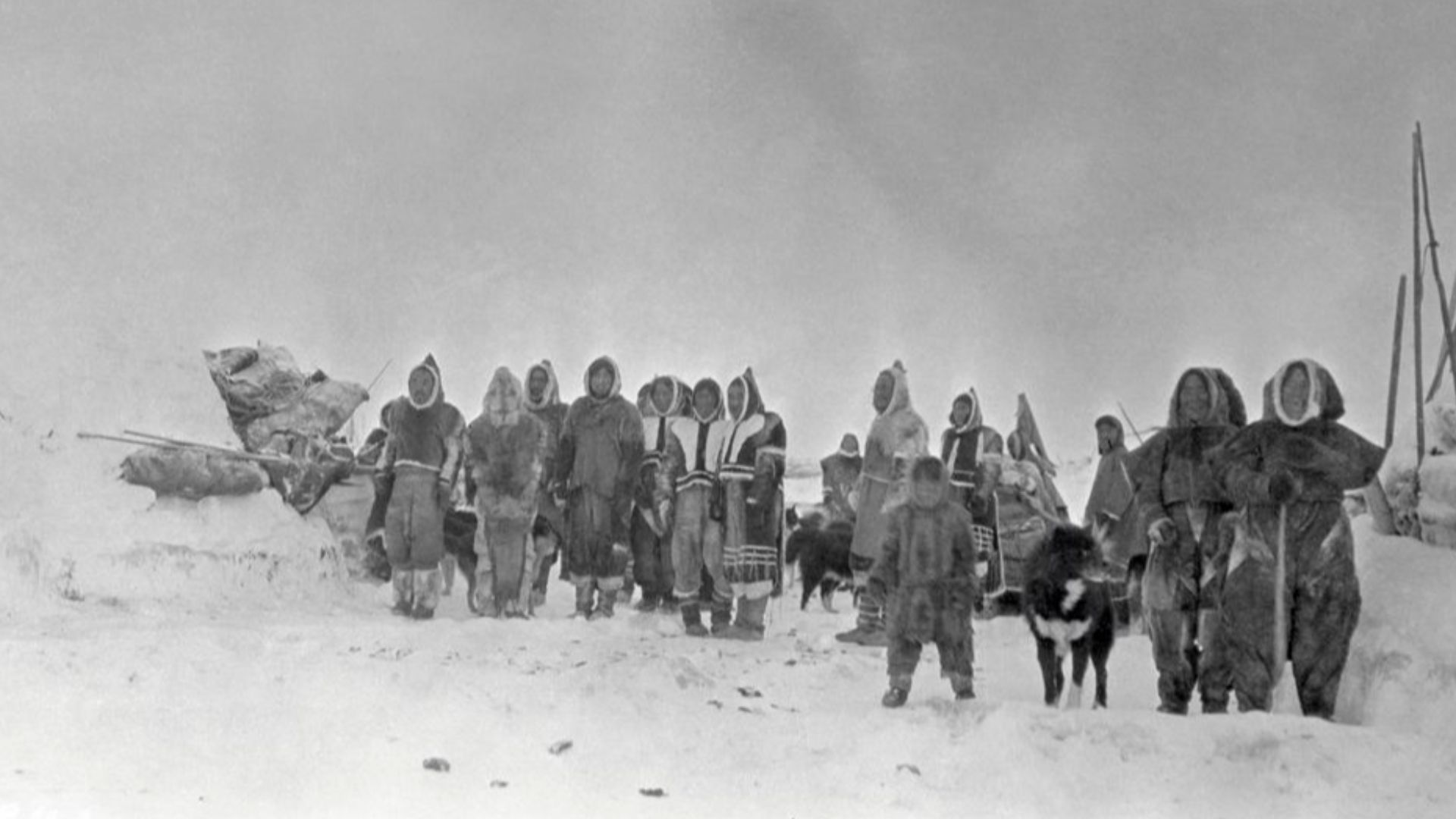
Inuit culture relies on cooperation. Meat from a successful hunt is shared among families. Hunters, seamstresses, elders, and children all contribute to community survival. In harsh environments, generosity becomes a way of life.
 Rudolph Martin Anderson, Wikimedia Commons
Life in the Arctic Today
Many Inuit now live in permanent towns like Iqaluit, Inuvik, and Nome. Children attend school, and adults work in areas like education, government, tourism, or traditional hunting. Modern life blends with old traditions in daily routines.
 Edward S. Curtis, Wikimedia Commons
Blending Old and New
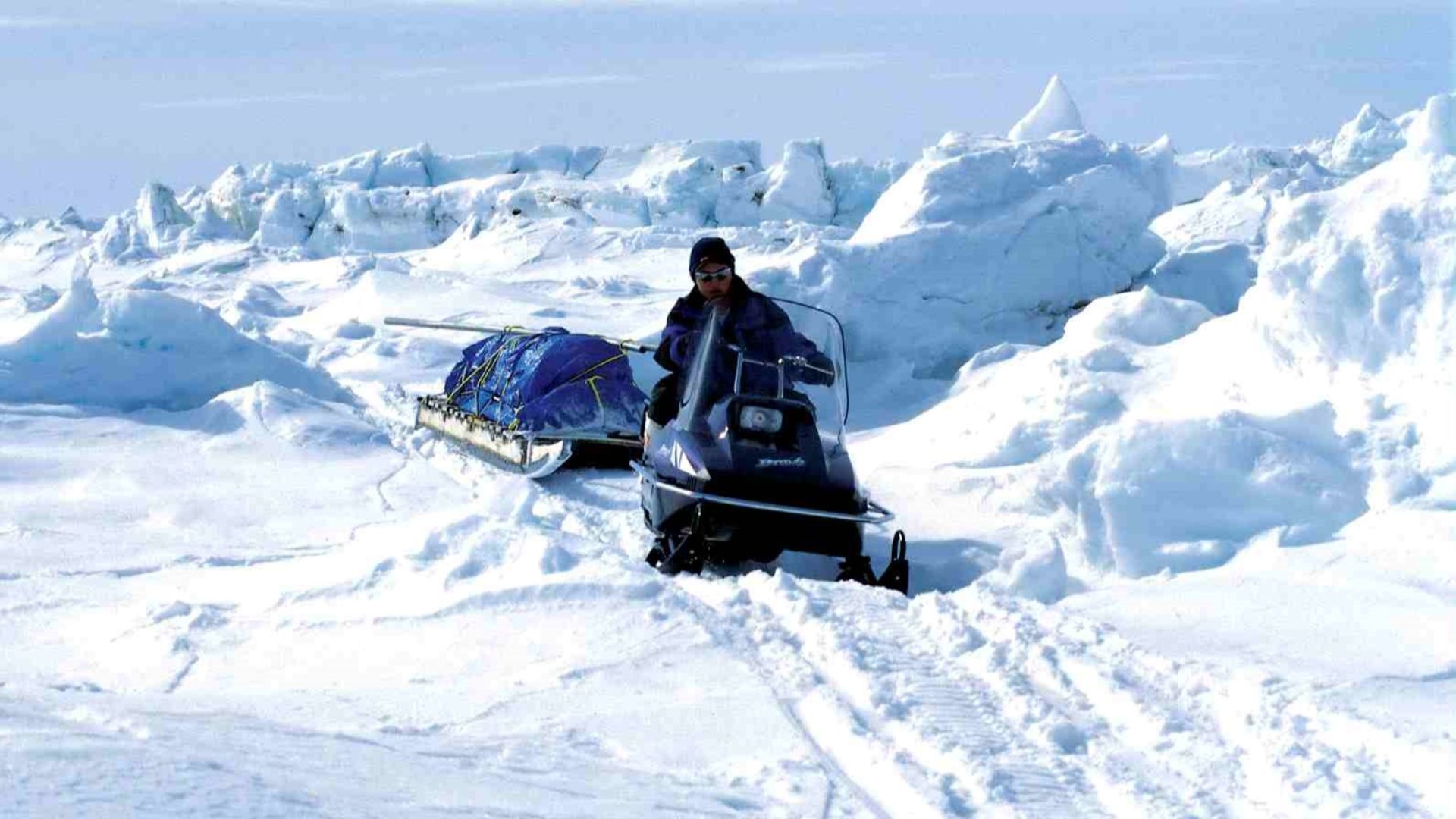
Snowmobiles and rifles have replaced dog teams and harpoons, but traditional skills are still important. Elders teach how to prepare hides, sew parkas, and read the land. Inuit life continues with a mix of old knowledge and new tools.
 Ansgar Walk, Wikimedia Commons
Facing Climate Change Head-On
Climate change threatens Inuit life more than almost anywhere else. Melting ice disrupts hunting routes and animal migrations. As one elder from Nunavut explained, the ice moves when it used to stay still. Their world is changing rapidly.
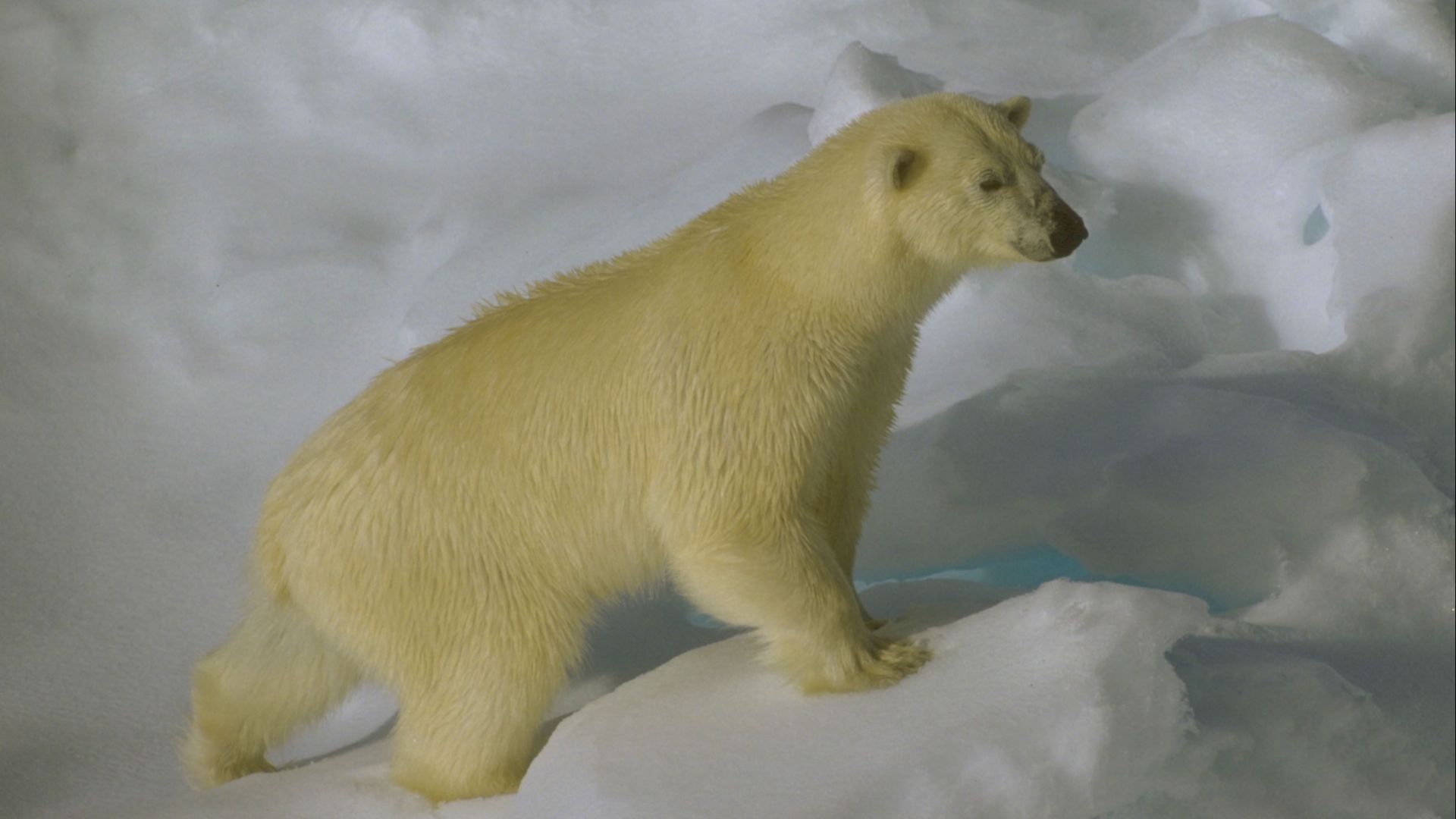
Language That Holds Identity
Inuktitut, the Inuit language, remains essential to cultural identity. Communities work hard to protect it through schools, radio, and media. Speaking it connects young Inuit to their ancestors and keeps traditions alive.
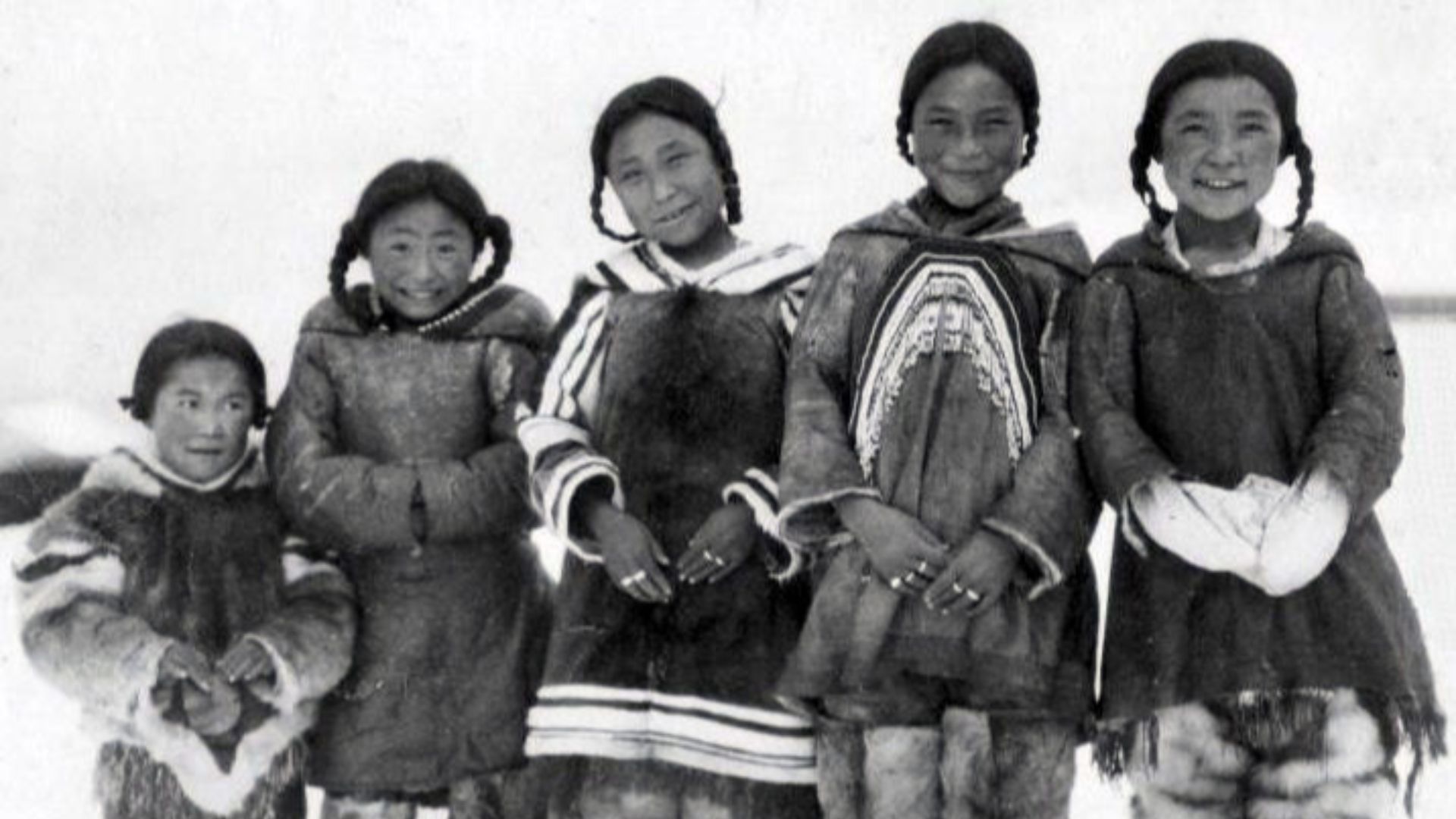 Captain George E. Mack, Wikimedia Commons
Art From the Cold
Inuit art is famous around the world. Sculptures made from bone, ivory, and soapstone often show animals and spirits. Their prints and carvings tell stories about daily life, beliefs, and the natural world surrounding them.
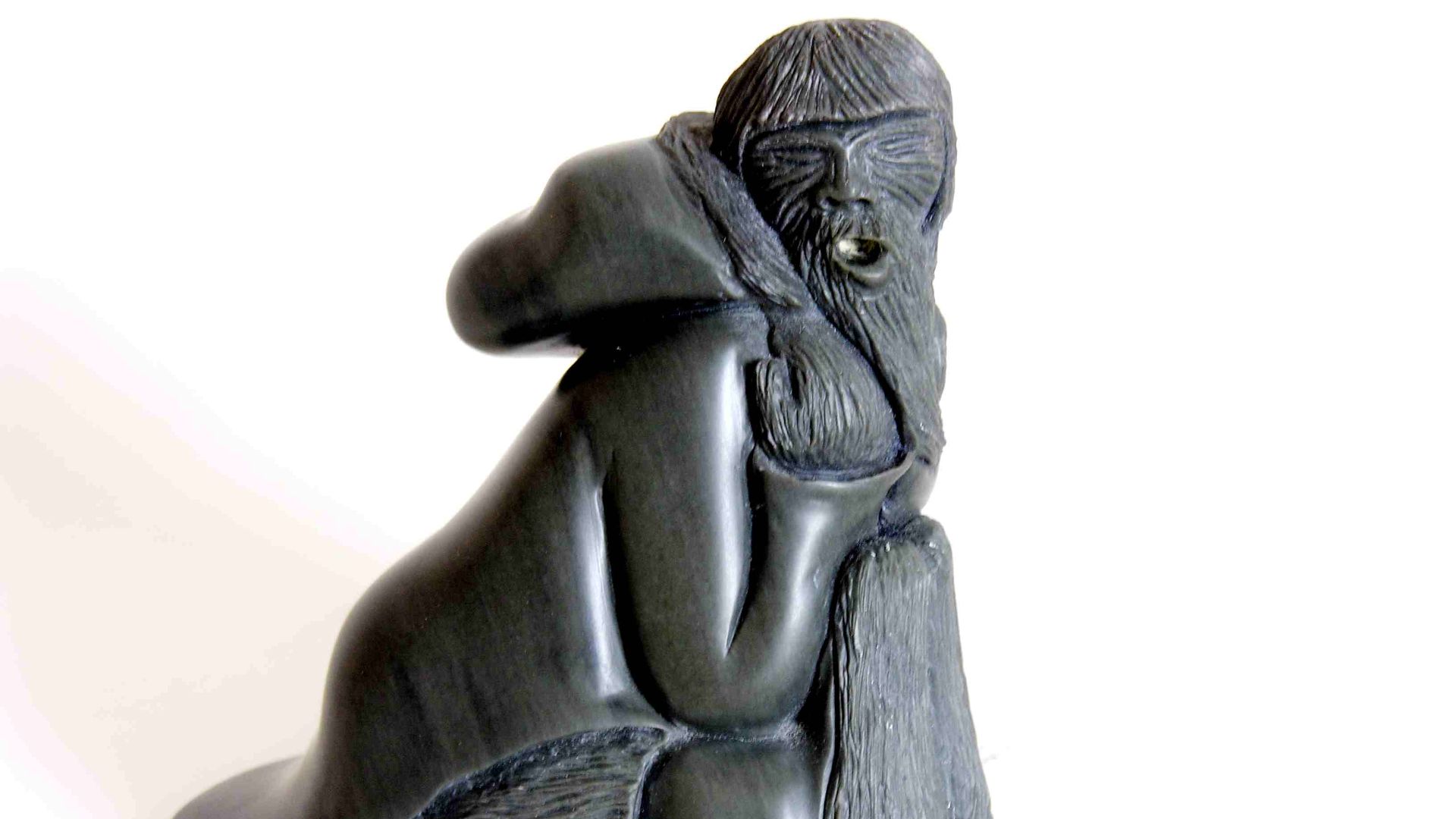 Silas Kayakjuak, Hall Beach & Ottawa, Wikimedia Commons
Leaders of the North
Inuit leaders are important voices for climate action and Indigenous rights. Groups like the Inuit Tapiriit Kanatami work to protect Arctic communities and preserve culture. Their goal is to protect both the people and the land.
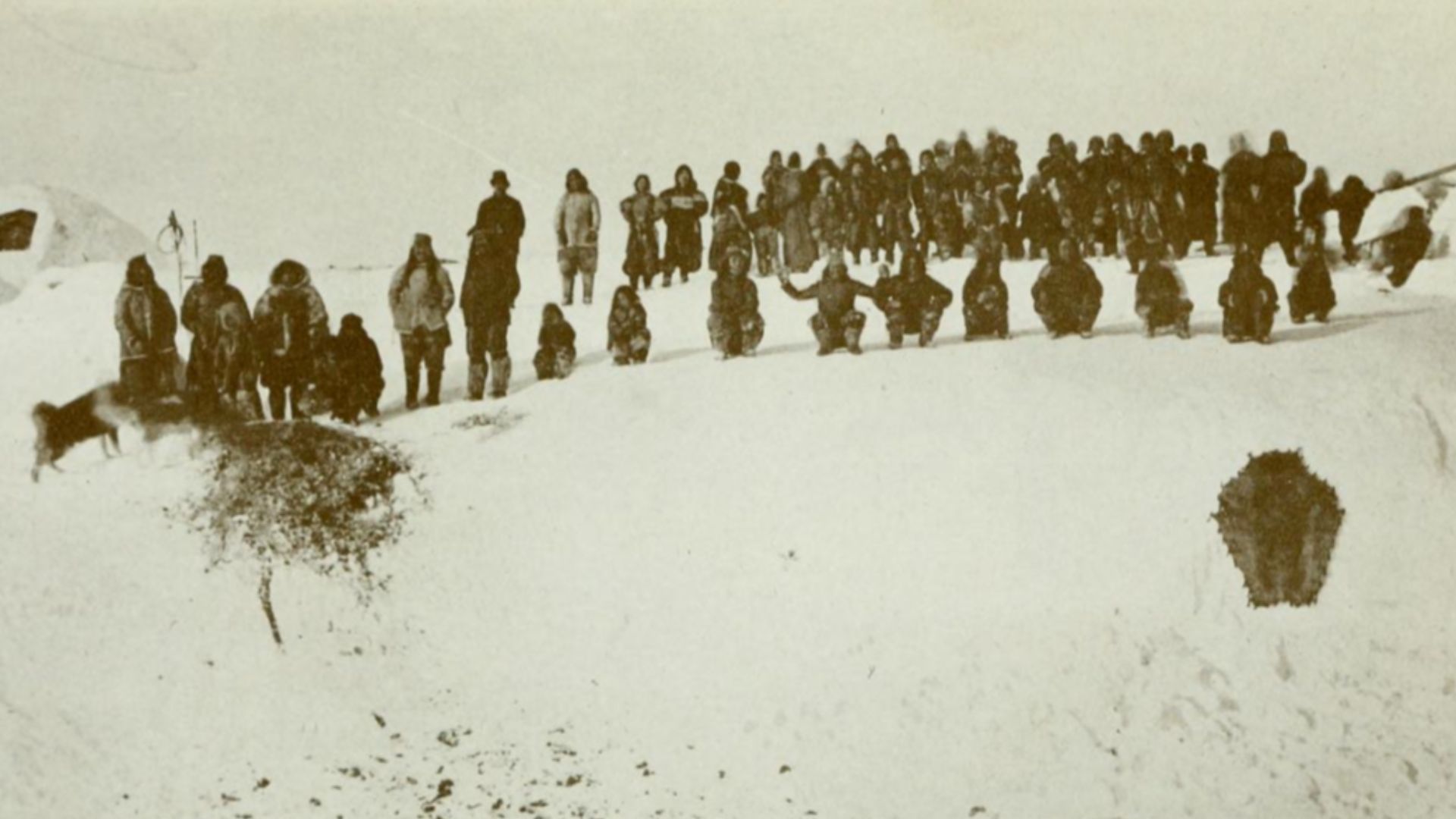 Unknown authorUnknown author, Wikimedia Commons
A People Who Endure
The Inuit have faced ice ages, colonization, storms, and climate change, yet remain strong. Their resilience comes from their connection to the land, their traditions, and each other. Their survival is a powerful story of strength.
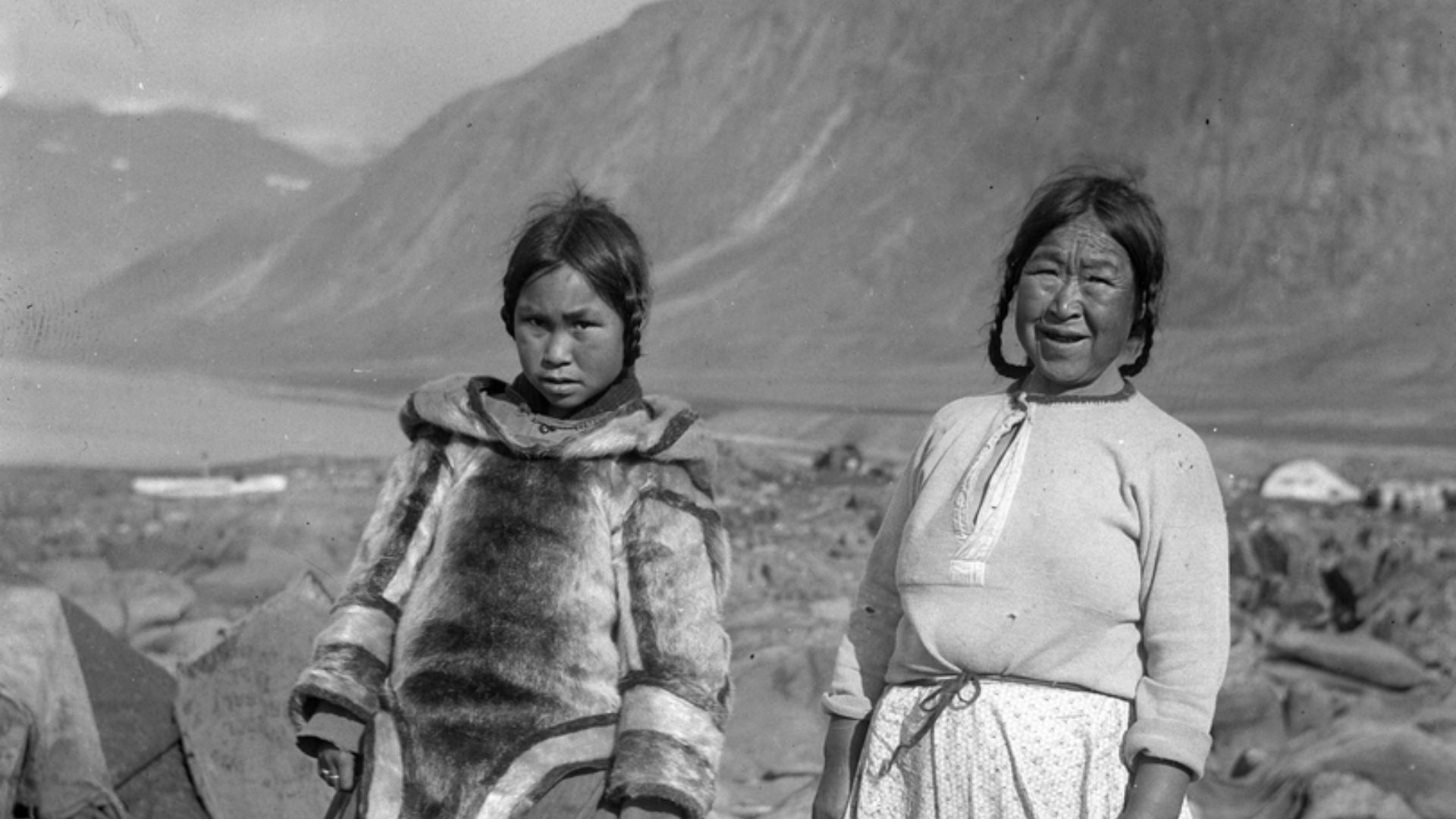 Joseph Dewey Soper, Wikimedia Commons
If an Elder Spoke Today
An Inuit elder might say, “We are of the ice and wind. We live with the land, not against it. The cold taught us strength, and the silence taught us peace.” These words reflect the heart of Inuit life.
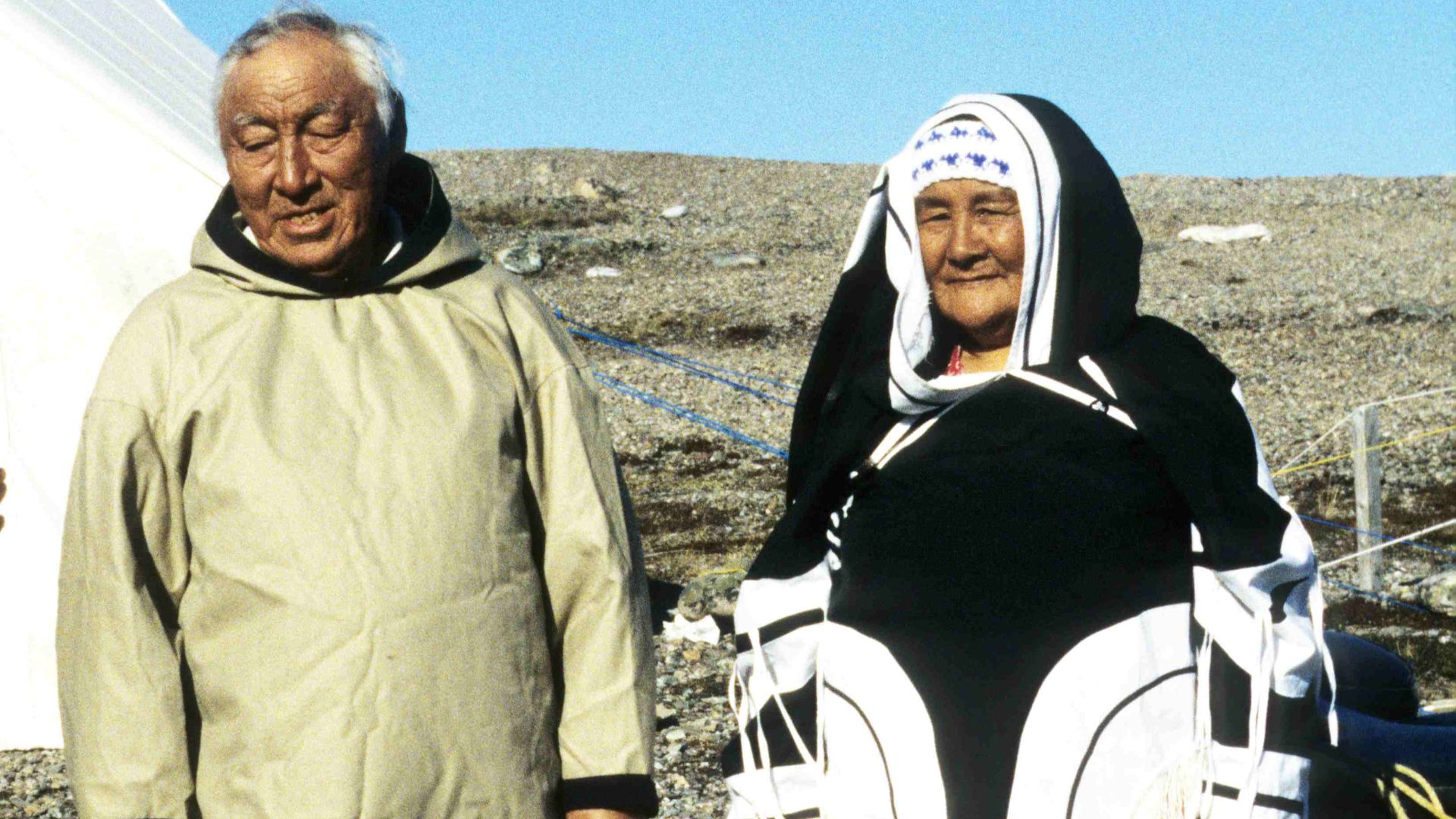 Ansgar Walk, Wikimedia Commons
You May Also Like:
Photos Of The Sea People Who Breathe Like Fish And Live Without Land
The Jungle Tribe That Protects Themselves With Spears Dipped In Poison
Photos Of The Masked Warriors Who Dance Before Every Hunt