A Glimpse Into Rome’s Elite In Albania
It’s wild how a quiet hillside can suddenly rewrite everything we thought we knew. A buried Roman tomb just surfaced in Albania, and it’s packed with clues about belief and the kind of wealth nobody expected to find there.
A Tomb Emerges From Albanian Soil
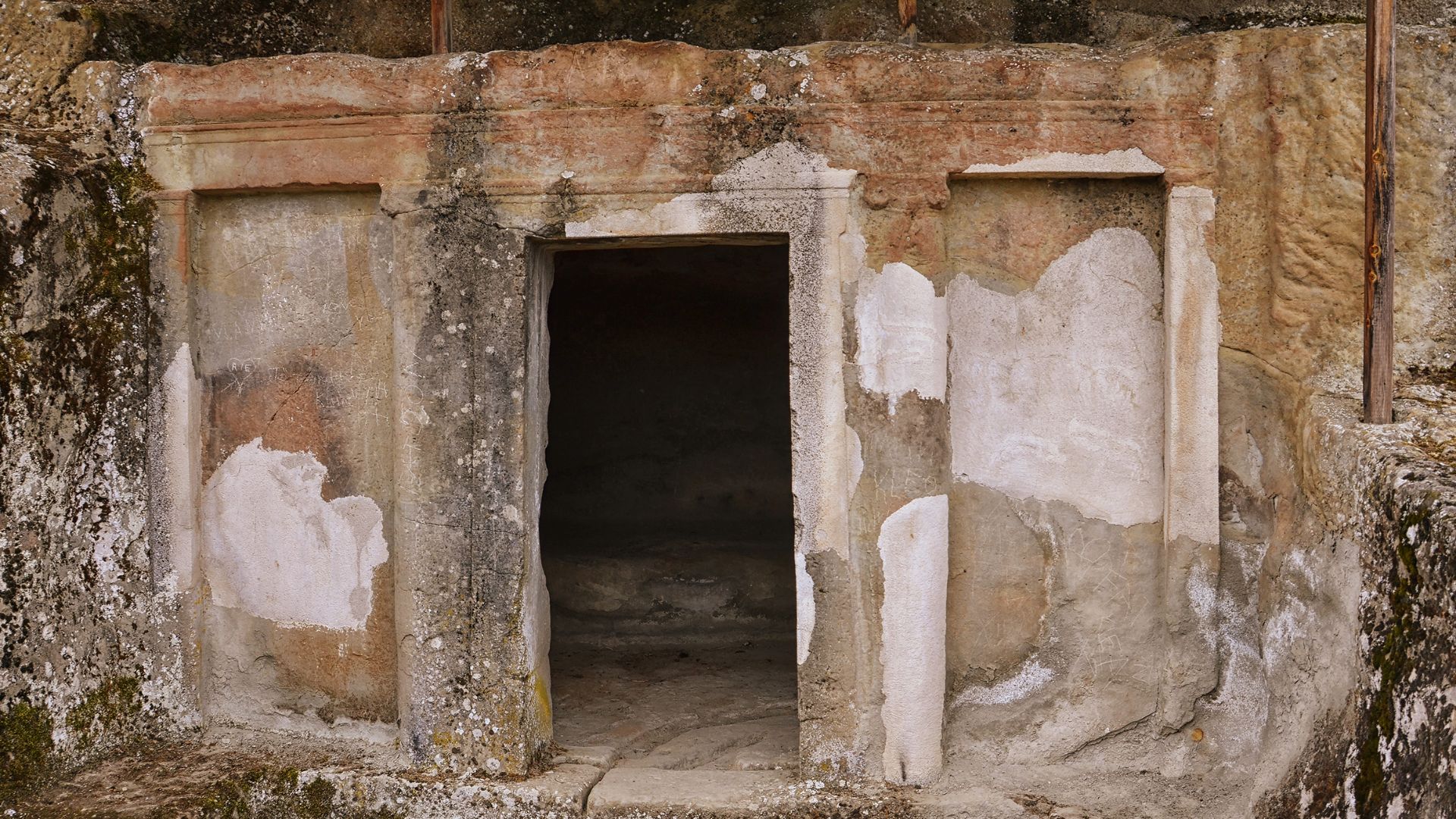
Beneath a quiet hillside in northeastern Albania, archaeologists uncovered a Roman chamber hidden for nearly 1,700 years. What seemed like ordinary farmland concealed a carefully built underground room to reveal that even remote corners of the Balkans once held wealthy Roman elites.
 Pasztilla aka Attila Terbócs, Wikimedia Commons
Role Of Local Villagers In Discovery
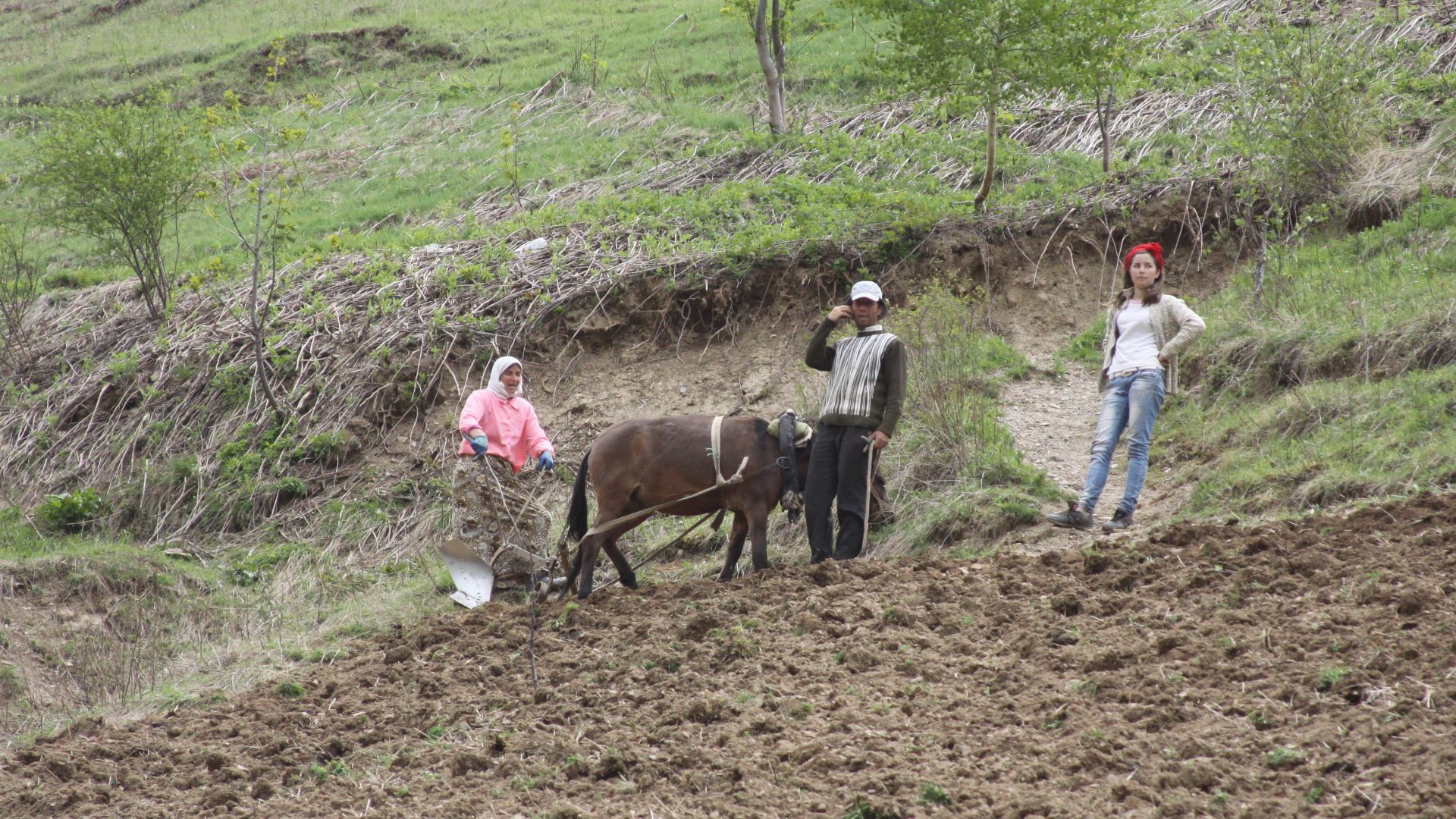
The discovery began when villagers in Strikcan noticed large, neatly cut stone blocks sticking out of the soil. Realizing they weren’t ordinary rocks, they reported them to the authorities. Their quick action led archaeologists to uncover the massive Roman tomb buried beneath their fields.
Why This Discovery Matters
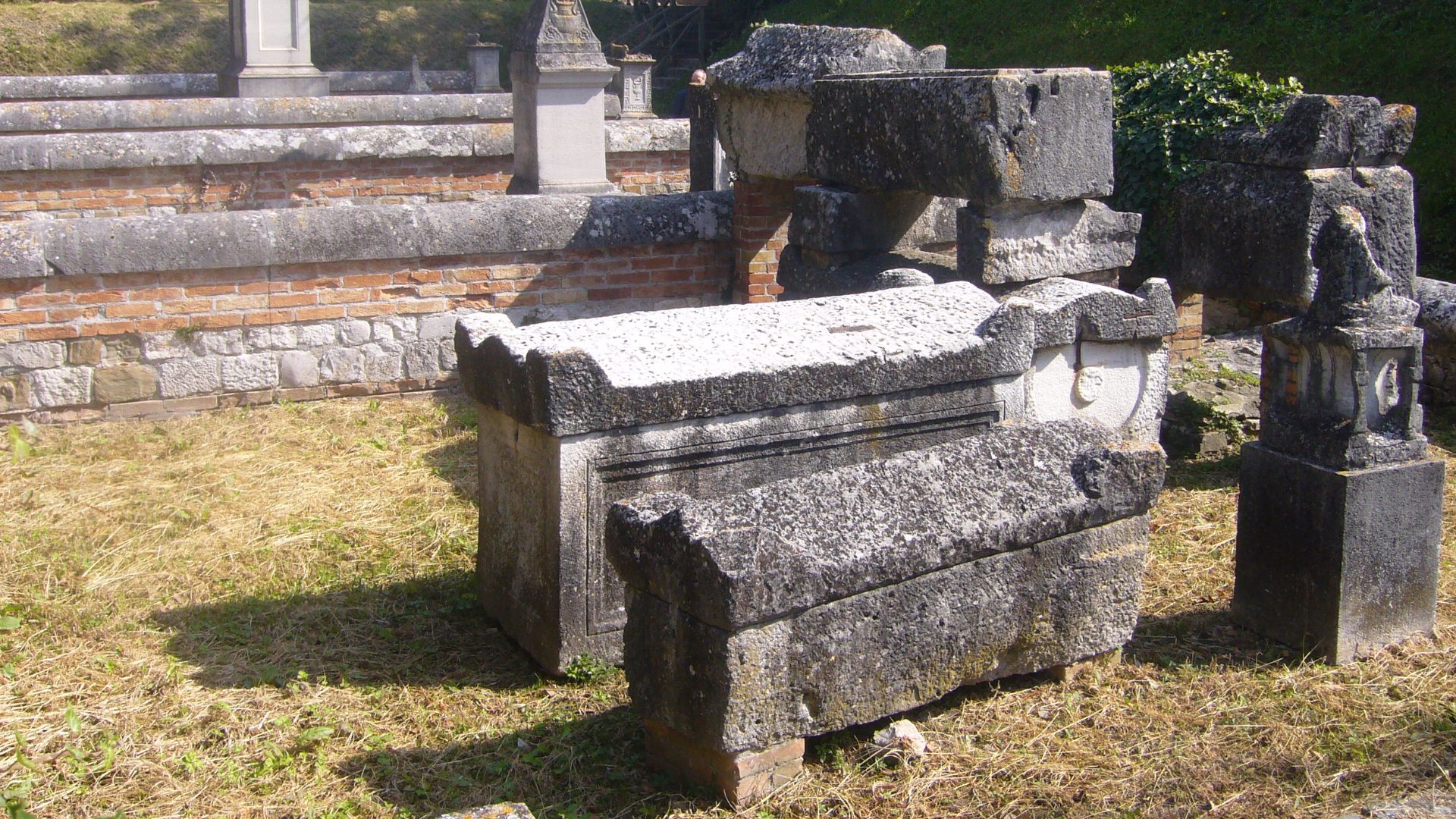
Most Roman-era burials in the Balkans were small and simple. This tomb, however, was built on a grand scale with precise stonework, immediately marking it as unusual. Its size and craftsmanship show that elite Roman culture reached deeper into Albania than scholars once believed.
 Pvt pauline, Wikimedia Commons
First Monumental Tomb in Albania
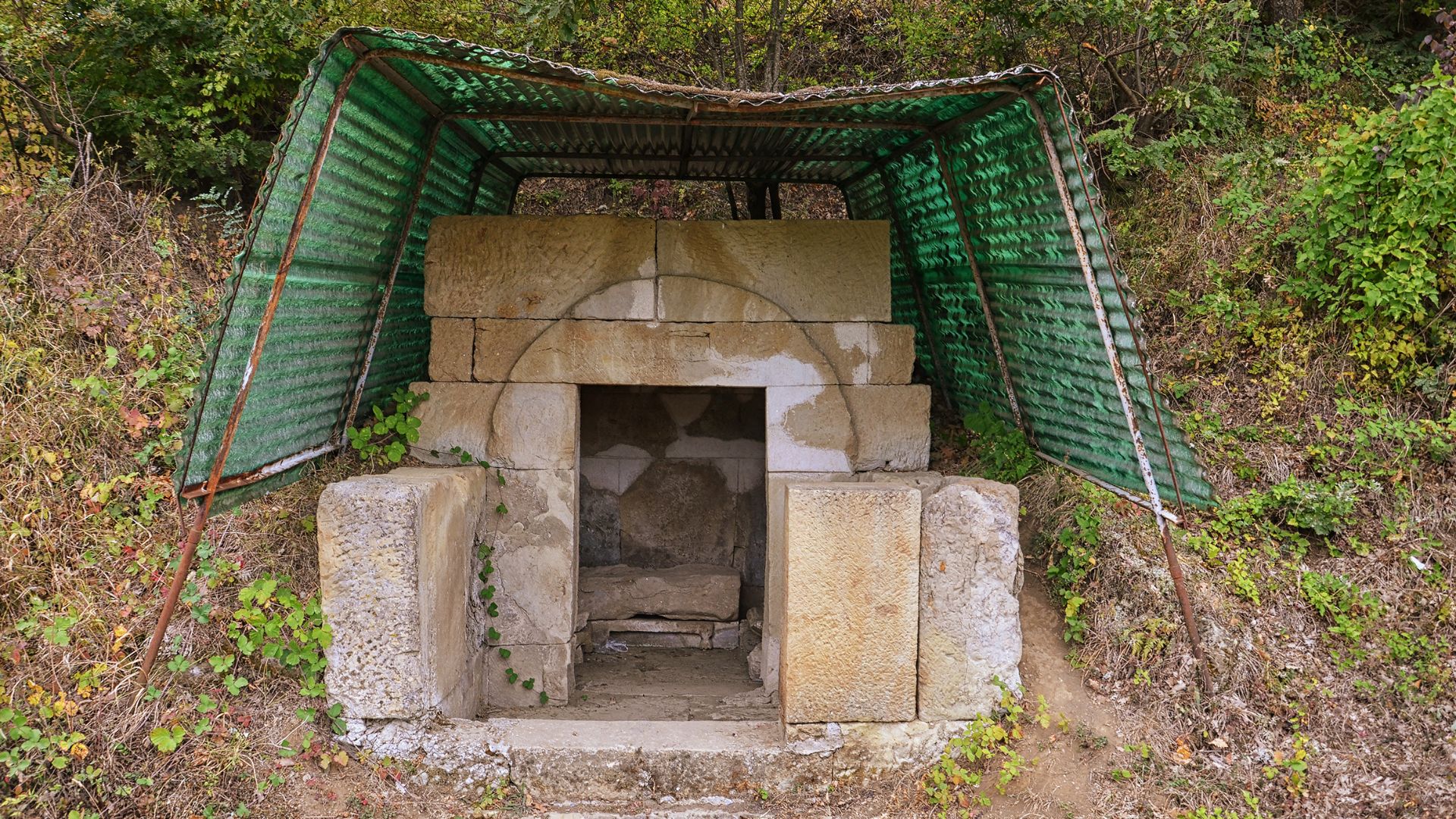
Archaeologists confirmed this is Albania’s first known monumental Roman chamber tomb. Nothing similar has ever been found in the country. Its presence proves that high-ranking individuals lived here, which brought architectural styles normally seen in major Roman centers into this rural area.
 Pasztilla aka Attila Terbócs, Wikimedia Commons
Albania In The Roman World
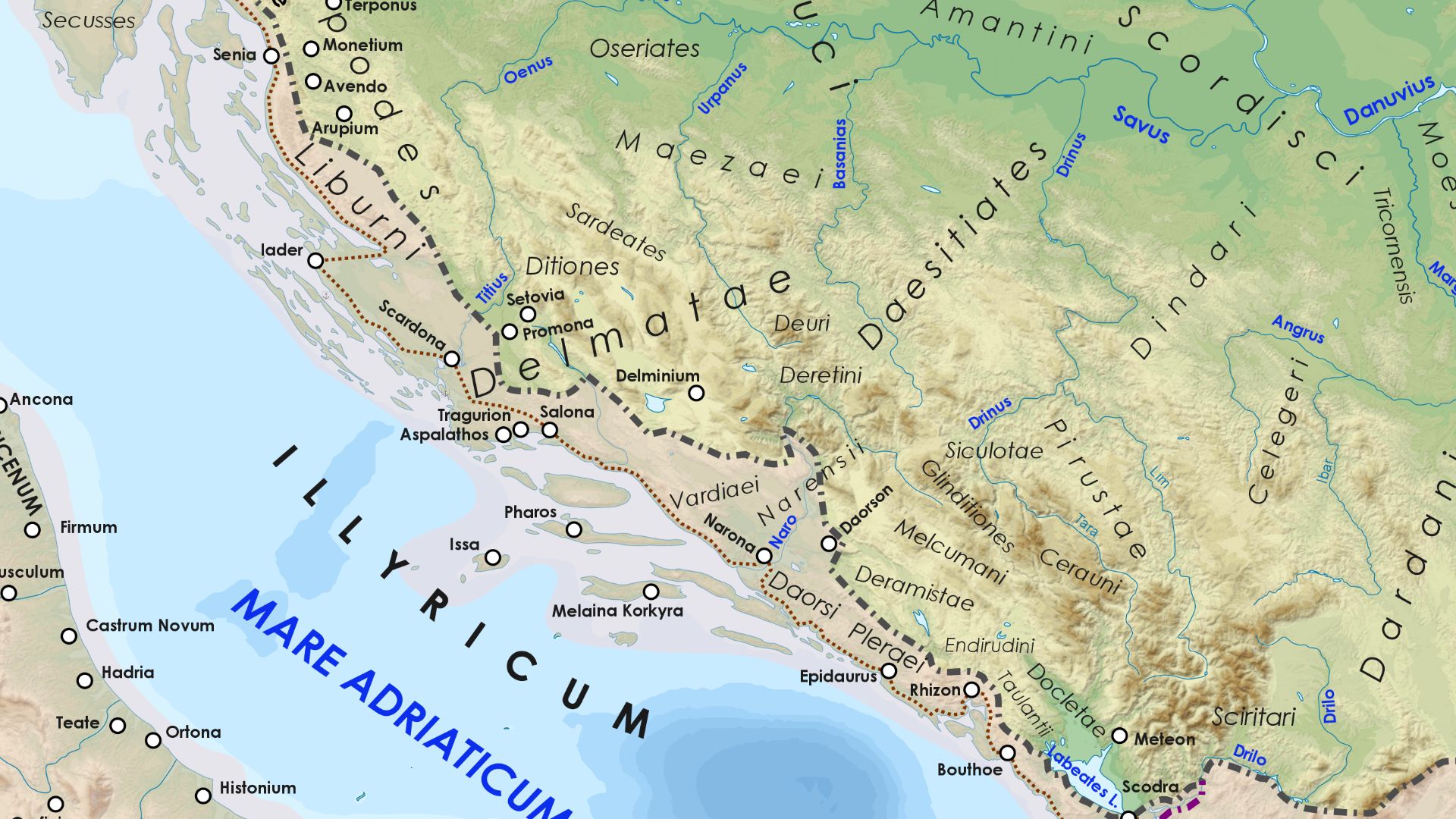
Two thousand years ago, Albania was part of Illyricum, a Roman province controlling vital routes between the Adriatic coast and the Balkan interior. This strategic position made the region essential for trade, military movements, and cultural exchange across the empire.
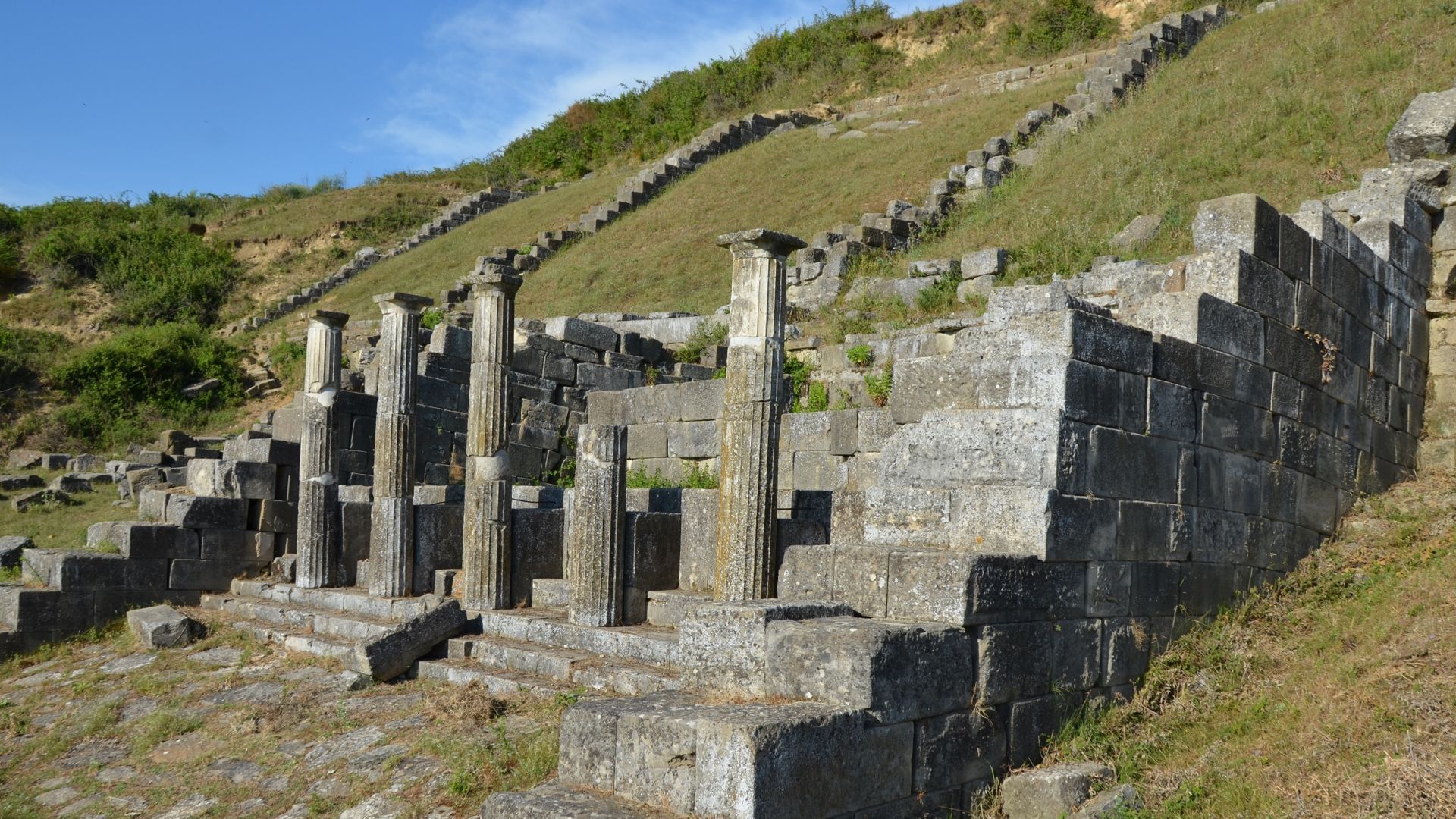 Carole Raddato from Frankfurt, Germany, Wikimedia Commons
Roads And Trade Connections
Illyricum’s road network linked coastal hubs like Dyrrachium with inland valleys. These routes carried merchants, officials, and luxury goods, explaining how fine glassware reached remote Albanian elites and reshaped rural communities with Roman culture.
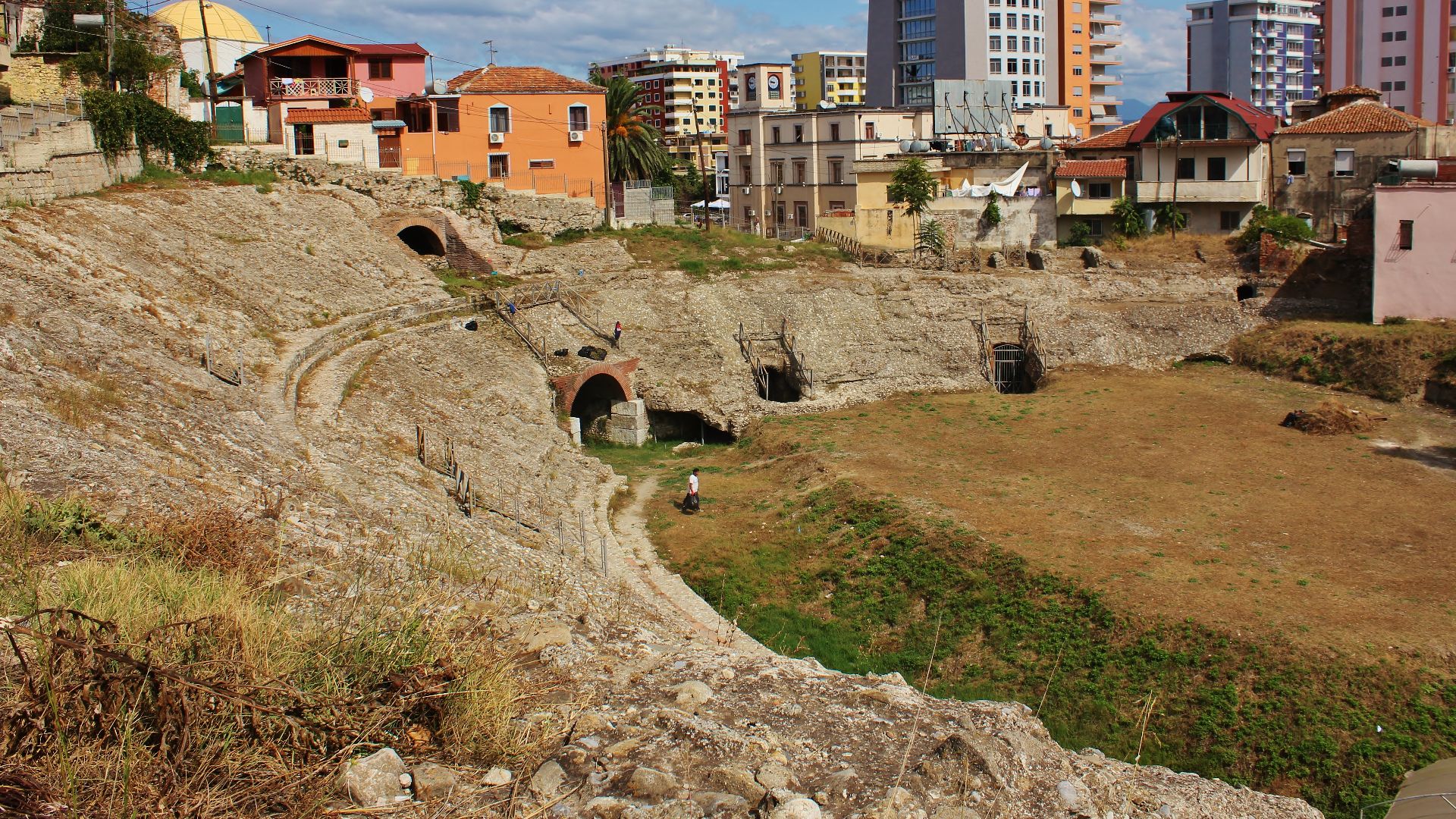 Igor Trklja, Wikimedia Commons
Roads And Trade Connections (Cont.)
Beyond goods, roads spread Roman law, architecture, and rituals into rural Albania. Tombs like this one prove distant settlements absorbed imperial influence through constant movement, which shows how infrastructure carried both material wealth and cultural identity.
Late Roman Period Setting
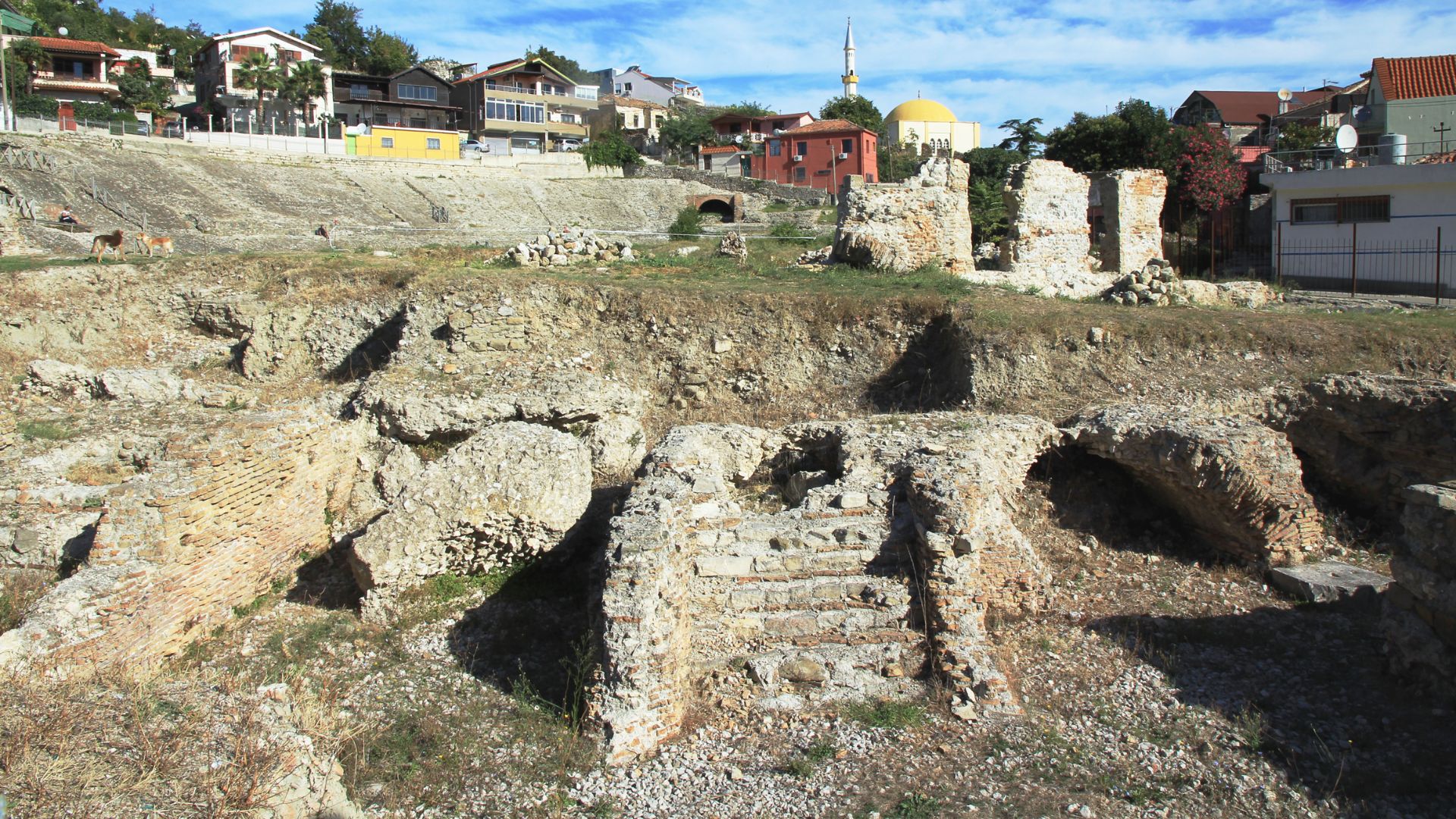
Archaeologists place the tomb in the 3rd–4th century AD, an era marked by political strain across the Roman Empire and the rapid spread of Christianity. It was a transitional period of shifting beliefs and cultural pressures.
Monumental Scale
The chamber measures about nine by six meters and stands over two meters high—far larger than typical Balkan burials. Its sheer size signals a person of wealth and status, someone who wanted a permanent, impressive monument that would stand out.
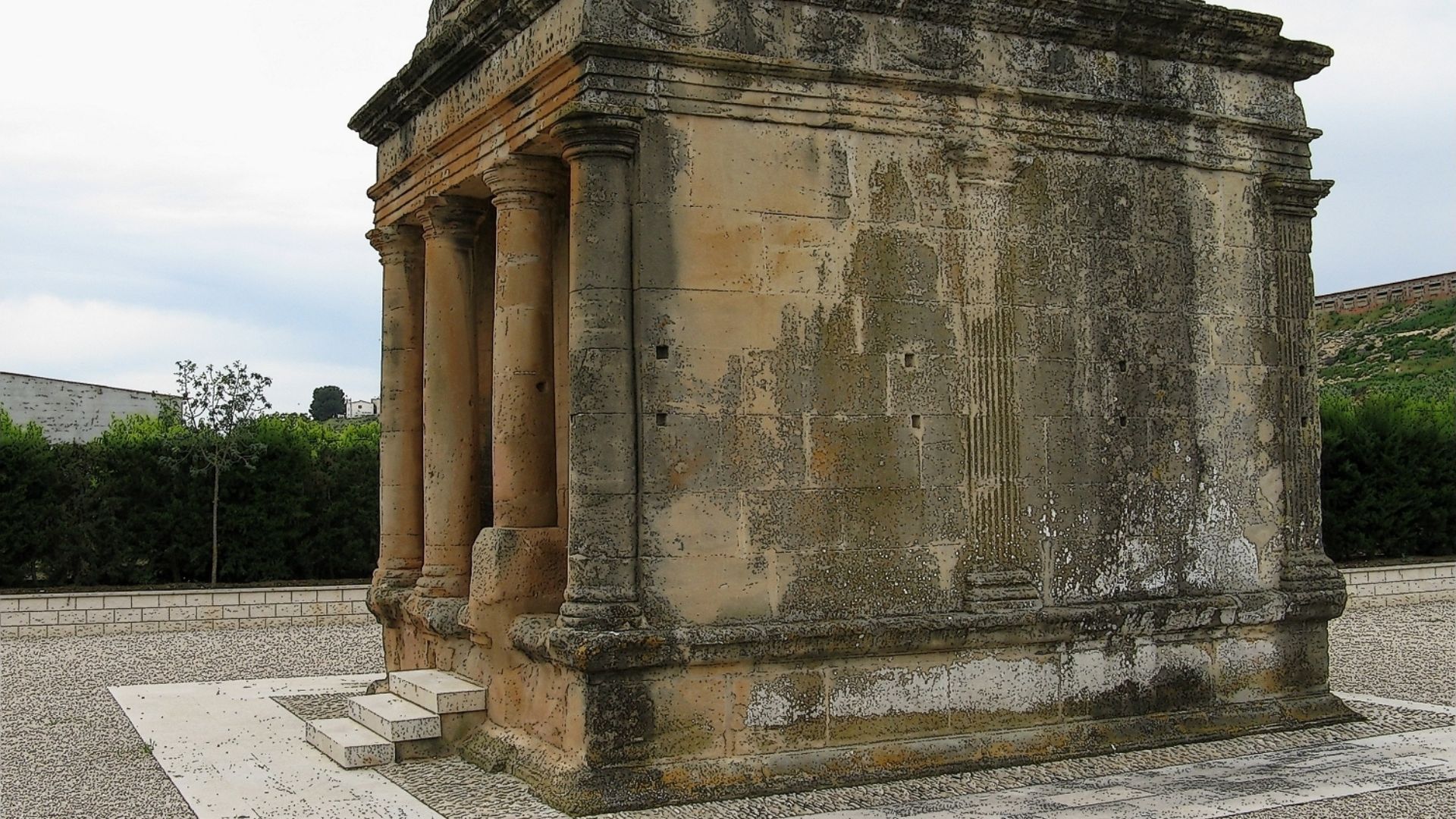 agracier - NO VIEWS, Wikimedia Commons
Engineering Skill
The tomb includes a stairway, an entrance area, and a main chamber built from tightly fitted limestone slabs. Each block was shaped with precision, and it shows that they had access to trained workers. This level of construction wasn’t common in the region.
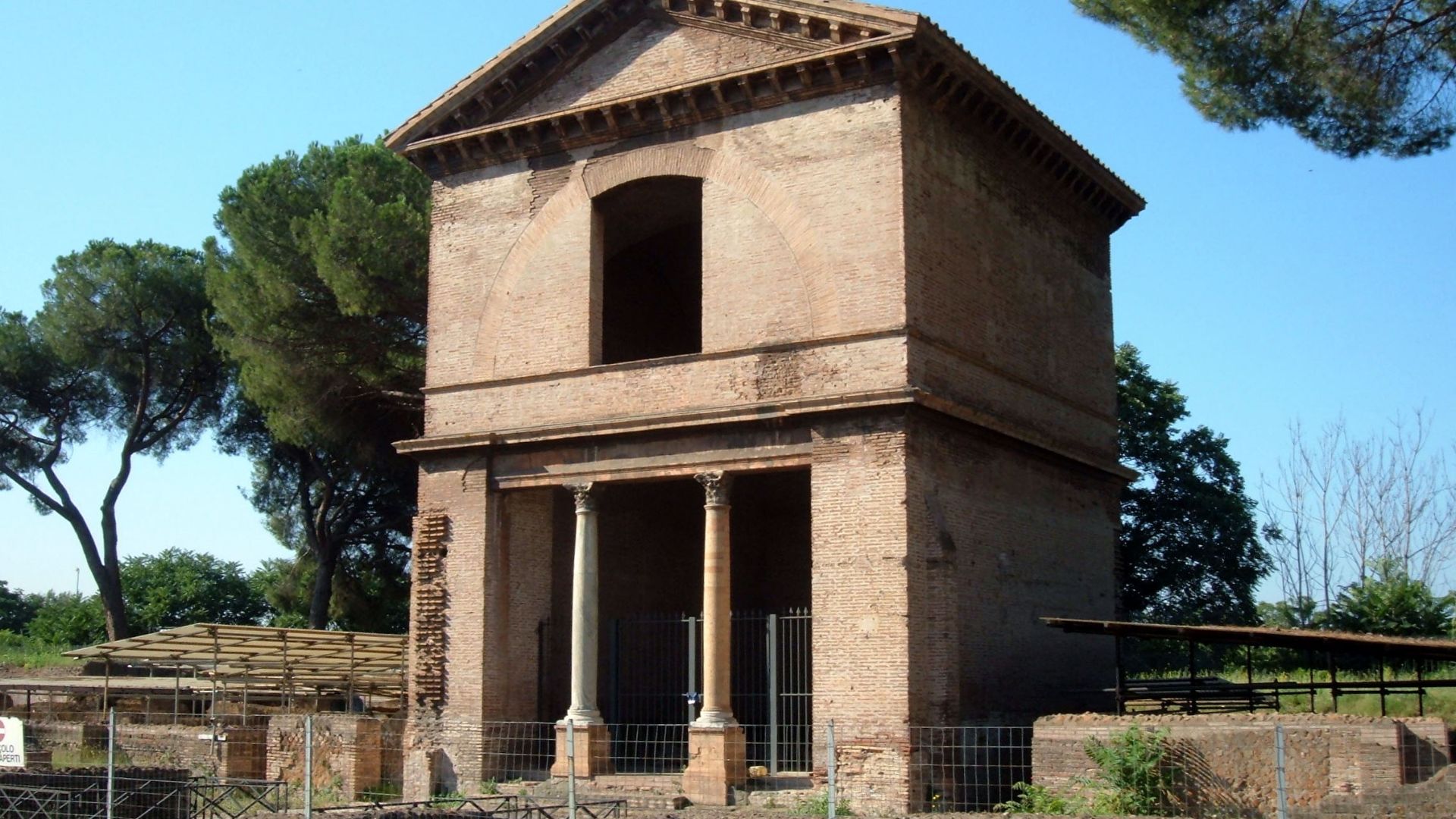
Mausoleum Possibility
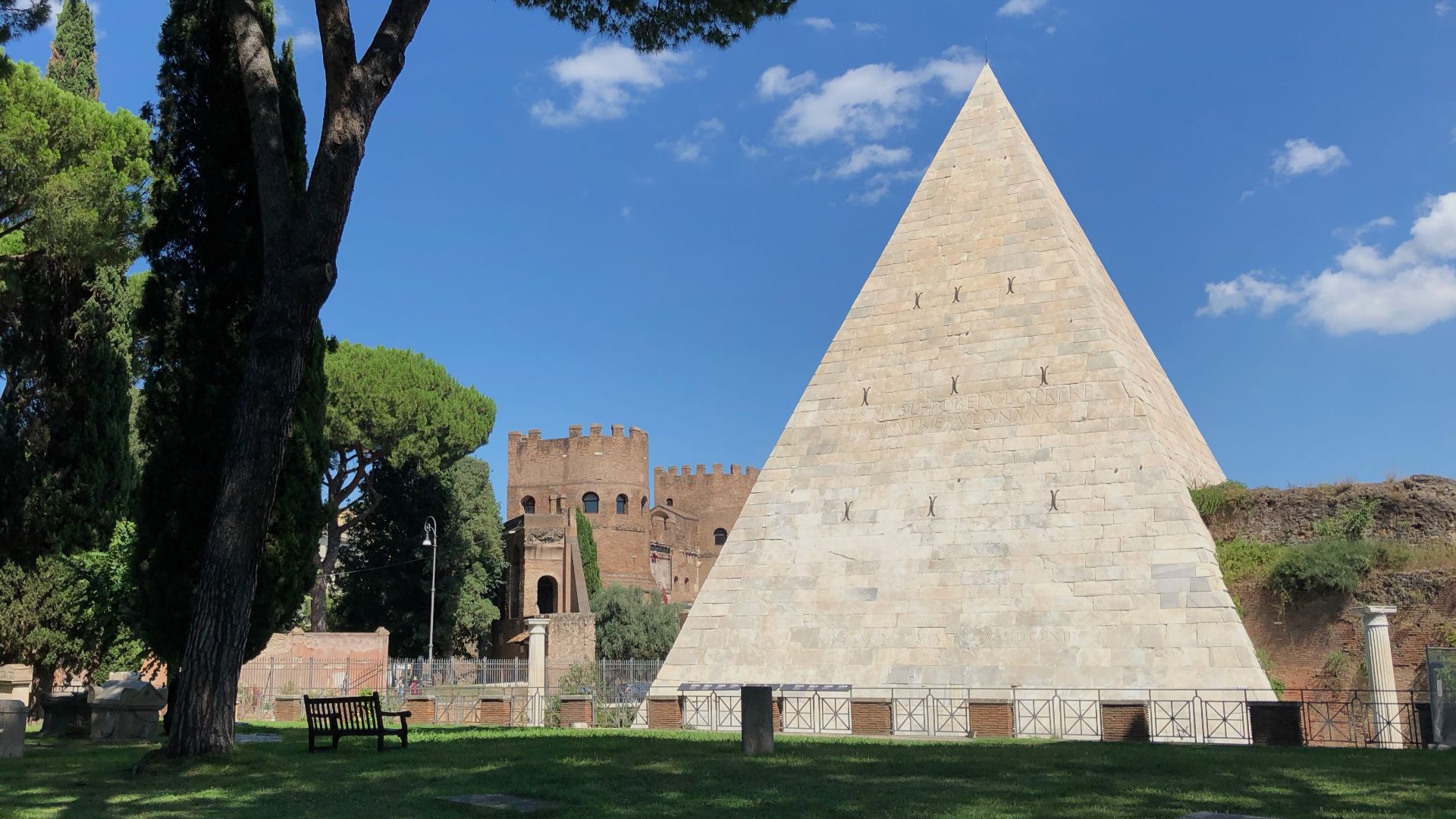
Because of its size and architectural style, some scholars think the structure functioned more like a mausoleum than a simple grave. Romans often built such monuments for prominent individuals by using durable stone to ensure their memory endured long after death.
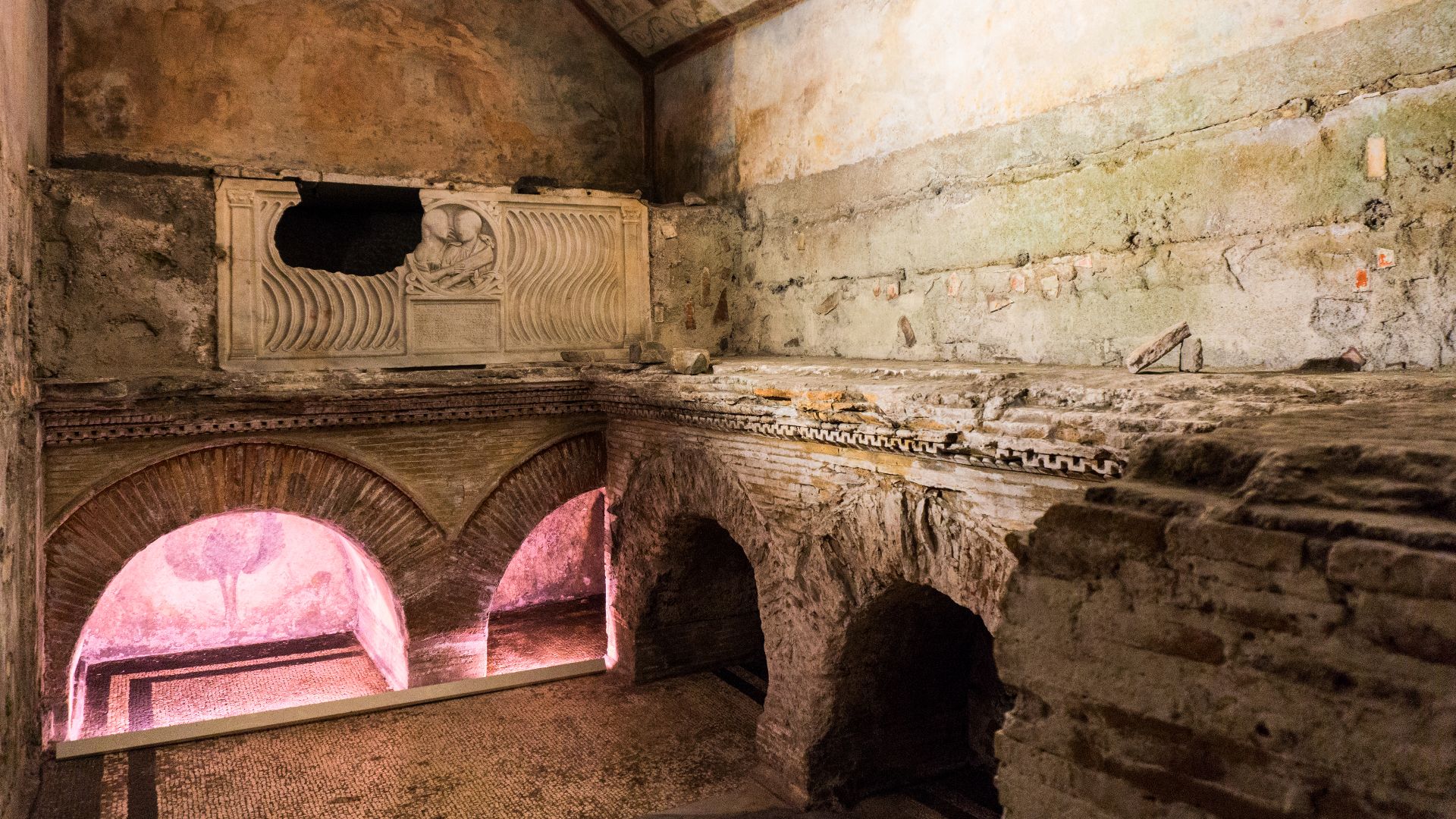 Sara Fioravanti, Wikimedia Commons
Transition In Burial Customs
During the 3rd and 4th centuries, Romans shifted from cremating the dead to burying bodies intact. This chamber fits that change perfectly. Its layout—especially the spacious interior—shows it was designed for inhumation, which reflects evolving beliefs about the end of life and the afterlife.
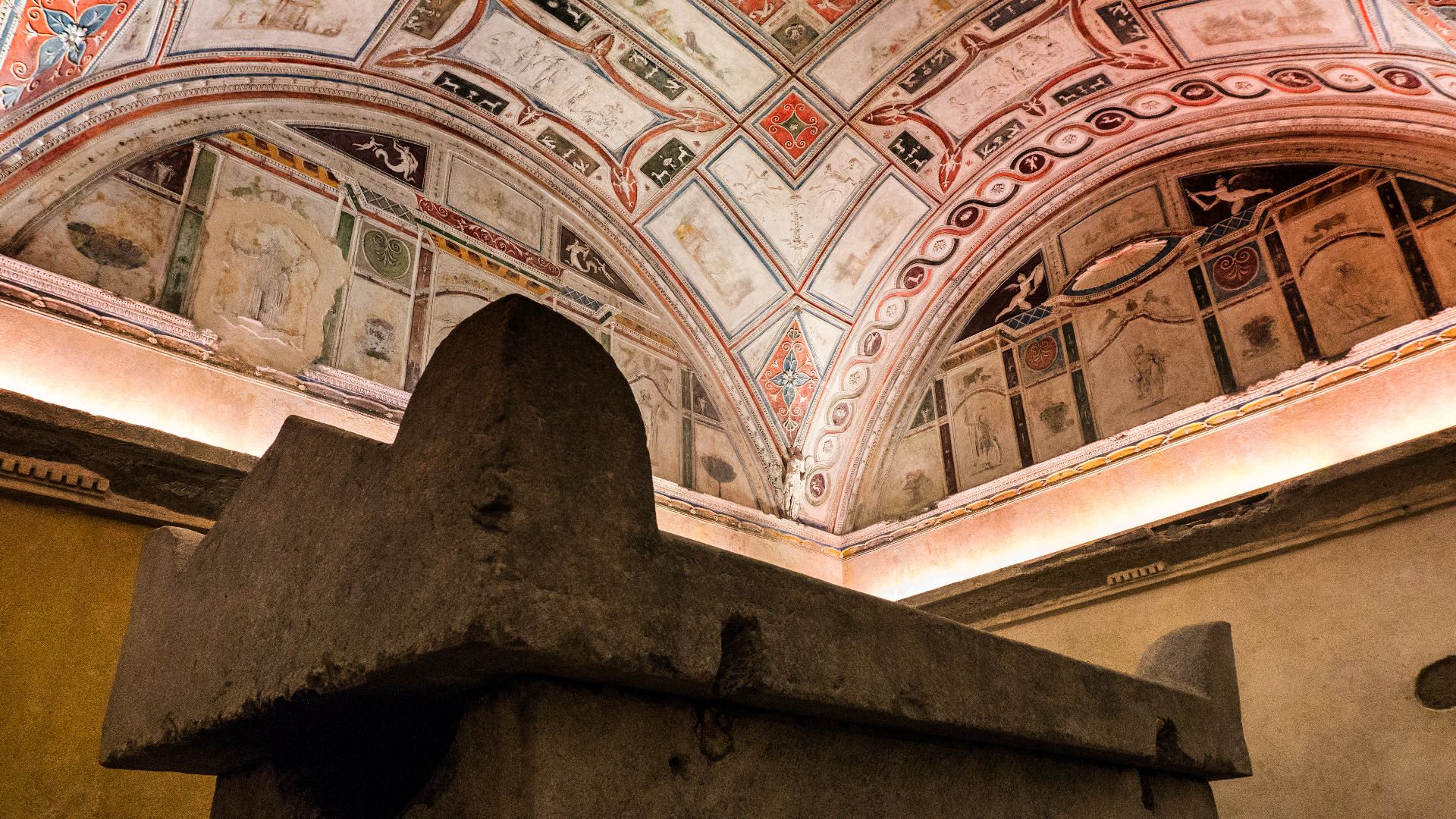 Sara Fioravanti, Wikimedia Commons
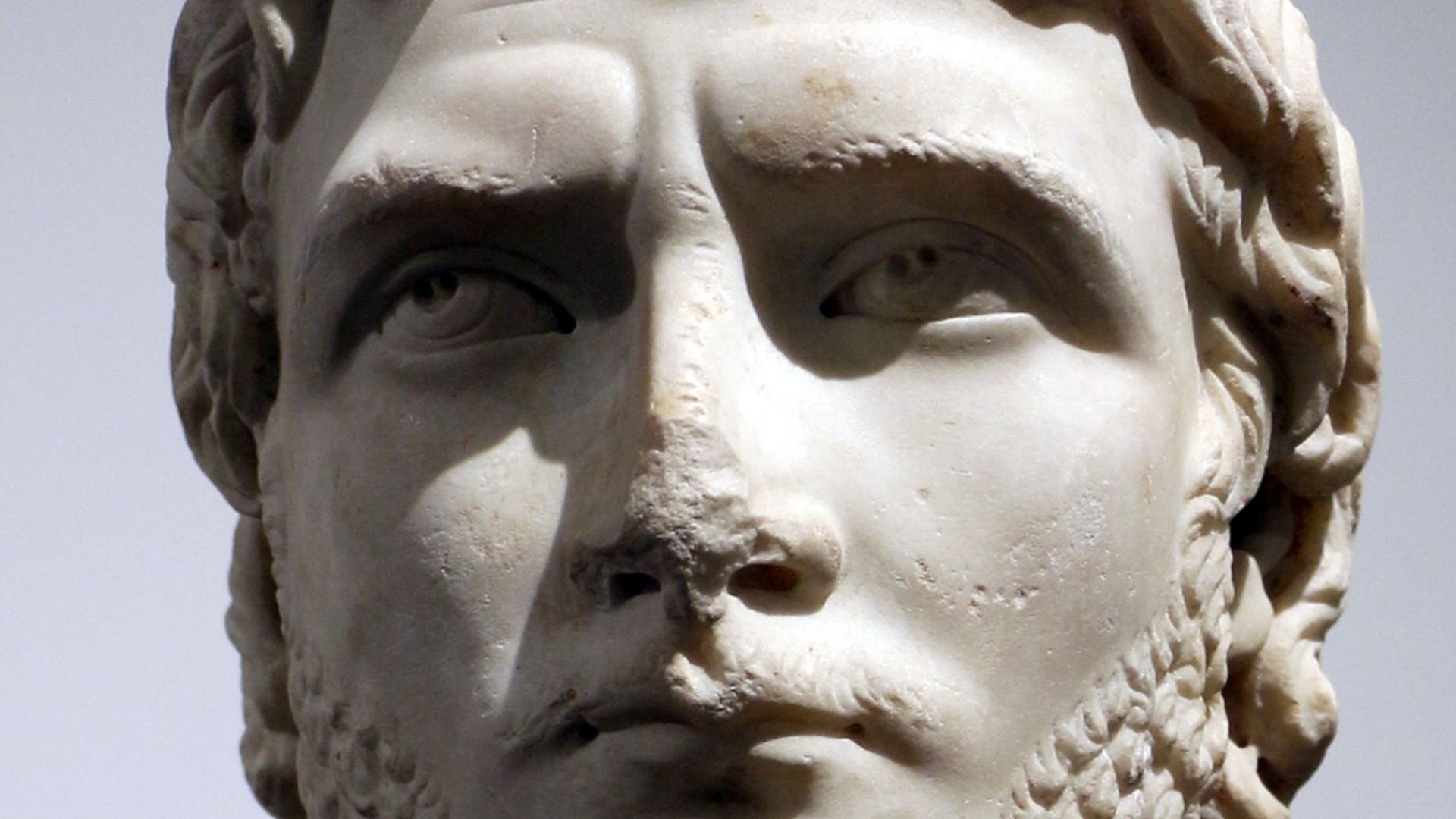
The Name “Gellianos”
Inside the tomb, an inscription mentioned a man named Gellianos. Although nothing else is known about him, simply having a name is rare for this region. It gives the burial a human identity. This hints at someone who held status and influence in Roman Illyricum.
Dedication To Jupiter
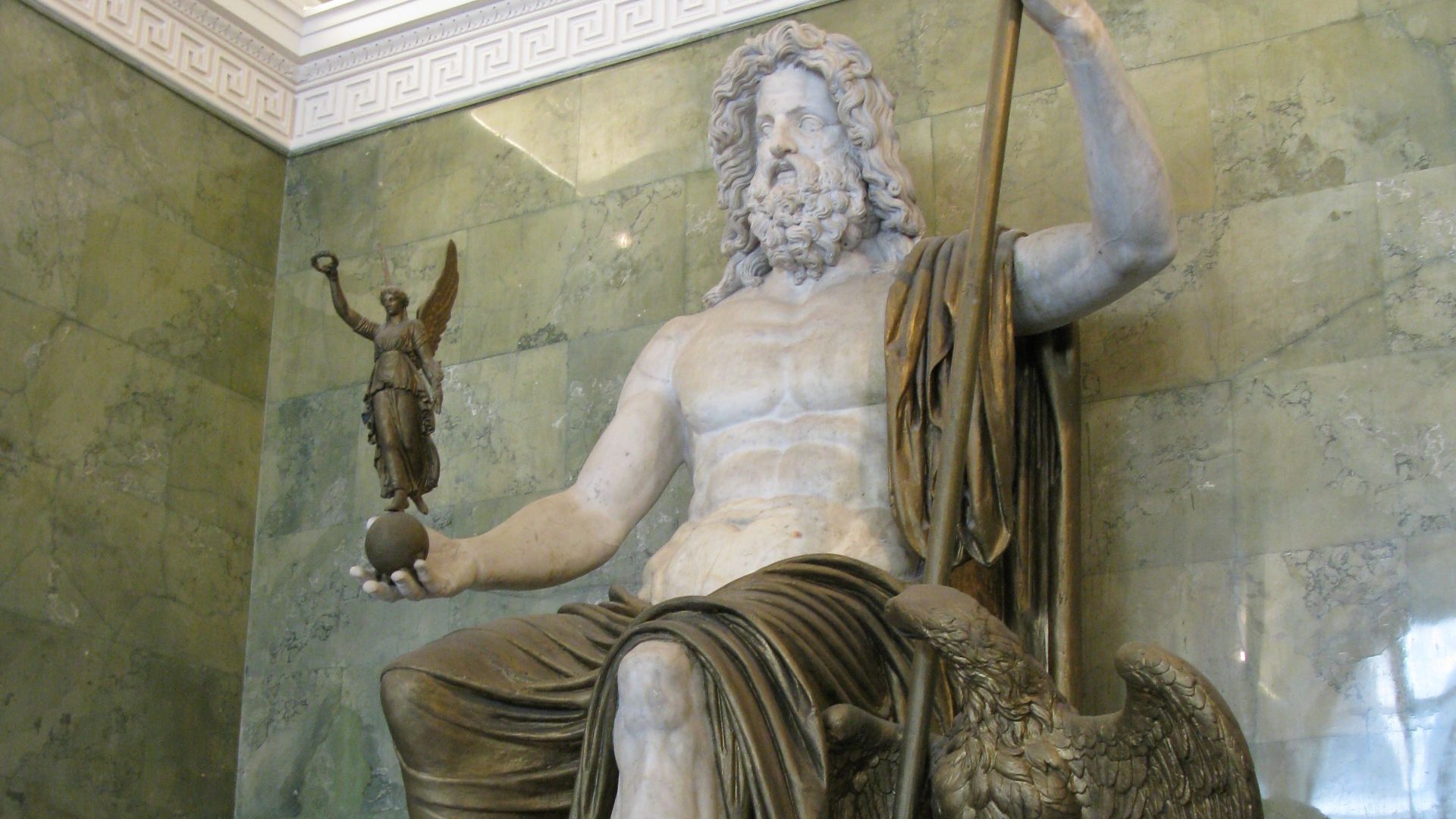
Another inscription honored Jupiter, the supreme Roman god. Dedicating a tomb to Jupiter signaled loyalty to traditional Roman religion. It also suggests the buried individual belonged to a community that still practiced long-standing Roman customs despite changing beliefs across the empire.
 Andrew Bossi, Wikimedia Commons
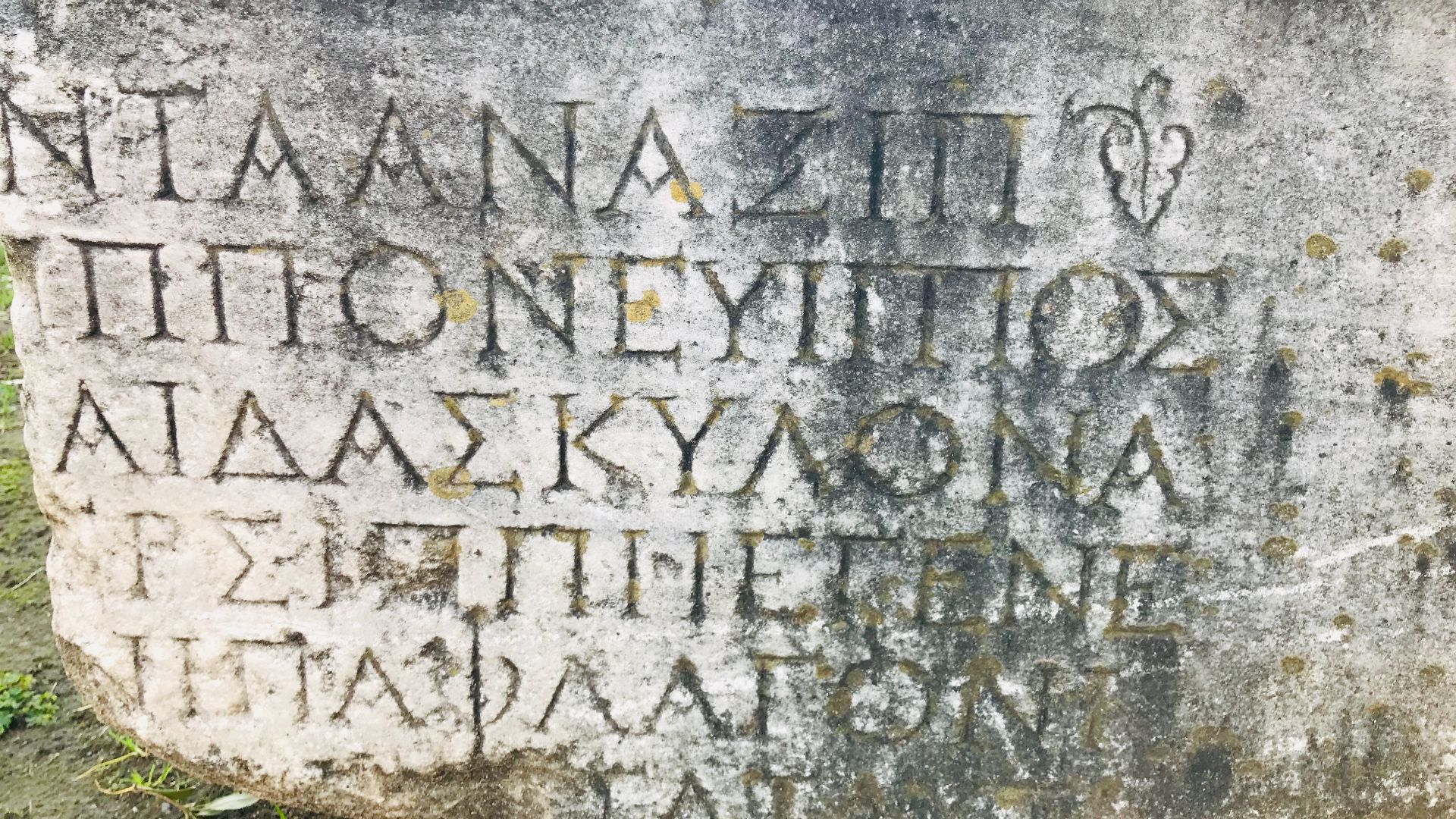
Greek Letters, But Roman Meaning
The inscriptions were carved using Greek script but recorded Roman names and gods. This mix reflects everyday life in Illyricum, where Greek remained the language of culture and status, even under Roman rule. It shows how people in the region merged identities naturally.
 Maurice Flesier, Wikimedia Commons
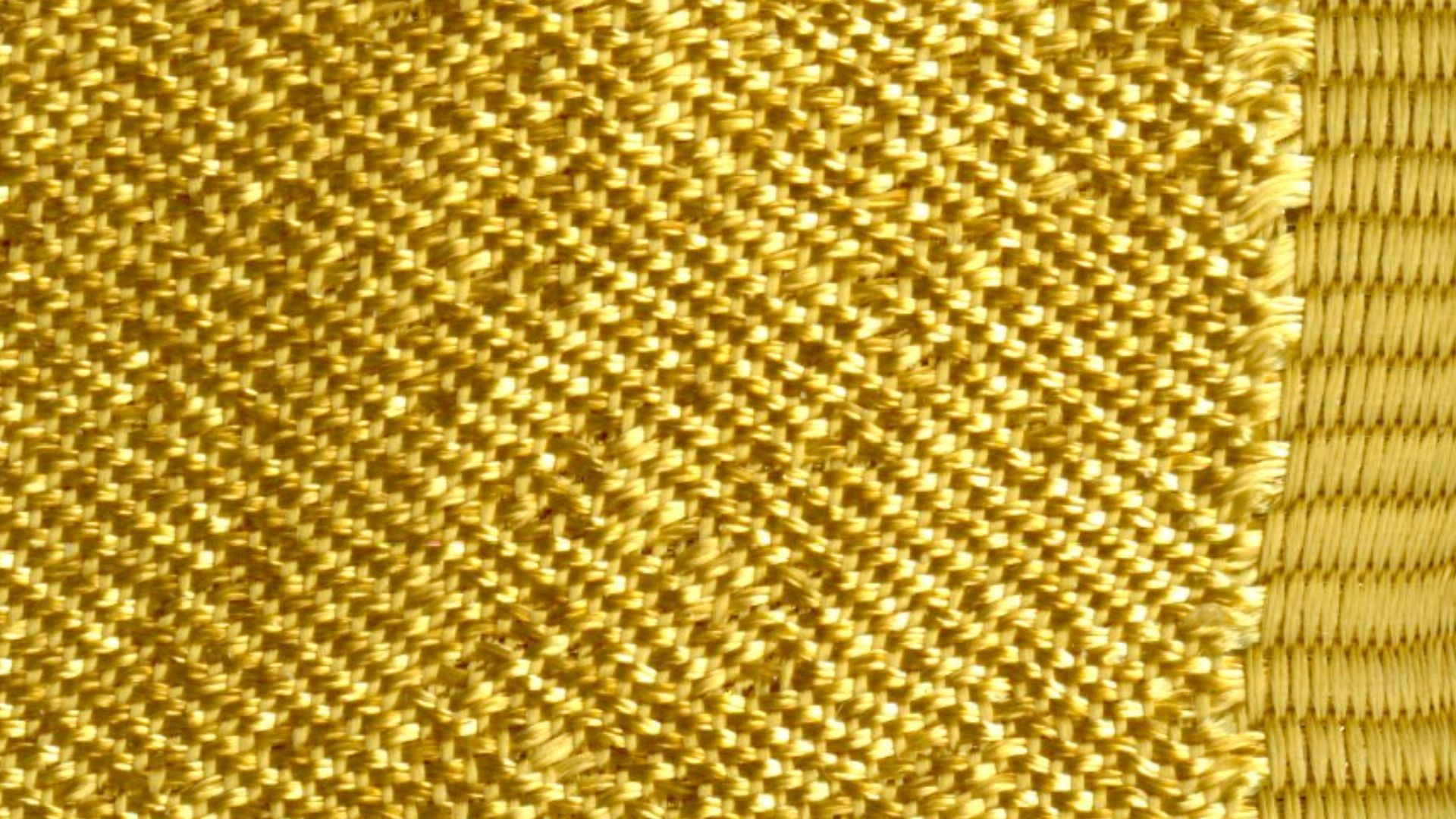
Gold-Threaded Fabric
Archaeologists found fragments of fabric woven with gold thread—a rare luxury in the Roman world. Such textiles were worn by elites and required skilled artisans. Even in fragmentary form, the cloth proves the person buried here lived with wealth and high social standing.
 Marikevanroon20, Wikimedia Commons
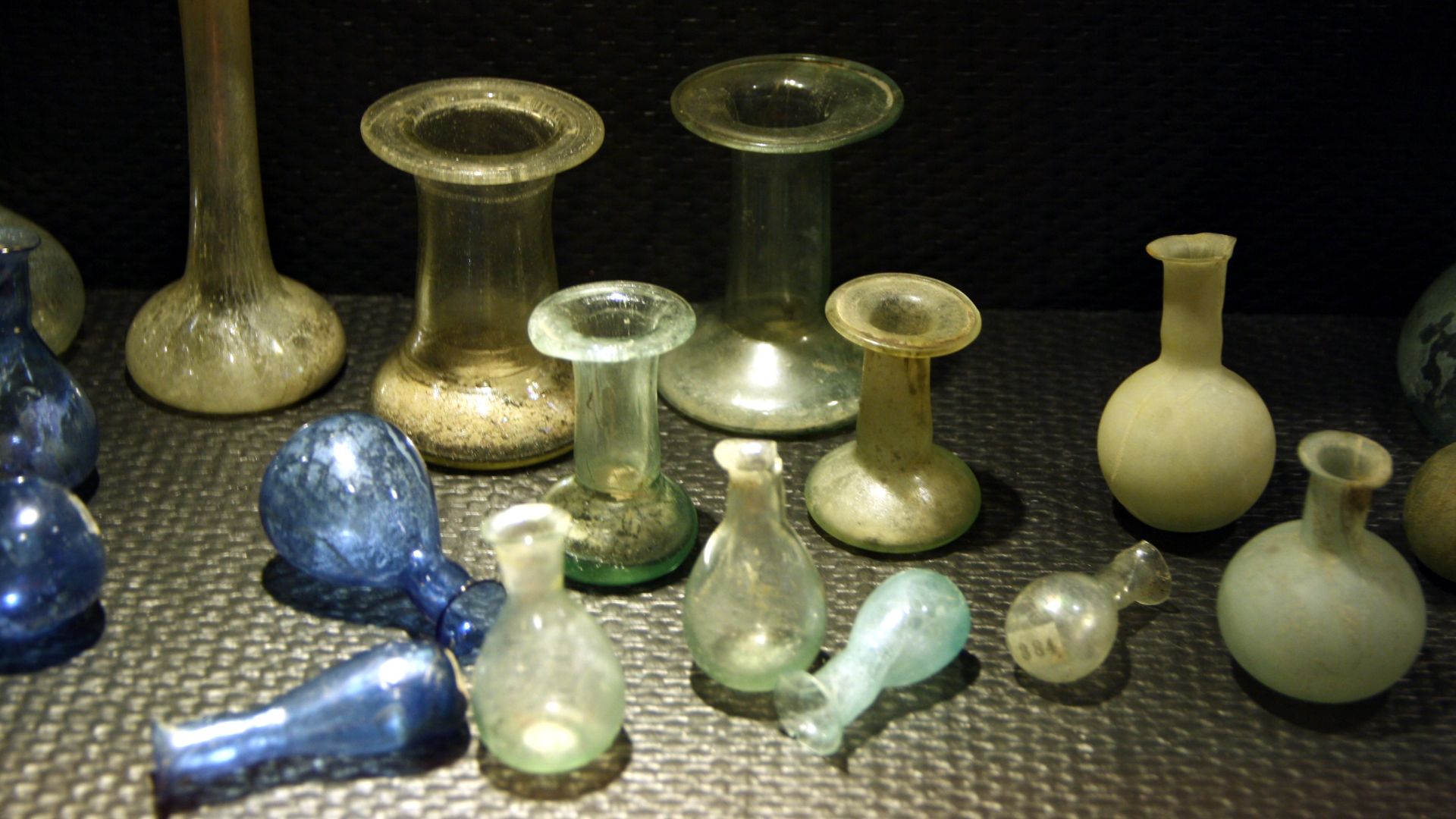
Fine Roman Glassware
Among the finds were glass plates and bottles, items that were expensive in the Roman world. Such pieces were often imported and prized for their workmanship. Their presence shows the buried individual had access to goods circulating across the Mediterranean.
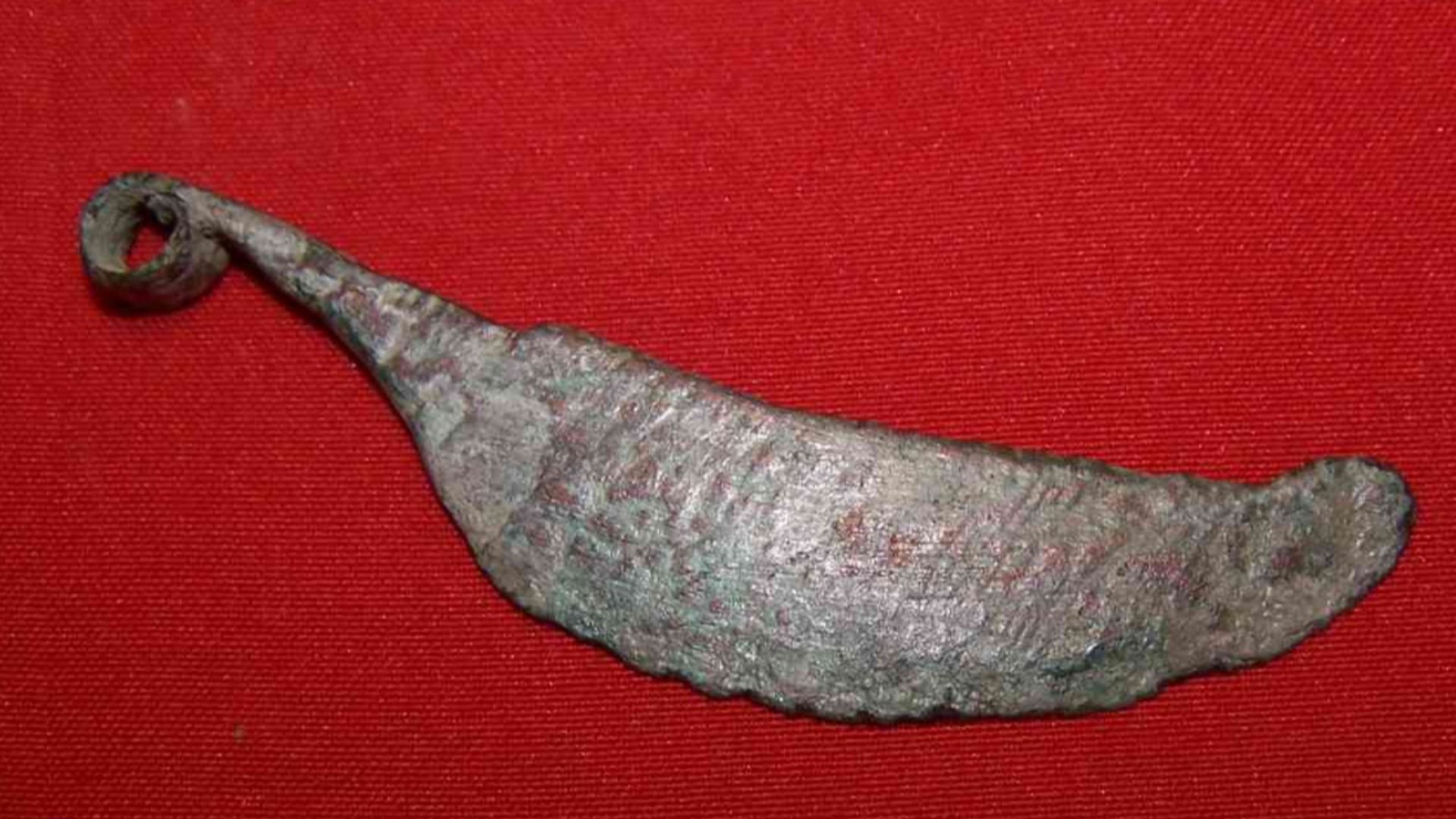
Knives And Everyday Objects
Archaeologists also uncovered metal knives and small personal items. These weren’t weapons but everyday tools, which suggested they held symbolic meaning. Romans often buried objects linked to a person’s life, showing that identity and status mattered even in death.
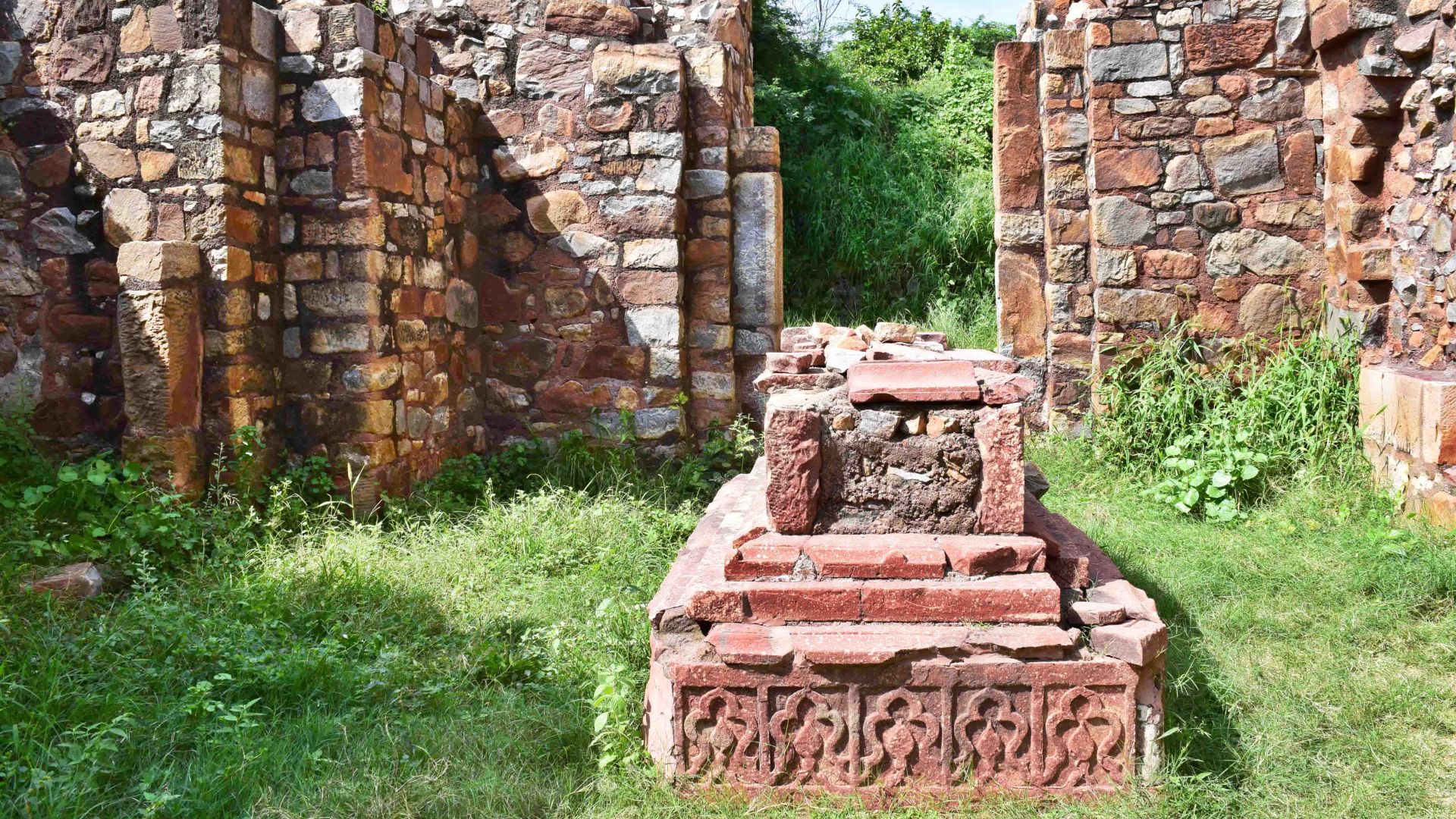
Comparison With Other Tombs
Most tombs in the Balkans were modest, often simple stone or earth burials. This structure, with its chambered design and precise stonework, is far more elaborate. It stands out as one of the region’s rare examples of true high-status Roman funerary architecture.
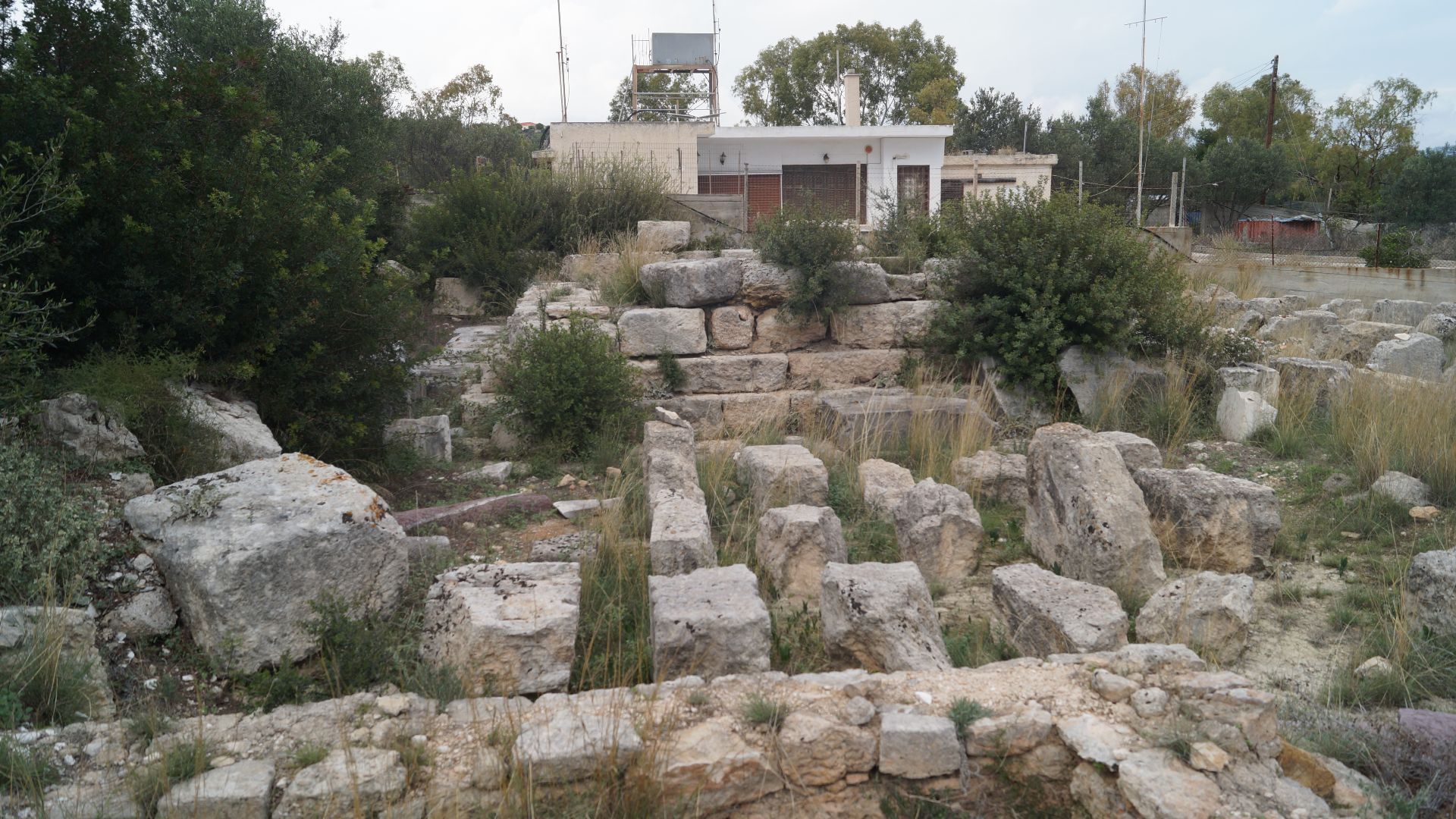
Roman Beliefs In Burial
Monumental tombs expressed a desire for remembrance and protection in the afterlife. Grave goods and inscriptions reflected beliefs about honor and family pride. Some of them even pointed towards the journey after death. This Albanian tomb follows those traditions in remarkable detail.
Signs Of Looting
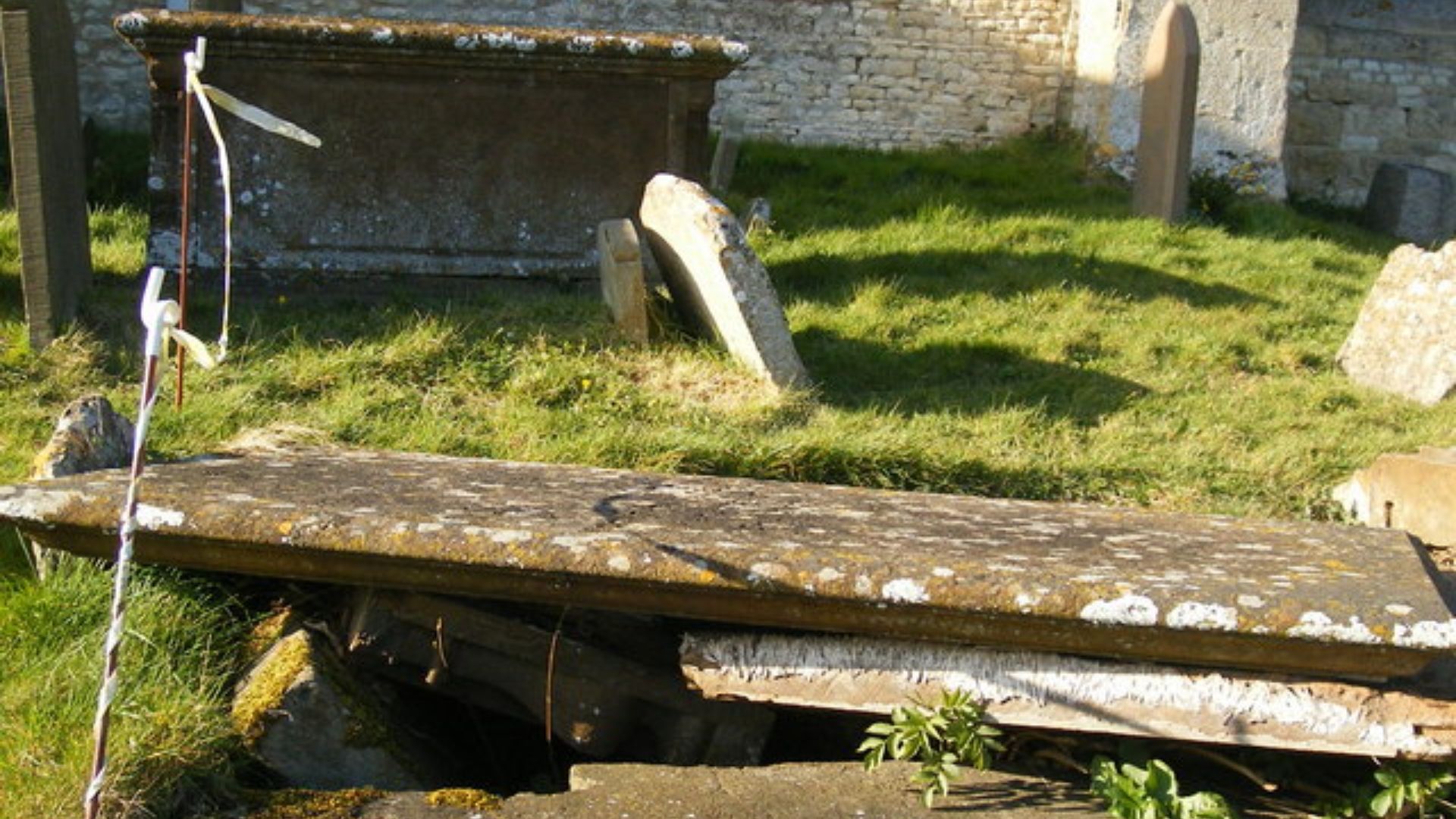
Archaeologists found clear evidence of disturbance. Parts of the chamber had been looted in antiquity, and heavy machinery had recently shifted some slabs. These damages show how vulnerable buried sites are, and how easily priceless history can be disturbed before experts arrive.
 MICHAEL ZAWADZKI, Wikimedia Commons
Conservation Efforts
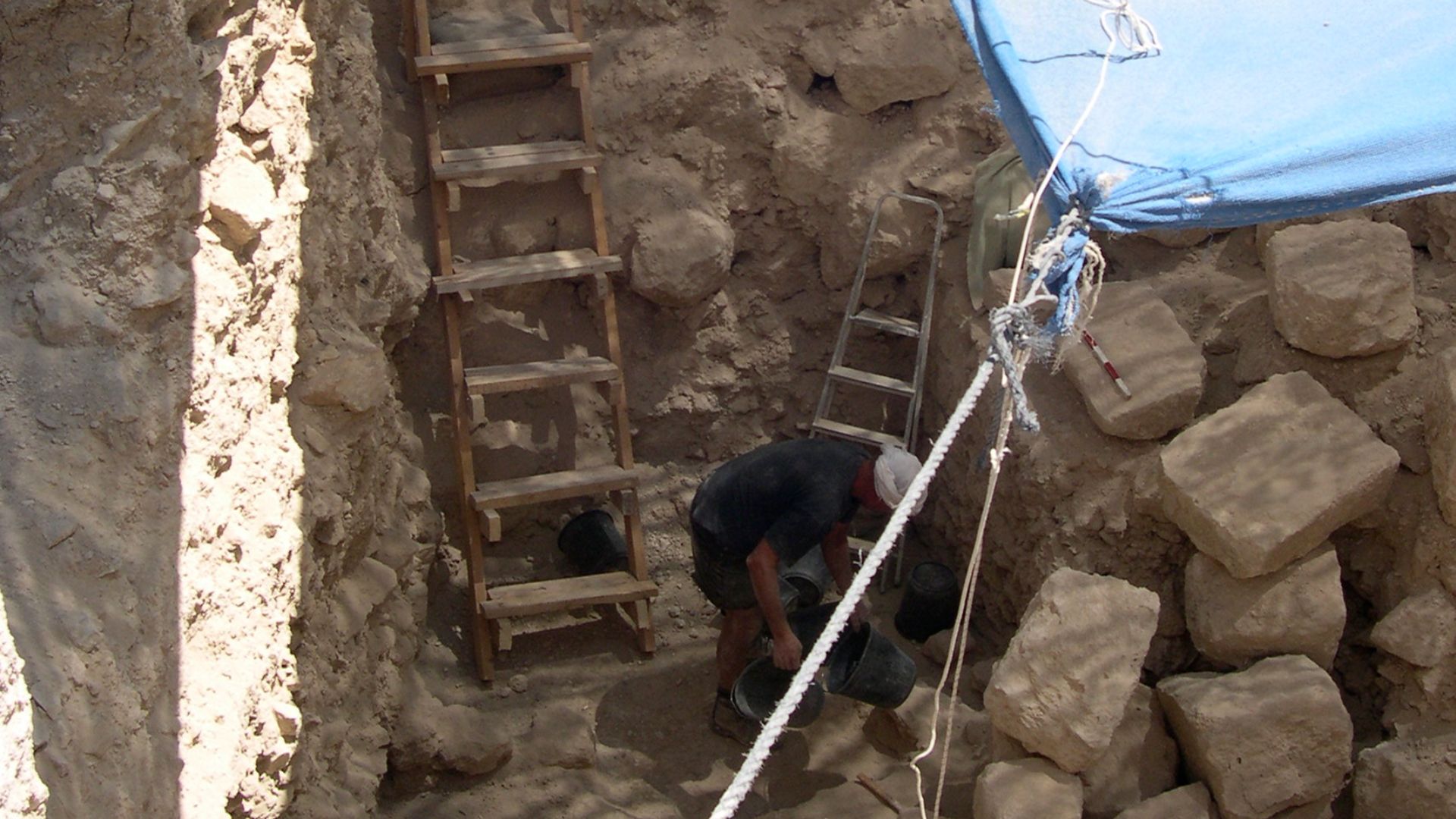
Once uncovered, the team began stabilizing stone to document inscriptions and moving fragile artifacts to controlled storage. These steps protect the tomb from weather, erosion, and further damage. They also ensure researchers can study it properly and future generations can understand its importance.
 upyernoz from Haverford, USA, Wikimedia Commons
Landmark For Albanian Archaeology
This discovery fills major gaps in Albania’s Roman history. It proves that wealthy, influential individuals lived in this region and commissioned large monuments. The tomb adds new evidence to a period that lacked written records, and reshapes how scholars view life in Roman Illyricum.
 Cristiano64 This file was derived from: Dinaric Alps map-fr.svg Sémhur , Wikimedia Commons
Plans For A Heritage Site
Local authorities hope to develop the area into a heritage attraction. Planned walkways and protective shelters could let visitors see the structure up close. If completed, the site would transform a hidden hillside into a valuable public window into Albania’s Roman past.
 Pierrette13, Wikimedia Commons