Astronomy Beneath The Dam
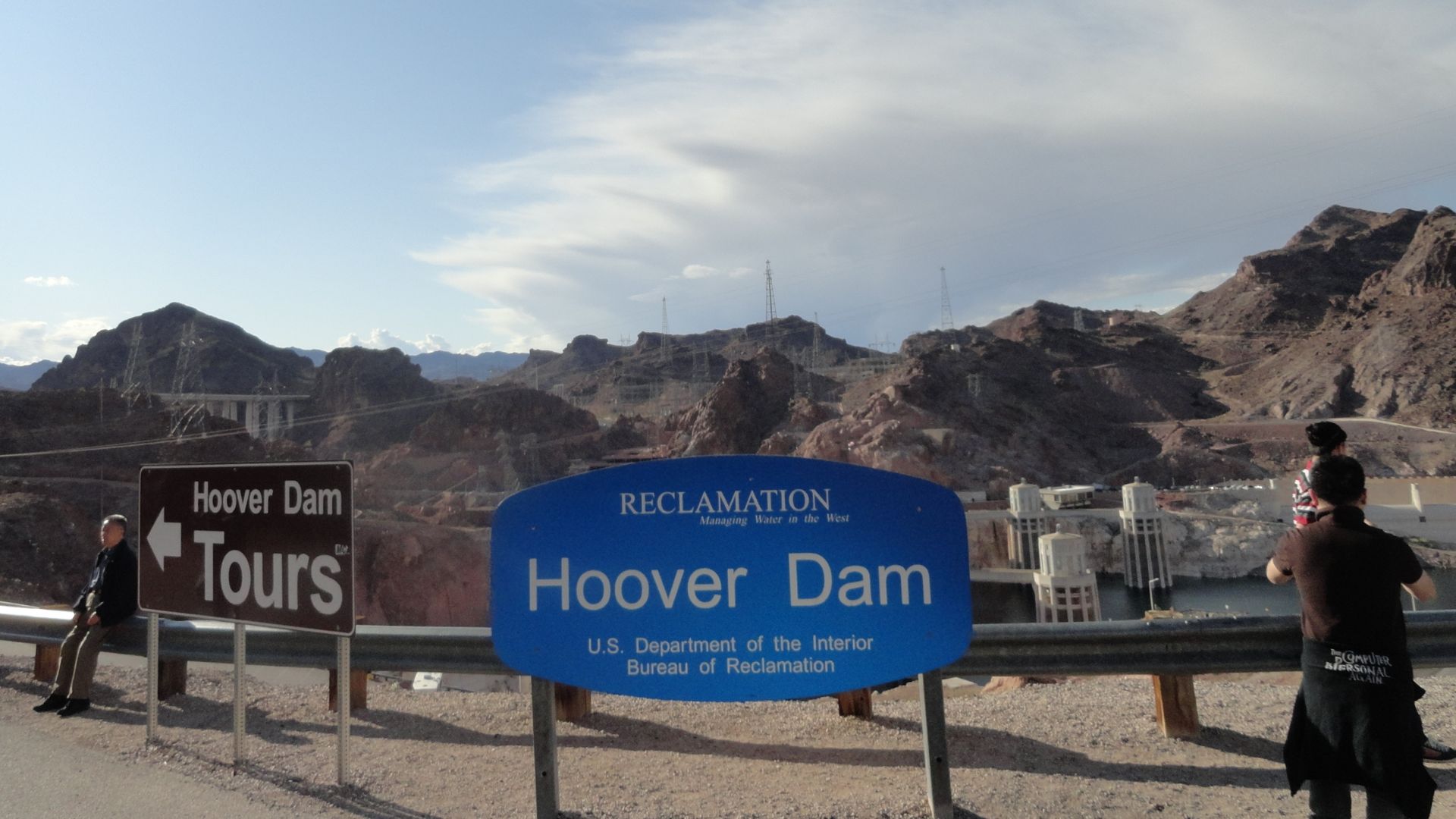
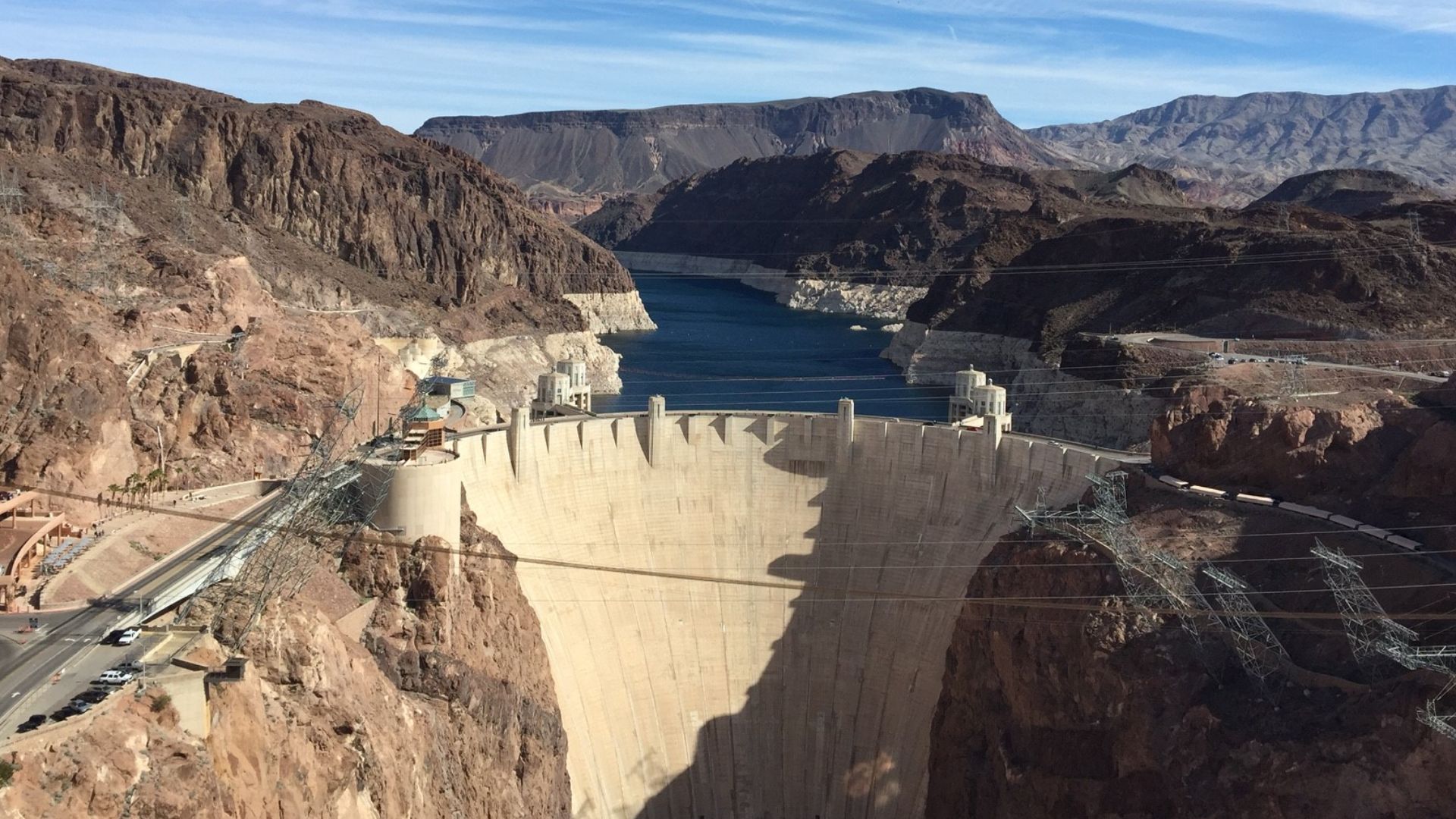
Millions visit Hoover Dam without noticing that it records time on a planetary scale. Beneath ordinary footsteps lies a monument designed to outlast nations, encoding a single human moment within motions that span tens of millennia.
 APK, CC BY-SA 4.0, Wikimedia Commons, Modified
A Floor That Tourists Walk Over
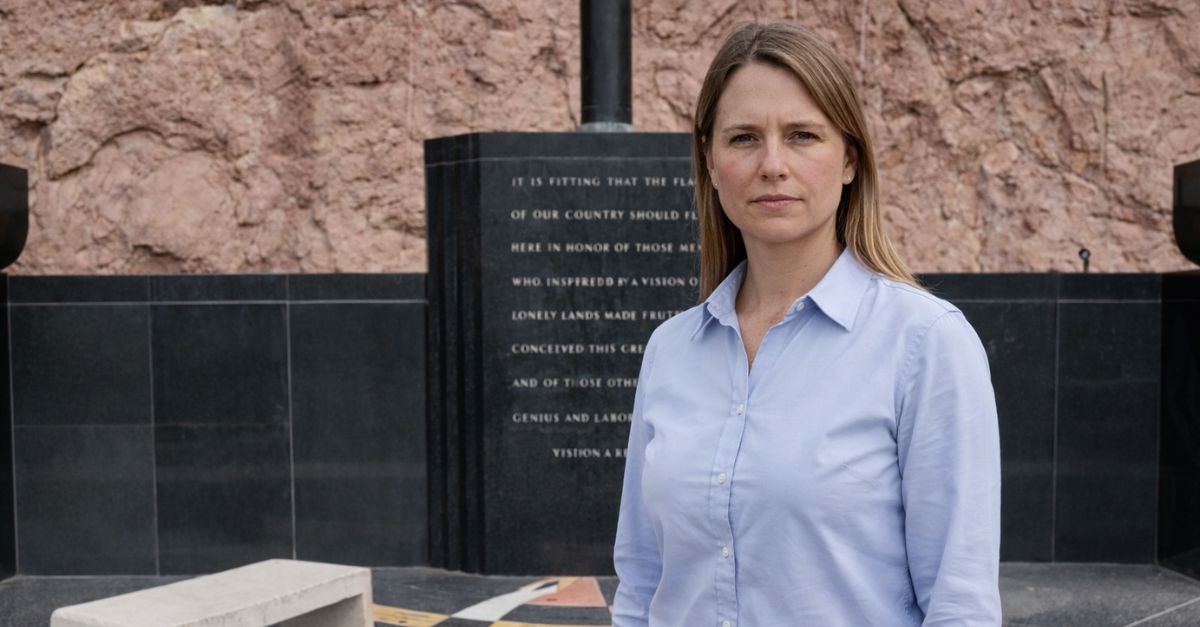
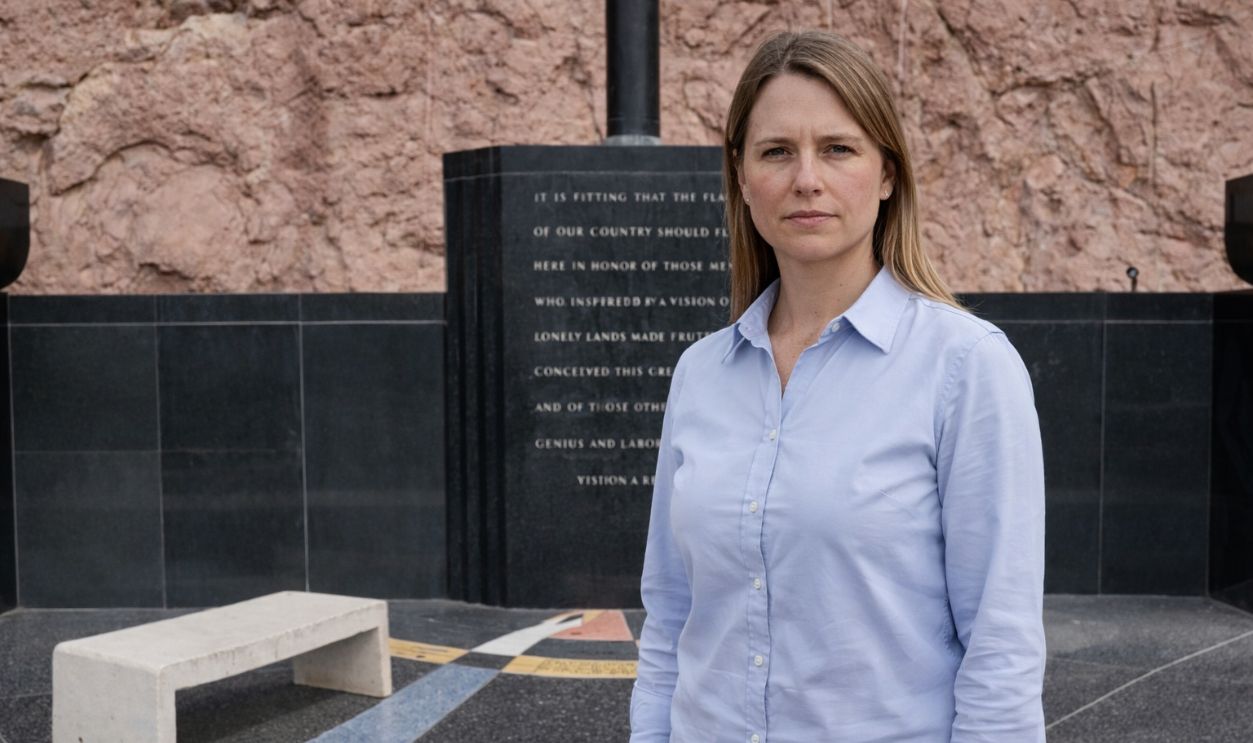
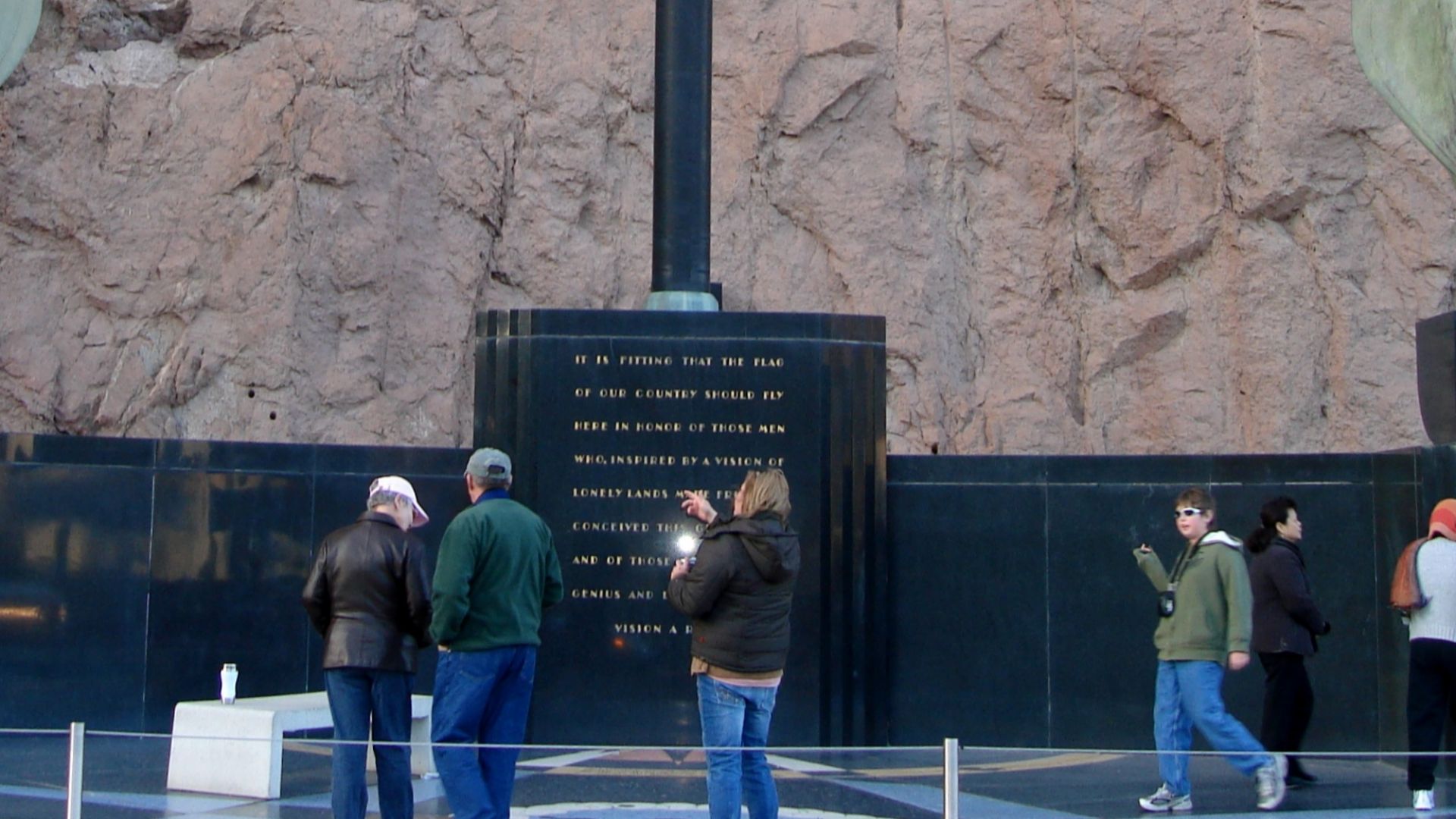
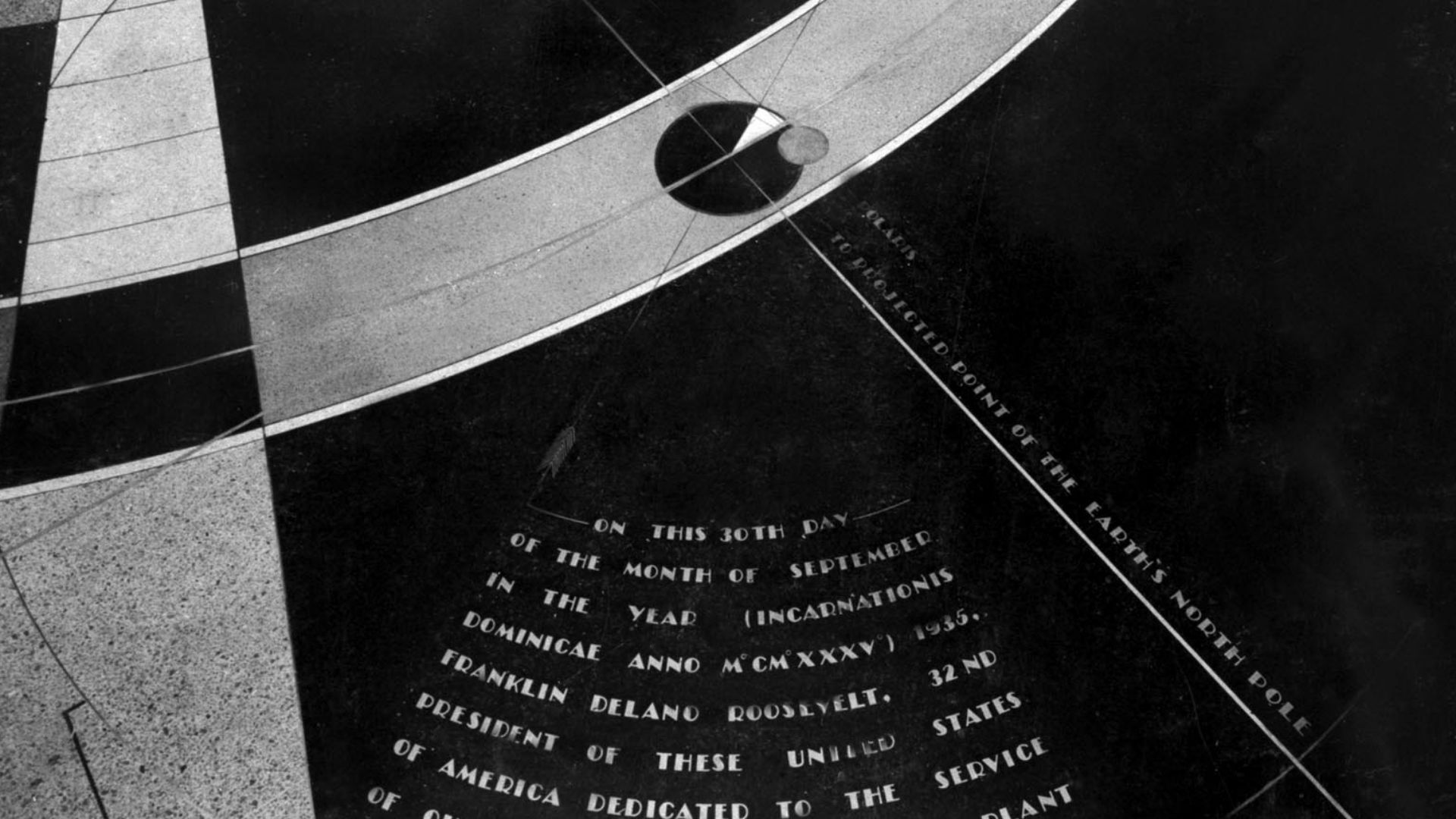
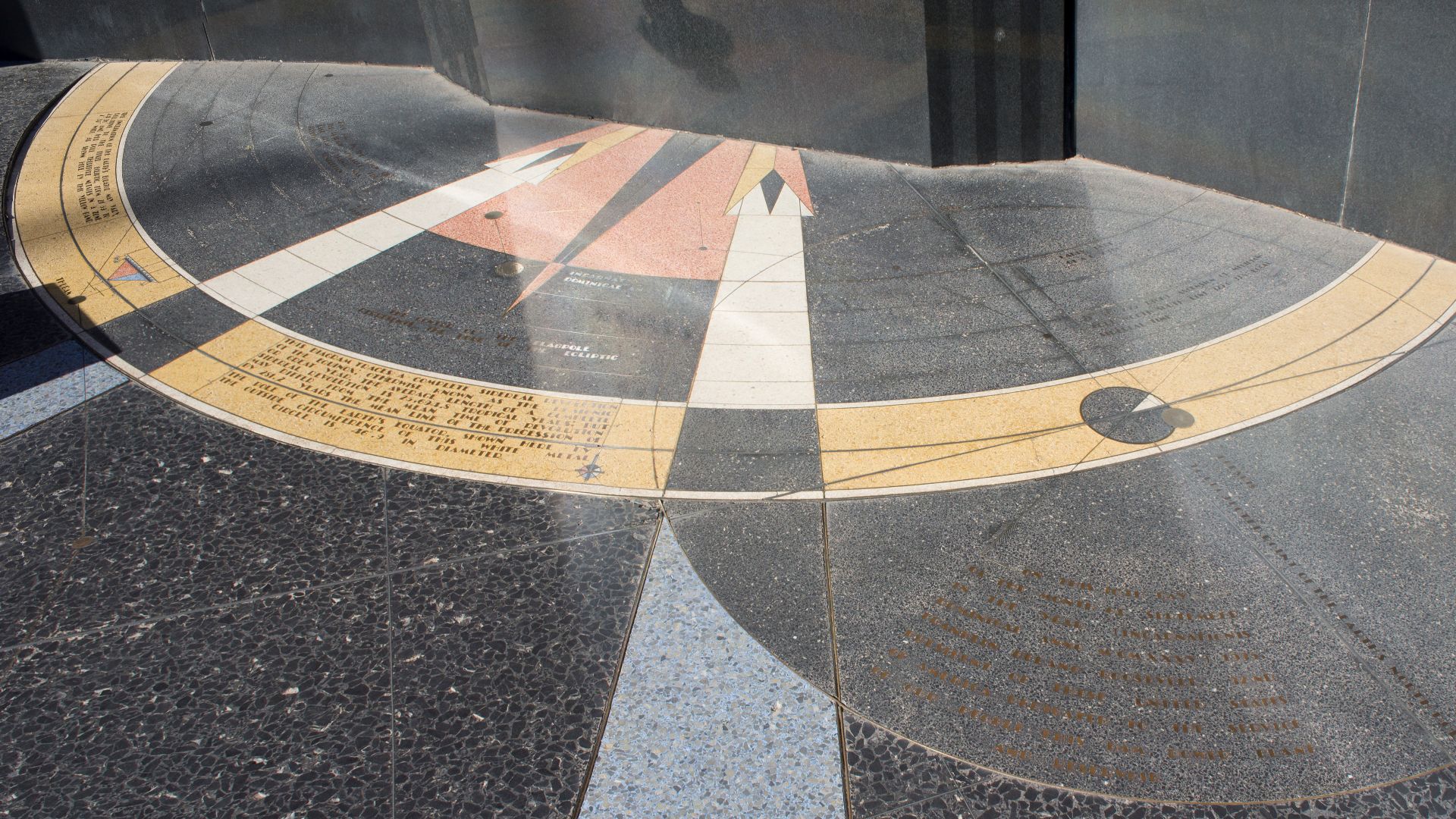
Visitors snap photos of the massive bronze winged sculptures and towering flagpole at Monument Plaza on Hoover Dam's Nevada side. The terrazzo floor beneath them encodes September 30, 1935—the exact moment President Roosevelt dedicated the dam.
Why Most Visitors Miss It
The terrazzo pattern looks decorative rather than functional to casual observers who don't understand astronomical symbolism. Tourists focus on photographing the dramatic winged sculptures while standing directly on the actual masterpiece. Without explanation, the floor seems like pretty geometric designs rather than a functioning cosmic calculator.
 Boris Dzhingarov, Wikimedia Commons
Oskar Hansen's Astronomical Obsession
Norwegian-born sculptor Oskar J.W. Hansen didn't just create art for Hoover Dam; he embedded a cosmic message into the ground. Hansen had circumnavigated the Earth as a sailor in the early 1900s and learned celestial navigation by stars. His travels to Egypt sparked fascination with how ancient civilizations marked time through astronomy.
The 25,772-Year Wobble
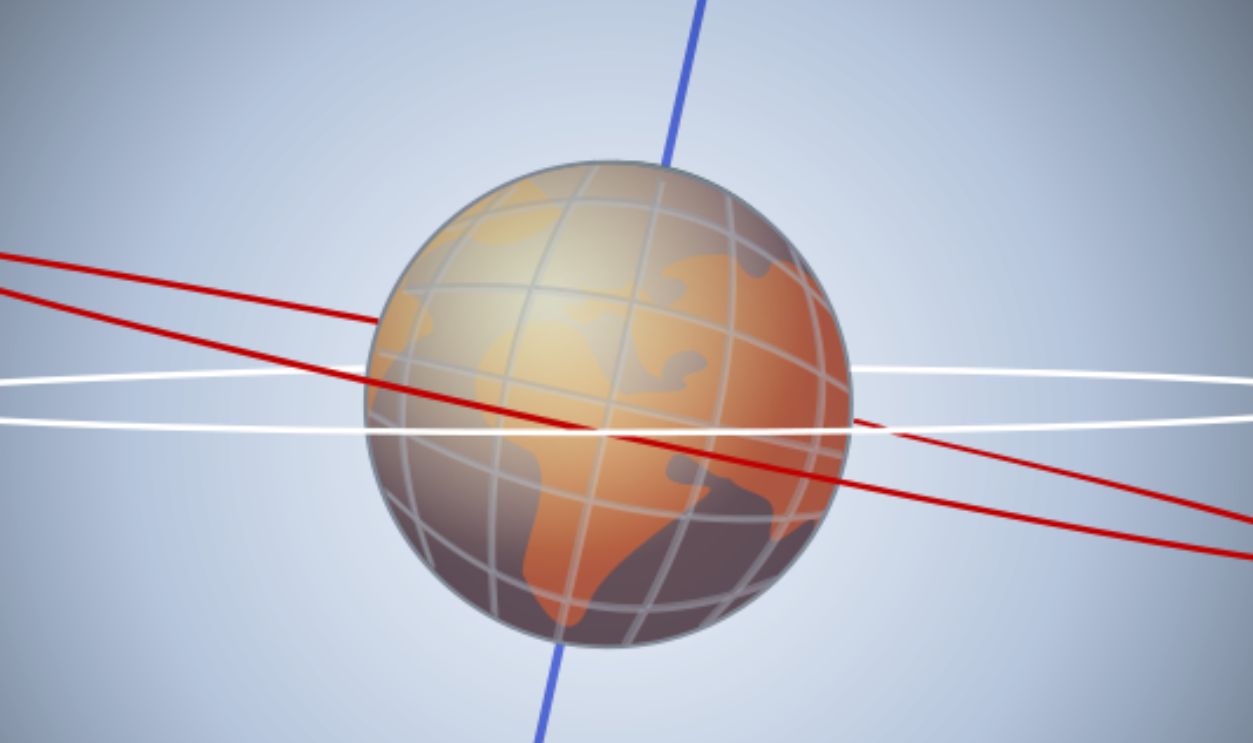
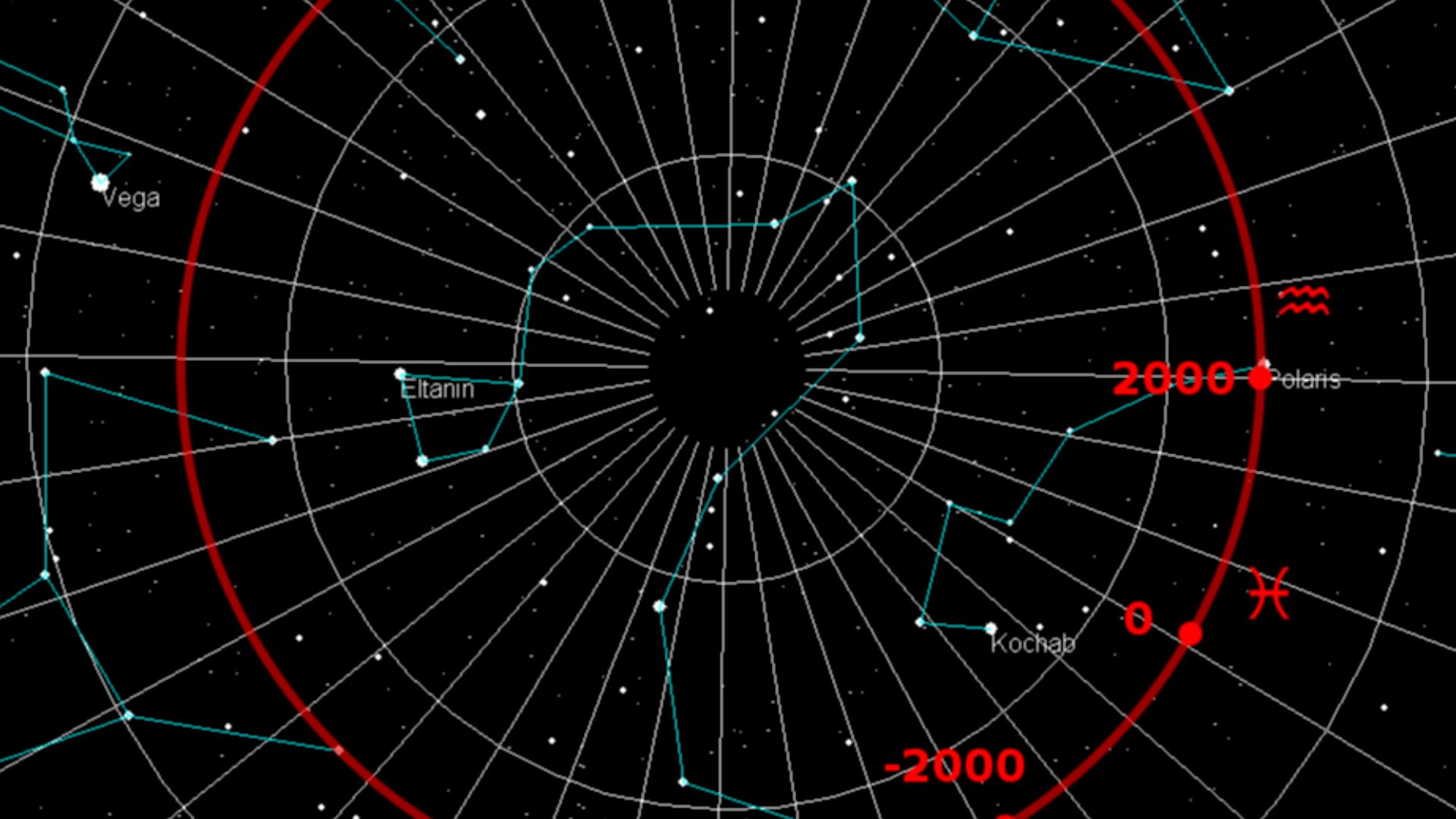
Earth's axis tilts at roughly 23 degrees and wobbles like a spinning top over 25,772 years. This precession makes our "North Star" slowly trace a giant circle through the night sky. Hansen used this phenomenon to create a monument readable across geological timescales by anyone who understands astronomy.
Polaris Wasn't Always North
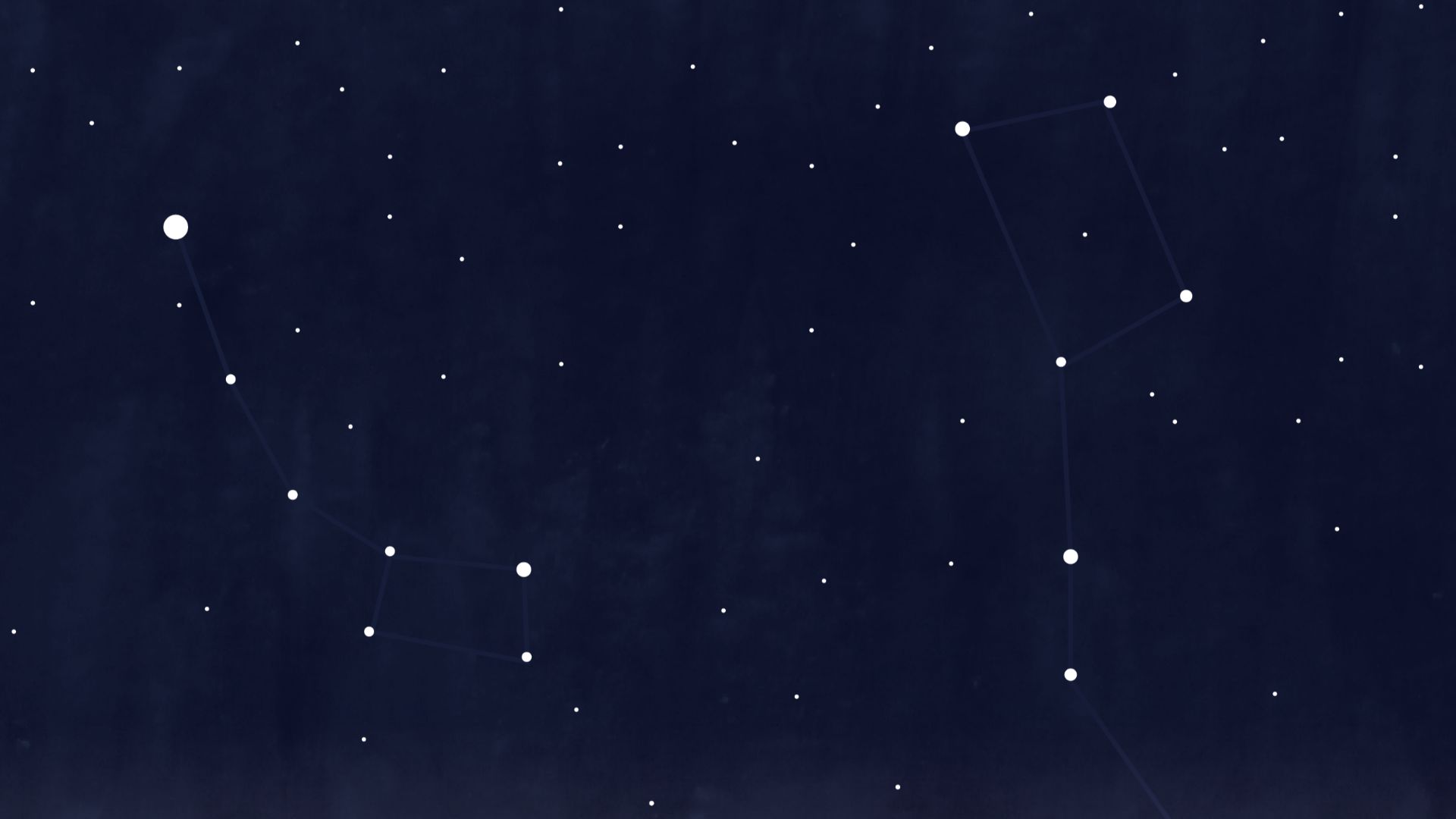
Right now, Polaris sits almost perfectly aligned with Earth's rotational axis, making it our fixed North Star for navigation. But this alignment is temporary. Hansen's terrazzo floor reveals that ancient Egyptians building the pyramids looked to Thuban as their pole star around 2700 BCE.
 JoshuaWiese, Wikimedia Commons
Vega's Future Reign
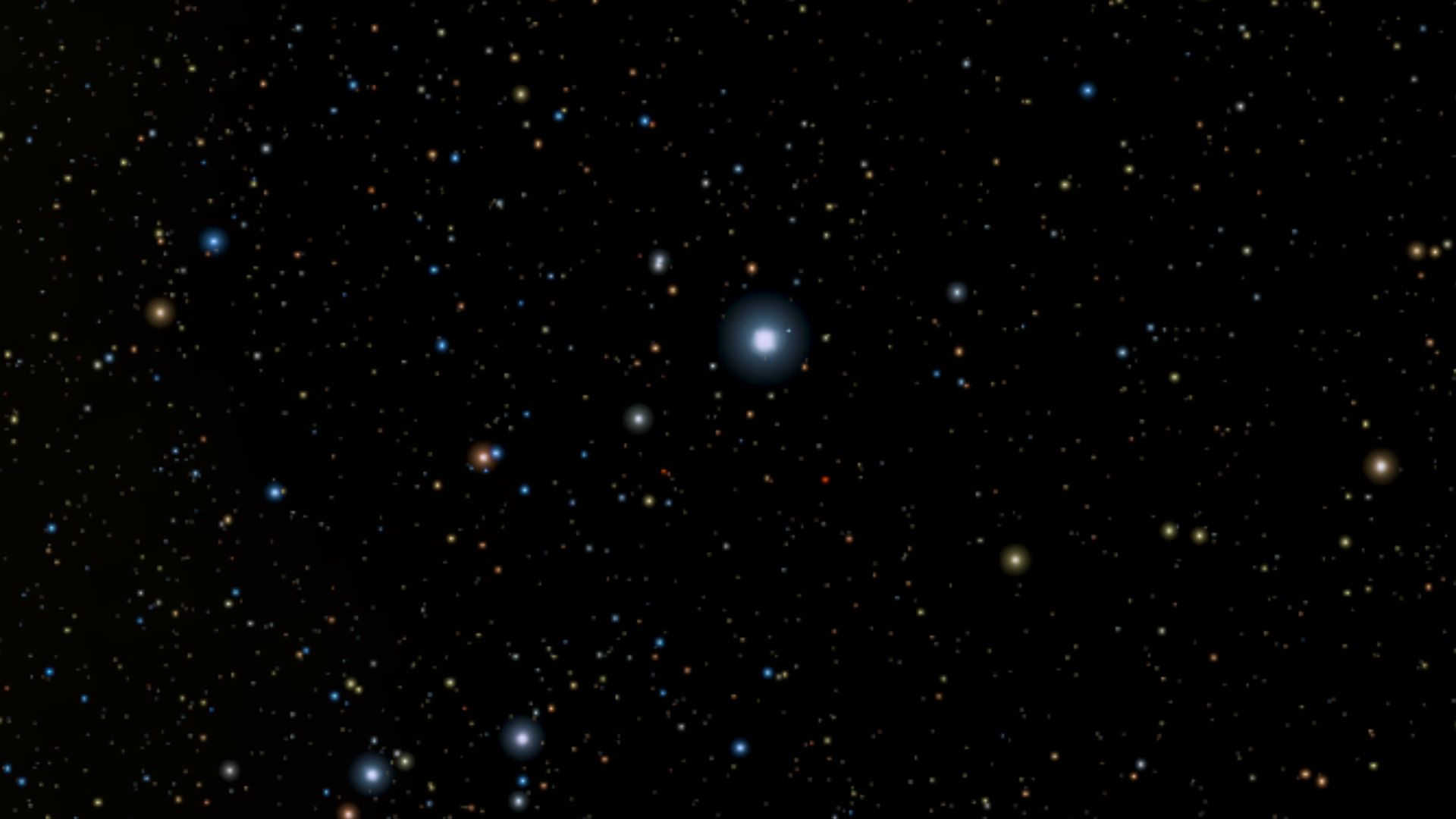
In approximately 12,000 years, Vega will become humanity's North Star as Earth's wobbling axis points toward it. The floor marking shows where Vega sits in the sky today compared to where the pole will eventually drift. This information lets anyone calculate future star positions from Hansen's fixed reference point.
 Roberto Mura, Wikimedia Commons
Hundreds Of Thousands Of Calculations
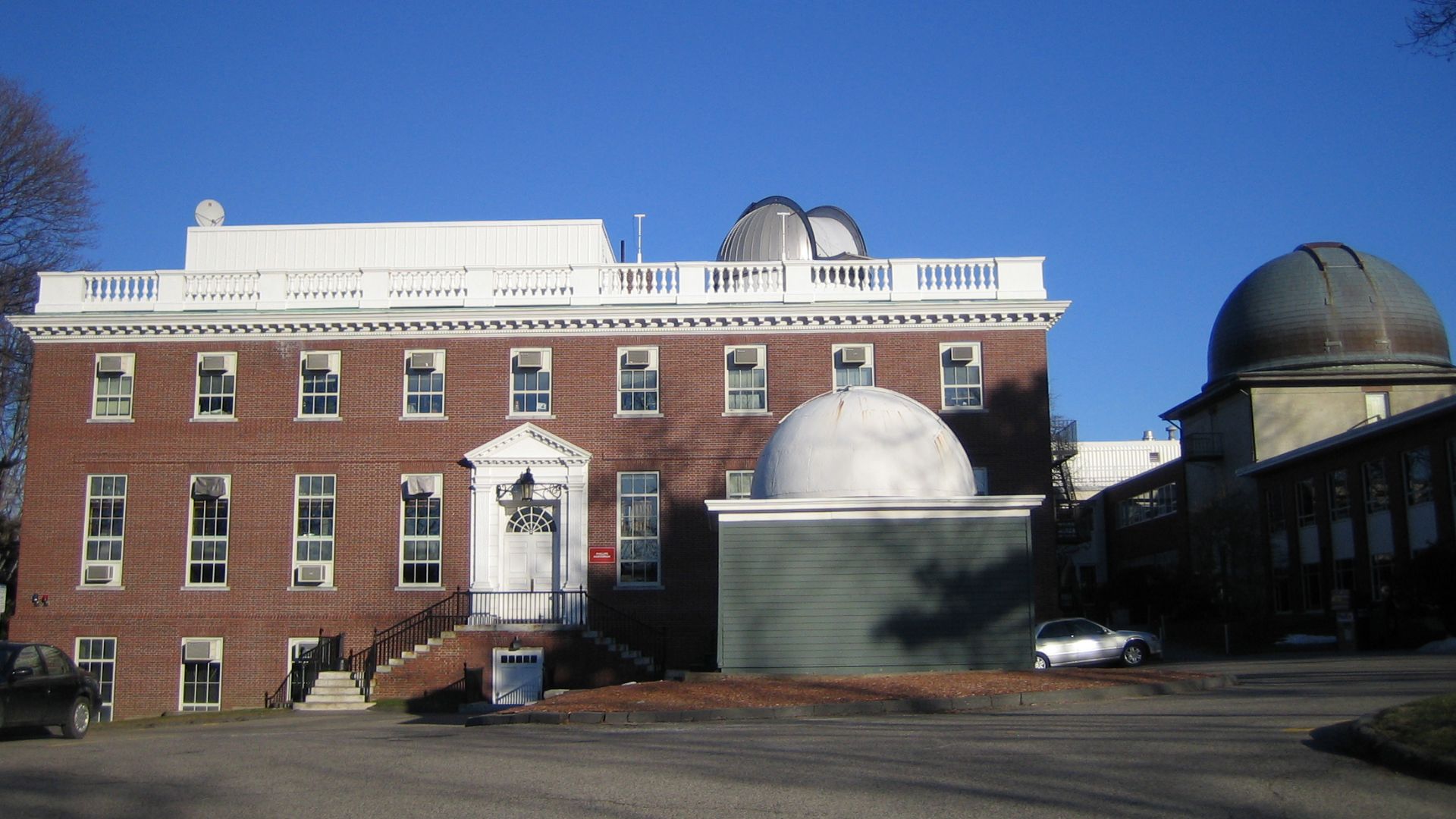
Creating the star map required Hansen to collaborate with the Smithsonian Astrophysical Laboratory and the US Naval Observatory for astronomical data. The team performed hundreds of thousands of precise calculations to position planets, stars, and constellations exactly as they appeared on that September evening. Every mark had to be accurate to fractions of an inch.
Pinpointing A Single Day
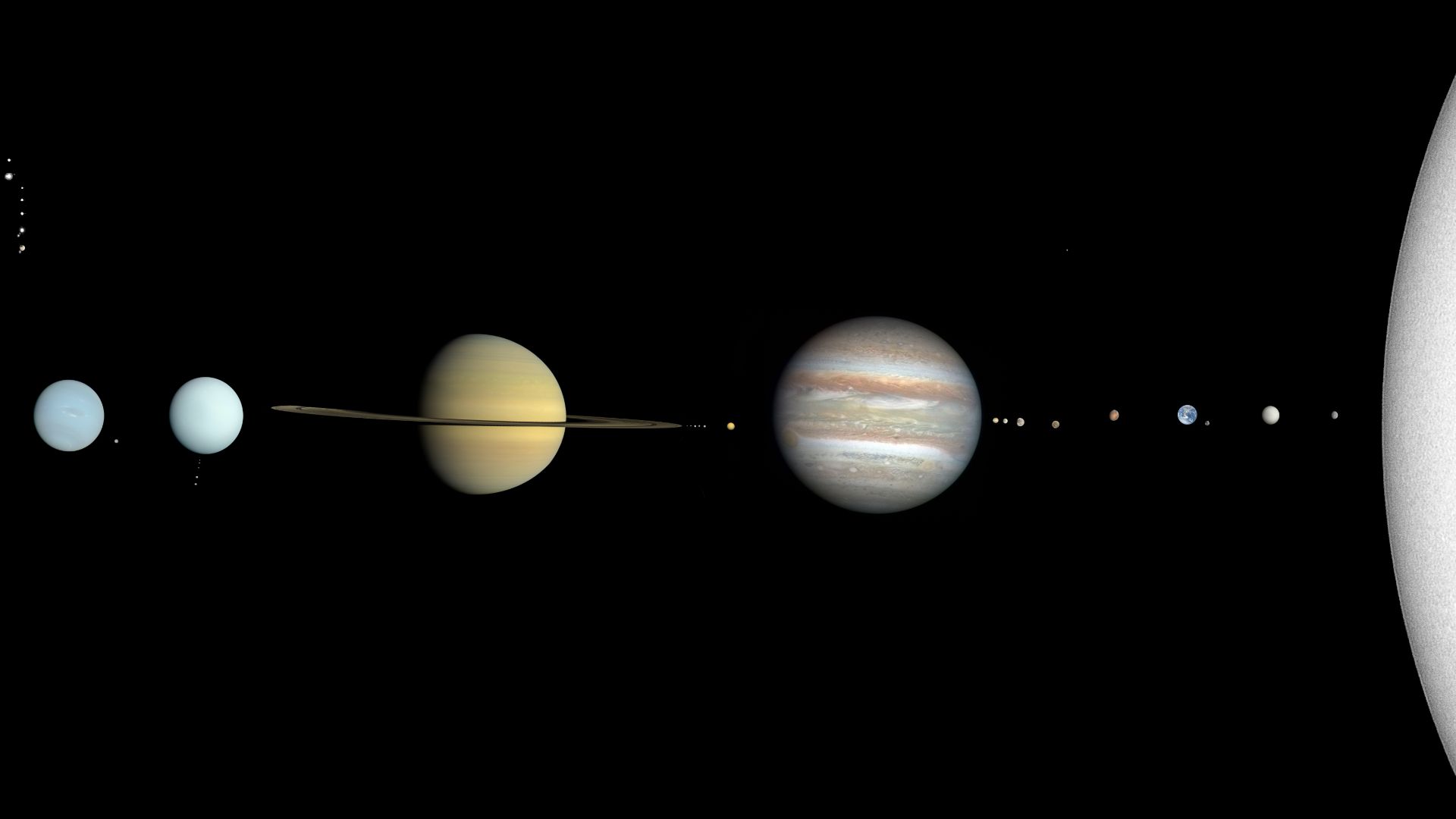
By combining the positions of visible planets with the specific angle of axial precession in 1935, Hansen created a timestamp accurate to within one day. Mercury, Venus, Mars, Jupiter, and Saturn all appeared in particular positions that night. Future astronomers could work backward from these positions to determine the exact dedication date.
 CactiStaccingCrane, Wikimedia Commons
The Platonic Year Concept
Hansen called his design a measurement of the "Platonic Year"—ancient Greek terminology for the full precessional cycle. Stockwell's calculations in Hansen's era estimated this cycle at 25,694.8 years, though modern astronomy refined it to 25,772 years. Either way, the monument functions as a cosmic clock ticking through millennia.
 Dbachmann, Tom Ruen, Wikimedia Commons
A Split Second Petrified Forever
Hansen wrote that he created "a split-second petrified on the face of the universal clock" at Hoover Dam. He viewed the dam's construction as among humanity's greatest creative achievements. The star map immortalized this accomplishment by freezing one precise moment in the endless cosmic dance visible from Earth.
 Western Area Power, Wikimedia Commons
Stars At 190 Trillion Miles Distance
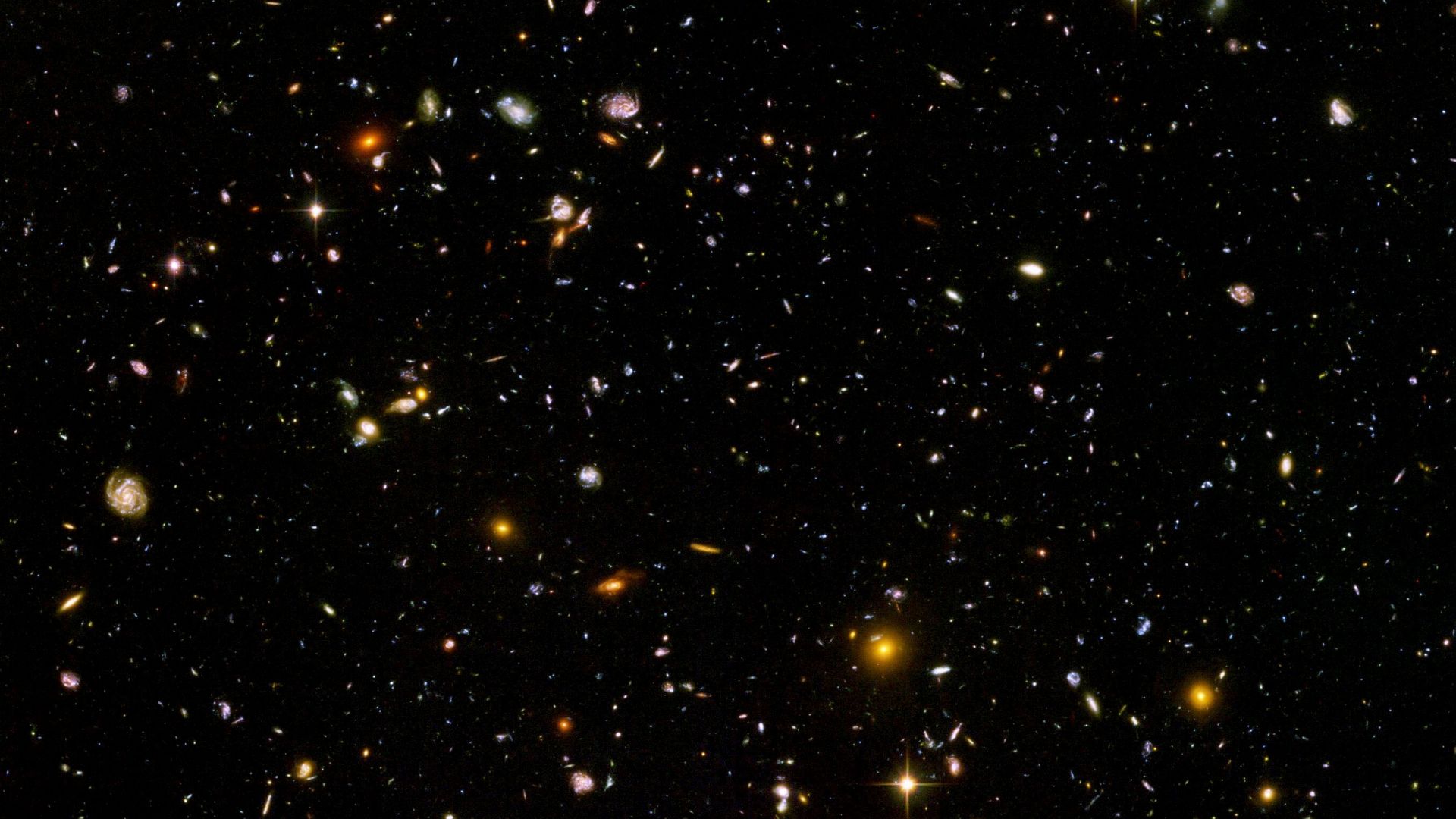
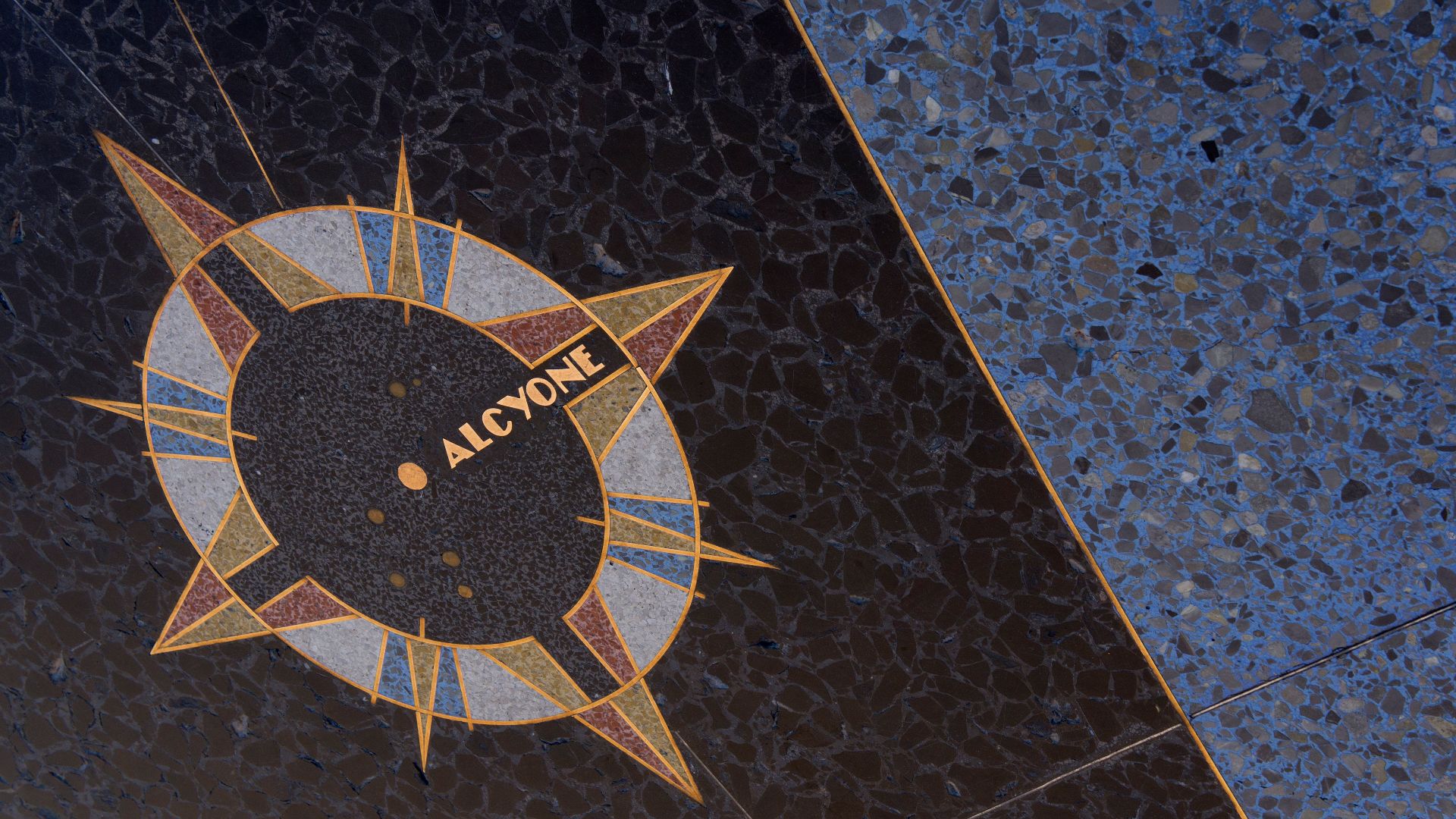
The terrazzo shows star magnitudes as they would appear to the unaided eye from about 190 trillion miles away—one parsec in astronomical terms. In reality, most depicted stars sit more than 950 trillion miles from Earth. Hansen used this standardized distance to create consistent apparent brightness across his celestial map.
 NASA and the European Space Agency., Wikimedia Commons
The Flagpole As Axis Point
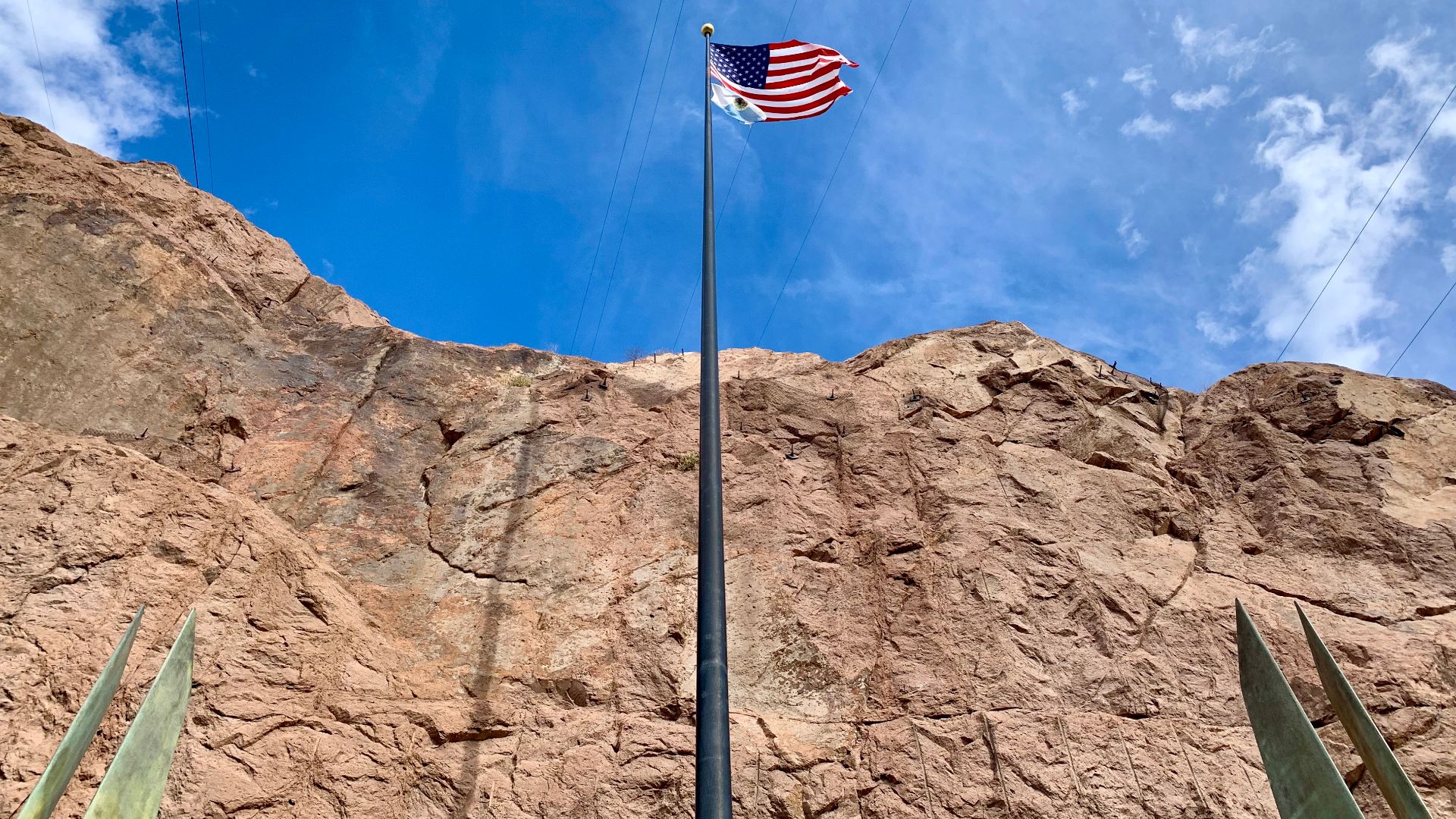
The 142-foot flagpole rising from Monument Plaza's center represents Earth's rotational axis. The circle traced around it by the precession markings shows how that axis wobbles over 26,000 years. This clever three-dimensional design uses vertical architecture to explain horizontal celestial movement.
Zodiac Signs Frame The Compass
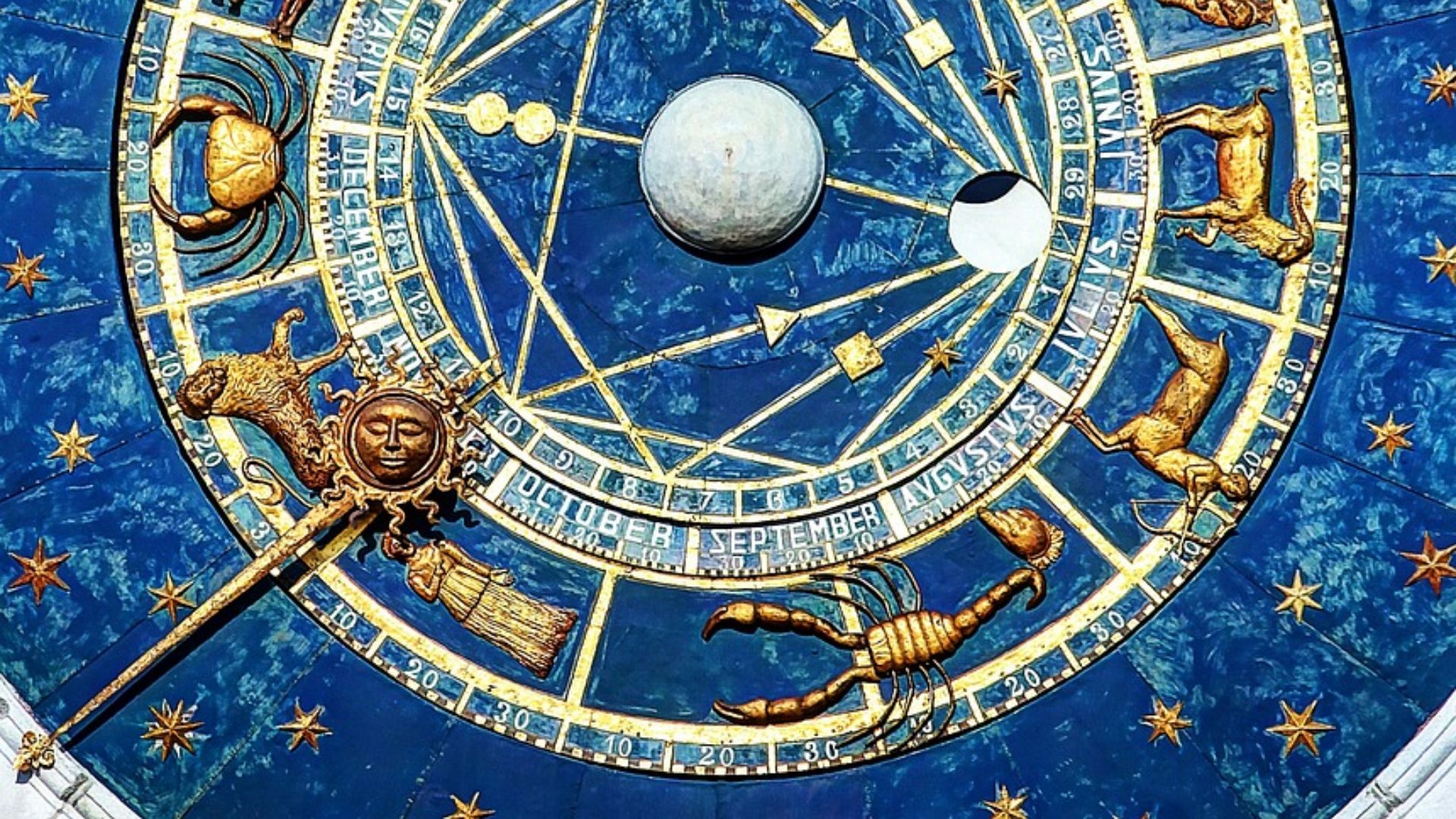
Near the winged figures sits an elevated compass ringed by traditional zodiac constellation symbols. These astrological markers connect Hansen's scientific precision with ancient systems humans developed for tracking stars. The blend of old and new astronomical knowledge spans thousands of years of human observation.
Winged Figures Of The Republic
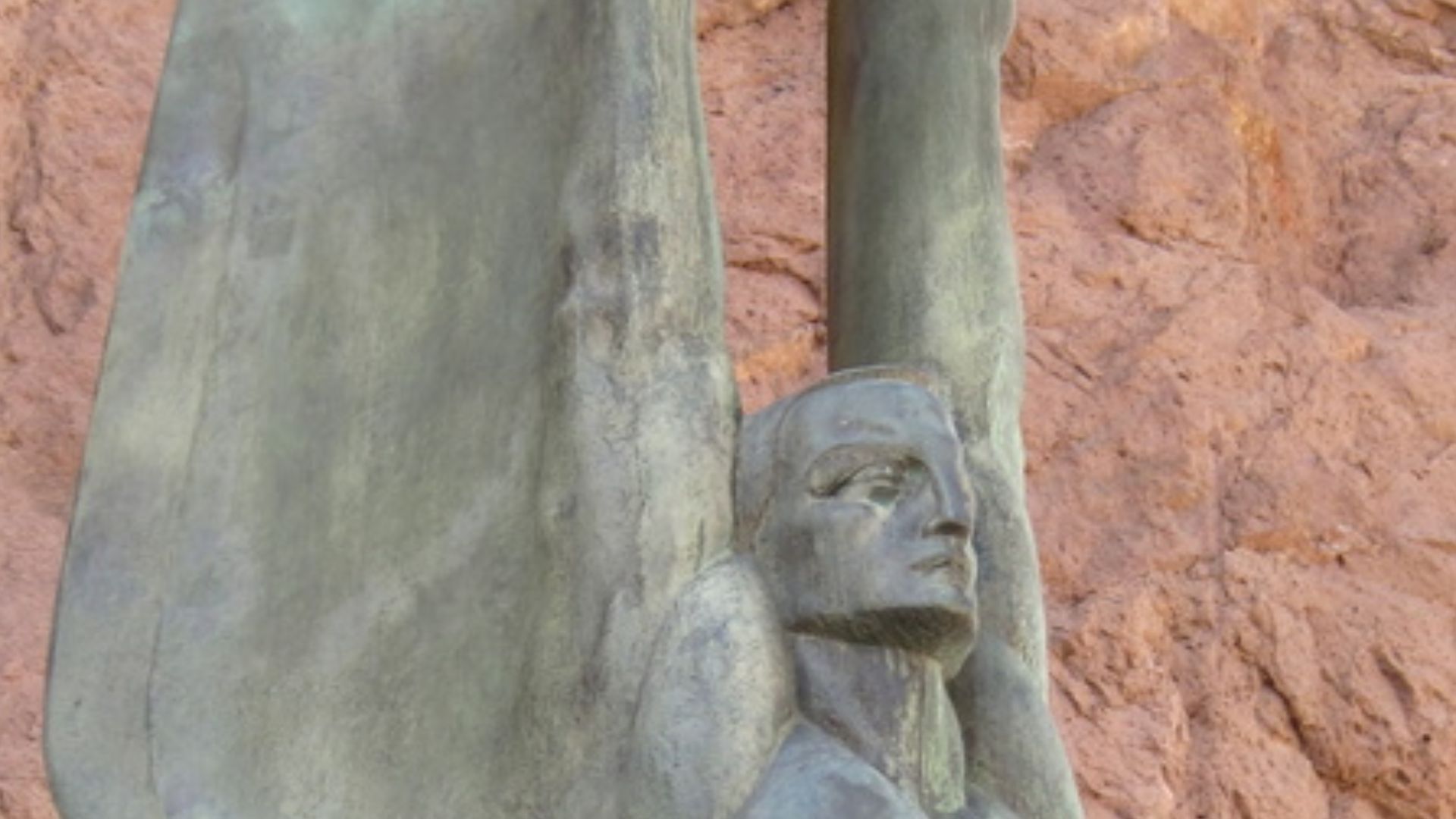
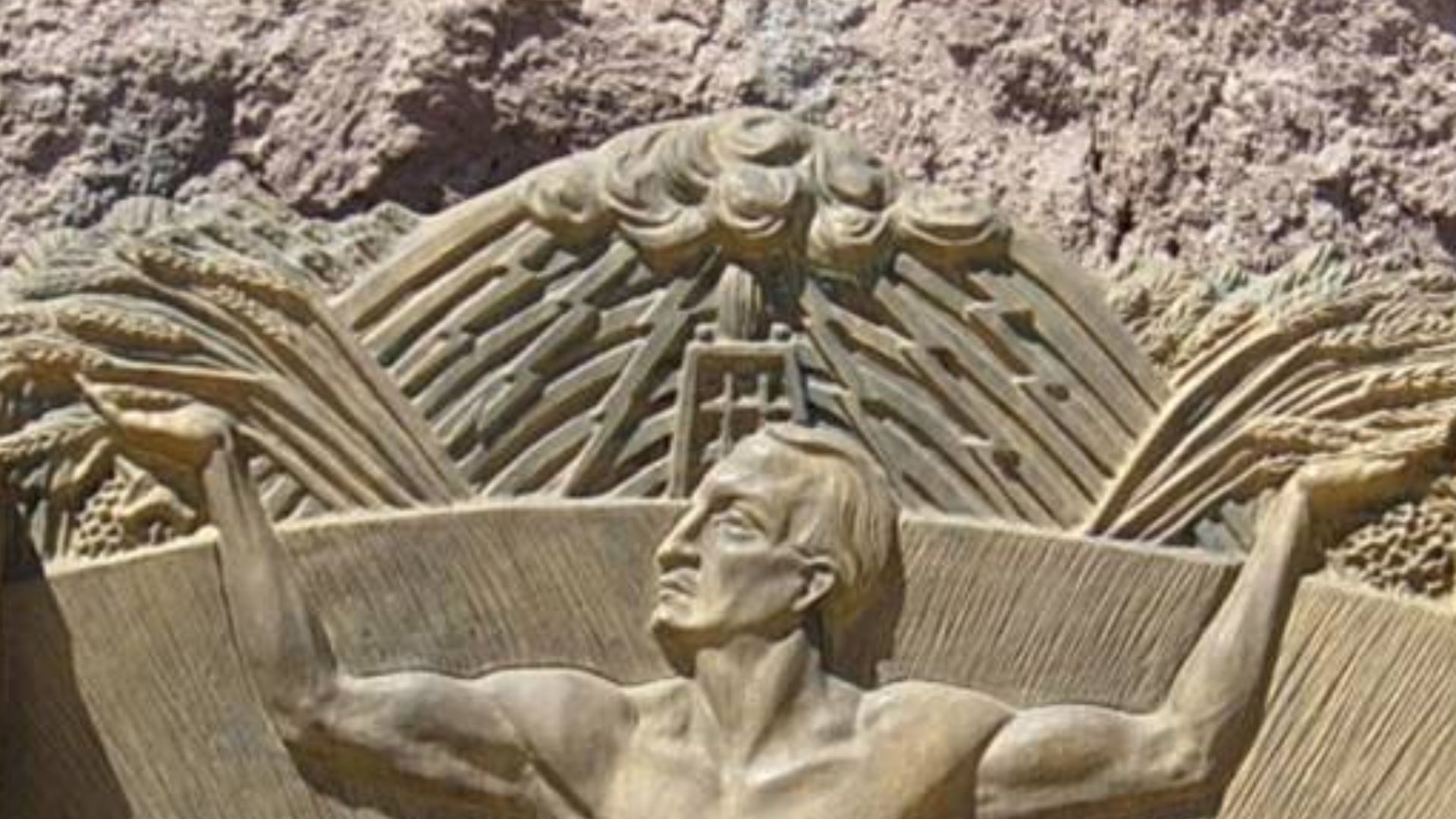
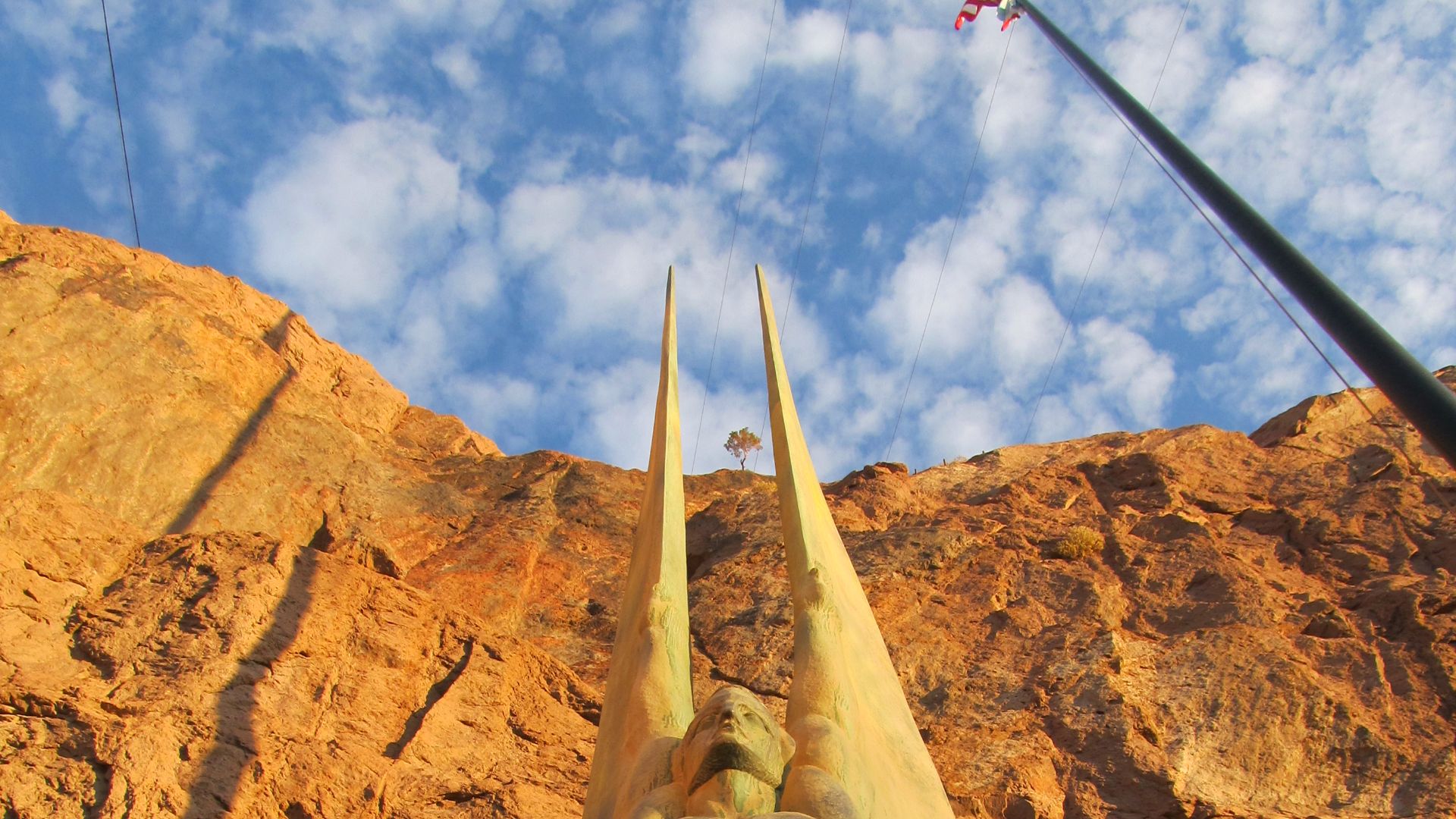
Hansen's 30-foot-tall bronze sculptures each contain over four tons of statuary bronze in shells just five-eighths of an inch thick. He called them the Winged Figures of the Republic, embodying "intellectual resolution" and "trained physical strength" in placid triumph. They wear the look of eagles, ready to defend American institutions.
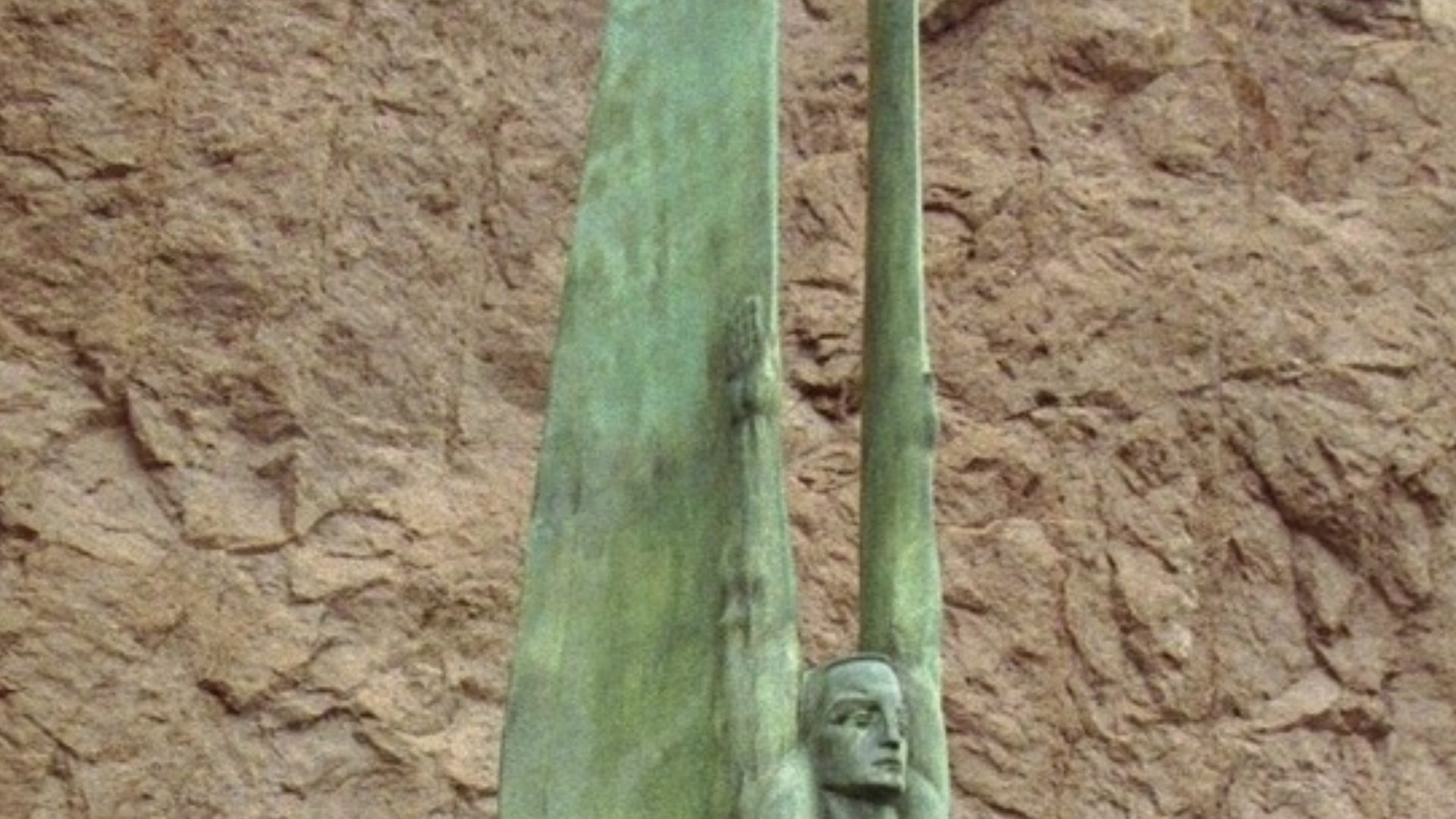
Black Diorite Platform Base
The sculptures rise from a black polished diorite stand that elevates them above the terrazzo floor. This dark volcanic rock contrasts dramatically with the lighter colored star map patterns. Diorite's hardness and durability mirrors the monument's intended longevity across tens of thousands of years.
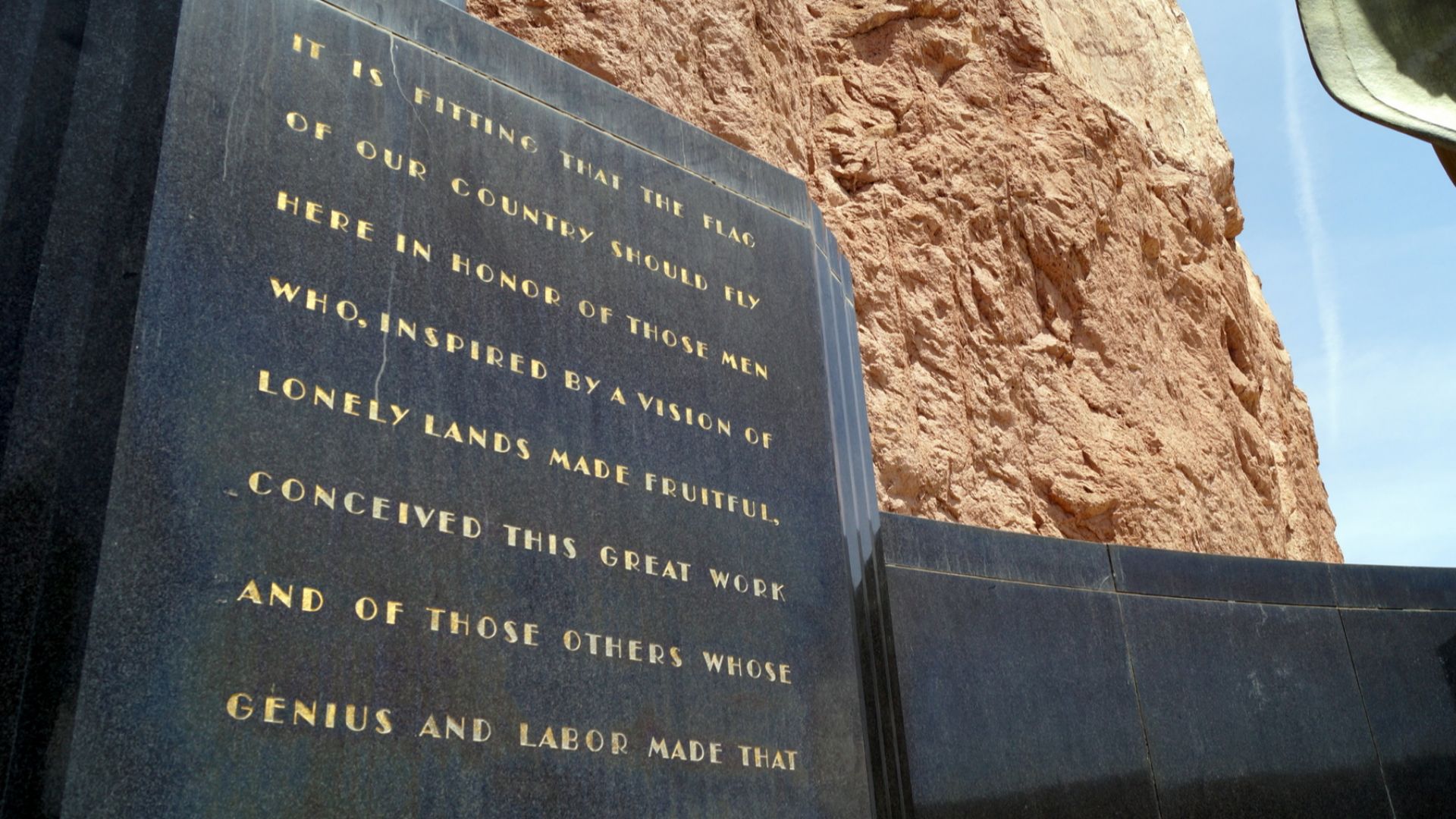 Mickey Logitmark, Wikimedia Commons
The 1931 Commission Begins
The US Bureau of Reclamation commissioned Hansen's monument when dam construction started in 1931. Five years of dangerous work followed, costing nearly 100 lives during the building process. Hansen designed his memorial to honor this massive undertaking that represented Depression-era American ambition and engineering prowess.
 Raquel Baranow, Wikimedia Commons
Connection To Long Now's 10,000-Year Clock
The Long Now Foundation recognized Hansen's monument as conceptually related to their 10,000-Year Clock project in Texas. Both attempt to mark human civilization on scales dwarfing individual lifetimes. Alexander Rose from Long Now studied Hansen's work while designing similar precession-tracking mechanisms for the mechanical clock's dials.
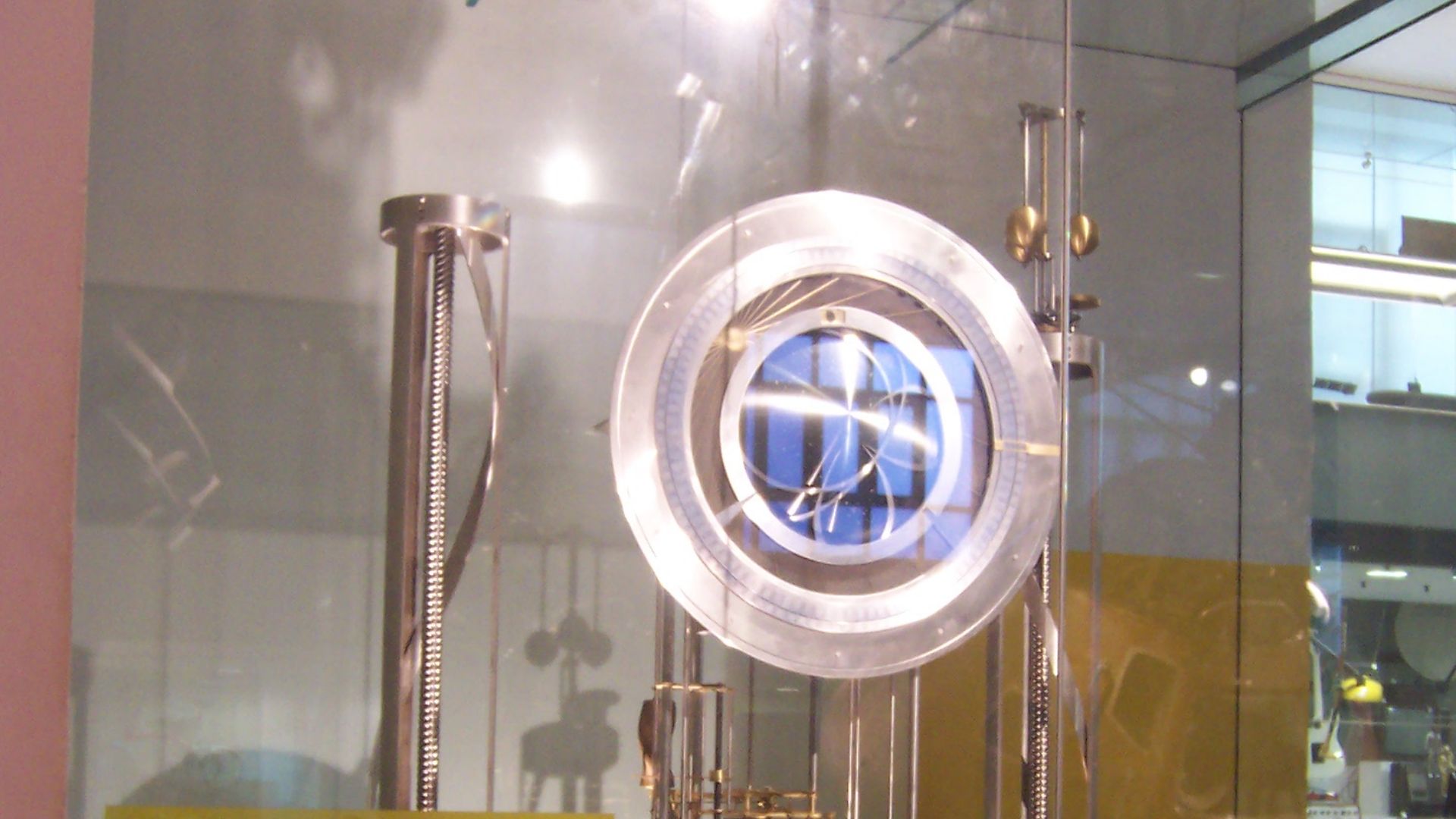 Pkirlin at en.wikipedia, Wikimedia Commons
The Smithsonian's Role In Verification
Every astronomical detail required verification from authoritative scientific sources, including the Smithsonian Astrophysical Laboratory. Hansen couldn't simply estimate star positions—his monument needed absolute accuracy to function as intended. Multiple institutions checked his calculations before construction began to ensure the permanent record would be correct.
 Bureau of Reclamation photographer, Wikimedia Commons
The 2022 Restoration Disaster
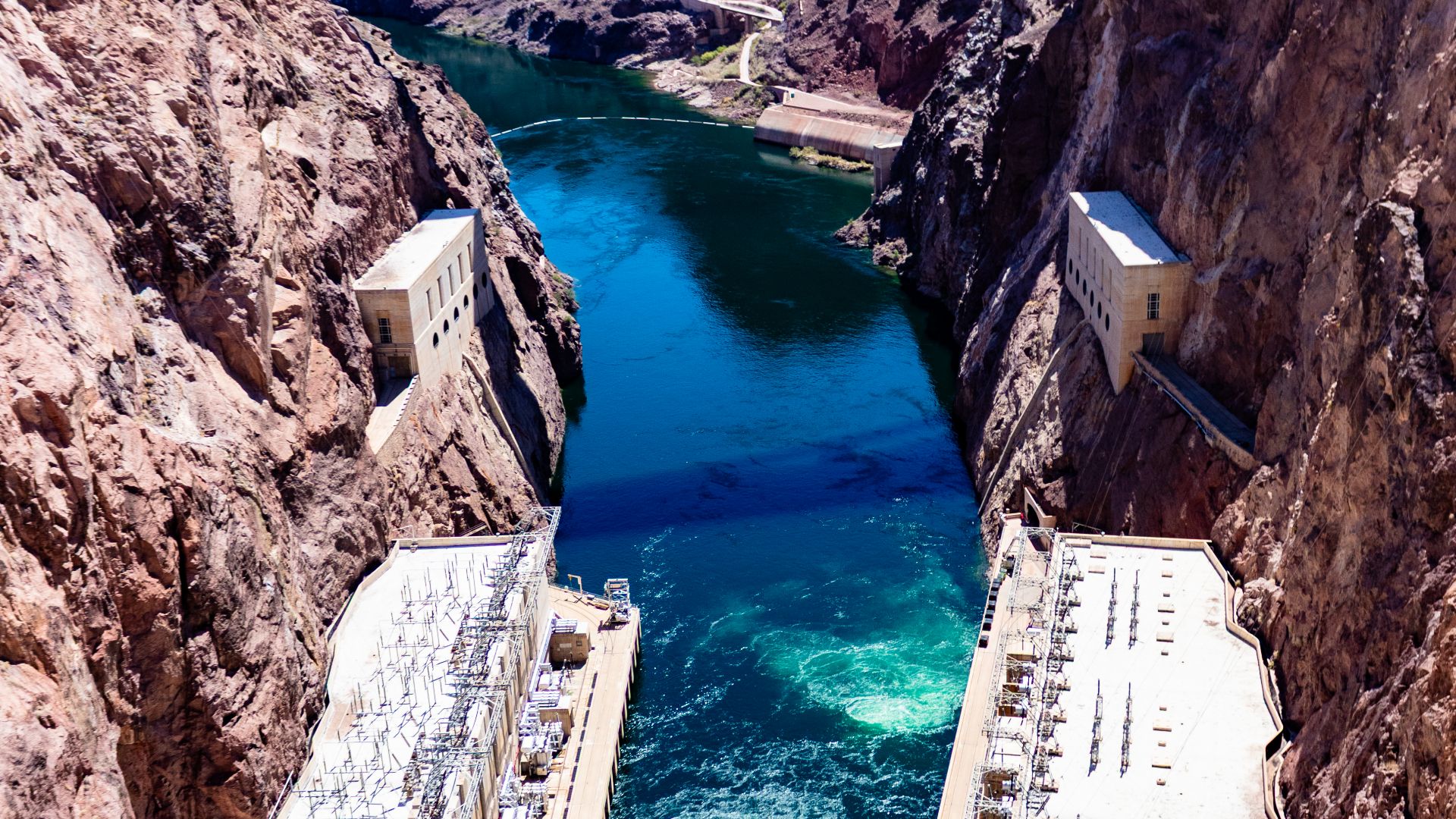
Contractors demolished the entire terrazzo floor in summer 2022 to install drainage systems beneath it, promising exact reconstruction. The project stalled indefinitely after workers discovered unexpected moisture damage. Aaron Street, founder of the Oskar J.W. Hansen Archives, launched a "Save the Star Map" campaign after months passed without progress.
 Naomi Persephone Amethyst, Wikimedia Commons
Terrazzo Thrown In Dumpsters
Street described how the irreplaceable artwork was "jacked out of the ground, thrown in dumpsters, and removed" during demolition. The original floor had buckled from moisture seeping underneath over the decades. Officials didn't know the full extent of the problems until they tore everything up.
 Jeremy Faludi, Wikimedia Commons
A Year Without The Monument
By 2023, Hoover Dam had been without its star map for nearly a full year while the project remained stalled. The Bureau of Reclamation claimed commitment to restoration but provided no timeline for completion. Monument Plaza stayed closed to visitors who couldn't see the famous sculptures or walk the cosmic floor.
 Jeremy Faludi, Wikimedia Commons
Future Generations Decoding The Message
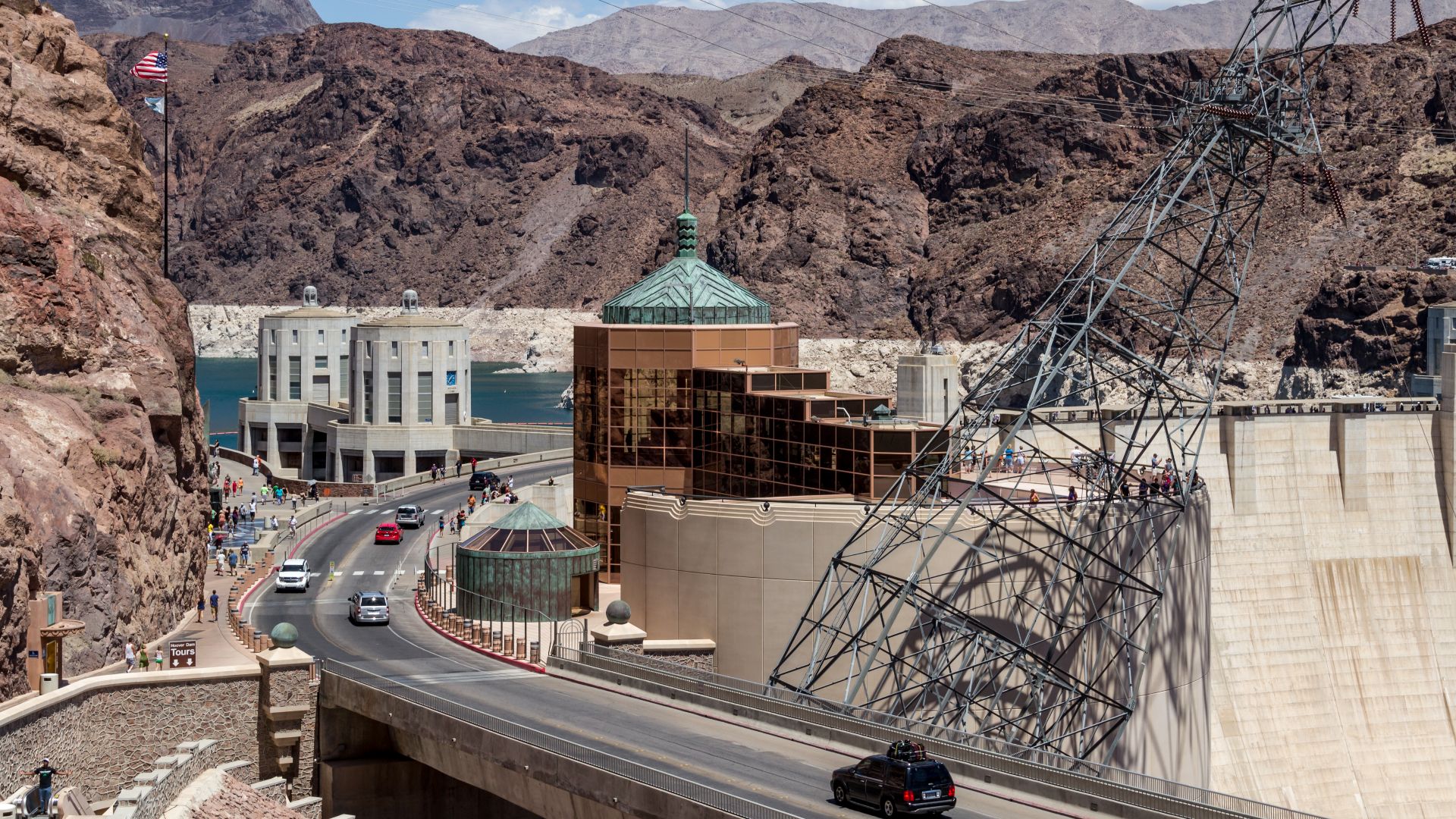
Hansen designed his monument assuming the Hoover Dam structure would outlast current civilization by hundreds of thousands of years. If all other dating methods disappeared, astronomers could study the terrazzo and calculate backward through precession cycles.
 Dietmar Rabich, Wikimedia Commons
Comparison To Ancient Monuments
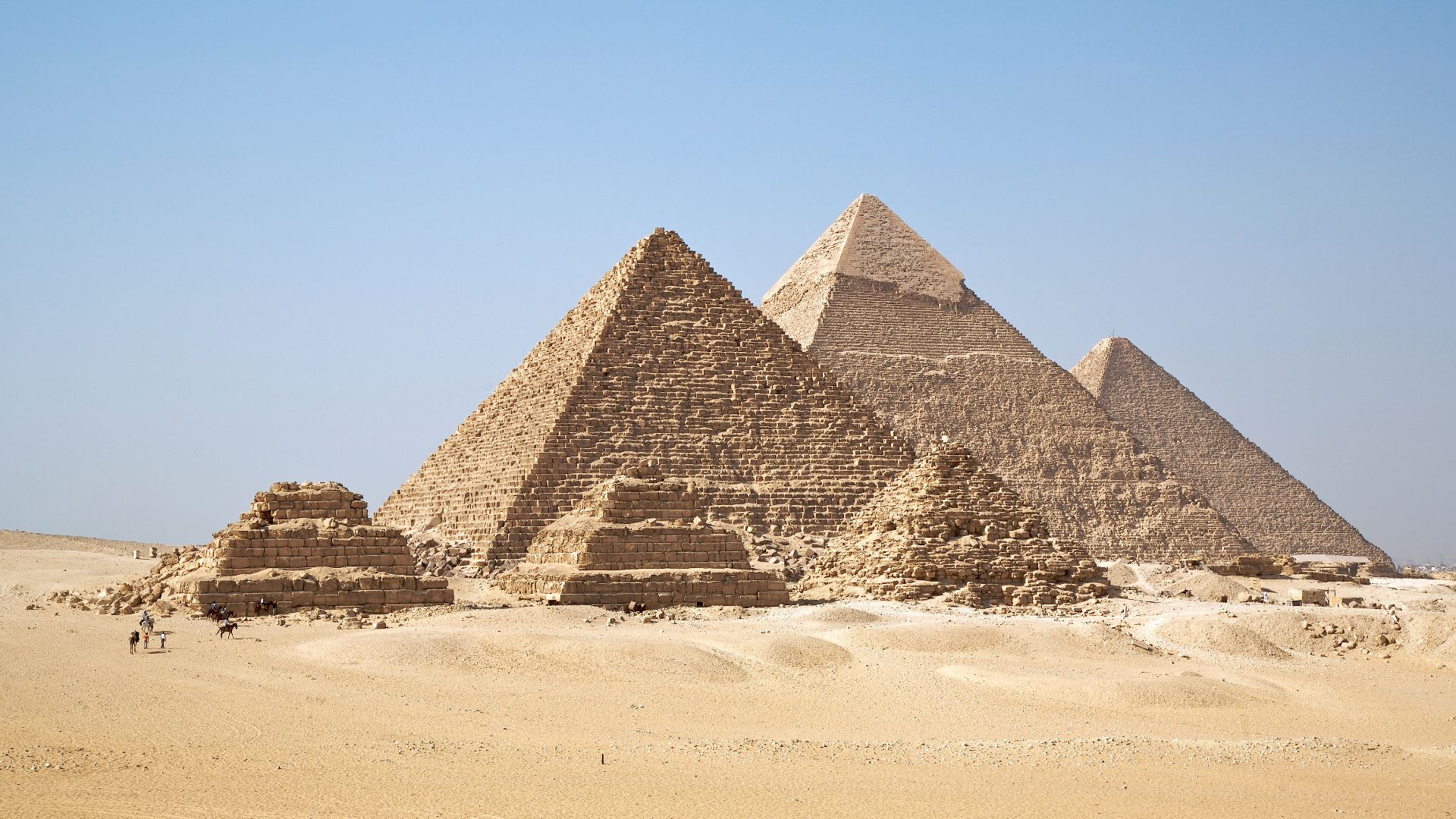
Hansen connected his work to structures like Egypt's pyramids, which aligned with stars for both practical and spiritual purposes. His terrazzo updates this tradition using modern astronomical precision. Where ancients built with stone megaliths, Hansen encoded knowledge into durable terrazzo that future archaeologists might puzzle over.
 Ricardo Liberato, Wikimedia Commons
A Monument Built To Outlive America
Hansen assumed political systems and even languages might change beyond recognition before the Hoover Dam crumbles. The star map communicates through mathematics and astronomy—universal languages that transcend culture. Any civilization sophisticated enough to measure axial precession could decode his message regardless of whether they spoke English or knew American history.