

Ancient Glory Lives On
Harold Godwinson’s rise to power—and his fall on the battlefield—has echoed across nearly a thousand years of history. But now, a startling discovery has placed something tangible beside the legend: the long-lost palace tied to England’s final Saxon king. It seems some rulers don’t just leave behind stories—they leave behind stone, secrets, and proof that refuses to stay buried.
 Anton Chalakov, Shutterstock.com
Birth In Wessex
Born in 1022, Harold entered a world of political intrigue as the son of Godwin and Danish noblewoman Gytha. His mother's brother Ulf had married King Cnut's sister Estrid, connecting Harold to both Danish royalty and Anglo-Saxon nobility through these prestigious bloodlines.
 The wub, CC BY-SA 4.0, Wikimedia Commons
Noble Upbringing
Within Bosham's grand manor halls, young Harold watched his father climb from local thegn to England's powerful earl. Daily life among Sussex estates, political meetings, and noble gatherings are what shaped his early understanding of power and governance in Anglo-Saxon England.
 Unknown Author, Wikimedia Commons
The Godwin Siblings
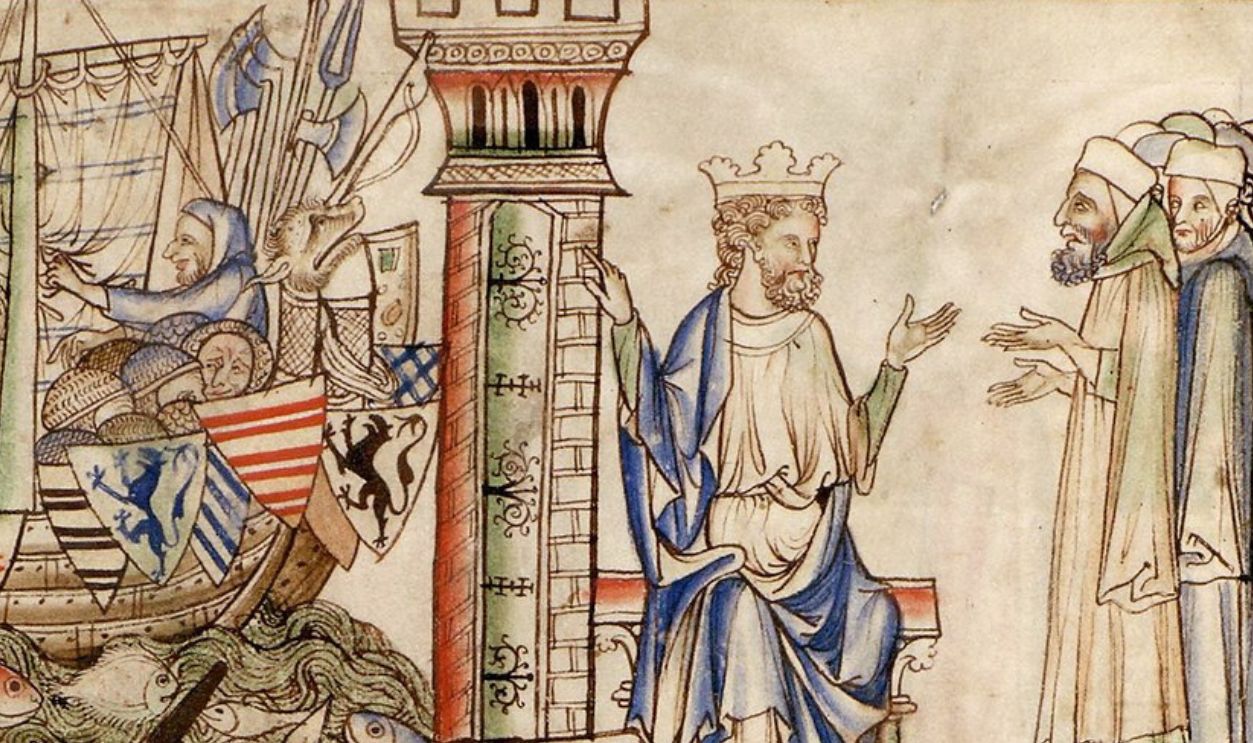
The Godwin family included six sons. They were Sweyn, Harold, Tostig, Gyrth, Leofwine, and Wulfnoth, all destined for significance. Besides, three daughters completed the family: Edith (later Queen), Gunhild, and Ælfgifu, strengthening their noble connections throughout England.
 Unknown author, Wikimedia Commons
Rise Under Cnut
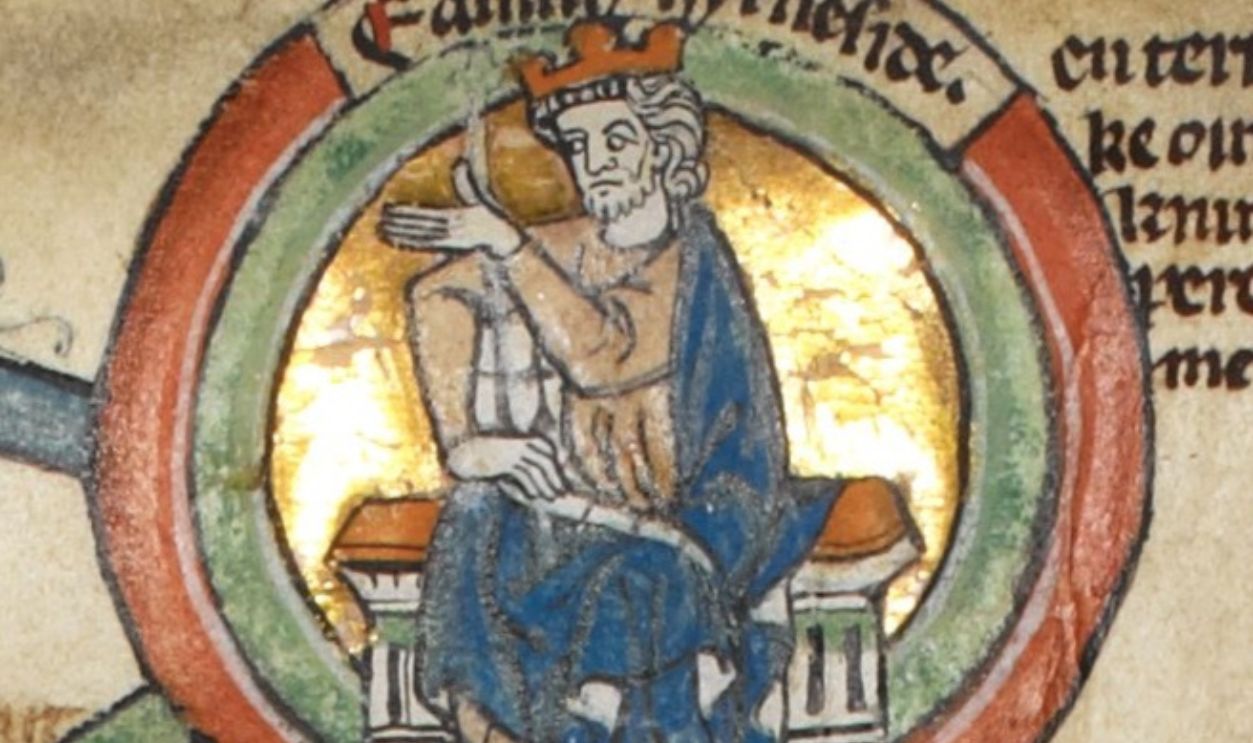
From 1016 to 1018, Godwin demonstrated political mastery by switching allegiance from Edmund Ironside to Cnut at precisely the right moment. This calculated move earned him the earldom of Wessex, and he became one of only two earls surviving throughout.
 Unknown Author, Wikimedia Commons
East Anglian Earl
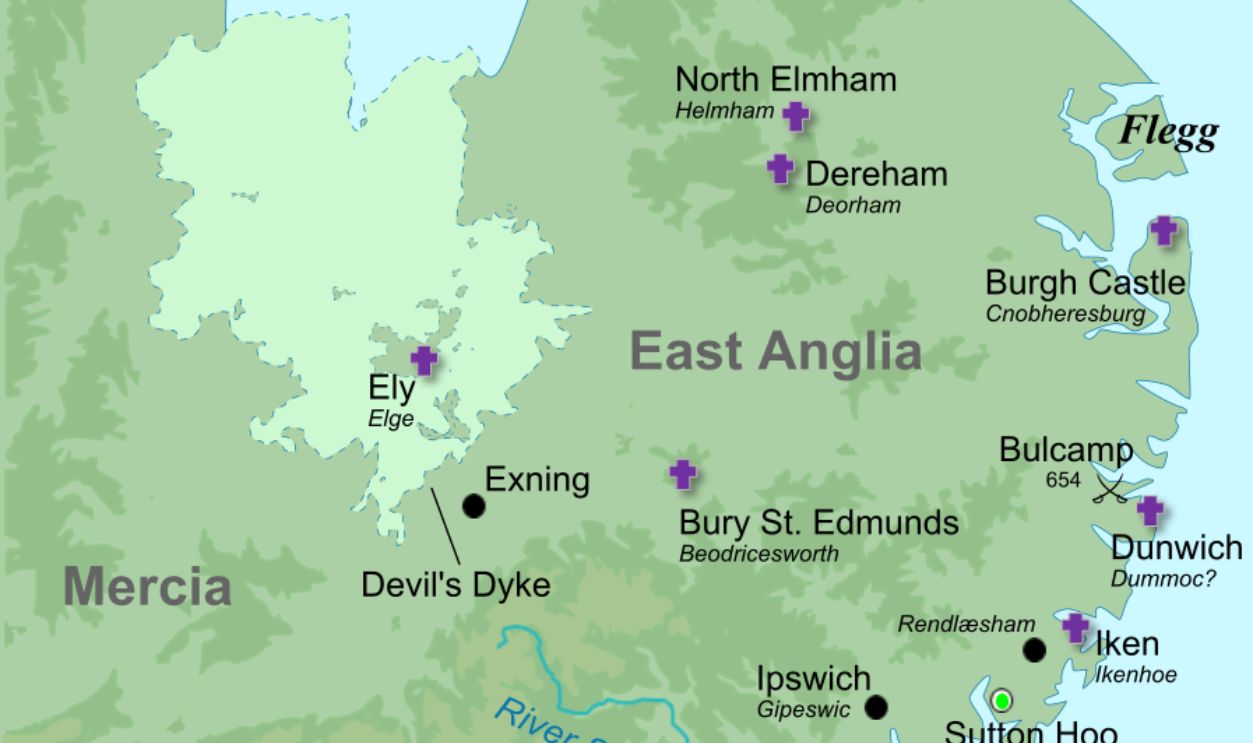
King Edward's 1045 restructuring brought unexpected opportunity as Harold received East Anglia's earldom at 25. This prestigious appointment carried dual responsibilities. One was managing vast territories while protecting England's eastern shores from Norse threats, and the second was maintaining peace.
 Amitchell125, CC BY-SA 1.0, Wikimedia Commons
Marriage Alliance
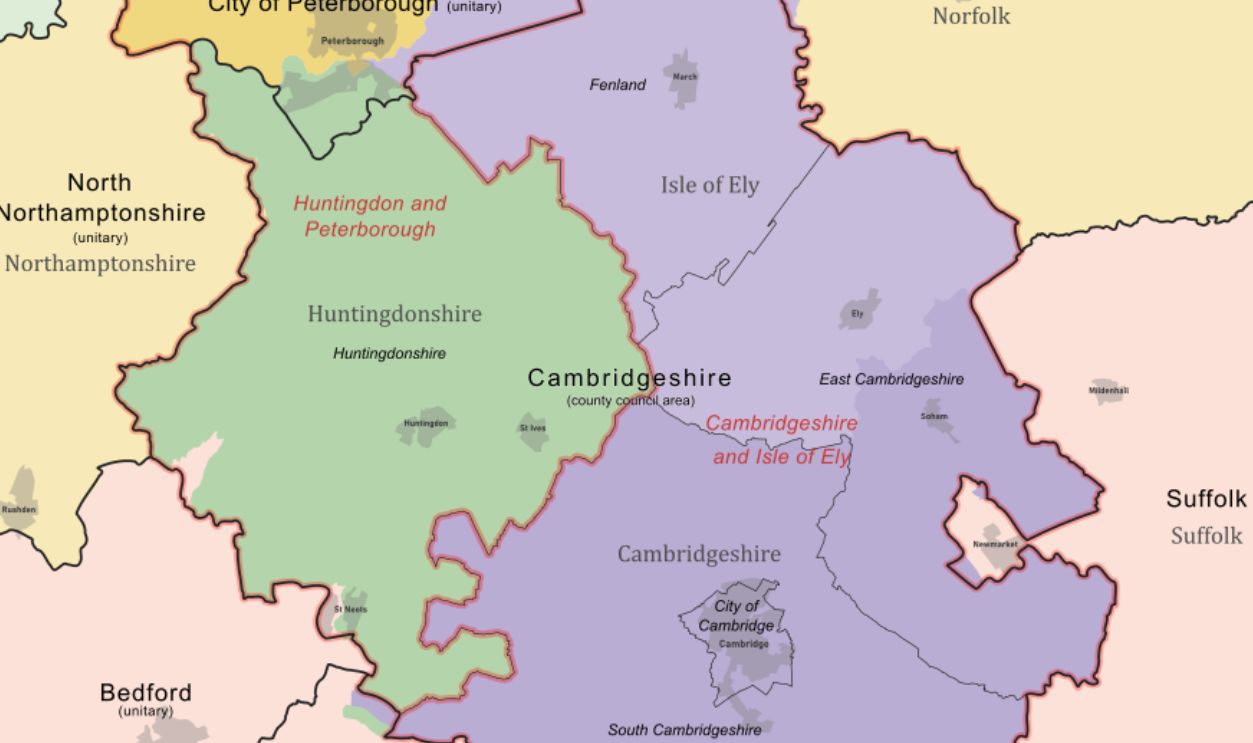
Harold's union with Edith the Fair followed Danish custom rather than Christian tradition, bringing significant advantages to his position. Their marriage secured valuable lands across Cambridgeshire, Suffolk, and Essex while establishing strong alliances throughout his territory.
 Fenn-O-maniC, Ordnance Survey data, CC BY-SA 3.0, Wikimedia Commons
Naval Command
Leading the Sandwich fleet against a looming coastal threat in 1045 marked Harold’s first true military command—and he didn’t hesitate. He moved quickly, fortifying the shoreline and positioning his ships with calculated precision. The operation didn’t just defend England’s coast; it revealed a commander with sharp instincts and a talent for bold, inventive strategy
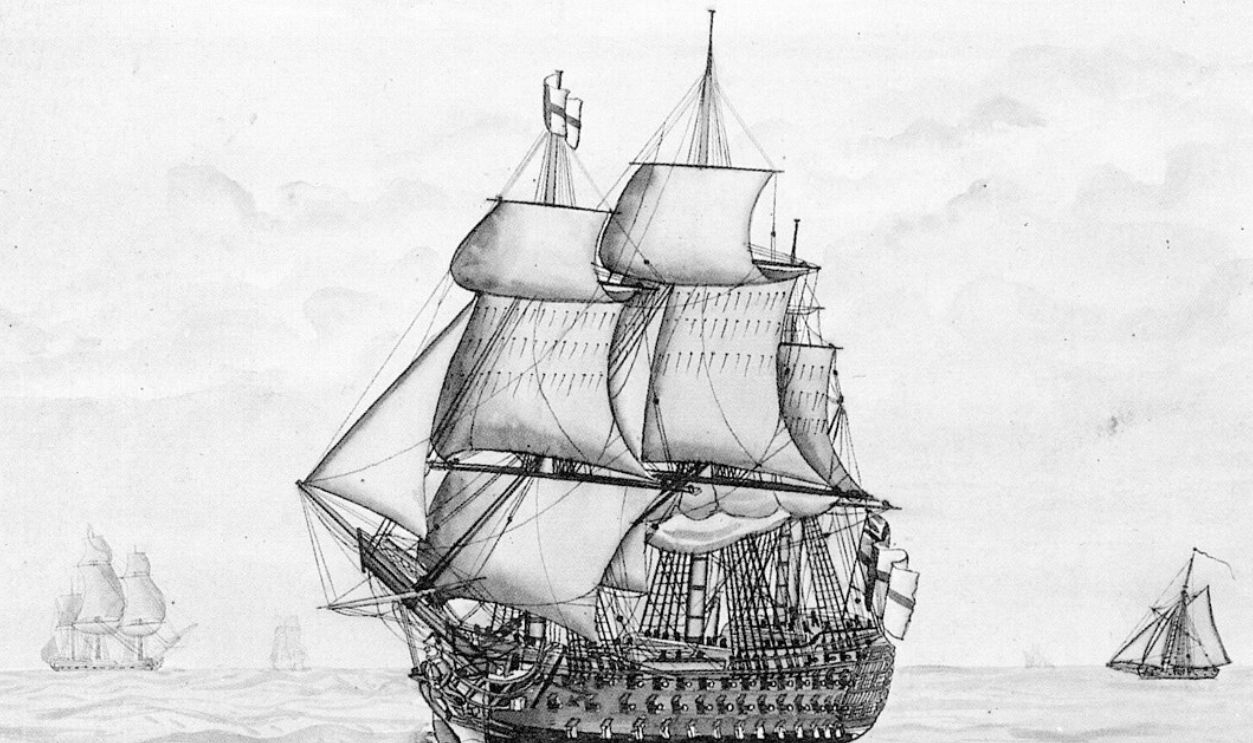 Toddy, Benjamin (artist), Wikimedia Commons
Wessex Inheritance
So, upon Godwin's demise in 1053, Harold masterfully assumed control of England's largest earldom. This was quite a critical turning point in his rise to power. The transition brought him extensive territories and unprecedented authority as second to Edward.
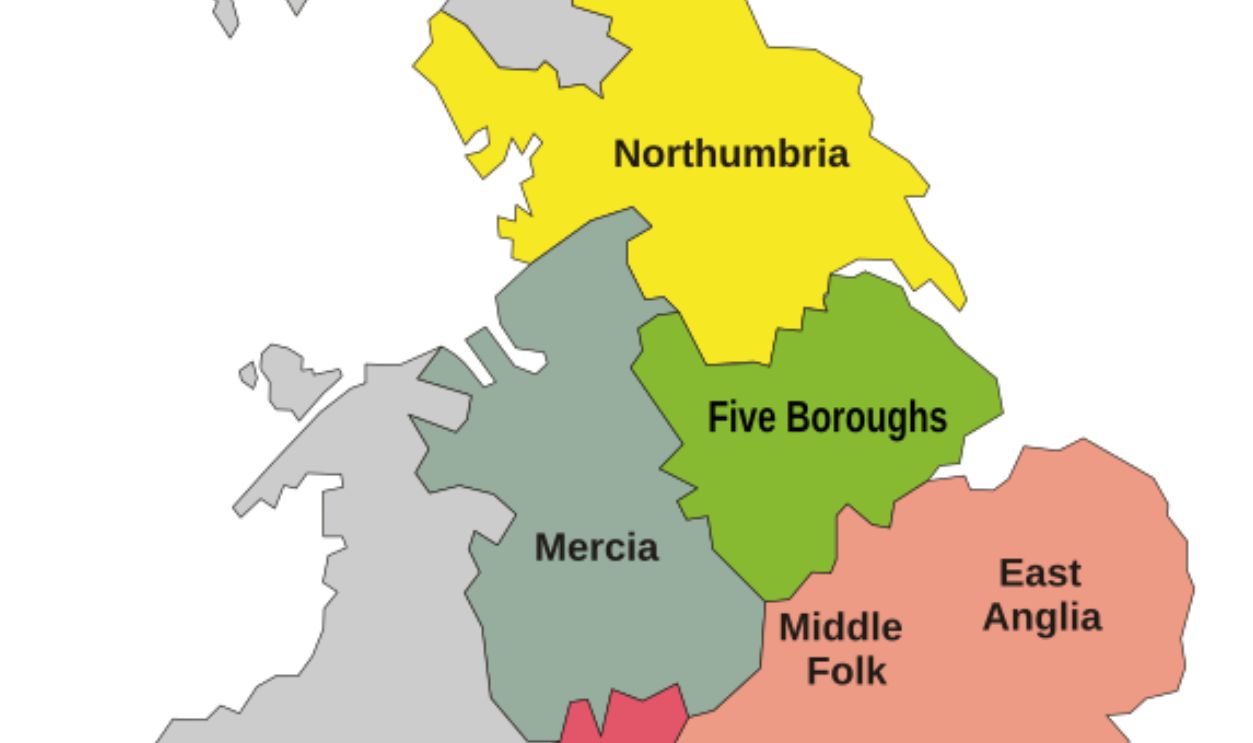
Welsh Defense
As a response to Welsh raiders burning Hereford in 1055, Harold displayed brilliant tactical thinking and swift military response capabilities. This included rapid mobilization of forces, strategic deployment of troops, and decisive counterattacks that earned him respect throughout the realm.
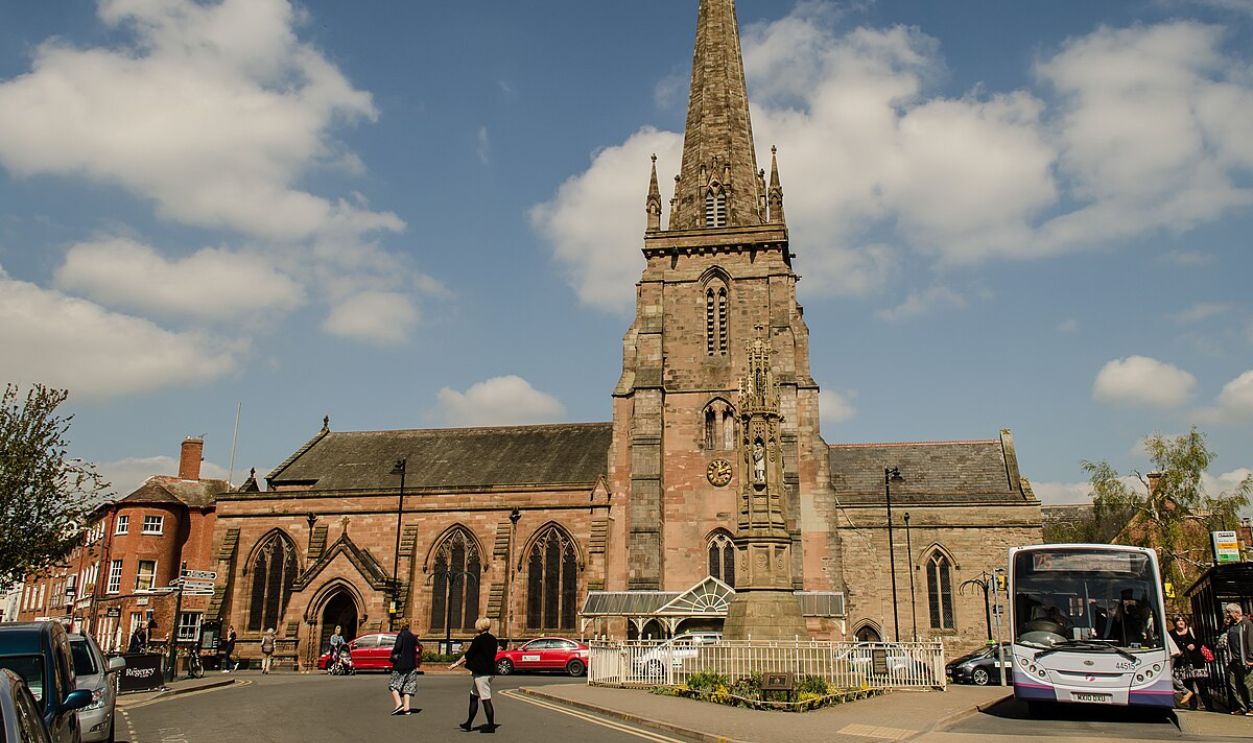 Julian P Guffogg, CC BY-SA 2.0, Wikimedia Commons
Gruffydd's Defeat
Then, between 1062 and 1063, Harold shook things up in the fight against Wales with some clever moves and smart diplomacy. He ran a well-planned campaign that mixed quick strikes with forming alliances, which slowly but surely took down Gruffydd ap Llywelyn’s hold on power.
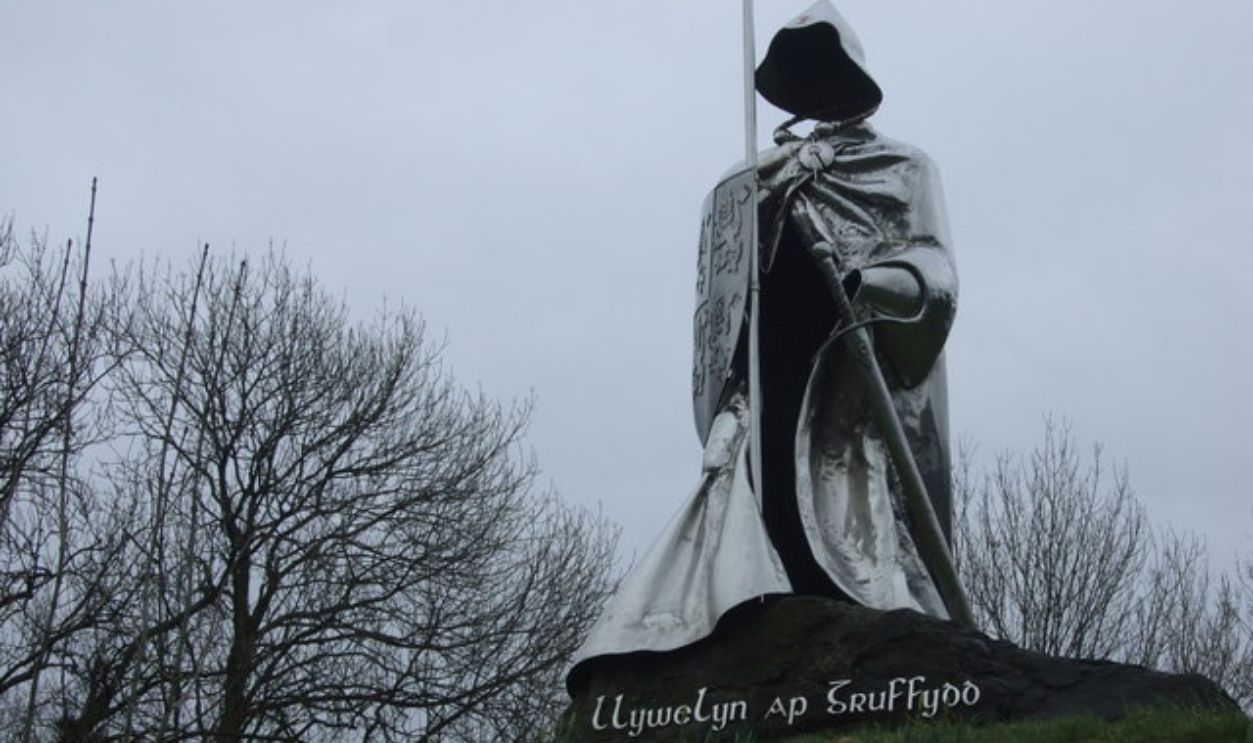 ceridwen, CC BY-SA 2.0, Wikimedia Commons
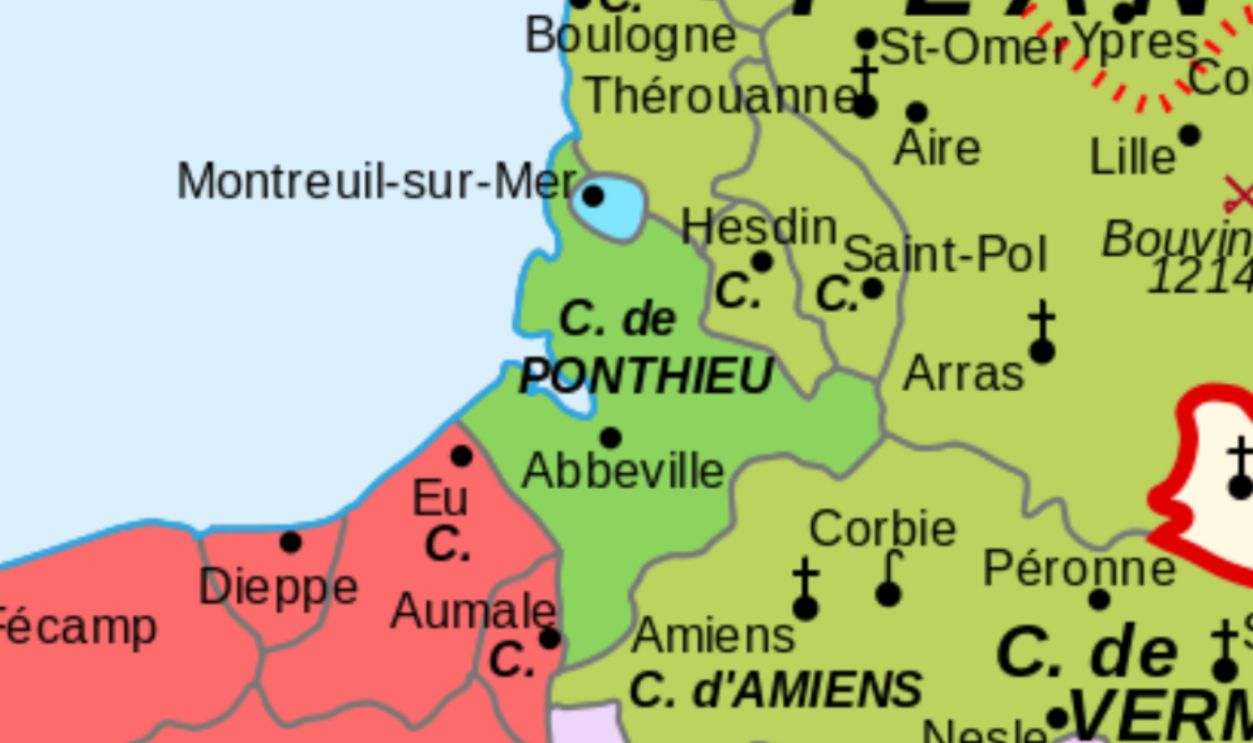
Ponthieu Landing
While sailing from Bosham in 1064, Harold's ship encountered violent storms and wrecked on foreign shores, which led to unexpected captivity. This accidental landing in Ponthieu is when a chain of events began that would fundamentally alter England's destiny forever.
 ZigeunerAlt, CC BY-SA 3.0, Wikimedia Commons
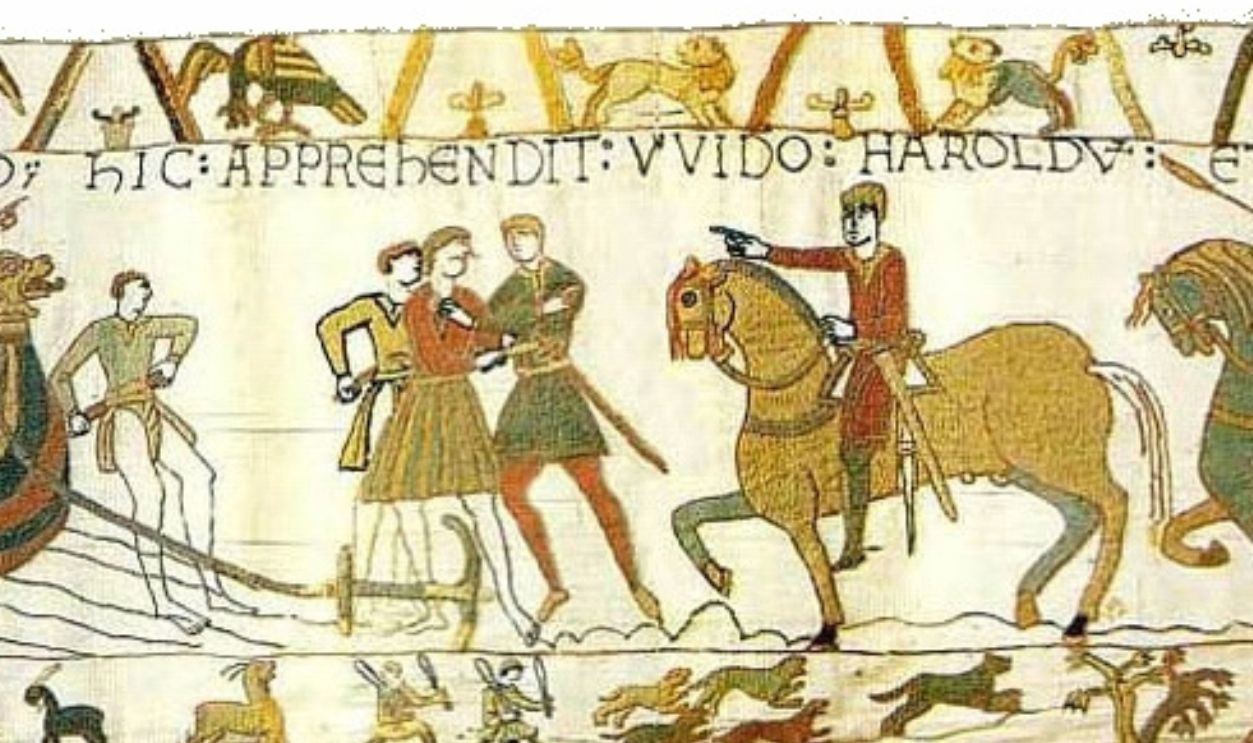
French Captivity
It was Count Guy of Ponthieu who seized the shipwrecked Harold as a valuable political captive, recognizing an opportunity for great ransom. The imprisonment at Beaurain Castle brought about diplomatic tensions between England, Normandy, and Ponthieu and required careful negotiation.
 Bayeux Tapestry Museum, Wikimedia Commons
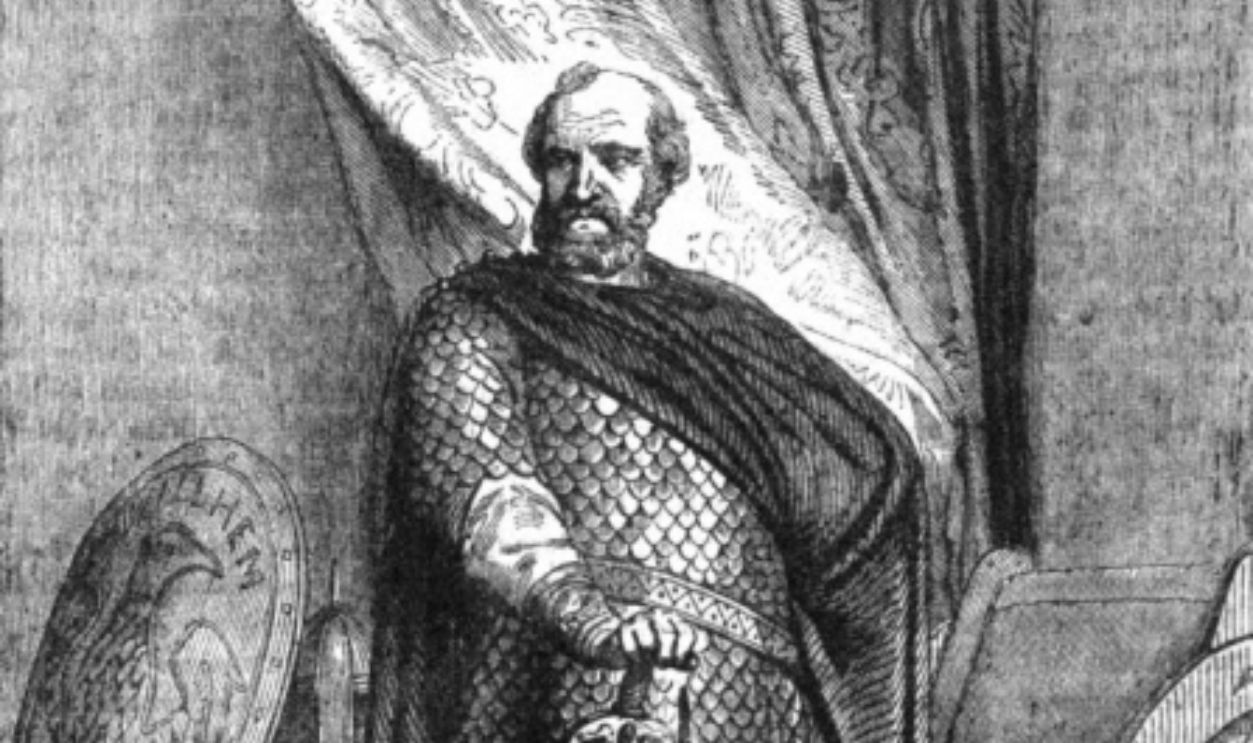
Norman Release
William's forceful demand for Harold's freedom revealed complex political undercurrents shaping Anglo-Norman relations. The Norman Duke didn’t just step in out of the goodness of his heart; he had a plan in mind. By helping out, he created a favor that would back up his claims later on.
 John Cassell, Wikimedia Commons
Breton Campaign
So, Harold joined William's army campaign against Conan of Brittany and proved his worth as a warrior and commander. At Mont Saint-Michel, his legendary rescue of Norman soldiers from quicksand showed everybody both bravery and tactical excellence.
 Amaustan, CC BY-SA 4.0, Wikimedia Commons
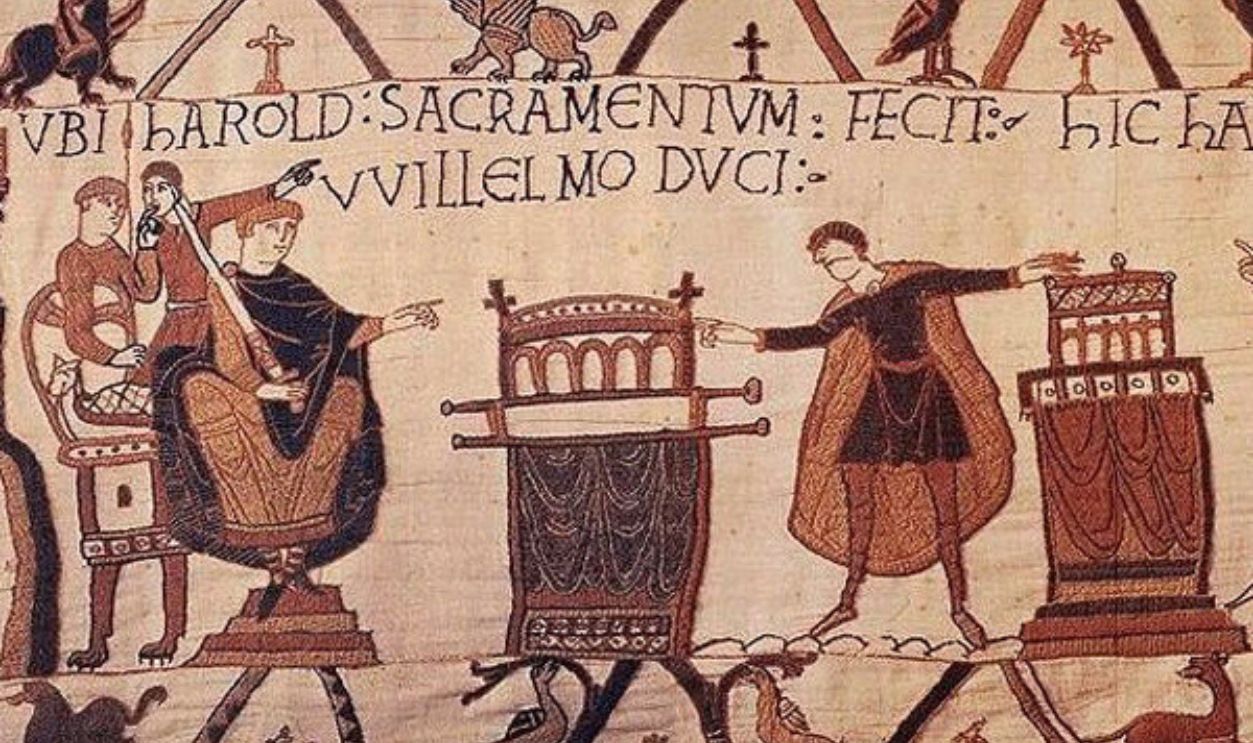
Sacred Oath
Before a crowd of Norman witnesses—and with sacred relics laid out before him—Harold swore an oath that would later shadow his claim to England’s throne. What exactly happened during that tense ceremony in Bayeux is still debated by historians, but one thing is certain: the promise he made there would ripple through medieval history in ways no one could ignore.
 Unknown Author, Wikimedia Commons
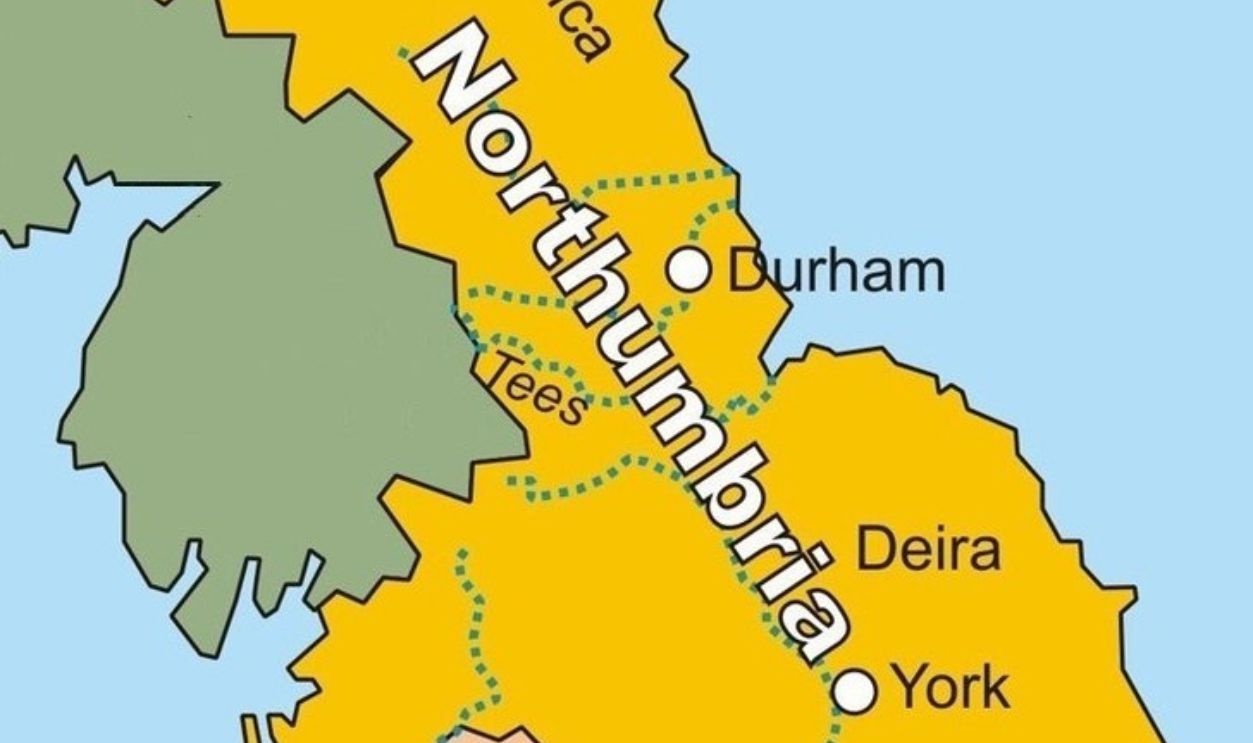
Northern Politics
In Northumbria, Tostig's harsh rule led to a big rebellion in 1065. Harold found himself in a tough spot, having to choose between his family and his kingdom. By backing the rebels against his brother, he proved that he prioritized political strategy over family loyalty.
 Finn Bjorklid, Wikimedia Commons
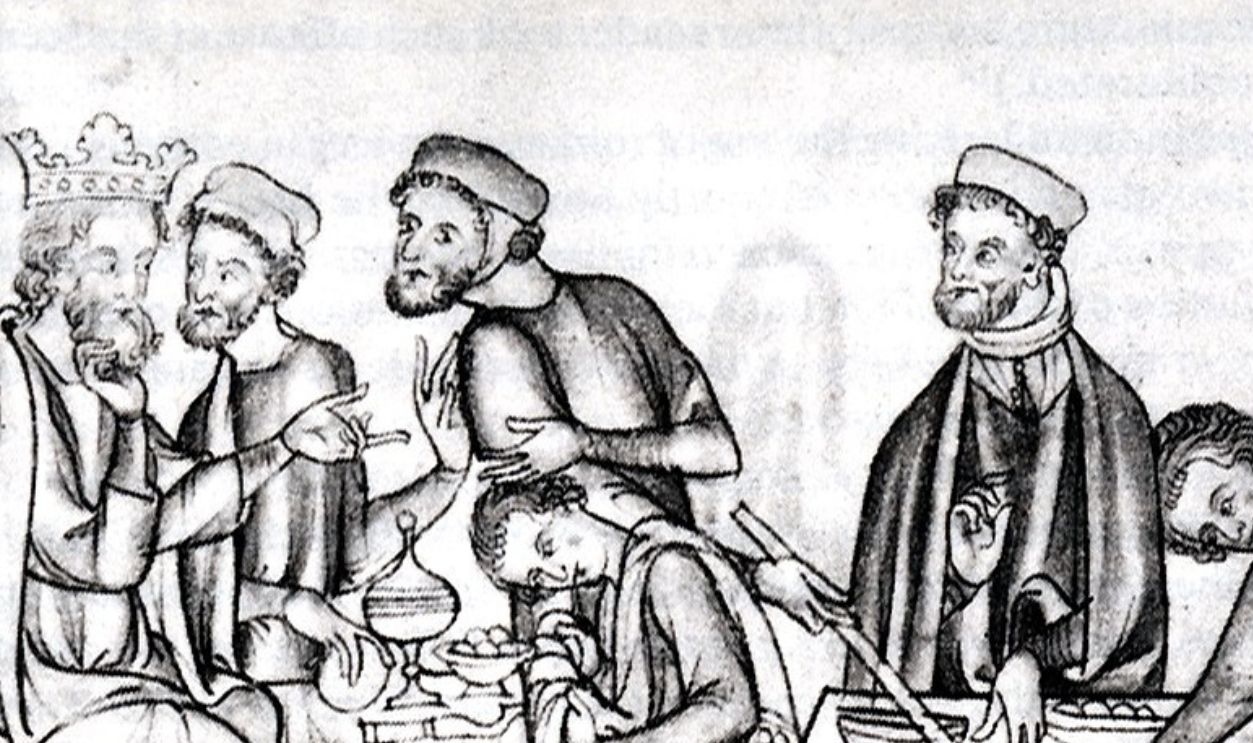
Tostig's Exile
Harold's decision to support the Northumbrian rebels pushed his brother Tostig into exile, developing a serious family feud and a new enemy. This decision would end up having big consequences as Tostig began looking for allies among some of England's most powerful foes.
 Matthew Paris, Wikimedia Commons
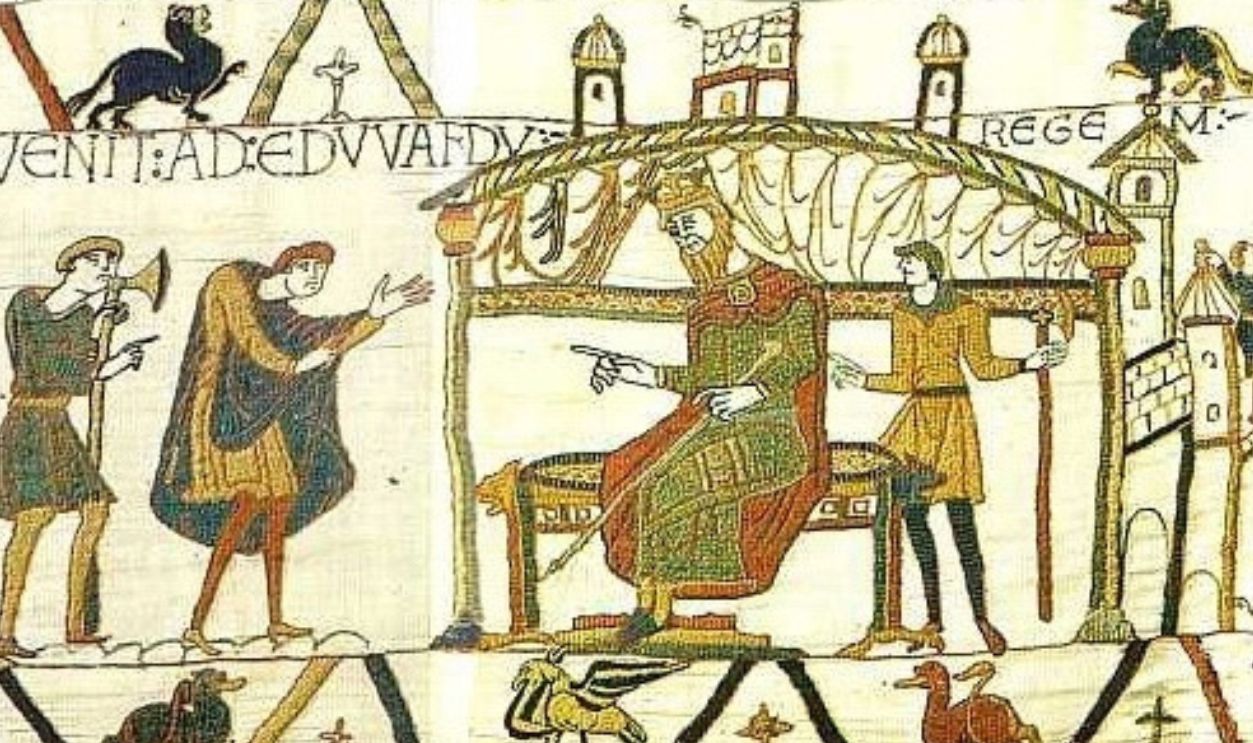
Edward's Death
In January 1066, King Edward’s health took a turn for the worse, leading up to his demise at Westminster. His last words, where he asked Harold to look after the kingdom, stirred up plenty of debate about whether this constituted a formal bequest of the crown to Harold.
 Ulrich Harsh., Wikimedia Commons
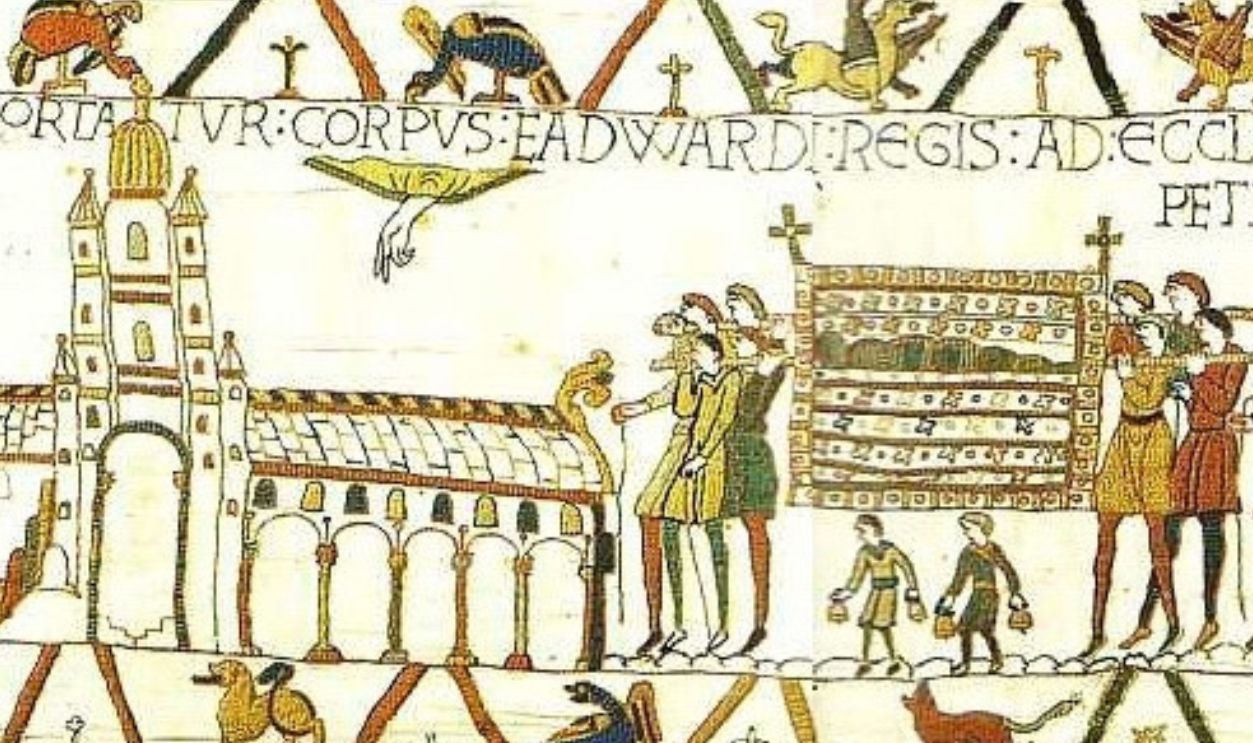
Witan's Choice
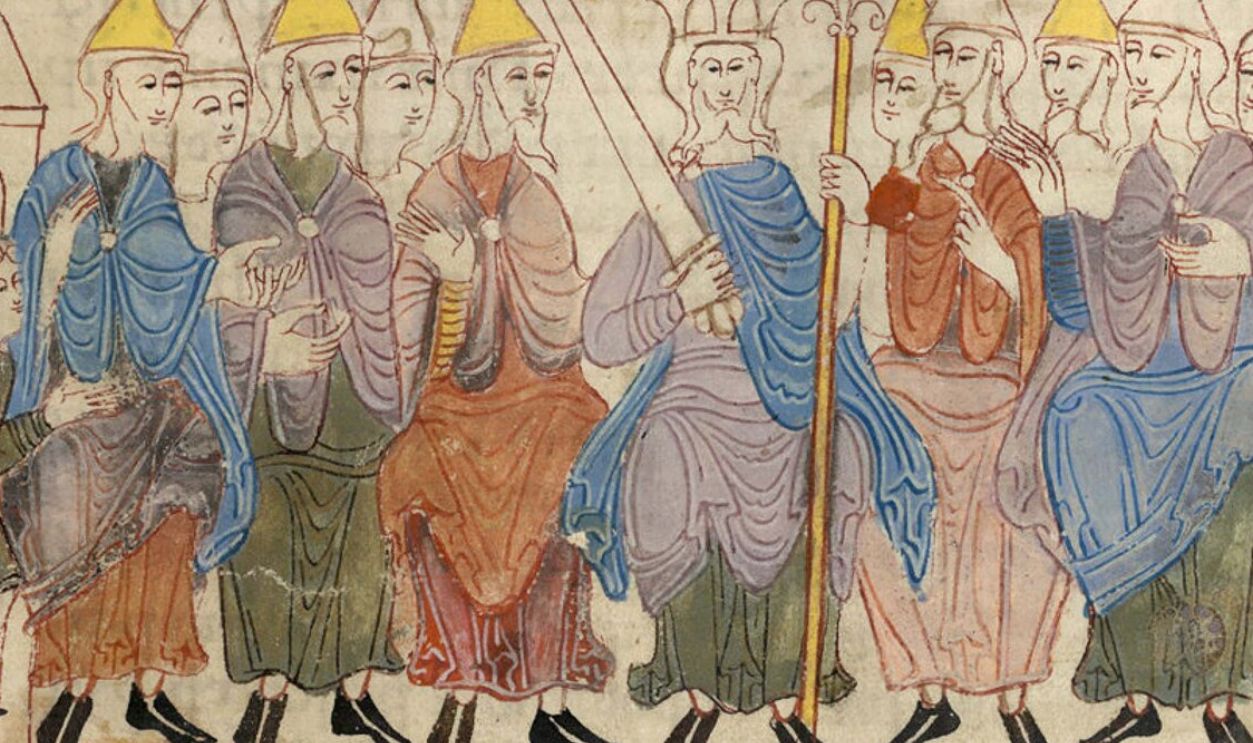
After Edward passed away, England's noble council quickly got together to figure out who should take over. The Witan decided to go with Harold instead of young Edgar Ætheling, clearly showing they were looking for someone experienced to lead during this critical time.
 Ulrich Harsh., Wikimedia Commons
Coronation Day
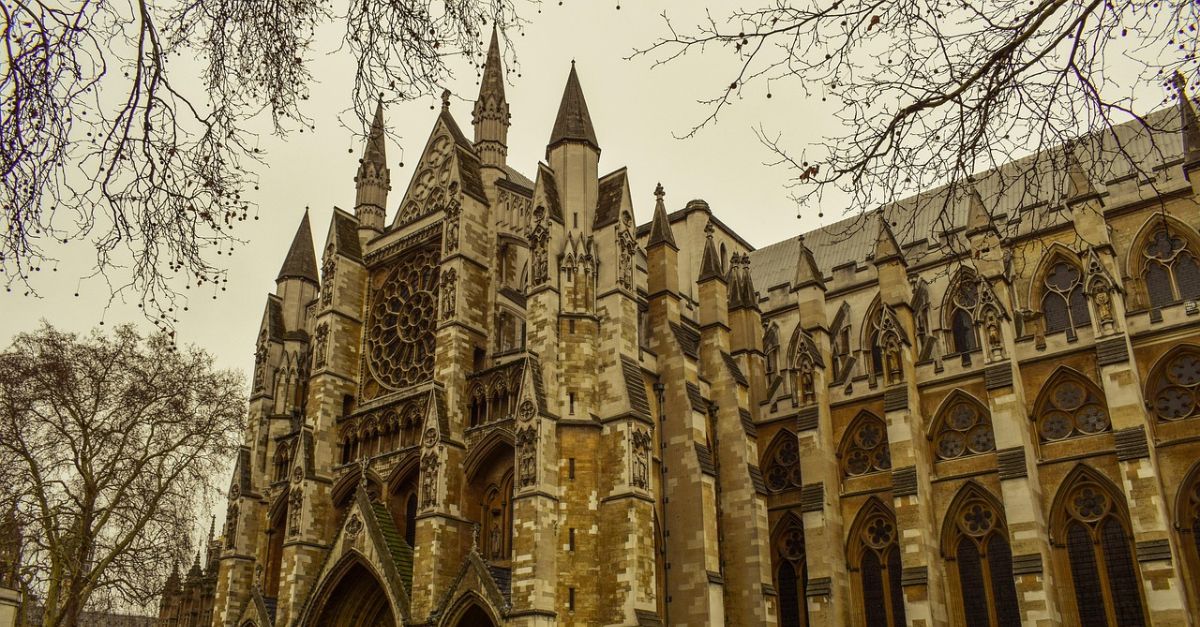
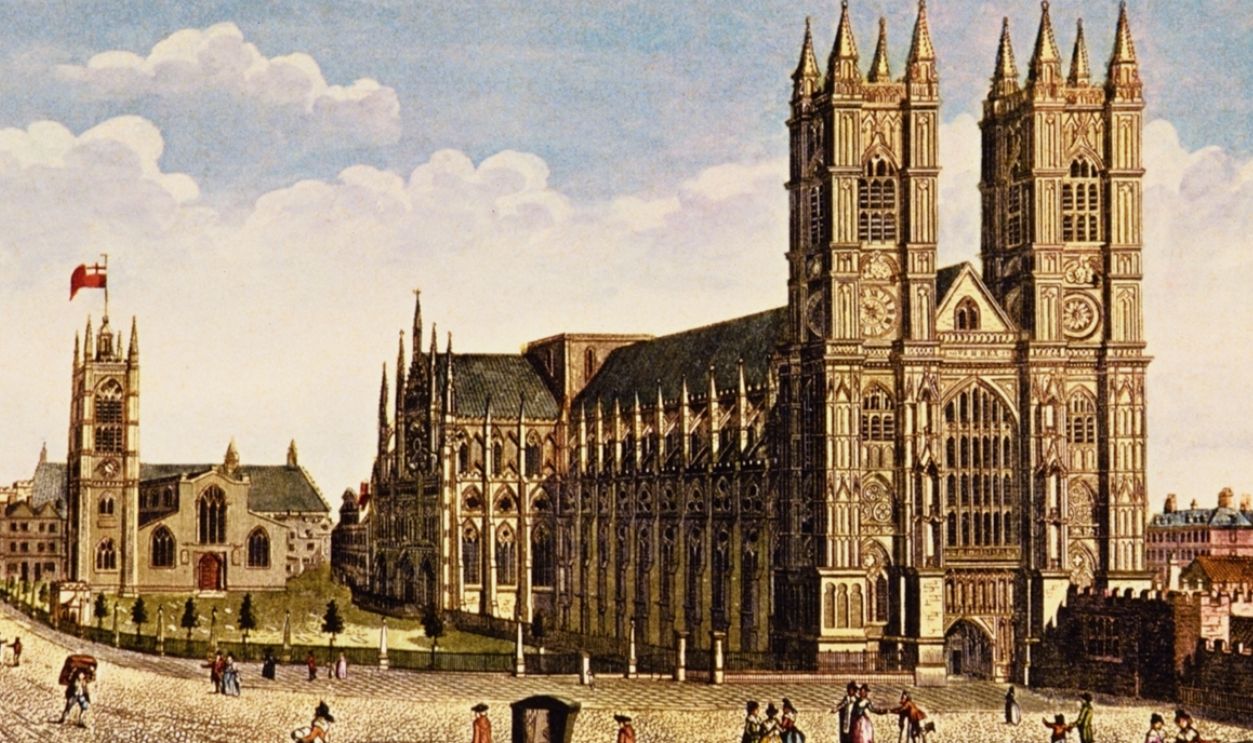
Westminster Abbey was the spot for Harold's ultimate coronation on January 6, 1066, which was a pretty big deal in English history. This rushed ceremony happened just one day after Edward died. That's how urgent it was to find stable leadership.
 Thomas Hosmer Shepherd, Wikimedia Commons
Norman Plans
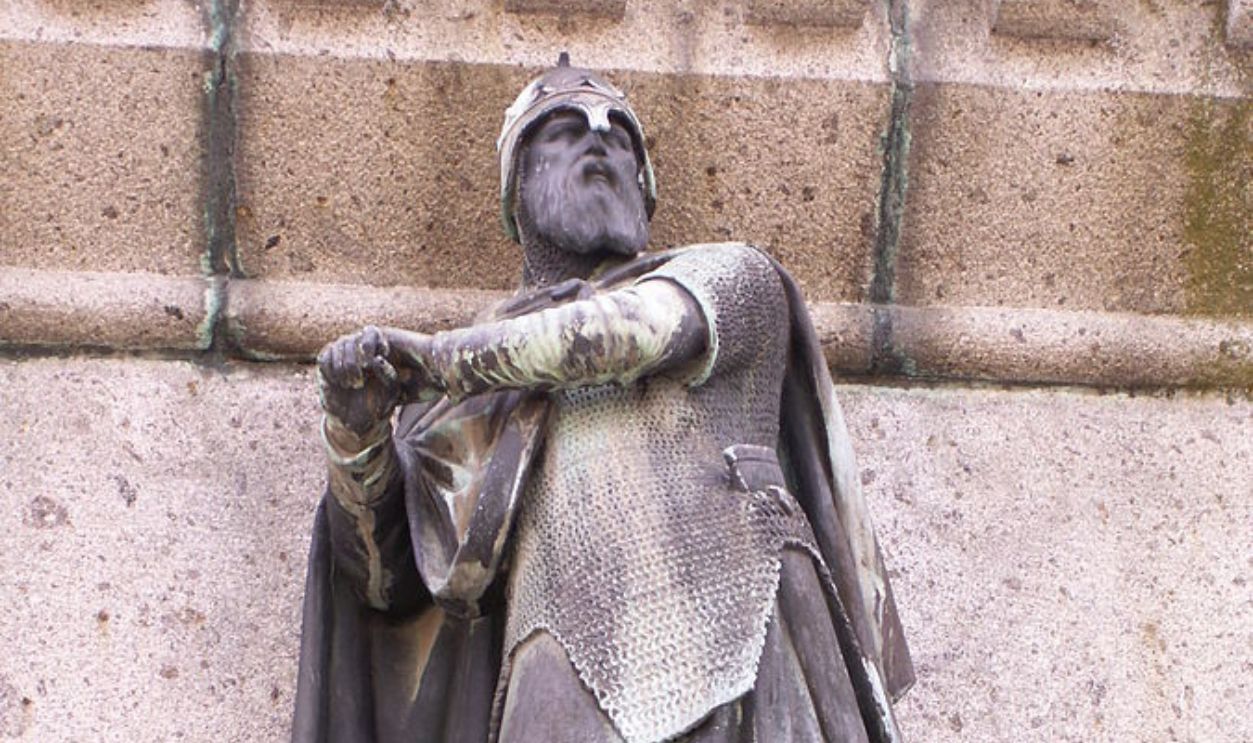
The news of Harold's coronation infuriated William, Duke of Normandy, who claimed that he had a legitimate right to the throne based on an alleged promise made by Edward. In return, he started assembling allies for his intended invasion force and ordered the building of many ships.
 Michael Shea, imars, CC BY-SA 2.5, Wikimedia Commons
Papal Support
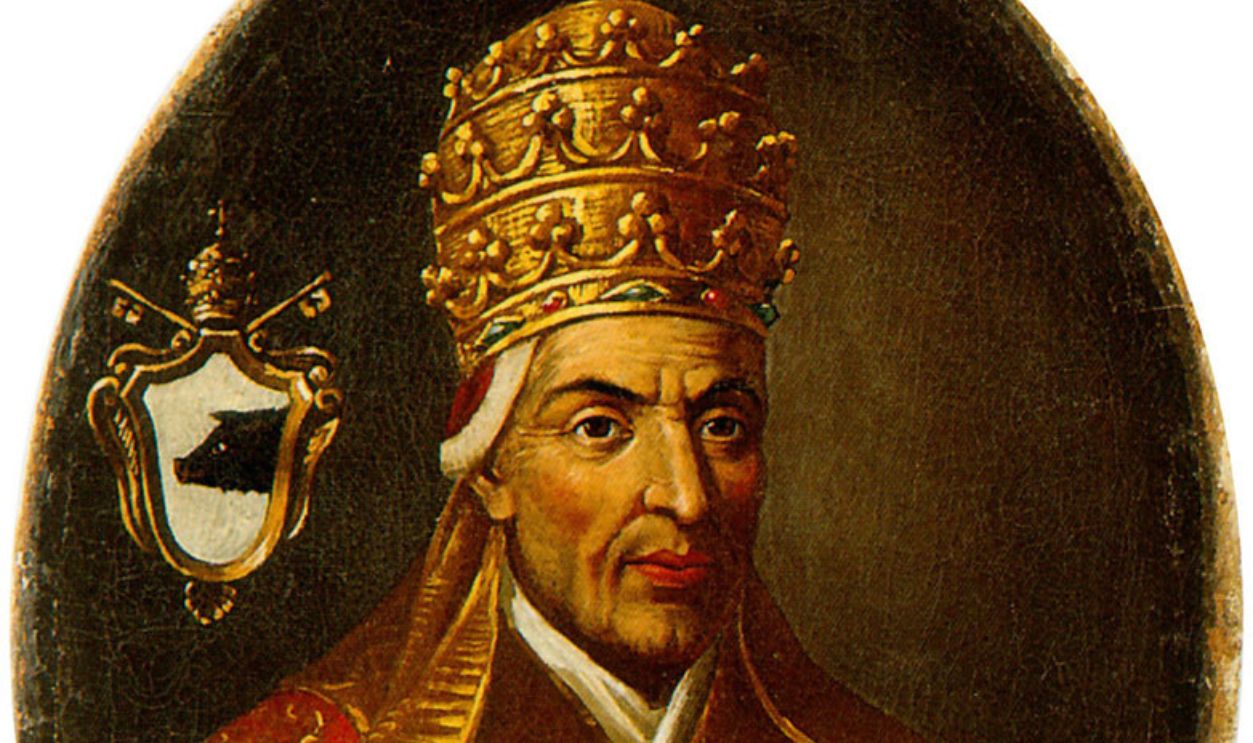
William lost no time turning politics into power. By framing Harold as an oath-breaker and playing his diplomatic cards carefully, he secured the backing of Pope Alexander II. With papal approval in hand, what had been a tense territorial rivalry was suddenly recast as a holy cause—drawing ambitious nobles from across Christian Europe to his banner.
 medieval paintings and files, Wikimedia Commons
Viking Arrival
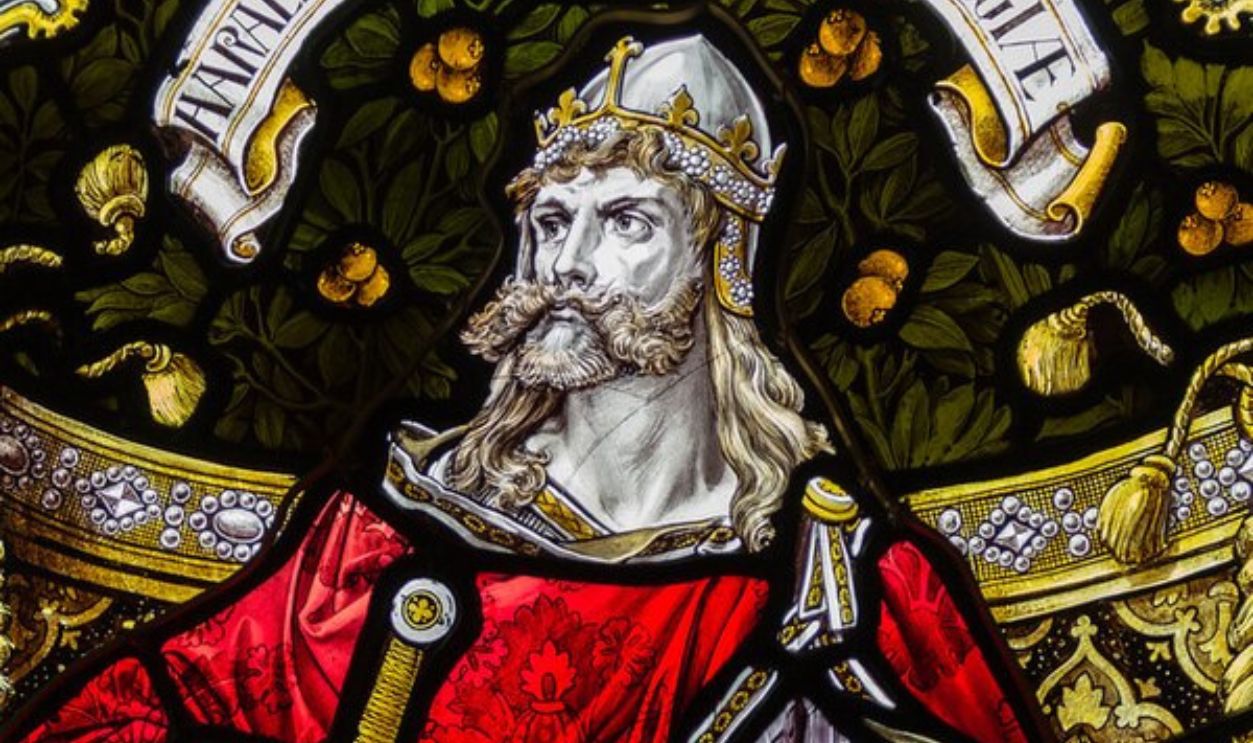
September 1066 brought Harald Hardrada's massive Viking fleet, consisting of around 300 ships, to northern England's shores, accompanied by the exile Tostig. This Norwegian invasion force represented the first major challenge to Harold's newly established kingship legitimacy.
 Lerwick Town Hall, CC0, Wikimedia Commons
York's Defense
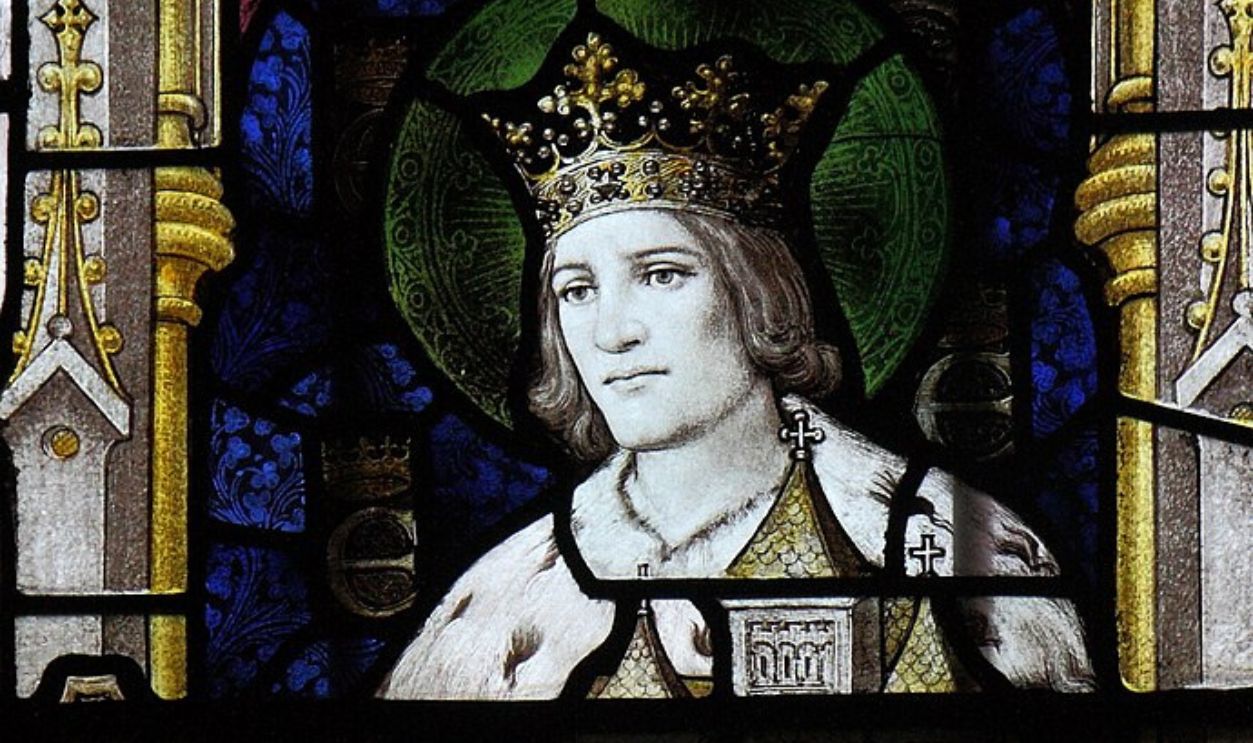
On September 20, 1066, Hardrada's forces defeated an English army led by Edwin, Earl of Mercia, and Morcar, Earl of Northumbria, at the Battle of Fulford. This victory allowed the Norwegians to capture York and gain temporary control over the region.
 DaveWebster14, CC BY 2.0, Wikimedia Commons
Northern Victory
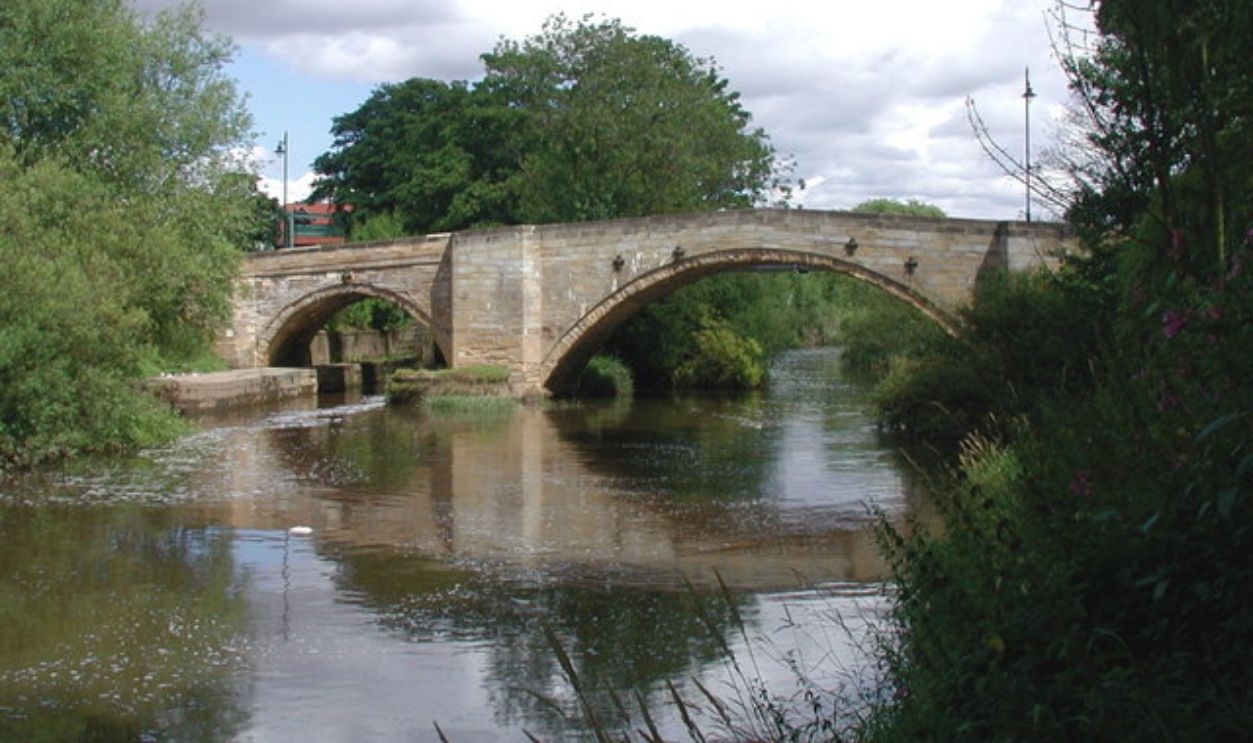
Five days later, Godwinson's forces achieved victory at Stamford Bridge. His army executed a surprise attack against Hardrada's forces. This action caught Norwegian forces completely unprepared and resulted in the deaths of both Harald Hardrada and Tostig Godwinson.
 Paul Glazzard, CC BY-SA 2.0, Wikimedia Commons
Norman Landing
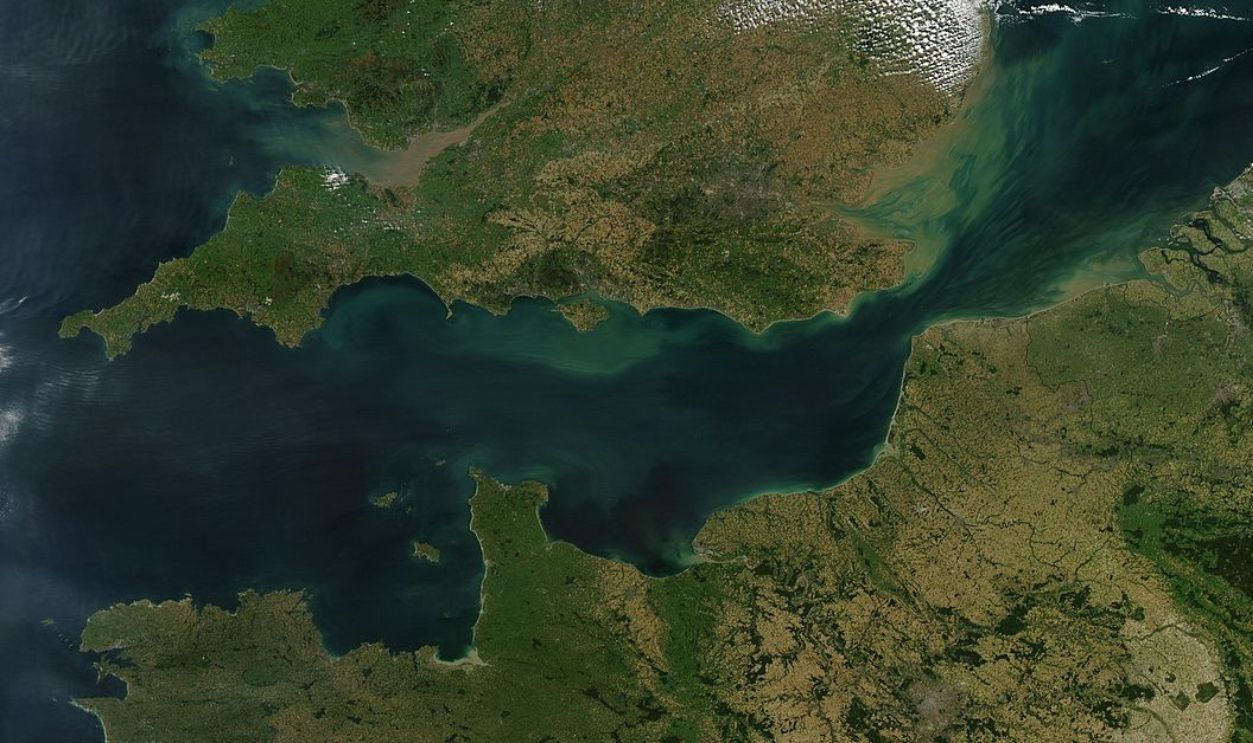
While Harold Godwinson was celebrating his victory at Stamford Bridge, the Duke of Normandy took advantage of the situation. His invasion fleet had a smooth crossing of the English Channel and landed at Pevensey on September 28, 1066, quickly setting up a strong base.
Southern March
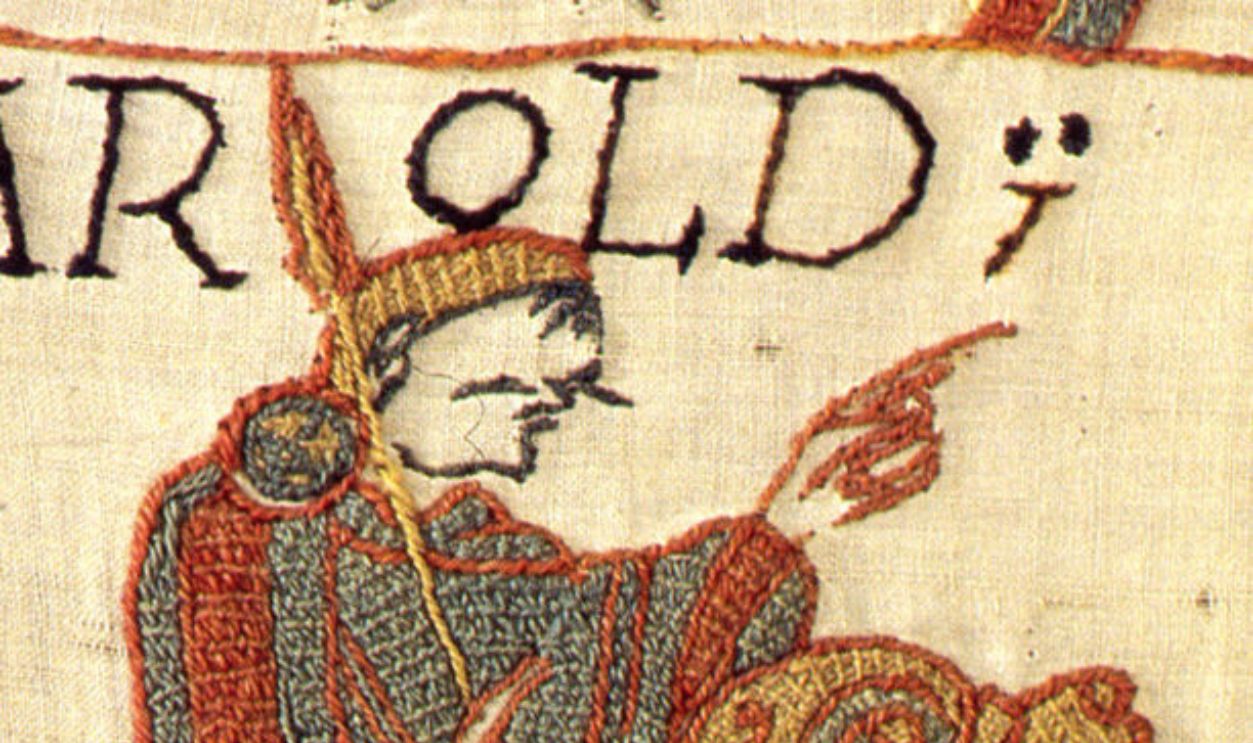
Harold's army accomplished an extraordinary feat of endurance and determination as they marched 250 miles (or around 400 kilometers) south in just fourteen days. This was a rapid response to the Norman invasion. Some sources suggest that the march took about a week.
 Bayeux Tapestry Museum, Wikimedia Commons
Battle Plans
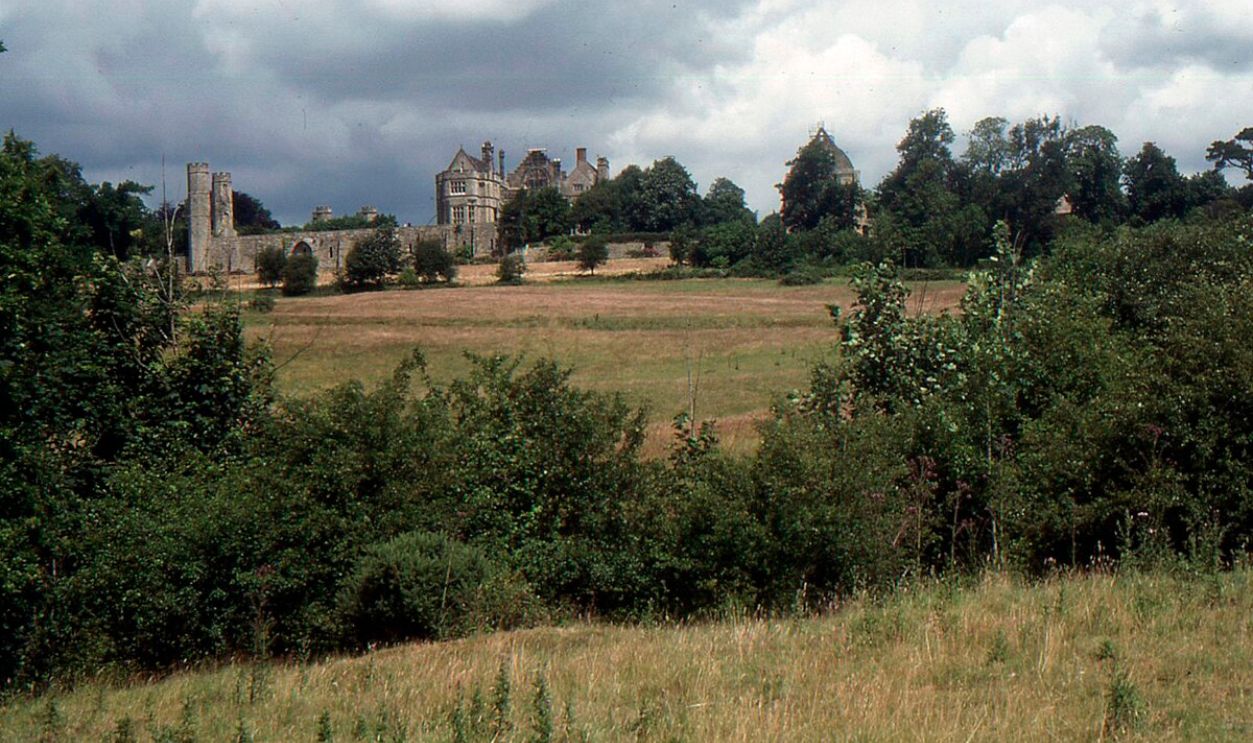
Senlac Hill near Hastings became Harold's chosen battleground for the decisive confrontation with William's forces. The English position offered tactical advantages, with Harold's shield wall protecting the high ground against Norman cavalry.
 Christopher Hilton, CC BY-SA 2.0, Wikimedia Commons
The Morning Clash
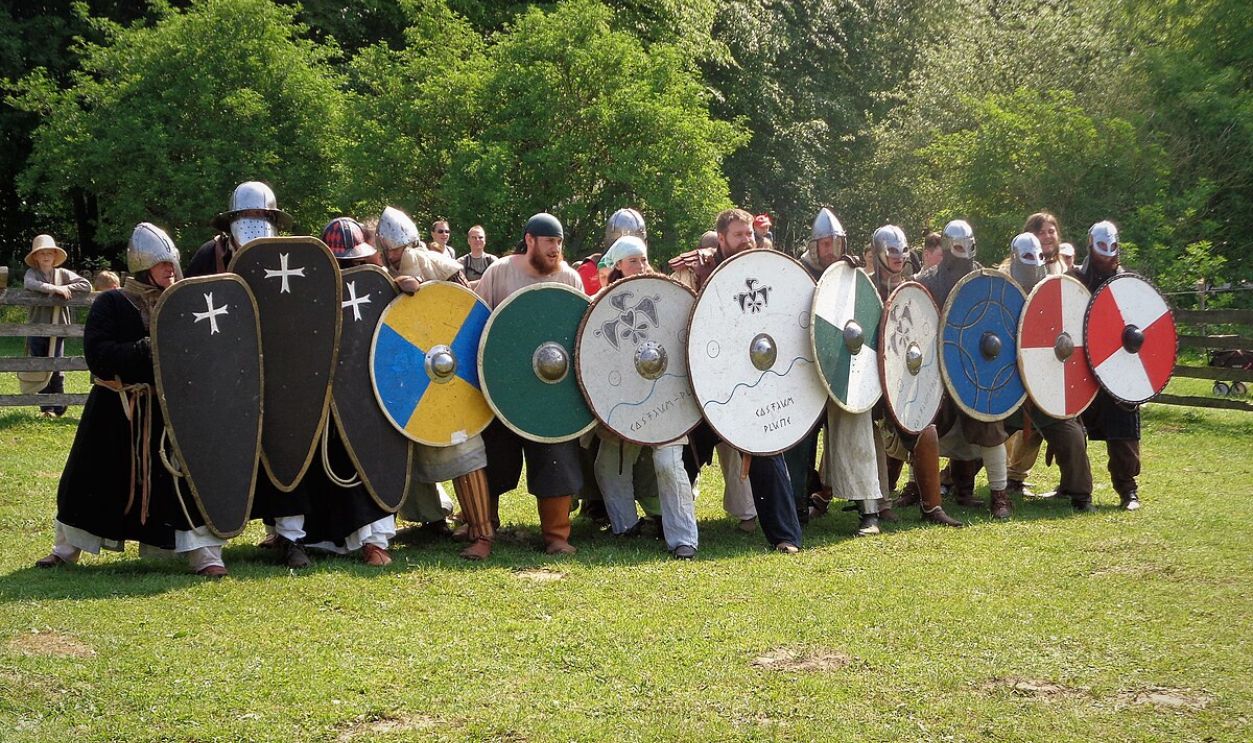
October 14, 1066, broke bright and cold as two armies took their places near Hastings, each knowing the day would decide a kingdom. By around nine in the morning, William’s archers let loose the first volley, arrows darkening the sky as they rained down on the English line. High on the ridge, the English shield wall locked tight, a wall of wood and iron, while below them William’s forces arranged into a calculated three-pronged assault that would test its strength.
 Siegbert Brey, CC BY-SA 4.0, Wikimedia Commons
Fatal Arrow
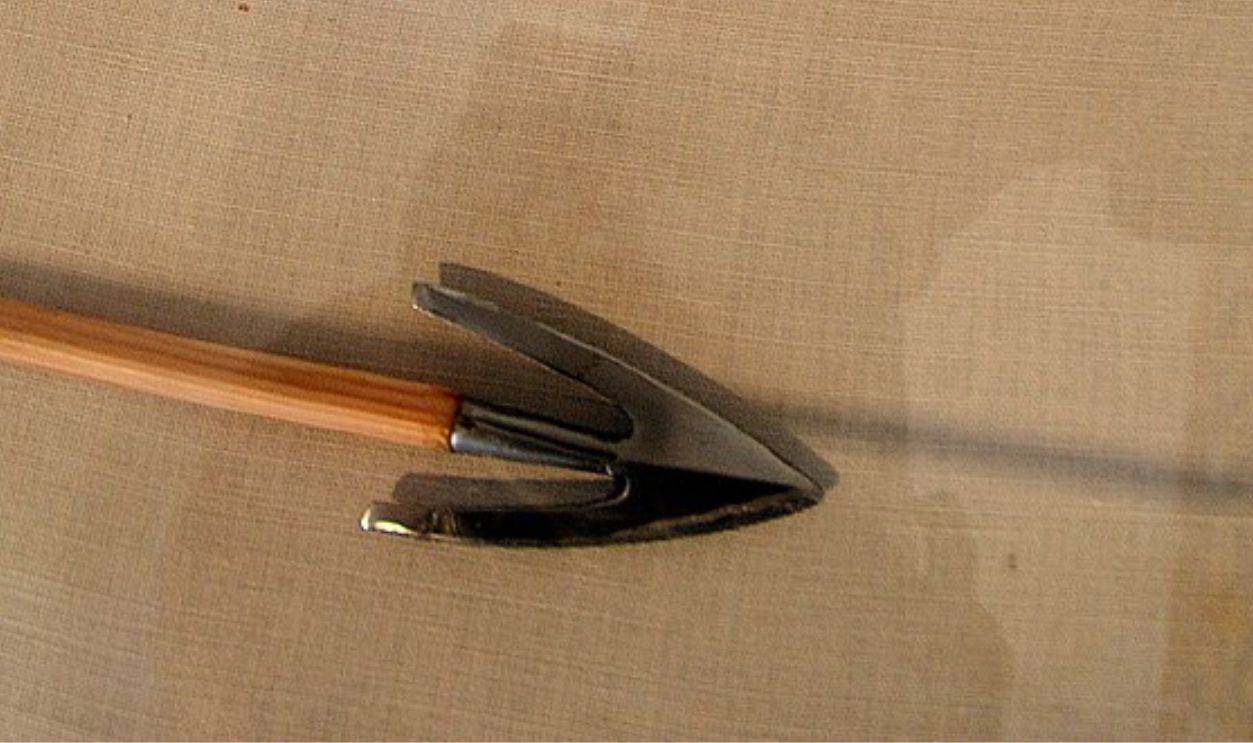
During the chaos, King Harold Godwinson was killed by an arrow. Traditional accounts from the Bayeux Tapestry depict the dramatic moment where he is struck in the eye by an arrow. This image has become one of medieval history's most enduring and debated stories.
 Paul Hermans, CC BY-SA 3.0, Wikimedia Commons
Final Stand
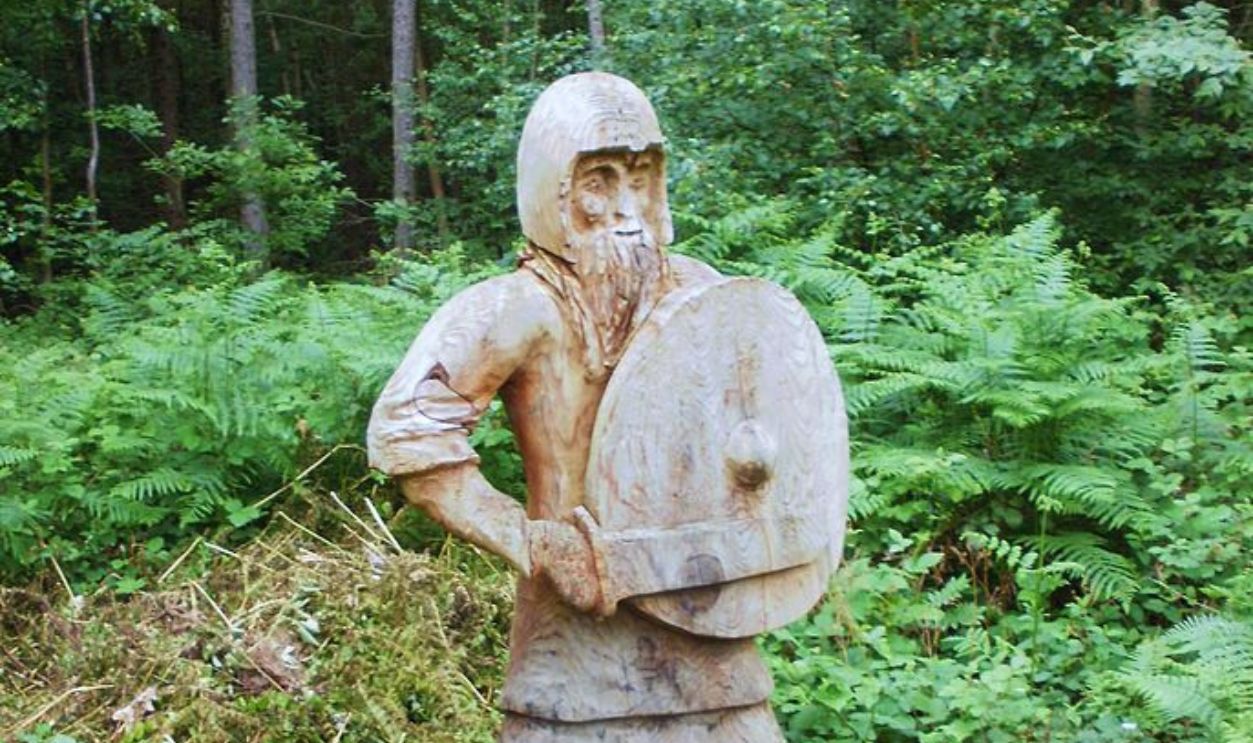
As evening approached that fateful October day, Harold's loyal housecarls fought desperately around their fallen king. The last Anglo-Saxon warriors died defending their royal standard. The defeat at Hastings signified the end of Harold Godwinson's reign and marked a profound shift in English history.
 Ethan Doyle White, CC BY-SA 3.0, Wikimedia Commons
Waltham's Claim
According to historical sources, including accounts from the 12th-century chronicler William of Malmesbury, two canons from Waltham Abbey were sent to recover Harold's body after the battle. They initially sought permission from William the Conqueror, who refused but later agreed to allow them to search for it.
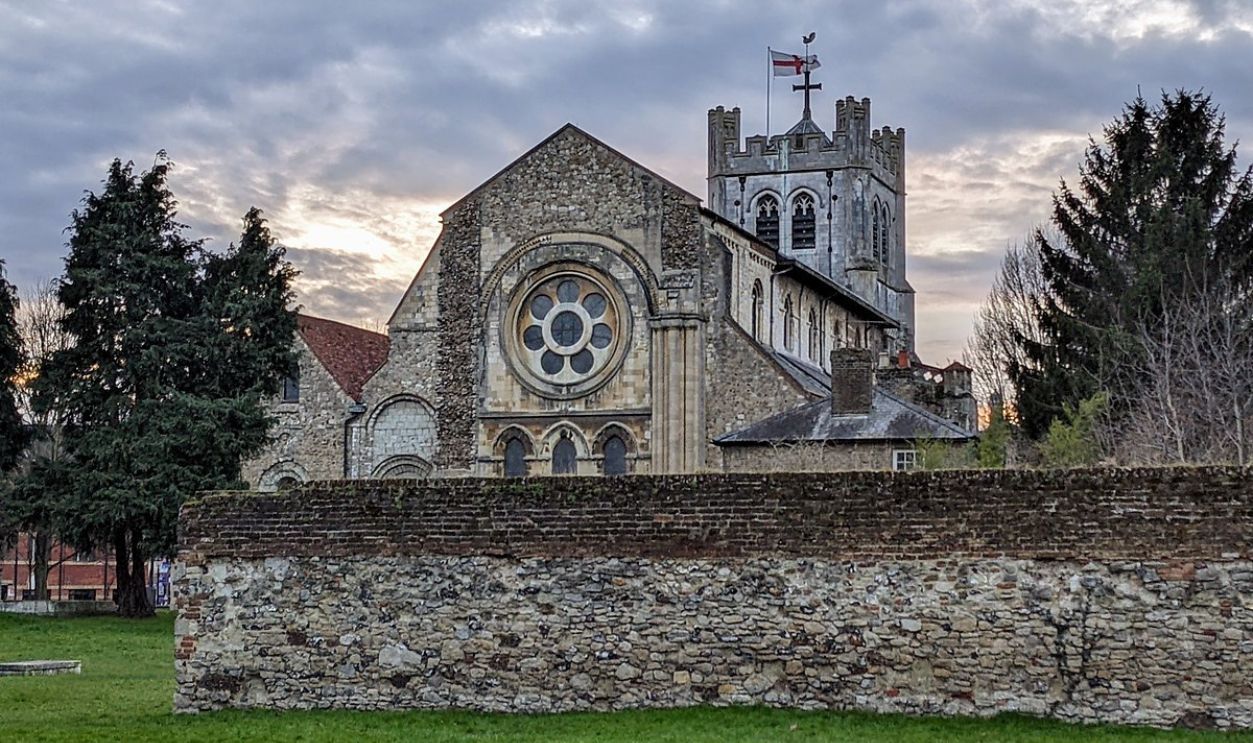 The wub, CC BY-SA 4.0, Wikimedia Commons
Burial Location
Moreover, accounts from chroniclers like William of Poitiers and others say that Harold's body was buried under a cairn overlooking the sea. This symbolically left him as a "keeper of the shore" he had once mightily defended.
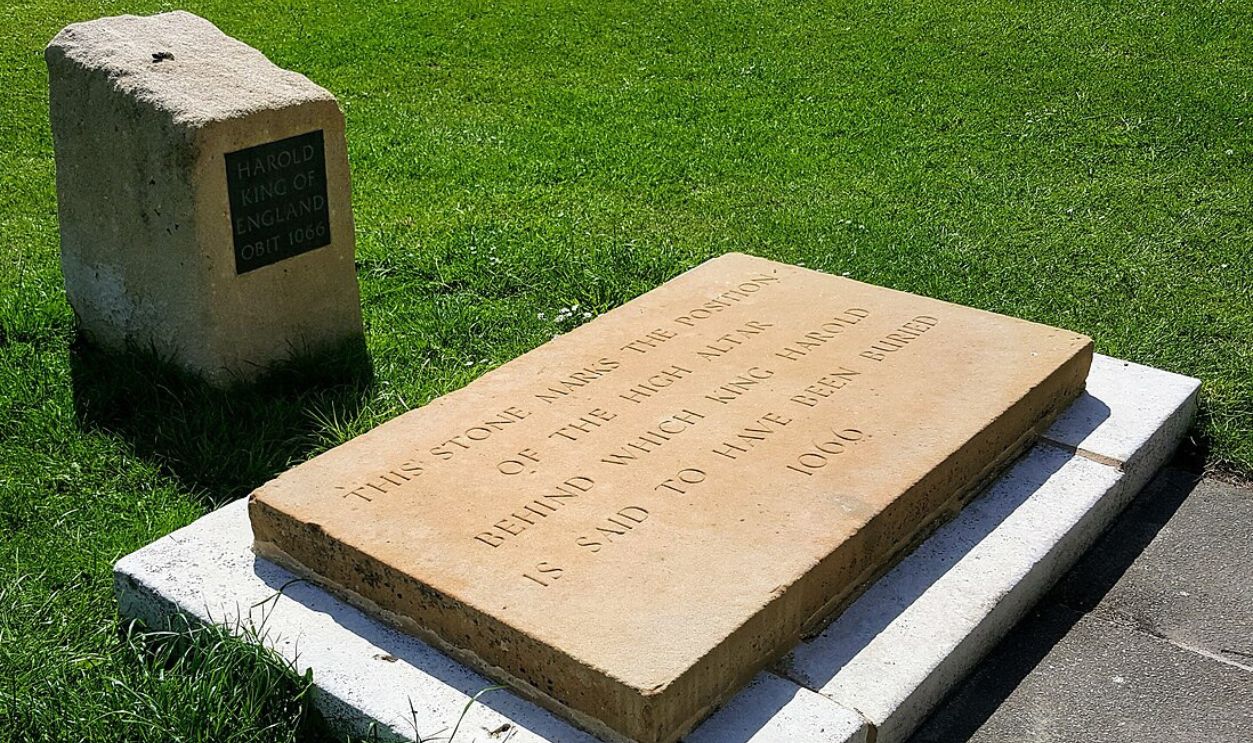 Irid Escent, CC BY-SA 2.0, Wikimedia Commons
Church Excavation
In 1954, excavators at Holy Trinity Church in Bosham found a stone coffin containing the remains of a man, which brought renewed interest in the burial site of King Harold. This skeleton, measuring approximately five and a half feet tall, exhibited signs of battle damage and arthritis.
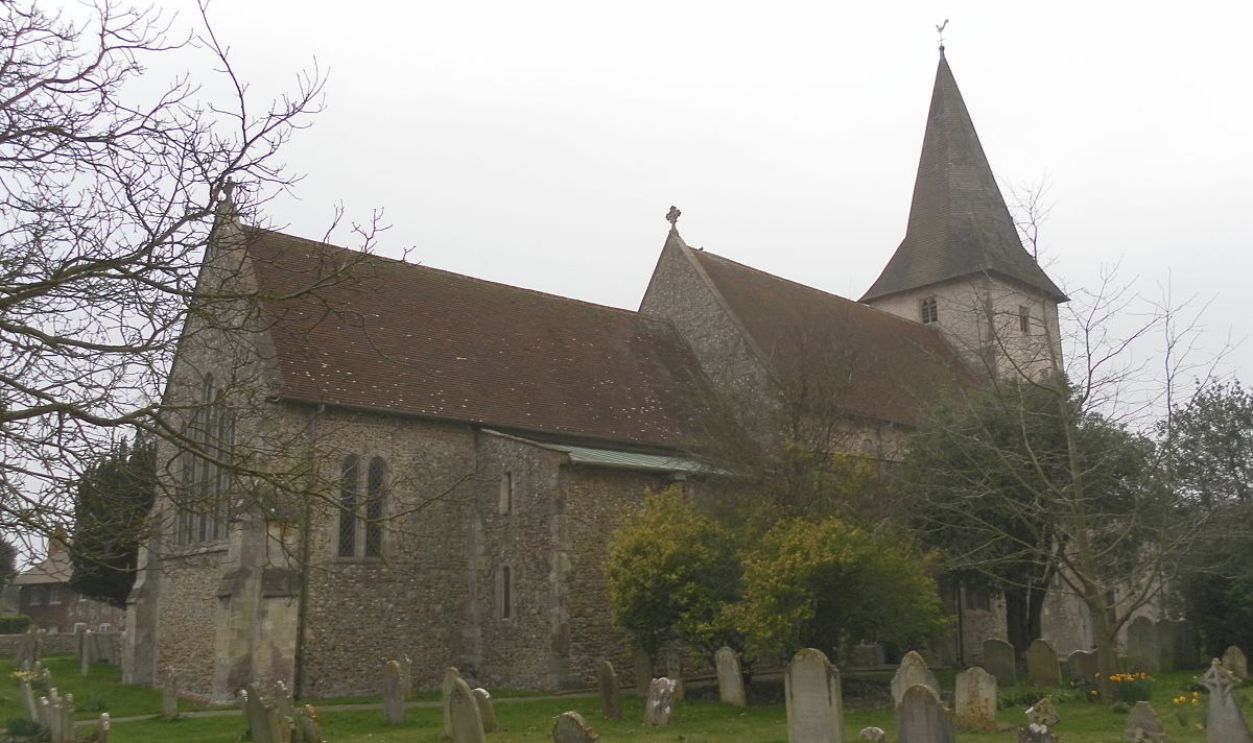 The Voice of Hassocks, CC0, Wikimedia Commons
Bosham Discovery
The lost home of King Harold Godwinson in Bosham, West Sussex, has been identified by researchers. This location is noteworthy because it corresponds with historical narratives and representations seen in the Bayeux Tapestry, offering a concrete connection to the final Anglo-Saxon monarch of England.
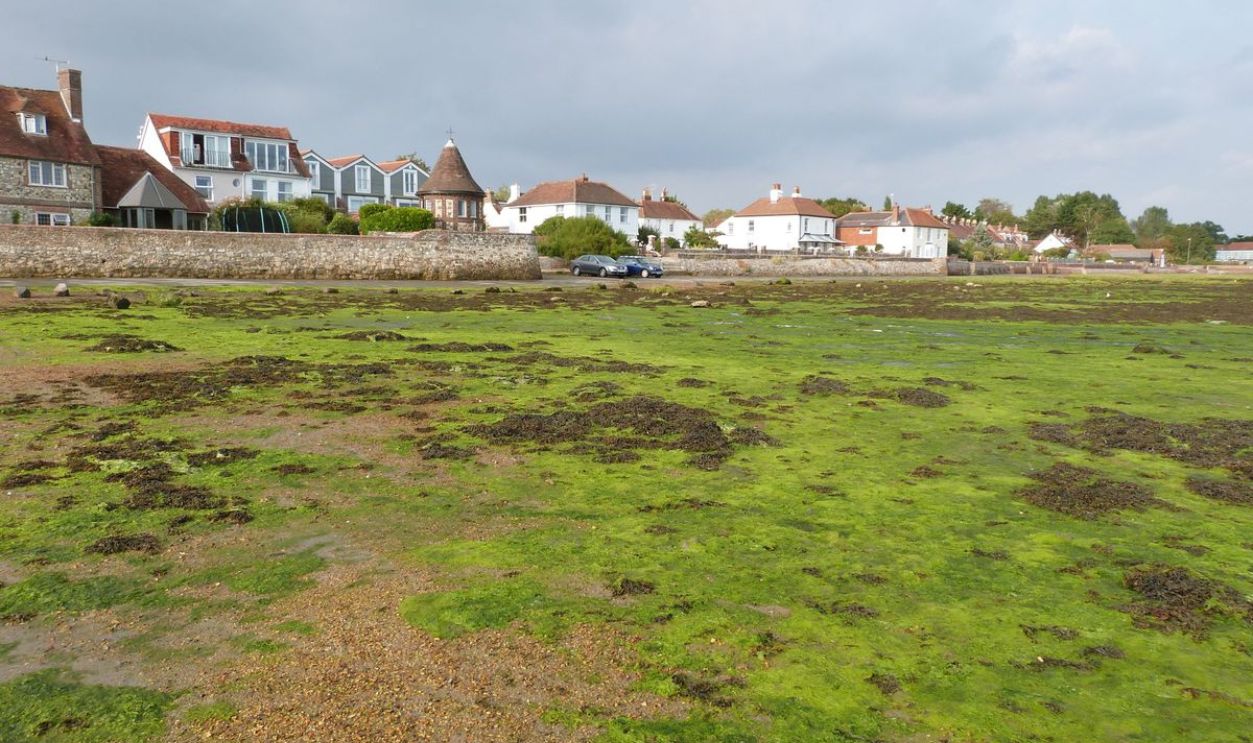 Derek Voller, CC BY-SA 2.0, Wikimedia Commmons
Bayeux Tapestry
William the Conqueror's half-brother, Bishop Odo, commissioned the magnificent approximately 231-foot-long Bayeux Tapestry. It stands as an embroidered work of art that eloquently describes the events leading up to the Norman Conquest of England in 1066.
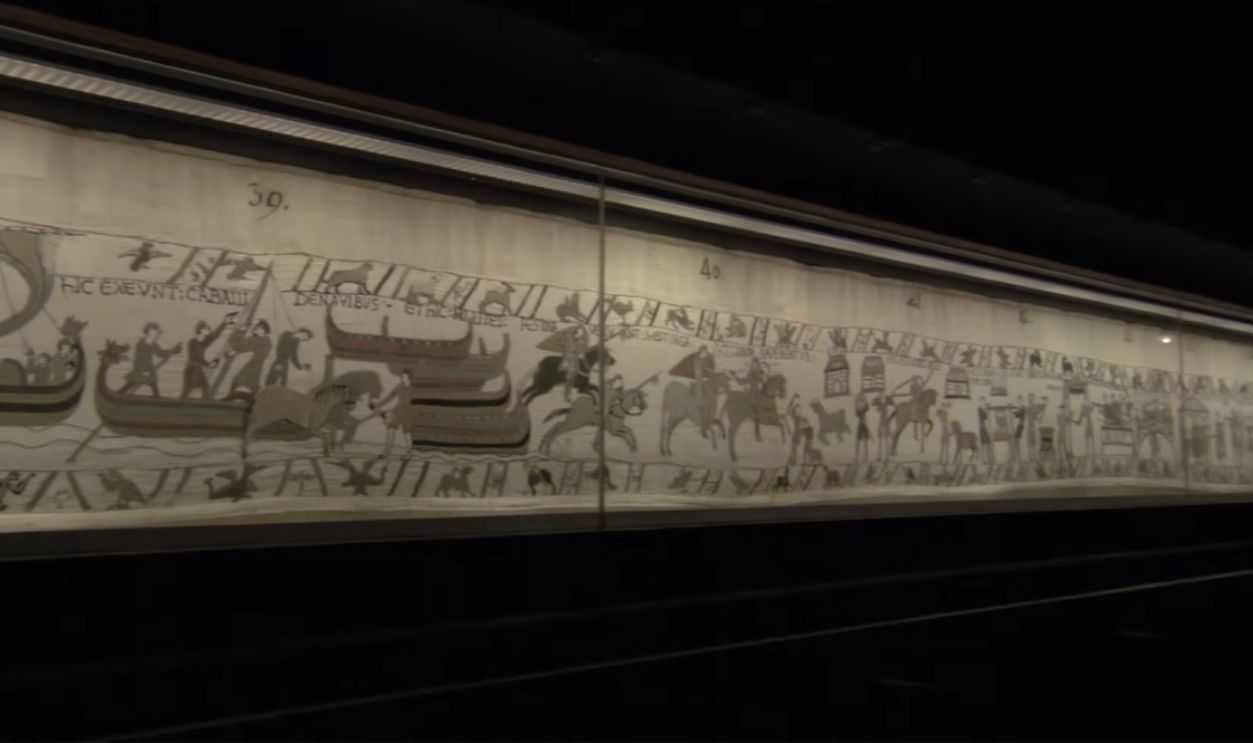 The Bayeux Tapestry - Seven Ages of Britain - BBC by BBC
Historical Legacy
The Bayeux Tapestry has endured revolutions, wars, and centuries of uncertainty—surviving everything from the upheaval of the French Revolution to the devastation of WWII Now, Professor Creighton says the discovery at Bosham could be just as significant. Describing it as an “Anglo-Saxon show home,” he suggests it offers a rare, almost intimate glimpse into a ruling class that left behind precious little physical trace of its world.
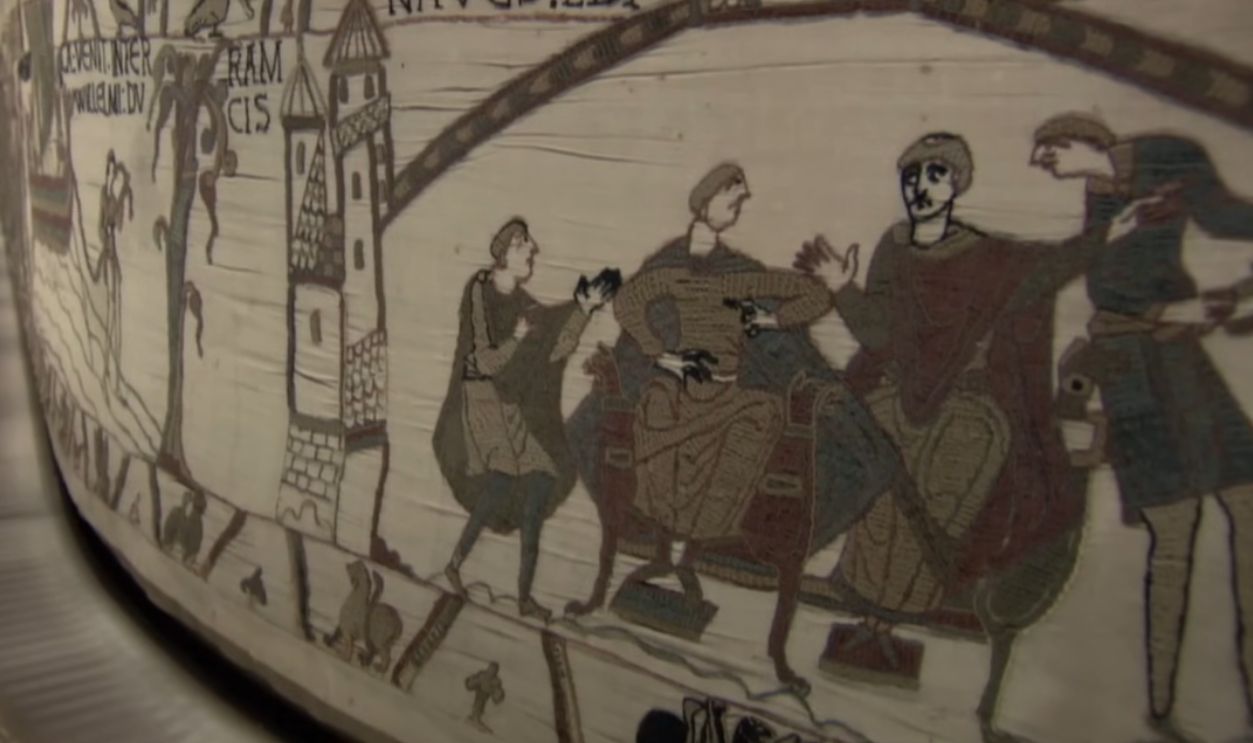 The Bayeux Tapestry - Seven Ages of Britain - BBC by BBC
Identification Of The Site
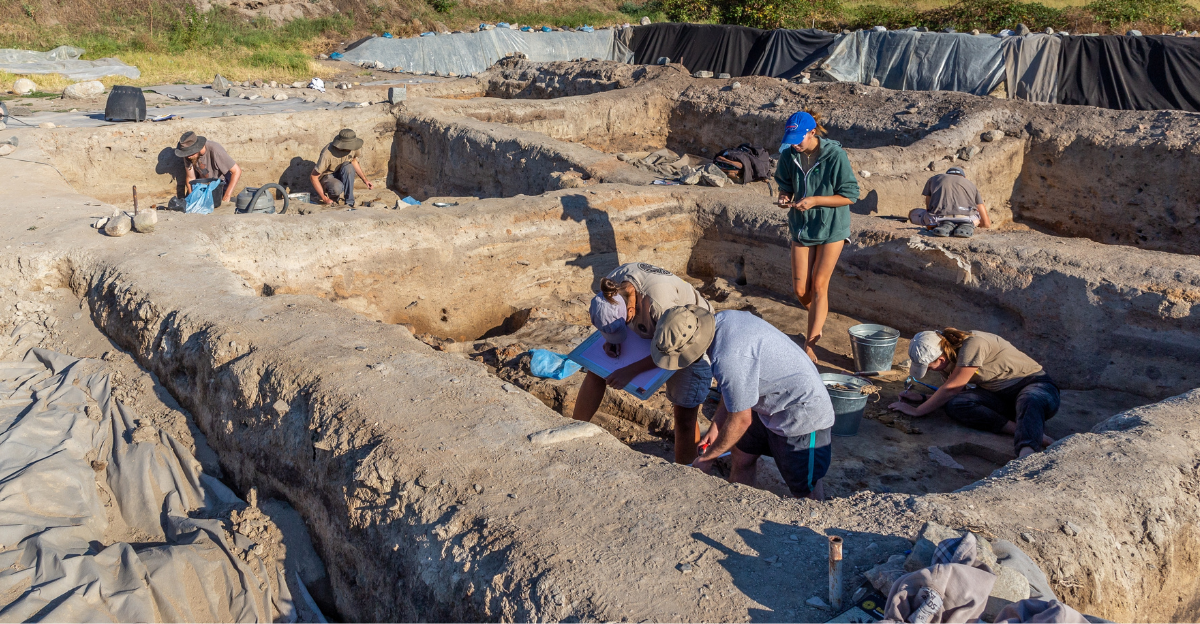
Archaeologists from Newcastle University and the University of Exeter were the ones who confirmed that a private home in Bosham, known as Bosham Manor House, stands on the site of Harold's medieval residence. This conclusion was reached after geophysical surveys, historical map analysis, and re-examinations.
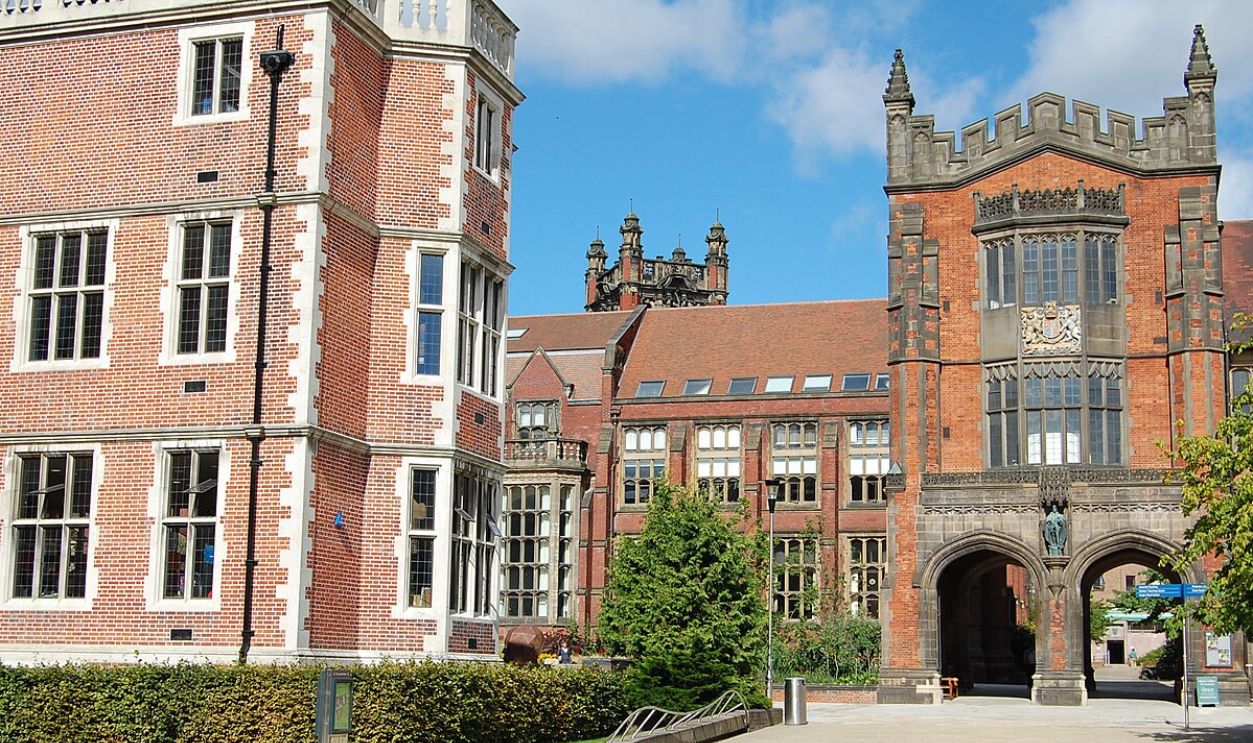 Sarah Cossom, CC BY-SA 3.0, Wikimedia Commons
Bayeux Tapestry Connection
Two key Bosham events are illustrated in the Bayeux Tapestry. One was a banquet hosted by Harold, and the other was his return. So, within the tapestry, we see Harold enjoying a lavish feast in a grand hall at Bosham before he sets sail for Normandy.
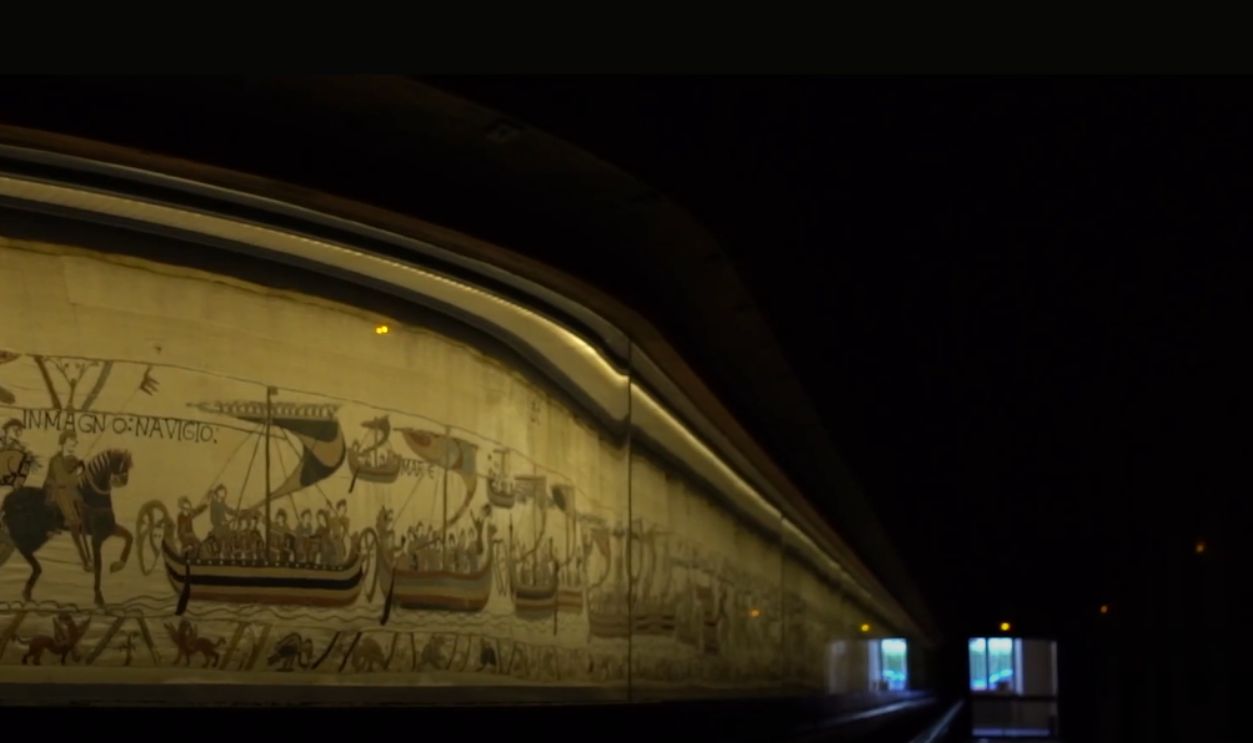 Bayeux Tapestry Museum by Ville de Bayeux
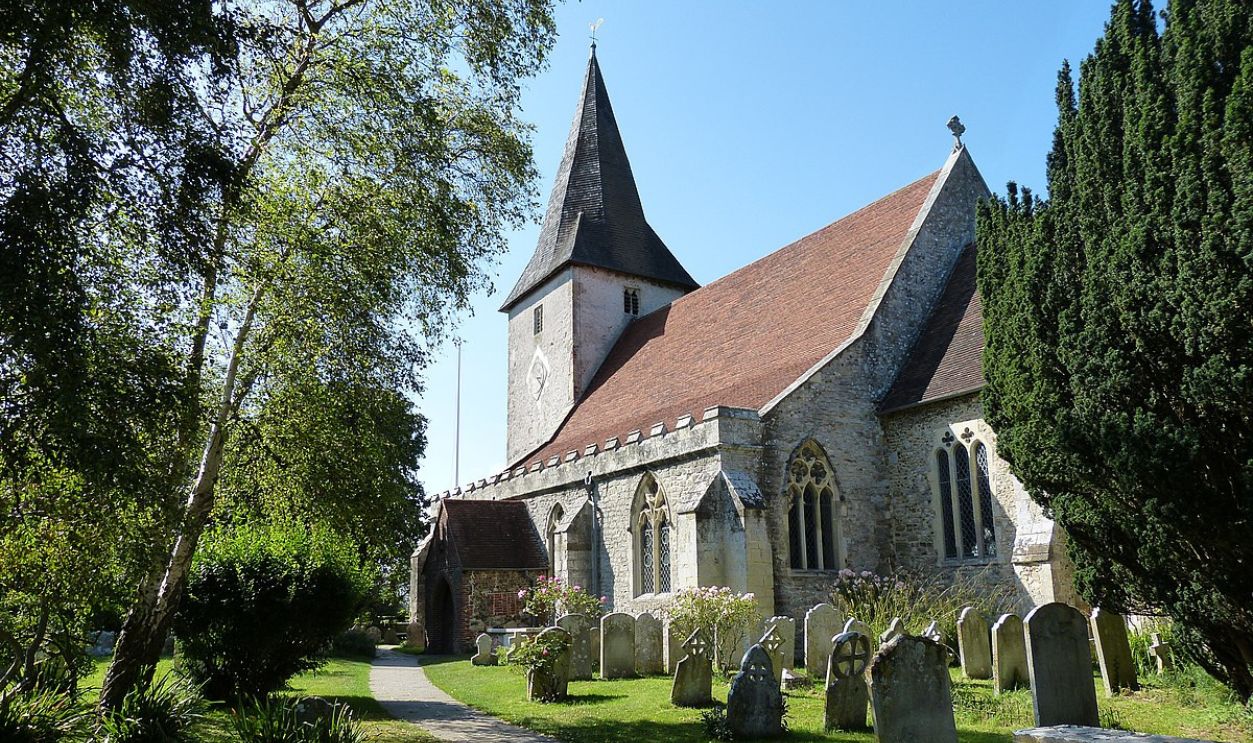
Bosham Church
It also depicts Harold stopping at Bosham Church to pray before his journey to Normandy. The Holy Trinity church has Saxon origins, with parts of the current structure dating back to that period. It is believed there was a church on this site as early as the 7th century.
 grumpylumixuser, CC BY 3.0, Wikimedia Commons
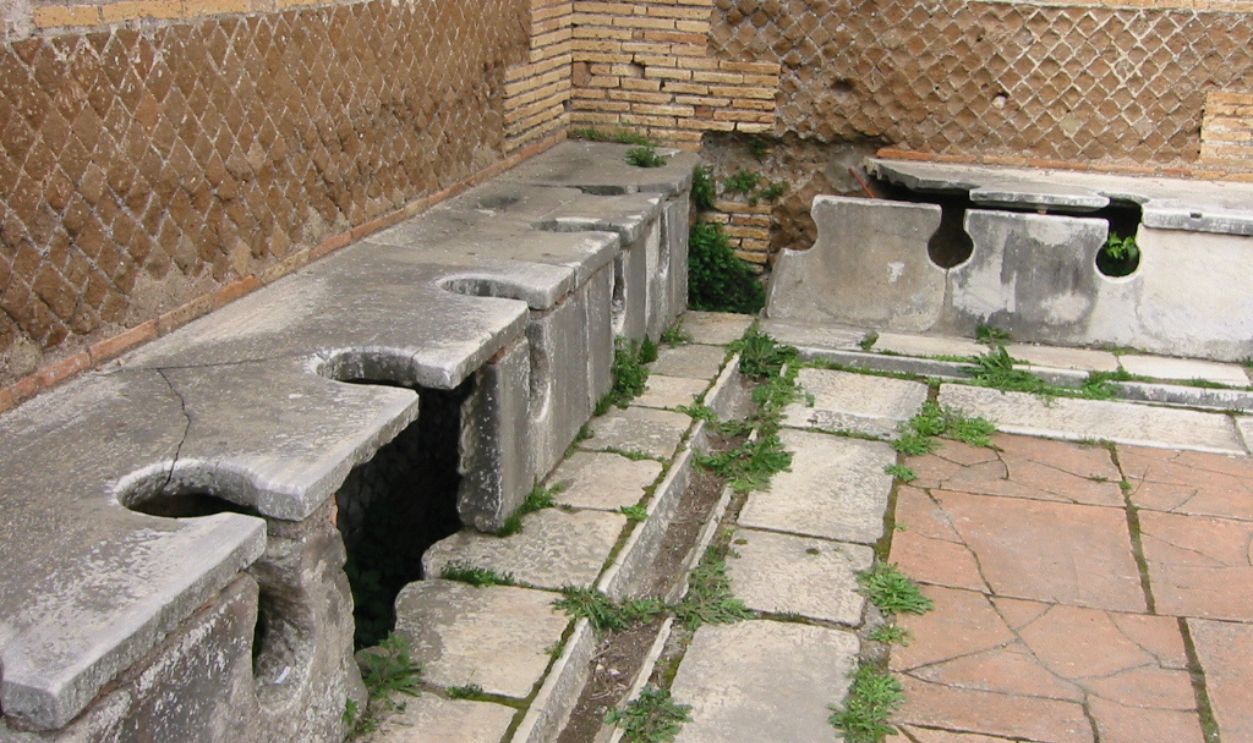
Latrine Evidence
An important piece of evidence from earlier excavations in 2006 was the identification of a latrine within a large timber building. This feature is indicative of high-status residences during the 10th century, suggesting that the structure could be part of an affluent dwelling.
 Fubar Obfusco, Wikimedia Commons
Team Identification
The team identified two previously unknown medieval buildings at the site—one integrated into the current structure and another situated in the garden. Dr. Duncan Wright, a lead researcher on the project, emphasized that this discovery confirms the site as an elite residence.

Complex Structure
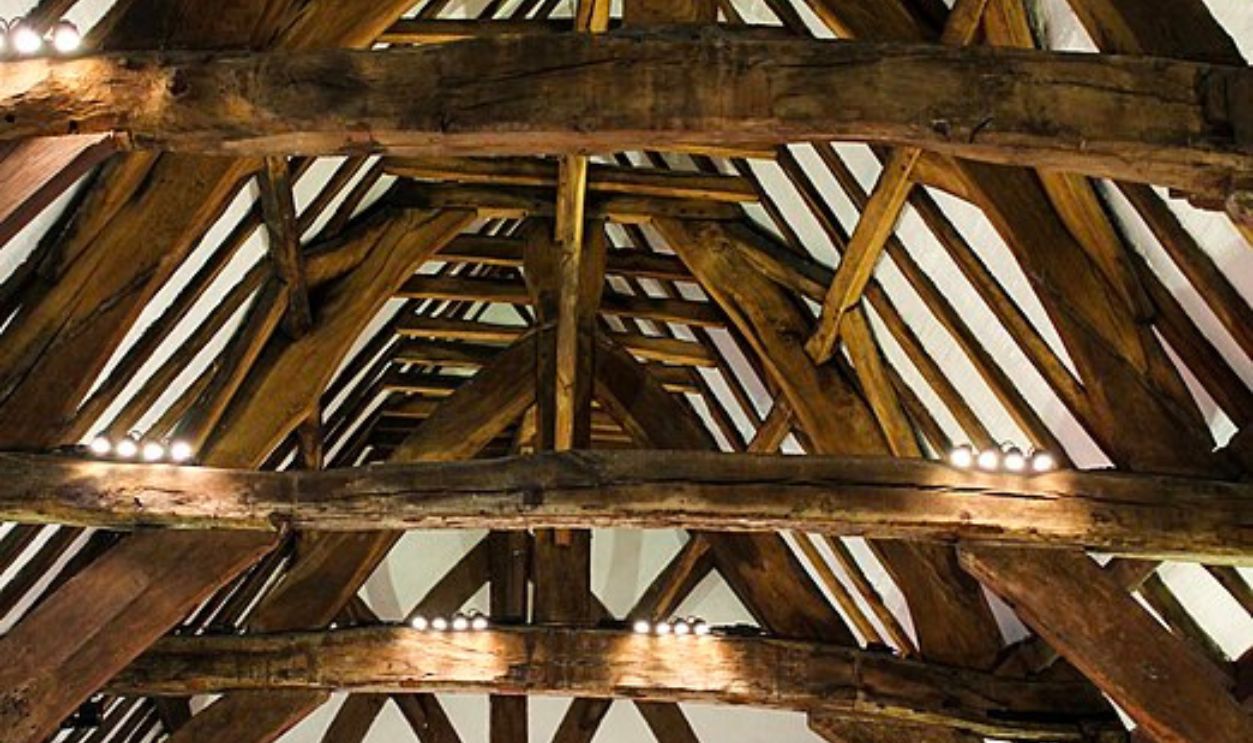
According to the archaeological dig, we get to know that the site was around an acre big and had several buildings, including a big timber hall. It was conveniently located near a harbor and a church, and there was a moat around it for extra defense.
 Mramoeba, CC BY-SA 4.0, Wikimedia Commons
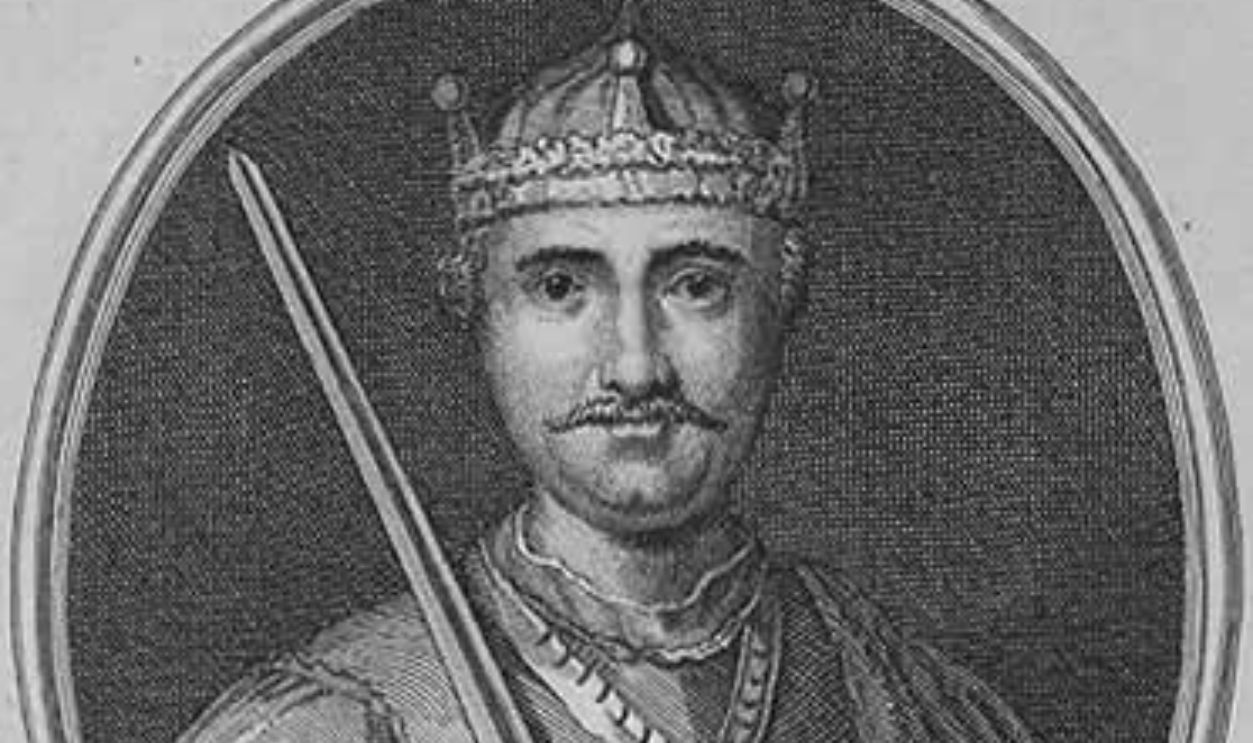
Historical Context
These findings are in line with the accounts of the Norman Conquest of 1066, in which Harold succumbed to William the Conqueror in the Battle of Hastings. Overall, this context enhances the value of the site as a focal point of power during pre-Conquest England.
 Unknown Author, Wikimedia Commons







.jpg)

.JPG)


