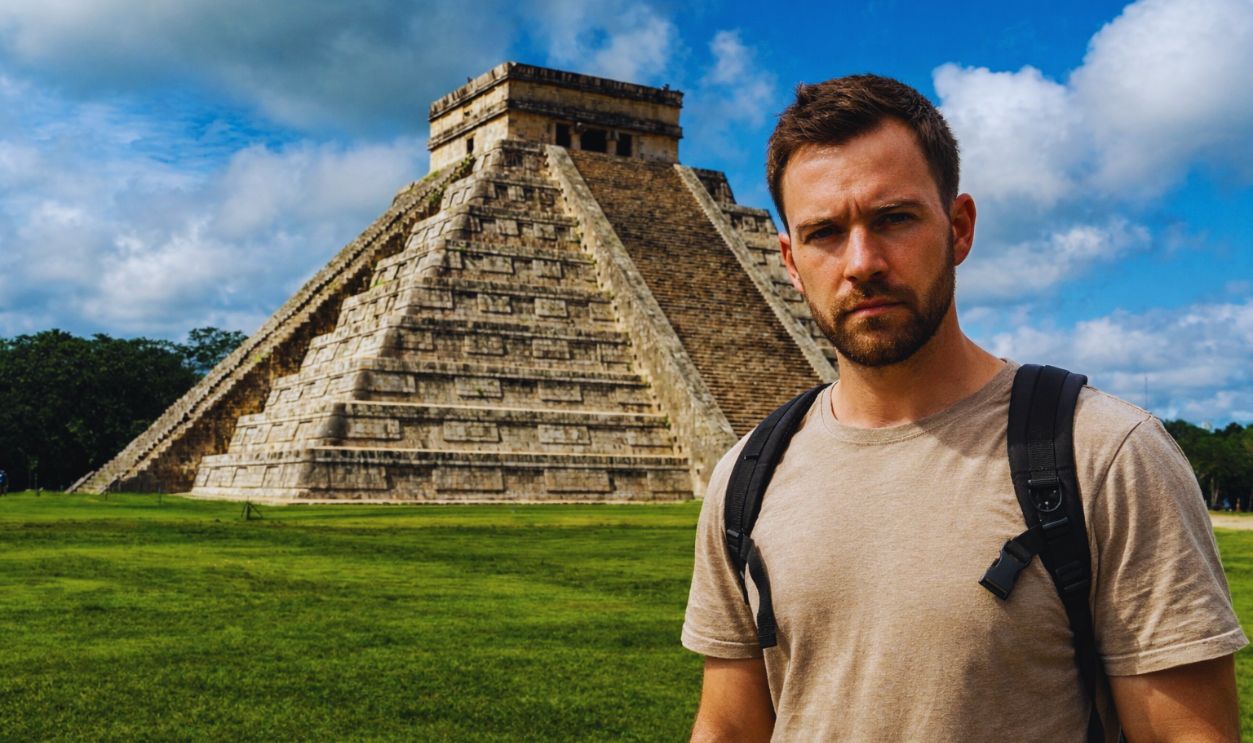
 Patrickrichaud, Wikimedia Commons, Modified
Beneath the ceremonial heart of Chichen Itza (located in the Yucatan Peninsula of southeastern Mexico), archaeologists uncovered a chultun. It is a bottle-shaped chamber carved into limestone, originally designed to store water in a region where rain rarely fell. When this chamber was excavated in 1967, near the Sacred Cenote, it revealed the remains of more than 100 children. For years, these bones were studied in fragments, their meaning inferred through architecture and myth. Only recently did DNA analysis give them voices again, revealing that these boys were deliberately selected, many of them related by blood, some of them identical twins. The children were local and male, most between three and six years old. DNA was successfully extracted from 64 individuals and it confirmed all were boys, and about a quarter were closely related; two sets of identical twins. Before DNA analysis, scholars believed the chultun mass grave at Chichen Itza held victims of political spectacle or “virgin sacrifices,” often framed as dramatic displays of dominance. The new discovery, however, reframes the site entirely.
Why Twins Mattered More Than We Thought
In Maya belief, twins held special meaning and were never seen as ordinary children. The Popol Vuh, a sacred Maya text, tells the story of the Hero Twins named Hunahpu and Xbalanque. They were called to the underworld, Xibalba, where powerful death gods tested them through dangerous trials, which included a ritual ballgame. The Maya ballgame, pitz or pok-ta-pok, was a ritual sport played with a heavy rubber ball on stone courts. Although the twins were sacrificed while playing the game, they outsmarted death and returned transformed. Their story represents a balance between life and death, and a movement from darkness to light. Because of this, twins were seen as sacred figures who could move between worlds in Maya religious thought.
When DNA analysis revealed that real twin boys were among the sacrificed children in a chultun at Chichen Itza, the resonance with the Hero Twins myth became striking. These boys, aged three to six, were deliberately picked and placed underground in a chamber symbolically tied to the underworld according to the Mayan belief. The parallel suggests mythology was not metaphor alone but a script enacted in ritual practice. The sacrifice of twins in this context aligns with Maya beliefs about renewal, rain, and cosmic balance. It reframes the site as one of calculated ritual, where myth and lived action converged.
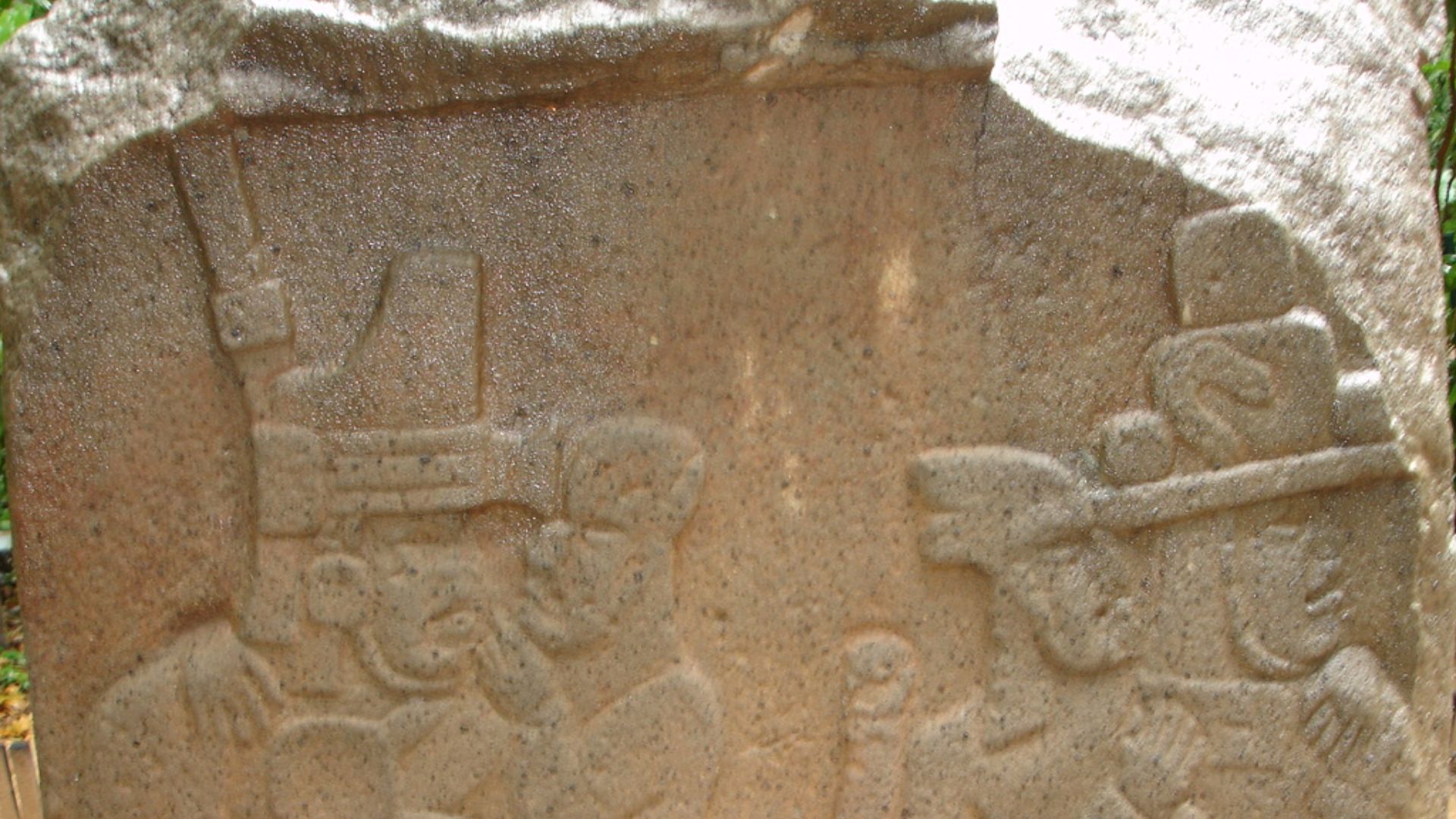 Ruben Charles, (http://www.rubencharles.com), Wikimedia Commons
What Science Adds That Myth Never Could
For decades, interpretations of Maya sacrifice relied heavily on art, architecture, and colonial-era texts, all of which left room for debate. DNA analysis changes that by removing ambiguity about who these children were. The genetic data confirms they were local boys connected by family lines. This undermines older theories that framed sacrifice primarily as a political display of dominance. Instead, it suggests a ritual economy rooted in community participation, where families may have been bound by religious duty to give what was most symbolically valuable to them. Equally important is what the science does not claim. There is no definitive evidence of how the children passed, nor proof that every sacrifice followed the same method. What the DNA offers is context. It also reveals genetic continuity with modern Maya populations in Yucatan, which underscores cultural persistence despite centuries of colonial disruption.
Radiocarbon Reading
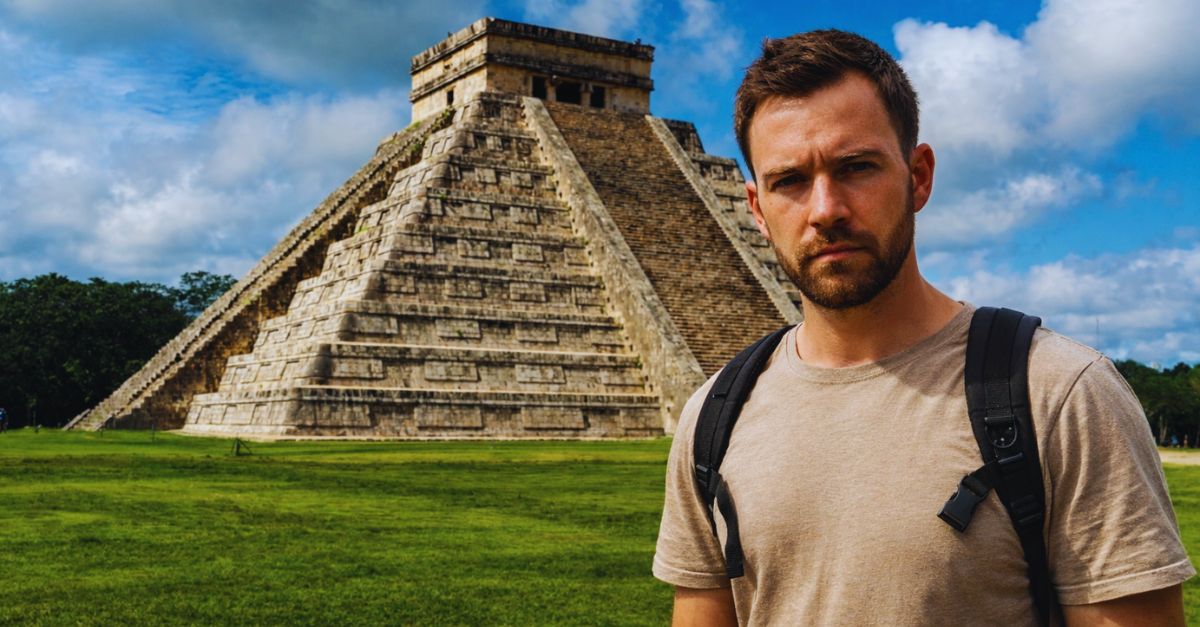
Radiocarbon dating places the burials between the 7th and 12th centuries CE, a span of 500 years that overlaps with Chichen Itza’s peak and early decline. This continuity shows sacrifice was not a single event but a recurrent, institutionalized practice tied to the text that was discovered in the past. The dating also situates the sacrifices alongside the construction of El Castillo (Temple of Kukulcan) and other monumental projects, embedding them within the city’s broader ceremonial program. Archaeologists note that the burials coincide with episodes of climatic stress and drought. Unlike other Maya sites where sacrifice appears episodic, Chichen Itza’s radiocarbon evidence demonstrates long-term continuity, which makes it unique in scale and duration.
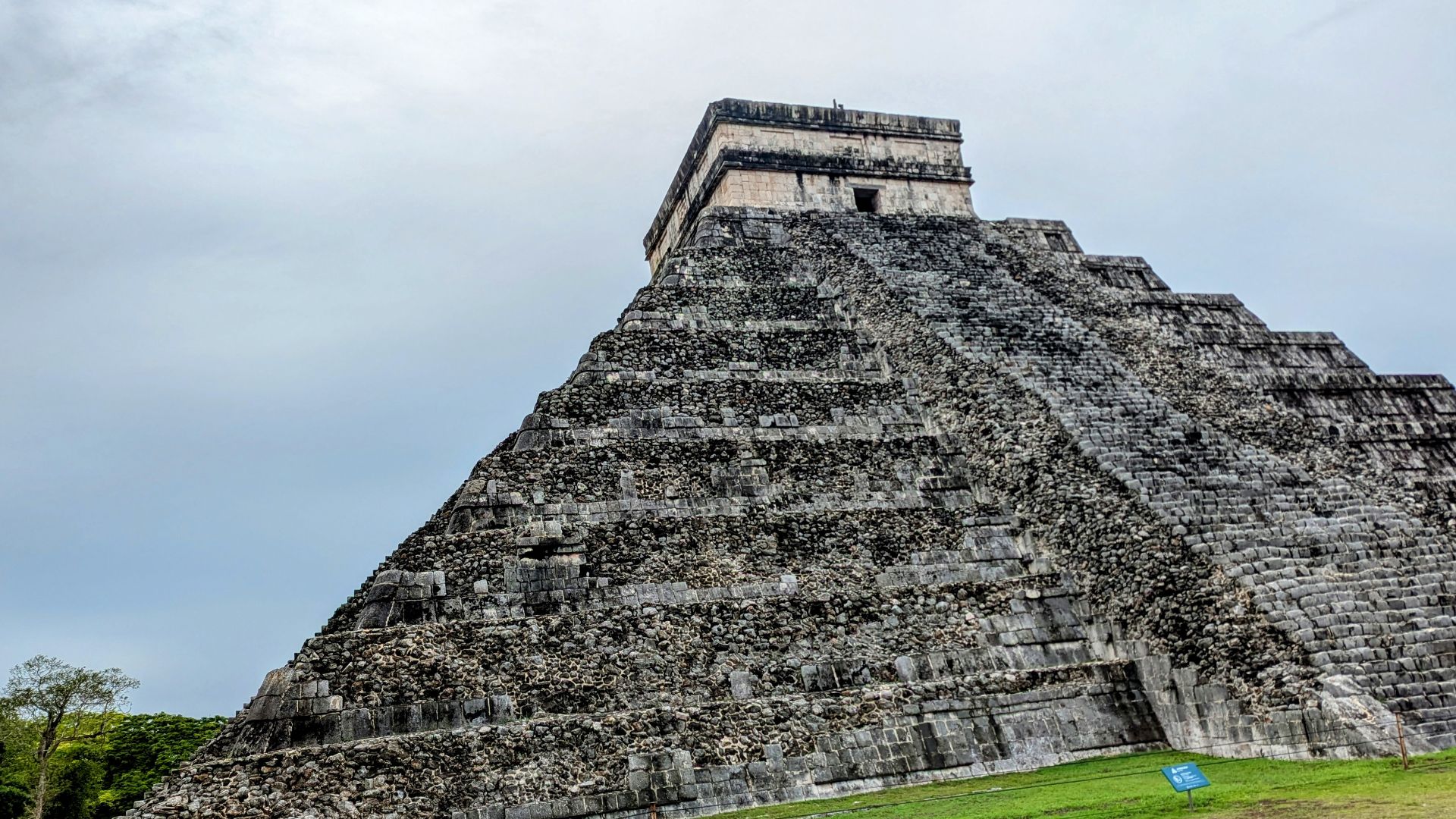 edenpictures, Wikimedia Commons