Unopened Royal Tomb
Archaeologists dream about finding another royal tomb. The last one surfaced over a century ago. Technology keeps improving. Radar scans hint at hidden chambers. Ancient Egypt might have one more spectacular surprise left for us.
Tutankhamun's Discovery
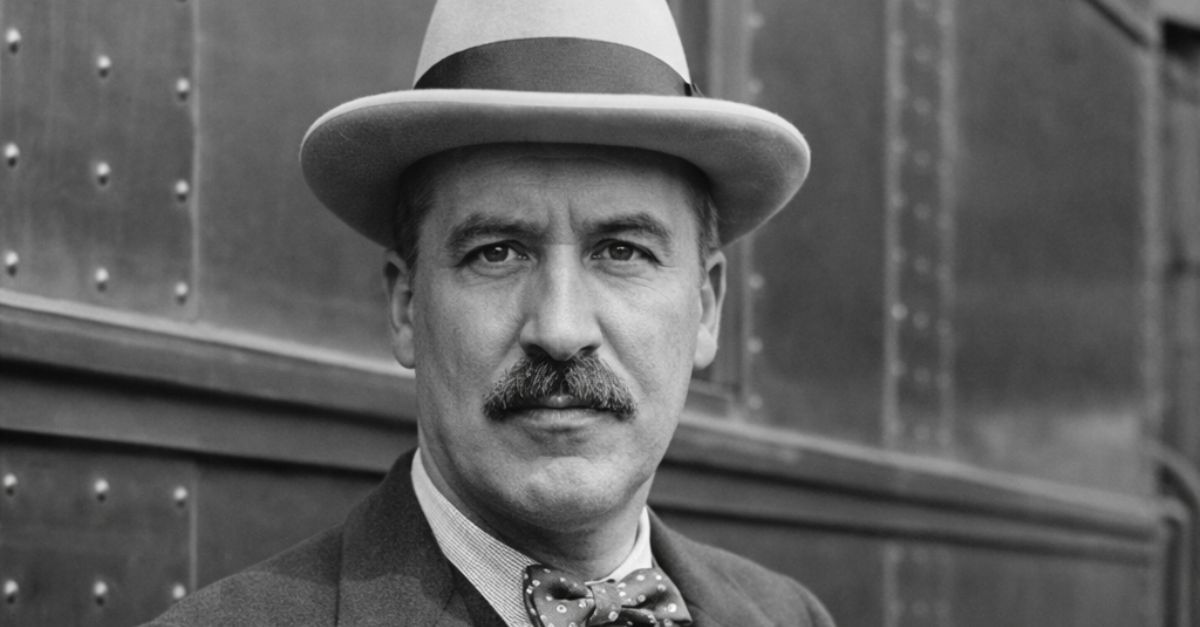
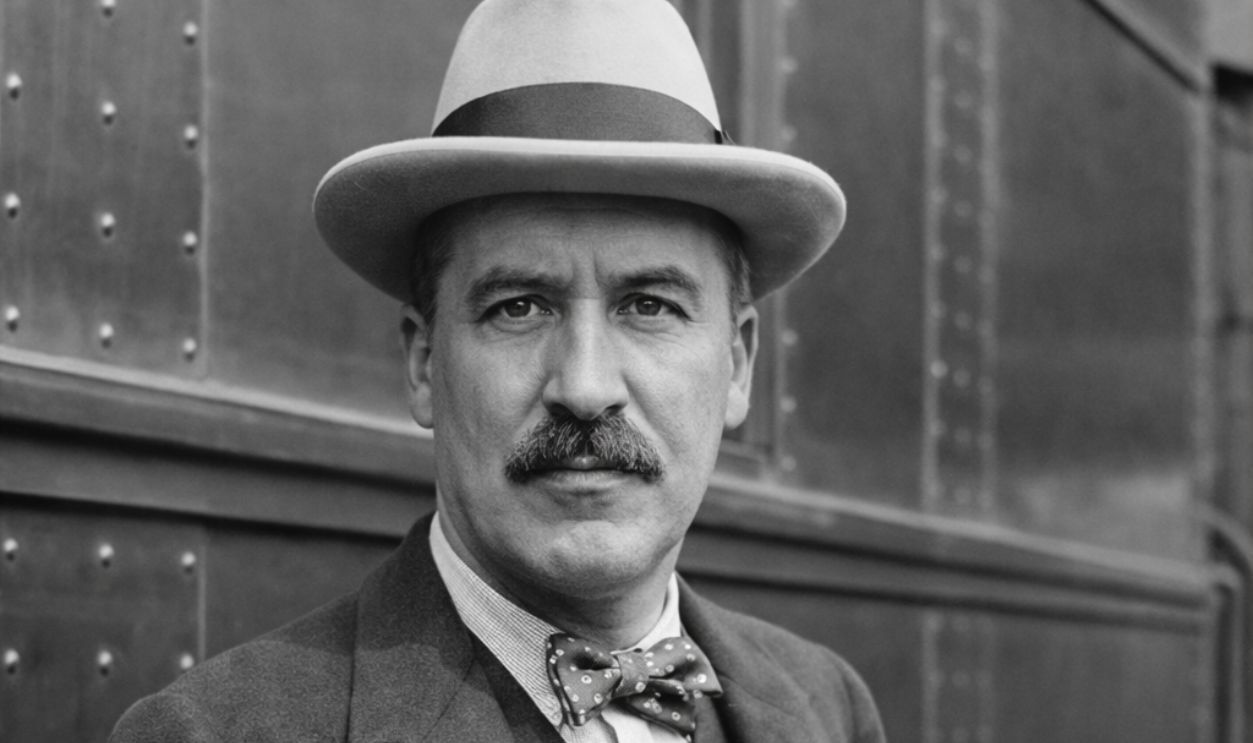
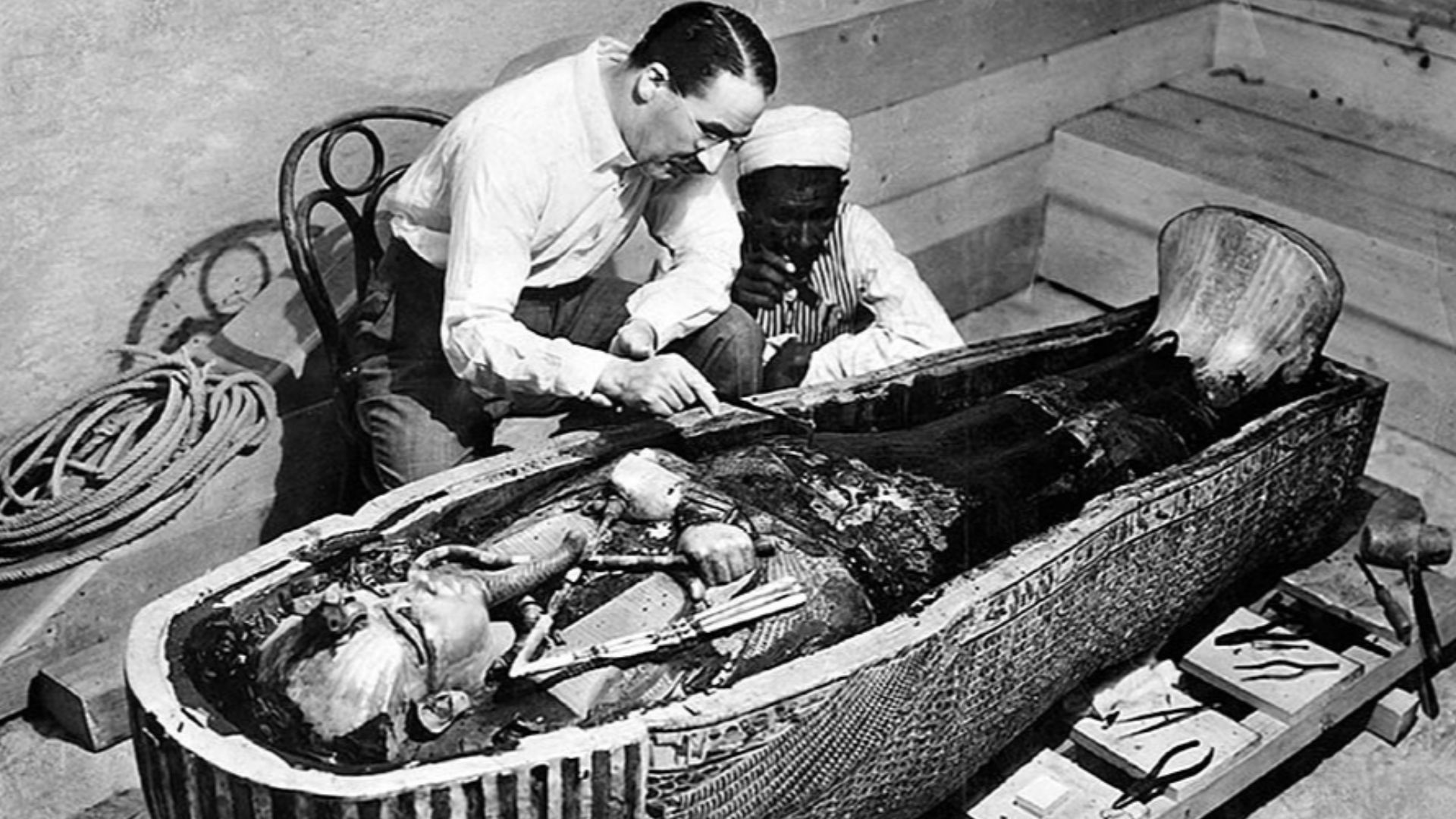
November 4, 1922, changed Egyptology forever when Howard Carter's team uncovered a staircase in the Valley of the Kings. After years of fruitless searching funded by Lord Carnarvon, Carter was on his final season. The discovery revealed 5,398 artifacts crammed into four small chambers.
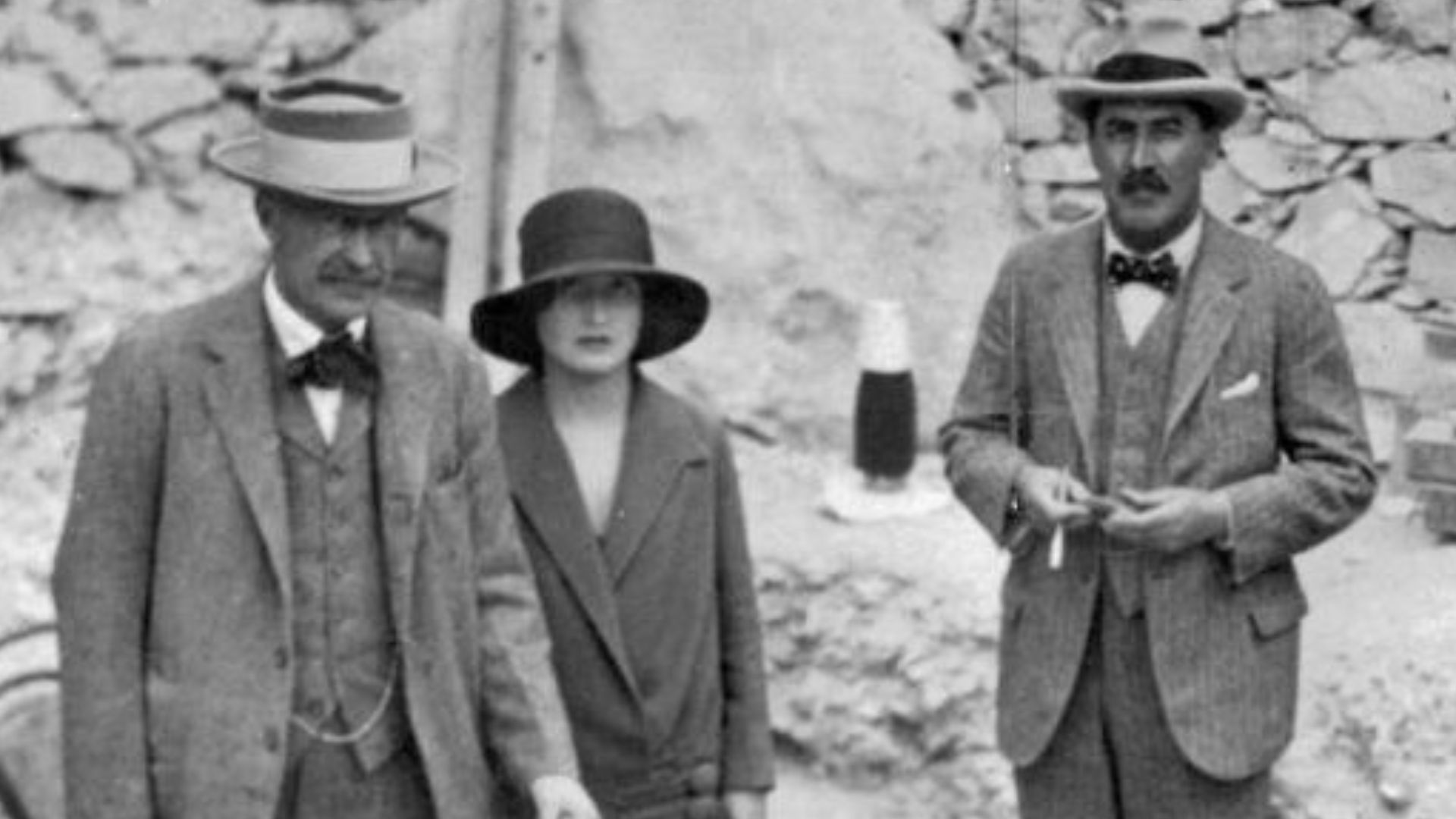 Harry Burton (Photographer), Wikimedia Commons
Carter's Methodology
Carter revolutionized archaeological excavation by dividing the Valley of the Kings into a systematic grid pattern, meticulously documenting every square meter down to bedrock. This painstaking approach took ten full digging seasons just to catalog and conserve Tutankhamun's treasures for transport to Cairo.
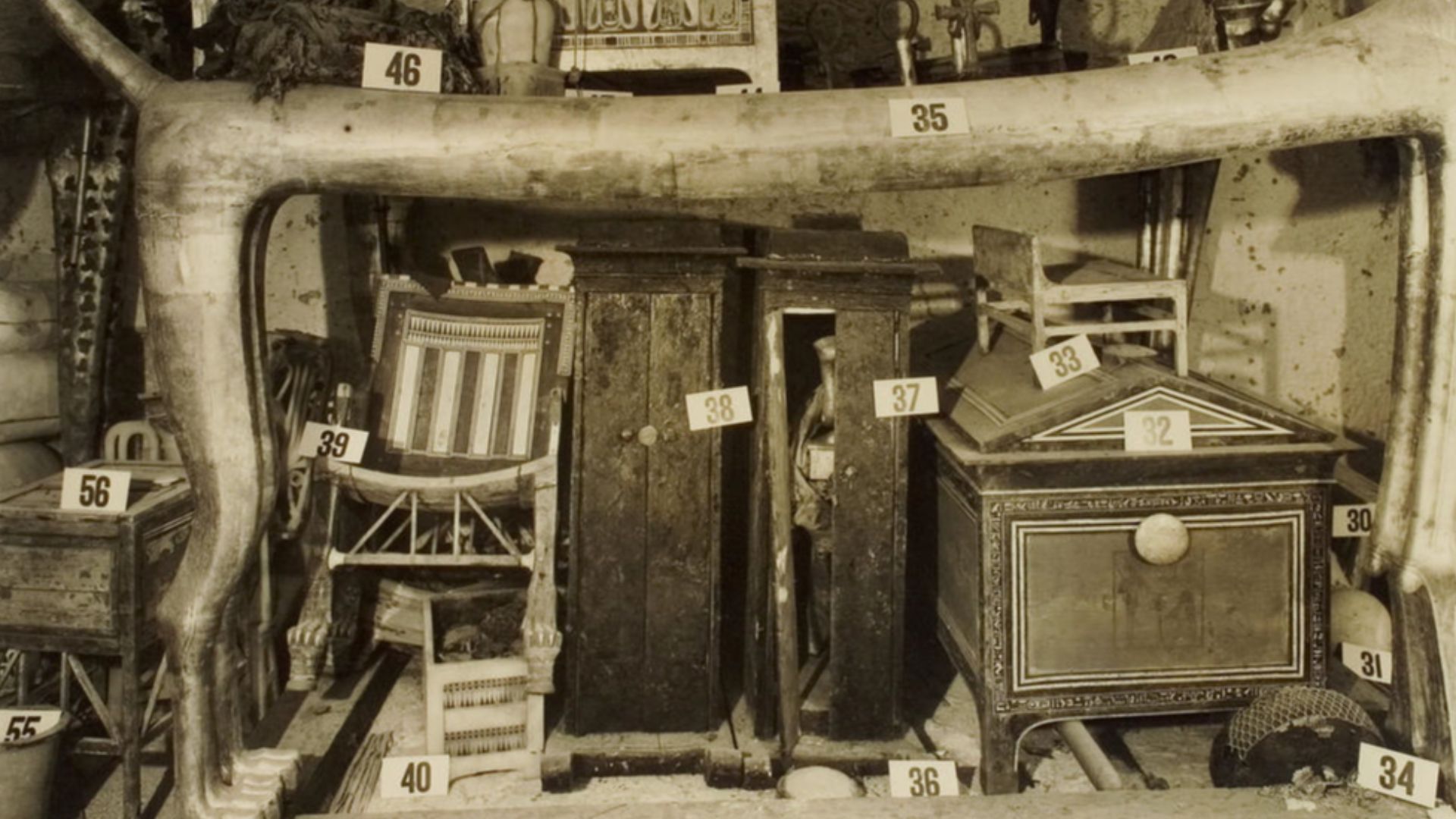 Harry Burton (1879-1940), Wikimedia Commons
1922 Impact
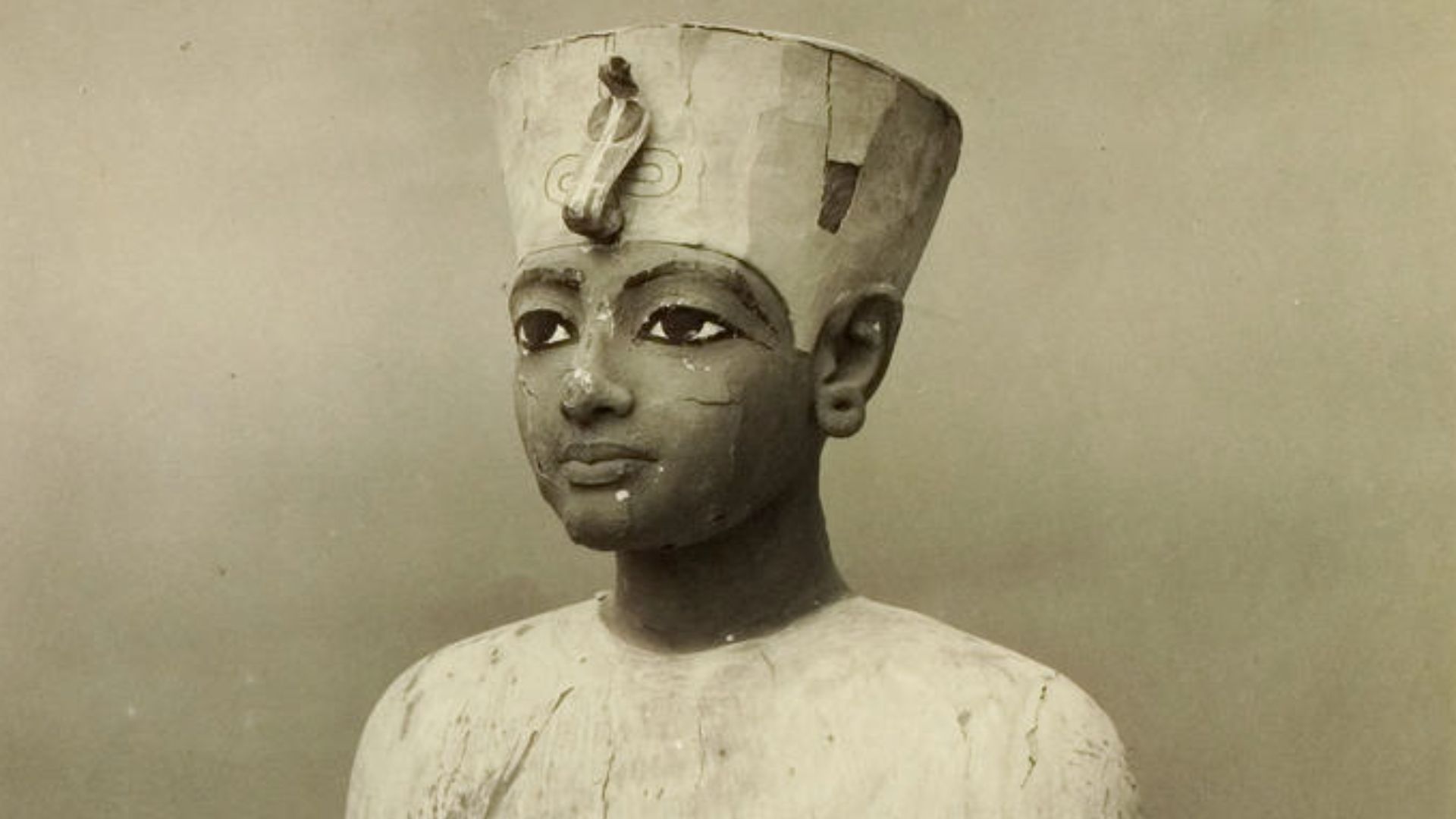
The tomb's opening sparked global "Tut Mania" that revolutionized Art Deco design, jewelry, and popular culture throughout the 1920s. Over 1.6 million visitors flocked to the 1972 British Museum exhibition commemorating the 50th anniversary. Tutankhamun turned from an obscure boy-king into Egypt's most famous pharaoh.
 Harry Burton (1879-1940), Wikimedia Commons
Intact Treasure
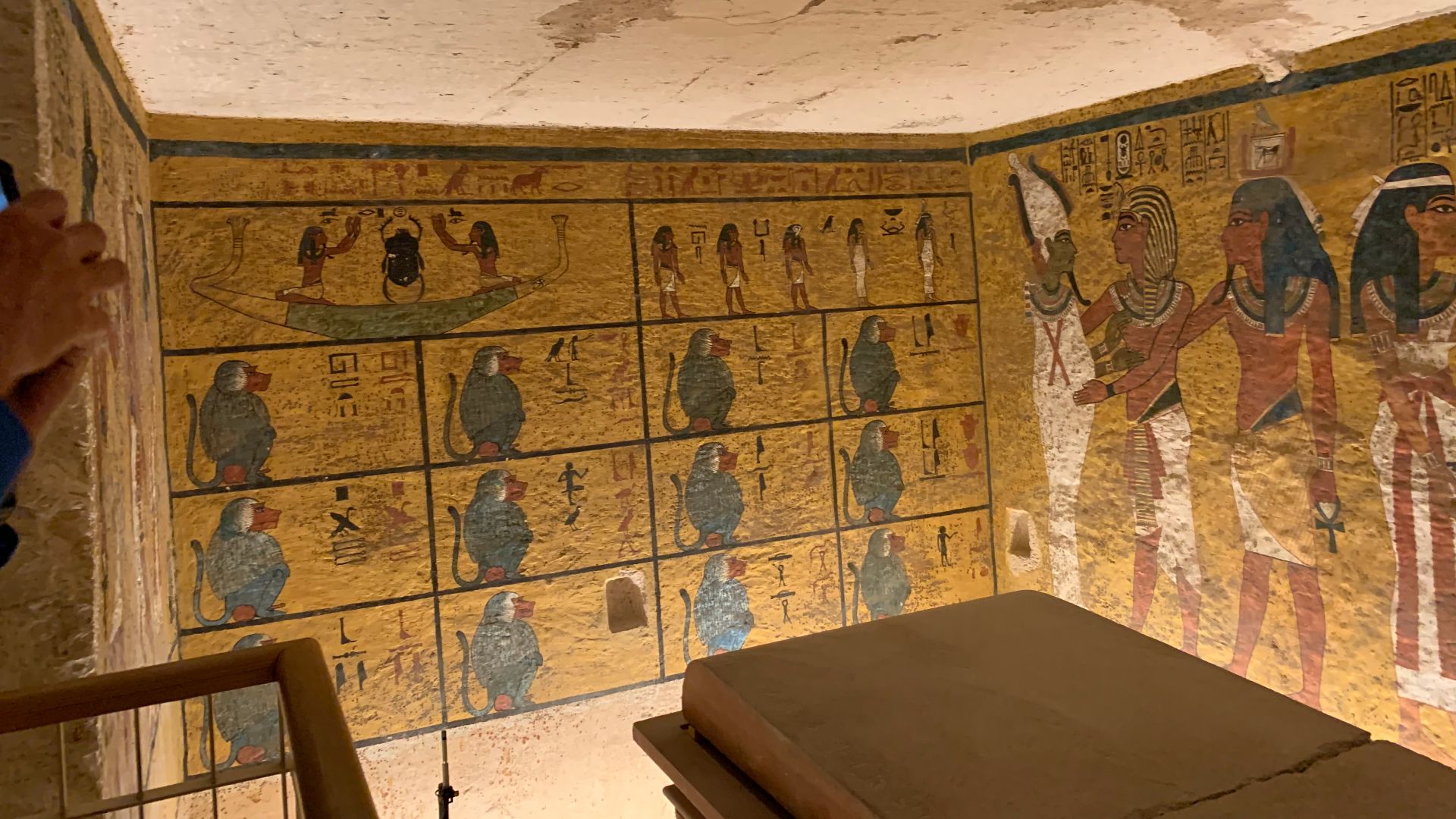
Ancient tomb robbers broke into KV62 twice shortly after Tutankhamun's burial around 1323 BC, stealing jewelry and precious metals before officials resealed it. Debris from constructing Ramesses VI's tomb two centuries later buried the entrance under five meters of limestone chips and workers' huts.
Valley Geography
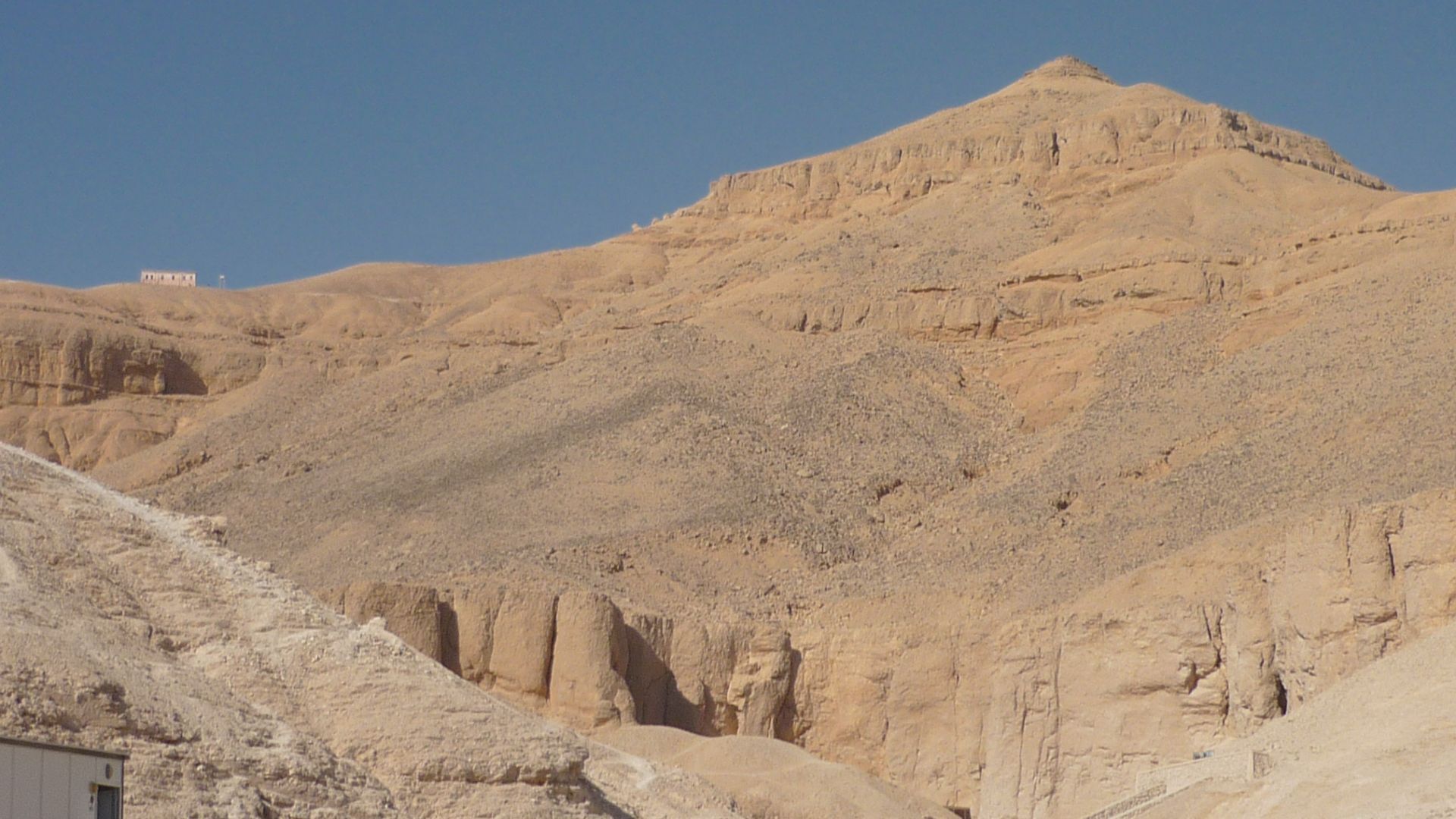
The Valley of the Kings served as Egypt's royal necropolis for nearly 500 years during the New Kingdom, containing 65 known tombs and chambers ranging from simple pits to KV5's sprawling 120+ chambers. Located on the Nile's west bank opposite Luxor, the valley's pyramid-shaped peak al-Qurn echoed Old Kingdom burial traditions.
Missing Tombs
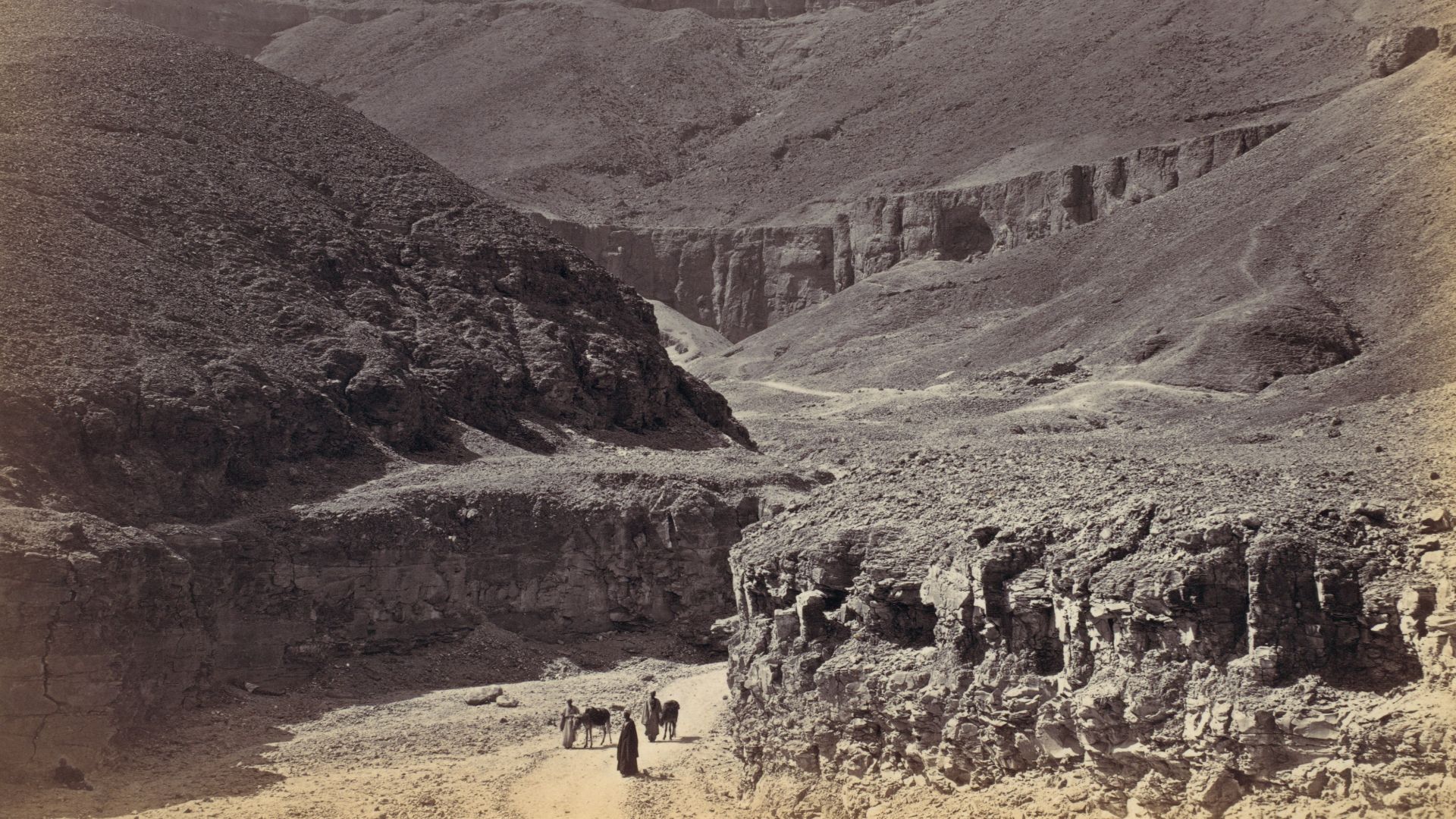
Egyptologists confirm several 18th Dynasty pharaohs' tombs remain undiscovered in the Valley of the Kings, including Ramesses VIII and all queens from the dynasty's 258-year span. Thutmose II's tomb location remained Egypt's greatest mystery until 2022. Archaeological records and ancient papyri reference notables who merited tombs but haven't been identified.
 Francis Frith / Francis Frith, Wikimedia Commons
Thutmose II
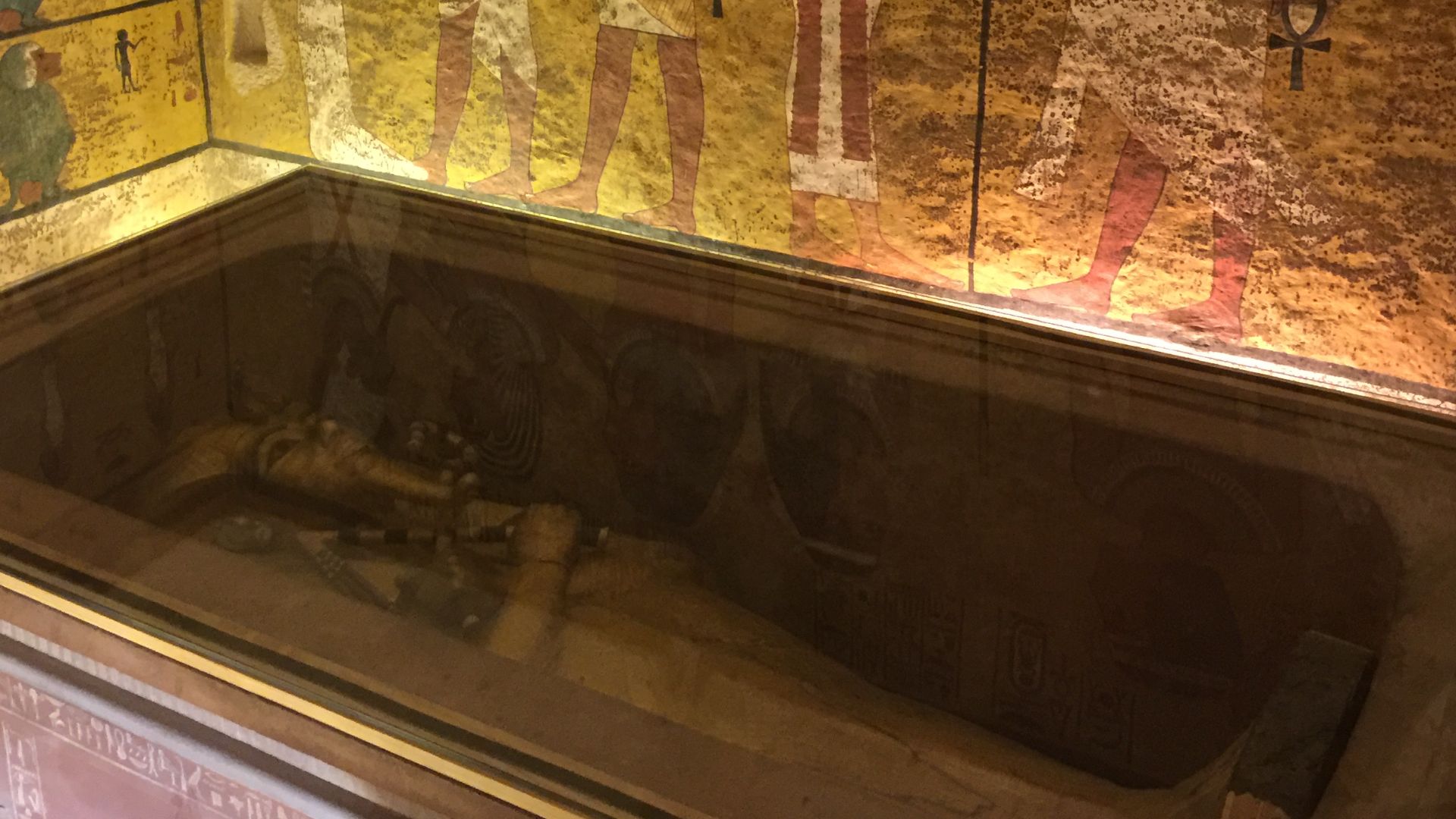
Thutmose II ruled Egypt from approximately 1493 to 1479 BC, overshadowed by his half-sister and wife, Hatshepsut, who wielded true power and later usurped his monuments. The obscure pharaoh died young, possibly from heart failure based on mummy analysis conducted in recent years.
 EditorfromMars, Wikimedia Commons
Recent Breakthrough
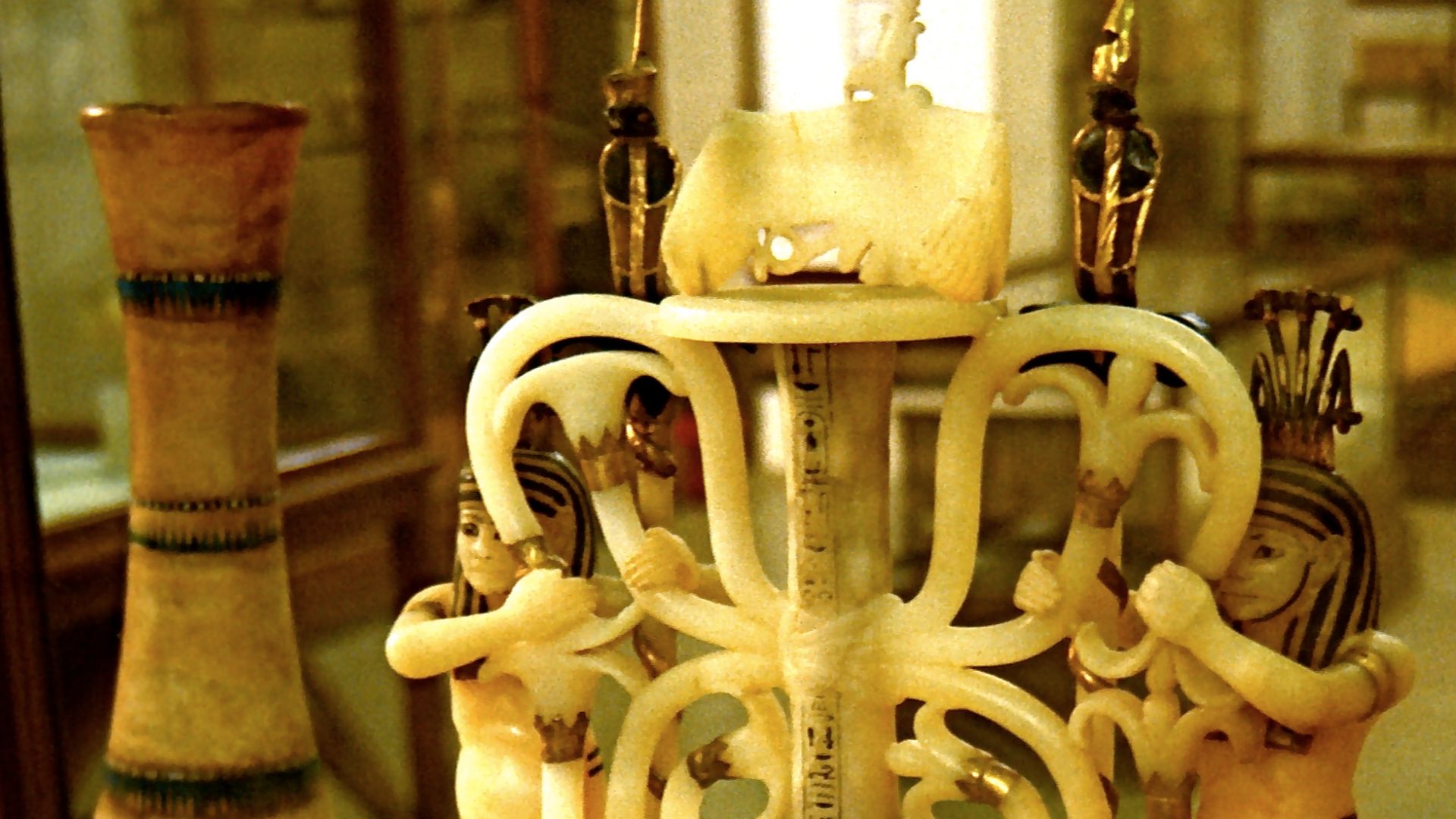
In October 2022, a joint Egyptian-British team led by Dr Piers Litherland discovered tomb C4 in Wadi Gabbanat el-Qurud, 2.4 kilometers west of the Valley of the Kings. Alabaster jar fragments inscribed with "deceased king" and naming both Thutmose II and Hatshepsut provided definitive proof.
 Frank Rytell, Wikimedia Commons
Ramses Potential
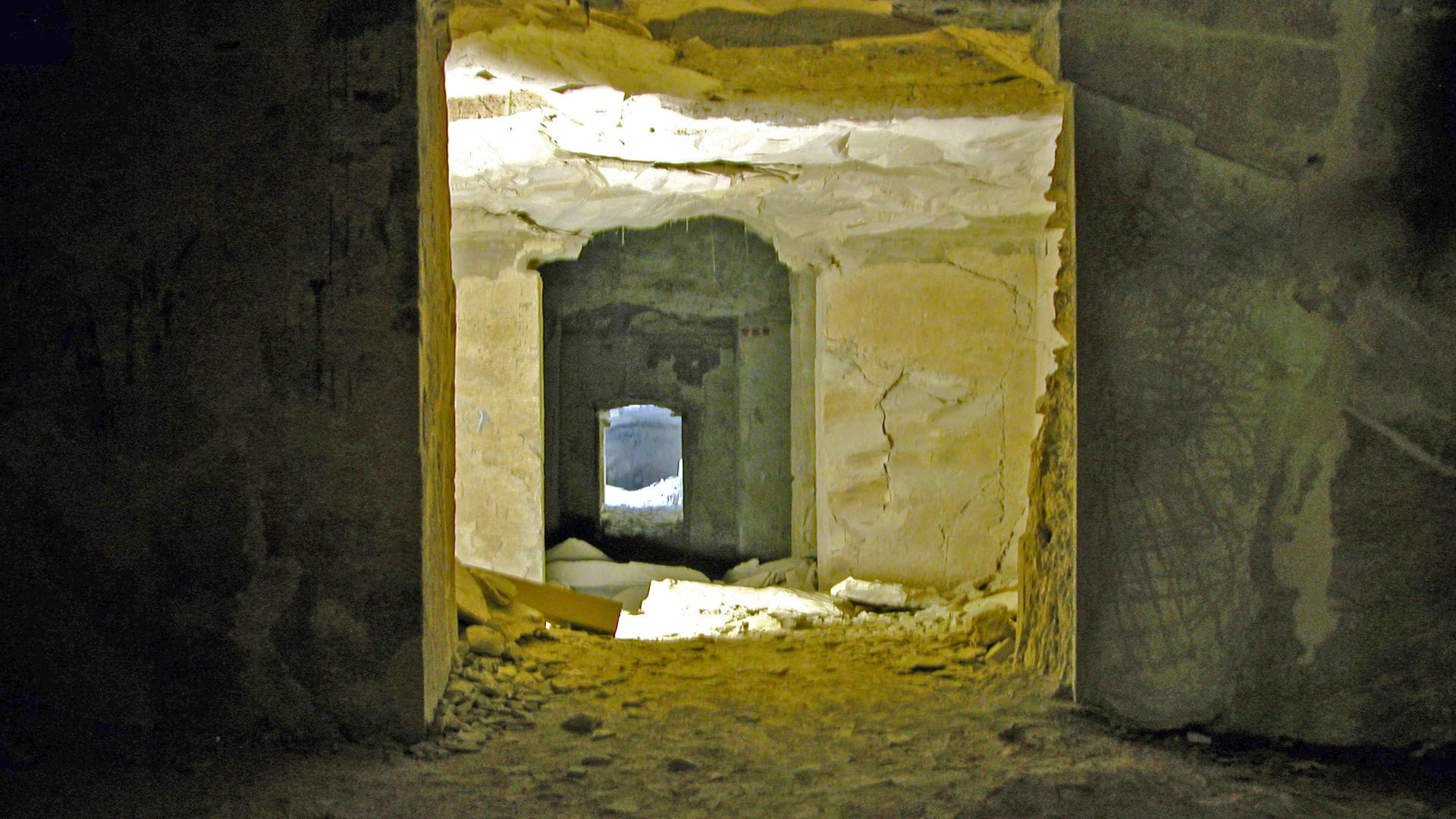
Ramesses II's tomb KV7 spans over 820 square meters—eight times larger than Tutankhamun's—with a burial chamber called "House of Gold”. The tomb suffered seven major flooding events that destroyed its magnificent relief decorations and allowed ancient looters to plunder treasures that would have dwarfed Tut's collection tenfold.
 Dennis G. Jarvis, Wikimedia Commons
Looted Magnitude
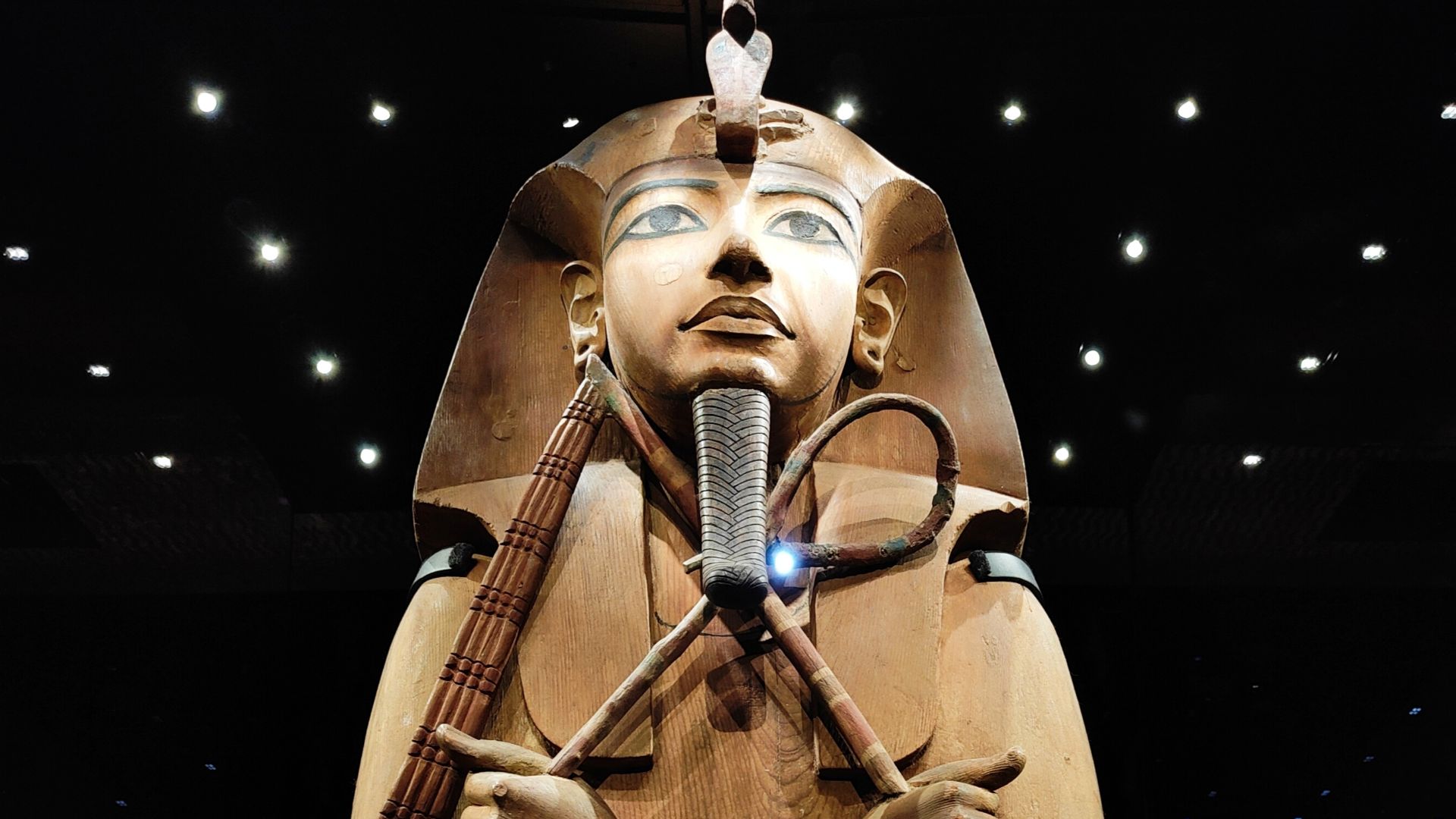
Tutankhamun was a minor king who ruled briefly and died unexpectedly at 19, yet his small tomb contained over 5,000 objects. Major pharaohs like Ramesses the Great reigned for 66 years, commissioned massive building projects, and accumulated unimaginable wealth.
Nefertiti Mystery
Queen Nefertiti vanished from historical records around 1331 BC, and her burial location remains Egyptology's greatest unsolved mystery despite extensive searches. British archaeologist Nicholas Reeves theorizes she ruled briefly as pharaoh after her husband Akhenaten's demise, potentially taking different names.
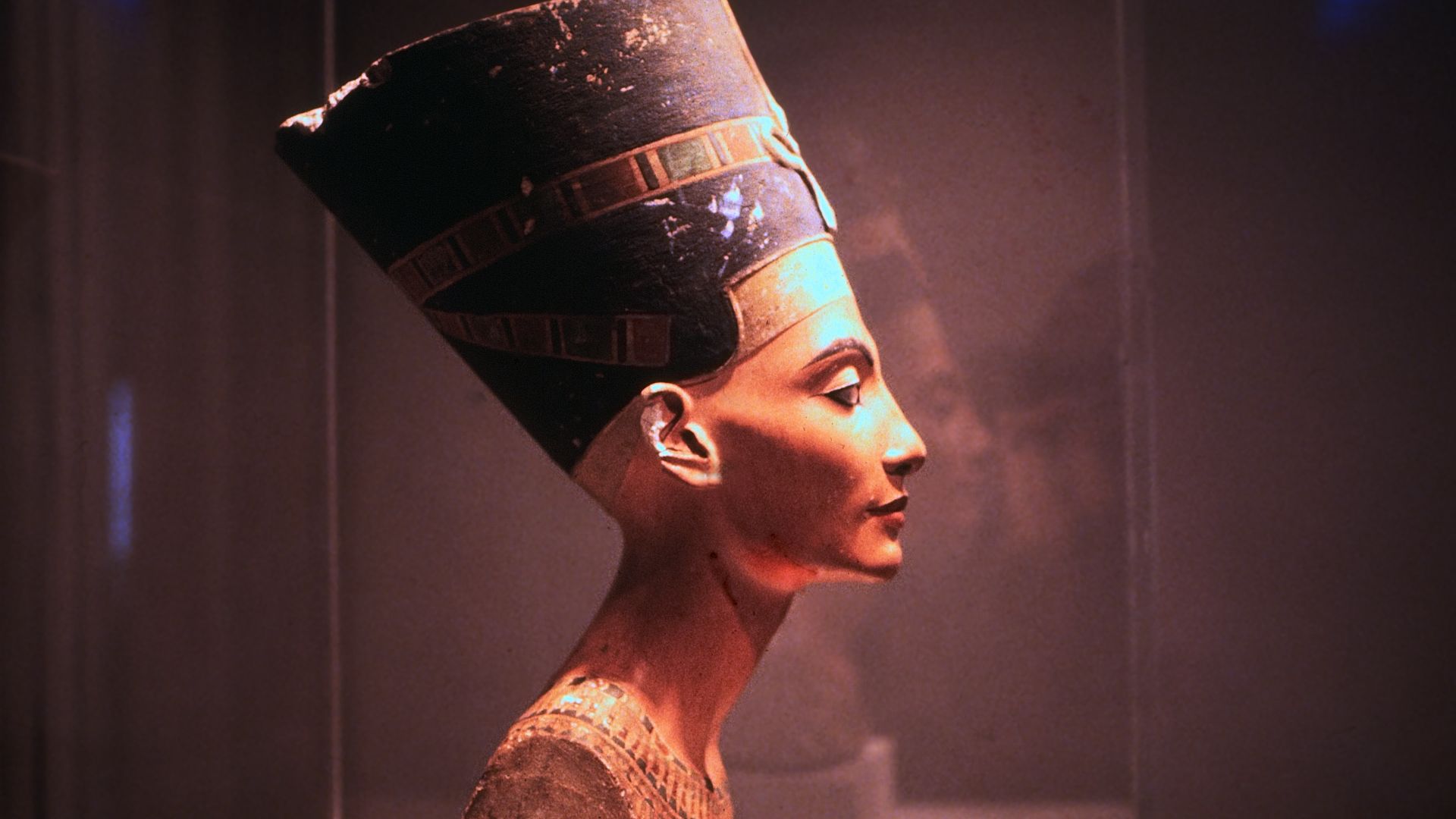 Rudiger Stehn from Kiel, Deutschland, Wikimedia Commons
Hidden Chambers
High-resolution scans of Tutankhamun's burial chamber walls revealed straight lines beneath plaster, suggesting blocked doorways on the north and west walls. Reeves identified these "ghosts" of doorways in 2015, proposing that KV62 was originally a corridor-style tomb for Nefertiti that Tutankhamun's officials hastily expanded.
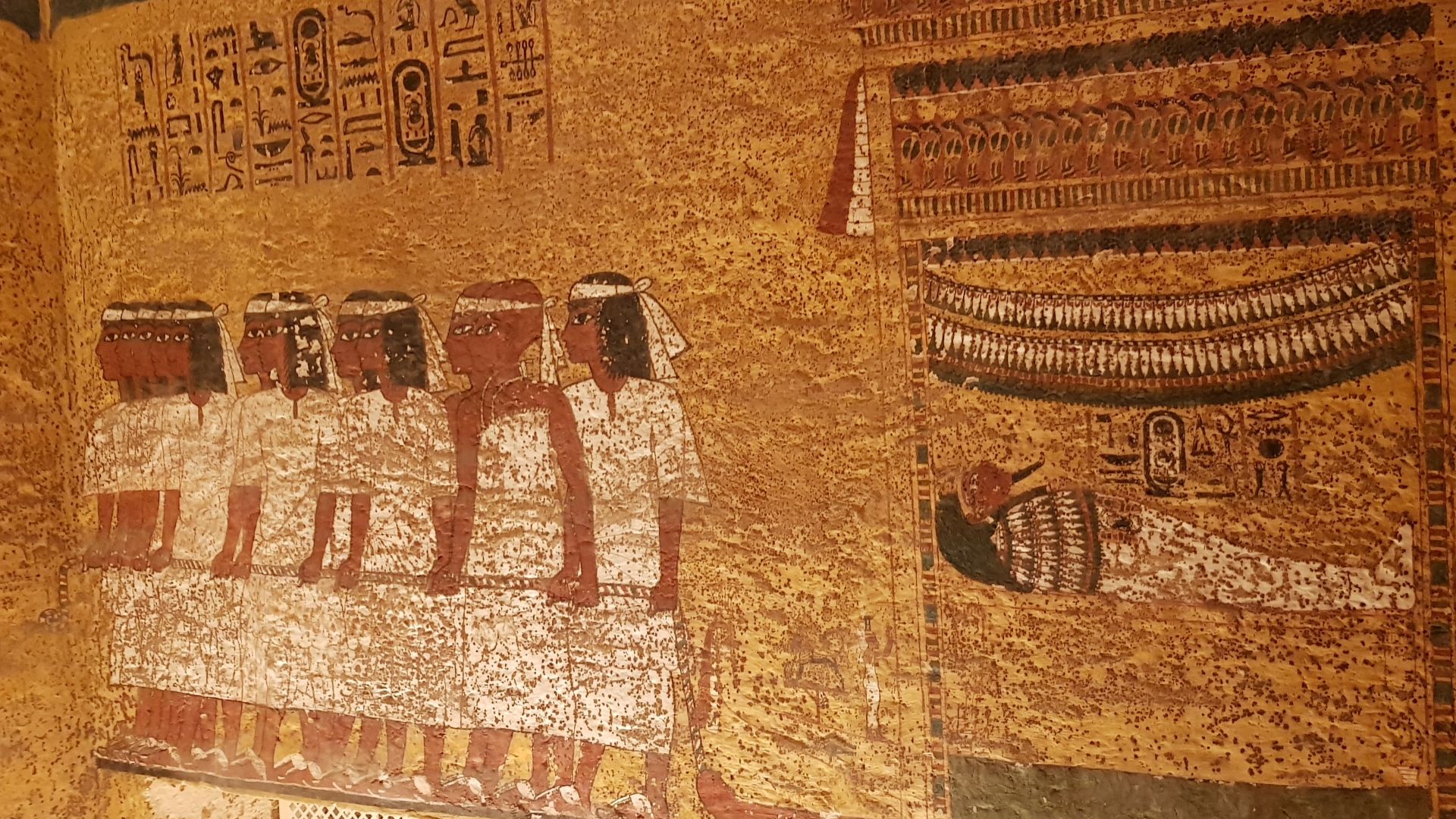
Radar Evidence
Japanese radar technologist Hirokatsu Watanabe's 2015 scans suggested the presence of metal and organic artifacts behind Tutankhamun's walls, prompting Egypt's antiquities ministry to declare hidden chambers "nearly certain”. However, subsequent investigations produced contradictory results. A 2017 Italian study by Francesco Porcelli found no evidence whatsoever.
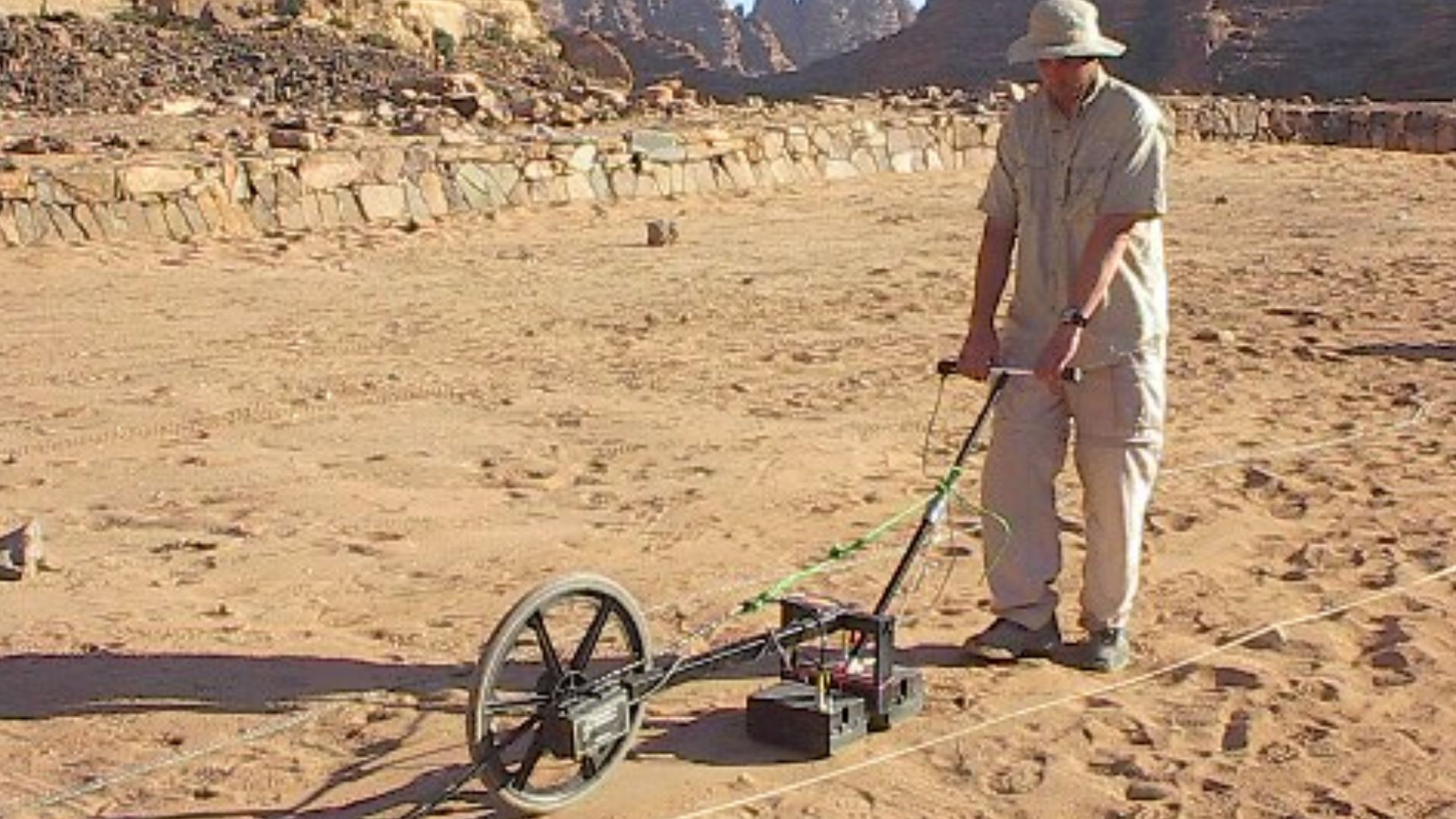 Archaeo-Physics LLC, Wikimedia Commons
Scientific Debates
Ground-penetrating radar faces severe limitations inside tomb chambers due to signal reflections from multiple surfaces, creating false readings. National Geographic's 2016 investigation definitively found no hidden chambers, yet some researchers dispute these findings. Dr Zahi Hawass conducted physical wall examinations in 2019, finding no doorway evidence.
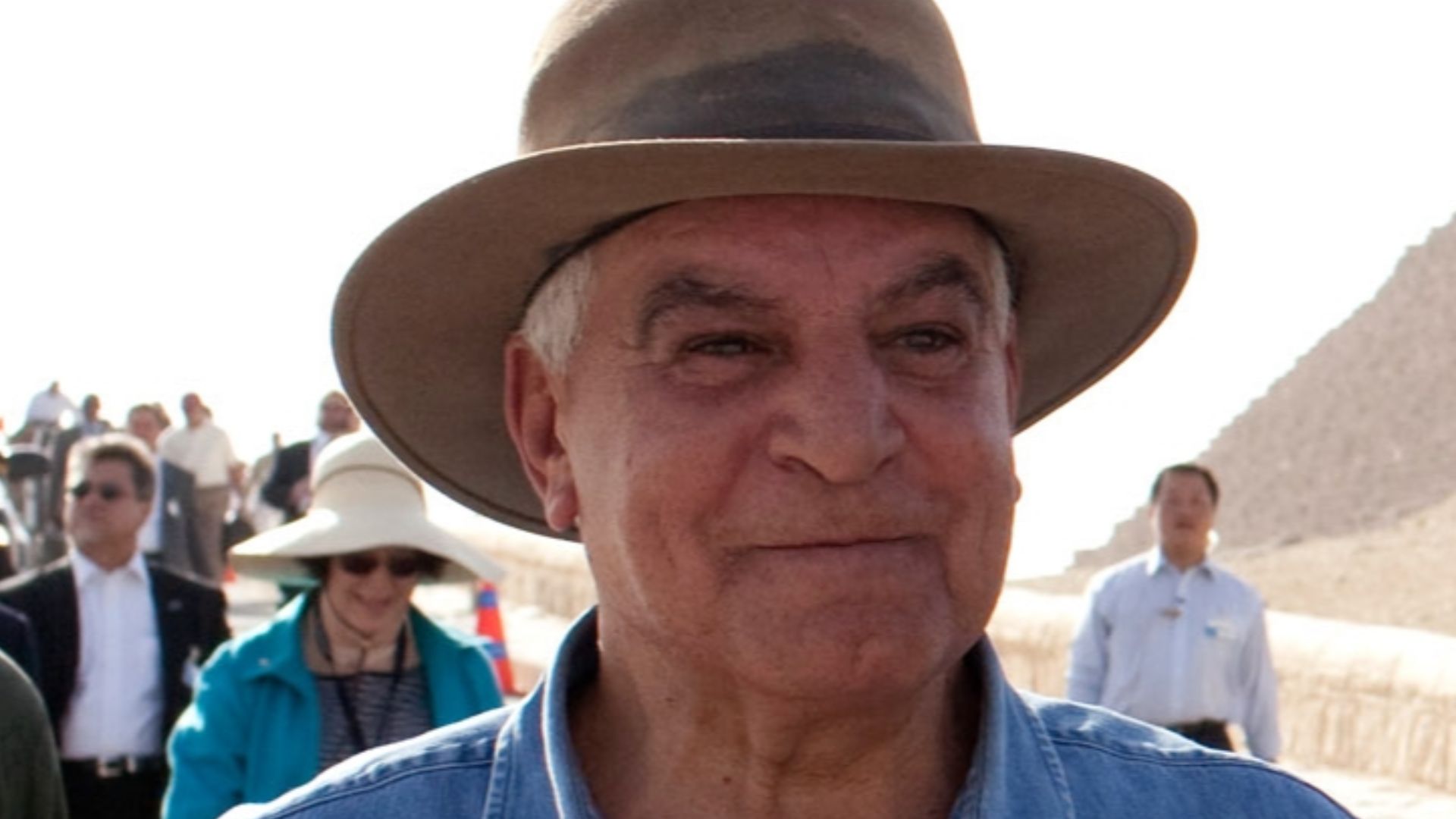 The Official White House Photo Stream, Wikimedia Commons
Ground-Penetrating Technology
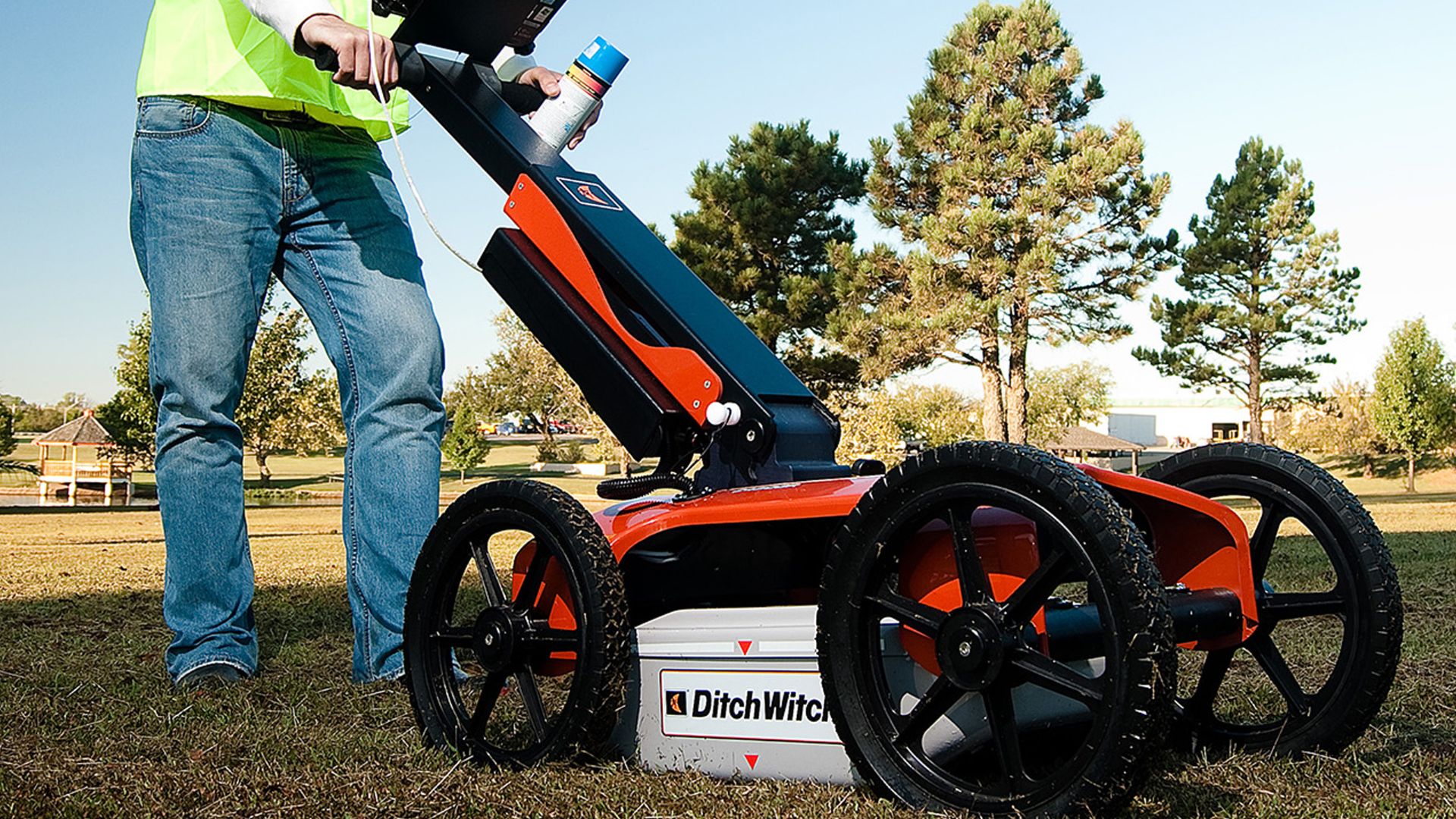
Modern archaeological surveys employ ground-penetrating radar and thermal imaging to detect subsurface anomalies without excavation. These non-invasive methods bounce high-frequency radio waves through rock, measuring reflected signals to map buried structures. However, tomb environments compromise accuracy.
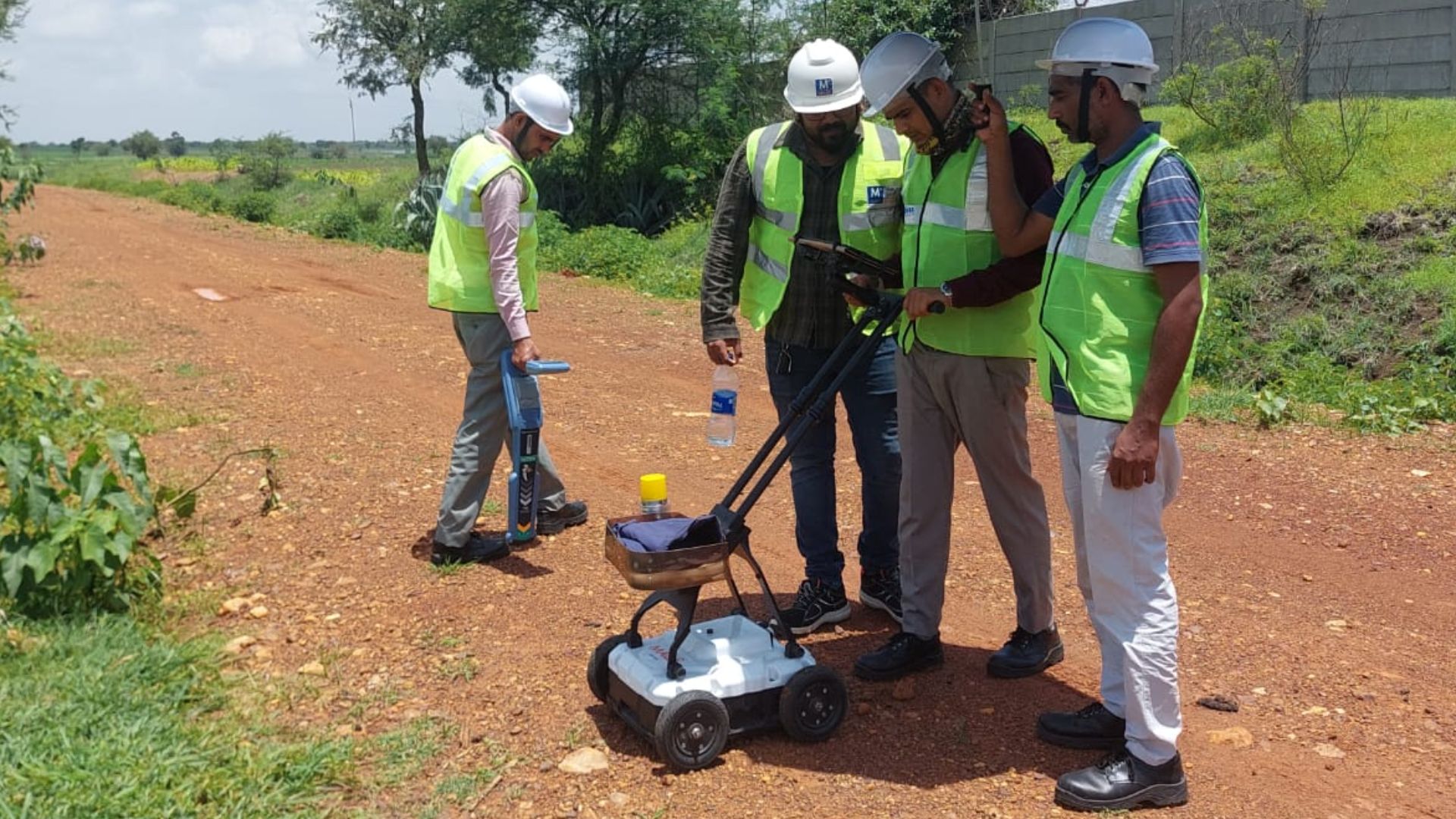 Arc Geodesy Pvt Ltd, Wikimedia Commons
Western Valley
The West Valley covers a vastly larger territory than the tourist-frequented East Valley but contains only two confirmed royal tombs: Amenhotep III's WV22 and Ay's WV23. Dr Zahi Hawass discovered a site tentatively numbered KV65 during ongoing excavations in this largely unexplored region in 2019.
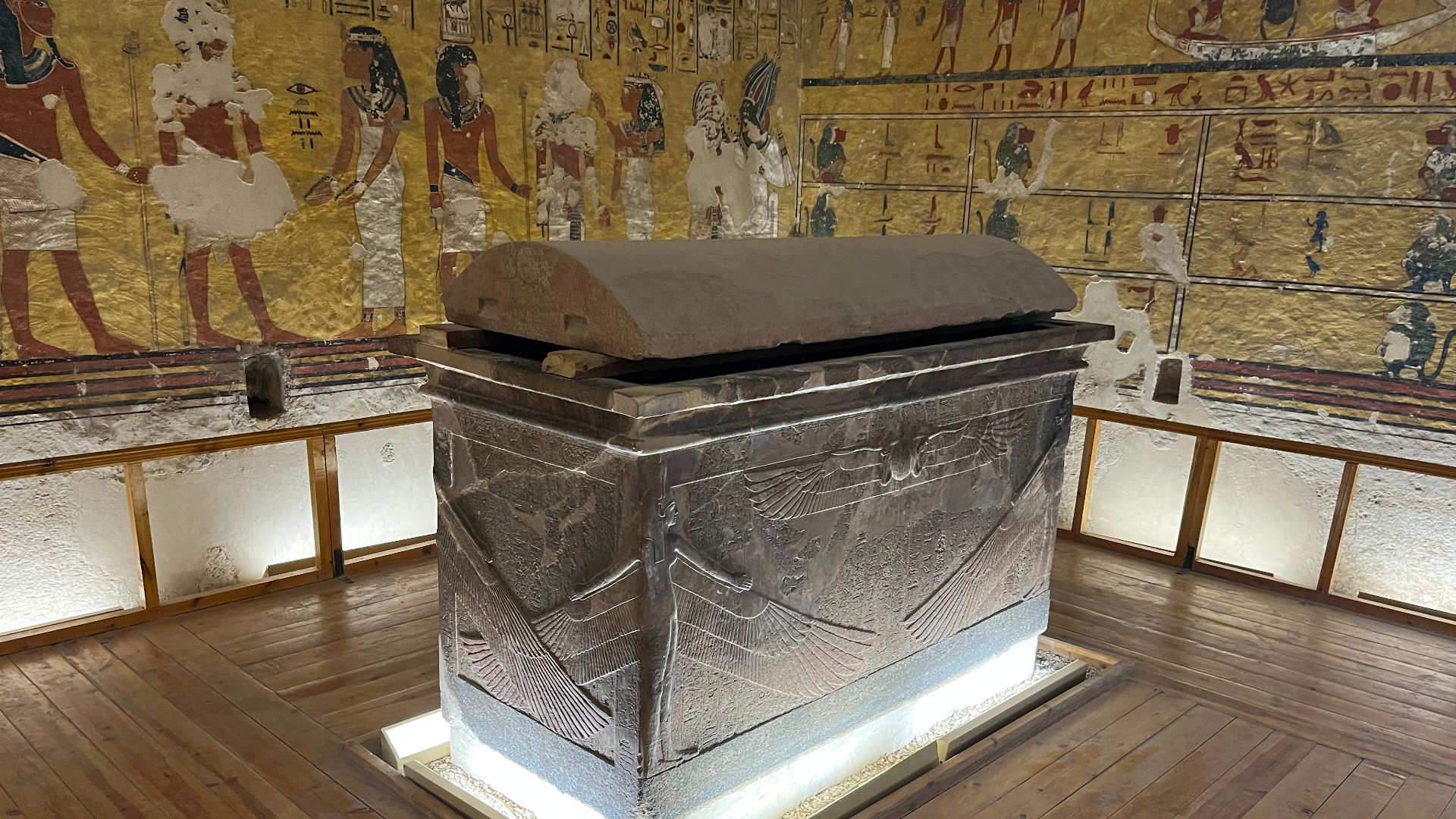 Fabio Achili, Wikimedia Commons
Unexplored Areas
Ancient flooding buried tombs KV55, KV62, and KV63 under five meters of debris when the valley floor sat lower than today's surface level. Later dynasties leveled the valley, concealing earlier burial levels under tons of deposited sediment. Systematic excavation down to bedrock hasn't occurred across the entire valley.
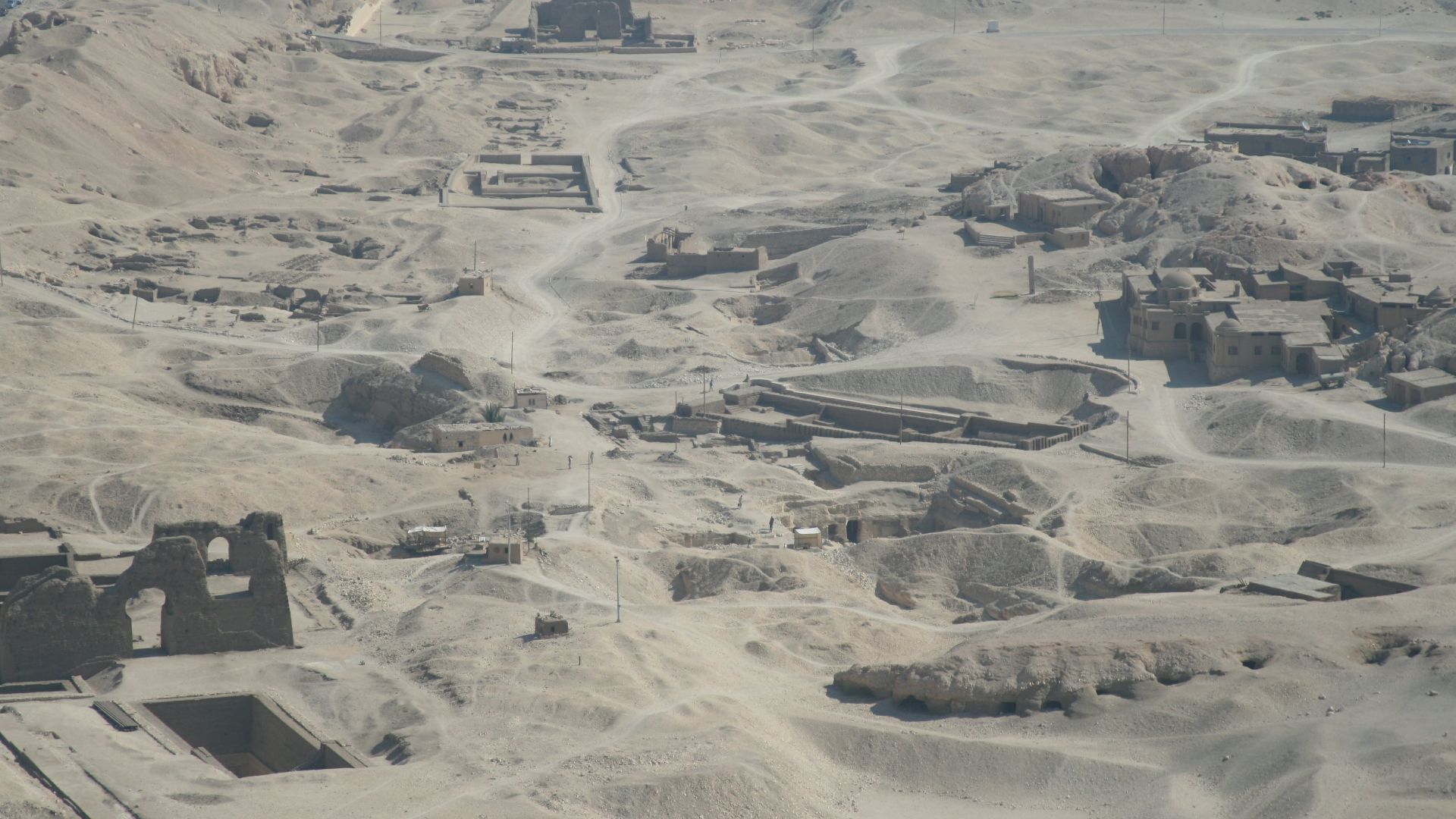
KV63 Discovery
Archaeologist Otto Schaden's 2005 discovery of KV63—just 50 feet from Tutankhamun's tomb—marked the valley's first unknown tomb found in 83 years. The chamber contained no mummy but held sarcophagi, pottery, linens, flowers, and embalming materials. Experts believe it's an embalming cache, suggesting an associated tomb nearby remains undiscovered.
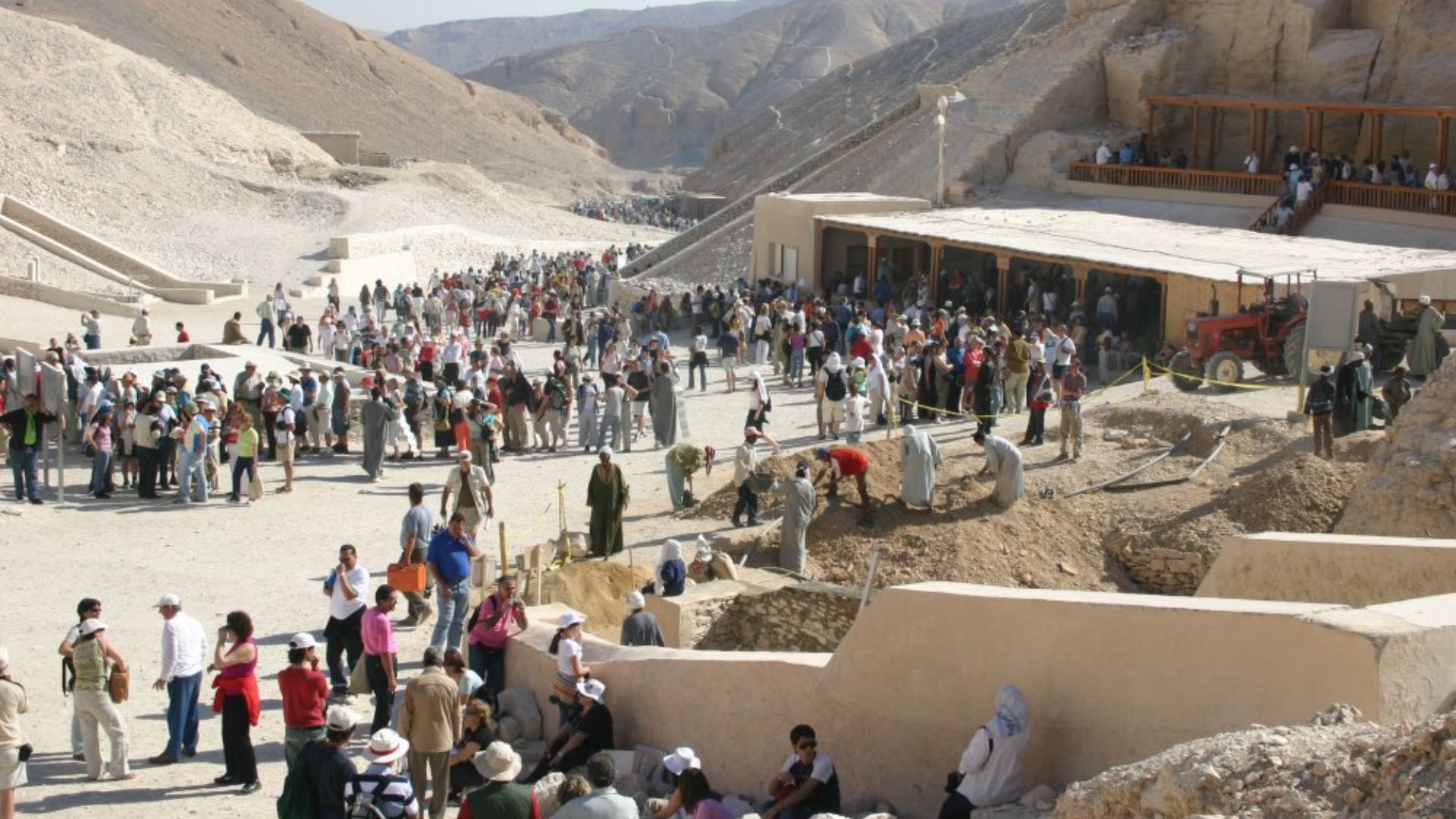 Original uploader was Markh at en.wikipedia, Wikimedia Commons
Flooding Preservation
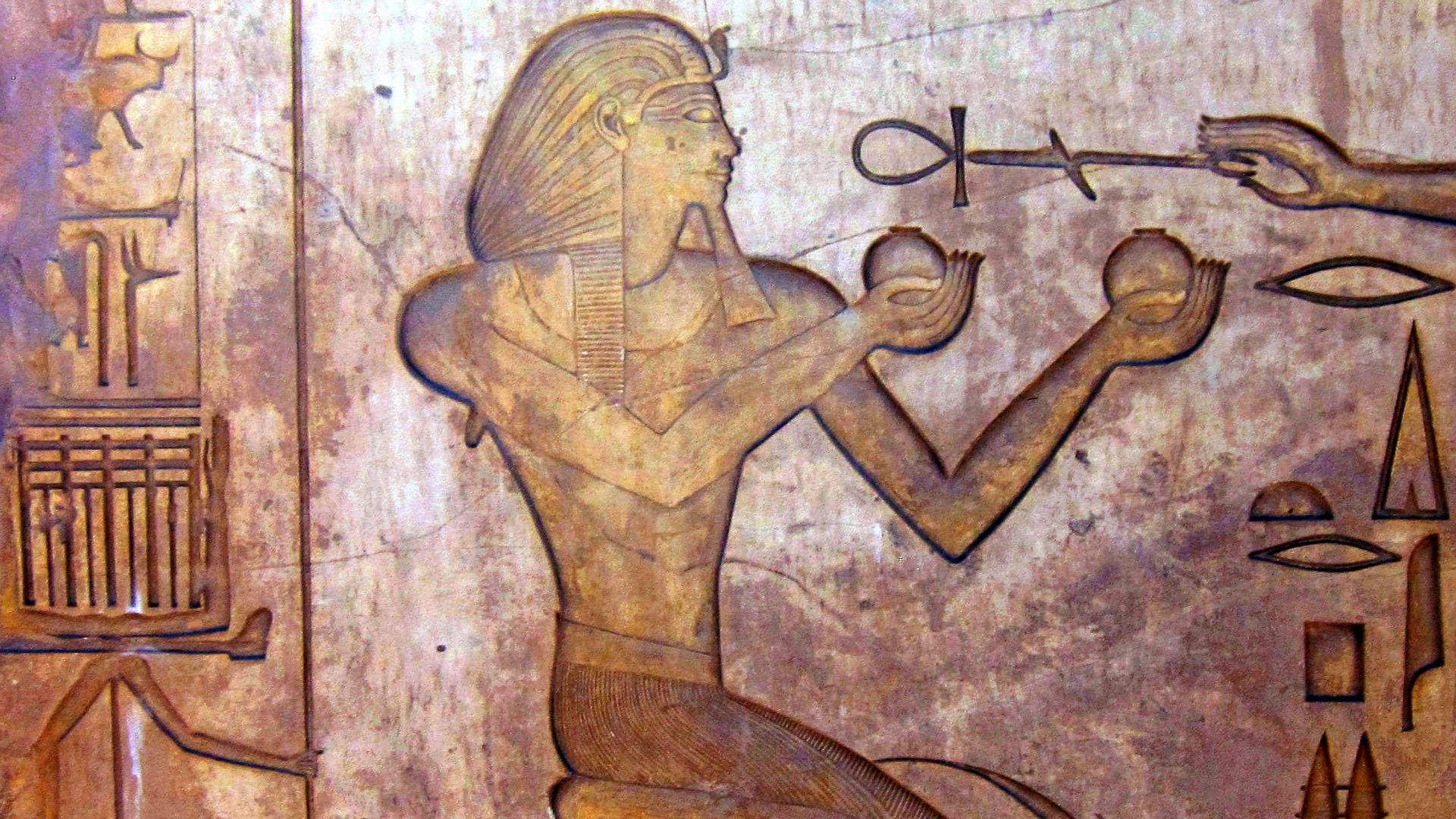
Thutmose II's tomb suffered catastrophic flooding approximately six years after his 1479 BC burial, forcing priests to relocate his mummy and treasures. Similar water damage affected numerous valley tombs, ironically preserving some by making them appear worthless to ancient looters. Ramesses II's KV7 experienced seven major floods.
 Stone_block_with_relief_at_Karnak_Temple.jpg: Wmpearl derivative work: JMCC1, Wikimedia Commons
Tomb Relocation
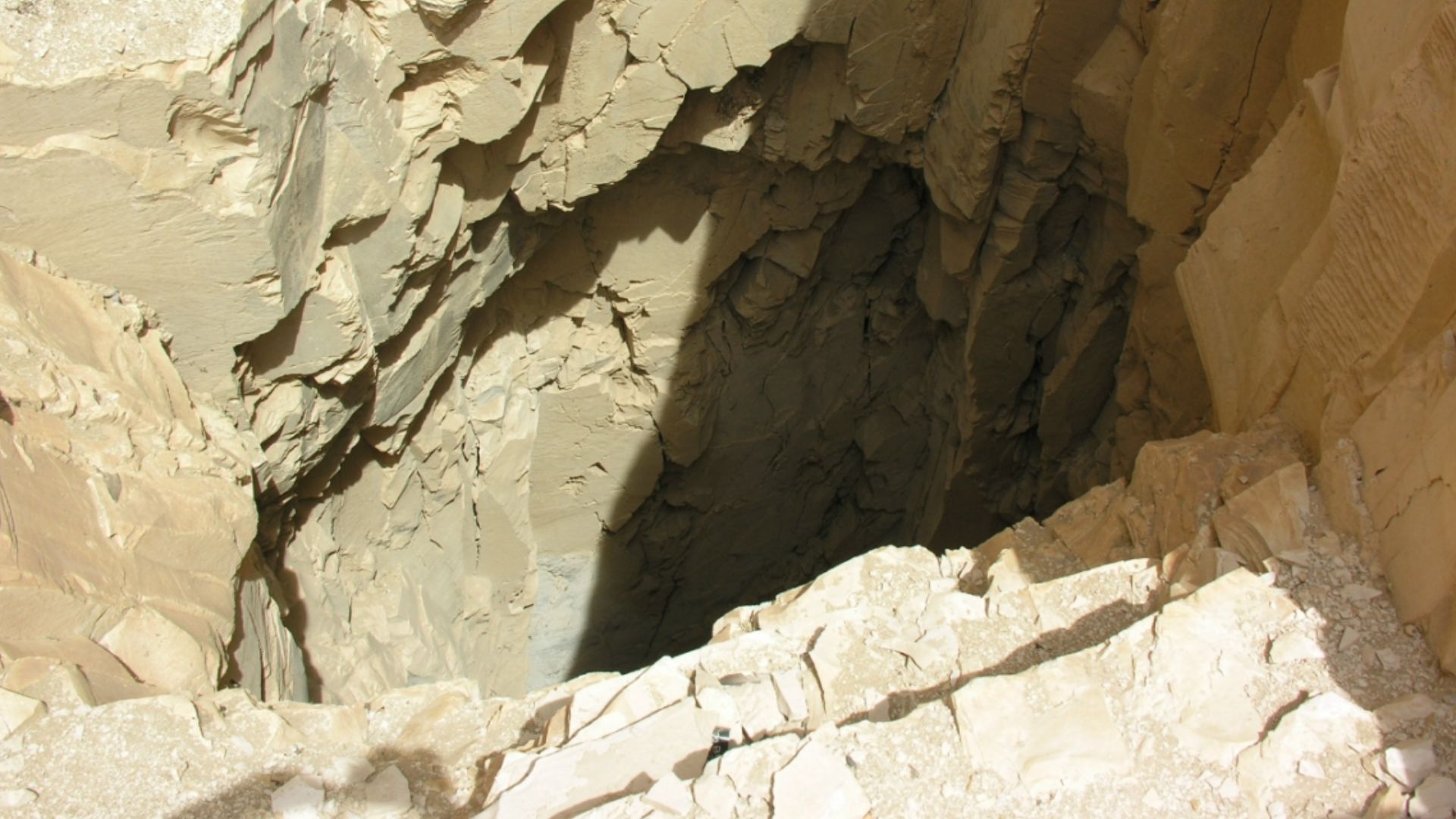
During the late Twentieth Dynasty, systematic tomb robberies prompted priests to relocate royal mummies to hidden caches for protection. The 1881 discovery of the Deir el-Bahari cache (TT320) revealed over 50 mummies, including Ramesses II, Thutmose II, and Seti I, stripped of jewelry and reburied together.
 Keith Hazell, Wikimedia Commons
Royal Caches
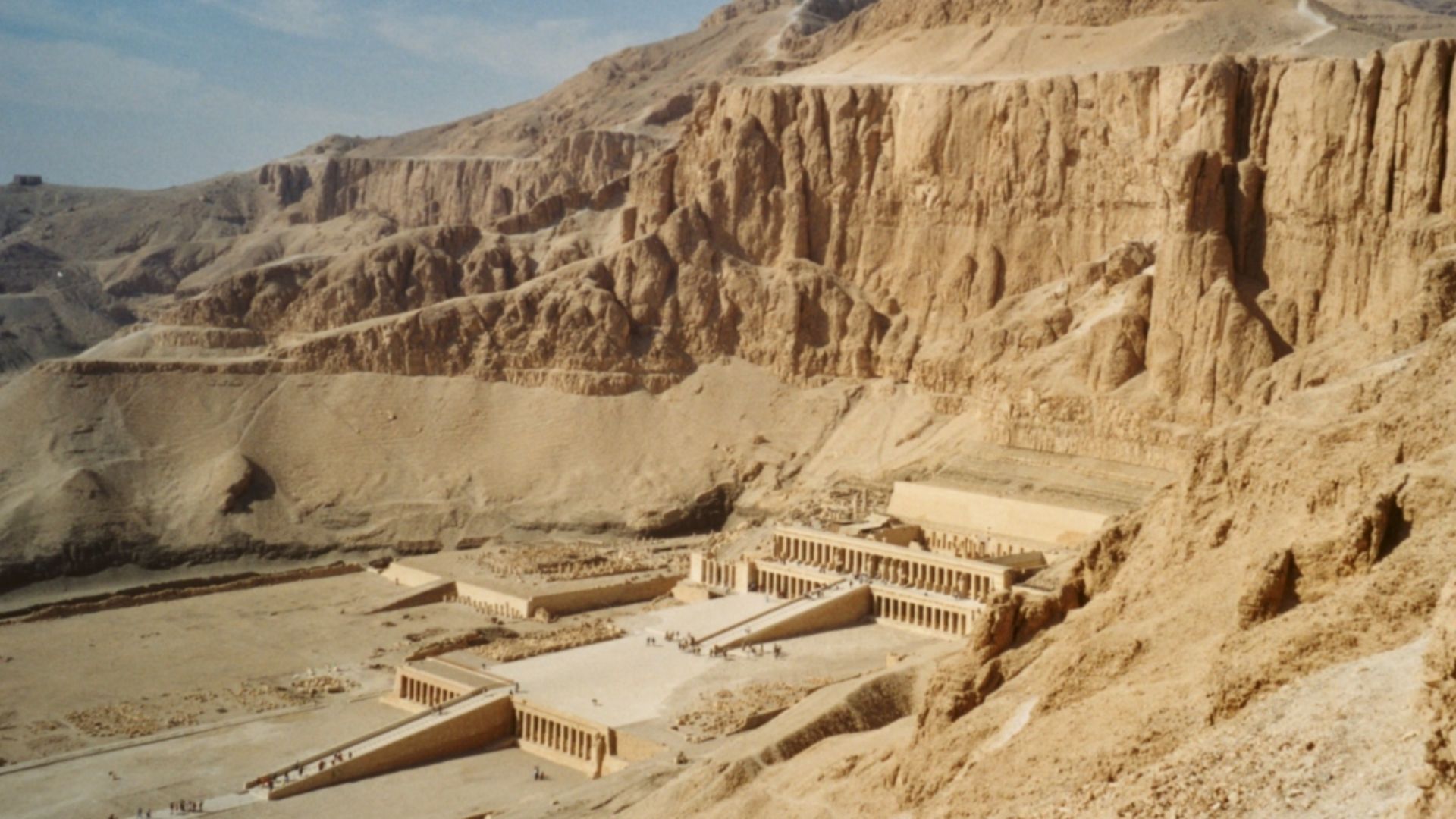
The 1881 discovery at Deir el-Bahari revealed a shaft packed with royal mummies hastily rewrapped and stacked like cordwood by 21st Dynasty priests. Heinrich Brugsch and Gaston Maspero found coffins bearing illustrious names—Ramesses the Great, Seti I, Thutmose III—stripped of precious amulets and gold.
Modern Excavations
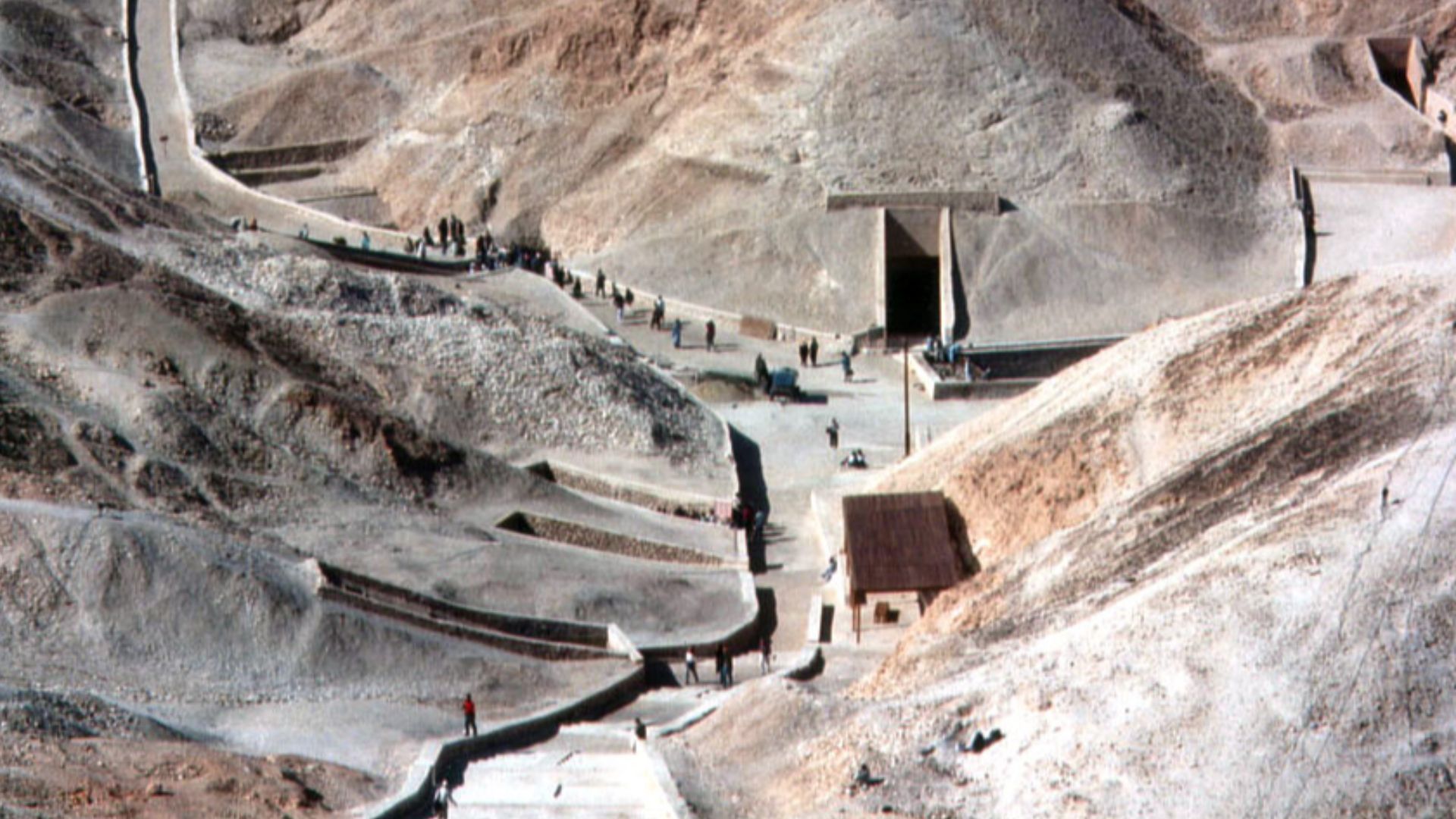
Since the 1970s, international teams have revolutionized Valley of the Kings research through systematic documentation rather than treasure hunting. The Theban Mapping Project created comprehensive digital atlases and cleared KV5, discovering it held over 120 chambers for Ramesses II's sons.
 Fotograf/Photographer: Peter J. Bubenik (1995), Wikimedia Commons
International Collaboration
Joint Egyptian-British missions, such as Dr Litherland's team, mirror modern archaeology's collaborative approach, combining local expertise with international funding and technology. The Supreme Council of Antiquities now co-leads all excavations, training Egyptian Egyptologists who once relied entirely on foreign archaeologists.
 Exclusive to The Times, Wikimedia Commons
Future Possibilities
At least several undiscovered tombs await detection in the Valley of the Kings, according to researchers conducting the most extensive exploration since the 1920s. Dr Litherland believes he's identified Thutmose II's secondary tomb location beneath 23 meters of sediment, potentially containing intact treasures moved after ancient flooding.
 The Charles Machine Works, Wikimedia Commons