
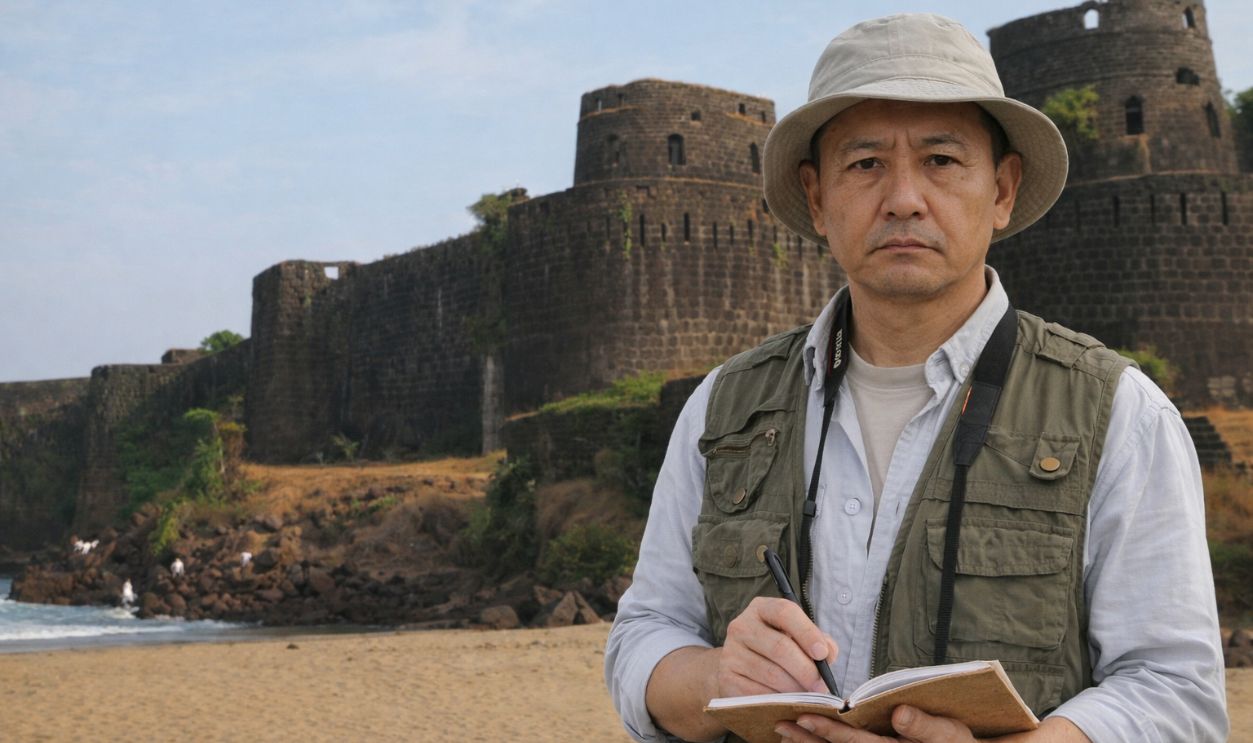
 AdiDat, CC BY-SA 3.0, Wikimedia Commons, Modified
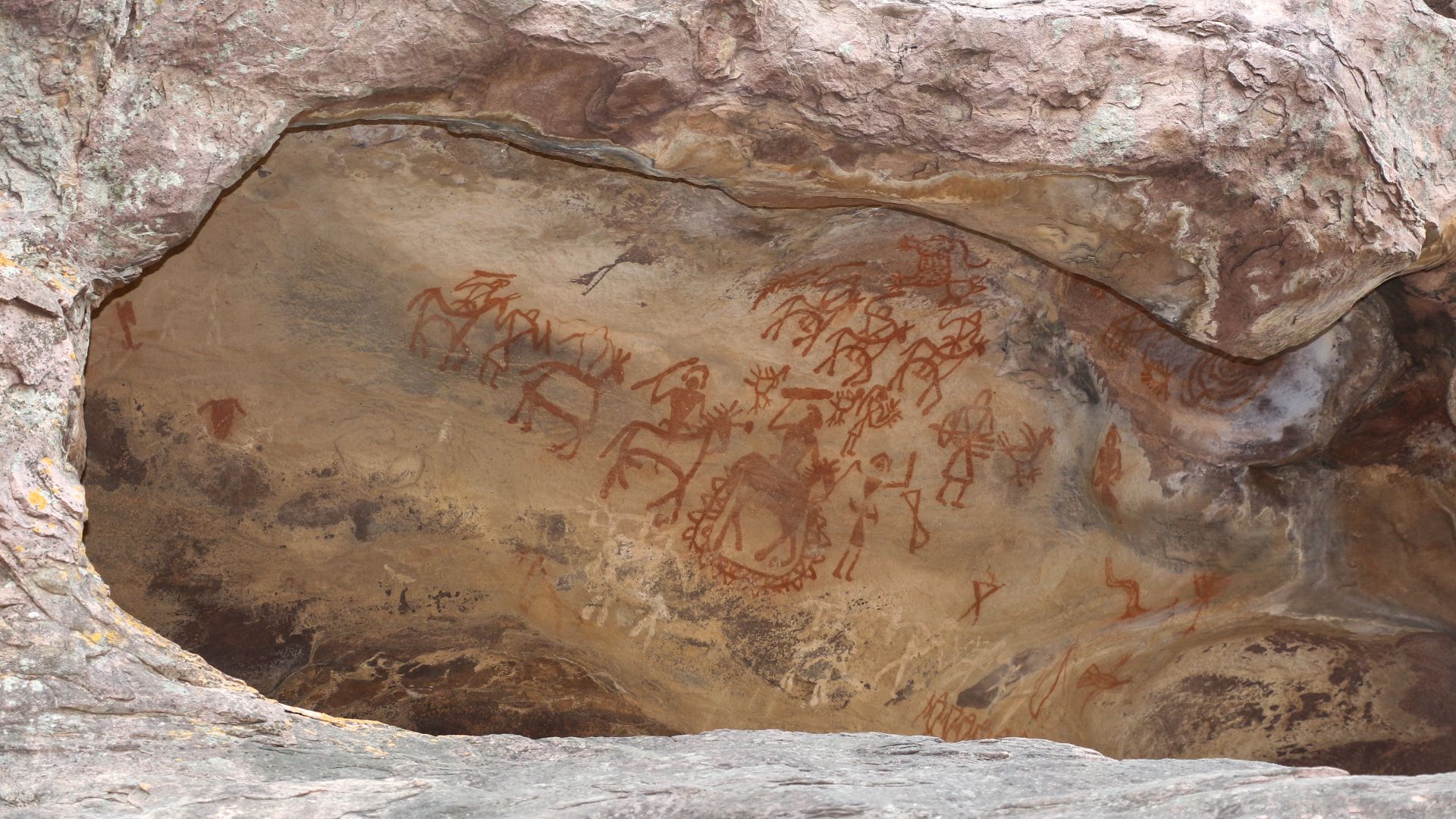
Archaeological investigations along Maharashtra's Konkan coast have dramatically extended India's timeline for human artistic and cultural development. Petroglyph traditions in this coastal region are estimated to be between 10,000 and 12,000 years old, with preliminary research suggesting possible ages reaching 24,000 years, though this requires further validation. Koloshi cave excavations reveal cultural layers preliminarily dated to 38,000–52,000 years based on stratigraphic analysis, while recovered tool assemblages predominantly correspond to 10,000–20,000 years ago. These findings challenge previous assumptions about when sophisticated human societies emerged in the Indian subcontinent. The discoveries provide significant evidence about the cognitive abilities and cultural practices of ancient humans in South Asia.
Geoglyphs Along The Konkan Coast And Koloshi Cave
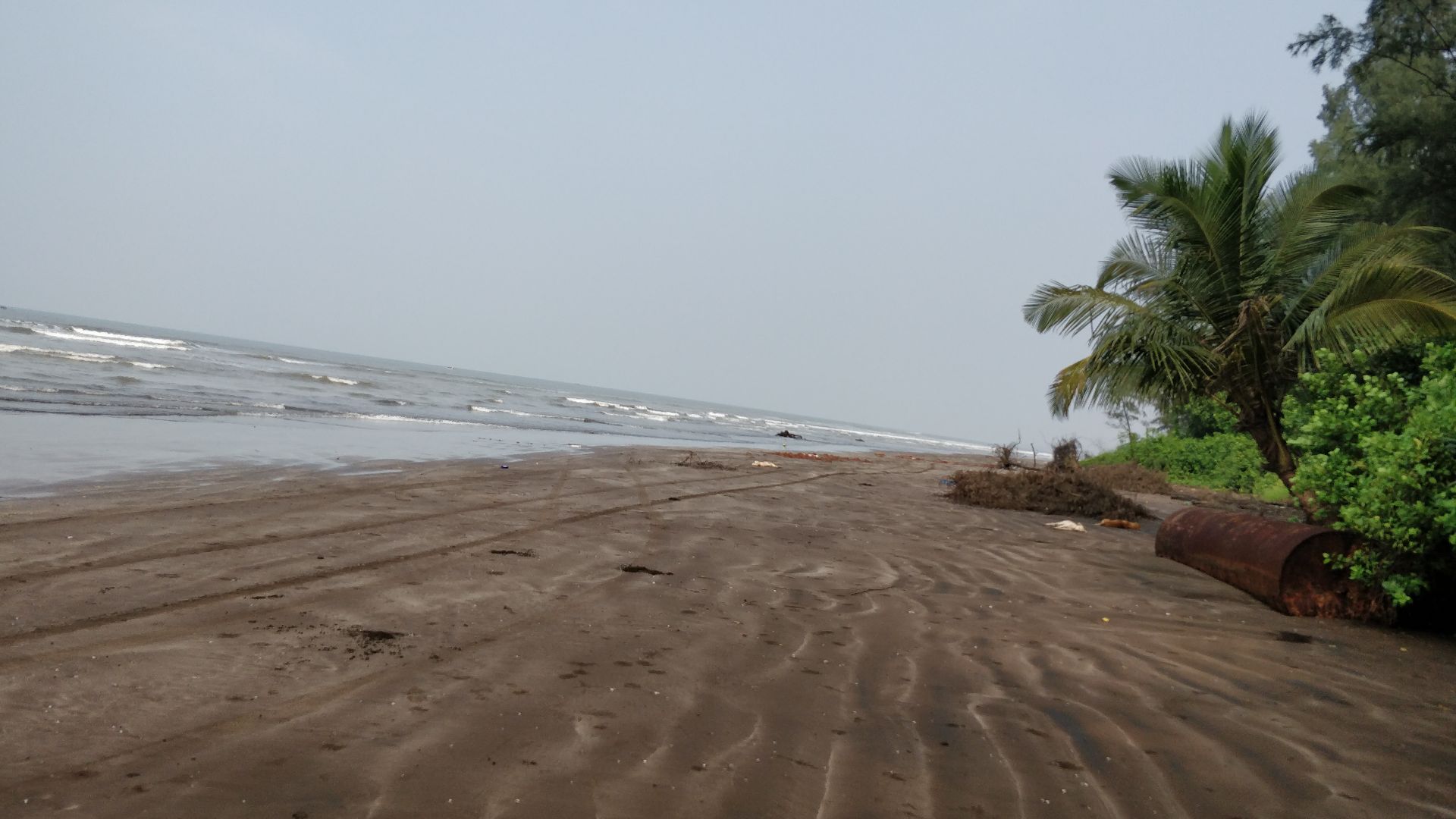
The geoglyphs discovered along the Konkan coast represent one of the oldest known examples of deliberate landscape modification for artistic or ritualistic purposes in India. These massive rock engravings were created by carving or etching into laterite surfaces through techniques like pecking and scooping. Researchers have identified various motifs, including geometric patterns and possible representations of animals or human figures. The 24,000-year age estimate comes from stratigraphic associations with dated layers in nearby sites, placing them among the earliest known examples of large-scale art anywhere in the world.
Moreover, at the Koloshi cave site, archaeological excavations have revealed distinct cultural layers that extend back approximately 38,000 years. These stratified deposits contain stone tools that paint a detailed picture of how early humans lived in this region, with potential for fire use inferred from similar sites. The cave appears to have served as a long-term habitation site rather than a temporary shelter. Multiple occupation phases suggest that successive generations returned to this location over millennia, with preservation conditions allowing researchers to recover materials that rarely survive in open-air sites.
The creation of such monumental works required significant planning and communal effort, demanding coordinated labor from multiple individuals working together toward a shared vision. This level of social organization suggests that the people who made them had developed complex communication systems and possibly shared belief systems that motivated such ambitious projects. The Konkan geoglyphs indicate that these ancient communities had achieved a degree of stability that allowed them to invest time and energy in activities beyond immediate survival needs, fundamentally altering our understanding of prehistoric life in India.
Technological Sophistication And Material Culture
The stone tool assemblages recovered from Konshan sites reveal unexpected technological diversity for this time period. Microliths—tiny, precisely crafted blades—appear alongside larger cutting implements, suggesting specialized tool-making knowledge passed across generations. Possible evidence of pigment use, such as ochre, at similar prehistoric sites elsewhere suggests these communities may have engaged in symbolic practices beyond functional needs. The strategic selection of cave locations near freshwater sources and estuarine environments demonstrates sophisticated environmental understanding. These early inhabitants exploited seasonal resources, including shellfish, whose exploitation is inferred from coastal proximity, helping archaeologists reconstruct ancient diets and settlement patterns through environmental context.
Implications For South Asian Prehistory
These discoveries along the Konkan coast have profound implications for understanding human history in South Asia. The dates push back the arrival of behaviorally modern humans in this region or suggest that local populations developed these capabilities independently. Either scenario requires scholars to reconsider existing models of human migration and cultural development. The coastal location of both the geoglyphs and Koloshi cave is particularly significant. It supports theories that early human populations followed coastlines as they dispersed from Africa. The Konkan coast would have provided rich marine and terrestrial resources that could support stable communities.
The findings also highlight how much remains unknown about India's deep past. Many areas of the country have received limited archaeological attention compared to sites in Africa, Europe, or the Middle East. As research intensifies and new dating methods become available, more such discoveries will likely emerge. The Konkan evidence shows that sophisticated human cultures existed in India far earlier than the well-known Indus Valley Civilization. Understanding these ancient societies requires continued excavation and analysis using the latest scientific techniques available to researchers today.
 Bernard Gagnon, Wikimedia Commons