

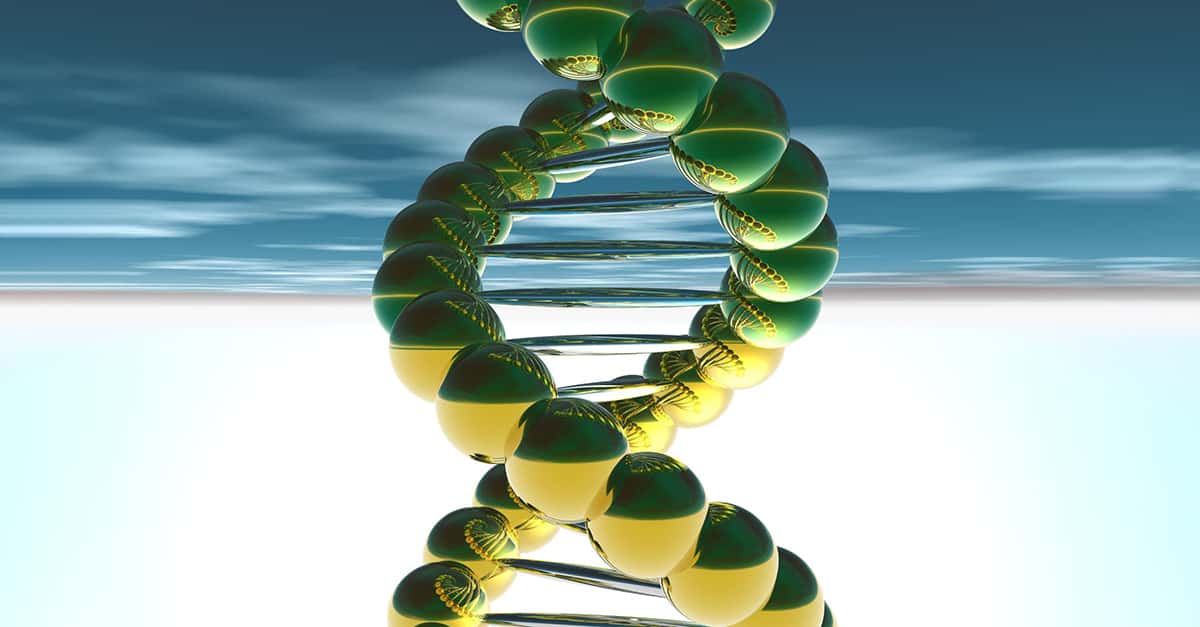
Welcome to our new regular feature here at Factinate. Have you ever heard the 1991 hit C+C Music Factory song "Things That Make You Go Hmmmm?" Well here are 23 facts that will make you go "hmmmm". And they’re totally random!
1. The Hotter the Water, the Faster the Freeze
It may seem counterintuitive or even mythical, but hot water freezes faster than cold water. The effect was first observed by Aristotle in the 4th century BC, but scientists weren’t able to figure out the cause until 2013! Short answer: heat helps covalent bonds give up their energy faster, which is essentially the same process as cooling.

2. Letterboxd
Uppercase and lowercase letters are so-called because of the storage cabinets that held pieces used for letterpress printing. The smaller, more frequently used letters were kept closer at hand, in the lower case, while the less frequently used letters were stored in a separate shallow tray above the lower-case letters.

3. Not the Momma!
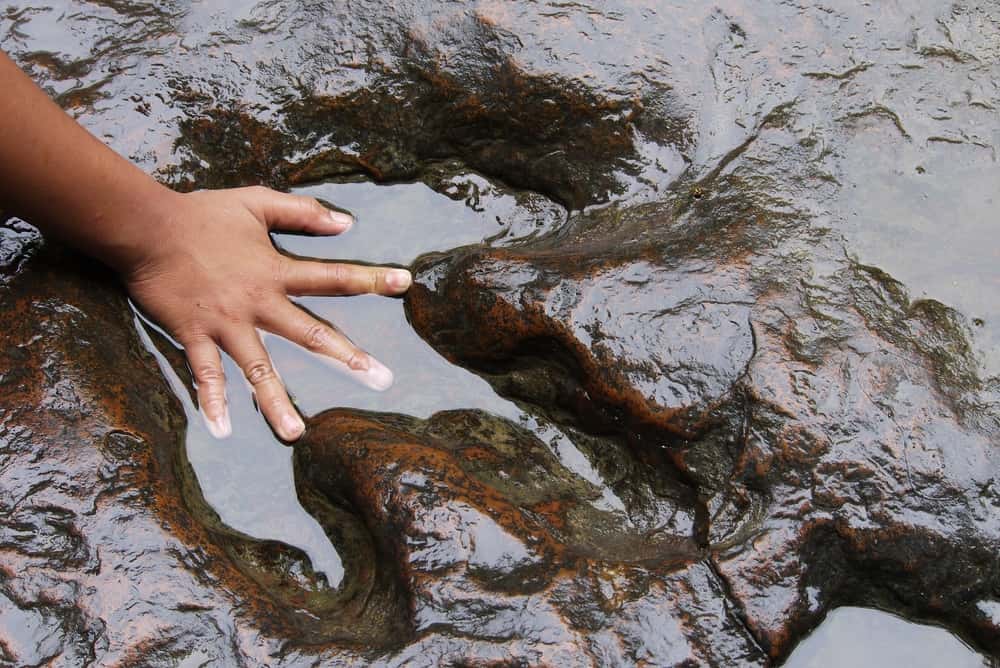
While in the popular imagination we may think of dinosaurs as living together as one large family, certain species were separated by huge chunks of time. In fact, less time separates us from the Tyrannosaurus rex than separated the T. rex from the Stegosaurus!
4. Sink or Swim
Brains and money aren’t the only things you’ll need to graduate from MIT. Since the 1940s, the prestigious school has required that all students pass a swim test.

5. To Each (Ballpark) Their Own
Unlike any other major professional sport, MLB ballparks vary in size and dimension! While the infield is carefully regulated, center field depth can vary wildly.

6. The Loneliness of the Long-distance Prisoner
Although now mostly found in gyms and used for fitness purposes, the modern Stairmaster and treadmill have their origins in prisons! Called the "tread-wheel," the machine was invented by a civil engineer in 1818 to reform convicts.

7. Lots of Birthday Presents
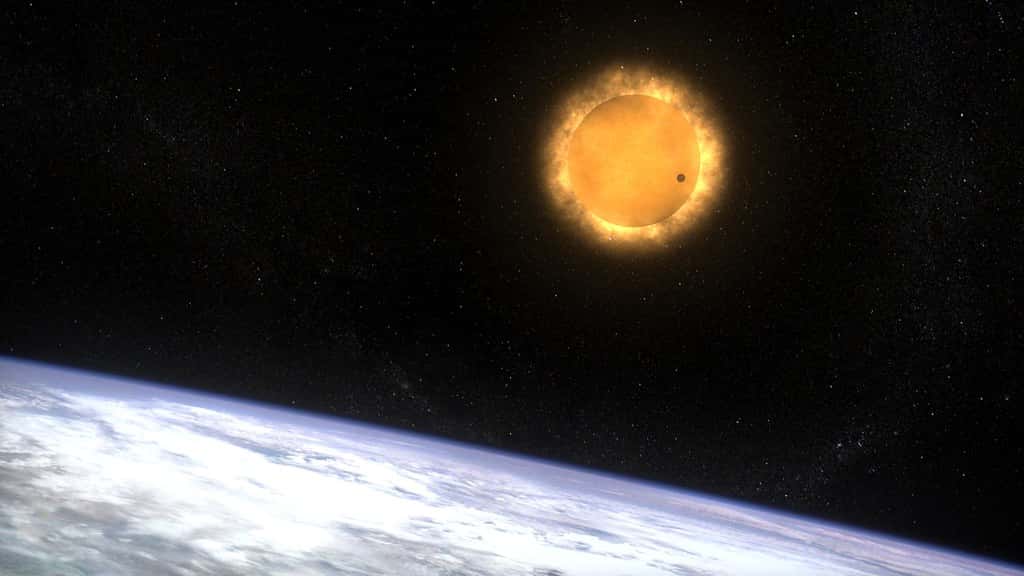
Like hot water freezing faster, this one’s hard to believe: Venus’ days are longer than its years. Due to slow axis rotation, a day on Venus lasts 243 Earth-days, whereas its brisk tour around the Sun takes a mere 225. That means if you lived on Venus, you would have seven birthdays a week! (NB: if you lived on Venus you would actually have zero birthdays a week, as its surface-temperature is 462° C and you would be gone instantly.)
8. I’m Not Stupid, You’re Stupid
You don’t need to be a scientist to know that DNA is important. But prior to the discovery that deoxyribonucleic acid was the primary conveyor of genetic information between cells, not everyone was convinced. The biologist Max Delbruck once called it a "stupid molecule".
Another fun fact: One gram of DNA can hold 700 terabytes of data!

9. Say Hello, Wave Hello
"Hello" is used very often in English these days, but use of the word is relatively new. It wasn’t used until the late 1820s, and only became popular by the 1860s.

10. Holy Ingenuity
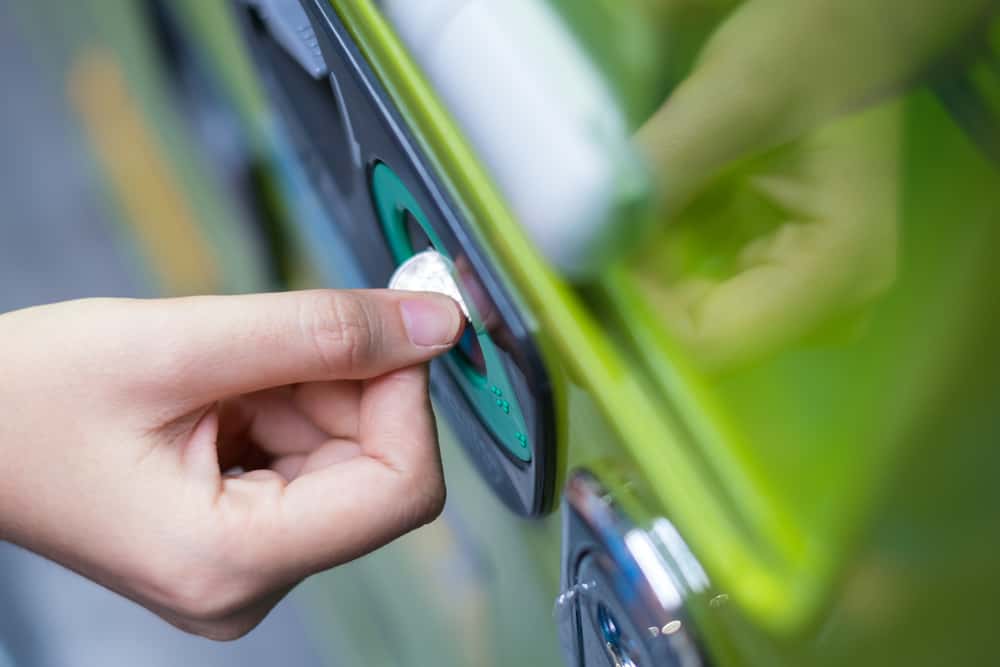
Although it may seem like a modern invention, the coin-operated vending machine was invented in the 1st century BC by the Greeks. Customers could deposit a coin and receive a fixed amount of holy water.
11. Songbook
The term album, as used today to mean a collection of songs (whether on LP, CD, or digital files), was once literal. Before the advent of 12” records that played at 33 1/3 RPM in 1948, music fans collected 78 rpm records in cases resembling photo albums.

12. 3 Become 1
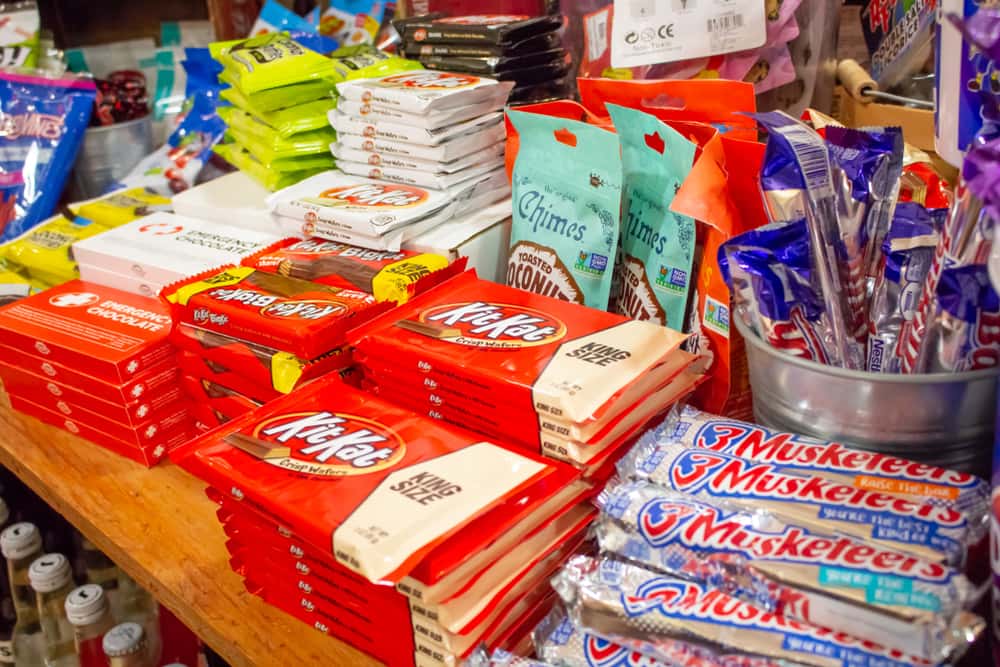
Have you ever wondered why the American chocolate bar 3 Musketeers was named after an 1844 French novel? It wasn’t because Mars, Inc. wanted to teach young Americans about French noblesse, it was because 3 Musketeer bars were originally three smaller bars in one package! The bars were chocolate, strawberry, and vanilla—but due to battle time shortages, they became one singular, chocolate-only affair in 1945.
13. Public Property
The Green Bay Packers are publicly owned. Yes, you read that correctly: an NFL team is the only community-owned major league professional sports team in America. Their community ownership and non-profit structure may explain why an enormous NFL franchise has been able to remain in a town of 104,057 people for almost a century!
 Wikimedia Commons, Mike Morbeck
14. Just Say No to Pinball
What many today consider a harmless—even quaint—form of entertainment was once considered a thief of children’s lunch-money. Upset by the lack of skill, prominent elements of chance, mafia ownership, and young customers, New York City mayor Fiorello La Guardia banned pinball in the early 1940s. He would even seize machines in raids and, along with New York’s Finest, use sledgehammers to destroy the pinball machines before dumping them in nearby rivers.

15. USA #1! And #2!
It may not surprise many people that the US Air Force has the largest air force in the world. Perhaps more surprising: the US Navy actually has the second largest air force, with approximately 3,400 aircraft!

16. Good Guide
The publication of the famous Michelin Guide was suspended during both World Wars. In 1944, however, the 1939 guide to France was reprinted for use by the Allied Forces, as its maps were considered the most up-to-date available!

17. Book ‘Em
Back in the early 1800s, Great Britain and the US didn’t have quite the "special relationship" that they enjoy today. In fact, in 1814 Britain burned down the Capitol and the Library of Congress. Luckily, the previous President, Thomas Jefferson, had the largest collection of books in America, and when he sold them to the new Library, his 6,487 volumes more than doubled the size of the previous collection.
 Wikimedia Commons, Smash the Iron Cage
18. The Old And The Frisky
Three-quarters of 70-year-old men are still able to impregnate a woman. Nearly a third of women over 80 still have intercourse with their partners.

19. The Long Goodbye
It’s commonly understood that oceans are deep, but at their deepest they are very deep—and the deepest part of any ocean is the Mariana Trench, located in between Japan and Papa New Guinea. If you were to drop a pebble overboard at this location, it would take just over an hour to reach the bottom of the seabed!

20. Wait a Second
Seconds (units of time) are so named because they are the second division of an hour, the first being minutes.

21. Maybe Not the Best Idea
Movie trailers got their name from the fact that they were originally played after films. However, audiences would often leave right after the end of the film, so theatres began showing trailers before the movie.

22. Slow Down. Way Down.
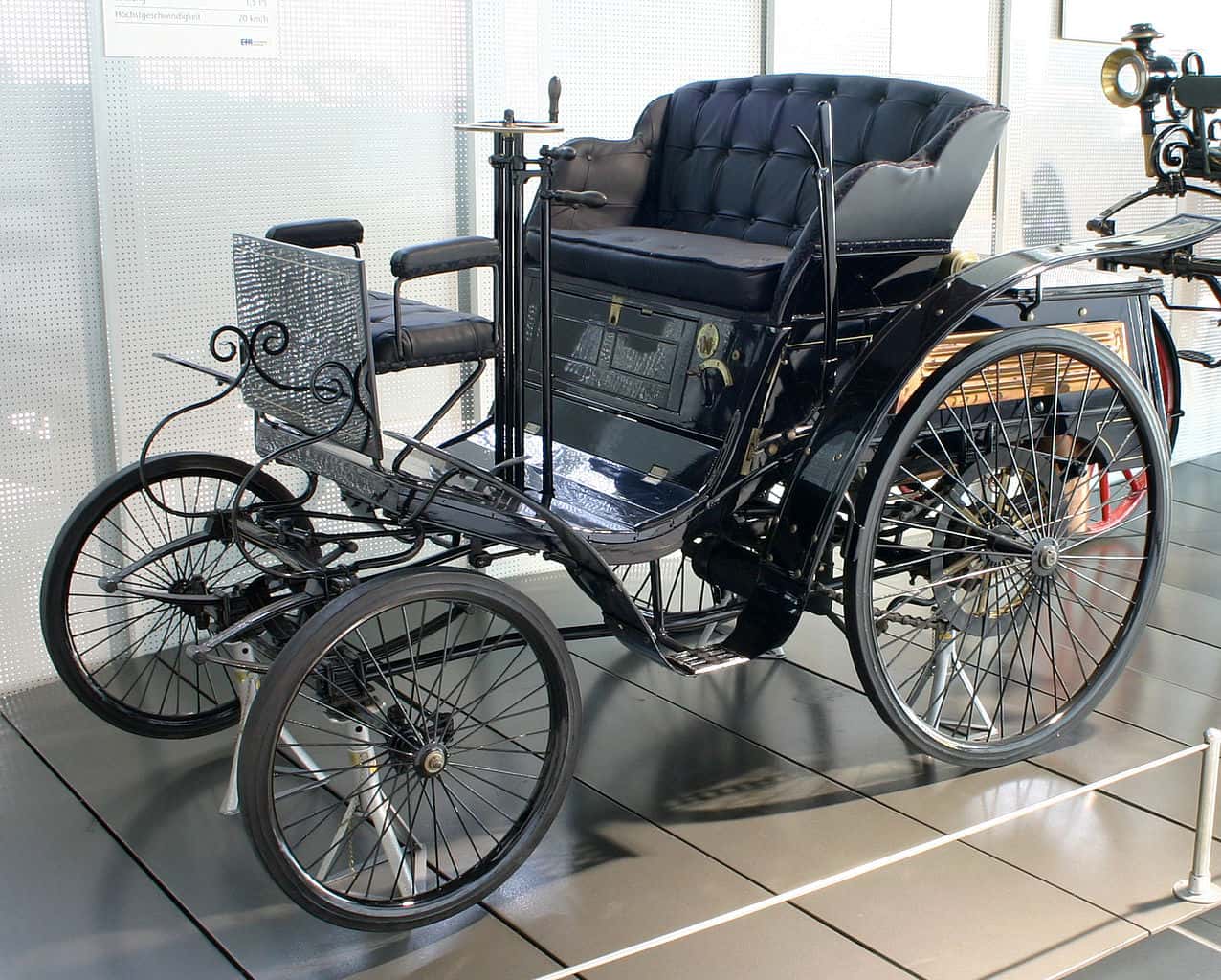
The earliest conviction of speeding in a car is believed to have been in 1896, when Walter Arnold of East Peckham, Kent was fined for doing 8 mph in a 2 mph zone. What a badass.
23. Farty Science
You may be disgusted to learn that whenever another person farts near you, and you smell it, you have actually inhaled gasses from their digestive tract. These gases -- nitrogen, oxygen, methane, hydrogen and carbon dioxide -- have passed out of their behind and into your nose. Volatile methyl sulfides are primarily responsible for the odor, with hydrogen sulfide gas and methanethiol being lesser contributors.
Gas may not be the only thing you inhale, depending on the circumstances. A nurse who was wondering if her farts in the operating room were contaminating the environment asked a microbiologist to study the flatulent issue. In the name of science, the microbiologist (probably quite awkwardly) asked a colleague to take his pants off and to pass gas direct toward two petri dish from a distance of five centimeters. He had the experiment repeated, this time time with his pants on.
The petri dish that had been tagged with the pure gas (poor petri dish) grew bacteria overnight, and a closer investigation revealed some of these bacteria are typically found in the lower digestive tract. The stinky conclusion: if someone drops their pants and lets one rip close to you, you could actually inhale bacteria droplets of airborne poop. Yum.

Source: 1, 2, 3, 4, 5, 6, 7, 8, 9, 10, 11, 12, 13, 14, 15, 16, 17, 18, 19, 20, 21, 22, 23, 24, 25, 26





.jpg)


