

The Untold Story Of Chief Pontiac
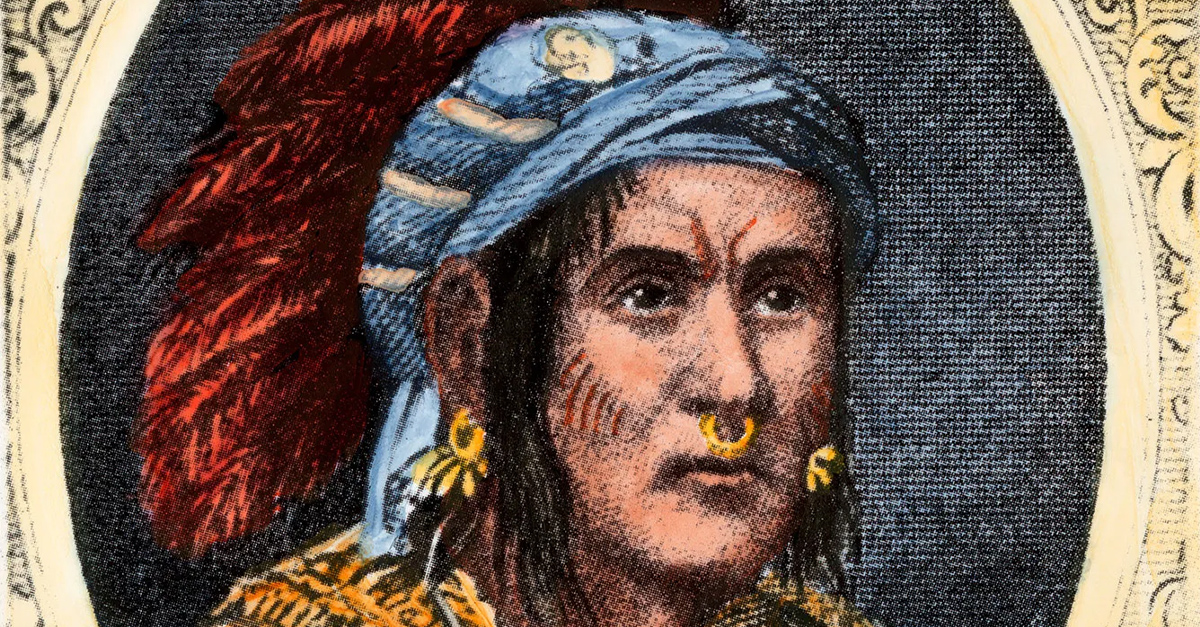
Pontiac, known as Obwaandi'eyaag, was widely recognized as a prominent Odawa war chief. He sparked one of the greatest Native American uprisings in the country's history—but according to modern historians, new evidence reveals a bitter truth about his time as chief.
Early Life At Detroit
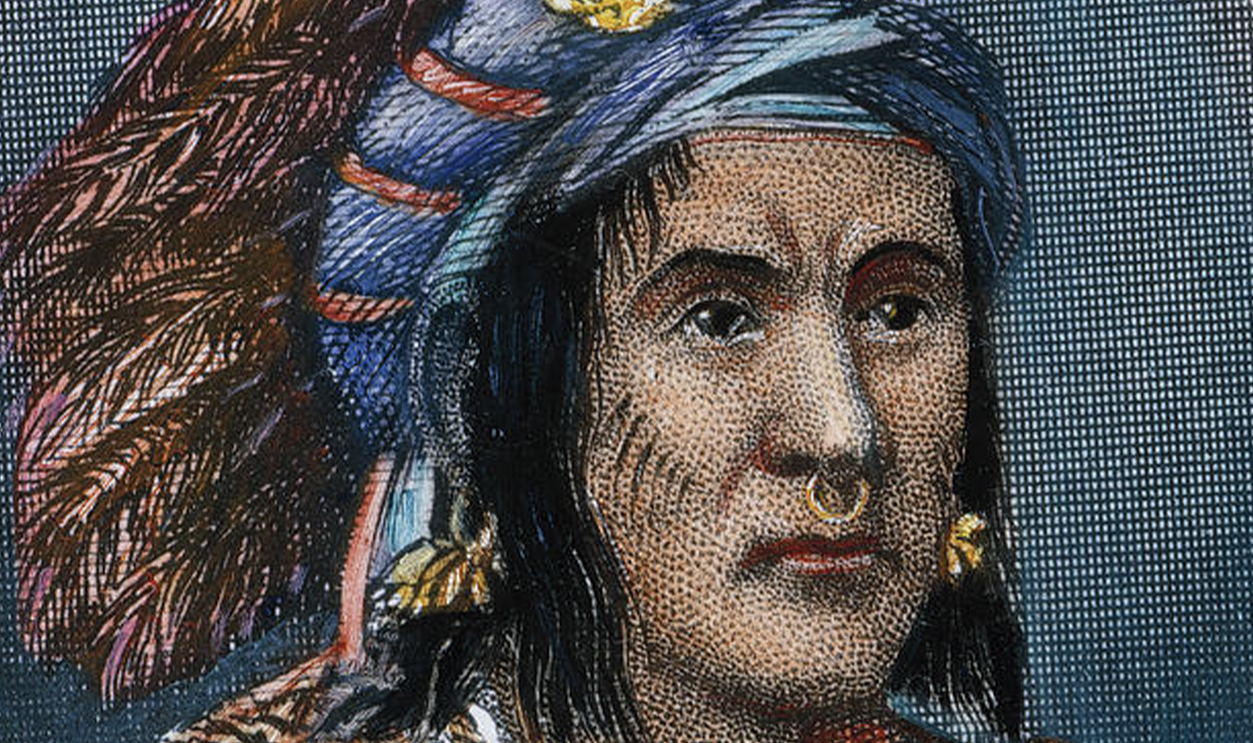
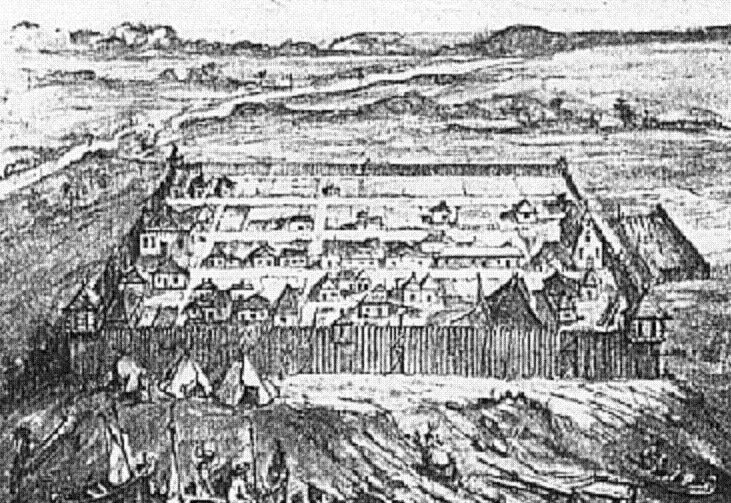
Pontiac spent his early years close to Fort Detroit, becoming familiar with French colonists and their ways. Living near the fort exposed him to the politics and tensions of European and Native American interactions. This proximity would later prove pivotal in shaping his role in the region's history.
 Pierre Descomps, Wikimedia Commons
Family Man
Pontiac married Kantuckee Gun, and the couple had two sons together. He also had a daughter, Marie Manon, who was described as a Salteuse or Saulteaux Indian. Today, she rests in Assumption Cemetery in Windsor, Ontario.
 John Mix Stanley, Wikimedia Commons
Emergence As A Leader
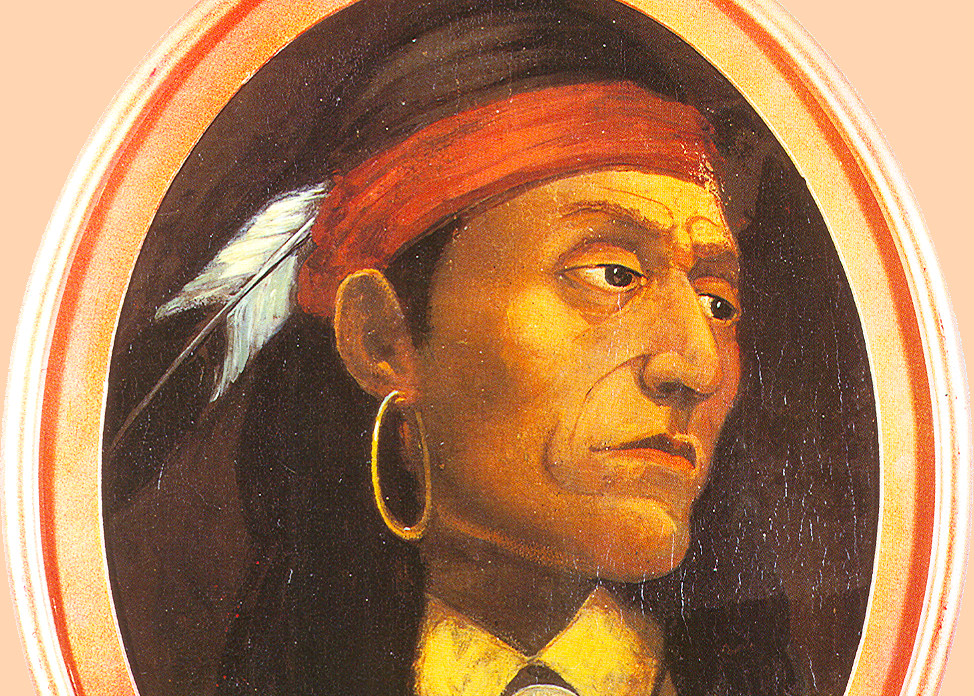
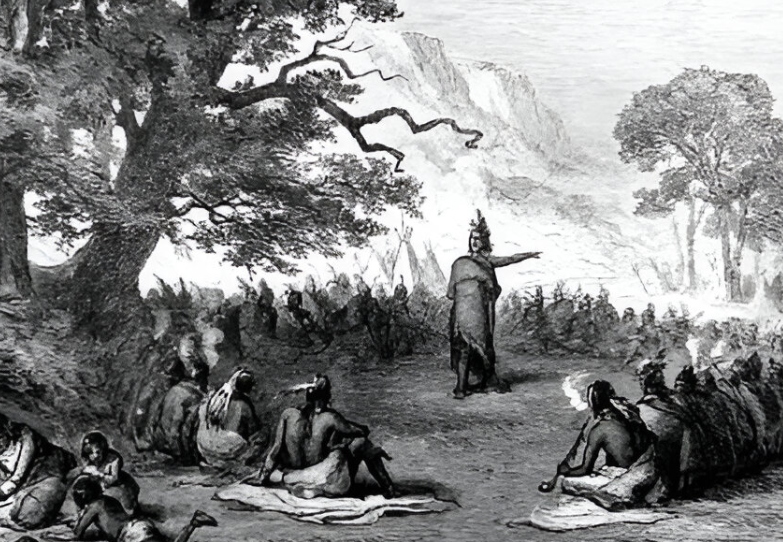
By 1747, Pontiac had emerged as an influential war leader among the Odawa people. He initially allied himself with New France against Indigenous resistance movements favoring the British. Pontiac consistently supported French interests, showcasing early signs of his military and diplomatic prowess.
 Unknown Author, Wikimedia Commons
French Alliances
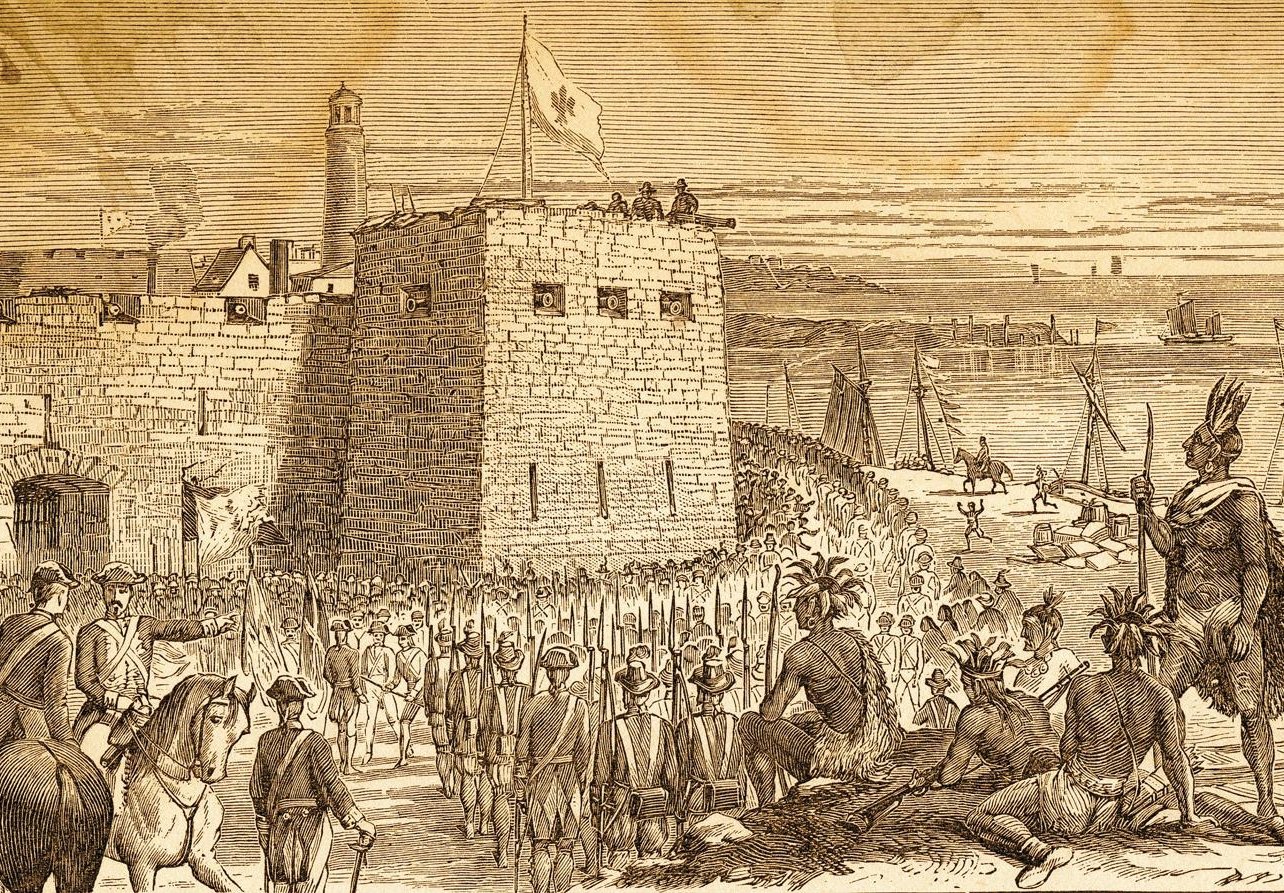
During the French and Indian War, Pontiac chose to support French forces against British colonists. Though unproven, some historians speculate he took part in the famed French and Indian triumph over General Edward Braddock in 1755. These alliances firmly positioned Pontiac as a prominent anti-British figure.
 John Henry Walker, Wikimedia Commons
British Victory And Native Dissatisfaction
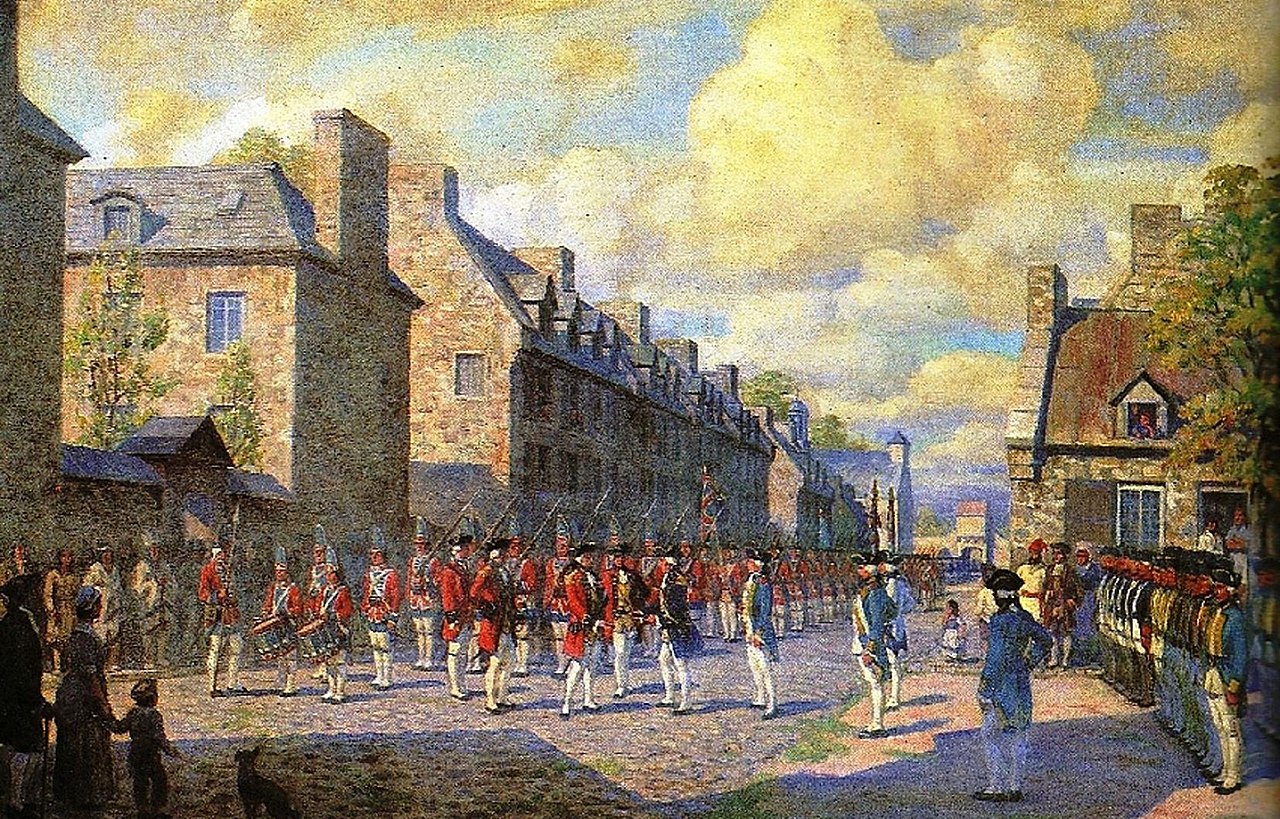
The British triumph over the French in 1760 deeply troubled Native American allies like Pontiac. British general Jeffrey Amherst altered established trade practices, eliminating customary gifts and restricting vital supplies like ammunition. This shift stoked suspicion among Pontiac’s people that the British planned their subjugation or extermination.
 Musée Virtuel du Canada, Wikimedia Commons
Inspiration From Neolin
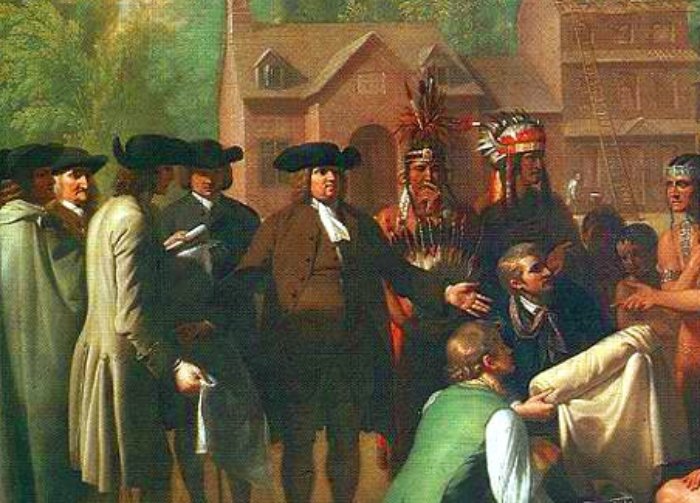
Pontiac found inspiration in the teachings of the Lenape prophet Neolin, who urged Native Americans to reject European influences. Neolin’s spiritual revival emphasized returning to traditional ways of life. Pontiac adopted these ideals, fueling his anti-British sentiments and motivating his militant resistance.
 Benjamin West, Wikimedia Commons
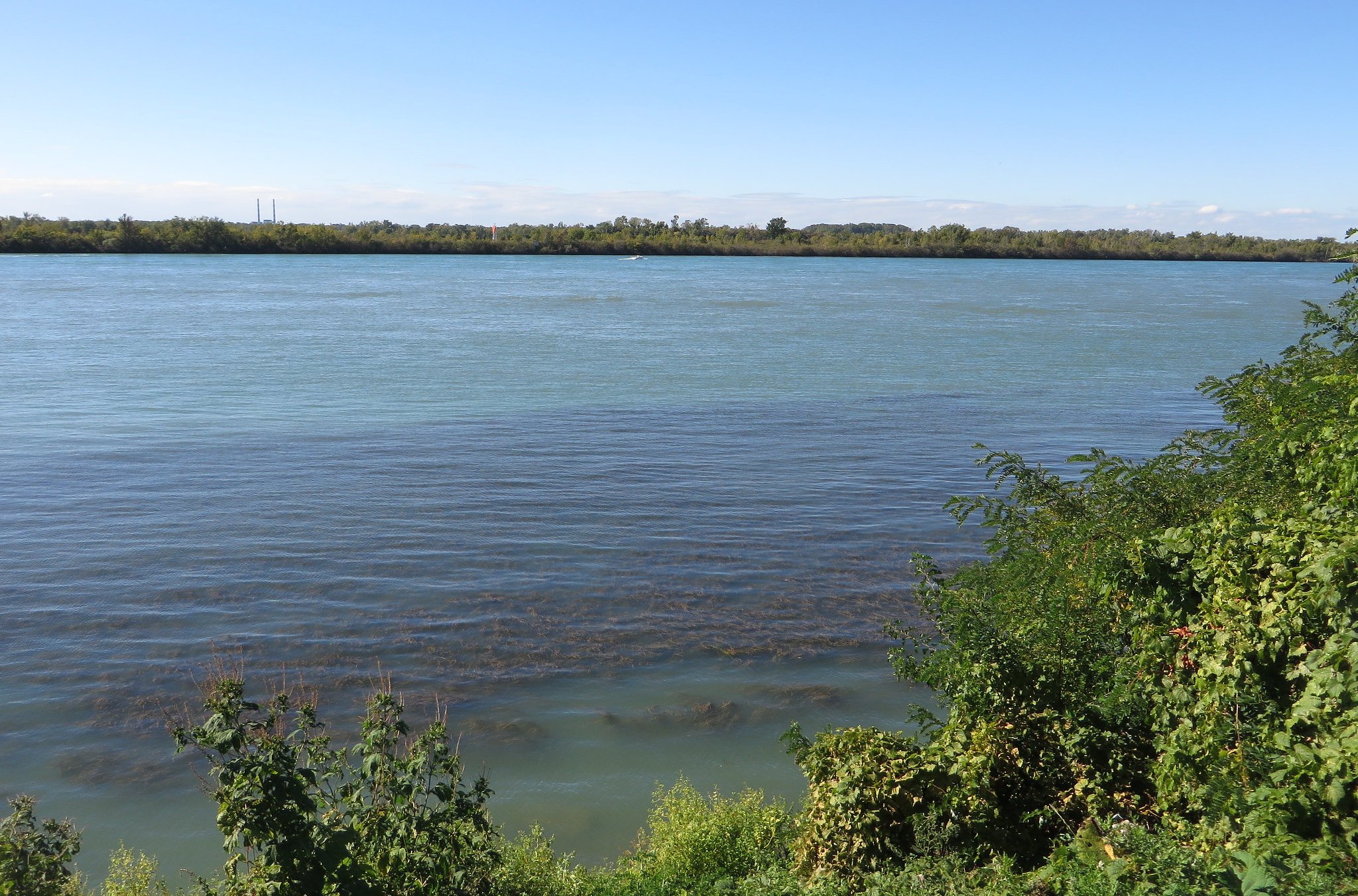
Council At Detroit River
Pontiac likely participated in a crucial 1762 council along the Detroit River, where tribal leaders contemplated armed resistance. Historian John Sugden argues Pontiac already envisioned himself within an existing resistance movement. This council set the stage for the outbreak of Pontiac’s War.
Planning The Battle
On April 27, 1763, Pontiac organized a council at Council Point Park, near Detroit, calling tribes to battle. He meticulously planned a surprise attack on Fort Detroit, initially scouting the fort's defenses. Confident of success, Pontiac aimed to swiftly eliminate the British presence.
Foiled Surprise Attack
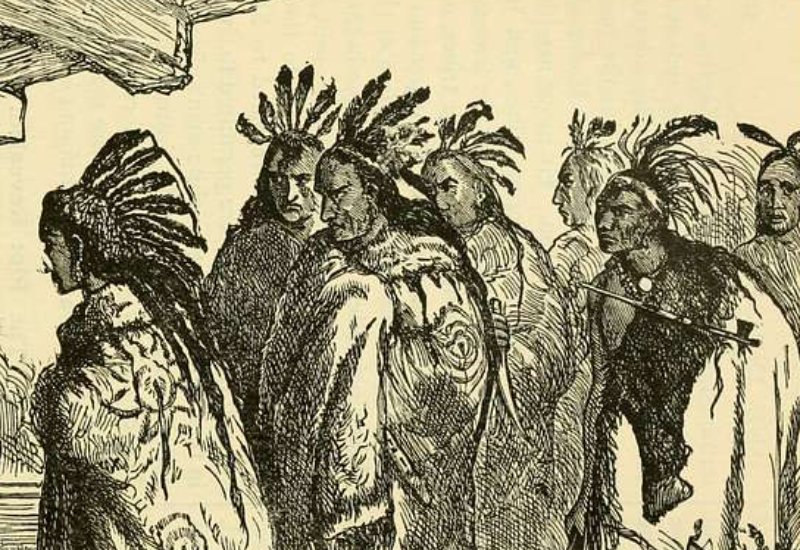
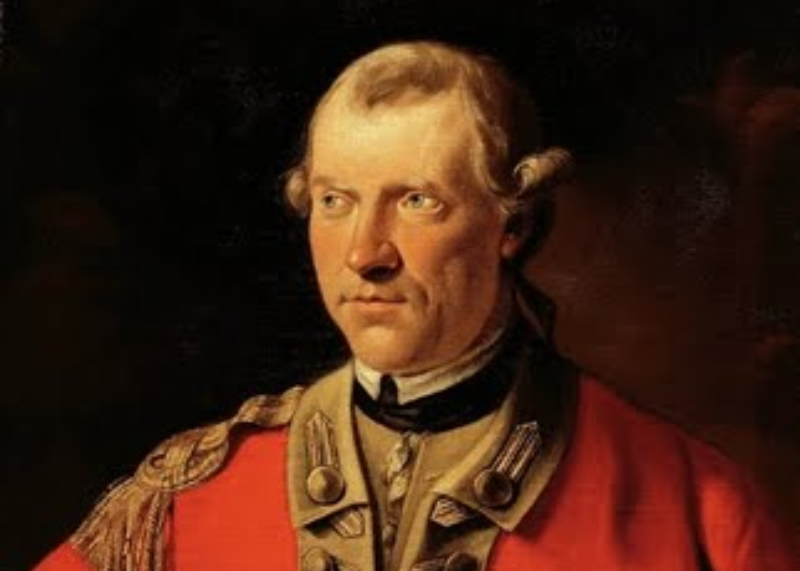
On May 7, 1763, Pontiac and approximately 300 followers launched their planned surprise attack against Fort Detroit. Unfortunately for Pontiac, Major Henry Gladwin had already received warning of the plot, enabling the British garrison to prepare. Thus began Pontiac’s siege of the fort, marking the official start of Pontiac’s War.
Siege At Fort Detroit
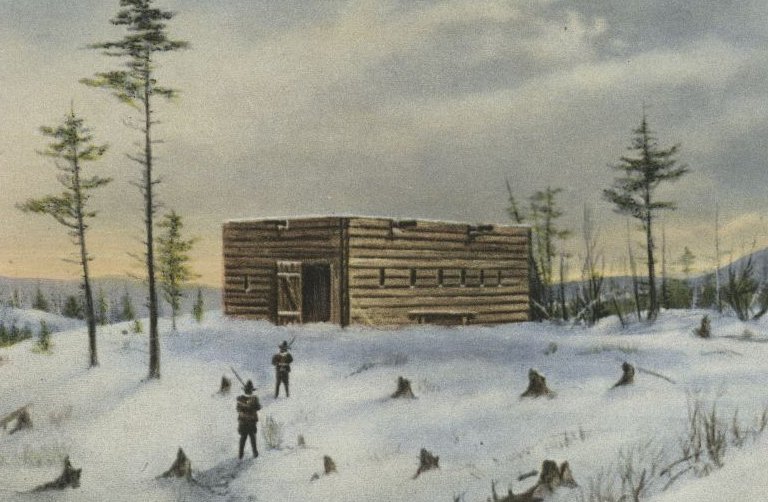
Though his initial plan failed, Pontiac refused defeat, laying siege to Fort Detroit beginning May 9, 1763. His numbers swelled rapidly, attracting over 900 warriors from numerous tribes. The siege sparked widespread anti-British attacks across the Great Lakes region.
 Smith Collection/Gado, Getty Images
Battle Spreads Rapidly
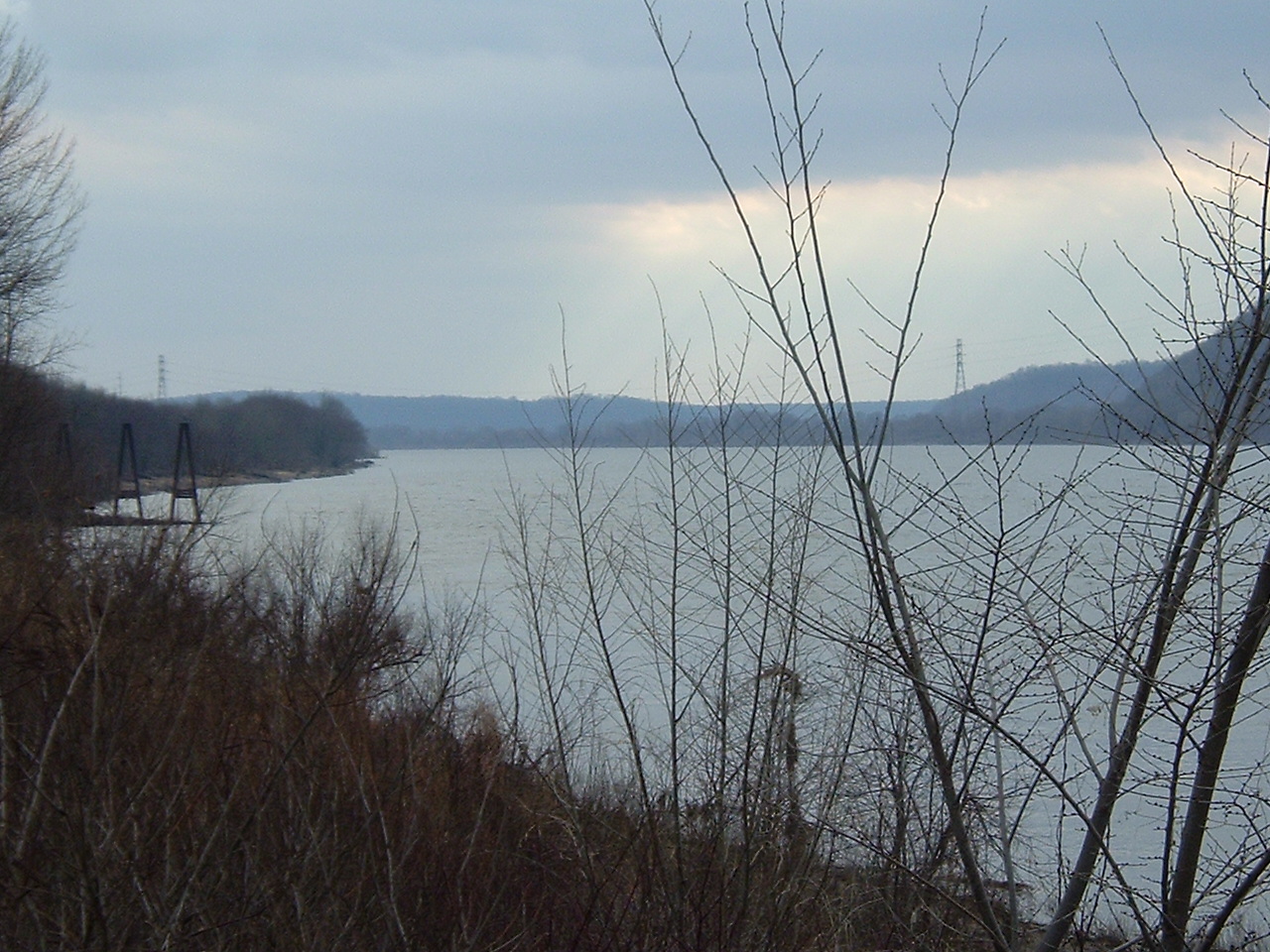
Pontiac’s actions inspired widespread uprisings against British forts throughout the Ohio Valley. Soon, Native warriors seized control of nine of 11 British forts, including Fort Sandusky. Pontiac became the symbol, if not always the direct commander, of the expanding rebellion.
 Jeffrey B. Morris, Wikimedia Commons
Battle Of Bloody Run
In July 1763, Pontiac secured a significant victory over a British detachment at the Battle of Bloody Run near Detroit. Despite this success, he was unable to take Fort Detroit itself. Frustrated yet determined, he maintained the siege for several months longer.
 Jack Broder Productions, Battles of Chief Pontiac (1952)
Retreat To Illinois
By October 1763, Pontiac recognized his inability to capture Fort Detroit and lifted the siege. He retreated strategically into the Illinois Country, regrouping and maintaining resistance. His movement, though thwarted at Detroit, still posed a significant threat to British control.
 Jack Broder Productions, Battles of Chief Pontiac (1952)
Influence Grows
Pontiac’s retreat to Illinois elevated his stature, shifting him from a local leader to a regional influencer. He tirelessly recruited French colonists and tribes from the Illinois and Wabash regions to continue militant resistance. His ability to rally diverse groups showcased his powerful influence as a regional spokesman and kept the British frontier unsettled long after the Detroit siege ended.
 Jack Broder Productions, Battles of Chief Pontiac (1952)
British Diplomatic Efforts
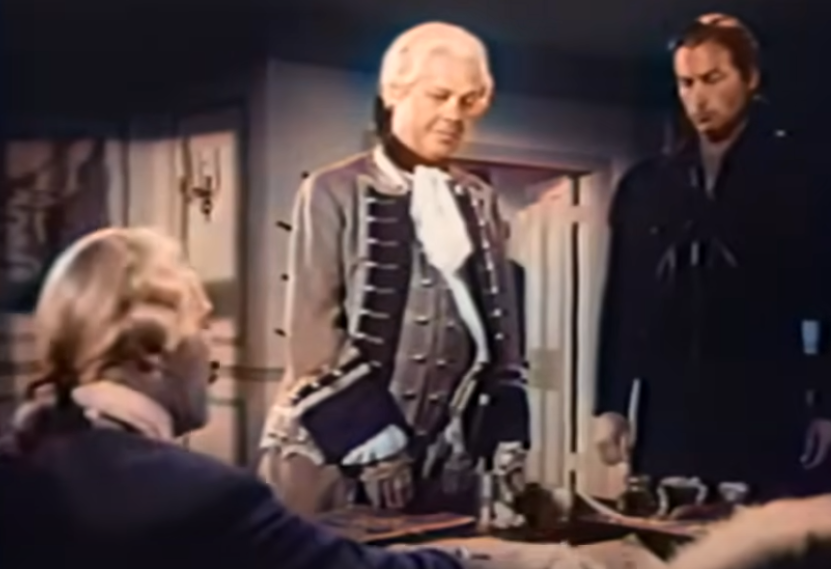
Recognizing Pontiac’s significance, and mistakenly believing that he held centralized authority over all rebelling tribes, the British focused diplomatic efforts directly on him. This British strategy inadvertently magnified Pontiac’s stature among tribes that traditionally operated in a decentralized manner.
 Jack Broder Productions, Battles of Chief Pontiac (1952)
Proclamation Of 1763
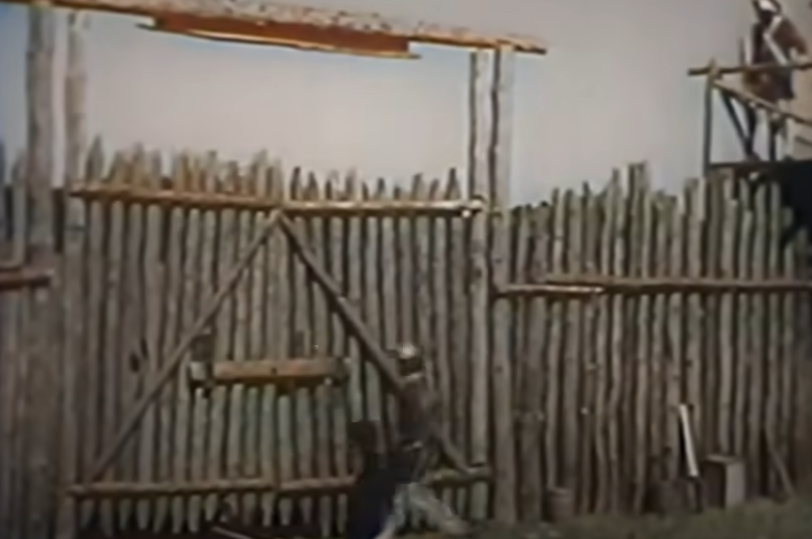
Pontiac’s rebellion influenced British Crown policy, leading to the Proclamation of 1763. This decree prohibited colonial settlement west of the Appalachians to safeguard Native American territories. While intended to placate Native tribes, colonists resented this limitation, fueling future tensions.
 Jack Broder Productions, Battles of Chief Pontiac (1952)
Pontiac’s Overreach
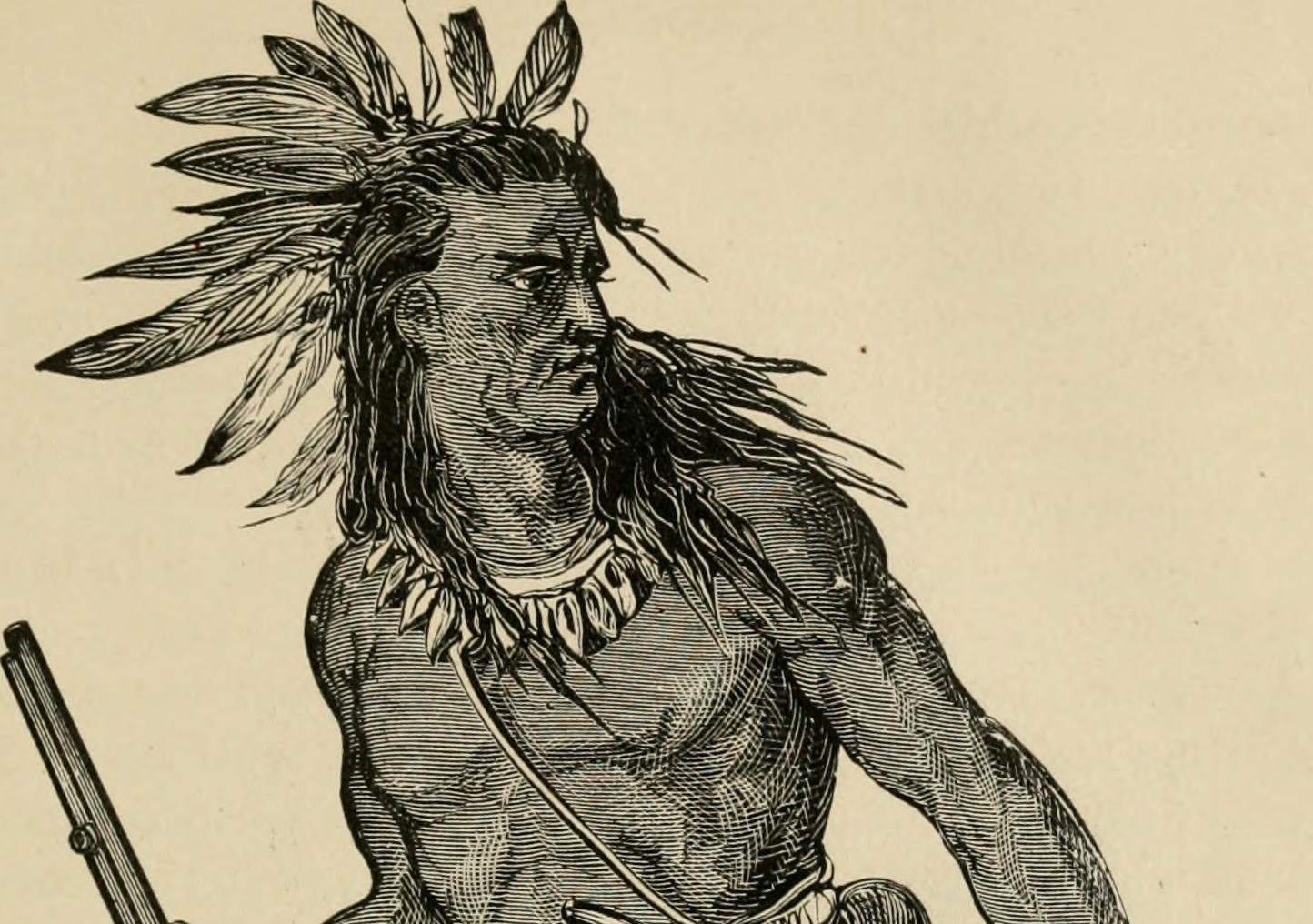
British attention convinced Pontiac to assert authority beyond his traditional rights. Historian Richard White describes Pontiac as increasingly arrogant and imperious by 1766. His inflated claims created resentment among tribal peers.
 Internet Archive Book Images, Wikimedia Commons
Failed Attempt At French Alliance
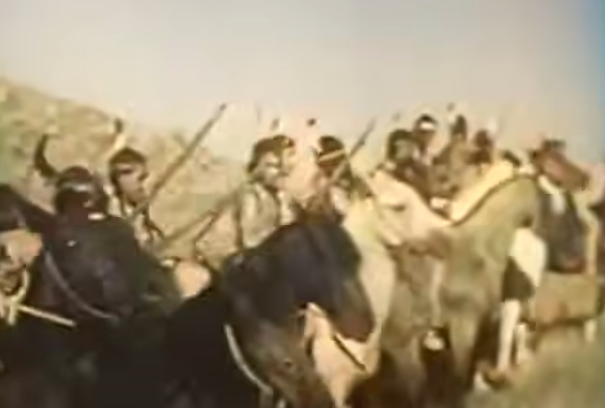
Pontiac desperately sought French support to defeat the British but ultimately failed. He refused to believe the French had abandoned their North American territories permanently. His misplaced hope in a French return underpinned much of the Pontiac’s War’s early enthusiasm.
 Jack Broder Productions, Battles of Chief Pontiac (1952)
Peace Treaty Signed
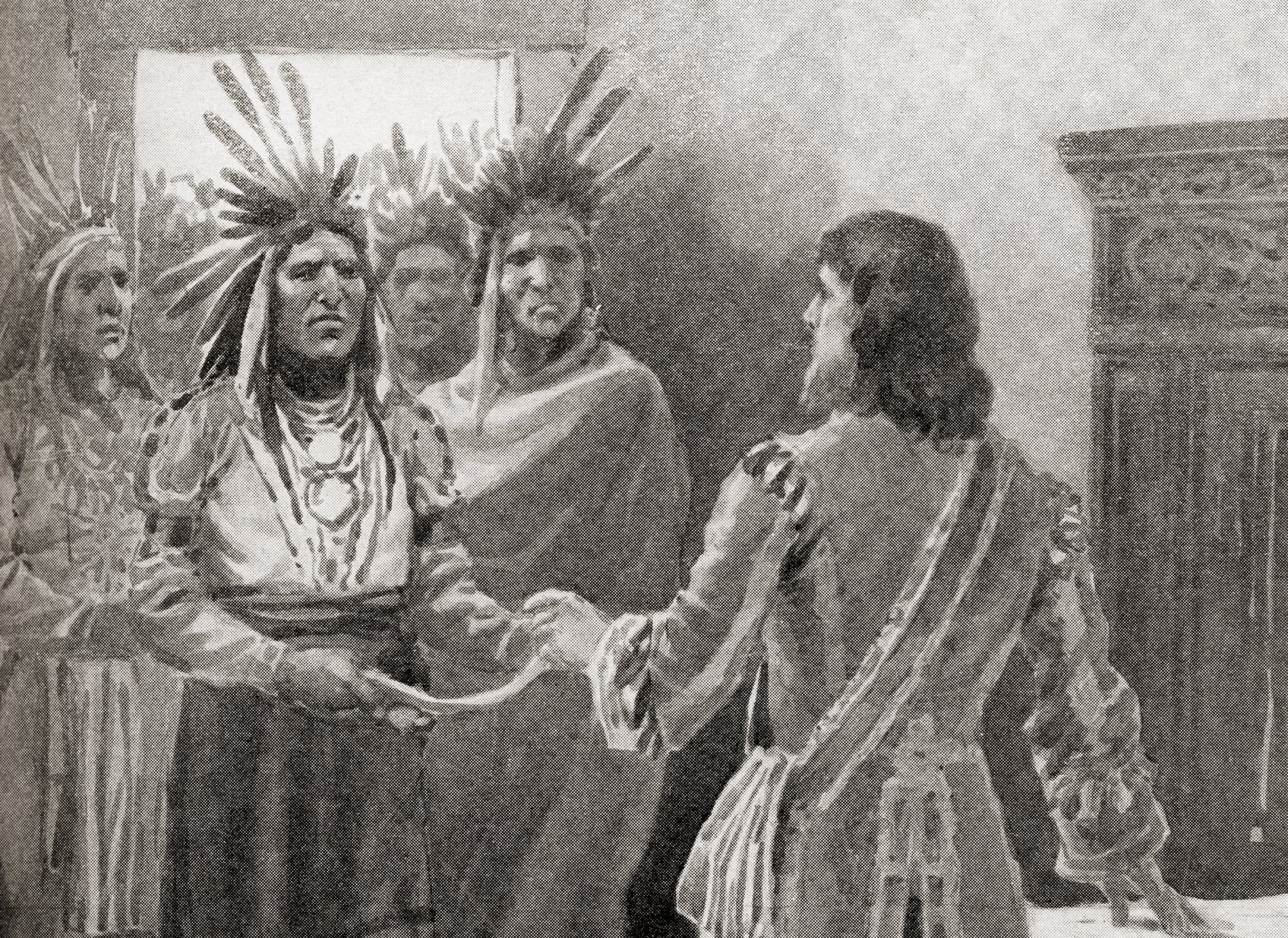
Pontiac met Sir William Johnson at Fort Ontario in Oswego, New York, in July 1766 to formally end hostilities. Though Pontiac signed the peace treaty, he overestimated his ability to represent diverse Native groups.
 Universal History Archive, Getty Images
Declining Influence
By 1768, Pontiac’s waning influence forced him to leave his Odawa village along the Maumee River. He relocated near Ouiatenon along the Wabash River, distancing himself from former allies. His declining fortunes mirrored the broader challenges faced by Native American resistance movements.
 Jack Broder Productions, Battles of Chief Pontiac (1952)
Accusations
In August 1767, Pontiac testified in a British investigation regarding the passing of seven-year-old Elizabeth "Betty" Fisher. The British accused Pontiac of orchestrating her demise, though evidence remained ambiguous.
 Jack Broder Productions, Battles of Chief Pontiac (1952)
Final Years In Obscurity
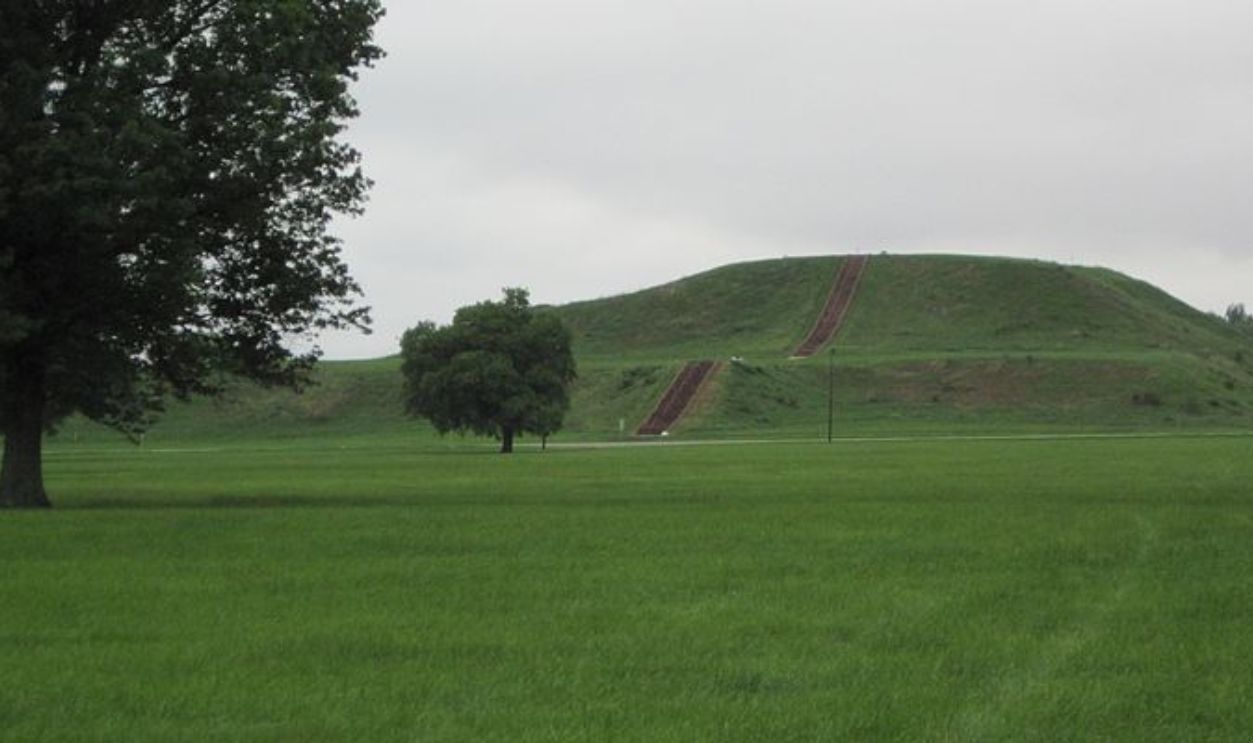
Pontiac’s last years remain sparsely documented, reflecting his diminishing role. Ostracized by former allies and tribes, he lived quietly near Cahokia. His once-imposing authority was reduced to historical memory.
 Jack Broder Productions, Battles of Chief Pontiac (1952)
Assassination In Cahokia
Pontiac was assassinated by a Peoria warrior near Cahokia on April 20, 1769. This killing was revenge for Pontiac’s earlier stabbing of a Peoria chief, Makachinga. A Peoria council formally authorized Pontiac’s execution, underscoring his drastic fall from prominence.
 QuartierLatin1968, CC BY-SA 3.0, Wikimedia Commons
Rumors Surrounding His Passing
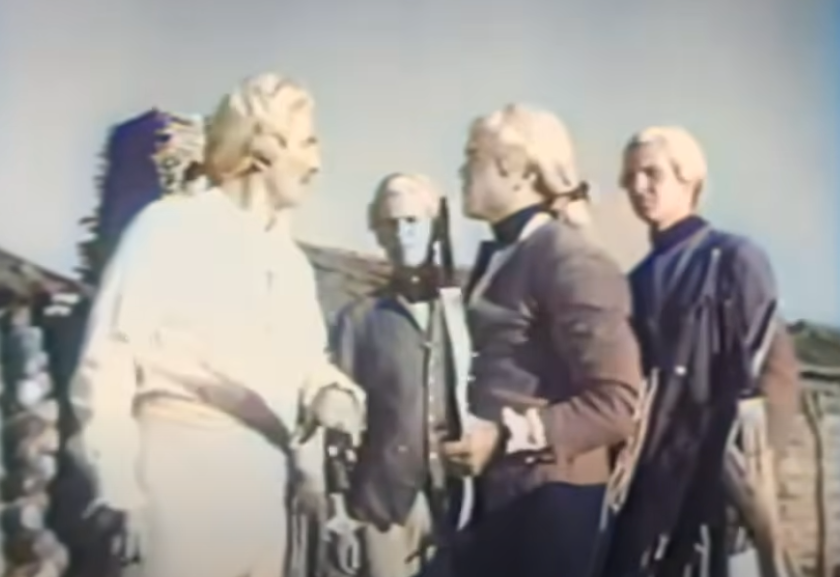
Pontiac’s passing sparked immediate rumors, including suspicion that British officials orchestrated the murder. While historians dismiss these claims, the rumors highlighted ongoing distrust between tribes and colonizers.
 Jack Broder Productions, Battles of Chief Pontiac (1952)
Burial Mystery
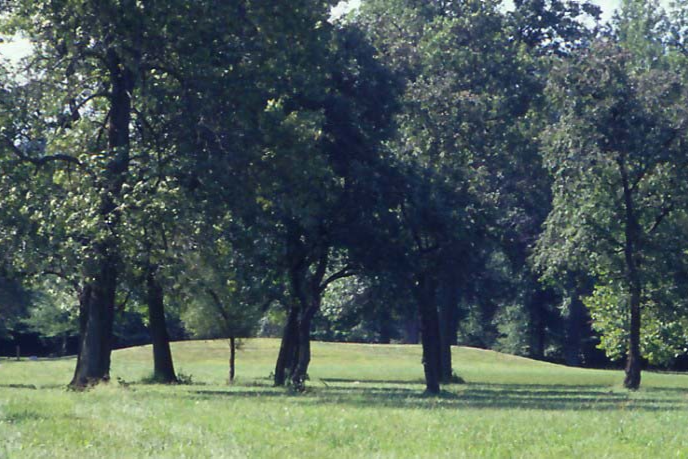
The exact location of Pontiac’s burial remains uncertain, possibly near Cahokia or St Louis. Tradition suggests his remains rest in present-day St Louis, Missouri. In 1900, a commemorative plaque in St Louis was placed to honor him.
 Carptrash, CC BY-SA 3.0, Wikimedia Commons
Legacy And Legend
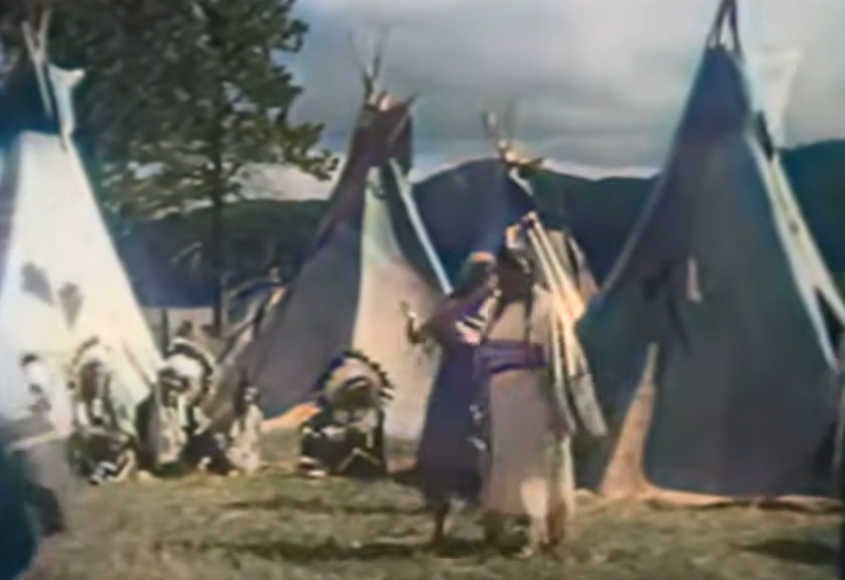
Pontiac became a legendary figure posthumously, portrayed in early histories as a mastermind and conspirator. 19th-century accounts even called him the "Red Napoleon”.
 Jack Broder Productions, Battles of Chief Pontiac (1952)
Revisionist Scholarship
Recent historical analyses challenge earlier portrayals, framing Pontiac more as an influential local leader. Scholars today generally agree Pontiac ignited the rebellion rather than commanded it.
 IvoShandor, CC BY-SA 3.0, Wikimedia Commons
Namesake Cities
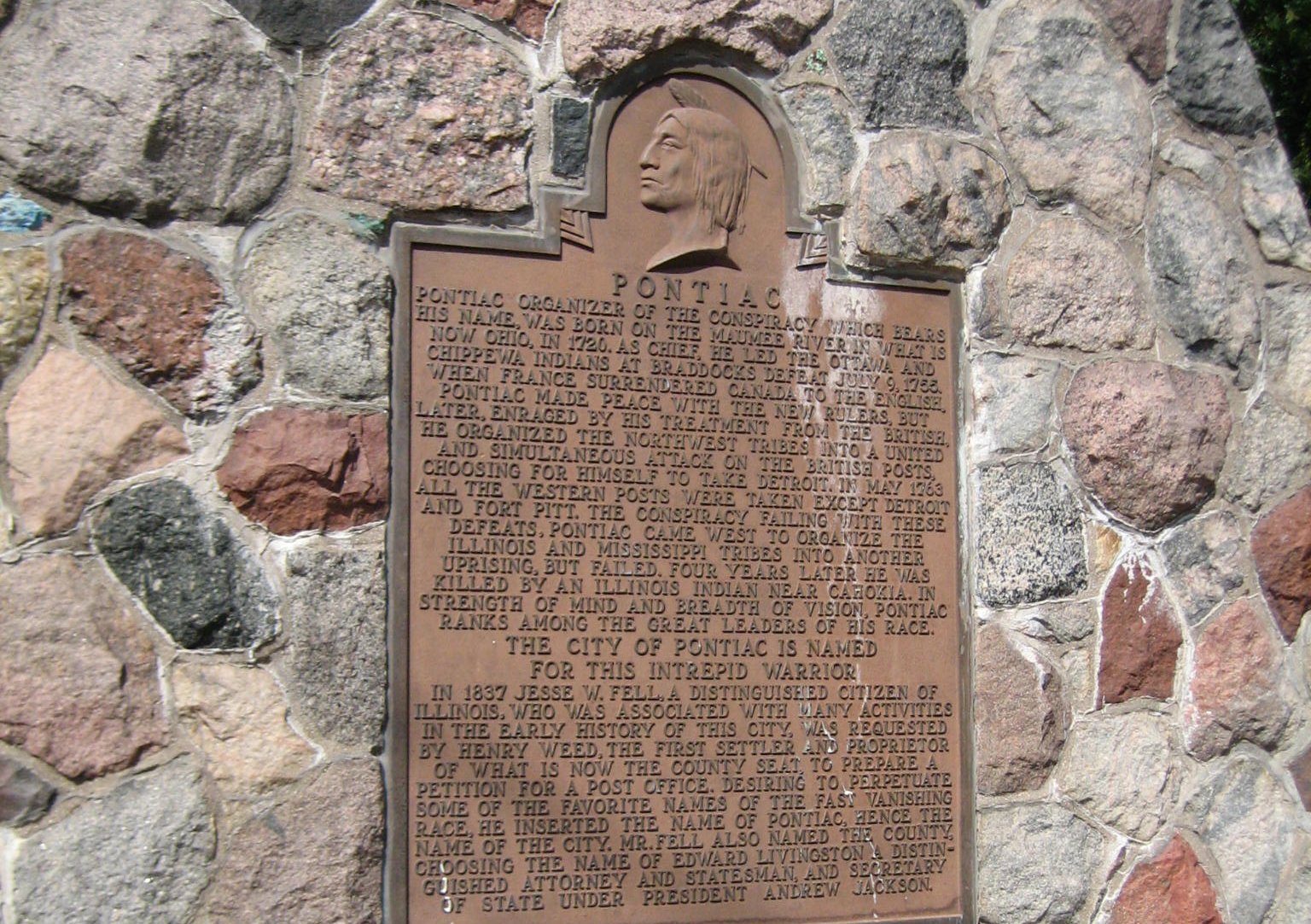
Pontiac’s legacy endures in numerous cities bearing his name, notably Pontiac, Michigan, and Pontiac, Illinois. Each place reflects the enduring cultural impact of his name and story.
 IvoShandor, CC BY-SA 3.0, Wikimedia Commons
Pontiac Quebec
In Canada, the Pontiac Regional County Municipality and Pontiac, Quebec, also honor his legacy. These locales recognize Pontiac’s historical ties to the French and Indigenous histories of North America.
 Jal Feuerstack (JalF), Wikimedia Commons
Automotive Legacy
The famous American automobile brand Pontiac, produced by General Motors, was named in Pontiac’s honor. Established in Detroit, it symbolically linked Pontiac’s history to modern American industry. Despite being discontinued in 2010, the brand perpetuated Pontiac’s name worldwide.
 Calreyn88, CC BY-SA 4.0, Wikimedia Commons
Marie Manon
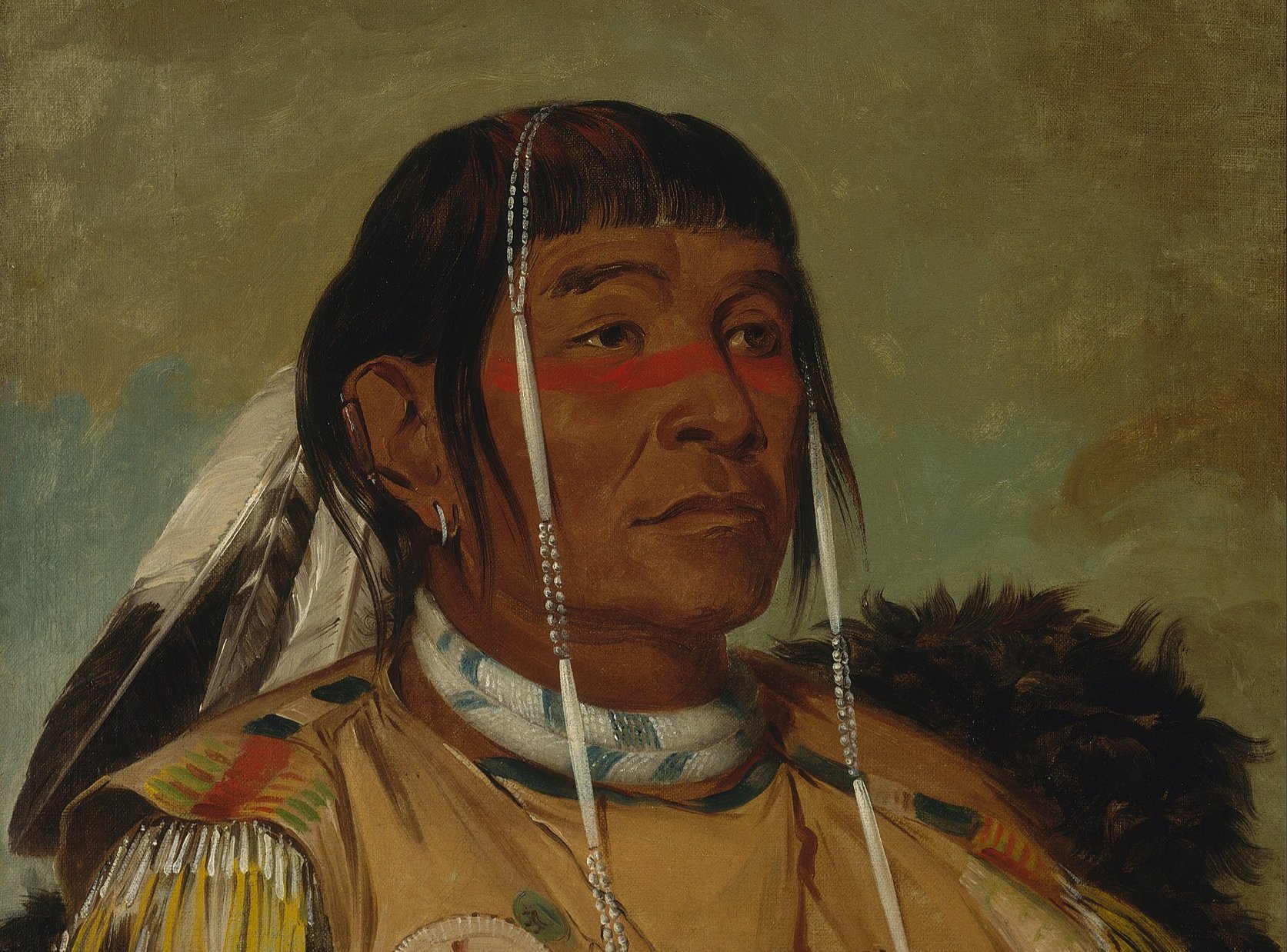
Pontiac’s daughter, Marie Manon, known as a Saulteaux Indian, represents his close connection to multiple tribes. Her burial at Assumption Cemetery in Windsor, Ontario, is a tangible legacy of Pontiac’s personal life.
 George Catlin, Wikimedia Commons
The Influence Of Robert Rogers’ Play
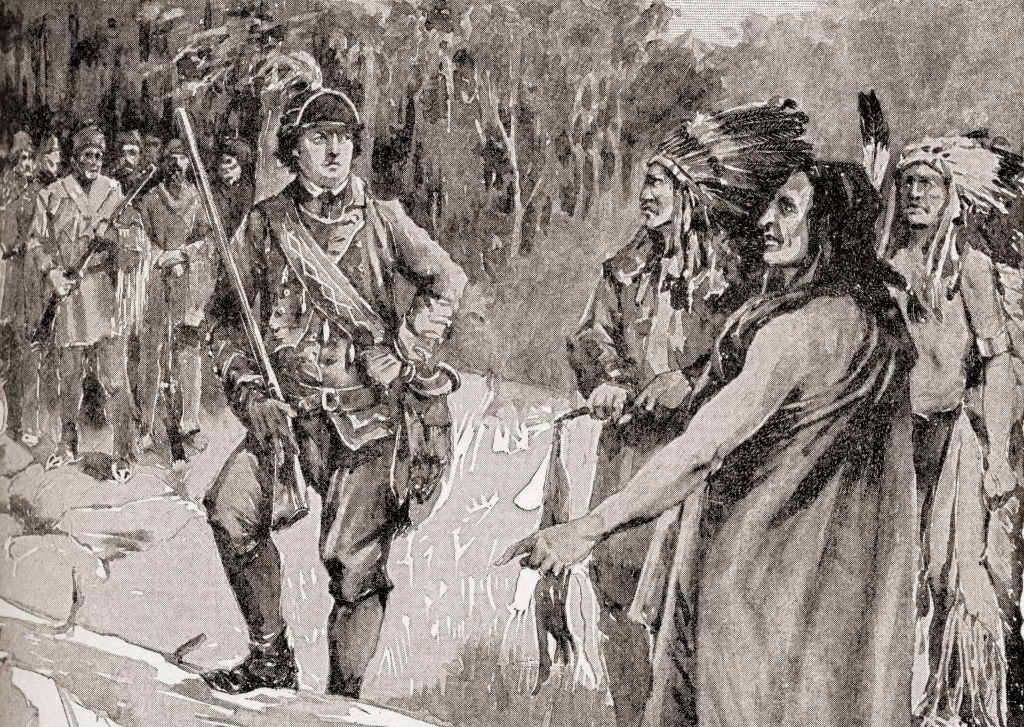
In 1760, British soldier Robert Rogers claimed to have met Pontiac, though Rogers' account remains questionable. Nevertheless, Rogers' subsequent play, Ponteach, or the Savages of America, significantly mythologized Pontiac’s reputation, popularizing him as a heroic figure among European audiences.
 Universal History Archive, Getty Images
Fort Sandusky’s Destruction
One of Pontiac’s successes was the Native capture and destruction of Fort Sandusky during Pontiac’s Battle. The fort's fall symbolized the strength and coordination of Pontiac-inspired resistance.
 Jack Broder Productions, Battles of Chief Pontiac (1952)
Historical Reevaluation Of Pontiac
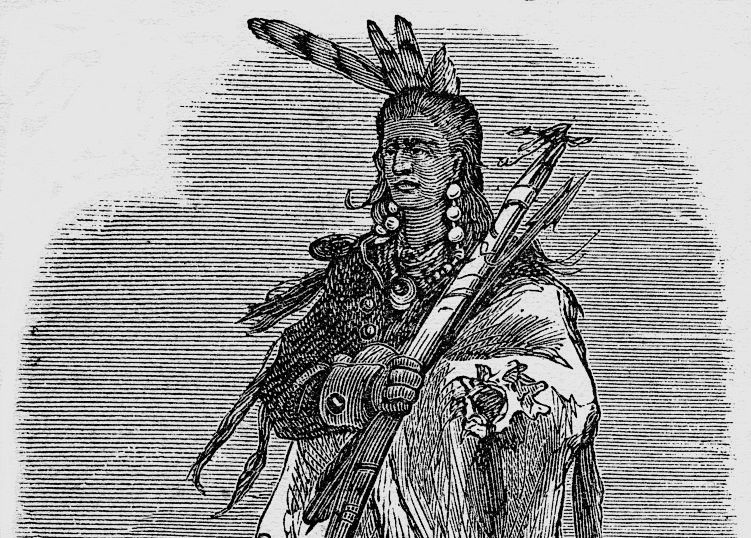
Modern historians reevaluate Pontiac as influential but not all-powerful, recognizing the decentralized nature of Native resistance. They credit him with igniting widespread rebellion but dispute exaggerated portrayals of his command. Today, Pontiac is remembered as a complex figure, symbolizing both resistance and the limits of Indigenous leadership.
You May Also Like:
The Great Lakes' Fiercest Tribe
The Fierce History Of The Odawa People
The Tale Of The Seminole: Florida's Unconquered Tribe
 Universal History Archive, Getty Images
Sources: 1






.jpg)


