Saddle Up
Saddle up and discover the most famous cowboys who shaped the American Frontier, exploring how their stories intertwined with the broader history of the Wild West.
Through the lens of idealised romanticism, the Old West continues to capture the imagination as a wild and untamed frontier ready to be harnessed by those with the determination, courage and grit required to endure it. And despite the dangers – from an unforgiving terrain to the pervading lawlessness – there were great opportunities for a handful of big personalities to make a name for themselves.
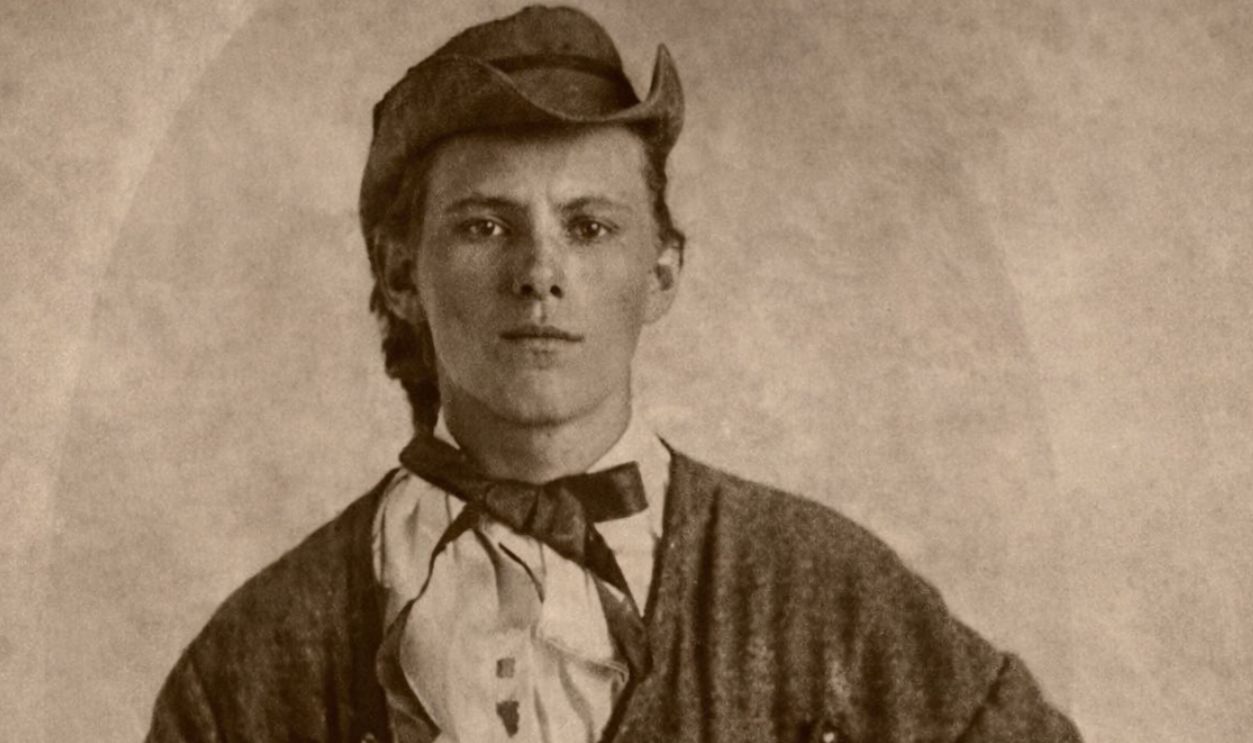
What Did These Cowboys And Gunslingers Do?
They robbed banks and stagecoaches, proved their speed and skill with a pistol in a gunfight, and embraced the chaos and change of an era marked by clashes between incoming settlers and Native Americans, farmers and businessman, the past and the future. They are some of the most famous figures in American history: cowboys.
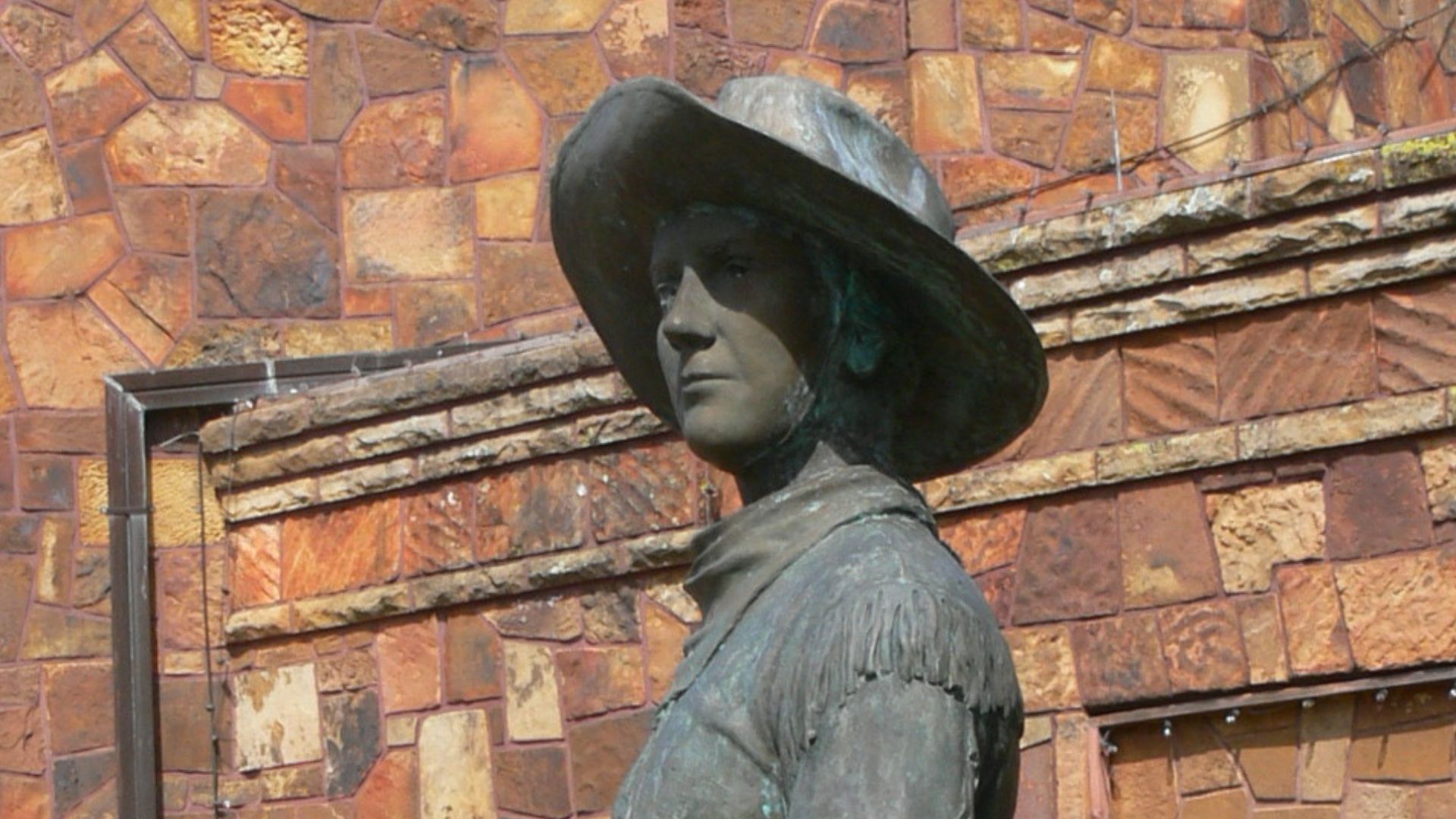 Wolfgang Sauber, Wikimedia Commons
What Was A Cowboy?
Symbols of the Wild West, cowboys could be all things, from frontiersmen, ranchers, farmers, wranglers, marshals and, of course, outlaws. It was an identity as much as it was an outright occupation.
Beyond the bluster of the ubiquitous anti-heroes of Hollywood movies, their real-life stories provide insight into the broader forces underlying the expansion of the American frontier. Through their deeds, we can see the land disputes, the end of indigenous sovereignty, the rise of the railroad, and the slow march of federal law into a space once thought to be uncontrollable.
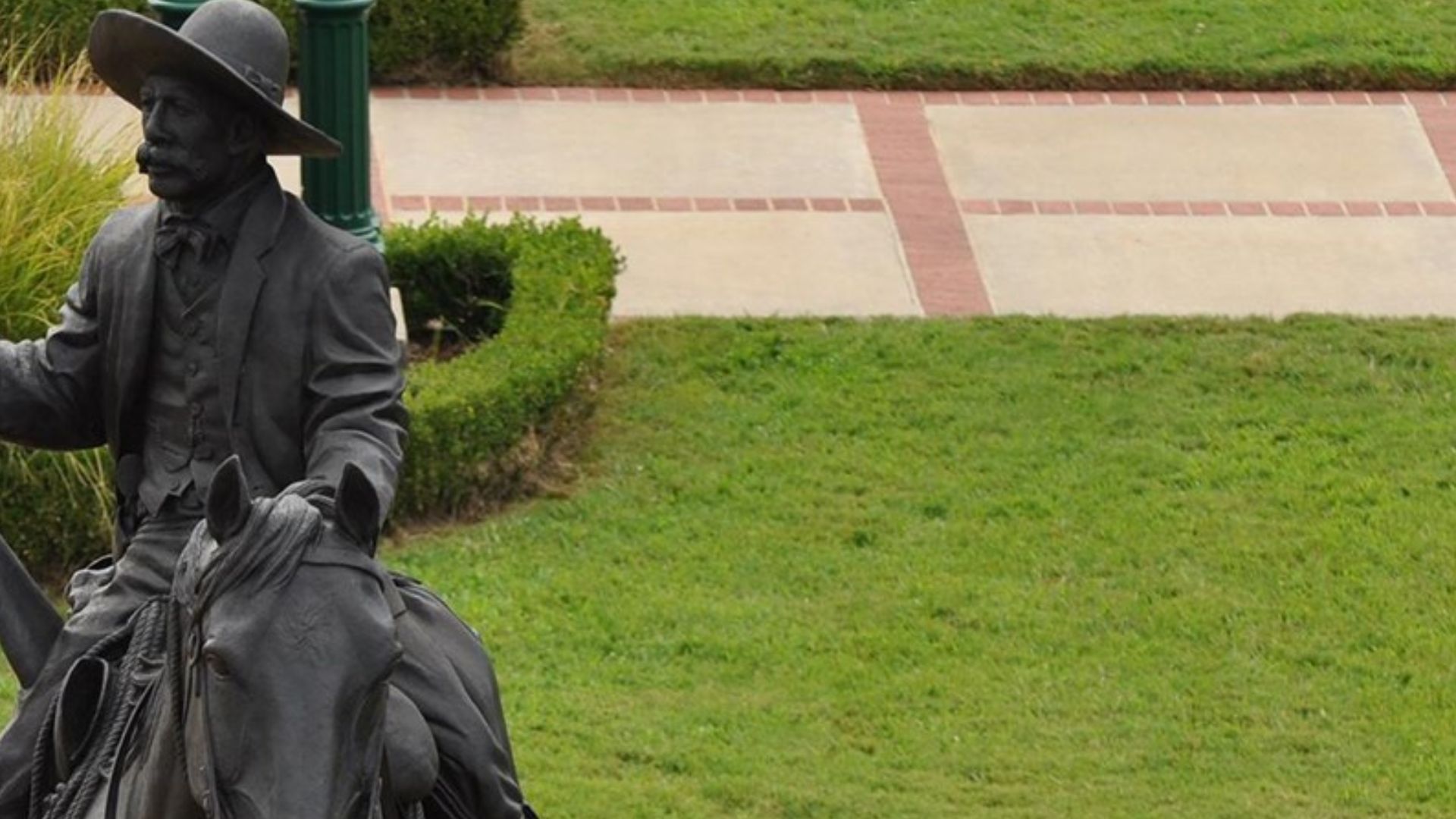 National Park Service, Wikimedia Commons
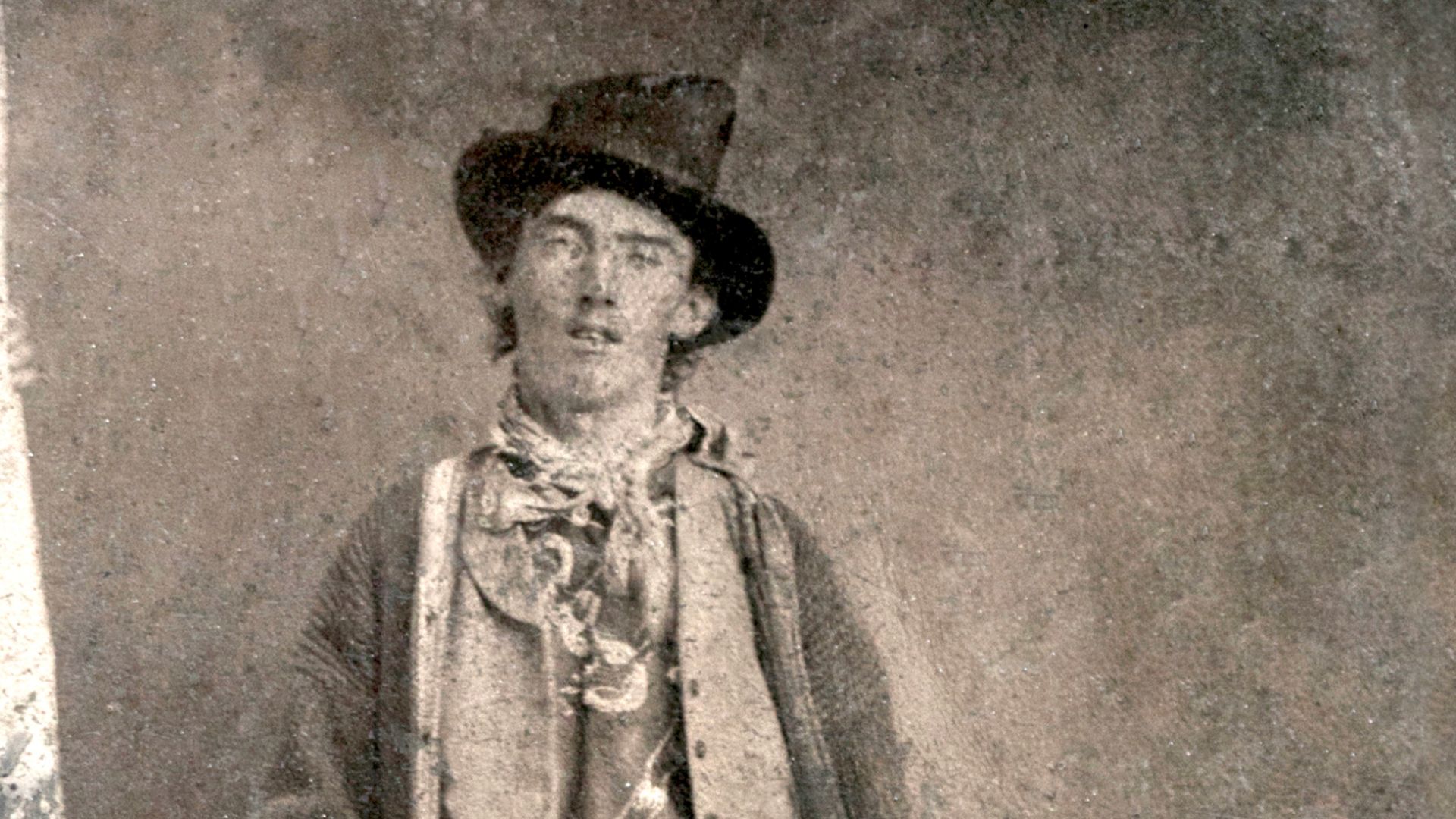
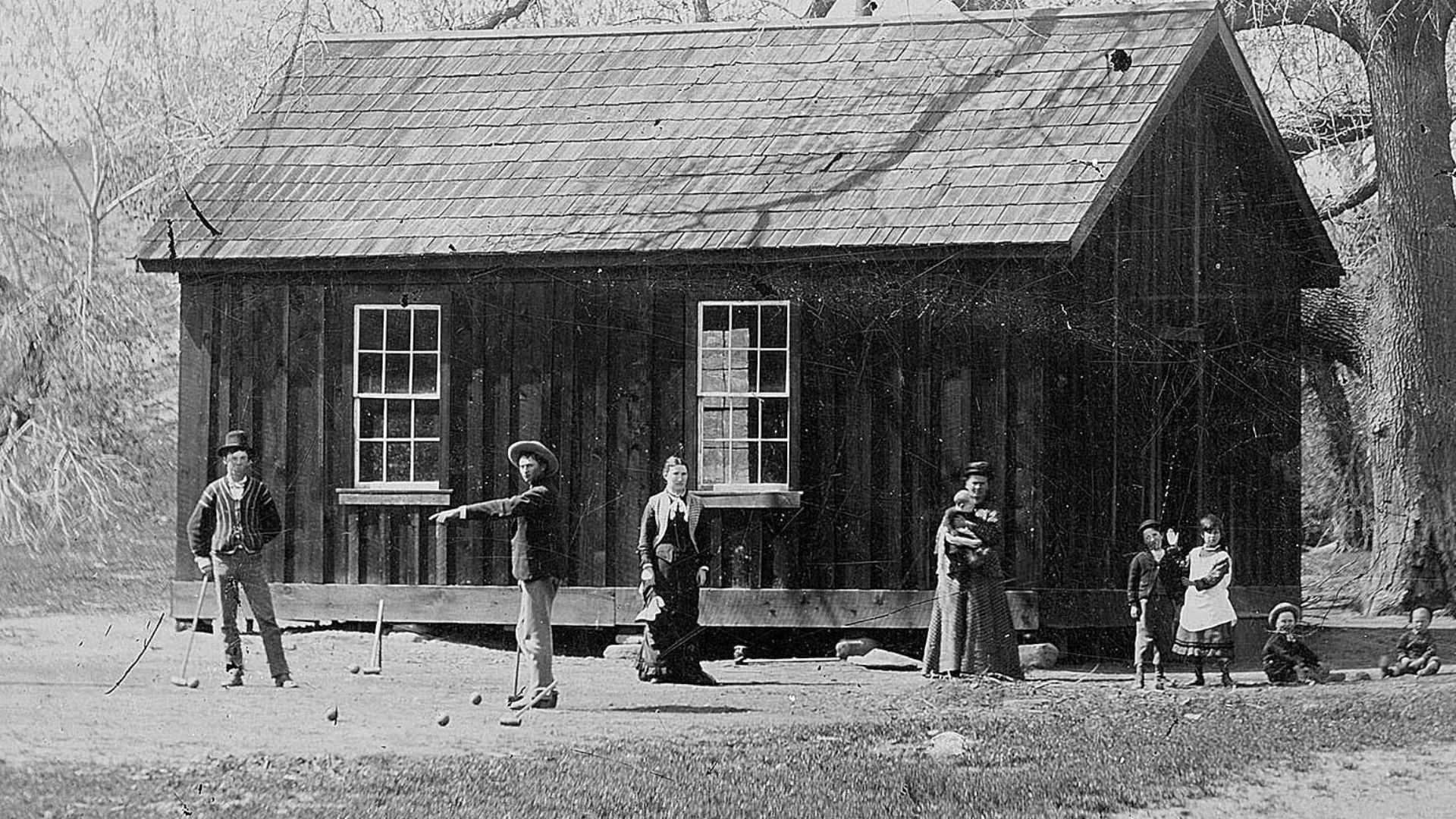
Billy The Kid, c1859–1881
Is there any name that evokes the outlaws of the Wild West more than Billy the Kid?
Born Henry McCarty, the gunslinger was an orphan by his early teens and quickly turned to crime to survive. He went by a number of aliases, including William H Bonney and Kid Antrim (the latter a reference to his slight build and youthful features), before making his first recorded killing in 1877 at the age of 17.
 Ben Wittick, Wikimedia Commons
Billy The Kid's Reputation
But it would be his involvement in the Lincoln County War in New Mexico Territory that earned him his reputation. This wasn’t just a feud between ranchers, which was common enough across the frontier: it was emblematic of the power struggles in the Old West as cattle barons, merchants and corrupt officials wrestled for control.
Billy the Kid’s part in this violent conflict made him something of a folk hero, presented as a young man standing up against wealthy ranch owners and corrupt lawmen. He evaded capture and, even when he was caught and sentenced to death, pulled off daring escapes from jail.
 Unknown authorUnknown author, Wikimedia Commons
Billy The Kid's Death
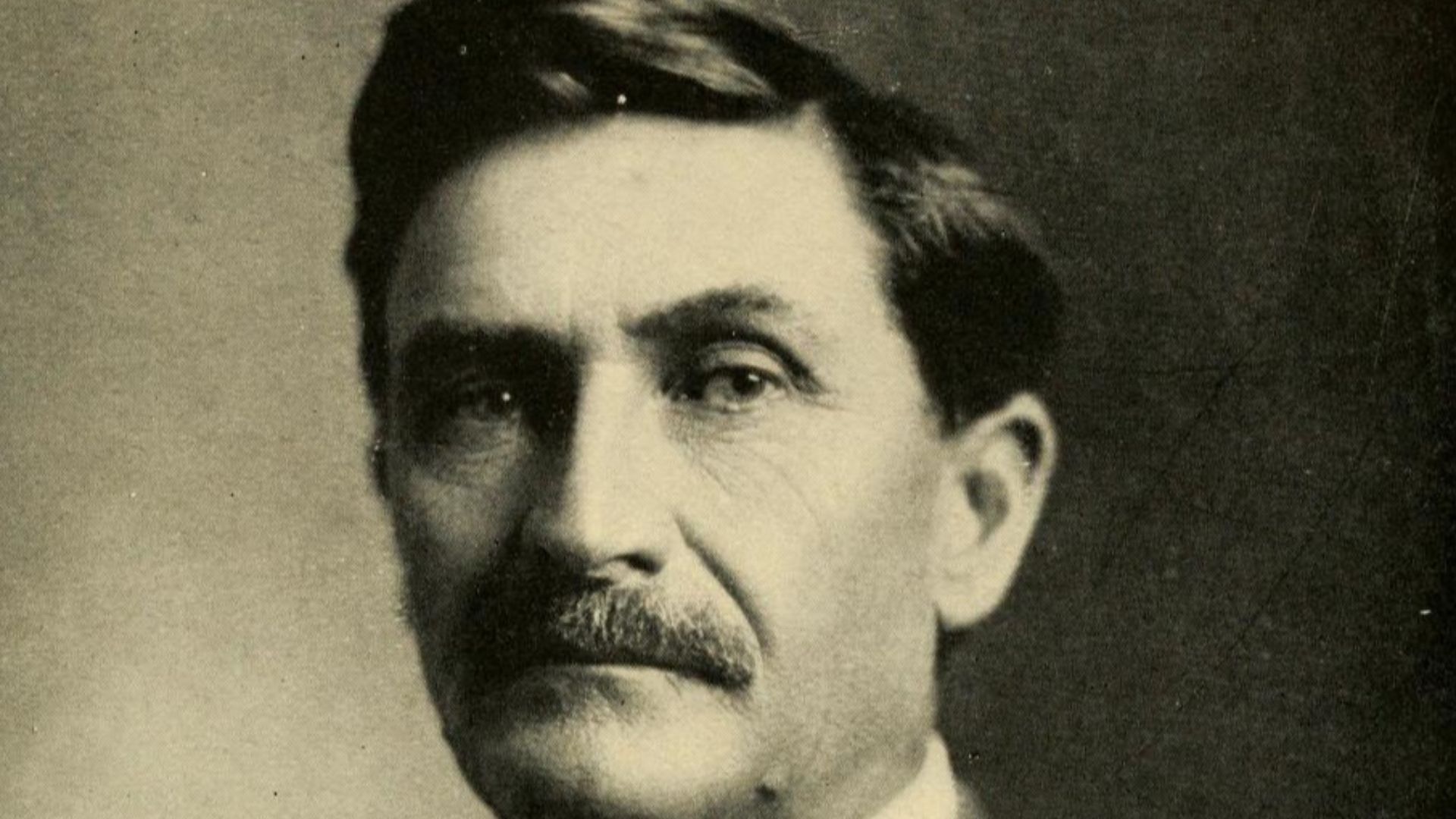
His outlaw career would be brief, however. By 1881, Billy the Kid was ambushed and shot by Sheriff Pat Garrett. Dead at just 21 – and having claimed that he had killed 21 men – his premature death arguably bolstered his legacy as a daring outlaw in a land where laws were still being written.
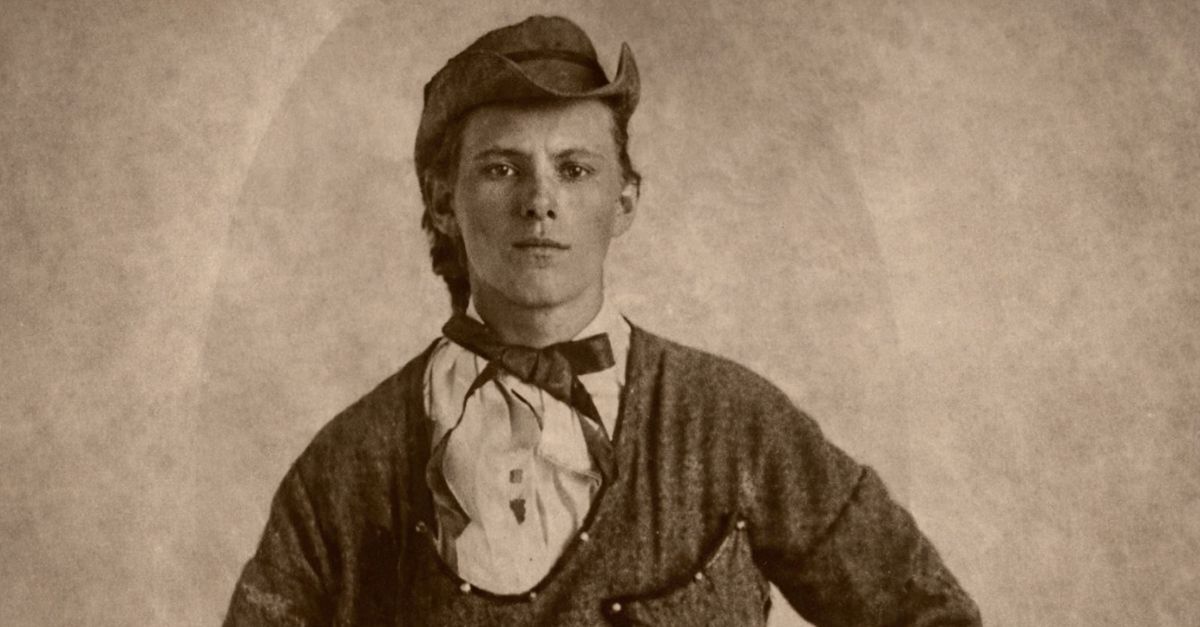
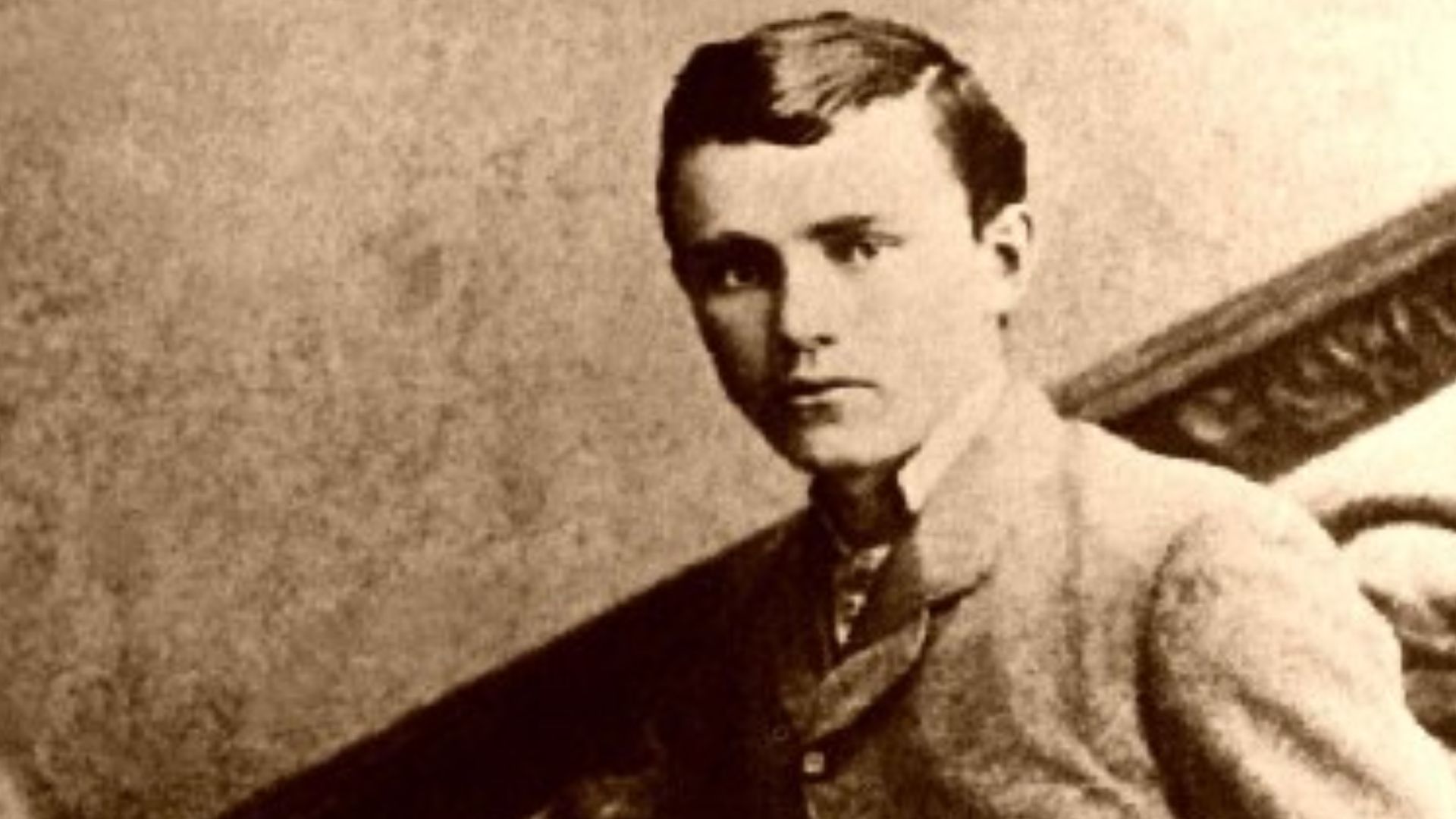
Jesse James, 1847–1882
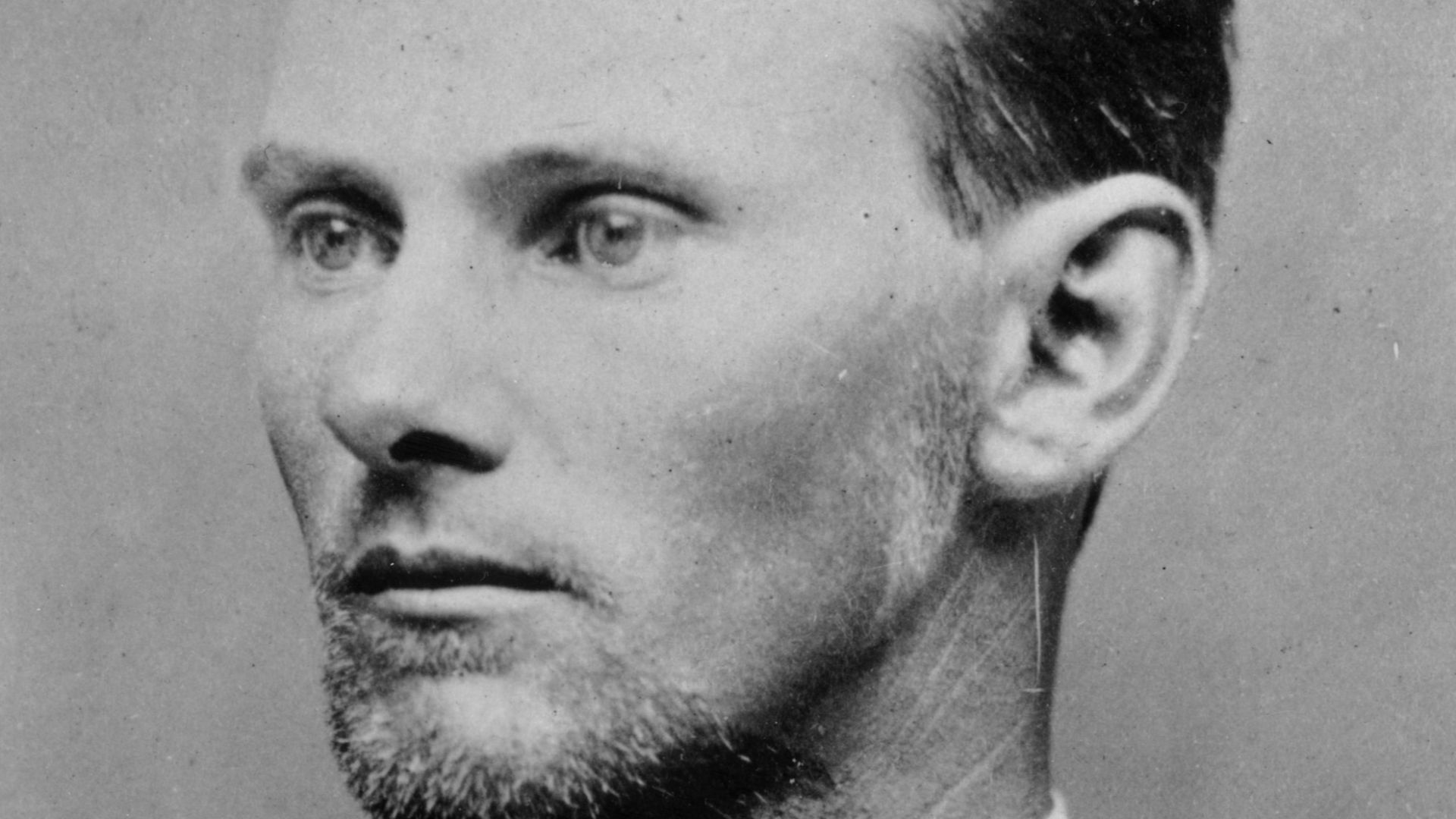
Jesse James became a legend as the leader of the James-Younger Gang, along with his brother Frank, which committed audacious bank and train robberies.
Born in 1847 in Missouri, James was still a teenager at the outbreak of the American Civil War, but he hastened to join a band of pro-Confederate guerillas. It was after the war his headline-grabbing career as an outlaw began in earnest.
Jess James, Robin Hood?
The two James boys led their notorious gang on a series of bank, train and stagecoach robberies across the Midwest, and despite their inclination towards violence and bloodshed they were hailed in the papers. James was regarded as a Robin Hood figure. Far from giving to the poor, though, his motivations were more self-serving.
Still, he could always rely on people hiding him and his gang from authorities. The post-Civil War era left many communities embittered and impoverished, and James capitalised on that sentiment by portraying himself as a Southern hero resisting the oppression of the North.
 Photographer unknown. Scan by LoC., Wikimedia Commons
Jess James' Death
Even when James was killed in 1882 – shot in the back of the head by one of his own men, Robert Ford – he was mourned, while his assassin was condemned as a coward.
 Unknown authorUnknown author, Wikimedia Commons
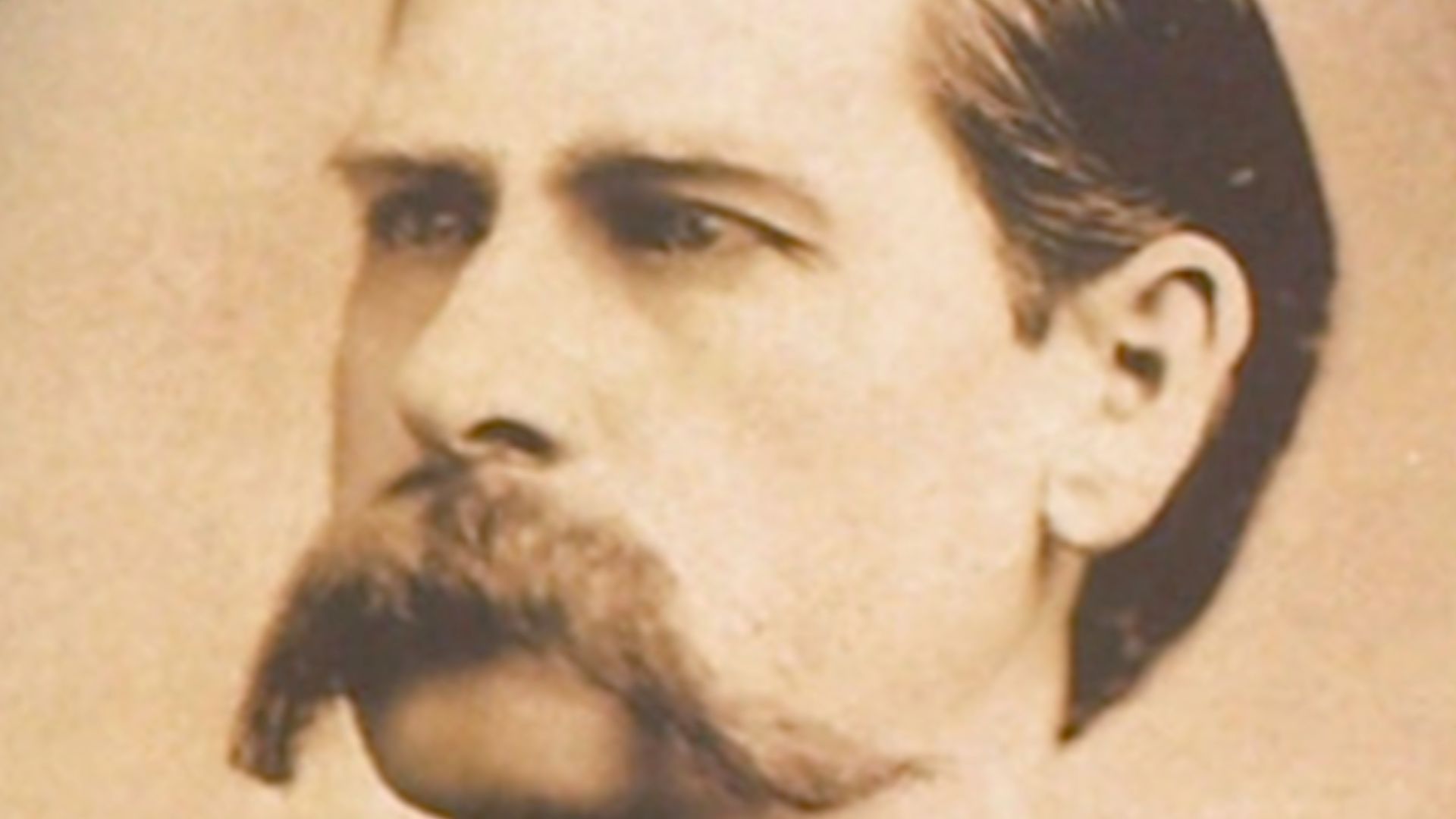
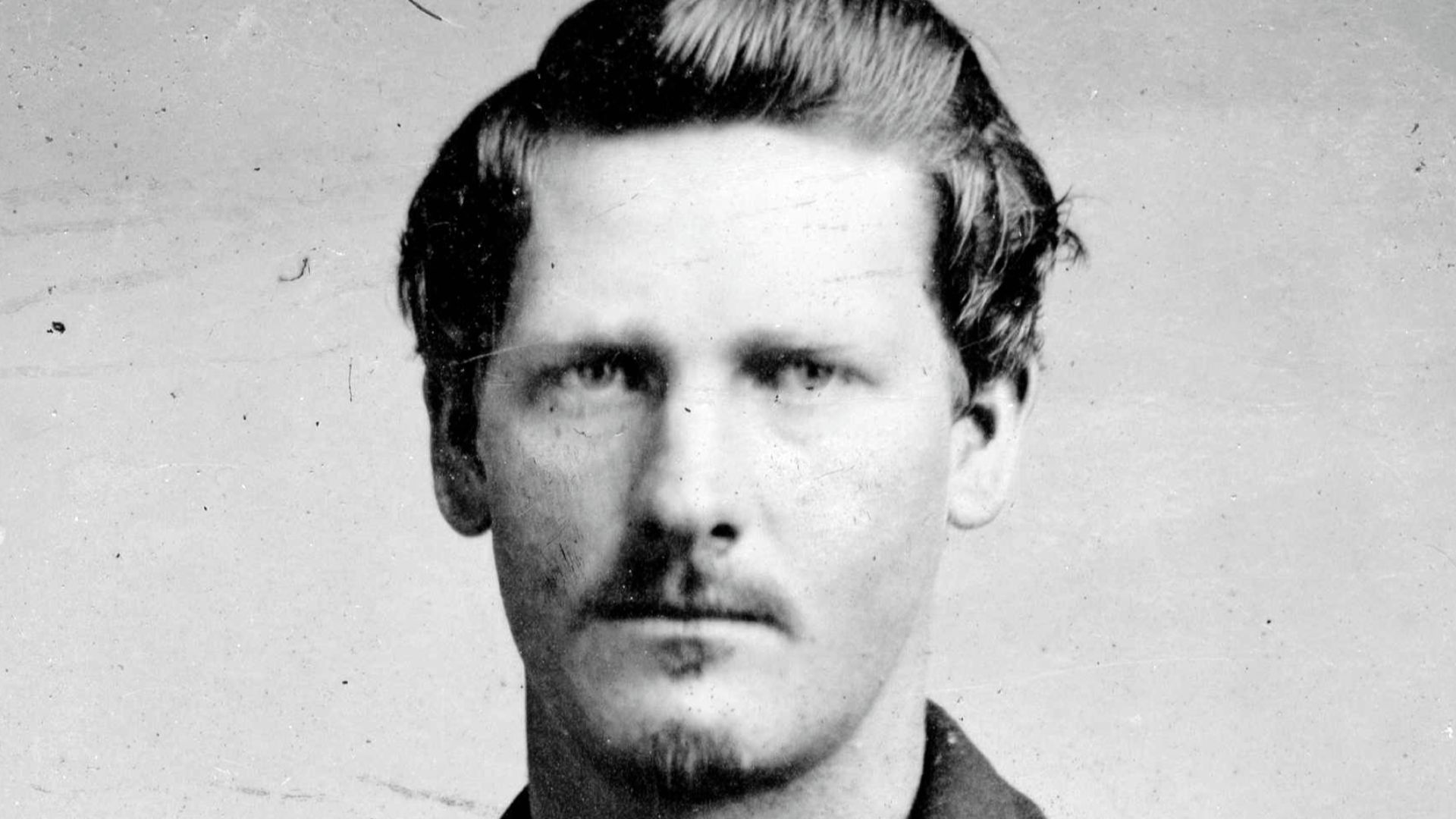
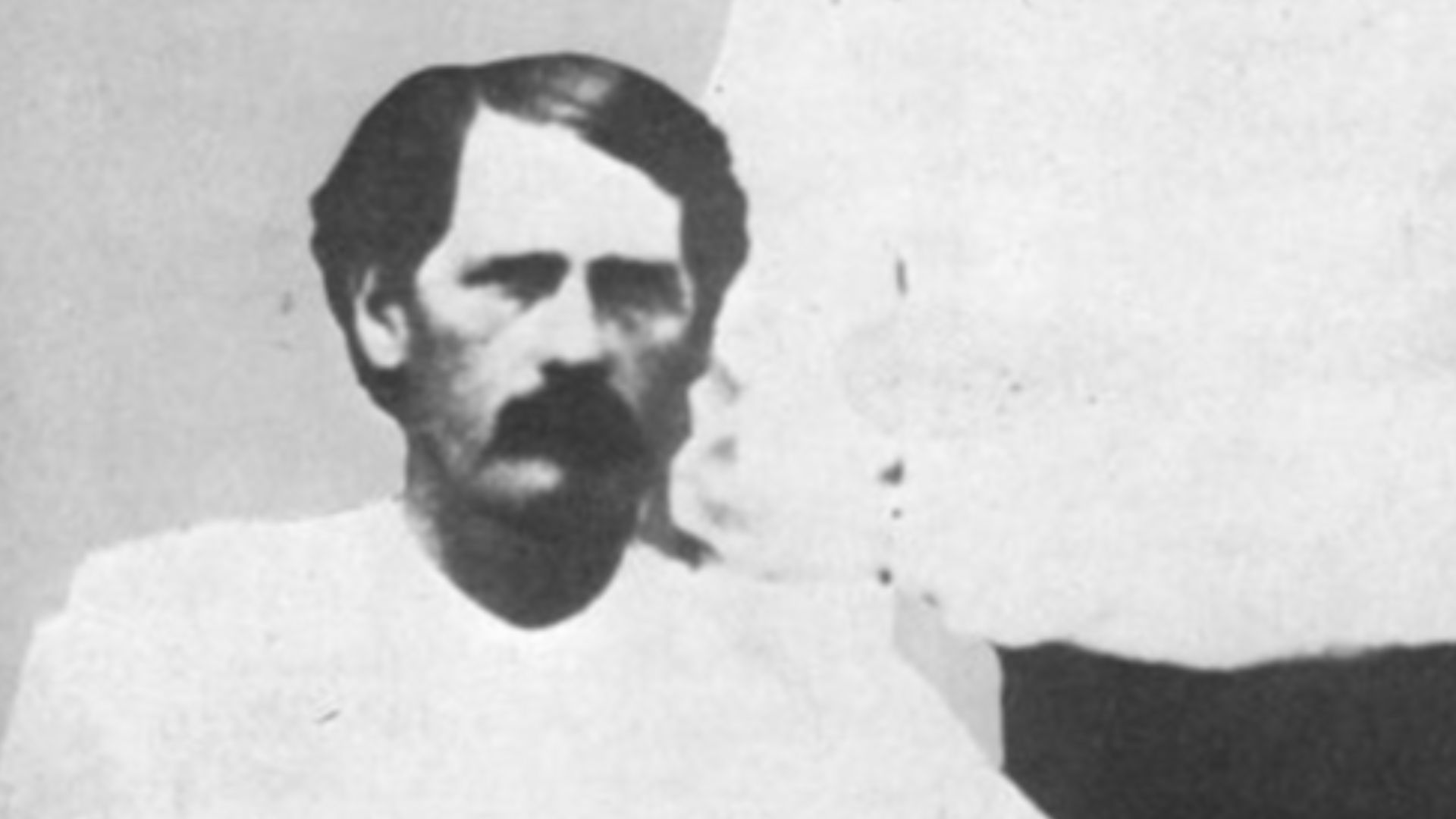
Wyatt Earp, 1848–1929
Wyatt Earp may be one of the most recognisable lawmen of the Old West, but his record was far from clean. Over the years, he was a pimp, a thief and a con artist; he owned saloons and gambled; and he found himself on the other side of prison bars numerous times.
 unattributed, Wikimedia Commons
Wyatt Earp In Arizona
From his first law enforcement job in 1870, Earp’s career as a sheriff and deputy took him on many adventures across dangerous frontier towns. But it was undoubtedly his time in Tombstone, Arizona, where his brother Virgil was town marshal, that cemented his place in history.
 Unknown authorUnknown author, Wikimedia Commons
Wyatt Earp And The Gunfight At The OK Corral
Specifically, it was his role in the Gunfight at the OK Corral in 1881. The Earps, joined by their other brother Morgan and friend Doc Holliday, had been feuding with a gang of cattle rustlers and thieves calling themselves the Cowboys. The resulting gunfight allegedly lasted only 30 seconds, leaving three men dead. In the 20th century, it became the stuff of legend.
 unattributed, Wikimedia Commons
What Caused The Famous Gunfight?
The motivation behind the gunfight is still a matter of debate. Was Earp a righteous defender of law and justice or using his position as a means to further his own interests? There is no question that he could be bloodthirsty: after his brothers were attacked afterwards, Earp embarked on what has been called the ‘vendetta ride’, during which his posse killed at least two Cowboys.
Either way, the famous shootout is a microcosm of the tensions between law and disorder that dominated the frontier at a time when the line between lawman and vigilante was far from distinct.
 Unknown authorUnknown author, Wikimedia Commons
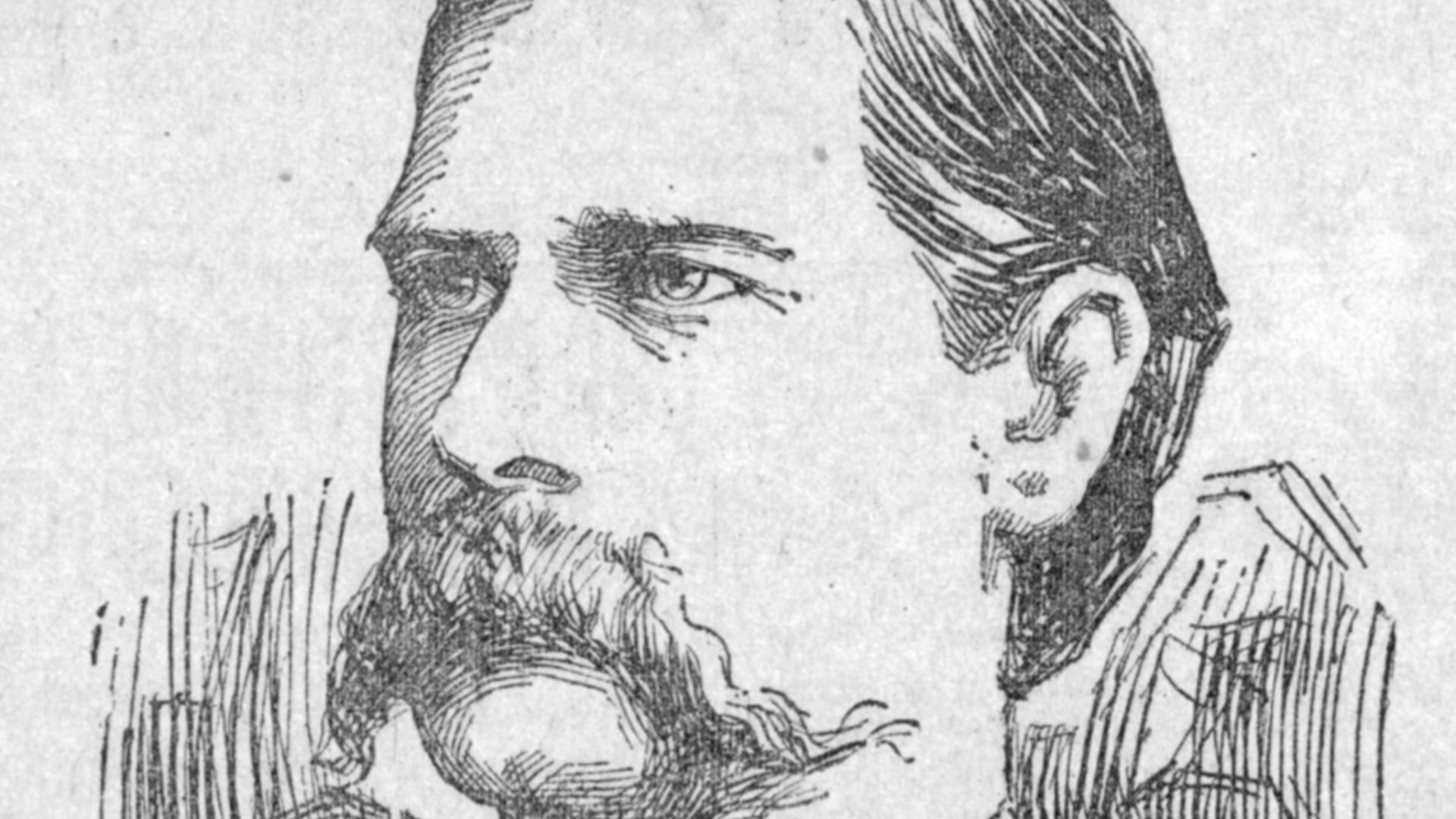
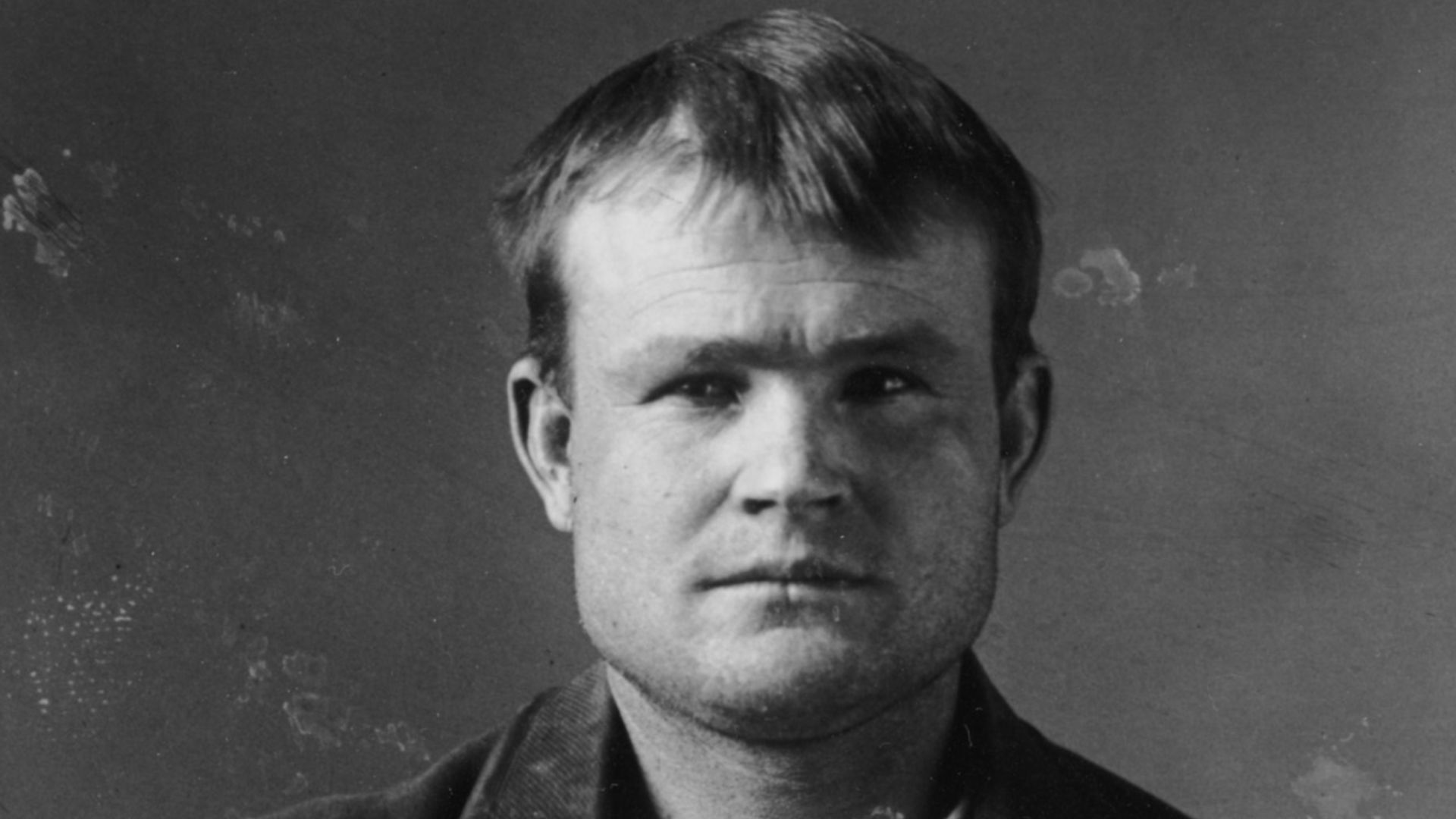
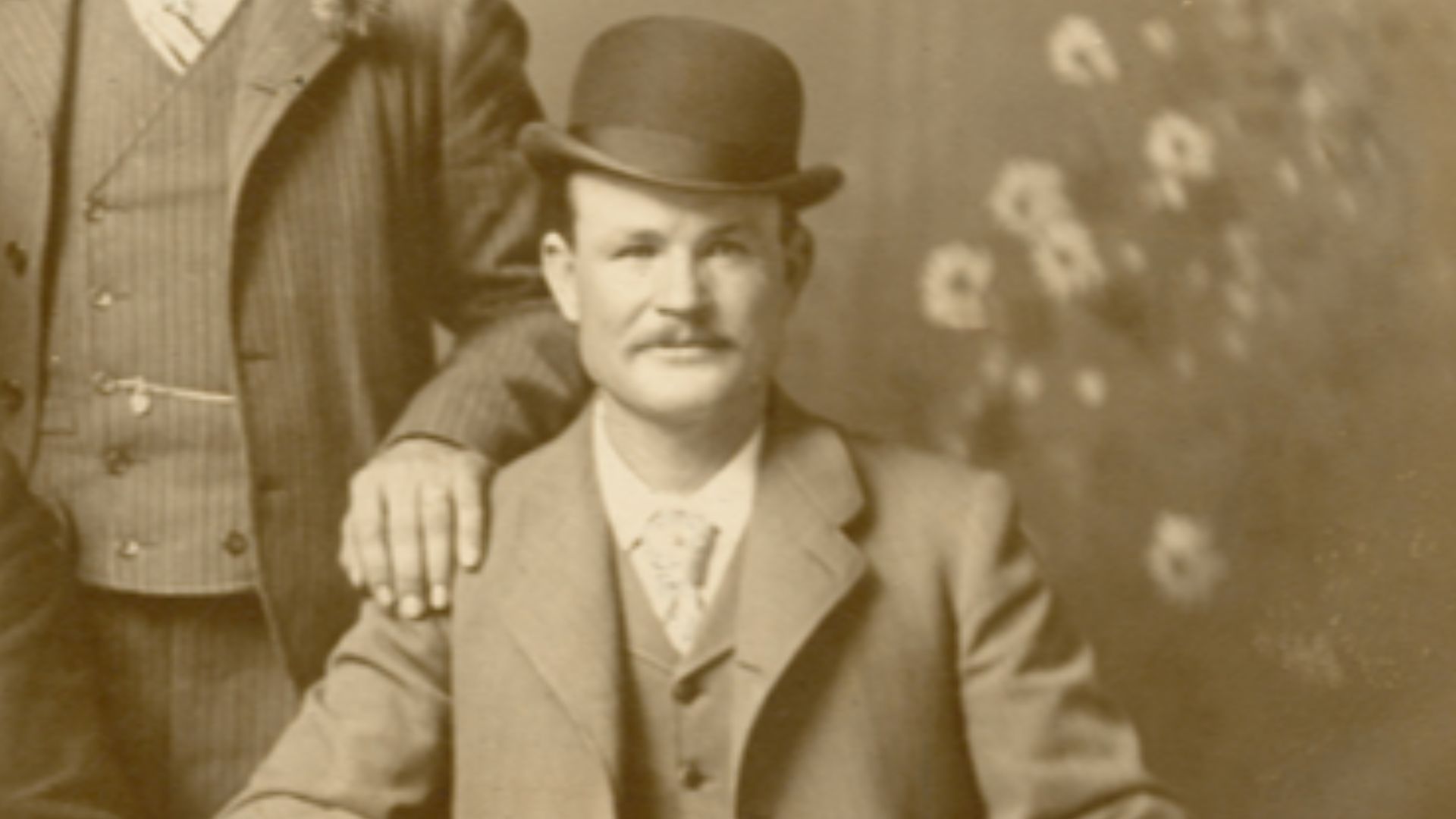
Butch Cassidy, 1866–1908
Butch Cassidy was a leader of the train and bank robbers calling themselves the Wild Bunch alongside his partner Harry Longabaugh, the so-called Sundance Kid. Unlike many outlaws of the time, he had a reputation for being relatively non-violent, preferring to use smarts instead of shootouts.
 Unknown authorUnknown author, Wikimedia Commons
Butch Cassidy In South America
Still, Cassidy (whose real name was Robert LeRoy Parker) found himself pursued by Pinkerton detectives across a landscape rapidly shifting and modernising. By the late 1800s, railroads, telegraphs and federal law enforcement were concluding the lawlessness that had defined the Old West.
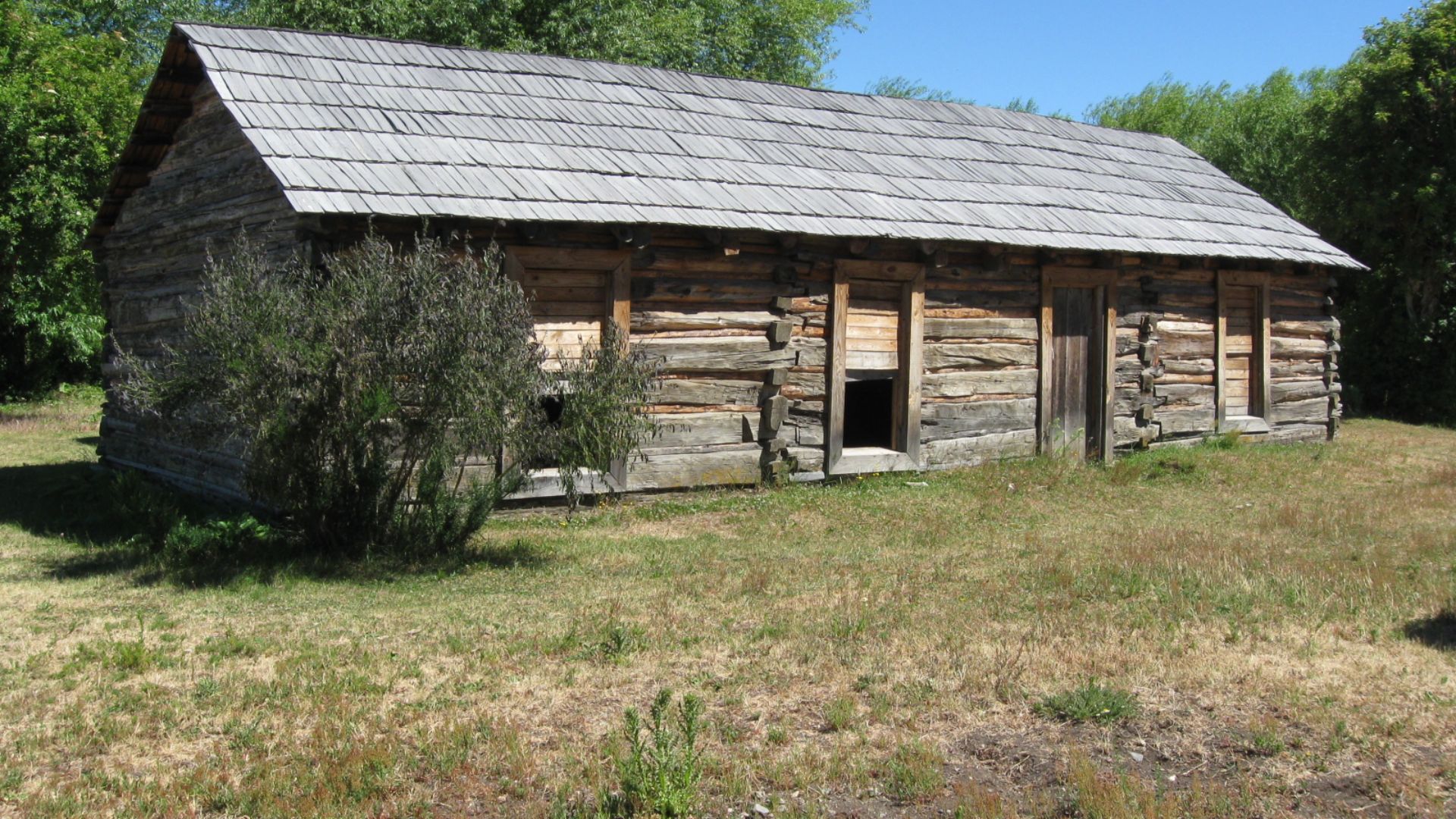
Seeking refuge, Cassidy and the Sundance Kid fled the United States altogether and headed for South America. There, they operated a ranch in Argentina, but also slipped back into their outlaw ways.
Butch Cassidy's Death
What happened to them remains something of a mystery. The most common story is that they got cornered by Bolivian soldiers in 1908 and were gunned down. Some less likely claims suggest they escaped and lived out their lives under assumed identities.
 Unknown authorUnknown author, Wikimedia Commons
Calamity Jane, c1852–1903
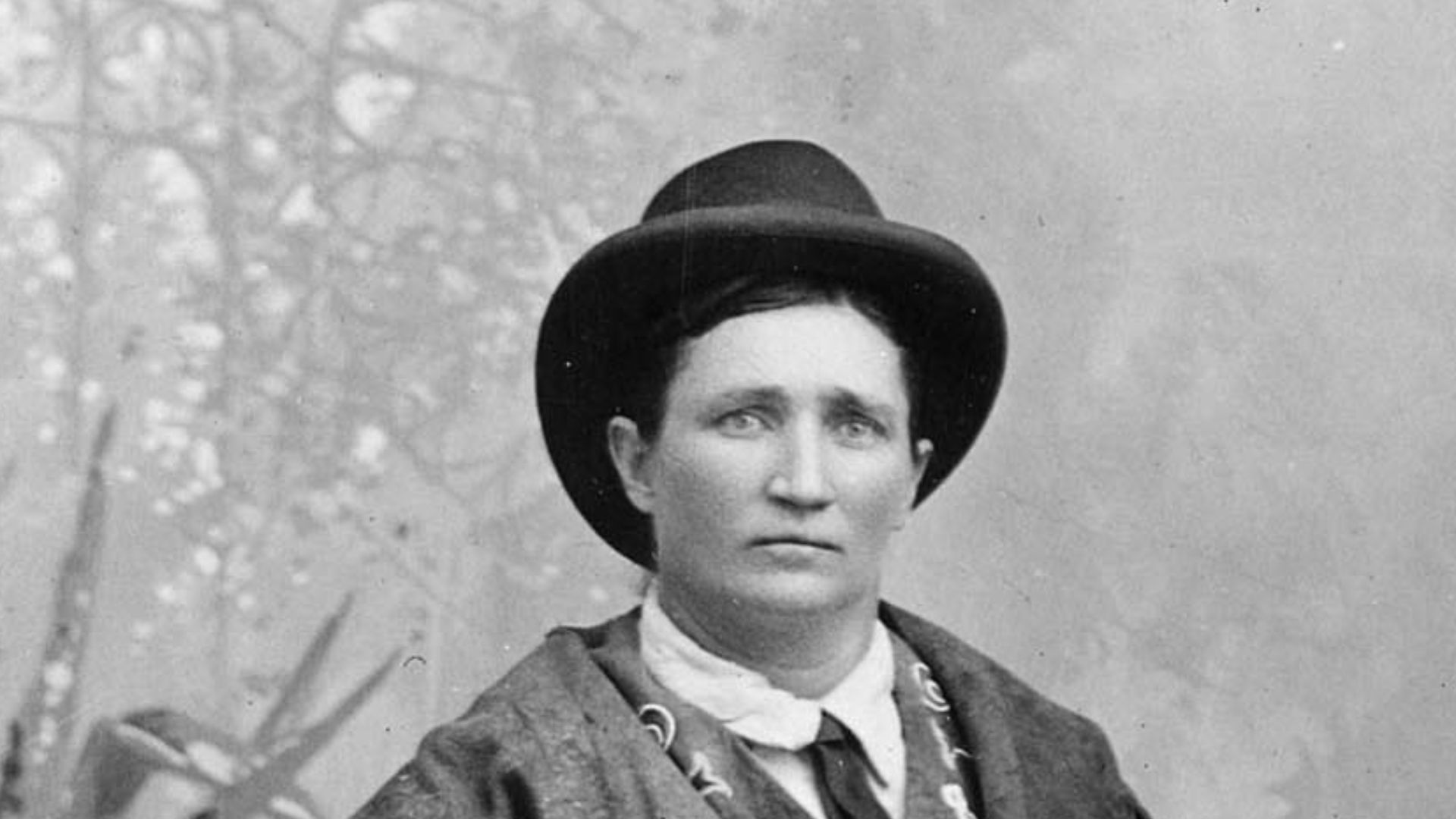
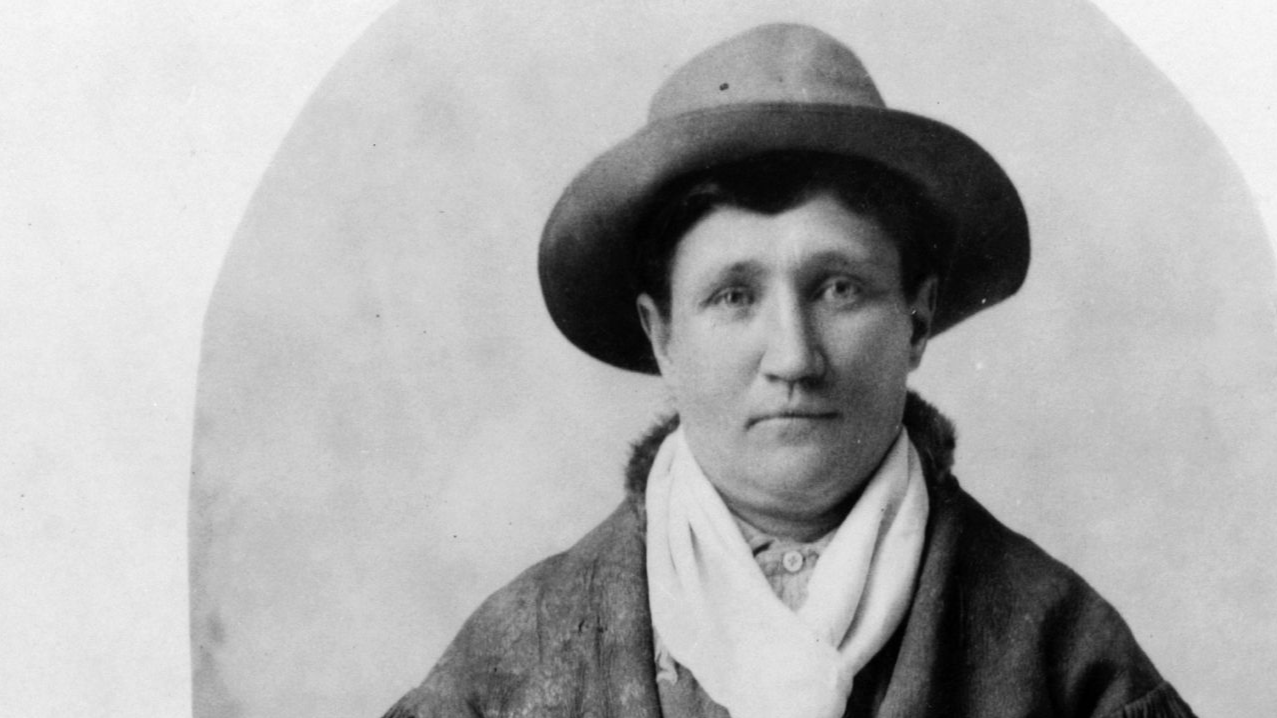
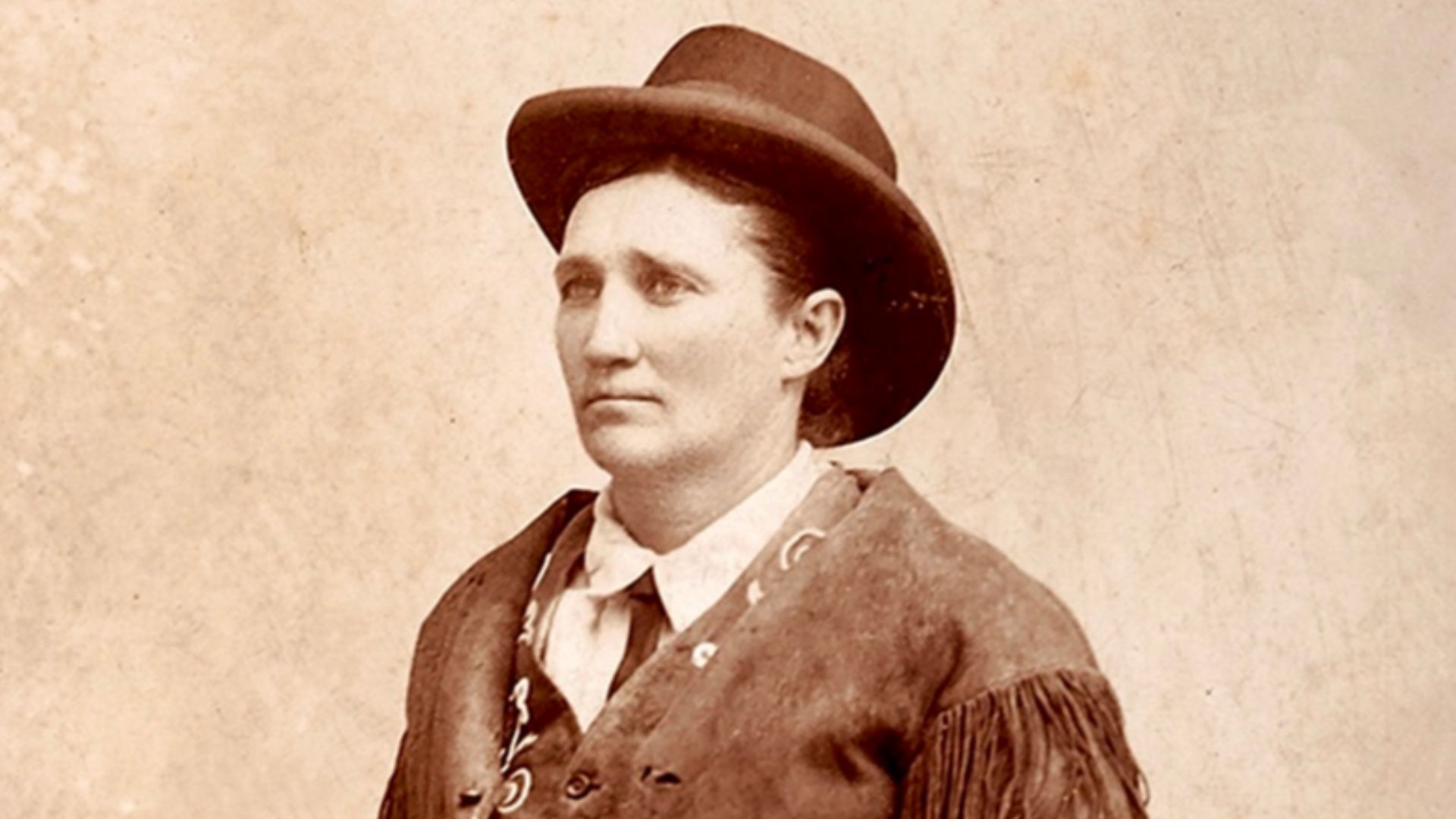
Born Martha Jane Canary around 1852, the legendary Calamity Jane became a frontier icon. Not only was she highly skilled as a shooter and rider – in later life, she appeared in Buffalo Bill’s Wild West show – but she bucked the traditional role of women in the Old West.
She wore men’s clothing and could take care of herself. Both her parents had died when she was still a teenager, leaving her to look after her fiver younger siblings as they travelled cross country.
 C.E. Finn, Livingston, Montana, Wikimedia Commons
Calamity Jane And The US Army
In adult life, Jane allegedly worked as a scout for the US Army, got involved in long-running conflicts with Native American tribes, and potentially shacked up with one of the frontier’s most revered gunslingers, Wild Bill Hickok. Their relationship would not last long: Wild Bill was shot and killed in 1876, while playing poker.
 Unknown authorUnknown author, Wikimedia Commons
Calamity Jane, Separating Fact From Fiction
Beyond that, separating fact from fiction when it comes to the life of Calamity Jane is a difficult task. Illiterate, she left behind no written records, but as a result of her fame she did dictate a small autobiographical account in the late-19th century. The stories within were often exaggerated, distorted or completely fabricated.
One thing is known: for most of her life, Jane suffered from alcoholism. She spent her last months in Terry, in South Dakota, and died in poverty.
Wild Bill Hickok, 1837-1876
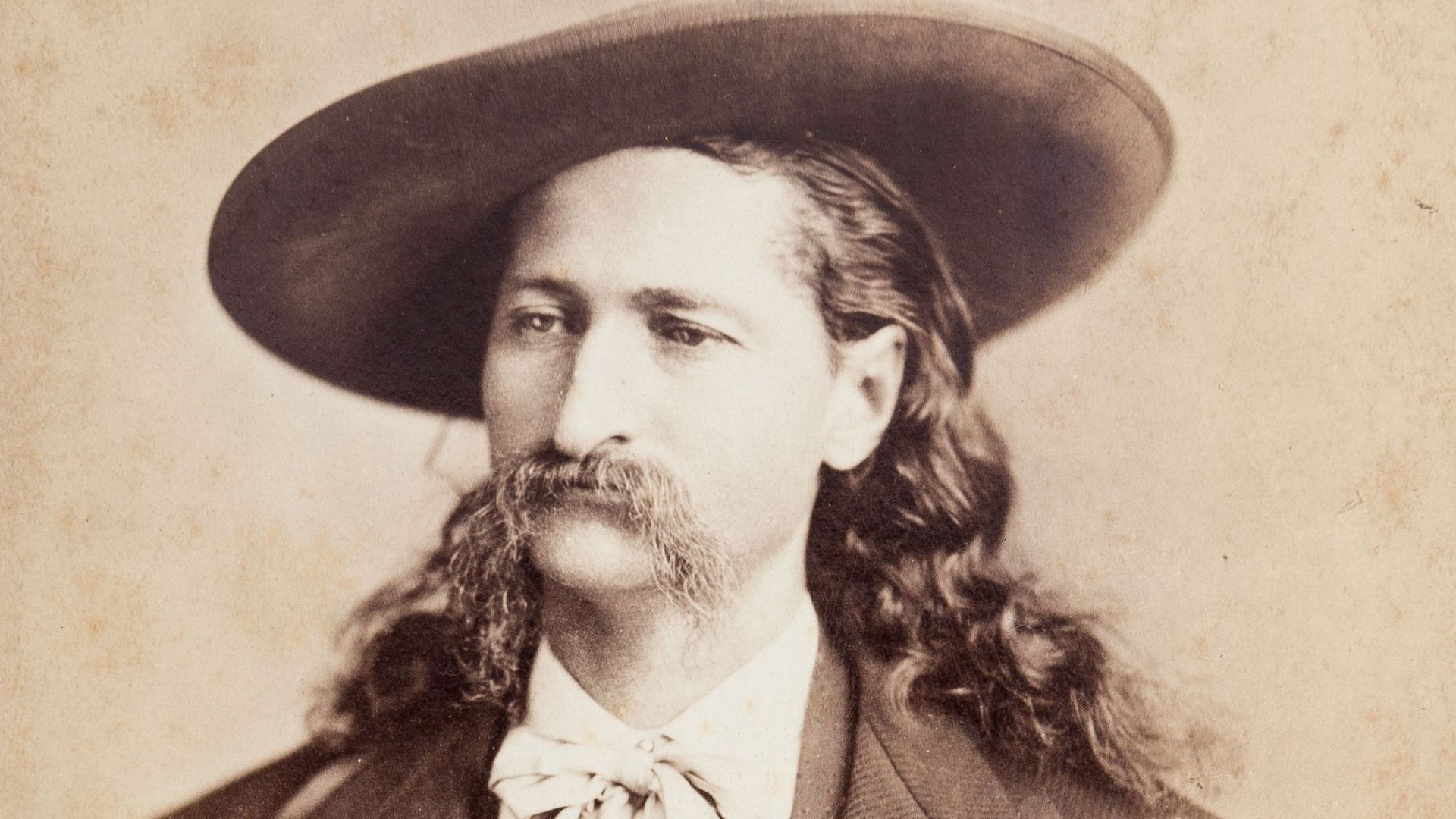
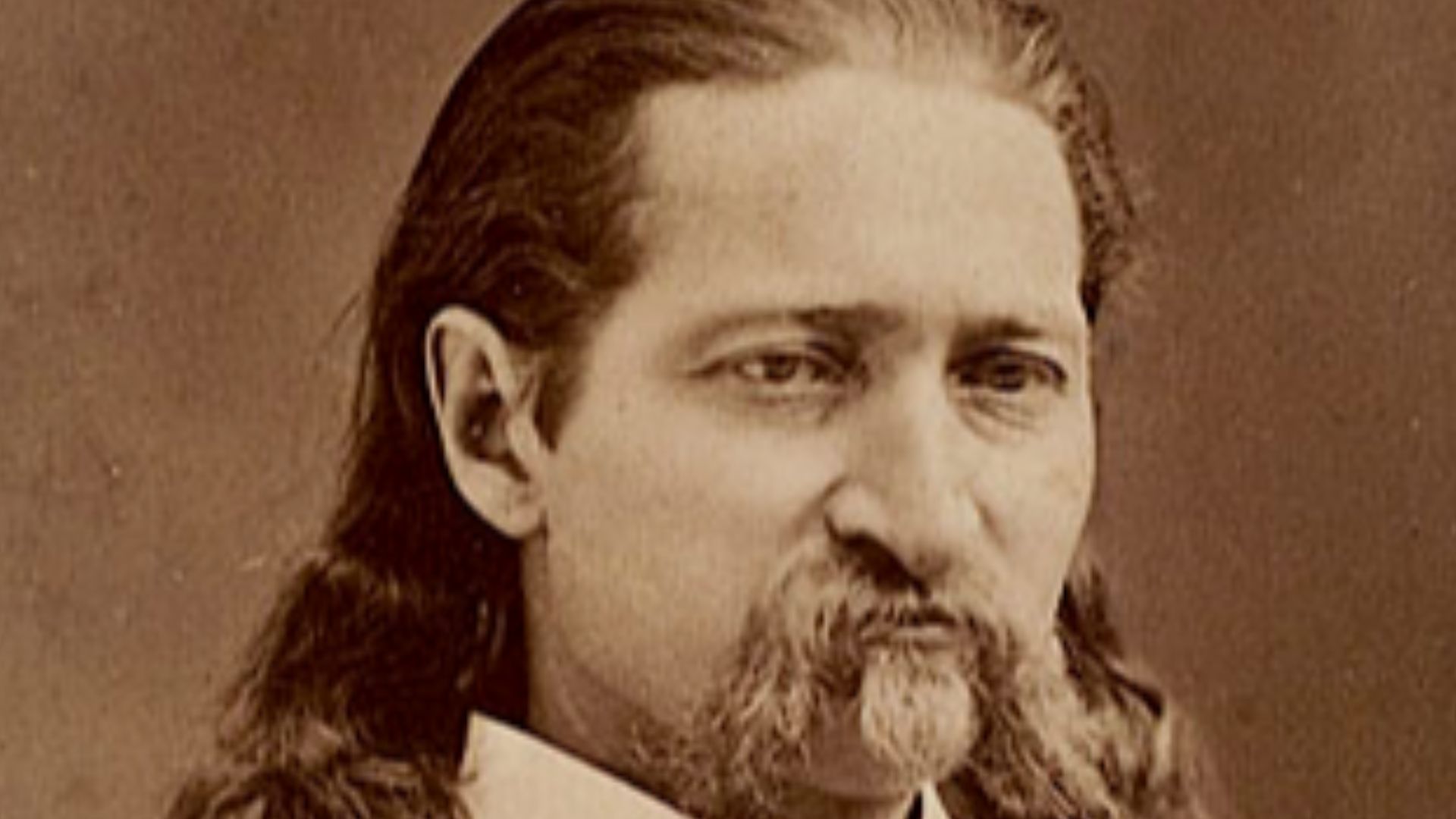
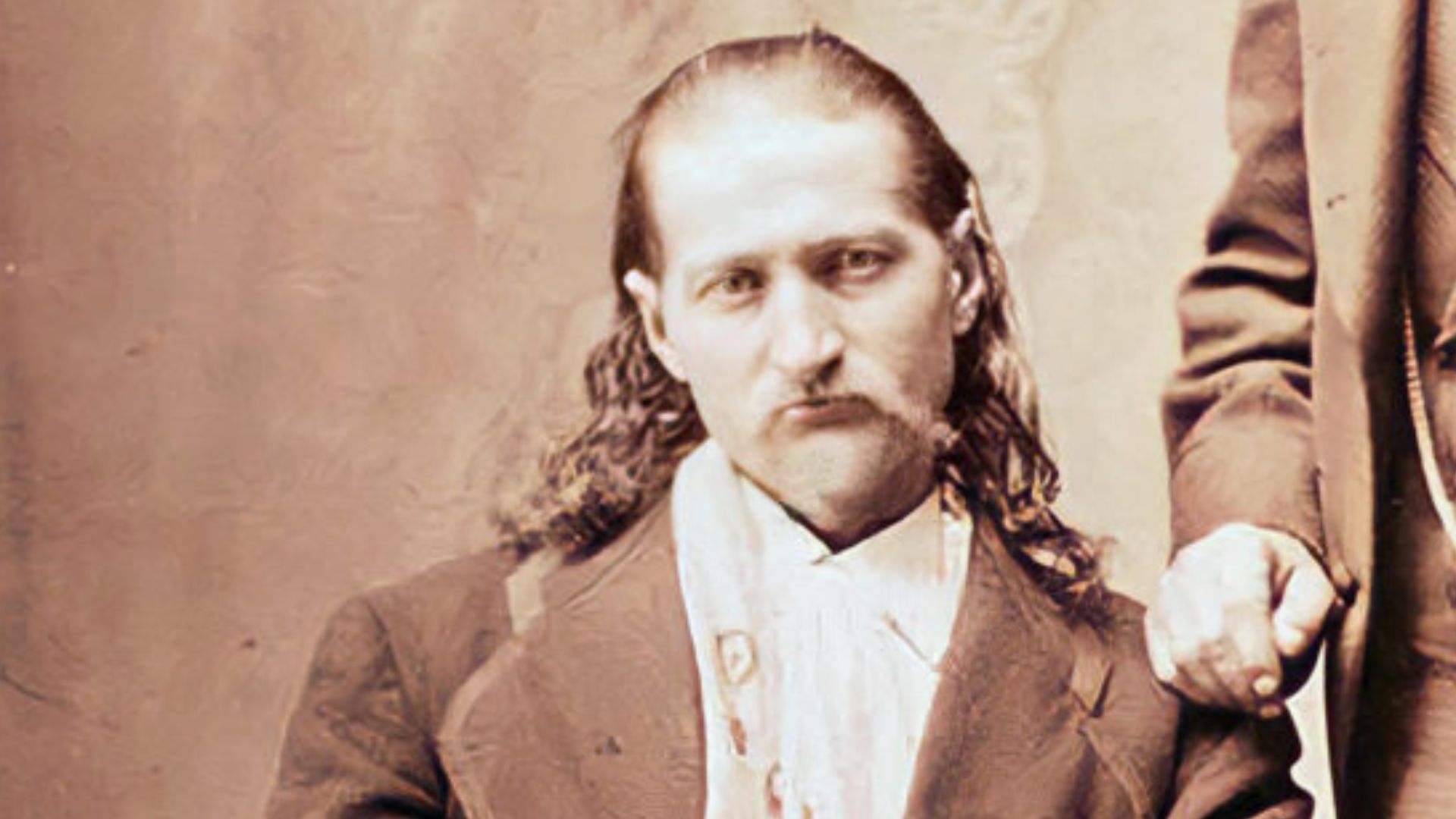
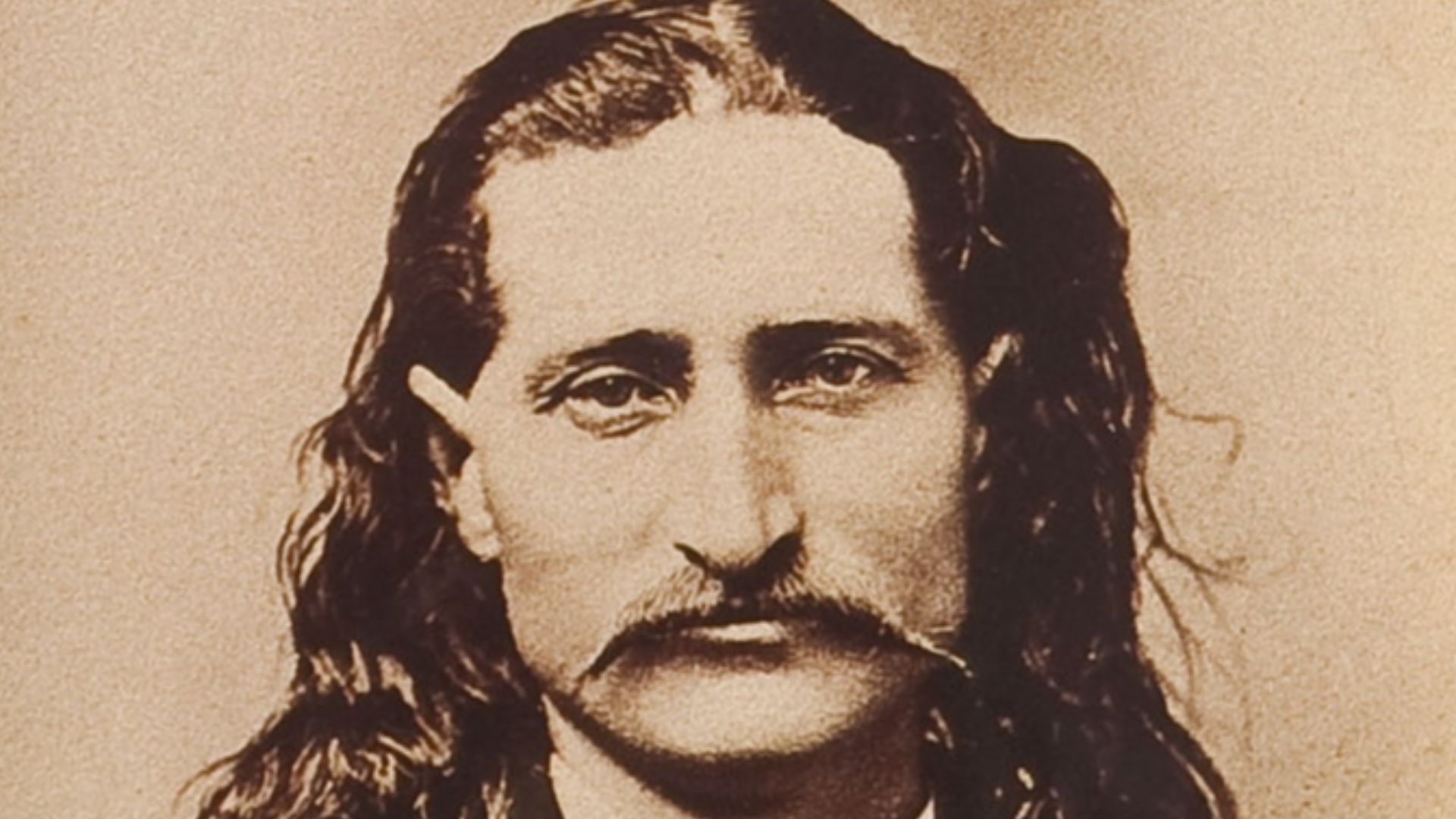
A gunslinger, scout, lawman, and showman, Will Bill Hickok was an emblem of the Old West.
Born James Butler Hickok in Illinois, Hickok served in the Civil War working as a scout and spy for the Union Army, earning renown for his sharpshooting and bravery. Post-war, Hickok turned his talents to the wild frontier, where his exploits as a lawman and gambler in Kansas and Nebraska towns cemented his legendary status.
 George G. Rockwood, Wikimedia Commons
Wild Bill Hickok And The Duel With David Tutt
As a marshal in Abilene, Kansas, Hickok was known for his steely nerves and deadly aim, but also for his preference to avoid violence when possible. Nevertheless, his career was punctuated by famous shootouts, including a deadly encounter in Springfield, Missouri, in 1865 where he killed David Tutt in what is often called the first “quick-draw” duel.
 D.D. Dare, Cheyenne, Wyoming, Wikimedia Commons
Wild Bill Hickok's Reputation
Hickok’s fame spread through dime novels and newspaper stories, which painted him as the archetype of the Old West hero. But his personal life was tumultuous. His friendship and rumoured romance with Calamity Jane added to his mystique, as did his reputation as a gambler.
 The photograph was taken by Rockwood or Gurney of New York City, Wikimedia Commons
Wild Bill Hickok's Death
Hickok met his untimely (but perhaps unsurprising) end in Deadwood, South Dakota, in 1876.
While playing poker in a saloon, he was shot in the back of the head by Jack McCall, a drifter with a grudge. Hickok’s hand at the time (two black aces and two back eights) has since become known as the Dead Man’s Hand.
 unattributed, Wikimedia Commons
Doc Holliday, 1851–1887
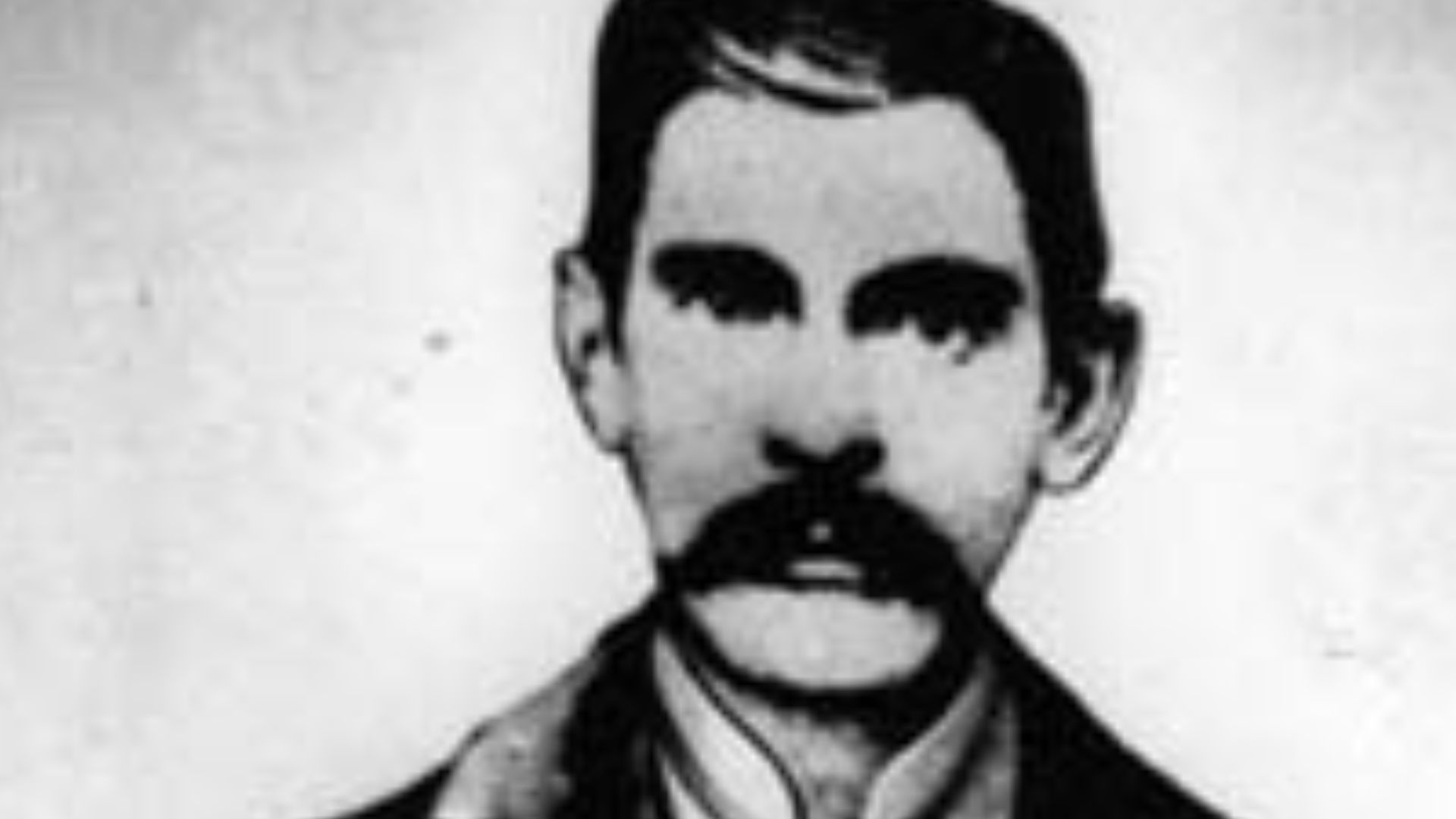
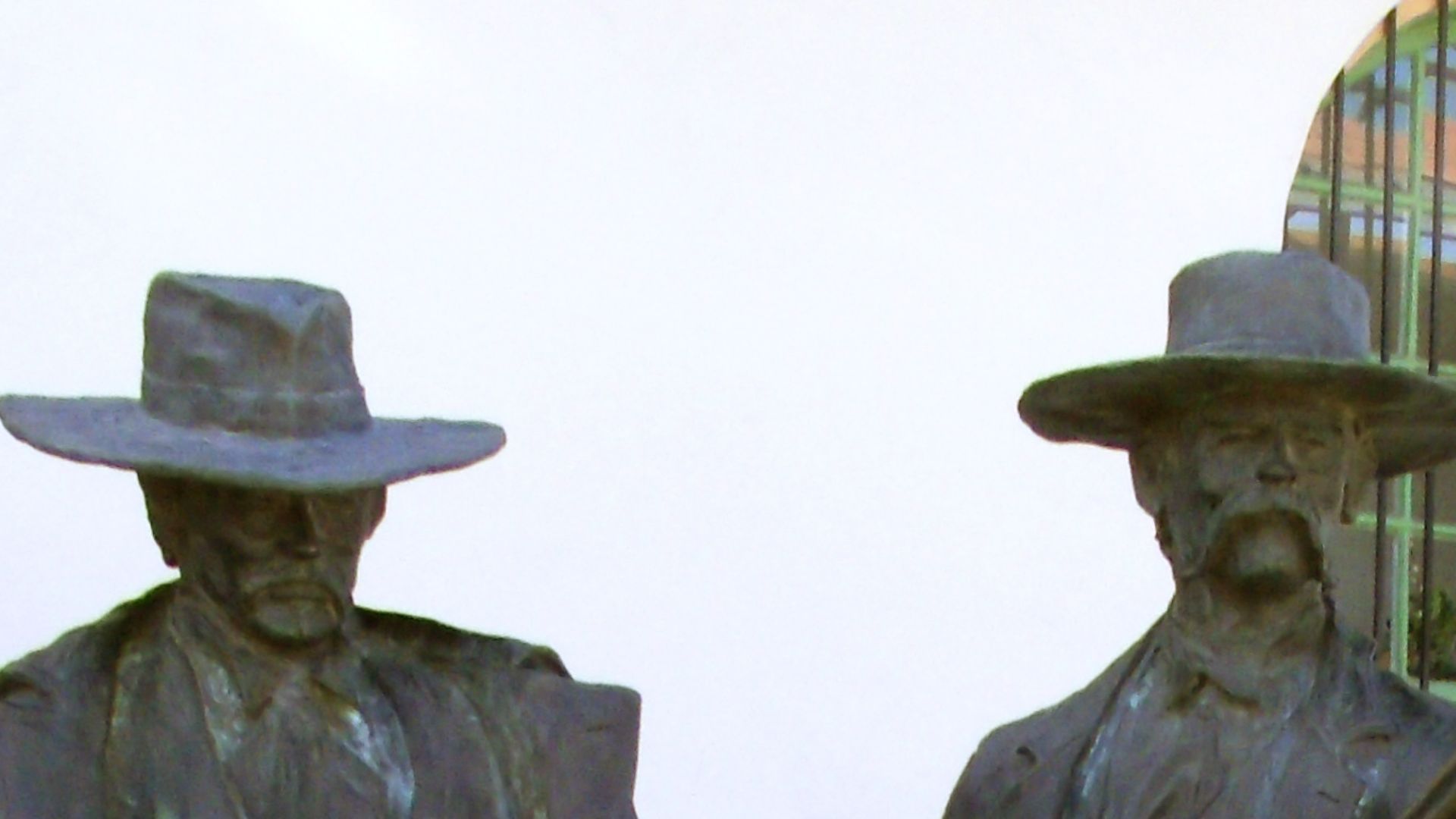
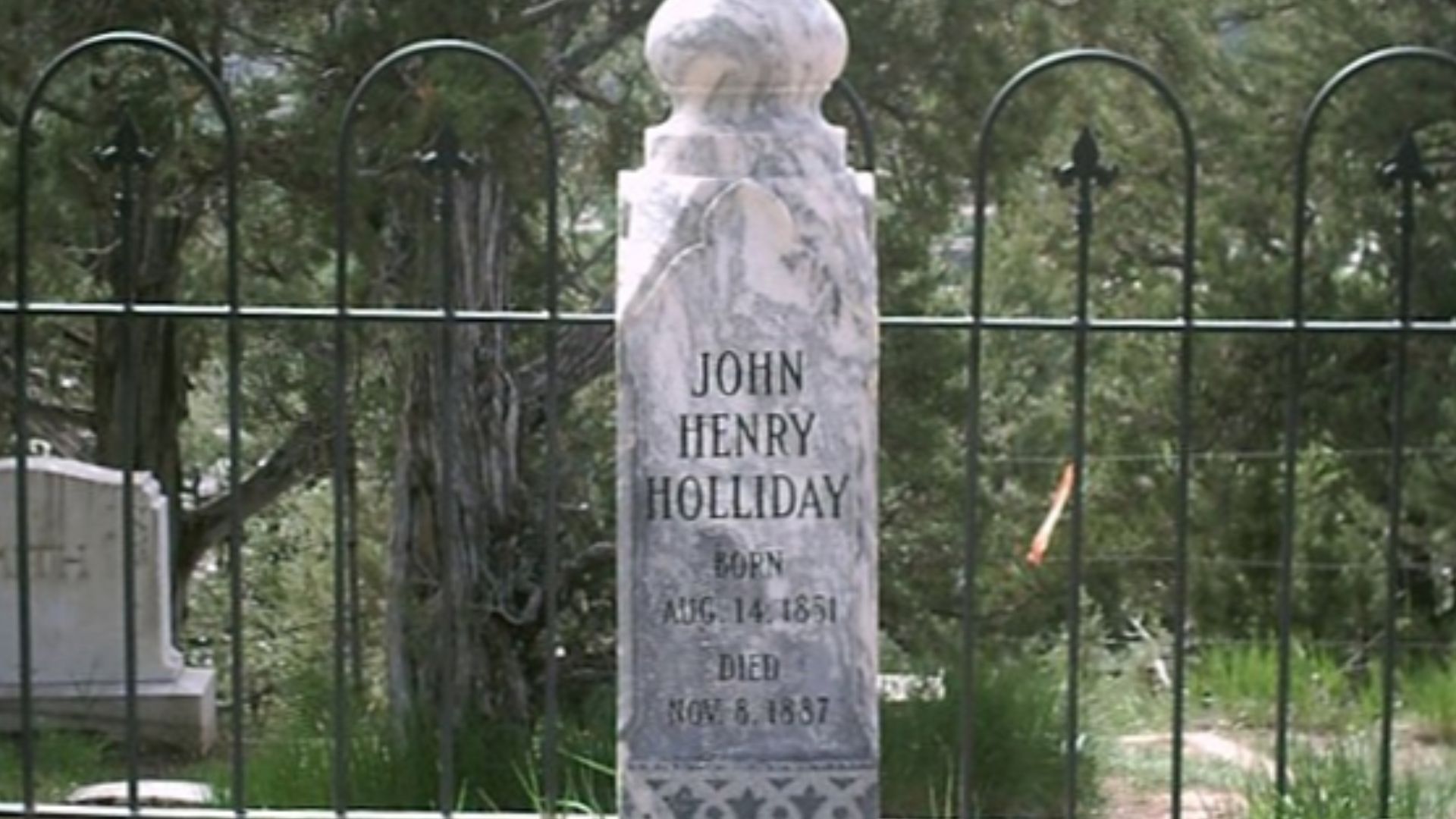
John Henry ‘Doc’ Holliday was not a typical outlaw. He initially trained as a dentist in Pennsylvania, but moved to the Southwest after contracting tuberculosis. The hope was that the warm and dry climate would ease his symptoms.
 Unknown authorUnknown author, Wikimedia Commons
Doc Holliday At The Ok Corral
It was while drifting through the frontier towns that he met Wyatt Earp. He forged a friendship with the lawman after saving his life, and followed Earp to Tombstone, Arizona, where he was a major player in the legendary Gunfight at OK Corral in 1881. He would then join Earp on his vendetta ride against the Cowboys.
 Tony the Marine (talk), Wikimedia Commons
Doc Holiday's Illness
While he maintained a deadly reputation as a gunslinger and canny gambler, much of Holliday’s life was ultimately shaped by his illness. His last years were spent receiving treatment in Colorado, before he succumbed in 1887 at the age of 36.
 Fred. Dupper, Wikimedia Commons
Bass Reeves, 1838–1910
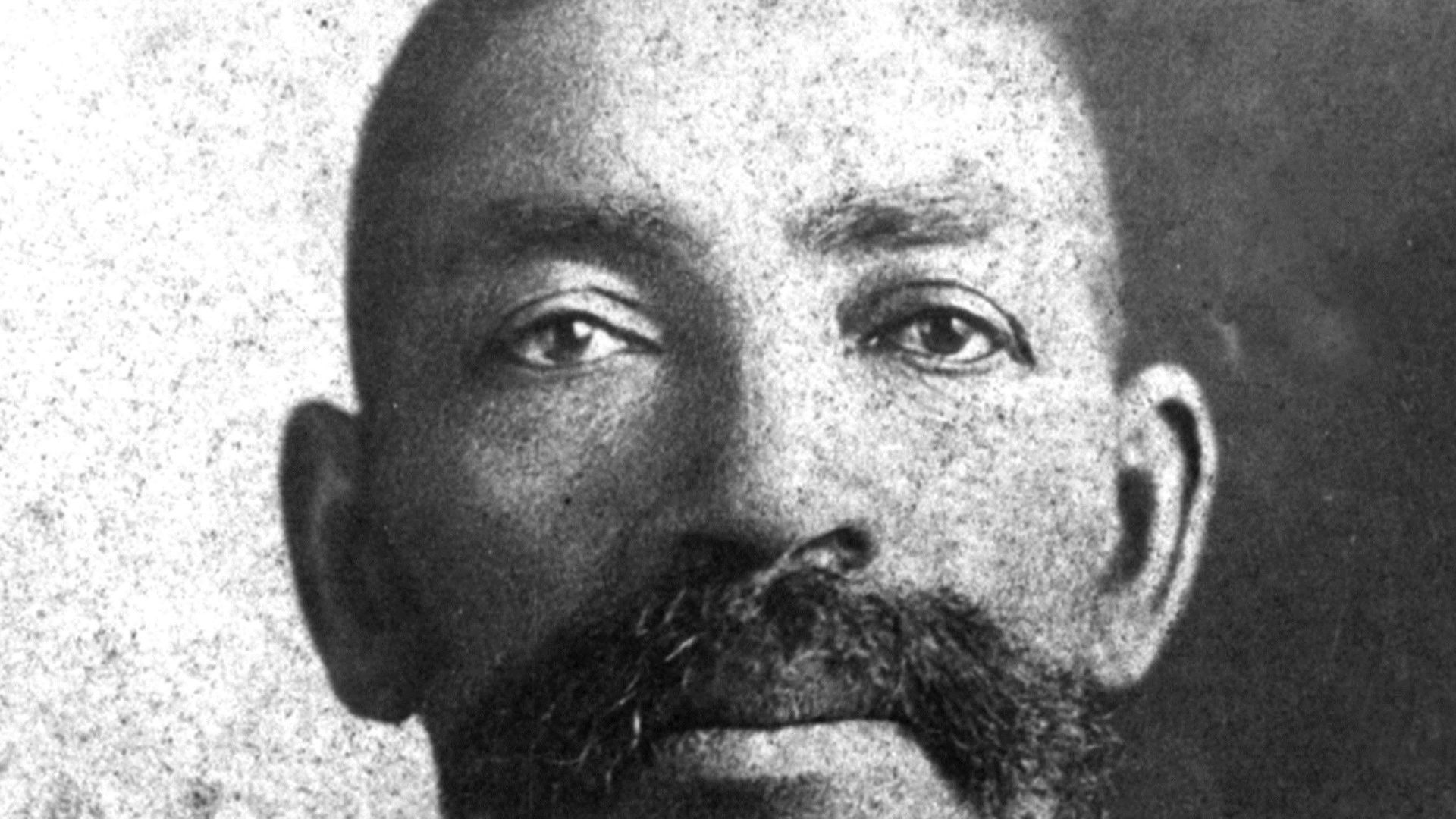
The runaway slave who became one of the first black deputy US marshals in the Old West, Bass Reeves was no ordinary lawman.
Born into slavery in 1838, Reeves managed to flee from his owners during the American Civil War and went to live among Native American tribes. There, he learned multiple languages and the customs of indigenous peoples, as well as the survival and tracking skills that would be so important in his career.
 Unknown authorUnknown author, Wikimedia Commons
Bass Reeves' Record
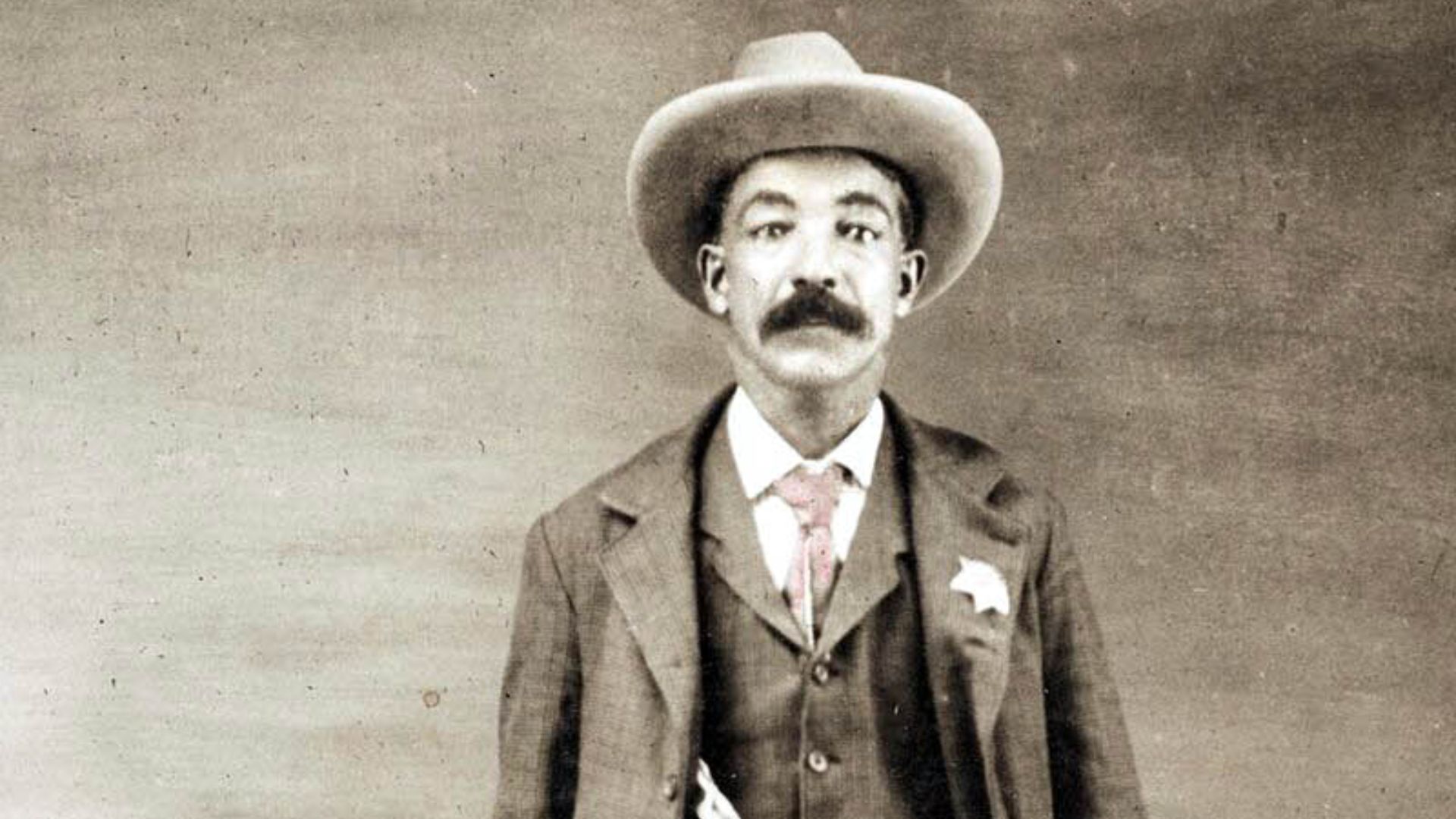
In his 32 years as a federal officer, Reeves reportedly killed 14 outlaws and arrested more than 3,000 people all across Oklahoma and Arkansas.
Perhaps most impressively, given how ruthless and violent many of the men were that he chased down over the years, he lived to see his retirement and ended his illustrious law enforcement career as a police officer in Muskogee.
 Unknown authorUnknown author, Wikimedia Commons
Belle Starr, 1848–1889
Belle Starr, born Myra Maybelle Shirley, became infamous not for large-scale robberies or shootouts, but rather for her association with outlaws.
Raised in a relatively prosperous family and educated in a classical manner, Starr’s path into criminality seems to have stemmed from choice rather than necessity. After the American Civil War, during which her brother had died fighting as a bushwhacker, she became involved with the outlaws who would form the James-Younger Gang.
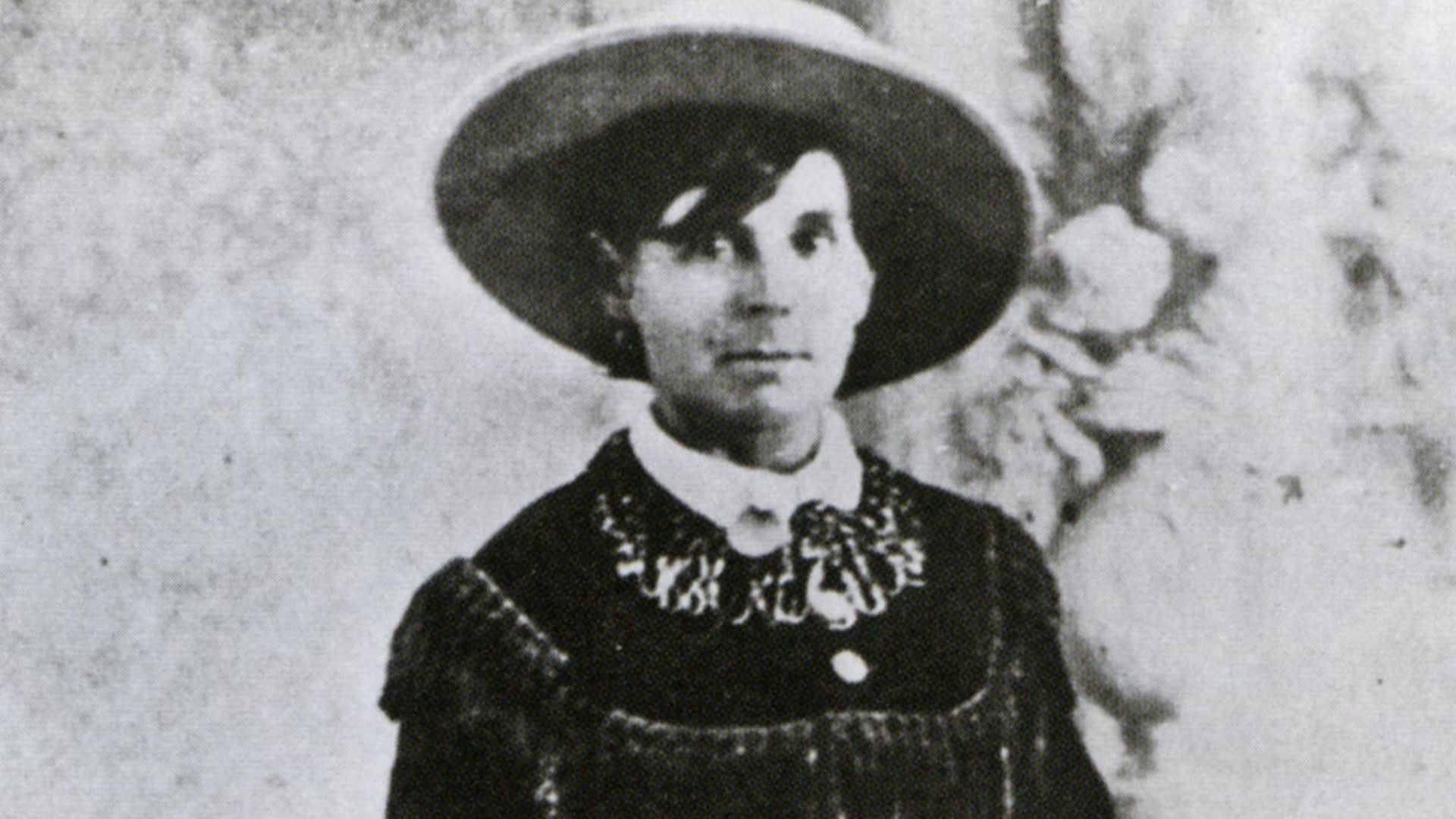 Unknown authorUnknown author, Wikimedia Commons
Bell Starr's Reputation
Belle, who was a skilled shooter, would wear black velvet and a plumed hat, giving her a strong image. Yet it was after her death that her reputation truly flourished, thanks to the sensationalised nature of her apparent murder in 1889 – shot while riding home on her horse, seemingly with her own gun. The circumstances of her death remain unclear. Was she ambushed and shot by a hidden rival while riding home? Or did her own shotgun misfire?
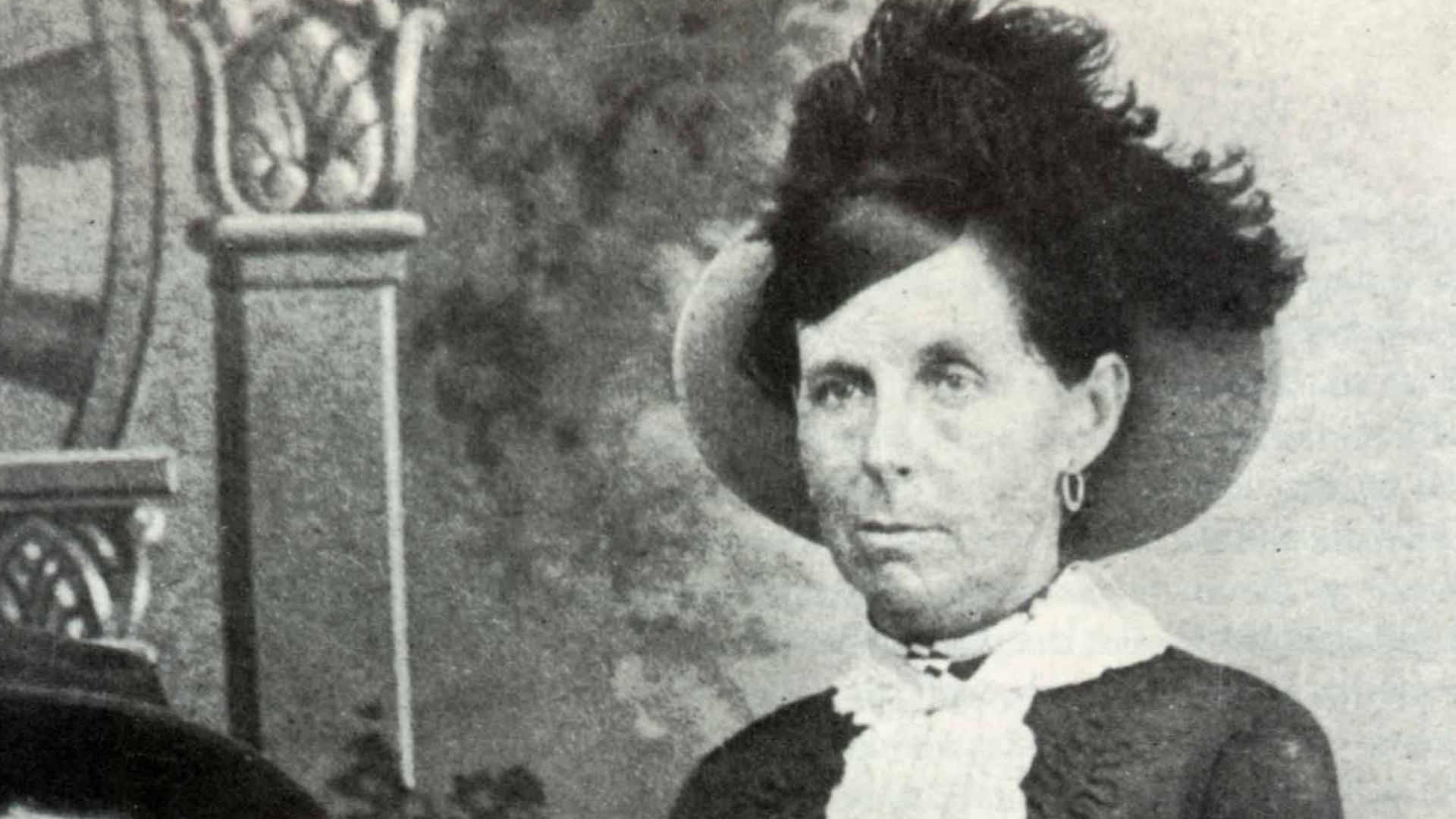 Unknown authorUnknown author, Wikimedia Commons
Black Bart, c1830–1917
Charles E Boles, better known as Black Bart, was a rather unconventional outlaw. His choice of weapon was not a revolver, shotgun or rifle, but poetry. He would leave behind little verses at the scenes of his crimes.
Although he robbed dozens of stagecoaches across California and Oregon in the 1870s and 1880s, Bart earned a reputation as a ‘gentleman bandit’. He would be polite to his victims and never resorted to violence, which distinguished him from other more bloodthirsty outlaws.
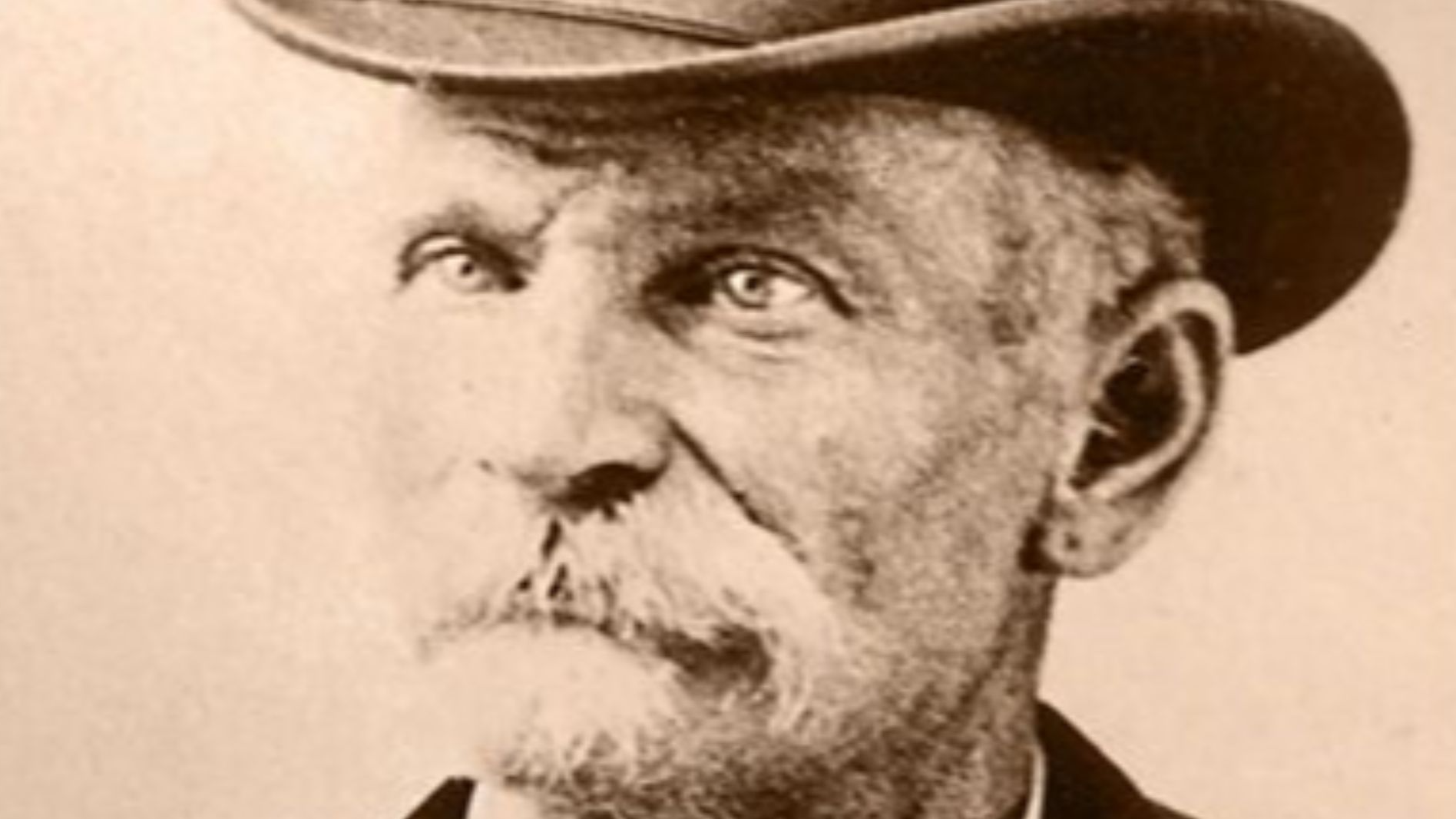 Wells Fargo, Wikimedia Commons
Black Bart's Demise
Bart’s criminal career ended in 1883 when he was captured and imprisoned, following a botched robbery in which he dropped his handkerchief. This allowed Pinkerton detectives to track him down. The distinctive combination of his refined manners and poetic flair places him firmly as one of the Old West’s more eccentric figures.
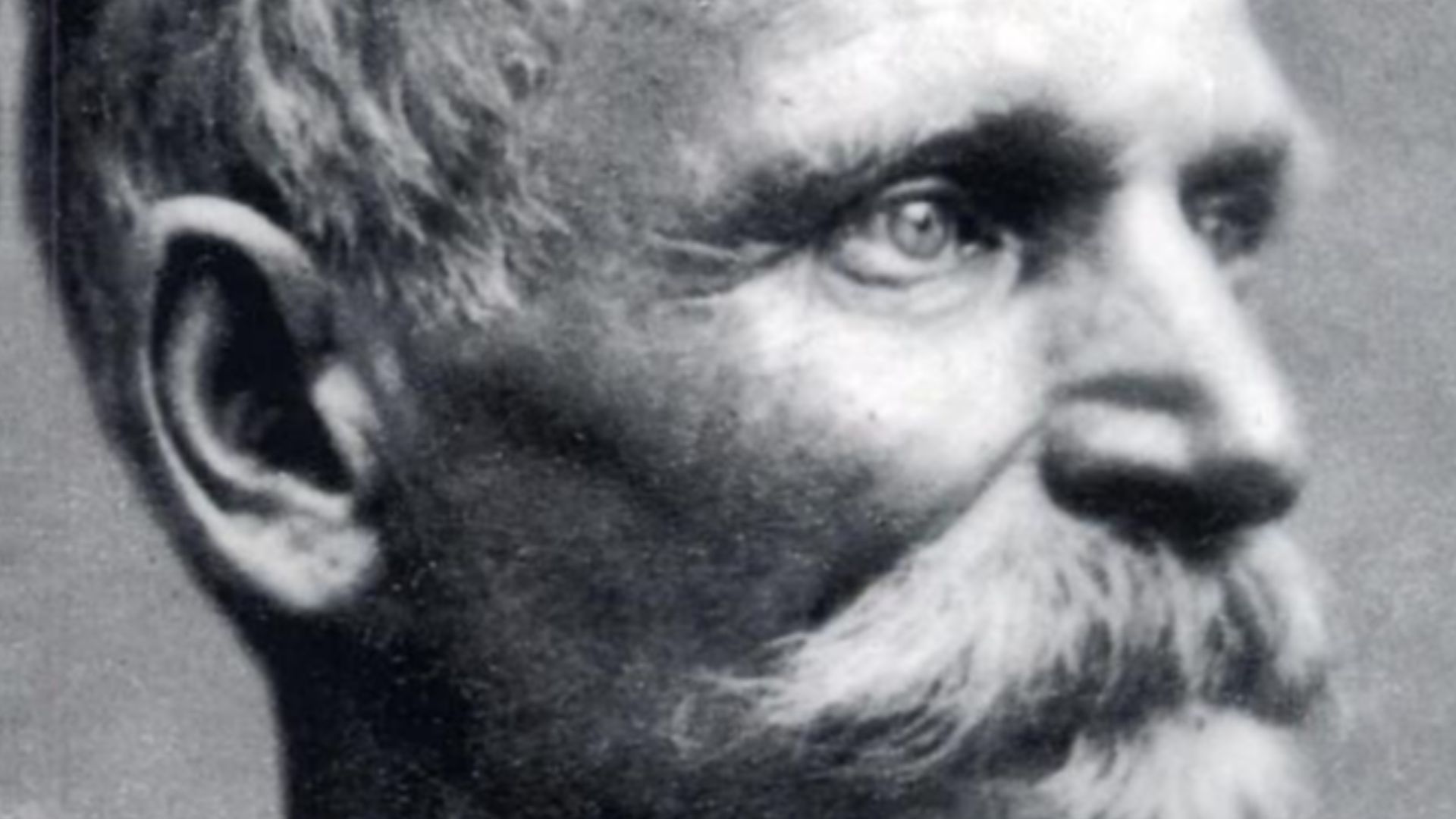 Unknown authorUnknown author, Wikimedia Commons
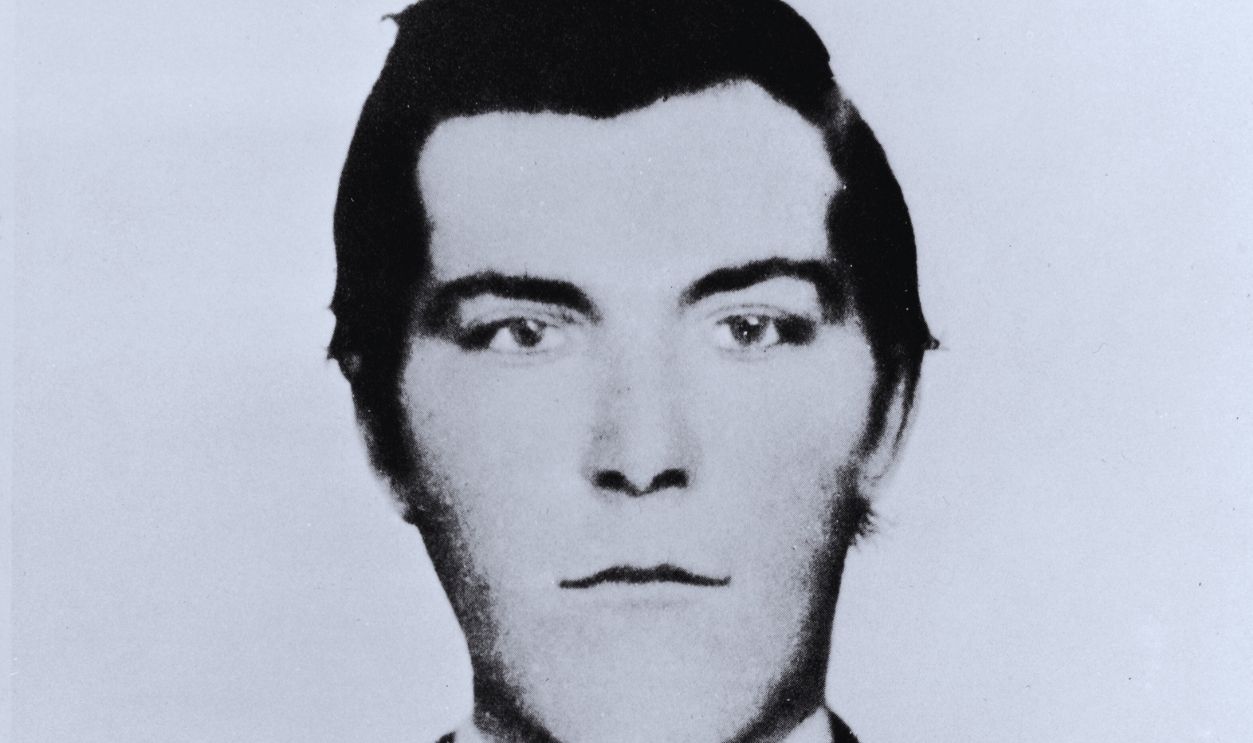
John Wesley Hardin, 1853–1895
For John Wesley Hardin, violence seems to have been an inescapable part of life. He had been born into a turbulent post-Civil War Texas and killed his first man at just 15, setting the stage for a life defined by bloodshed.
Hardin claimed to have killed over 40 men – the real figure is thought to be closer to 20 – often in situations that began as minor disputes, but quickly escalated. His volatile nature and talent for the quick draw made him both feared and hunted.
 American Stock Archive, Getty Images
John Wesley Hardin's Capture
His eventual capture in 1877 led to a 25-year prison sentence, of which he served 17. After his early release, Hardin, now 41, studied law and passed the oral Texas bar examination.
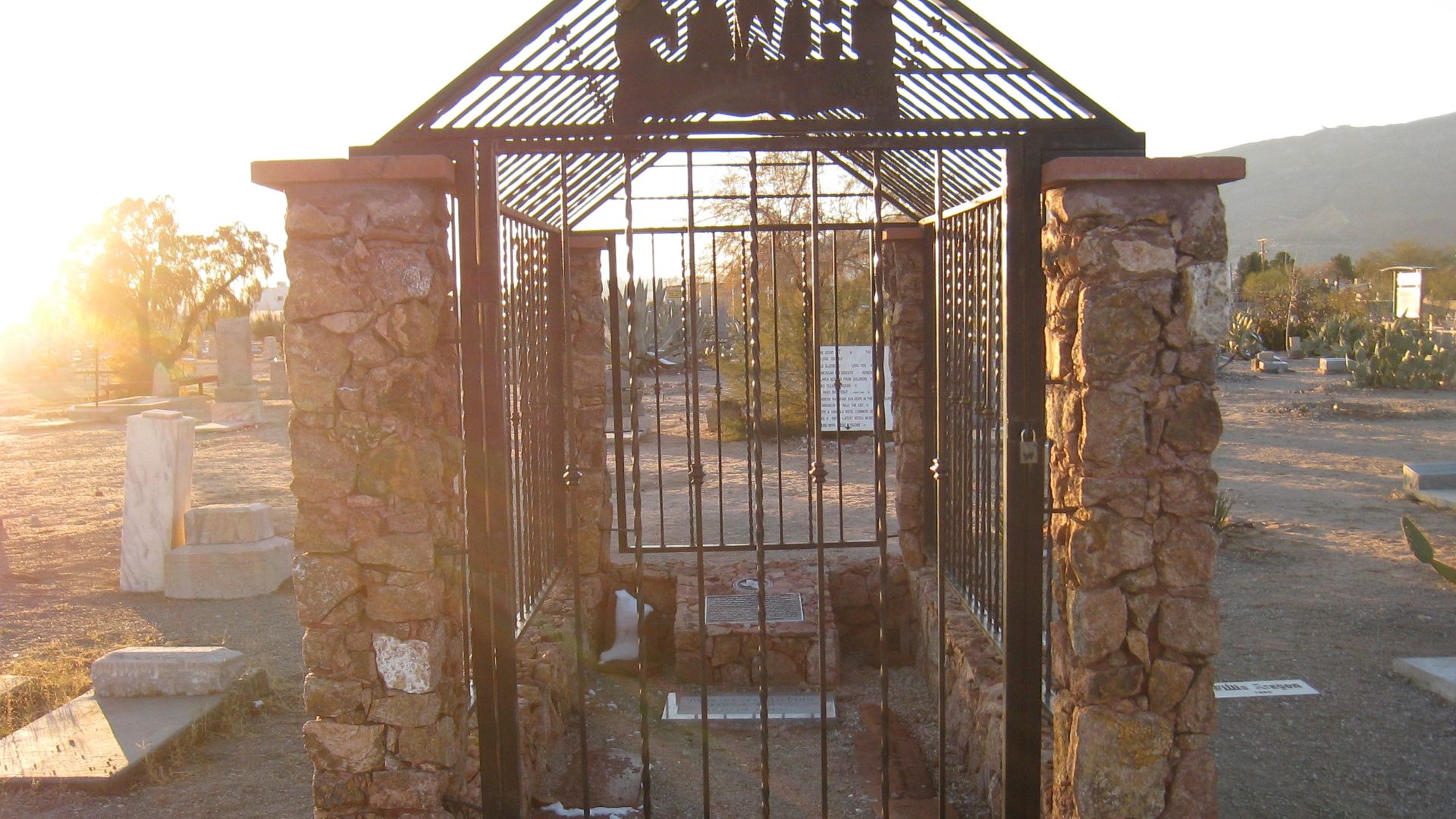
His would-be career as a reformed lawyer never took off, however. In 1895, while in a saloon in El Paso, Hardin was shot in the back of the head, and then shot several more times after falling to the floor. His killer, John Selman Sr, had feuded with Hardin; he escaped punishment for the blatant killing.
Bill Doolin, 1858–1896
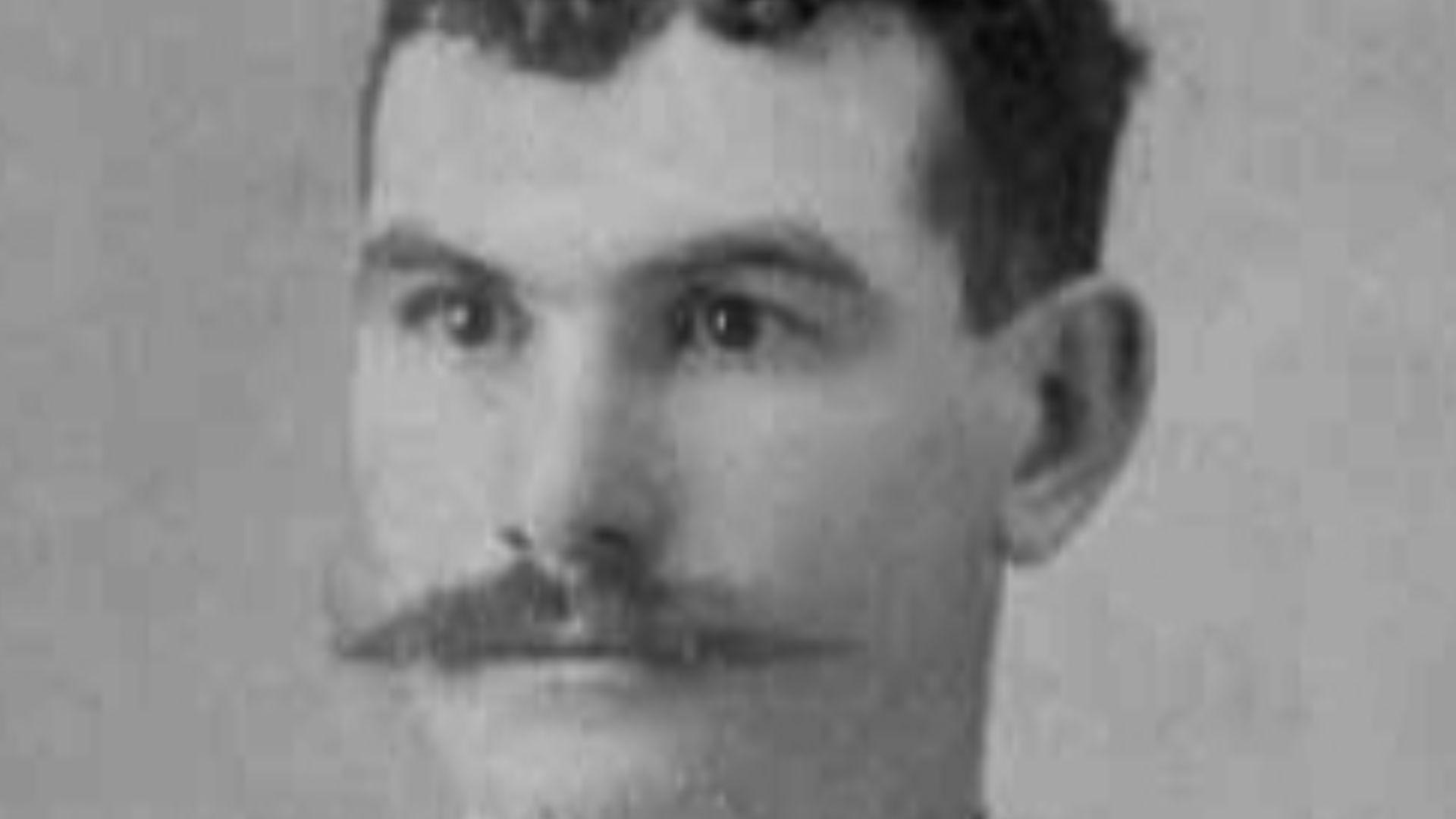
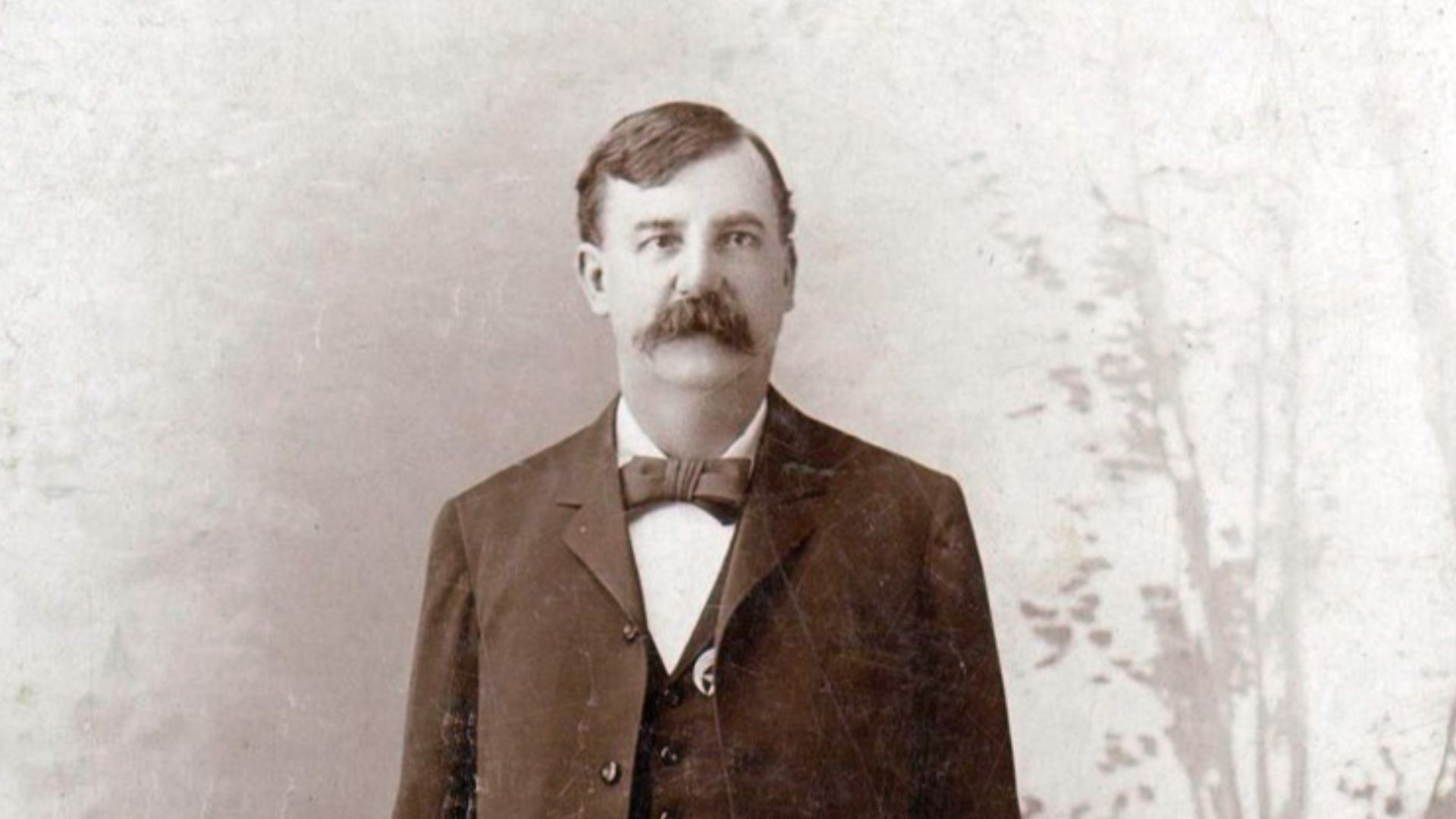
Bill Doolin was a founder of a gang of outlaws called the Wild Bunch (not to be confused by the gang led by Butch Cassidy and the Sundance Kid). Also known as the Doolin-Dalton Gang, they terrorised the Old West in the 1890s with a series of daring bank and train robberies.
 Photography Studio, Wikimedia Commons
Bill Doolin's Proclivity For Violence
Unlike the more publicity conscious outlaws like Cassidy, Doolin was known for his proclivity for violence. He took part in numerous shootouts with lawmen and narrowly escaped capture multiple times.
Eventually, he was caught and imprisoned while in a bathhouse, but managed to escape. Not long afterwards, however, he was confronted by a deputy US marshal and killed with a shotgun. The morbid photograph of his body shows him riddled with holes.
 unattributed, Wikimedia Commons
Bill Doolin's Story
Doolin’s story demonstrates how the misdeeds of cowboys evolved as the 19th century developed. Starting with skirmishes over land and horse theft, lawlessness became more organised and ambitious as the expansion of railroads promised bigger rewards. It was a brief period, though, before federal authority gradually imposed order.
 Georges Jansoone (JoJan), Wikimedia Commons
Charles Goodnight, 1836–1929
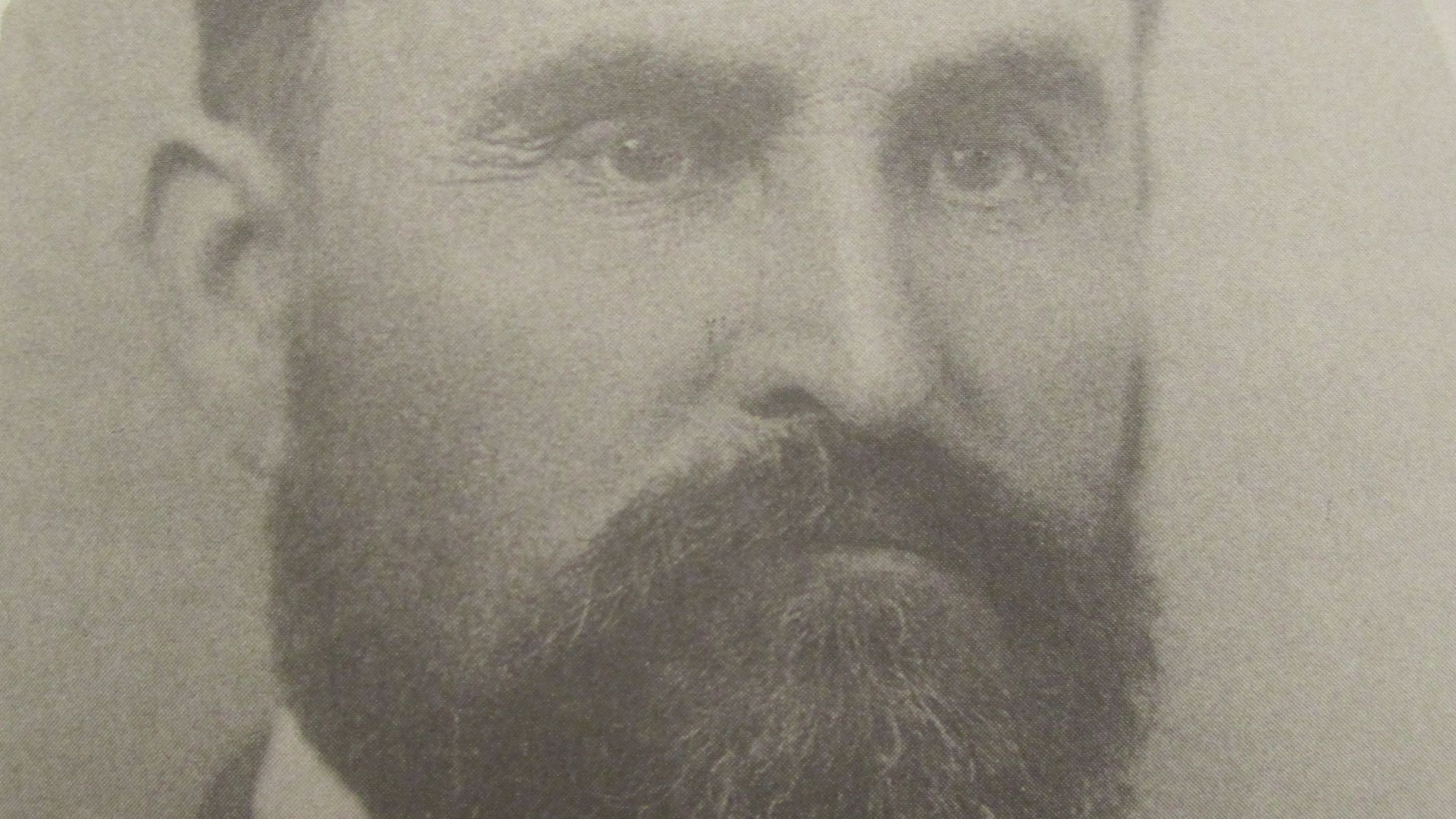
Decidedly not an outlaw, Charles Goodnight was a legendary cowboy in the truest sense.
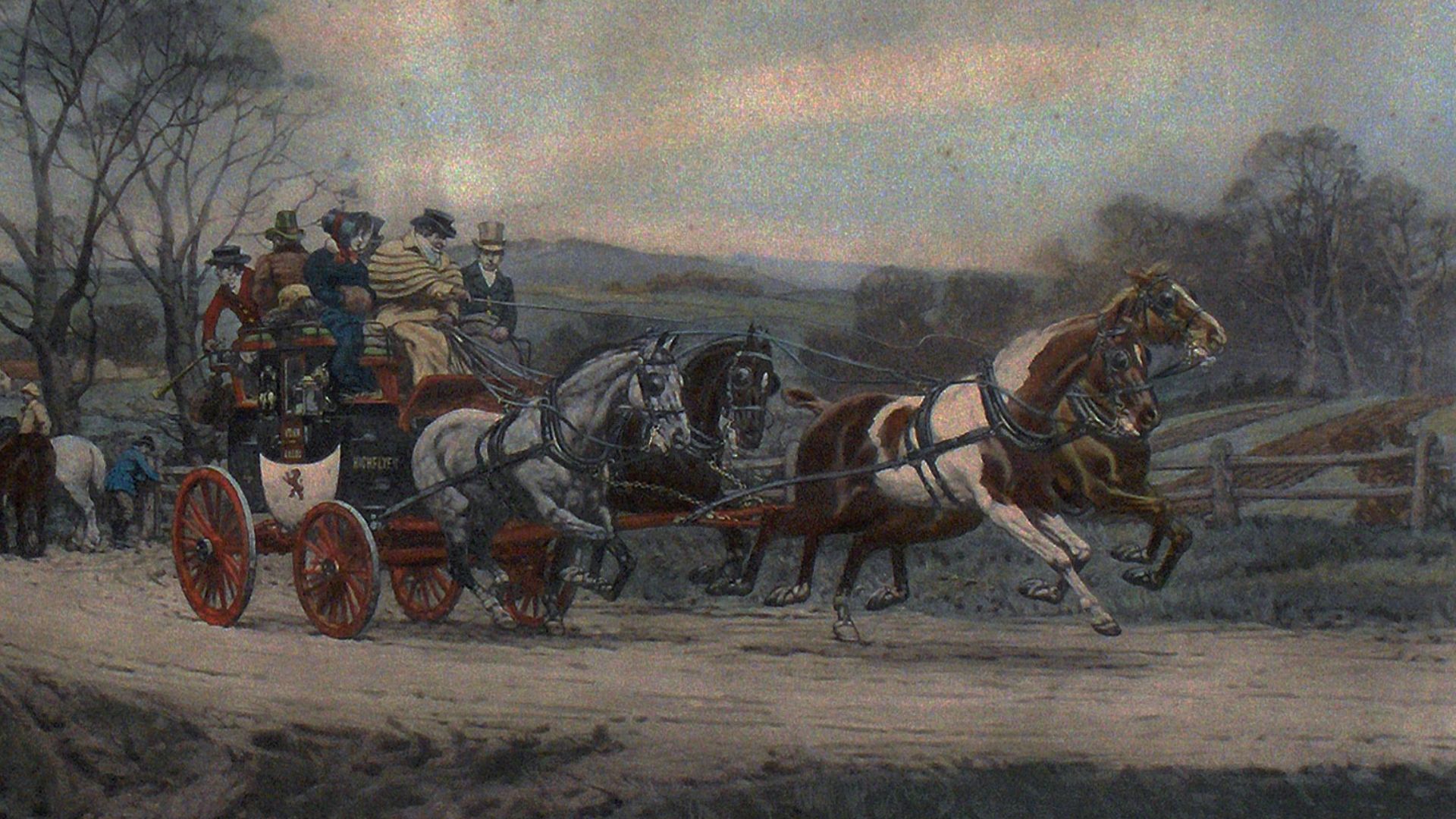
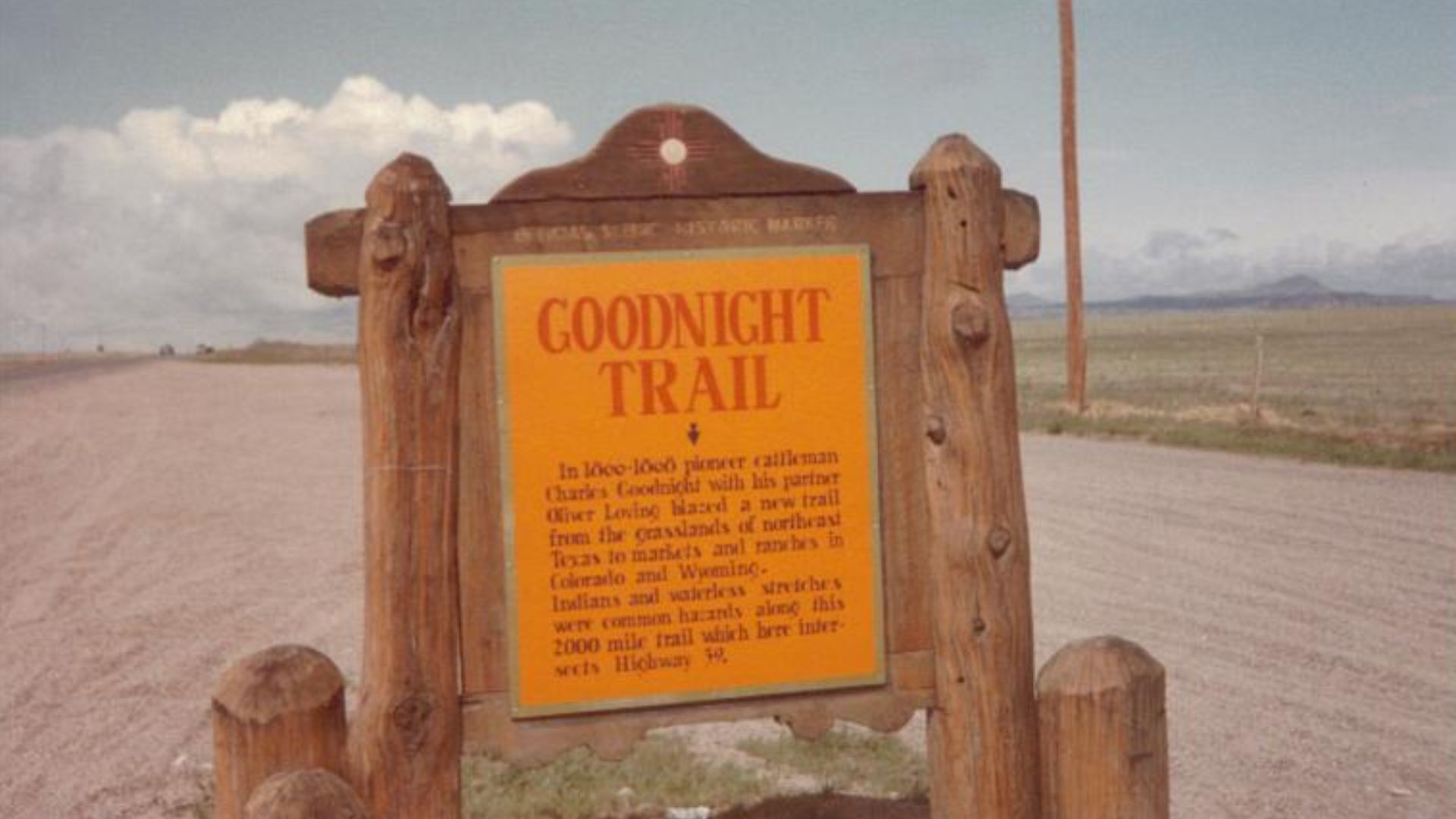
He was inducted into the Hall of Great Westerners for his shaping of the Old West. Most notably, he helped establish the Goodnight-Loving Trail, a major route for driving cattle from Texas to markets in New Mexico Territory. And his innovations, such as the chuck wagon (a mobile kitchen for cowboys on the trail) would transform the way that these drives operated.
 Billy Hathorn at en.wikipedia, Wikimedia Commons
Charles Goodnight, A Legend Of The Wild West
But not all of Goodnight’s life was peaceful. In his earlier years, he frequently fought against the Commanche both with local militia and as a member of the Texas Rangers, before serving in the Frontier Regiment during the American Civil War.
Surviving into his 90s, dying in the late-1920s, Goodnight’s reputation stretched far beyond the era of the Wild West and into the modernity of the 20th century.
This content was created in partnership with HistoryExtra.
 University of Oklahoma Press; photo by Billy Hathorn, Wikimedia Commons