The Stone Inscription
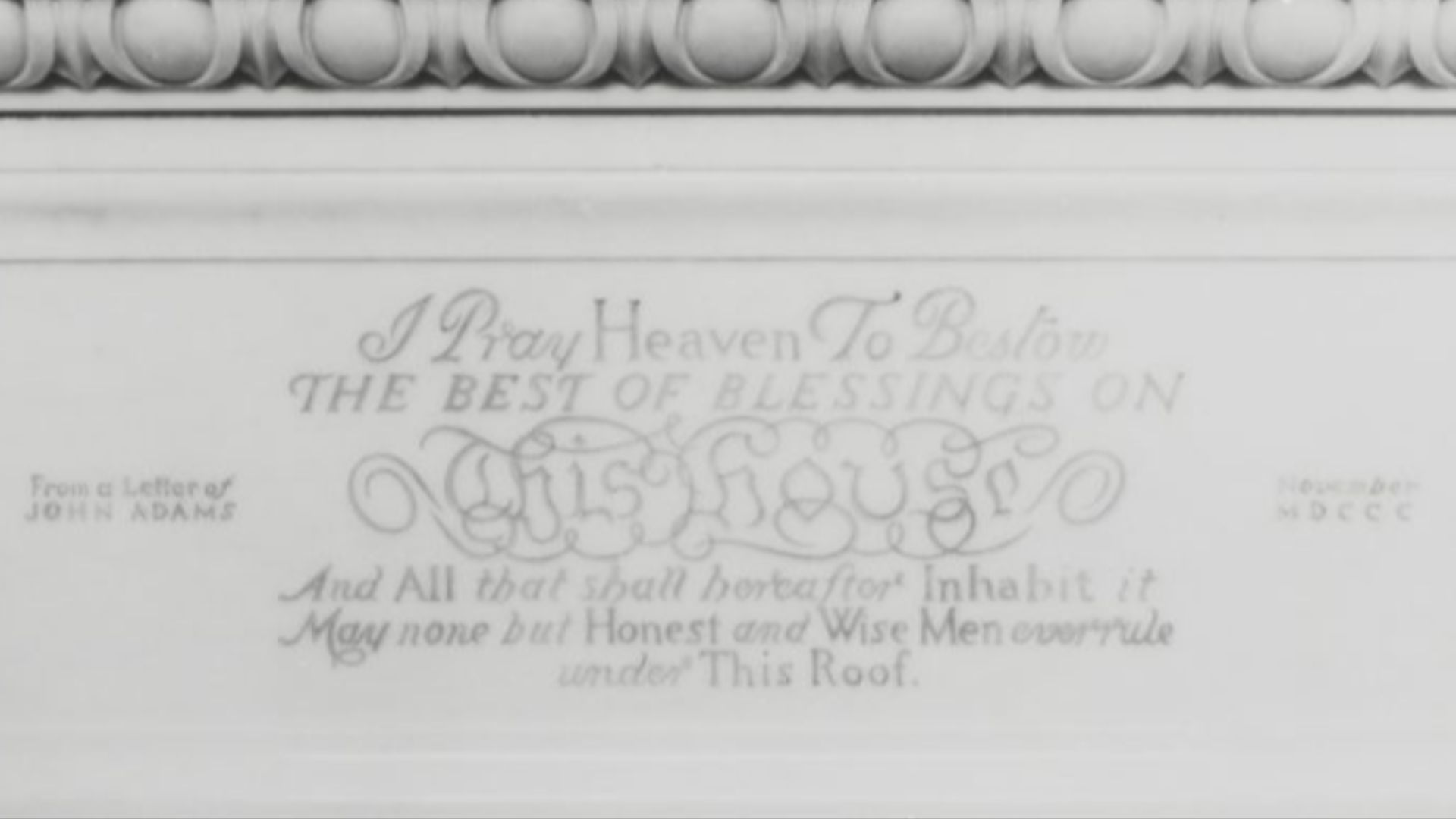
Inscribed on the stone fireplace of the State Dining Room of the White House are the words: “I pray to Heaven bestow the best of blessings on this house and all that shall hereafter inhabit it. May none but honest and wise men ever rule under this roof.”
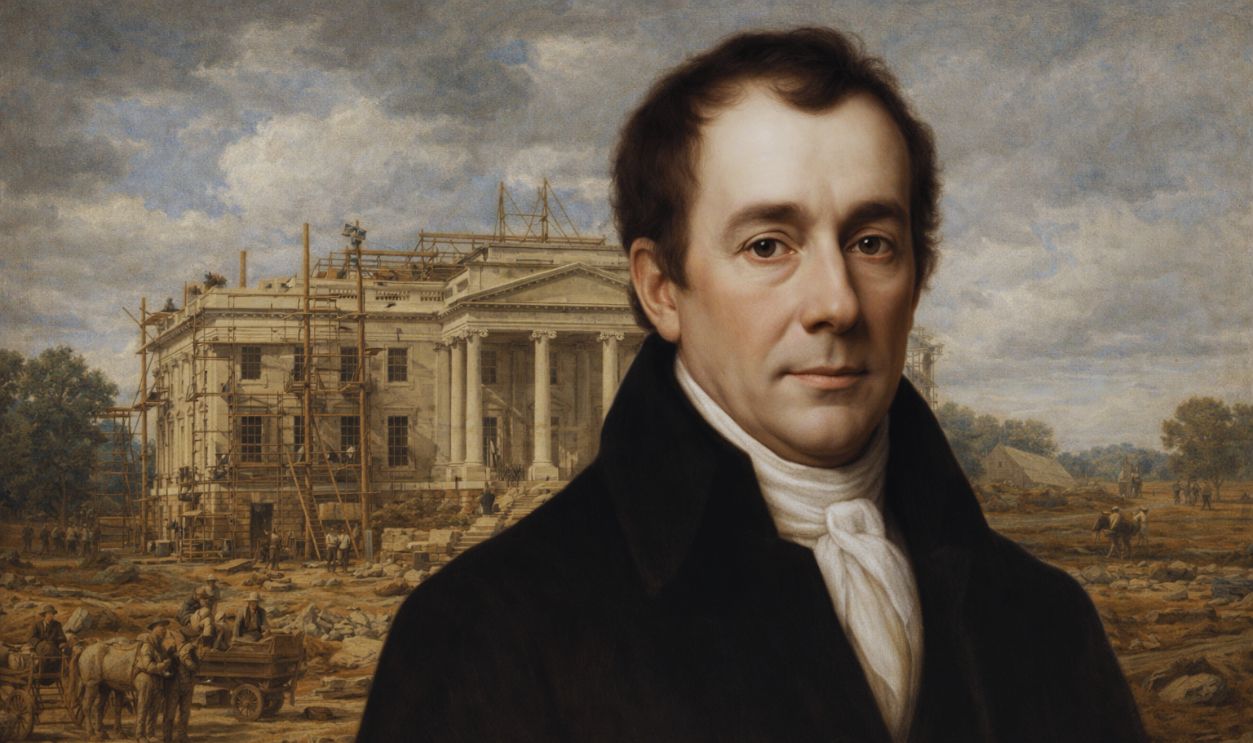
Written By John Adams
The blessing, which was engraved there in 1945, came from a letter written by John Adams to his wife Abigail in 1800. He was the second man to be president of the United States, but the first to reside in the world-famous home of the presidency at 1600 Pennsylvania Avenue NW, in Washington, DC.
 Michael Geissinger, Wikimedia Commons
Washington DC Didn't Exist Before 1790
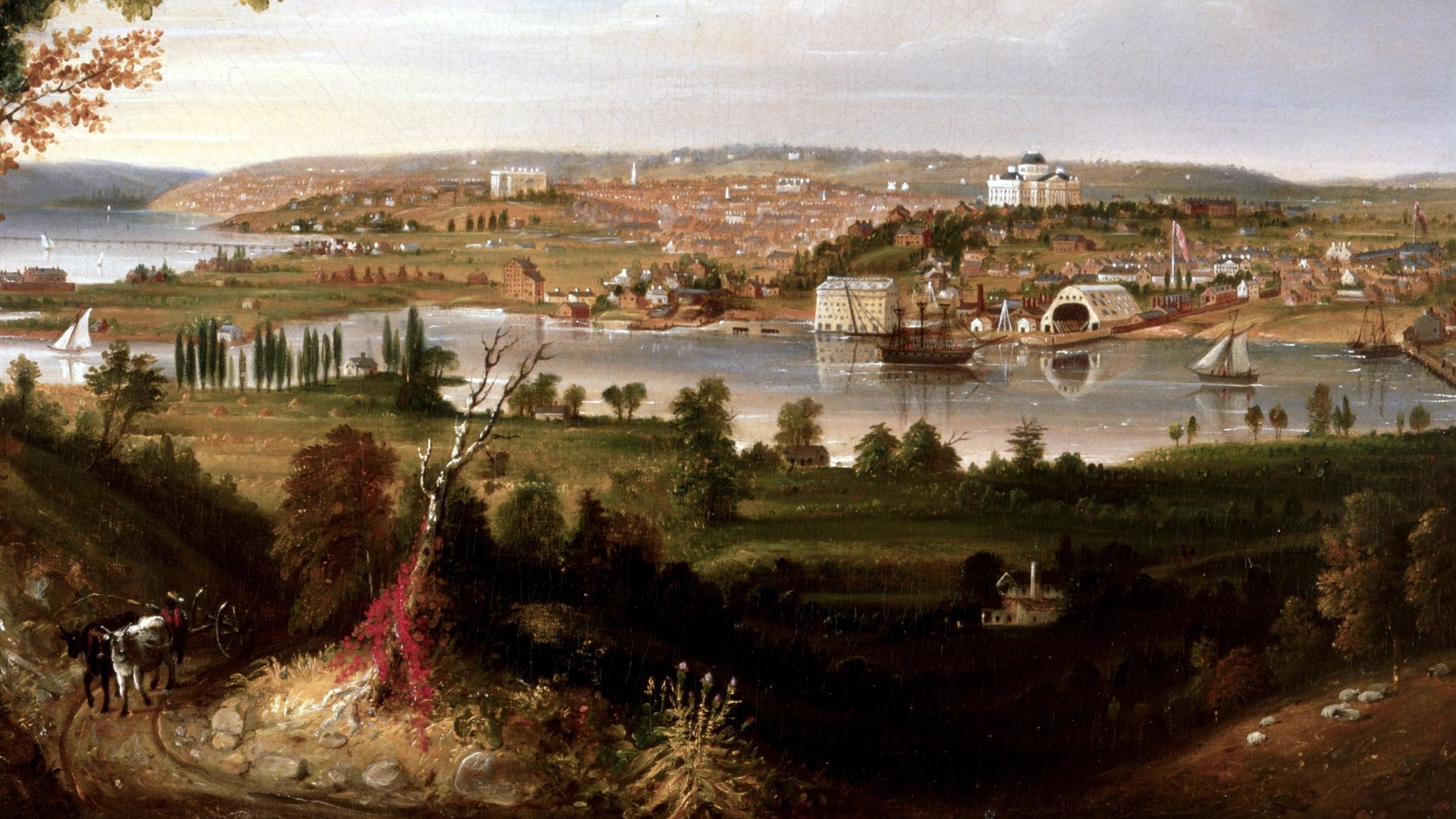
A decade earlier, there had been no such place as Washington, DC, on the Potomac River. Founded by the Residence Act of 1790, the new capital would be a modern metropolis laid out in a grid system and with grand boulevards and public spaces everywhere. In the short term, though, it was not a promising place to live: if not hectic with the constant building works, there was nothing around but forests and some wetlands, where sanitation was poor and conditions were cold to freezing.
 George Cooke, Wikimedia Commons
Site Picked By George Washington
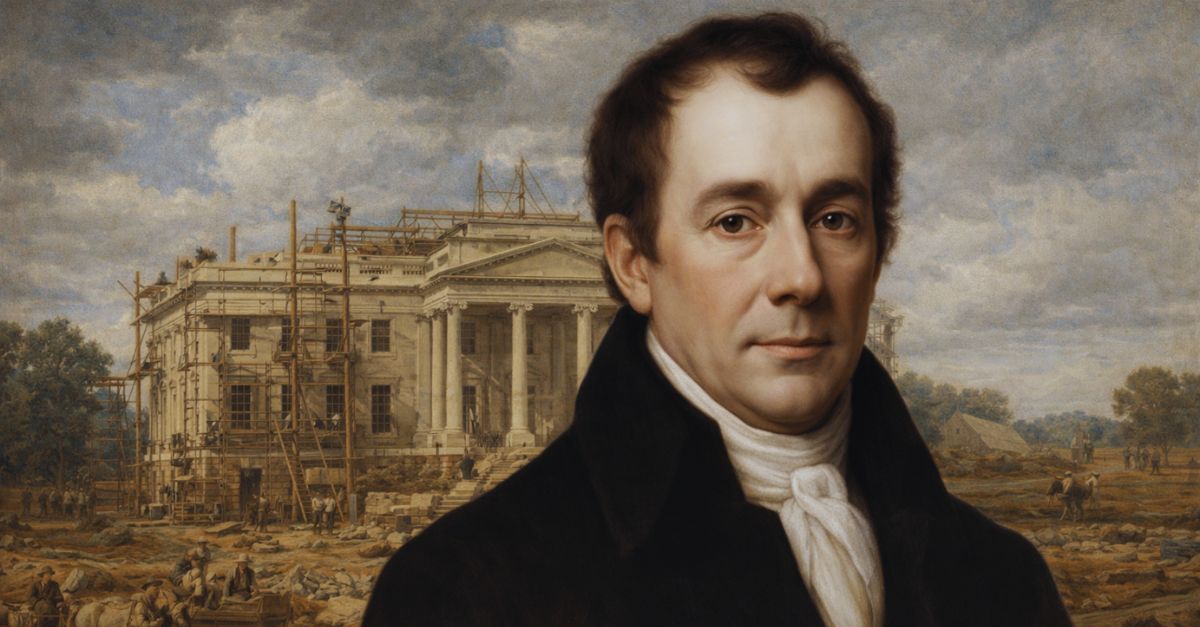
Still, this would be the home of the president. George Washington, the first man elected to the office, personally chose the site for what would be the White House along with city planner Pierre Charles L’Enfant, and launched a competition for the building’s design.
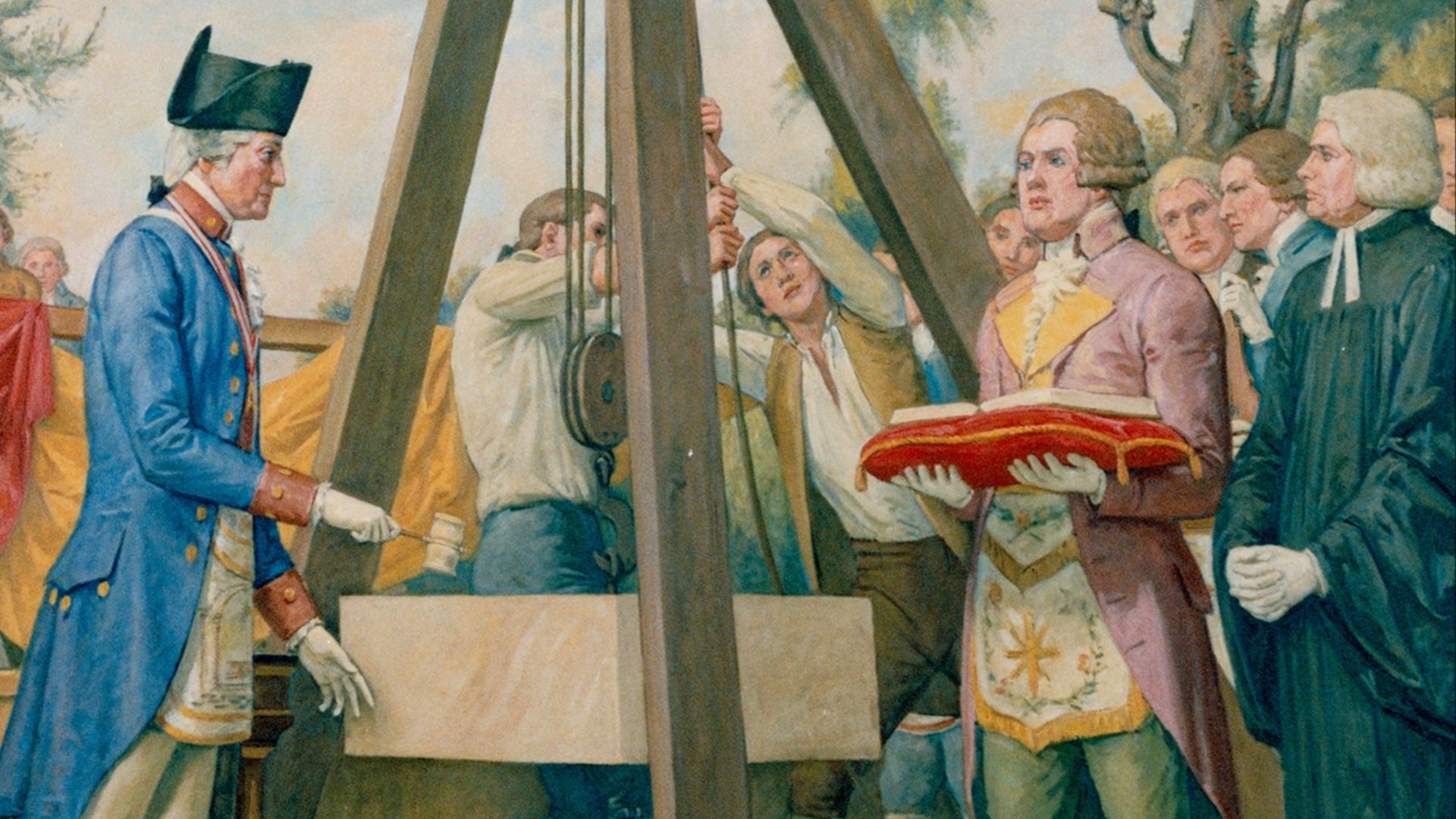
Construction of the White House got underway with the laying of the cornerstone on 13 October 1792. But the the so-called ‘Presidential Palace' would not be finished until after Washington had left office.
 U.S. Government, Wikimedia Commons
Constant Additions
Even by 1800, when Adams moved in, the building was far from complete. It would be added to, repaired and extended many times throughout the years, not least when it had to be reconstructed following the War of 1812.
The photogenic South Portico was added in 1824, followed by the North Portico, completed in 1830. The West Wing was added in 1902 and within, in 1909, the first iteration of the Oval Office. The East Wing was developed in 1942 – it is the focus of a sweeping renovation by President Trump that will see a 90,000-square-foot ballroom added to the building. The White House currently boasts a total of 132 rooms.
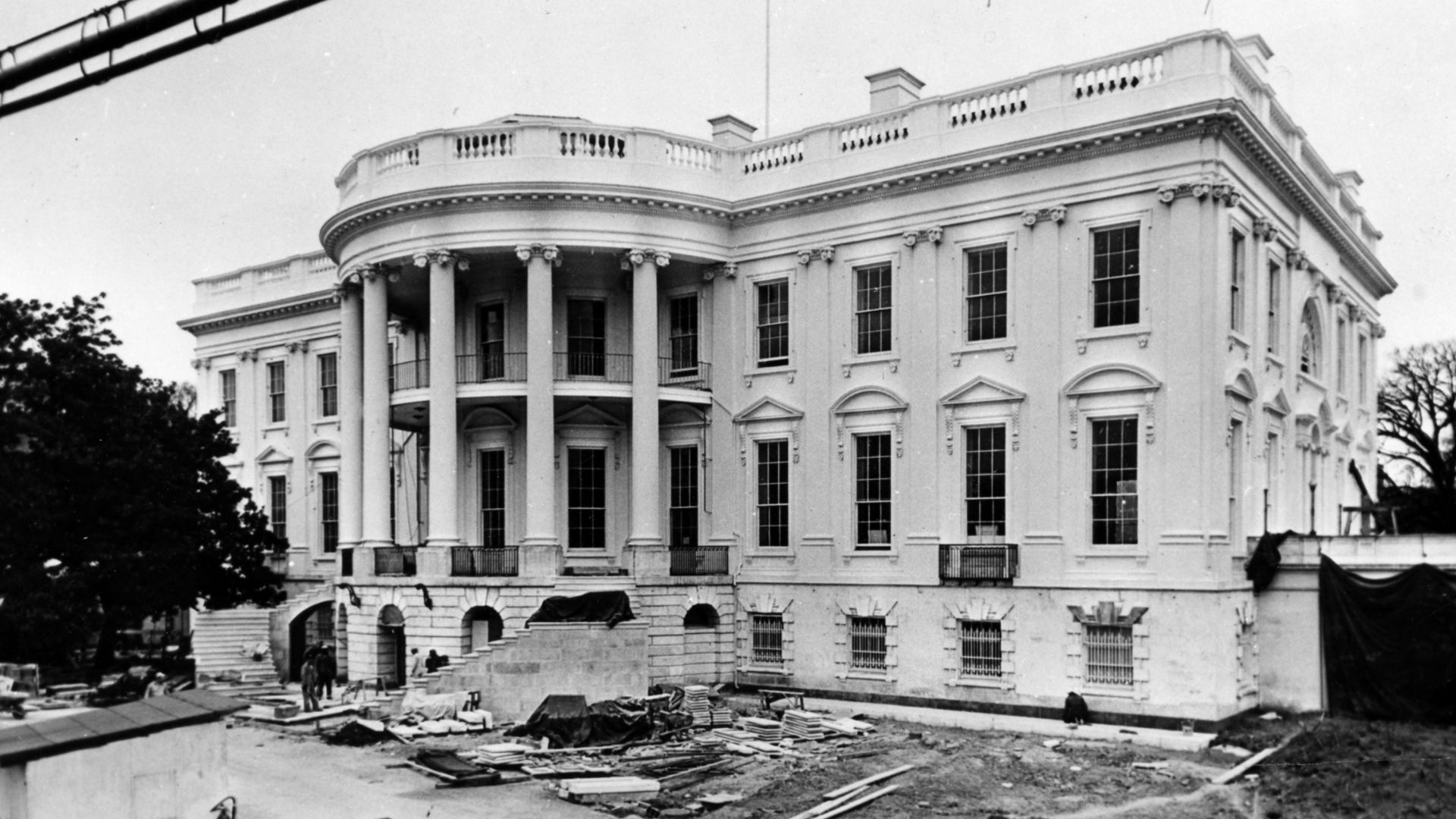
Why Is It Called The White House?
The home of the President of the United States is called the White House in reference to its covering with lime-based whitewash to protect the porous sandstone it is built from.
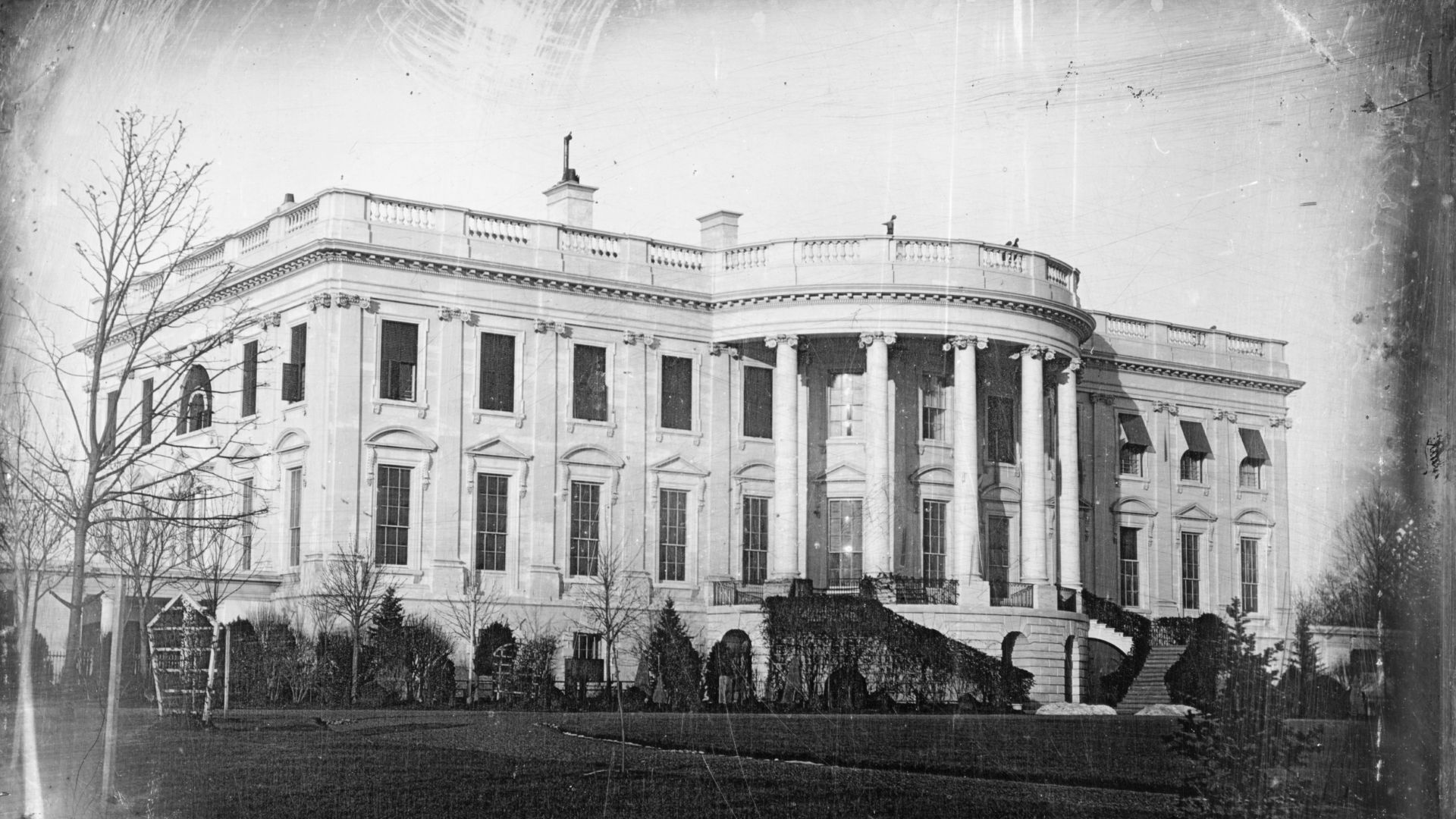 John Plumbe, Wikimedia Commons
The Paint Was Too Thick
By President Jimmy Carter’s administration (1977–81), the paint was so thick that visitors couldn’t see the carving details above the windows and doors, or any of the beautiful molding.
The White House underwent a significant external renovation to strip the many layers of paint, which took 20 years and wasn’t completed until President Bill Clinton’s administration (1993–2001). When finished, over 45 coats of paint had been removed from the exterior walls.
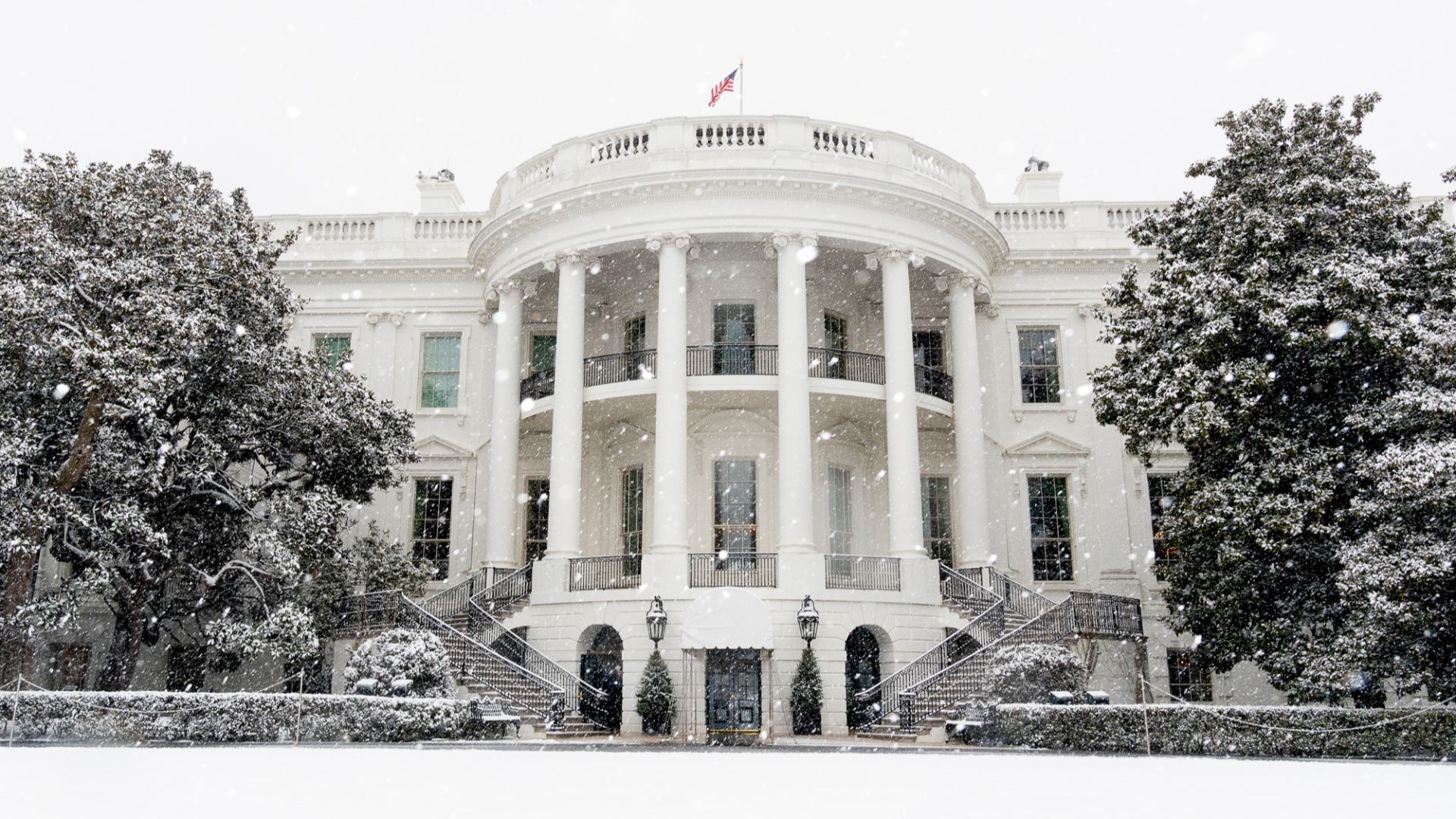 The White House from Washington, DC, Wikimedia Commons
Designed By James Hoban
The White House was designed by Irish-born architect, James Hoban – whose vision of a neoclassical mansion in the Palladian style won him Washington's competition – but it was built by hundreds of workers, including enslaved people.
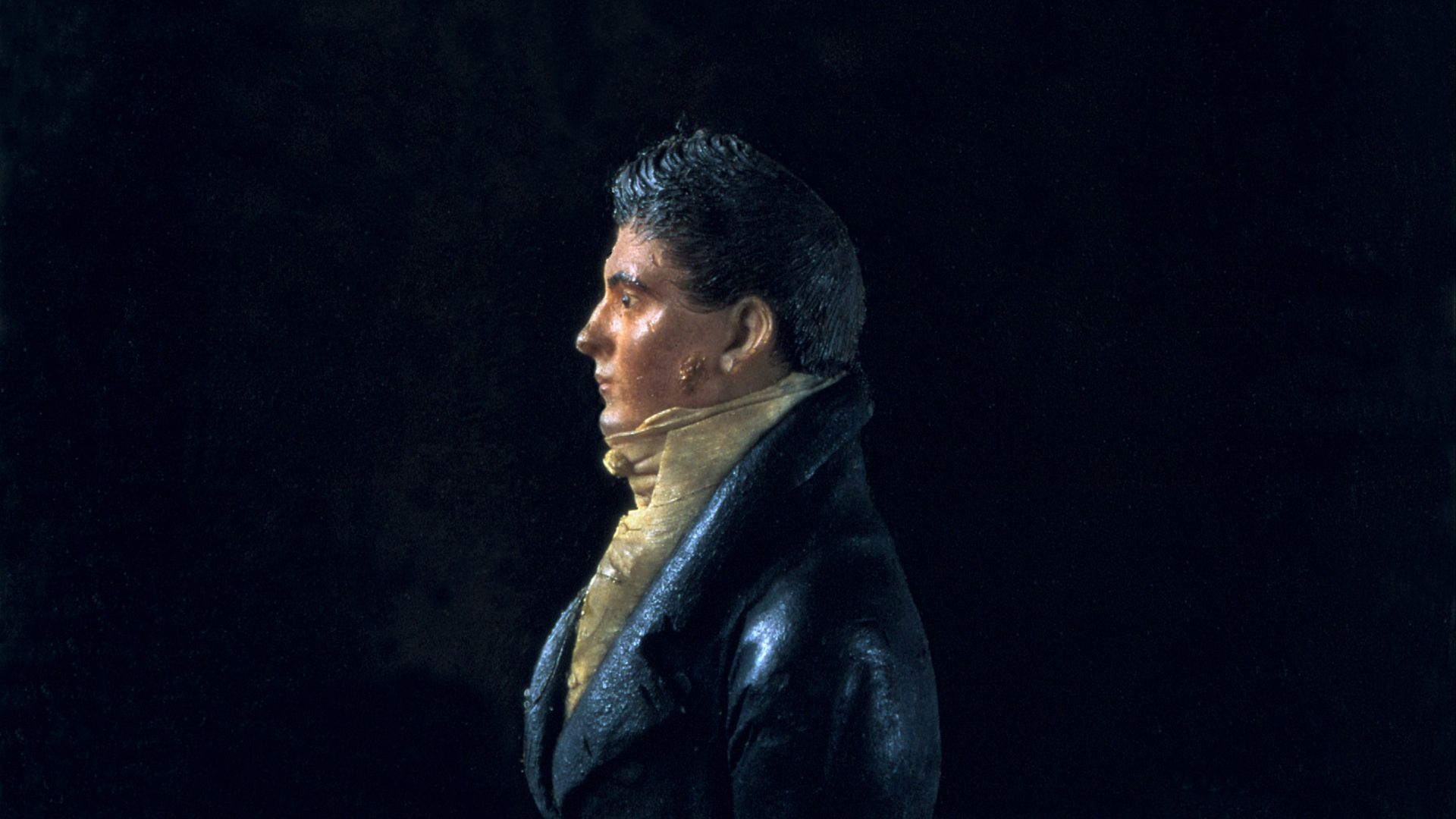 Attributed to John Christian Rauschner, Wikimedia Commons
Who Actually Built It?
Over the next eight years, a mix of free African-American and white wage labourers, enslaved workers, and skilled craftsmen built the White House. They worked in a variety of positions, including basic labourers, overseers, sawyers, carpenters, stone workers, and bricklayers.
Some of the enslaved workers were owned by the city commissioners charged with overseeing the project, or by Hoban himself. The vast majority, however, were hired out from their owners in Washington, DC, as well as Virginia, and Maryland, who then pocketed the enslaved peoples’ wages.
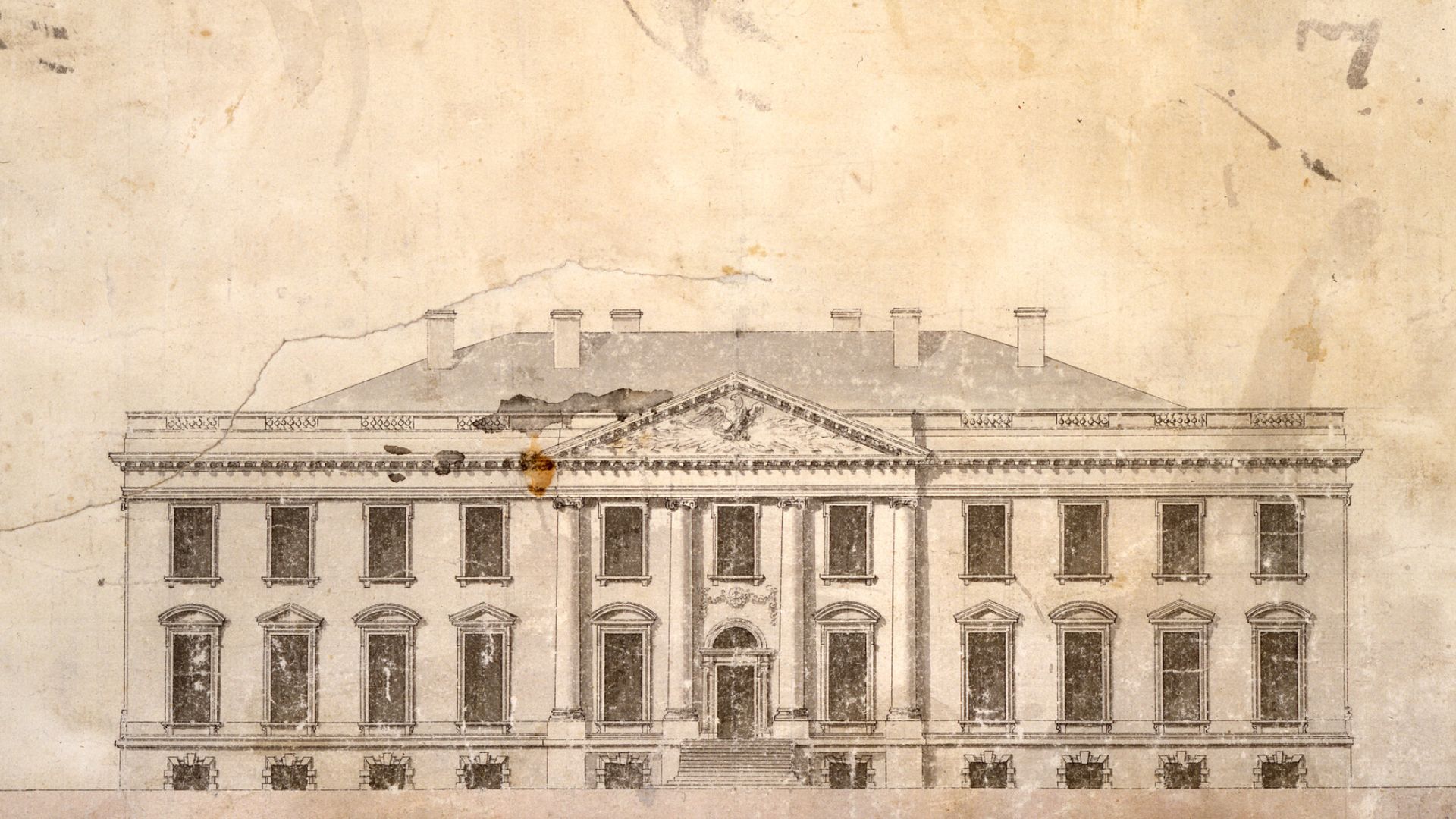 James Hoban, Wikimedia Commons
Capital Building Was Also Being Built
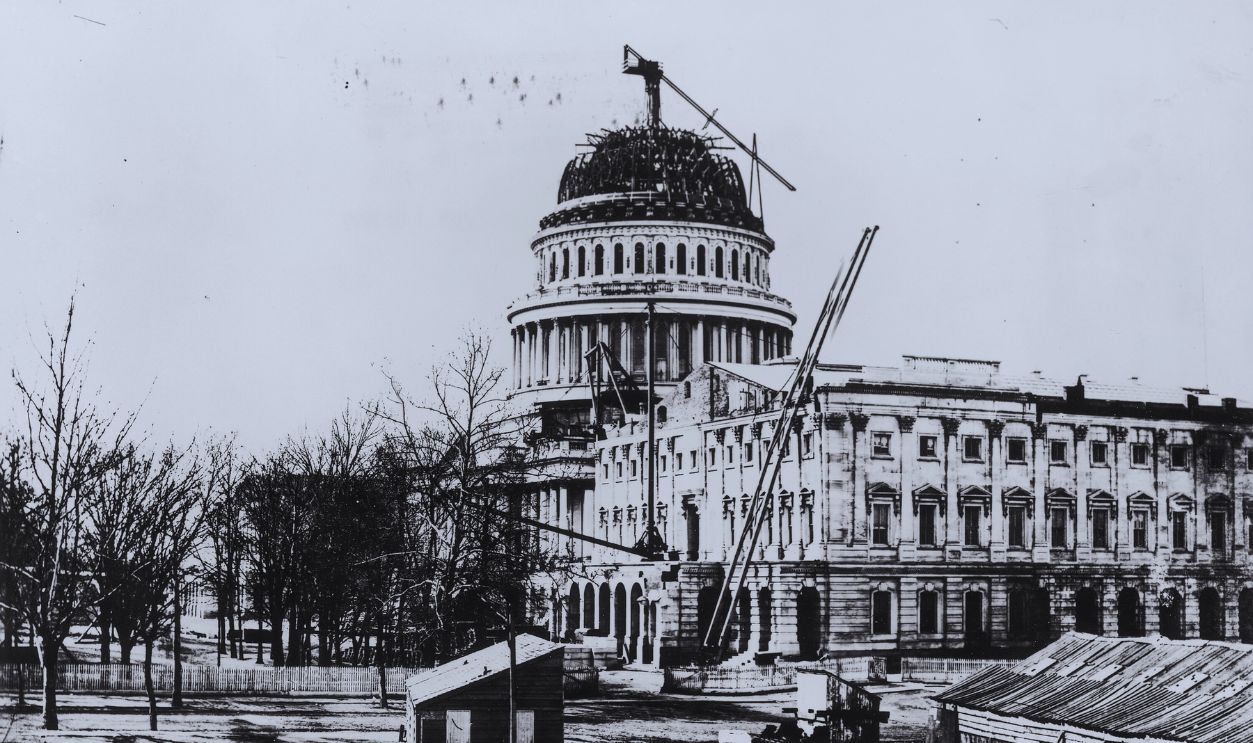
The construction crews were often shuttled back and forth between the White House and the Capitol building sites (which were also built using enslaved labour), depending on which location needed labour or had available materials at any given moment.
Was It Really Burned Down?
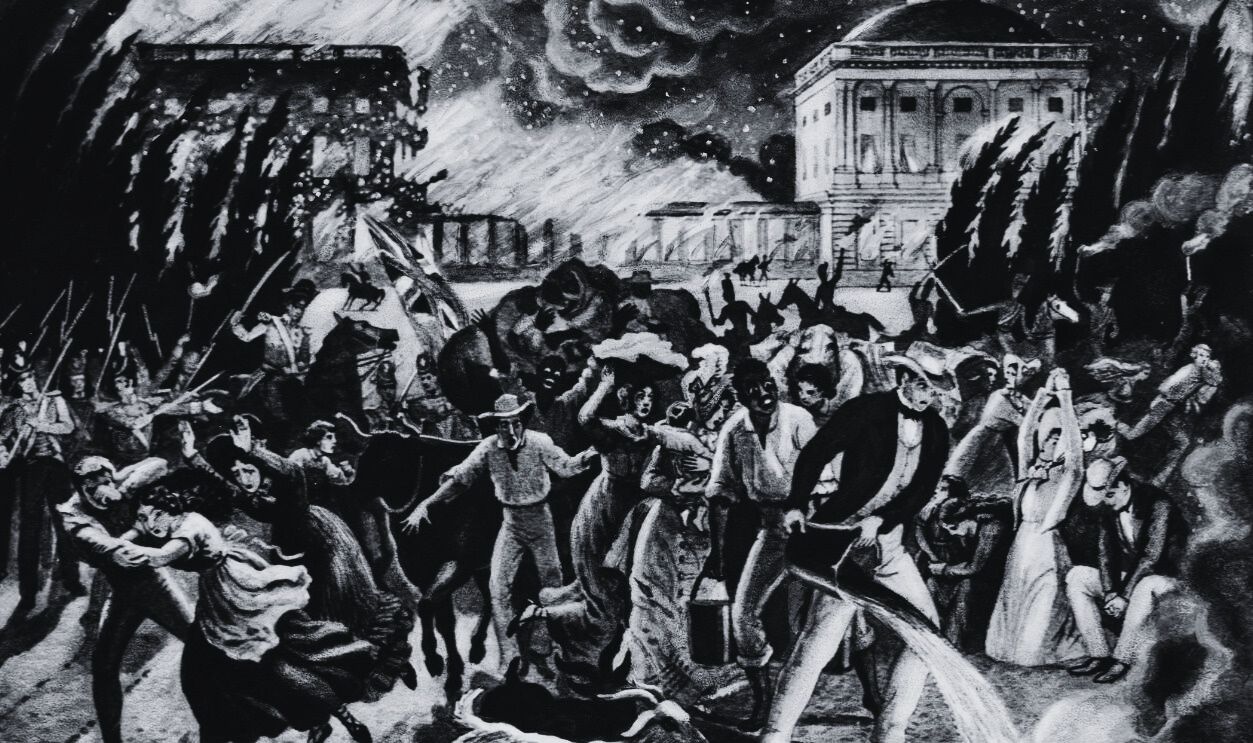
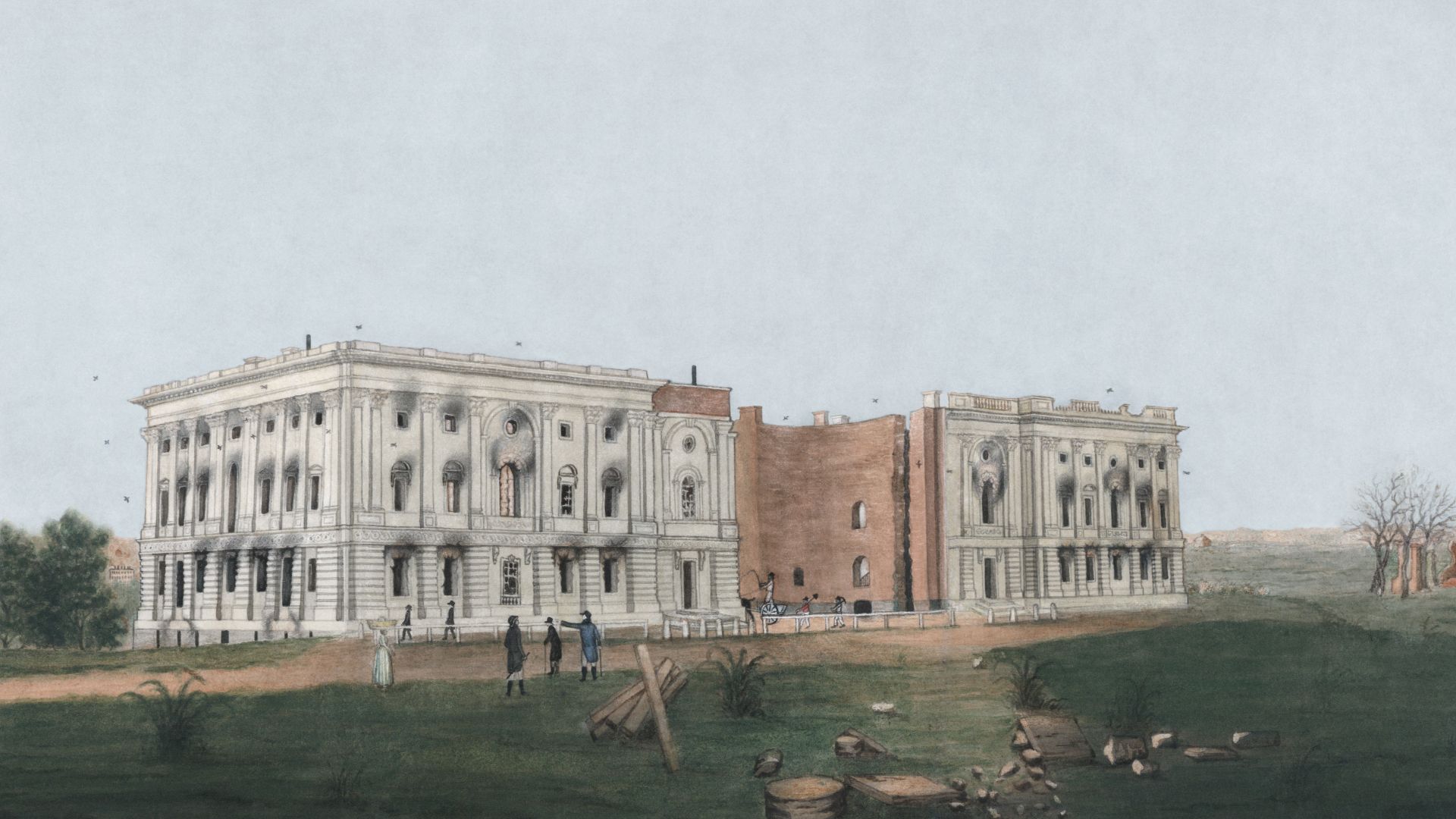
Yes. In August 1814, British forces marched into Washington, DC and burned all public buildings in retaliation for the destruction of York [now Toronto, Canada], the year prior. After enjoying a lavish meal laid out by First Lady Dolley Madison, the British forces set fire to the White House.
The Rain Made It Worse
Urban legend suggests that a rain storm arrived and saved the White House. The truth, however, is that the rain actually made the damage worse. While the wet weather saved the surrounding buildings from catching fire, it nearly destroyed the walls of the White House. The stone walls were incredibly hot from the fire and the cold rain caused them to shrink rapidly and crack.
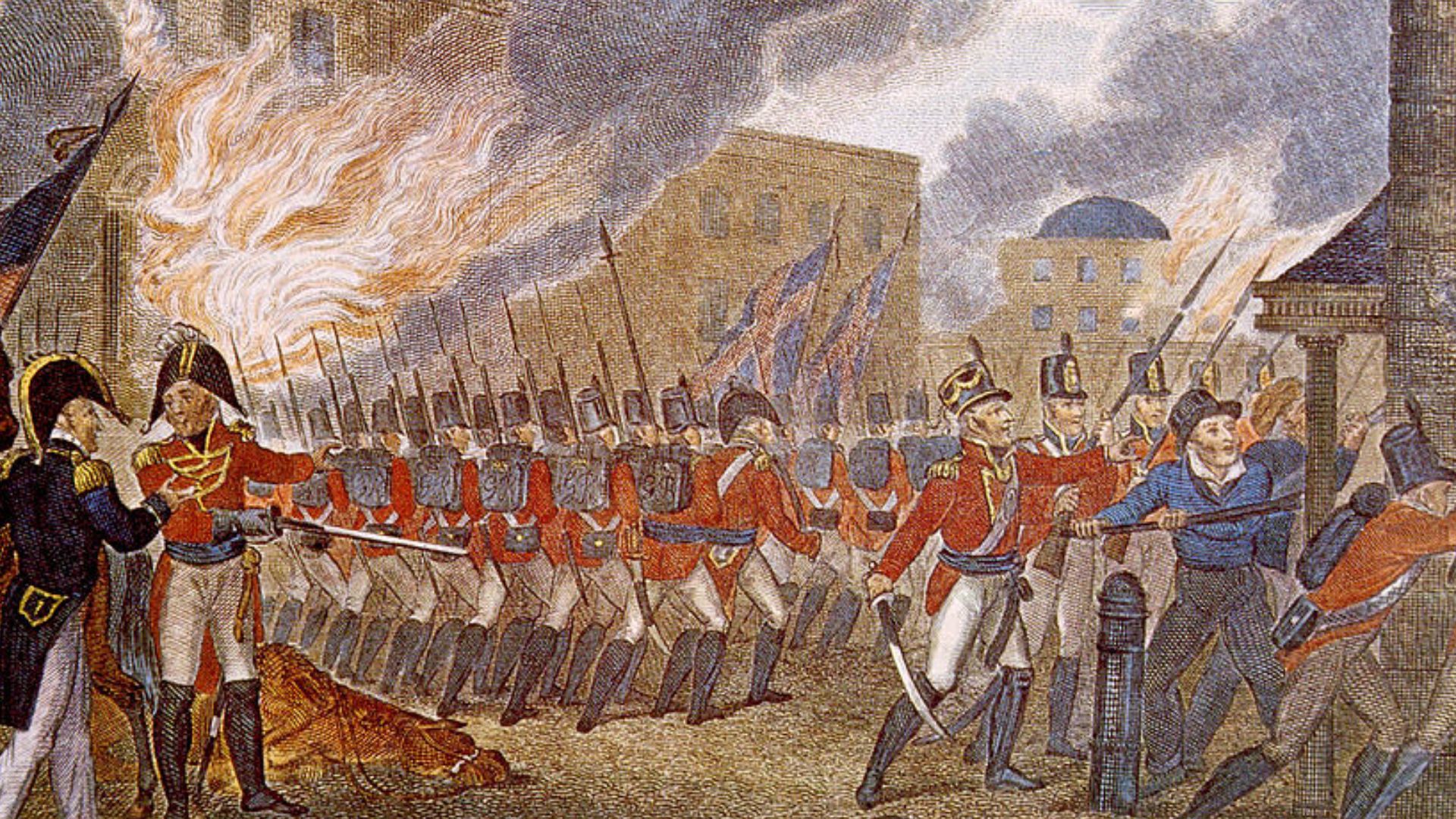 Book: Paul M. Rapin de Thoyras, Wikimedia Commons
Congress Moved To Rebuild Immediately
Congress quickly appointed a commission to investigate the damage and rebuild the White House. The investigators discovered that almost everything inside had been destroyed except for a few pots and pans in the basement kitchens, but their report concealed the extent of the damage to get the rebuilding process started immediately.
 George Munger, Wikimedia Commons
The Push To Move The Capital
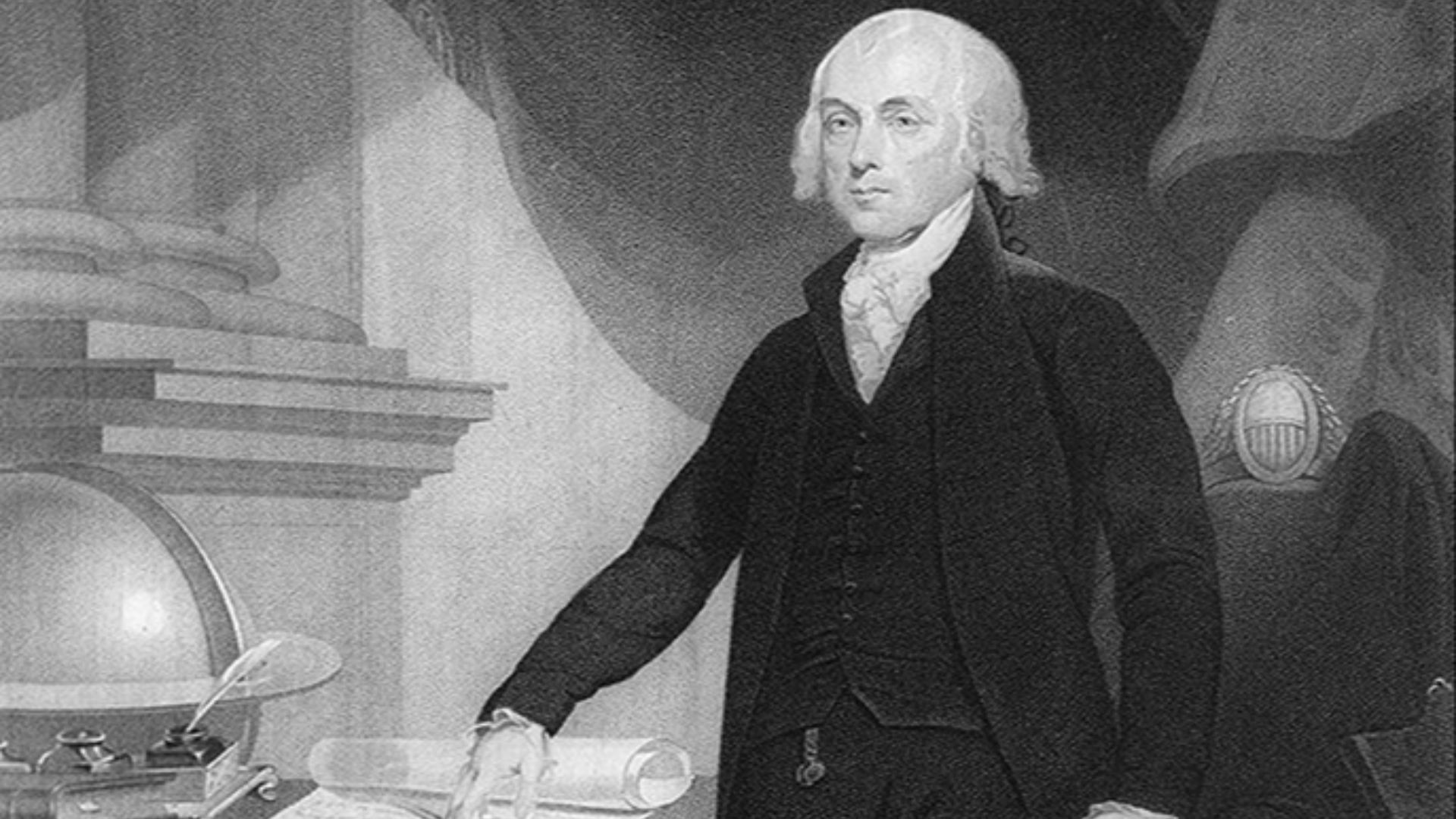
Some officials wanted to move the capital to a more developed city – like Philadelphia, New York, or Charleston – because lodging, food, and entertainment options were still quite limited in DC. Furthermore, representatives from states far away from DC, like New Hampshire or Georgia, wanted to shorten their travelling time. They saw the destruction of the White House as an opportunity to move the capital. Eager to maintain a historic link with the earlier presidents, Presidents James Madison and James Monroe rushed to rebuild the White House exactly as before. They even hired the same architect, James Hoban, to complete the renovation.
 Edwin, David, 1776-1841, engraver., Wikimedia Commons
Home To Many Pets
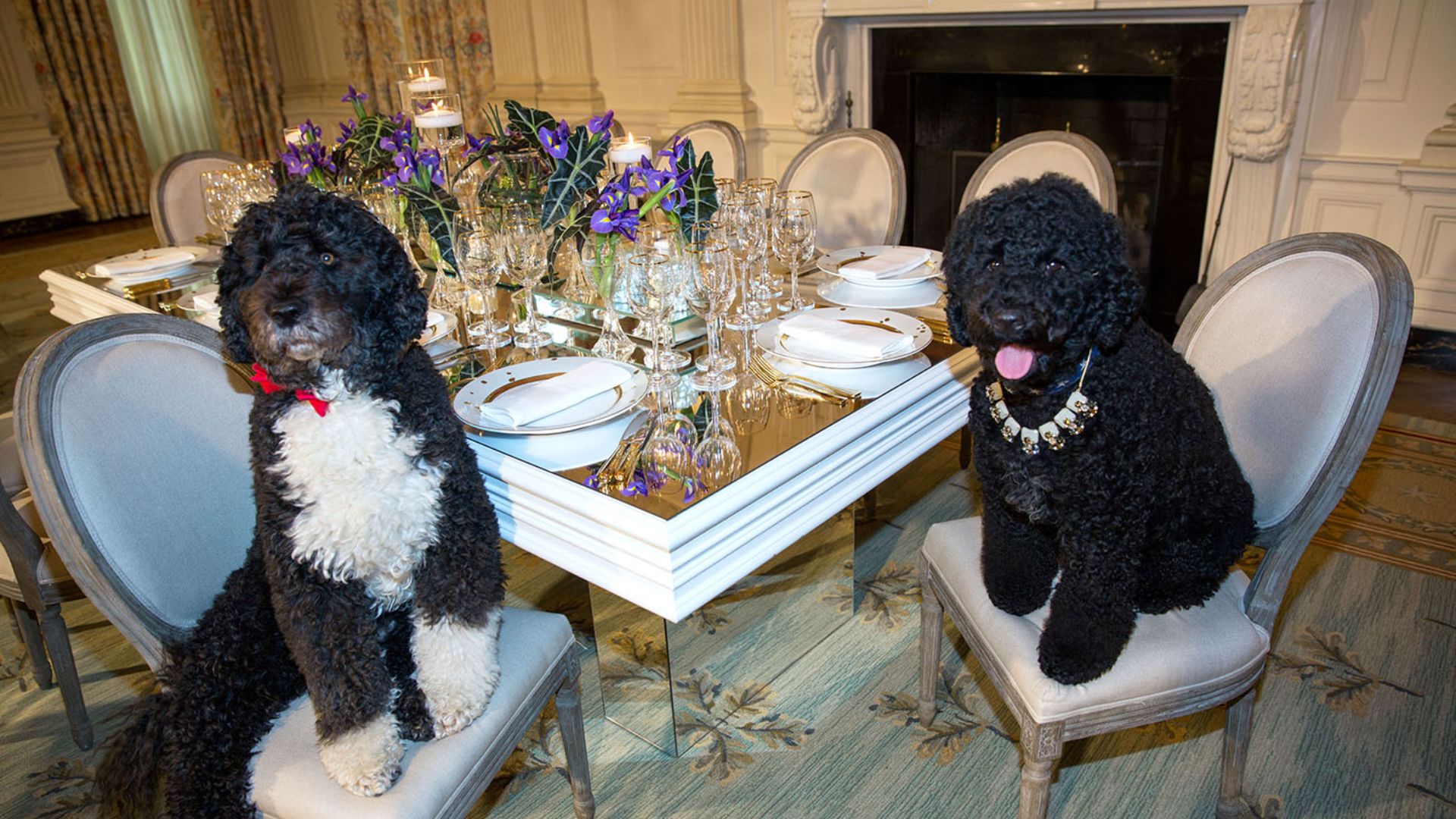
Most people are familiar with the dogs that have lived in the White House – such as Bo and Sunny Obama, or President George W Bush and First Lady Laura Bush’s Scottish terriers, Barney and Miss Beazley. But there have been a menagerie of animals that have called the grounds home.
 The White House from Washington, DC, Wikimedia Commons
Including Sheep
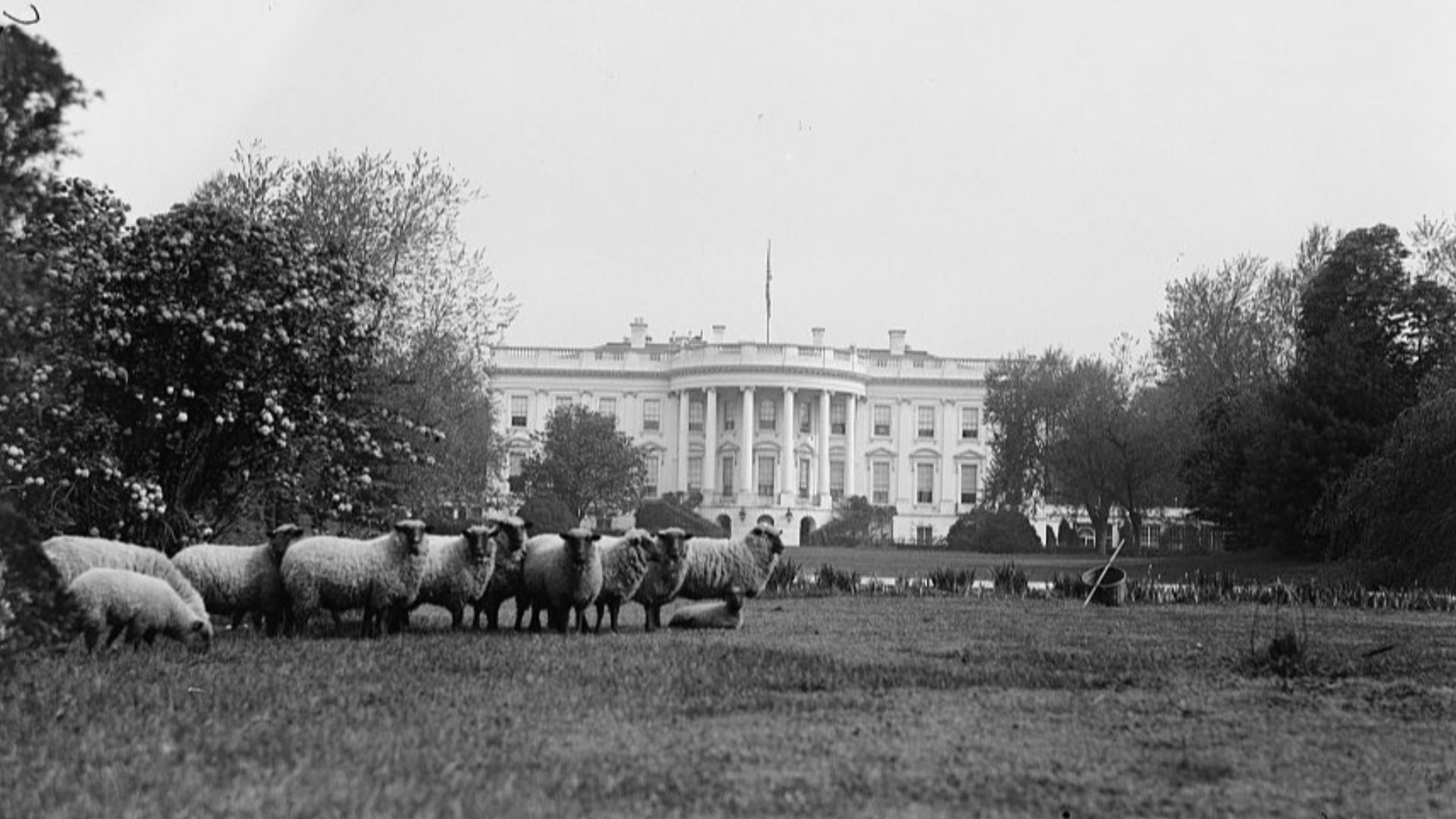
President Woodrow Wilson welcomed a herd of sheep to the South Lawn and they donated their wool to the Red Cross to create uniforms for soldiers during the First World War. One particularly adventuresome ram named Hi caused a bit of trouble when he repeatedly broke into the Oval Office.
 Harris Ewing, Wikimedia Commons
And A Raccoon
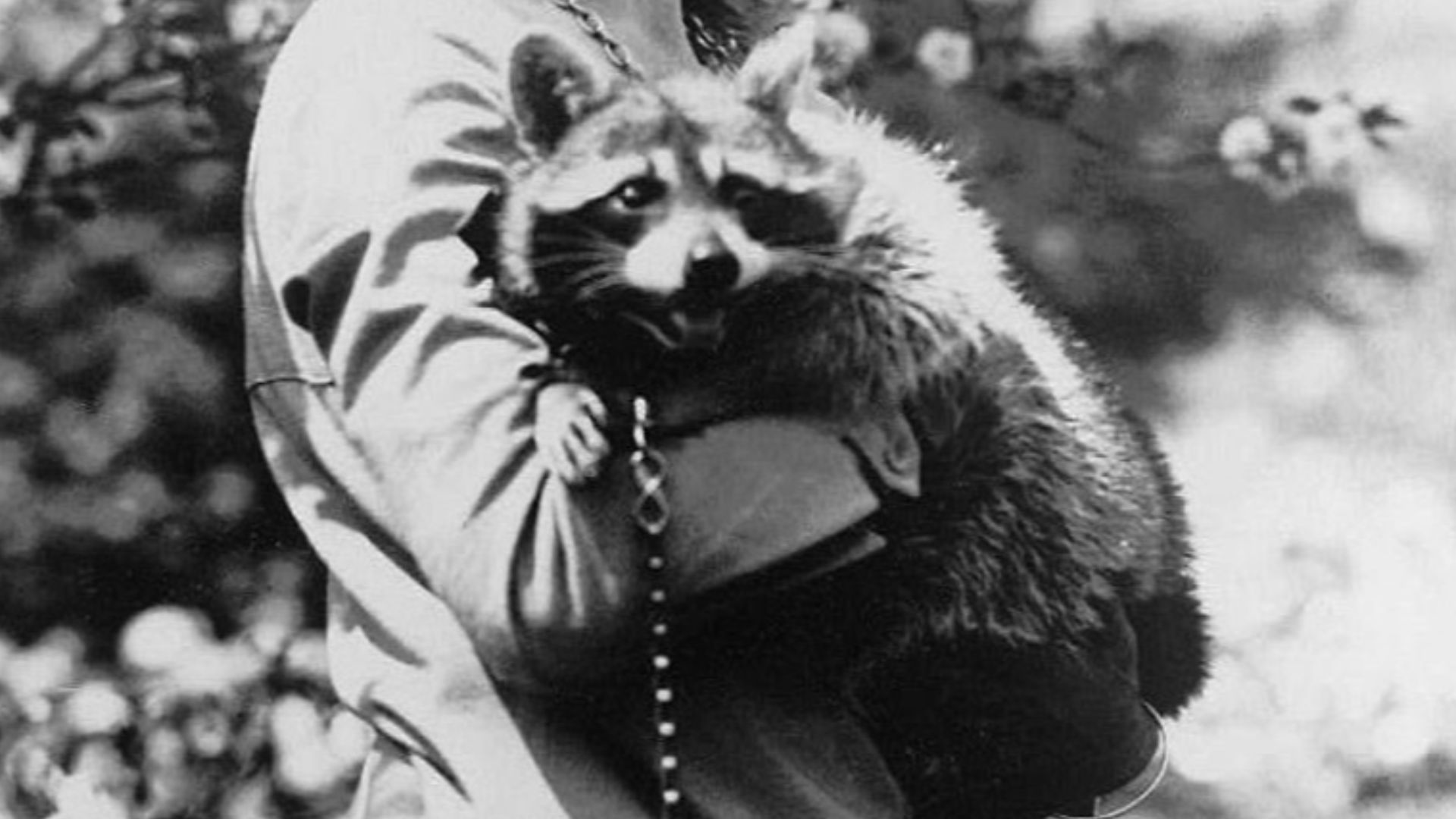
John F Kennedy’s daughter, Caroline, had a pet pony named Macaroni; First Lady Grace Coolidge had a raccoon named Rebecca; and President William H Taft had a cow, Pauline Wayne, which roamed in front of the Old Executive Office Building.
Perhaps best of all, Alice Roosevelt (Theodore Roosevelt’s daughter) had a garter snake named Emily Spinach that she carried around in her purse and pulled out as a conversation piece at parties.
 Unknown authorUnknown author, Wikimedia Commons
Extensive Underground
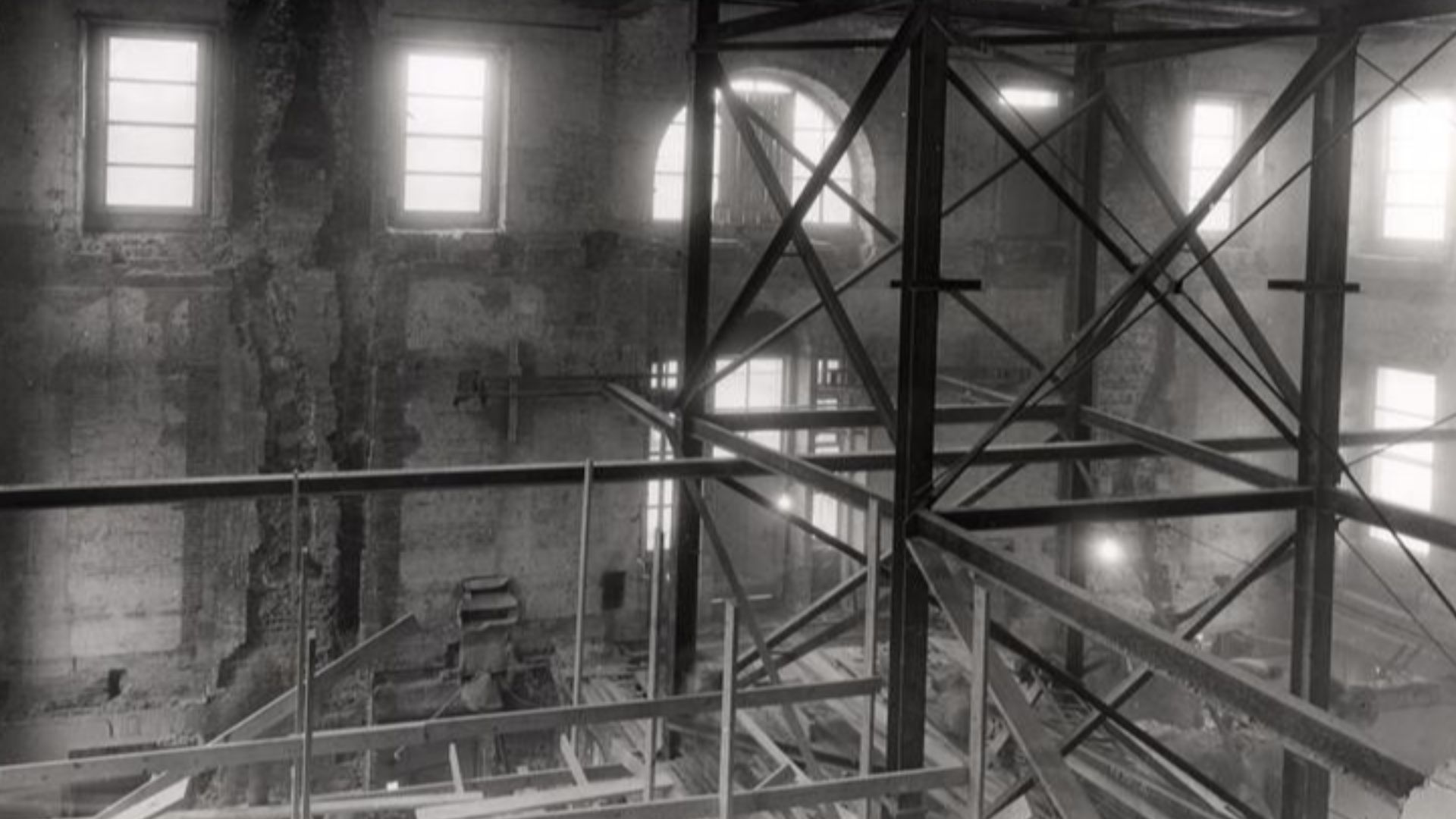
There are three floors above ground (the State Floor and two floors for the residence), and three floors below ground. While much of the State Floor and residence layout has remained the same since its construction, many other areas of the White House have changed dramatically.
 Abbie Rowe, National Park Service, Wikimedia Commons
The Basement Wasn't Always Nice
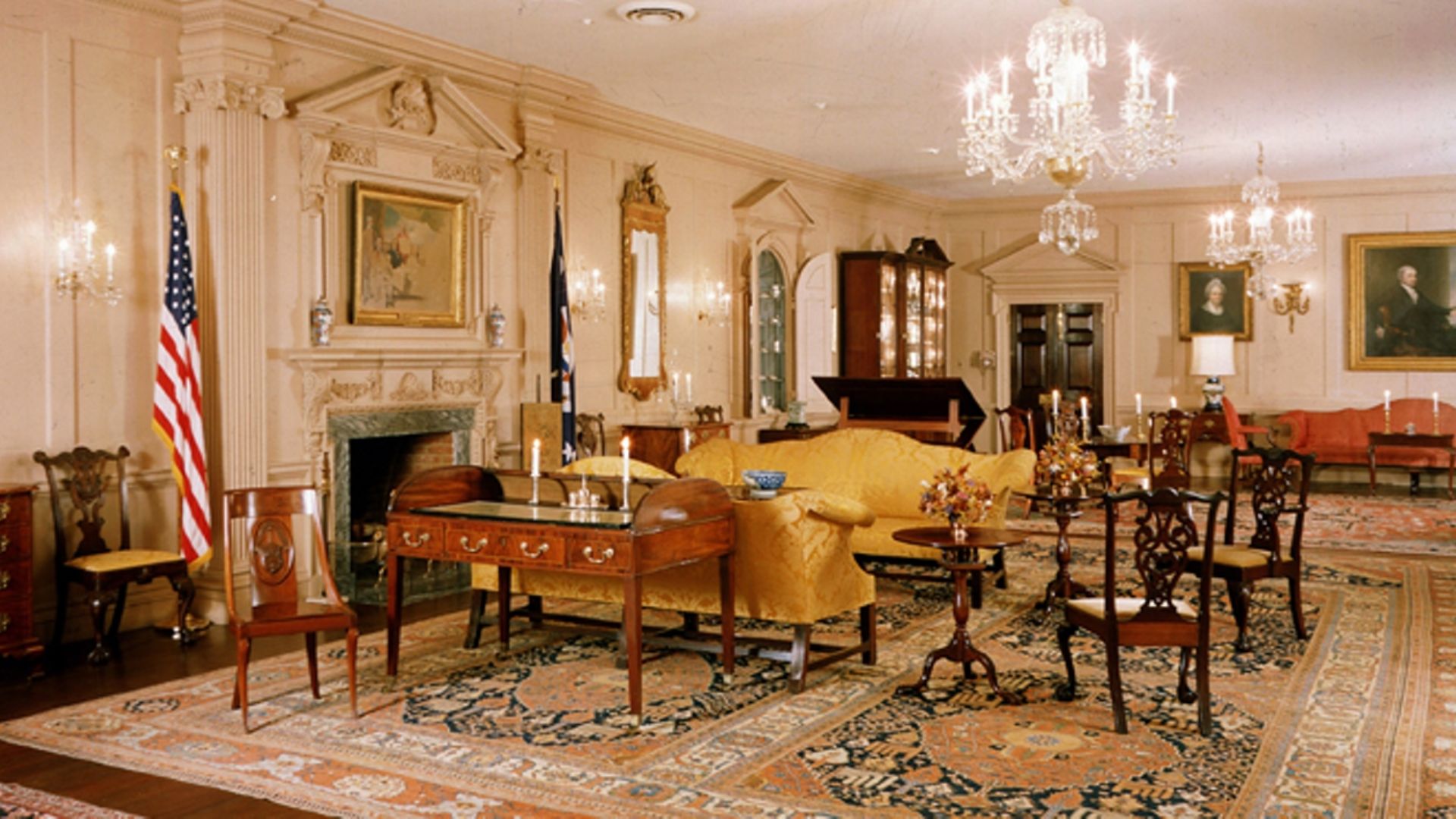
When you enter the White House today, you would probably enter on the Ground Floor, or the first of the basement floors. Until 1901, this floor was primarily a work space. Instead of the China Room, the Vermeil Room, the Library, and the Diplomatic Reception Room, there would have been a kitchen, a laundry room, a storage space for food and dishware, and sleeping spaces for the enslaved or free servants. The basement was notoriously damp and frequently infested with vermin and rodents.
 Unknown photographer, Wikimedia Commons
Places Lost To History
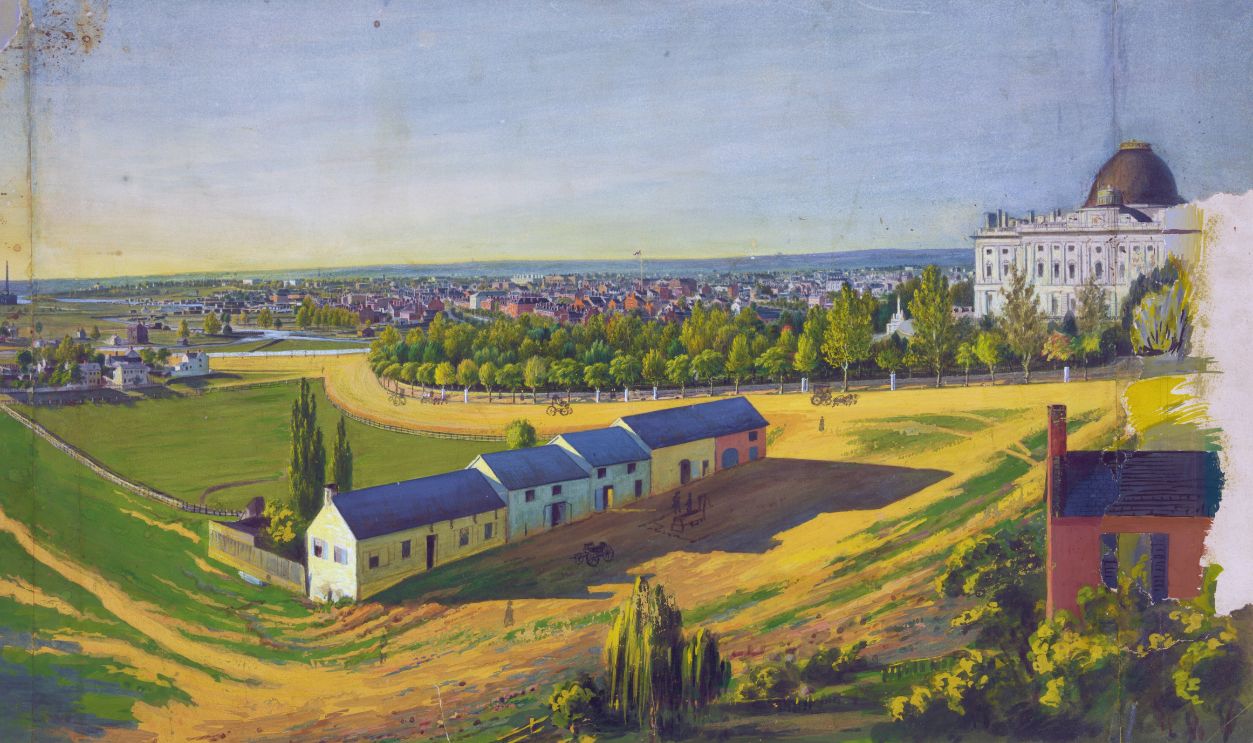
There are other spaces that have been lost to history as well. The White House had a series of stables to house the president’s horses, carriages, coachmen, and grooms. The final and most elaborate stable was converted into a garage in 1909.
 Universal History Archive, Getty Images
The Attic
The attic has also undergone many renovations. In its early years, it was used for storage, sleeping quarters for free or enslaved servants, and a hiding place for the presidents’ children. In 1913 First Lady Ellen Wilson added guestrooms and a painting studio for her own private use. During the Coolidge administration, engineers discovered problems with the roof structure. They installed a sunroom (now the solarium), larger guest and service rooms, and a new steel and concrete roof.
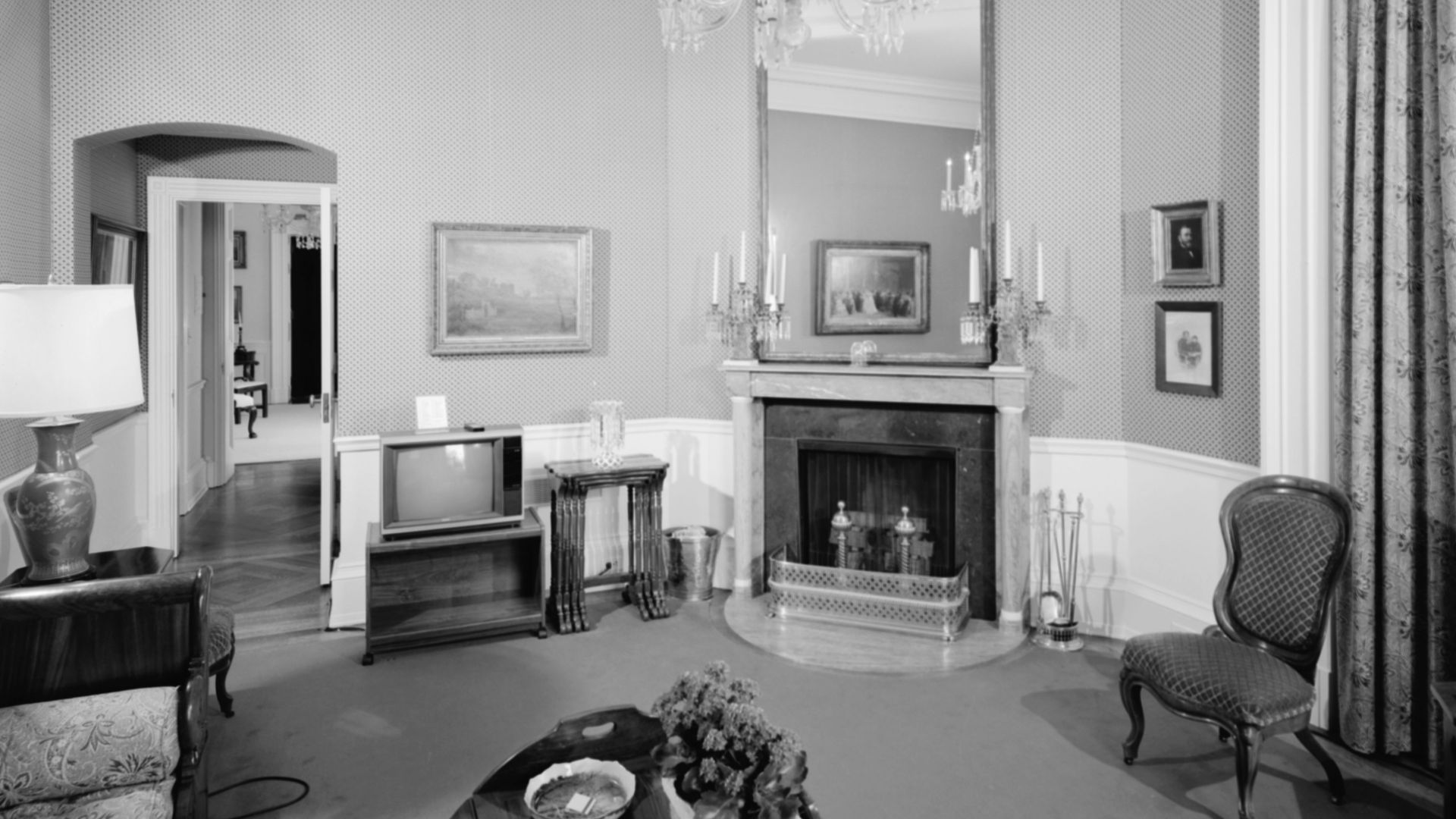 Jack E. Boucher, Wikimedia Commons
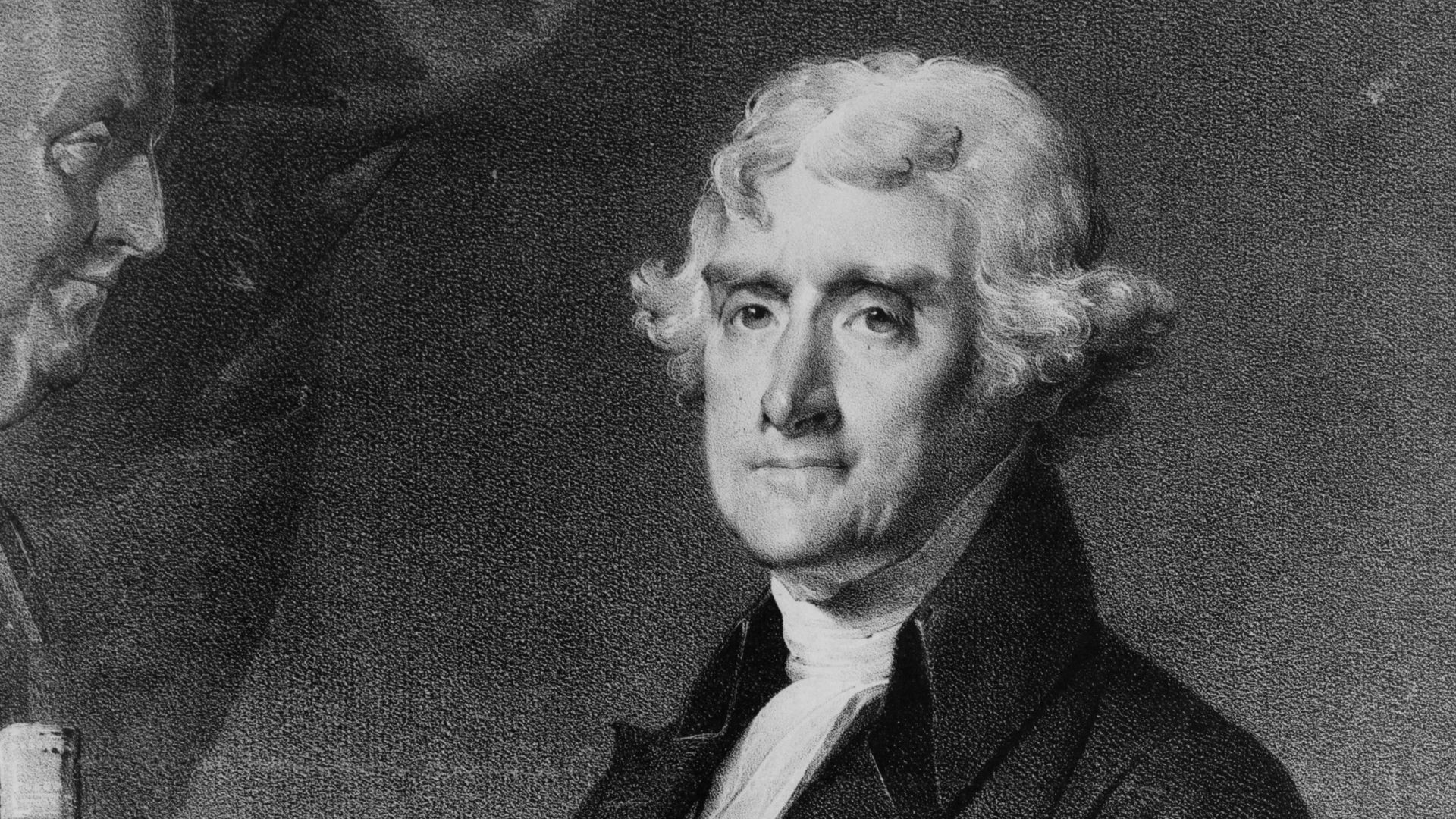
Jefferson Added The Fence
When President John Adams moved into the White House on 1 November 1800, there was no fence or gate, and the grounds were open to pedestrians. President Thomas Jefferson added a fence that enclosed the grounds, but they remained open for common use.
 Pendleton's Lithography.; Stuart, Gilbert, 1755-1828, artist, Wikimedia Commons
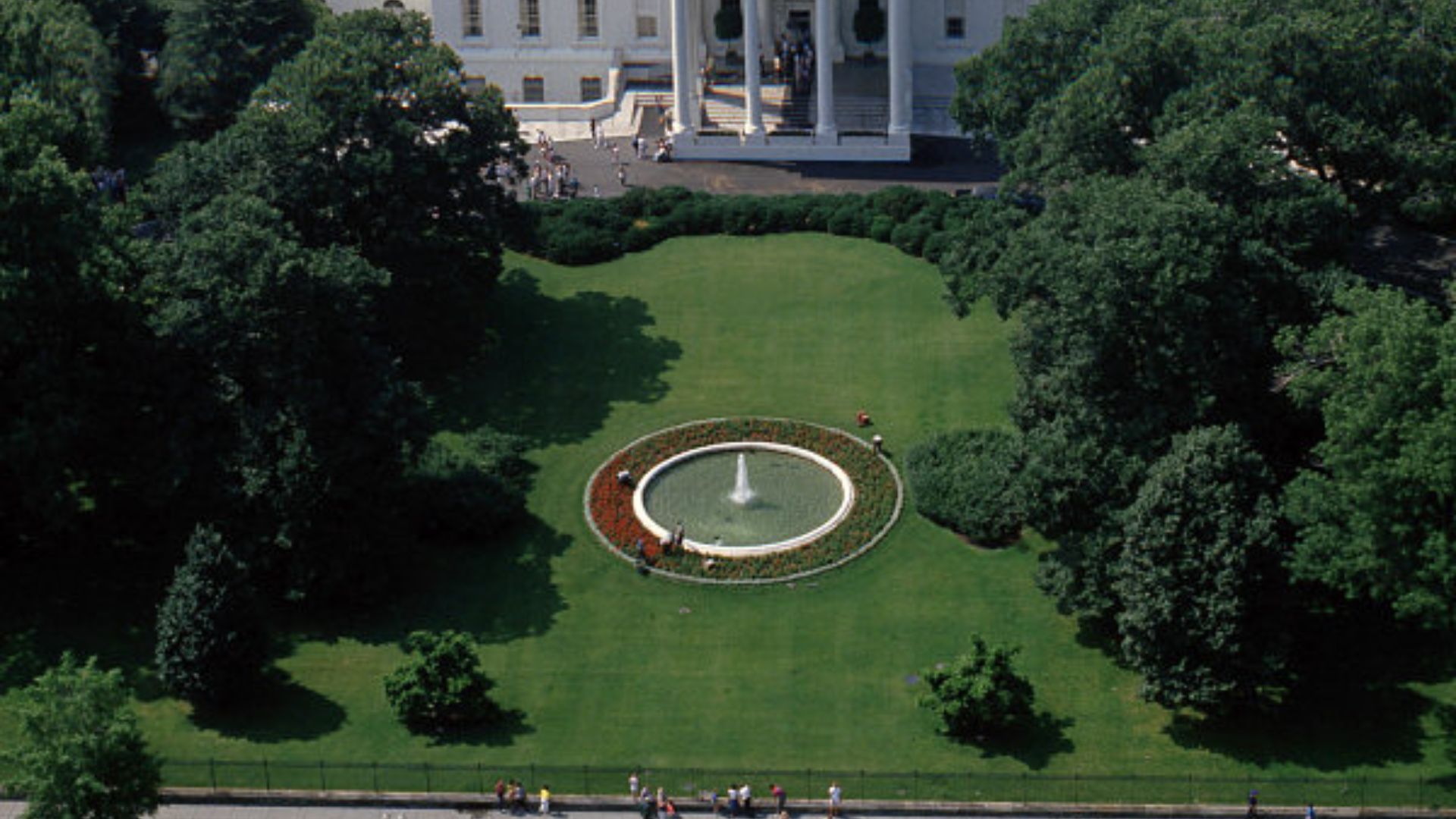
Grant Started Closing The Grounds
In 1873, President Ulysses S Grant began closing the grounds at sunset for additional security and in 1893, President Grover Cleveland closed the South Grounds, typically the first family’s garden, after strangers tried to take a picture of his young daughter, Esther. The North and South Grounds were closed permanently during Calvin Coolidge’s presidency at the recommendation of the United States Secret Service.
 P.H.C C.M. Fitzpatrick, Wikimedia Commons
Home To Cabinet Meetings
Every president has consulted a cabinet since President George Washington convened the first full cabinet meeting on 26 November 1791. While President John Adams was the first to live in the White House, President Thomas Jefferson was the first to meet with his cabinet in the White House and gathered the department secretaries in his private study on the first floor (now the State Dining Room).
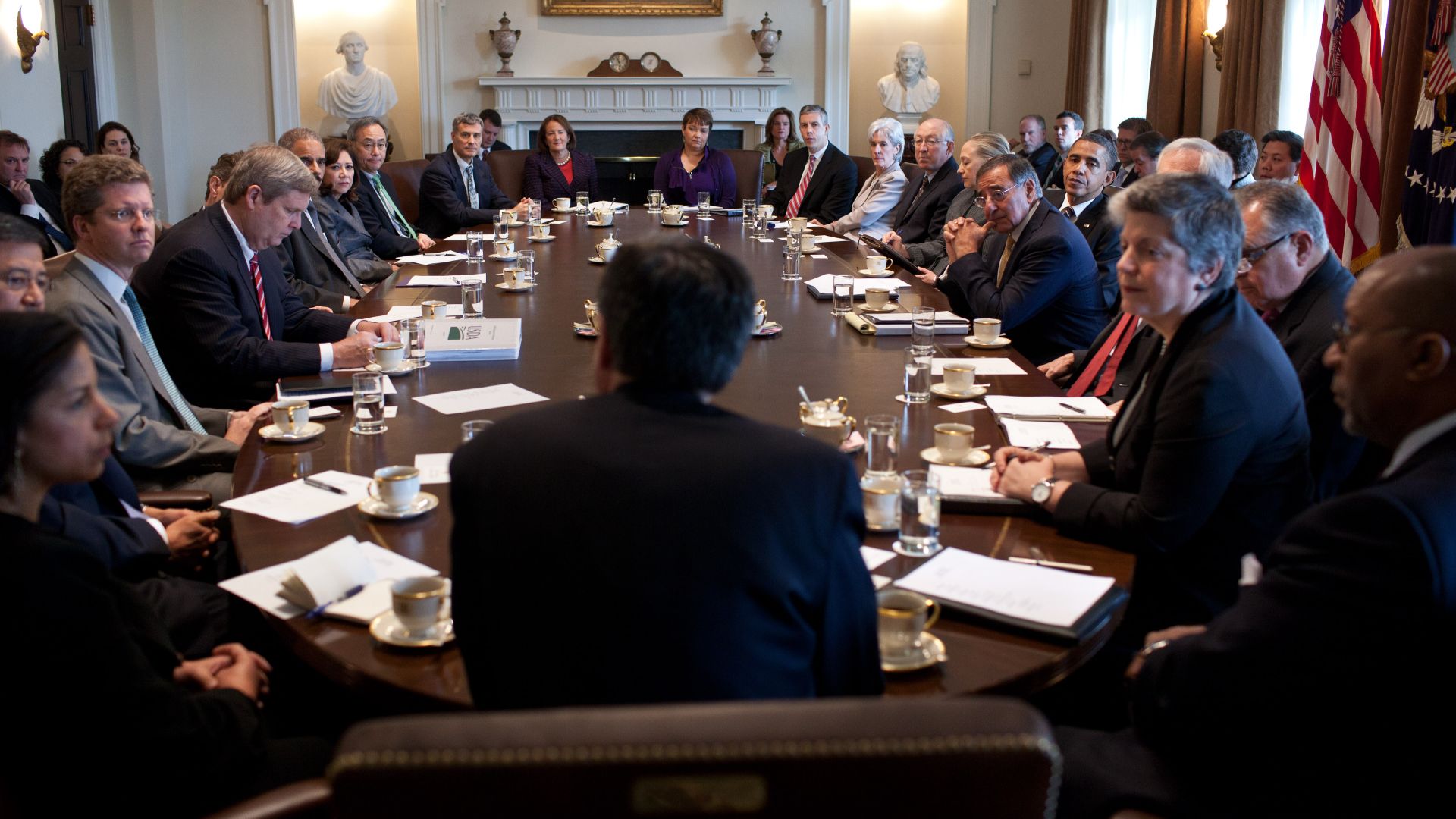
Lincoln And The Civil War
By the time of the Civil War, the president’s study had moved to the second floor and Abraham Lincoln met with the secretaries in his office in the south-east corner of the second floor (now the Lincoln Bedroom).
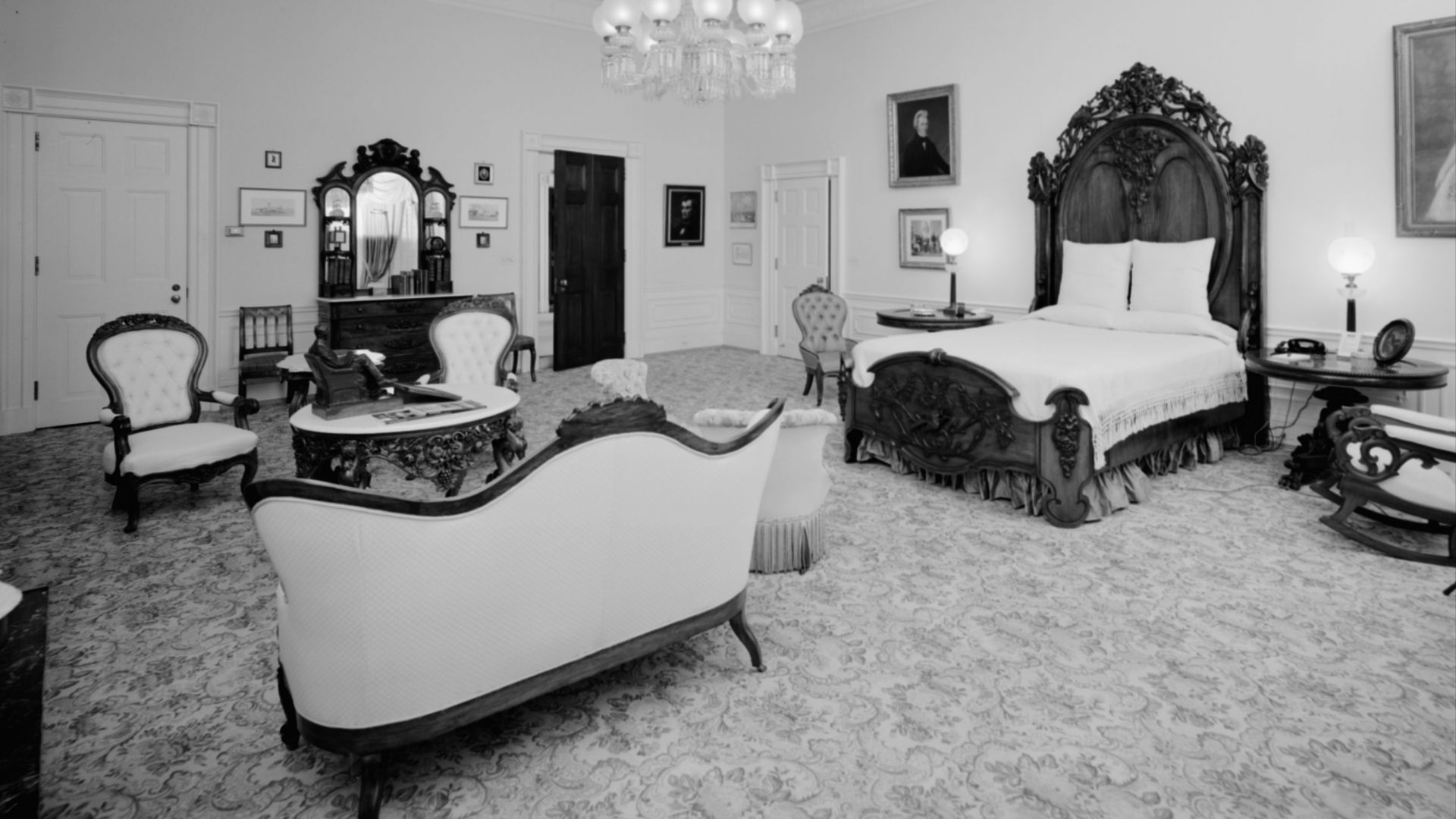 Jack E. Boucher, Wikimedia Commons
Roosevelt And The West Wing
Theodore Roosevelt built the West Wing to provide more work space for his staff, and to give his large family more room on the second floor of the original building. In 1909, President Taft expanded the West Wing, added the Oval Office, and an official Cabinet room.
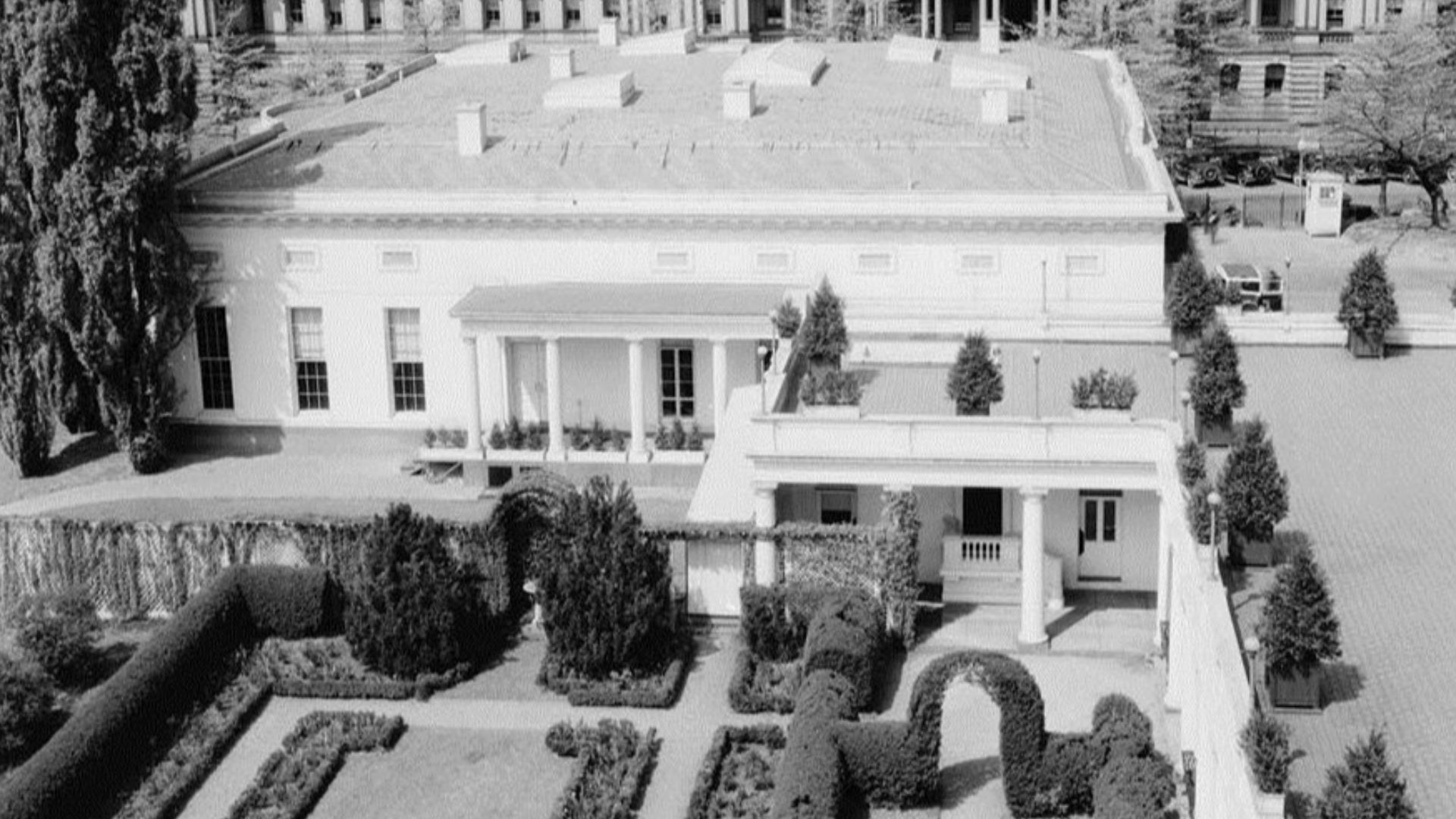 Albert S. Burns, HABS photographer., Wikimedia Commons
The Oval Office
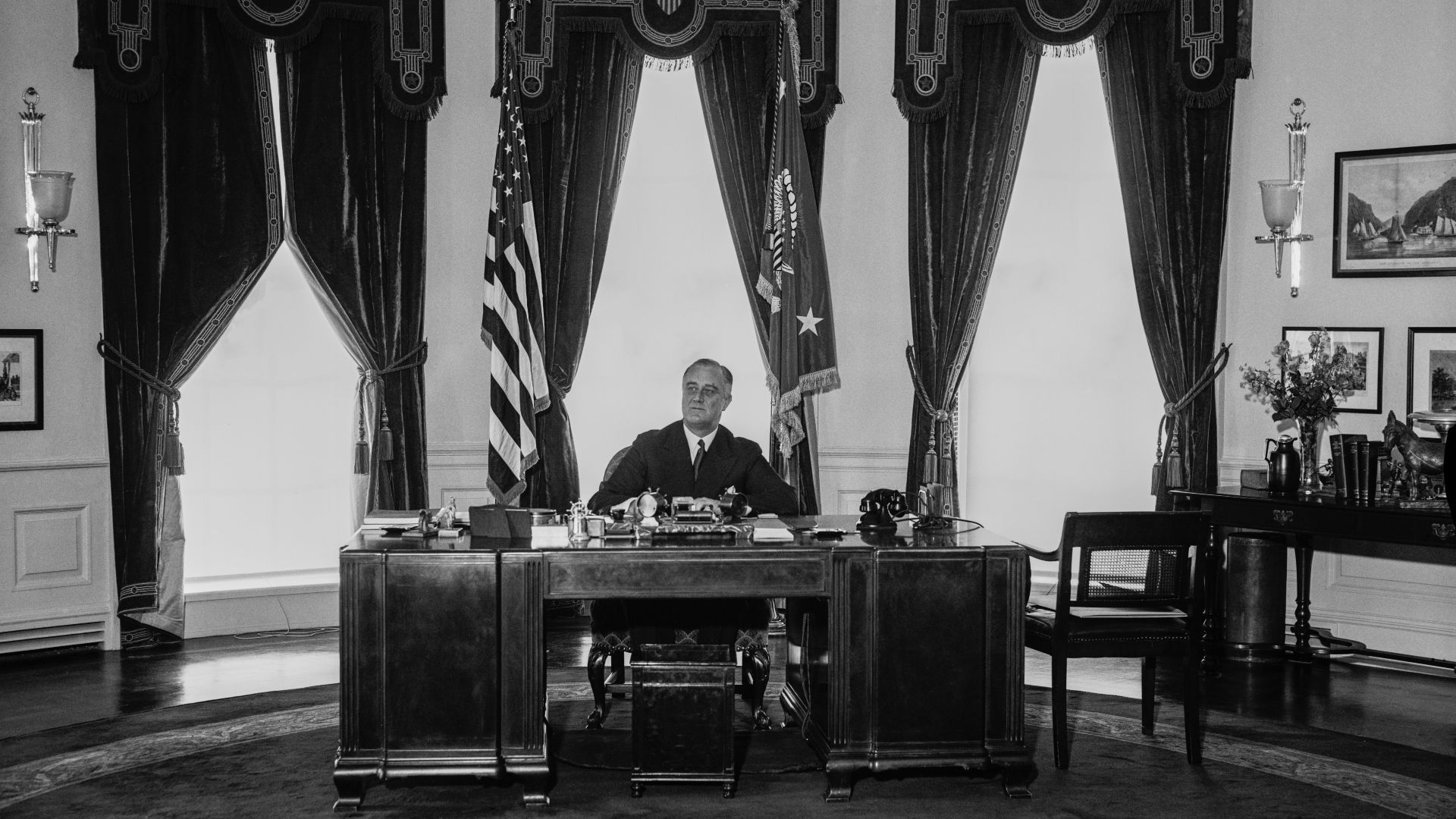
The Oval Office was moved to its present location during President Franklin D Roosevelt’s presidency. Since then, most cabinets have used the Cabinet room for official cabinet meetings and elected to meet with individual department secretaries in the Oval Office.
This content was created in partnership with HistoryExtra and written by Lindsay M Chervinsky. Editorial changes were made to the original article.