

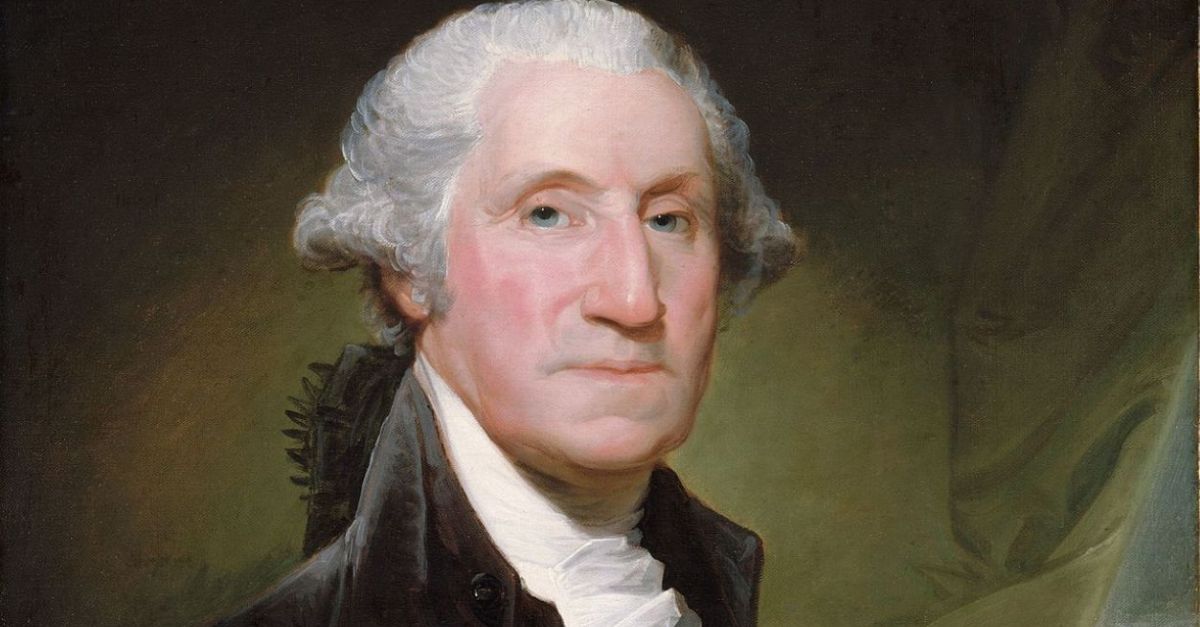
The Battles That Shaped America
From the first shots at Lexington and Concord, to the surrender at Yorktown, we explore the most important clashes of the American Revolutionary War (1775–83).
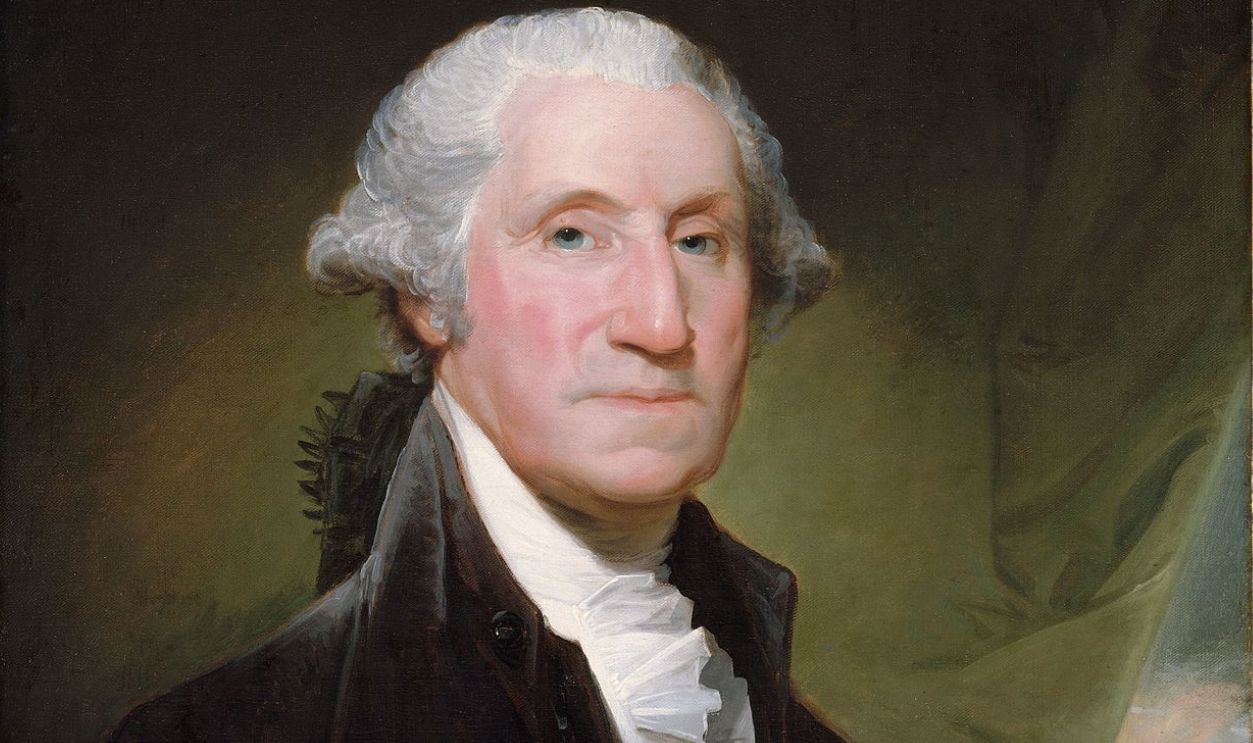 Gilbert Stuart, Wikimedia Commons
Battle 1: Lexington and Concord: 19 April 1775
Who won? Patriot victory
How many fought? 3,960 patriots v 1,500 British
Estimated casualties? 94 patriots and 272 British
The first exchange of fire during the American Revolutionary War actually arose out of a failed attempt to try and prevent conflict.
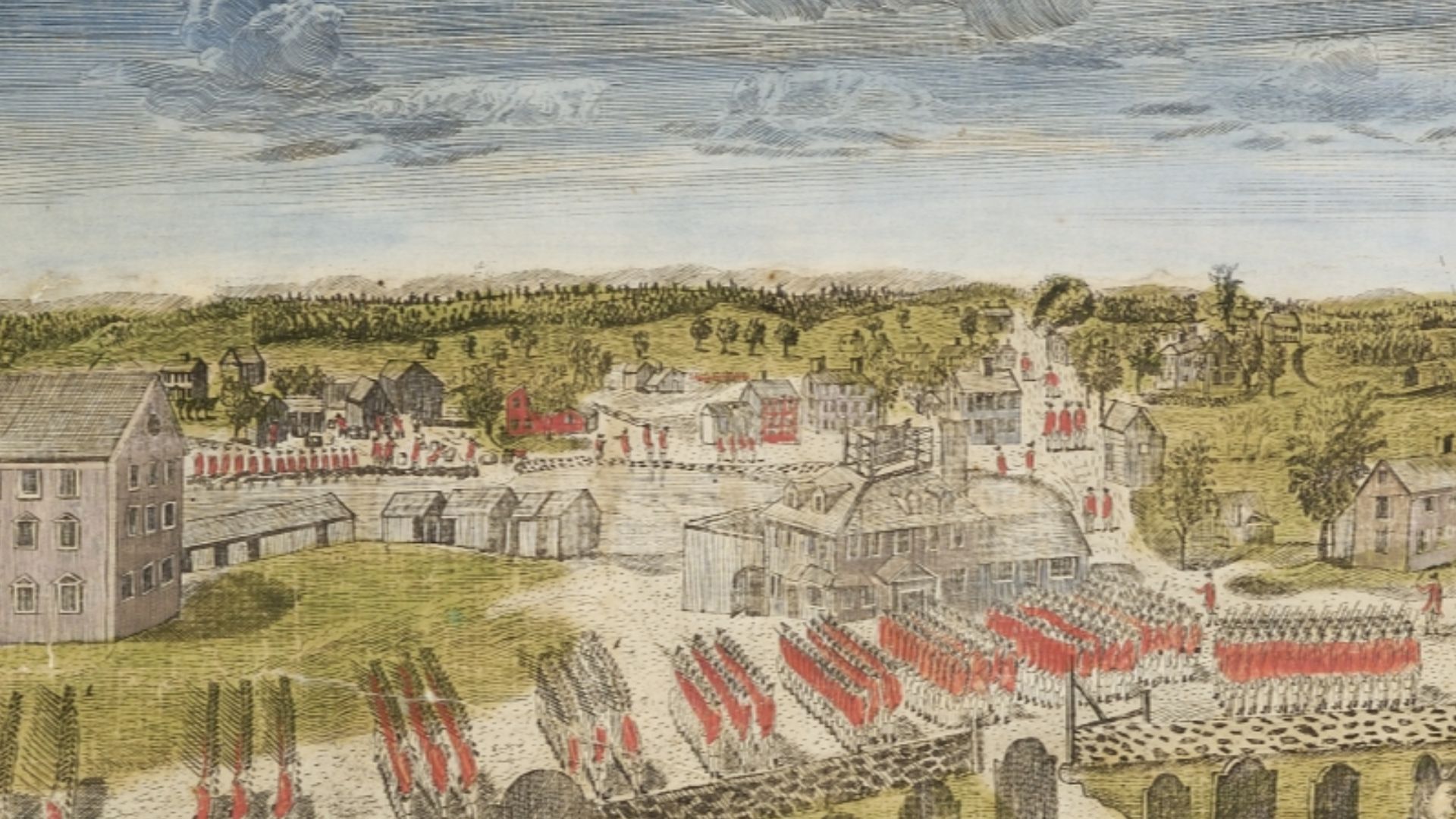 Amos Doolittle, Wikimedia Commons
Gage Orders Weapons Seized
In April 1775, as tensions rose between the two sides and frustrated American colonists began to form militias, stories started circulating that patriot weapons were being stockpiled in the town of Concord. When the rumours reached the ears of Massachusetts governor Major-General Thomas Gage, he quickly ordered Lieutenant-Colonel Francis Smith to travel to Concord with an 800-strong force to seize the cache of arms and ammunition.
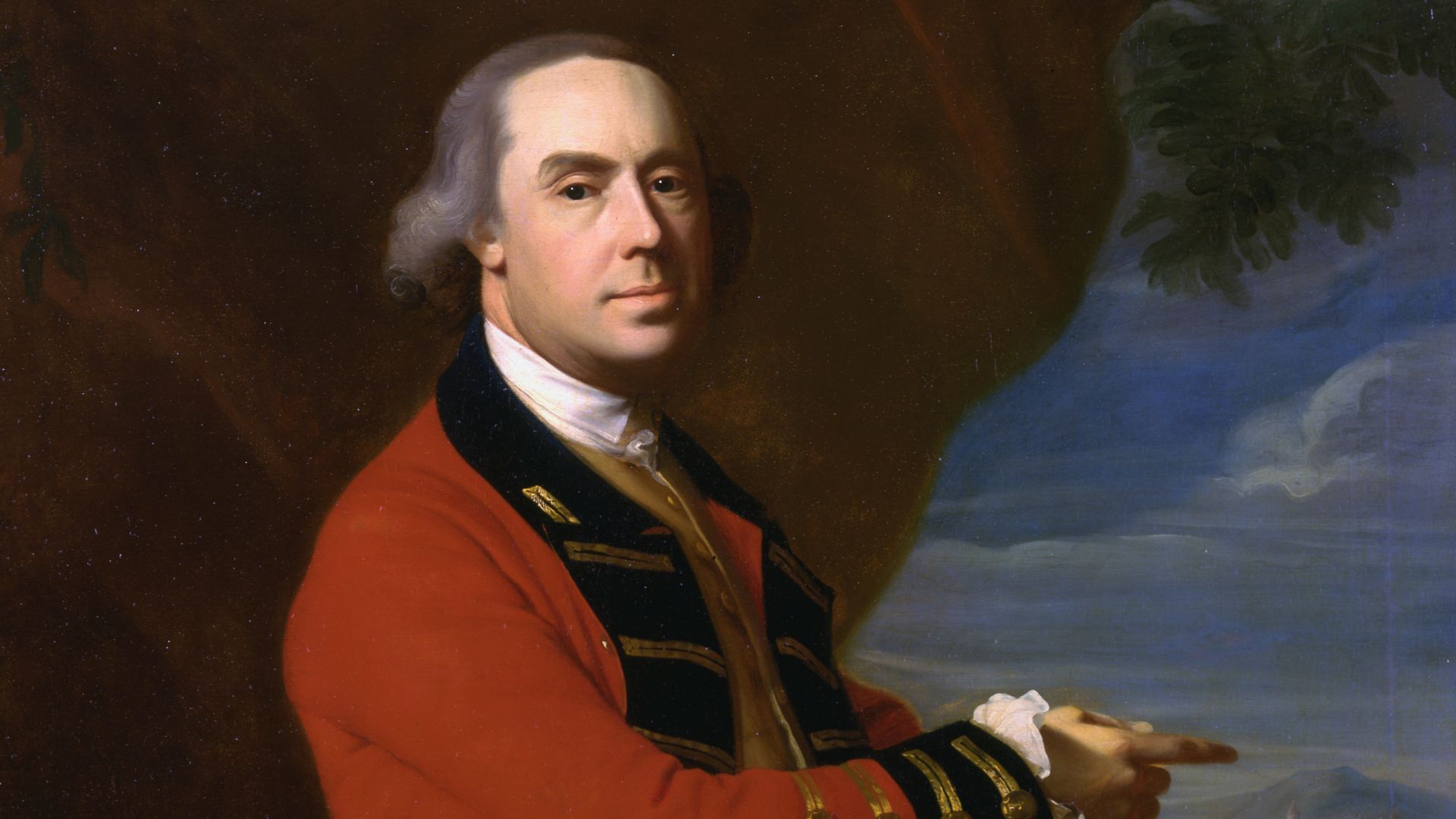 John Singleton Copley, Wikimedia Commons
Patriots Were Warned
The colonists, however, were one step ahead and had already been tipped off about the incoming British forces. Several patriots are said to have ridden through the night on horseback to alert the local militia, giving them time to mobilise and intercept the British troops.
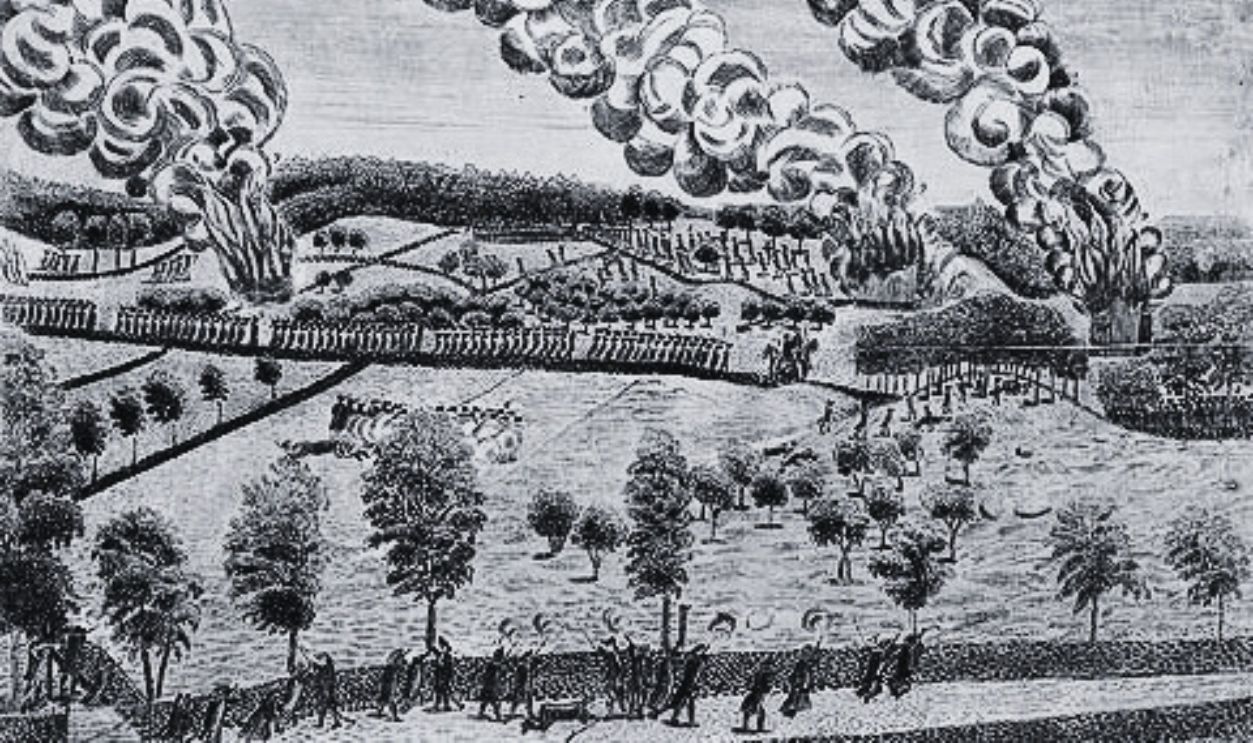 Amos Doolittle, Wikimedia Commons
Gunfire Against Orders
Therefore, on the morning of 19 April, a group of armed patriots – largely made up of tradesmen and farmers – confronted Smith and his men at Lexington Green, some seven miles from Concord. Spotting the gathered militia ahead, Major John Pitcairn and his light infantry were sent forward, leaving Smith behind with the bulk of the forces. Pitcairn demanded that the militia disband, but before long – despite both sides having had orders not to shoot – the air was filled with the sound of gunfire.
Who fired the first shot is still debated today, but British troops eventually charged towards the patriots, killing eight militiamen and injuring 10 more. Just one redcoat was injured.
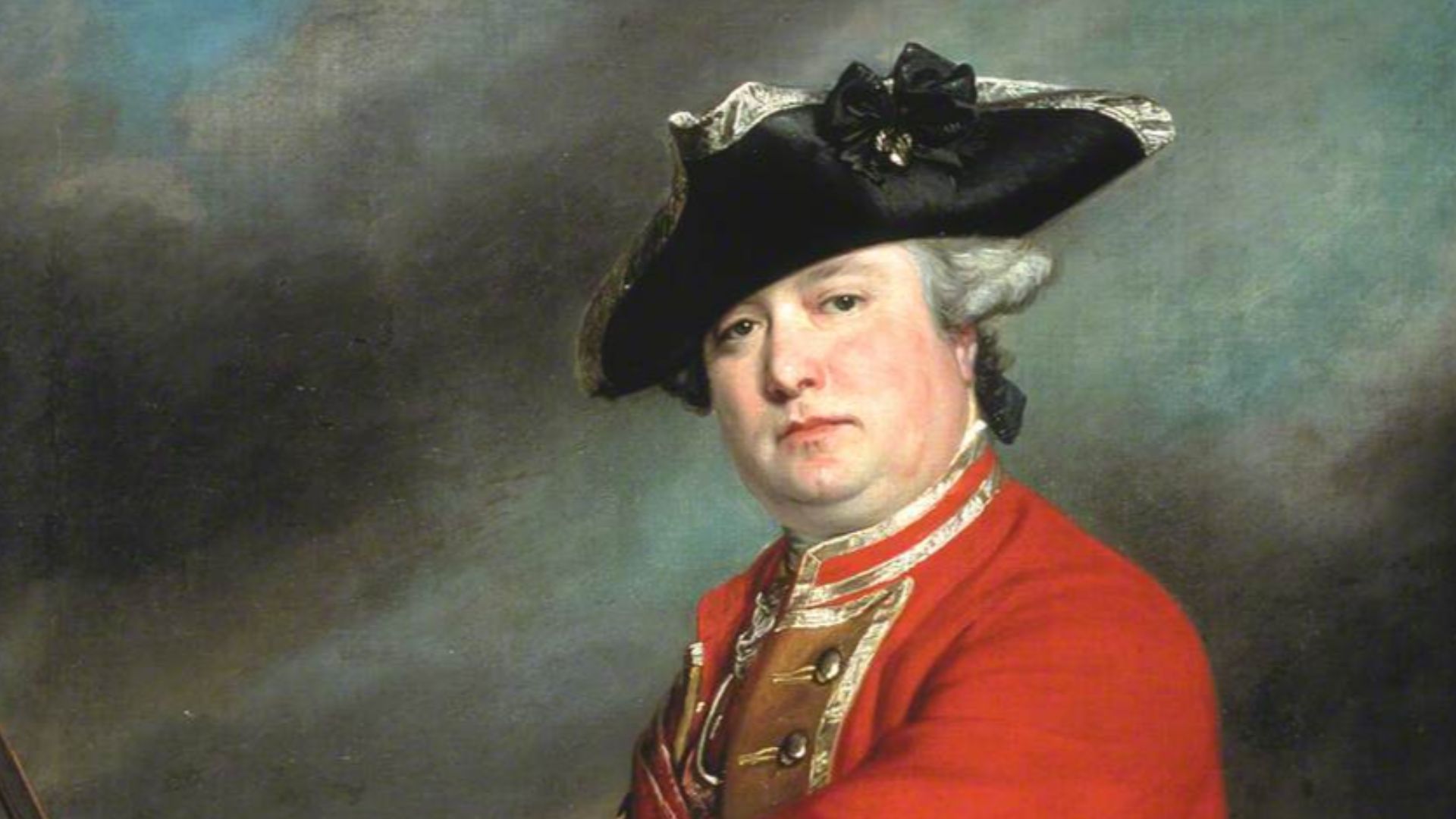 Francis Cotes, Wikimedia Commons
A Humiliating Retreat
The colonists retreated, and Smith and Pitcairn pushed on towards Concord, determined to find the hidden weapons. But a further skirmish with the now-reinforced militiamen took place as Smith attempted to secure the North Bridge over the Concord River. Outnumbered and outmanoeuvred, the British troops suffered several casualties and were forced into a humiliating retreat all the way back to Boston, dodging bullets fired from trees and houses for the entirety of their journey.
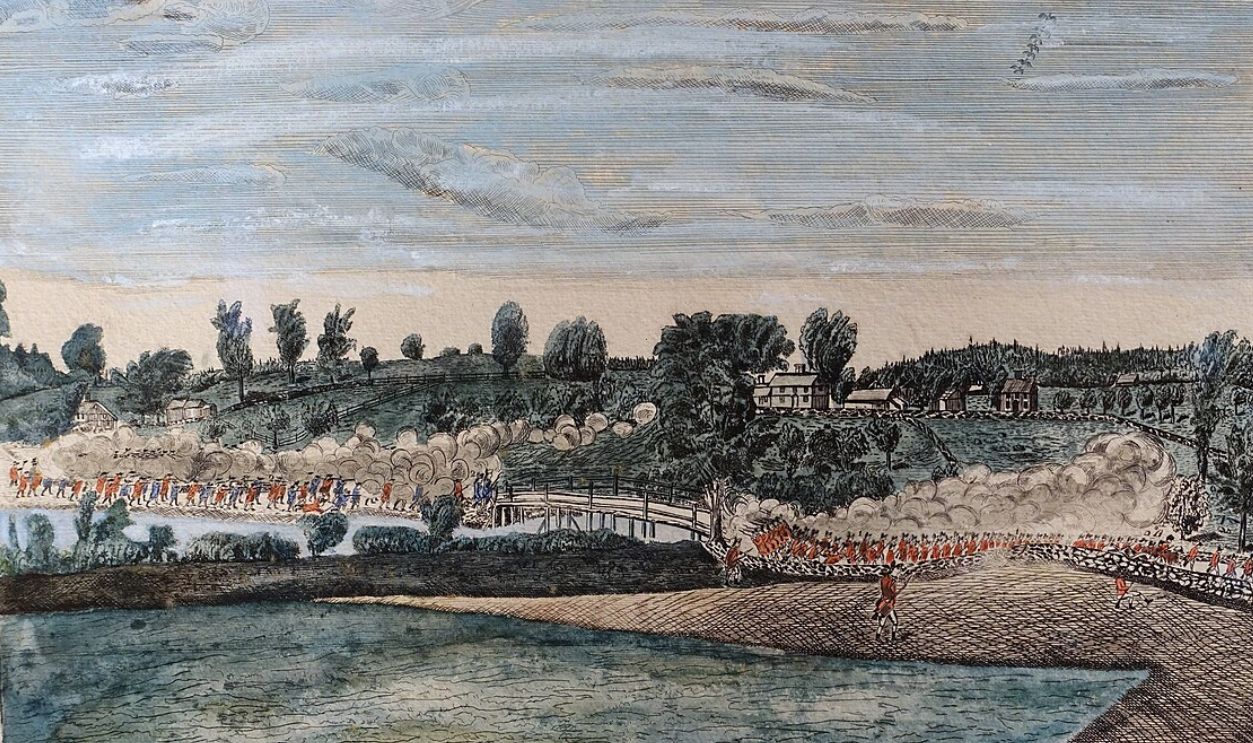
The Siege Begins
By the time the British reached Boston, they had lost 73 men, with a further 173 wounded and 26 missing. Within two days, more than 15,000 patriots had surrounded the town, marking the start of a siege that would last nearly 11 months (see below).
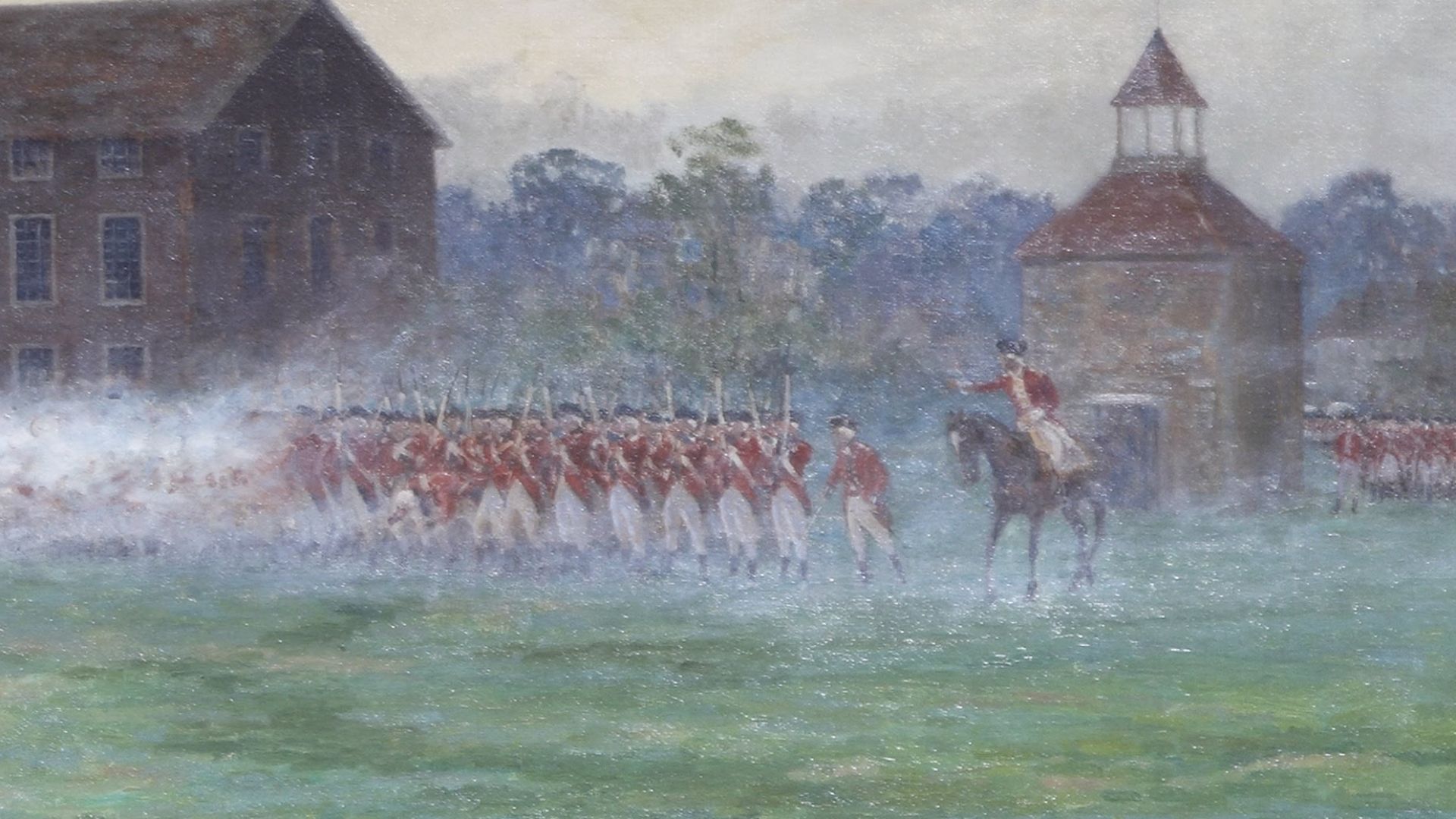 William Barnes Wollen, Wikimedia Commons
Political Fallout
While the skirmishes at Lexington and Concord saw relatively few casualties, it was a political disaster for the British. What had begun as a mission to confiscate weapons had culminated in an embarrassing retreat and inspired thousands more to join the patriot cause, turning a colonial revolt into full-blown war.
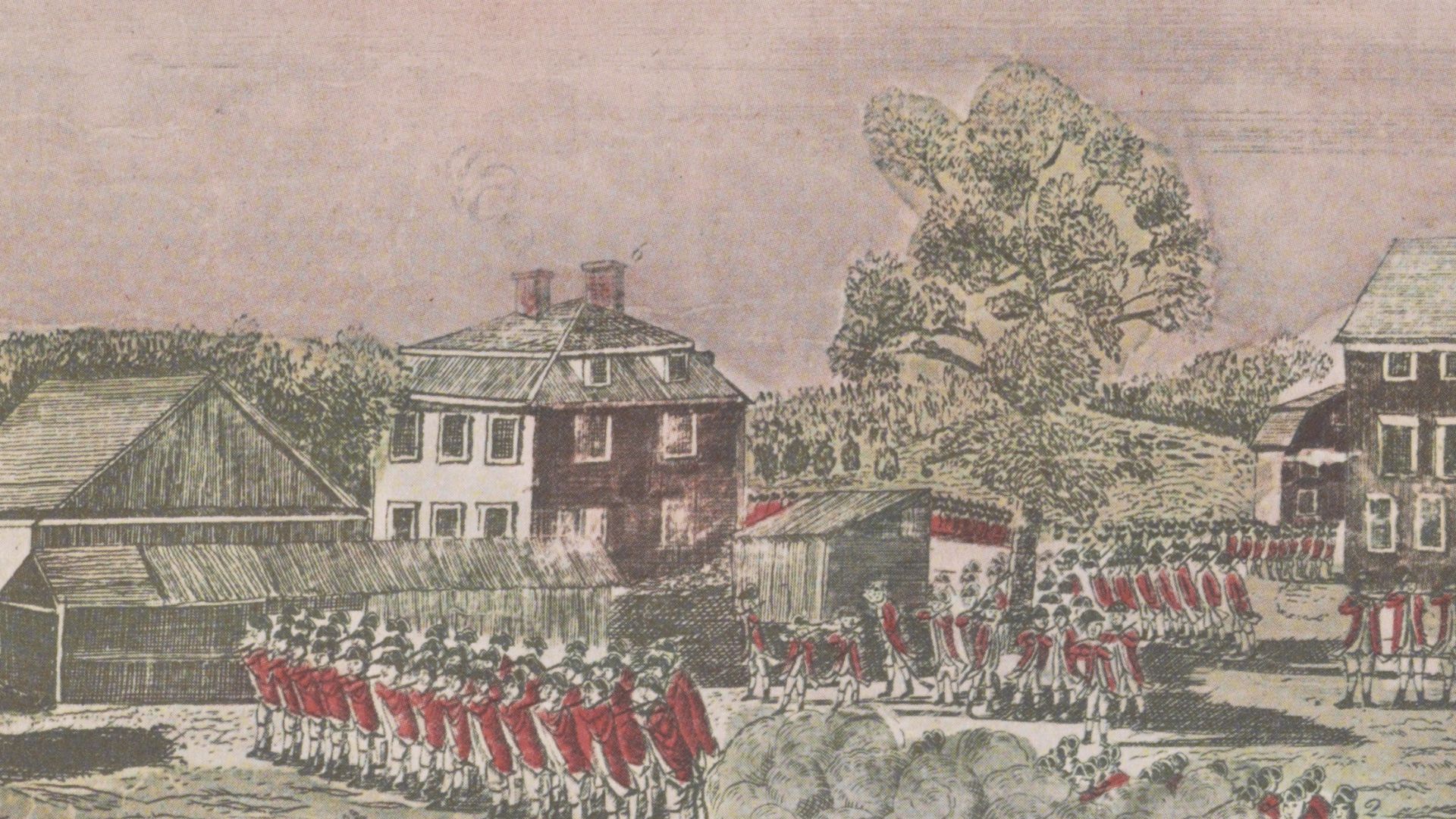 Amos Doolittle (engraver), Ralph Earl, Wikimedia Commons
Battle 2: Siege of Boston: c19 April 1775 – 17 March 1776
Who won? Patriot victory
How many fought? 16,000 patriots vs 11,000 British
Estimated casualties? 19 patriots, 79 British
Buoyed with confidence after the skirmishes at Lexington and Concord in April 1775, the patriots’ next aim was to take the city of Boston, which had been occupied by British troops since 1768.
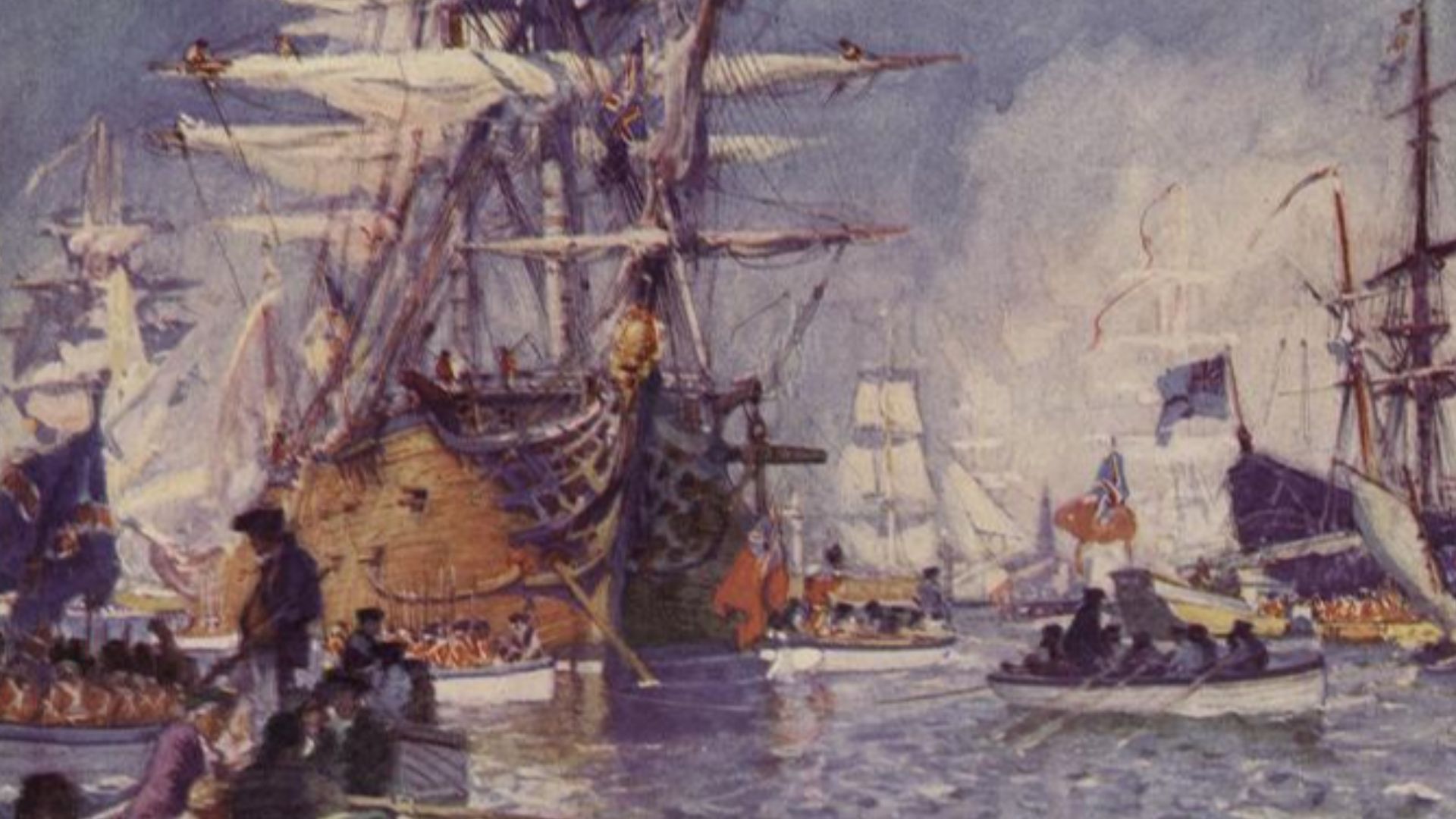 William James Aylward, Wikimedia Commons
The Siege Begins
Clashes between British soldiers and colonists had been frequent in Boston in the build-up to war, and the patriots knew the town would not be an easy win, since its harbour allowed the British to receive supplies and reinforcements. As such, a lengthy siege unfolded, with occasional military clashes, such as the battle of Bunker Hill in June 1775 (see below), at which the British emerged victorious, despite suffering devastating losses.
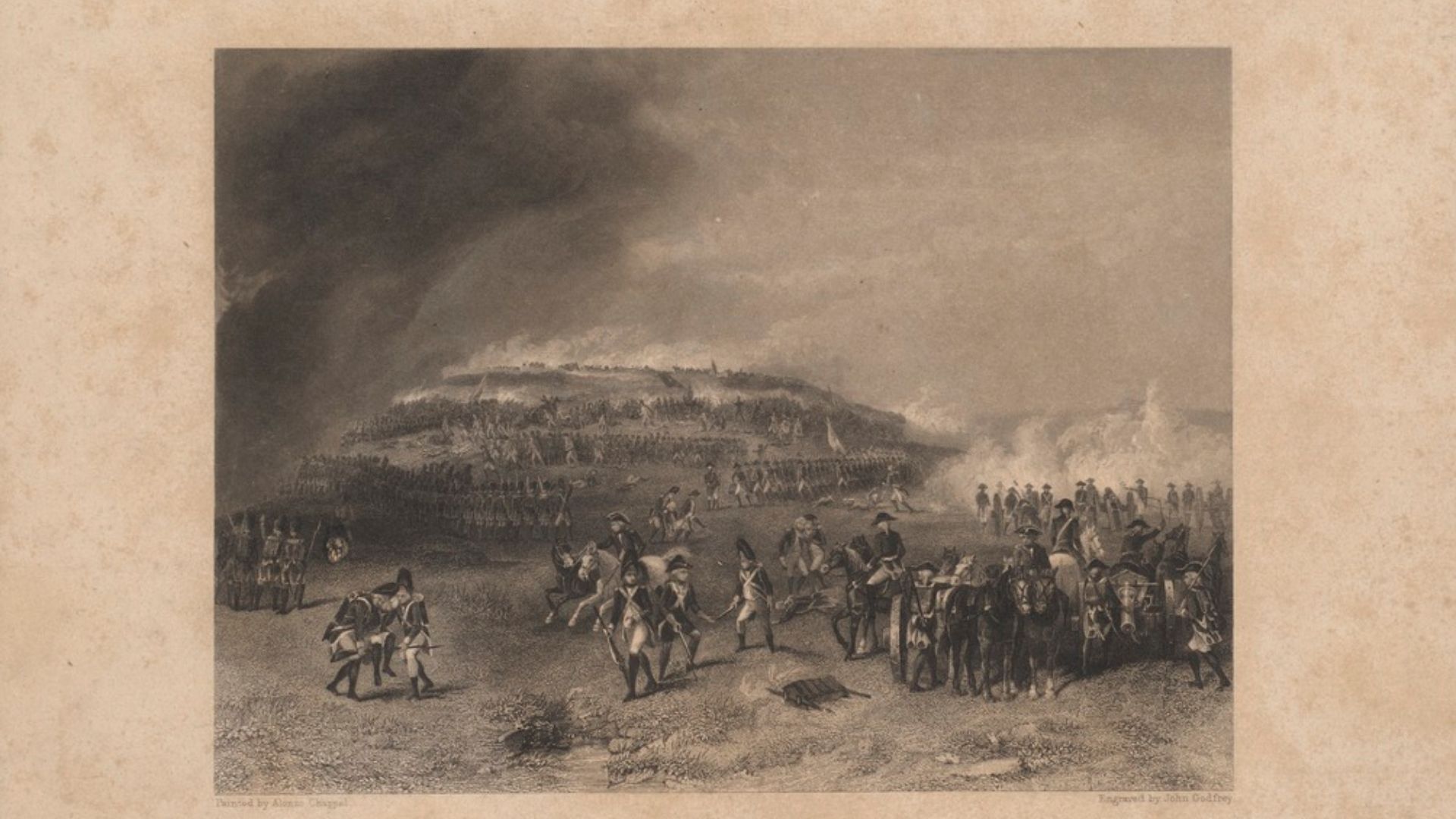 Chappel, Alonzo, 1828-1887; Godfrey, John, approximately 1817-1889, Wikimedia Commons
Enter Washington
Much of the 11-month siege saw little in the way of actual fighting, but the arrival of General George Washington in July 1775 saw him take control of the newly formed Continental Army, introducing structure and discipline, and combining the various militias to create a united fighting force. Crucially, Washington oversaw the fortification of Dorchester Heights – an elevated position over the town – and armed it with powerful cannons that had been captured from the British-held Fort Ticonderoga in New York.
Heavy bombardment of Boston began in March 1776, and Britain’s General William Howe ultimately ordered an evacuation via sea to Nova Scotia, along with many other loyalists who had been trapped in the town.
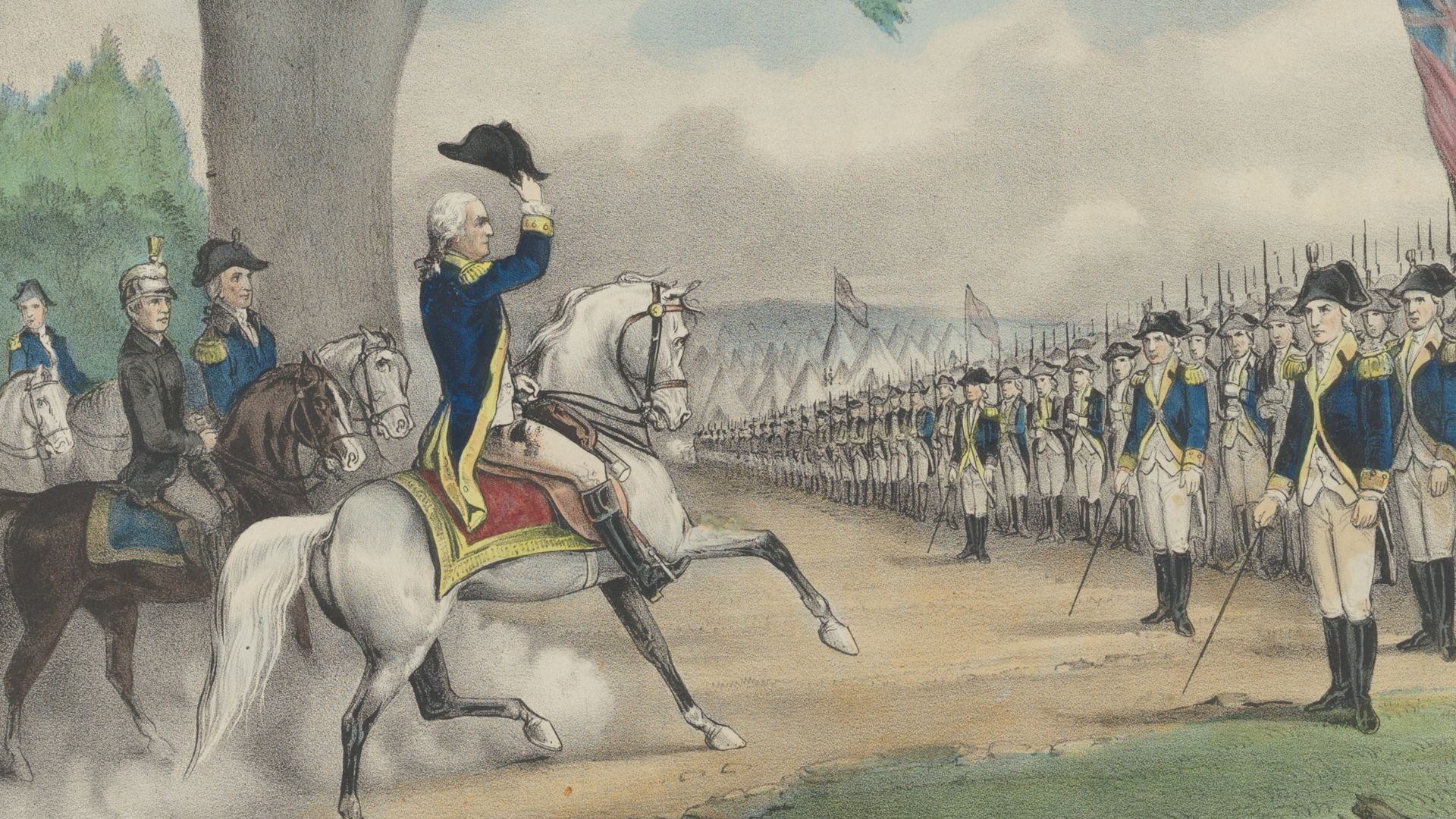 Currier and Ives, Wikimedia Commons
The Other Adversary: Smallpox
When George Washington took over command of the Continental Army, he was faced with two enemies – the British and smallpox. He made the decision to have the entire army inoculated, saving hundreds of lives.
 Gilbert Stuart, Wikimedia Commons
Heavy Bombardment Begins
Heavy bombardment of Boston began in March 1776, and Britain’s General William Howe ultimately ordered an evacuation via sea to Nova Scotia, along with many other loyalists who had been trapped in the town.
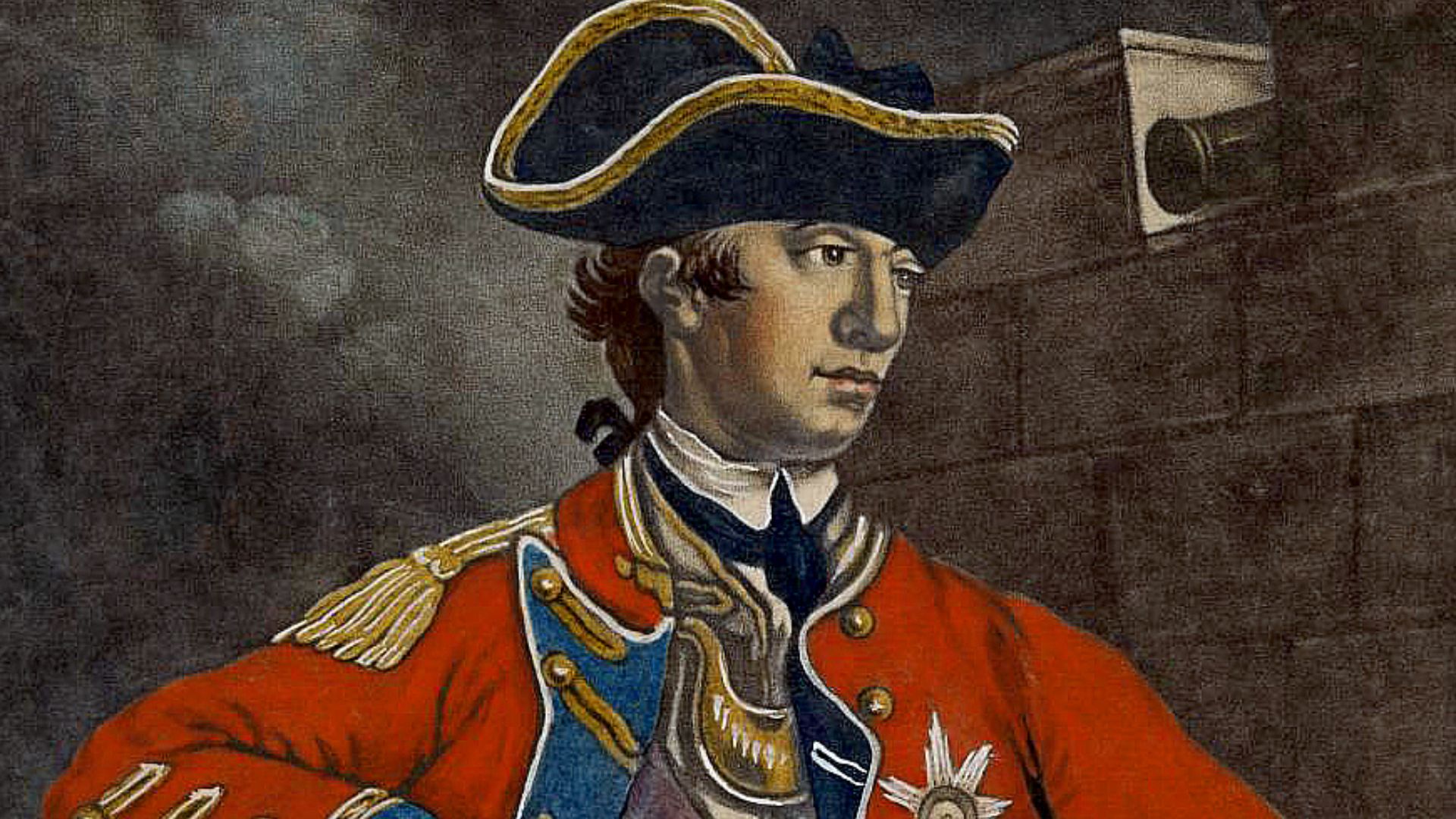 Richard Purcell aka Charles Corbutt (ca 1736-ca 1766), Wikimedia Commons
Battle 3: Bunker Hill: 17 June 1775
Who won? British victory
How many fought? 2,400 patriots vs 3,000 British
Estimated casualties? 450 patriots, 1,054 British
Despite officially winning the battle of Bunker Hill, the high number of British casualties made it something of a hollow victory.
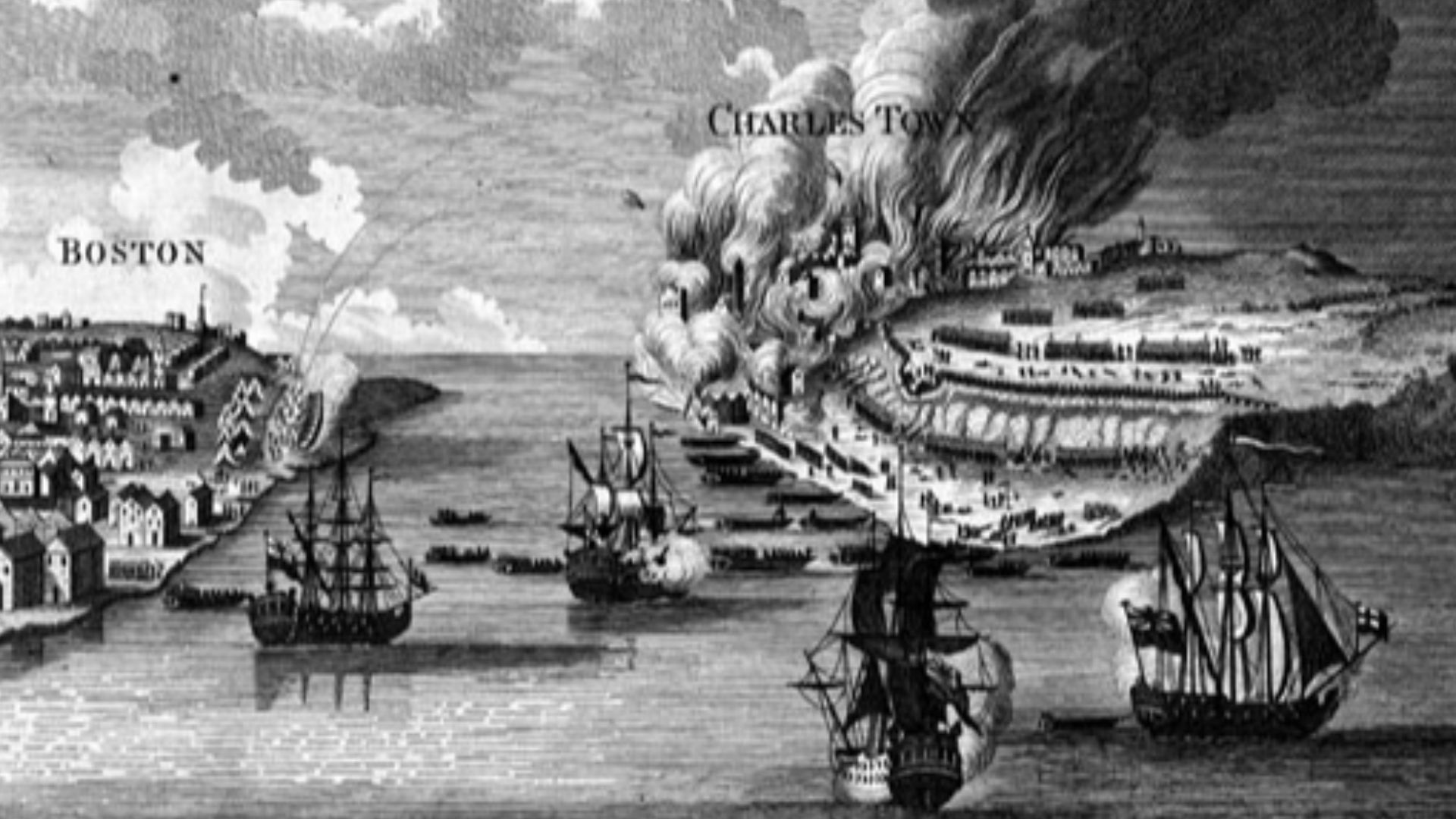 Engraving by Lodge after the drawing by Millar, Wikimedia Commons
Attacking The Hills
The British Army had intended to put an end to the colonial rebellion once and for all by attacking the patriots occupying the hills surrounding Boston. Having learned of the plan, however, around 1,000 patriot soldiers from Massachusetts and Connecticut assembled at nearby Charlestown to defend the summit.
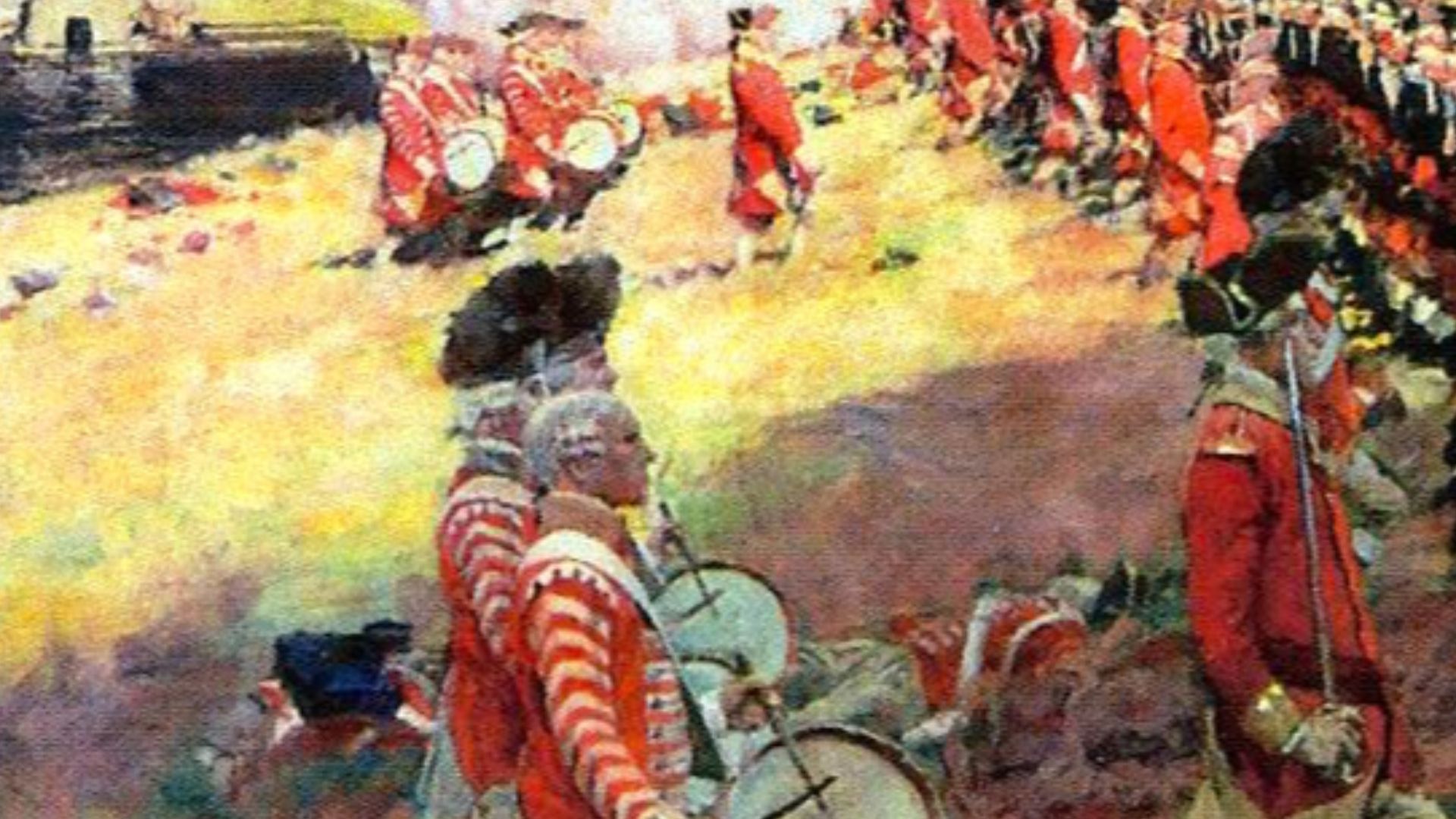 Howard Pyle, Wikimedia Commons
Out Of Gunpowder
As the British forces (under the command of Major General William Howe) made their way up the hill, they were met with a ferocious volley of enemy fire. Running low on gunpowder, the patriots were soon forced to engage in hand-to-hand combat, which allowed the British to break through and take control of the hill.
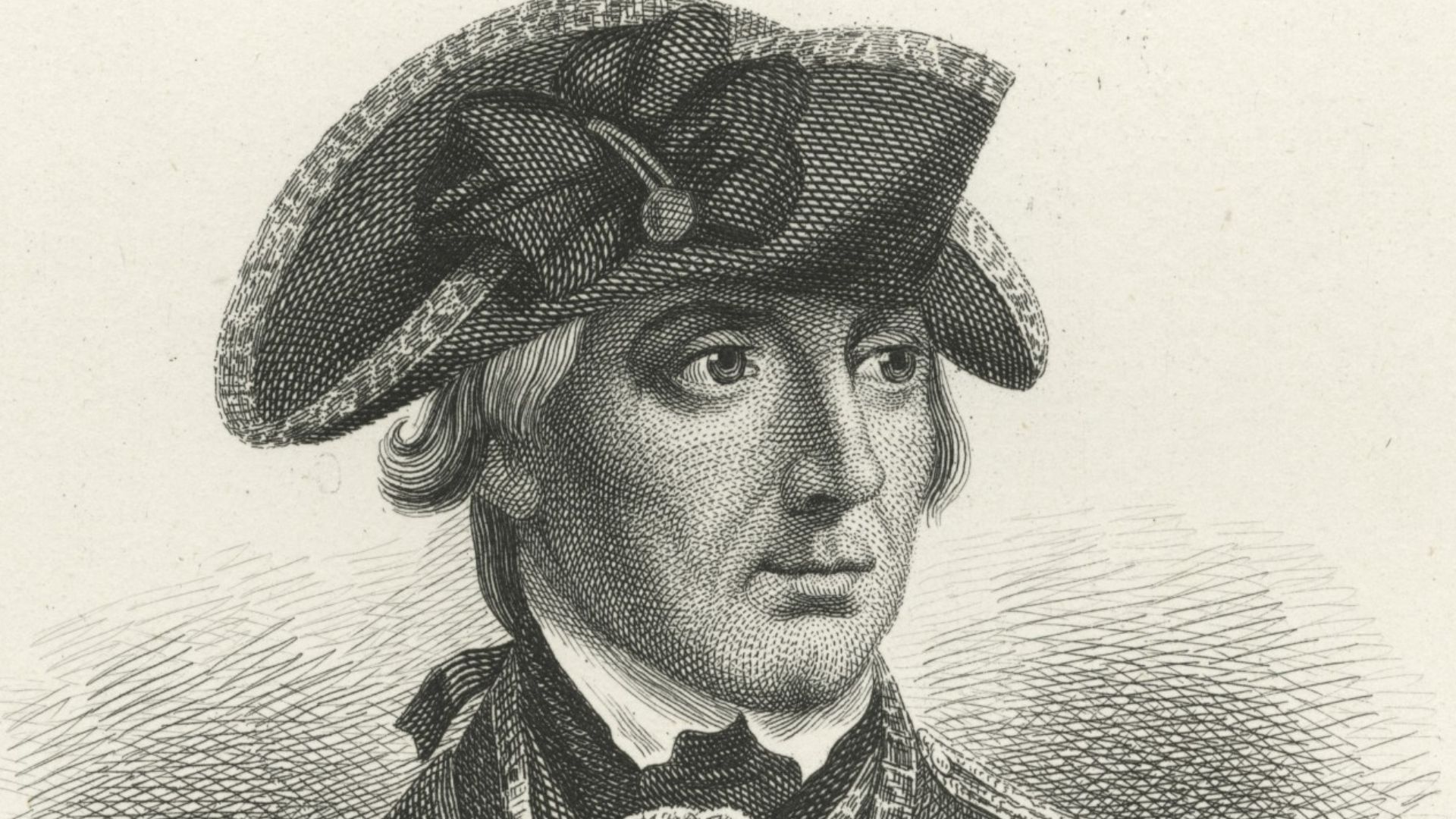 Henry Bryan Hall, Wikimedia Commons
Heavy Losses
Though victorious, the British suffered more than double the losses of the colonists, including the death of Major John Pitcairn, who many patriots blamed for the hostilities at Lexington and Concord.
Ultimately, the battle signalled a point of no return, and it became clear that peace would not be easily resolved without further bloodshed.
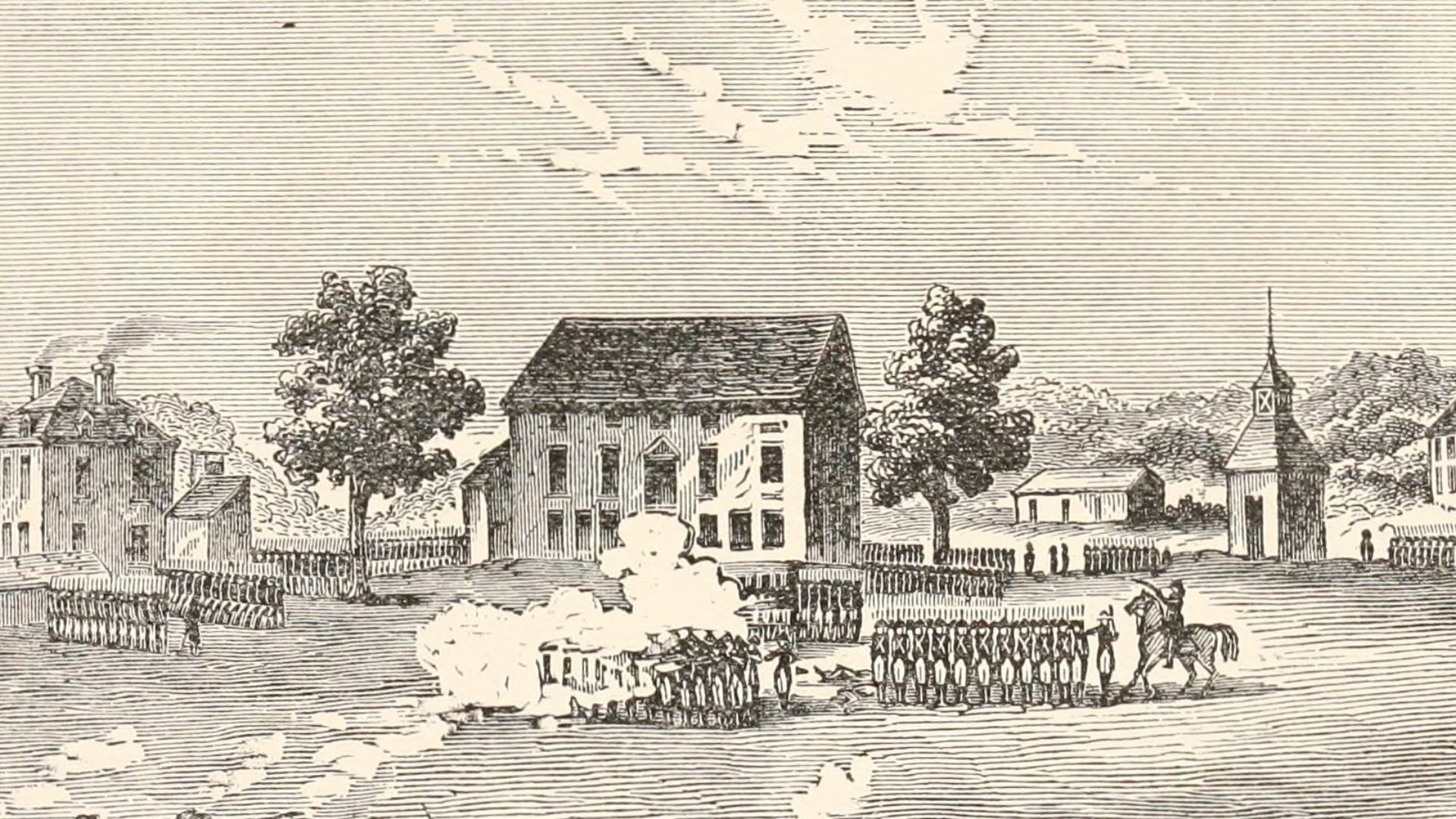 Internet Archive Book Images, Wikimedia Commons
Battle 4: Brooklyn: (or the battle of Long Island) 27–29 August 1776
Who won? British victory
How many fought? 10,000 patriots vs 20,000 British
Estimated casualties? 2,000 patriots, 388 British
The largest battle of the American Revolutionary War, the battle of Brooklyn involved 30,000 men and allowed Britain to retain its hold over the strategically valuable port of New York until the end of the conflict.
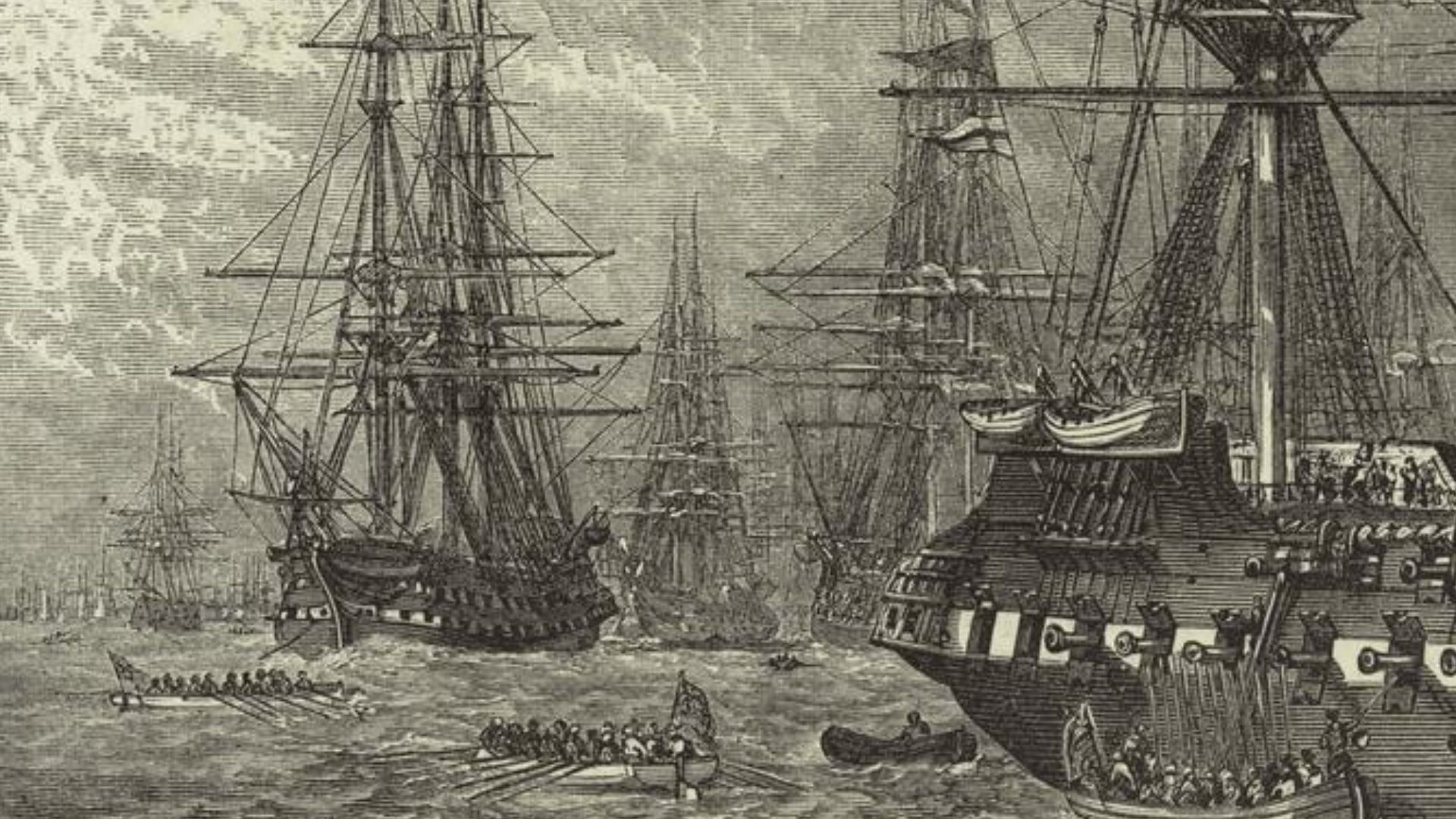 Harper Brothers, Wikimedia Commons
The British Set Their Sights On New York
The British had turned their attention on New York following their defeat at Boston. The city was fortified by the Continental Army but many of these soldiers were inexperienced, few had any military training, and discipline was low – it seemed an easy win.
 The Werner Company, Akron, Ohio, Wikimedia Commons
Retreating Across The River
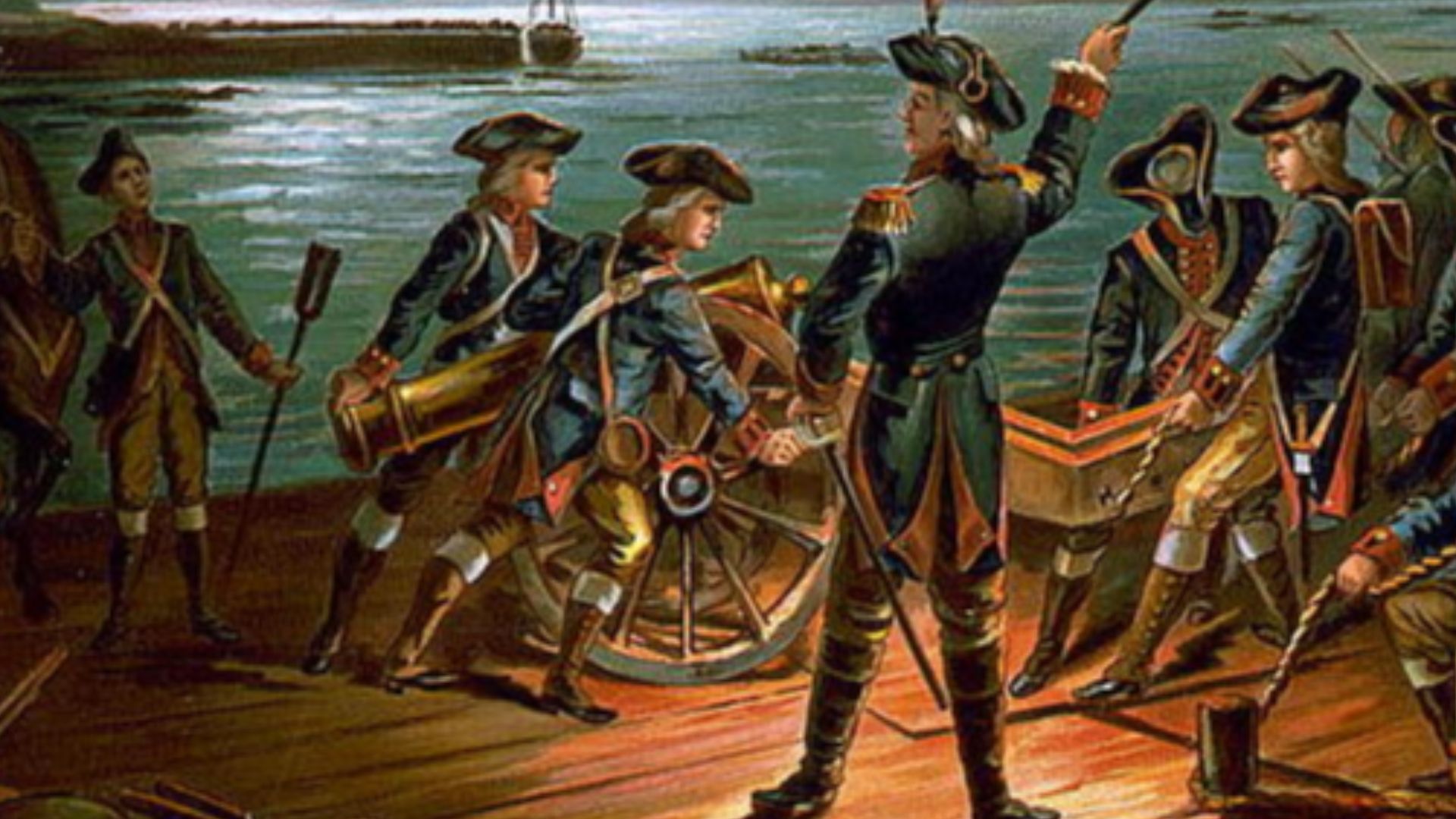
On 22 August, as 10,000 British infantrymen headed to Long Island, General Washington assumed (wrongly, as it turned out) that it was a diversion for a main assault on Manhattan, and he failed to combine his forces stationed in Brooklyn and Manhattan against the new threat. The Continental Army was soon being attacked on both sides, and Washington and 9,000 of his men were eventually cornered in Brooklyn Heights.
As the British prepared to lay siege, Washington retreated across the river in the dead of night, avoiding surrender and capture.
 John Trumbull, Wikimedia Commons
Battle 5: Trenton and Princeton: 26 December 1776 and 3 January 1777
Who won? Both patriot victories
How many fought? 2,400 patriots v 1,500 British at Trenton; 4,500 patriots v 1,200 British at Princeton
Estimated casualties? 80 patriot casualties, 1,175 British (both battles combined)
In late 1776 and early 1777, two patriot victories in quick succession gave a much-needed morale boost to the Continental Army, which had recently been forced out of Long Island, Manhattan and New Jersey.
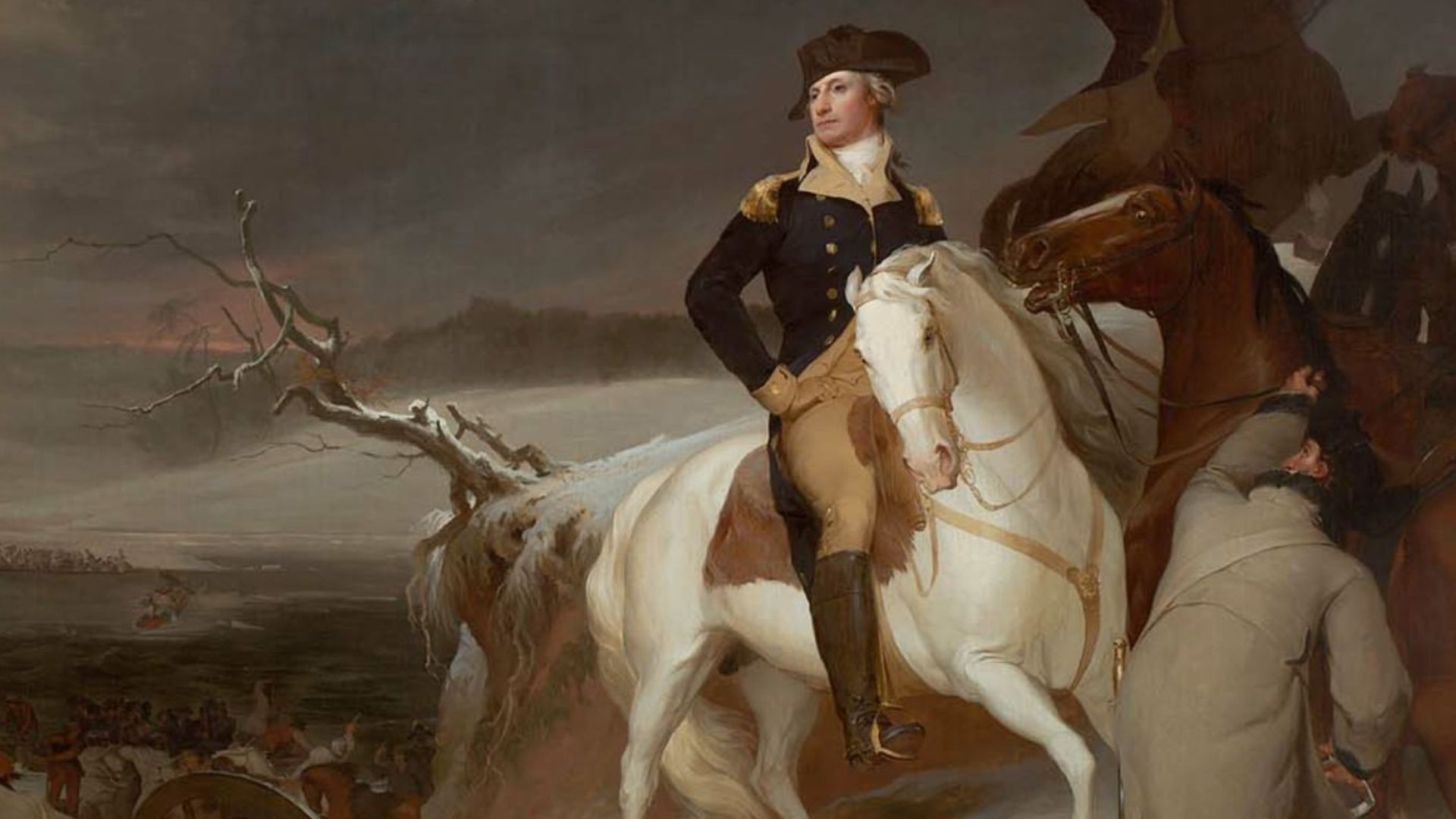 Thomas Sully, Wikimedia Commons
Surprise Attack
In a surprise move on Christmas Day 1776, Washington and his much-depleted forces crossed the icy Delaware River during a treacherous storm. His troops then marched to New Jersey, where they surprised a garrison of 1,500 Hessians (allies of Britain).
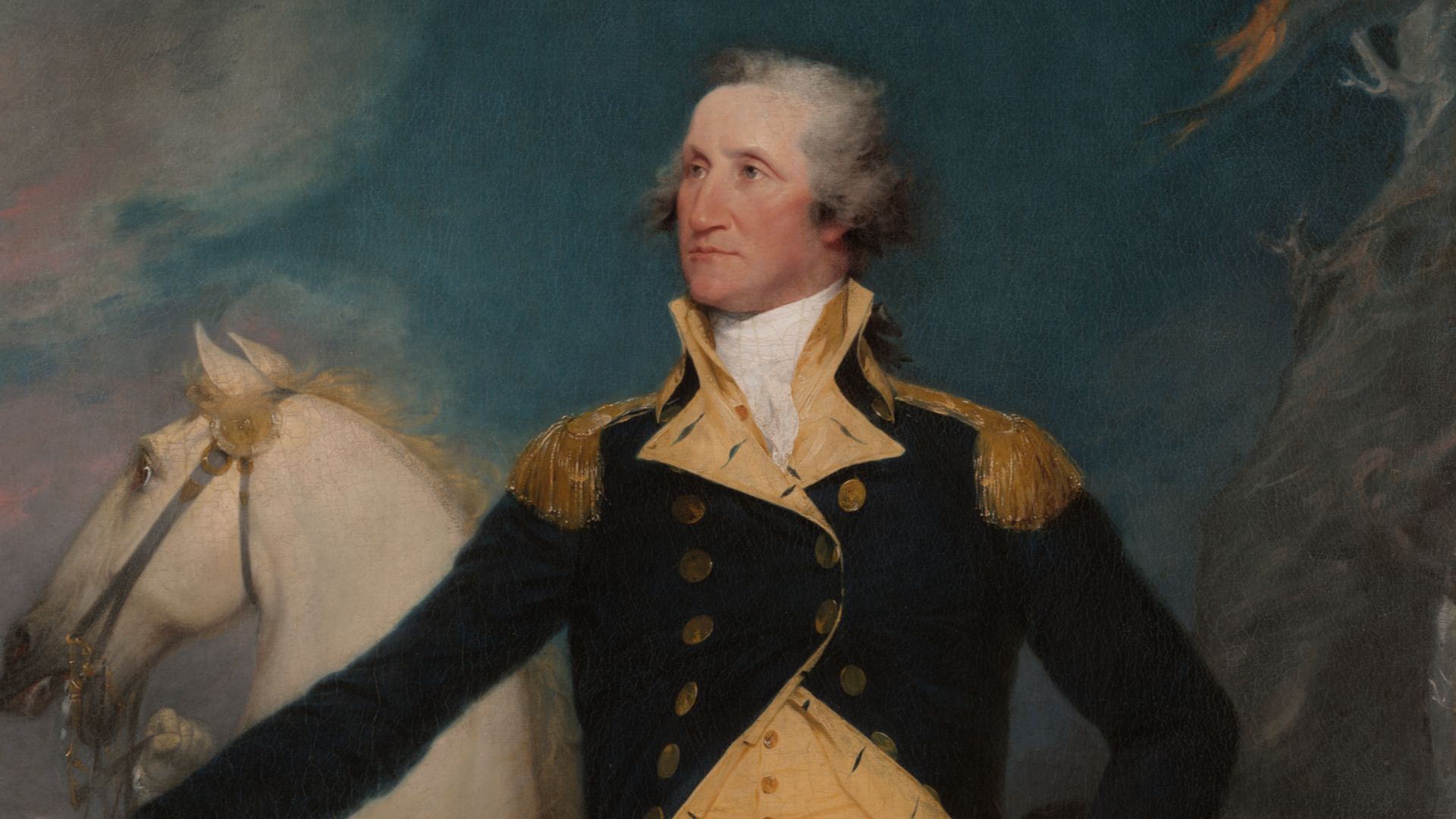 John Trumbull, Wikimedia Commons
Rall Surrenders
Although Colonel Johann Rall, commander of the Hessian forces, was mortally wounded in the fight, he formally surrendered to Washington before he died. Some Hessian troops managed to escape, but around 800 were captured.
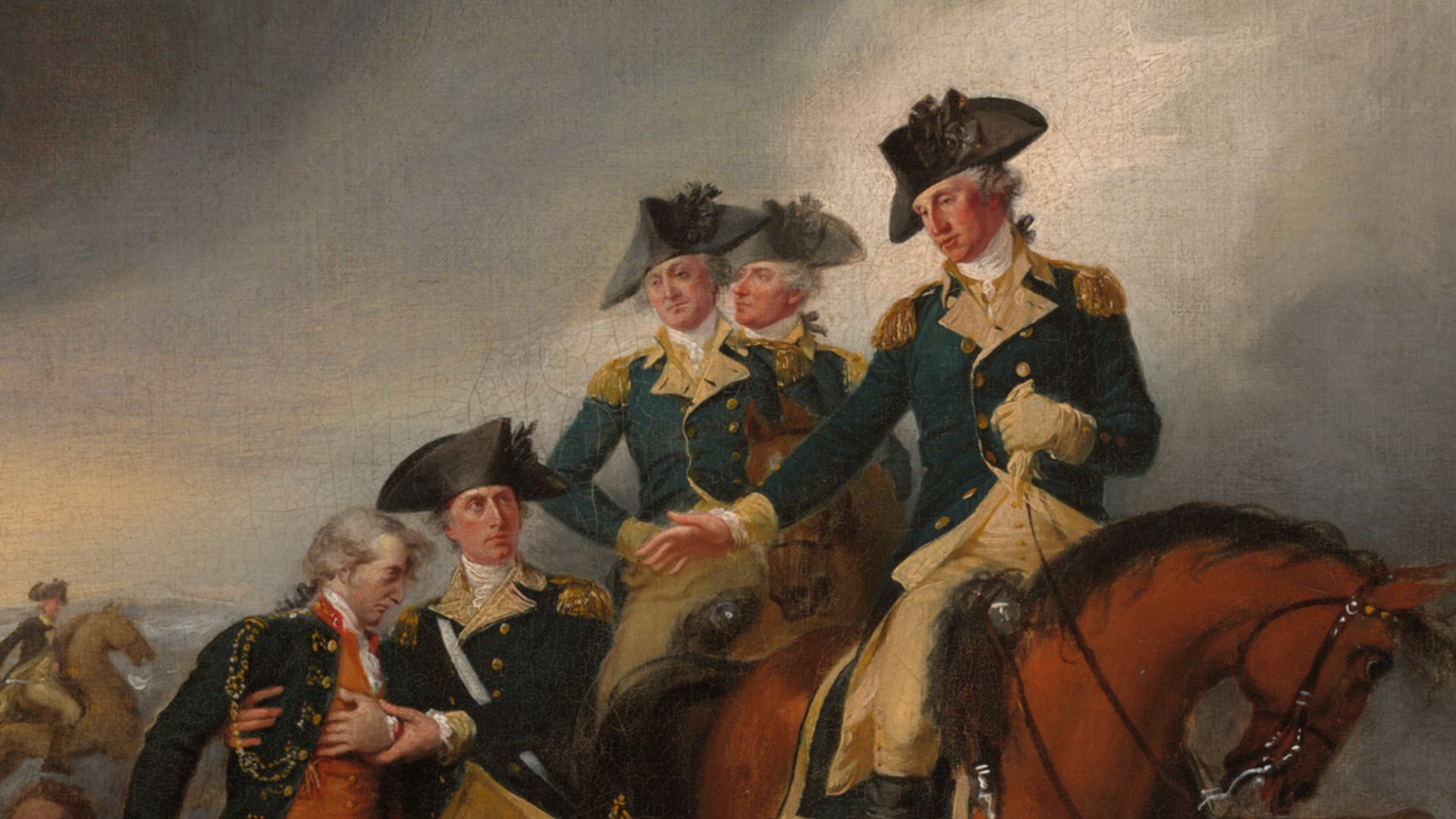 John Trumbull, Wikimedia Commons
Across The River Again
Washington withdrew his forces back across the river and amassed more men to his side before recrossing on 30 December, this time heading for the British troops based at Princeton. Severely outnumbered, the British were forced to retreat.
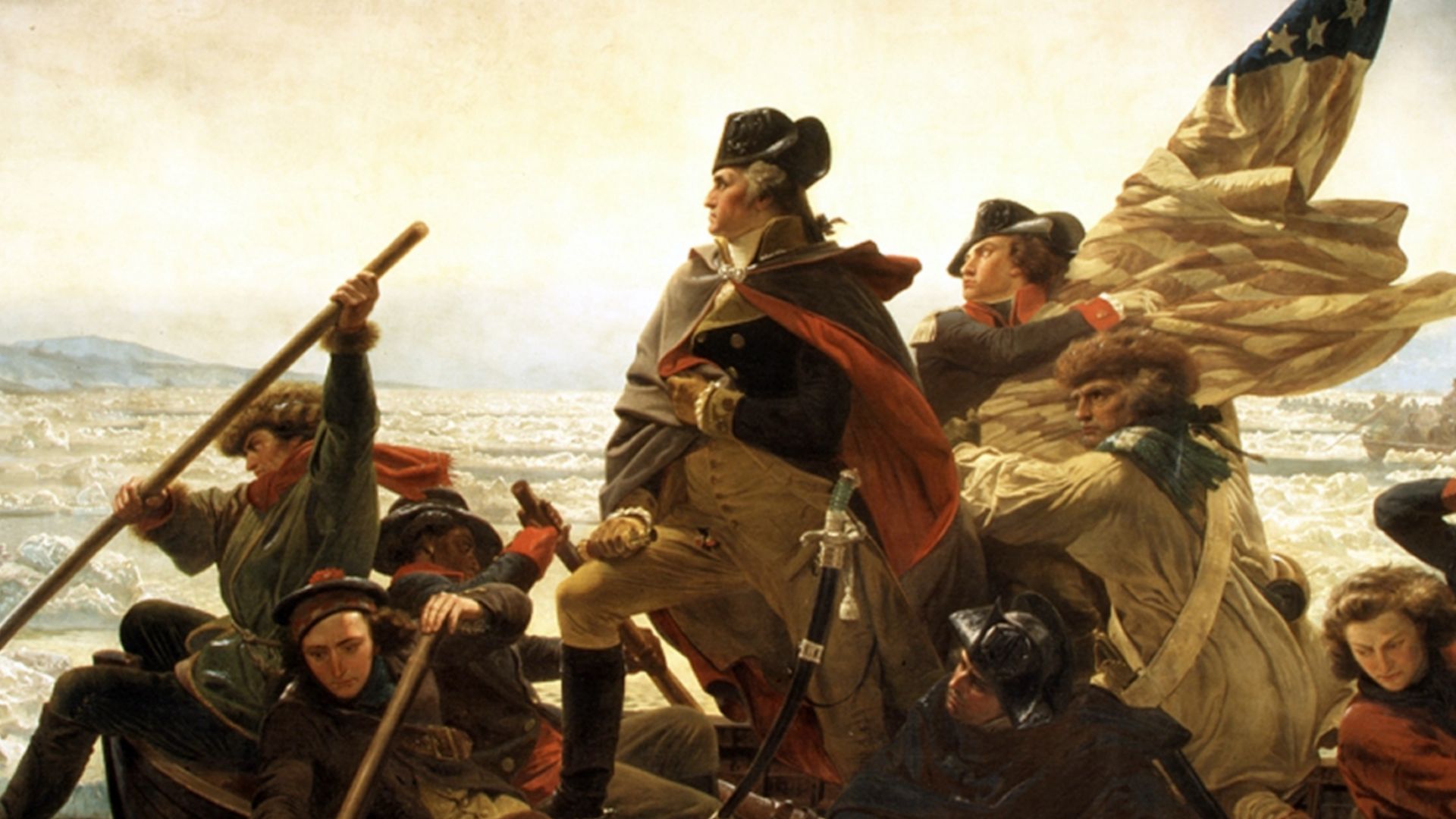 Emanuel Leutze, Wikimedia Commons
A Reputation Well Earned
The two victories cemented George Washington’s reputation as an effective leader and gave the Continental Army the encouragement it needed to continue to fight.
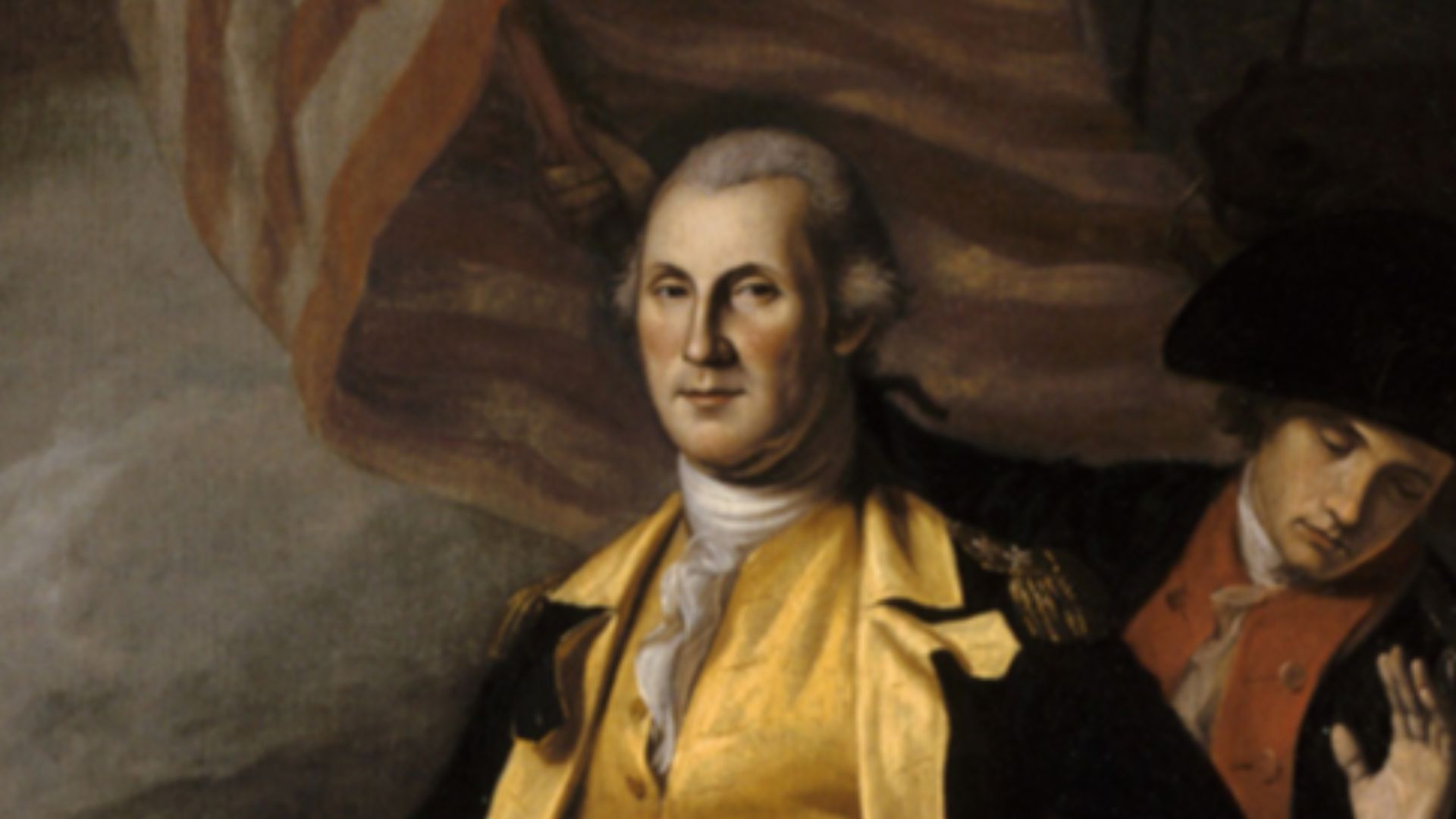 Charles Willson Peale, Wikimedia Commons
Battle 6: Saratoga: 19 September – 17 October 1777
Who won? Patriot victory
How many fought? 15,000 patriots v 6,000 British
Estimated casualties? v330 patriots, 1,135 British
In 1777, a British army led by General John Burgoyne made plans to march from its base in Canada and meet a smaller British force from New York City at Albany.
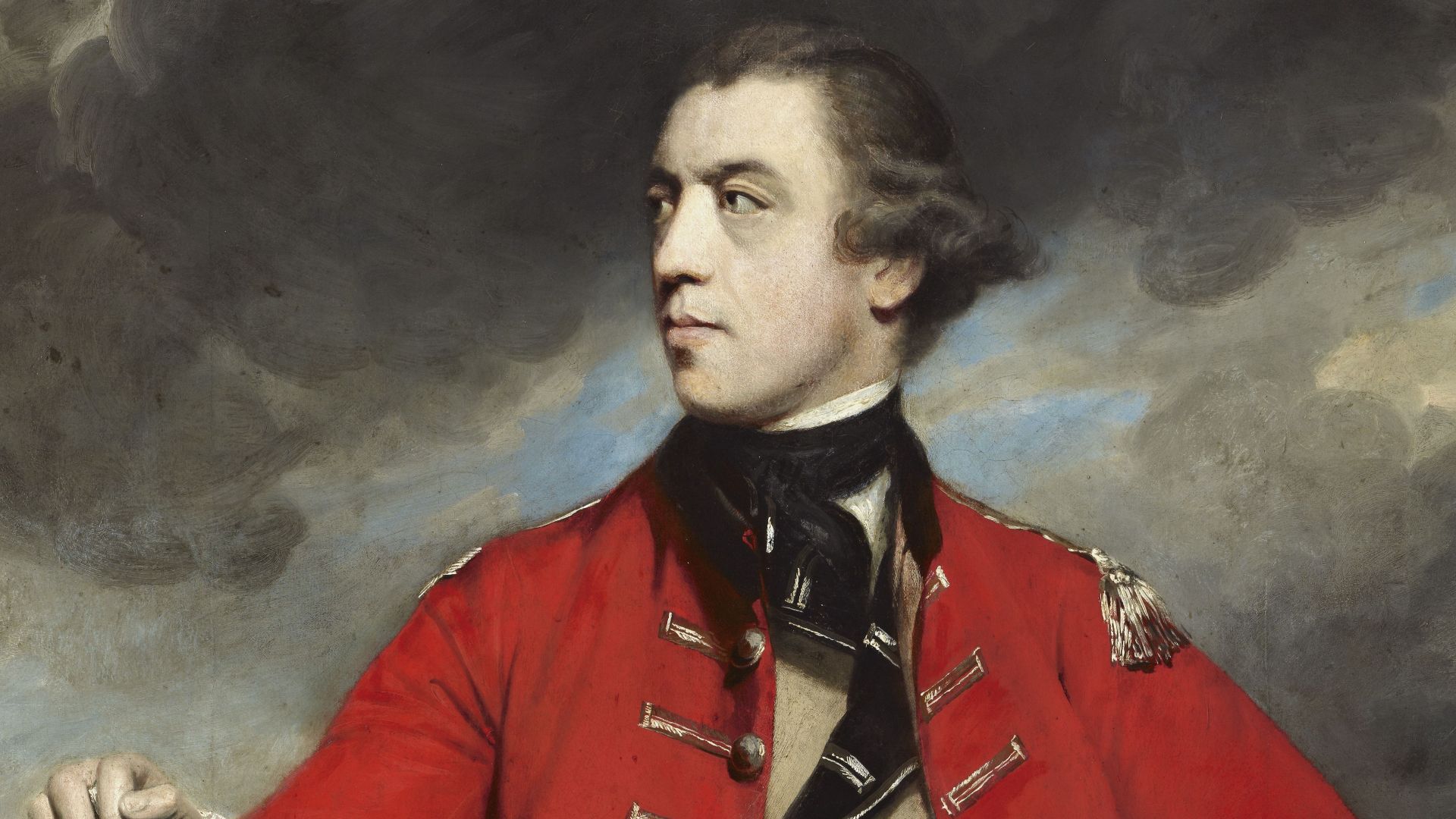 Joshua Reynolds, Wikimedia Commons
Gates Vs. Burgoyne
After taking control of the lower Hudson River, the combined forces would, in theory, be able to isolate New England from the rest of the colonies.
However, on 19 September, Burgoyne’s troops encountered the Continental Army under General Horatio Gates on an abandoned farm near Saratoga, New York. The two sides fought for several hours until a column of Hessian troops forced the patriots to pull away. As Burgoyne waited for reinforcements to arrive from New York City, troops flocked to aid the Continental Army.
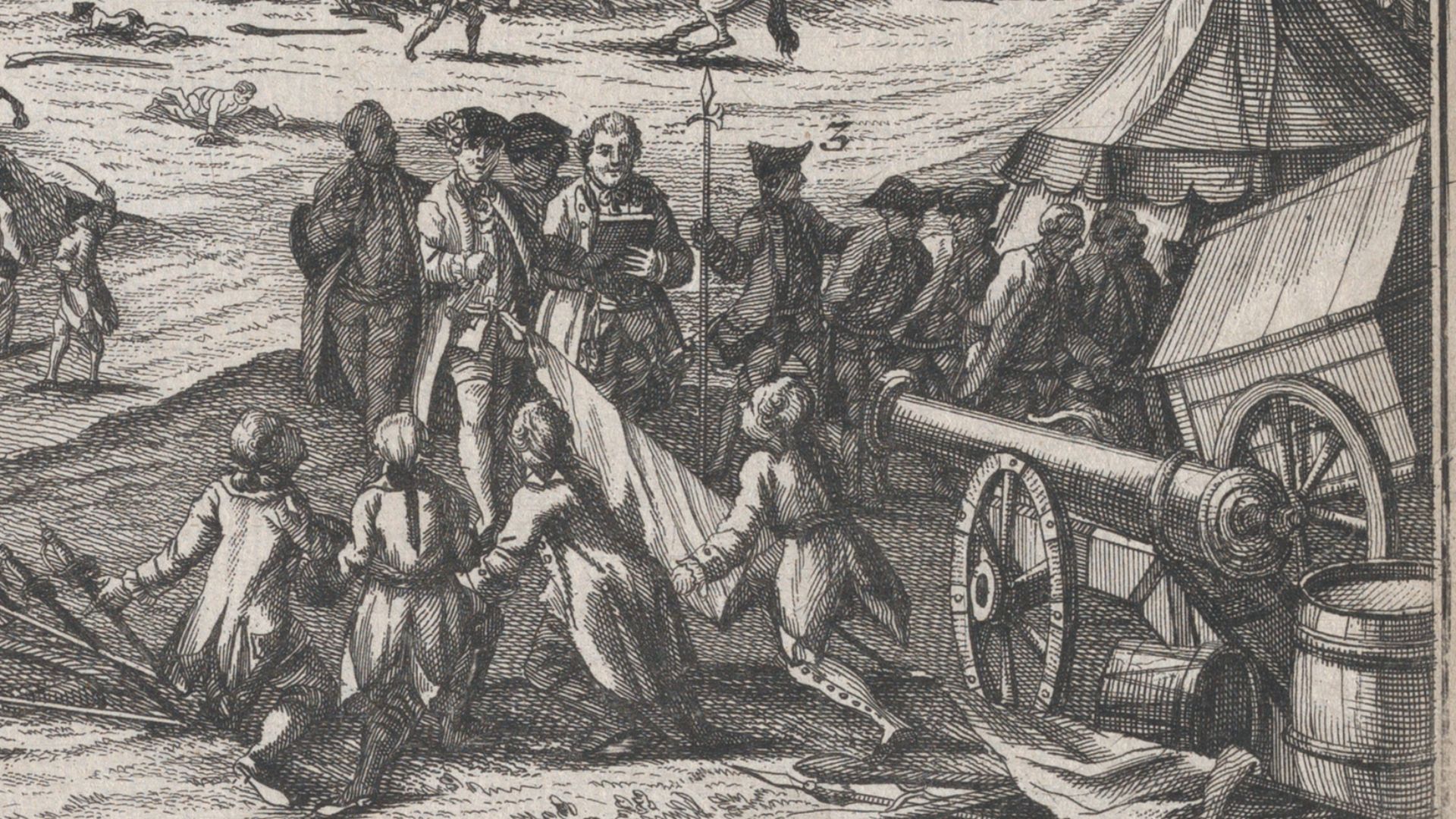 Johann Martin Will, Wikimedia Commons
Freezing And Surrounded
On 7 October, Burgoyne then sent a force to Bemis Heights, where the patriots’ left flank were encamped, but they were forced back. Freezing temperatures and heavy rain slowed Burgoyne further, and he was soon surrounded and forced to surrender.
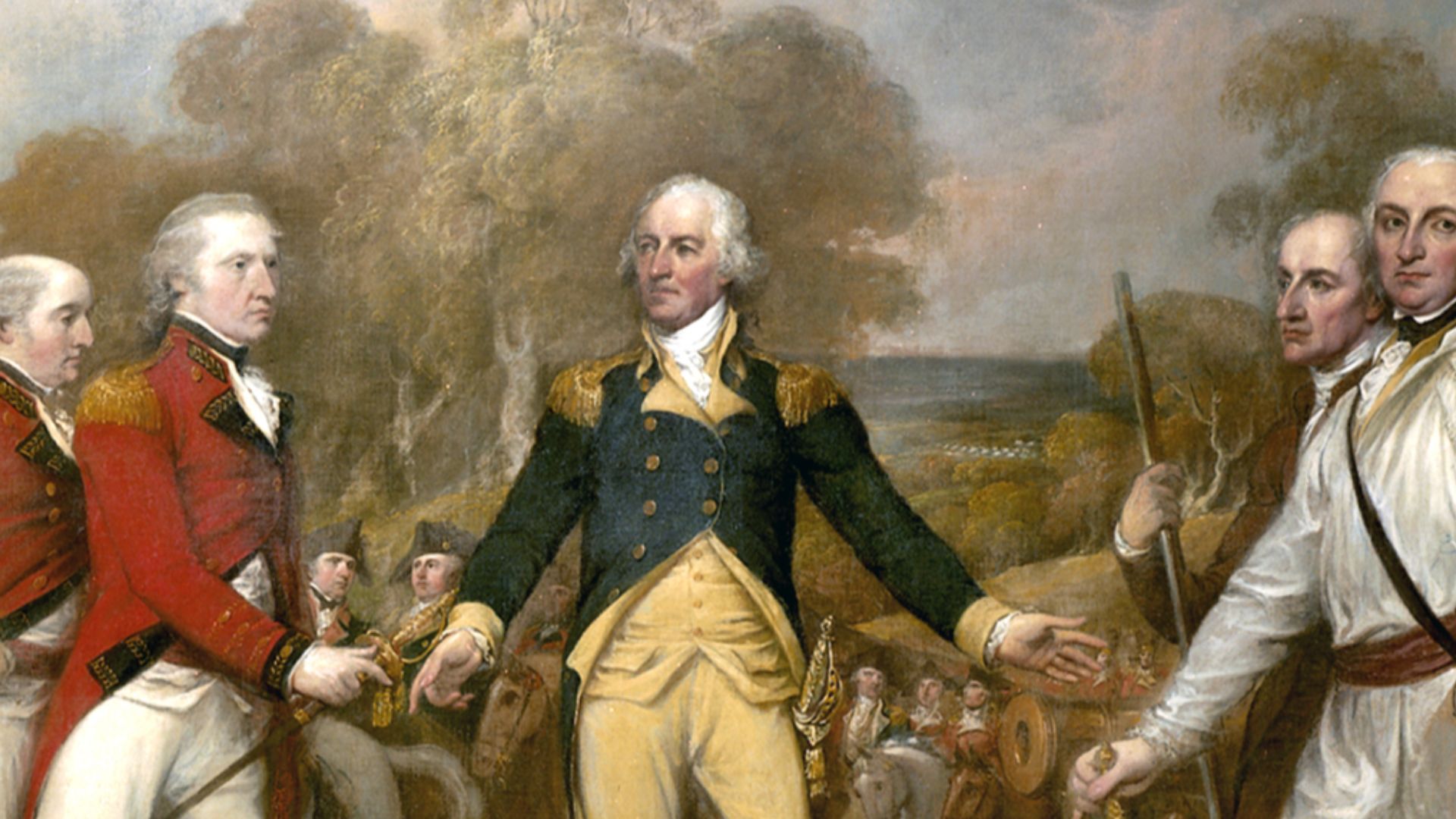 John Trumbull, Wikimedia Commons
Securing An Alliance With France
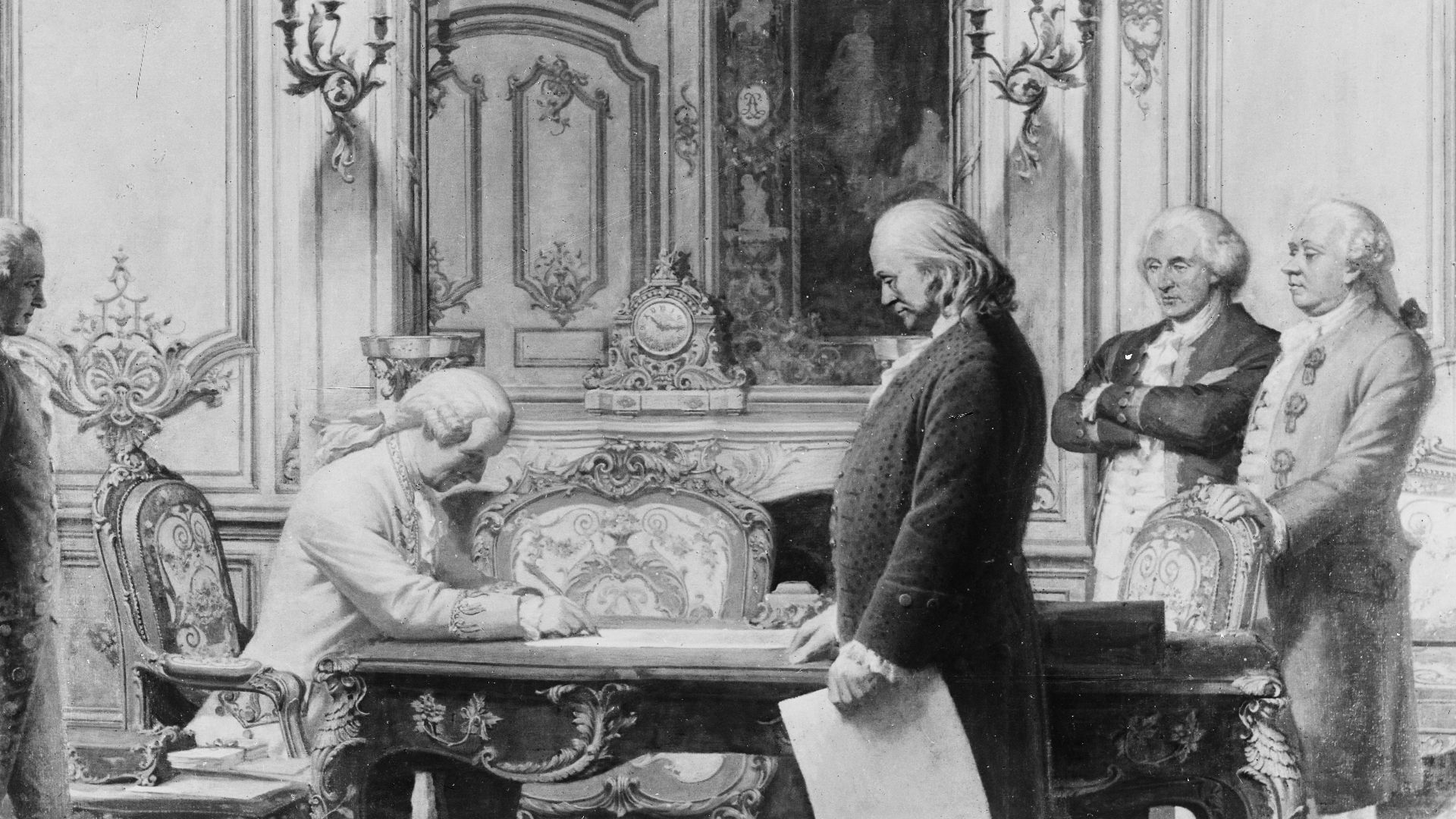
The patriots’ victory was crucial in helping them secure the foreign support that they so badly needed: France would sign a Treaty of Alliance and a Treaty of Amity and Commerce with the US in February 1778.
 Charles Elliott Mills, Wikimedia Commons
Battle 7: Monmouth: 28 June 1778
Who won? Inconclusive
How many fought? 11,000 patriots v 15,000 British
Estimated casualties? 600 patriots, 700 British
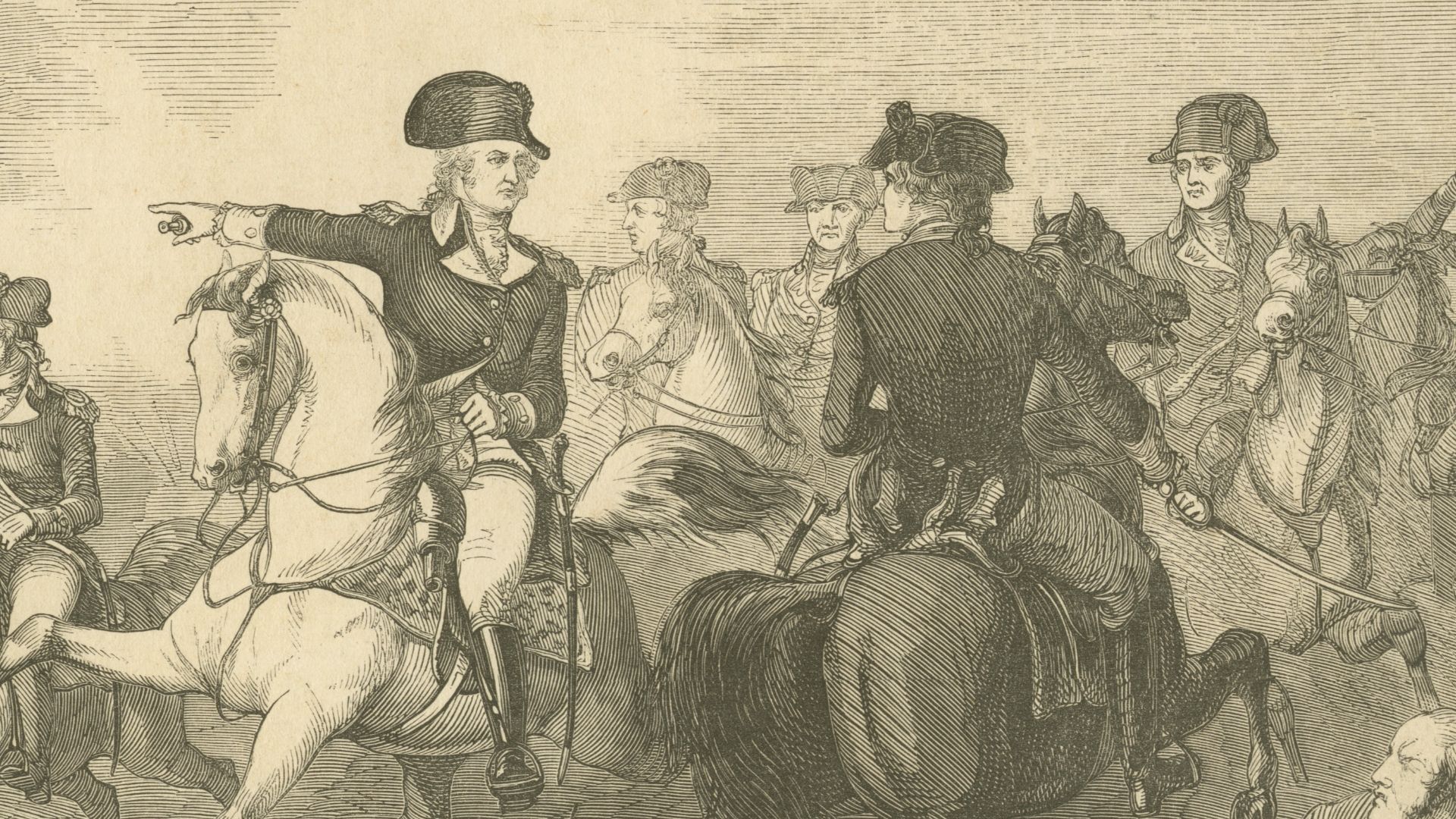
On a hot, humid day at the end of June 1778, generals George Washington and Charles Lee launched an attack on the rear-guard of General Sir Henry Clinton’s British Army, which was in the process of retreating from Philadelphia after occupying it over the previous winter.
 Scan by NYPL, Wikimedia Commons
Lee Drops The Ball
Initially outnumbering the British two-to-one, and having recently undergone extensive military training, the patriots seemed to have a significant advantage.
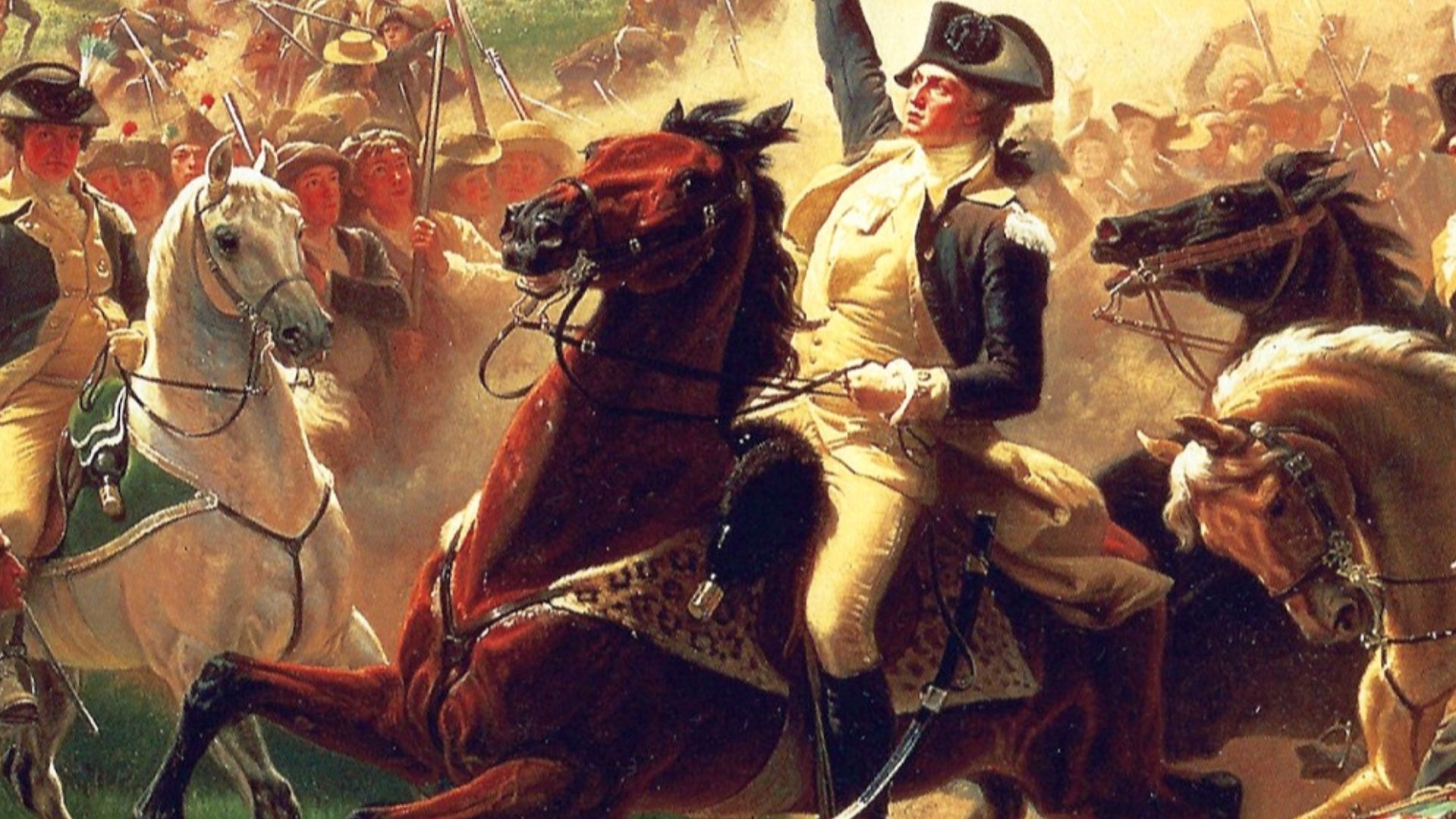
But a promising opportunity nearly ended in disaster due to Lee’s lack of confidence in the ability of his men and his inability to press his advantage. As Washington arrived on the battlefield, he was met by panicked troops fleeing the British forces.
 Emanuel Leutze, Wikimedia Commons
Lafayette Takes Command
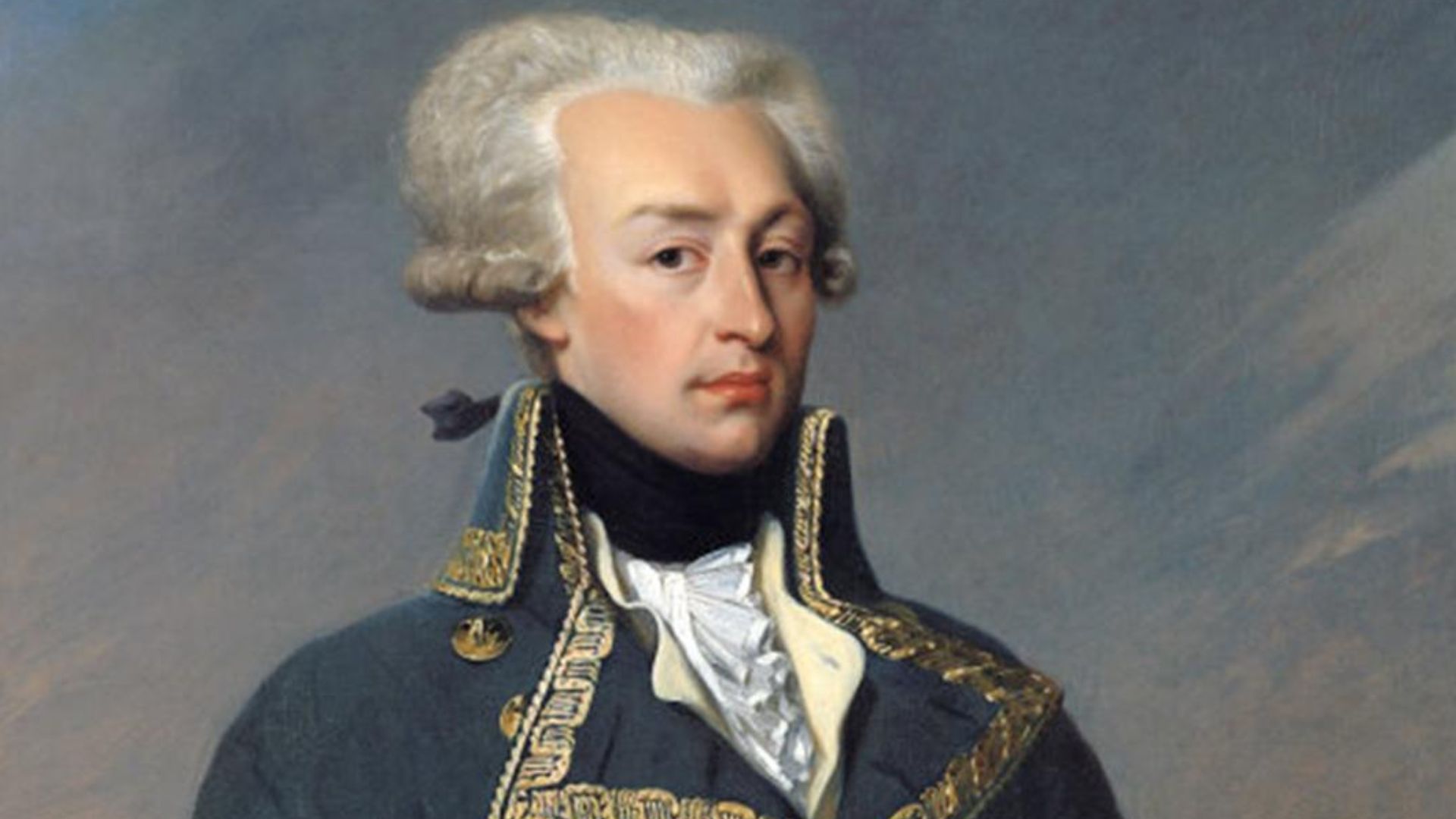
The furious general removed Lee from command, putting the Marquis de Lafayette in charge of the remaining soldiers, and fighting continued for several hours. By 6pm, both sides were exhausted.
Unwilling to renew the fight in the morning, the British left for the safety of New York under the cover of darkness. Lee was court-martialled for his conduct and his military service terminated.
 Joseph-Desire Court, Wikimedia Commons
Battle 8: Cowpens: 17 January 1781
Who won? Patriot victory
How many fought? 1,065 patriots v 1,150 British
Estimated casualties? 149 patriots, 868 British
As the war progressed, fighting shifted in a new direction as the British tried to garner loyalist support from the Southern colonies.
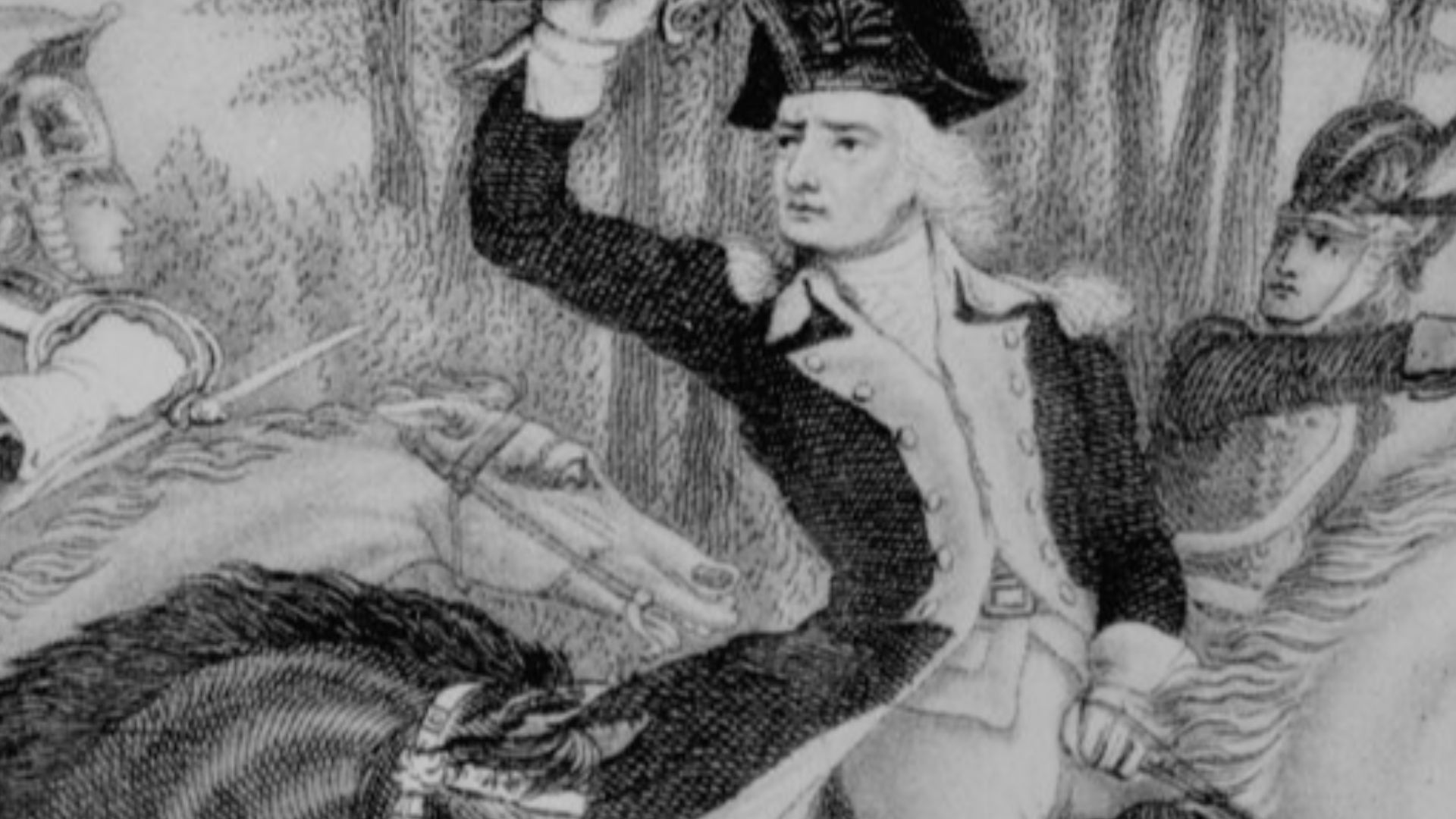 Drawn and engraved for Graham's Magazine by S. H. Gimber, Wikimedia Commons
Cutting Supply Lines
But their ‘Southern Campaign’ was hampered by Brigadier General Daniel Morgan and his patriot army, who were cutting supply lines and interrupting British operations in the South.
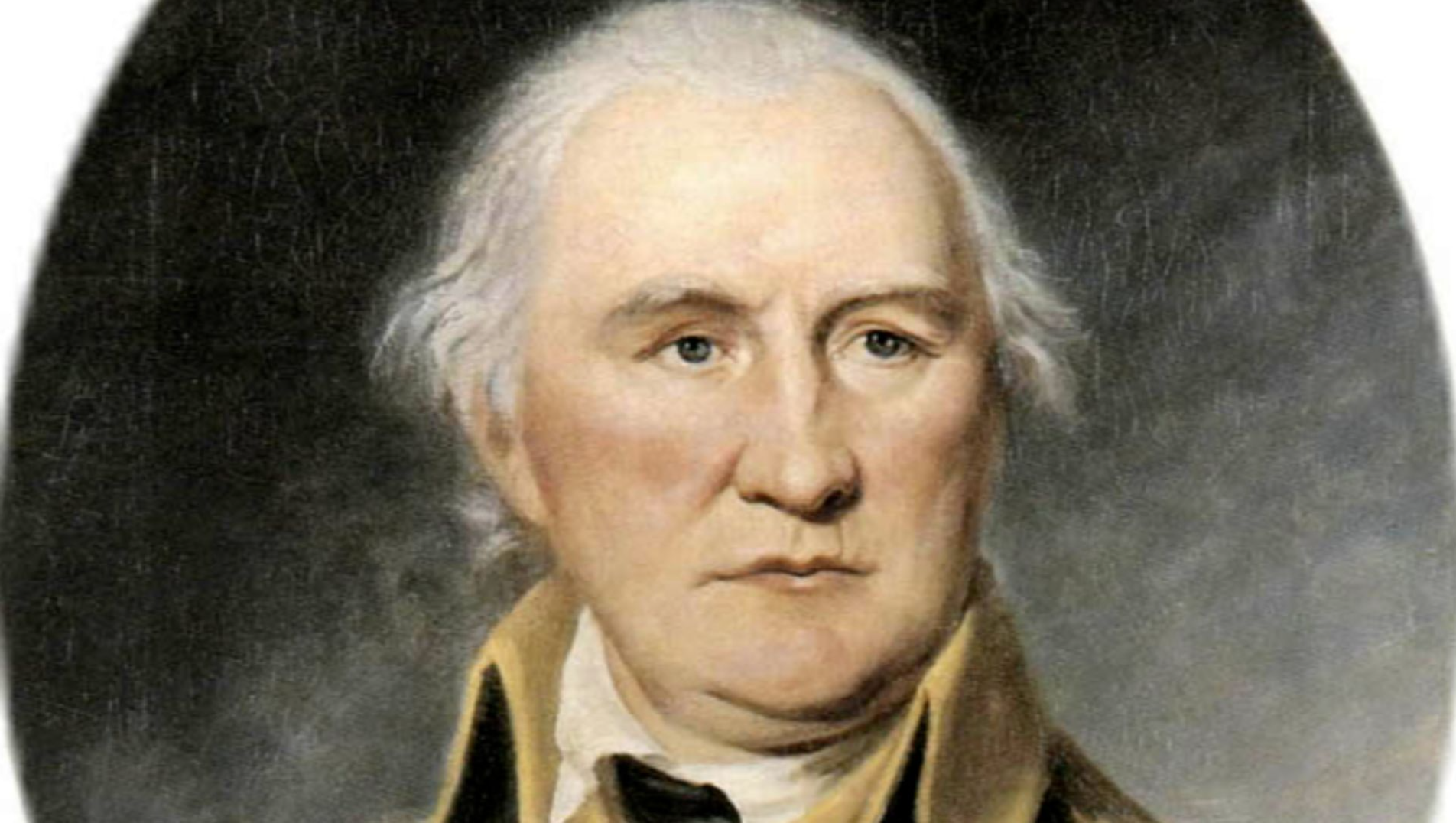 Charles Willson Peale, Wikimedia Commons
Tarleton Vs. Morgan
British Lieutenant Colonel Banastre Tarleton was sent to deal with the situation, and the two forces met on pastureland in South Carolina in January 1781. In a superb example of military prowess, Morgan arranged his men in three lines and gave the order to shoot British officers first as a way of causing disorder. The second line of men was then ordered to fire a volley and move to the back, making it appear as if they were fleeing, and concealing the more experienced troops in the third line.
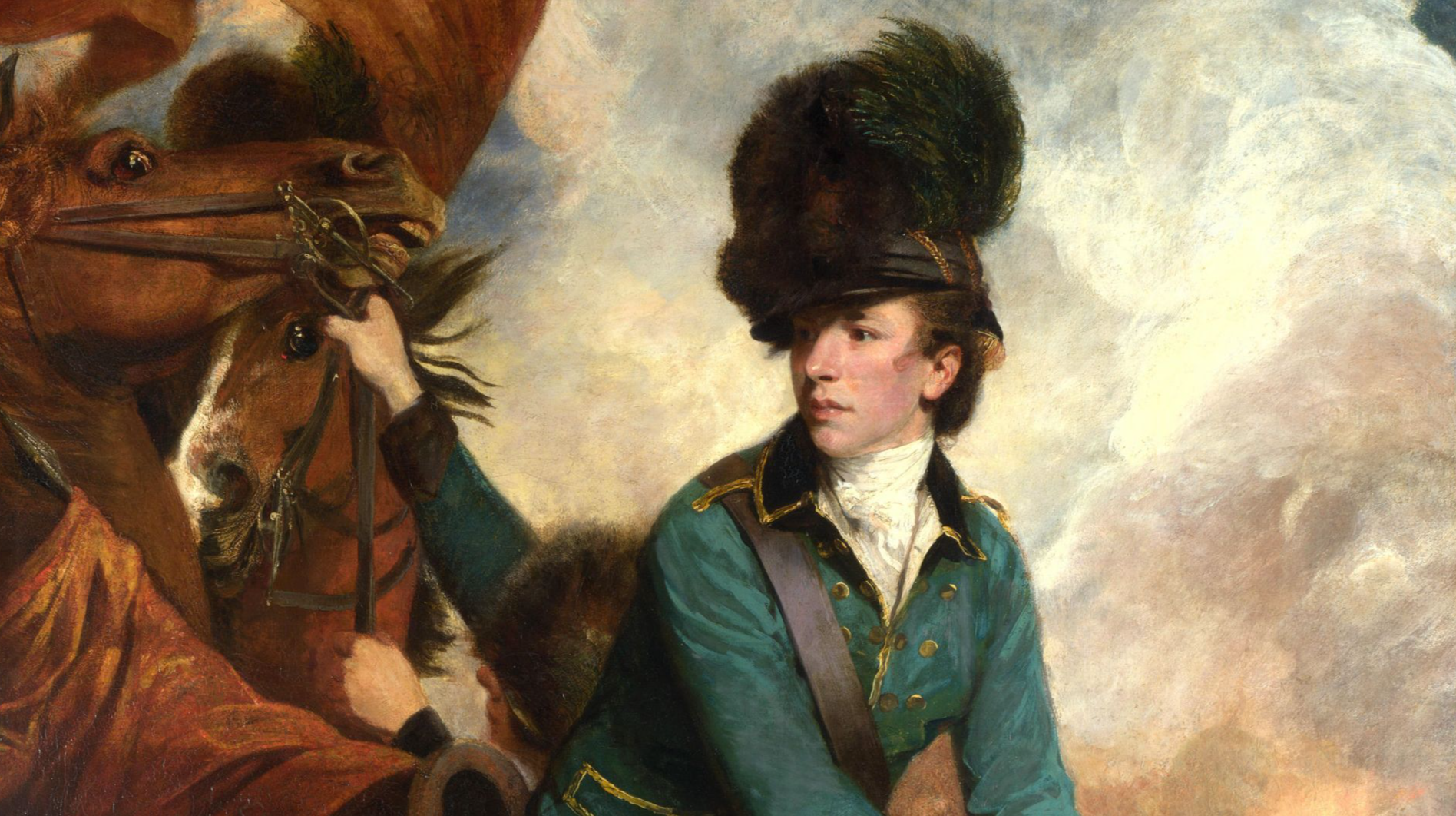 Joshua Reynolds, Wikimedia Commons
The Gamble Pays Off
The gamble paid off, and the British troops suffered heavy losses. The patriot cavalry eventually destroyed much of what was left of the enemy as they tried to run, and Colonel William Washington – a cousin of George Washington – engaged Tarleton in one-to-one combat.
Tarleton shot Washington’s horse from under him before fleeing the battlefield, but he was ultimately left humiliated. The defeat paved the way for the most decisive blow yet to come at Yorktown, just a few months later.
Yorktown, just a few months later.
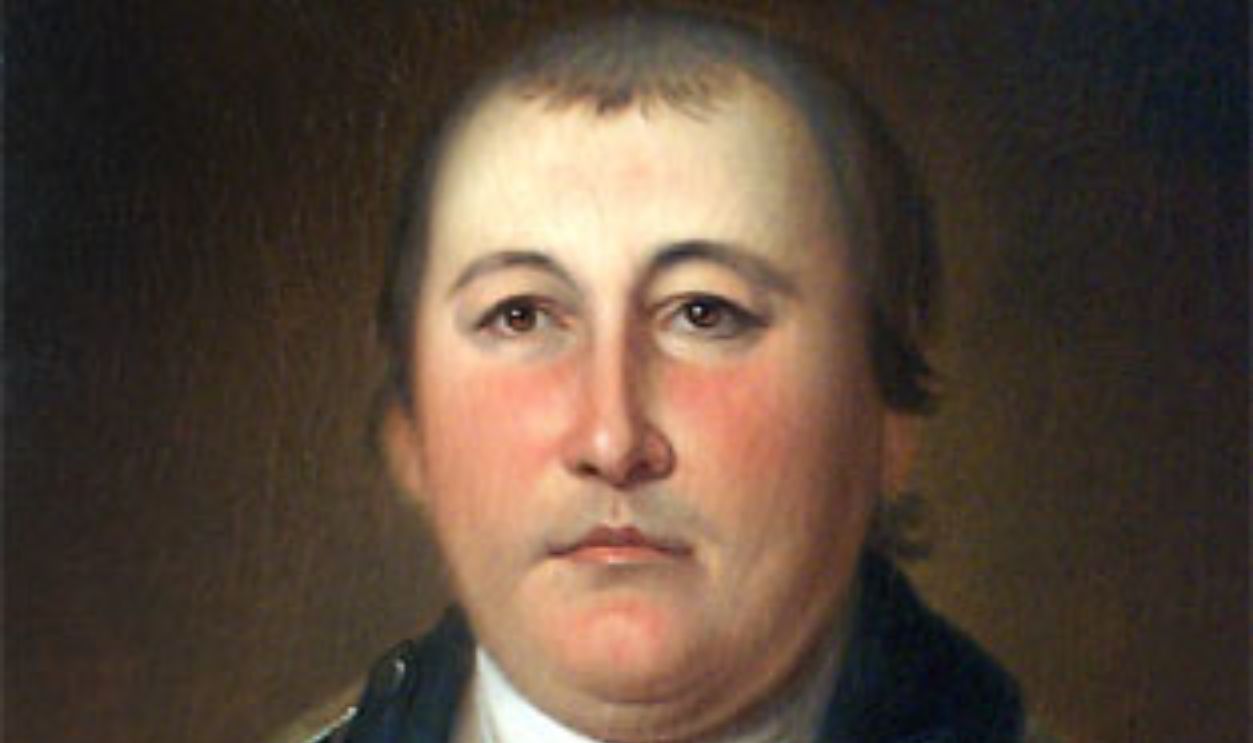 Rembrandt Peale, Wikimedia Commons
Battle 9: Yorktown: 28 September – 19 October 1781
Who won? British surrender
How many fought? 19,900 patriots v 9,000 British
Estimated casualties? 389 patriots, 9,000 British
After six years of war, both sides were desperately seeking a definitive victory. A decisive blow was needed, and it came at Yorktown.
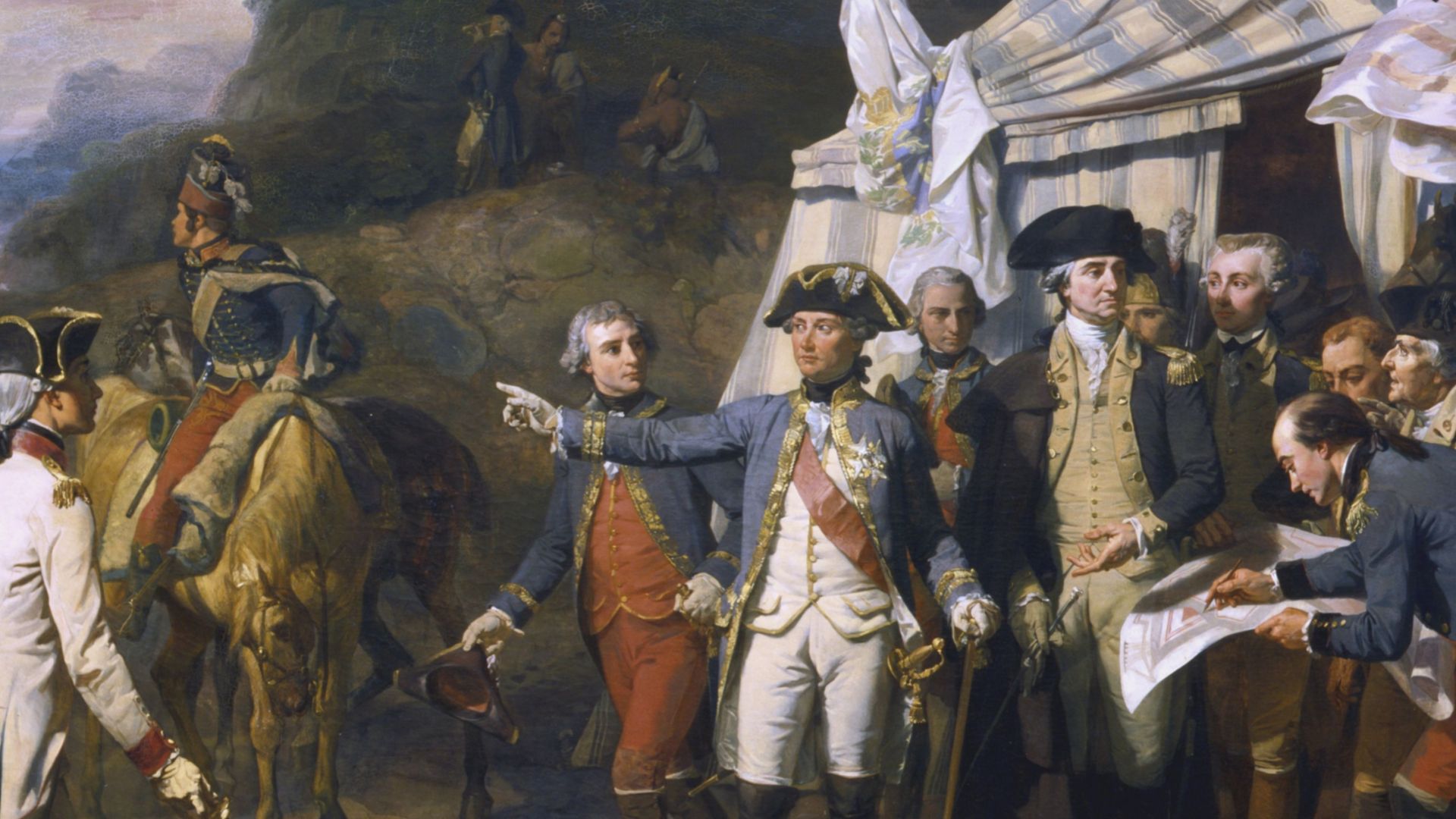
Washington And Rochambeau Close In On Cornwallis
After being assured that they would receive French naval support, patriot armies marched hundreds of miles from their New York headquarters to Yorktown, Virginia. As a French fleet sailed into Chesapeake Bay and created a naval blockade around Yorktown, General George Washington and French commander-in chief the Comte de Rochambeau headed south towards Yorktown to lay siege to British general Lord Charles Cornwallis and his troops, who were awaiting supplies and reinforcements.
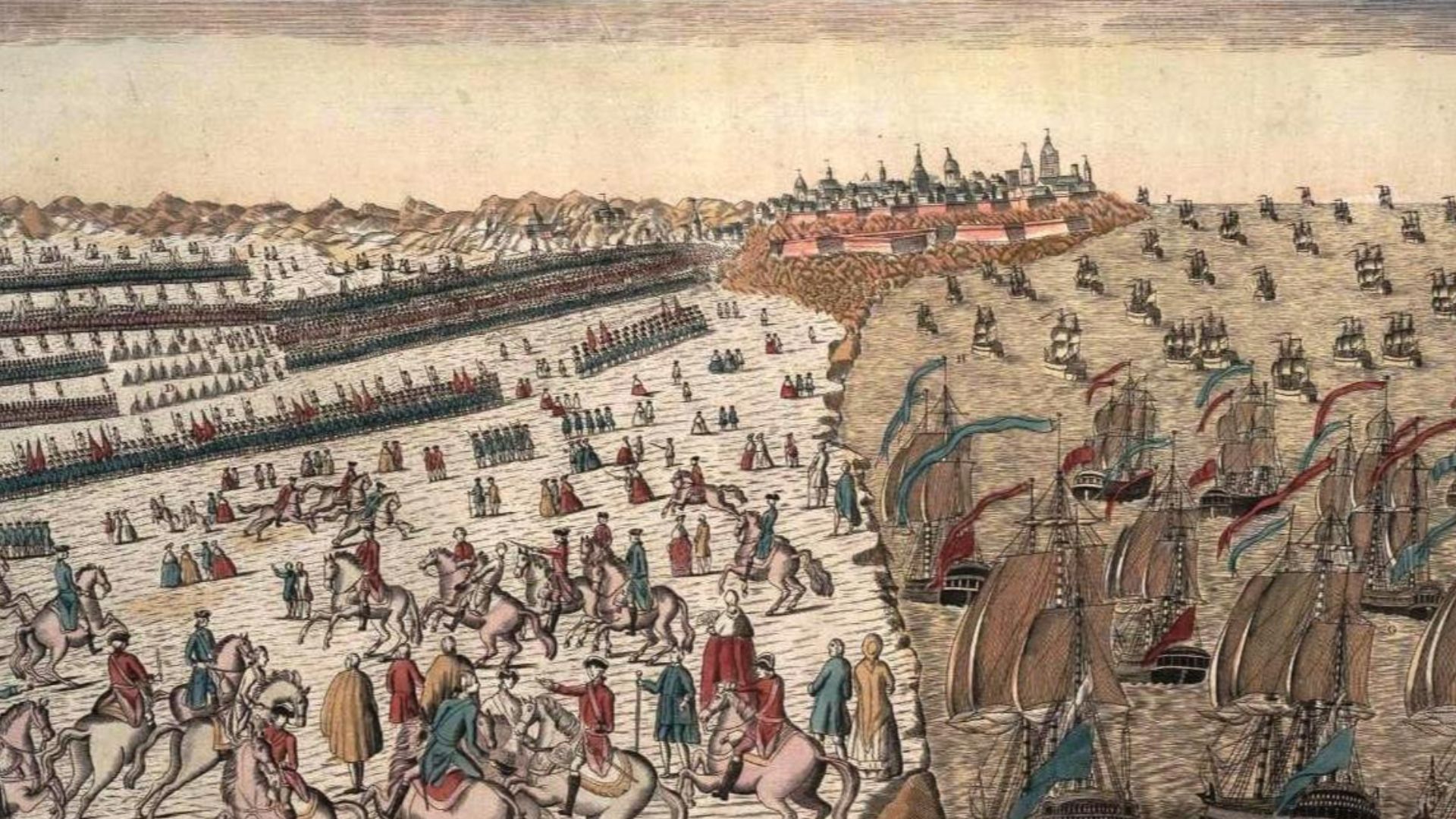 Artiste inconnu, Wikimedia Commons
A Decisive Victory
Heavy bombardment followed, and with little in the way of supplies and following an abandoned evacuation attempt, Cornwallis ultimately secured terms of surrender on 17 October.
Almost 8,000 British and loyalist men were taken prisoner, and at the official surrender ceremony two days later, Cornwallis became unwell and his second-in-command took his place. Peace would not be officially declared for another two years while treaties were negotiated, but no further offensives were carried out on North America’s eastern seaboard.
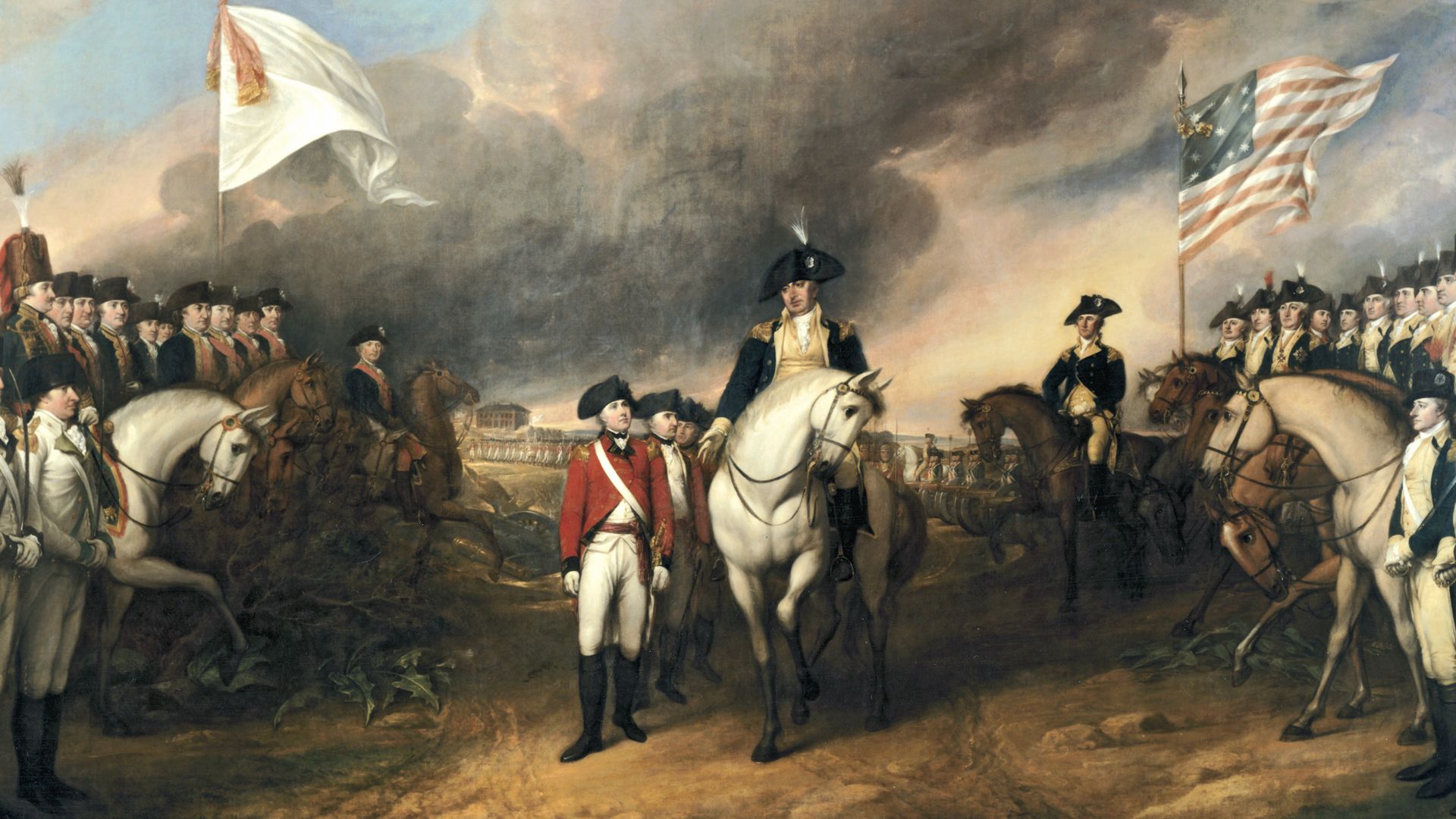 John Trumbull, Wikimedia Commons
It Is All Over
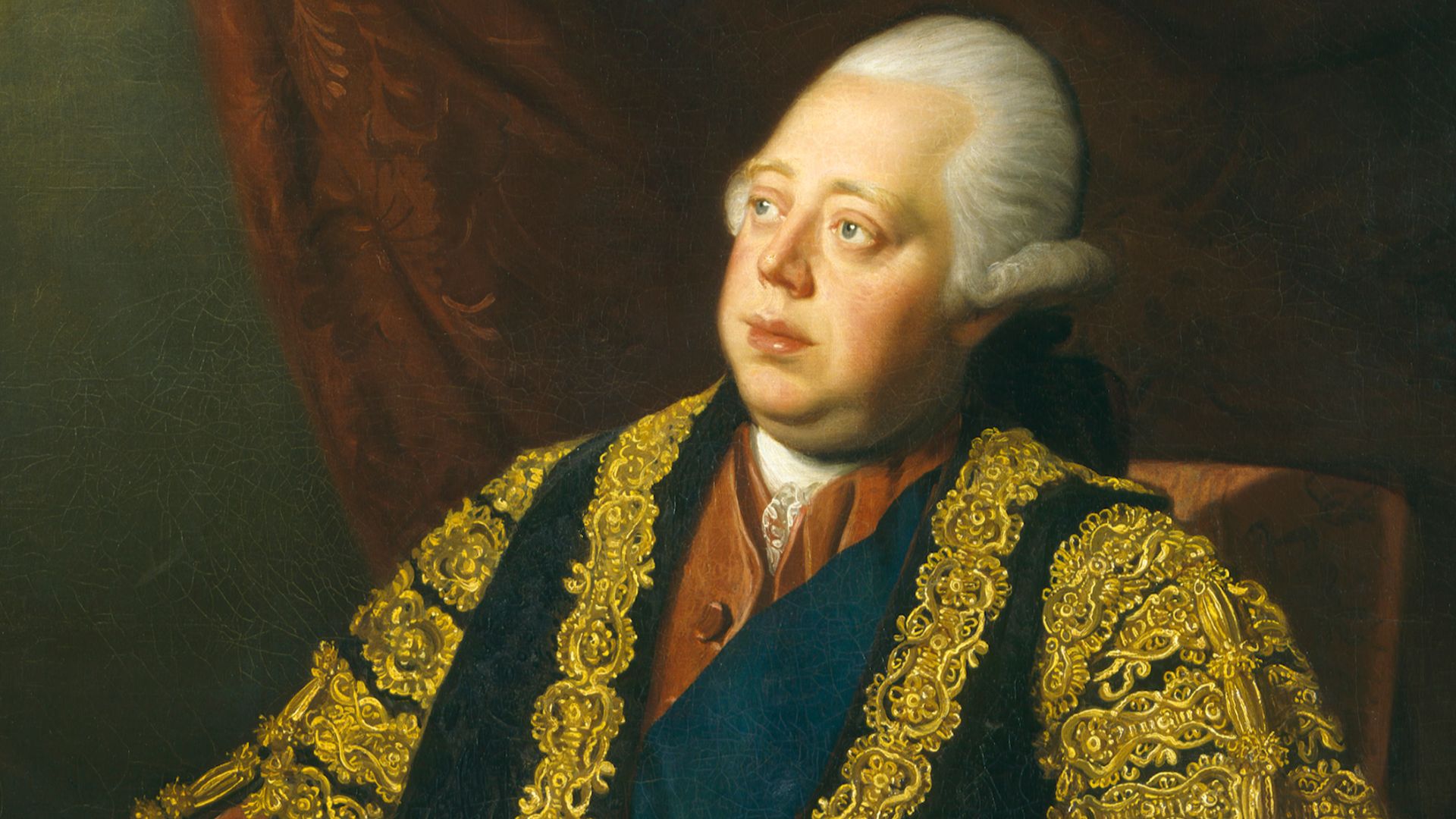
On 25 November, when news of the surrender reached British Prime Minister Lord Frederick North, he is said to have cried: “Oh God. It is all over. It is all over.”
This content was created in partnership with HistoryExtra.








.jpg)
