Jamaica is a gorgeous, English-speaking island in the Caribbean that welcomes tourists with open arms each year. Jamaica's happy, peaceful vibes combine with breath-taking nature to make it a wonderful place to visit.
43. Smiling, Happy People
Jamaica is the third happiest nation on earth, behind Costa Rica and the Dominican Republic. Jamaica has great health care, a long life expectancy, and a great quality of living.
42. God Save The Queen
Jamaica is its own independent country, but it is also part of the British Commonwealth; Queen Elizabeth II is the symbolic head of Jamaica.
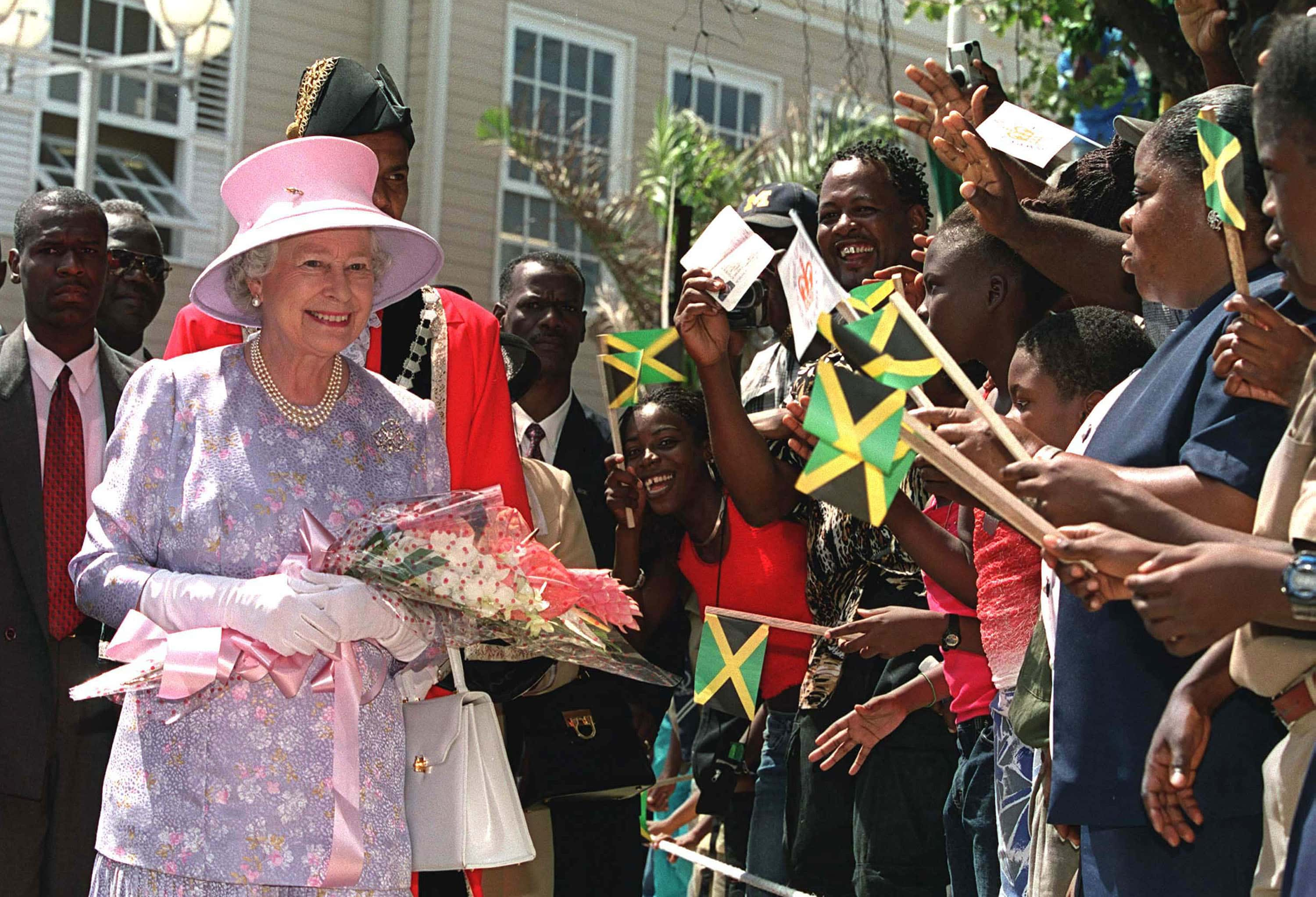
41. Flying Proud
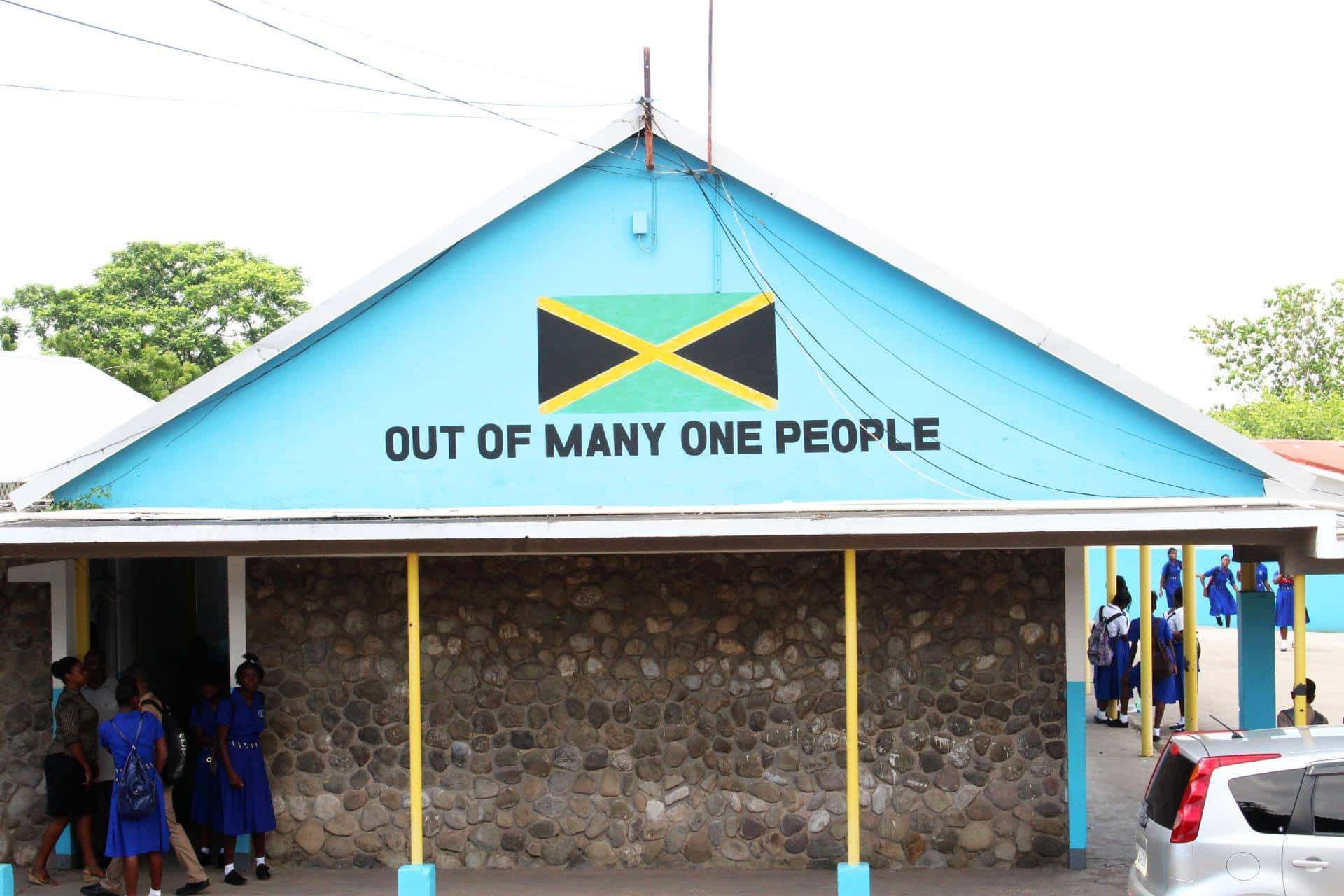
Jamaica’s national flag is black, green, and yellow. That makes Jamaica one of the only countries to have a flag that doesn’t have a single color in common with the United States. Black represents hardship, green stands for hope and agriculture, and yellow indicates wealth and the beauty of the sun.

40. Origin Story
The original natives of Jamaica are known as Arawaks or Tainos, and they came from South America 2,500 years ago. Their name for the island was "Xaymaca." The original inhabitants grew corn, sweet potatoes, and fruit.

39 The Land Blessed By Gold
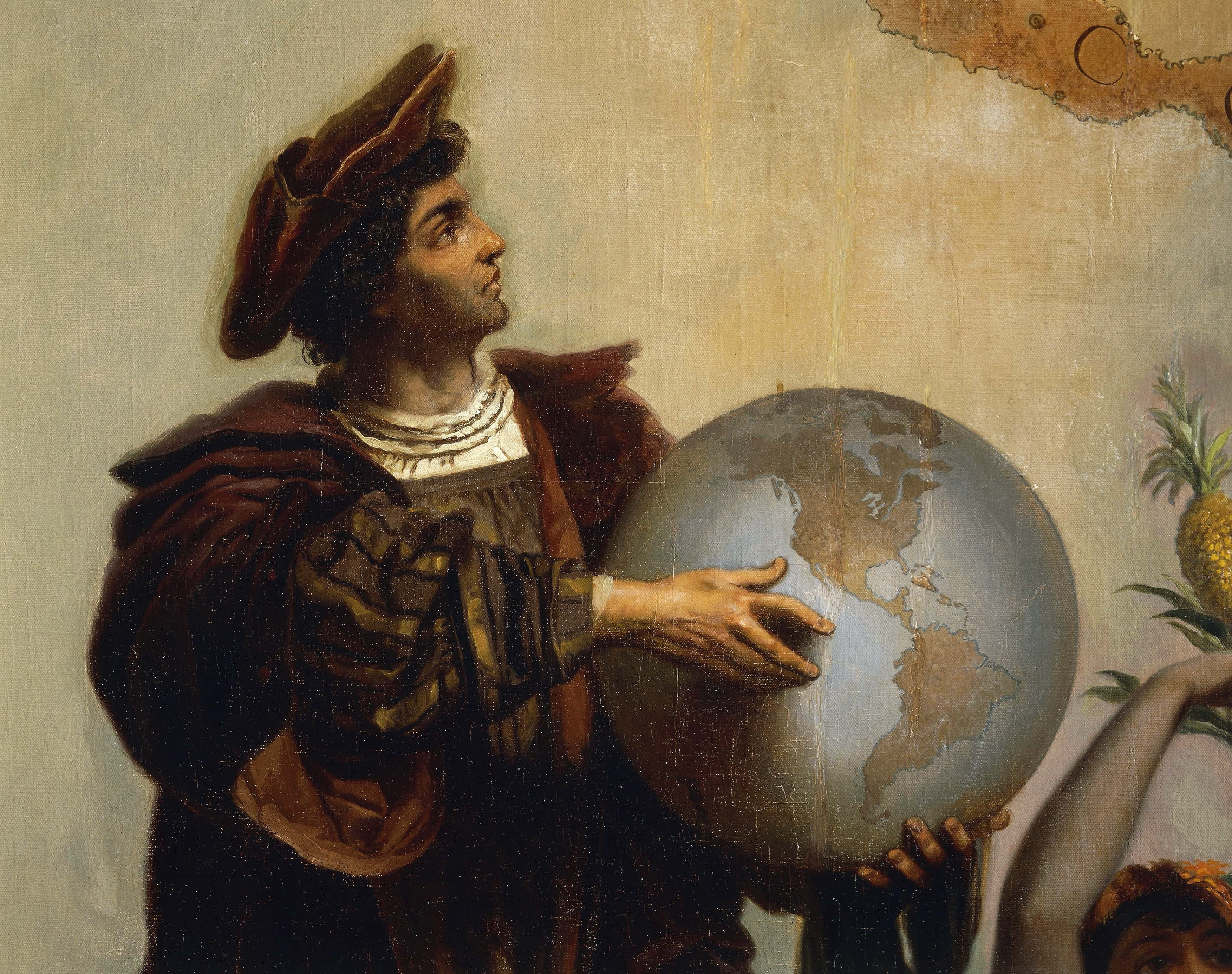
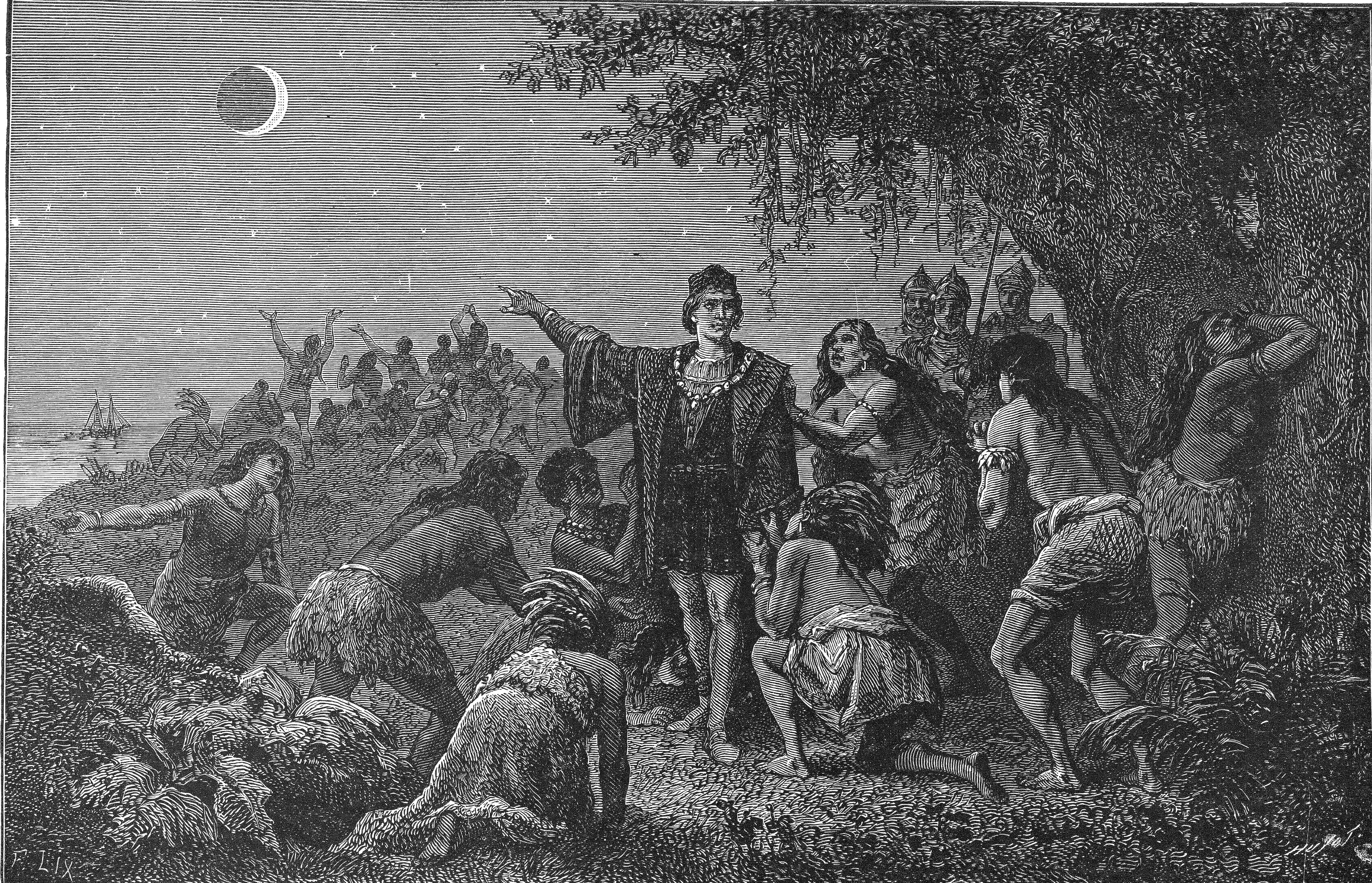
Christopher Columbus found out about Jamaica from the Cubans, who claimed that it was a very “blessed” place filled with gold. Columbus travelled to the island in 1494 but, despite enslaving the Arawak people in order to look for the treasure, found no gold—Jamaica had none.
38. Conquerors
Thanks to Columbus, Jamaica became a colony of Spain along with other islands in the West Indies. For years, few people actually lived on the island, and it was mostly used as a place for Spanish travelers to stop and re-stock their supplies.
37. Free At Last
In 1655, the English had attack Jamaica and won. The Spanish-owned African slaves were freed, and they were allowed to live in Jamaica. While the attack was occurring, however, these slaves fled to the mountains until it was safe for them to come out again. This earned them the name "maroons," which comes from the Spanish word cimarrones, or "mountaineers." This nickname is the origin of the English phrase “marooned,” or someone who is left alone on a deserted island.

36. Shiver Me Timbers
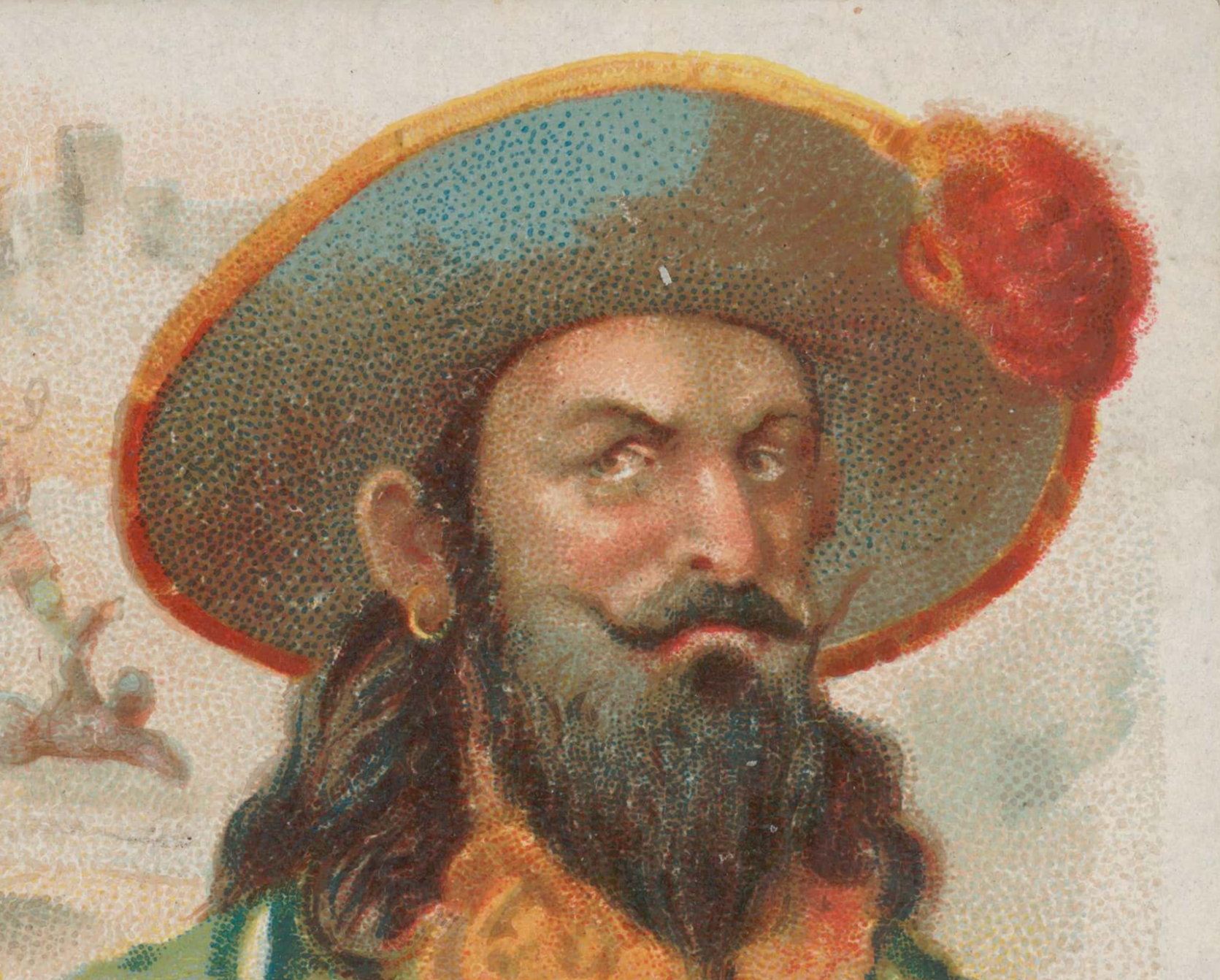
A pirate named Henry Morgan began attacking the Spanish ships in 1655, and his crew looted their gold and treasure. This made it even more difficult for the Spanish to defend themselves against the English. In 1673, England officially named Morgan Lieutenant Governor of Jamaica. The booze brand Captain Morgan is named after him.
35. Blood, Sweat, And Tears
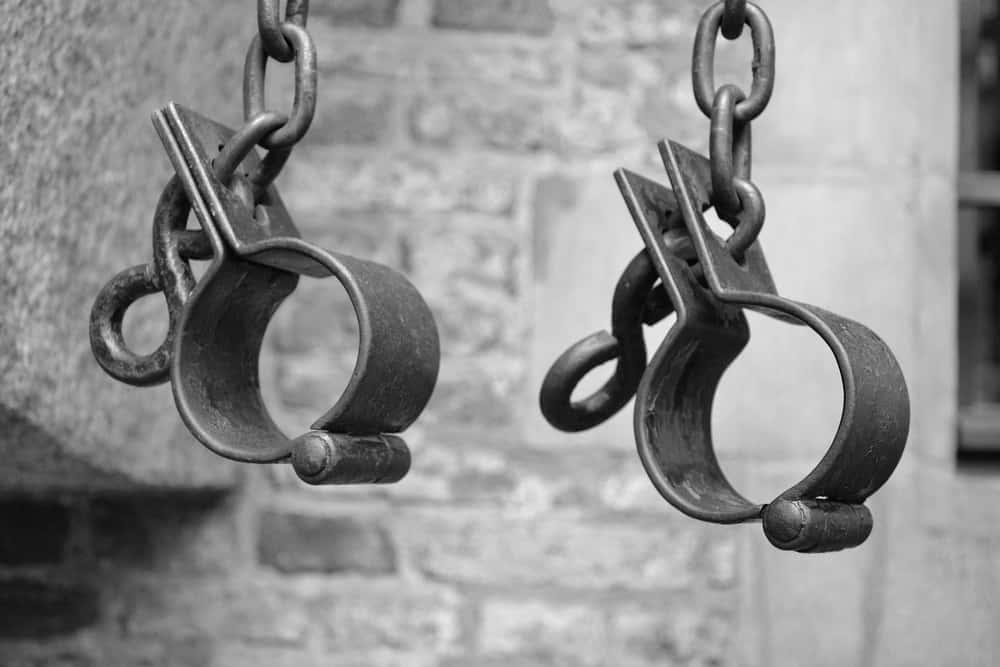
The English began to profit off of Jamaica, bringing slaves over from Africa, working them in plantations, and selling the resulting products of slave labour to other countries.

34. Don’t Go Down Without A Fight
During this time, the vast majority of the Jamaican population was African slaves, and slaves outnumbered masters. This resulted in multiple uprisings, including The Maroon Wars. After all, the Maroon people were free for several years before the English started bringing more slaves in. Eventually, in 1808, England abolished slavery, with the Abolition Bill coming into full effect in 1838.
33. In This Together
In 1962, the national motto of Jamaica became “Out of Many, One People.”
32. Witch Doctors
Obeah is a Jamaican form of voodoo that originated in Haiti and was practiced for years; Obeah flourished particularly during the slavery era. The practice is now forbidden, although modern advocates still fight for their right to practice it as a religion.

31. Up, Up, and Away
Jamaica has a huge aircraft industry. Several companies specialize in repairing and and making airplanes.
 Wikimedia Commons, Robert Jones
30. On the Farm
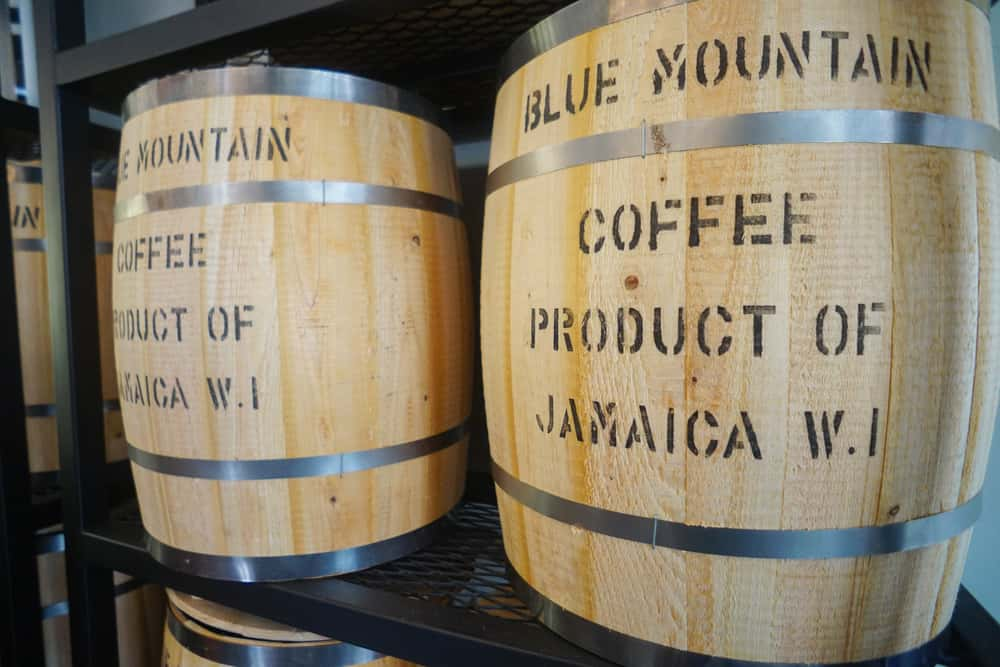
Since it is warm all year round, Jamaica is the perfect place for farming. Jamaica's biggest exports are: corn, yams, sugar, bananas, and coffee. The country produces Blue Mountain Coffee, which is one of the most sought-after and expensive coffees in the world.
29. Everything’s Gonna Be Alright
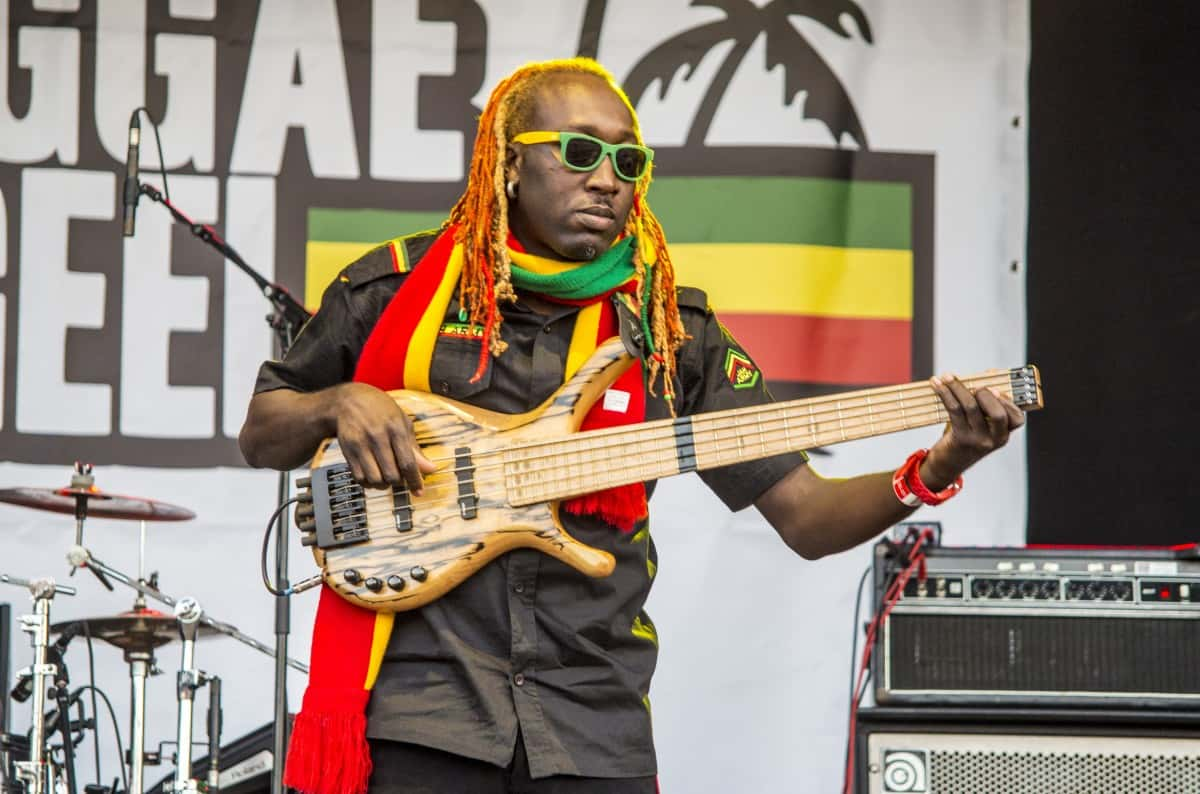
In Jamaica, ska evolved into rocksteady, which eventually transformed into reggae, which has become an iconic Jamaican sound. The Rastafari movement used reggae to preach their political views through music. Today there are over 2,000 reggae festivals all over the world each year.
28. One Love
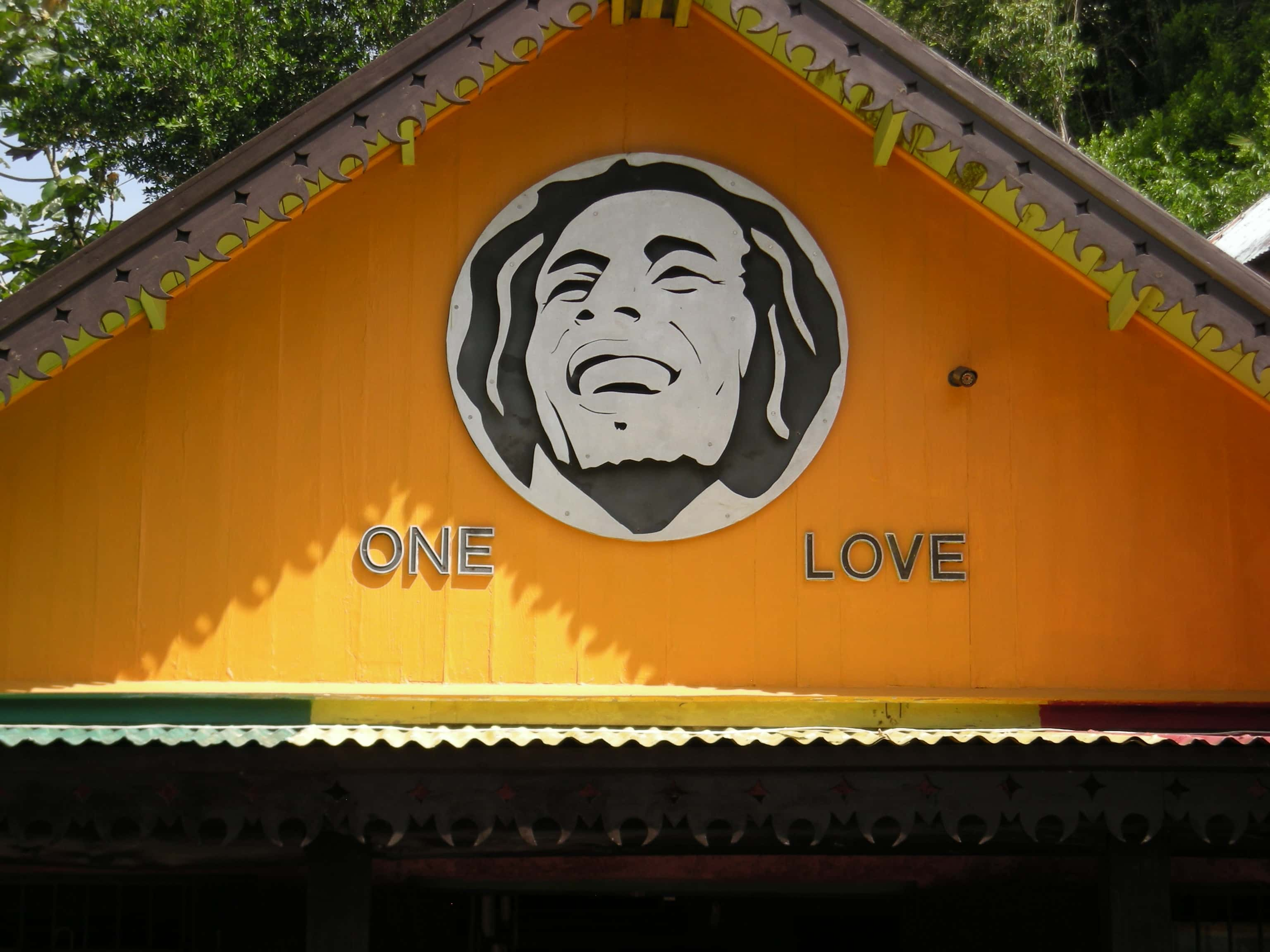
Reggae artist Bob Marley was born in St. Ann Parish, Jamaica. There is a mausoleum dedicated to Marley in Jamaica that tourists can visit. There is also a “pillow rock” colored in the rastafarian colors of red, yellow, and green where Bob Marley was known to lay his head and get inspired.
 Wikimedia Commons, Jasonbook99
27. Remembering the Legend
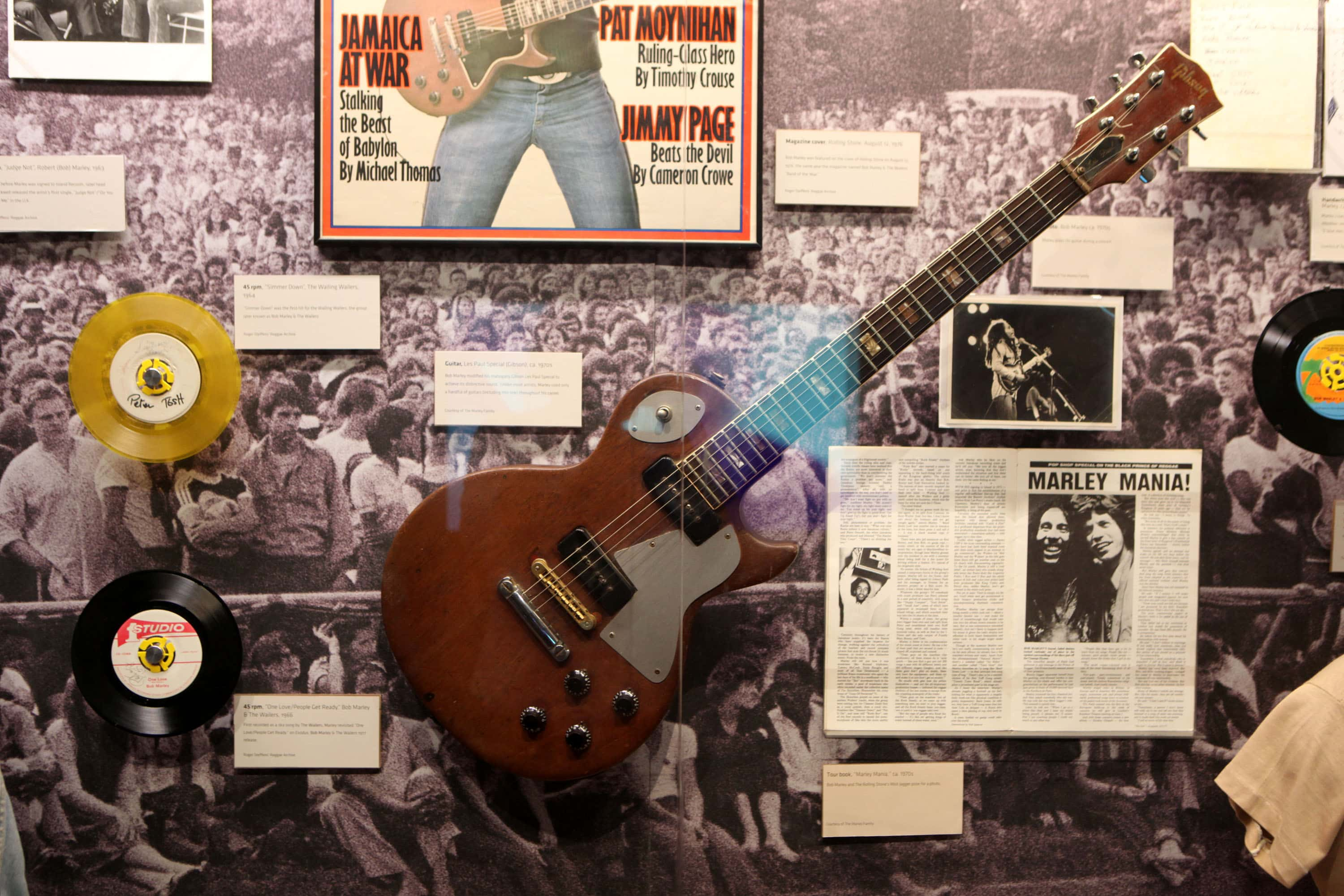
In Kingston, Jamaica, there is an entire museum dedicated to Bob Marley. It was his house from 1975 until 1981 when he passed. His wife Rita decided to preserve the home as a museum so that fans could get a glimpse into the life of a reggae legend. If you visit, the property also has a theater, gift shop, and cafe.
26. Serene Surroundings
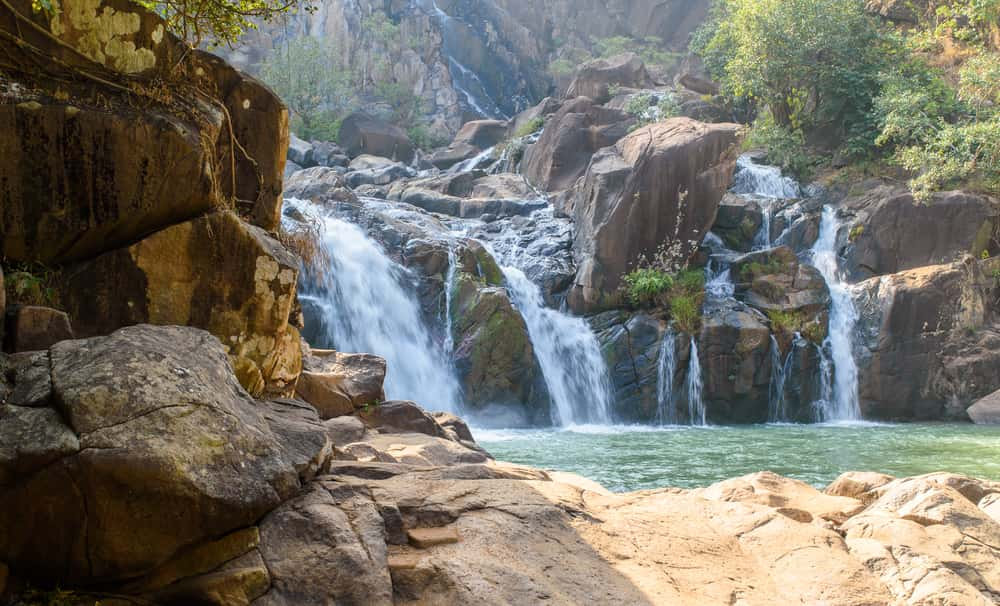
Cane River Falls is a gorgeous area that sits next to a beach where Bob Marley used to exercise with his friends. They would get up early and jog alongside the waterfalls before they got to work recording music. Cane River Falls is still a popular location for tourists to visit and hike.
25. The Flash
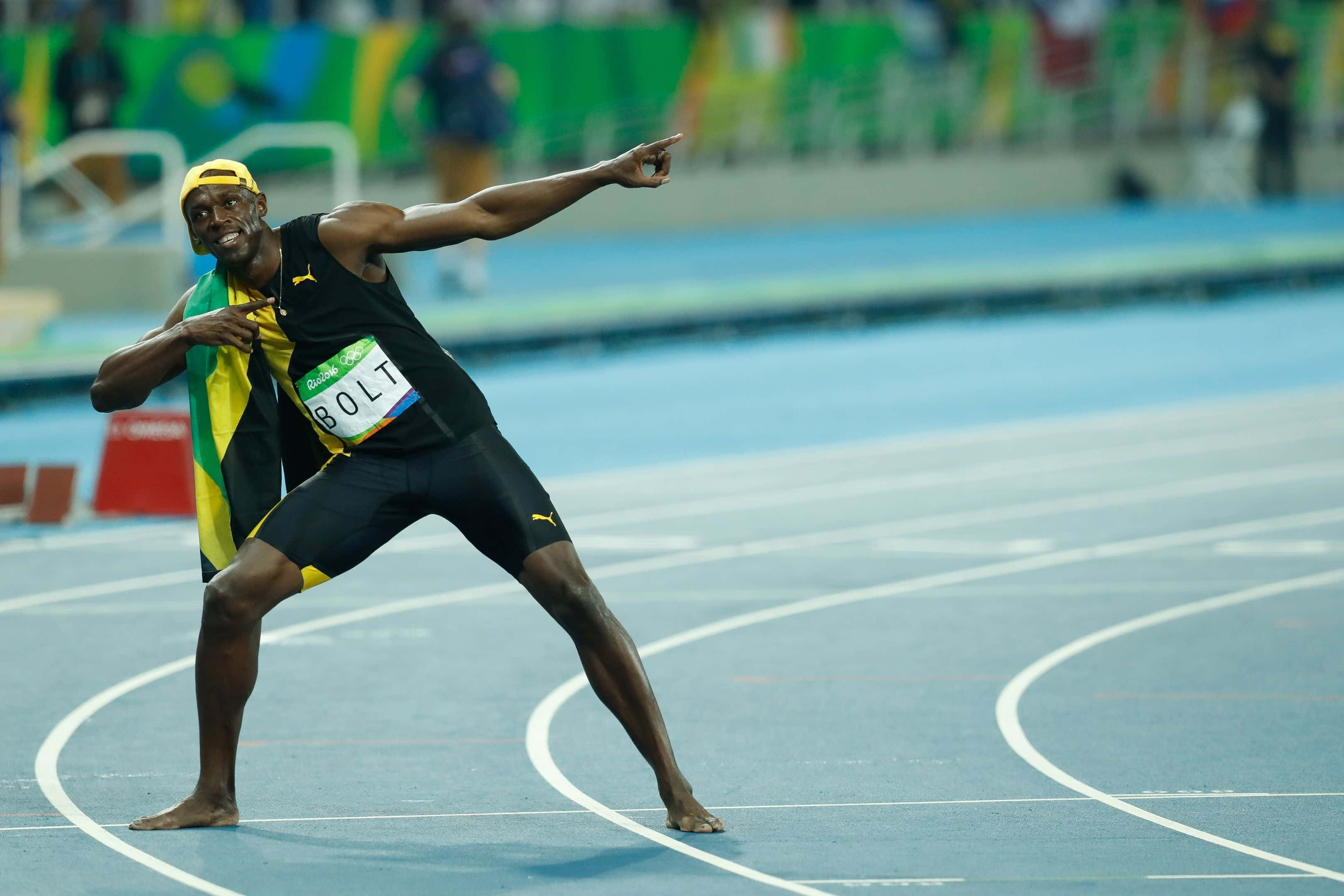
Jamaica is home to the fastest man in the world: Usain Bolt. Bolt has also won the most awards out of any athlete in Jamaica.
 Wikimedia Commons, Fernando Frazão
24. Help!
In the United States, the emergency number for any situation is 9.1.1. In Jamaica, however, there are different numbers for different situations. If you need an ambulance or something is on fire, you dial 110. If you need the Authorities, you dial 119. Pexels
23. Cha-Ching
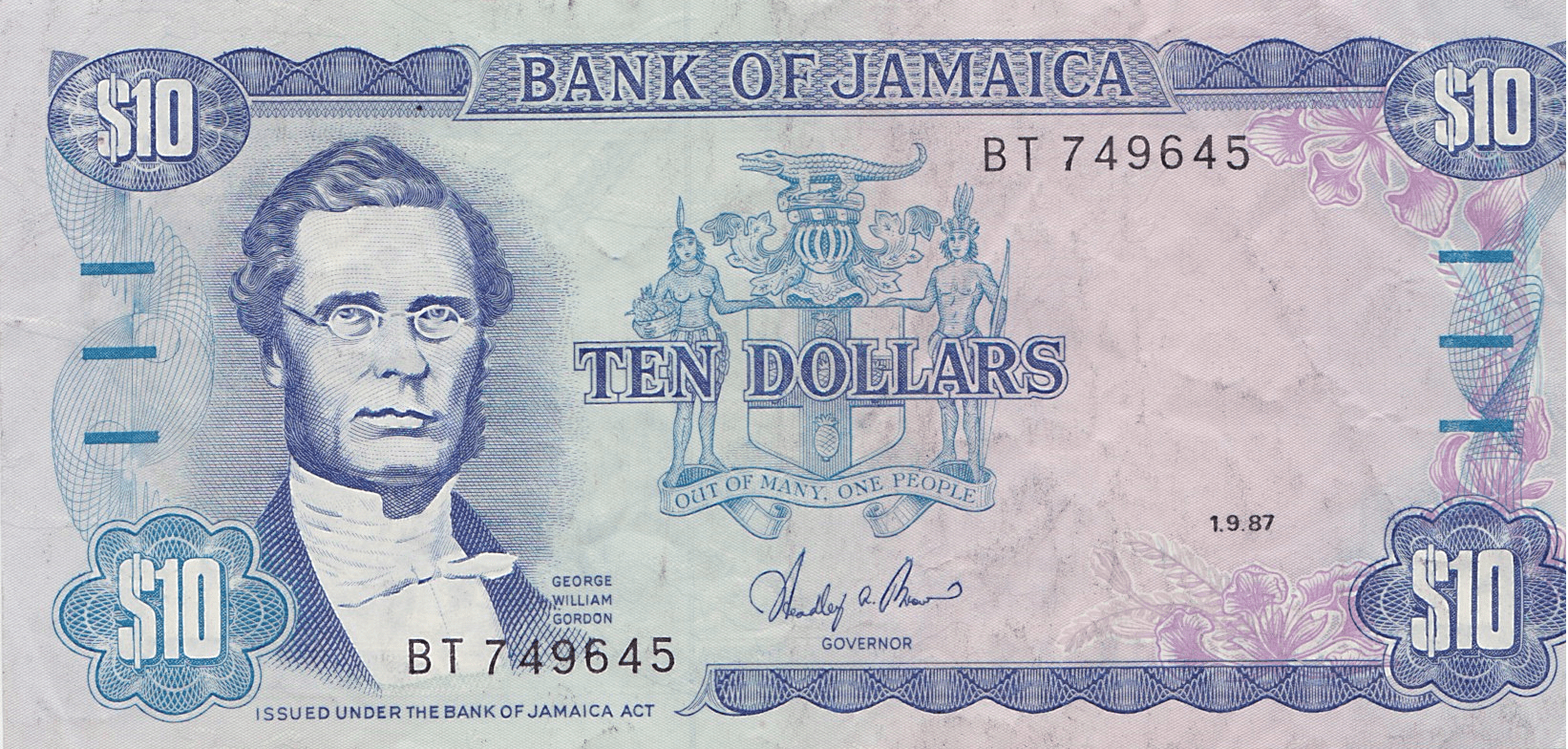
Jamaica's currency is the Jamaican Dollar. However, many hotels and tourist attractions will accept US dollars. One Jamaican Dollar is only about one cent in US currency.
22. Golden Eye
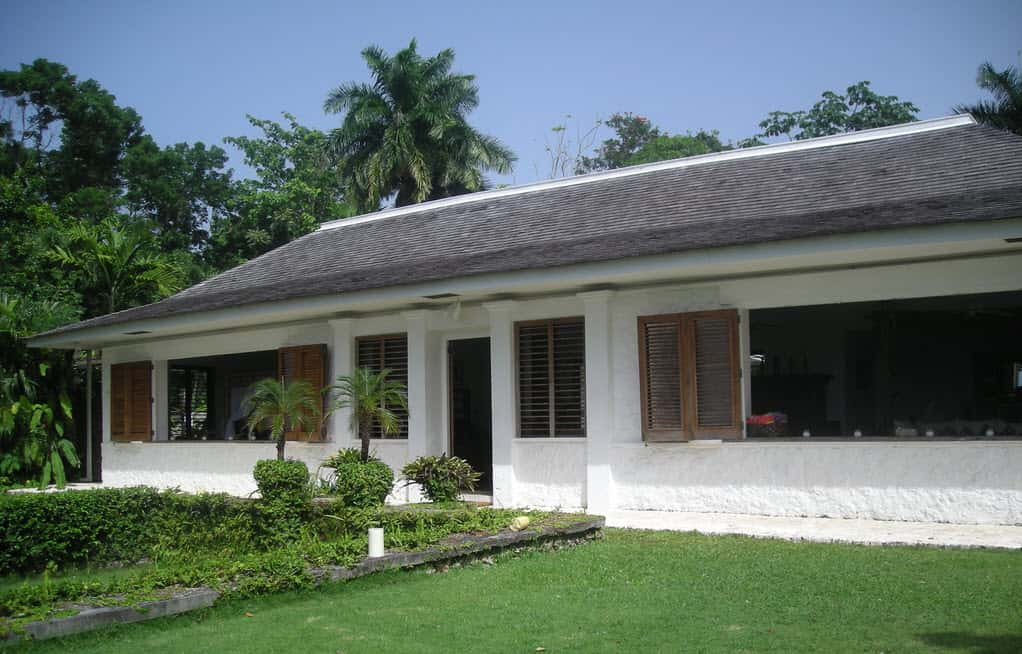
Ian Fleming, the man who wrote the James Bond novels, bought a house in Jamaica and nicknamed it “Golden Eye.” Fleming wrote 14 of his novels while living in the house. Now tourists can rent a night at The Fleming Villa: the home has its own little private beach, a pool, and sleeps up to 10 people.
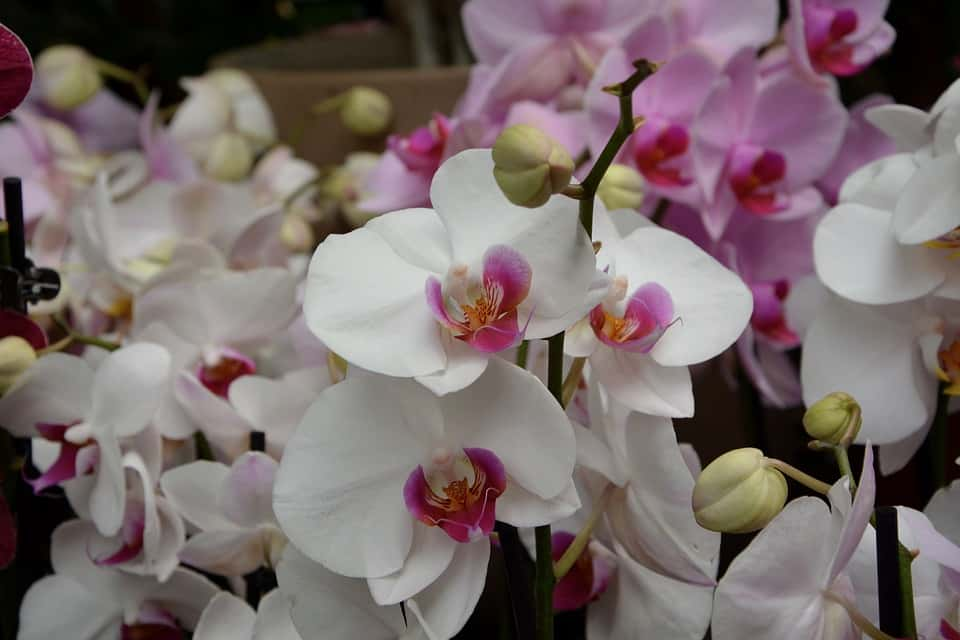
21. Flowers Everywhere
Over 200 species of orchids grow on the island; 73 of the species are indigenous to Jamaica.
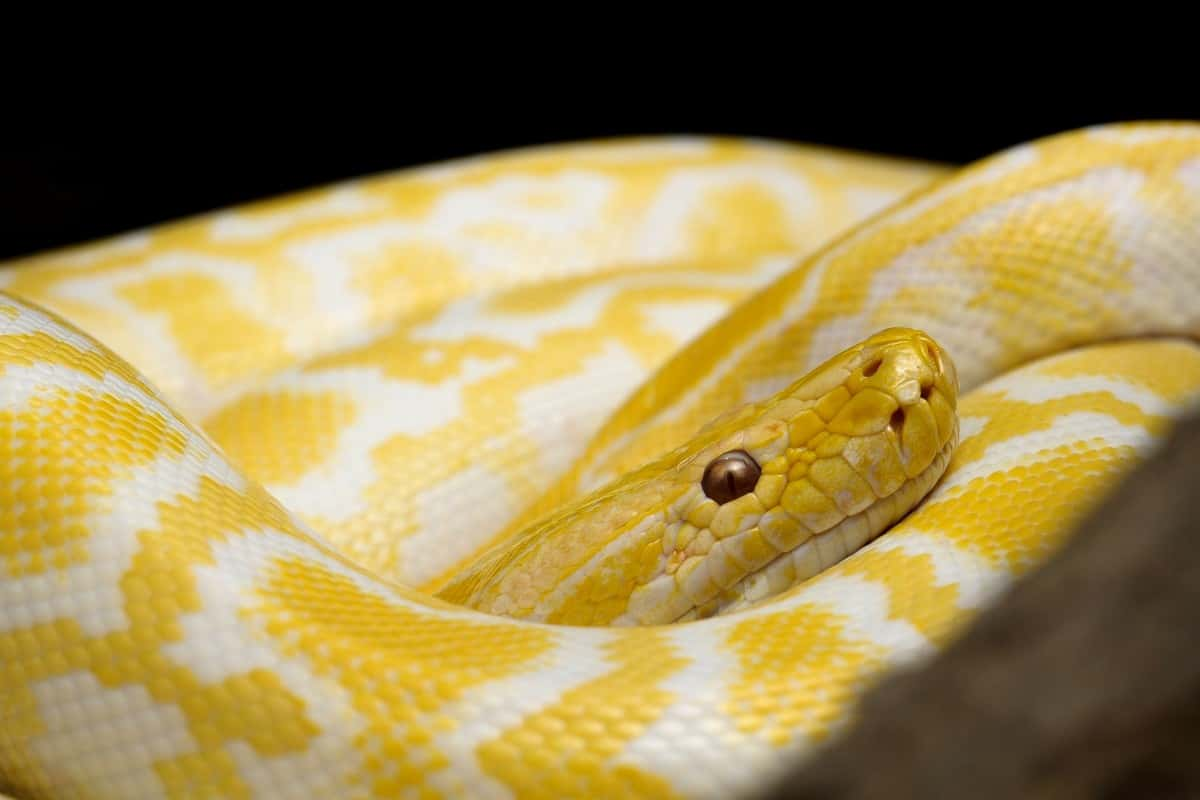
20. Slithery Friends
There are eight different species of snake on the island that are only found in Jamaica, including a massive yellow boa constrictor. Thankfully, none of them are poisonous.
19. Sand and Sun
There are 50 public beaches in Jamaica, which makes it a perfect place to go on holiday. Jamaica is always among the top 5 vacation destination spots every single year.

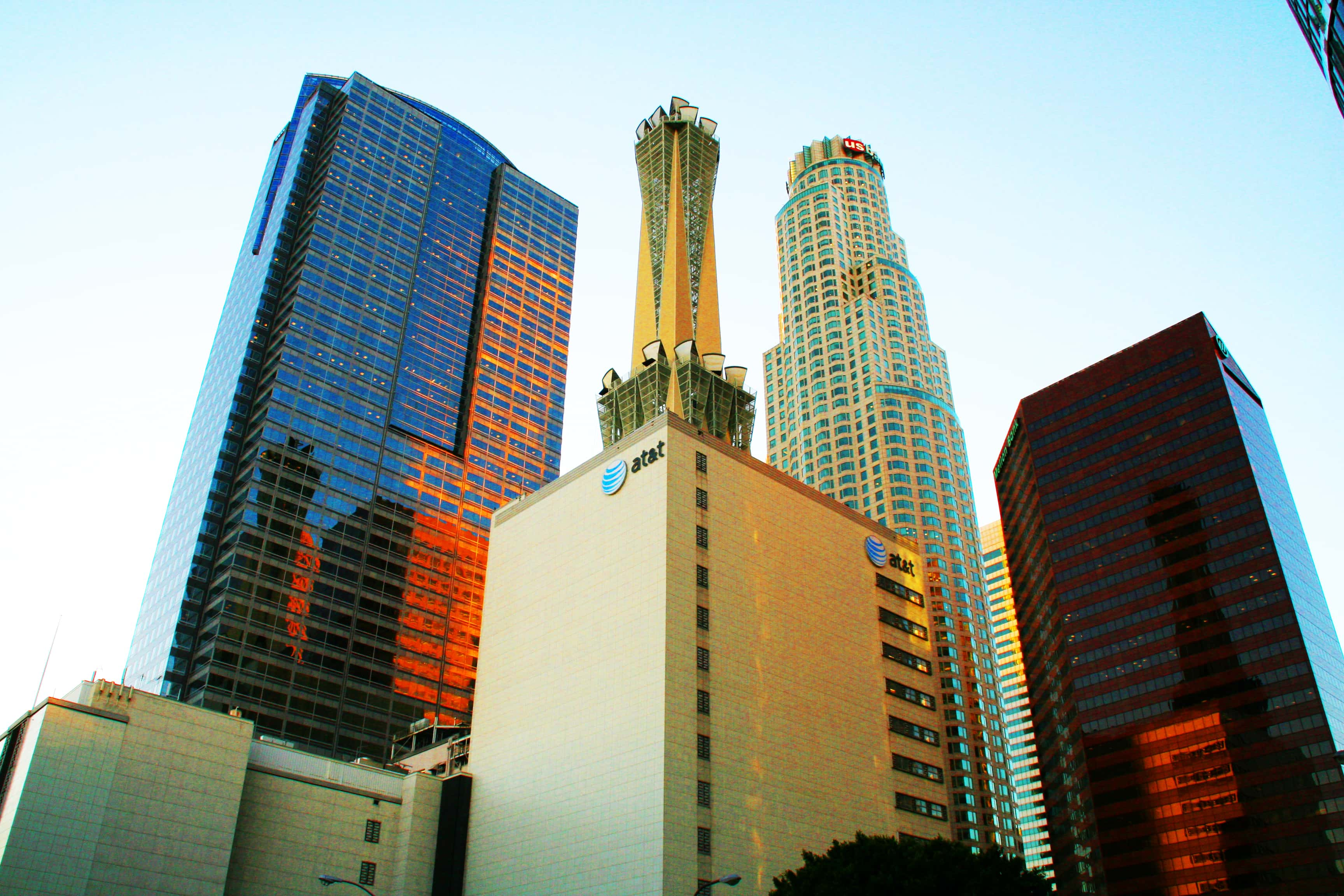
18. Hello?
The American phone company AT&T actually copied Jamaica’s phone system, which was far superior at the time.
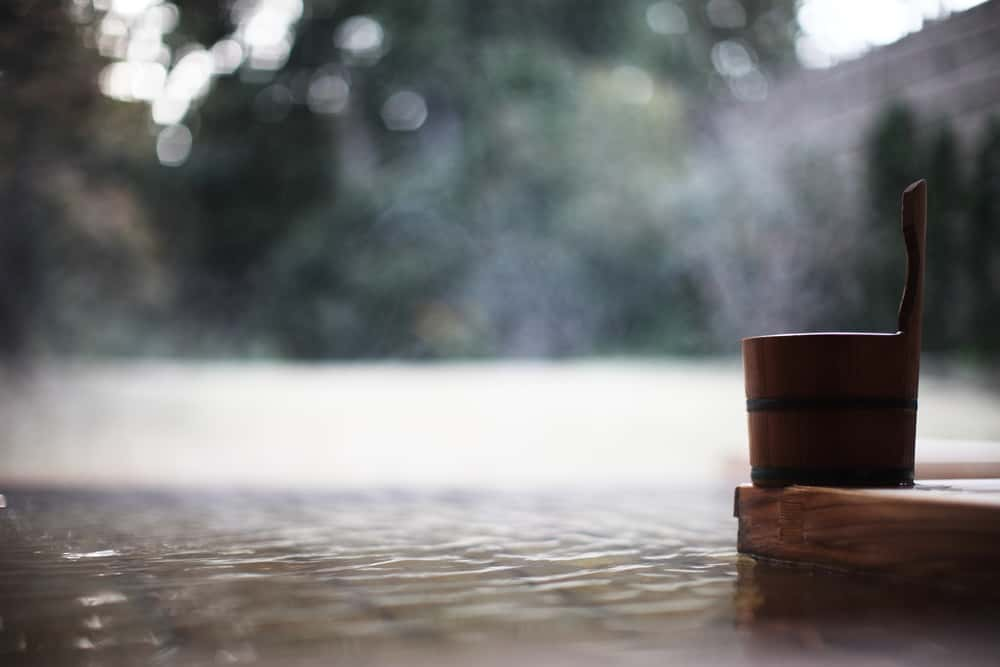
17. Healing Waters
There are multiple locations on the island that have mineral baths and hot springs; these hotspots are supposed to have therapeutic properties.
16. Love & Peace
Bob Marley was Rastafari, a faith that originated in Jamaica. Out of the 2.7 million people on the island, however, only 24,020 people practice the religion.
 Pixabay
15. Cool Jams
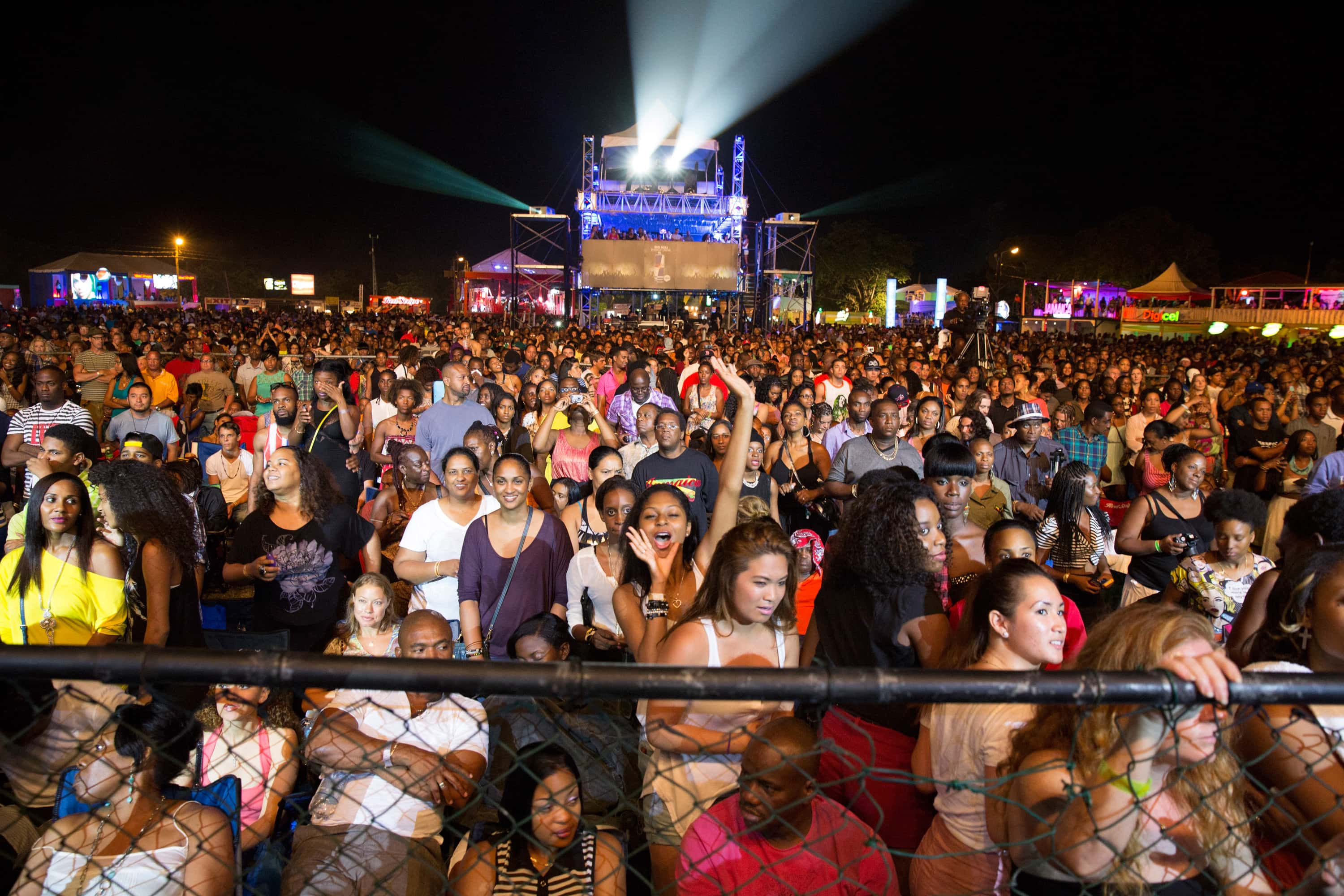
Every year in July Jamaica has a 4-day long music festival called Reggae Sumfest. This is a perfect time for reggae fans to visit.
14. Hey Jamaica, We Got A Bobsled Team
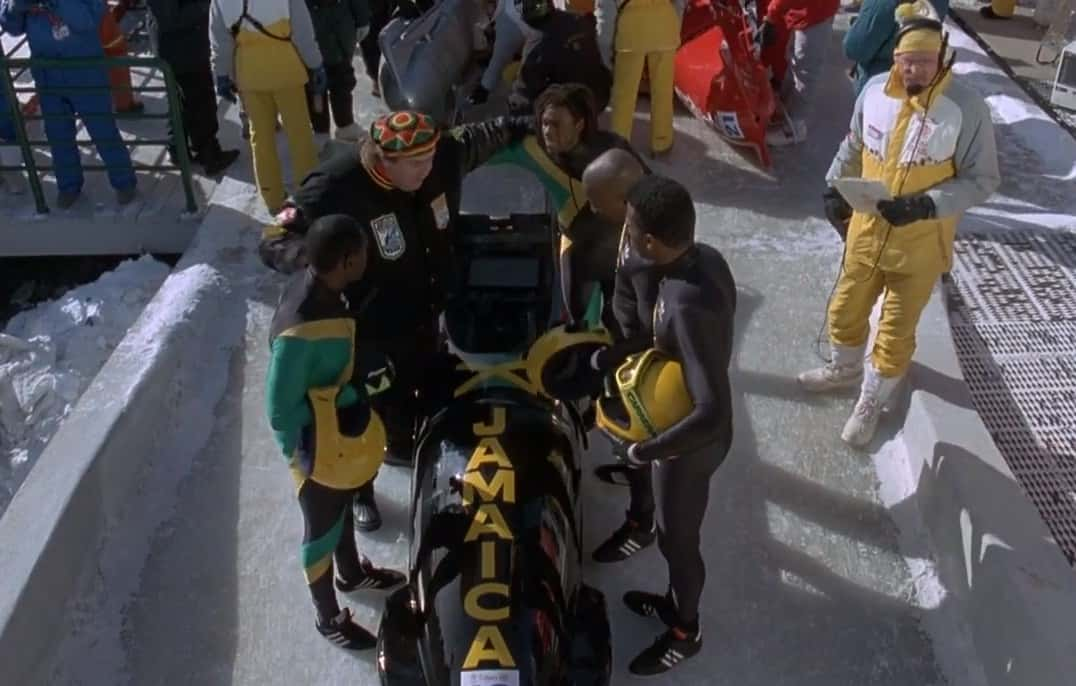
The Disney movie Cool Runnings is based on the true story of the first Jamaican bobsled team. Most of the events in the movie are fictional, but in 1988, Jamaica truly did decide they were going to join the Olympics with their own bobsled team and compete in Calgary, Canada. It all started because two American businessmen were visiting Jamaica, and noticed push cart racing was popular. They noticed the similarities to bobsledding, and decided to start the first national team.
 Cool Runnings, Walt Disney Pictures
13. Seeing Double
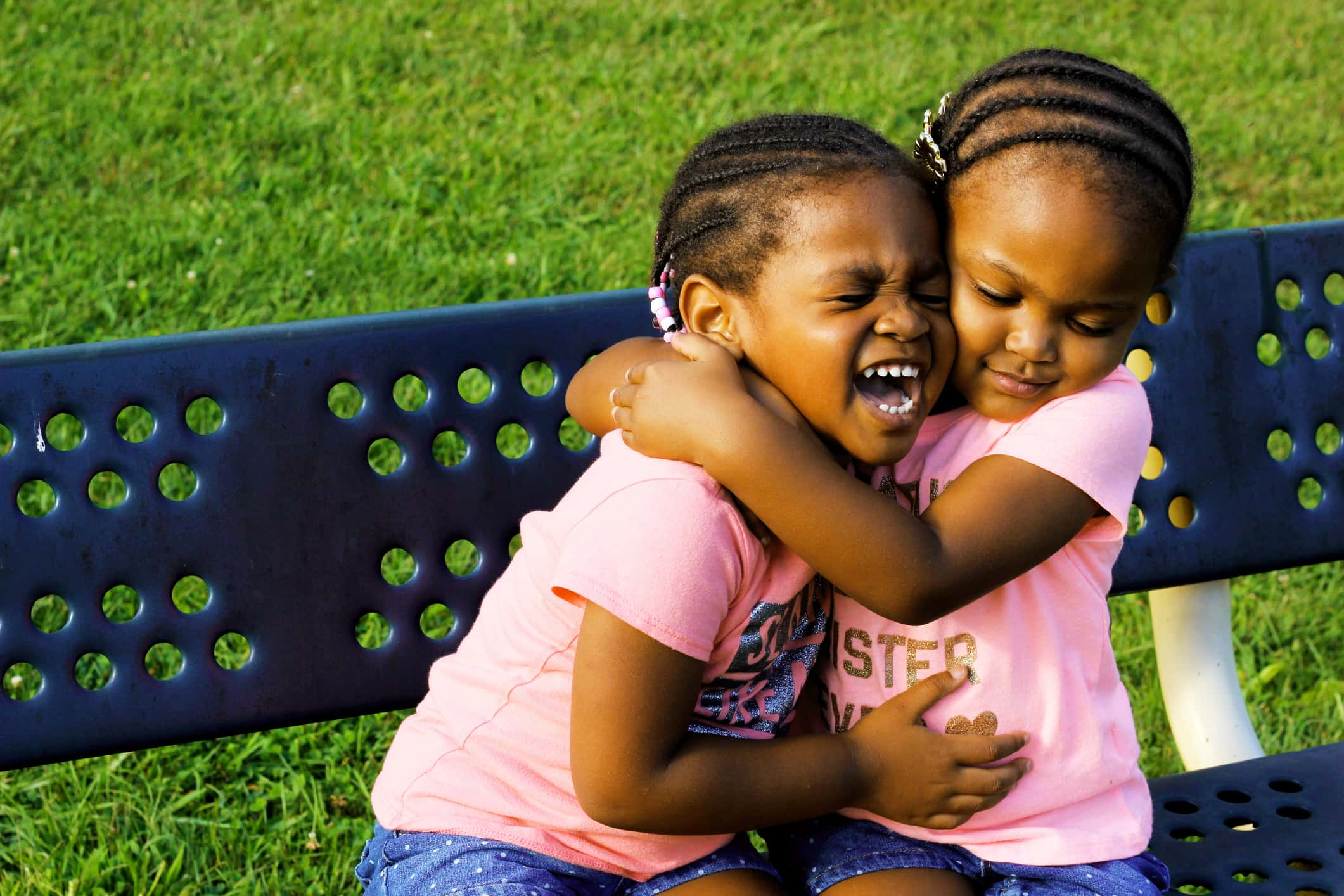
Jamaica has more twins and triplets than anywhere else in the world.
 Getty Images
12. Snow Birds
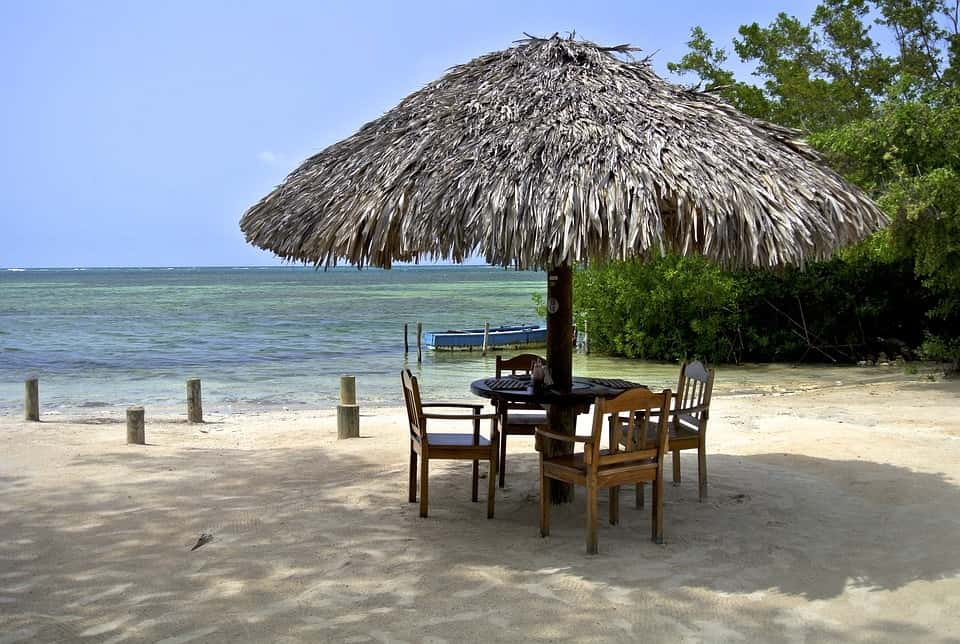
The most popular (and expensive) tourist season in Jamaica is in December, when it is cold in the UK and North America and dry in Jamaica. Visiting around July is the cheapest time to go.
11. Bar Hopping
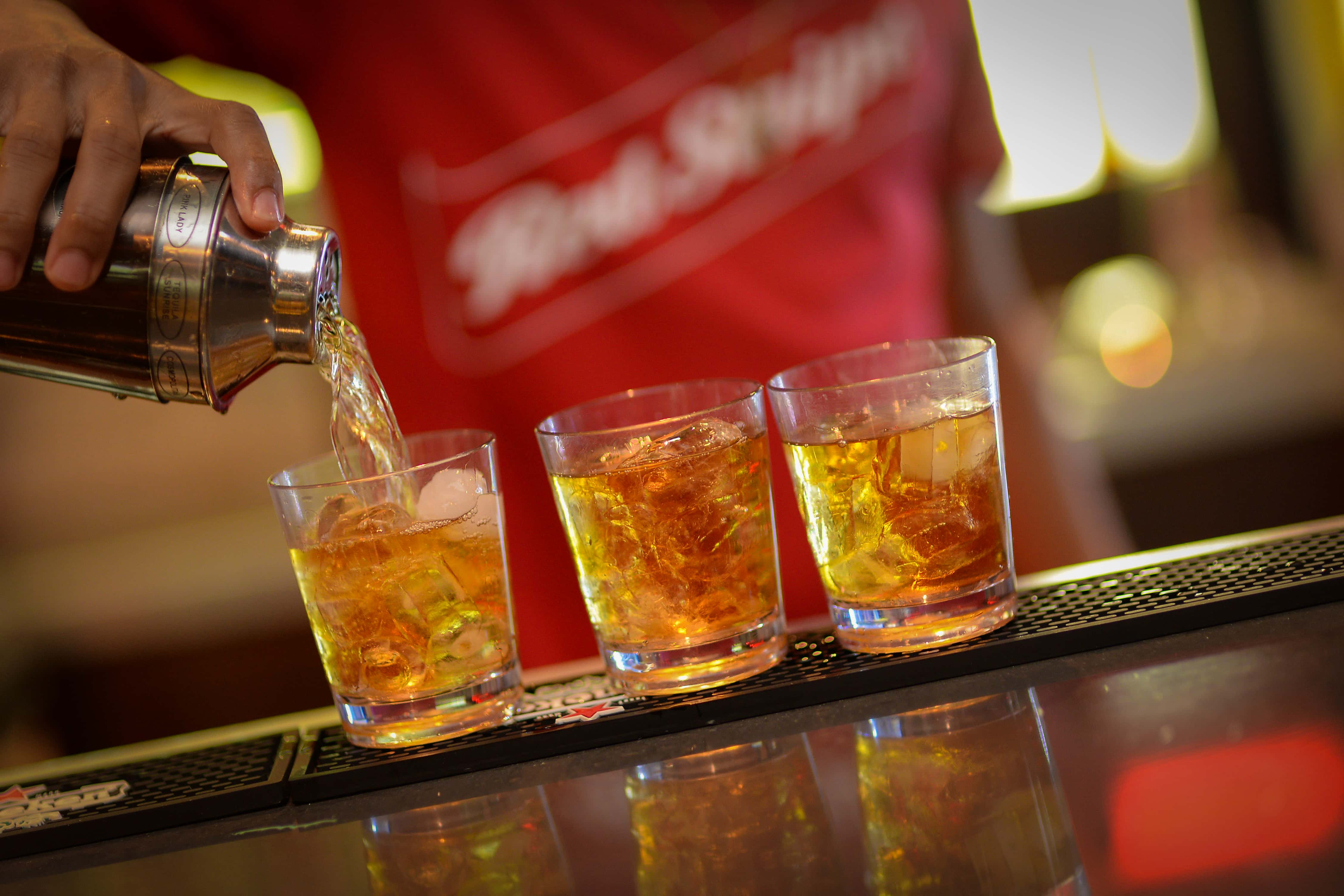
Jamaica houses the highest number of drink bars per square mile, which makes it one of the best places in the world to sample different types of booze.
10. Juicy
Cranberries are considered a luxury in Jamaica. Cranberry juice is a great thirst-quencher in the heat and a popular chaser for drink.
 Public Domain Pictures
9. Amen
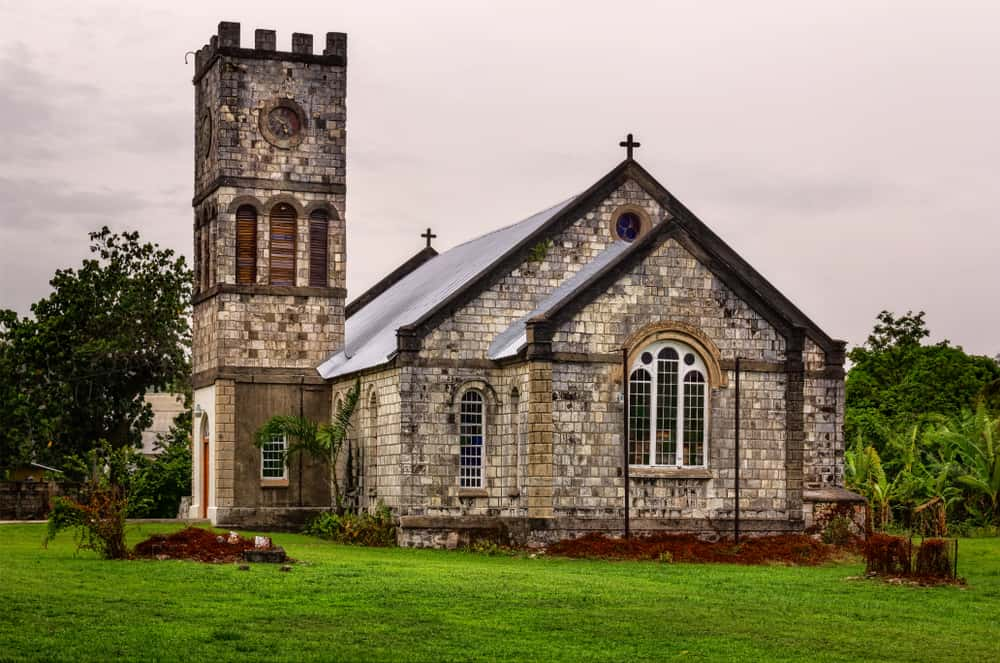
Jamaica is a very Christian country, and it has more churches per square mile compared to any other place in the world. Every morning, students attending public schools are required to recite The Lord’s Prayer.
8. Choo Choo
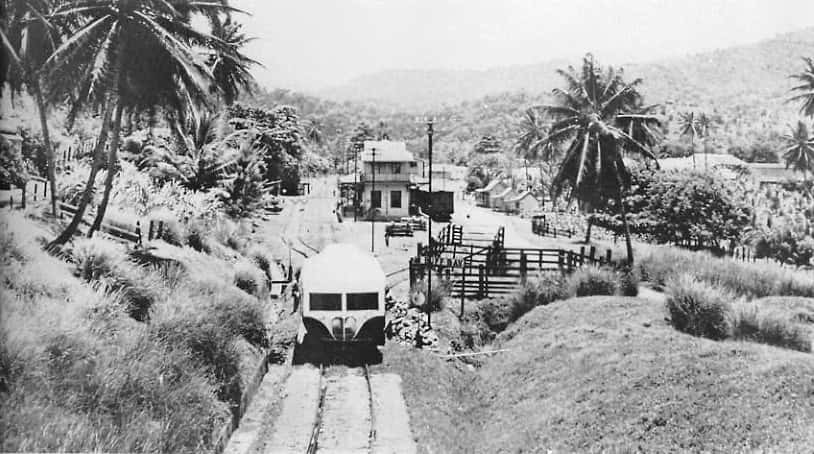
In 1845, Jamaica became the first Western country outside of Europe and North America to construct a railroad system.
7. Leafy Friends
In recent years, there has been a push for women to eat their placenta after childbirth, despite no confirmed health benefits, but in Jamaica, there's an interesting tradition where families actually bury a baby's placenta and and plant a tree on top of it. That tree then officially belongs to the newborn child.

6. Footballers
In 1997, Jamaica competed in The World Cup soccer tournament. They were the first English-speaking Caribbean country to join the event.

5. Cooking Up A Storm
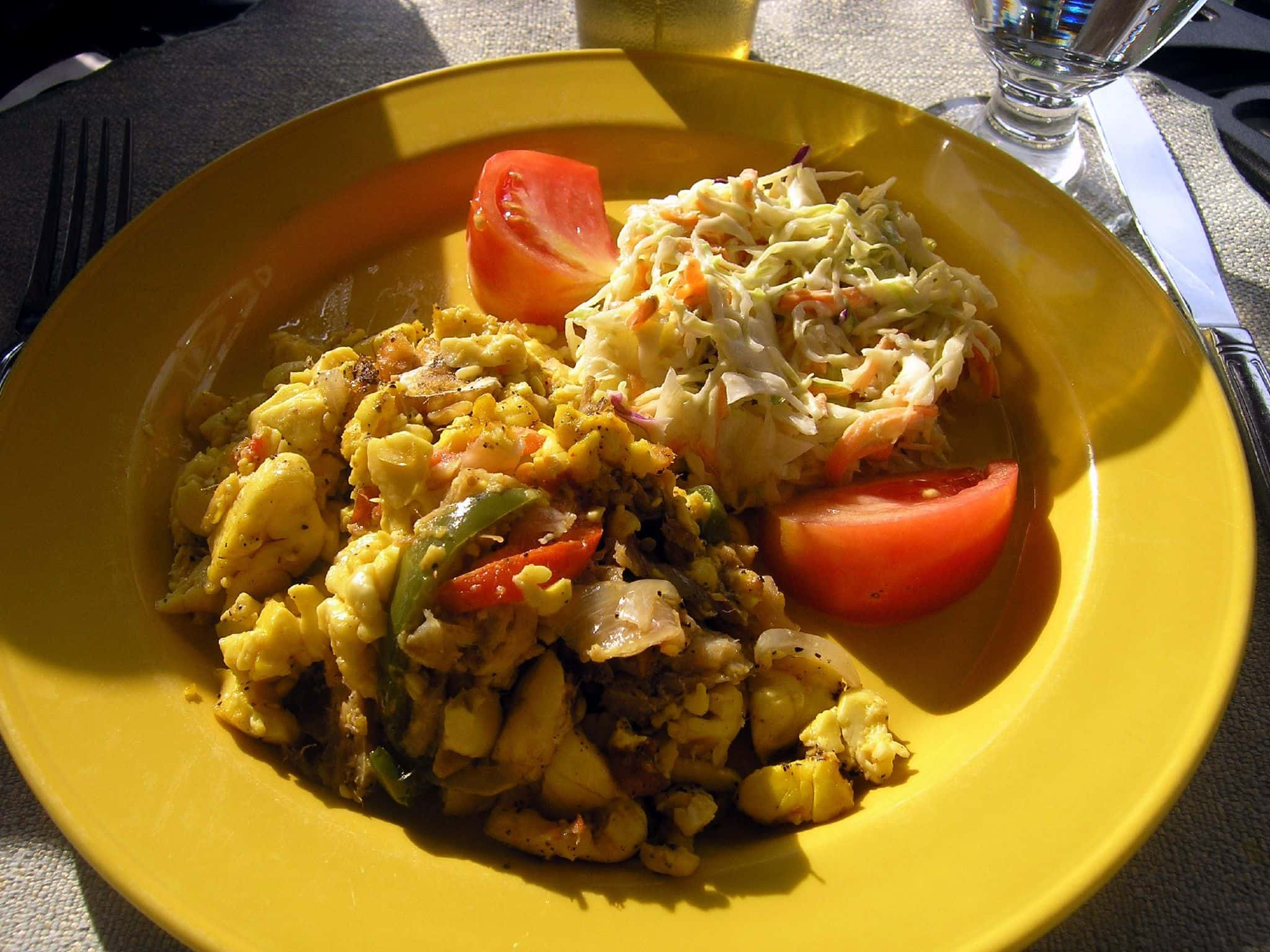
Some of Jamaica’s traditional cuisine includes curried goat mutton, chicken, and beans. The national dish is Ackee and Saltfish.
4. Rest in Peace
Whenever anyone dies, funerals and wakes typically last for nine days. During this time, family members visit, celebrate the life of the man who they lost, and eat large meals together.
3. Greetings
A proper greeting in Jamaica is a firm handshake while looking the person in the eye. People also consider it to be polite to call a new acquaintance "Mr." or "Ms." with their surname; it's polite to wait to be invited to use people’s first names.

2. Yummy
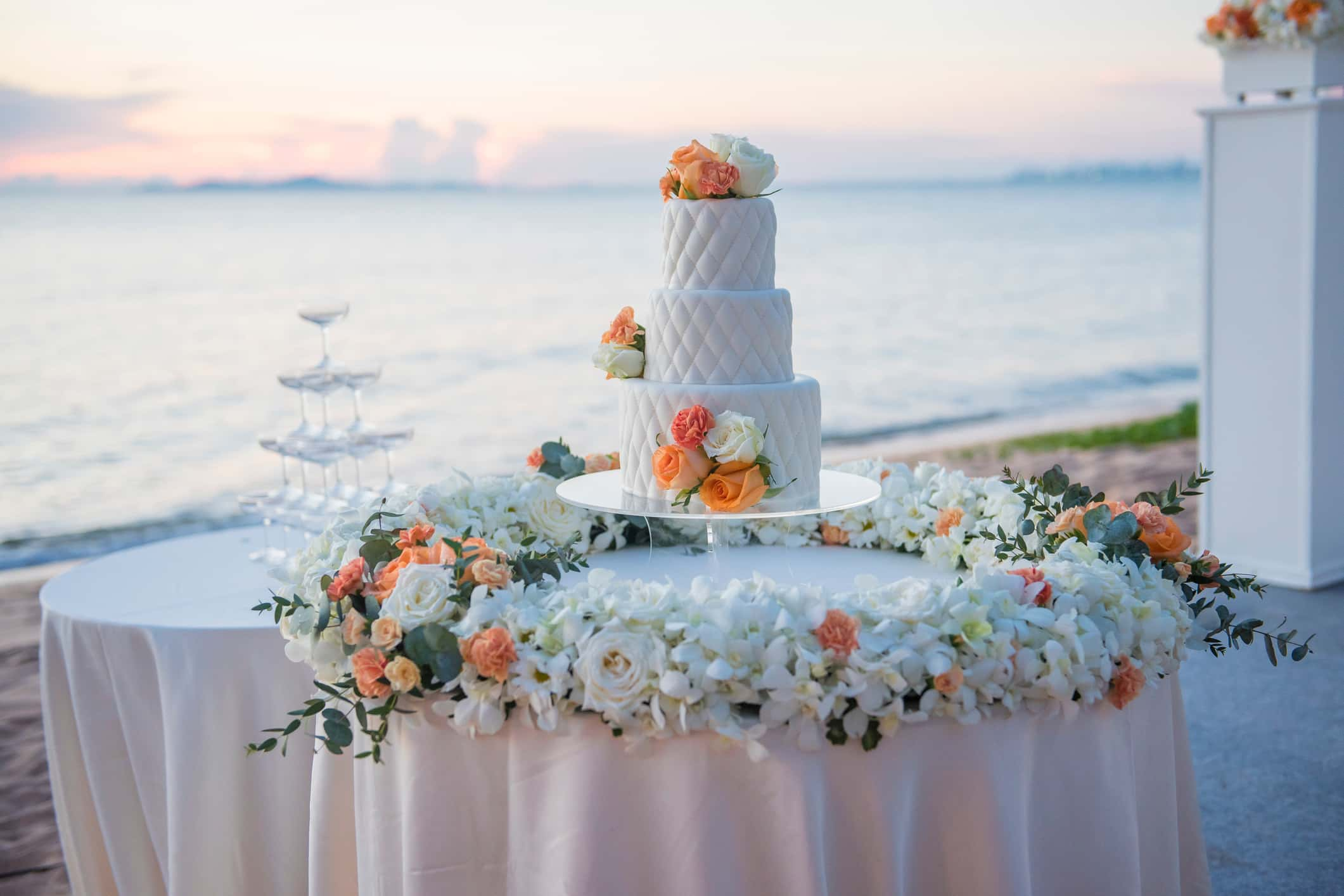
At weddings, it’s tradition to make booze fruit cake. Slices are saved for friends and family who couldn’t make it and mailed out as presents.
1. The Legend
The poet Louise Bennett-Coverly is one of the most important and influential Jamaican writers. Her work is taught in Jamaican schools, and she remains a household name.
 Shutterstock
Sources: 1, 2, 3, 4, 5, 6, 7, 8, 9, 10, 11, 12, 13, 14, 15, 16