
Sailing Through History
Few sights capture the imagination like a tall ship under full sail. While most wooden sailing vessels disappeared long ago, a remarkable handful have survived centuries of storms, wars, and changing technology. Many are still actively sailing today, offering modern travelers a rare chance to experience maritime history firsthand.
 Wolfgang Fricke, Wikimedia Commons; Factinate
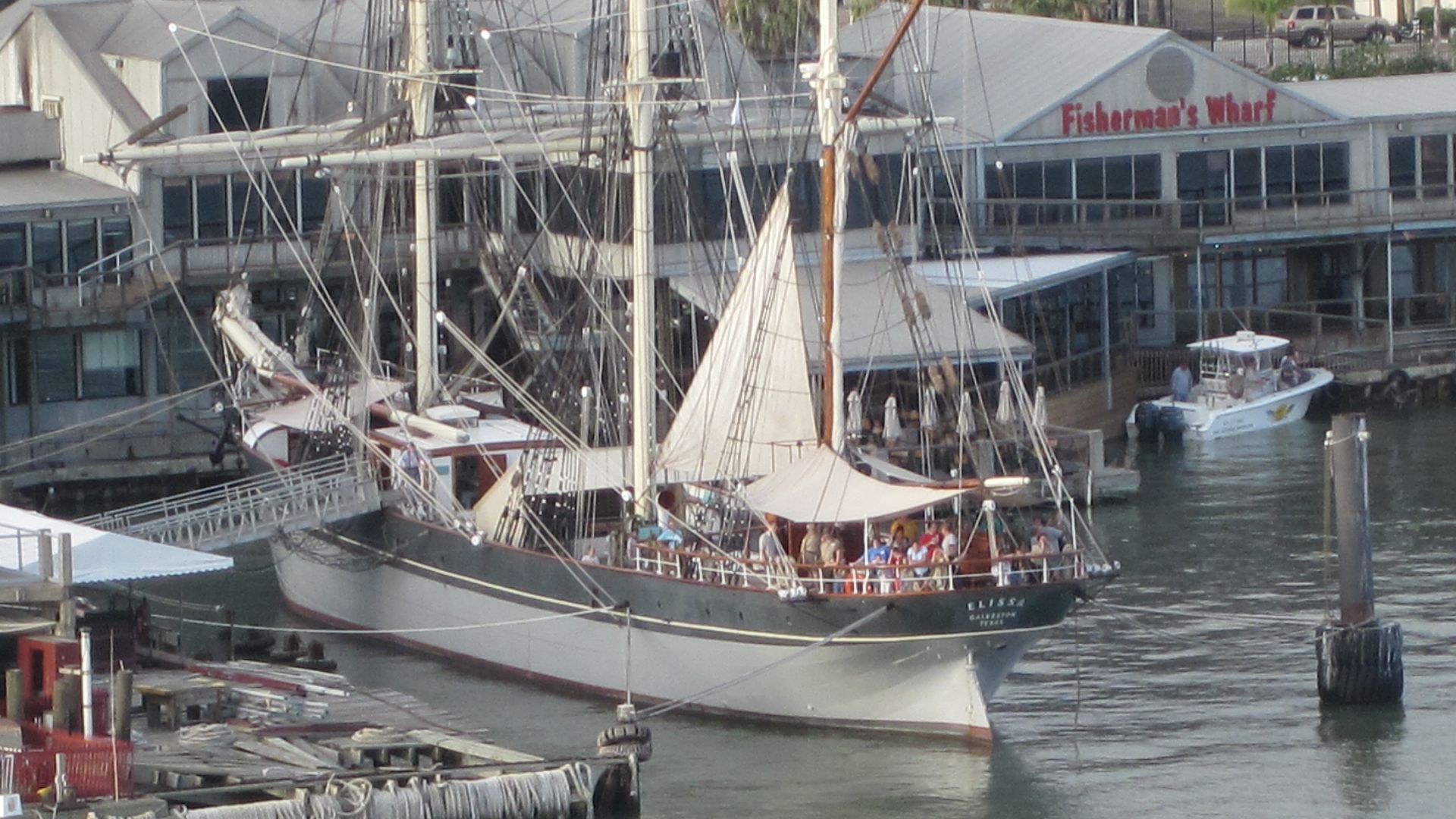
Elissa
Built in 1877 in Aberdeen, Scotland, Elissa spent decades carrying cargo before being rescued from deterioration. Today she serves as the official tall ship of Texas and regularly sails from Galveston while functioning as a floating museum.
 TheAustinMan, Wikimedia Commons
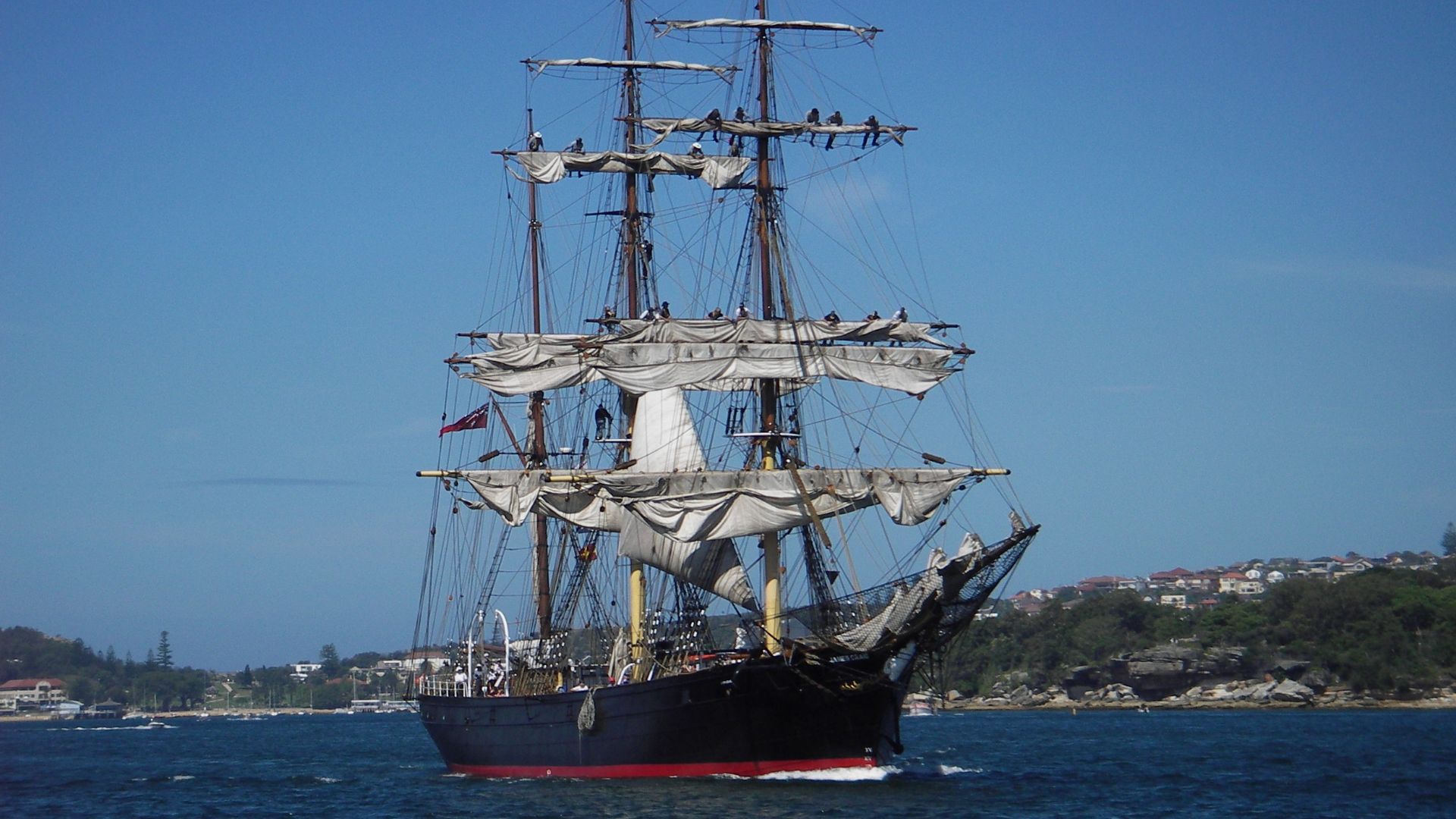
James Craig
Constructed in 1874, the Australian barque James Craig once hauled cargo around the globe before falling into ruin. A painstaking restoration returned her to sailing condition, and she now participates in voyages and maritime festivals from Sydney.
Statsraad Lehmkuhl
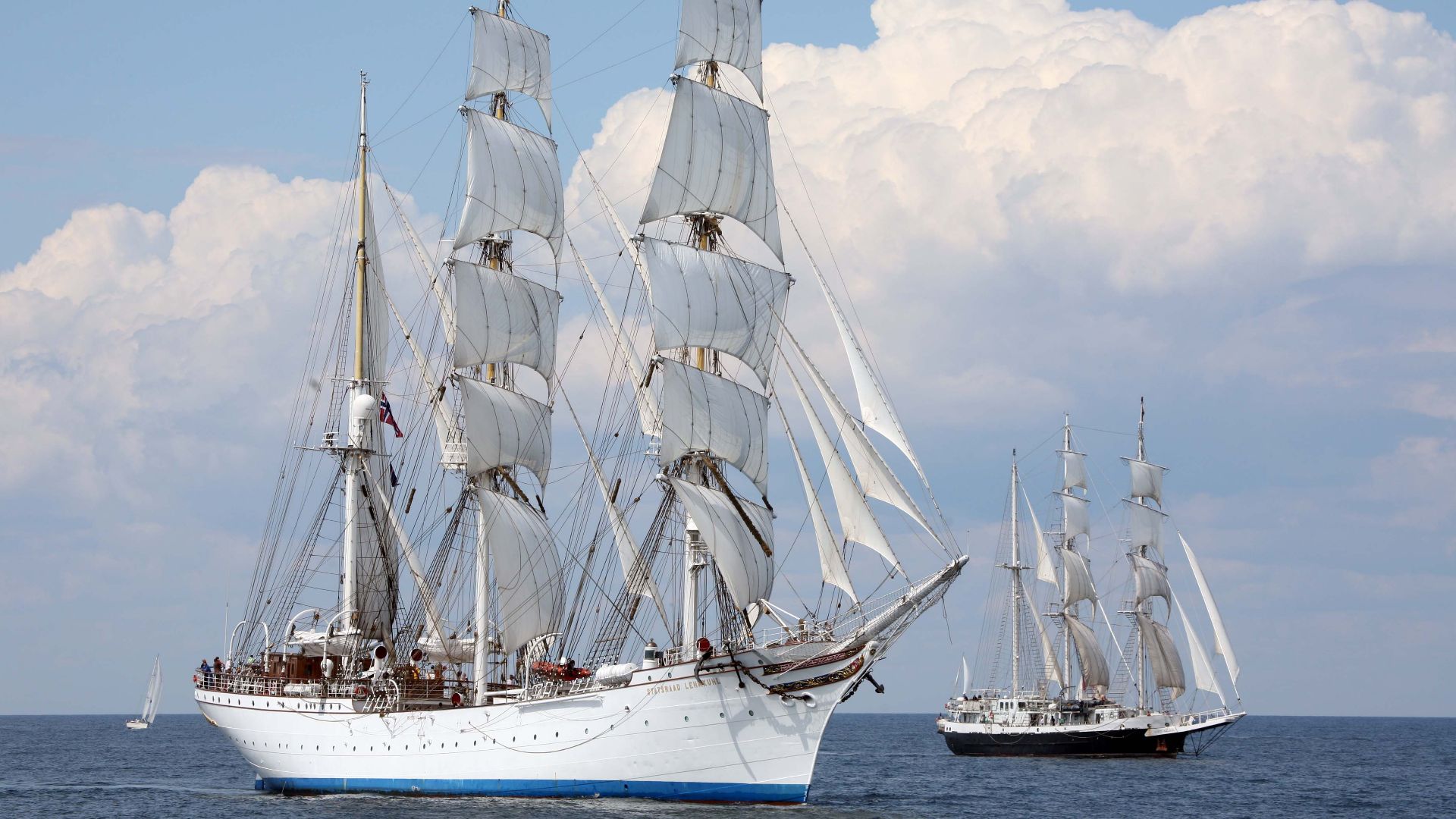
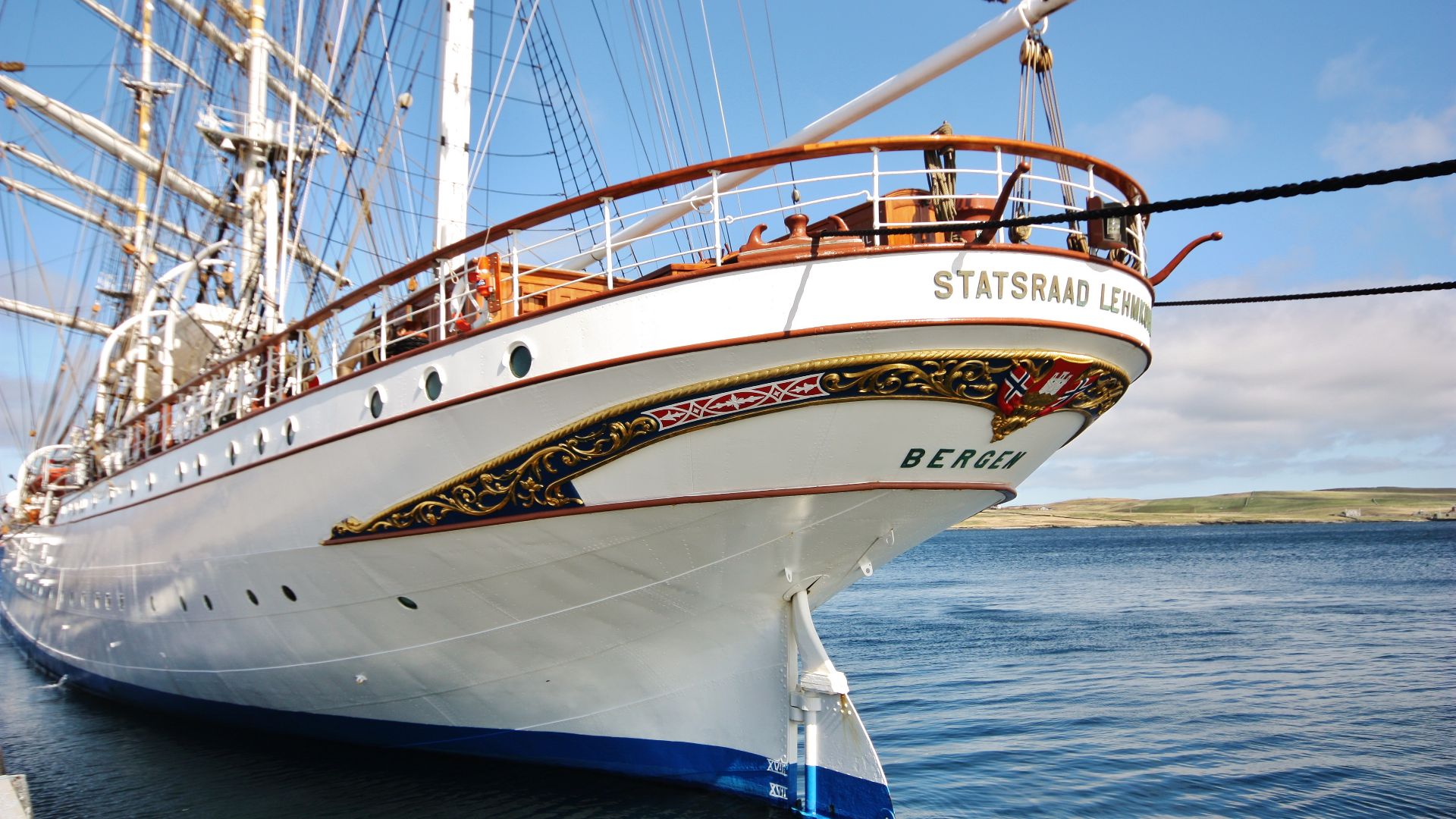
Norway's magnificent three masted barque Statsraad Lehmkuhl was launched in 1914 and remains one of the world's largest active sail training vessels. She regularly undertakes ocean crossings while training future generations of sailors.
 Bruno Girin, Wikimedia Commons
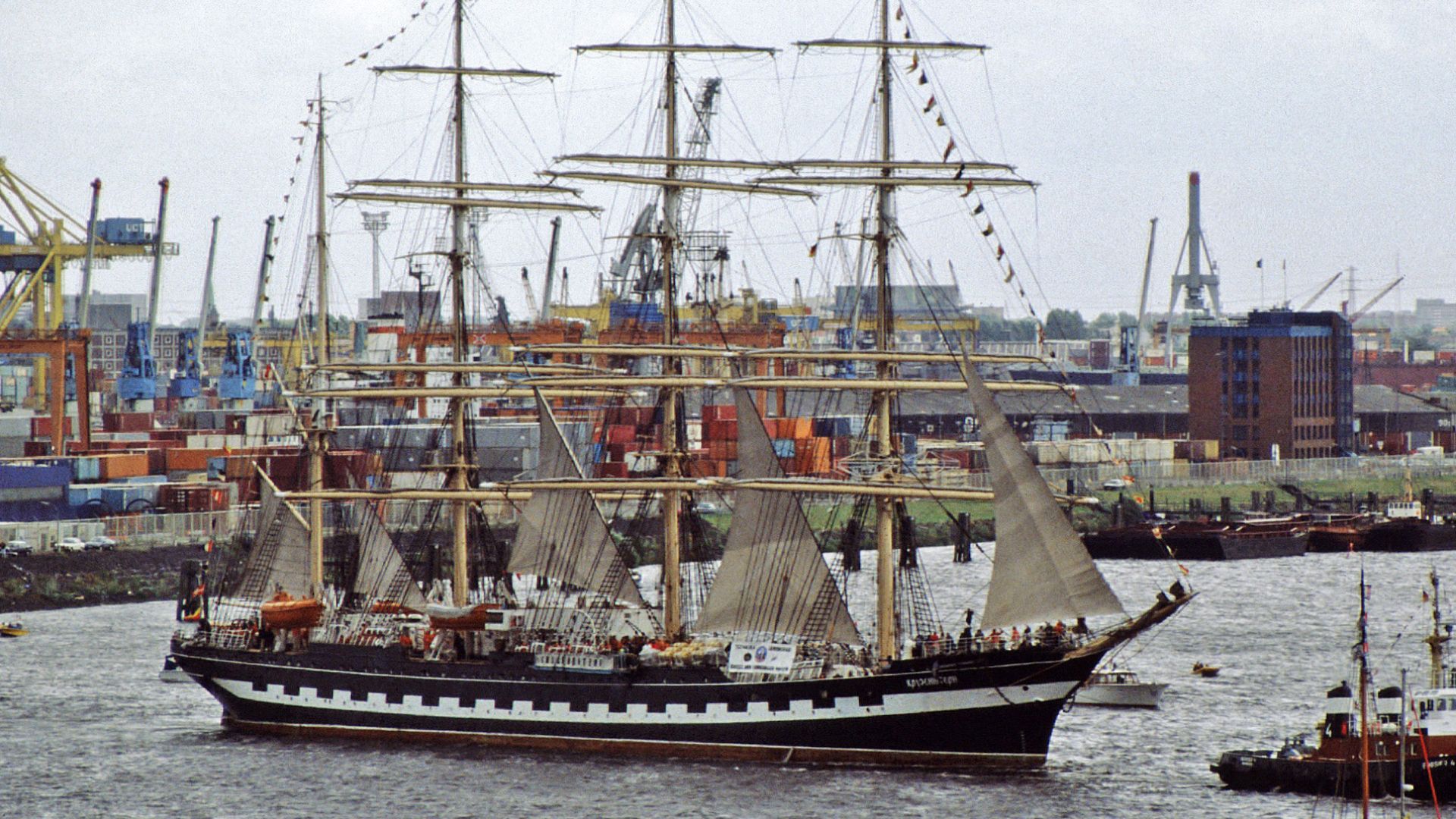
Kruzenshtern
Originally launched in Germany in 1926 as Padua, Kruzenshtern is one of the few remaining four masted barques from the great age of commercial sail. She now serves Russia as a sail training vessel and still undertakes long voyages.
 Wolfgang Fricke, Wikimedia Commons
Sedov
Built in 1921, Sedov is another enormous four masted barque that survives from the twilight of commercial sailing. Operated as a training ship, she remains among the largest traditional sailing vessels still actively crossing the world's oceans.
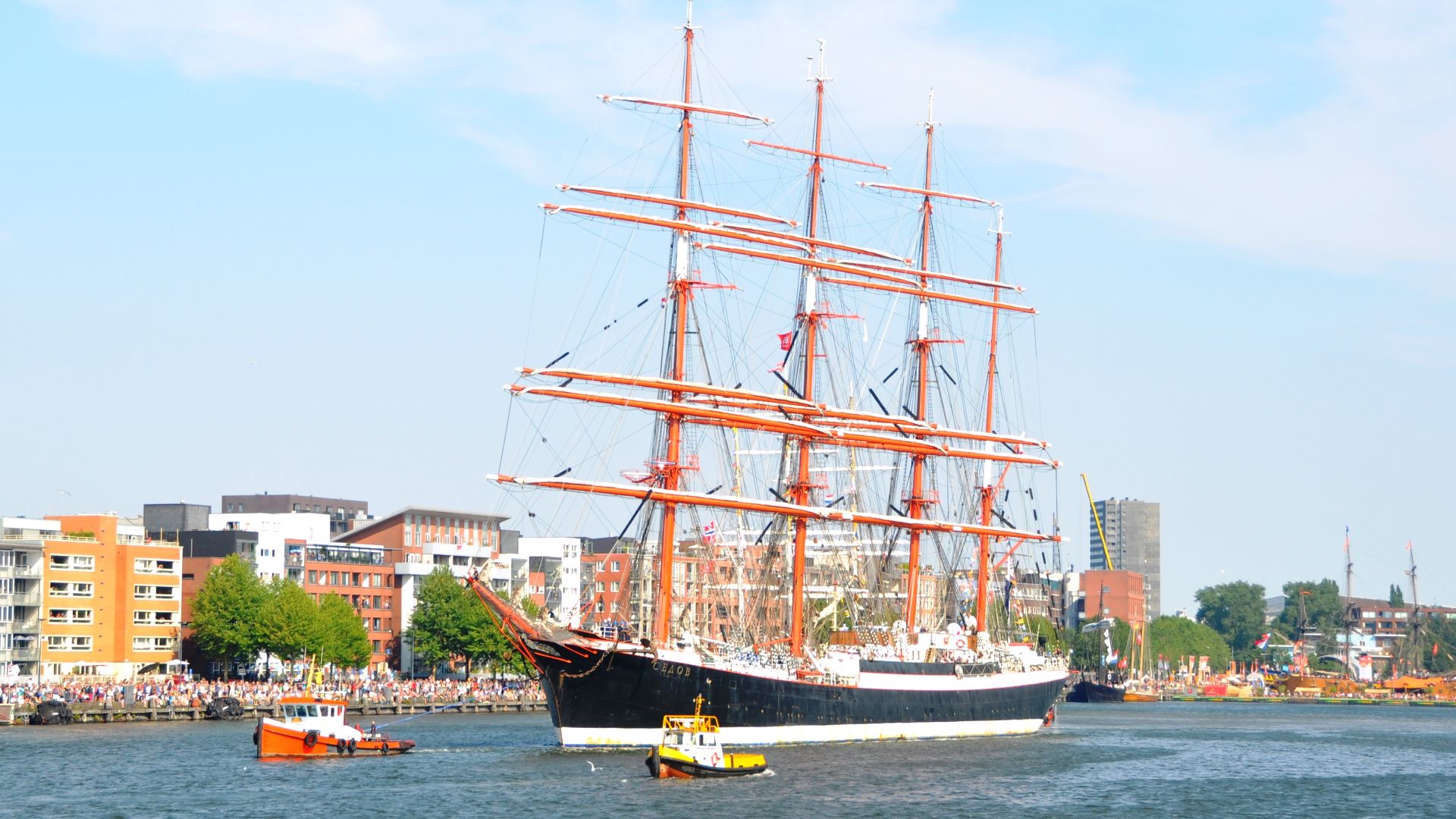 S.J. de Waard, Wikimedia Commons
Gorch Fock
Germany launched Gorch Fock in 1958 as a naval training vessel. Despite undergoing extensive restoration during her long career, she continues introducing cadets to traditional seamanship while representing Germany at international tall ship gatherings.
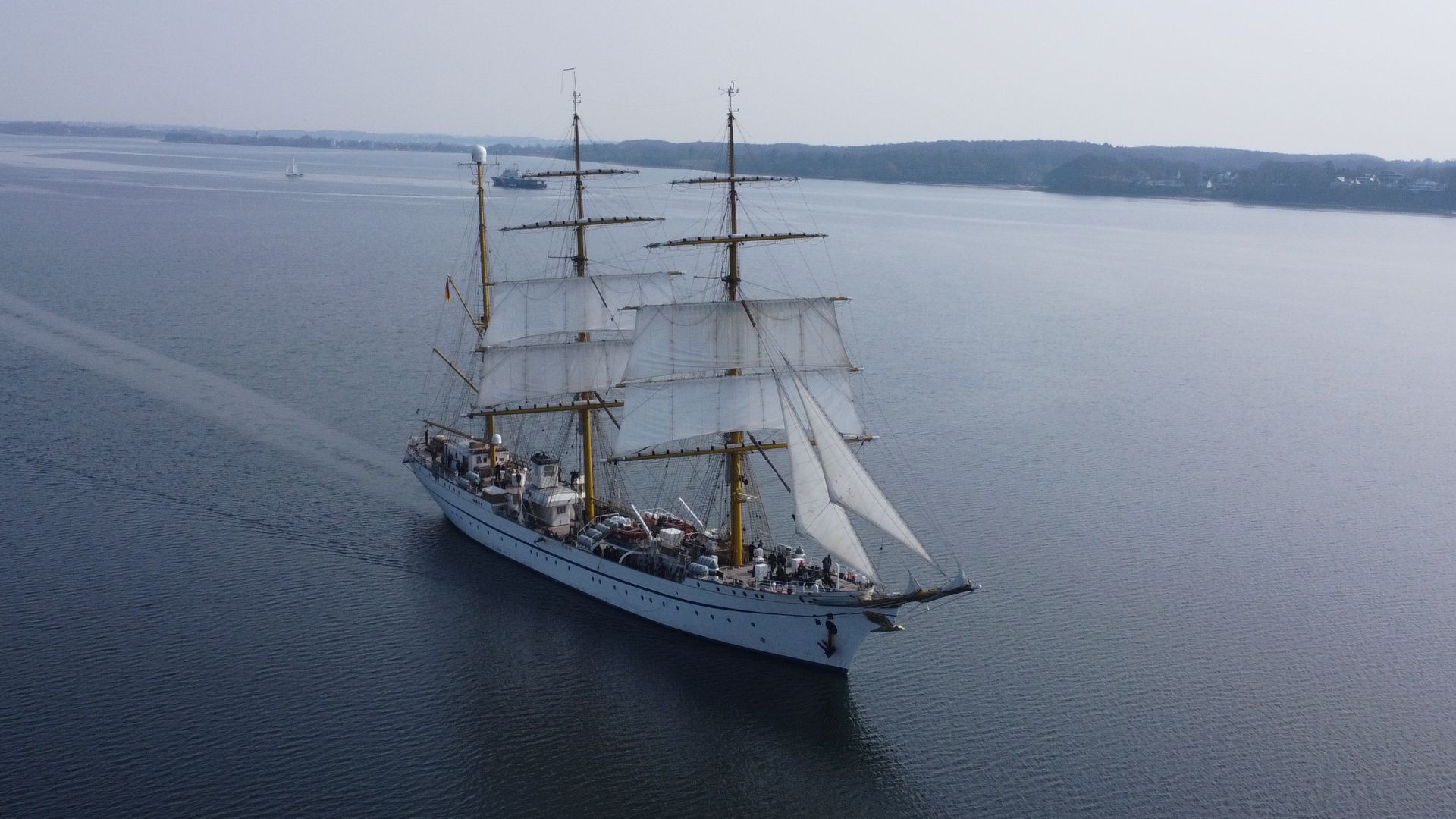 Sascha Gniosdorz, Wikimedia Commons
Christian Radich
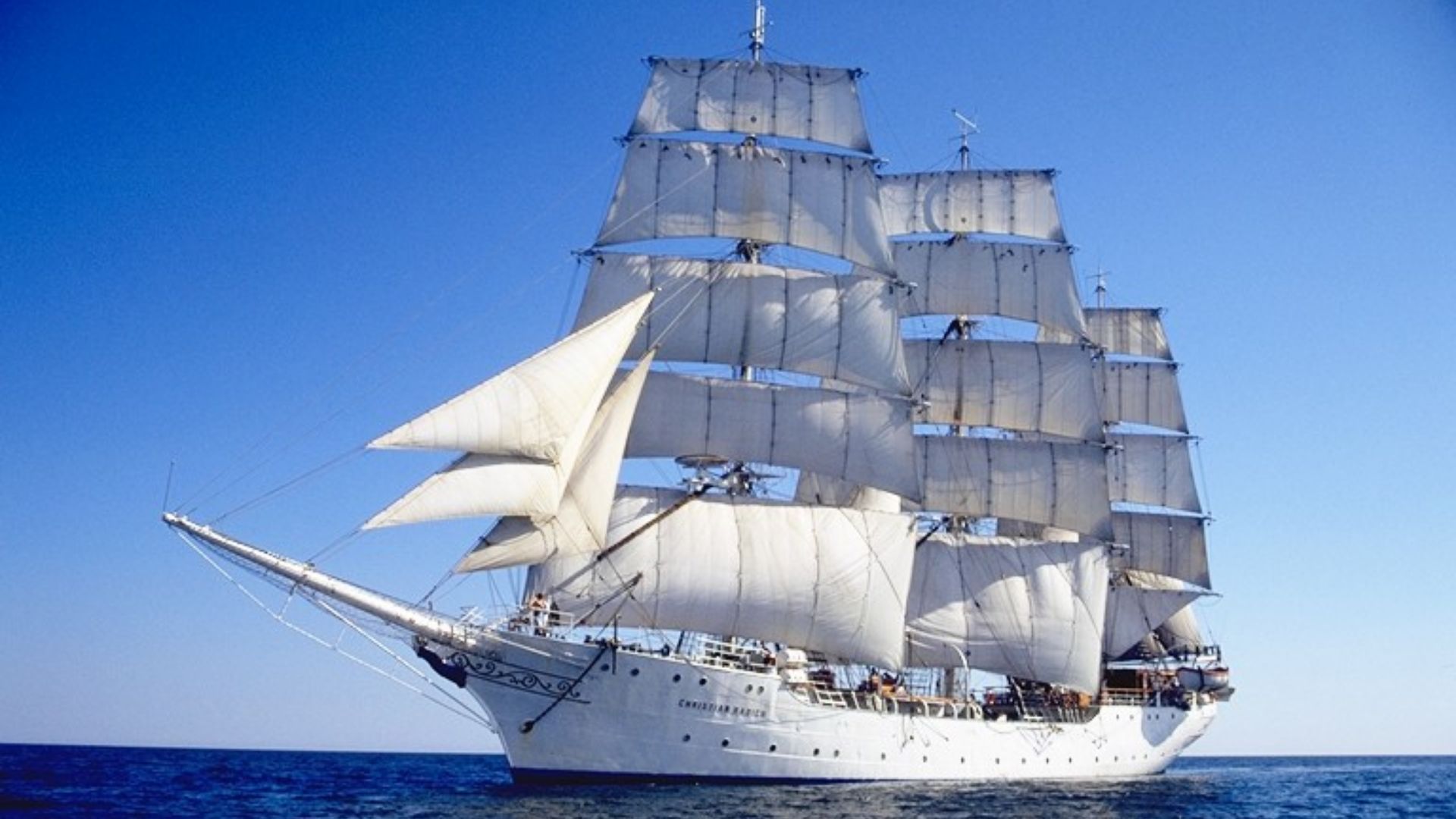
Since entering service in 1937, Norway's elegant Christian Radich has trained sailors and appeared in films and documentaries. She continues welcoming trainees and paying passengers who want firsthand experience aboard a classic square rigged sailing ship.
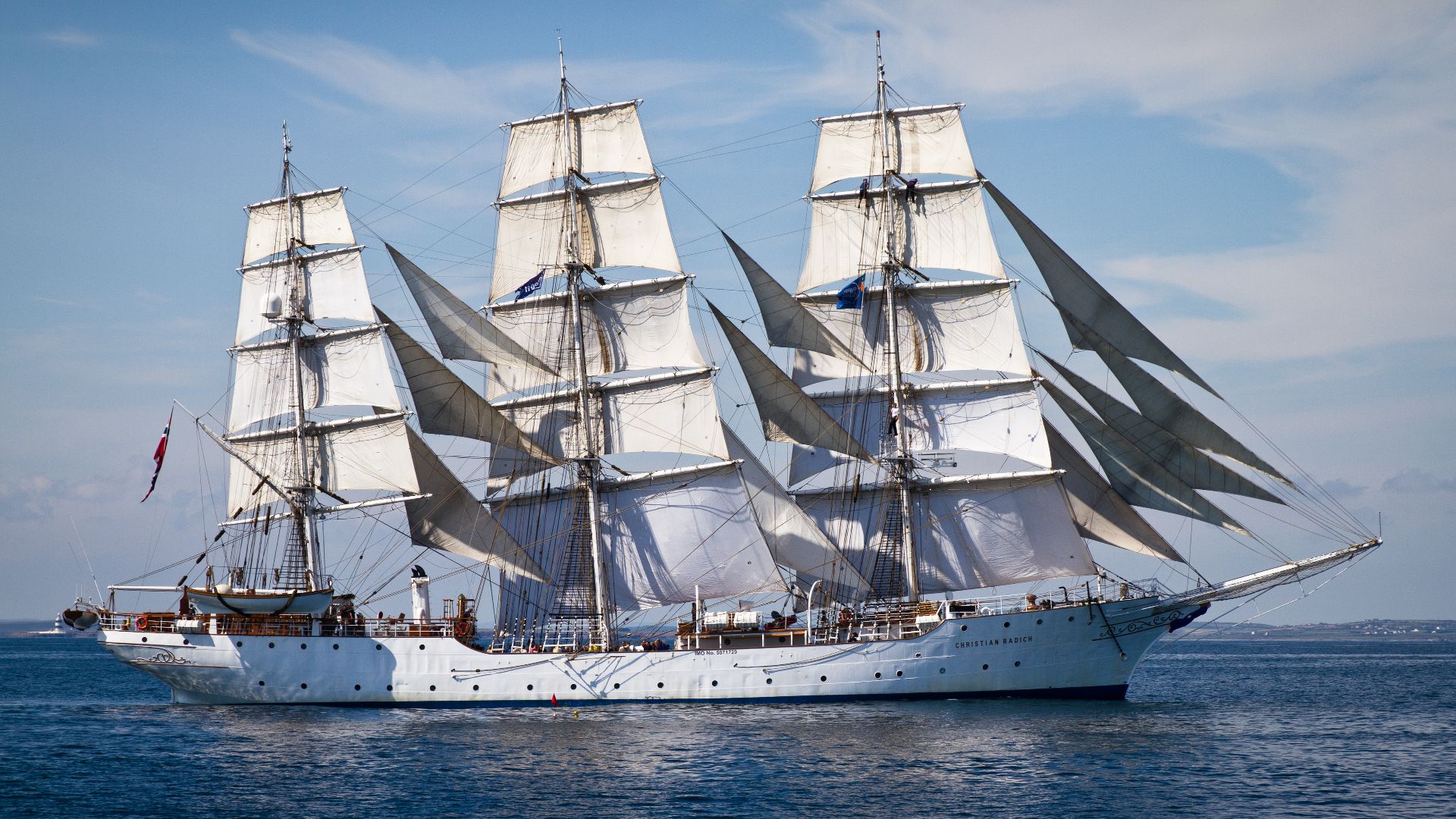 savagecat from Paris, France, Wikimedia Commons
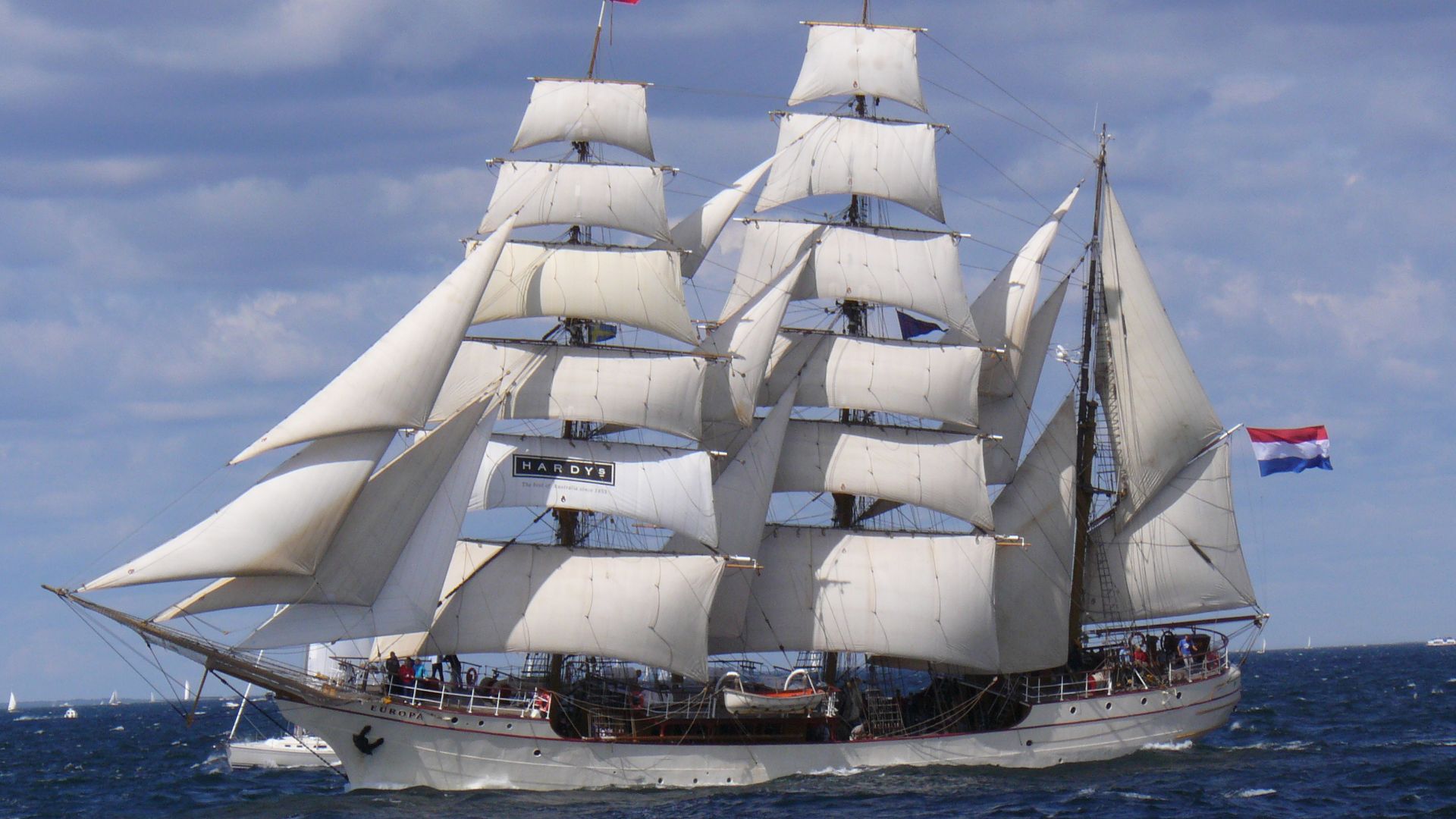
Europa
Originally launched in 1911 as a lightship, Europa later underwent an extraordinary transformation into a three masted barque. Today she carries adventurous travelers on expeditions to Antarctica, South Georgia, and other remote destinations under sail.
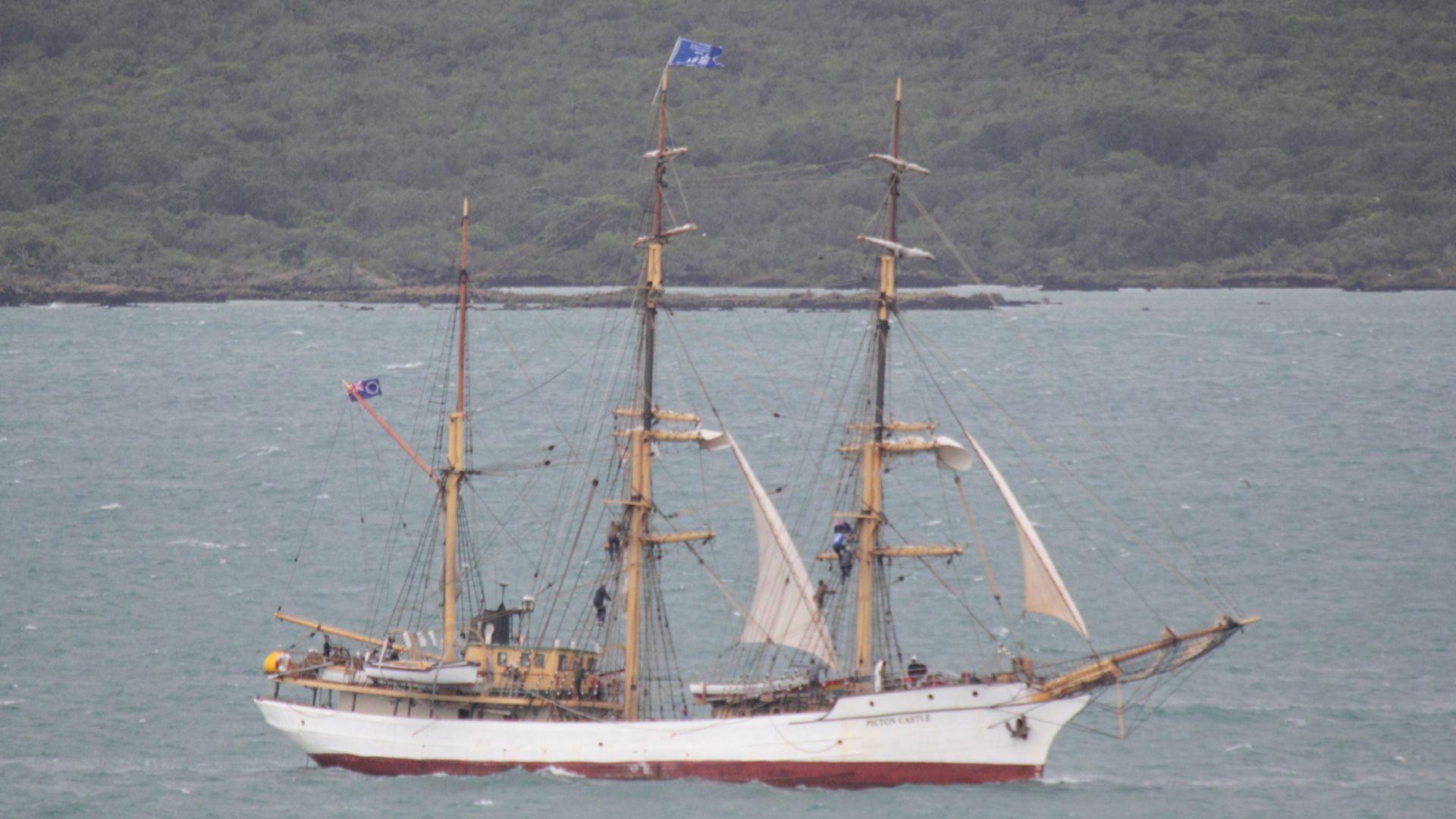
Picton Castle
Although built in 1928 as a fishing trawler, Picton Castle was later converted into a square rigged barque. She now specializes in sail training and extended circumnavigations that immerse students in traditional ocean seamanship.
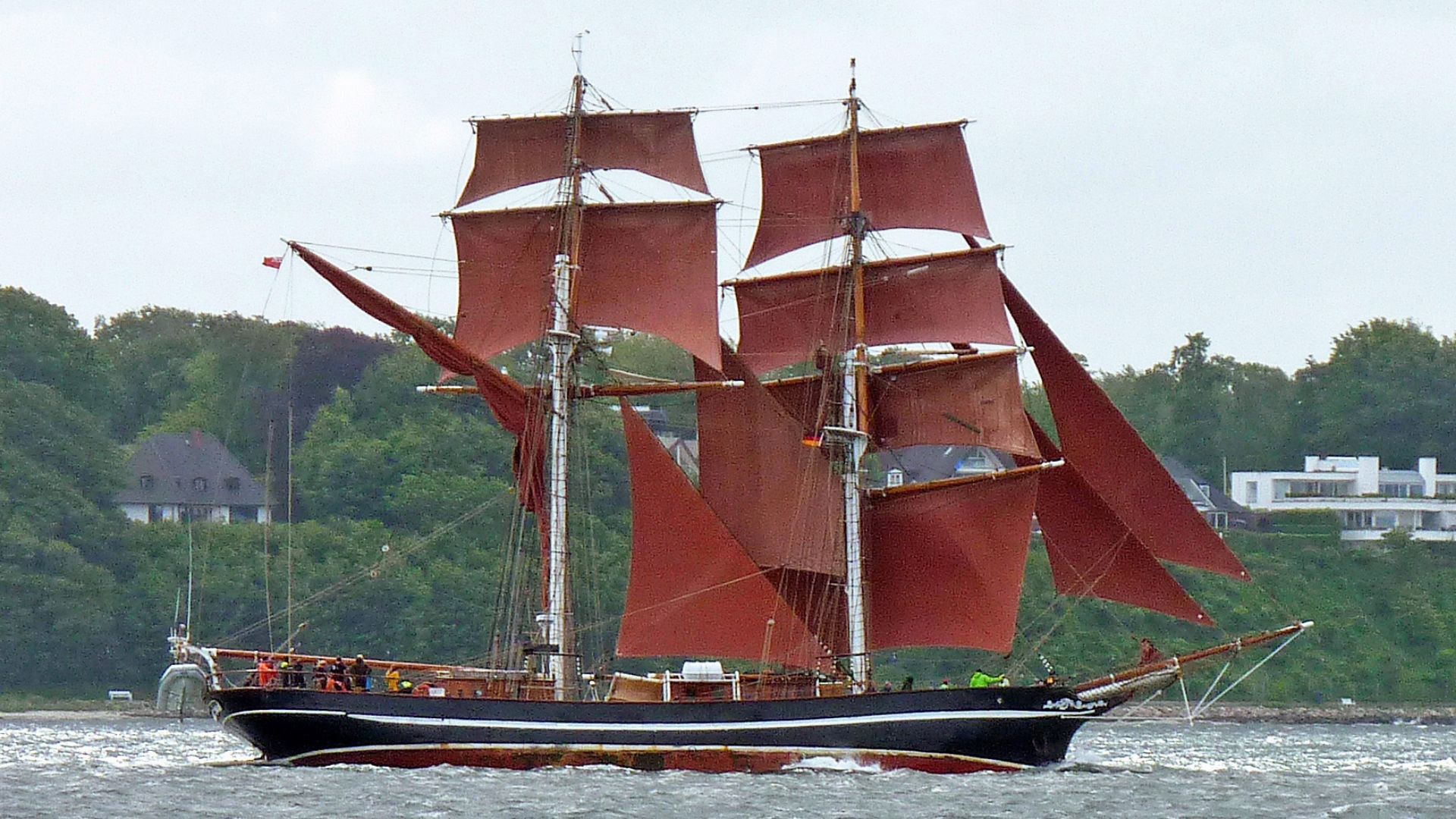
Eye Of The Wind
Built in Germany in 1911, Eye of the Wind has enjoyed a remarkable second life after restoration. She appears in films, offers sail training voyages, and regularly participates in tall ship races and festivals throughout Europe.
 Wolfgang Fricke, Wikimedia Commons
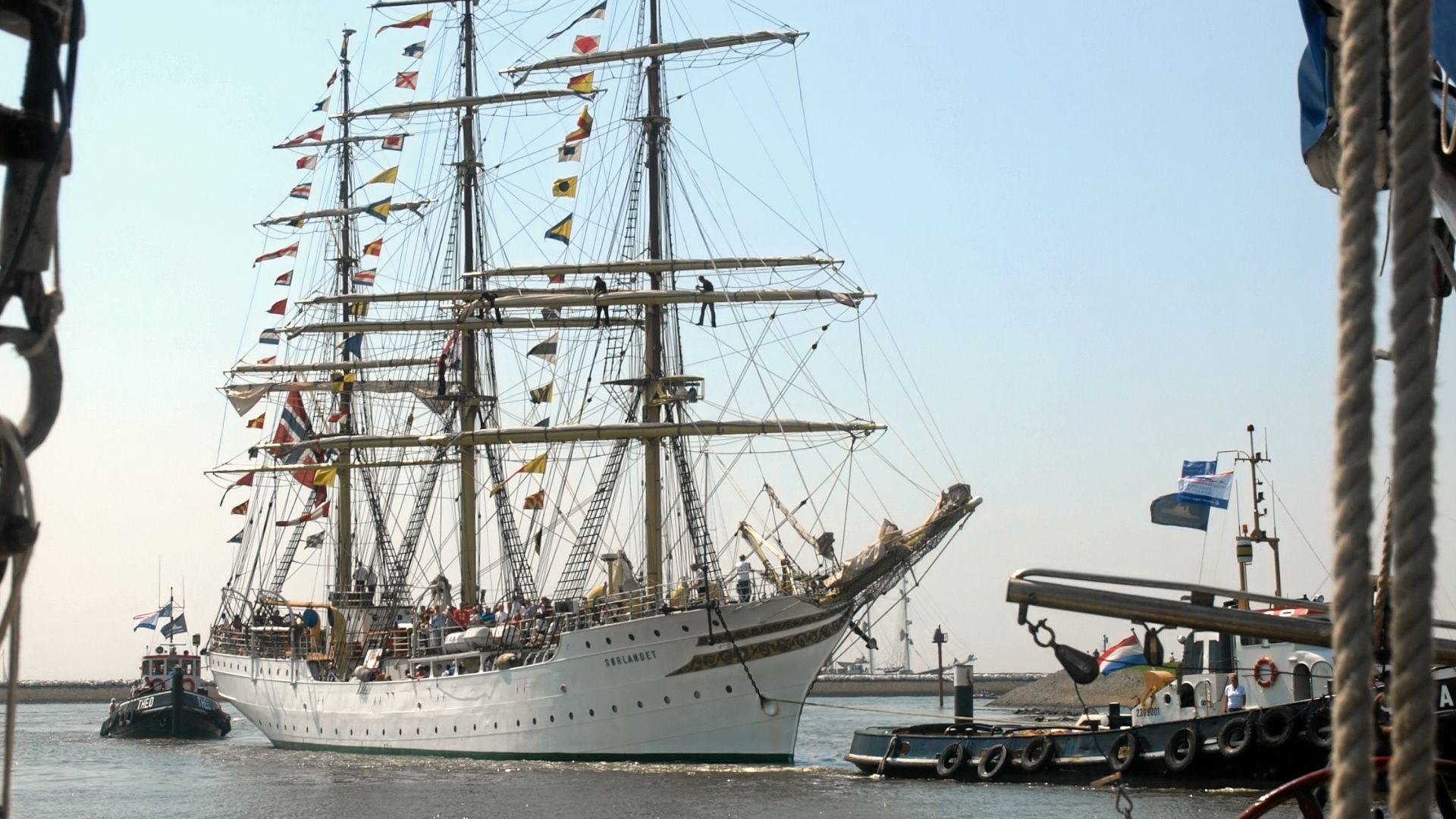
Sørlandet
Launched in 1927, Norway's Sørlandet is the world's oldest fully rigged ship still operating as a sail training vessel. Thousands of young sailors from many nations have learned traditional seamanship aboard her graceful decks.
 Klaus Berger, Wikimedia Commons
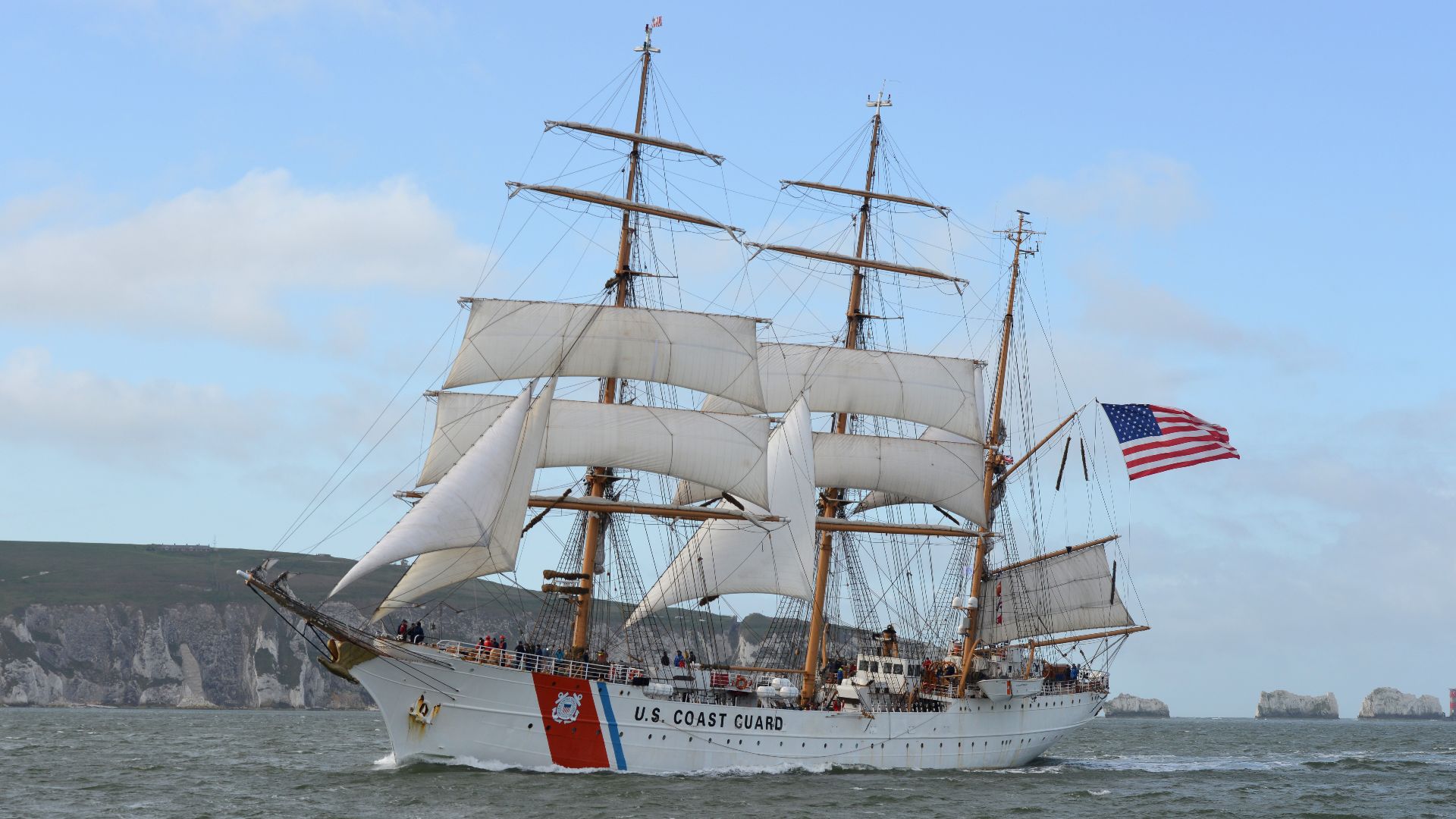
Eagle
The United States Coast Guard's training ship Eagle was built in Germany in 1936. Following World War Two, she became America's premier sail training vessel and continues preparing future Coast Guard officers.
 U.S. Coast Guard photo by Petty Officer 3rd Class Matthew West, Wikimedia Commons
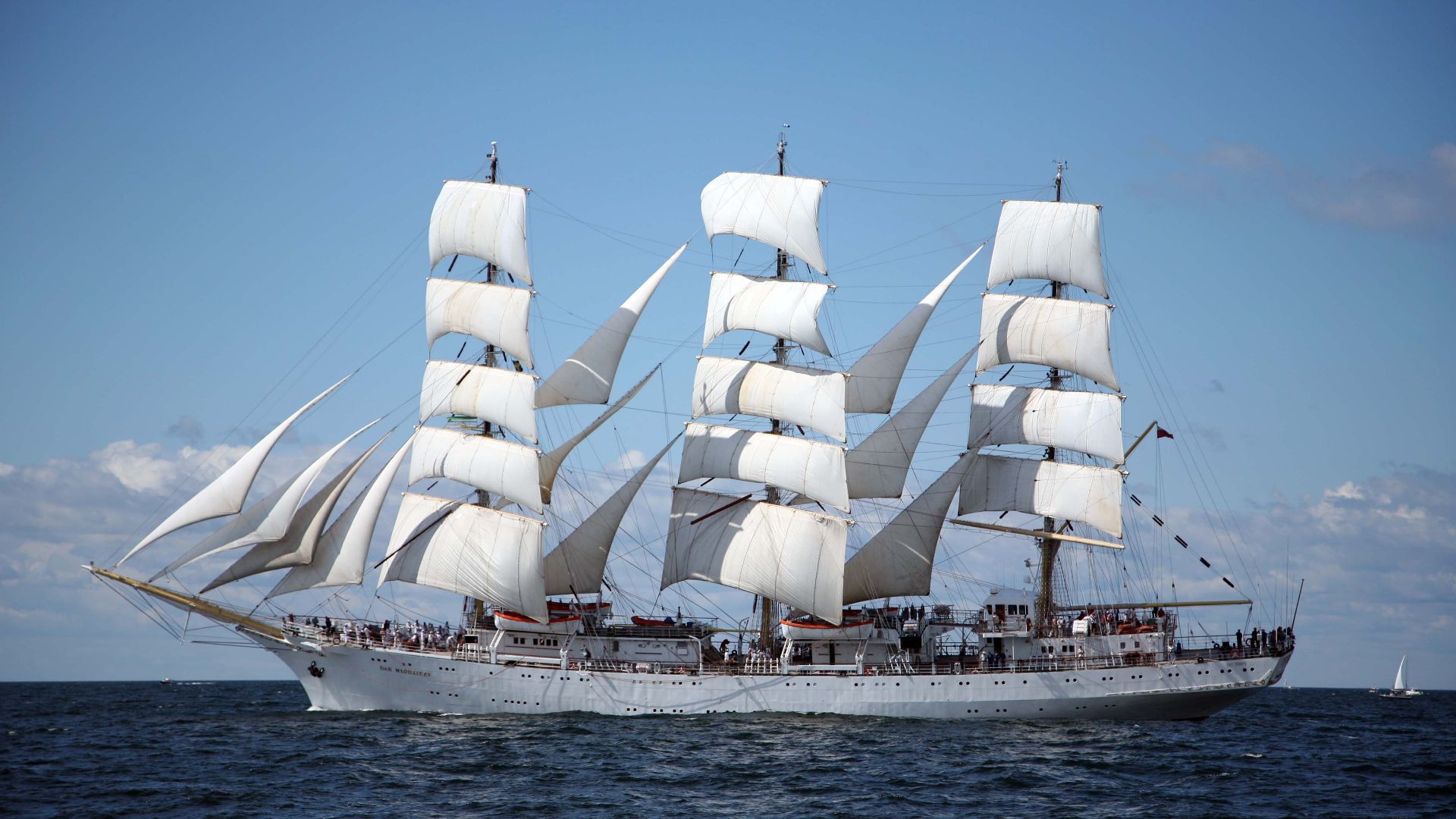
Dar Młodzieży
Poland's beautiful training ship Dar Młodzieży entered service in 1982 and has since completed numerous global voyages. She regularly represents Poland during international tall ship races while educating maritime cadets aboard a traditional square rigged vessel.
 https://www.flickr.com/people/brunogirin/, Wikimedia Commons
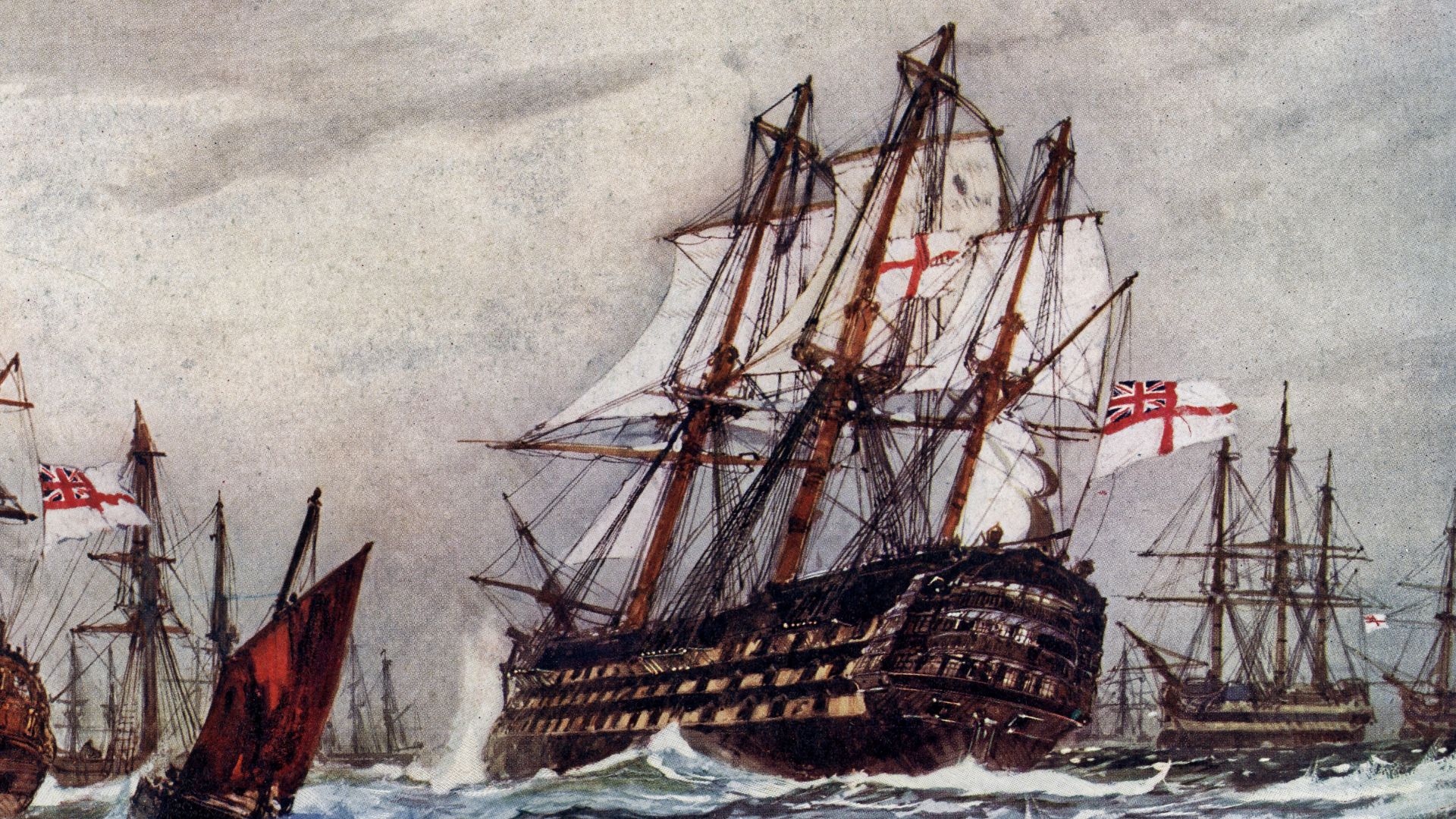
HMS Victory
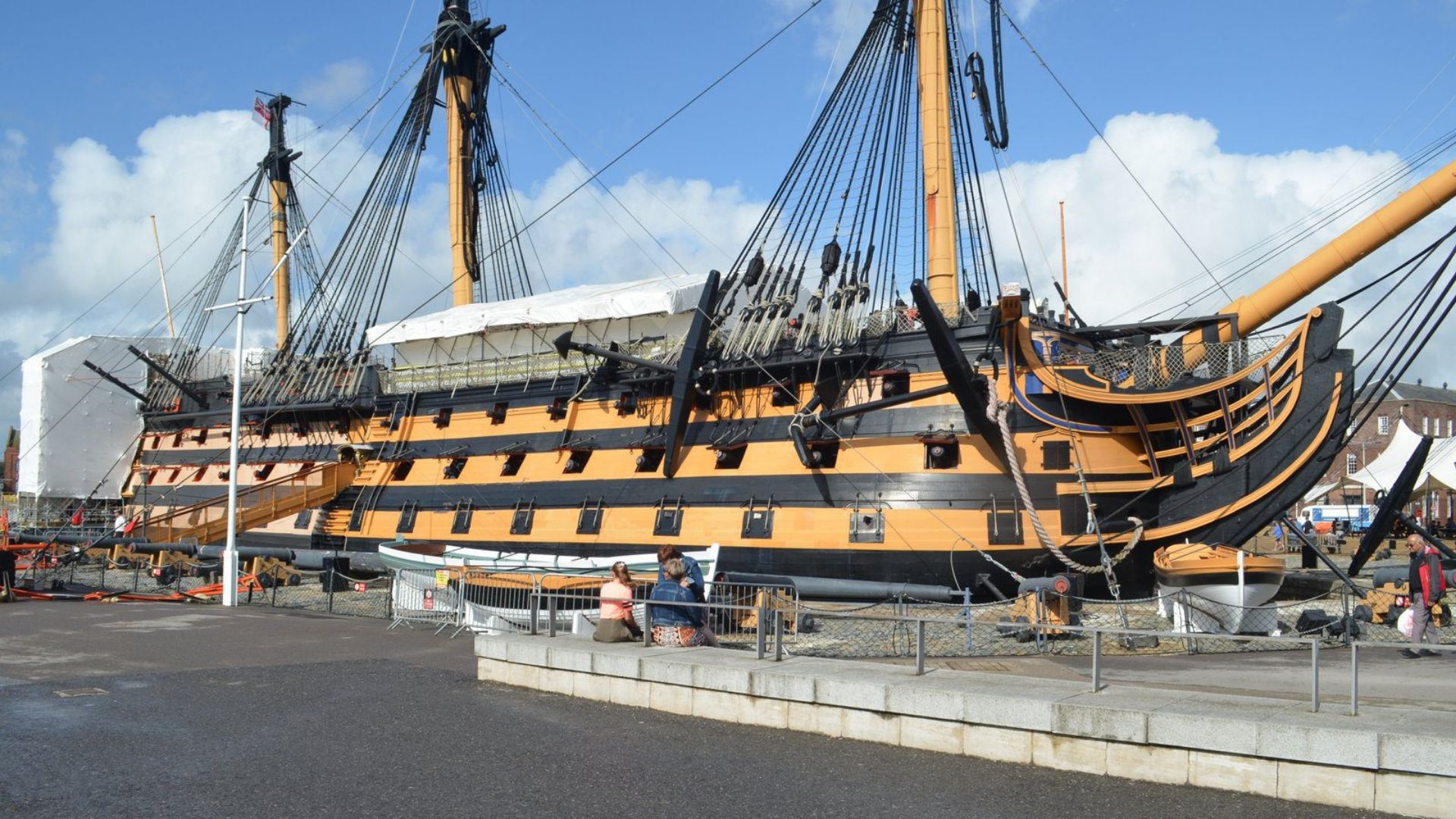
Launched in 1765, HMS Victory is the world's oldest commissioned naval vessel. Best known as Admiral Horatio Nelson's flagship at the Battle of Trafalgar, she remains in commission with the Royal Navy and is preserved at Portsmouth, England.
 Charles Dixon, Wikimedia Commons
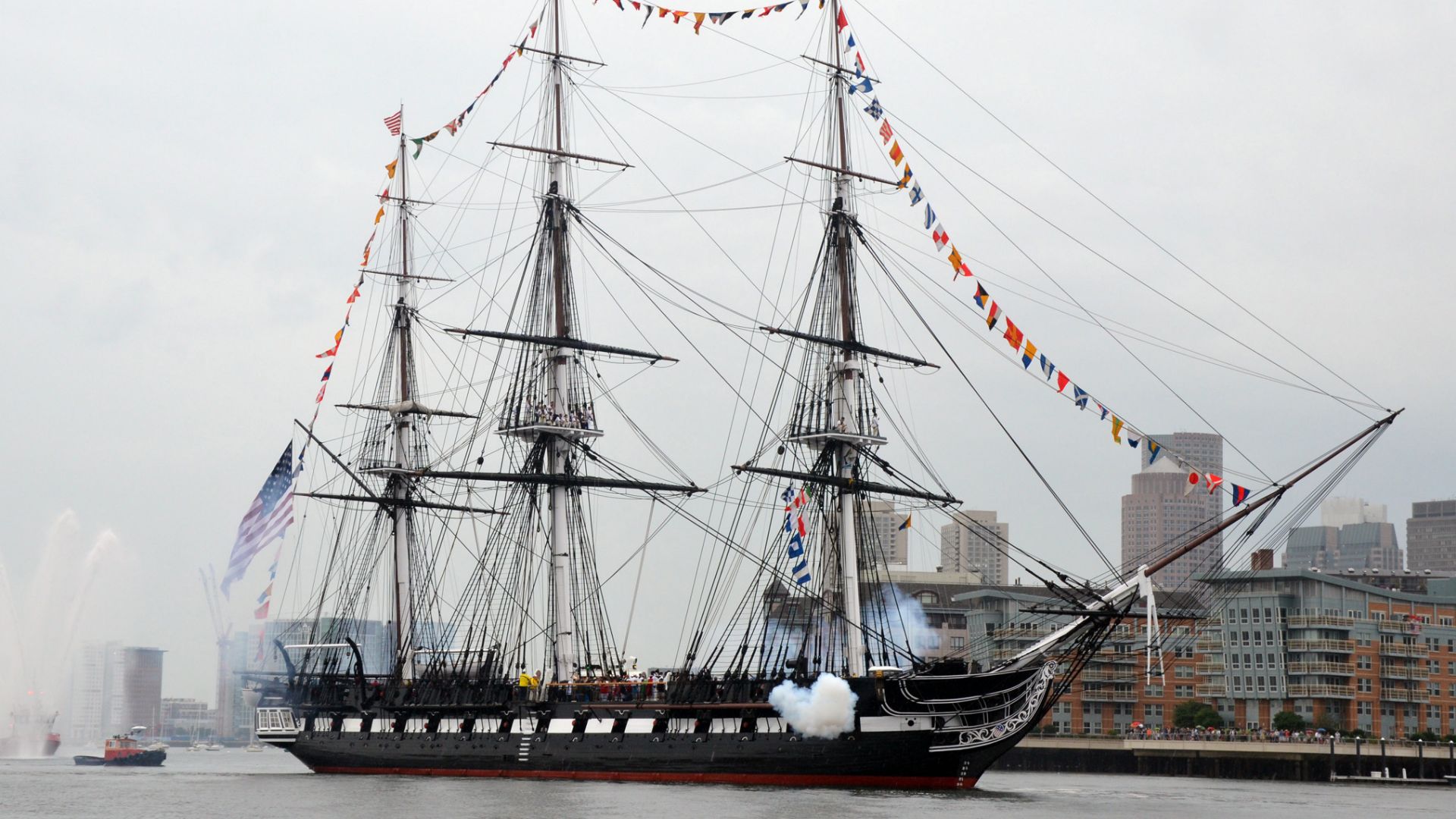
USS Constitution
Nicknamed Old Ironsides, USS Constitution entered service in 1797 and remains the world's oldest commissioned warship still afloat. Operated by the United States Navy in Boston, she occasionally sails under her own power during ceremonial voyages.
 (U.S. Navy photo by Seaman Matthew R. Fairchild/Released) 140704-N-OG138-866, Wikimedia Commons
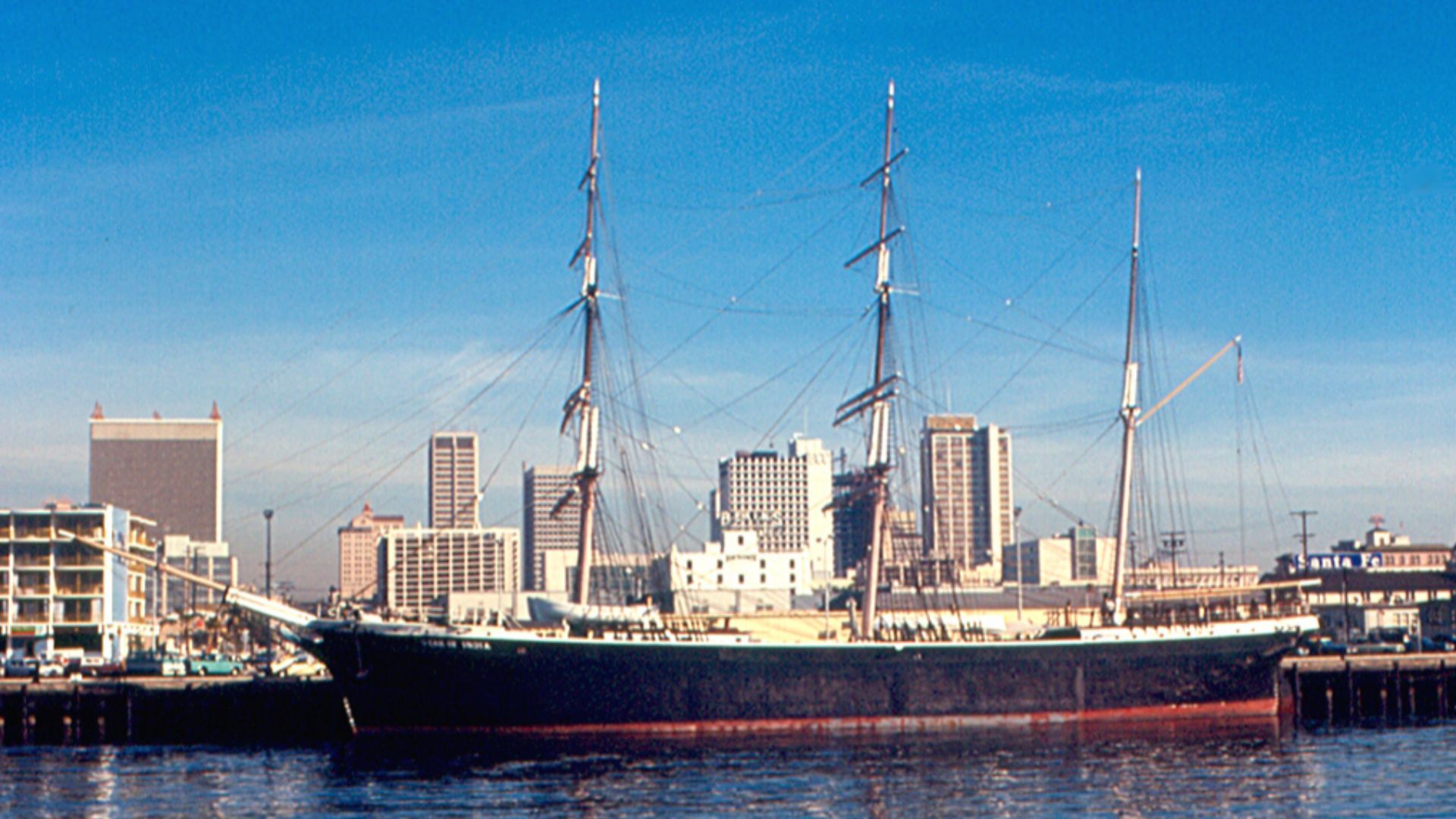
Star Of India
Originally launched in 1863 as Euterpe, the Star of India is the world's oldest iron hulled merchant ship still sailing. Now based in San Diego, she still puts to sea with volunteer crews during carefully planned voyages.
Tall Ship Festivals
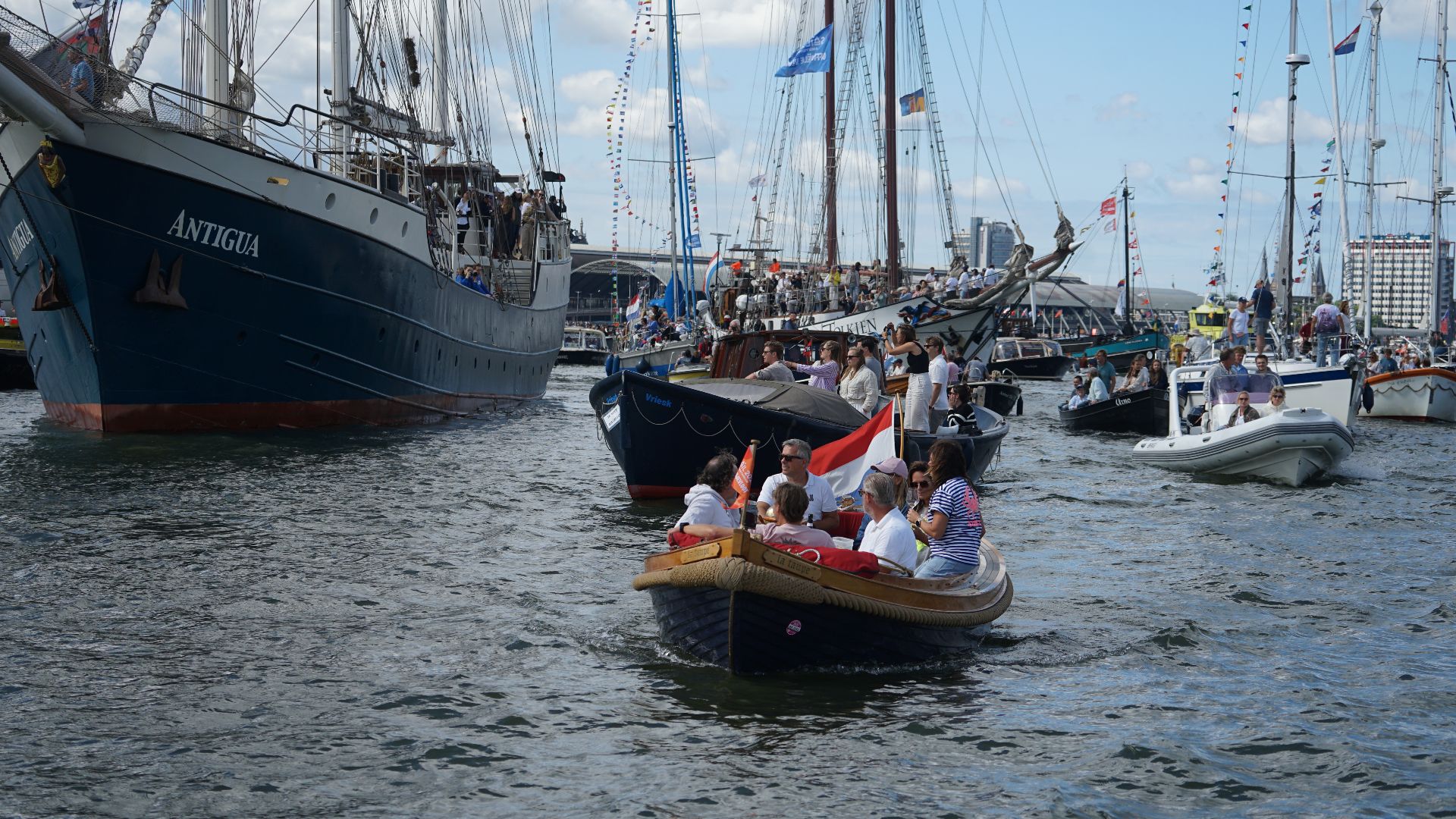
Every year, dozens of historic sailing vessels gather for spectacular festivals around the world. Events such as Sail Amsterdam, Brest Maritime Festival, and the Tall Ships Races allow visitors to tour ships, meet crews, and watch dramatic sailing displays.
Join The Crew
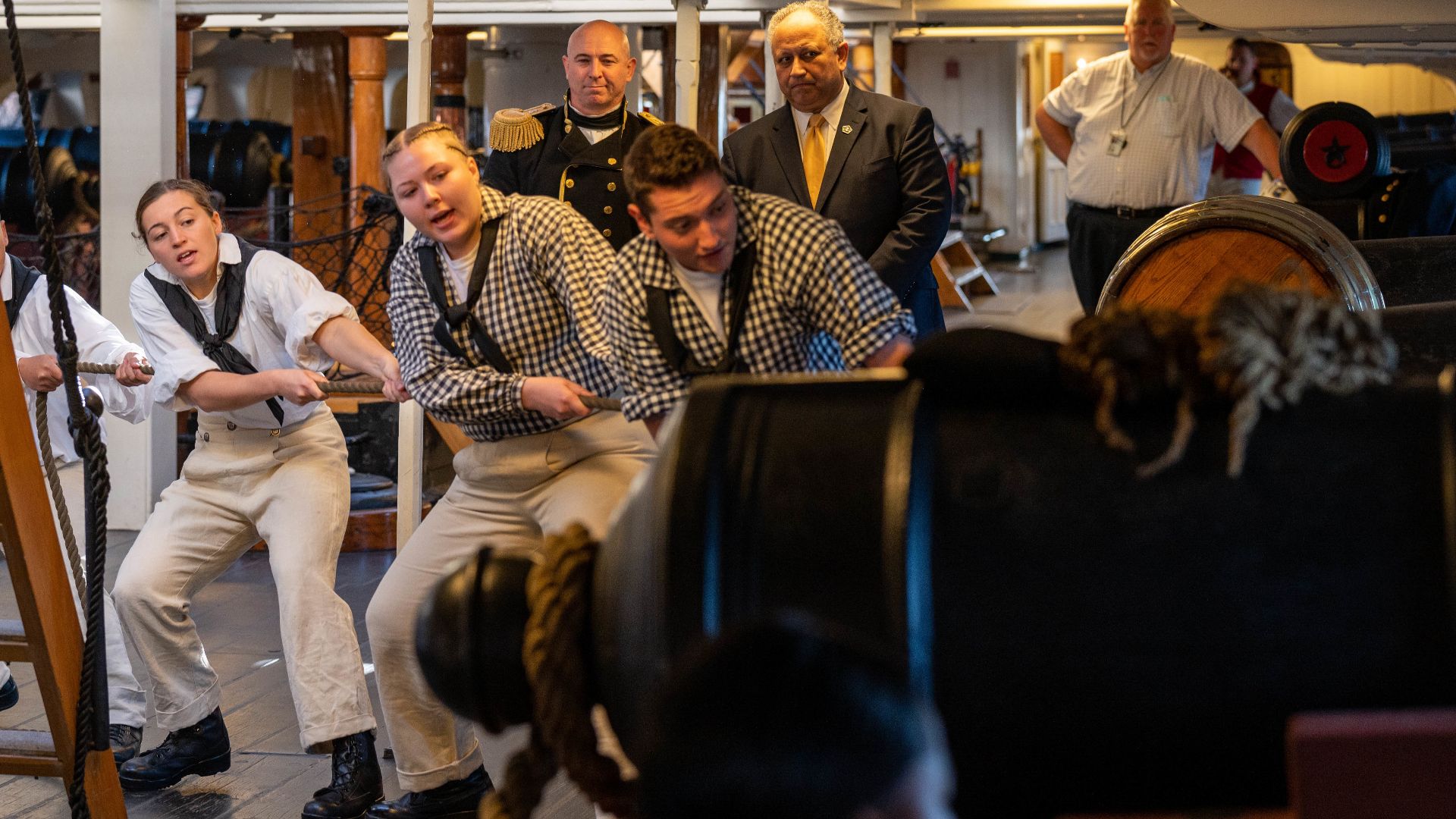
Many tall ships actively recruit volunteer crew members or paying trainees. Previous sailing experience is often unnecessary. Participants learn navigation, sail handling, rope work, and teamwork while experiencing life much as sailors did generations ago.
Daily Life Aboard
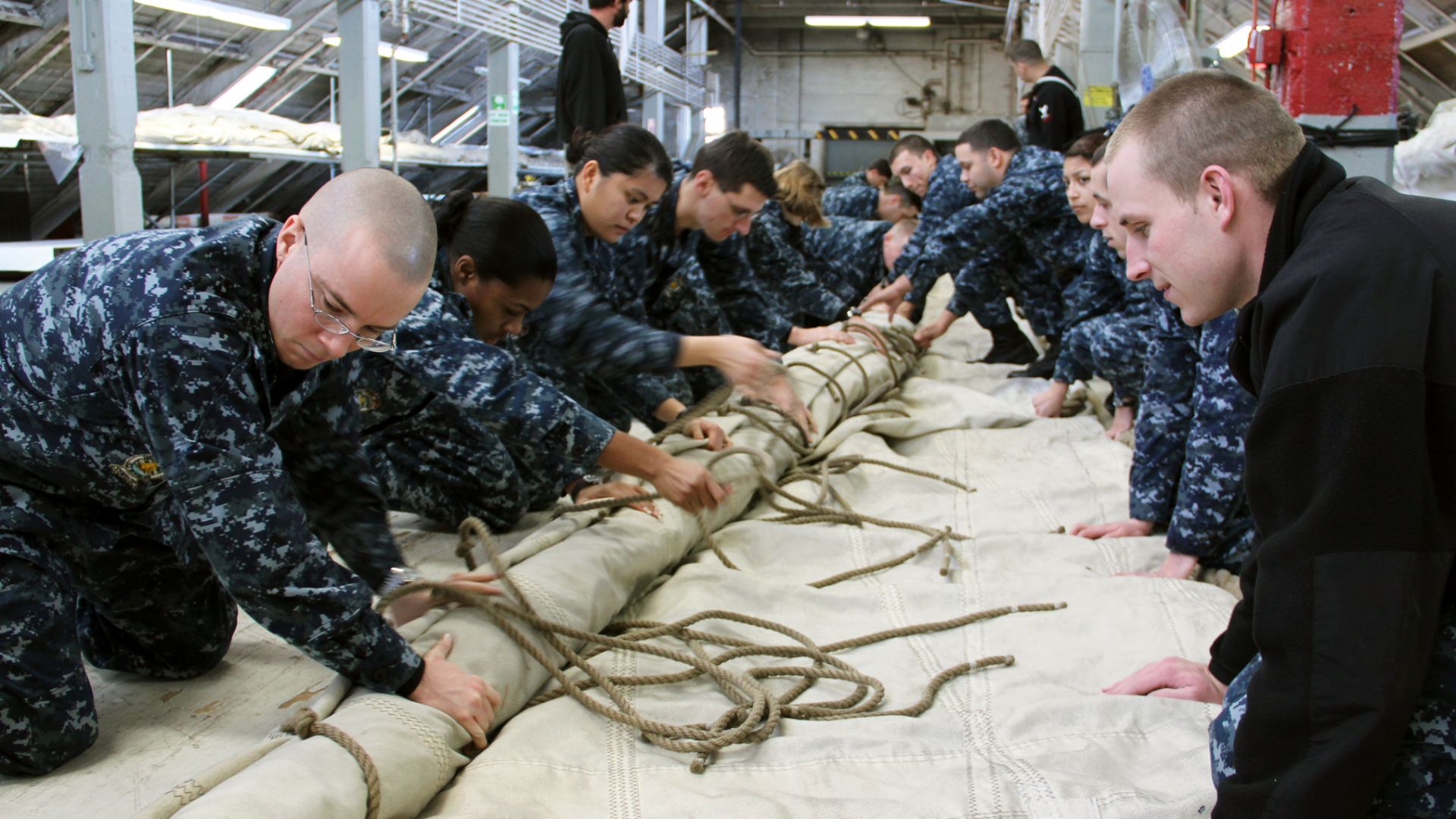
Life aboard a tall ship revolves around watches, maintenance, cooking, cleaning, and constant teamwork. Crew members climb towering masts, trim sails, stand lookout, and navigate changing weather while sharing surprisingly close quarters with fellow sailors.
 U.S. Navy photo by Seaman Michael Achterling, Wikimedia Commons
Not Every Old Ship
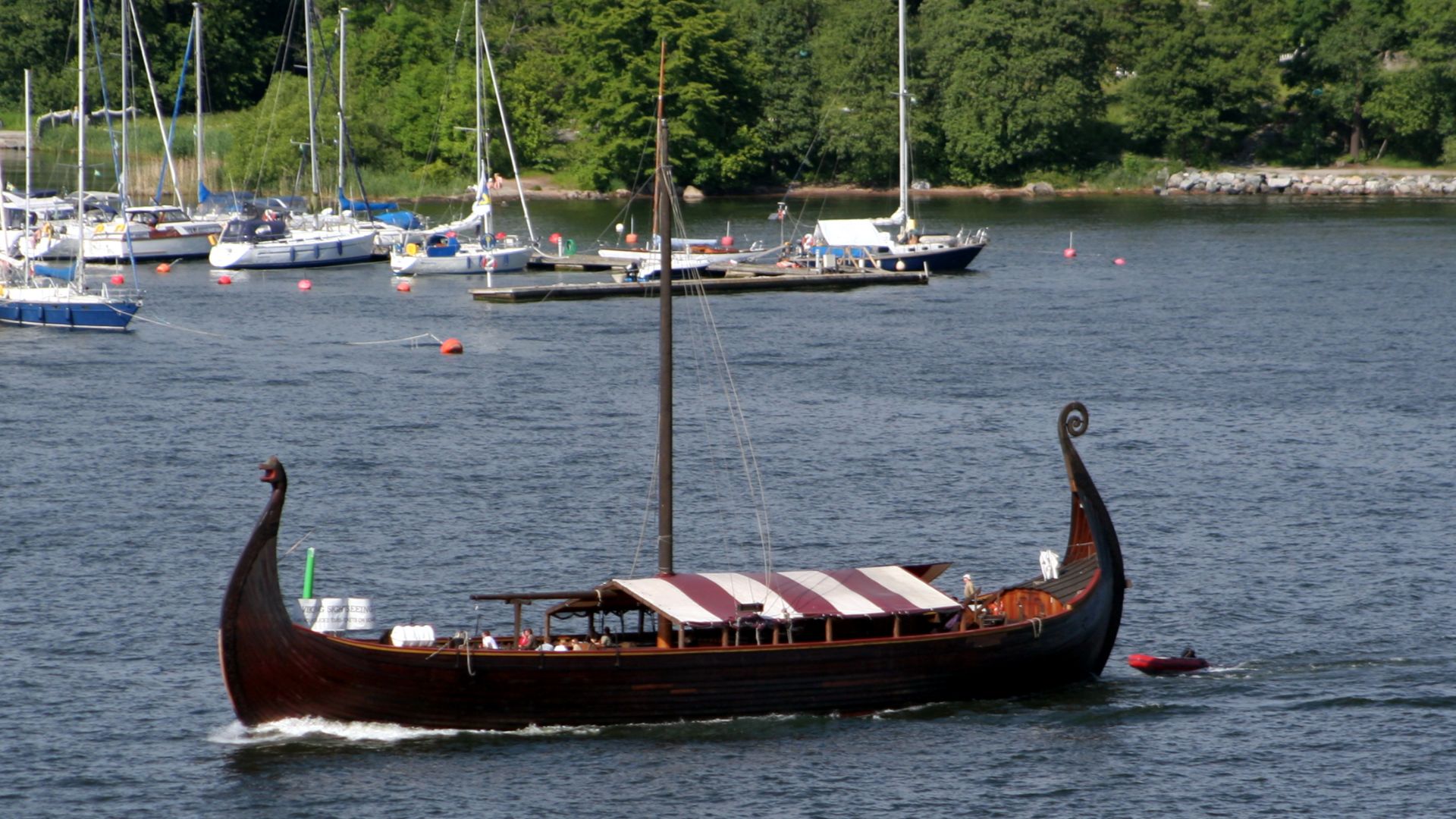
Some of the world's oldest surviving vessels are not considered tall ships. Norway's Norden, Sweden's Ingo, and several preserved Viking ship replicas demonstrate other remarkable chapters in maritime history while lacking the classic square rigged configuration.
Ancient Sailing Survivors
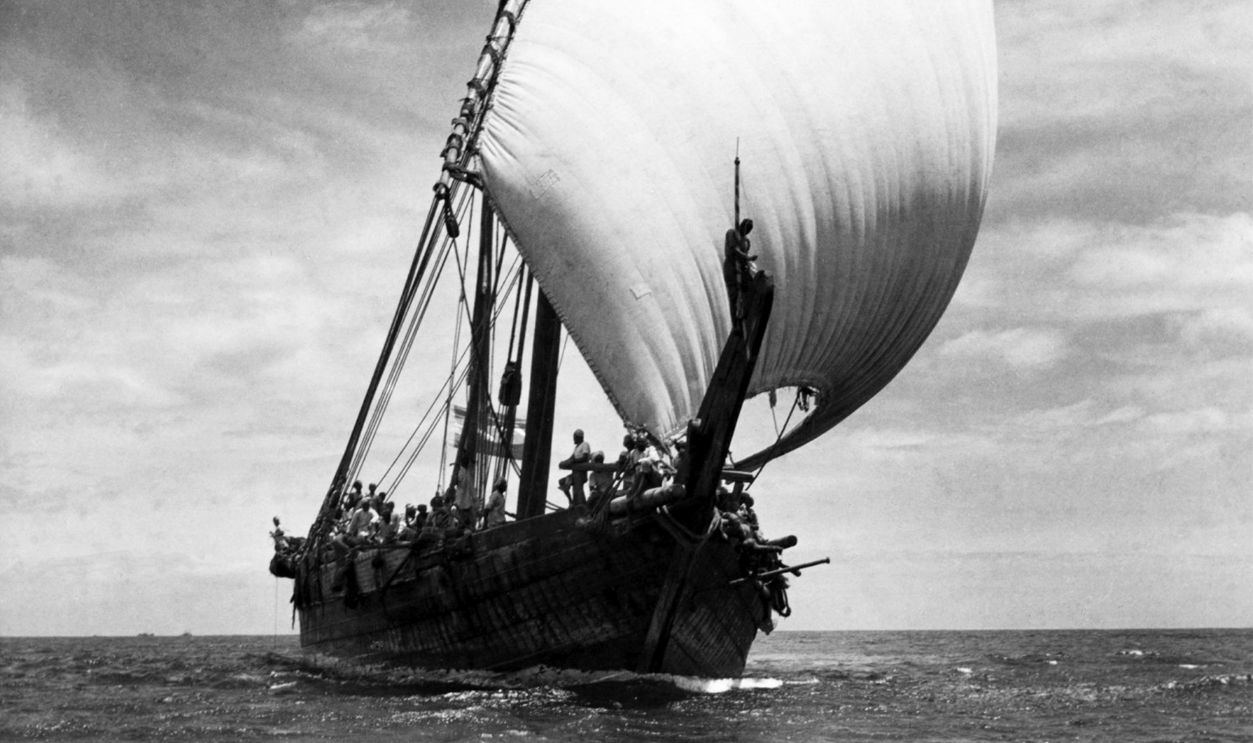
Elsewhere, traditional vessels such as Arab dhows, Indonesian pinisi schooners, and Greek caiques continue centuries old maritime traditions. Although many are not classified as tall ships, they remain living links to humanity's long relationship with wind powered travel.
 Pictures from History/ Getty Images
Preserving Maritime Heritage
Maintaining a historic sailing ship requires enormous effort. Volunteers, professional shipwrights, charitable organizations, and government funding all help preserve these remarkable vessels so future generations can continue experiencing history under sail rather than only inside museums.
Why They Endure
Tall ships remain irresistible because they combine craftsmanship, adventure, and living history in a single unforgettable experience. Watching acres of canvas fill with wind reminds visitors how entire civilizations once depended upon ships like these to explore the world.
 Ronnie Robertson, Wikimedia Commons
Living History Afloat
The world's oldest tall ships are far more than museum pieces. They still cross oceans, train new sailors, and inspire millions who visit them every year. Their continued survival ensures that the great age of sail remains wonderfully alive rather than simply remembered.
You May Also Like:
A Researcher Found The Location Of A Ship Carrying 22 Tons Of Gold And Silver
The Unbelievable Discovery Of Spain’s Greatest Treasure Galleon