Wealthy Nation Blues
The global rankings fooled us all. Countries we've been taught to admire for their economic prowess are quietly falling apart at the seams. Behind those impressive GDP figures lies a different reality.

United States
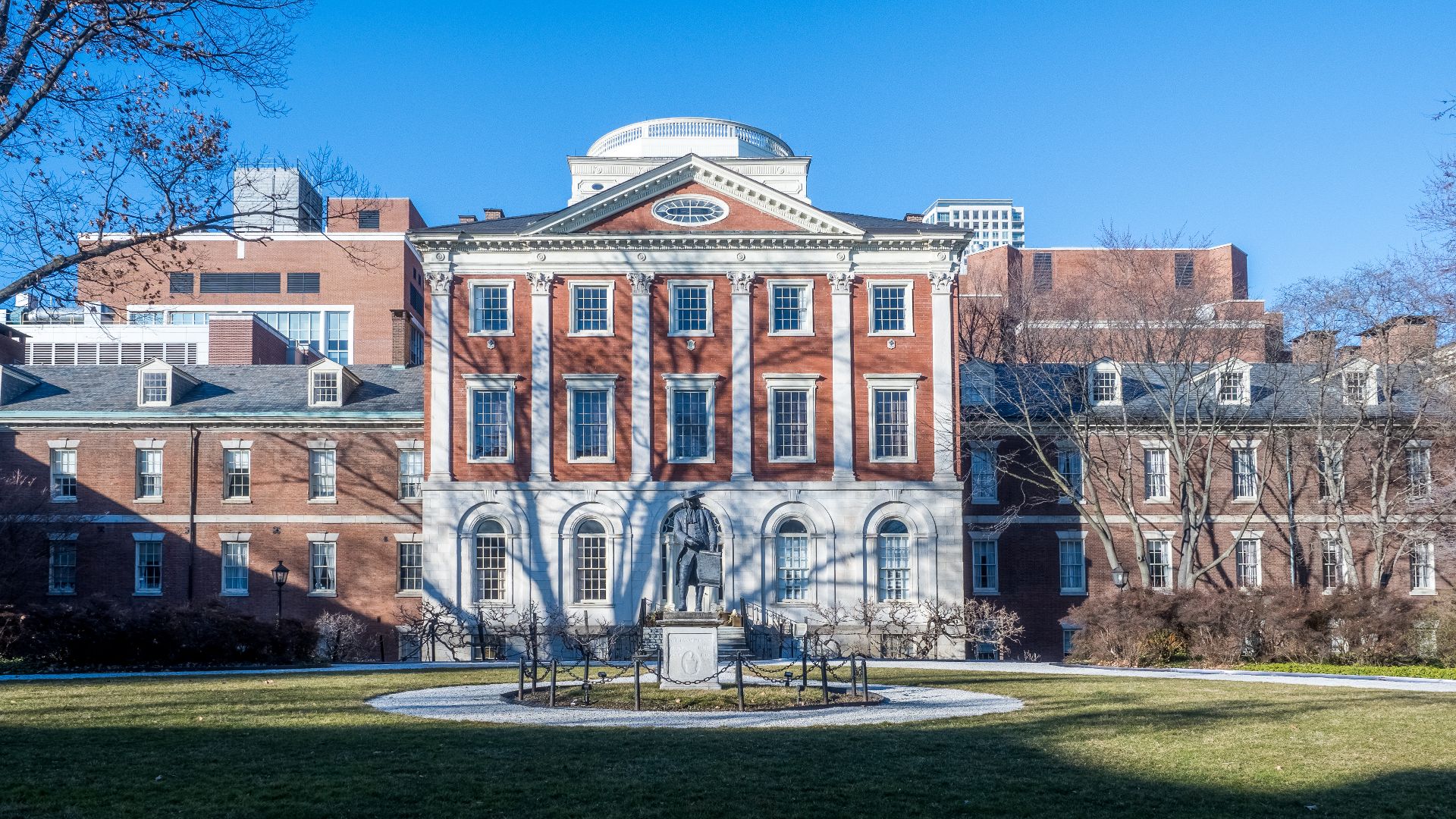
Here's a mind-bending paradox: the world's wealthiest nation can't keep its citizens healthy. The US spends more on healthcare than any other high-income country, but often performs worse on measures of health. Americans pay astronomical medical bills while neighboring Canadians get the same treatments for free.
 ajay_suresh, Wikimedia Commons
United States (Cont.)
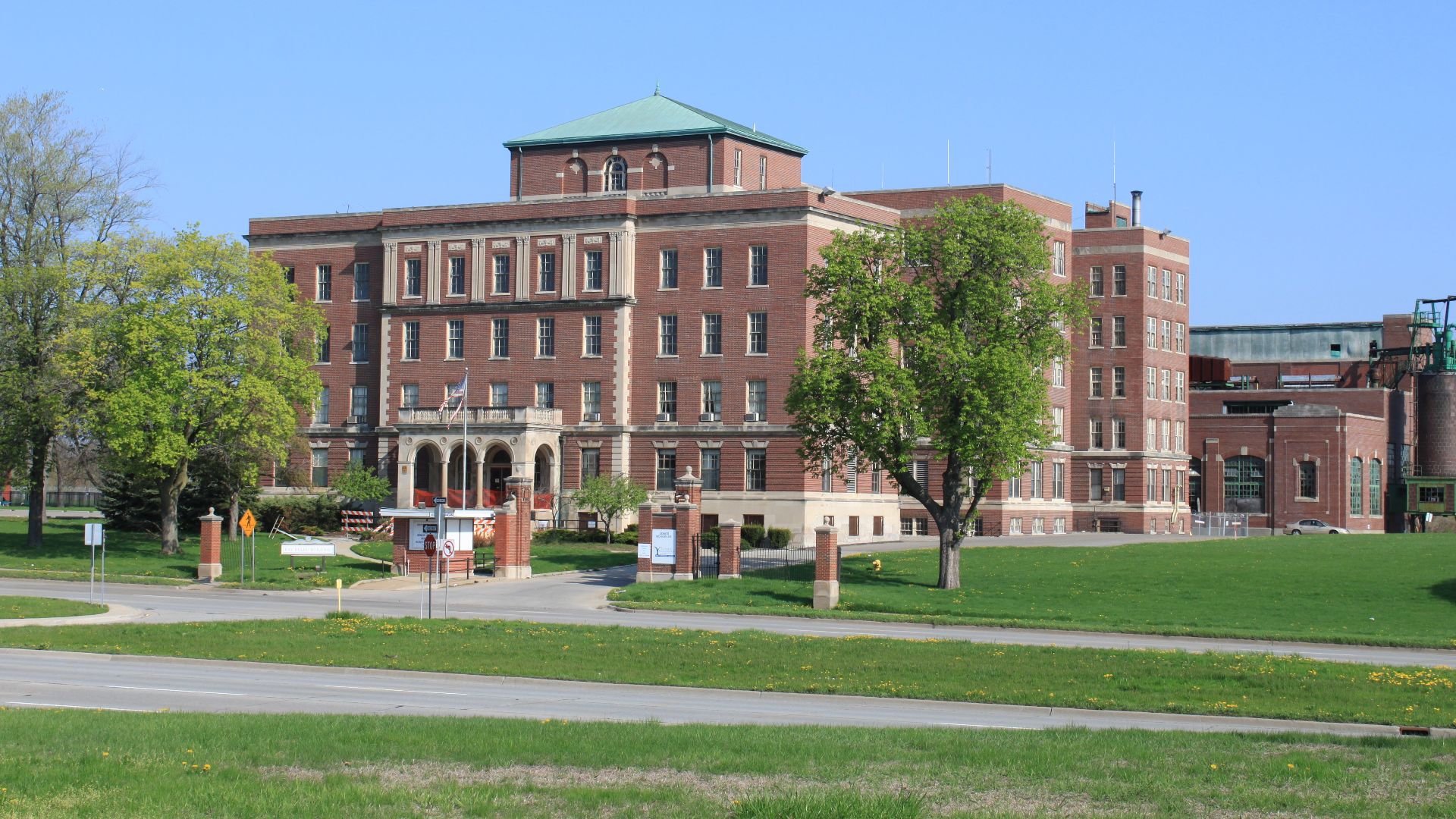
The mental health crisis hits particularly hard. Over 122 million Americans live in mental health professional shortage areas, with less than one-third of the US population living where there are enough psychiatrists and mental health professionals available. It literally intersects with systemic inequality.
 Dwight Burdette, Wikimedia Commons
United States (Cont.)
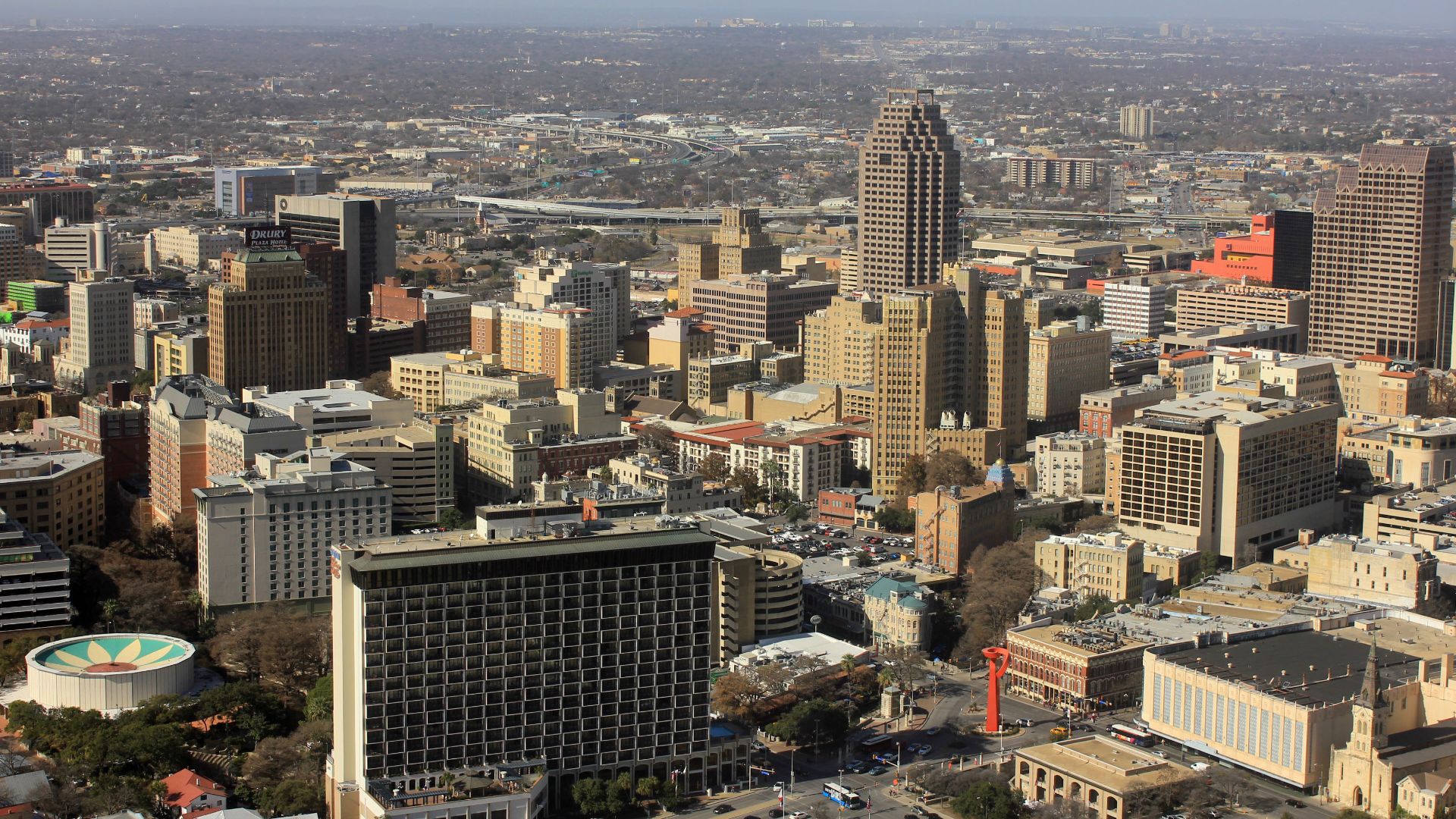
However, the quality of life varies sharply by state and city. Some states, like Vermont, Virginia, or Massachusetts, perform well, while others, such as Tennessee, Texas, New Mexico, and Louisiana, are ranked among the worst due to poor outcomes in crime, healthcare, and inclusiveness.
Japan
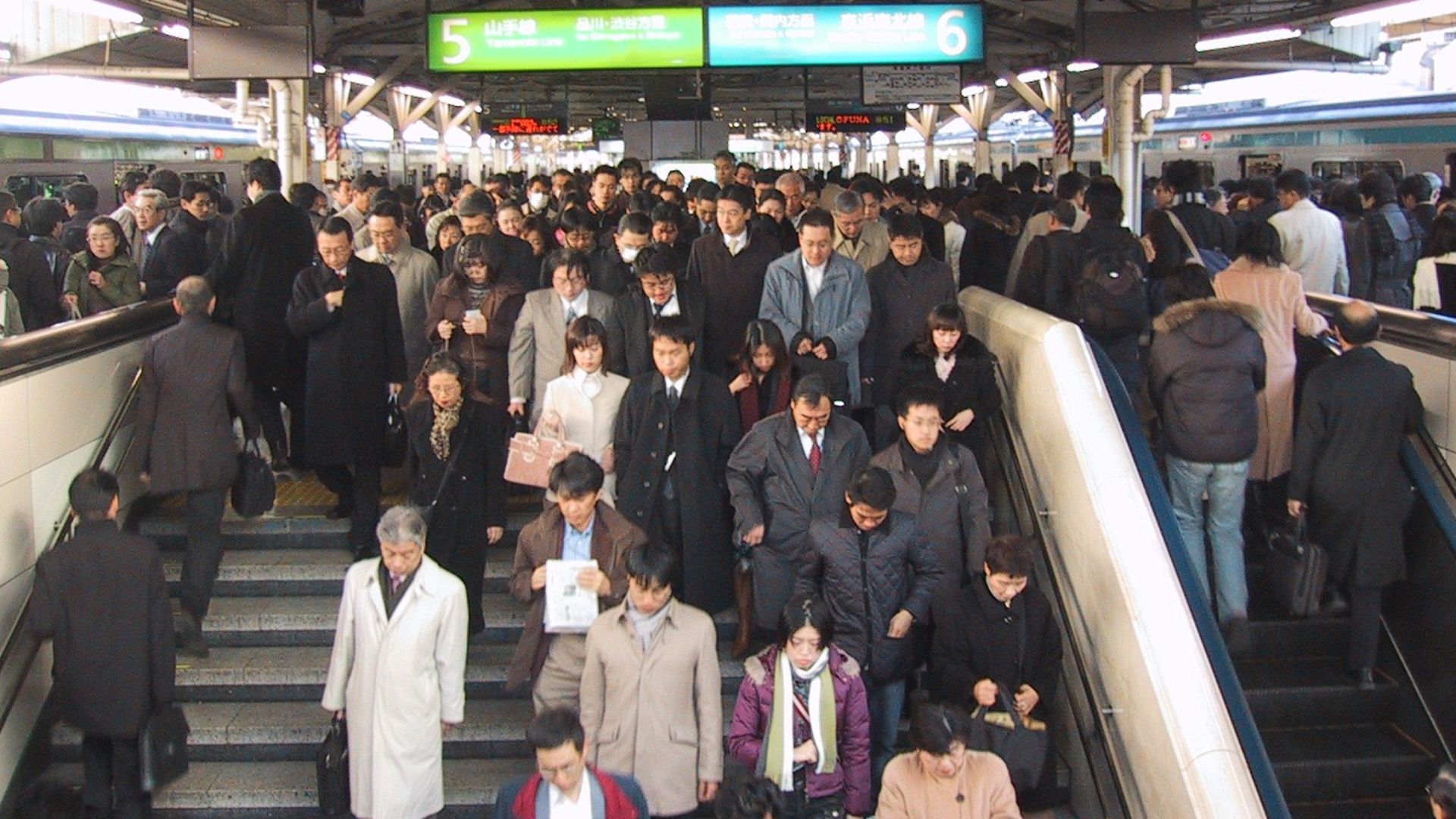
In 1969, a 29-year-old newspaper worker collapsed and died at his desk from a stroke. It was the first recorded case of what Japan would come to call "karoshi"—death by overwork. Today, this isn't a rare tragedy but a national epidemic.

Japan (Cont.)
The numbers paint a devastating picture of a society that has literally worked itself to death. This nation has one of the highest suicide rates among OECD countries, with 70% of suicides being male, and suicide being the leading cause of death in men aged 20–44.
South Korea
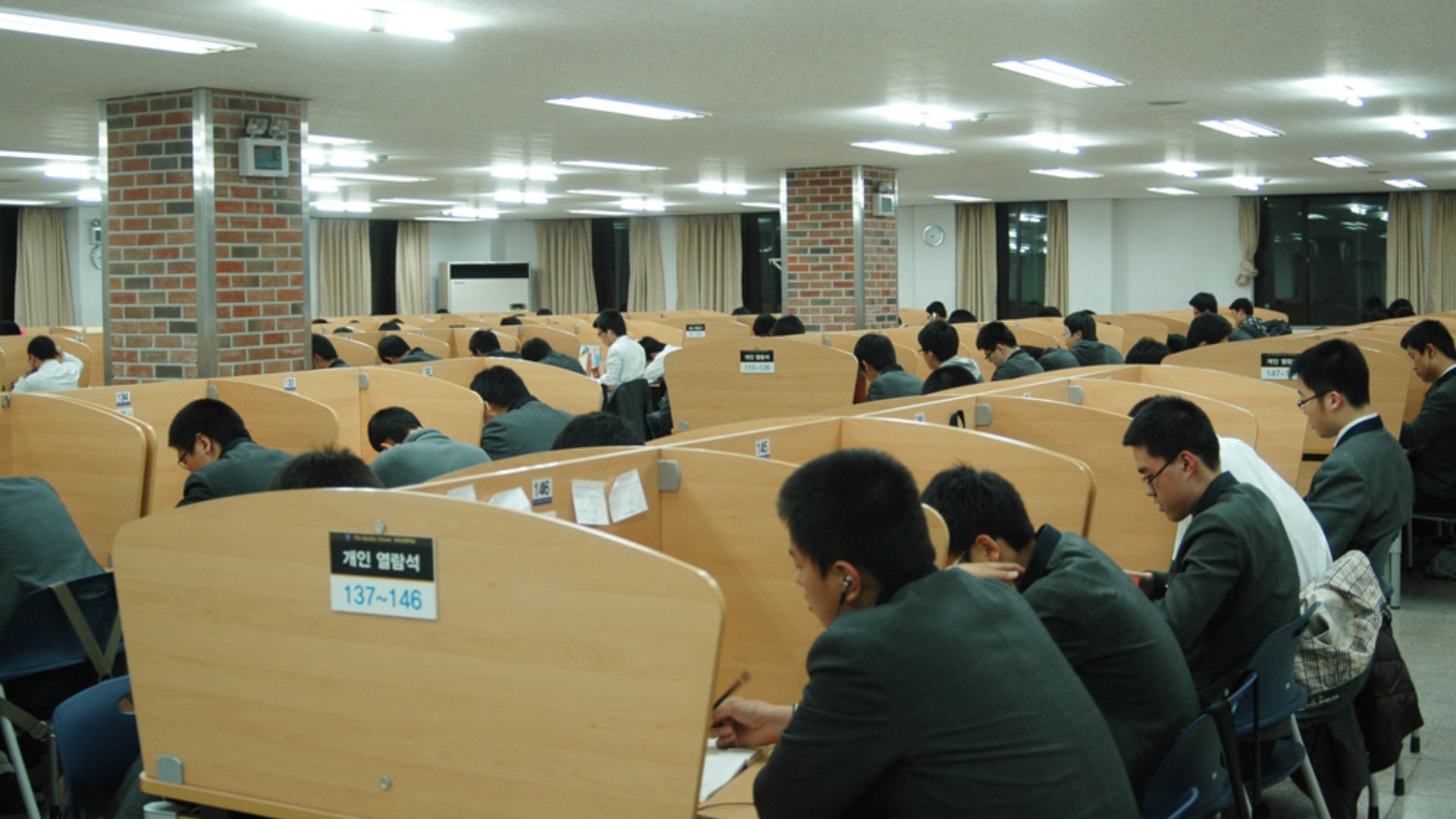
Students stumble out at midnight, backpacks heavy with homework, only to wake up at 5 AM for more studying. South Korea's education system creates extreme stress among students, with families spending as much on education as on food and housing combined.
 Pauloleong2002, Wikimedia Commons
South Korea (Cont.)
This makes it the most expensive country to raise a child. Besides, the region has one of the highest suicide rates globally, with intense social pressure and long working hours contributing to widespread mental health issues. But here's what makes Korea's situation uniquely brutal.
South Korea (Cont.)
It's a double-trap of educational stress followed by housing despair. Young adults who survive the education gauntlet then face a housing crisis where excessive housing costs significantly impact quality of life. More than 40% of South Koreans aged 65 and above live in poverty.
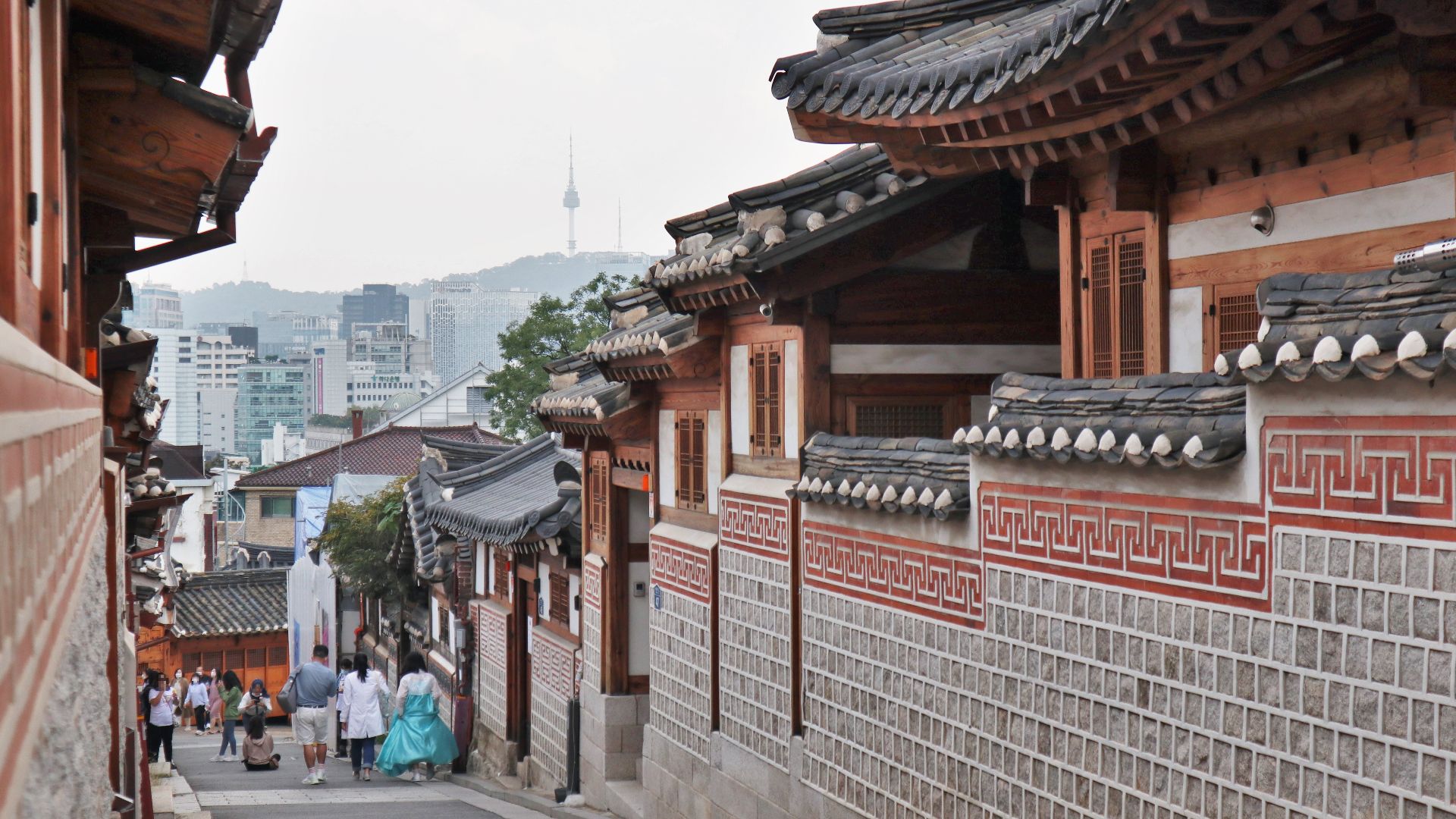 S h y numis, Wikimedia Commons
United Kingdom
Something's rotten in the state of Britain, and it's not just the weather. It is said that the poorest areas consistently receive worse quality NHS care, including longer A&E waits and more potentially avoidable hospital admissions. The UK lags behind other high-income countries on many health outcomes.
 Djm-leighpark, Wikimedia Commons
United Kingdom (Cont.)
The place that invented universal healthcare now has a system where your postcode predicts your lifespan better than your lifestyle. Austerity policies have turned housing into a nightmare for millions. More than one in five older adults live in homes with serious problems like damp and poor insulation.
 FrancisTyers~commonswiki, Wikimedia Commons
United Kingdom (Cont.)
According to Loughborough University’s Centre for Research in Social Policy (CRSP), about 24 million people in the UK were living below the Minimum Income Standard (MIS) in 2022–23. In 2025, a single person needs to earn £30,500 annually to reach MIS.
 Victuallers, Wikimedia Commons
France
The land of "liberte, egalite, fraternite" is struggling to live up to its revolutionary ideals. Recent INSEE data shows the standard of living decreased for the poorest 90% of French citizens while increasing for the wealthiest 10%, accompanied by rising xenophobic rhetoric.
 Pierre Blaché from Paris, France, Wikimedia Commons
France (Cont.)
This growing divide has shattered the French dream of social cohesion, with the Yellow Vest movement serving as a stark reminder that even Europe's most socially conscious nations aren't immune to inequality. Mental health disparities reveal the ugly truth behind France's polished exterior.
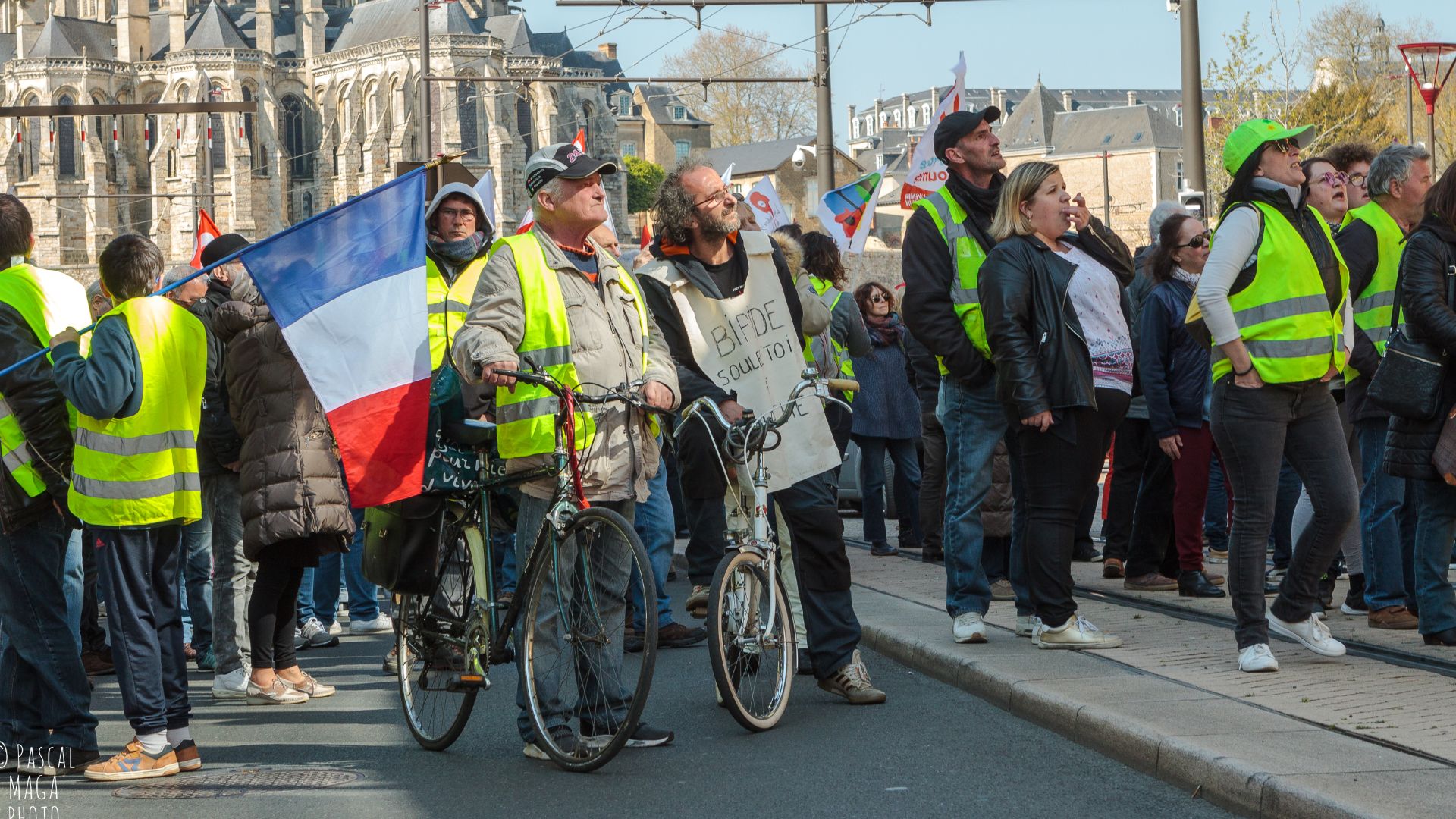 Pascal Maga from Le Mans, France, Wikimedia Commons
France (Cont.)
Here, discrimination intersects with economic hardship. The recent Olympic Games saw authorities conducting "social cleansing" operations against migrants and people living on the streets. Plus, French sports associations imposed hijab bans that prevented Muslim women from competing.

Italy
About one-third of young Italians believe they'd be better off living in another country. That's not youthful wanderlust but economic desperation driving an entire generation into exile. Italy leads with the highest youth unemployment rates in the OECD, reaching around 19%.
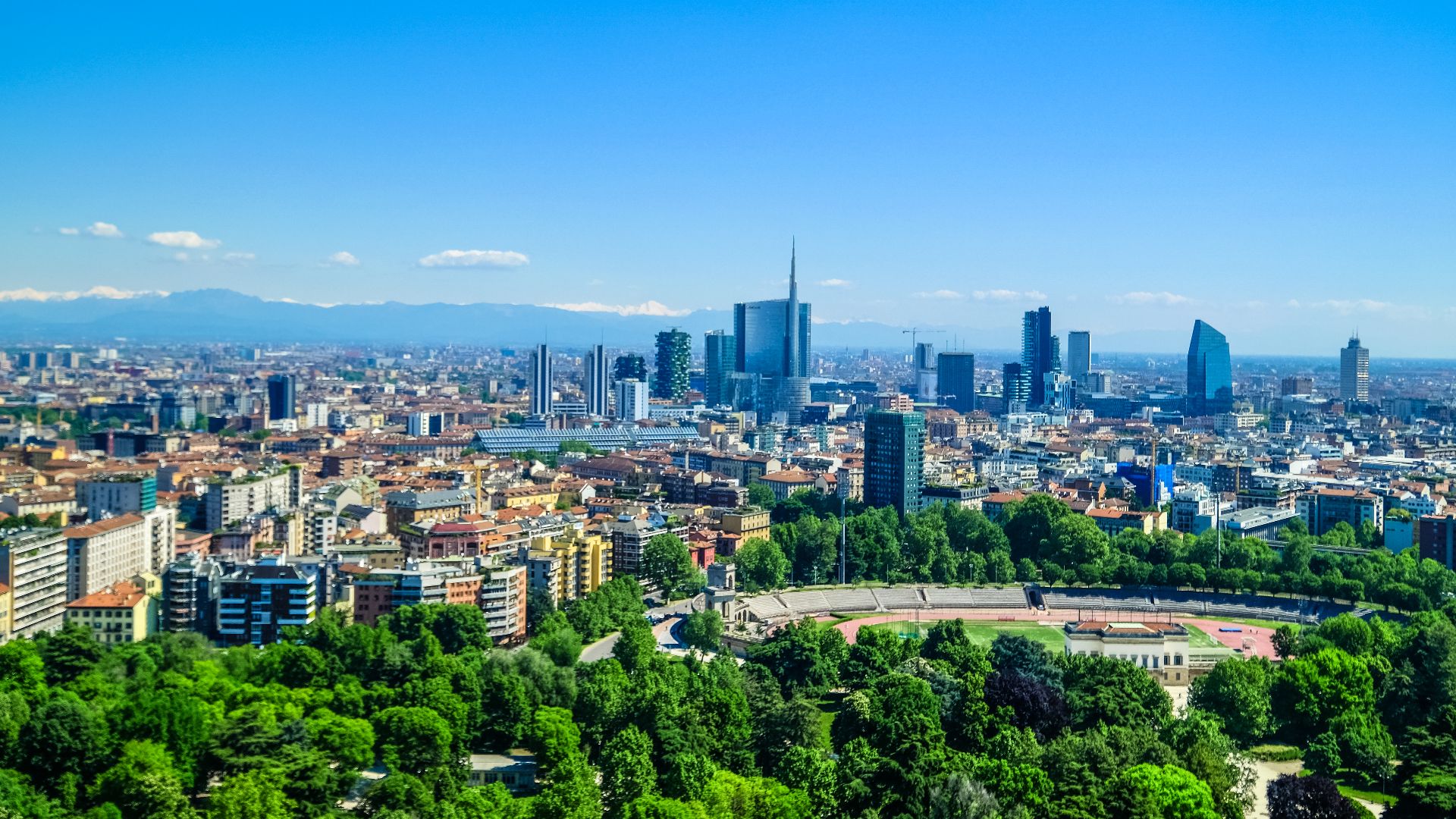 Francesco Ungaro, Wikimedia Commons
Italy (Cont.)
Young workers earn less than their older counterparts and face widespread career insecurity. The 2014 Jobs Act, meant to fix unemployment by reducing worker protections, backfired by creating a two-tier system where young people hired after 2014 became second-class employees with fewer rights.
 Simone Ramella, Wikimedia Commons
Australia
A 2025 study mentioned in The Conversation, which followed more than 10,000 Australian renters, found that mental health drops dramatically once housing costs exceed the 30% of income threshold. Four in five renters reported spending more than this amount on housing.

Australia (Cont.)
A staggering number of private renters also mentioned that their housing circumstances negatively affect their mental health, compared to 23% of homeowners. Australia's unique tragedy lies in its timing—the 2024 Rental Affordability Index now labels all major cities and regional areas “critically unaffordable”.

Germany
Behind Germany's reputation as an economic powerhouse lies a population buckling under stress and struggling with integration failures. Work-related stress affects a good number of German workers who have resigned due to burnout, while the COVID-19 pandemic revealed mental health deterioration that persisted through 2022.

Germany (Cont.)
The nation that prides itself on efficiency has formed a society where efficiency comes at the cost of human well-being. Asylum seekers and refugees face severe mental health deterioration due to prolonged asylum procedures averaging 8 months. People with selected citizenships experience significant mental health inequalities.
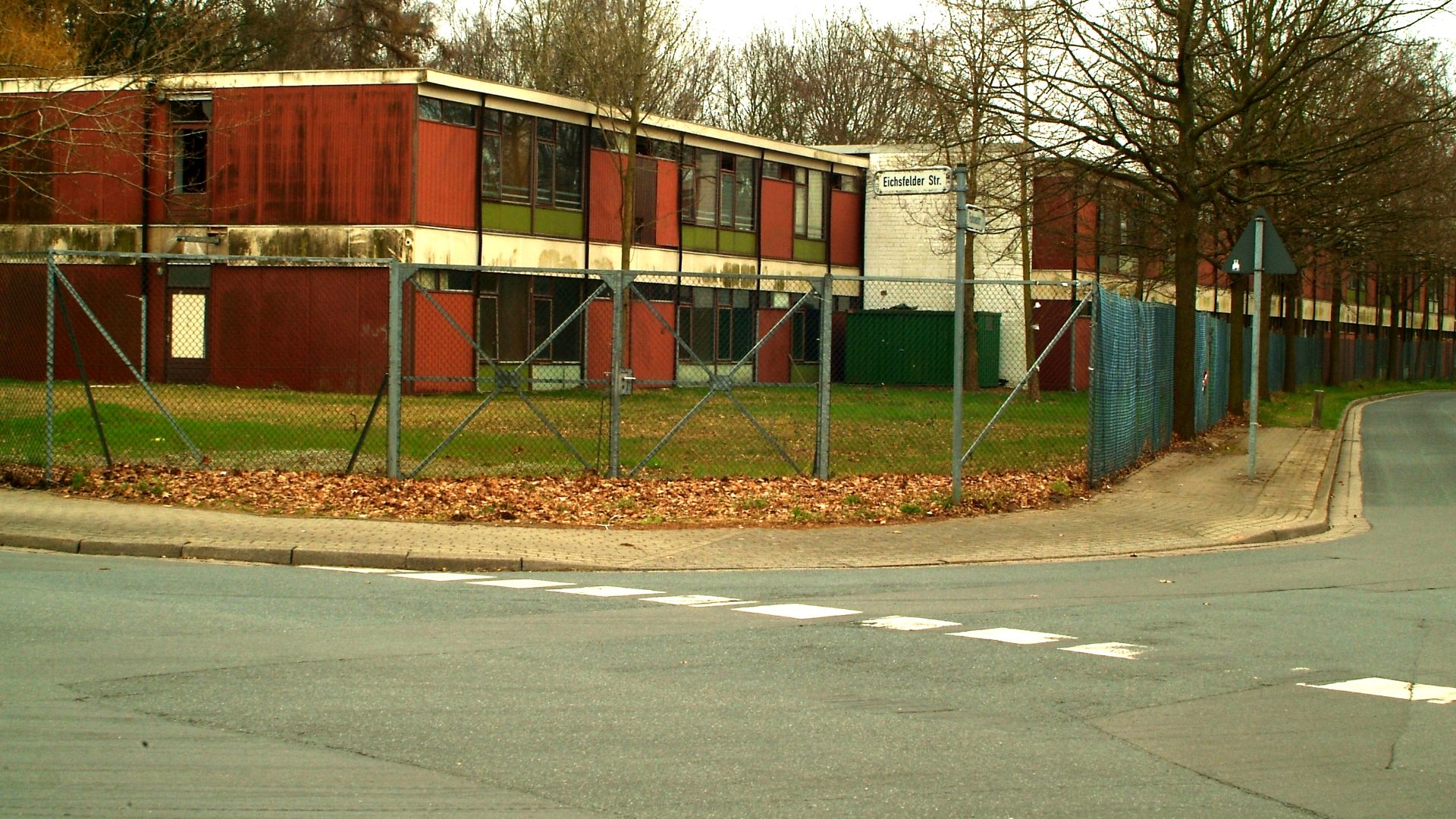 Bernd Schwabe in Hannover, Wikimedia Commons
Canada
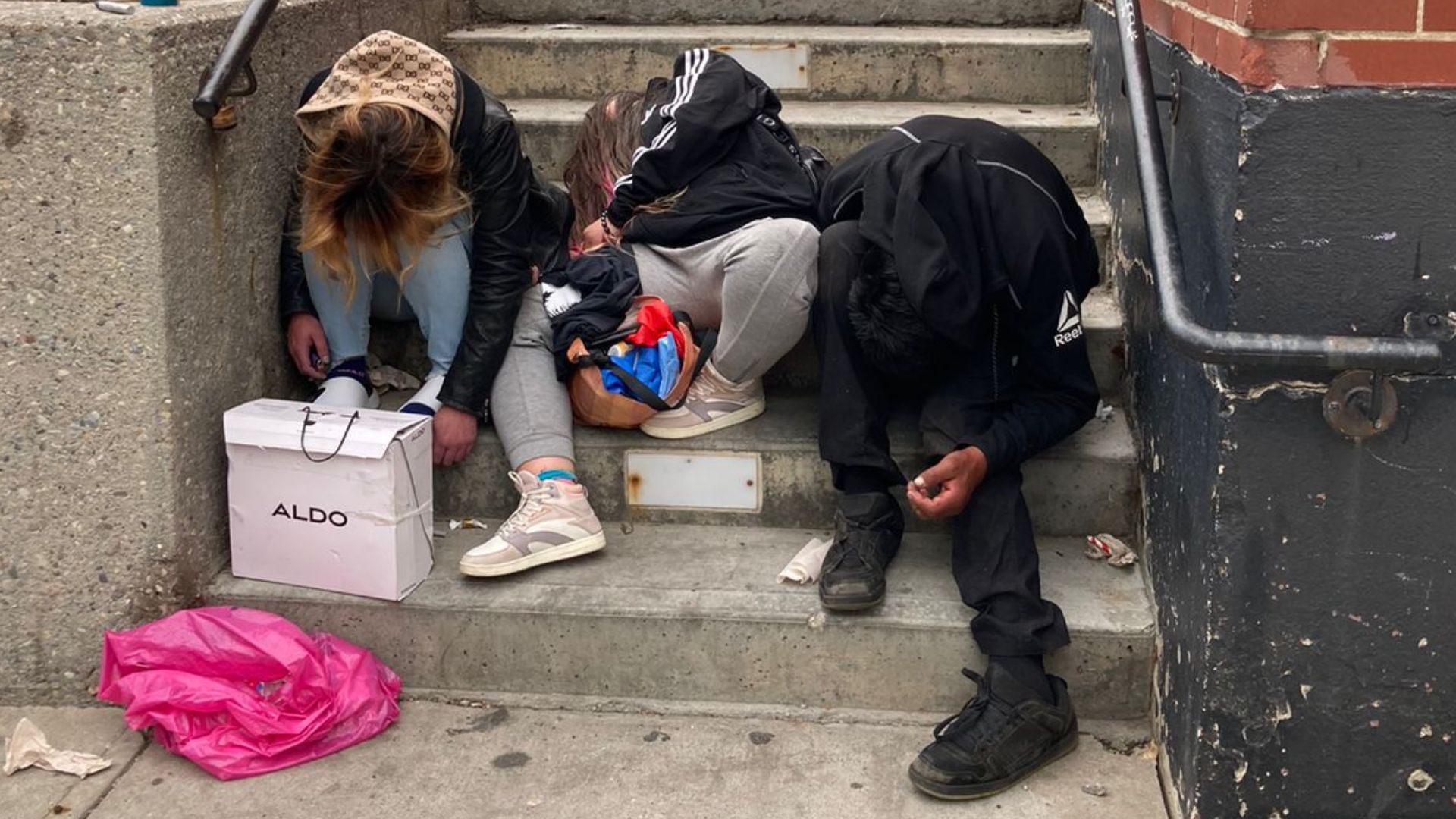
Canada's "nice guy" image emerges in the statistics of its most vulnerable citizens. Indigenous people are twice as likely to live in crowded housing compared to non-Indigenous populations (17.1% versus 9.4%), while being almost three times more likely to live in places needing major repairs.
Canada (Cont.)
Talk about a systematic failure to address centuries of colonial trauma that continues to devastate entire communities. Most Indigenous participants in urban mental health studies were living in extreme poverty, homeless, or in inadequate housing. Government analyses consistently identify persistent associations between poor mental health and food insecurity.
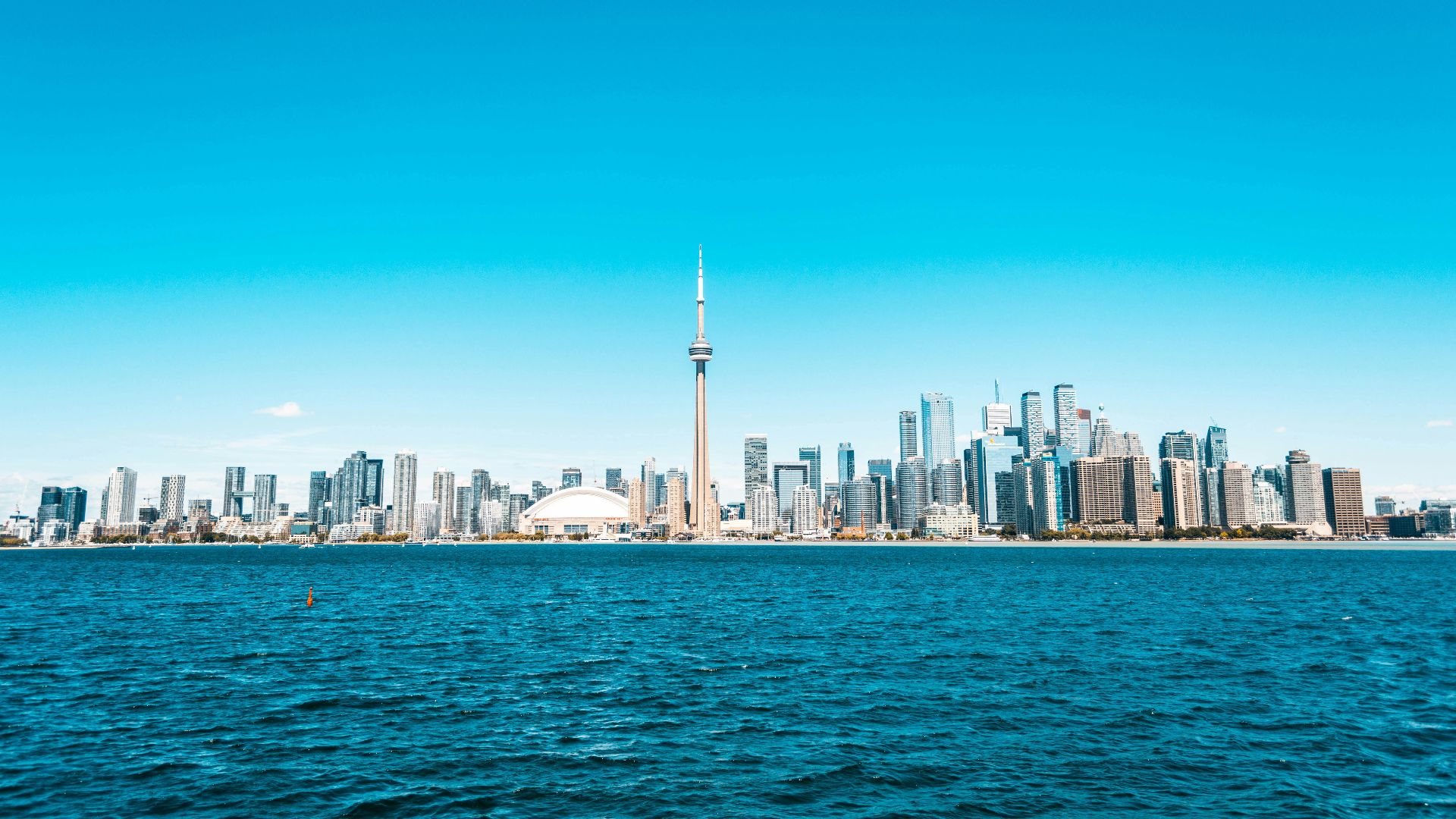
 MohammedLombardia, Wikimedia Commons
Spain
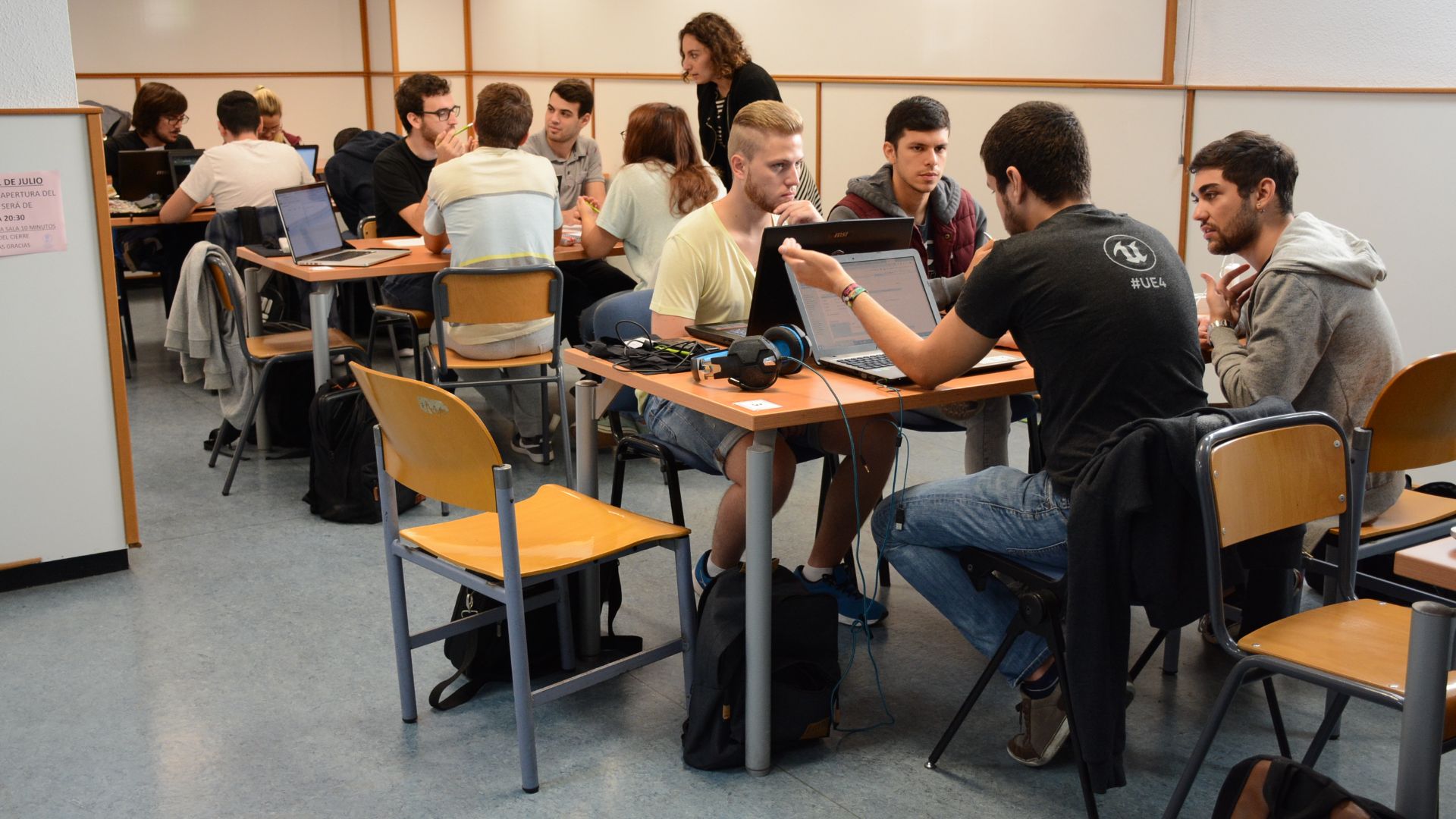
Spain's youth aren't just unemployed—they're becoming unemployable. This nation has the highest youth unemployment in Europe at 23.5% (compared to the European average of 14.4%), with young workers earning an average of €28,180 versus the European average of €33,500.
 Silvia G. Ponzoda, Wikimedia Commons
Spain (Cont.)
Economists call this "scarring effects," where entire generations never recover from early career setbacks. The human cost extends far beyond paychecks into the fabric of Spanish society itself. A lot of Spaniards under 30 still live with their parents due to low wages and high rents.