Before The Myths: Everyday Things With Surprisingly Pagan Roots
Long before organized religions took shape and centuries before modern traditions became “tradition,” ancient pagan cultures were busy laying the groundwork for many of the customs, symbols, and practices we still use today. From festive holidays to wedding rituals, lucky charms, and even some of our language quirks, countless parts of daily life trace back to belief systems that were never written down in holy books but lived through folklore, seasonal cycles, and nature worship. Here are some of the most popular hangovers from pagan cultures.

Wedding Rings
In Western society, even for those who aren’t religious, few rituals feel as closely linked to Christianity as a wedding. Yet one of the most fundamental wedding traditions may actually have its roots in an older, pagan past.
 Petar Milošević, Wikimedia Commons
Wedding Rings
Many cultures, not just pagans, marked weddings with rings. However, the practice of wearing our wedding rings on the fourth finger of our left hand has ties to ancient Roman and Greek culture.

Wedding Rings
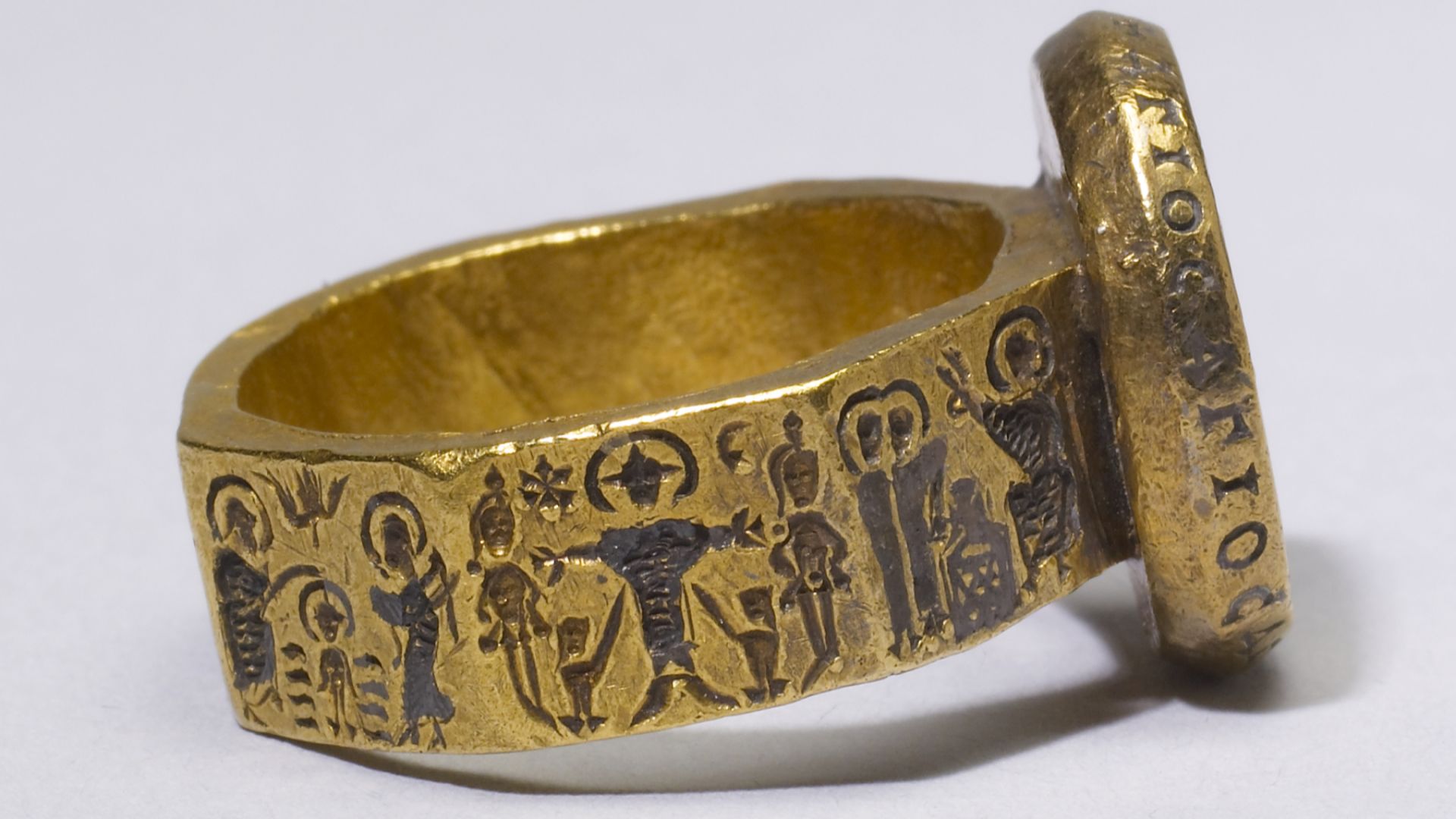
The ancient Greeks and Romans saw the fourth finger as the “medicated finger”. It was the finger that had a vein directly to the heart. Wearing a wedding ring on this finger was a vow of love and devotion. However, it wasn’t just the Romans and the Greeks who wore weddings rings.
 Sweet Ice Cream Photography sweeticecreamphotography, Wikimedia Commons
Wedding Rings
There is also evidence of wedding rings being significant in the ancient Egyptian culture as well. During the Third Dynasty of the Old Kingdom, people would exchange rings to represent a binding agreement between two parties. Sounds like a wedding to me.
 Anonymous (Byzantine Empire)Unknown author, Wikimedia Commons
The Days Of The Week
We’ve been saying Monday, Tuesday, and Wednesday for so long that most of us never stop to wonder where they actually came from. Yet their origins reach back to an ancient, largely forgotten era—much to the frustration of the equally forgotten Christian leaders who once tried to stamp those roots out.
 BloomyFractal, Wikimedia Commons
The Days Of The Week
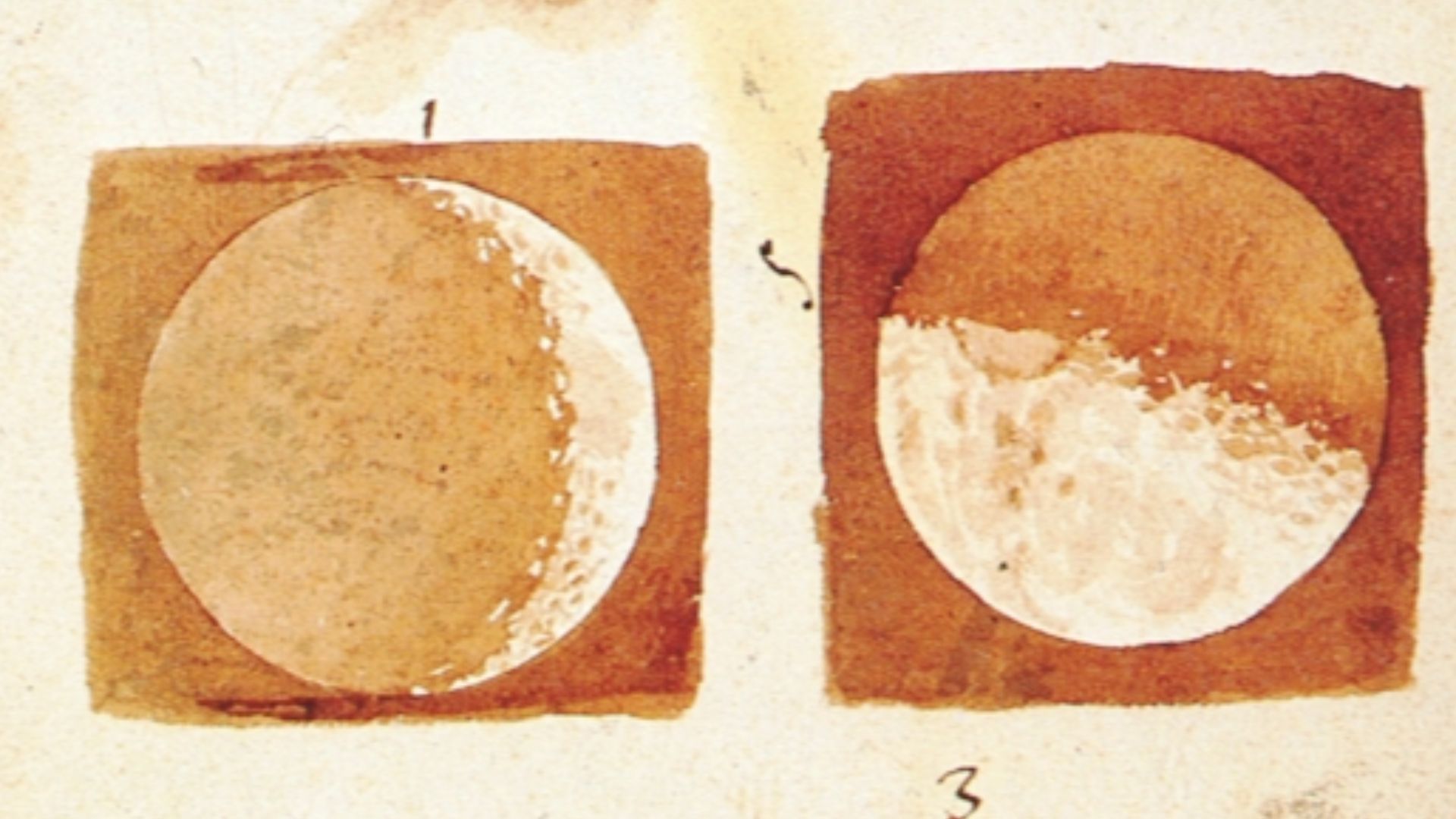
The names of the week are a hangover from traditions that we no longer participate in. Monday derives from an Anglo-Saxon word meaning “Moon’s Day”. It was meant as a day for celebrating the moon goddess. It’s not the only one.
 Galileo Galilei, Wikimedia Commons
The Days Of The Week
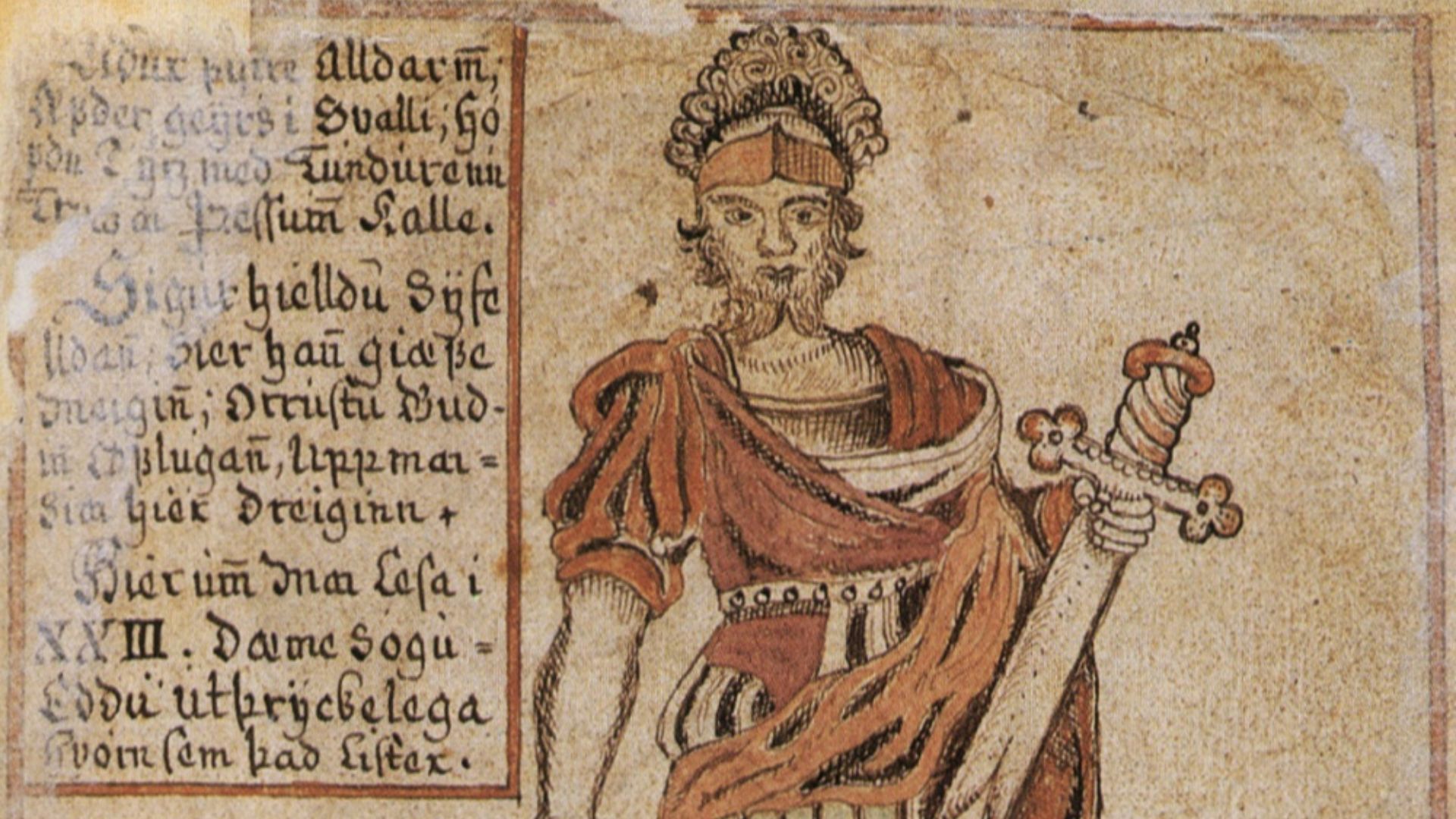
Sunday, unsurprisingly, has to do with worshiping the sun. Tuesday is a Germanic god of war, Friday the goddess of love, and as many people know, Thursday is all about Thor (no, not the Chris Hemsworth one).
 Michelmfb~commonswiki, Wikimedia Commons
The Days Of The Week
Centuries ago, long before our modern calendar took shape, Church leaders tried hard to wipe out these linguistic leftovers. But popular tradition proved stubborn, and their efforts fell flat. As a result, those ancient names survived, and we’re still using them today.
 Daniel Schwen, CC BY-SA 4.0, Wikimedia Commons
Happy Birthday!
Sure, these days we acknowledge that Christmas is all about the birth of Christ (and Santa, of course). However, early Christians did not celebrate birthdays. That’s a pagan hangover.

Happy Birthday!
In pagan belief, a birth was a powerful, spiritually charged moment—and major life events were thought to attract wandering spirits. If a birthday wasn’t properly acknowledged, those unseen forces might cause mischief.
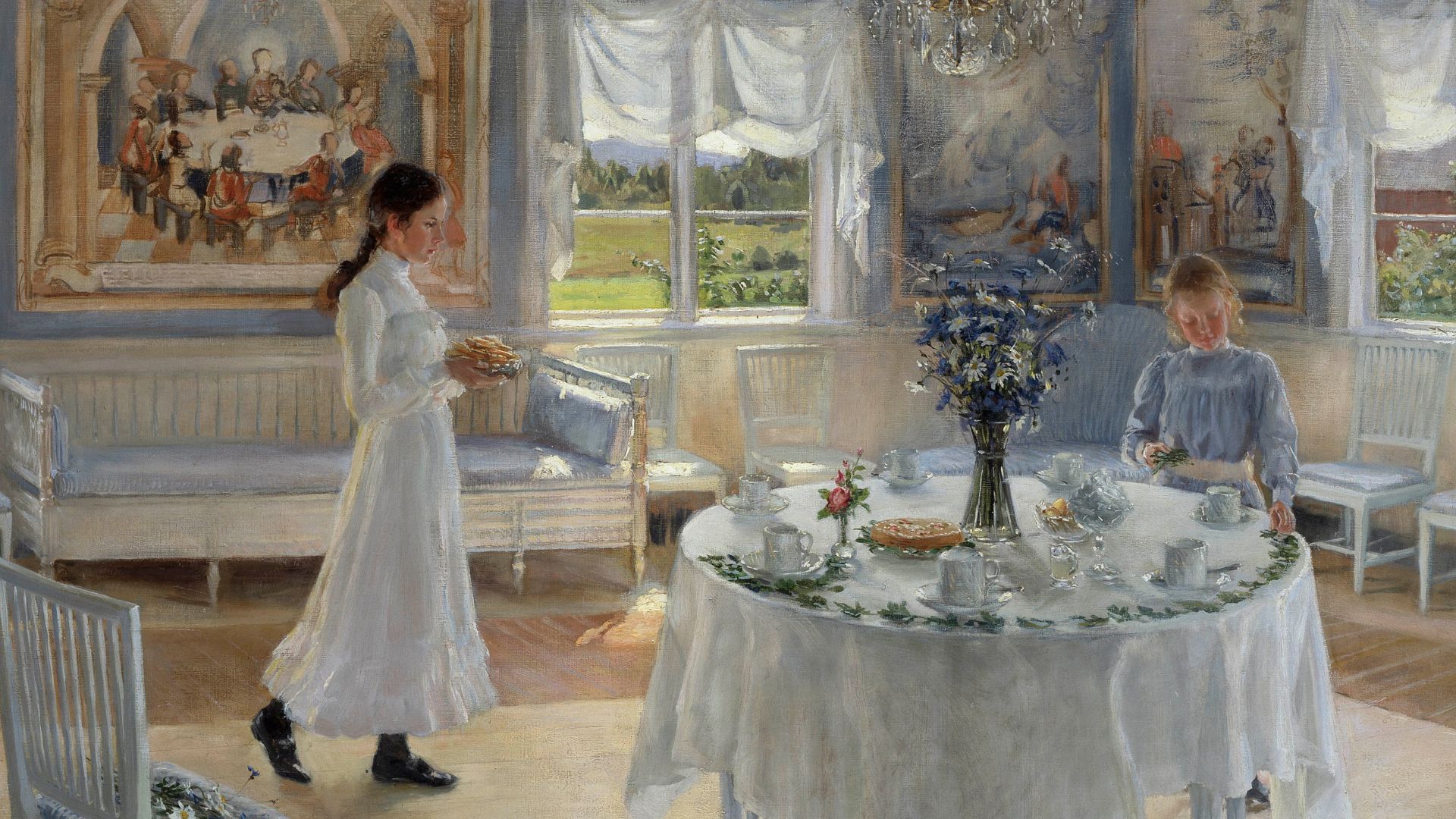 Fanny Brate, Wikimedia Commons
Happy Birthday!
Worries about evil spirits were widespread in pagan cultures, and countless rituals were created to ward them off, especially when it came to protecting children. Surprisingly, some of our modern birthday customs are rooted in those very practices.
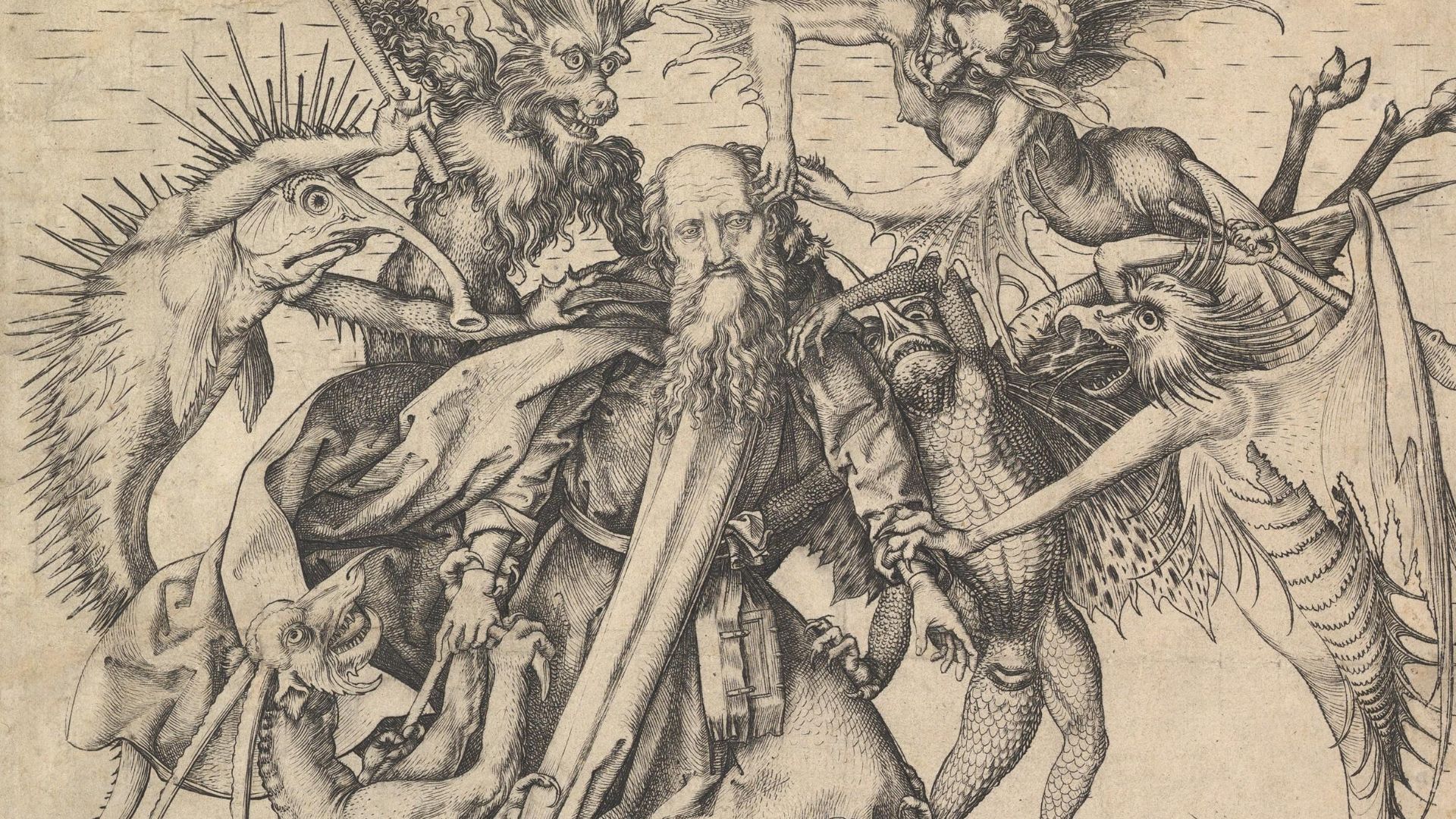 Martin Schongauer, Wikimedia Commons
Happy Birthday!
It was believed that evil spirits could attack a child during their day of birth each year. To keep them at bay, Germanic cultures would light a candle for each year the child was born on top of a cake. Make a wish!
 James Petts from London, England, Wikimedia Commons
Naming The Months
It’s not just the days of the week that draw their names from traditions and gods of times long past. The names that we use for our months hint at these forgotten traditions as well.
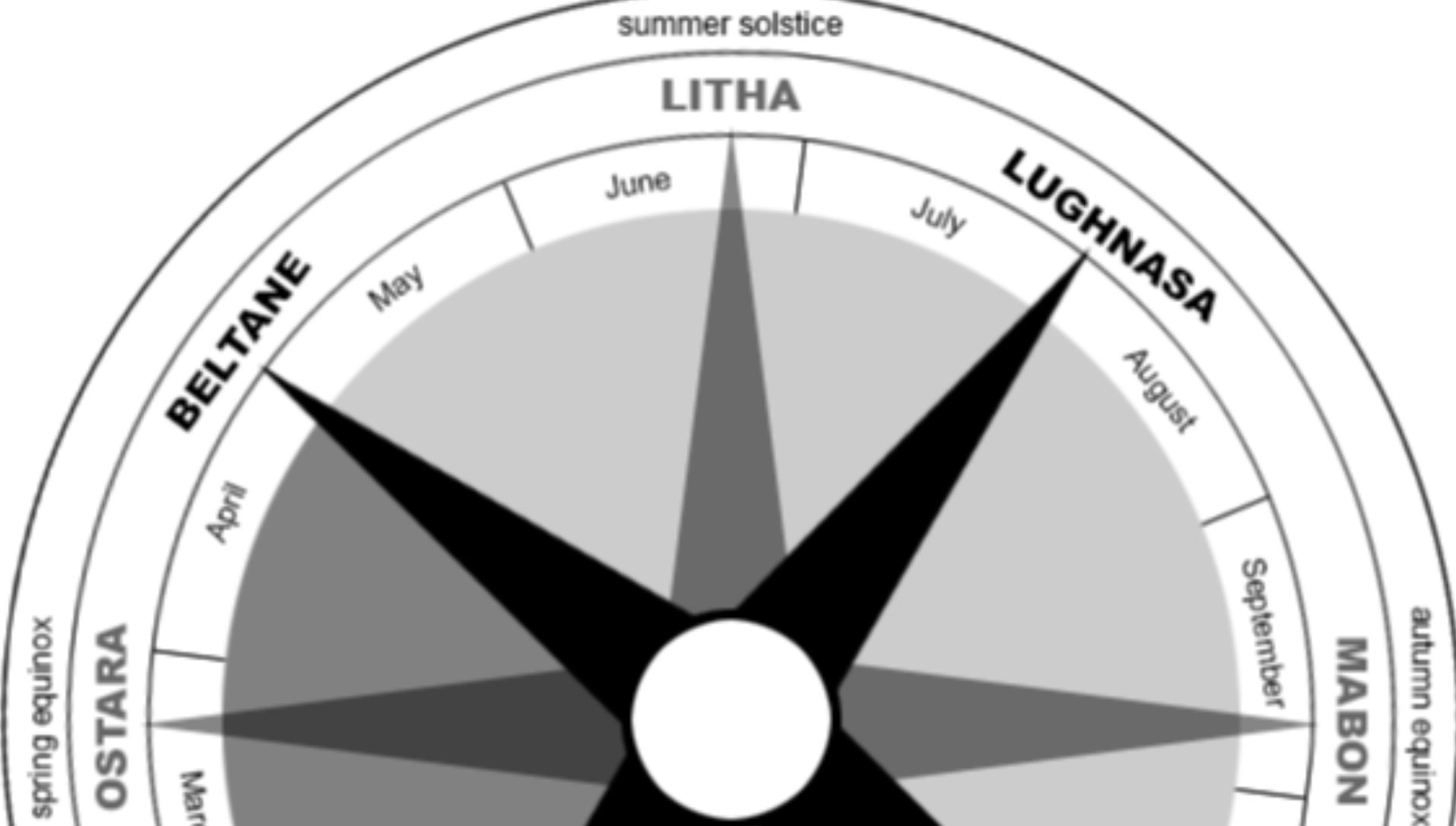
Naming The Months
Many months have its roots in a god or goddess that had once been celebrated and likely was around the time of their given festivals. January, for example, derives from “yuletide”—fitting, given it is near to the time of year we still celebrate.
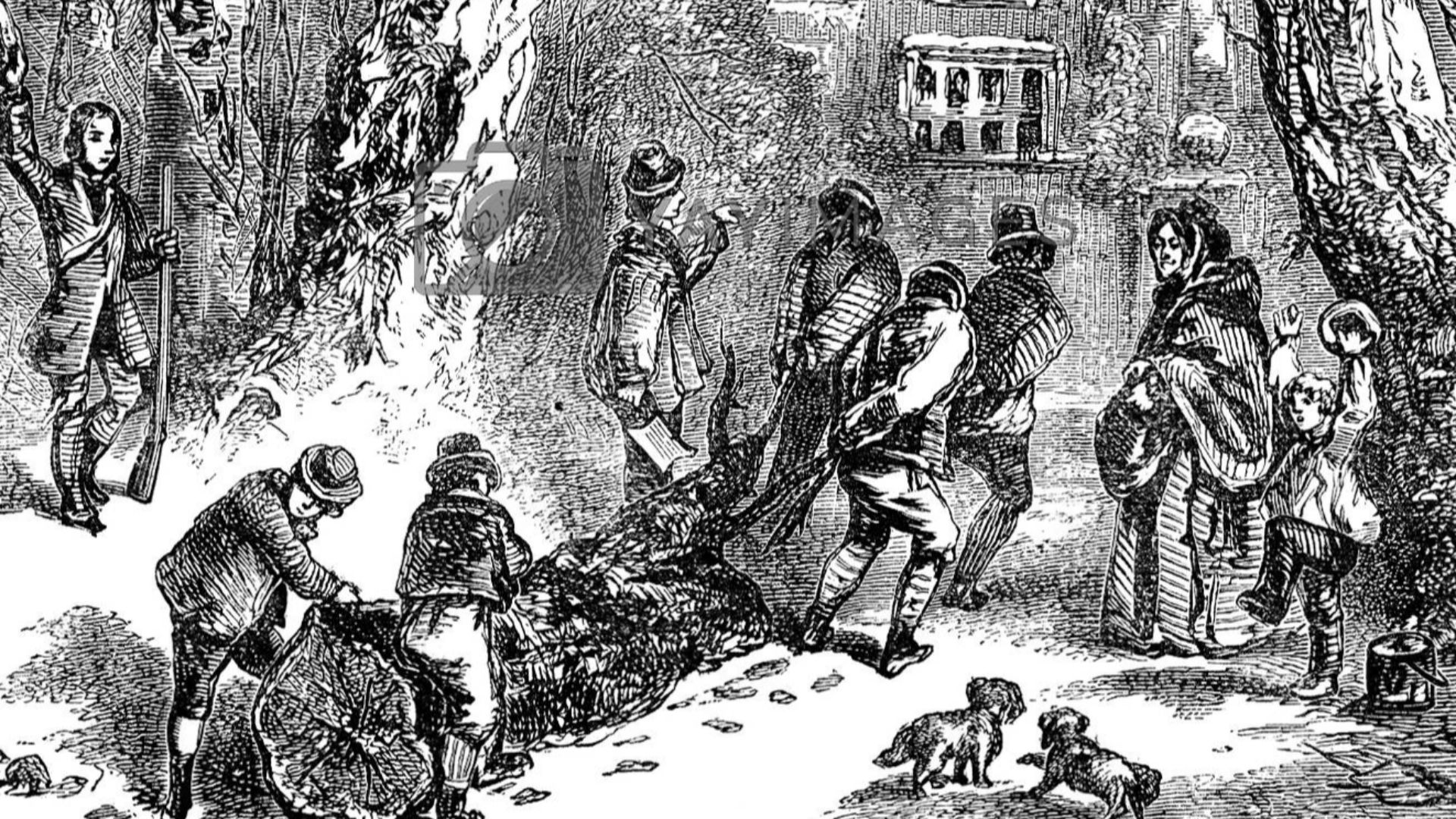 Robert Chambers, Wikimedia Commons
Naming The Months
Another month that holds a name similar to the holidays we still celebrate is April. The name comes from a pagan festival that was referred to as “Eoestre” by Germanic tribes. We’re not sure there were ever any eggs, though.
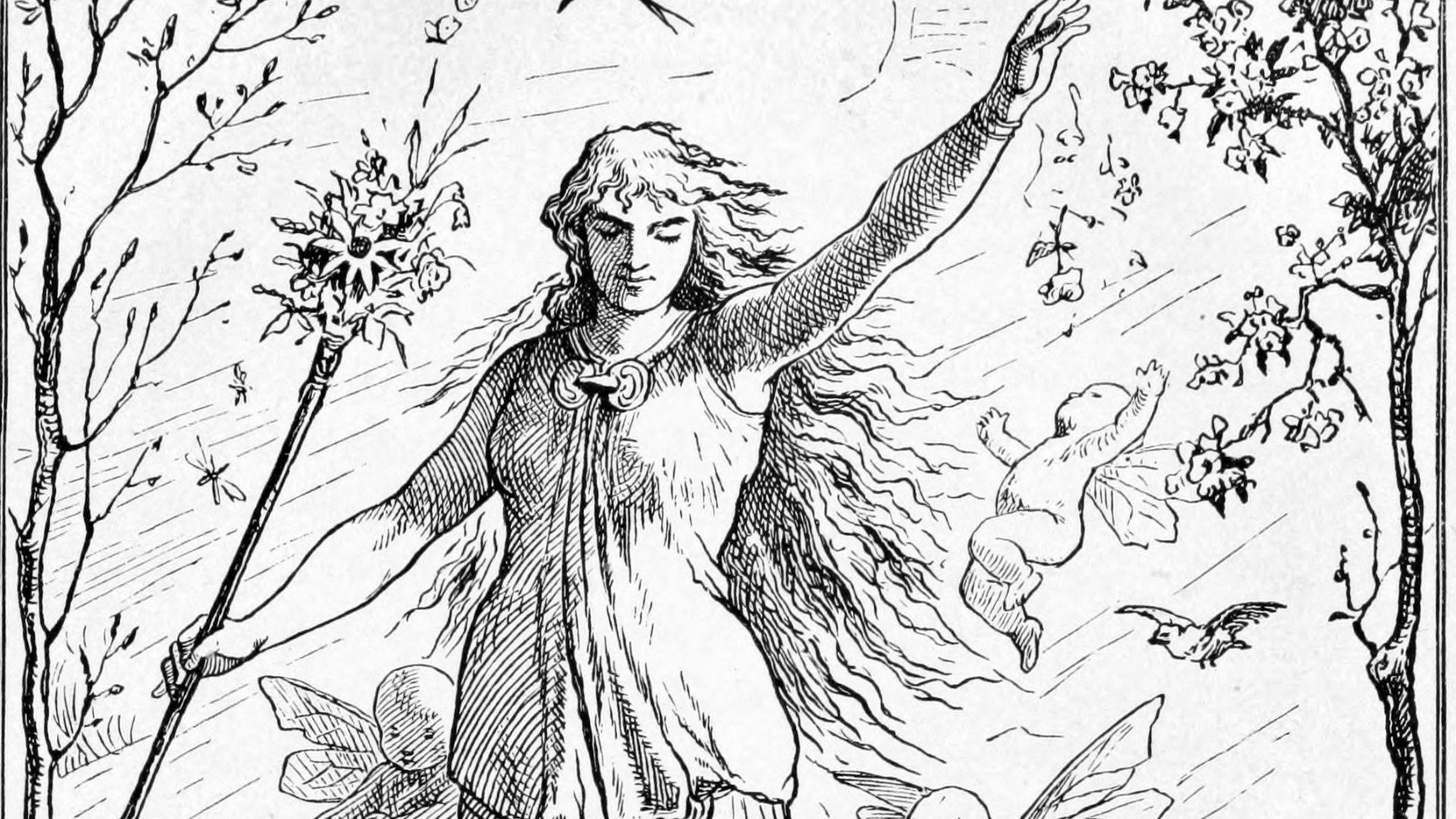 Johannes Gehrts (1855–1921), Wikimedia Commons
Naming The Months
Finally, June derives from the goddess Juno. Juno was a goddess that was tied to marriage and birth, as well as the sky. She was also associated with the summer solstice which still occurs around this time.
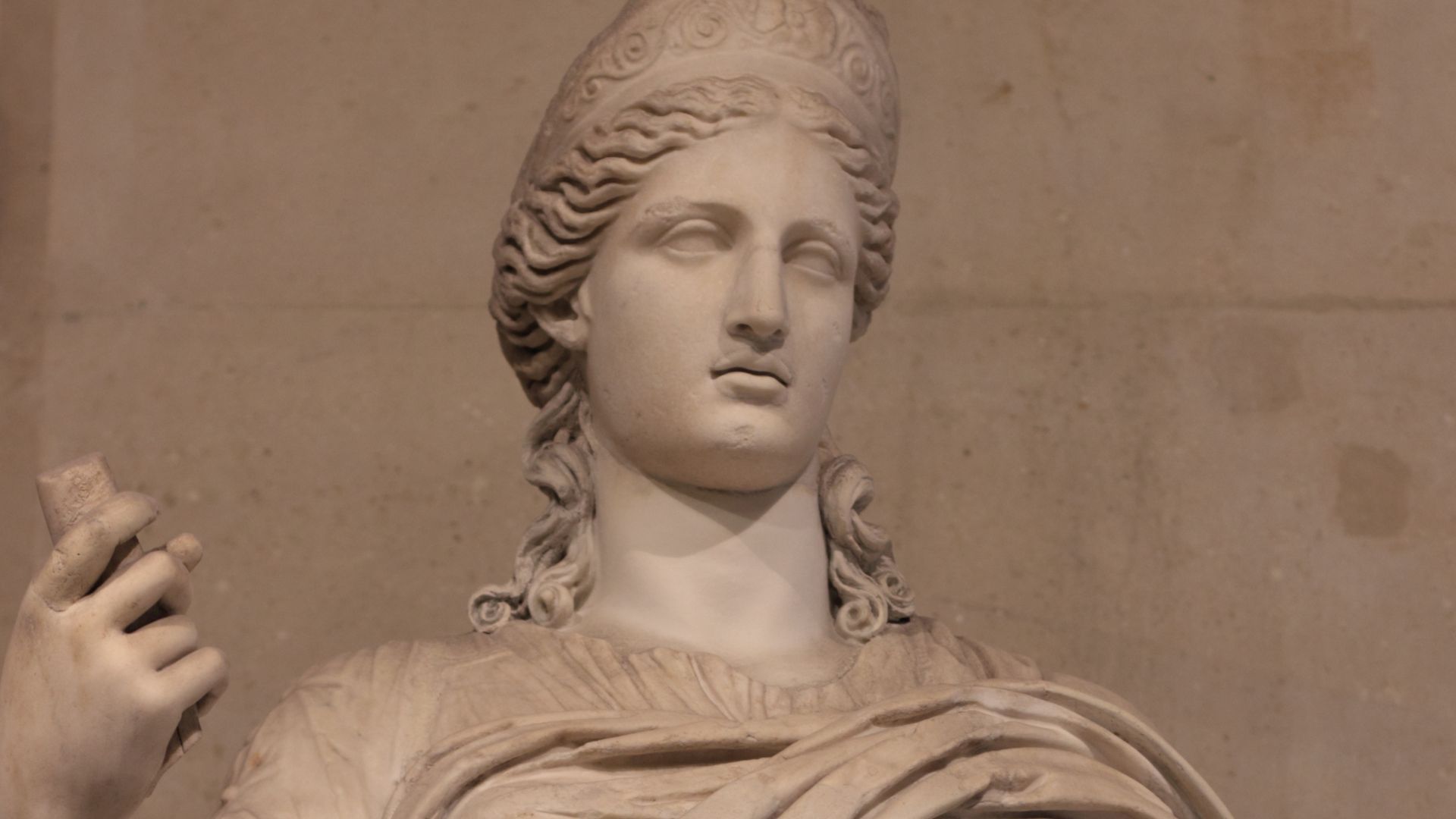 Caroline Lena Becker, Wikimedia Commons
Knock On Wood
Is there anything more familiar than saying “knock on wood” after hoping something goes right—or fearing you’ve jinxed yourself just by mentioning it? This everyday habit actually traces back to ancient Celtic beliefs.

Knock On Wood
The Celts had strong ties to the earth and nature. In particular, they believed in wood or tree spirits. Knocking on wood is believed to have been a means of asking these spirits for protection or healing. Though it’s not the only possibility.

Knock On Wood
As already discussed, pagan cultures both respected and feared spirits. Therefore, some believe that the opposite was true—knocking on wood was a means to repel the evil spirits, keeping them away and stopping them from meddling in your plans.

Knock on Wood
Christianity swept many pagan traditions under the rug, or at the very least took their practices and turned them into something different. However, fear of evil spirits hangs over many traditions we practice today, whether we realize it or not.

Jewelry
Wearing jewelry might seem like the height of modernity. After all, there is something fun about cladding yourself in gold or your gemstone of choice, and modern times are full of luxuries. However, the act of wearing jewelry couldn’t be older.
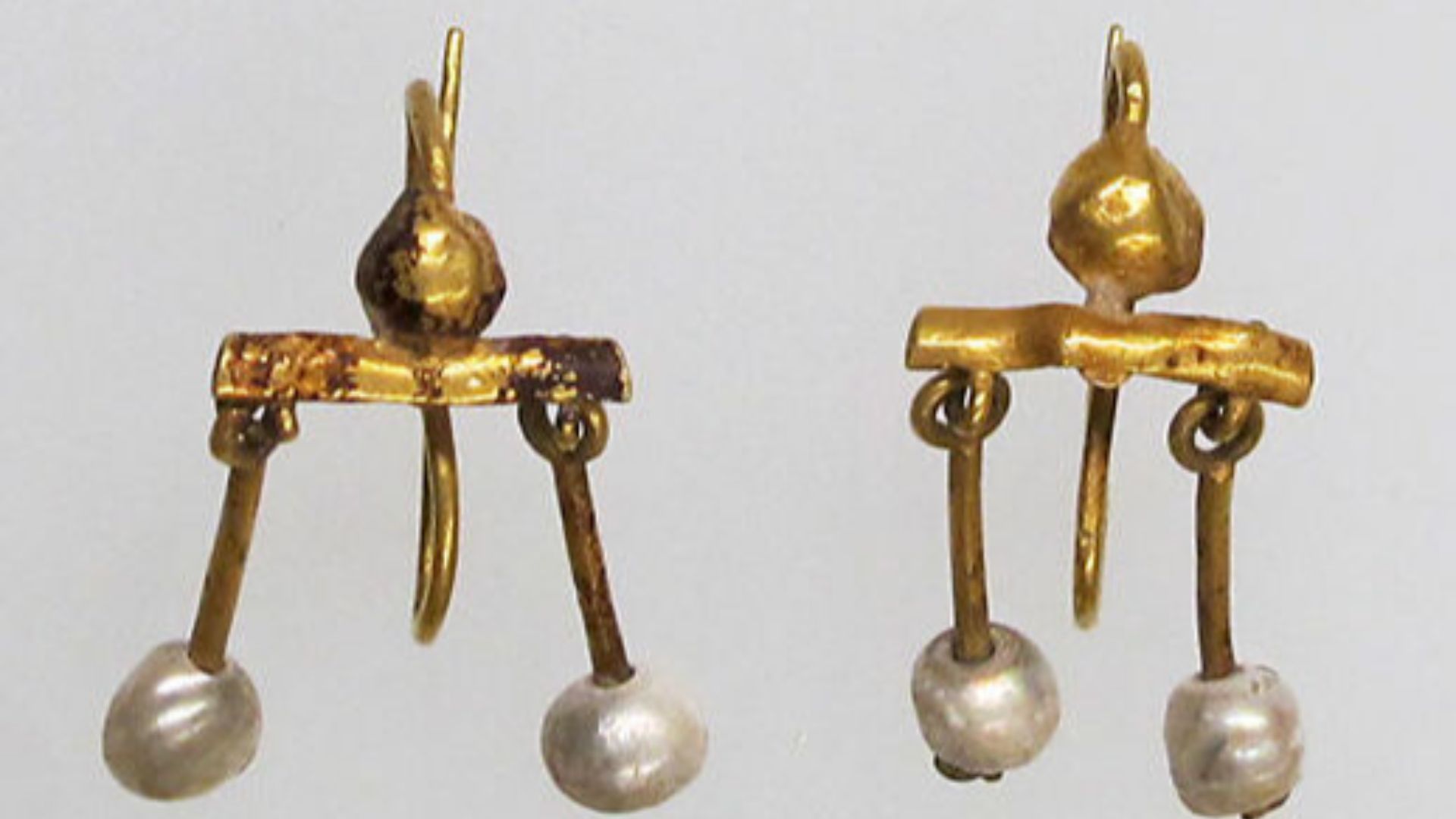
Jewelry
Decorating the body with bracelets, amulets, necklaces, and other items was common in pagan times. It was a means to distinguish wealth and status. Though it was also a means to connect themselves to their gods.
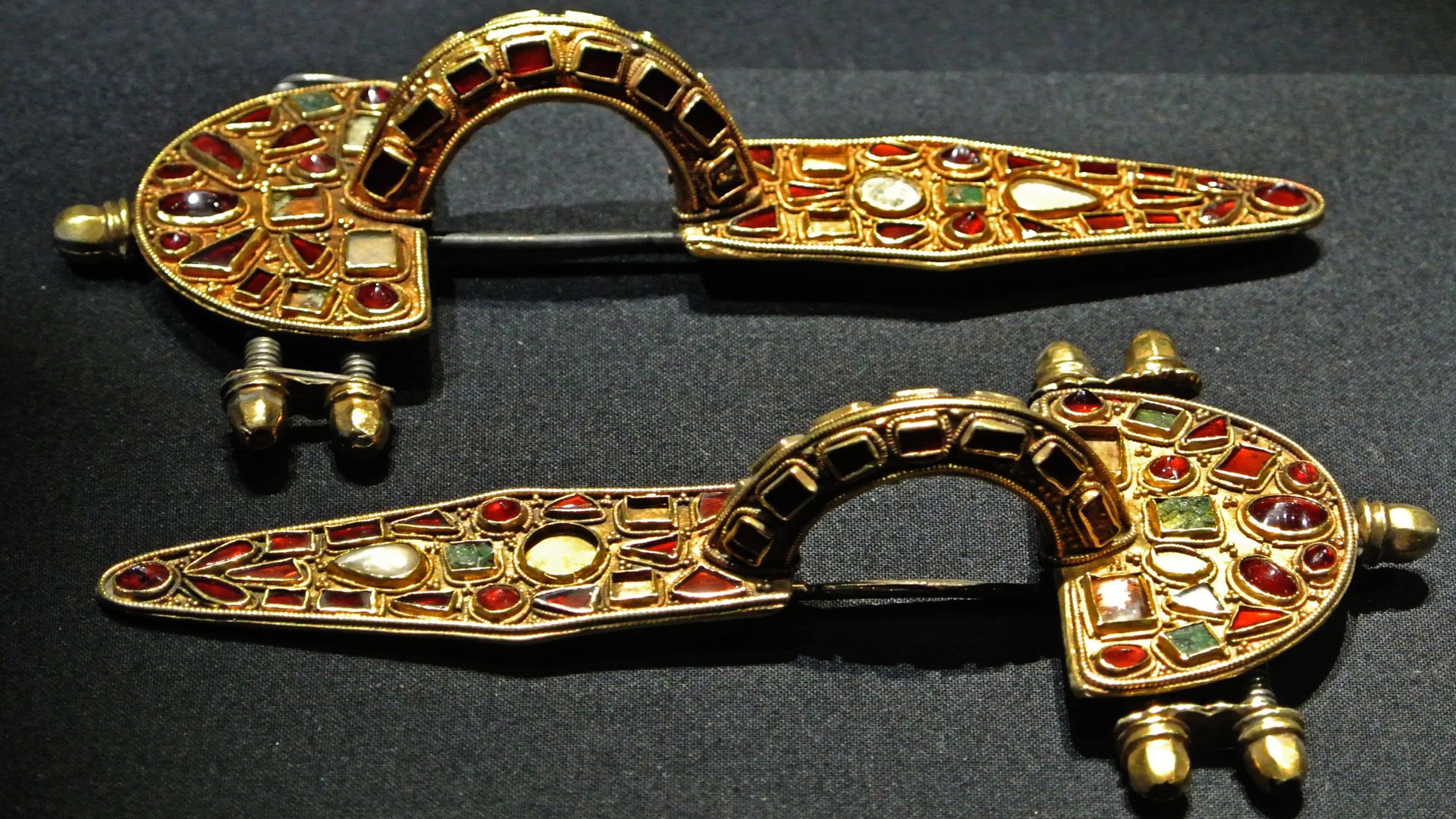
Jewelry
Greek, Roman, and Egyptian cultures were full of spiritual symbols in jewelry. For the Egyptians in particular, they would often bury their lost loved ones with jewelry as part of their journey into the afterlife.

Jewelry
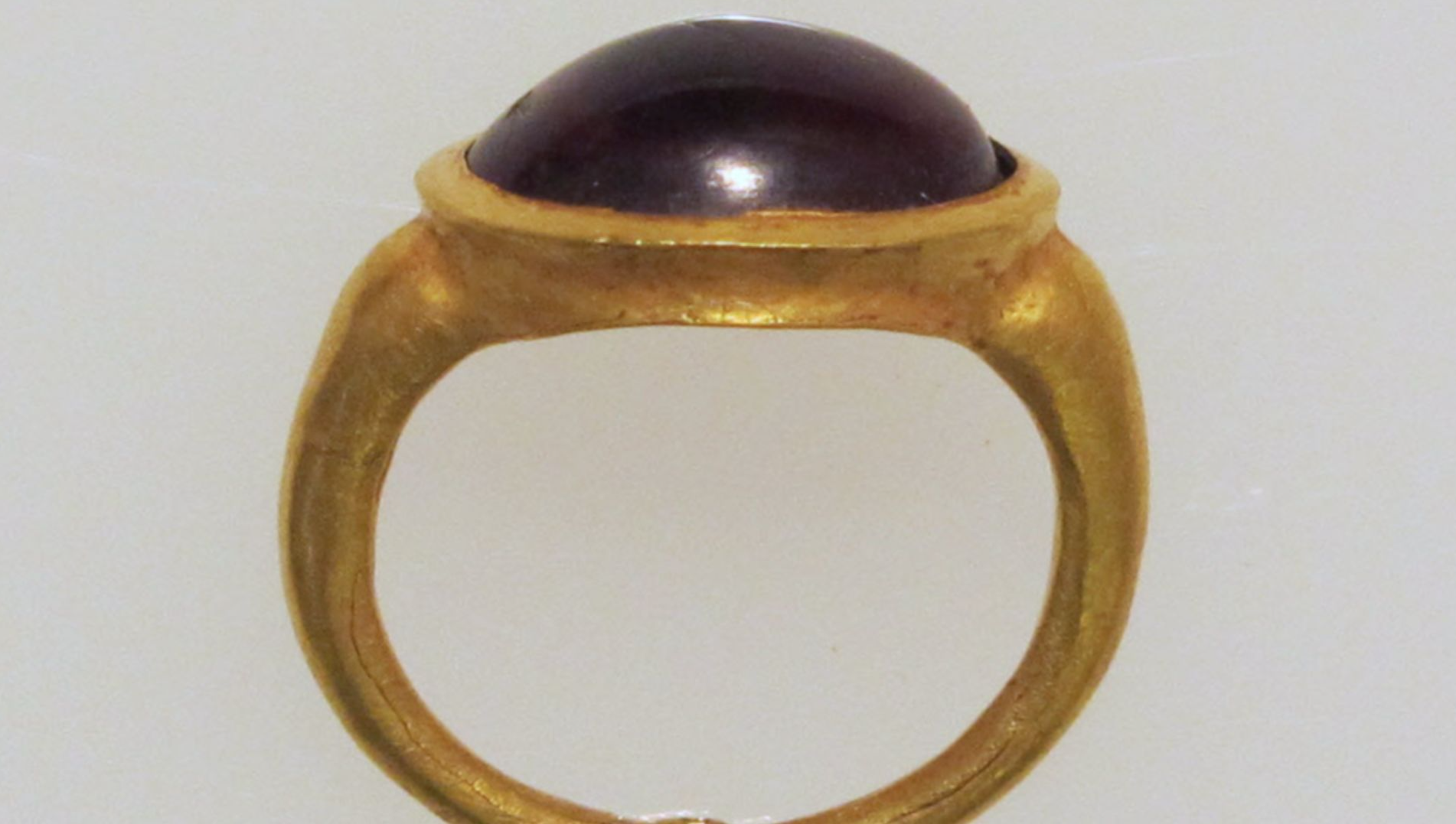
There was a set of social rules for jewelry in Roman culture. Gold rings, for example, were markers of political importance. They could only be worn by senators and nobles. So, remember that next time you’re shopping for a new bobble.
Kitty Cats
Obviously, no one invented cats (unless your belief system gives divine credit where it’s due). But the very idea of keeping animals—especially cats—as household companions is a tradition that lingers from ancient pagan cultures.

Kitty Cats
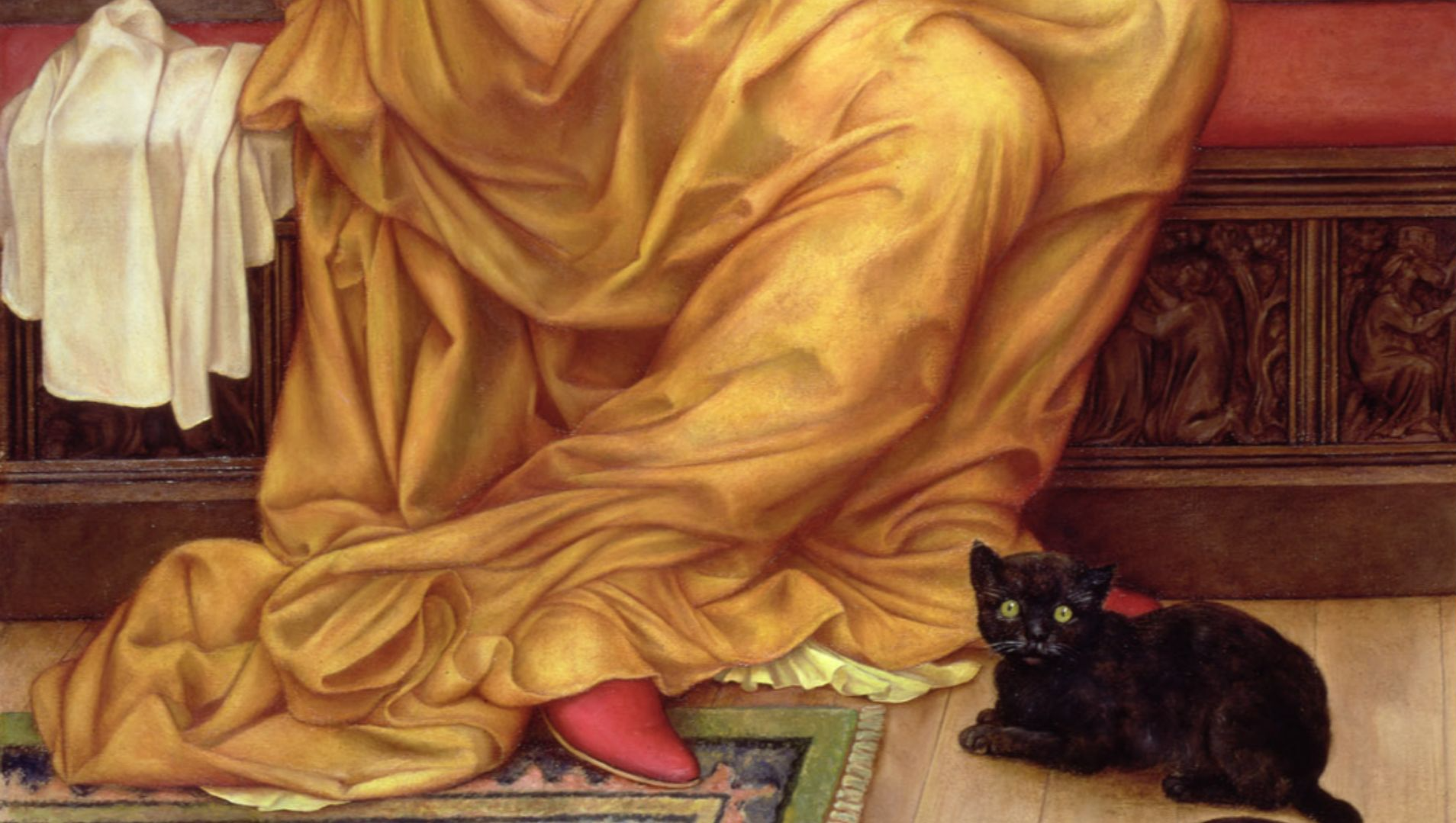
If you enjoy Wiccan culture or supernatural shows today, then you’re likely already familiar with the term “familiar”. In antiquity, keeping a familiar was a common practice that would heighten a person’s spiritual or supernatural powers.
 Evelyn De Morgan, Wikimedia Commons
Kitty Cats
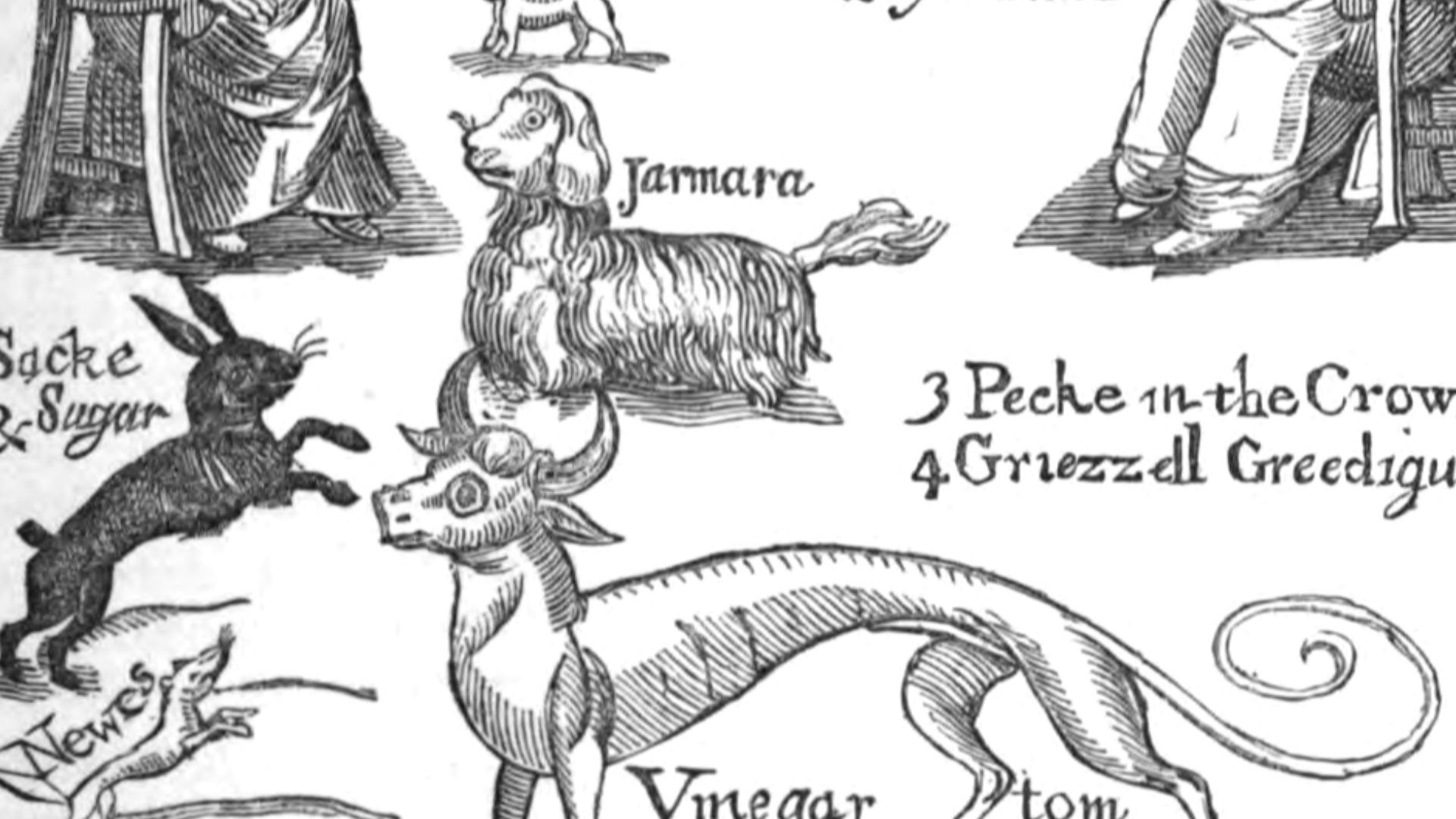
Animals such as cats, dogs, toads, and other small creatures were thought to be inhabited by fairies or similar “spirits”. This gave their owners a tie to that spiritual realm themselves.
 Unknown authorUnknown author, Wikimedia Commons
Kitty Cats
Christianity used these practices to run witch hunts, tying them to darker themes of the devil. However, for most pagans, this was a practice that had to do with connecting to nature. Though, as any cat owner can tell you, they all have a little devil in them.

Cross Your Fingers
If you’ve been keeping track so far, then you’ve likely noticed a trend. A lot of our pagan hangovers are steeped in what we call superstition today. Crossing your fingers is both very pagan and follows that trend.

Cross Your Fingers
Crosses were not just for the Christians, though they have certainly made them famous now. Pagans also used crosses in their culture and believed that they were home to kind and good spirits. Therefore, crossing one’s fingers for good luck was rooted here. However, they did it a little differently.
Cross Your Fingers
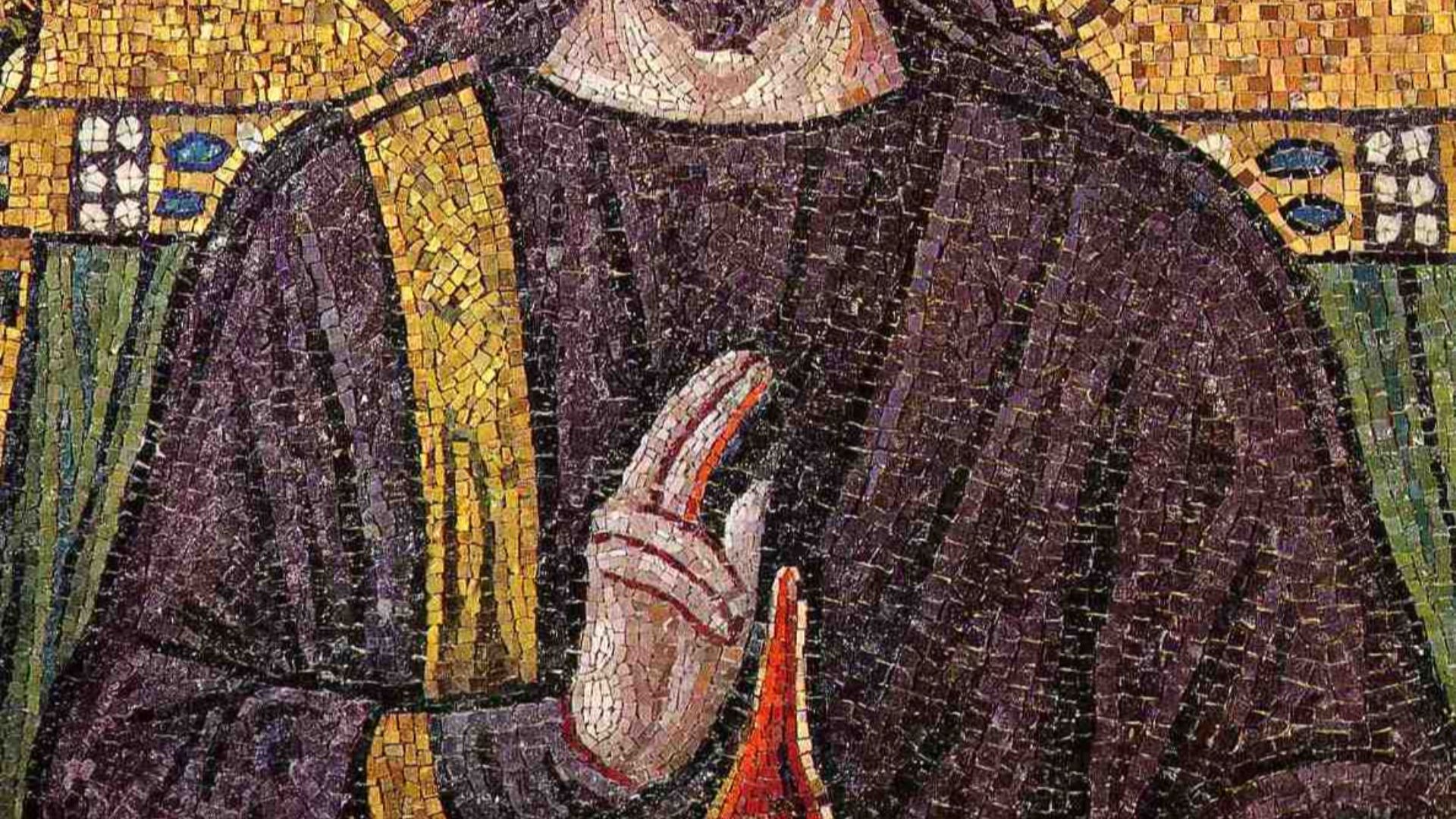
Some hundreds and thousands of years ago, if someone told you to “cross your fingers”, then you needed two people to do so. In pagan times, you and a buddy would cross both your index fingers together, hoping to invoke the spirits and have them use their powers to bring good luck your way.

Cross Your Fingers
Some historians do pose an alternative. There was a time when Christianity needed to be hidden, and during this period, supposedly, Christians would cross their fingers (again with two people) to indicate their allegiance to this cause.
 Andreas Wahra, Wikimedia Commons
Makeup
Makeup and cosmetics may seem like thoroughly modern inventions—especially considering how much time and money today’s beauty industry pours into them. But their origins reach back to some of the world’s oldest cultures.

Makeup
Just look at the paintings and drawings that exist today from ancient Egypt. The ancient Egyptians favored heavy eye makeup that would make the most skilled influencer jealous. And they weren’t the only culture to do so.
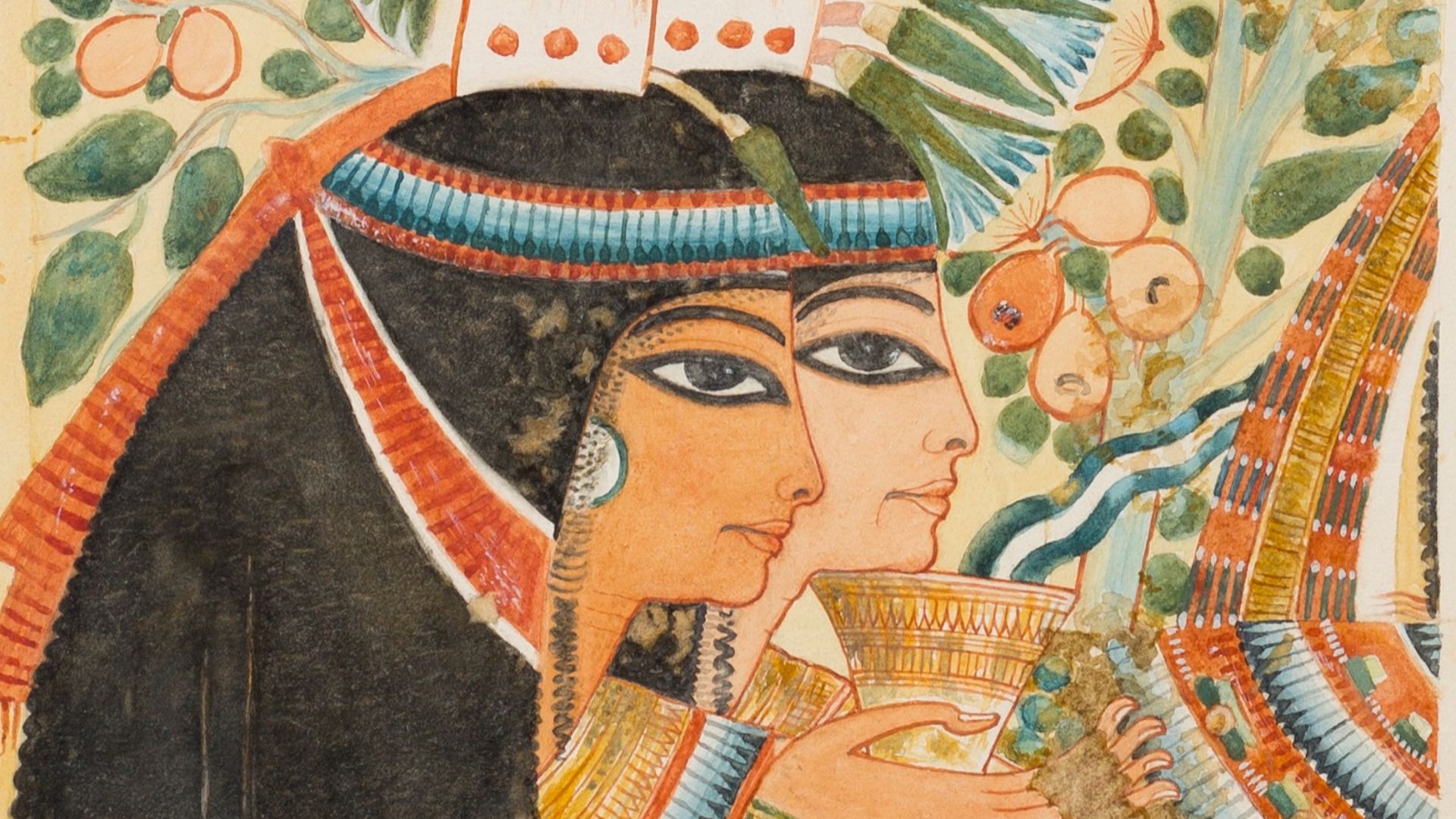 AnonymousUnknown author, Wikimedia Commons
Makeup
The ancient Romans also colored their faces to show their influence and personal style. While both men and women wore makeup in ancient Egypt, it was only the women in Rome that tended to get “dolled up”.

Makeup
It would take many years before makeup came back into fashion again. When Christianity began to take over, forcing pagans and their traditions into the background, makeup became something dirty and sinful.
 Marcello Bacciarelli, Wikimedia Commons
Cover Your Mouth!
Did your mother or father ever tell you it is rude to yawn without covering your mouth? If so, they were participating in a very old tradition without even realizing it! Though it wasn’t rudeness the ancient Romans feared.

Cover Your Mouth!
Covering your mouth when you yawn goes back to ancient Roman times. Why did they do this, you might ask? Well, because they thought that yawning could invite disease, and then, well… loss of life.
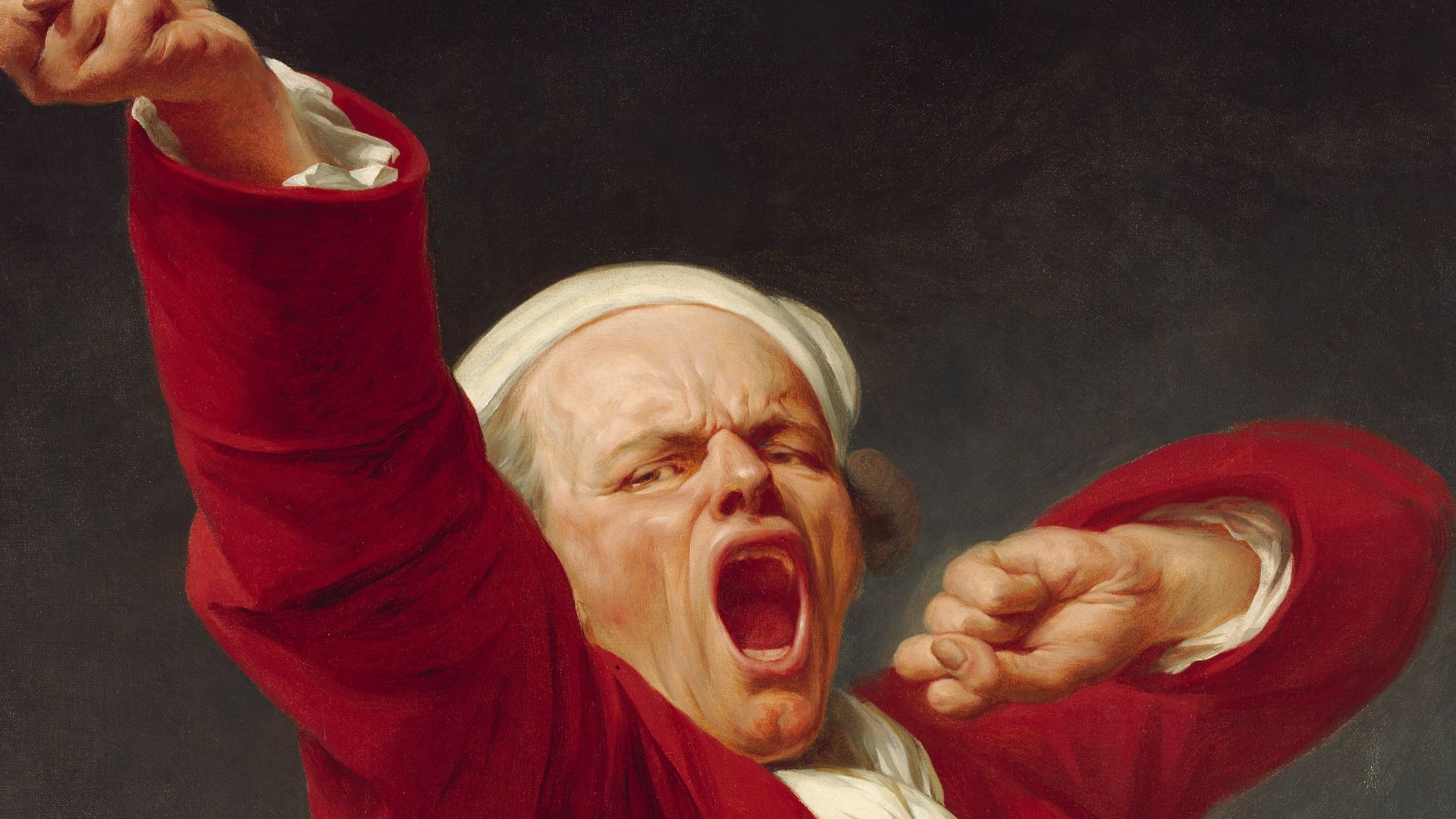 Joseph Ducreux, Wikimedia Commons
Cover Your Mouth!
Modern science could support this to a degree—the longer you open your mouth, the higher chance you are to catch germs, and therefore become sick. However, that isn’t what the Romans feared.
 Krakenimages.com, Shutterstock
Cover Your Mouth!
The Romans also believed that the act of leaving your mouth open and uncovered while you yawned literally caused you to begin to lose your life force. Their reasoning for this was that infants were unable to cover their mouths when they yawned, and they had a much higher mortality rate than adults.
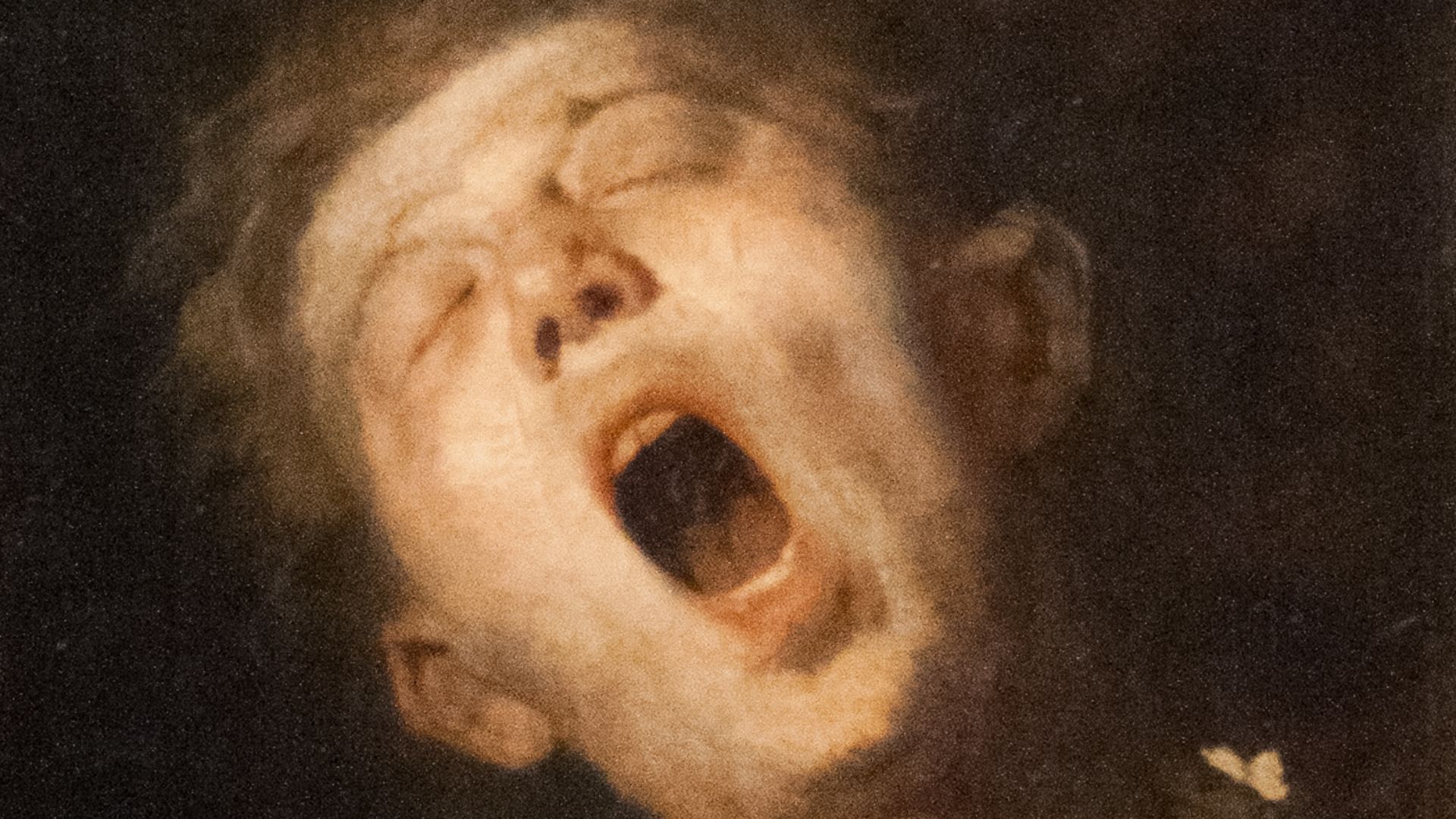 Mihaly Munkacsy, Wikimedia Commons
You May Also Like:
The Bizarre History Of Paganism
The Brutal Realities Of Ancient Rome
Powerful Cultures That Totally Disappeared
Sources: 1