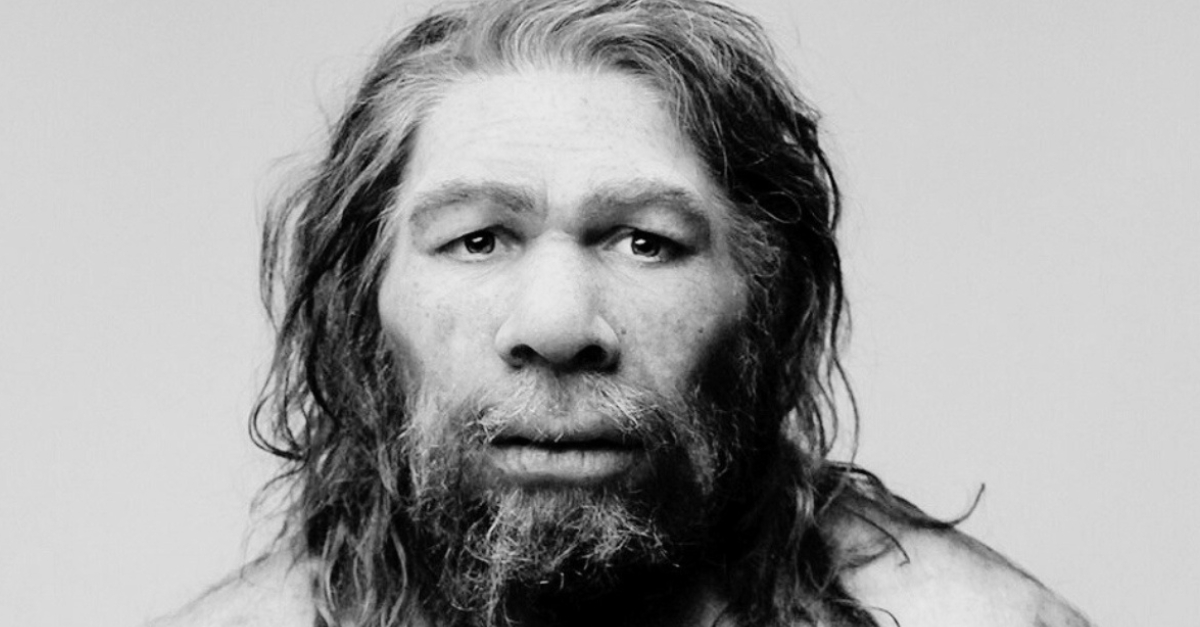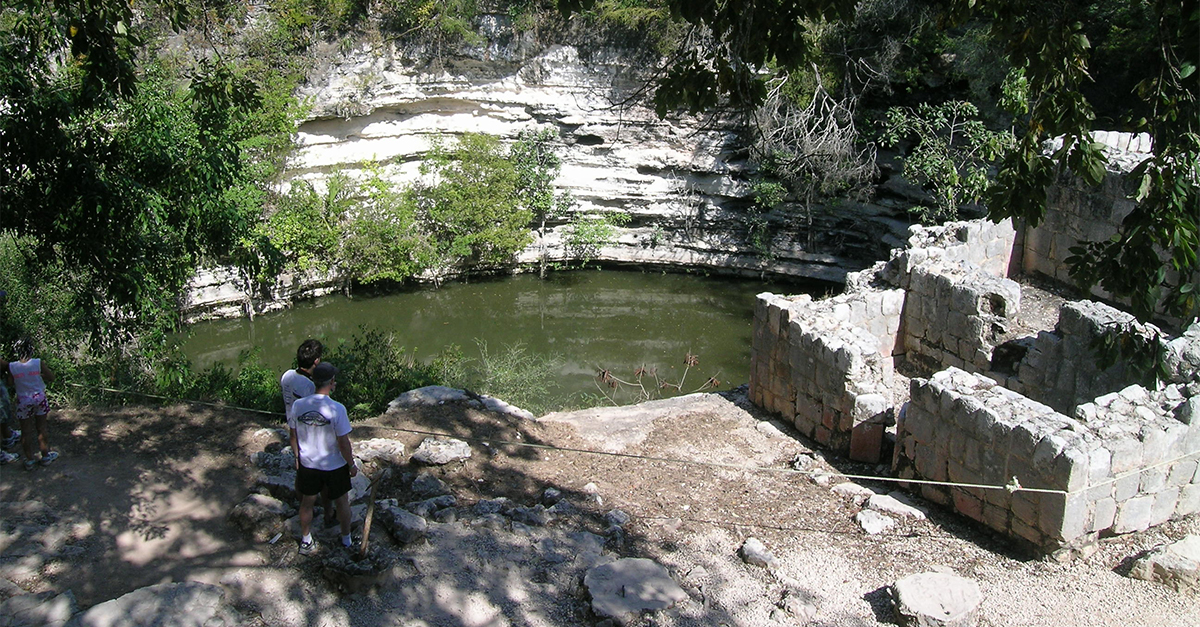
A mystery locals have whispered for generations
There’s a place in Southeast Asia where locals have whispered the same story for generations—about small, strange, "Hobbit Humans" living deep in the forests. Most people outside the region have never heard of it. Even fewer have taken the claims seriously. But a handful of researchers say the locals might be describing something far more extraordinary than anyone imagined.
A landscape that practically invites secrets
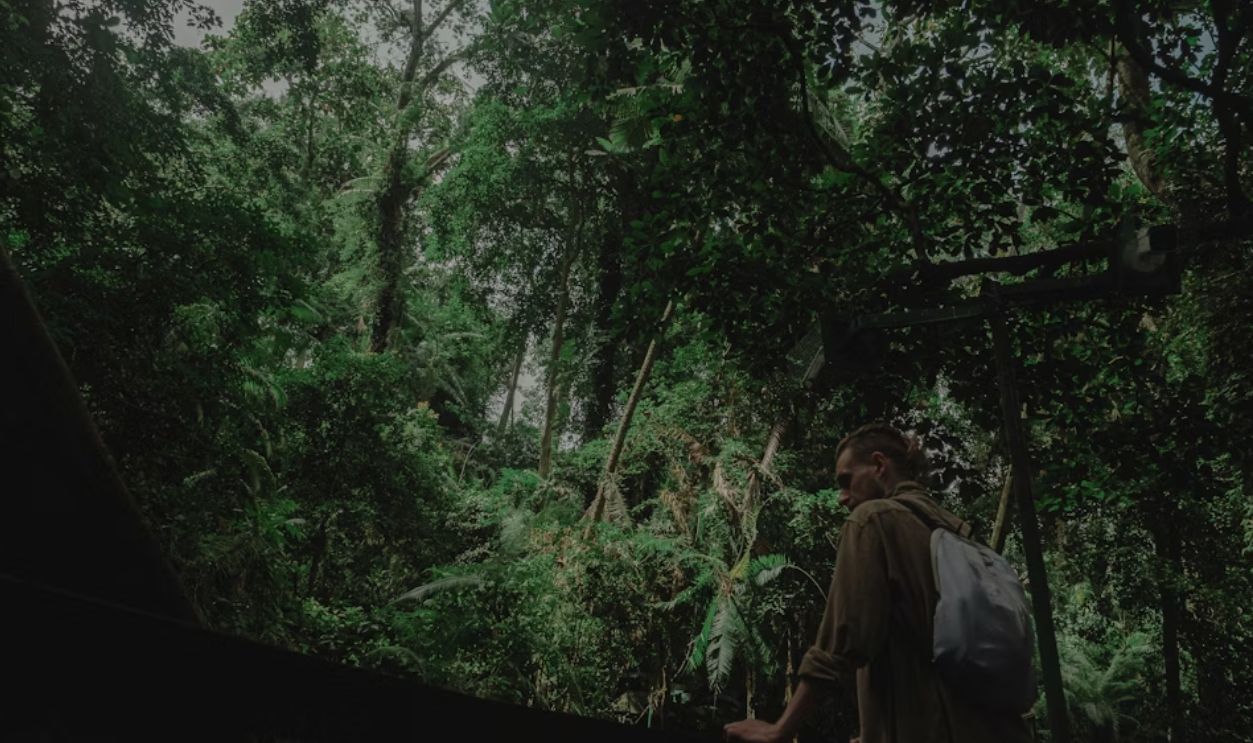
Flores, a volcanic Indonesian island carved by ravines and wrapped in dense tropical forest, is known for unusual wildlife found nowhere else. The island’s interior is so rugged that some valleys are rarely—if ever—visited by outsiders. If something mysterious were hiding here, it would have countless places to stay concealed.

The early accounts that puzzled visitors
Across multiple regions of Flores, villagers describe seeing small, upright-walking beings—hairier than humans but far more humanlike than monkeys. Hunters claim they move swiftly between trees. Farmers say they’ve heard eerie nighttime calls. These stories circulated quietly for decades, dismissed as folklore.
 Unknown authorUnknown author, Wikimedia Commons
For years, scientists brushed off the rumors
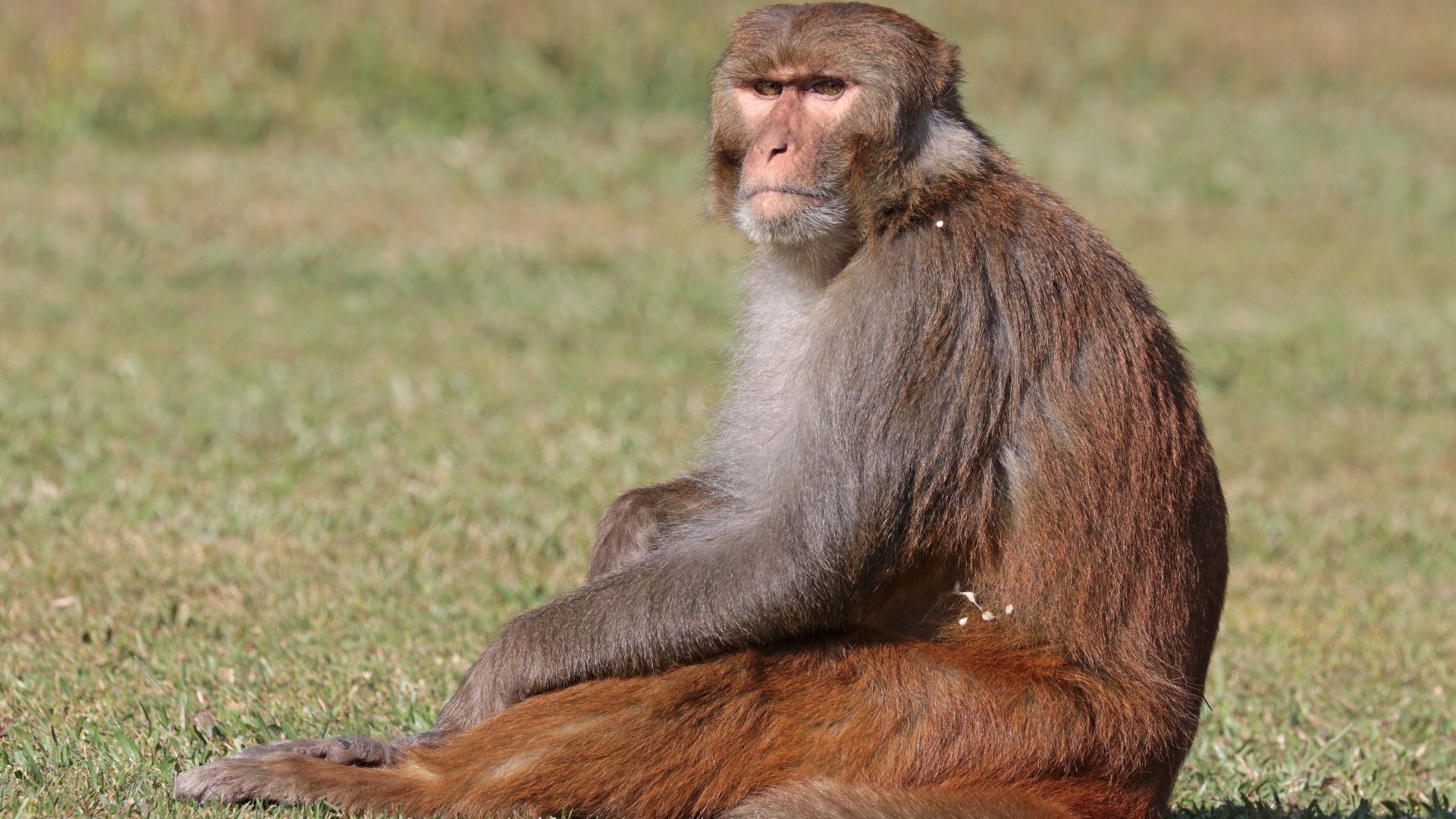
Researchers had long assumed locals were misidentifying known animals like macaques, or just repeating stories passed down through tradition and generations. Without bones or photographs, there was little reason to investigate the claims. Yet, the accounts continued—often from unrelated communities, using surprisingly consistent anatomical descriptions.
 Charles J. Sharp, Wikimedia Commons
Then a cave revealed something impossible to ignore
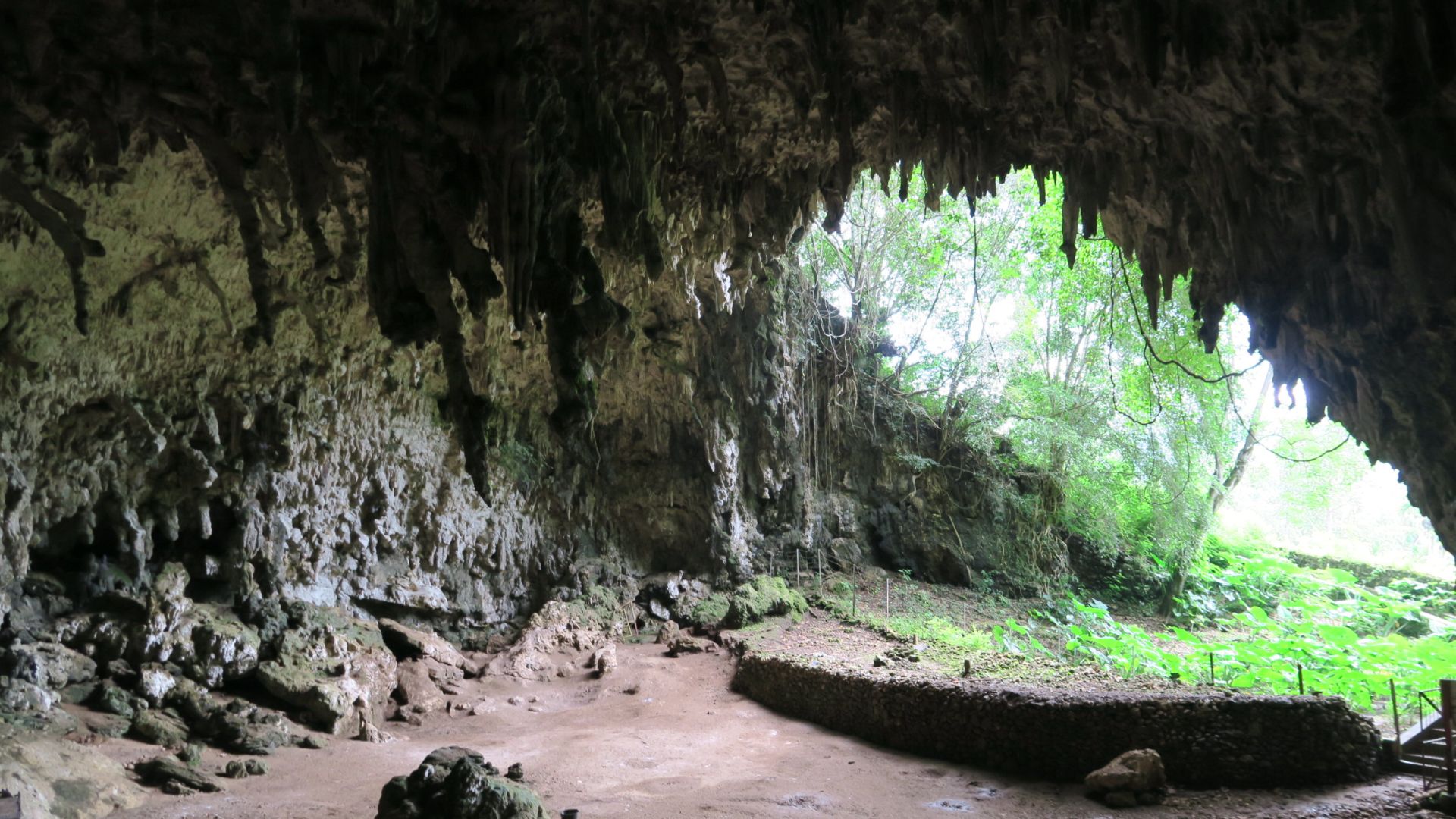
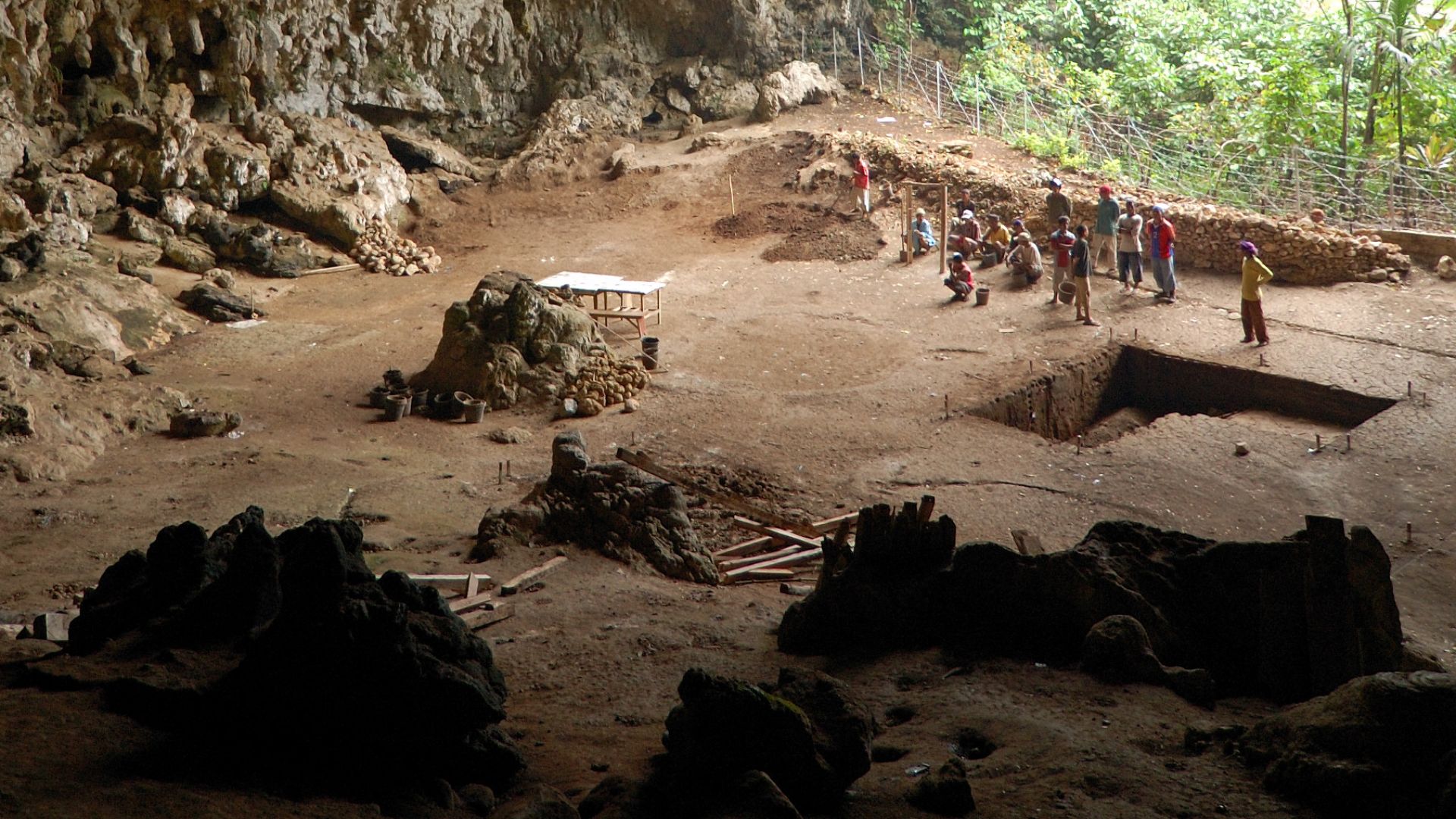
In 2003, scientists exploring Liang Bua cave uncovered fossils belonging to a tiny humanlike species—Homo floresiensis. These beings stood only about 3.5 feet tall, had long arms, and used stone tools. The global headlines that followed gave the island’s legends a startling new context.
 Felix Dance, Wikimedia Commons
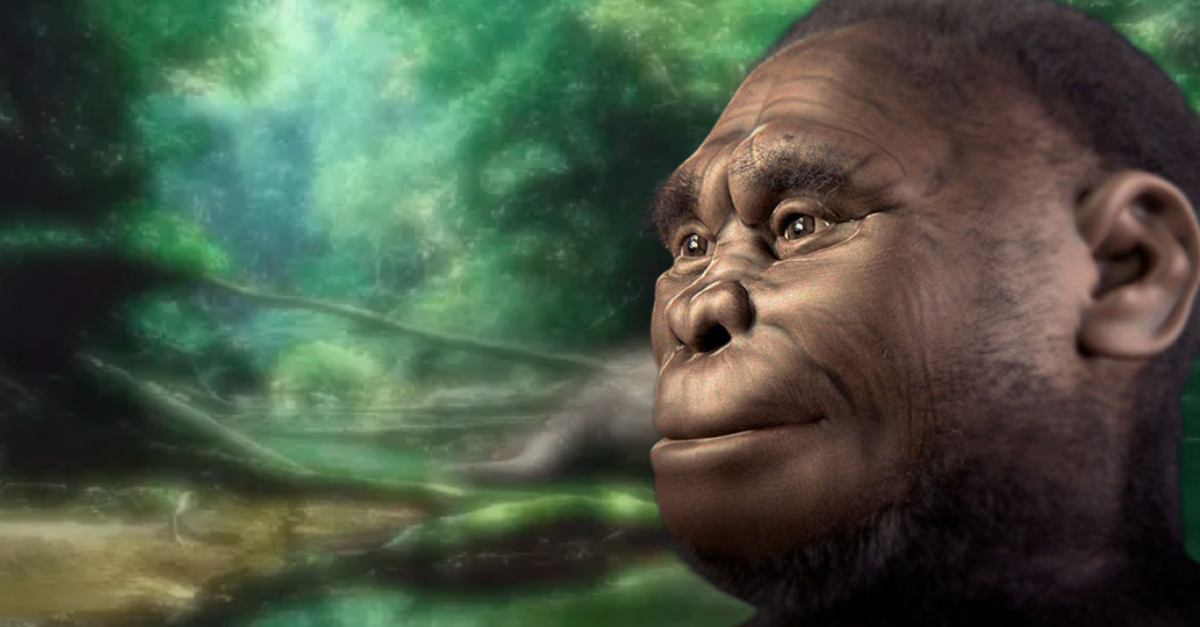
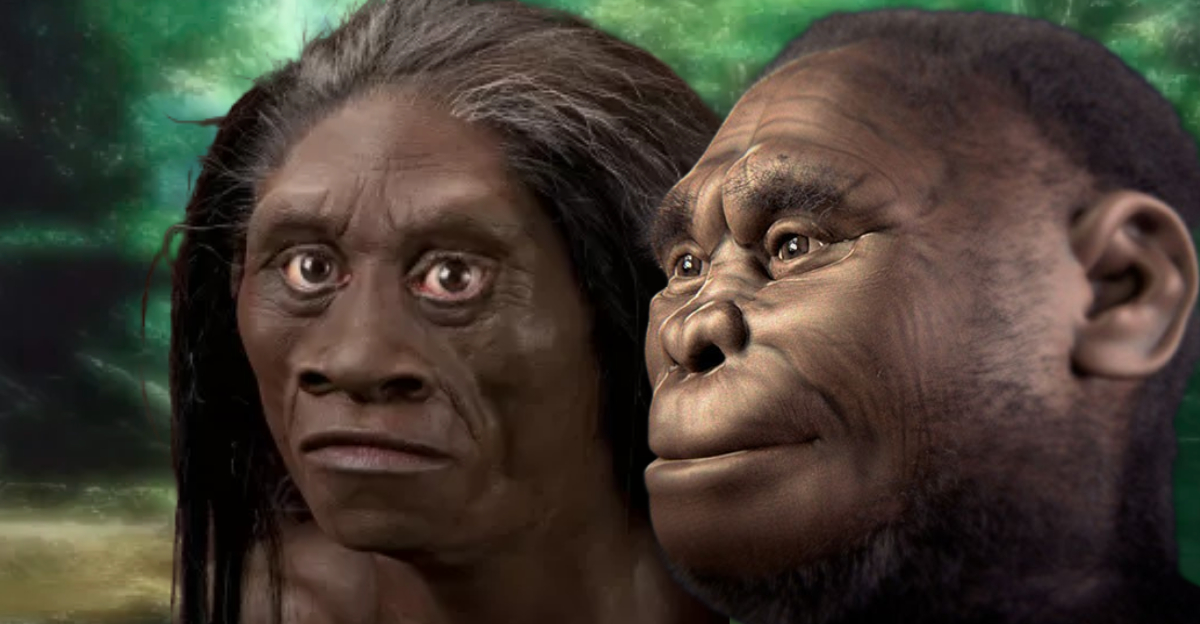
Meet the real “hobbit humans” of science
Nicknamed “hobbits,” H. floresiensis had small brains but impressive capabilities. They hunted animals, crafted tools, and survived on the island for thousands of years. Officially, the species is considered extinct. But crucially, the fossils don’t reveal exactly when they vanished—only when they were last found.
 Colin Groves, Wikimedia Commons
One anthropologist decided to look deeper
Gregory Forth, a Canadian anthropologist who spent decades studying Flores and nearby islands, noticed something remarkable: villagers’ descriptions of the mysterious small beings closely matched the features of H. floresiensis. He argued that these accounts shouldn’t be dismissed outright—because they often contain biological detail unlikely to come from pure myth.
The beings locals call the lai ho’a
Villagers describe lai ho’a as small, bipedal figures with sloping foreheads, long arms, and bodies “shaped like a small person, but hairier.” The descriptions also note behaviors—such as stealthy movement and food-stealing—that mirror scientific interpretations of hobbit-life. While not evidence, the overlap is hard to ignore.
 Dhr. C.C.F.M. (Charles Constant François Marie) Le Roux (Fotograaf/photographer)., Wikimedia Commons
Eyewitness stories—numerous but unverified
Hunters recount seeing tiny figures sprinting through the brush. Farmers speak of small humanoids crouched near rivers at dawn. One man even described a creature carrying a small animal under its arm. None of these reports are scientifically confirmed, but the consistency across testimonies is unusual enough to intrigue researchers.

Why anthropologists pay attention to such stories
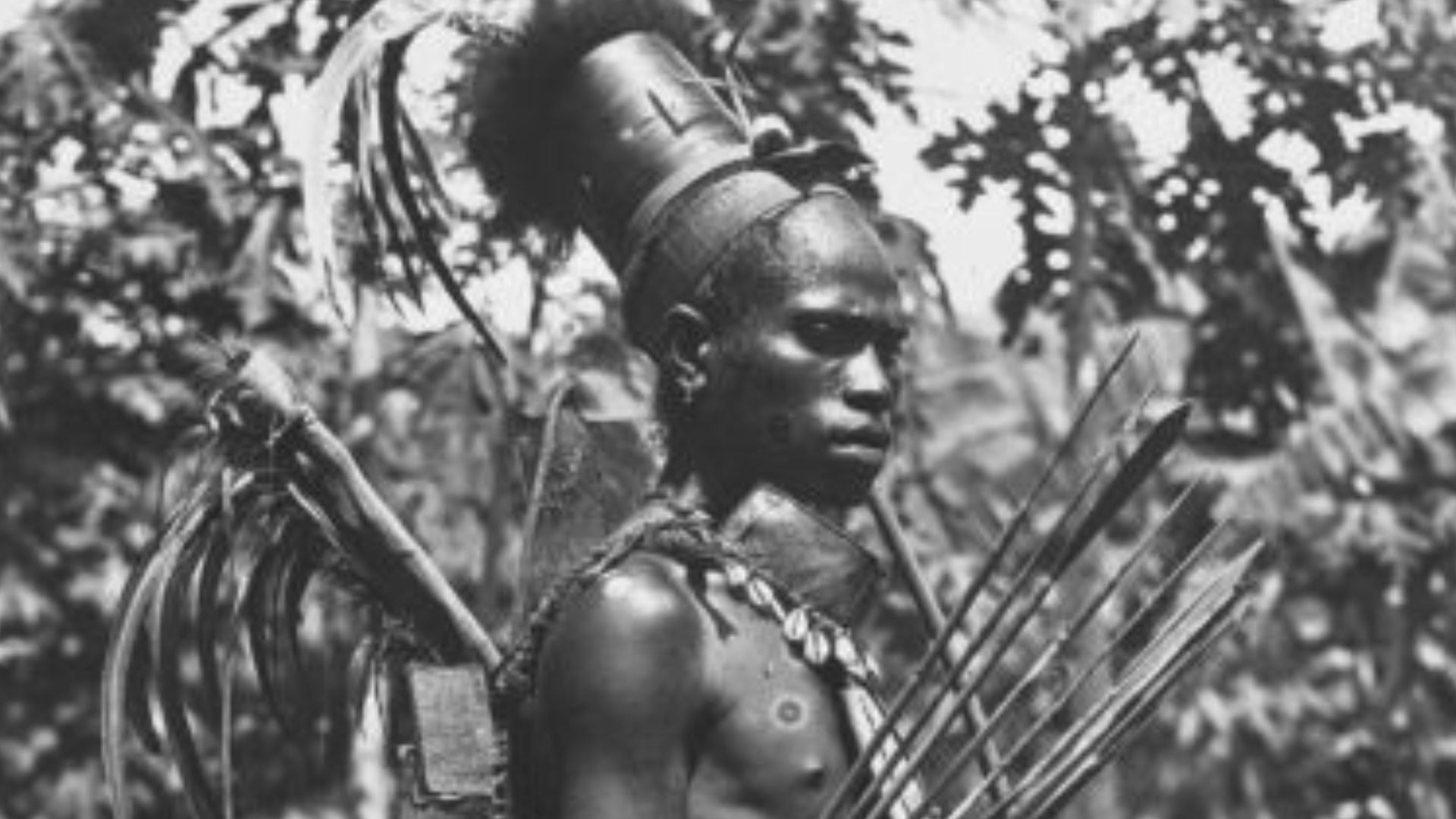
Communities living close to the land often identify wildlife with extraordinary accuracy. Many Flores villagers are expert hunters familiar with every primate on the island. When dozens insist they’ve seen something that matches no known species, ethnographers take note—cautiously, but seriously.
 Unknown authorUnknown author, Wikimedia Commons
Most scientists remain firmly skeptical
The majority of paleoanthropologists maintain that H. floresiensis is extinct. Without bones, DNA, or clear photographic evidence, survival into modern times cannot be accepted. Critics argue that eyewitness accounts could be misremembered events, illusions, or traditional tales reinterpreted as sightings.

Flores’ extreme geography keeps possibilities alive
The island’s interior is one of the least accessible landscapes in Southeast Asia. Bones decay quickly in humid tropical environments, and deep cave systems remain poorly studied. Even known species rarely leave remains behind. If any small hominin survived, finding physical traces could be exceptionally difficult.
The folklore that predates the fossil discovery
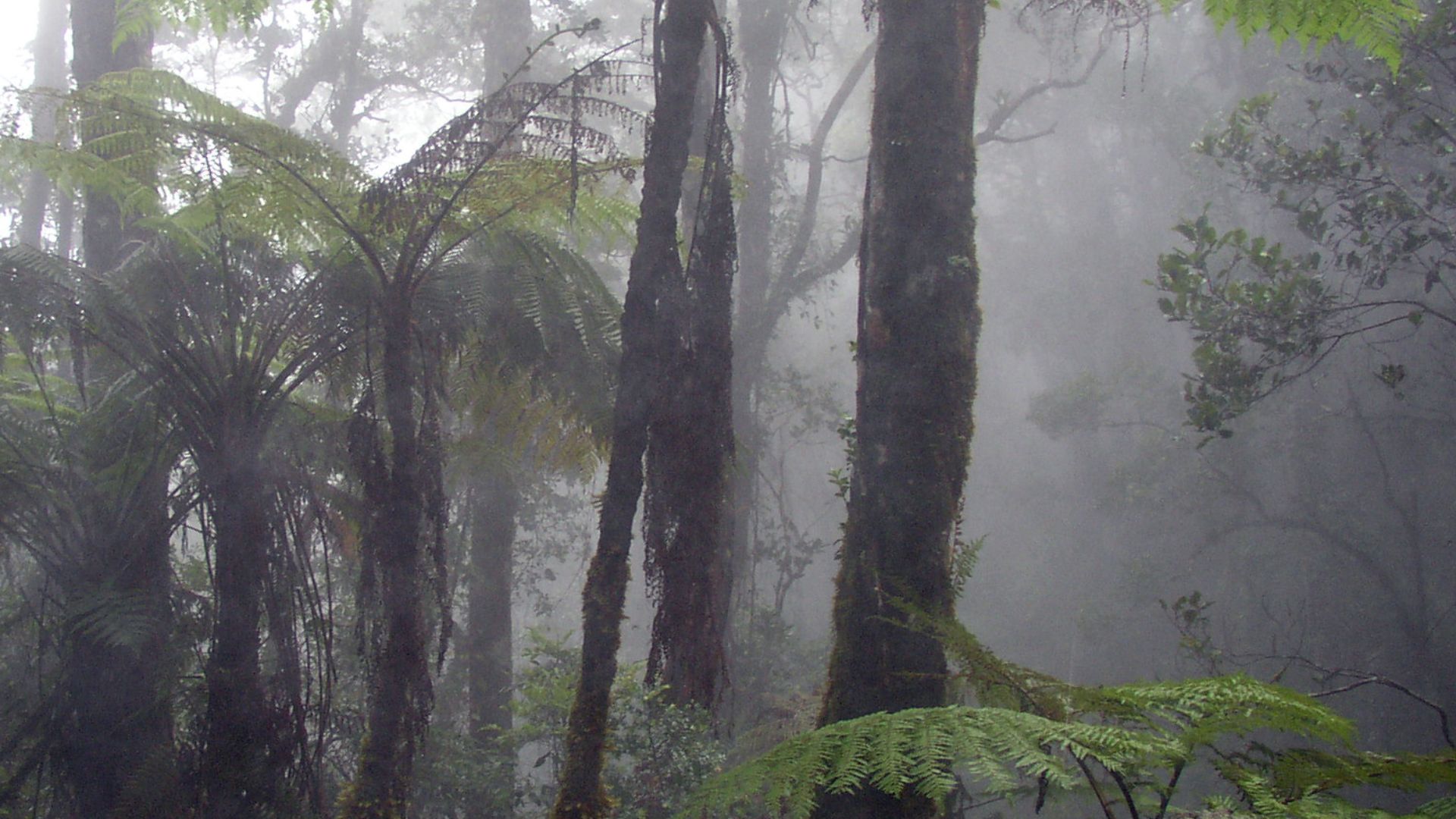
Long before scientists ever heard of H. floresiensis, Flores residents told stories of the ebu gogo—small, hairy people who mimicked human speech and stole food. When researchers unveiled the hobbit fossils in 2004, many locals immediately connected the find to the old stories.
 Danadi Sutjianto, Wikimedia Commons
Two traditions, one uncanny resemblance
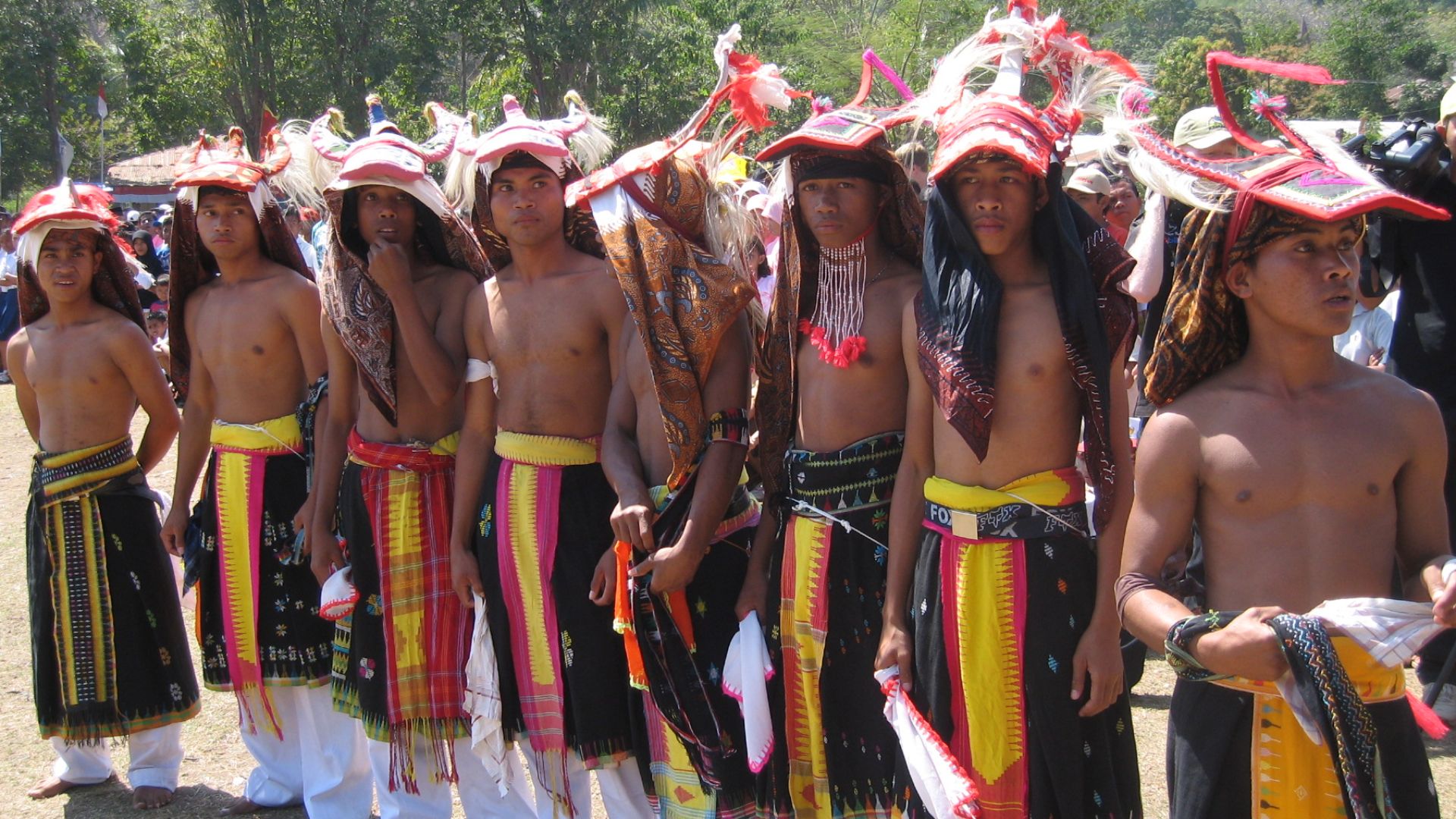
Lai ho’a and ebu gogo are separate cultural traditions, yet both describe small, upright, humanlike beings with behaviors similar to what scientists infer about H. floresiensis. Folklore alone cannot prove survival, but the parallels have raised legitimate anthropological questions.
A fringe theory, but not biologically impossible
Most scientists reject the idea of surviving hobbits—but a small number argue the hypothesis shouldn’t be dismissed outright. Southeast Asia once hosted multiple human species at the same time. A relict population surviving undetected would be extraordinary, but not outside the realm of biological possibility.

What real evidence would look like
To confirm survival, researchers would need clear proof: skeletal remains, environmental DNA, or an unmistakable photo or video. So far, none have surfaced. Some scientists have suggested targeted eDNA surveys in remote valleys, but no major project has been funded.
 James Tourtellotte, photo editor of CBP Today[1], Wikimedia Commons
Why the extinction timeline remains uncertain
The last-known fossils represent only the final moment preserved—not necessarily the species’ final day on Earth. Small, isolated populations can persist longer than expected, especially on islands. This uncertainty is one reason the debate isn’t fully closed.
 Jakub Hałun, Wikimedia Commons
Could a species really stay hidden?
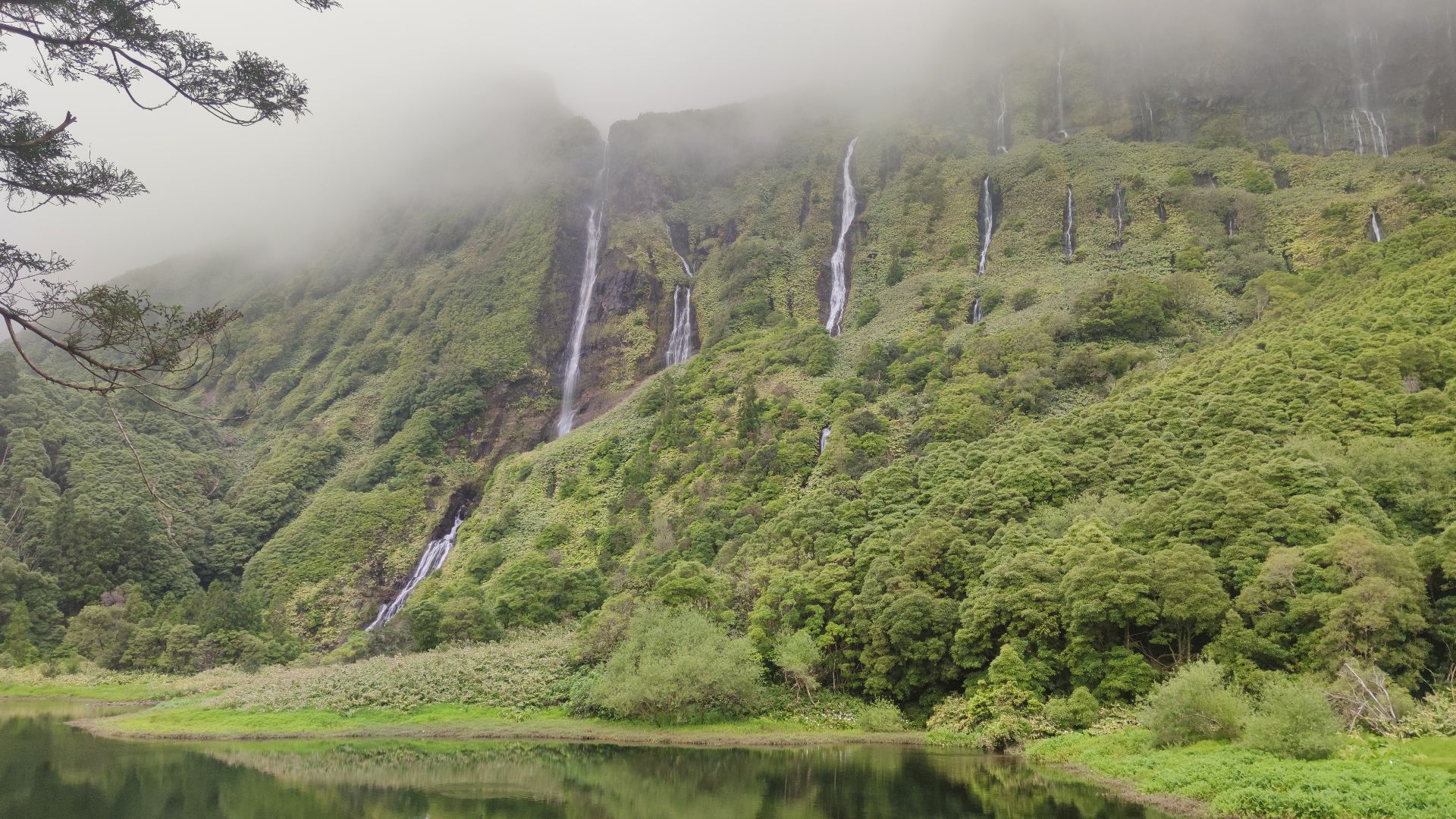
If a population were extremely small, nocturnal, and avoided humans, it could theoretically remain undetected—particularly in a landscape as forbidding as central Flores. But scientists emphasize that such continued survival would be an extraordinary exception in human evolution.
 Mariakolago, Wikimedia Commons
Inside the ongoing scientific debate
While most experts argue for extinction, some anthropologists believe the detailed local accounts deserve deeper investigation. Both sides agree on one thing: Flores remains a place full of unanswered questions, and much of its interior is still barely explored.
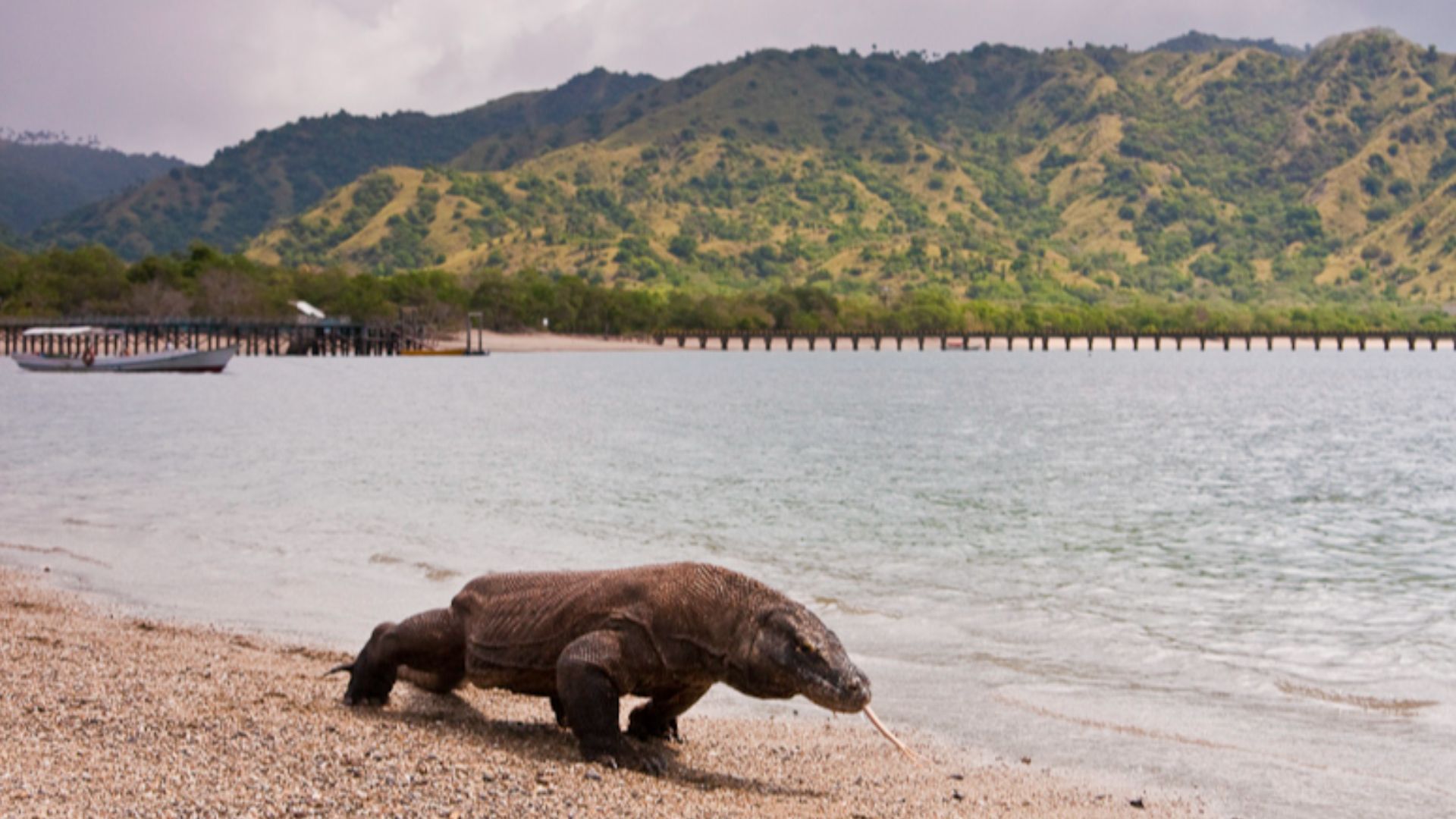 Adhi Rachdian from Indonesia, Wikimedia Commons
A discovery that would change everything
If living hobbits were ever proven real, it would become one of the most significant scientific breakthroughs in history—revealing that another human species survived far longer than anyone believed, perhaps even overlapping with modern humans.
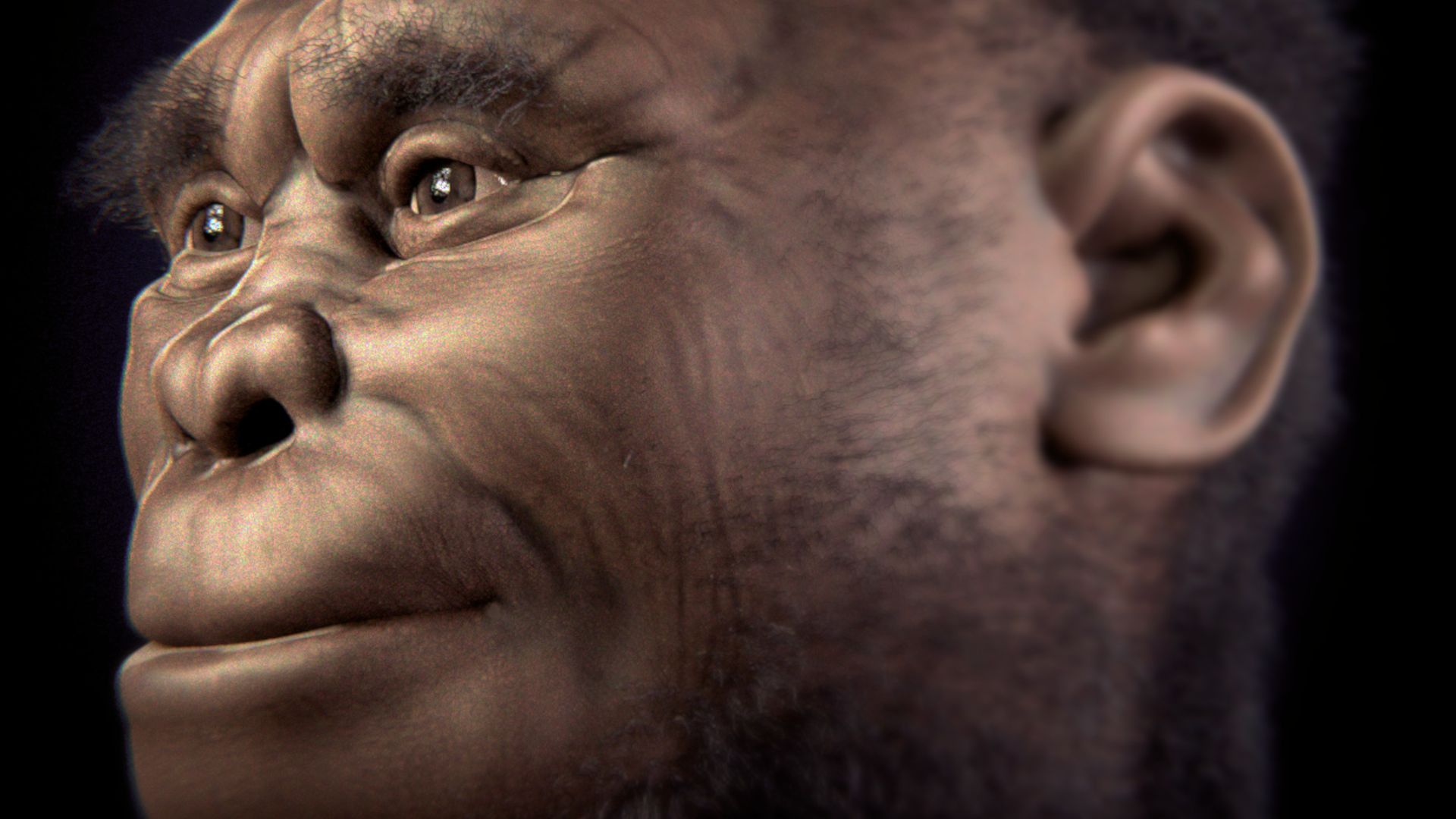 Cicero Moraes et alii, Wikimedia Commons
For now, the island keeps its secrets
Until physical evidence emerges, the mystery remains open but unconfirmed. Locals insist the small beings are still out there. Scientists remain skeptical. And the forests of Flores—vast, remote, and full of hidden corners—continue to shelter stories that challenge our understanding of what it means to be human.
 Jakub Hałun, Wikimedia Commons
You Might Also Like: