The Gorgon In The Tomb
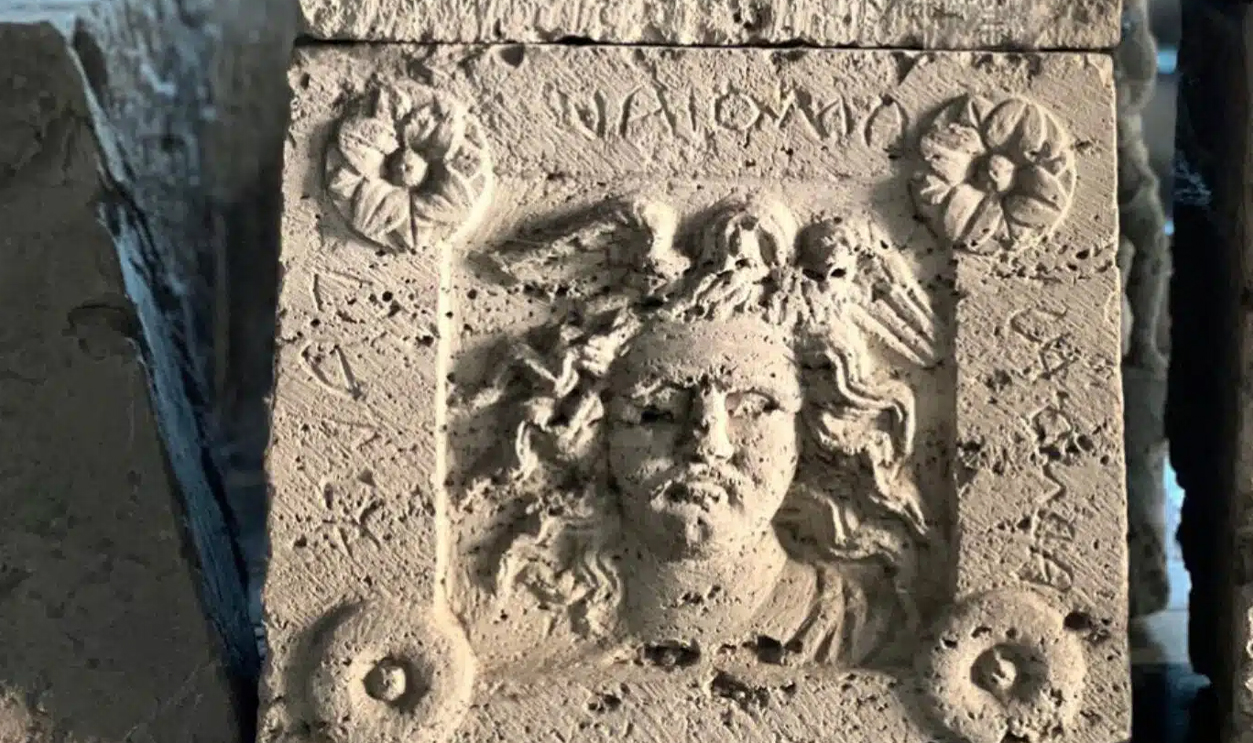
Archaeology has a way of dropping mythological surprises right into our laps, and this time it comes in the form of a stone urn decorated with one of antiquity’s most recognizable faces: Medusa. Unearthed inside an Etruscan burial chamber, this urn isn’t just a funerary container—it’s a fusion of artistic influence, spiritual protection, and cultural identity. Its discovery opens a window into how pre-Roman societies blended myth, ritual, and artistry in ways that still catch us off guard today.
The Moment Of Discovery
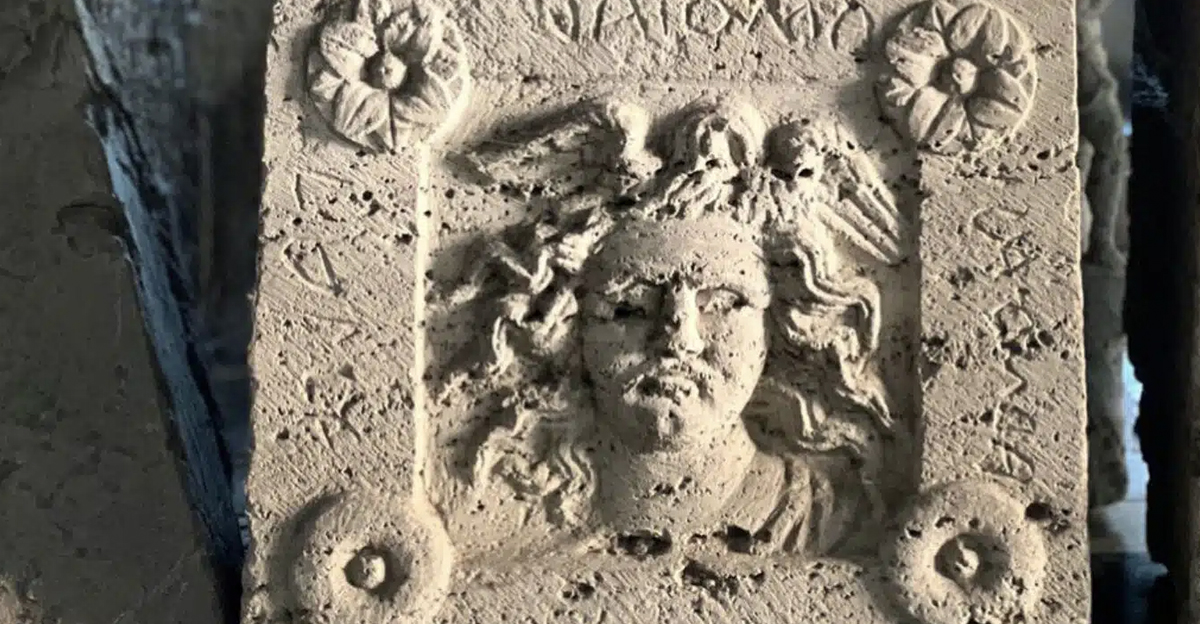
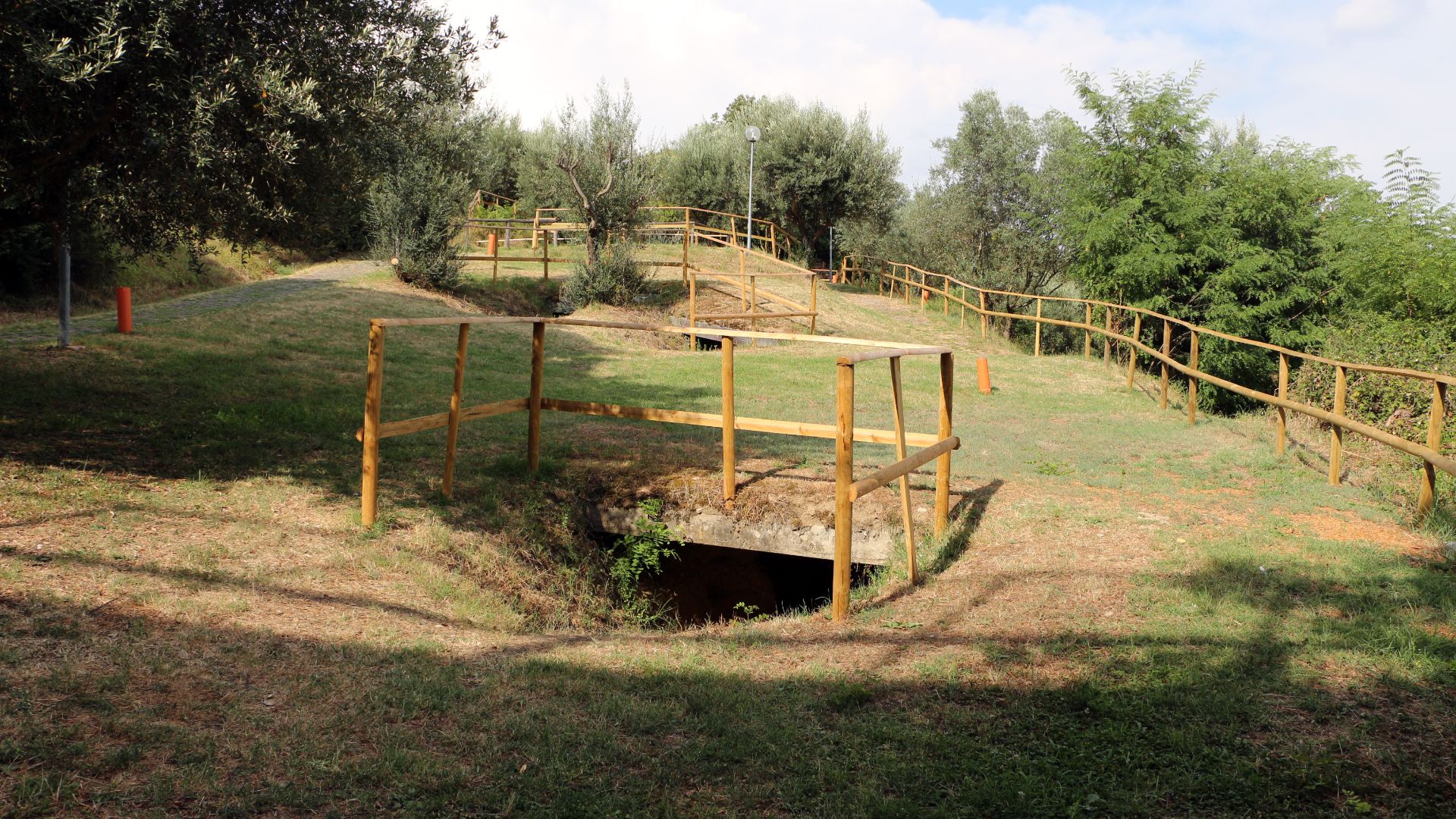
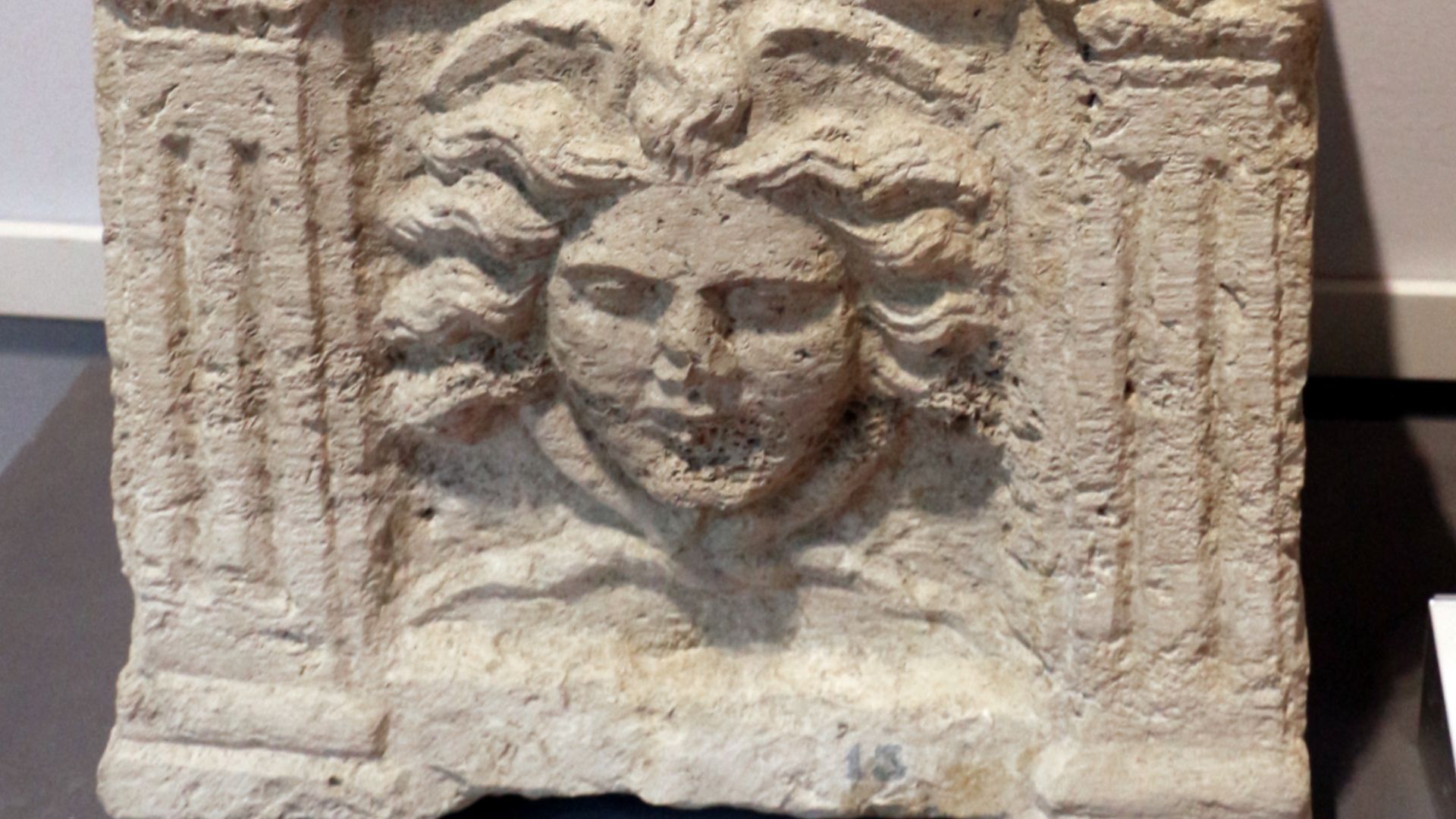
The urn came to light during conservation work inside the Palazzone Necropolis near Perugia, where archaeologists were stabilizing walls and clearing debris in a hypogeum belonging to an elite Etruscan family. As they worked through layers of dust and stone, the relief of Medusa gradually emerged—a strikingly detailed face that instantly signaled the artifact’s importance and raised questions about its ritual purpose.
The Site: Etruscan Necropolis Context
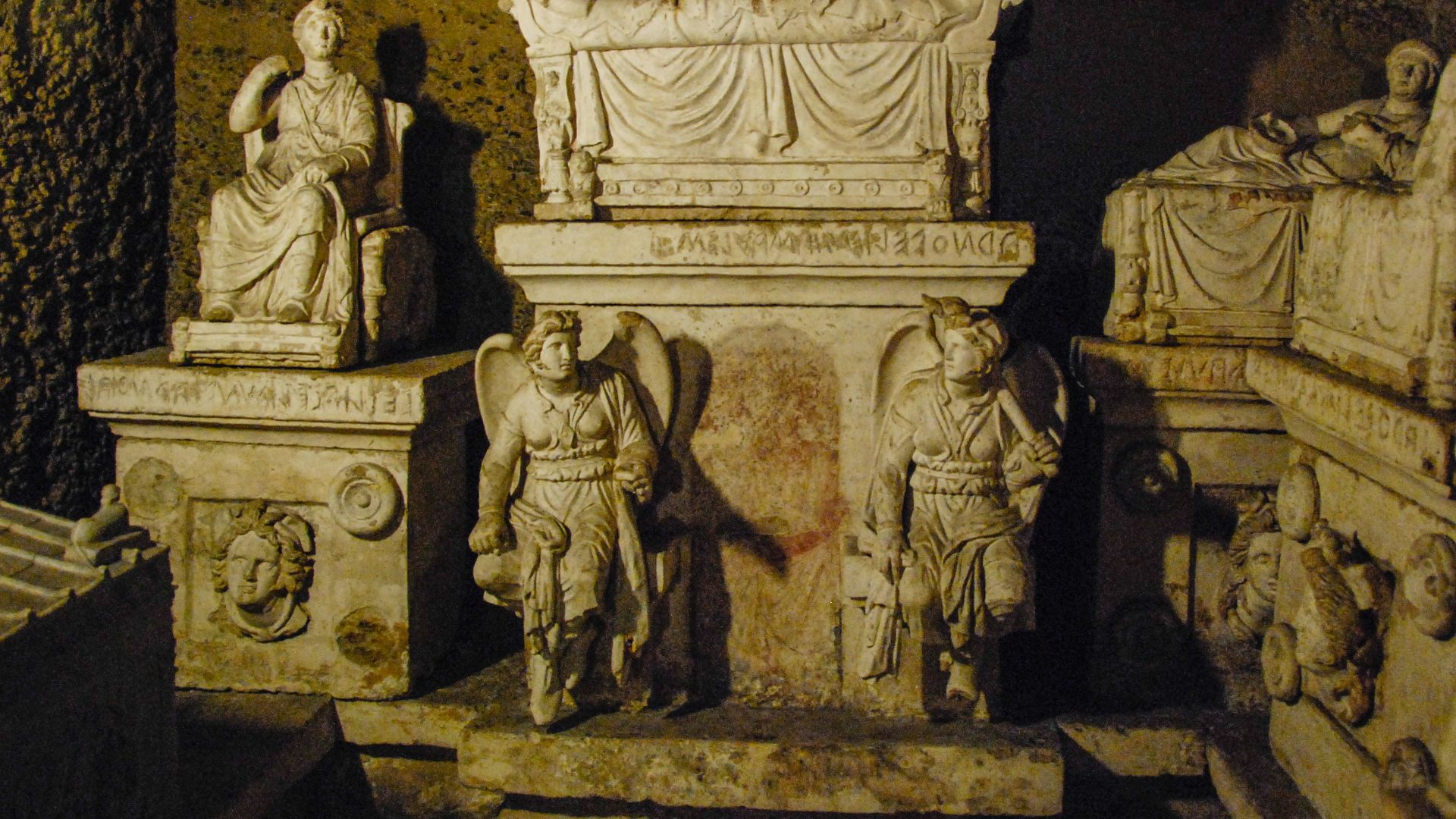
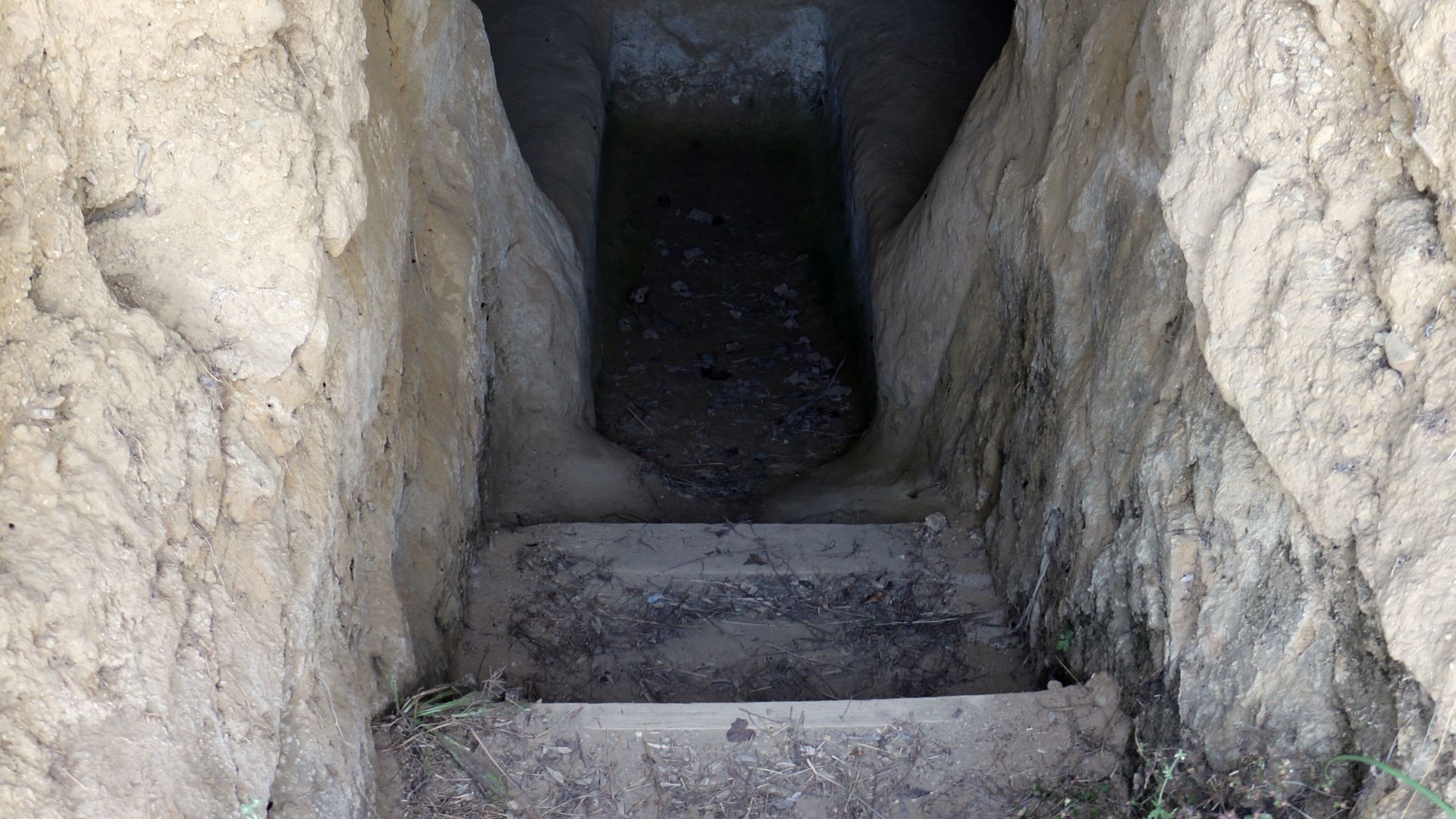
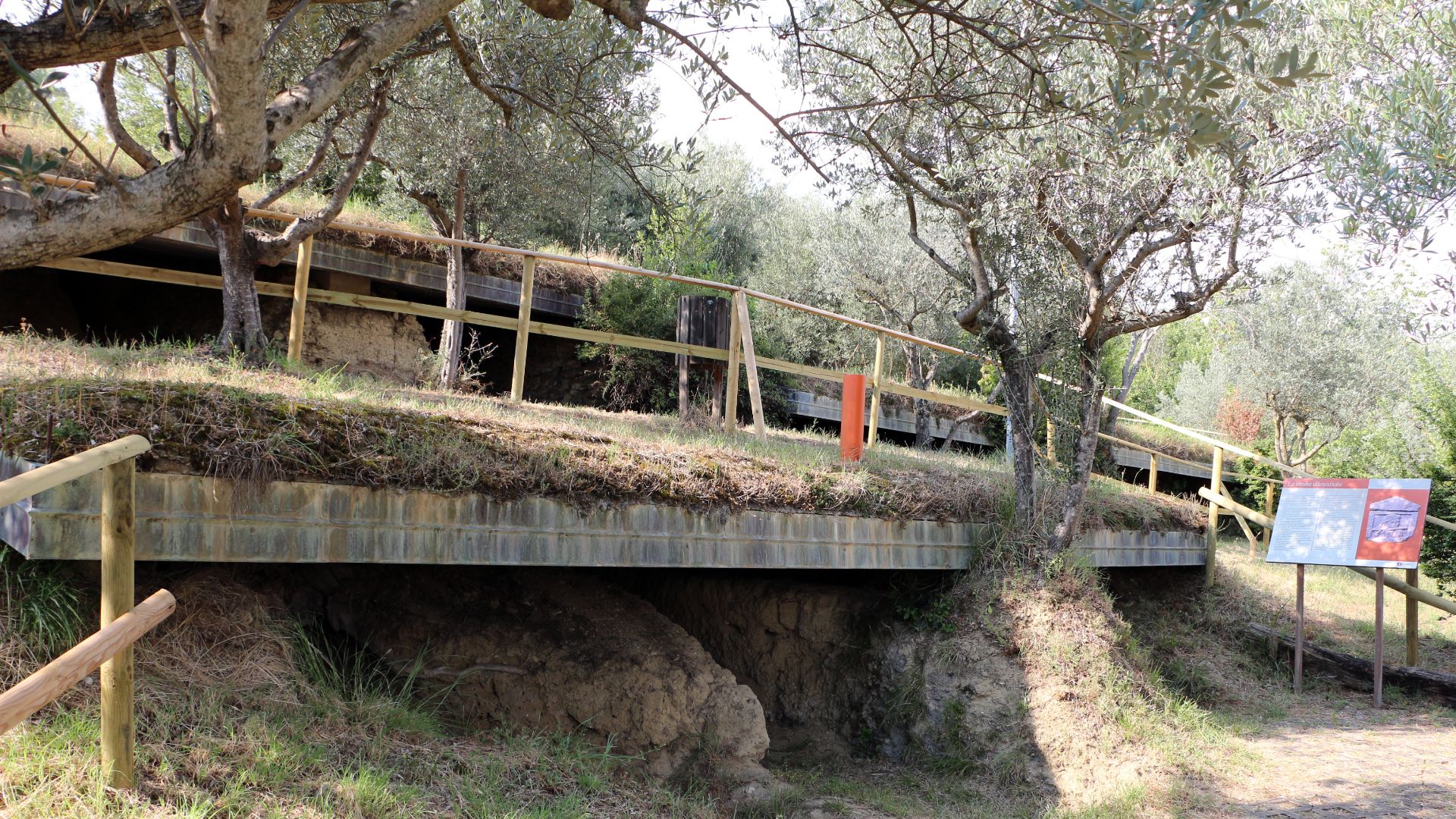
The Palazzone Necropolis is part of a vast funerary complex known for its carefully carved underground rooms, each belonging to wealthy families of the late Etruscan period. The chambers feature carved beams, benches, and niches for urns, offering a snapshot of Etruscan social status and religious beliefs. Discoveries from this site often reflect the prosperity and cultural refinement of its occupants.
What The Urn Looks Like
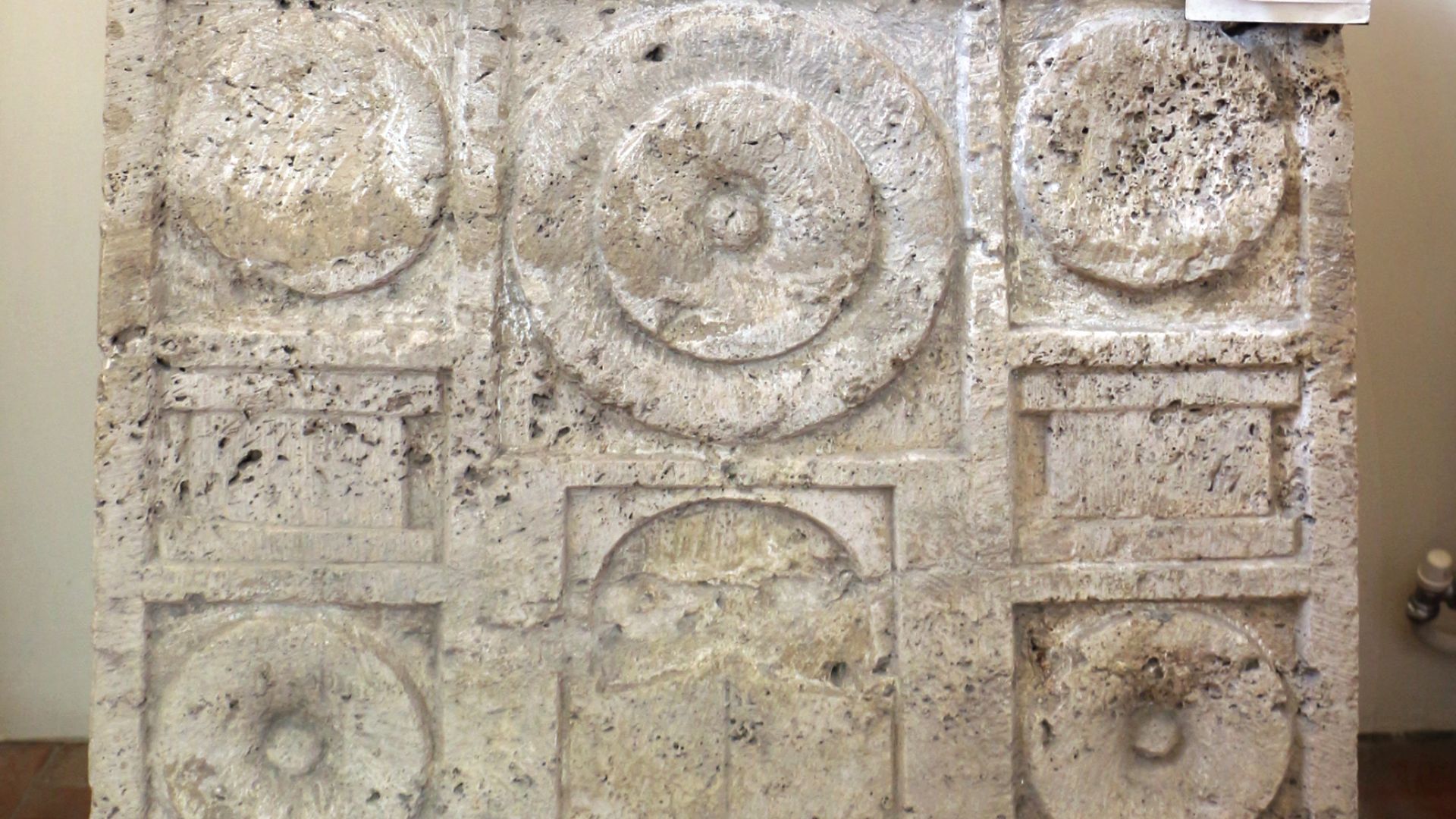
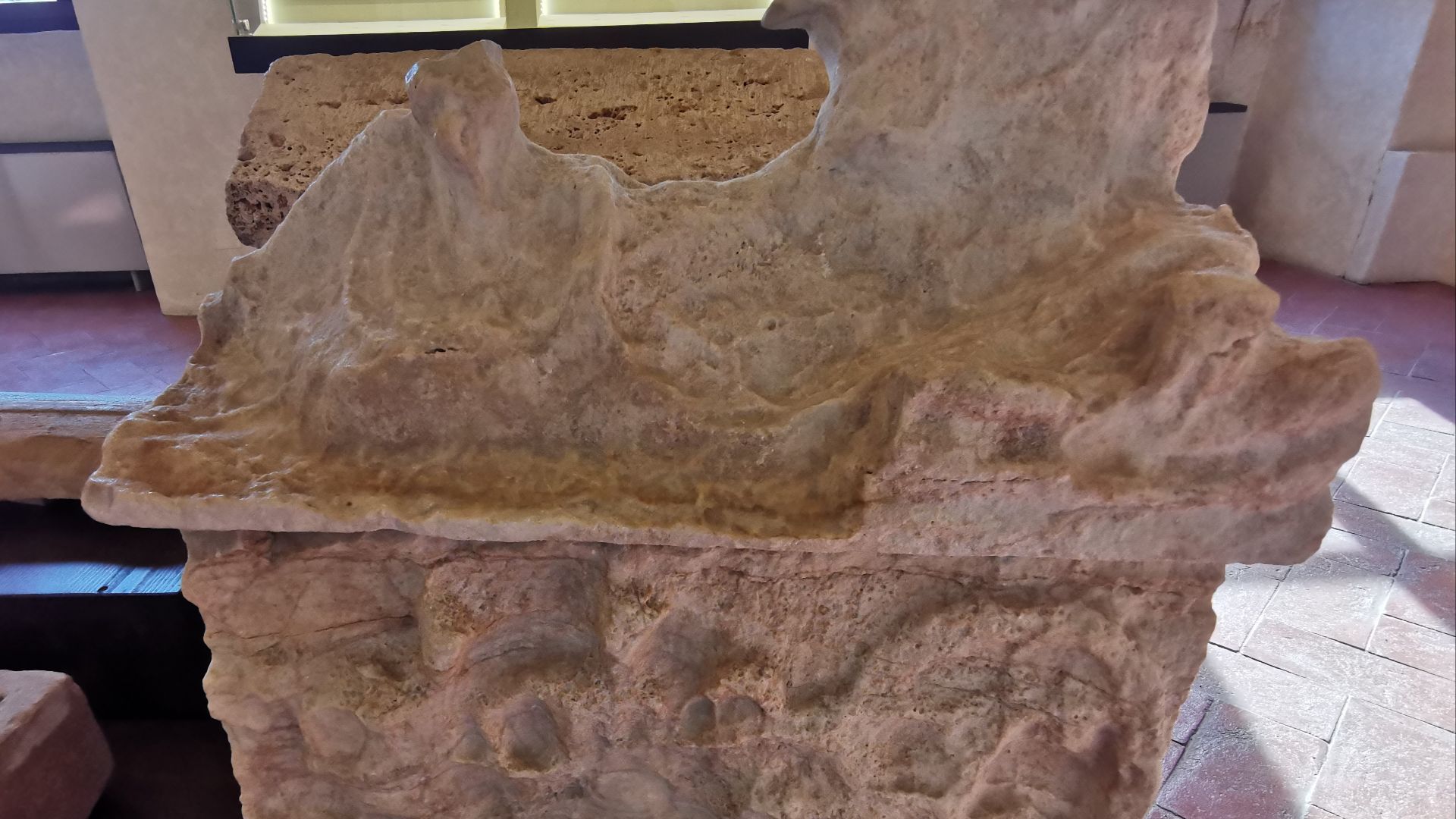
Made from creamy travertine stone, the urn features a bold high-relief carving of Medusa’s face, framed by curling locks and stylized serpents. Around her are carved floral motifs and ritual paterae—small disks used in offerings. The carving is deeper and more expressive than many Etruscan urns, showing an artist with both technical skill and an eye for dramatic mythological imagery.
The Inscription
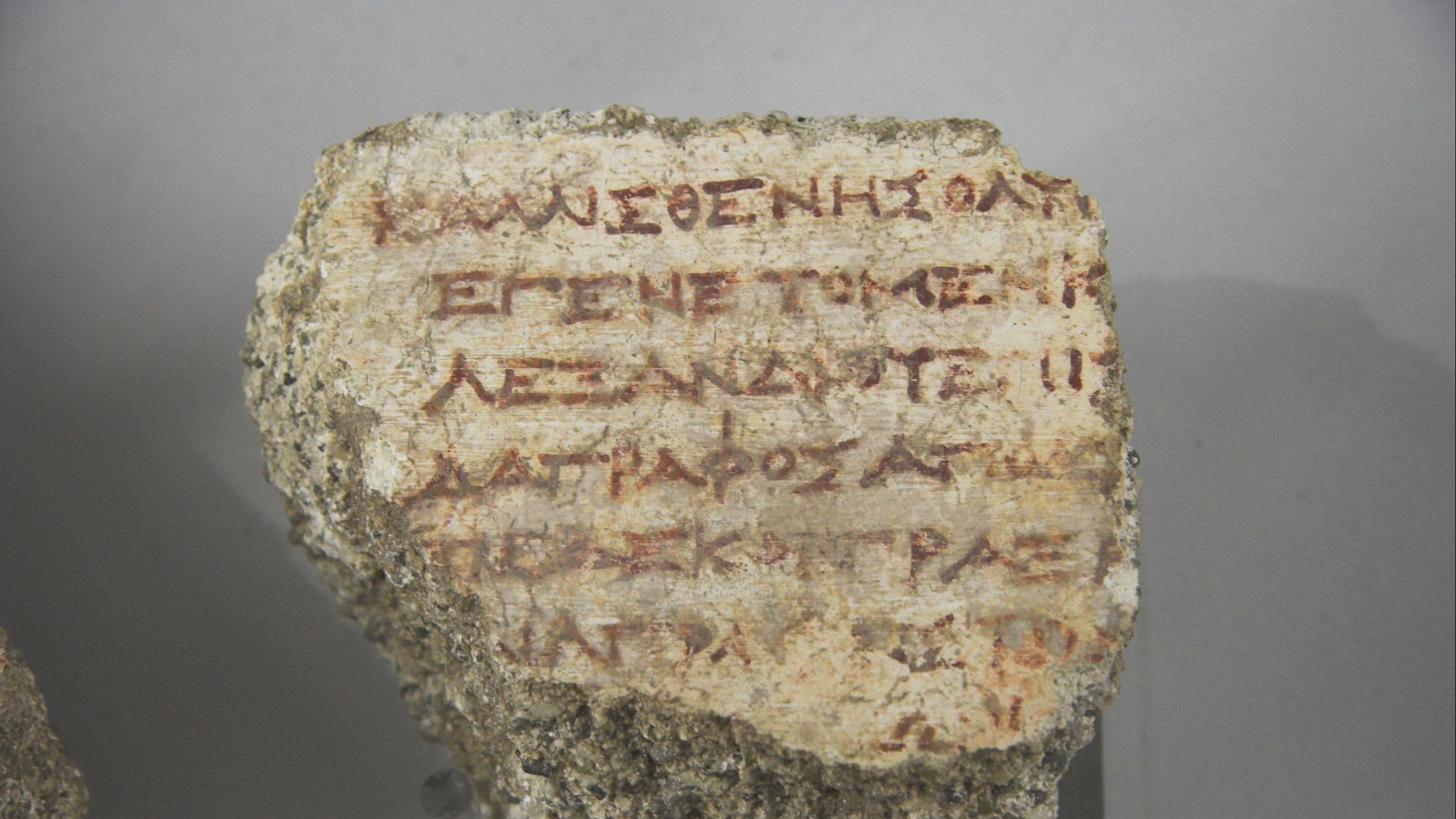
A rectangular frame of cursive Etruscan script surrounds the relief, naming an individual believed to belong to the Acsi/Asci family, an influential local lineage. A lead sheet discovered nearby may reference a related figure, possibly someone called Arnθ (Arnth) or Larθi Caprti. This suggests the urn played a specific, commemorative role connected to a known family of high social standing.
 Jean-Pol GRANDMONT, Wikimedia Commons
An Unexpected Twist
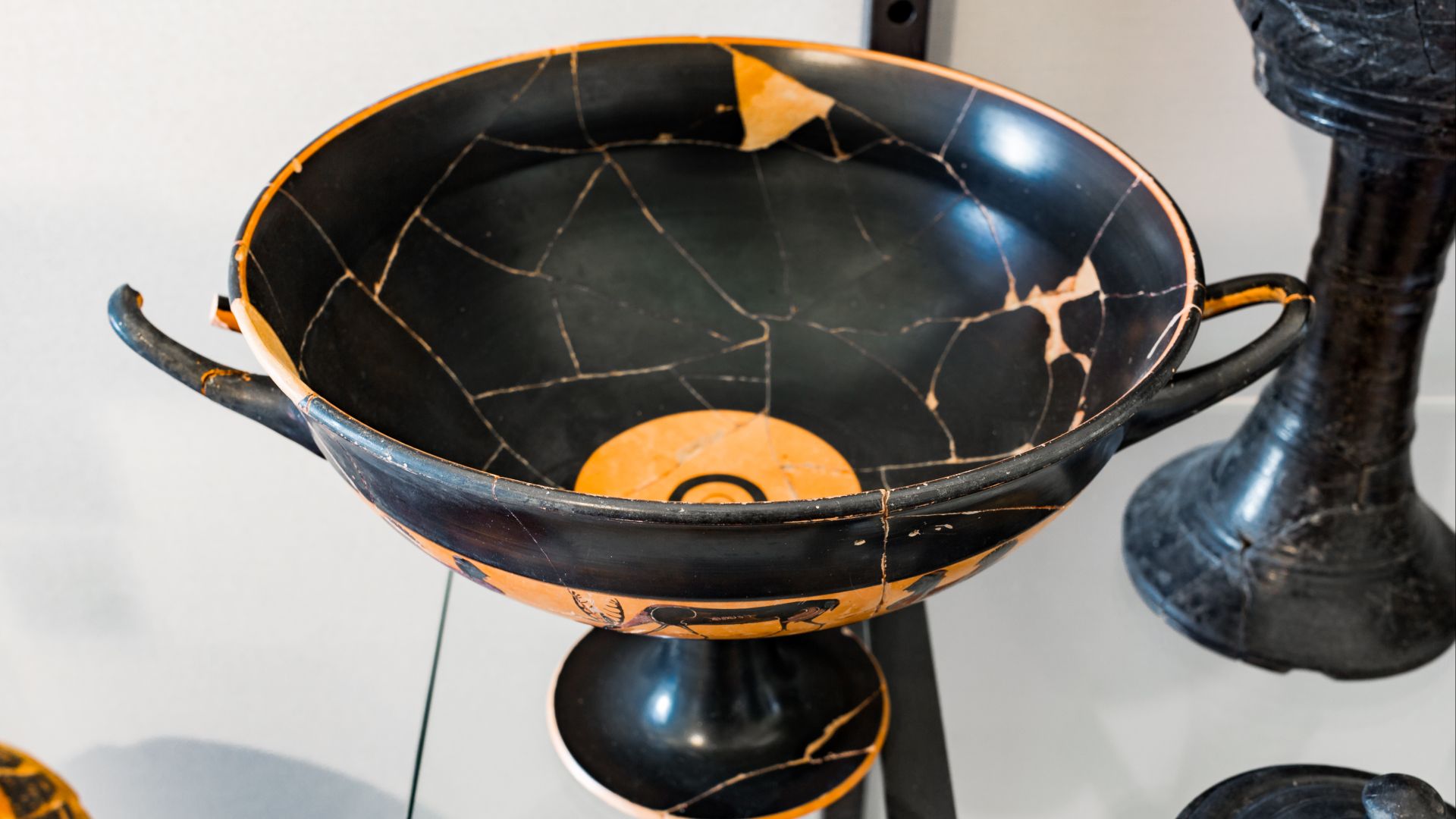
Upon opening the urn, archaeologists expected cremated remains, as is typical in Etruscan funerary practice, but instead encountered three terracotta vessels: a small drinking cup and two miniature jugs. The absence of human bone or ash was unexpected, leading researchers to reassess the urn’s function and meaning.
A Symbolic Urn Rather Than A Burial Container
The lack of remains suggests that the urn may have been a cenotaph, a symbolic memorial for someone whose body was not recovered or was buried elsewhere. Alternatively, it might have been part of a multi-layered ritual, representing offerings or commemorations rather than housing a literal burial.
 POA(Phot) Mez Merrill, Wikimedia Commons
Who Were The Etruscans?
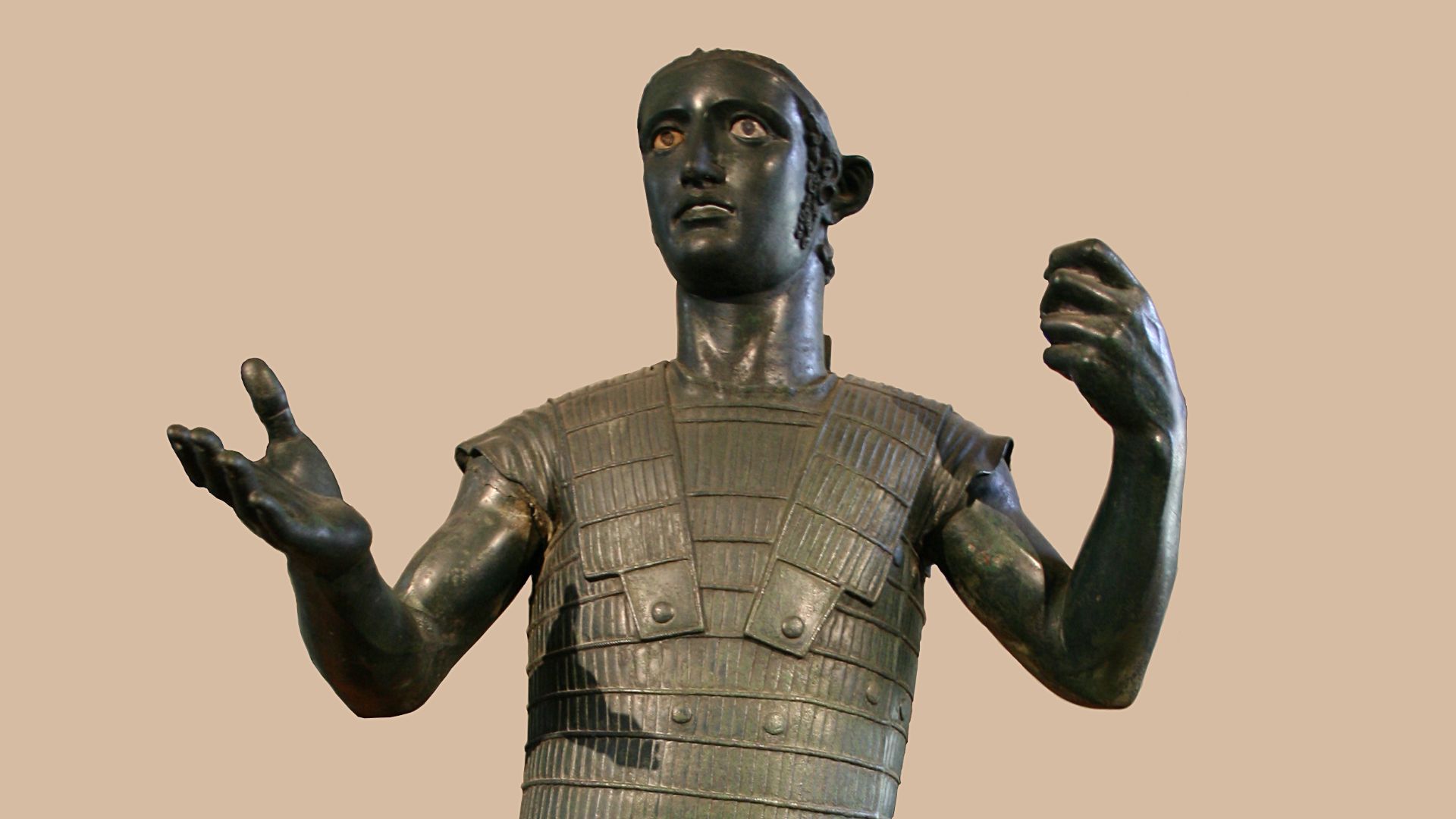
The Etruscans were a powerful, influential civilization in central Italy from roughly the 9th to the 1st century BCE. Known for their wealth, maritime trade, metalworking, and distinctive language, they heavily influenced early Roman culture. Their art and religion blended local traditions with Greek and Near Eastern influences, creating a cultural identity both cosmopolitan and uniquely their own.
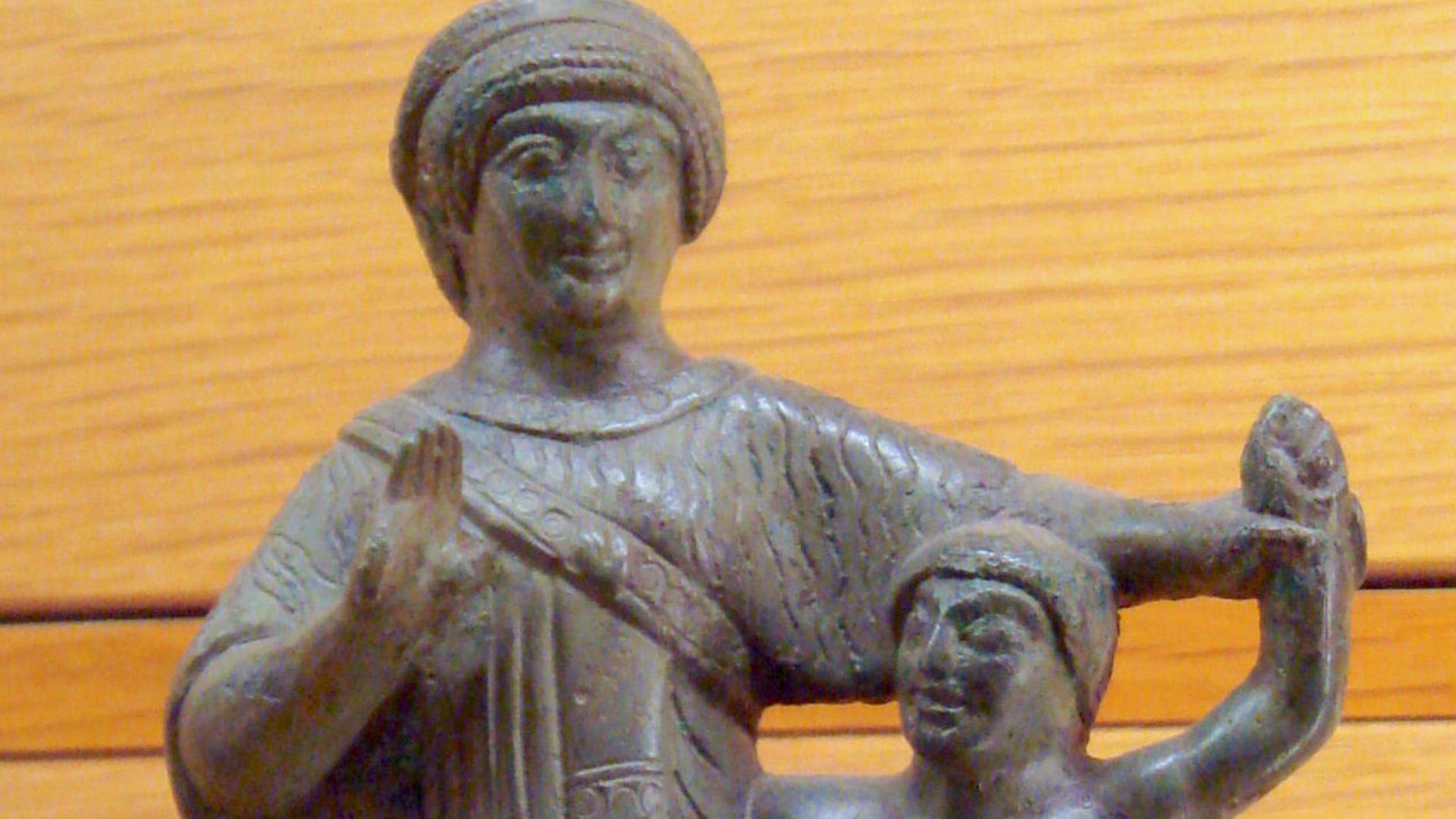
Medusa On An Etruscan Urn: Myth, Influence, And Cross-Cultural Borrowing
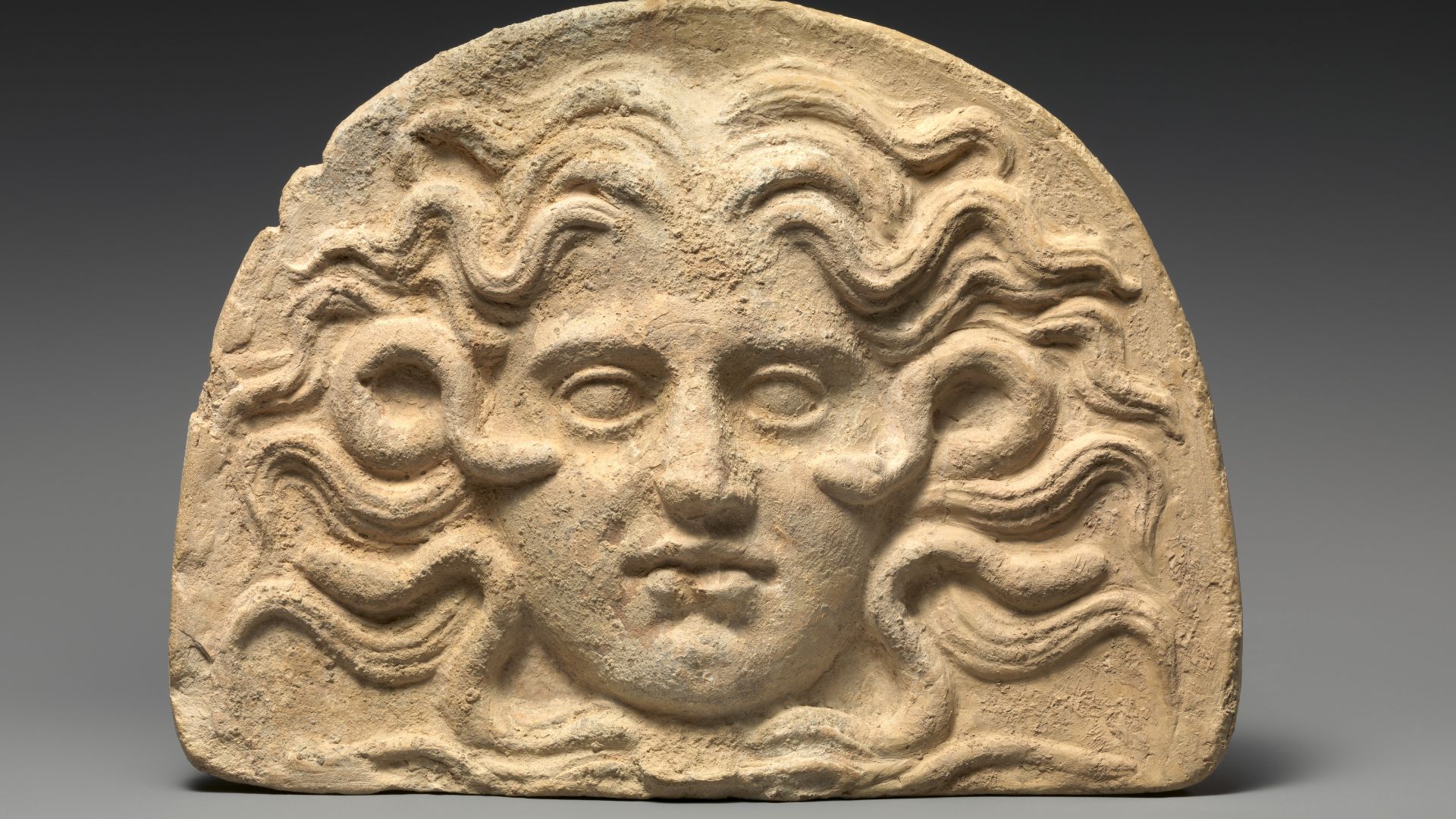
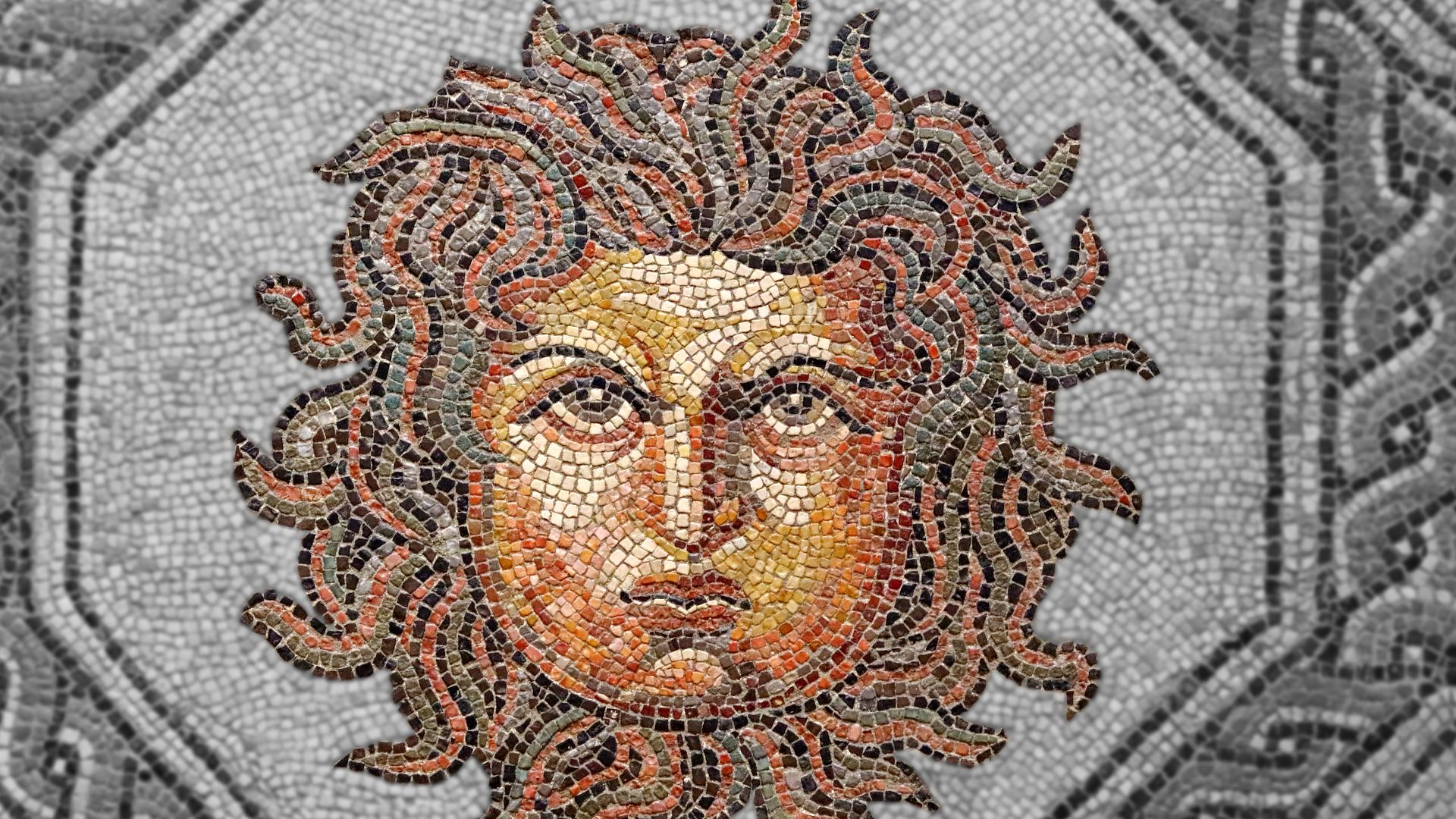
So why does an Etruscan funerary urn feature one of the most famous monsters from Greek mythology? The answer lies in the Etruscans’ remarkable ability to absorb and reinterpret the cultural motifs of their neighbors. Medusa, widely used across the Greek world as an apotropaic symbol meant to ward off evil, was a powerful image to borrow. Her petrifying stare, wild features, and snake-hair made her a kind of supernatural “security system” for tombs, temples and sacred spaces.
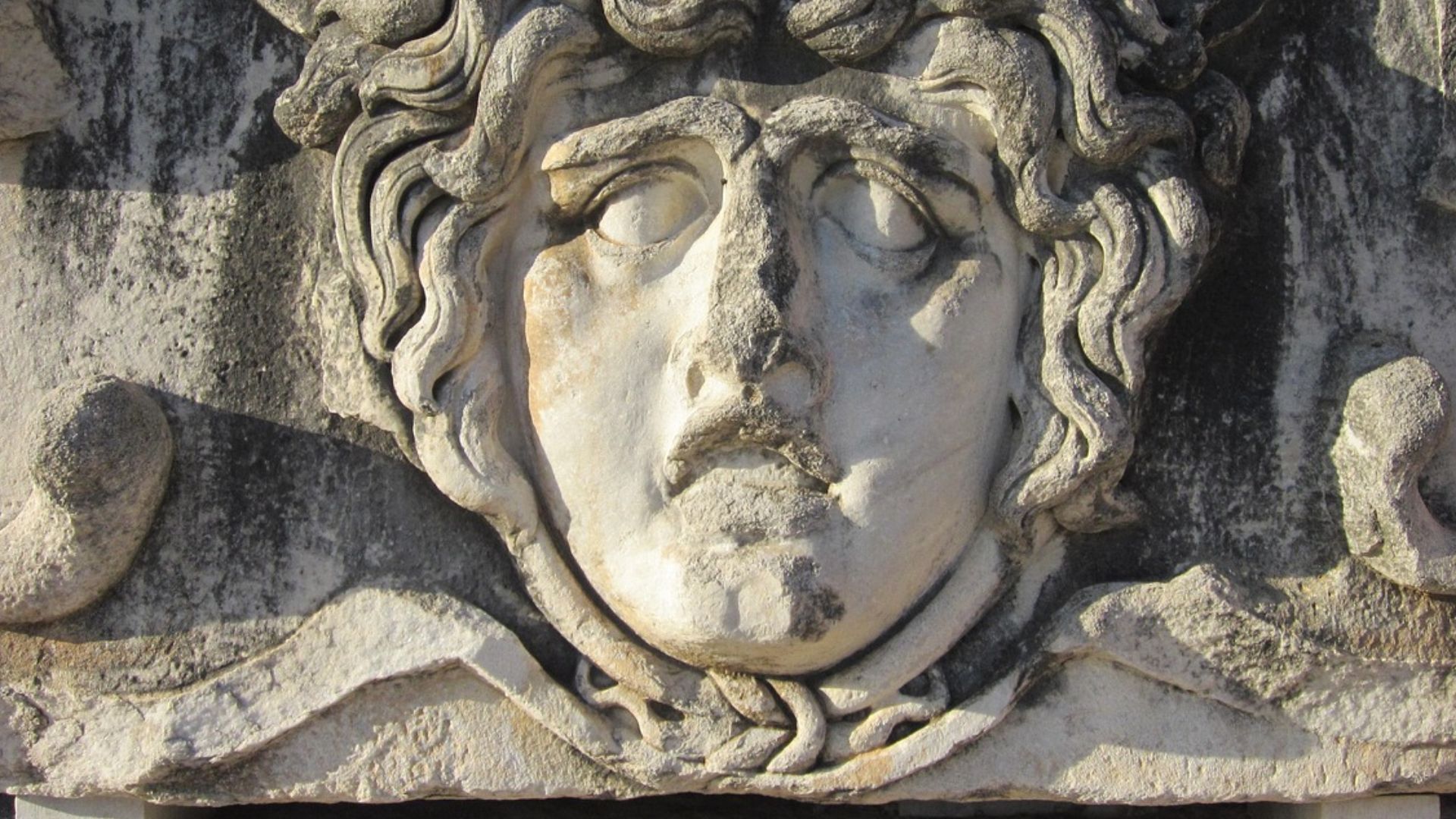
Medusa On An Etruscan Urn (Cont’d)
The Etruscans didn’t just copy Greek imagery—they remixed it. They adapted Medusa’s iconography to their own religious and funerary beliefs, transforming her from a Greek mythic terror into a protective guardian for the dead. This syncretism reflects the broader cultural exchanges of the Mediterranean during the pre-Roman period: ideas, styles, and mythological symbols traveled across the sea as easily as trade goods.
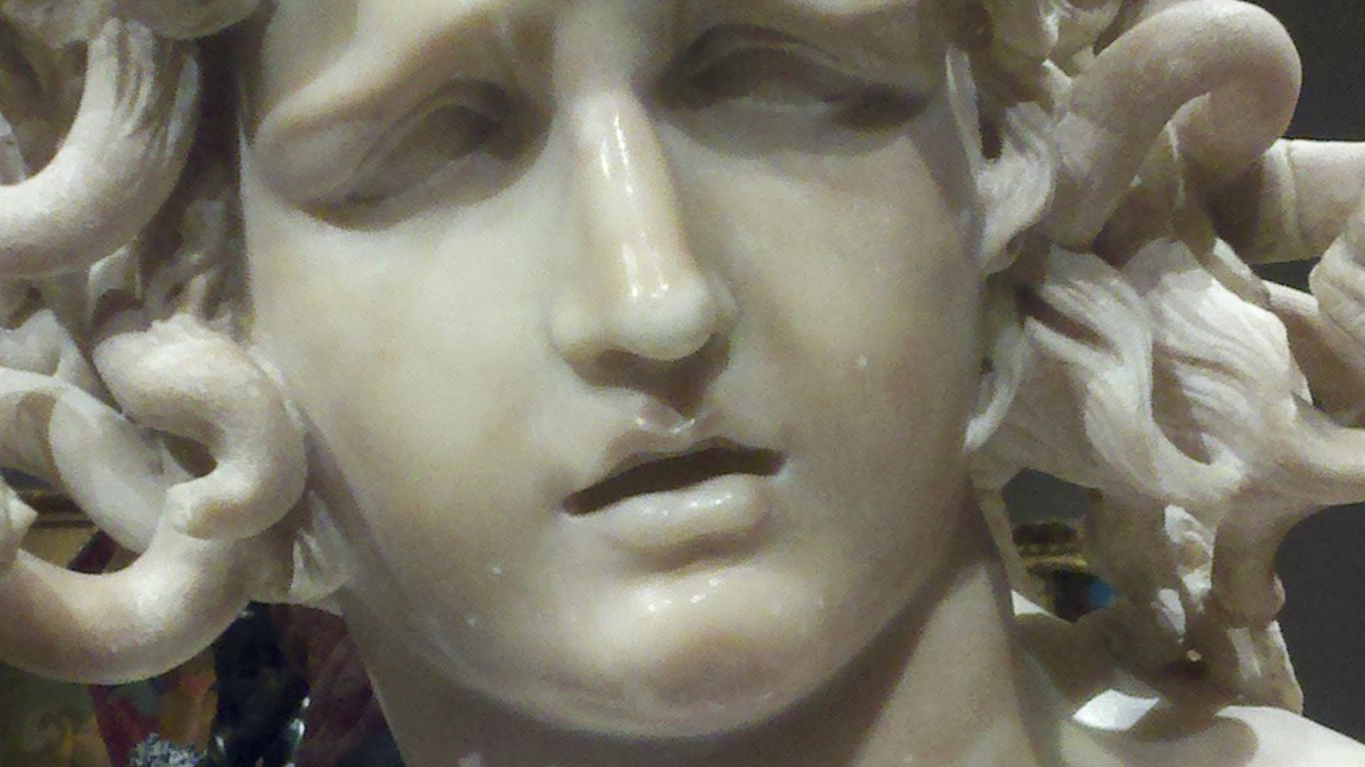 Debra Heaphy, Wikimedia Commons
Etruscan Funerary Culture
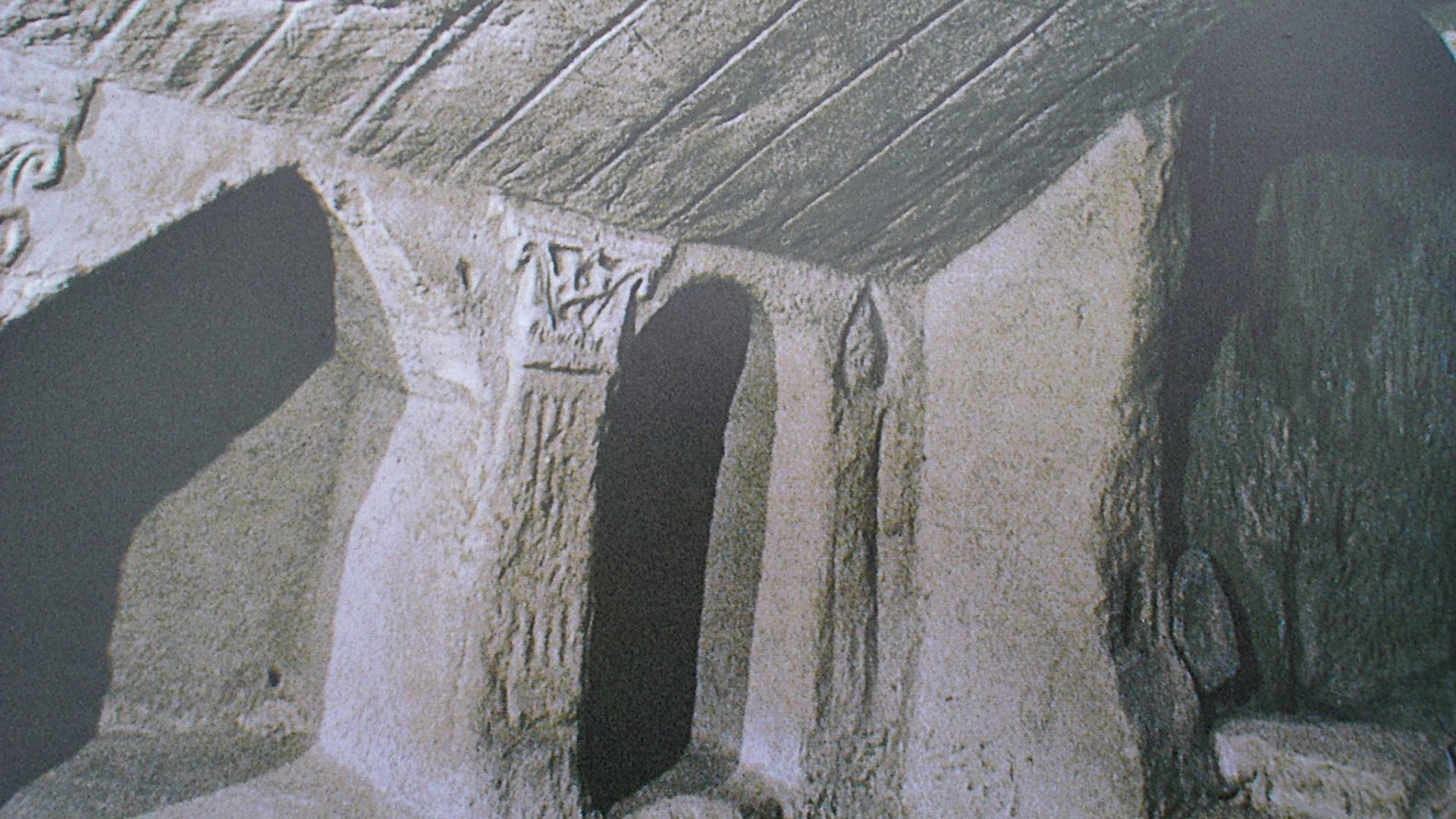
Etruscan burial customs reflected their beliefs in a richly imagined afterlife. Tombs often resembled homes, complete with carved ceilings, stone furniture, and painted wall scenes. Grave goods such as jewelry, pottery, weapons, and food were deposited for use in the next world. Urns carved with mythological figures were common, but a Medusa relief of this quality stands out as something special.
Significance Of Medusa In Burial Contexts
Medusa was widely used in burial settings because her fearsome face was believed to repel evil influences and harmful spirits. In the context of an urn, her presence likely served as a magical guardian, protecting the memory or soul of the deceased from spiritual dangers and ensuring a safe passage to the afterlife.
Symbolism Of Serpents And Transformation
Medusa’s serpent-hair may symbolize themes of death and rebirth, since snakes shed their skin as part of renewal cycles. This symbolism aligns well with funerary beliefs centered on transformation, moving from earthly life into whatever lay beyond. Her image may have comforted the living even as it guarded the dead.
 Javier Perez Montes, Wikimedia Commons
The Terracotta Vessels Inside The Urn
The three terracotta pieces—two jugs and a cup—seem modest compared to the urn’s elaborate exterior, but their presence likely carries ritual meaning. They might have held offerings such as wine, oils, or perfumes, or symbolized feasting traditions meant to honor the deceased in perpetuity.
 ArchaiOptix, Wikimedia Commons
Why This Find Challenges Expectations
Most Etruscan urns contain cremated remains, so discovering one filled only with ritual vessels suggests greater variability in funerary practices than previously understood. It highlights how flexible and symbol-driven Etruscan mortuary customs could be, especially among elite families.
The Artistry Of The Relief Carving
The depth and precision of the Medusa carving indicate a highly skilled artisan. Travertine is not an easy stone to shape, especially for detailed facial features. This level of expertise reflects workshops capable of producing luxury items and suggests the family commissioned top-tier craftsmanship.
 Elekes Andor, Wikimedia Commons
What The Urn Reveals About Social Status
The ornate relief, the inscriptions, and the placement in a prestigious necropolis collectively signal that the urn belonged to someone of significant status. Etruscan elite families invested substantially in funerary art as a way to display their lineage, wealth, and connections—even after death.
Possible Theories About The Owner
Based on the inscriptions and artifacts, scholars believe the urn may commemorate a member of the Acsi/Asci family, prominent in the region during the Hellenistic period. The absence of remains may hint at a death in war abroad, a body lost at sea, or a memorial constructed long after the actual burial.
Cross-Mediterranean Artistic Influence
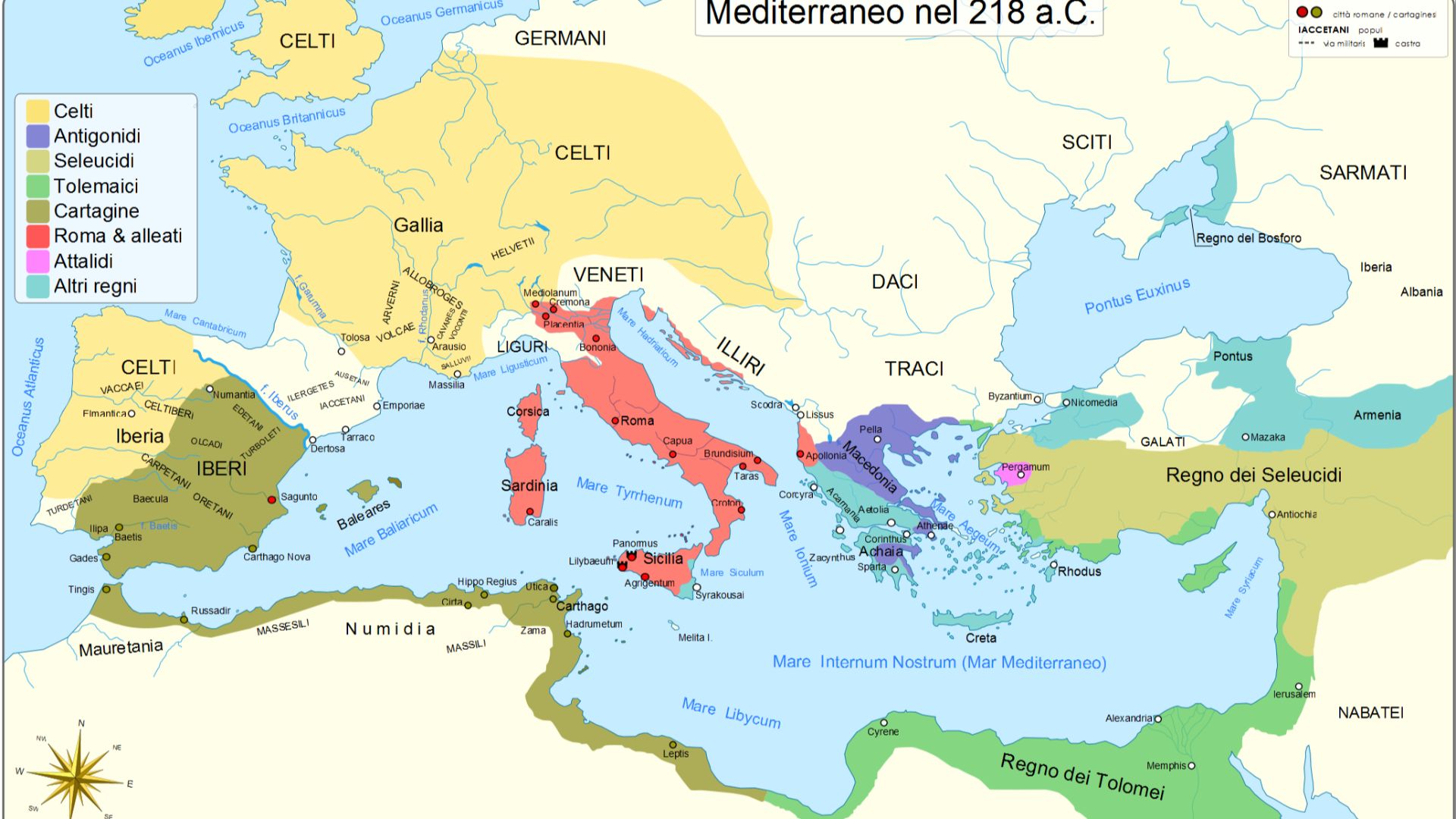
This discovery reinforces how interconnected the ancient Mediterranean was. Artistic motifs traveled via trade routes, mercenaries, artisans, and merchants. The urn is a tangible reminder of how widely stories like Medusa’s circulated, and how creatively local cultures transformed them.
 Mediterranean at 218 BC-en.svg: Goran tek-en
derivative work: Cristiano64, Wikimedia Commons
Mediterranean at 218 BC-en.svg: Goran tek-en
derivative work: Cristiano64, Wikimedia Commons
Broader Impact On Pre-Roman Studies
The find adds to a growing body of evidence showing that pre-Roman Italy was far more culturally and artistically diverse than once assumed. It helps bridge gaps between Etruscan, Greek, and Roman art, revealing a complex tapestry of shared beliefs and evolving symbolism.
Final Thoughts
The Medusa urn is more than a carved stone—it’s a narrative frozen in time. It blends fear and protection, myth and memory, artistry and identity. Discoveries like this remind us that ancient people grappled with mortality and meaning through the same tools we do: symbols, stories, and beautiful objects meant to outlast them.
You May Also Like: