Nothing Short Of A Miracle
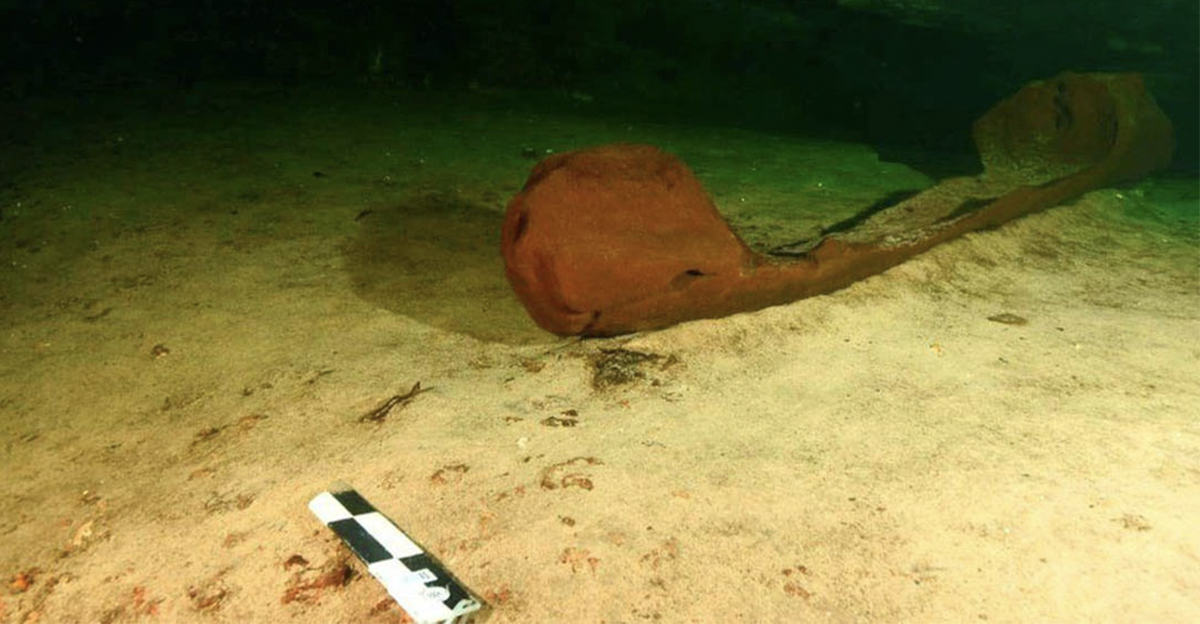
Archaeologists working around the ancient Maya city of Chichén Itzá recently unearthed a perfectly preserved Maya canoe resting deep inside a submerged cenote. Finds like these are nothing short of a miracle: waterlogged wood usually rots away to nothing long before we can study it. But this vessel survived for centuries underground, just waiting to be found. It’s one of the most incredulous Maya discoveries in years.
Hidden Beneath Sacred Waters
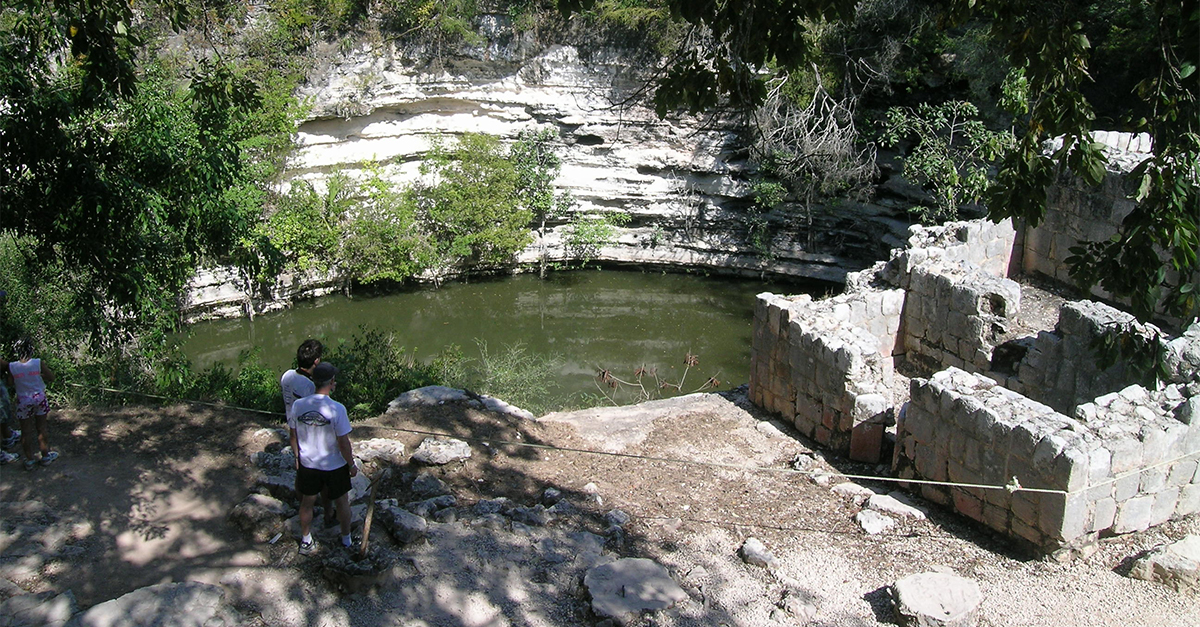
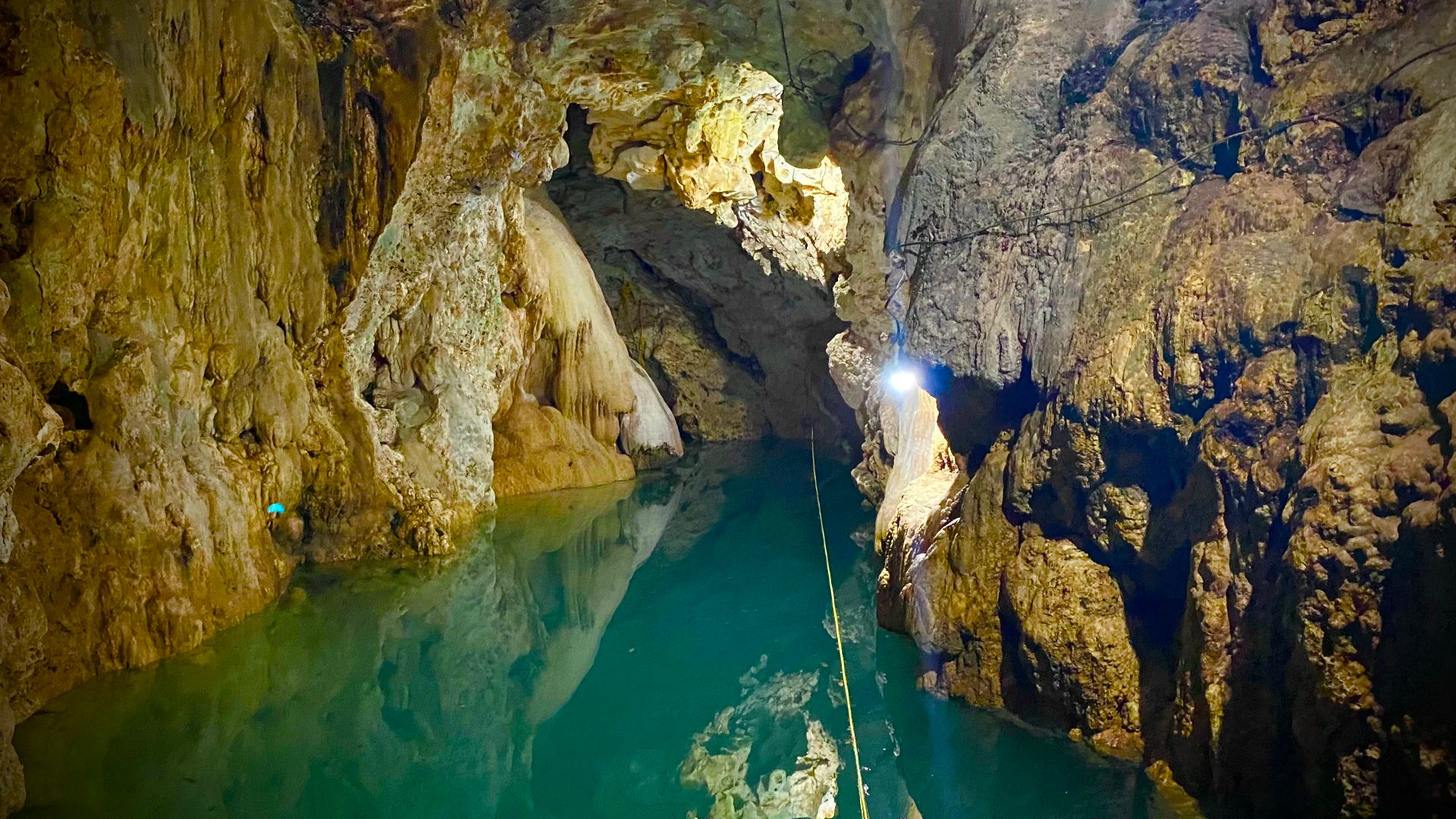
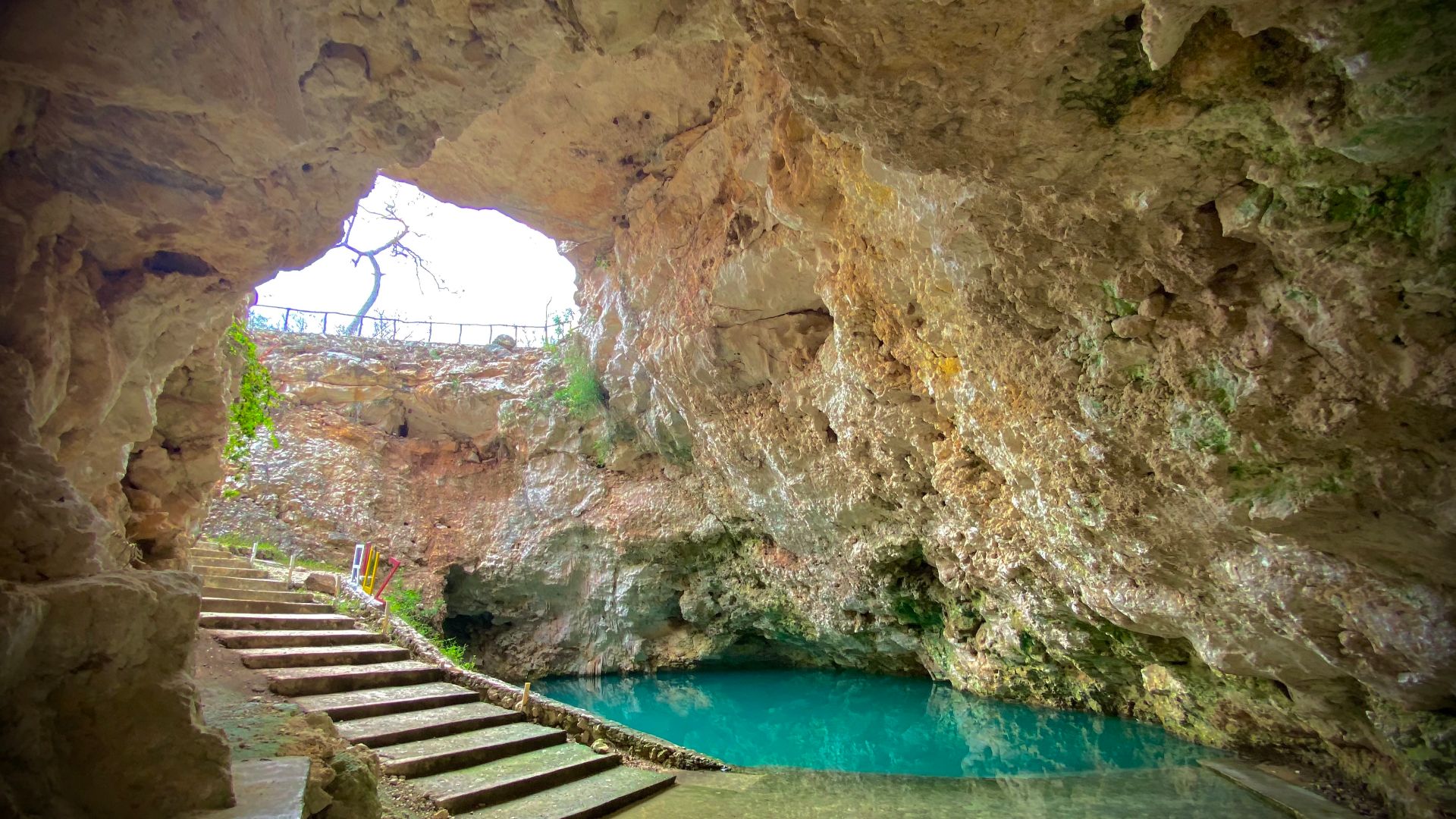
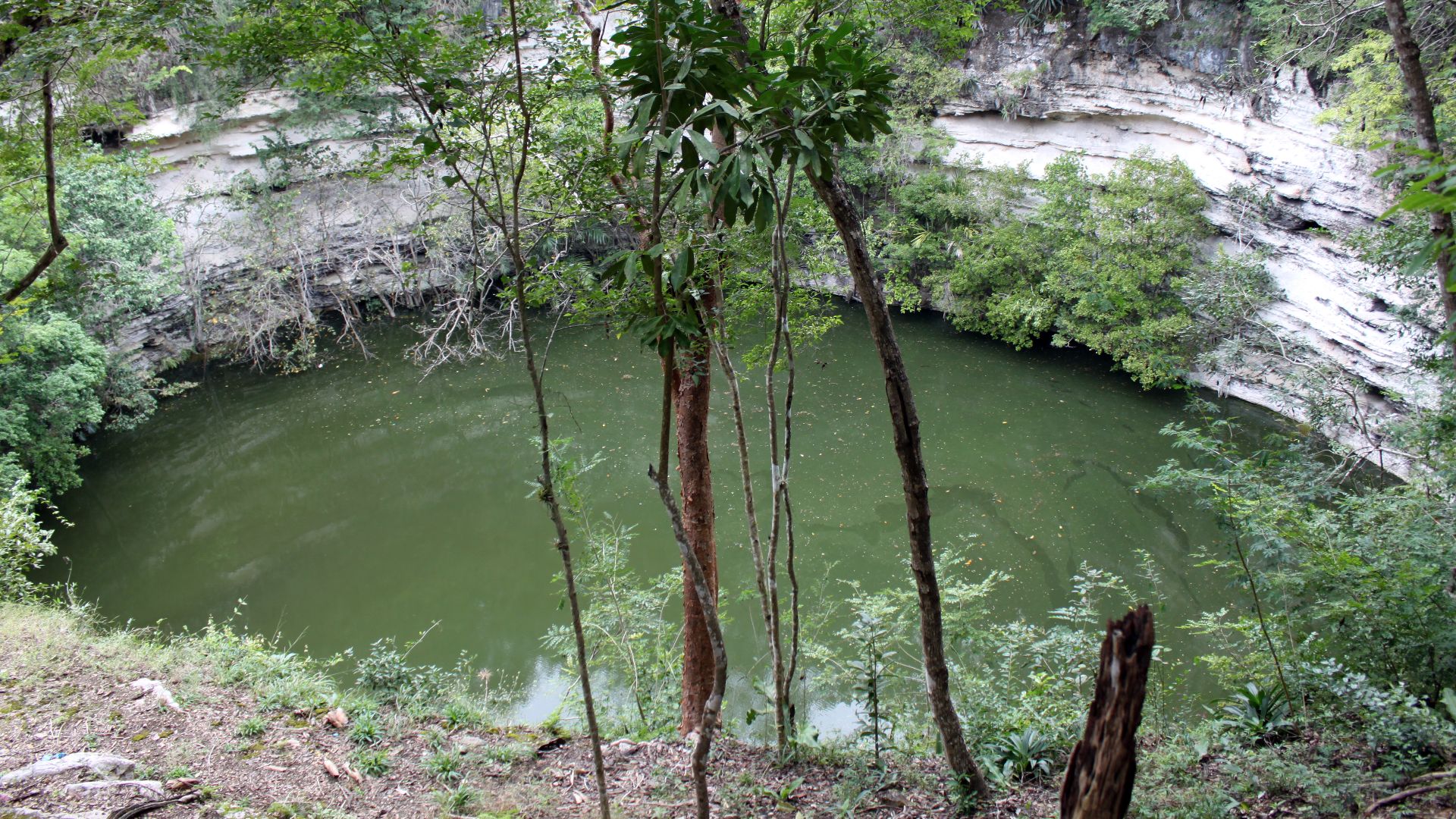
The canoe was found within a cenote. A cenote is a natural limestone sinkhole filled with fresh water. Cenotes were sacred to the Maya, who used them for offerings, burials, and ritual deposits. This canoe survived because the cenote’s cool water, darkness, and isolation made it a bacteria-free environment. This prevented the vessel from decaying. But the murky underwater setting already hints at a deeper ritual or ceremonial purpose.
 Sharon Hahn Darlin, Wikimedia Commons
Who Found It?
The find was made by Mexico’s National Institute of Anthropology and History (INAH). Their underwater archaeology team was mapping the layout of cenotes near Chichén Itzá when they eyed the canoe. The discovery was made as an unexpected result of a major exploration of submerged passages in the area; it was not a random dive.
 Ggerdel - Buceador y camarógrafo: Gustavo Gerdel, Wikimedia Commons
Where It Was Found
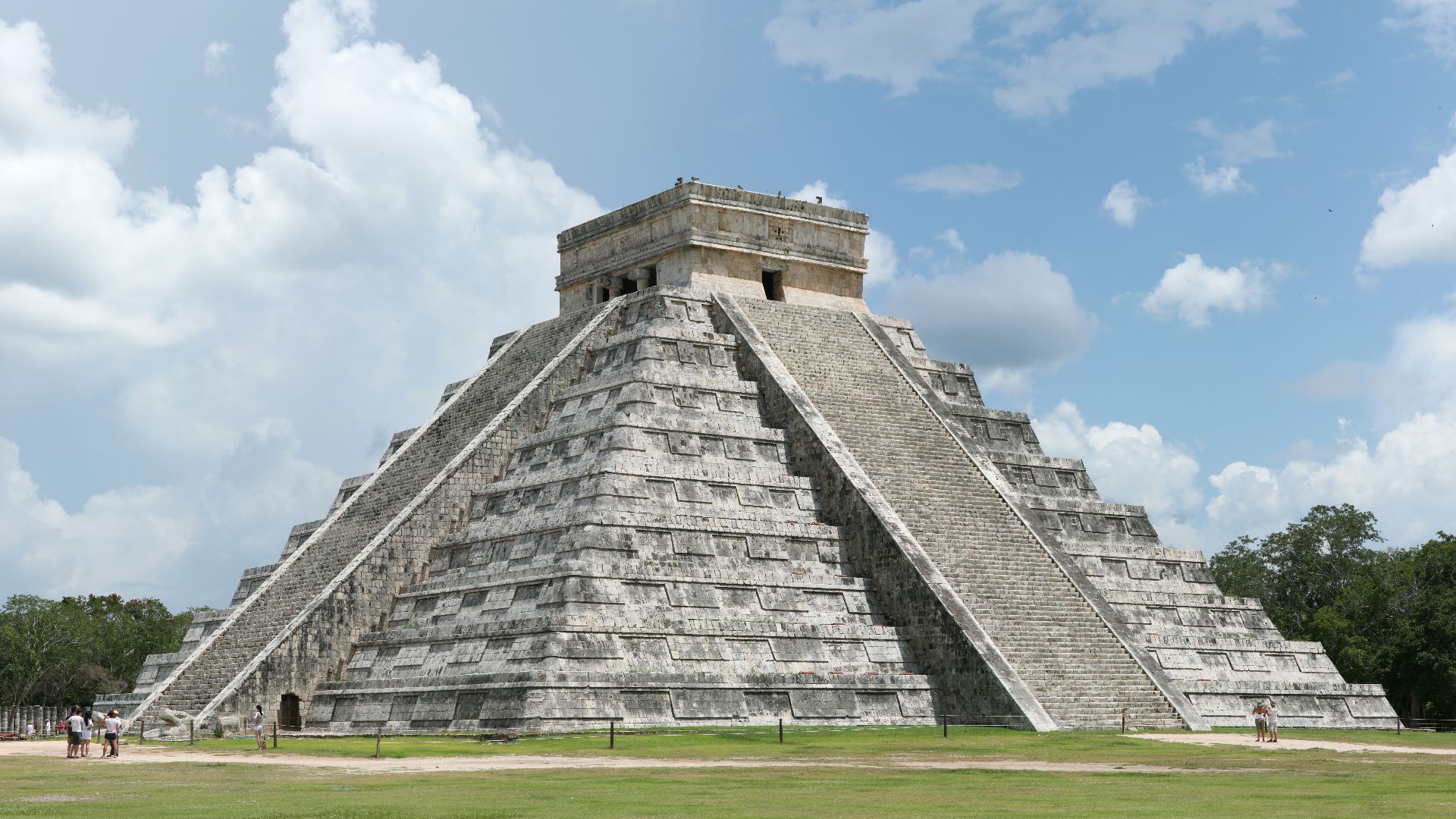
The canoe was found in an underwater cavern near the archaeological zone of Chichén Itzá. The cenote sits just outside the ancient city, which means it may have once been part of a ritual network connected to the site. The location is strong evidence that this was no ordinary boat carelessly left behind.
 Daniel Schwen, Wikimedia Commons
How It Was Discovered
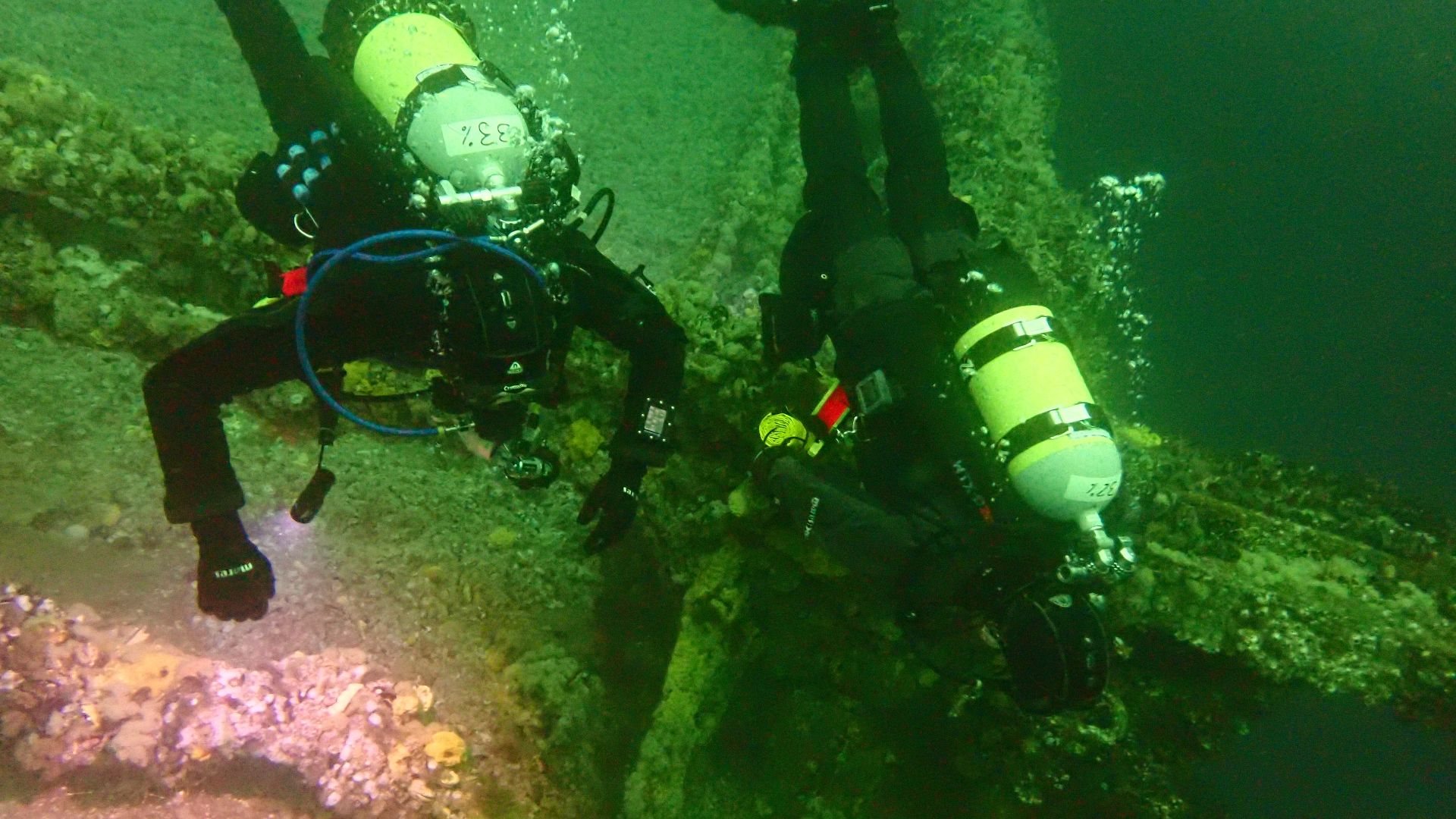
INAH divers were conducting underwater surveys, marking out the various carved chambers and documenting artifacts wherever they found them. As they progressed deeper into the pitch-black depths of the cenote, they observed the canoe lying intact on the sandy bottom. The wooden vessel emerged from the darkness, protected by the cave and sediment. Otherwise it would have vanished into the limitless vortex of time centuries ago.
 Peter Southwood, Wikimedia Commons
The Age Of The Canoe
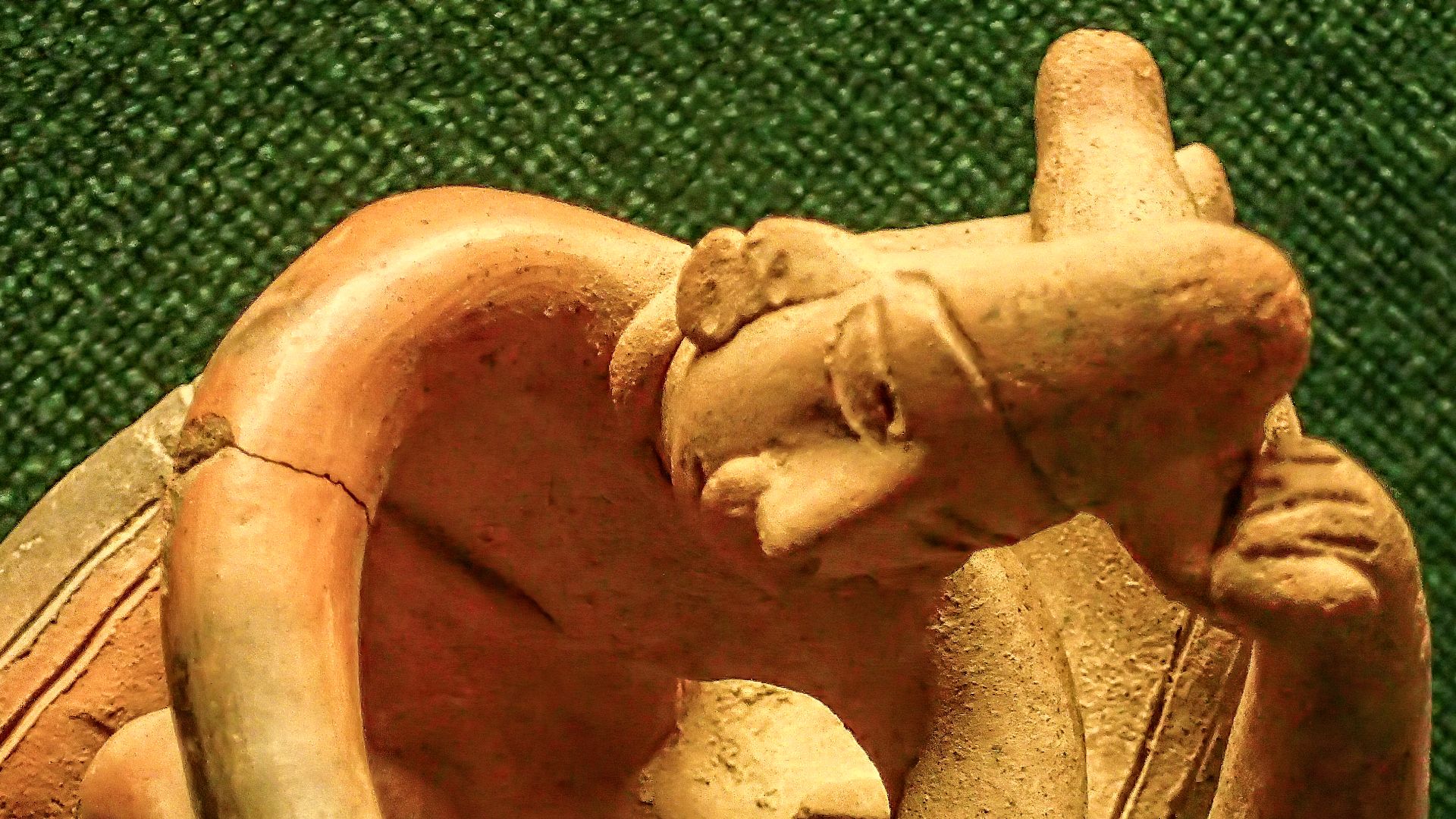
Researchers think the old canoe dates back around 1,000 years, which would place it securely in the Late Maya period. That makes it one of the oldest original Maya water-craft ever found. This canoe is rare because it’s not a replica. Nor is it a carving or artistic depiction. It’s the real thing.
 Mary Harrsch, Wikimedia Commons
Extraordinary State Of Preservation
Wood rarely survives in Maya sites because heat, insects and humidity gradually destroy it. But in this cenote, the canoe remained submerged in cool, calm oxygen-poor water, slowing the decay process dramatically. The find shows incredible preservation and a once-in-a-generation kind of discovery.

Evidence Of Maya Watercraft
Before this find, archaeologists mostly had to make educated guesses about the nature of Maya boat use through murals and stone carvings. Submerged finds are so rare that many assumptions about water travel rested on admittedly limited evidence. This canoe proves beyond any doubt that the Maya were accomplished watercraft builders navigating rivers, lagoons, and even underground waterways.
The Importance Of A Canoe At Chichén Itzá
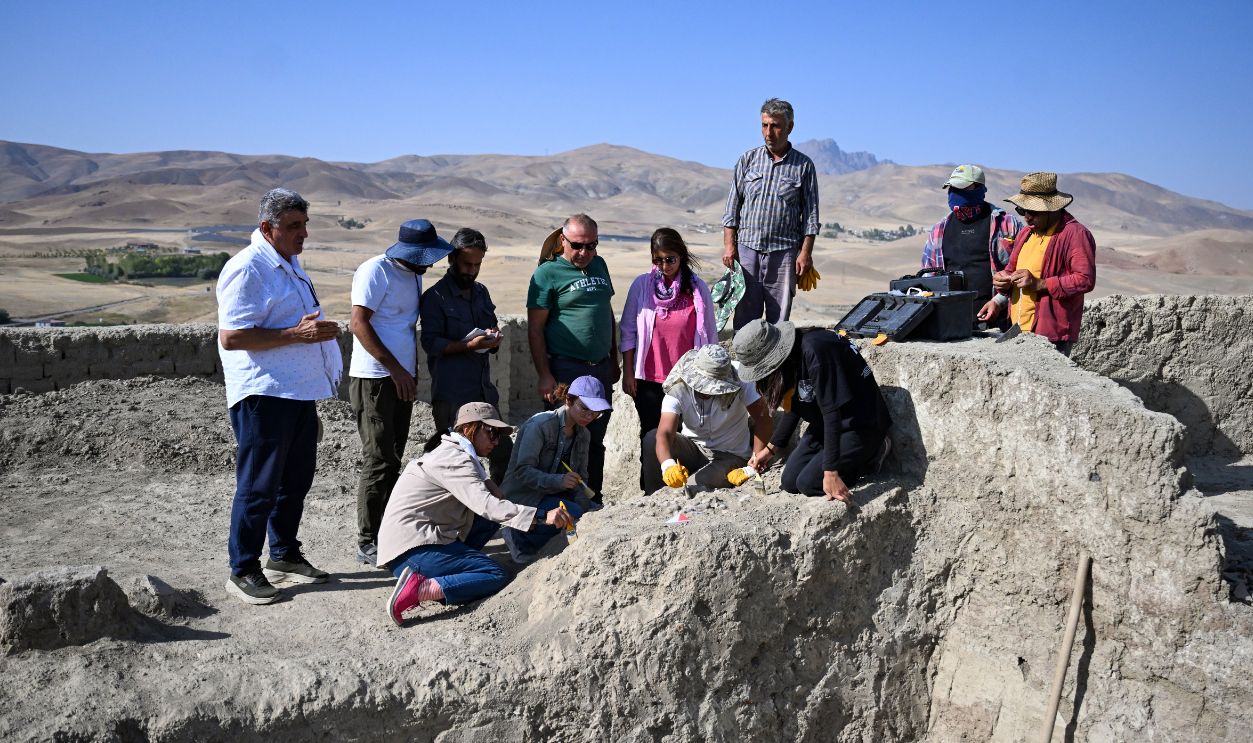
Chichén Itzá isn’t just a city of stone temples. It’s ringed by the cenotes that once supplied the city’s water and served ceremonial roles. A canoe found here gives credence to the interpretation that the Maya used the surrounding waterways not just for transportation, but for religious rites, offerings and portal-style journeys into the sacred underworld of myth and legend.
 Sharon Hahn Darlin, Wikimedia Commons
A Ritual Vessel?
Because cenotes were sacred portals to the Maya underworld, the canoe’s location may not have been an accident. Archaeologists think it could have been used to transport offerings or carry individuals into ritual spaces. Its location and preservation seem to suggest a purpose beyond the mundane everyday travel between Point A and Point B.
Detailed Documentation
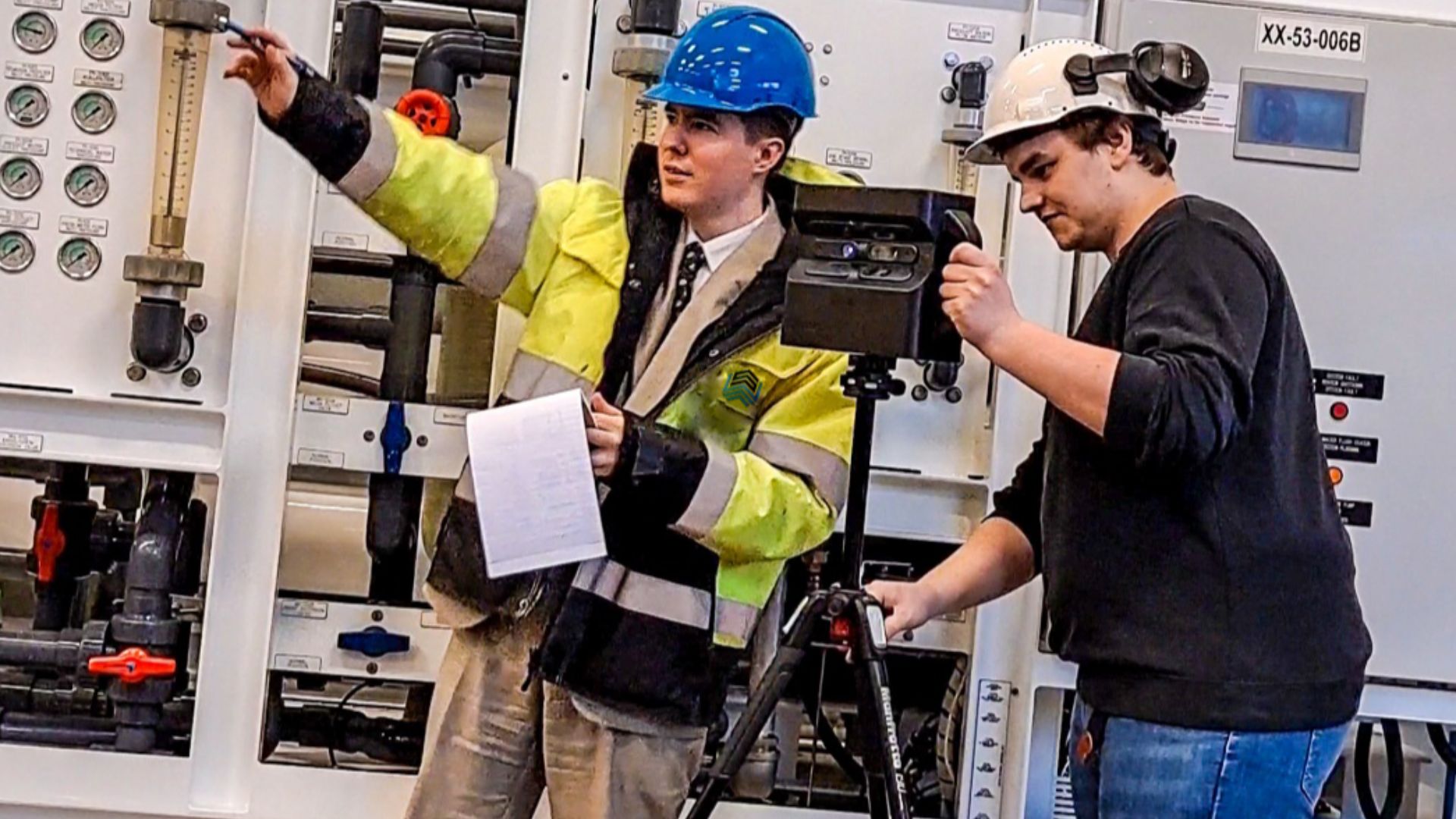
INAH’s team used photogrammetry and 3D scanning methods to record every inch of the canoe. These digital models give researchers the ability to preserve the vessel’s exact shape and structure. With this fantastic information in hand, the archaeologists now have a rare opportunity to study Maya boat-building in detail, something that was nearly impossible before.
 IT Photography, Wikimedia Commons
Clues About Ancient Engineering
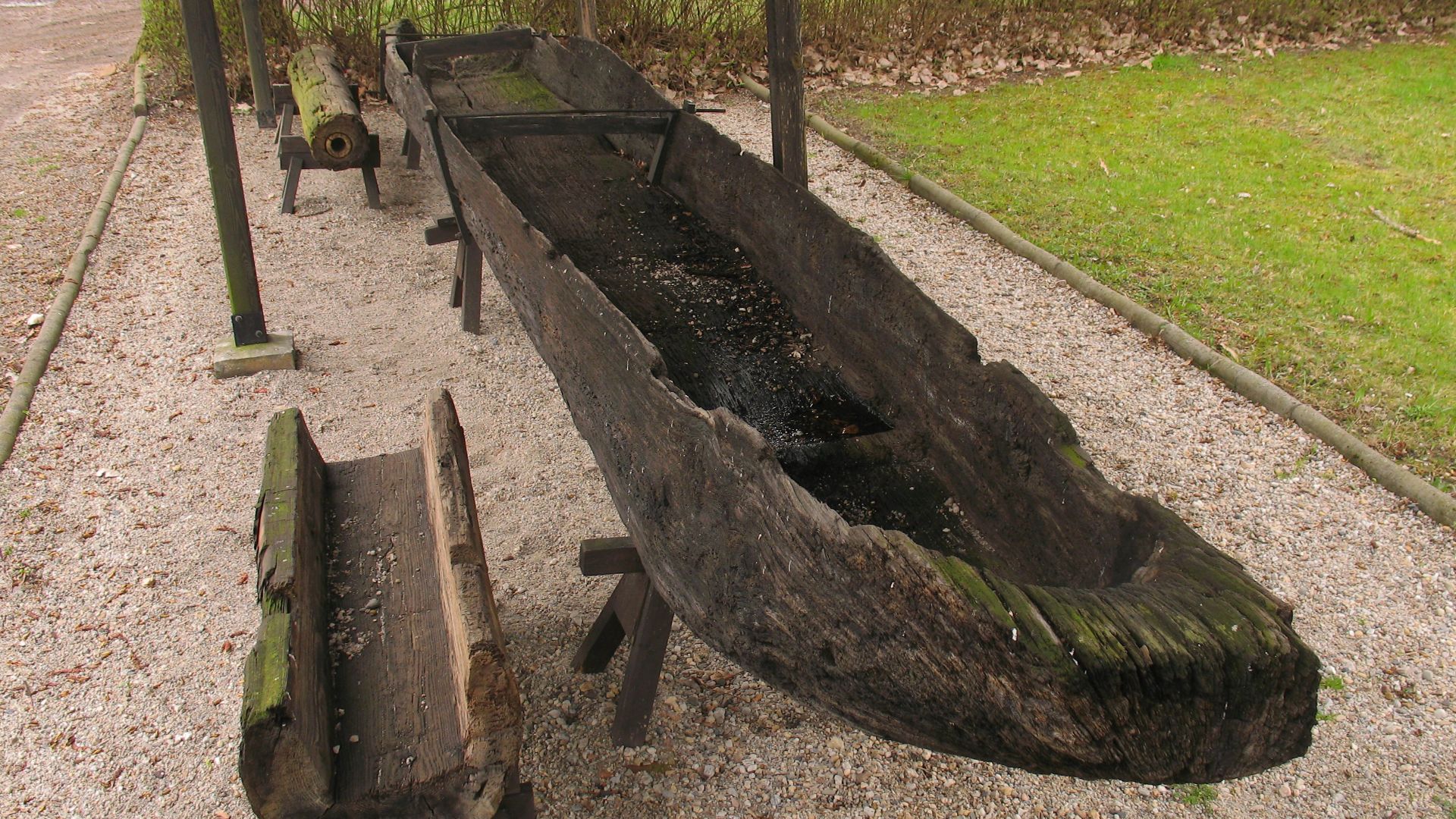
The canoe is carved from a single tree trunk, demonstrating exceptional woodworking skills. Tool marks, hull shape, and symmetry are the telltale signs of a sophisticated boat-builder’s handiwork, and a rich cultural boat-building tradition. Researchers long to identify the species of wood and determine whether this was some kind of trading vessel, ceremonial craft, or something else entirely.
Other Items Found Nearby
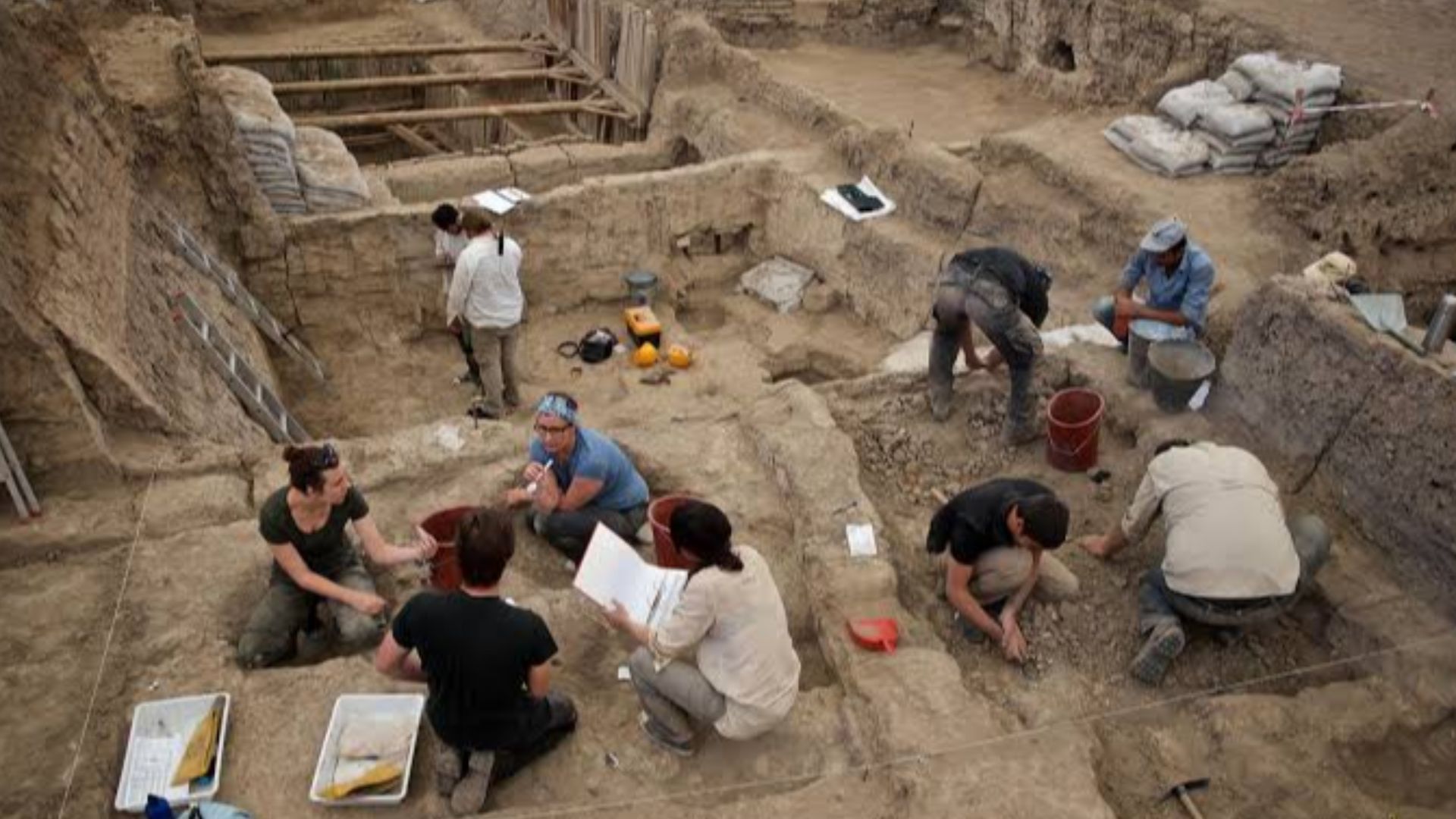
Archaeologists hauled up additional artifacts in nearby chambers, including pottery fragments and ceremonial objects. These finds strengthen the idea that rituals and offerings were a common occurrence in this cenote. Each artifact helps map out how the sacred underwater sites were used in daily and spiritual life.
Connections To Maya Trade Routes
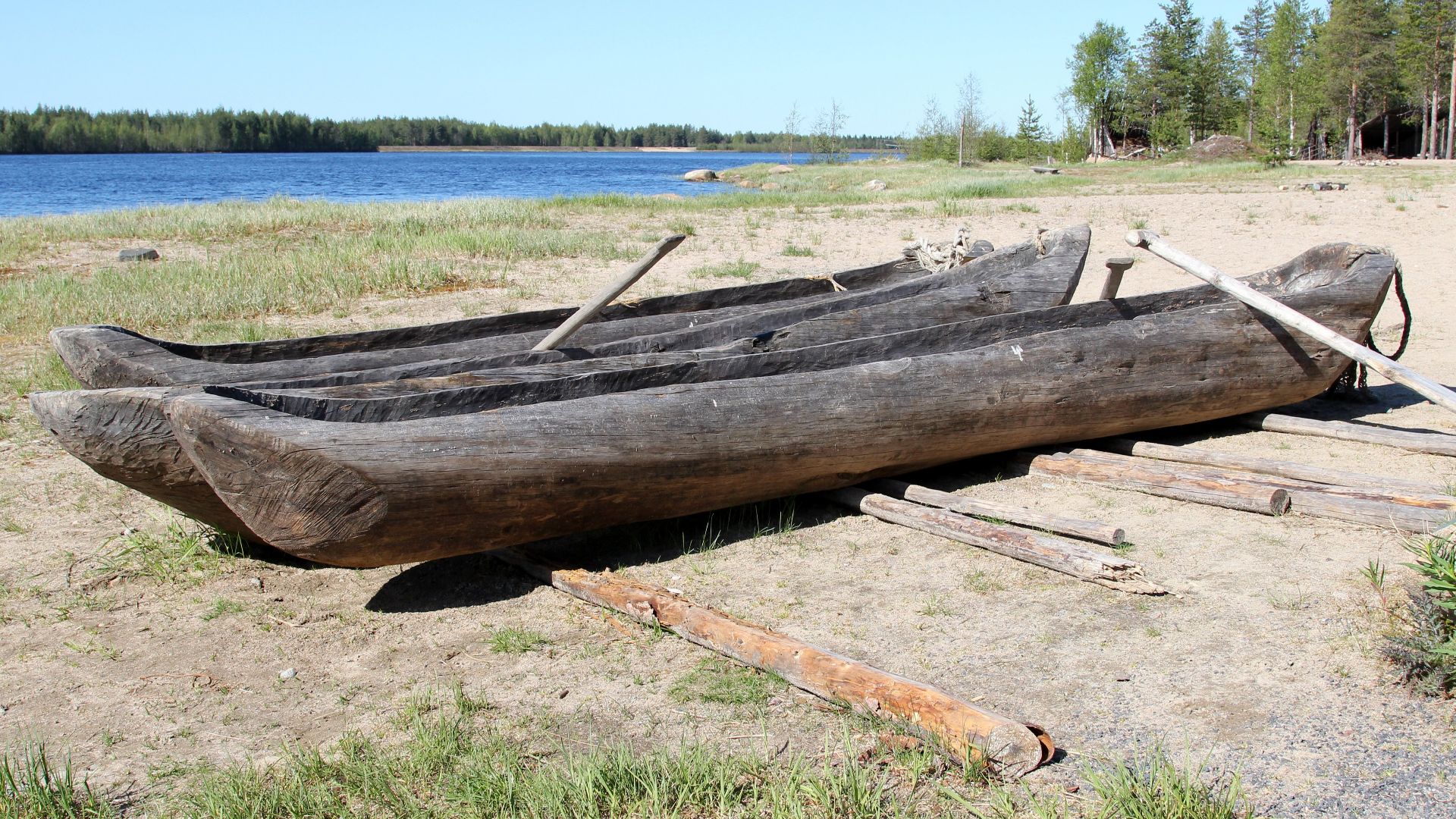
The canoe may yet offer us clues as to how the Maya moved goods and people around. Many waterways in Yucatán were connected to coastal trade routes stretching across the Gulf of Mexico and further beyond in the Caribbean. A vessel so close to Chichén Itzá suggests the city wasn’t isolated, with water travel part of its regular infrastructure.
Cenote As Time Capsule
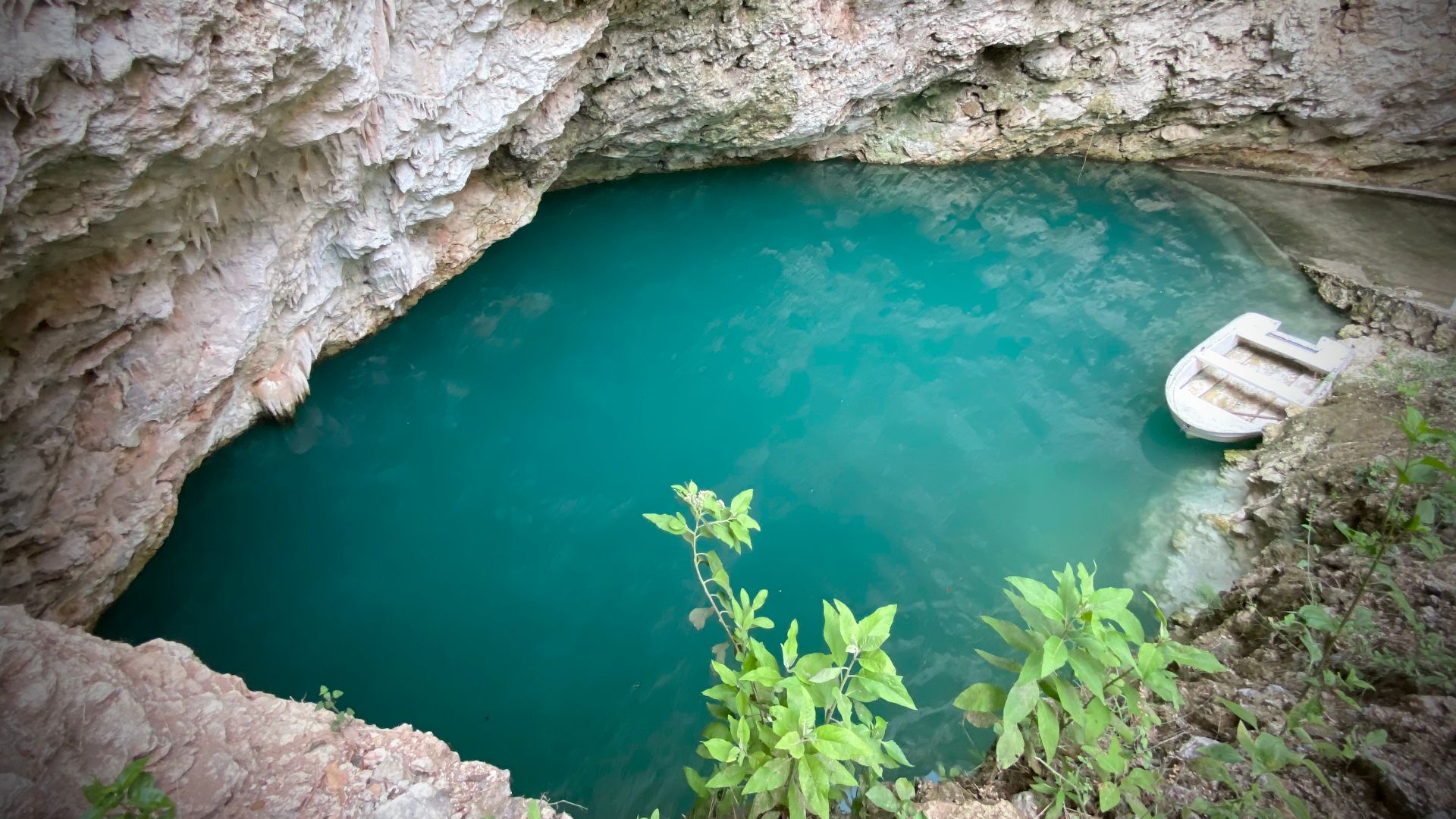
The cenote preserved more than just wood; it preserved Mesoamerican history. Unlike the surface sites raided, plundered, eroded, or excavated long ago, this underwater chamber remained untouched, cut off from the troubles of the surface world. The canoe is a frozen moment in time that emerged unscathed through centuries of destruction, acting like a sealed archaeological vault.
 Sharon Hahn Darlin, Wikimedia Commons
Expanded Understanding Of Maya Life
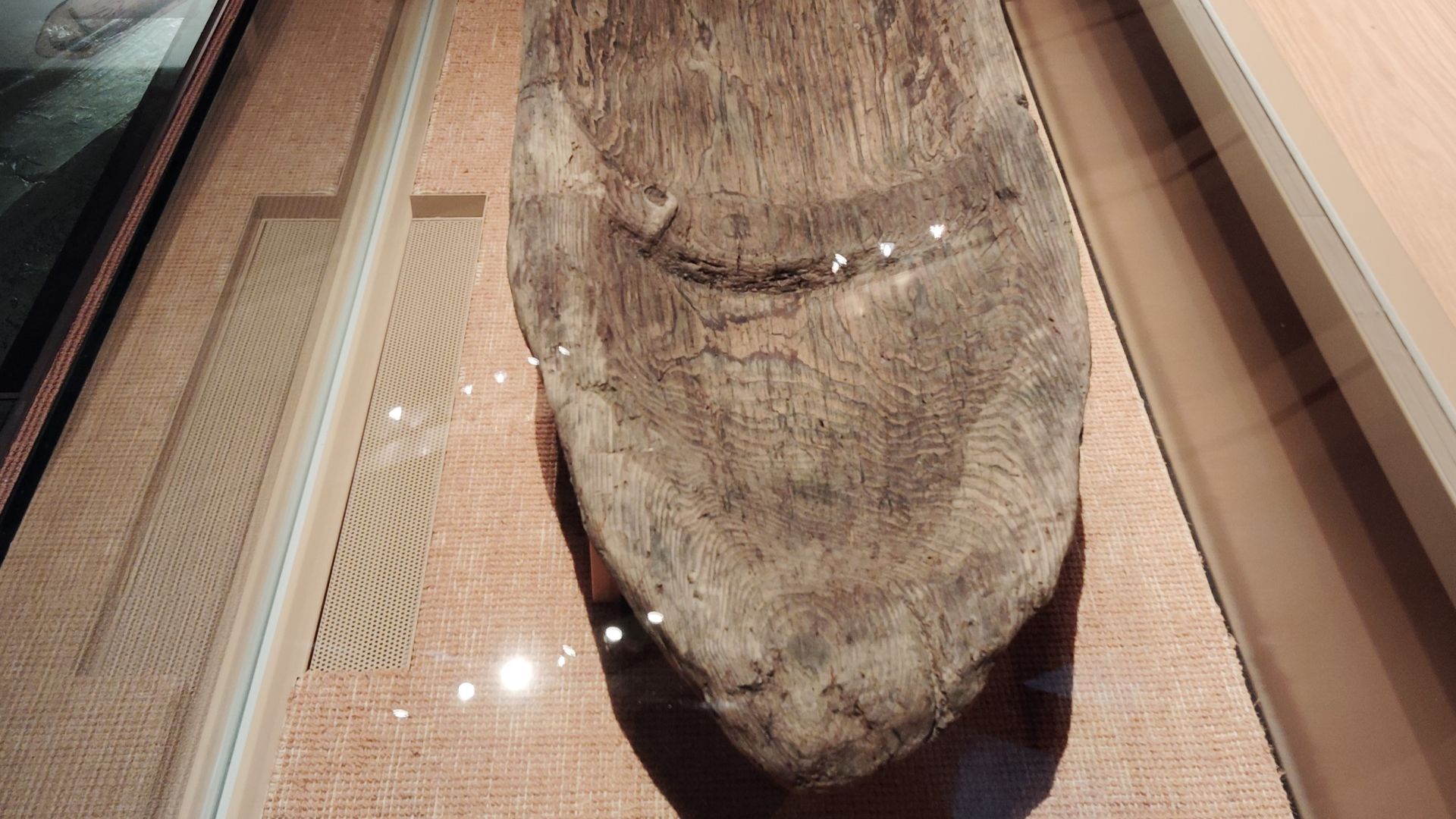
This canoe stands as a defiant challenge to our old assumptions about Maya technology and daily life. It confirms river and cavern navigation. It supports the theory that cenotes were multi-purpose waterways. It gives archaeologists the genuine physical artifact instead of artistic representation, and fills a major gap in Maya archaeology.
 Asturio Cantabrio, Wikimedia Commons
More Investigations To Come
INAH plans to continue exploring the surrounding chambers and caverns. Researchers are possessed by the vision of finding even more artifacts lying around in yet unexplored subterranean passages. The canoe may represent the beginning, and not the end of discoveries in this submerged netherworld.
Rare Opportunity For Study
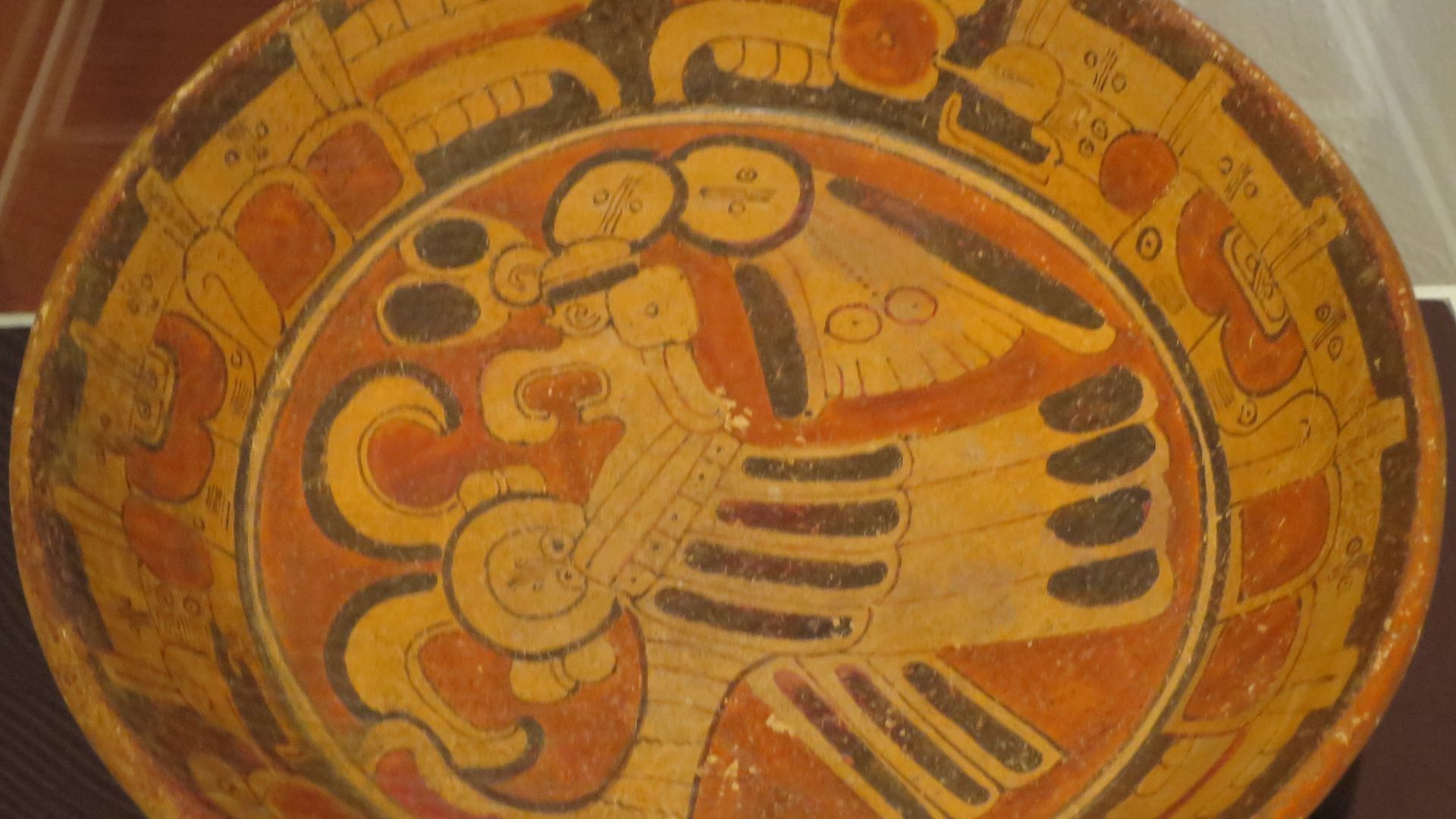
Because the canoe was lifted with the help of extensive conservation techniques, specialists can analyze every component of its construction: wood fibers, tool marks, shape and age. That means the canoe will go on revealing insights for years as testing and study continue.

The Maya Never Cease To Surprise
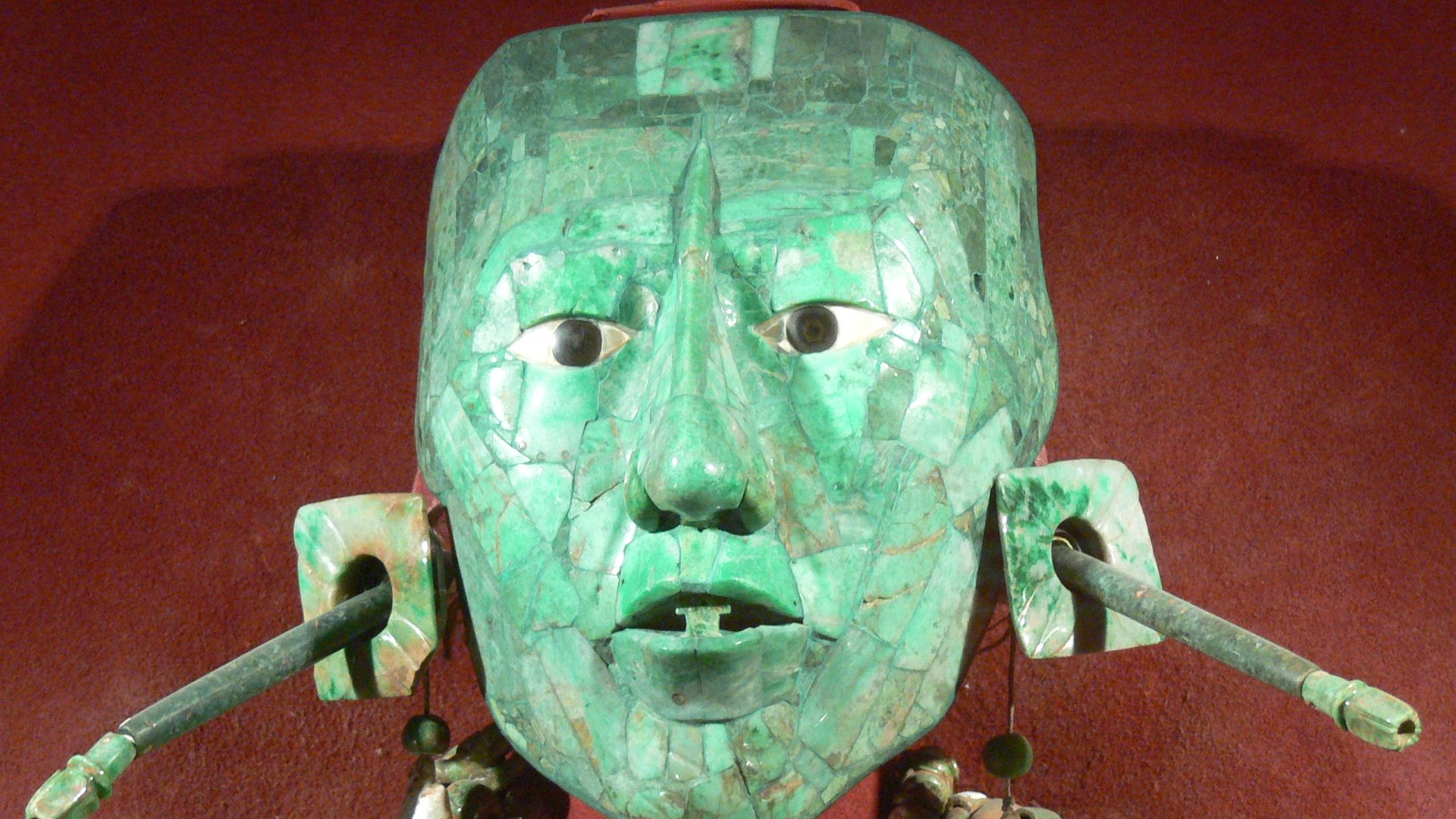
This canoe emboldens the interpretation that the Maya weren’t just builders of pyramids and temples, but also the engineers of waterways, travelers, navigators and spiritual voyagers. The boat is one more window for us to gaze through in our effort to view the Maya world as it looked hundreds of years ago.
 Wolfgang Sauber, Wikimedia Commons
An Underwater Breakthrough
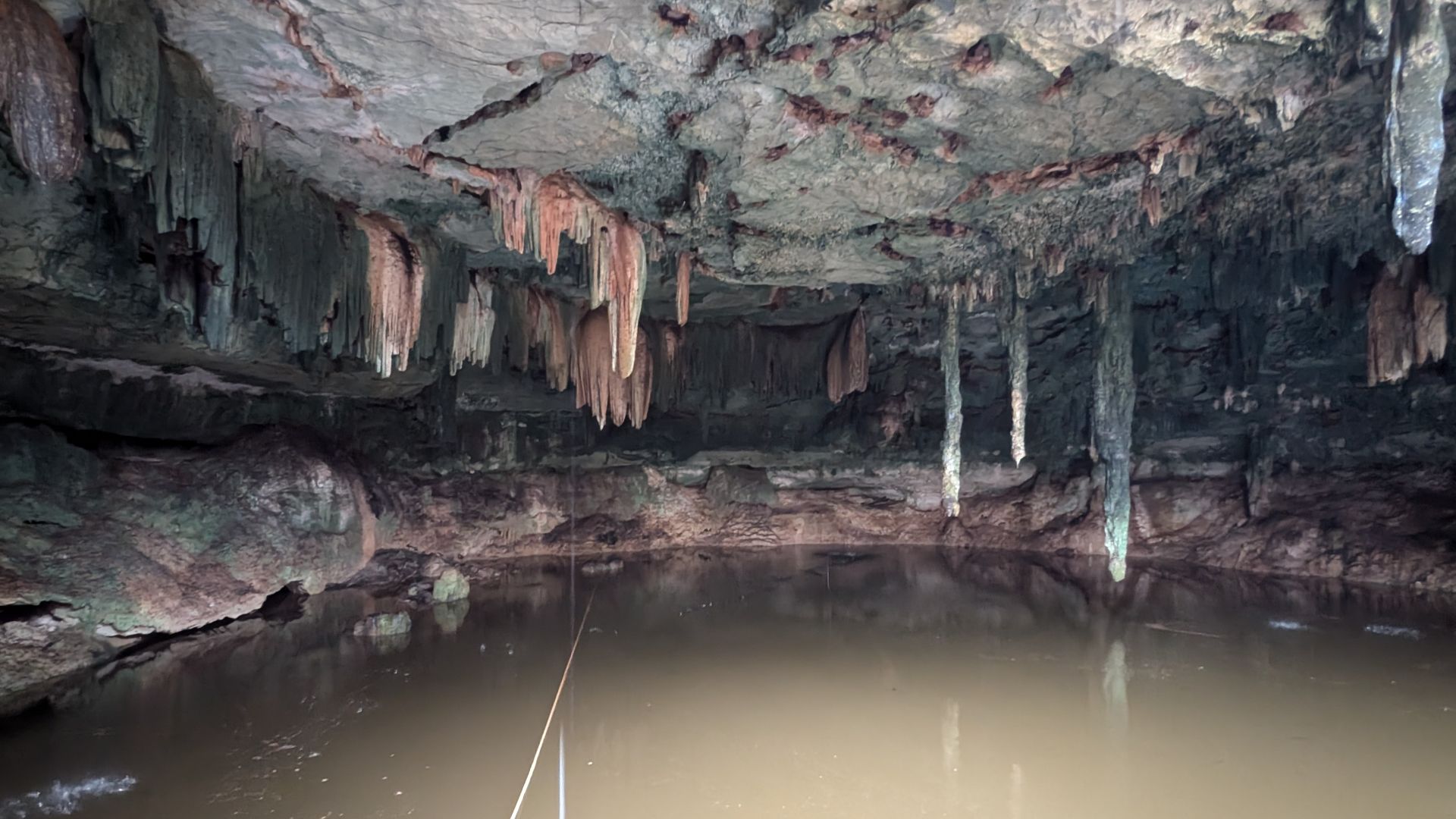
Finding a Maya canoe this well-preserved, in a cenote near Chichén Itzá, is incredible. It confirms ancient watercraft, ritual uses of sacred wells and the brains behind Maya engineering. The waters of the cenote are still, but beneath that placid surface the secret of Maya civilization awaits discovery.
 edenpictures, Wikimedia Commons
You May Also Like: