Ancient civilizations approached passing differently. While today’s embalmers use just enough preservative for a dignified farewell, the Egyptians went all in. For them, passing to the afterlife required perfect preservation. And this find near Saqqara transports the process back to its origins.
A rock-cut tomb had been turned into an industrial–style embalming/mummification area. It shows how ancient Egyptian undertakers combined incredible techniques to get the job done.
Mummification and embalming weren’t the same, though. Modern embalming slows decay briefly for mourning and burial, using fluid preservatives and sometimes removing organs. Mummification, however, was a second step they took, aimed at achieving permanence and stopping decay entirely. Remember us saying Egyptians went all in? Well, they did, and mummification is all the proof we need.
Enter The Workshop Beneath The Desert
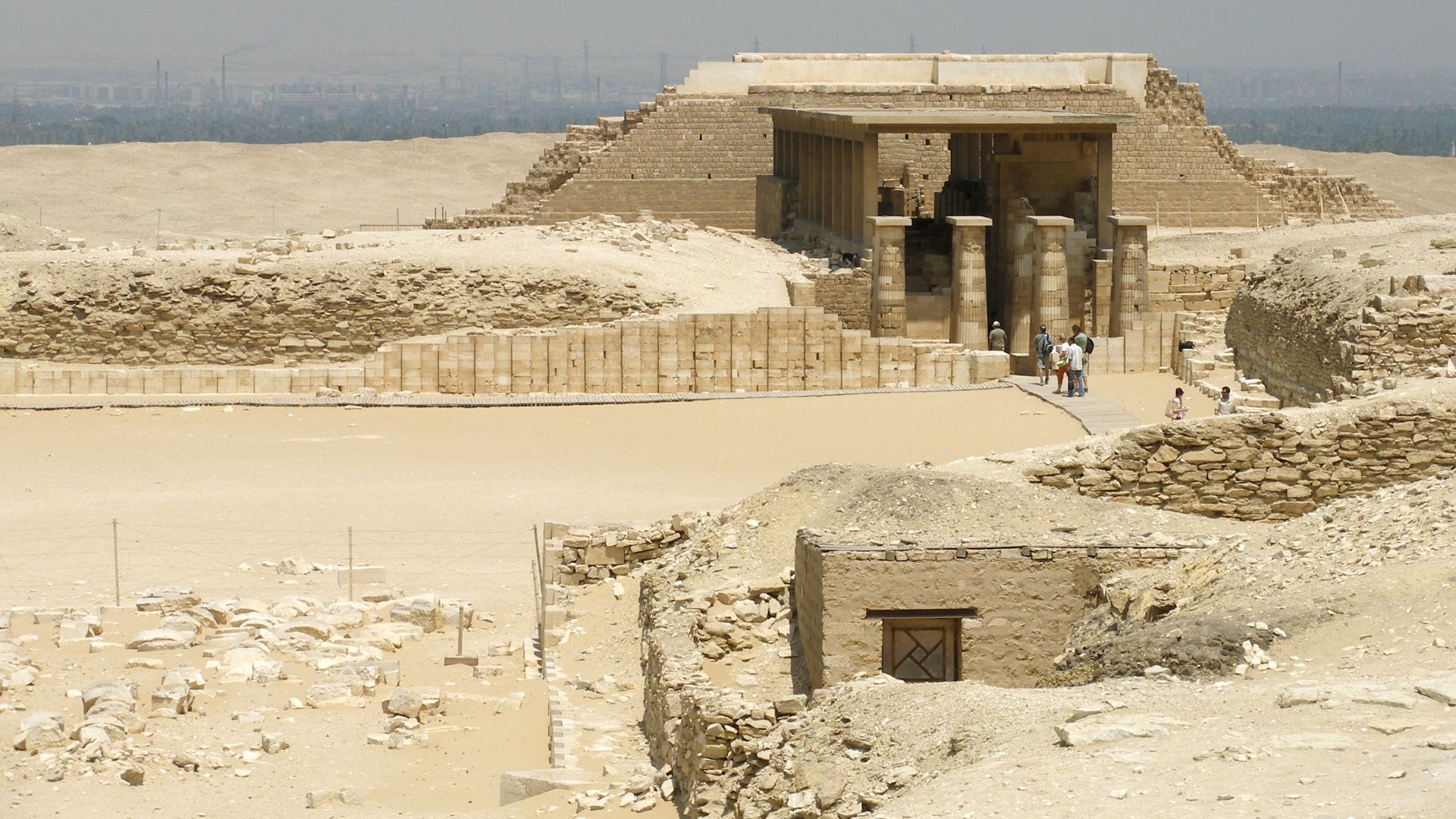
Archaeologists excavating near Saqqara’s necropolis stumbled upon a sprawling rock-cut tomb complex containing a mummification workshop. This workshop was, at first, like any other, complete with tools and traces of embalming materials. The most interesting part is that it was beneath the earth’s surface in conditions ideal for preservation—cool, dry, and dim. After dating, results showed it was probably in operation in the 26th Dynasty (around 664–525 BC).
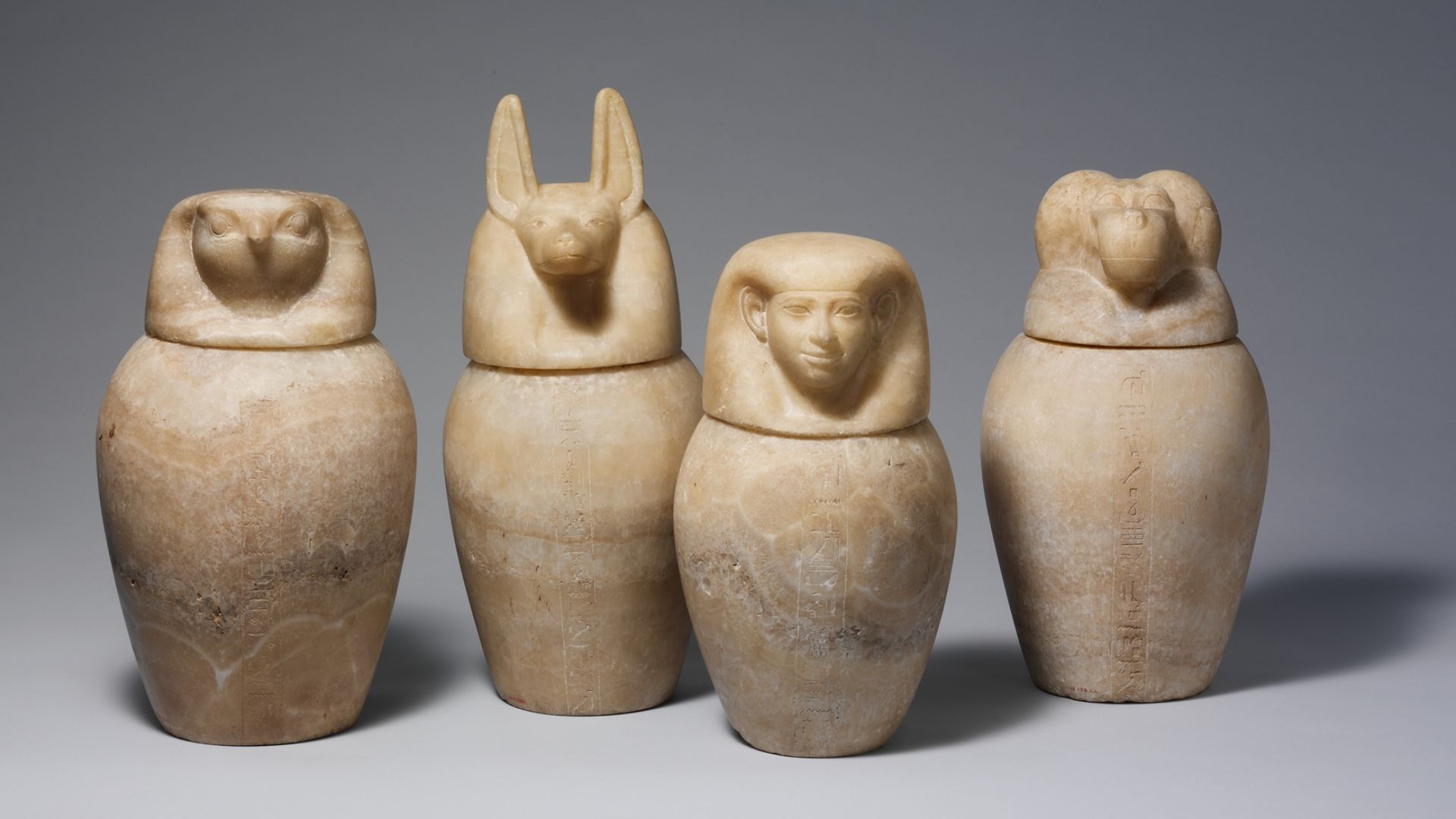
Each element inside had a story to tell. The wooden beds had sloped channels for fluids. Then there were the clay jars labeled with instructions, and vessels containing residue from ancient mixtures. Taken together, the space left no doubt: it was the workshop of Egypt’s undertakers, where science met sacred duty. And humans (or animals), once embalmed and mummified, last an eternity.
 Vyacheslav Argenberg, Wikimedia Commons
The Ingredients That Spanned Continents
Chemical analyses of the jars uncovered a global trade network of resin, oil, and natron.
The resins and oils used weren’t all Egyptian in origin—many were imported through vast trade routes stretching from the Levant to distant regions of Asia. Substances like cedar oil and bitumen were blended with local fats and beeswax, creating antibacterial coatings that sealed the skin and left a faint, earthy fragrance.
This combination of imported and native ingredients shows just how connected ancient Egypt was. Embalmers were part of a sophisticated supply chain serving both spiritual and economic needs. The ingredients were also far from random because each was chosen for its chemical effect and symbolic meaning. And the goal was to ensure the body could last forever in both appearance and scent.
A Ritual Of Science And Faith
The workshop also told of another story of mummification. The ritual was far more than ritualized drying since it was an intricate science rooted in faith. Different parts of the body required different treatments:
Castor oil and Pistachio resin for the head
Natron for dehydration
Aromatic oils for the torso.
Every step aimed to protect the ka, or life-force, believed to inhabit the body.
These findings rewrite what’s known about Egypt’s funerary industry. Rather than hidden temple rites, embalming was a thriving profession, conducted in purpose-built workshops using tested recipes passed through generations. And humans—or even animals—once embalmed and mummified, could last an eternity, their forms preserved as enduring testaments to ancient skill and faith.
 David Hospital, Wikimedia Commons