The Fine Print You Didn’t See Coming
If you’ve traveled in Europe recently, you might’ve noticed something strange: travelers getting fined for things that feel…completely normal in the U.S. Europe’s rules can be surprisingly strict—and surprisingly expensive. People keep whispering, “Wait…you can get fined for that?” Yes—you really can.
Eating on Public Transit? That’ll Be €50
In many U.S. cities, chowing down on a sandwich on the subway is messy but allowed. In places like Barcelona, Vienna, and parts of Germany, eating on public transit is banned. And yes—enforced. It’s about cleanliness and respect for fellow passengers.

You Can Get Fined for the Wrong Shoes (Really)
Venice has cracked down on tourists wearing noisy or damaging shoes like hard-soled clogs on ancient bridges. They’re trying to protect old stonework—so what feels like a quirky rule is actually preservation in action.
Crossing Streets “The American Way”
Jaywalking is practically an Olympic sport in the U.S., but in Europe—Germany especially—it’s a no-go. Fines can reach €5–€60, and it’s socially frowned upon. Europeans see it as a safety issue and a community responsibility.
Public Drinking: Sometimes Yes, Sometimes No
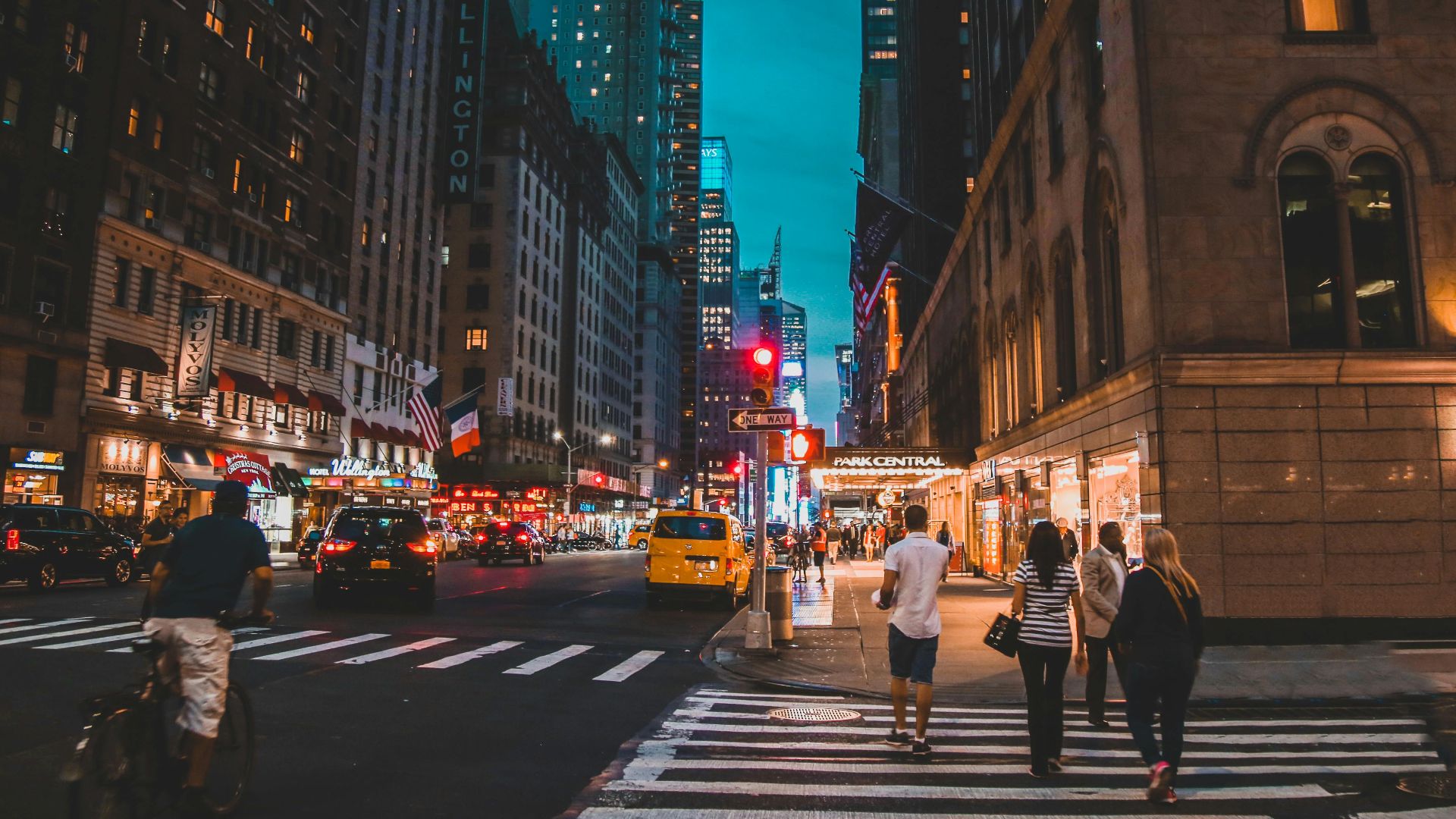
Americans are used to strict open-container laws. Europe? It’s a mixed bag. Some places allow casual outdoor drinking. Others fine it heavily, especially during tourist season. The inconsistency surprises a lot of visitors.

Sitting on Monuments? Surprisingly Pricey
That cute marble ledge looks like the perfect photo spot…until the police show up. Cities like Rome and Florence now fine people for sitting or climbing on historic structures. After years of damage from mass tourism, the look-don’t-touch rule became strict.

Touching Produce at Markets? Careful…
In parts of Europe, especially Italy and France, picking up fruit or squeezing it is frowned upon or even fined. Vendors prefer handling goods themselves.

Noise Rules Are Way Stricter Than Americans Expect
Many European cities enforce quiet hours not just in apartments but in courtyards, parks, and even train cars. Talking too loudly in a designated quiet zone can lead to stern warnings—and in some cases, fines.

Public Transportation Tickets Must Be Validated—Or Else
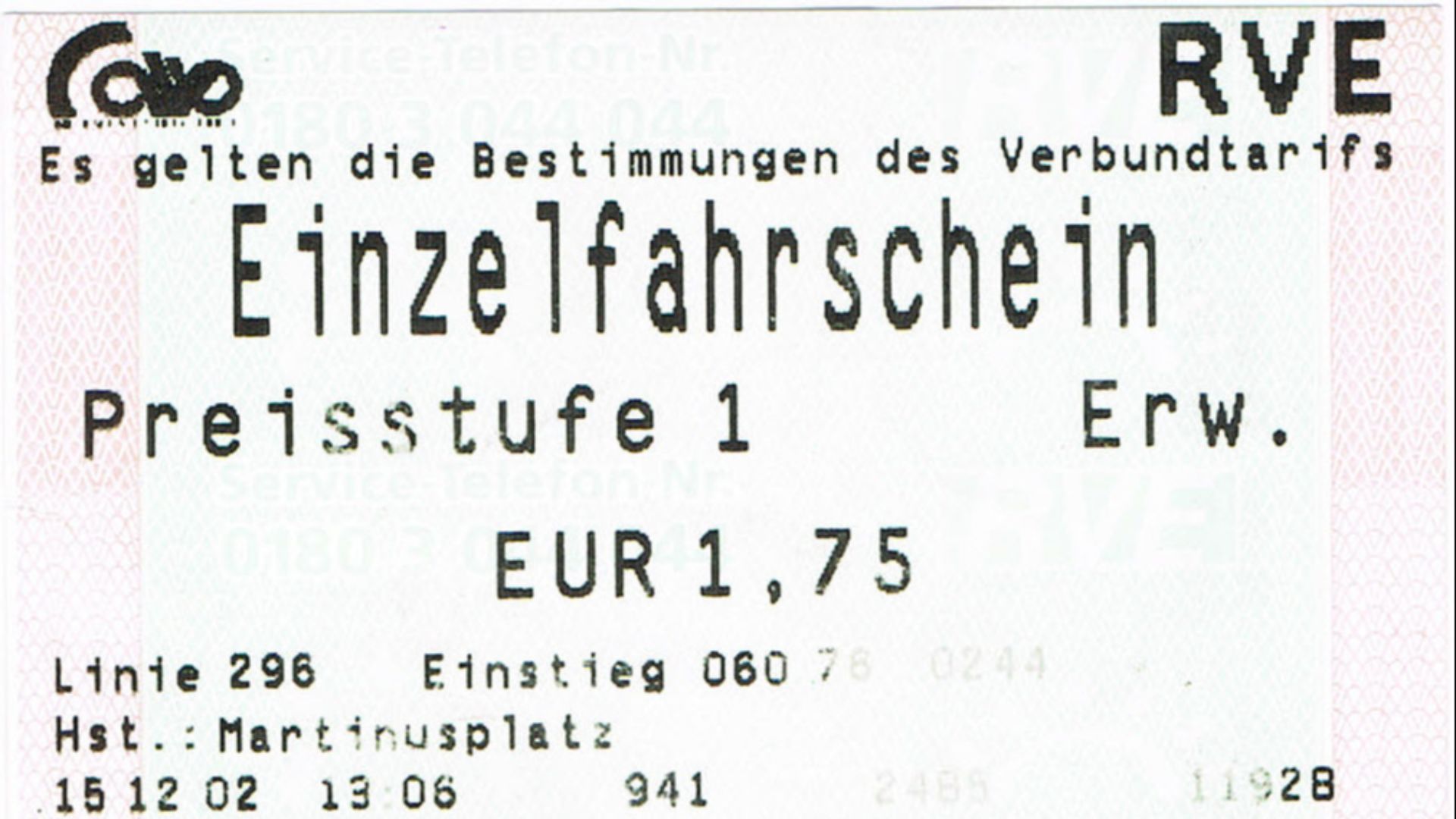
In much of Europe, having a ticket isn’t enough. You must validate it before boarding. Americans often miss this tiny step and get hit with €40–€100 penalties on the spot. “I didn’t know” doesn’t work.
 Saviour1981, Wikimedia Commons
Throwing Trash Away? Do It Correctly
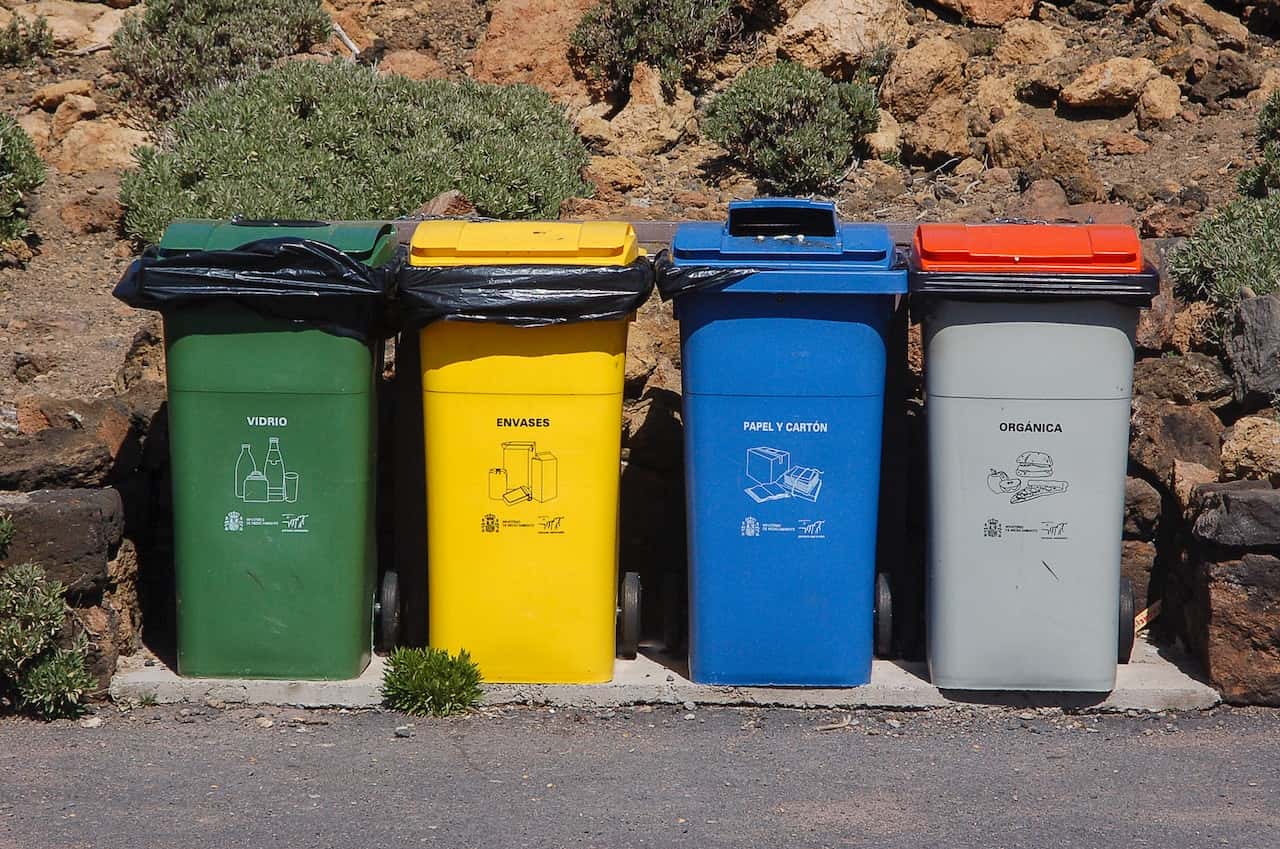
Europe takes recycling seriously. Putting garbage in the wrong bin can lead to warnings or fines. It’s not about policing tourists; it’s about nationwide environmental norms.
Taking Photos Where You Shouldn’t
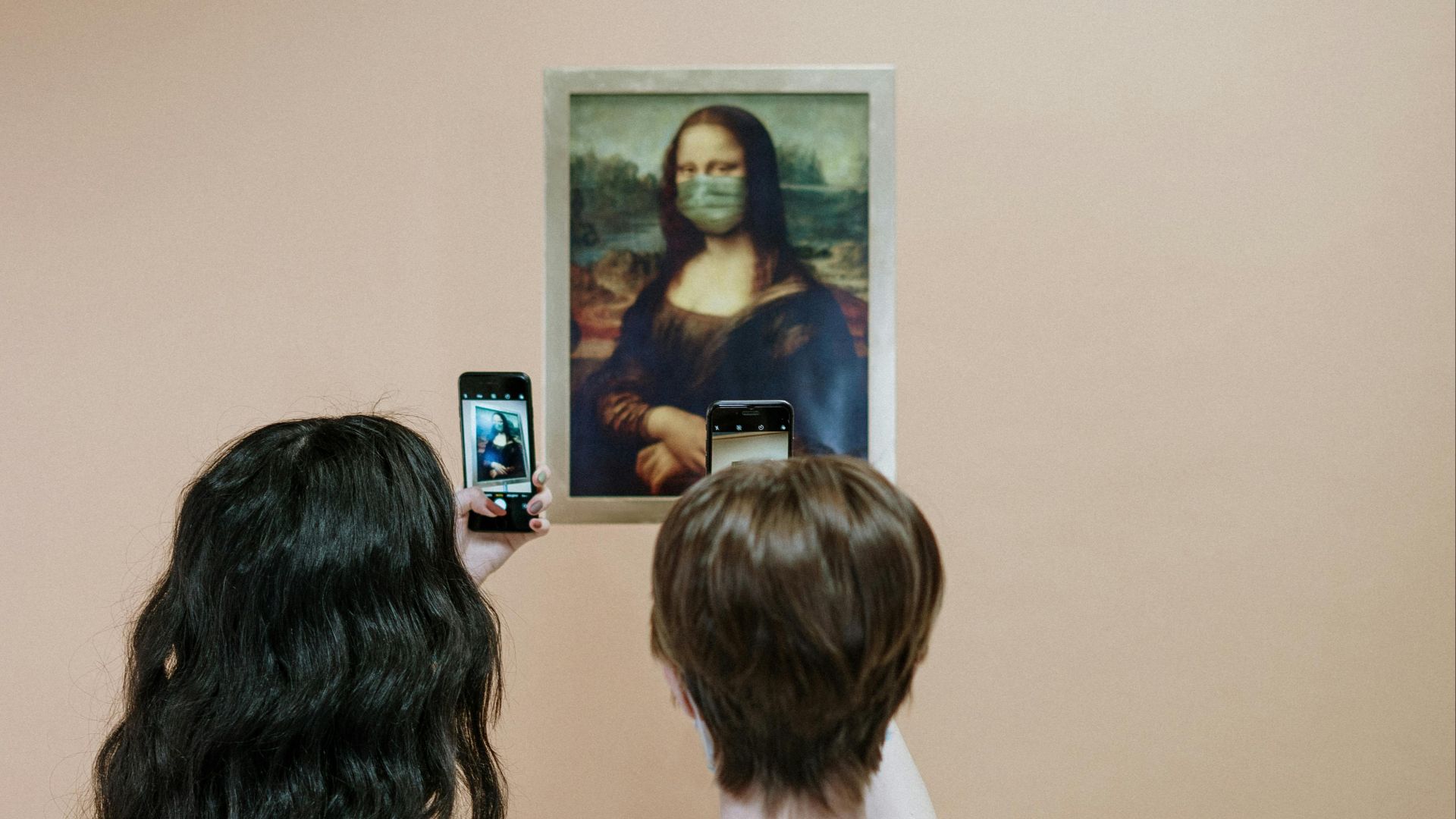
In the U.S., almost everything is photo-friendly. In Europe, some museums, churches, and memorials have strict no-photo rules. Violations can lead to being escorted out or fined.
Beach Rules Are Tighter Than You Think
From bans on portable speakers to unexpected alcohol restrictions, European beaches prioritize tranquility. Loud groups or music can result in fines—especially during peak season.

City Centers Are Becoming Tourist-Control Zones
Many cities impose strict rules on scooters, bikes, rental cars, and pedestrian behavior. These aren’t anti-tourist laws; they’re anti-chaos laws for cities overwhelmed by tourism.

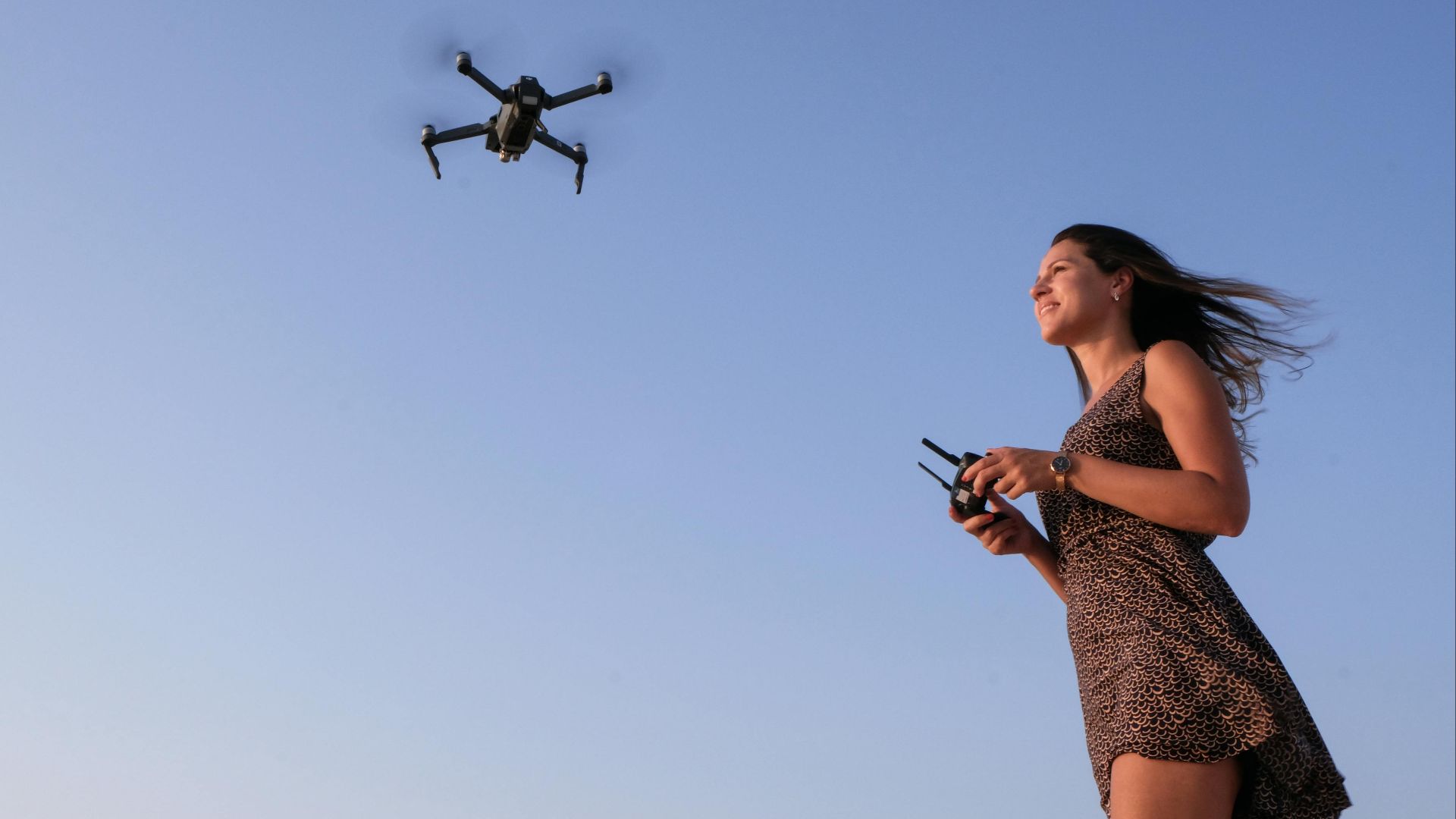
Drones? Only If You Enjoy Giant Fines
In the U.S., recreational drones are fairly lenient. In Europe, major cities require permits—or ban drones altogether. Violations carry stiff penalties.
 The Lazy Artist Gallery, Pexels
Cultural Expectations Play a Huge Role
Europeans often expect people to behave in ways that don’t disturb others. Americans value individual freedom. The clash leads to misunderstandings—and fines.
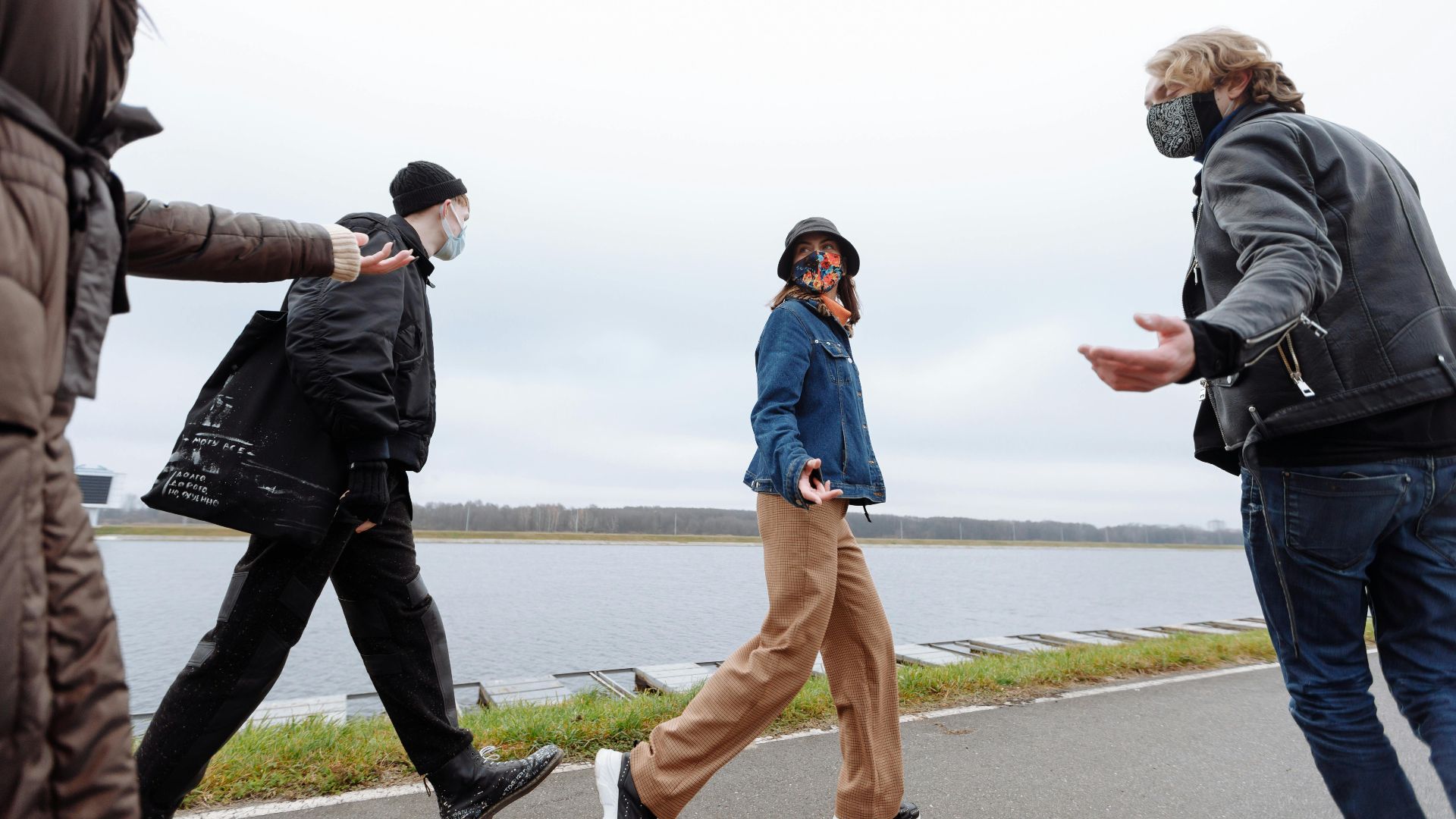
Tourist Cities Are Fighting Back Against Bad Behavior
After years of overtourism, cities are tightening rules on what tourists do, where they do it, and how loudly they do it. The fines aren’t meant to punish—they’re meant to protect.

Yes, Even Sitting on Grass Can Be a Problem
Some parks don’t allow sitting or picnicking on the grass. Many lawns are protected and treated like museum pieces. One wrong blanket placement can lead to a fine.

Bathrooms Are Not Always Free (And That Confuses Everyone)
In Europe, pay-to-pee is normal. Skip the fee, sneak past a turnstile, or enter the wrong door and you might get more than a dirty look.

Don’t Feed the Birds (Seriously)
Feeding pigeons may feel harmless, but cities like Venice and Prague forbid it. Officials see it as a public health issue and preservation concern.

The One Rule That Matters Most: Don’t Assume Anything
Every city has its own customs and invisible lines. Assuming something is fine because it’s fine at home is the quickest way to get fined.

The Lesson: Read the Signs (All of Them)
Most fines happen because visitors assume U.S. norms apply everywhere. They don’t. A quick check before hopping on a bus or entering a monument can save you money and embarrassment.

You Might Also Like:
The Best Destinations For Literature Lovers, According To Readers
St Paul’s Cathedral is London’s high point.